
Search
Search results

Lee (2222 KP) rated It: Chapter Two (2019) in Movies
Sep 6, 2019 (Updated Sep 6, 2019)
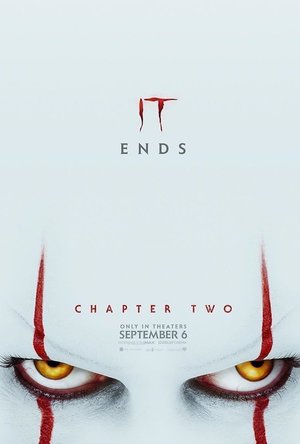


Bloated, messy at times, not quite as good as chapter 1 :(
It's fair to say that IT Chapter 2 has been one of my most anticipated movies this year. The trailer, which I've probably watched just as many times now as I watched the Endgame trailer, gives me goosebumps every time, and I couldn't wait to rejoin the losers club for another battle with Pennywise the clown. I was lucky enough to secure tickets to the immersive IT experience in London last weekend, adding further fuel to my excitement, and I decided to book the double bill showing of both chapters at the cinema in order to fully enjoy the complete story. Watching chapter 1 up on the big screen again proved to be just as enjoyable for me as the first time I saw it. Sadly though, I feel that chapter 2 didn't quite measure up to chapter 1.
It's now been 27 years since the events of chapter 1. One night, at the Derry funfair, a prolonged and brutal homophobic attack takes place, seemingly serving no other purpose than to provide us with a lengthy setup for the return of Pennywise. Yes, the clown is back and looking for revenge. It falls to Mike (Isaiah Mustafa), the only member of the losers club still living in Derry, to call on the others, to tell them they need to come home and to fulfill the oath they all pledged as children - no matter where they are, if "It" ever comes back, they'll come back to finish it. They all take the call they never thought they'd get and immediately their lives feel the impact - Bill (James McAvoy) is now a famous writer and suddenly starts to regain his stutter, Beverly (Jessica Chastain) clearly hasn't managed to escape a life of abuse, Ben (Jay Ryan) has managed to shed a lot of weight, Richie (Bill Hader) throws up before going on stage to perform stand-up, Eddie (James Ransome) simply refuses to believe what he's hearing. And Stanley (Andy Bean), well he fully appreciates the horror that lies ahead of them all.
The adult versions of the losers club are all perfectly cast, and just as entertaining in adult form as they are as children. Any reviews you read for this movie will no doubt mention Bill Hader as adult Richie, and all praise for him is well deserved. Just as Finn Wolfhard stole the show as the young, wise cracking and potty mouthed Richie in chapter 1, so does Bill Hader here. But the entire adult cast is all simply spot on.
They all meet up at a Chinese restaurant in Derry, gradually recalling forgotten events from their childhood over a meal and falling back into old friendships once again. We get multiple flashbacks of them all as teenagers, new scenes that help to flesh out the story-line, and these continue throughout the entire movie. It's a real nostalgic joy to revisit these younger versions again, and to immediately see how each flashback moment ultimately affects them as adults. The threat of Pennywise constantly lingers though, and they know they have work to do.
They go their separate ways, remaining in Derry but taking time to reacquainte themselves with the town and their own personal history there. Mike has a theory on how to defeat Pennywise once and for all, but first they must face him individually - grow stronger and more confident so that they can hopefully overcome him together as a team.
Unfortunately though, Pennywise never really feels as much of a threat as he did in the first movie. The slow brooding, creepy scares that worked so effectively then are all but lost here. There certainly are still a handful of those in chapter 2, and those do work extremely well, but they're simply outnumbered by a constant barrage of jump scares and CGI monsters. I lost count of the number of times we got a random CGI creature rapidly approaching us and the over-reliance on CGI is noticeably jarring, even more so in the final act. The use of practical, psychological scares is sorely missed and the whole thing is nowhere near as scary as chapter 1.
The run-time clocks in at 2hr 50, compared to a tighter 2hr 15 for chapter 1, and it really notices. Admittedly, the Stephen King source material is pretty hefty anyway (so I hear), but at times this just felt bloated and messy in its interpretation, too much being thrown at you and not enough of it sticking. That CG heavy finale I mentioned is also way too long, and really drags. It's a shame because I really enjoyed the introduction of the adult losers and the interweaving of their lives with the flashbacks from 27 years earlier. There's talk of an extended cut being out there and potentially being released. Personally, I would prefer a much leaner, shorter cut.
It's now been 27 years since the events of chapter 1. One night, at the Derry funfair, a prolonged and brutal homophobic attack takes place, seemingly serving no other purpose than to provide us with a lengthy setup for the return of Pennywise. Yes, the clown is back and looking for revenge. It falls to Mike (Isaiah Mustafa), the only member of the losers club still living in Derry, to call on the others, to tell them they need to come home and to fulfill the oath they all pledged as children - no matter where they are, if "It" ever comes back, they'll come back to finish it. They all take the call they never thought they'd get and immediately their lives feel the impact - Bill (James McAvoy) is now a famous writer and suddenly starts to regain his stutter, Beverly (Jessica Chastain) clearly hasn't managed to escape a life of abuse, Ben (Jay Ryan) has managed to shed a lot of weight, Richie (Bill Hader) throws up before going on stage to perform stand-up, Eddie (James Ransome) simply refuses to believe what he's hearing. And Stanley (Andy Bean), well he fully appreciates the horror that lies ahead of them all.
The adult versions of the losers club are all perfectly cast, and just as entertaining in adult form as they are as children. Any reviews you read for this movie will no doubt mention Bill Hader as adult Richie, and all praise for him is well deserved. Just as Finn Wolfhard stole the show as the young, wise cracking and potty mouthed Richie in chapter 1, so does Bill Hader here. But the entire adult cast is all simply spot on.
They all meet up at a Chinese restaurant in Derry, gradually recalling forgotten events from their childhood over a meal and falling back into old friendships once again. We get multiple flashbacks of them all as teenagers, new scenes that help to flesh out the story-line, and these continue throughout the entire movie. It's a real nostalgic joy to revisit these younger versions again, and to immediately see how each flashback moment ultimately affects them as adults. The threat of Pennywise constantly lingers though, and they know they have work to do.
They go their separate ways, remaining in Derry but taking time to reacquainte themselves with the town and their own personal history there. Mike has a theory on how to defeat Pennywise once and for all, but first they must face him individually - grow stronger and more confident so that they can hopefully overcome him together as a team.
Unfortunately though, Pennywise never really feels as much of a threat as he did in the first movie. The slow brooding, creepy scares that worked so effectively then are all but lost here. There certainly are still a handful of those in chapter 2, and those do work extremely well, but they're simply outnumbered by a constant barrage of jump scares and CGI monsters. I lost count of the number of times we got a random CGI creature rapidly approaching us and the over-reliance on CGI is noticeably jarring, even more so in the final act. The use of practical, psychological scares is sorely missed and the whole thing is nowhere near as scary as chapter 1.
The run-time clocks in at 2hr 50, compared to a tighter 2hr 15 for chapter 1, and it really notices. Admittedly, the Stephen King source material is pretty hefty anyway (so I hear), but at times this just felt bloated and messy in its interpretation, too much being thrown at you and not enough of it sticking. That CG heavy finale I mentioned is also way too long, and really drags. It's a shame because I really enjoyed the introduction of the adult losers and the interweaving of their lives with the flashbacks from 27 years earlier. There's talk of an extended cut being out there and potentially being released. Personally, I would prefer a much leaner, shorter cut.
Lee (2222 KP) rated Star Wars: Episode IX - The Rise of Skywalker (2019) in Movies
Dec 20, 2019
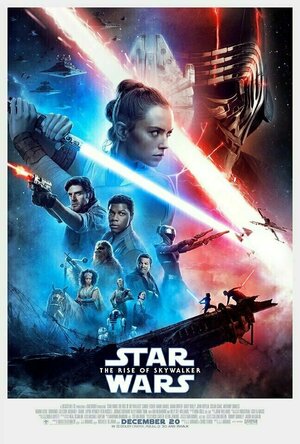
I have very mixed feelings following The Rise of Skywalker, the concluding chapter of not just another trilogy of Star Wars movies but also the conclusion of the Skywalker saga. Starting this trilogy, I was comforted by the familiarity presented in The Force Awakens and I felt that movie got the balance right between it's handling of the past and the introduction of new characters, scenarios and threats. But, I’m one of those people that was ultimately disappointed by The Last Jedi. Not the kind that fanboy rages about Star Wars and my entire childhood being ruined, as there are actually a lot of things I liked about it, but I do feel it deviated too much from some of the direction introduced in the previous movie and the movies prior to that. So I went into The Rise of Skywalker not quite as excited as I've been previously, but still cautiously optimistic following a trailer which managed to give me goosebumps pretty much every time I saw it.
As a final chapter, The Rise of Skywalker has a lot resting on it's shoulders. Concluding, and wrapping things up, while not completely ignoring the ideas put forth in The Last Jedi, JJ Abrams is however clearly more interested in revisiting some of his own ideas from The Force Awakens. But I felt that maybe he was relying a little too much on that familiarity aspect at times, as he tries to please everyone.
In The Rise of Skywalker, the resistance are still outnumbered by the First Order and Kylo Ren is now Supreme Leader. Meanwhile, Rey is training with Leia, becoming more confident and powerful, while Finn, Poe and Chewie are out in the Millennium Falcon gathering intel from spies. But an old threat from the past has returned, as a message goes out across the galaxy from an unknown region - Emperor Palpatine is warning of revenge, supported by a powerful fleet of ships.
To go into much more detail would involve spoilers, but lets just say that the first half of the movie involves a search to find something which is going to help them find something else, which is going to lead to the location of the emperor. The quest takes us from location to location, with the odd rescue along the way and the occasional new character popping up. Rey and Ren still have a bond which means that they can manipulate and battle each other from anywhere in the galaxy as Ren and his knights seek out Rey and her team in order to destroy them. There's a lot going on in that first half, and it all felt a bit messy. It's fair to say, I was very bored by this first half.
Around that half way mark though, the journey takes us to a world in the Endor system, where the remains of the second Death Star lies out at sea, among towering waves. It's there that an epic battle between Rey and Ren takes place, which you no doubt will have seen snippets of in the trailers or marketing material. Waves crash around them and the visuals, the choreography, the score, it all came together and really kick started the second half off for me. I still can't quite put my finger on it, but from that point on I felt a real shift (in the force?) and I began to really enjoy the rest of the movie, right up until the huge, inevitable and breathtaking final battle.
As mentioned earlier, there are certainly a lot of characters to take care of in this movie, including plenty of newcomers, all fighting for attention and screen-time. Some of the seemingly important characters introduced to us previously in this trilogy feel a bit lost at times, while we do still manage to find time for a very welcome return by Landon Calrissian. Rey and Ren are both outstanding once again and a special mention goes out to Richard E Grant, who I thought was brilliant as head of the First Order fleet, Allegiant General Pride. Scenes involving Carrie Fisher are beautifully handled, but I felt that the fan service went a little bit too far with some of the scenes involving Luke Skywalker.
The level of craftsmanship and design that goes into a Star Wars movie is always incredible and The Rise of Skywalker is no exception, elevated by a powerful John Williams score and some amazing visuals. I'm really not sure what I was expecting from this final chapter but, despite it all coming good for me in the end, I do feel slightly disappointed overall by the wildly differing halves of the movie. Still, there's nothing quite like seeing a new Star Wars movie on the big screen at Christmas time!
As a final chapter, The Rise of Skywalker has a lot resting on it's shoulders. Concluding, and wrapping things up, while not completely ignoring the ideas put forth in The Last Jedi, JJ Abrams is however clearly more interested in revisiting some of his own ideas from The Force Awakens. But I felt that maybe he was relying a little too much on that familiarity aspect at times, as he tries to please everyone.
In The Rise of Skywalker, the resistance are still outnumbered by the First Order and Kylo Ren is now Supreme Leader. Meanwhile, Rey is training with Leia, becoming more confident and powerful, while Finn, Poe and Chewie are out in the Millennium Falcon gathering intel from spies. But an old threat from the past has returned, as a message goes out across the galaxy from an unknown region - Emperor Palpatine is warning of revenge, supported by a powerful fleet of ships.
To go into much more detail would involve spoilers, but lets just say that the first half of the movie involves a search to find something which is going to help them find something else, which is going to lead to the location of the emperor. The quest takes us from location to location, with the odd rescue along the way and the occasional new character popping up. Rey and Ren still have a bond which means that they can manipulate and battle each other from anywhere in the galaxy as Ren and his knights seek out Rey and her team in order to destroy them. There's a lot going on in that first half, and it all felt a bit messy. It's fair to say, I was very bored by this first half.
Around that half way mark though, the journey takes us to a world in the Endor system, where the remains of the second Death Star lies out at sea, among towering waves. It's there that an epic battle between Rey and Ren takes place, which you no doubt will have seen snippets of in the trailers or marketing material. Waves crash around them and the visuals, the choreography, the score, it all came together and really kick started the second half off for me. I still can't quite put my finger on it, but from that point on I felt a real shift (in the force?) and I began to really enjoy the rest of the movie, right up until the huge, inevitable and breathtaking final battle.
As mentioned earlier, there are certainly a lot of characters to take care of in this movie, including plenty of newcomers, all fighting for attention and screen-time. Some of the seemingly important characters introduced to us previously in this trilogy feel a bit lost at times, while we do still manage to find time for a very welcome return by Landon Calrissian. Rey and Ren are both outstanding once again and a special mention goes out to Richard E Grant, who I thought was brilliant as head of the First Order fleet, Allegiant General Pride. Scenes involving Carrie Fisher are beautifully handled, but I felt that the fan service went a little bit too far with some of the scenes involving Luke Skywalker.
The level of craftsmanship and design that goes into a Star Wars movie is always incredible and The Rise of Skywalker is no exception, elevated by a powerful John Williams score and some amazing visuals. I'm really not sure what I was expecting from this final chapter but, despite it all coming good for me in the end, I do feel slightly disappointed overall by the wildly differing halves of the movie. Still, there's nothing quite like seeing a new Star Wars movie on the big screen at Christmas time!

Kara Skinner (332 KP) rated The Robber Knight in Books
Sep 10, 2019
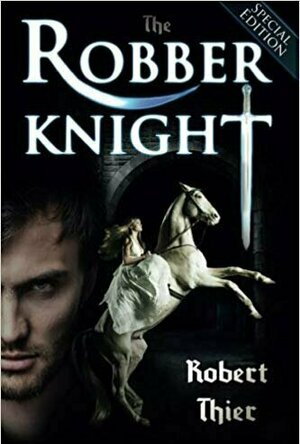
When you are fighting for the freedom of your people, falling in love with your enemy is not a great idea. Or is it? Ayla has to defend her castle and her people all on her own, with nobody to help her but a dark warrior she hates with all her heart.
Sir Reuben, the dreaded robber knight, has long been Ayla’s deadliest enemy. He has prayed on her and her people ever since her father fell ill, and she swore he would hang for his crimes. Now they are both trapped in her castle as the army of a far greater enemy approaches, and they have only one chance: stand together, or fall.
This book wasn’t bad, honestly. I’m a huge fan of historical fiction, and it had been awhile since I’ve read a medieval love story, so that was a nice change of pace.
The author is a historian, so there are a lot of little things in this book that you don’t see in a lot of other historical romance books. For instance,you can’t pull out arrows because there are often barbs attached to cause fatal wounds if pulled out. I did like learning about all of these facts. But sometimes Thier lets the historian in him gets the best of him, but more on that later.
Lady Ayla was a pretty interesting character. Headstrong and wise for her years, she is very noble and progressive. She has all of the makings for a great leader– with the exception of knowledge. I loved how kind and committed she was to her people and I love the fact that she has some spunk. I mean, if I’m getting robbed in the forest by this random stranger, then I hope I would swear him out too (of course, if I could beat him up and get away, then that’s even better, but Ayla doesn’t have much self-defense skills). But there were many times that she was annoying, like her insistence on being near battles, even before she started treating the sick. And how she tried to manage Sir Isenbard during battle. She had called on him for help because he was an experienced knight, and now she was questioning his commands and strategies in the heat of battle!
Mostly, though, I really did like Ayla. She defines the idea of nobility. With war inevitable, she’s willing to ride personally to the edges of her land to warn her subjects and she is always at the outskirts of battle to help care for the wounded. She invites everyone into the castle for their safety and rations herself as well as the others to conserve food. She’s even willing to corrupt herself to save her people.
Reuben is an excellent character as well, although it did take me awhile to like him. In the beginning he fell a little flat. It’s clear that he used to be a knight but something happened and now he robs people for his own greed. A near-death experience and being saved by Lady Ayla reawakens the humanity in him. And apparently also some depth.
In the beginning of the book he spends a lot of his time admiring his loot and laughing about his victims, who thought they had a right to steal from him. But that’s all he does. We have no real insight into his character or backstory until after he’s in Ayla’s care. Only then are there hints of a bad history where he had been arrested many times, been tortured, and had at one point been a member of respectable society. If it weren’t for the fact that I liked Ayla’a character and the plot so far, I probably would have stopped reading.
Thier is a writer who has really good potential in becoming a great romance writer, especially for historical fiction. The plots have some unique twists that are augmented by his knowledge of history and after Reuben’s character shaped up, he was an excellent love interest. But there is one huge problem with this story: the footnotes.
There are so many footnotes throughout most of the book that I feel like I’m reading a history textbook, which is not good when I usually read romance novels to take a break from homework. Not only are they distracting and unnecessary, but they are also rude and condescending. Sure, sometimes they were useful, like in explaining the references to the seven princes of hell. Another one was a pretty funny anecdote about how one of his readers had actually confirmed that lard burns and that burning arrows work because they had actually done it. There is also a lot of wit throughout the footnotes which is pretty amusing. But most of the time, they were annoying.
For instance, Robert Thier thought it was necessary to include a footnote about how witches were considered bad during medieval times. Seriously? Even if someone failed history, we know that witches are not considered fine, upstanding citizens. Or maybe he thinks all of us have been locked in our rooms with no books, internet or television for our entire lives and for the month of October we all miraculously fell into a coma so we couldn’t see the giant blow-up witch in the neighbor’s yard. And then we’d all wake up singing Christmas carols after the month long coma without a care in the world because this happens every year so we don’t know what a witch is. (I’m developing a conspiracy theory about how these strange comas was caused by witchcraft.)
Maybe Thier assumed that instead of us thinking Reuben was scared of witches when he wondered if Ayla was one, we just thought he was commenting on how much Ayla looked like Sandra Bullock.
And one of the footnotes was just plain offensive. Here is the line of text that the footnote is attached to: “Heel! Abominable villain! You dare defy me?” (page 74)
Now, here’s the footnote: “Sorry to disappoint the ladies, but this doesn’t refer to high heels. It is a medieval term for a very nasty person.”
Excuse me? Did you just assume that I thought it meant high heels and that would make me excited? What world do you live in?
Apparently he thinks “the ladies” are so dumb that we are incapable of taking context clues and we immediately think everything relates back to fashion. Maybe I didn’t know it meant “very nasty person”, but it’s pretty clear it’s a swear or insult of sometime, not a freaking Jimmy Choo. Does he just imagine us thinking high heel every time we hear the word?
“She broke his nose with the heel of her hand.” Oh. High heel!
“Heel, fido! I said heel!” Oh. High heel!
“It will take one or two days for your cut to heal.” Oh. High heel! (Because if he thinks we don’t understand the difference between uncomfortable footwear and an insult, then he probably thinks we can’t spell, either).
But hey, at least Robert Thier thinks women can memorize stuff, because the footnote links stop as the vocabulary is repeated instead of new terms being introduced.
Aside from the footnotes, I really do like this book, and I can’t wait to read the second part of it, which I’ll read soon. Thier still has a long way to go, but I think after he has more experience, he’ll write some great books.
Sir Reuben, the dreaded robber knight, has long been Ayla’s deadliest enemy. He has prayed on her and her people ever since her father fell ill, and she swore he would hang for his crimes. Now they are both trapped in her castle as the army of a far greater enemy approaches, and they have only one chance: stand together, or fall.
This book wasn’t bad, honestly. I’m a huge fan of historical fiction, and it had been awhile since I’ve read a medieval love story, so that was a nice change of pace.
The author is a historian, so there are a lot of little things in this book that you don’t see in a lot of other historical romance books. For instance,you can’t pull out arrows because there are often barbs attached to cause fatal wounds if pulled out. I did like learning about all of these facts. But sometimes Thier lets the historian in him gets the best of him, but more on that later.
Lady Ayla was a pretty interesting character. Headstrong and wise for her years, she is very noble and progressive. She has all of the makings for a great leader– with the exception of knowledge. I loved how kind and committed she was to her people and I love the fact that she has some spunk. I mean, if I’m getting robbed in the forest by this random stranger, then I hope I would swear him out too (of course, if I could beat him up and get away, then that’s even better, but Ayla doesn’t have much self-defense skills). But there were many times that she was annoying, like her insistence on being near battles, even before she started treating the sick. And how she tried to manage Sir Isenbard during battle. She had called on him for help because he was an experienced knight, and now she was questioning his commands and strategies in the heat of battle!
Mostly, though, I really did like Ayla. She defines the idea of nobility. With war inevitable, she’s willing to ride personally to the edges of her land to warn her subjects and she is always at the outskirts of battle to help care for the wounded. She invites everyone into the castle for their safety and rations herself as well as the others to conserve food. She’s even willing to corrupt herself to save her people.
Reuben is an excellent character as well, although it did take me awhile to like him. In the beginning he fell a little flat. It’s clear that he used to be a knight but something happened and now he robs people for his own greed. A near-death experience and being saved by Lady Ayla reawakens the humanity in him. And apparently also some depth.
In the beginning of the book he spends a lot of his time admiring his loot and laughing about his victims, who thought they had a right to steal from him. But that’s all he does. We have no real insight into his character or backstory until after he’s in Ayla’s care. Only then are there hints of a bad history where he had been arrested many times, been tortured, and had at one point been a member of respectable society. If it weren’t for the fact that I liked Ayla’a character and the plot so far, I probably would have stopped reading.
Thier is a writer who has really good potential in becoming a great romance writer, especially for historical fiction. The plots have some unique twists that are augmented by his knowledge of history and after Reuben’s character shaped up, he was an excellent love interest. But there is one huge problem with this story: the footnotes.
There are so many footnotes throughout most of the book that I feel like I’m reading a history textbook, which is not good when I usually read romance novels to take a break from homework. Not only are they distracting and unnecessary, but they are also rude and condescending. Sure, sometimes they were useful, like in explaining the references to the seven princes of hell. Another one was a pretty funny anecdote about how one of his readers had actually confirmed that lard burns and that burning arrows work because they had actually done it. There is also a lot of wit throughout the footnotes which is pretty amusing. But most of the time, they were annoying.
For instance, Robert Thier thought it was necessary to include a footnote about how witches were considered bad during medieval times. Seriously? Even if someone failed history, we know that witches are not considered fine, upstanding citizens. Or maybe he thinks all of us have been locked in our rooms with no books, internet or television for our entire lives and for the month of October we all miraculously fell into a coma so we couldn’t see the giant blow-up witch in the neighbor’s yard. And then we’d all wake up singing Christmas carols after the month long coma without a care in the world because this happens every year so we don’t know what a witch is. (I’m developing a conspiracy theory about how these strange comas was caused by witchcraft.)
Maybe Thier assumed that instead of us thinking Reuben was scared of witches when he wondered if Ayla was one, we just thought he was commenting on how much Ayla looked like Sandra Bullock.
And one of the footnotes was just plain offensive. Here is the line of text that the footnote is attached to: “Heel! Abominable villain! You dare defy me?” (page 74)
Now, here’s the footnote: “Sorry to disappoint the ladies, but this doesn’t refer to high heels. It is a medieval term for a very nasty person.”
Excuse me? Did you just assume that I thought it meant high heels and that would make me excited? What world do you live in?
Apparently he thinks “the ladies” are so dumb that we are incapable of taking context clues and we immediately think everything relates back to fashion. Maybe I didn’t know it meant “very nasty person”, but it’s pretty clear it’s a swear or insult of sometime, not a freaking Jimmy Choo. Does he just imagine us thinking high heel every time we hear the word?
“She broke his nose with the heel of her hand.” Oh. High heel!
“Heel, fido! I said heel!” Oh. High heel!
“It will take one or two days for your cut to heal.” Oh. High heel! (Because if he thinks we don’t understand the difference between uncomfortable footwear and an insult, then he probably thinks we can’t spell, either).
But hey, at least Robert Thier thinks women can memorize stuff, because the footnote links stop as the vocabulary is repeated instead of new terms being introduced.
Aside from the footnotes, I really do like this book, and I can’t wait to read the second part of it, which I’ll read soon. Thier still has a long way to go, but I think after he has more experience, he’ll write some great books.

Kirk Bage (1775 KP) rated Knives Out (2019) in Movies
Jan 22, 2021
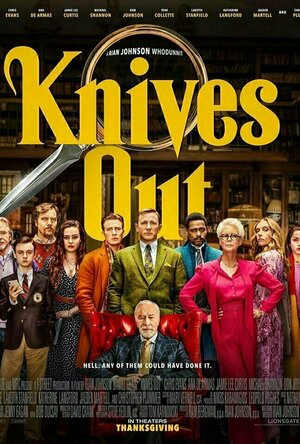

Murder mystery films tend to be more fun in theory and anticipation than they are to watch. It’s a genre that I very much enjoy and have indulged in over the years. Yet, if I look back in detail at it, I find that it is the books, especially those of Agatha Christie, that I like much more than anything lasting a couple of hours on the screen. There’s something about the mystery being rushed and squeezed into the cinema artform that is usually anti-climactic or even a full on let down.
Perhaps my favourite of the entire genre is a film that refuses to take itself seriously and is at once a pastiche of the multiple cliches that have accumulated over the years. And that film is, of course, the wonderfully camp, funny and charming 1985 romp Clue, starring Tim Curry and a slough of 80s B stars having the time of their lives. It isn’t a “good” film, it is a cult film, it’s joy being in its absolute lack of pretension or moral judgement. Like the board game that inspired it, it isn’t overly complicated or long, but has just enough cleverness, mirth and ambiance about it to always be a winner.
Rian Johnson’s take on the genre, Knives Out, is aware of these elements at all times, being above all things colourful, playful, arch and glib, but never convoluted or cerebral in an alienating way. He is something of a master at subverting a genre and wringing new life into it; take the invention of the teen noir in Brick, or the blend of assassin time travel sci-fi in Looper. He even gave an entire franchise a new breath of life by re-examining the use of humour and self referencing in Star Wars: The Last Jedi.
All of those previous films have as many detractors as mega fans, proving his style is devisive, for its audacity and its irreverence towards any idea of purism within an established model. And Knives Out is no exception to that. However, it may be the film of his that most people can agree on that they enjoyed, for one reason or another. I think it’s as interesting to ask why that is as it is to talk about the film itself… so, I will. At least, I’ll try to do both without losing my train of thought.
Firstly, it looks stunning; the palate of rich colours used in the poster and all marketing just make it look like something you want to immerse yourself in – every jacket, tie, dress, or piece of furniture is designed to precision, and it works like a dream of the genre you may have once had, as if it had been plucked directly from your subconscious. As in all good murder mysteries, the location, props and costumes should hold as much character as the actors, and the stately home of the Thrombey family certainly provides plenty of atmosphere in every texture and material on display.
Of course, the cast of characters is wonderfully put together with some inspired casting of familiar faces and actors you trust, such as Toni Collette and Michael Shannon, together with a few we don’t see enough of these days, such as Jamie Lee Curtis and Don Johnson, who both manage to create something as memorable as anything they did in their golden days. Add to the mix two bone fide action film superstars in Daniel Craig and Chris Evans, who leave the baggage of their most famous characters far behind and manage to convince you they are real actors again, the former with the aide of a jarring but hilarious Southern drawl, that grates at first but is a perfect choice on reflection.
Then there are the two lynchpins of this film’s ultimate success and joy: the exceptional legendary gravitas of 90 year old Christopher Plummer as the patriarch and victim at the centre of the intrigue, and the quite glorious revelation of Ana de Armas, whose charisma, beauty and skill in this delicately balanced role was the most impressive thing for me about the whole production. It may be Craig who is the ever present focus, as the detective tasked with solving the “crime”, but it is de Armas that you will remember most long after the credits roll.
As for the plot, well… I obviously can’t talk about it without ruining the whole thing. But, I can say that it isn’t far into the intricate web of motives, alibis and secrets before you start to sense this is going somewhere different, even unique. The examination of the relationships and personalities, and the extent to which they each demonstrate greed and selfishness is fascinating, superceding the crime that exists on the surface with a swamp of far seedier and unpleasant goings-on. Craig’s suave Benoit Blanc isn’t so much a detective here as a family therapist, or perhaps a supernatural presence in the style of the old classic, An Inspector Calls. Perhaps, it is suggested, no one completely escapes guilt and shame here… or do they? Are we looking for a murderer, or the only morally good person amidst a pack of dogs?
Another key element is how modern and unstuffy it feels, despite the country house and riches this is no play of manners, quite the opposite – no one here is on their best behaviour for the sake of decorum, and being upper class is an idea played with rather than enforced. The tea and cakes of the classic Christie, such as Murder on the Orient Express is replaced by smartphones and similar trappings, that identify it as definitely 2019 and no period piece. The concerns and themes are very much rooted in our present problems, and for that it engages and resonates in ways a costume drama just can’t do.
Upon finishing it for the first time, you may be thinking “sure, OK, I enjoyed that… but I’m not blown away here”. Then, as it sinks in over coming weeks, you find yourself recommending it to people, and thinking about how good it is in ways you didn’t initially think about. And that is surely why it was so embraced by the critics and paying public alike; it is a likeable, fun film, that can also stand some artistic scrutiny. It isn’t the smartest, or prettiest, or most meaningful film ever made, but it is enough of all three to make it an instant mini-classic, in my opinion.
I feel like there is maybe more to say about it, which is always a good sign, but that will do for now. I’d be happy to discuss it with anyone that feels the need. Or hear from anyone that didn’t like it! It would be interesting to hear that side of it, because I haven’t heard many negative comments on it at all. I don’t think I would defend it as a masterpiece to the end of the Earth, ‘cos it ain’t that good. I’m just hard pressed to find a serious fault. And it’s great when one of those sneaks up on you!
Perhaps my favourite of the entire genre is a film that refuses to take itself seriously and is at once a pastiche of the multiple cliches that have accumulated over the years. And that film is, of course, the wonderfully camp, funny and charming 1985 romp Clue, starring Tim Curry and a slough of 80s B stars having the time of their lives. It isn’t a “good” film, it is a cult film, it’s joy being in its absolute lack of pretension or moral judgement. Like the board game that inspired it, it isn’t overly complicated or long, but has just enough cleverness, mirth and ambiance about it to always be a winner.
Rian Johnson’s take on the genre, Knives Out, is aware of these elements at all times, being above all things colourful, playful, arch and glib, but never convoluted or cerebral in an alienating way. He is something of a master at subverting a genre and wringing new life into it; take the invention of the teen noir in Brick, or the blend of assassin time travel sci-fi in Looper. He even gave an entire franchise a new breath of life by re-examining the use of humour and self referencing in Star Wars: The Last Jedi.
All of those previous films have as many detractors as mega fans, proving his style is devisive, for its audacity and its irreverence towards any idea of purism within an established model. And Knives Out is no exception to that. However, it may be the film of his that most people can agree on that they enjoyed, for one reason or another. I think it’s as interesting to ask why that is as it is to talk about the film itself… so, I will. At least, I’ll try to do both without losing my train of thought.
Firstly, it looks stunning; the palate of rich colours used in the poster and all marketing just make it look like something you want to immerse yourself in – every jacket, tie, dress, or piece of furniture is designed to precision, and it works like a dream of the genre you may have once had, as if it had been plucked directly from your subconscious. As in all good murder mysteries, the location, props and costumes should hold as much character as the actors, and the stately home of the Thrombey family certainly provides plenty of atmosphere in every texture and material on display.
Of course, the cast of characters is wonderfully put together with some inspired casting of familiar faces and actors you trust, such as Toni Collette and Michael Shannon, together with a few we don’t see enough of these days, such as Jamie Lee Curtis and Don Johnson, who both manage to create something as memorable as anything they did in their golden days. Add to the mix two bone fide action film superstars in Daniel Craig and Chris Evans, who leave the baggage of their most famous characters far behind and manage to convince you they are real actors again, the former with the aide of a jarring but hilarious Southern drawl, that grates at first but is a perfect choice on reflection.
Then there are the two lynchpins of this film’s ultimate success and joy: the exceptional legendary gravitas of 90 year old Christopher Plummer as the patriarch and victim at the centre of the intrigue, and the quite glorious revelation of Ana de Armas, whose charisma, beauty and skill in this delicately balanced role was the most impressive thing for me about the whole production. It may be Craig who is the ever present focus, as the detective tasked with solving the “crime”, but it is de Armas that you will remember most long after the credits roll.
As for the plot, well… I obviously can’t talk about it without ruining the whole thing. But, I can say that it isn’t far into the intricate web of motives, alibis and secrets before you start to sense this is going somewhere different, even unique. The examination of the relationships and personalities, and the extent to which they each demonstrate greed and selfishness is fascinating, superceding the crime that exists on the surface with a swamp of far seedier and unpleasant goings-on. Craig’s suave Benoit Blanc isn’t so much a detective here as a family therapist, or perhaps a supernatural presence in the style of the old classic, An Inspector Calls. Perhaps, it is suggested, no one completely escapes guilt and shame here… or do they? Are we looking for a murderer, or the only morally good person amidst a pack of dogs?
Another key element is how modern and unstuffy it feels, despite the country house and riches this is no play of manners, quite the opposite – no one here is on their best behaviour for the sake of decorum, and being upper class is an idea played with rather than enforced. The tea and cakes of the classic Christie, such as Murder on the Orient Express is replaced by smartphones and similar trappings, that identify it as definitely 2019 and no period piece. The concerns and themes are very much rooted in our present problems, and for that it engages and resonates in ways a costume drama just can’t do.
Upon finishing it for the first time, you may be thinking “sure, OK, I enjoyed that… but I’m not blown away here”. Then, as it sinks in over coming weeks, you find yourself recommending it to people, and thinking about how good it is in ways you didn’t initially think about. And that is surely why it was so embraced by the critics and paying public alike; it is a likeable, fun film, that can also stand some artistic scrutiny. It isn’t the smartest, or prettiest, or most meaningful film ever made, but it is enough of all three to make it an instant mini-classic, in my opinion.
I feel like there is maybe more to say about it, which is always a good sign, but that will do for now. I’d be happy to discuss it with anyone that feels the need. Or hear from anyone that didn’t like it! It would be interesting to hear that side of it, because I haven’t heard many negative comments on it at all. I don’t think I would defend it as a masterpiece to the end of the Earth, ‘cos it ain’t that good. I’m just hard pressed to find a serious fault. And it’s great when one of those sneaks up on you!

Gareth von Kallenbach (980 KP) rated the Xbox One version of Ion Fury in Video Games
Aug 16, 2019
Back in the 90s before the days of High-Speed Internet, 3D Graphics Cards, and other gaming technologies that we take for granted was Duke Nukem 3D. The game was developed by Voidpoint, in association with 3D Realms and 1C Publishing on the Build Engine and became a big hit in large part to the action, character, and interactive features of the game which were fairly new at the time.
Other games such as Shadow Warrior and Blood followed which were powered by this technology but it soon became a thing of the past as games such as Quake set the new standards for graphics and online play and with the advent of 3D acceleration; pixelated graphics became a thing of the past.
What was once old is now new again as 3D Realms have returned with a new game called Ion Fury. While Duke and Shadow Warrior have spawned sequels and remakes using modern gaming features and graphics Ion Fury takes a step back by giving gamers the look, sound, and feel of a game from the 90s.
Playing as Shelly “Bombshell” Harrison; players must take on the evil Dr. Jadus Heskel and his army of Cyber-Cultists.
While the look of the game may be retro there are many features that were not possible back in the day such as auto saves, improved physics, headshots, and more; the game is a fast-paced and action-packed shooter that more than holds its own with any of the recent entries into the genre.
While I had played the preview mission about a year ago, the full game did take a bit of adjustment as some things simply do not play like a modern game would. There can be some clipping issues, and enemy A.I. can be erratic. But the awesome array of weapons from your Loverboy pistol to Shotguns, Machine Guns, Chain Guns, and Grenade Launchers are more than enough to cut enemies down to size. You will need this and more such as your Seeking Grenades and Mines as the game throws lots of enemies at you and as you progress they become more abundant, varied, and dangerous.
Ion Fury is filled with numerous secret areas and Pop Culture references from the lines your character says to all sorts of locales and situations that arise. There are also some clever call backs to earlier games as I noticed the Bloody Handprint from BLOOD, the Ying/Yang Symbol from Shadow Warrior, and Duke’s Atomic symbol at various times.
The game mixes indoor and outdoor locales well including an Academy, Subway, Mansion, and of course the secret lab filled with all sorts of evil experiments.
The game is also filled with several puzzles as well as a few very annoying times jumps that had me cursing at their difficulty on more than one occasion. There were also plenty of long levels where you had to find alternate ways into rooms to obtain Key Cards to unlock other areas and keep the action moving. There was a decent supply of health and Body Armor along the way and it never was unappreciated as enemies would either swarm or attack from hiding frequently.
As I played the game I moved past the nostalgia and became really focused on the story and the action. I was able to look past the older graphics and gameplay and remember just how fun this type of game was and how we would spend hours online playing games like this.
Sadly this is not an option in Ion Fury at the time as the game is missing a Multiplay segment. We had done an interview for the game over a year ago; and we were of the understanding that this would be a part of the final release but sadly it is not. I had hoped to relive some of classic Deathmatch games of old.
The game is affordable as it is set to sell at $19.99 and considering I have over 14 hours of gameplay to complete the game; it more than delivers and I did not even find all of the secret areas each level offers.
In the end if you are in the mood for some retro action; then Ion Fury is one that you will not want to miss.
4 stars out of 5
http://sknr.net/2019/08/14/ion-fury/
Other games such as Shadow Warrior and Blood followed which were powered by this technology but it soon became a thing of the past as games such as Quake set the new standards for graphics and online play and with the advent of 3D acceleration; pixelated graphics became a thing of the past.
What was once old is now new again as 3D Realms have returned with a new game called Ion Fury. While Duke and Shadow Warrior have spawned sequels and remakes using modern gaming features and graphics Ion Fury takes a step back by giving gamers the look, sound, and feel of a game from the 90s.
Playing as Shelly “Bombshell” Harrison; players must take on the evil Dr. Jadus Heskel and his army of Cyber-Cultists.
While the look of the game may be retro there are many features that were not possible back in the day such as auto saves, improved physics, headshots, and more; the game is a fast-paced and action-packed shooter that more than holds its own with any of the recent entries into the genre.
While I had played the preview mission about a year ago, the full game did take a bit of adjustment as some things simply do not play like a modern game would. There can be some clipping issues, and enemy A.I. can be erratic. But the awesome array of weapons from your Loverboy pistol to Shotguns, Machine Guns, Chain Guns, and Grenade Launchers are more than enough to cut enemies down to size. You will need this and more such as your Seeking Grenades and Mines as the game throws lots of enemies at you and as you progress they become more abundant, varied, and dangerous.
Ion Fury is filled with numerous secret areas and Pop Culture references from the lines your character says to all sorts of locales and situations that arise. There are also some clever call backs to earlier games as I noticed the Bloody Handprint from BLOOD, the Ying/Yang Symbol from Shadow Warrior, and Duke’s Atomic symbol at various times.
The game mixes indoor and outdoor locales well including an Academy, Subway, Mansion, and of course the secret lab filled with all sorts of evil experiments.
The game is also filled with several puzzles as well as a few very annoying times jumps that had me cursing at their difficulty on more than one occasion. There were also plenty of long levels where you had to find alternate ways into rooms to obtain Key Cards to unlock other areas and keep the action moving. There was a decent supply of health and Body Armor along the way and it never was unappreciated as enemies would either swarm or attack from hiding frequently.
As I played the game I moved past the nostalgia and became really focused on the story and the action. I was able to look past the older graphics and gameplay and remember just how fun this type of game was and how we would spend hours online playing games like this.
Sadly this is not an option in Ion Fury at the time as the game is missing a Multiplay segment. We had done an interview for the game over a year ago; and we were of the understanding that this would be a part of the final release but sadly it is not. I had hoped to relive some of classic Deathmatch games of old.
The game is affordable as it is set to sell at $19.99 and considering I have over 14 hours of gameplay to complete the game; it more than delivers and I did not even find all of the secret areas each level offers.
In the end if you are in the mood for some retro action; then Ion Fury is one that you will not want to miss.
4 stars out of 5
http://sknr.net/2019/08/14/ion-fury/
Gareth von Kallenbach (980 KP) rated Pain & Gain (2013) in Movies
Aug 7, 2019
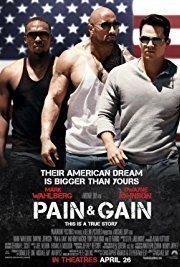
Michael Bay’s latest film Pain and Gain suffers from a bit of performance anxiety. It starts hot and flashy, becomes humorous and then starts to drag as it realizes it needs to actually deliver. This is unfortunate because if Bay focused on delivering an entertaining movie from start to finish he may have succeeded. Instead we are constantly reminded by expository text on screen and one of the five unnecessary voiceovers that “sometimes the facts are stranger than fiction.” And the facts are that we get a film here that starts out as a comedy, evolves into a kidnapping/extortion story with a few more jokes only to end with minimal action and no redeeming opportunities for our protagonists. Plus the final jokes or shock opportunities are lost in the fact that our main characters become less and less likeable as the story evolves.
Mark Wahlberg plays body-builder and trainer Daniel Lugo, a self-described “doer” who is tired of working hard only to never reach the level of success that many of his rich clients have achieved. Fed up with his everyday life of being broke, Logo decides it is time to take what he thinks should be his. Together with the help of his roided-out, impotent employee Adrian (Anthony Mackie) and ex-con who found Jesus Paul (Dwayne Johnson), the trio decide to kidnap and extort the jerk off wealthy client Victor (Tony Shalhoub) for everything thing he has. The hilarity ensues while it’s obvious that these muscle heads do not have to smarts to pull off this elaborate plan other than what they have seen in the movies.
It should be noted here that Wahlberg is once again great as a character that does not possess a lot of smarts. Mackie delivers another solid character performance to add to his resume but it is Johnson who steals the show. In a movie where at first glance his physique fits right in, it is his softer more emotional side that shows some range that we have never seen from him before. He plays an ex-con who is determined to change his life only to be slowly sucked back into the lifestyle that put him in jail in the first place. Johnson’s emotional range has him delivering perhaps his best performance ever.
Eventually these three break Victor and take everything he has and they start to live out their dreams. But like all things that take no skill or real effort to earn, the three squander their new found wealth and go looking for another target. All while Victor hires a private detective (Ed Harris) to help bust the trio as the local cops do not believe that some muscle heads could pull off the elaborate heist.
And here is where the film starts to fall apart. The three main characters start to change from fun loving hard working characters to bad guys. The things they do to gain their wealth are repulsive and it stops being funny. Victor is a terrible character that is hard to like in the first place, so you do not really feel bad for him when he loses everything. It is just that you do not really feel happy for our anti-heroes either. And when the story enters its third act after dragging through the second, it feels rushed to close out the film as the gang decides to make a run at another wealthy target.
Furthermore, every character get his/hers own voice over. Seriously, what is the point? It is one thing for Wahlberg to have his own narration as he is the main character, however even Harris gets his own character development through dialogue. It makes the story disjointed and made me feel unsure about who or what I should be rooting for.
In the end I walked out of the theater feeling like we watched two different movies. A rags-to-riches comedy in the beginning that morphs into an unfunny crime drama by the end that has to remind you again and again that you are watching something that is based on a true story. It is a shame because I enjoyed the beginning of this film. I wish that Bay would have taken even additional liberties to make a more consistent film from start to finish on what was already a loosely based true story in the first place.
Mark Wahlberg plays body-builder and trainer Daniel Lugo, a self-described “doer” who is tired of working hard only to never reach the level of success that many of his rich clients have achieved. Fed up with his everyday life of being broke, Logo decides it is time to take what he thinks should be his. Together with the help of his roided-out, impotent employee Adrian (Anthony Mackie) and ex-con who found Jesus Paul (Dwayne Johnson), the trio decide to kidnap and extort the jerk off wealthy client Victor (Tony Shalhoub) for everything thing he has. The hilarity ensues while it’s obvious that these muscle heads do not have to smarts to pull off this elaborate plan other than what they have seen in the movies.
It should be noted here that Wahlberg is once again great as a character that does not possess a lot of smarts. Mackie delivers another solid character performance to add to his resume but it is Johnson who steals the show. In a movie where at first glance his physique fits right in, it is his softer more emotional side that shows some range that we have never seen from him before. He plays an ex-con who is determined to change his life only to be slowly sucked back into the lifestyle that put him in jail in the first place. Johnson’s emotional range has him delivering perhaps his best performance ever.
Eventually these three break Victor and take everything he has and they start to live out their dreams. But like all things that take no skill or real effort to earn, the three squander their new found wealth and go looking for another target. All while Victor hires a private detective (Ed Harris) to help bust the trio as the local cops do not believe that some muscle heads could pull off the elaborate heist.
And here is where the film starts to fall apart. The three main characters start to change from fun loving hard working characters to bad guys. The things they do to gain their wealth are repulsive and it stops being funny. Victor is a terrible character that is hard to like in the first place, so you do not really feel bad for him when he loses everything. It is just that you do not really feel happy for our anti-heroes either. And when the story enters its third act after dragging through the second, it feels rushed to close out the film as the gang decides to make a run at another wealthy target.
Furthermore, every character get his/hers own voice over. Seriously, what is the point? It is one thing for Wahlberg to have his own narration as he is the main character, however even Harris gets his own character development through dialogue. It makes the story disjointed and made me feel unsure about who or what I should be rooting for.
In the end I walked out of the theater feeling like we watched two different movies. A rags-to-riches comedy in the beginning that morphs into an unfunny crime drama by the end that has to remind you again and again that you are watching something that is based on a true story. It is a shame because I enjoyed the beginning of this film. I wish that Bay would have taken even additional liberties to make a more consistent film from start to finish on what was already a loosely based true story in the first place.

KittyMiku (138 KP) rated Me and You and a Ghost Named Boo in Books
May 23, 2019

Contains spoilers, click to show
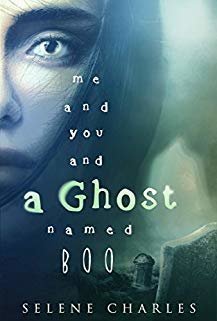
Let me start off by saying before you read Me and You and A Ghost Named Boo, you should read Fae Bridge Over troubled Waters. It is a novella that is referenced quite a bit in the beginning of the book. You will be left completely clueless with out since in it, Mercer is almost sentenced to death. Don't worry, he doesn't die, but the whole case around it is just super fantastic to read. It was very short and maybe only 100 pages long and can take about an hour to read in a single sitting. But it was definitely needed to not leave you confused in the second book.
I found this book to be amazing. The characters just keep getting more and more dramatic, but you finally get to see romance bloom better between Mercer and Scarlett. Though I loved James a ton. There were tons of problems throughout the book. With the Alpha away to find out his fate, the Vampire Ball, and the darkness in deep within Scarlett, you are on the edge of your seat the whole book. I was pleased to have a ton of questions answered about Mercer's relationship with Death and how Scarlett is tied into everything. And to finally understand what the darkness is and how it feels within her was amazing to see.
I definitely enjoyed how all the conflicts and mysteries in the book really allowed you to see how Mercer's love runs deep within his soul and heart. I think that being able to have Mercer finally explain and do things to prove he loved Scarlett was extremely nice. Since he is constantly pushing her away, to see him finally be vulnerable in front of Scarlett precious and exciting. I also enjoyed how she fought back, trying to push him away to keep her safe, knowing she may lose him. Though I did find it to be extremely tense at times and even caused me to cry at times. Especially when there were several time where I feared how they would both end up dead because of how stupid I thought they were being.
I also enjoyed watching Scarlett try to figure out every thing while being handed confusing riddles that only made sense in the end. I really loved watching her confront her fear of losing Mercer and how much she was willing to do anything to keep him and those she cherished safe from harm's way. To see how she was willing to let the darkness that made her feel like she was going mad take over just enough to kill anything to protect those she loved. Even though, that darkness is what landed her in hot water with a Vampire clan, I found it exciting to finally learn about that darkness and how it is the daughter of Death and War and how even she was weak where War was considered. It was pleasant to see Scarlett be strong for both her darkness and herself to keep them both safe. I found it to be really exciting.
I would rate this book 5 stars out of 5 stars for how intense it would be. I found the story telling to be amazing and truly captivating. As I had mention it definitely progress nicely and answered quite a few questions while till leaving you with some follow up questions that allows you to want to more. I did not enjoy needing to track down a novella that was needed to read it after I thought I had all the books downloaded. However, even needed, I still found it be exciting and kept you wanting more. I kept sinking my teeth into this juicy tale. I suggest this series to everyone. It is truly amazing.
I found this book to be amazing. The characters just keep getting more and more dramatic, but you finally get to see romance bloom better between Mercer and Scarlett. Though I loved James a ton. There were tons of problems throughout the book. With the Alpha away to find out his fate, the Vampire Ball, and the darkness in deep within Scarlett, you are on the edge of your seat the whole book. I was pleased to have a ton of questions answered about Mercer's relationship with Death and how Scarlett is tied into everything. And to finally understand what the darkness is and how it feels within her was amazing to see.
I definitely enjoyed how all the conflicts and mysteries in the book really allowed you to see how Mercer's love runs deep within his soul and heart. I think that being able to have Mercer finally explain and do things to prove he loved Scarlett was extremely nice. Since he is constantly pushing her away, to see him finally be vulnerable in front of Scarlett precious and exciting. I also enjoyed how she fought back, trying to push him away to keep her safe, knowing she may lose him. Though I did find it to be extremely tense at times and even caused me to cry at times. Especially when there were several time where I feared how they would both end up dead because of how stupid I thought they were being.
I also enjoyed watching Scarlett try to figure out every thing while being handed confusing riddles that only made sense in the end. I really loved watching her confront her fear of losing Mercer and how much she was willing to do anything to keep him and those she cherished safe from harm's way. To see how she was willing to let the darkness that made her feel like she was going mad take over just enough to kill anything to protect those she loved. Even though, that darkness is what landed her in hot water with a Vampire clan, I found it exciting to finally learn about that darkness and how it is the daughter of Death and War and how even she was weak where War was considered. It was pleasant to see Scarlett be strong for both her darkness and herself to keep them both safe. I found it to be really exciting.
I would rate this book 5 stars out of 5 stars for how intense it would be. I found the story telling to be amazing and truly captivating. As I had mention it definitely progress nicely and answered quite a few questions while till leaving you with some follow up questions that allows you to want to more. I did not enjoy needing to track down a novella that was needed to read it after I thought I had all the books downloaded. However, even needed, I still found it be exciting and kept you wanting more. I kept sinking my teeth into this juicy tale. I suggest this series to everyone. It is truly amazing.

Heather Cranmer (2721 KP) rated Blink Once in Books
Jun 7, 2018

(This review is also on my blog <a href="http://themisadventuresofatwentysomething.blogspot.co.uk">The (Mis)Adventures of a Twenty-Something Year Old Girl</a>).
I bought this book as a gift to myself because, well, I can never have enough books! The synopsis of the book sounded really good, and I was kind of right.
West ends up in hospital paralysed from the neck down after a biking accident. He thinks that life will never get any better until he meets the alluring Olivia who is in the next room. Soon, she's sneaking in to his room to see him whenever she can. He communicates with her by blinking his eyes once for yes and twice for no. West starts having some strange dreams whilst in hospital. He can't but help to feel that his dreams and the hospital he's in are somehow connected. And what's the deal with Olivia? Why is she in hospital?
I thought the title of this book kind of suits it. West does use blinking for communicating, but that's about it. I don't really see the significance of the title "Blink Once." The author could've chose another title that's better suited to the book, but I suppose Blink Once suits it a bit.
The cover, like the title sort of suits the book. It's just a picture of a girl laying down, possibly sleeping. I'm assuming it's Olivia. It seems that most YA books these days take the easy route of picking out a design for their cover but just putting up a photo of one of the main characters. Meh, like I said, it's an okay cover, but it could've been better. It does relate to the book though so I suppose that's something.
There's not much to say about the setting. About 98 percent of the book takes place in a hospital. The other places the book takes place is in memories in West's mind for the most part.
The pacing started out so so so slowly. I was thinking how disappointed I was in this book especially as I actually paid money for it. I had to force myself to read it, but I'm glad I did. About 65 percent of the way through the book, the pacing of the book picks up. It becomes a fascinating read. Of this, I was very thankful. Once I got to where the book had decent pacing, I couldn't put the book down. I was wondering if I was actually reading the same book as the pacing was totally opposite for awhile.
The dialogue is good for a young adult book. There is some swearing in this book, but it's not too much. I liked the way the characters, especially the boys, came across as being "real" teenagers, as in talking about how hot a girl was and that sort of thing. A lot of YA books seem to make their teenage characters appear to be more adult. It was so refreshing to see the characters acting their age.
As for the characters, I must admit, at first I couldn't care less about what happened to West and Olivia or what was going to happen to them. When the book actually got going, I started falling in love with West and Olivia. I loved their relationship. You can definitely feel that they've got something special. Olivia does come across as a bit needy, but I think that helped me relate to her. She doesn't come across as an annoying needy girl. It's a bit hard to explain.
This book will make you question certain things. I won't tell you what because I don't want to give too much away. It made me feel like I shouldn't ever take anything for granted.
I'd recommend this book to everyone aged 16+.
Blink Once by Cylin Busby gets a 3.5 out of 5 from me.
I bought this book as a gift to myself because, well, I can never have enough books! The synopsis of the book sounded really good, and I was kind of right.
West ends up in hospital paralysed from the neck down after a biking accident. He thinks that life will never get any better until he meets the alluring Olivia who is in the next room. Soon, she's sneaking in to his room to see him whenever she can. He communicates with her by blinking his eyes once for yes and twice for no. West starts having some strange dreams whilst in hospital. He can't but help to feel that his dreams and the hospital he's in are somehow connected. And what's the deal with Olivia? Why is she in hospital?
I thought the title of this book kind of suits it. West does use blinking for communicating, but that's about it. I don't really see the significance of the title "Blink Once." The author could've chose another title that's better suited to the book, but I suppose Blink Once suits it a bit.
The cover, like the title sort of suits the book. It's just a picture of a girl laying down, possibly sleeping. I'm assuming it's Olivia. It seems that most YA books these days take the easy route of picking out a design for their cover but just putting up a photo of one of the main characters. Meh, like I said, it's an okay cover, but it could've been better. It does relate to the book though so I suppose that's something.
There's not much to say about the setting. About 98 percent of the book takes place in a hospital. The other places the book takes place is in memories in West's mind for the most part.
The pacing started out so so so slowly. I was thinking how disappointed I was in this book especially as I actually paid money for it. I had to force myself to read it, but I'm glad I did. About 65 percent of the way through the book, the pacing of the book picks up. It becomes a fascinating read. Of this, I was very thankful. Once I got to where the book had decent pacing, I couldn't put the book down. I was wondering if I was actually reading the same book as the pacing was totally opposite for awhile.
The dialogue is good for a young adult book. There is some swearing in this book, but it's not too much. I liked the way the characters, especially the boys, came across as being "real" teenagers, as in talking about how hot a girl was and that sort of thing. A lot of YA books seem to make their teenage characters appear to be more adult. It was so refreshing to see the characters acting their age.
As for the characters, I must admit, at first I couldn't care less about what happened to West and Olivia or what was going to happen to them. When the book actually got going, I started falling in love with West and Olivia. I loved their relationship. You can definitely feel that they've got something special. Olivia does come across as a bit needy, but I think that helped me relate to her. She doesn't come across as an annoying needy girl. It's a bit hard to explain.
This book will make you question certain things. I won't tell you what because I don't want to give too much away. It made me feel like I shouldn't ever take anything for granted.
I'd recommend this book to everyone aged 16+.
Blink Once by Cylin Busby gets a 3.5 out of 5 from me.
Kara Skinner (332 KP) rated Protector in Books
Jun 12, 2019
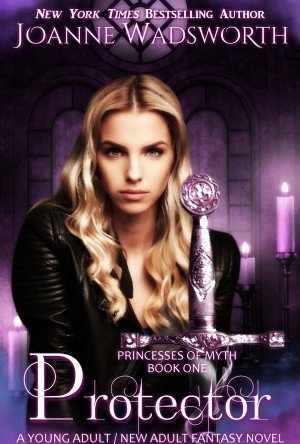
Girl Doesn’t Take Her Mate’s Crap in this YA Fantasy Romance Novel
Contains spoilers, click to show
Genre: Fantasy, YA
Word Count: 86,170
Average Goodreads Rating: 3.75 out of 5 stars
My rating: 3 out of 5 stars
Faith thought she was a normal human girl. Then she turned 18 and started developing abilities. Around the same time, a mysterious girl named Belle showed up and explained to Faith that she was really a Halfling, who belonged to an alien planet. Not only that, but she had the powerful ability of Forewarning, a skill that was highly coveted, especially by the Loverias and the Wincrests, two rival royal families on the brink of going to war with each other. Things get even more complicated when Faith forms a mated bond with Prince Davio Loveria– right before finding out her long-absent father is Prince Alexo Wincrest, Davio’s sworn enemy.
Caught in an impending war on a foreign planet, Faith must think and learn fast to keep herself from becoming a political pawn while also keeping her family safe.
Faith is a fucking badass and I love her. She acts like a teenaged girl, with all the angst and drama that comes with it, but at the same times she’s smart, and she won’t take shit, especially not from Davio. I love how resourceful she is and how quickly she’s able to adapt to a foreign planet with different cultures and abilities. But at the same time, she’s not a Mary Sue. She does have issues with learning the culture and controlling her abilities. She also doesn’t deal well with having her world turned upside down but her reactions aren’t unrealistic and they make me love her that much more.
Davio, however, is a piece of shit. I knocked off a star just because he exists. He’s a pompous brat with less maturity and poise than a two-year-old. When he finally accepts that he’s mated to Faith, he shows his “love” by controlling her and ordering her around. He doesn’t let her be alone because she needs to be protected. He demands that she either be with him or one of his bodyguards at all time, effectively keeping her a prisoner. This is supposedly because she has Forewarning, which makes her likely to get kidnapped or killed. I would have an easier time believing that if she had ever gotten attacked in the book. But the only people who attack her are Davio’s own bodyguards. No one else gives a shit.
He also loves ordering her around. He’ll order her to get showered and dressed in two minutes. He also orders her to betray her father. Davio is actually shocked when Faith won’t give him intimate secrets about how to take down her father. He accuses her of being a traitor when she refuses to be part of any plan that will get her father killed or kidnapped.
Davio hates Faith’s father for being from the wrong country, he always thinks he’s right, and he’s controlling to boot. He’s basically teenaged Trump.
Davio is the biggest problem in the book. Almost everything else I enjoyed. I loved the world building and how the mated bond was portrayed. Even though Faith and Davio were connected through the bond and couldn’t be apart very long without feeling anxious and depressed, they weren’t brainwashed by it. They still didn’t trust or even love each other for most of the book and they could identify what feelings were real and what was from the bond. It’s rare when a book can have soulmates without having insta-love, but Protector pulled it off.
I’m still confused by Faith’s parents, however. Faith’s mother raised her by herself on Earth after getting abandoned by Alexo. But when he shows up eighteen years later and has a brief conversation with her, she’s completely willing to travel to a foreign planet, be banned from going back to Earth. She also needs to pretend to be his wife despite hating him for abandoning her. I honestly have no idea why but that might get explained in later books.
Word Count: 86,170
Average Goodreads Rating: 3.75 out of 5 stars
My rating: 3 out of 5 stars
Faith thought she was a normal human girl. Then she turned 18 and started developing abilities. Around the same time, a mysterious girl named Belle showed up and explained to Faith that she was really a Halfling, who belonged to an alien planet. Not only that, but she had the powerful ability of Forewarning, a skill that was highly coveted, especially by the Loverias and the Wincrests, two rival royal families on the brink of going to war with each other. Things get even more complicated when Faith forms a mated bond with Prince Davio Loveria– right before finding out her long-absent father is Prince Alexo Wincrest, Davio’s sworn enemy.
Caught in an impending war on a foreign planet, Faith must think and learn fast to keep herself from becoming a political pawn while also keeping her family safe.
Faith is a fucking badass and I love her. She acts like a teenaged girl, with all the angst and drama that comes with it, but at the same times she’s smart, and she won’t take shit, especially not from Davio. I love how resourceful she is and how quickly she’s able to adapt to a foreign planet with different cultures and abilities. But at the same time, she’s not a Mary Sue. She does have issues with learning the culture and controlling her abilities. She also doesn’t deal well with having her world turned upside down but her reactions aren’t unrealistic and they make me love her that much more.
Davio, however, is a piece of shit. I knocked off a star just because he exists. He’s a pompous brat with less maturity and poise than a two-year-old. When he finally accepts that he’s mated to Faith, he shows his “love” by controlling her and ordering her around. He doesn’t let her be alone because she needs to be protected. He demands that she either be with him or one of his bodyguards at all time, effectively keeping her a prisoner. This is supposedly because she has Forewarning, which makes her likely to get kidnapped or killed. I would have an easier time believing that if she had ever gotten attacked in the book. But the only people who attack her are Davio’s own bodyguards. No one else gives a shit.
He also loves ordering her around. He’ll order her to get showered and dressed in two minutes. He also orders her to betray her father. Davio is actually shocked when Faith won’t give him intimate secrets about how to take down her father. He accuses her of being a traitor when she refuses to be part of any plan that will get her father killed or kidnapped.
Davio hates Faith’s father for being from the wrong country, he always thinks he’s right, and he’s controlling to boot. He’s basically teenaged Trump.
Davio is the biggest problem in the book. Almost everything else I enjoyed. I loved the world building and how the mated bond was portrayed. Even though Faith and Davio were connected through the bond and couldn’t be apart very long without feeling anxious and depressed, they weren’t brainwashed by it. They still didn’t trust or even love each other for most of the book and they could identify what feelings were real and what was from the bond. It’s rare when a book can have soulmates without having insta-love, but Protector pulled it off.
I’m still confused by Faith’s parents, however. Faith’s mother raised her by herself on Earth after getting abandoned by Alexo. But when he shows up eighteen years later and has a brief conversation with her, she’s completely willing to travel to a foreign planet, be banned from going back to Earth. She also needs to pretend to be his wife despite hating him for abandoning her. I honestly have no idea why but that might get explained in later books.

BankofMarquis (1832 KP) rated The Graduate (1967) in Movies
Jun 16, 2019
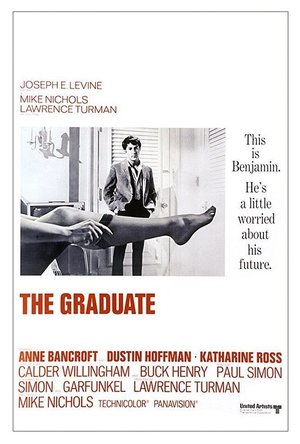

Career Defining Turn by Bancroft
On the surface, THE GRADUATE is a story of a young college graduate who has an affair with an older woman. But look beneath the surface and this film becomes much, much more.
Directed by Mike Nichols, THE GRADUATE tells the tale of Benjamin Braddock a recent College Graduate who returns home to figure out what to do with his life. He enters the film in a malaise and is paralyzed into inaction by no clear direction to his life. Taking advantage of this young man's vulnerability, family friend, Mrs. Robinson, seduces Benjamin but Benjamin realizes that he is in love with Mrs. Robinson's daughter, Elaine.
Sounds pretty straight forward, right? But under the smart, understated Direction of Mike Nichols (who won an Oscar for his work), this film becomes much, much more - subverting the notion of love and lust while driving a narrative that shines a light on the generational gap between parents and adult children in a time of great change in America - oh...and doing it in a subtly comedic way (the screenplay was wonderfully written by the great Buck Henry who makes a cameo in this film as a Hotel clerk).
Nichols, smartly, casts then relative unknown Dustin Hoffman as Benjamin because he was able to play the comedy of the awkwardness of the character (especially early on in the seduction/sex scenes with Mrs. Robinson) as well as showing emotion in emotionlessness. His Benjamin is empty - but not lacking of personality or interest - a tough tightrope to walk, but Hoffman plays it well and earned an Academy Award nomination for his work. His character does become...if I'm being honest...less interesting and more "stalker-ish" (certainly from a 21st Century perspective) as he pursues Elaine in the 2nd half of the film, so this diminishes this performance just a bit.
Also earning an Academy Award nomination is Anne Bancroft who dons a career-defining role as Mrs. Robinson. She was having trouble with the part until Director Nichols reminded her that Mrs. Robinson is seducing Benjamin not out of love or lust, but out of anger at the direction her life has drifted. We find out that Mrs. Robinson was an Art Major in College but gave up anything resembling a career when she got pregnant shortly before marrying Mr. Robinson. You can see the seething anger and resentment in the way Bancroft performs this character, with just a tinge of regret. This is a woman trying to take some control over her life - by controlling her relationship with Benjamin. And, when Benjamin decides it is time to take control of his own life, she resents it and digs her claws in deeper. It is a tour-de-force performance, one of the all-time great female performances in film.
The third side to this triangle is Elaine Robinson and as written - and portrayed by Katherine Ross - this is the most problematic of the characters. Elaine appears to be a well adjusted young woman finishing off her college career and is forced into a "date" with Benjamin at the insistence of Benjamin's parents and Elaine's father (Elaine's mother - Mrs. Robinson - is, understandably, silent on this). There is a good scene in the middle of the film where Benjamin and Elaine make a connection (which spurs Benjamin into his obsession with Elaine) but I couldn't really see what was in it for Elaine. Sure, there is the "break away from the carefully crafted life that my parents have set up for me" angle (and, surely, her desire to NOT marry the pre-Med student that she is engaged to lines right up with that) but I just didn't understand/buy her infatuation with Benjamin. Despite this, Ross earned the 3rd acting Nomination from this film.
Credit all 3 of these performances to Director Nichols who finds the right balance in every scene along with an interesting visual style that punctuates the loneliness and isolation that Benjamin is feeling. Add to that the haunting songs/sounds of the Simon and Garfunkel soundtrack - just about the only music in this film - and you have a funny, haunting and important film that is an interesting look at a time in America (the late '60's) where great change was happening and the "Generation Gap" was never more noticeable.
One last note - I LOVED the closing shot of this film. Nichols let the camera roll just a little longer than the actors expected and the look on their faces change, subtly, from surety of their decision and direction to a more "unsure" look. It is a perfect, ambiguous, way to end and I applaud Nichols for making this strong choice.
Come for the seduction, stay for the subtle humor and to watch a Director at the top of his game.
Letter Grade: A
9 stars (out of 10) and you can take that to the Bank (ofMarquis)
Directed by Mike Nichols, THE GRADUATE tells the tale of Benjamin Braddock a recent College Graduate who returns home to figure out what to do with his life. He enters the film in a malaise and is paralyzed into inaction by no clear direction to his life. Taking advantage of this young man's vulnerability, family friend, Mrs. Robinson, seduces Benjamin but Benjamin realizes that he is in love with Mrs. Robinson's daughter, Elaine.
Sounds pretty straight forward, right? But under the smart, understated Direction of Mike Nichols (who won an Oscar for his work), this film becomes much, much more - subverting the notion of love and lust while driving a narrative that shines a light on the generational gap between parents and adult children in a time of great change in America - oh...and doing it in a subtly comedic way (the screenplay was wonderfully written by the great Buck Henry who makes a cameo in this film as a Hotel clerk).
Nichols, smartly, casts then relative unknown Dustin Hoffman as Benjamin because he was able to play the comedy of the awkwardness of the character (especially early on in the seduction/sex scenes with Mrs. Robinson) as well as showing emotion in emotionlessness. His Benjamin is empty - but not lacking of personality or interest - a tough tightrope to walk, but Hoffman plays it well and earned an Academy Award nomination for his work. His character does become...if I'm being honest...less interesting and more "stalker-ish" (certainly from a 21st Century perspective) as he pursues Elaine in the 2nd half of the film, so this diminishes this performance just a bit.
Also earning an Academy Award nomination is Anne Bancroft who dons a career-defining role as Mrs. Robinson. She was having trouble with the part until Director Nichols reminded her that Mrs. Robinson is seducing Benjamin not out of love or lust, but out of anger at the direction her life has drifted. We find out that Mrs. Robinson was an Art Major in College but gave up anything resembling a career when she got pregnant shortly before marrying Mr. Robinson. You can see the seething anger and resentment in the way Bancroft performs this character, with just a tinge of regret. This is a woman trying to take some control over her life - by controlling her relationship with Benjamin. And, when Benjamin decides it is time to take control of his own life, she resents it and digs her claws in deeper. It is a tour-de-force performance, one of the all-time great female performances in film.
The third side to this triangle is Elaine Robinson and as written - and portrayed by Katherine Ross - this is the most problematic of the characters. Elaine appears to be a well adjusted young woman finishing off her college career and is forced into a "date" with Benjamin at the insistence of Benjamin's parents and Elaine's father (Elaine's mother - Mrs. Robinson - is, understandably, silent on this). There is a good scene in the middle of the film where Benjamin and Elaine make a connection (which spurs Benjamin into his obsession with Elaine) but I couldn't really see what was in it for Elaine. Sure, there is the "break away from the carefully crafted life that my parents have set up for me" angle (and, surely, her desire to NOT marry the pre-Med student that she is engaged to lines right up with that) but I just didn't understand/buy her infatuation with Benjamin. Despite this, Ross earned the 3rd acting Nomination from this film.
Credit all 3 of these performances to Director Nichols who finds the right balance in every scene along with an interesting visual style that punctuates the loneliness and isolation that Benjamin is feeling. Add to that the haunting songs/sounds of the Simon and Garfunkel soundtrack - just about the only music in this film - and you have a funny, haunting and important film that is an interesting look at a time in America (the late '60's) where great change was happening and the "Generation Gap" was never more noticeable.
One last note - I LOVED the closing shot of this film. Nichols let the camera roll just a little longer than the actors expected and the look on their faces change, subtly, from surety of their decision and direction to a more "unsure" look. It is a perfect, ambiguous, way to end and I applaud Nichols for making this strong choice.
Come for the seduction, stay for the subtle humor and to watch a Director at the top of his game.
Letter Grade: A
9 stars (out of 10) and you can take that to the Bank (ofMarquis)