
Search
Search results

Gareth von Kallenbach (980 KP) rated Flight (2012) in Movies
Aug 7, 2019


I’m not good with dramas. I like to watch movies to escape reality and dramas are all about reminding you of the turmoil and awkwardness and unpredictability that is reality. But, only if they’re good. Dramas require an emotional response from the viewer, which can only be achieved through great performances, enhanced by story, music and editing. (don’t quote me I could be missing one). If one or more elements are missing, at best it’s an unexpected comedy, at worst you’ve just wasted time and money that you’ll never get back.
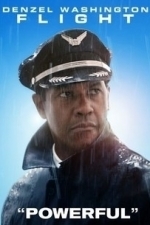
Flight in my opinion delivered. We start off with gratuitous nudity (for me it didn’t add to the story but guys will like it) from flight attendant Katerina Marquez (Nadine Valazquez) and a man, Captain Whip Whitacker (Denzel Washington) who’s about to hit his rock bottom. After a night of drinking and snorting some cocaine, together they take to the skies only for it to go horribly wrong, the plane begins an uncontrolled nose dive. Lot’s of close up shots put you right into the aircraft and you almost feel as if you’re on the flight as it’s going down (seriously my heart involuntarily started pounding faster).
Afterwards, the movie really hits its’ stride and gets into the gritty reality of what life can become. Denzel does an excellent job of bringing you in to the internal struggles with his demons; he’s so good in his denial. John Goodman plays a drug dealer Harling Mays, almost as a comic relief which actually works. Don Cheadle plays Hugh Lang, a criminal attorney sent to help Cpt Whitacker as questions arise about what really caused the plane to crash. He plays a great attorney, not smarmy, not slick, but intelligent and sharp, and in his own way, caring.
Nicole Maggen (Kelly Reilly), a drug addict who we witness goes through a relapse that puts her into the path of Cpt Whitacker. Co-pilot Ken Evans (Brian Geraghty) was a convincingly green pilot whom I would not want flying any plane I’m in. And flight attendant Margaret Tomason (Tamara Tunie), a good friend of Whitackers for several years and Pilots union rep Charlie Anderson (Bruce Greenwood) a long time military buddy who comes back into his life because of the crash. I liked both their performances, they really did great in their supporting rolls; you couldn’t have one without the other.
There is a question of devine intervention and redemption, but I think the movie steers clear of being overly religious. (I could have done without Ken Evans wife, overkill in my opinion and not necessary to the story). Anything more I say will spill the beans on the ending, so I’ll leave you with this; it really is unpredictable, you never quite know what Cpt Whitacker’s going to do until he does it. There are beautiful moments and bittersweet moments that create a powerful, emotional ride that I would recommend to someone who likes a good drama. And, even to people like me, who generally try to avoid them.
Flight in my opinion delivered. We start off with gratuitous nudity (for me it didn’t add to the story but guys will like it) from flight attendant Katerina Marquez (Nadine Valazquez) and a man, Captain Whip Whitacker (Denzel Washington) who’s about to hit his rock bottom. After a night of drinking and snorting some cocaine, together they take to the skies only for it to go horribly wrong, the plane begins an uncontrolled nose dive. Lot’s of close up shots put you right into the aircraft and you almost feel as if you’re on the flight as it’s going down (seriously my heart involuntarily started pounding faster).
Afterwards, the movie really hits its’ stride and gets into the gritty reality of what life can become. Denzel does an excellent job of bringing you in to the internal struggles with his demons; he’s so good in his denial. John Goodman plays a drug dealer Harling Mays, almost as a comic relief which actually works. Don Cheadle plays Hugh Lang, a criminal attorney sent to help Cpt Whitacker as questions arise about what really caused the plane to crash. He plays a great attorney, not smarmy, not slick, but intelligent and sharp, and in his own way, caring.
Nicole Maggen (Kelly Reilly), a drug addict who we witness goes through a relapse that puts her into the path of Cpt Whitacker. Co-pilot Ken Evans (Brian Geraghty) was a convincingly green pilot whom I would not want flying any plane I’m in. And flight attendant Margaret Tomason (Tamara Tunie), a good friend of Whitackers for several years and Pilots union rep Charlie Anderson (Bruce Greenwood) a long time military buddy who comes back into his life because of the crash. I liked both their performances, they really did great in their supporting rolls; you couldn’t have one without the other.
There is a question of devine intervention and redemption, but I think the movie steers clear of being overly religious. (I could have done without Ken Evans wife, overkill in my opinion and not necessary to the story). Anything more I say will spill the beans on the ending, so I’ll leave you with this; it really is unpredictable, you never quite know what Cpt Whitacker’s going to do until he does it. There are beautiful moments and bittersweet moments that create a powerful, emotional ride that I would recommend to someone who likes a good drama. And, even to people like me, who generally try to avoid them.

Heather Cranmer (2721 KP) created a post
Nov 11, 2022


Lee (2222 KP) rated Captain Marvel (2019) in Movies
Mar 9, 2019
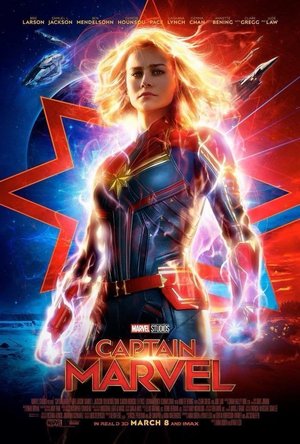
Following the traumatic and devastating events of last years Avengers: Infinity War, Captain Marvel finally arrives on our screens with huge expectation, anticipation and excitement. As Nick Fury was reduced to dust in the final moments of Infinity War, along with half of all living things in the universe, we saw that he'd just managed to send out an SOS message. The recipient of that message was revealed to be Captain Marvel, so far absent from the cinematic universe but labelled outside of it as "Marvel's biggest female hero", and "quite possibly Marvel's mightiest Avenger". With mad Titan Thanos still on the loose, and half of all life to restore, there's clearly a great deal resting on her shoulders. Thankfully we'll get to see how that all plays out in just over a month when Endgame hits our cinemas, but in the meantime we need to get up to speed on the origins of Captain Marvel.
But this isn't your standard origin story. When we first join Captain Marvel, or Vers as she is currently known, she is already part of the Kree Starforce, fighting alongside her mentor Yon-Rogg (Jude Law) as they take on shape-shifting enemies, the Skrulls. She already has a considerable amount of power, although she has no memory of how exactly she came about it, or of any kind of life preceding it. Following an early morning bit of fight training, with Yon-Rogg urging her to try and control her emotions and her power, it's straight into the action as the Starforce team are sent out on an important field mission. Things don't quite go according to plan though, and when they're ambushed by a group of Skrulls, Vers is kidnapped by Skrull commander Talos (Ben Mendelsohn) and taken to their ship for interrogation.
The interrogation has a kind of Total Recall effect on Vers - unlocking memories of her life as a child, growing up with friends, military training and more. She manages to mount an escape, fleeing the ship and crash landing on planet C-53 (or as we know it, Earth), along with a bunch of Skrulls. She lands in the middle of a Blockbuster video store, with the Skrulls landing on a nearby beach and assuming the shape of some surfing humans in order to blend in with the locals. It's not long before the dramatic arrival has drawn the attention of a couple of SHIELD agents by the name of Fury and Coulson, both looking a lot younger than we're used to, due to the fact that we're in 1995. The de-aging effect, used sparingly but impressively in previous Marvel movies is simply incredible here, given that it is being relied upon for the entire movie in order to make the young Nick Fury believable. And it totally works too.
Up until this point in the movie, I felt that it was all just a little bit bland. We don't really get much time to get acquainted with our hero, or the alien world she inhabits, and the space-team-field-mission elements have all been done previously, and much better, in the Guardians of the Galaxy movies. Coincidentally, Ronan and Korath who star in those movies both appear early on in Captain Marvel, providing some nice backstory for them and a link to the rest of the cinematic universe. It's only when Vers arrives on Earth, and teams up with Nick Fury in order to stop the Skrull invasion, that the movie really finds its footing, becoming a great deal more interesting and enjoyable. Things really lighten up too, accompanied by a great 90s soundtrack and giving off a cool 90s buddy cop movie vibe. It's also great to see Nick Fury acting much less serious and having a lot more to do than in previous Marvel movies. As for Vers, we finally begin to learn a lot more about her too as she begins to piece together her forgotten history and learn more about her life on Earth as Carol Danvers.
The movie is made all the more fun by a couple of very good additional characters. Ben Mendelsohn is outstanding as Talos, providing just the right combination of menace and humour. Special mention also for Goose the cat, who joins Danvers and Fury on their journey. Although, if you're familiar with the comics (where he is known as Chewie), you'll know that there's more to him that meets the eye and he literally manages to steal every single scene he's in, providing some of the movies laugh out loud and surprising moments.
The final third of the movie is where things really kick in though with Carol Danvers unlocking her full potential, despite being repeatedly told throughout life that she's too emotional and too weak. Unleashing hell in an epic, breathtaking and extremely satisfying space battle. With just over a month to go until the release of Endgame, Thanos better be scared. He's not going to know what hit him!
But this isn't your standard origin story. When we first join Captain Marvel, or Vers as she is currently known, she is already part of the Kree Starforce, fighting alongside her mentor Yon-Rogg (Jude Law) as they take on shape-shifting enemies, the Skrulls. She already has a considerable amount of power, although she has no memory of how exactly she came about it, or of any kind of life preceding it. Following an early morning bit of fight training, with Yon-Rogg urging her to try and control her emotions and her power, it's straight into the action as the Starforce team are sent out on an important field mission. Things don't quite go according to plan though, and when they're ambushed by a group of Skrulls, Vers is kidnapped by Skrull commander Talos (Ben Mendelsohn) and taken to their ship for interrogation.
The interrogation has a kind of Total Recall effect on Vers - unlocking memories of her life as a child, growing up with friends, military training and more. She manages to mount an escape, fleeing the ship and crash landing on planet C-53 (or as we know it, Earth), along with a bunch of Skrulls. She lands in the middle of a Blockbuster video store, with the Skrulls landing on a nearby beach and assuming the shape of some surfing humans in order to blend in with the locals. It's not long before the dramatic arrival has drawn the attention of a couple of SHIELD agents by the name of Fury and Coulson, both looking a lot younger than we're used to, due to the fact that we're in 1995. The de-aging effect, used sparingly but impressively in previous Marvel movies is simply incredible here, given that it is being relied upon for the entire movie in order to make the young Nick Fury believable. And it totally works too.
Up until this point in the movie, I felt that it was all just a little bit bland. We don't really get much time to get acquainted with our hero, or the alien world she inhabits, and the space-team-field-mission elements have all been done previously, and much better, in the Guardians of the Galaxy movies. Coincidentally, Ronan and Korath who star in those movies both appear early on in Captain Marvel, providing some nice backstory for them and a link to the rest of the cinematic universe. It's only when Vers arrives on Earth, and teams up with Nick Fury in order to stop the Skrull invasion, that the movie really finds its footing, becoming a great deal more interesting and enjoyable. Things really lighten up too, accompanied by a great 90s soundtrack and giving off a cool 90s buddy cop movie vibe. It's also great to see Nick Fury acting much less serious and having a lot more to do than in previous Marvel movies. As for Vers, we finally begin to learn a lot more about her too as she begins to piece together her forgotten history and learn more about her life on Earth as Carol Danvers.
The movie is made all the more fun by a couple of very good additional characters. Ben Mendelsohn is outstanding as Talos, providing just the right combination of menace and humour. Special mention also for Goose the cat, who joins Danvers and Fury on their journey. Although, if you're familiar with the comics (where he is known as Chewie), you'll know that there's more to him that meets the eye and he literally manages to steal every single scene he's in, providing some of the movies laugh out loud and surprising moments.
The final third of the movie is where things really kick in though with Carol Danvers unlocking her full potential, despite being repeatedly told throughout life that she's too emotional and too weak. Unleashing hell in an epic, breathtaking and extremely satisfying space battle. With just over a month to go until the release of Endgame, Thanos better be scared. He's not going to know what hit him!
Lee (2222 KP) rated It: Chapter Two (2019) in Movies
Sep 6, 2019 (Updated Sep 6, 2019)

Bloated, messy at times, not quite as good as chapter 1 :(
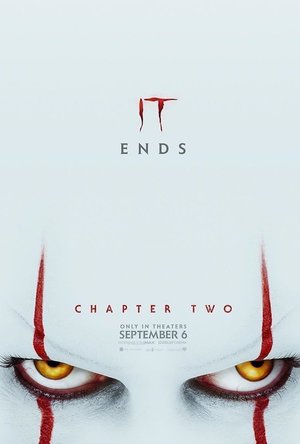
It's fair to say that IT Chapter 2 has been one of my most anticipated movies this year. The trailer, which I've probably watched just as many times now as I watched the Endgame trailer, gives me goosebumps every time, and I couldn't wait to rejoin the losers club for another battle with Pennywise the clown. I was lucky enough to secure tickets to the immersive IT experience in London last weekend, adding further fuel to my excitement, and I decided to book the double bill showing of both chapters at the cinema in order to fully enjoy the complete story. Watching chapter 1 up on the big screen again proved to be just as enjoyable for me as the first time I saw it. Sadly though, I feel that chapter 2 didn't quite measure up to chapter 1.
It's now been 27 years since the events of chapter 1. One night, at the Derry funfair, a prolonged and brutal homophobic attack takes place, seemingly serving no other purpose than to provide us with a lengthy setup for the return of Pennywise. Yes, the clown is back and looking for revenge. It falls to Mike (Isaiah Mustafa), the only member of the losers club still living in Derry, to call on the others, to tell them they need to come home and to fulfill the oath they all pledged as children - no matter where they are, if "It" ever comes back, they'll come back to finish it. They all take the call they never thought they'd get and immediately their lives feel the impact - Bill (James McAvoy) is now a famous writer and suddenly starts to regain his stutter, Beverly (Jessica Chastain) clearly hasn't managed to escape a life of abuse, Ben (Jay Ryan) has managed to shed a lot of weight, Richie (Bill Hader) throws up before going on stage to perform stand-up, Eddie (James Ransome) simply refuses to believe what he's hearing. And Stanley (Andy Bean), well he fully appreciates the horror that lies ahead of them all.
The adult versions of the losers club are all perfectly cast, and just as entertaining in adult form as they are as children. Any reviews you read for this movie will no doubt mention Bill Hader as adult Richie, and all praise for him is well deserved. Just as Finn Wolfhard stole the show as the young, wise cracking and potty mouthed Richie in chapter 1, so does Bill Hader here. But the entire adult cast is all simply spot on.
They all meet up at a Chinese restaurant in Derry, gradually recalling forgotten events from their childhood over a meal and falling back into old friendships once again. We get multiple flashbacks of them all as teenagers, new scenes that help to flesh out the story-line, and these continue throughout the entire movie. It's a real nostalgic joy to revisit these younger versions again, and to immediately see how each flashback moment ultimately affects them as adults. The threat of Pennywise constantly lingers though, and they know they have work to do.
They go their separate ways, remaining in Derry but taking time to reacquainte themselves with the town and their own personal history there. Mike has a theory on how to defeat Pennywise once and for all, but first they must face him individually - grow stronger and more confident so that they can hopefully overcome him together as a team.
Unfortunately though, Pennywise never really feels as much of a threat as he did in the first movie. The slow brooding, creepy scares that worked so effectively then are all but lost here. There certainly are still a handful of those in chapter 2, and those do work extremely well, but they're simply outnumbered by a constant barrage of jump scares and CGI monsters. I lost count of the number of times we got a random CGI creature rapidly approaching us and the over-reliance on CGI is noticeably jarring, even more so in the final act. The use of practical, psychological scares is sorely missed and the whole thing is nowhere near as scary as chapter 1.
The run-time clocks in at 2hr 50, compared to a tighter 2hr 15 for chapter 1, and it really notices. Admittedly, the Stephen King source material is pretty hefty anyway (so I hear), but at times this just felt bloated and messy in its interpretation, too much being thrown at you and not enough of it sticking. That CG heavy finale I mentioned is also way too long, and really drags. It's a shame because I really enjoyed the introduction of the adult losers and the interweaving of their lives with the flashbacks from 27 years earlier. There's talk of an extended cut being out there and potentially being released. Personally, I would prefer a much leaner, shorter cut.
It's now been 27 years since the events of chapter 1. One night, at the Derry funfair, a prolonged and brutal homophobic attack takes place, seemingly serving no other purpose than to provide us with a lengthy setup for the return of Pennywise. Yes, the clown is back and looking for revenge. It falls to Mike (Isaiah Mustafa), the only member of the losers club still living in Derry, to call on the others, to tell them they need to come home and to fulfill the oath they all pledged as children - no matter where they are, if "It" ever comes back, they'll come back to finish it. They all take the call they never thought they'd get and immediately their lives feel the impact - Bill (James McAvoy) is now a famous writer and suddenly starts to regain his stutter, Beverly (Jessica Chastain) clearly hasn't managed to escape a life of abuse, Ben (Jay Ryan) has managed to shed a lot of weight, Richie (Bill Hader) throws up before going on stage to perform stand-up, Eddie (James Ransome) simply refuses to believe what he's hearing. And Stanley (Andy Bean), well he fully appreciates the horror that lies ahead of them all.
The adult versions of the losers club are all perfectly cast, and just as entertaining in adult form as they are as children. Any reviews you read for this movie will no doubt mention Bill Hader as adult Richie, and all praise for him is well deserved. Just as Finn Wolfhard stole the show as the young, wise cracking and potty mouthed Richie in chapter 1, so does Bill Hader here. But the entire adult cast is all simply spot on.
They all meet up at a Chinese restaurant in Derry, gradually recalling forgotten events from their childhood over a meal and falling back into old friendships once again. We get multiple flashbacks of them all as teenagers, new scenes that help to flesh out the story-line, and these continue throughout the entire movie. It's a real nostalgic joy to revisit these younger versions again, and to immediately see how each flashback moment ultimately affects them as adults. The threat of Pennywise constantly lingers though, and they know they have work to do.
They go their separate ways, remaining in Derry but taking time to reacquainte themselves with the town and their own personal history there. Mike has a theory on how to defeat Pennywise once and for all, but first they must face him individually - grow stronger and more confident so that they can hopefully overcome him together as a team.
Unfortunately though, Pennywise never really feels as much of a threat as he did in the first movie. The slow brooding, creepy scares that worked so effectively then are all but lost here. There certainly are still a handful of those in chapter 2, and those do work extremely well, but they're simply outnumbered by a constant barrage of jump scares and CGI monsters. I lost count of the number of times we got a random CGI creature rapidly approaching us and the over-reliance on CGI is noticeably jarring, even more so in the final act. The use of practical, psychological scares is sorely missed and the whole thing is nowhere near as scary as chapter 1.
The run-time clocks in at 2hr 50, compared to a tighter 2hr 15 for chapter 1, and it really notices. Admittedly, the Stephen King source material is pretty hefty anyway (so I hear), but at times this just felt bloated and messy in its interpretation, too much being thrown at you and not enough of it sticking. That CG heavy finale I mentioned is also way too long, and really drags. It's a shame because I really enjoyed the introduction of the adult losers and the interweaving of their lives with the flashbacks from 27 years earlier. There's talk of an extended cut being out there and potentially being released. Personally, I would prefer a much leaner, shorter cut.


Bob Mann (459 KP) rated Fantastic Beasts: Crimes of Grindelwald (2018) in Movies
Sep 28, 2021
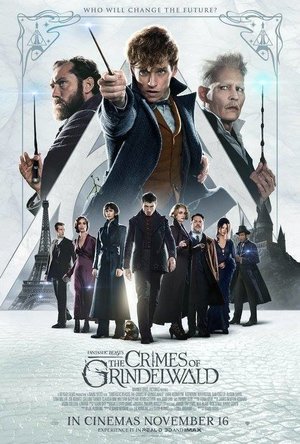

Lestranger than fiction.
I must be one of the last people to watch this in the cinema, thanks to an irritating bout of sickness and – well – frankly total bloody apathy! For me this is the franchise that nobody asked for and nobody wanted. (Well, “nobody” is probably overstating the case, since there is probably a bunch of Potterheads out there who are shouting at me right now). But judging from the opinion of my daughter-in-law, who could win “Mastermind” with her knowledge of the original Potter series as her specialist subject, I am certainly not alone in my lack of enthusiasm.
The Plot
I’d really love to tell you about the plot. I really would! But I would struggle to pull all the multitude of strands together from J.K. Rowling’s story and coherently explain them to anyone. If Rowling had put ten thousand monkeys (not a million – it’s no bloody Shakespeare) into a room with typewriters and locked the door I wouldn’t be surprised.
Let me try at a high level….. The arch-criminal wizard Grindelwald (Johnny Depp) is being tortured in ‘Trump Tower’, but manages to escape and flees to Paris in pursuit of a mysterious circus performer called Credence (Ezra Miller) and his bewitched companion Nagini (nudge, nudge, wink, wink) played fetchingly by Claudia Kim. Someone needs to stop him, and all eyes are on Albus Dumbledore (Jude Law). But he is unable to do so, since he and Grindelwald are “closer than brothers” (nudge, nudge, wink, wink). So a reluctant and UK-grounded Newt Scamander (Eddie Redmayne) is smuggled into the danger zone… which suits him just fine since his love Tina (Katherine Waterston) is working for the ministry there, and the couple are currently estranged due to a (topical) bout of ‘Fake News’.
Throw in a potential love triangle between Newt, his brother Theseus (Callum Turner) and old Hogwart’s schoolmate Leta Lestrange (Zoë Kravitz) and about a half dozen other sub-plots and you have… well… a complete bugger’s muggle – – sorry – – muddle.
A plot that’s all at sea
Above all, I really can’t explain the crux of the plot. A venerable diarrhoea of exposition in a crypt, during an inexplicably quiet fifteen minutes (given ‘im-who-can-be-named is next door with about a thousand other people!) left me completely bewildered. A bizarre event at sea (no spoilers) would seem to make absolutely NO SENSE when considered with another reveal at the end of the film. I thought I must have clearly missed something… or I’d just not been intelligent enough to process the information…. or…. it was actually completely bonkers! Actually, I think it’s the latter: in desperation I went on a fan site that tried to explain the plot. While it was explained there, the explanation aligned with what I thought had happened: but it made no mention of the ridiculousness of the random coincidence involved!
The turns
The film’s a mess. Which is a shame since everyone involved tries really hard. Depp oozes evil very effectively (he proves that nicely on arriving in Paris, and doubles-down about 5 minutes later: #veryverydark). Redmayne replays his Newt-act effectively but once again (and I see I made the same comments in my “Fantastic Beasts” review) his character mumbles again so much that many of his lines are unintelligible.
I also complained last time that the excellent actress Katherine Waterston was criminally underused as the tentative love interest Tina. this trend unfortunately continues unabated in this film…. you’ll struggle afterwards to write down what she actually did in this film.
Jacob (Dan Fogler) and Queenie (Alison Sudol, looking for all the world in some scenes like Rachel Weisz) reprise their roles in a sub-plot that goes nowhere in particular.
Of the newcomers, Jude Law as Dumbledore is a class-act but has very little screen time: hopefully he will get more to do next time around. Zoë Kravitz impresses as Leta.
Wizards of the screen
As you would expect from a David Yates / David Heyman Potter collaboration, the product design, costume design and special effects are all excellent. Some scenes are truly impressive – an ‘explosion’ in a Parisian garret is particularly spectacular.
But special effects alone do not a great film make. Many reviews I’ve seen complain that this was a ‘filler’ film… a set-up film for the rest of the series. And I can understand that view. If you analyse the film overall, virtually NOTHING of importance actually happens: it’s like the “Order of the Phoenix” of the prequels.
Final Thoughts
I dragged myself along to see this one because “I thought I should”. The third in the series will really need to sparkle to make me want to see it. If J.K. Rowling were to take me advice (she won’t – she NEVER returns my calls!) then she would sculpt the story-arc but leave the screenwriting to someone better. The blame for this one, I’m afraid, lies at Rowling’s door alone.
The Plot
I’d really love to tell you about the plot. I really would! But I would struggle to pull all the multitude of strands together from J.K. Rowling’s story and coherently explain them to anyone. If Rowling had put ten thousand monkeys (not a million – it’s no bloody Shakespeare) into a room with typewriters and locked the door I wouldn’t be surprised.
Let me try at a high level….. The arch-criminal wizard Grindelwald (Johnny Depp) is being tortured in ‘Trump Tower’, but manages to escape and flees to Paris in pursuit of a mysterious circus performer called Credence (Ezra Miller) and his bewitched companion Nagini (nudge, nudge, wink, wink) played fetchingly by Claudia Kim. Someone needs to stop him, and all eyes are on Albus Dumbledore (Jude Law). But he is unable to do so, since he and Grindelwald are “closer than brothers” (nudge, nudge, wink, wink). So a reluctant and UK-grounded Newt Scamander (Eddie Redmayne) is smuggled into the danger zone… which suits him just fine since his love Tina (Katherine Waterston) is working for the ministry there, and the couple are currently estranged due to a (topical) bout of ‘Fake News’.
Throw in a potential love triangle between Newt, his brother Theseus (Callum Turner) and old Hogwart’s schoolmate Leta Lestrange (Zoë Kravitz) and about a half dozen other sub-plots and you have… well… a complete bugger’s muggle – – sorry – – muddle.
A plot that’s all at sea
Above all, I really can’t explain the crux of the plot. A venerable diarrhoea of exposition in a crypt, during an inexplicably quiet fifteen minutes (given ‘im-who-can-be-named is next door with about a thousand other people!) left me completely bewildered. A bizarre event at sea (no spoilers) would seem to make absolutely NO SENSE when considered with another reveal at the end of the film. I thought I must have clearly missed something… or I’d just not been intelligent enough to process the information…. or…. it was actually completely bonkers! Actually, I think it’s the latter: in desperation I went on a fan site that tried to explain the plot. While it was explained there, the explanation aligned with what I thought had happened: but it made no mention of the ridiculousness of the random coincidence involved!
The turns
The film’s a mess. Which is a shame since everyone involved tries really hard. Depp oozes evil very effectively (he proves that nicely on arriving in Paris, and doubles-down about 5 minutes later: #veryverydark). Redmayne replays his Newt-act effectively but once again (and I see I made the same comments in my “Fantastic Beasts” review) his character mumbles again so much that many of his lines are unintelligible.
I also complained last time that the excellent actress Katherine Waterston was criminally underused as the tentative love interest Tina. this trend unfortunately continues unabated in this film…. you’ll struggle afterwards to write down what she actually did in this film.
Jacob (Dan Fogler) and Queenie (Alison Sudol, looking for all the world in some scenes like Rachel Weisz) reprise their roles in a sub-plot that goes nowhere in particular.
Of the newcomers, Jude Law as Dumbledore is a class-act but has very little screen time: hopefully he will get more to do next time around. Zoë Kravitz impresses as Leta.
Wizards of the screen
As you would expect from a David Yates / David Heyman Potter collaboration, the product design, costume design and special effects are all excellent. Some scenes are truly impressive – an ‘explosion’ in a Parisian garret is particularly spectacular.
But special effects alone do not a great film make. Many reviews I’ve seen complain that this was a ‘filler’ film… a set-up film for the rest of the series. And I can understand that view. If you analyse the film overall, virtually NOTHING of importance actually happens: it’s like the “Order of the Phoenix” of the prequels.
Final Thoughts
I dragged myself along to see this one because “I thought I should”. The third in the series will really need to sparkle to make me want to see it. If J.K. Rowling were to take me advice (she won’t – she NEVER returns my calls!) then she would sculpt the story-arc but leave the screenwriting to someone better. The blame for this one, I’m afraid, lies at Rowling’s door alone.
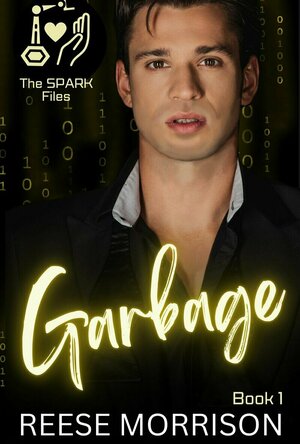
Garbage (The SPARK Files, #1)
10.0 Rate It
Book
Evan isn’t brave. But when he hears a group of Human Firsters attacking a garbage collection...
MM Science Fiction Romance Hurt/Comfort


Chris Sawin (602 KP) rated Public Enemies (2009) in Movies
Jun 22, 2019

The year is 1933 and bank robberies are at an all time high. John Dillinger, Baby Face Nelson, and Pretty Boy Floyd are at the top of their game. In the public eye, robbers are looked at as heroes instead of criminals. Dillinger enjoys the fruit of his labor to the fullest until the day Melvin Purvis is put in charge of the FBI division down in Chicago. Word traveled fast of how one of FBI's top agents (Purvis) took down Pretty Boy Floyd and hopes are high that he can help in the newly announced "war on crime." Once Purvis arrived in Chicago, the crime wave of the 30's that was on a steady uprise took a drastic decline. Bank robberies were never the same as Dillinger's friends began dropping like flies. As Dillinger's motto of not thinking about tomorrow since he's too busy enjoying today comes back to haunt him, he soon realizes that he can only hide for so long and that the feds will catch up with him sooner or later.
The most noticeable thing about the film is its cinematography. Michael Mann has used the same method of shooting Public Enemies with HD digital cameras like he did with Collateral. This could be a hassle to some viewers as the picture isn't as shaky as it was in something like Cloverfield, but isn't as crystal clear and steady as you may have found in some of Mann's earlier work like Heat or most other films, for that matter. Perspective plays a huge role in this film. Certain lighting seems to come off better being shot in HD digital and it certainly shows, but the imperfections seem to give the film more character. Some people might throw the word, "edgy," around, but we'll settle on saying this style of filming feels like a more realistic approach. It makes the audience feel like they're actually amongst these gangsters during their heyday.
It almost felt like Christian Bale didn't really want to be there. Between this and Terminator: Salvation, he's really lacking the charisma and talent he's shown in films like The Prestige and The Machinist or even American Psycho. Maybe he's just hit his peak and has nothing else up his sleeve to wow audiences. Bale has hit an eye-catching slump, which is hard to say since this is coming from a long time fan. As long as he continues to be cast in big budget films though and those films wind up doing extremely well at the box office, then not many people are going to notice a difference in the actor's lackluster performance.
Johnny Depp, on the other hand, stole every scene he was in. His cockiness and confidence in his abilities in what he does just gave life to Dillinger that makes you generally like him. You want to see him escape as soon as he gets caught, pull off that next big robbery, and succeed at everything he does so he can run off with Billie Frechette (Marion Cotillard) and live happily ever after. His dialogue is also generally pretty incredible. In the scene where he's confronting Agent Purvis from behind bars, Dillinger is asking Purvis about what it was like to kill a man. How their eyes looked and how you can literally watch a man just drift away by staring into their eyes while they're dying. That that whole experience could keep a man up at night. Purvis asks Dillinger what keeps him up at night. Dillinger, who always seemed to be chewing gum, replies, "Coffee." Dillinger just felt like one of Depp's better acting roles, as of late. He showed more emotion than we're generally used to seeing from him and it was just an incredibly strong performance from the Oscar nominee.
The film has a lot of great dialogue, intriguing character interaction, and it's interesting watching the story unfold of how the crime wave of the 30s may have come to an end, but what really makes the film worth seeing is the shootouts. Any scene that begins with somebody holding a gun is worth getting excited over. There's a scene in the woods in the latter half of the film that is worth the price of admission alone. It takes place at night and everything is littered with darkness until the tommy guns make an appearance. The way the guns light up everything else around the characters firing them was a nice touch. Small explosions erupting from a chamber every time somebody pulled the trigger. This is some of the best gunfire to ever be filmed.
When it comes to Public Enemies, it is one of the best films of the year which is mentioned in at least one of the TV spots. Anyone who was a fan of Michael Mann's previous films (or gangster films, in general) will more than likely walk away from this film satisfied. Johnny Depp is still at the top of his game while Christian Bale seems to be winding down. Public Enemies is a film worthy of the summer blockbuster season which will satisfy the appetite of any fan of crime films.
The most noticeable thing about the film is its cinematography. Michael Mann has used the same method of shooting Public Enemies with HD digital cameras like he did with Collateral. This could be a hassle to some viewers as the picture isn't as shaky as it was in something like Cloverfield, but isn't as crystal clear and steady as you may have found in some of Mann's earlier work like Heat or most other films, for that matter. Perspective plays a huge role in this film. Certain lighting seems to come off better being shot in HD digital and it certainly shows, but the imperfections seem to give the film more character. Some people might throw the word, "edgy," around, but we'll settle on saying this style of filming feels like a more realistic approach. It makes the audience feel like they're actually amongst these gangsters during their heyday.
It almost felt like Christian Bale didn't really want to be there. Between this and Terminator: Salvation, he's really lacking the charisma and talent he's shown in films like The Prestige and The Machinist or even American Psycho. Maybe he's just hit his peak and has nothing else up his sleeve to wow audiences. Bale has hit an eye-catching slump, which is hard to say since this is coming from a long time fan. As long as he continues to be cast in big budget films though and those films wind up doing extremely well at the box office, then not many people are going to notice a difference in the actor's lackluster performance.
Johnny Depp, on the other hand, stole every scene he was in. His cockiness and confidence in his abilities in what he does just gave life to Dillinger that makes you generally like him. You want to see him escape as soon as he gets caught, pull off that next big robbery, and succeed at everything he does so he can run off with Billie Frechette (Marion Cotillard) and live happily ever after. His dialogue is also generally pretty incredible. In the scene where he's confronting Agent Purvis from behind bars, Dillinger is asking Purvis about what it was like to kill a man. How their eyes looked and how you can literally watch a man just drift away by staring into their eyes while they're dying. That that whole experience could keep a man up at night. Purvis asks Dillinger what keeps him up at night. Dillinger, who always seemed to be chewing gum, replies, "Coffee." Dillinger just felt like one of Depp's better acting roles, as of late. He showed more emotion than we're generally used to seeing from him and it was just an incredibly strong performance from the Oscar nominee.
The film has a lot of great dialogue, intriguing character interaction, and it's interesting watching the story unfold of how the crime wave of the 30s may have come to an end, but what really makes the film worth seeing is the shootouts. Any scene that begins with somebody holding a gun is worth getting excited over. There's a scene in the woods in the latter half of the film that is worth the price of admission alone. It takes place at night and everything is littered with darkness until the tommy guns make an appearance. The way the guns light up everything else around the characters firing them was a nice touch. Small explosions erupting from a chamber every time somebody pulled the trigger. This is some of the best gunfire to ever be filmed.
When it comes to Public Enemies, it is one of the best films of the year which is mentioned in at least one of the TV spots. Anyone who was a fan of Michael Mann's previous films (or gangster films, in general) will more than likely walk away from this film satisfied. Johnny Depp is still at the top of his game while Christian Bale seems to be winding down. Public Enemies is a film worthy of the summer blockbuster season which will satisfy the appetite of any fan of crime films.
Lee (2222 KP) rated Sonic the Hedgehog (2020) in Movies
Feb 17, 2020
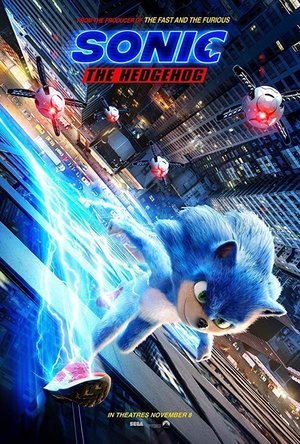
It’s been a very long time since I played the Sonic the Hedgehog video games on my brothers SEGA Megadrive. I was, and always have been, a Nintendo guy, so since then my only experience of Sonic has been when he joins forces with Mario and Co for Mario and Sonic at the Olympic Games. I do have good memories of his solo outings though, and he is clearly an enduring and popular character, ideally suited for a CGI/live action movie.
When we first meet Sonic, he’s a young hedgehog on his home world, zipping about the place without a care in the world and being mentored by an owl called Longclaw. Before we get a chance to learn anything about Longclaw and the world that he and Sonic inhabit, some bad guy echidnas show up, looking to get their hands on Sonic and his speedy powers. Longclaw gives Sonic a bag of rings that can be used to open a portal to another world, and after opening one for him to escape through, tells him to use one whenever he is in danger of being captured.
Cut to Green Hills, Montana where we meet local sheriff Tom Wachowski (James Marsden) and his wife Maddie (Tika Sumpter). Tom has been accepted, pending background checks, into the San Francisco police department, and he and Maddie are currently in the process of looking at houses there. We also learn that a now grown up Sonic has found his way into our world and has been living in hiding in Green Hills for some time now. The local crazy old man, Crazy Carl, claims to have seen a ‘blue devil’ on a number of occasions, but otherwise Sonic has managed to stay hidden. He’s even got himself a little underground man cave, and has become quite attached to Tom and Maddie, observing and following their every day lives from afar.
When Sonic manages to cause a city-wide power outage one evening, he draws the attention of the government, who bring in mad scientist Dr Robotnik (Jim Carrey) to investigate. When the gold rings that Sonic needs to transport to another world are mislaid, and as Robotnik and his team close in on him, Sonic makes himself known to an unsuspecting Tom and asks for his help. The movie then becomes a road trip, with them both on the run, evading Dr Robotnik and searching for the gold rings.
The CGI representation of Sonic had been something of a hot talking point, ever since the release of the first trailer sparked a huge online backlash. Looking more human, with smaller eyes, and longer limbs, the reaction of horror by anyone vaguely familiar with the character was enough to make director Jeff Fowler stand up and take notice, and the release date of the movie was pushed back to allow for some serious rework by the VFX team. Thankfully, when the new trailer was released, it was to a much more positive reaction, and rightfully so - Sonic was now much more aligned to his video game persona and on the receiving end of some pretty decent marketing material and promotion to back it all up. Ben Schwartz provides the voice for Sonic, giving him a wonderful childlike quality - in awe of the world around him, funny and confident in his abilities, but never really coming across as an annoying brat.
Jim Carrey brings to Robotnik the kind of madcap comedy that he we haven’t seen from him in a long time and is a delight in every scene he features. James Marsden is no stranger to appearing alongside CGI characters in children’s movies, and does his part well once again. Outside of that, the rest of the cast don’t get much to work with and kind of just fade into the background.
Overall, Sonic the Hedgehog is a fairly enjoyable movie, but it’s also instantly forgettable. It’s been a couple of days since I saw it and, apart from a couple of fun action scenes along the way, and the climactic showdown, I really don’t remember very much about it. If you’ve seen the wonderful scenes in the X-Men movies where QuickSilver zips around, interacting with characters and scenery as though time has stood still, then there are a few scenes just like that for you to enjoy. It’s a much better movie than I was expecting to see, but ultimately I think it could have been a hello a lot worse if they’d stuck to their guns with the original character design.
When we first meet Sonic, he’s a young hedgehog on his home world, zipping about the place without a care in the world and being mentored by an owl called Longclaw. Before we get a chance to learn anything about Longclaw and the world that he and Sonic inhabit, some bad guy echidnas show up, looking to get their hands on Sonic and his speedy powers. Longclaw gives Sonic a bag of rings that can be used to open a portal to another world, and after opening one for him to escape through, tells him to use one whenever he is in danger of being captured.
Cut to Green Hills, Montana where we meet local sheriff Tom Wachowski (James Marsden) and his wife Maddie (Tika Sumpter). Tom has been accepted, pending background checks, into the San Francisco police department, and he and Maddie are currently in the process of looking at houses there. We also learn that a now grown up Sonic has found his way into our world and has been living in hiding in Green Hills for some time now. The local crazy old man, Crazy Carl, claims to have seen a ‘blue devil’ on a number of occasions, but otherwise Sonic has managed to stay hidden. He’s even got himself a little underground man cave, and has become quite attached to Tom and Maddie, observing and following their every day lives from afar.
When Sonic manages to cause a city-wide power outage one evening, he draws the attention of the government, who bring in mad scientist Dr Robotnik (Jim Carrey) to investigate. When the gold rings that Sonic needs to transport to another world are mislaid, and as Robotnik and his team close in on him, Sonic makes himself known to an unsuspecting Tom and asks for his help. The movie then becomes a road trip, with them both on the run, evading Dr Robotnik and searching for the gold rings.
The CGI representation of Sonic had been something of a hot talking point, ever since the release of the first trailer sparked a huge online backlash. Looking more human, with smaller eyes, and longer limbs, the reaction of horror by anyone vaguely familiar with the character was enough to make director Jeff Fowler stand up and take notice, and the release date of the movie was pushed back to allow for some serious rework by the VFX team. Thankfully, when the new trailer was released, it was to a much more positive reaction, and rightfully so - Sonic was now much more aligned to his video game persona and on the receiving end of some pretty decent marketing material and promotion to back it all up. Ben Schwartz provides the voice for Sonic, giving him a wonderful childlike quality - in awe of the world around him, funny and confident in his abilities, but never really coming across as an annoying brat.
Jim Carrey brings to Robotnik the kind of madcap comedy that he we haven’t seen from him in a long time and is a delight in every scene he features. James Marsden is no stranger to appearing alongside CGI characters in children’s movies, and does his part well once again. Outside of that, the rest of the cast don’t get much to work with and kind of just fade into the background.
Overall, Sonic the Hedgehog is a fairly enjoyable movie, but it’s also instantly forgettable. It’s been a couple of days since I saw it and, apart from a couple of fun action scenes along the way, and the climactic showdown, I really don’t remember very much about it. If you’ve seen the wonderful scenes in the X-Men movies where QuickSilver zips around, interacting with characters and scenery as though time has stood still, then there are a few scenes just like that for you to enjoy. It’s a much better movie than I was expecting to see, but ultimately I think it could have been a hello a lot worse if they’d stuck to their guns with the original character design.