
Search
Search results

Bob Mann (459 KP) rated Minari (2020) in Movies
Apr 23, 2021


Ensemble cast acting (2 more)
Music and Cinematography
Engrossing story
A Korean Hillbilly Elegy, done right
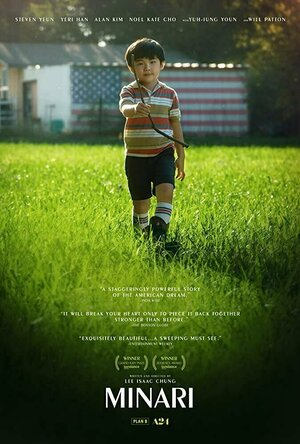
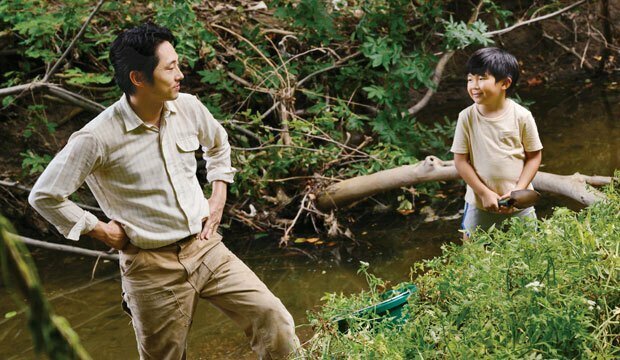
In "Minari", a struggling Korean immigrant family - the Yi's led by Jacob (Steven Yeun) and Monica (Yeri Han) - leave California for Arkansas farmland to seek a better life. While employed sexing chicks at a factory, Jacob dreams of farming the land on which they live to improve their lives. But will his obsession for this dream stand between him and his family?
The tale is told through the eyes of young David (Alan S. Kim), who is struggling with a hole in the heart and doubts about his mortality. The arrival of Monica's mother (Yuh-Jung Youn) is resented by David, but the woman is wise (as well as foul mouthed) and perhaps the pair will eventually learn to respect one another?
Positives:
- Gloriously bucolic cinematography (by Lachlan Milne) frames an engrossing story of an immigrant family striving for the American dream. The fact that it is semi-biographical for the writer/director Lee Isaac Chung (also Oscar nominated for both) makes it all the more fascinating.
- All of the leading cast work fabulously as an ensemble. Steven Yeun and Yuh-Jung Youn have all the Oscar nomination glory (with Youn as the Grandmother odds-on to win the Supporting Actress award on Sunday). But Yeri Han is also great and the film wouldn't work unless the two child actors (Alan Kim and Noel Cho) delivered, which they do in spades.
- The music, by Emile Mosseri, is strikingly good and - deservedly - also Oscar nominated.
Negatives:
- The ending. Now, I'm all for leaving things in a thoughtful way, allowing the viewer to ponder on things. But this ending was a little too obscure for me. You need to understand (with thanks to this article) that the vegetable Minari purifies (water), grows in unfavourable soils and only really thrives in its second season. Now, forgive me for not being 'up' on my Korean plant botany, but this was too much of a leap for me. For the uninitiated (I assume 95% of the audience) the ending will feel abrupt and unsatisfying.
Summary Thoughts on "Minari":
Having watched "Hillbilly Elegy" and "Minari" on consecutive nights, I was struck by the unexpected parallels between the films (over and above the Yi's calling themselves "Hillbillies"). Both feature a dysfunctional family (though less so here). And both also feature a lead character, from an impoverished background, trying to better themselves and follow the 'American dream'. And front and centre is the growing relationship between a young boy and their grandmother.
But there the similarities end. For I just loved the simplicity of the story-telling in "Minari". No fancy flashbacks and disjointed timeline here. And a sense that you were really in on the journey of both Jacob and his farm and of the relationship between David and his Grandma.
This was heading at one point for a 10 star rating for me. But - for me anyway - the obscurity of the ending left me with a "WTF" feeling. So I've tempered my rating. Still a great film though, and recommended.
(For the full graphical review, please check out the post on One Mann's Movies on the web or Facebook. Thanks).
The tale is told through the eyes of young David (Alan S. Kim), who is struggling with a hole in the heart and doubts about his mortality. The arrival of Monica's mother (Yuh-Jung Youn) is resented by David, but the woman is wise (as well as foul mouthed) and perhaps the pair will eventually learn to respect one another?
Positives:
- Gloriously bucolic cinematography (by Lachlan Milne) frames an engrossing story of an immigrant family striving for the American dream. The fact that it is semi-biographical for the writer/director Lee Isaac Chung (also Oscar nominated for both) makes it all the more fascinating.
- All of the leading cast work fabulously as an ensemble. Steven Yeun and Yuh-Jung Youn have all the Oscar nomination glory (with Youn as the Grandmother odds-on to win the Supporting Actress award on Sunday). But Yeri Han is also great and the film wouldn't work unless the two child actors (Alan Kim and Noel Cho) delivered, which they do in spades.
- The music, by Emile Mosseri, is strikingly good and - deservedly - also Oscar nominated.
Negatives:
- The ending. Now, I'm all for leaving things in a thoughtful way, allowing the viewer to ponder on things. But this ending was a little too obscure for me. You need to understand (with thanks to this article) that the vegetable Minari purifies (water), grows in unfavourable soils and only really thrives in its second season. Now, forgive me for not being 'up' on my Korean plant botany, but this was too much of a leap for me. For the uninitiated (I assume 95% of the audience) the ending will feel abrupt and unsatisfying.
Summary Thoughts on "Minari":
Having watched "Hillbilly Elegy" and "Minari" on consecutive nights, I was struck by the unexpected parallels between the films (over and above the Yi's calling themselves "Hillbillies"). Both feature a dysfunctional family (though less so here). And both also feature a lead character, from an impoverished background, trying to better themselves and follow the 'American dream'. And front and centre is the growing relationship between a young boy and their grandmother.
But there the similarities end. For I just loved the simplicity of the story-telling in "Minari". No fancy flashbacks and disjointed timeline here. And a sense that you were really in on the journey of both Jacob and his farm and of the relationship between David and his Grandma.
This was heading at one point for a 10 star rating for me. But - for me anyway - the obscurity of the ending left me with a "WTF" feeling. So I've tempered my rating. Still a great film though, and recommended.
(For the full graphical review, please check out the post on One Mann's Movies on the web or Facebook. Thanks).

Zuky the BookBum (15 KP) rated Fractured in Books
Mar 15, 2018

Also read my review here: http://bookbum.weebly.com/book-reviews/fractured-by-catherine-mckenzie
AVAILABLE NOW IN THE UK!
<b><i>They say that if a butterfly flaps its wings in the Amazonian rainforest, it can change the weather half a world away. Chaos theory...
All I know is today is that you can think that what you’ve done is only the flap of a butterfly wing, when it’s really a thunderclap.
And both can result in a hurricane.</b></i>
Julie’s life has gotten hard, she’s become a famous author and managed to bag herself a crazed stalker, so she decides to move her family across the country in hope of a new, stalkerless, beginning. And when she meet neighbour John, they hit it off immediately, the future seems brighter. But before long, things start to go wrong again. Who knew moving into a beautiful picturesque new neighbourhood could be so deadly?
I was really worried about reading this because Netgalley classed it as women's fiction and I have serious beef with that genre… but also, I was expecting a suspense thriller, not some family-lovey-dovey bullshit, but after seeing the rave reviews on Goodreads I had a little more hope that this would be bearable for me. And boy was it bearable, more than that in fact, it was exciting and thrilling to read!
As Stephen King says <i><b>“Good books don't give up all their secrets at once.”</i></b> and this book certainly didn’t! I thought it was excellent at keeping you on your toes, feeding you chunks of mystery and suspense a little at a time.
<b>Minor spoilers in this paragraph.</b> I really liked the main characters in this book… separately. Julie was a good mum and loving wife who was dealing with all her issues in a non-annoying way and John was a good dad, and, for the most part, a good husband. But put the two of them together and they got annoying. How could a grown man and woman not realise the friendship they had managed to create out of one conversation the day Julie moved in was inappropriate for so long? Julie especially, as her relationship with Daniel seemed close to perfect! The childishness of their situation had me really irritated and uncomfortable throughout the novel. I never used to have a problem with these kind of relationships in books until me and Matt had been together for a while, not that I <i>ever</i> condoned cheating on a partner before I got into a relationship, just the thought of being cheated on by your other half sets off all kinds of emotions and feelings inside of me that I can’t even begin to describe. <spoiler>So when they kissed each other outside Julie’s house, my stomach dropped, I felt instantly panicky and sick and contemplated putting the novel down as unfinished. I hate, <b>hate</b> reading about affairs.</spoiler>
My favourite character was Daniel though, what a lovely, gentle and understanding man… if not a little naive. Though I didn’t like Hanna, but she had every right to be angry and suspicious with John.
It’s pretty clear from a few chapters in who our criminal is, but McKenzie does well to keep what specifically the “accident” is and who our victim is secret until just the right moment. When we found out what happened and who it happened to I was shocked! It’s been a long time since a book has surprised me in the same way. What a crazy end to this rollercoaster ride of a book!
Overall, this is a fantastic suspense novel, with just the right amount of “women’s fiction” merged with thriller. I seriously recommend this for all thriller/suspense readers out there, I’m sure this won’t disappoint!
<i>(I don’t mean to create any kind of drama with this comment but this whole novel is <i>so American!</i> Wanting to sue someone over small things? Having “block parties” and neighbourhood newsletters and stuff with an immature queen bee in charge of it all? This shit would never go down in the UK.)</i>
I’d like to thank Netgalley and Lake Union Publishing for the opportunity to read this in an exchange for an honest review.
AVAILABLE NOW IN THE UK!
<b><i>They say that if a butterfly flaps its wings in the Amazonian rainforest, it can change the weather half a world away. Chaos theory...
All I know is today is that you can think that what you’ve done is only the flap of a butterfly wing, when it’s really a thunderclap.
And both can result in a hurricane.</b></i>
Julie’s life has gotten hard, she’s become a famous author and managed to bag herself a crazed stalker, so she decides to move her family across the country in hope of a new, stalkerless, beginning. And when she meet neighbour John, they hit it off immediately, the future seems brighter. But before long, things start to go wrong again. Who knew moving into a beautiful picturesque new neighbourhood could be so deadly?
I was really worried about reading this because Netgalley classed it as women's fiction and I have serious beef with that genre… but also, I was expecting a suspense thriller, not some family-lovey-dovey bullshit, but after seeing the rave reviews on Goodreads I had a little more hope that this would be bearable for me. And boy was it bearable, more than that in fact, it was exciting and thrilling to read!
As Stephen King says <i><b>“Good books don't give up all their secrets at once.”</i></b> and this book certainly didn’t! I thought it was excellent at keeping you on your toes, feeding you chunks of mystery and suspense a little at a time.
<b>Minor spoilers in this paragraph.</b> I really liked the main characters in this book… separately. Julie was a good mum and loving wife who was dealing with all her issues in a non-annoying way and John was a good dad, and, for the most part, a good husband. But put the two of them together and they got annoying. How could a grown man and woman not realise the friendship they had managed to create out of one conversation the day Julie moved in was inappropriate for so long? Julie especially, as her relationship with Daniel seemed close to perfect! The childishness of their situation had me really irritated and uncomfortable throughout the novel. I never used to have a problem with these kind of relationships in books until me and Matt had been together for a while, not that I <i>ever</i> condoned cheating on a partner before I got into a relationship, just the thought of being cheated on by your other half sets off all kinds of emotions and feelings inside of me that I can’t even begin to describe. <spoiler>So when they kissed each other outside Julie’s house, my stomach dropped, I felt instantly panicky and sick and contemplated putting the novel down as unfinished. I hate, <b>hate</b> reading about affairs.</spoiler>
My favourite character was Daniel though, what a lovely, gentle and understanding man… if not a little naive. Though I didn’t like Hanna, but she had every right to be angry and suspicious with John.
It’s pretty clear from a few chapters in who our criminal is, but McKenzie does well to keep what specifically the “accident” is and who our victim is secret until just the right moment. When we found out what happened and who it happened to I was shocked! It’s been a long time since a book has surprised me in the same way. What a crazy end to this rollercoaster ride of a book!
Overall, this is a fantastic suspense novel, with just the right amount of “women’s fiction” merged with thriller. I seriously recommend this for all thriller/suspense readers out there, I’m sure this won’t disappoint!
<i>(I don’t mean to create any kind of drama with this comment but this whole novel is <i>so American!</i> Wanting to sue someone over small things? Having “block parties” and neighbourhood newsletters and stuff with an immature queen bee in charge of it all? This shit would never go down in the UK.)</i>
I’d like to thank Netgalley and Lake Union Publishing for the opportunity to read this in an exchange for an honest review.

Illeana Douglas recommended Wild Strawberries (1957) in Movies (curated)



SkipCast: Podcast Player
News and Entertainment
App
The search is over; SkipCast is your perfect Podcast app! SkipCast streams audio and video from...

Rachel King (13 KP) rated Water for Elephants in Books
Feb 11, 2019
This is one of those books that I read because I loved the movie first. So, I was quite surprised when I read how the book begins - with the murder of one of the main characters. When I further realized that August does not own the Benzini Brothers, I began to see the movie as its own story separate from the book.
Jacob is by far the most interesting character of the book, especially since he tells the story as an old man in a nursing home - and has the wisdom and experience to go with his age. His emotions are infectious and I longed to sit down with him and listen to all of his stories in person way before I finished the book.
August is the kind of villain that is confusing in his evil deeds - he has schizophrenia - which makes it somewhat unfair to dislike him so much. His irrational behavior has been exploited for the almighty dollar by Uncle Al - but the real villain tends to fade into the background.
Marlena is beautiful to the point of angelic, very little of what she does can be considered wrong in any way, as she is a victim struggling for freedom for most of the book. She approaches August's mood swings with the same caution due a wild animal, and remains faithful to him despite her personal feelings, and does not leave until he first betrays her. Considering how women today will leave their husbands for any reason, I admire her strong morals.
The background is set during the Great Depression, which made for many intense situations as the circus struggled to profit, as well as the survival of the cast of characters. Though I studied this period in American history, the direct experience gave me a clearer idea of the desperation of people alive during this time - how easily morals could be put on hold for the sake of another mouthful of food or another coin in the pocket. So many men of the circus would work without pay for the promise of another meal and unending hope that life could still improve.
Rosie, the elephant, is also one of the most fascinating characters in the book. She proved to be only one example of how animals were exploited to the point of cruelty for profit. I could not help wondering where the animal activists were.
Needless to say, this book sparked many conversations and inspired many moments of personal contemplation for me. I loved this book, and I highly recommend it.
Jacob is by far the most interesting character of the book, especially since he tells the story as an old man in a nursing home - and has the wisdom and experience to go with his age. His emotions are infectious and I longed to sit down with him and listen to all of his stories in person way before I finished the book.
August is the kind of villain that is confusing in his evil deeds - he has schizophrenia - which makes it somewhat unfair to dislike him so much. His irrational behavior has been exploited for the almighty dollar by Uncle Al - but the real villain tends to fade into the background.
Marlena is beautiful to the point of angelic, very little of what she does can be considered wrong in any way, as she is a victim struggling for freedom for most of the book. She approaches August's mood swings with the same caution due a wild animal, and remains faithful to him despite her personal feelings, and does not leave until he first betrays her. Considering how women today will leave their husbands for any reason, I admire her strong morals.
The background is set during the Great Depression, which made for many intense situations as the circus struggled to profit, as well as the survival of the cast of characters. Though I studied this period in American history, the direct experience gave me a clearer idea of the desperation of people alive during this time - how easily morals could be put on hold for the sake of another mouthful of food or another coin in the pocket. So many men of the circus would work without pay for the promise of another meal and unending hope that life could still improve.
Rosie, the elephant, is also one of the most fascinating characters in the book. She proved to be only one example of how animals were exploited to the point of cruelty for profit. I could not help wondering where the animal activists were.
Needless to say, this book sparked many conversations and inspired many moments of personal contemplation for me. I loved this book, and I highly recommend it.

RəX Regent (349 KP) rated Black Hawk Down (2001) in Movies
Feb 18, 2019

Modern Warfare like we had never seen it before...
Black Hawk Down is to me, the best war film that I have ever seen. Intense and relentless, it conveys the horror and tactics of modern warfare and more to point, like all great and classic war movies, demonstrates the dedication, skill and spirit that warfare can manifest when all hell breaks loose, or the proverbial hits the fan!
As a launch pad for some many careers in the naughties and beyond, including Tom Hardy, this is well cast, directed, edited, with an effective Hans Zimmer score and some of the best sound design I have ever heard, the engrossing horror of the situation was conveyed brilliantly. But there is something that I find somewhat disturbing about this film and it may well be a failure but it does demonstrate the effectiveness of the medium;
The Somalians or the “Indigenous Personal” as they were so aptly referred to in the film, came across as heartless, rage filled amoral murderers and while in many respects in respects to those portrayed in the film, it may well be true, I found myself and I doubt that I was alone, being filled with sense of glee every time one of these bastards was blown to pieces or filled with a hail of Uncle Sam’s bullets!
Also the scene where a child accidentally guns down his own father after a U.S. troop slips, is so very telling of the militia culture in that country at that time. Are we supposed to feel sorry for the Man? The Child? Or see it a poetic justice? Or just be relieved that our “Peace Keeping” U.S. soldier got away with his life? In many ways, I think that the ambivalence if that scene, sums up what was so brilliant as well as frightening about this film.
Whilst on one hand, it is hard to deny that we are supposed to feel for, respect and support our American heroes who will go to extreme lengths to “Leave No Man Behind”, we are asked to look at why the Somalians have taken up arms? But in the end it is a huge sociological issue and this film does not dwell too much on that. It touches on the fact that there are always two sides to any conflict, but like Zulu (1960) forty years before it, it chose its side and that was the normally powerful under dog and we saw them survive what many of us would have struggled to do.
This is truly a war film for war film fans and a MUST SEE for everyone.
As a launch pad for some many careers in the naughties and beyond, including Tom Hardy, this is well cast, directed, edited, with an effective Hans Zimmer score and some of the best sound design I have ever heard, the engrossing horror of the situation was conveyed brilliantly. But there is something that I find somewhat disturbing about this film and it may well be a failure but it does demonstrate the effectiveness of the medium;
The Somalians or the “Indigenous Personal” as they were so aptly referred to in the film, came across as heartless, rage filled amoral murderers and while in many respects in respects to those portrayed in the film, it may well be true, I found myself and I doubt that I was alone, being filled with sense of glee every time one of these bastards was blown to pieces or filled with a hail of Uncle Sam’s bullets!
Also the scene where a child accidentally guns down his own father after a U.S. troop slips, is so very telling of the militia culture in that country at that time. Are we supposed to feel sorry for the Man? The Child? Or see it a poetic justice? Or just be relieved that our “Peace Keeping” U.S. soldier got away with his life? In many ways, I think that the ambivalence if that scene, sums up what was so brilliant as well as frightening about this film.
Whilst on one hand, it is hard to deny that we are supposed to feel for, respect and support our American heroes who will go to extreme lengths to “Leave No Man Behind”, we are asked to look at why the Somalians have taken up arms? But in the end it is a huge sociological issue and this film does not dwell too much on that. It touches on the fact that there are always two sides to any conflict, but like Zulu (1960) forty years before it, it chose its side and that was the normally powerful under dog and we saw them survive what many of us would have struggled to do.
This is truly a war film for war film fans and a MUST SEE for everyone.

Phillip McSween (751 KP) rated The Hunt for Red October (1990) in Movies
Jul 15, 2020
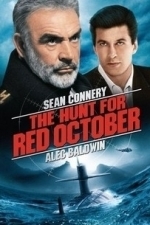

Boring
I spent a minute trying to figure out a logline for this movie and I couldn’t quite get a grasp on how to put it into words. Something about a submarine led by a defective Soviet commander headed for American soil and special agent Jack Ryan (Alec Baldwin) having to hunt him down. That’s the best I can do.
Acting: 10
Performances were strong across the board and is not where the movie fell flat in the slightest. Alec Baldwin delivers as Ryan with a sharp charisma that makes the movie just slightly more bearable. I was also impressed with Sean Connery’s role as villain Marko Ramius. Definitely the type of guy you love to hate and Connery did a solid job of bringing him to life.
Beginning: 8
Wasn’t 100% bought in after the first ten minutes, but enough happened to make me want to watch more. While I have seen way better movies in my day, I have definitely seen way worse beginnings too. It gives you a bit of story while creating excitement and intrigue for the story.
Characters: 5
The acting was fine. The characters, on the other hand, bored the absolute hell out of me. None of their storylines or backgrounds compelled me to ultimately care about the story as a whole. How many times have I said bad characters breed bad movies? Couldn’t be truer here.
Cinematography/Visuals: 5
This movie relies a lot on smoke and mirrors. First you see a submarine, then it disappears. You see a missile, then it’s gone. After awhile the parlor trick gets old and so does the story. It felt like their action sequences suffered from a lower budget.
Conflict: 5
The action was mediocre at best. For this to be a movie about dueling submarines, there certainly aren’t a lot of dueling submarines. I can’t think of a better way to say this: This movie is really boring. There is way too much close-quarters talk and not enough actually happening.
Entertainment Value: 6
For every solid moment The Hunt For Red October brings, it gives you more scenes of people just sitting around discussing strategy. The high points were few and far between. It’s not a total dumpster fire, but I was certainly hoping for more.
Memorability: 4
Pace: 2
Plot: 10
Resolution: 2
Overall: 57
Contrary to what you might think, I hate shitting on movies. Sometimes, as is the case for The Hunt For Red October, it’s unavoidable. With such a stellar cast, I was hoping for more.
Acting: 10
Performances were strong across the board and is not where the movie fell flat in the slightest. Alec Baldwin delivers as Ryan with a sharp charisma that makes the movie just slightly more bearable. I was also impressed with Sean Connery’s role as villain Marko Ramius. Definitely the type of guy you love to hate and Connery did a solid job of bringing him to life.
Beginning: 8
Wasn’t 100% bought in after the first ten minutes, but enough happened to make me want to watch more. While I have seen way better movies in my day, I have definitely seen way worse beginnings too. It gives you a bit of story while creating excitement and intrigue for the story.
Characters: 5
The acting was fine. The characters, on the other hand, bored the absolute hell out of me. None of their storylines or backgrounds compelled me to ultimately care about the story as a whole. How many times have I said bad characters breed bad movies? Couldn’t be truer here.
Cinematography/Visuals: 5
This movie relies a lot on smoke and mirrors. First you see a submarine, then it disappears. You see a missile, then it’s gone. After awhile the parlor trick gets old and so does the story. It felt like their action sequences suffered from a lower budget.
Conflict: 5
The action was mediocre at best. For this to be a movie about dueling submarines, there certainly aren’t a lot of dueling submarines. I can’t think of a better way to say this: This movie is really boring. There is way too much close-quarters talk and not enough actually happening.
Entertainment Value: 6
For every solid moment The Hunt For Red October brings, it gives you more scenes of people just sitting around discussing strategy. The high points were few and far between. It’s not a total dumpster fire, but I was certainly hoping for more.
Memorability: 4
Pace: 2
Plot: 10
Resolution: 2
Overall: 57
Contrary to what you might think, I hate shitting on movies. Sometimes, as is the case for The Hunt For Red October, it’s unavoidable. With such a stellar cast, I was hoping for more.


Erratic.
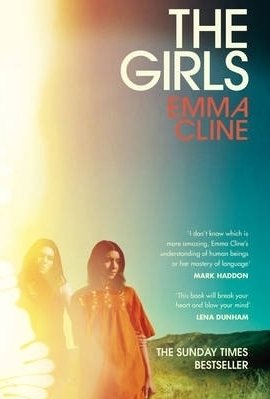
To begin with I should point out that I listened to this rather than read it, and I have to say that I found (not for the first time with American audiobooks) that the narrator detracted from the story. They chose a woman with a very slow, drawling delivery which in some ways, I imagine, was intended to emphasise the sunny, laid-back easy-going stereotype of the late 60's hippy movement. Unfortunately the actual effect was to make the book drag.
Beyond that the content of the book itself was a mixed bag of the pleasurable and the pointless.
Where Cline excelles in this book is in her portrayal of a normal adolescent female trying to fit the role society has dictated for her. It's important to note that Evie is normal - she's not in the small group of incredibly popular, socially adept, fashionably en point and appropriately presented girls of the moment, nor is she so far away from the 'norm' that she is considered especially weird. She falls firmly within the parameters of 'normal' girls who are just struggling with the 'project of their girlhood'. Nor is it just girls that Cline succeeds in painting an accurate picture of - the tribulations of Evie's mother (newley divorced and struggling to realise the relevance and attraction that society expects from her again) speak to the ongoing and endless demands of a civilisation that puts endless pressure on it's female members to adhere to a very narrow and sharply defined criteria in order to be 'acceptable'. This pressure is something I imagine most female readers of this book will relate to, regardless of age, because, of course, it is still very much a daily aspect of most girls' and womens' lives; some possibly even recognising individual situations in which they have been at some stage in their life.
Understanding and empathising with Evie then, it is disconcerting to follow her absorption into the cult; her fascination with the older girls, the ones she later reflects upon as barely more than children themselves; the ease with which she is manipulated through her desire to please her new friends and to defy her mother; the lies sher emotional side is sold and accepts, even as her more rational mind recognises that they are lies...
These are the things Cline excelles in. I can honestly say I have never read an more accurate depiction of clumsy, normal female adolescence.
Unfortunately interspersed through these parts are large tracts of pointless and incredibly, horribly flowery waffle that don't really add anything else to the story other than to repeat, endlessly the message that 'the girl who was part of the cult' had a sad and unfulfilling life afterwards.The message that she screwed up could have been delivered successfully at the beginning and reinforced at the end - it didn't need that kind of repetition.
Overall I would say that for fans of general fiction (which I'm not), and teen readers (which I am also not), this is probably a good read, just expect it to drag at times. It's not one I shall be revisiting.
Beyond that the content of the book itself was a mixed bag of the pleasurable and the pointless.
Where Cline excelles in this book is in her portrayal of a normal adolescent female trying to fit the role society has dictated for her. It's important to note that Evie is normal - she's not in the small group of incredibly popular, socially adept, fashionably en point and appropriately presented girls of the moment, nor is she so far away from the 'norm' that she is considered especially weird. She falls firmly within the parameters of 'normal' girls who are just struggling with the 'project of their girlhood'. Nor is it just girls that Cline succeeds in painting an accurate picture of - the tribulations of Evie's mother (newley divorced and struggling to realise the relevance and attraction that society expects from her again) speak to the ongoing and endless demands of a civilisation that puts endless pressure on it's female members to adhere to a very narrow and sharply defined criteria in order to be 'acceptable'. This pressure is something I imagine most female readers of this book will relate to, regardless of age, because, of course, it is still very much a daily aspect of most girls' and womens' lives; some possibly even recognising individual situations in which they have been at some stage in their life.
Understanding and empathising with Evie then, it is disconcerting to follow her absorption into the cult; her fascination with the older girls, the ones she later reflects upon as barely more than children themselves; the ease with which she is manipulated through her desire to please her new friends and to defy her mother; the lies sher emotional side is sold and accepts, even as her more rational mind recognises that they are lies...
These are the things Cline excelles in. I can honestly say I have never read an more accurate depiction of clumsy, normal female adolescence.
Unfortunately interspersed through these parts are large tracts of pointless and incredibly, horribly flowery waffle that don't really add anything else to the story other than to repeat, endlessly the message that 'the girl who was part of the cult' had a sad and unfulfilling life afterwards.The message that she screwed up could have been delivered successfully at the beginning and reinforced at the end - it didn't need that kind of repetition.
Overall I would say that for fans of general fiction (which I'm not), and teen readers (which I am also not), this is probably a good read, just expect it to drag at times. It's not one I shall be revisiting.

Age, Sex, Location
Book
A hilarious and refreshingly honest foray into modern dating, Age, Sex, Location is Bridget Jones's...

Lenard (726 KP) rated The Call Of The Wild (2020) in Movies
Feb 24, 2020

It Wears Its Heart in the Right Place
I love Jack London's writing. It is so nice to read a story with language that is so straightforward. Caught between the romantic period, when writers used flowery prose and were paid per word, and the stream-of-consciousness movement, where narrators spoke in a manner of events as they were happening right at that moment, London's naturalism was a change of pace for readers.
Buck is the housebroken dog of a San Francisco judge who was indulged as any child of wealth would be in the 1890s. Alaska was harsh environment for man and beast. When money was offered for dogs who could work in Alaska as sled dogs for supplies to mining outposts, Buck is kidnapped. Along the way, Buck begins to learn the lineage of his forebears, the wolves, as he adapts to his new life in the frozen tundra.
The movie itself as adapted in 2020 avoids a lot of the hardships that Buck faces in his new life, but he is given a kindly old sage who looks out for him throughout the movie. It also includes a Snidely Whiplash-like literal gold-digger who comes to Alaska with little knowledge of Alaska or gold prospecting. This character is two-dimensional and portrayed as "evil." Also, the character of Spitz, an Alaskan malamute who leads the sled team and serves as an antagonist for Buck, is given very little screentime.
Last observation, during the film, as Harrison Ford lay on the ground in one of the final scenes, I looked into his eyes and saw not the 77-year-old Harrison Ford who has become a mentor to the film community, but the 30-year-old carpenter who just wanted to drag race a teenager in American Graffiti. He still has within his eyes, the look of hunger that acting feeds. And, he didn't need de-aging SPX to look younger than he is.
Buck is the housebroken dog of a San Francisco judge who was indulged as any child of wealth would be in the 1890s. Alaska was harsh environment for man and beast. When money was offered for dogs who could work in Alaska as sled dogs for supplies to mining outposts, Buck is kidnapped. Along the way, Buck begins to learn the lineage of his forebears, the wolves, as he adapts to his new life in the frozen tundra.
The movie itself as adapted in 2020 avoids a lot of the hardships that Buck faces in his new life, but he is given a kindly old sage who looks out for him throughout the movie. It also includes a Snidely Whiplash-like literal gold-digger who comes to Alaska with little knowledge of Alaska or gold prospecting. This character is two-dimensional and portrayed as "evil." Also, the character of Spitz, an Alaskan malamute who leads the sled team and serves as an antagonist for Buck, is given very little screentime.
Last observation, during the film, as Harrison Ford lay on the ground in one of the final scenes, I looked into his eyes and saw not the 77-year-old Harrison Ford who has become a mentor to the film community, but the 30-year-old carpenter who just wanted to drag race a teenager in American Graffiti. He still has within his eyes, the look of hunger that acting feeds. And, he didn't need de-aging SPX to look younger than he is.