
Search
Search results

Pronunciation: Minute of Speech – Tarle Speech
Podcast
Tarle Speech and Language was founded in 2005 by Jennifer Tarle in order to empower individuals at...

Abide - Christian Meditation
Health & Fitness and Medical
App
Abide is the #1 Christian meditation app to bring more peace and less stress into your daily life....

Sophia (Bookwyrming Thoughts) (530 KP) rated Daughter of Isis (Descendants of Isis #1) in Books
Jan 23, 2020


<b><i>I received this book for free from Author in exchange for an honest review. This does not affect my opinion of the book or the content of my review.</i></b>
The first book in Kelsey Ketch's <em>Descendants of Isis</em> series is a book with very heavy romance.
Of course, I was highly aware of that upon reading the synopsis.
But I'm an absolute sucker for mythology of all kinds (This is why I am highly interested in debut author Heidi Helig's <em>The Girl From Everywhere</em>. I mean, <em>Hawaiian</em>. Saucer eyes RIGHT here! I intend on waiting until the book is published, though.) and I simply couldn't resist myself. So instead of moping about the possibility of a heavy romance, I replaced my "NUUU ROMANCE" hat with my "TOLERABLE ROMANTIC" hat (the caps are intentional), sat back with my tablet (after transferring the review copy from the computer), and just hoped Ketch would take me on an unforgettable journey.
Natti has just moved from London to a small town in California after her Grandmother's death, with her only clue in a necklace she inherited. Since the first day Natti starts at her new school, Seth O'Keefe starts pursuing her in the hopes of seducing her.
Plus, Tolerable Romantic (I'll stop capping my hats now) hat says it's not exactly love at first sight Natti is completely resistant to Seth's attempts at charming her from the beginning, even though she sort of succumbs to his charms eventually. At that point in time, however, I know each of the characters well enough and have a particular fondness for each of them (for the first in a series) that it isn't awkward at all.
Ketch writes the book in two views: Natti's and Seth's. Natti's comparison of British life to American life and big city to a small town is mildly hilarious (we totally do everything backward). Even though she would rather remain in England, she smoothly transitions into her new life after meeting Wanda, Kevin, and Jen and being tucked under their wings.
Also, she has a fire in her I kind of like.
I honestly feel having Seth's view works out in the book's favor; hearing from his point of view makes him a lot more human than he comes out as with the other Sons of Set: someone who worships the Egyptian god Set and spreads chaos in the world on his behalf, hoping to eventually come across a secret from the past. They also sound insane and just want to take over the world one woman at a time.
It basically puts him in an entirely different perspective for readers than simply reading what Natti thinks of him.
<div class="separator" style="clear: both; text-align: center;"><a style="margin-left: 1em; margin-right: 1em;" href="http://3.bp.blogspot.com/-kFwoMM-NvD4/VodHIVFyhoI/AAAAAAAAFqQ/y-lTjSgr4j0/s1600/perspective.gif"><img src="http://bookwyrmingthoughts.bookblog.io/wp-content/uploads/sites/317/2016/01/perspective.gif"; width="320" height="240" border="0" /></a></div>
<em>Daughter of Isis</em> is one of those books where I'll probably keep my Tolerable Romantic hat on for the entire series because the romance between Seth and Natti fits the story really well. The world Kelsey builds in a small town California where nearly everyone is under the thumb of the Sons of Set captivated me by the end of the book I can't wait to see what trials the couple will face in the future of the series.
<a href="https://bookwyrmingthoughts.com/review-daughter-of-isis-by-kelsey-ketc/"; target="_blank">This review was originally posted on Bookwyrming Thoughts</a>
The first book in Kelsey Ketch's <em>Descendants of Isis</em> series is a book with very heavy romance.
Of course, I was highly aware of that upon reading the synopsis.
But I'm an absolute sucker for mythology of all kinds (This is why I am highly interested in debut author Heidi Helig's <em>The Girl From Everywhere</em>. I mean, <em>Hawaiian</em>. Saucer eyes RIGHT here! I intend on waiting until the book is published, though.) and I simply couldn't resist myself. So instead of moping about the possibility of a heavy romance, I replaced my "NUUU ROMANCE" hat with my "TOLERABLE ROMANTIC" hat (the caps are intentional), sat back with my tablet (after transferring the review copy from the computer), and just hoped Ketch would take me on an unforgettable journey.
Natti has just moved from London to a small town in California after her Grandmother's death, with her only clue in a necklace she inherited. Since the first day Natti starts at her new school, Seth O'Keefe starts pursuing her in the hopes of seducing her.
Plus, Tolerable Romantic (I'll stop capping my hats now) hat says it's not exactly love at first sight Natti is completely resistant to Seth's attempts at charming her from the beginning, even though she sort of succumbs to his charms eventually. At that point in time, however, I know each of the characters well enough and have a particular fondness for each of them (for the first in a series) that it isn't awkward at all.
Ketch writes the book in two views: Natti's and Seth's. Natti's comparison of British life to American life and big city to a small town is mildly hilarious (we totally do everything backward). Even though she would rather remain in England, she smoothly transitions into her new life after meeting Wanda, Kevin, and Jen and being tucked under their wings.
Also, she has a fire in her I kind of like.
I honestly feel having Seth's view works out in the book's favor; hearing from his point of view makes him a lot more human than he comes out as with the other Sons of Set: someone who worships the Egyptian god Set and spreads chaos in the world on his behalf, hoping to eventually come across a secret from the past. They also sound insane and just want to take over the world one woman at a time.
It basically puts him in an entirely different perspective for readers than simply reading what Natti thinks of him.
<div class="separator" style="clear: both; text-align: center;"><a style="margin-left: 1em; margin-right: 1em;" href="http://3.bp.blogspot.com/-kFwoMM-NvD4/VodHIVFyhoI/AAAAAAAAFqQ/y-lTjSgr4j0/s1600/perspective.gif"><img src="http://bookwyrmingthoughts.bookblog.io/wp-content/uploads/sites/317/2016/01/perspective.gif"; width="320" height="240" border="0" /></a></div>
<em>Daughter of Isis</em> is one of those books where I'll probably keep my Tolerable Romantic hat on for the entire series because the romance between Seth and Natti fits the story really well. The world Kelsey builds in a small town California where nearly everyone is under the thumb of the Sons of Set captivated me by the end of the book I can't wait to see what trials the couple will face in the future of the series.
<a href="https://bookwyrmingthoughts.com/review-daughter-of-isis-by-kelsey-ketc/"; target="_blank">This review was originally posted on Bookwyrming Thoughts</a>

Bob Mann (459 KP) rated Nobody (2021) in Movies
Jun 9, 2021

Bob Odenkirk (1 more)
A fun, adrenaline-fuelled script
What Kevin McAllister did once all grown up
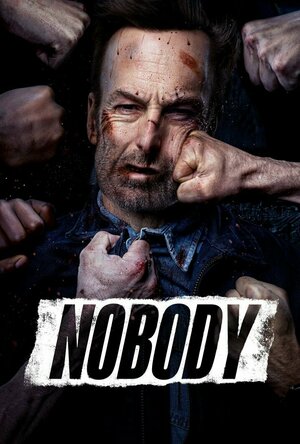
The "Nobody" in question is Hutch Mansell (Bob Odenkirk) who lives a humdrum suburban life: a 9-to-5 managerial job at his in-laws manufacturing plant; distant wife (Connie Nielsen); two kids, Blake (Gage Munroe) and Abby (Paisley Cadorath); an elderly father (Christopher Lloyd) in a local care home. Basically, the Mansell's are all living the American dream, but all subject to the monotonous grind of that daily life for week after week. That all changes in the middle of the night after Hutch confronts two bungling burglars and - in the full gaze of his son - 'wimps out' on taking action. All the silent rage and embarrassment has to go somewhere, and it does - on a late night bus ride; an event that sets off a sequence of increasingly bloody encounters!
Positives:
- Bob Odenkirk is charismatically dull! His character could be compared with that of Christian Wolff in 2016's "The Accountant". But in that movie, Ben Affleck was just dull dull! Here Odenkirk brings his character to life in a truly wonderful and sparkly way.
- The movie is a hyper-violent but adrenaline-fuelled joy ride. There's a slight lull after the initial burglary, but then it's a downhill bobsleigh ride with no brakes from there to the end. It comes as no surprise that the writer, Derek Kolstad, is the guy behind the John Wick franchise. The script has moments of black comedy that made me laugh out loud a good few times.
- The editing here (by Evan Schiff and William Yeh) is very slick indeed, most noticeably so in the many fight scenes. The one on the bus could be pulled apart as a template for a film school lesson.
Negatives:
- I've very little to add here. Yes, it's a rather shallow story, but I found it a hugely entertaining rush of a movie. However the intensity of the violence will not be for everyone. The lady a few seats along from me had her hands over her eyes for at least 75% of the movie I reckon.
- I wasn't clear where the character played by RZA fitted into the mix. Having (post film) seen the cast list, I'm even more confused!
Additional notes:
- There is a post credit scene in this one, shortly into the end credits, so don't dive for the doors too quickly if you want to see it. That being said, it doesn't really make much sense (why are they doing this?) and it isn't particularly funny either. So if you did miss it, then don't sweat about it!
- This is a movie that I knew virtually nothing about on going into it. Which is the best way to see it. As such, it's worth NOT watching the trailer, and going in on that basis if you can.
Summary Thoughts on "Nobody": It's a pretty shallow plot.... but it's also bloody good fun! I expected this to follow the well worn road of classic "revenge" movies - like "Death Wish" or "Taken" - but was pleasantly surprised that it didn't. A better comparison might be Michael Douglas's "Falling Down", but with the central character having more heart.
There are lots of nods to sequences from other movies in here: "Home Alone" (for obvious reasons!); "Patriot Games" and "The Equalizer" came to my mind. And the finale reminded me strongly of the anarchic chaos of 2016's "Free Fire".
Intellectual it ain't. But provided you can stomach the Tom and Jerry style violence, and suspend your belief at the punishment Hutch can take without hospital treatment, then "Nobody" ticks all the boxes for a fun night out at the flicks.
(For the full graphical review, please check out the One Mann's Movies review here - https://bob-the-movie-man.com/2021/06/09/nobody-what-kevin-mcallister-did-once-all-grown-up/. There's also a new Tiktok channel at onemannsmovies. Thanks).
Positives:
- Bob Odenkirk is charismatically dull! His character could be compared with that of Christian Wolff in 2016's "The Accountant". But in that movie, Ben Affleck was just dull dull! Here Odenkirk brings his character to life in a truly wonderful and sparkly way.
- The movie is a hyper-violent but adrenaline-fuelled joy ride. There's a slight lull after the initial burglary, but then it's a downhill bobsleigh ride with no brakes from there to the end. It comes as no surprise that the writer, Derek Kolstad, is the guy behind the John Wick franchise. The script has moments of black comedy that made me laugh out loud a good few times.
- The editing here (by Evan Schiff and William Yeh) is very slick indeed, most noticeably so in the many fight scenes. The one on the bus could be pulled apart as a template for a film school lesson.
Negatives:
- I've very little to add here. Yes, it's a rather shallow story, but I found it a hugely entertaining rush of a movie. However the intensity of the violence will not be for everyone. The lady a few seats along from me had her hands over her eyes for at least 75% of the movie I reckon.
- I wasn't clear where the character played by RZA fitted into the mix. Having (post film) seen the cast list, I'm even more confused!
Additional notes:
- There is a post credit scene in this one, shortly into the end credits, so don't dive for the doors too quickly if you want to see it. That being said, it doesn't really make much sense (why are they doing this?) and it isn't particularly funny either. So if you did miss it, then don't sweat about it!
- This is a movie that I knew virtually nothing about on going into it. Which is the best way to see it. As such, it's worth NOT watching the trailer, and going in on that basis if you can.
Summary Thoughts on "Nobody": It's a pretty shallow plot.... but it's also bloody good fun! I expected this to follow the well worn road of classic "revenge" movies - like "Death Wish" or "Taken" - but was pleasantly surprised that it didn't. A better comparison might be Michael Douglas's "Falling Down", but with the central character having more heart.
There are lots of nods to sequences from other movies in here: "Home Alone" (for obvious reasons!); "Patriot Games" and "The Equalizer" came to my mind. And the finale reminded me strongly of the anarchic chaos of 2016's "Free Fire".
Intellectual it ain't. But provided you can stomach the Tom and Jerry style violence, and suspend your belief at the punishment Hutch can take without hospital treatment, then "Nobody" ticks all the boxes for a fun night out at the flicks.
(For the full graphical review, please check out the One Mann's Movies review here - https://bob-the-movie-man.com/2021/06/09/nobody-what-kevin-mcallister-did-once-all-grown-up/. There's also a new Tiktok channel at onemannsmovies. Thanks).

Bob Mann (459 KP) rated The Front Runner (2018) in Movies
Sep 28, 2021


Candidate for a downfall.
We can all probably rattle off some of the classics movies with US politics as their backdrop. For me, “All the President’s Men”; “Primary Colors”; and “Frost/Nixon” might make that list. In the next tier down there are many great drama/thrillers – “Miss Sloane“; “The Post“; “The Ides of March”; “The American President”; “JFK” – and even some pretty funny comedies – “Dave” and “My Fellow Americans” for example. It’s actually quite difficult to think of many films on the subject that are outright dire, proving it remains a fertile ground for film-makers.
“The Front Runner” fortunately avoids this last category, but it’s certainly not good enough to make it into the ‘classics’ list either.
A true story.
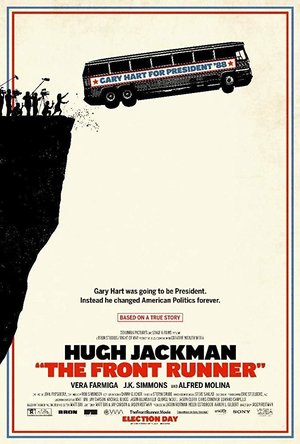
The film is based on the true-story of US presidential hopeful Gary Hart (Hugh Jackman) and if you are NOT aware of the historical background then you might want to skip the rest of this review – and indeed all others – so you can see the film first and let the history come as a surprise to you.
Hart was younger than most candidates: good-looking, floppy-haired and refreshingly matter of fact in his dealings with the public and the press. Any interviews had to be about his politics: not about his family life with wife Lee (Vera Farmiga) and teenage daughter Andrea (Kaitlyn Dever).
Unfortunately, Hart has a weakness for a pretty face (or ten) and his marriage is rocky as a result: “Just don’t embarrass me” is Lee’s one requirement. His “nothing to hide” line to an intelligent Washington Post reporter – AJ Parker (a well cast Mamoudou Athie) – leads to a half-arsed stake-out by Miami Herald reporters and incriminating pictures linking Hart to a Miami pharmaceutical saleswoman Donna Rice (Sara Paxton). As the growing press tsunami rises, and his campaign manager (J.K. Simmons) gets more and more frustrated with him, can his candidacy survive and will his (now very much embarrassed) wife stick by him?
The turns.
Hugh Jackman is perfectly cast here; very believable as the self-centred, self-righteous and stubborn politician. But this central performance is surrounded by a strong team of supporting players. Vera Farmiga is superb as the wounded wife. Sara Paxton is heartbreaking as the intelligent college girl unfairly portrayed as a “slapper” by the media. The scenes between her and Hart-staffer Irene (Molly Ephraim), trying desperately to support her as best she can, are very nicely done. J.K Simmons as campaign manager Bill Dixon is as reliable as ever. And Alfred Molina turns up as the latest film incarnation of The Post’s Ben Bradlee – surely one of the most oft portrayed real-life journalists in film history.
“What did they just say”?
The biggest cause of dissatisfaction I have with the film is with the sound mixing. Was this a deliberate act by director Jason Reitman, to reflect the chaotic nature of political campaigning? Whether it was deliberate or not, much of the film’s dialogue – particularly in the first 30 minutes of the film – is drowned out by background noise. Sometimes I just longed for subtitles!
Just a little bit dull.
The screenplay, by Matt Bai (from his source book), Jay Carson (a Clinton staffer) and director Jason Reitman might align with the history, but the big problem is that the story’s just a little bit dull, particularly by today’s levels of scandal. This suffers the same fate as “House of Cards” (even before the Kevin Spacey allegations) in that the shocking realities of the Trump-era have progressively neutered the shock-factor of the fiction: to the point where it starts to become boring. Here, only once or twice does the screenplay hit a winning beat: for me, it was the scenes between Donna Rice and Irene Kelly and the dramatic press conference towards the end of the film. The rest of the time, the screenplay was perfectly serviceable but nothing spectacular.
When is a politician’s personal life private?
A core tenet of the film is Hart’s view that politics should be about the policies and not about the personality. Looking at the subject nowadays, it’s clearly a ridiculously idealistic viewpoint. Of course it matters. Politicians need to be trusted by their constituents (yeah, like that’s the case in the UK and the US at the moment!) and whether or not they slap their wives around or sleep with farm animals is clearly a material factor in that relationship. But this was clearly not as much the case in the 70’s as it is today, and the suggestion is that the Hart case was a turning point and a wake-up call to politicians around the world. (An interesting article by the Washington Post itself points out that this is also a simplistic view: that Hart should have been well aware of the dangerous game he was playing.)
Fidelity in politics.
Do you think that powerful politicos are driven to infidelity because they are powerful? Or that it is a characteristic of men who have the charisma to become political leaders in the first place? Such was the discussion my wife and I had in the car home after this film. Nature or political nurture? I’m still not sure.
It’s worth pointing out that to this day both Hart and Rice (interestingly, an alleged ex-girlfriend of Eagles front-man Don Henley) stick to their story that they never had sex.
Final thoughts.
The film’s perfectly watchable, has great acting, but is a little bit of a non-event. The end titles came and I thought “OK, that’s that then”…. nothing more. If you’re a fan of this style of historical political film then you probably won’t be disappointed by it; if not, probably best to wait and catch this on the TV.
“The Front Runner” fortunately avoids this last category, but it’s certainly not good enough to make it into the ‘classics’ list either.
A true story.
The film is based on the true-story of US presidential hopeful Gary Hart (Hugh Jackman) and if you are NOT aware of the historical background then you might want to skip the rest of this review – and indeed all others – so you can see the film first and let the history come as a surprise to you.
Hart was younger than most candidates: good-looking, floppy-haired and refreshingly matter of fact in his dealings with the public and the press. Any interviews had to be about his politics: not about his family life with wife Lee (Vera Farmiga) and teenage daughter Andrea (Kaitlyn Dever).
Unfortunately, Hart has a weakness for a pretty face (or ten) and his marriage is rocky as a result: “Just don’t embarrass me” is Lee’s one requirement. His “nothing to hide” line to an intelligent Washington Post reporter – AJ Parker (a well cast Mamoudou Athie) – leads to a half-arsed stake-out by Miami Herald reporters and incriminating pictures linking Hart to a Miami pharmaceutical saleswoman Donna Rice (Sara Paxton). As the growing press tsunami rises, and his campaign manager (J.K. Simmons) gets more and more frustrated with him, can his candidacy survive and will his (now very much embarrassed) wife stick by him?
The turns.
Hugh Jackman is perfectly cast here; very believable as the self-centred, self-righteous and stubborn politician. But this central performance is surrounded by a strong team of supporting players. Vera Farmiga is superb as the wounded wife. Sara Paxton is heartbreaking as the intelligent college girl unfairly portrayed as a “slapper” by the media. The scenes between her and Hart-staffer Irene (Molly Ephraim), trying desperately to support her as best she can, are very nicely done. J.K Simmons as campaign manager Bill Dixon is as reliable as ever. And Alfred Molina turns up as the latest film incarnation of The Post’s Ben Bradlee – surely one of the most oft portrayed real-life journalists in film history.
“What did they just say”?
The biggest cause of dissatisfaction I have with the film is with the sound mixing. Was this a deliberate act by director Jason Reitman, to reflect the chaotic nature of political campaigning? Whether it was deliberate or not, much of the film’s dialogue – particularly in the first 30 minutes of the film – is drowned out by background noise. Sometimes I just longed for subtitles!
Just a little bit dull.
The screenplay, by Matt Bai (from his source book), Jay Carson (a Clinton staffer) and director Jason Reitman might align with the history, but the big problem is that the story’s just a little bit dull, particularly by today’s levels of scandal. This suffers the same fate as “House of Cards” (even before the Kevin Spacey allegations) in that the shocking realities of the Trump-era have progressively neutered the shock-factor of the fiction: to the point where it starts to become boring. Here, only once or twice does the screenplay hit a winning beat: for me, it was the scenes between Donna Rice and Irene Kelly and the dramatic press conference towards the end of the film. The rest of the time, the screenplay was perfectly serviceable but nothing spectacular.
When is a politician’s personal life private?
A core tenet of the film is Hart’s view that politics should be about the policies and not about the personality. Looking at the subject nowadays, it’s clearly a ridiculously idealistic viewpoint. Of course it matters. Politicians need to be trusted by their constituents (yeah, like that’s the case in the UK and the US at the moment!) and whether or not they slap their wives around or sleep with farm animals is clearly a material factor in that relationship. But this was clearly not as much the case in the 70’s as it is today, and the suggestion is that the Hart case was a turning point and a wake-up call to politicians around the world. (An interesting article by the Washington Post itself points out that this is also a simplistic view: that Hart should have been well aware of the dangerous game he was playing.)
Fidelity in politics.
Do you think that powerful politicos are driven to infidelity because they are powerful? Or that it is a characteristic of men who have the charisma to become political leaders in the first place? Such was the discussion my wife and I had in the car home after this film. Nature or political nurture? I’m still not sure.
It’s worth pointing out that to this day both Hart and Rice (interestingly, an alleged ex-girlfriend of Eagles front-man Don Henley) stick to their story that they never had sex.
Final thoughts.
The film’s perfectly watchable, has great acting, but is a little bit of a non-event. The end titles came and I thought “OK, that’s that then”…. nothing more. If you’re a fan of this style of historical political film then you probably won’t be disappointed by it; if not, probably best to wait and catch this on the TV.

The Krio of West Africa: Islam, Culture, Creolization, and Colonialism in the Nineteenth Century
Book
"The Krio of West Africa: Islam, Culture, Creolization, and Colonialism in the Nineteenth Century,...

Hazel (1853 KP) rated Small Great Things in Books
May 24, 2017

Small is an Understatement
Jodi Picoult has been my favourite author since I first came across her novels in 2008. With twenty-three novels under her belt, she continues to delight readers with her page-turning stories. Most of Picoult’s books contain a moral issue, often, but not always, in the form of medical ethics, as well as a hefty court case. Although following along similar lines, Small Great Things is a radical, revolutionary book, which, with great courage, Picoult has written with the intent to expose the reader to truths that most of us, as a society, are intentionally oblivious to.
The gist of the storyline is that a baby dies whilst under the care of a nurse, prompting the grieving parents to take her to court with the accusation of murder. Although that sounds like an interesting story, it barely begins to describe what the book is about. The character on trial, Ruth, is an African American labour and delivery nurse – something that in this day and age need not by an issue. On the other hand, the parents of the baby are White Supremacists: seriously racist with the belief that white people are the master race. The father, Turk, refuses to let his wife and child be treated by Ruth, however circumstances result in her being the only nurse available to watch Davis, when, unfortunately, he so happens to go into cardiac arrest. Although the reader knows that Ruth is not at fault, Turk insists she murdered his child – but is he accusing her of medical negligence, or punishing her for being black?
Three characters, all with different views and experience when it comes to racism, alternately narrate Small Great Things. Ruth and Turk represent the extremes at either side of the scale. Ruth experiences first hand the negative impact of prejudice in the American system and society, not only through this court case, but in everyday life as well. She also reveals the difficulties growing up in a predominately white environment, never feeling like she fitted in with her peers. Alternatively, Turk spent his teenage years attending KKK rallies, participating in a white power movement, and beating up anyone who was different: black, foreign, gay, Jewish and so forth.
The third character represents the majority of white people living in America. Kennedy is a public defender and the lawyer assigned to Ruth’s case. Like most of the population, she believes that she is not racist, and persuades Ruth to leave the colour of her skin out of the argument. However, as she gets to know her client, she begins to realize that it is nigh on impossible to ignore racial prejudice.
Picoult shocks the reader on two accounts: one, the way that people of colour have been, and still are, treated; and two, the revelation that an invisible empire of White Supremacists are living amongst us. Yet there is a third way in which Picoult provokes outrage – she indirectly accuses the reader of being racist, too.
There is always something to learn in a Jodi Picoult novel, for instance medical terminology, or the way in which a court trial is conducted. Small Great Things provides a lot more eye opening information than any of her previous books, unveiling facts about such a controversial subject.
Through Kennedy, the reader’s eyes are opened to the racial discrimination that we all turn a blind eye to. Ignored are the difficulties African Americans suffer when going shopping, applying for jobs, attending school, walking down the street, sitting on a bus, and so forth. Picoult asks me as a reader to think about how my life has been affected by racial discrimination: being served politely in shops because I am white, not having my ethnicity questioned when applying for college etc. Living in Britain I have not experienced openly hateful comments or behaviours towards people with a different skin tone – I used to believe this was primarily an American problem. Yet, Small Great Things has really made me think about the hierarchy of power within society, particularly in regards to the ethnicity of those at the top, compared with those at the bottom.
Jodi Picoult sat on the idea of writing a book about racism for well over a decade, yet it is particularly apt that it is published now, with the current predicaments America is facing. Although we have come a long way in attempts to achieve equality for all – compare the trial in To Kill A Mockingbird to Picoult’s version – recent events have revealed that we are no where near.
Small Great Things will shock everyone who reads it regardless of their ethnicity and so forth. Many may find it uncomfortable to read, become upset or outraged, and even feel like they are being directly targeted. If this is the case, then good – it should do that. Everyone needs to read this book. On the one hand it is a brilliant, well told story with a beautiful, almost poetic narrative, and on the other, it causes us to face up to the issues we are forever making light of or overlooking entirely. We have grown up believing that racism is a form of hatred when, actually, it is about power. However Small Great Things makes you feel, it is definitely worth reading, especially for the satisfying ending – one that you do not see coming.
The gist of the storyline is that a baby dies whilst under the care of a nurse, prompting the grieving parents to take her to court with the accusation of murder. Although that sounds like an interesting story, it barely begins to describe what the book is about. The character on trial, Ruth, is an African American labour and delivery nurse – something that in this day and age need not by an issue. On the other hand, the parents of the baby are White Supremacists: seriously racist with the belief that white people are the master race. The father, Turk, refuses to let his wife and child be treated by Ruth, however circumstances result in her being the only nurse available to watch Davis, when, unfortunately, he so happens to go into cardiac arrest. Although the reader knows that Ruth is not at fault, Turk insists she murdered his child – but is he accusing her of medical negligence, or punishing her for being black?
Three characters, all with different views and experience when it comes to racism, alternately narrate Small Great Things. Ruth and Turk represent the extremes at either side of the scale. Ruth experiences first hand the negative impact of prejudice in the American system and society, not only through this court case, but in everyday life as well. She also reveals the difficulties growing up in a predominately white environment, never feeling like she fitted in with her peers. Alternatively, Turk spent his teenage years attending KKK rallies, participating in a white power movement, and beating up anyone who was different: black, foreign, gay, Jewish and so forth.
The third character represents the majority of white people living in America. Kennedy is a public defender and the lawyer assigned to Ruth’s case. Like most of the population, she believes that she is not racist, and persuades Ruth to leave the colour of her skin out of the argument. However, as she gets to know her client, she begins to realize that it is nigh on impossible to ignore racial prejudice.
Picoult shocks the reader on two accounts: one, the way that people of colour have been, and still are, treated; and two, the revelation that an invisible empire of White Supremacists are living amongst us. Yet there is a third way in which Picoult provokes outrage – she indirectly accuses the reader of being racist, too.
There is always something to learn in a Jodi Picoult novel, for instance medical terminology, or the way in which a court trial is conducted. Small Great Things provides a lot more eye opening information than any of her previous books, unveiling facts about such a controversial subject.
Through Kennedy, the reader’s eyes are opened to the racial discrimination that we all turn a blind eye to. Ignored are the difficulties African Americans suffer when going shopping, applying for jobs, attending school, walking down the street, sitting on a bus, and so forth. Picoult asks me as a reader to think about how my life has been affected by racial discrimination: being served politely in shops because I am white, not having my ethnicity questioned when applying for college etc. Living in Britain I have not experienced openly hateful comments or behaviours towards people with a different skin tone – I used to believe this was primarily an American problem. Yet, Small Great Things has really made me think about the hierarchy of power within society, particularly in regards to the ethnicity of those at the top, compared with those at the bottom.
Jodi Picoult sat on the idea of writing a book about racism for well over a decade, yet it is particularly apt that it is published now, with the current predicaments America is facing. Although we have come a long way in attempts to achieve equality for all – compare the trial in To Kill A Mockingbird to Picoult’s version – recent events have revealed that we are no where near.
Small Great Things will shock everyone who reads it regardless of their ethnicity and so forth. Many may find it uncomfortable to read, become upset or outraged, and even feel like they are being directly targeted. If this is the case, then good – it should do that. Everyone needs to read this book. On the one hand it is a brilliant, well told story with a beautiful, almost poetic narrative, and on the other, it causes us to face up to the issues we are forever making light of or overlooking entirely. We have grown up believing that racism is a form of hatred when, actually, it is about power. However Small Great Things makes you feel, it is definitely worth reading, especially for the satisfying ending – one that you do not see coming.
Hazel (1853 KP) rated Small Great Things in Books
Dec 7, 2018
Jodi Picoult has been my favourite author since I first came across her novels in 2008. With twenty-three novels under her belt, she continues to delight readers with her page-turning stories. Most of Picoult’s books contain a moral issue, often, but not always, in the form of medical ethics, as well as a hefty court case. Although following along similar lines, <i>Small Great Thing</i>s is a radical, revolutionary book, which, with great courage, Picoult has written with the intent to expose the reader to truths that most of us, as a society, are <s>intentionally</s> oblivious to.
The gist of the storyline is that a baby dies whilst under the care of a nurse, prompting the grieving parents to take her to court with the accusation of murder. Although that sounds like an interesting story, it barely begins to describe what the book is about. The character on trial, Ruth, is an African American labour and delivery nurse – something that in this day and age need not by an issue. On the other hand, the parents of the baby are White Supremacists: seriously racist with the belief that white people are the master race. The father, Turk, refuses to let his wife and child be treated by Ruth, however circumstances result in her being the only nurse available to watch Davis, when, unfortunately, he so happens to go into cardiac arrest. Although the reader knows that Ruth is not at fault, Turk insists she murdered his child – but is he accusing her of medical negligence, or punishing her for being black?
Three characters, all with different views and experience when it comes to racism, alternately narrate<i> Small Great Things</i>. Ruth and Turk represent the extremes at either side of the scale. Ruth experiences first hand the negative impact of prejudice in the American system and society, not only through this court case, but in everyday life as well. She also reveals the difficulties growing up in a predominately white environment, never feeling like she fitted in with her peers. Alternatively, Turk spent his teenage years attending KKK rallies, participating in a white power movement, and beating up anyone who was different: black, foreign, gay, Jewish and so forth.
The third character represents the majority of white people living in America. Kennedy is a public defender and the lawyer assigned to Ruth’s case. Like most of the population, she believes that she is not racist, and persuades Ruth to leave the colour of her skin out of the argument. However, as she gets to know her client, she begins to realize that it is nigh on impossible to ignore racial prejudice.
Picoult shocks the reader on two accounts: one, the way that people of colour have been, and still are, treated; and two, the revelation that an invisible empire of White Supremacists are living amongst us. Yet there is a third way in which Picoult provokes outrage – she indirectly accuses the reader of being racist, too.
There is always something to learn in a Jodi Picoult novel, for instance medical terminology, or the way in which a court trial is conducted. <i>Small Great Things</i> provides a lot more eye opening information than any of her previous books, unveiling facts about such a controversial subject.
Through Kennedy, the reader’s eyes are opened to the racial discrimination that we all turn a blind eye to. Ignored are the difficulties African Americans suffer when going shopping, applying for jobs, attending school, walking down the street, sitting on a bus, and so forth. Picoult asks me as a reader to think about how my life has been affected by racial discrimination: being served politely in shops because I am white, not having my ethnicity questioned when applying for college etc. Living in Britain I have not experienced openly hateful comments or behaviours towards people with a different skin tone – I used to believe this was primarily an American problem. Yet, <i>Small Great Things</i> has really made me think about the hierarchy of power within society, particularly in regards to the ethnicity of those at the top, compared with those at the bottom.
Jodi Picoult sat on the idea of writing a book about racism for well over a decade, yet it is particularly apt that it is published now, with the current predicaments America is facing. Although we have come a long way in attempts to achieve equality for all – compare the trial in <i>To Kill A Mockingbird</i> to Picoult’s version – recent events have revealed that we are no where near.
<i>Small Great Things</i> will shock everyone who reads it regardless of their ethnicity and so forth. Many may find it uncomfortable to read, become upset or outraged, and even feel like they are being directly targeted. If this is the case, then good – it should do that. Everyone needs to read this book. On the one hand it is a brilliant, well told story with a beautiful, almost poetic narrative, and on the other, it causes us to face up to the issues we are forever making light of or overlooking entirely. We have grown up believing that racism is a form of hatred when, actually, it is about power. However <i>Small Great Things </i>makes you feel, it is definitely worth reading, especially for the satisfying ending – one that you do not see coming.
The gist of the storyline is that a baby dies whilst under the care of a nurse, prompting the grieving parents to take her to court with the accusation of murder. Although that sounds like an interesting story, it barely begins to describe what the book is about. The character on trial, Ruth, is an African American labour and delivery nurse – something that in this day and age need not by an issue. On the other hand, the parents of the baby are White Supremacists: seriously racist with the belief that white people are the master race. The father, Turk, refuses to let his wife and child be treated by Ruth, however circumstances result in her being the only nurse available to watch Davis, when, unfortunately, he so happens to go into cardiac arrest. Although the reader knows that Ruth is not at fault, Turk insists she murdered his child – but is he accusing her of medical negligence, or punishing her for being black?
Three characters, all with different views and experience when it comes to racism, alternately narrate<i> Small Great Things</i>. Ruth and Turk represent the extremes at either side of the scale. Ruth experiences first hand the negative impact of prejudice in the American system and society, not only through this court case, but in everyday life as well. She also reveals the difficulties growing up in a predominately white environment, never feeling like she fitted in with her peers. Alternatively, Turk spent his teenage years attending KKK rallies, participating in a white power movement, and beating up anyone who was different: black, foreign, gay, Jewish and so forth.
The third character represents the majority of white people living in America. Kennedy is a public defender and the lawyer assigned to Ruth’s case. Like most of the population, she believes that she is not racist, and persuades Ruth to leave the colour of her skin out of the argument. However, as she gets to know her client, she begins to realize that it is nigh on impossible to ignore racial prejudice.
Picoult shocks the reader on two accounts: one, the way that people of colour have been, and still are, treated; and two, the revelation that an invisible empire of White Supremacists are living amongst us. Yet there is a third way in which Picoult provokes outrage – she indirectly accuses the reader of being racist, too.
There is always something to learn in a Jodi Picoult novel, for instance medical terminology, or the way in which a court trial is conducted. <i>Small Great Things</i> provides a lot more eye opening information than any of her previous books, unveiling facts about such a controversial subject.
Through Kennedy, the reader’s eyes are opened to the racial discrimination that we all turn a blind eye to. Ignored are the difficulties African Americans suffer when going shopping, applying for jobs, attending school, walking down the street, sitting on a bus, and so forth. Picoult asks me as a reader to think about how my life has been affected by racial discrimination: being served politely in shops because I am white, not having my ethnicity questioned when applying for college etc. Living in Britain I have not experienced openly hateful comments or behaviours towards people with a different skin tone – I used to believe this was primarily an American problem. Yet, <i>Small Great Things</i> has really made me think about the hierarchy of power within society, particularly in regards to the ethnicity of those at the top, compared with those at the bottom.
Jodi Picoult sat on the idea of writing a book about racism for well over a decade, yet it is particularly apt that it is published now, with the current predicaments America is facing. Although we have come a long way in attempts to achieve equality for all – compare the trial in <i>To Kill A Mockingbird</i> to Picoult’s version – recent events have revealed that we are no where near.
<i>Small Great Things</i> will shock everyone who reads it regardless of their ethnicity and so forth. Many may find it uncomfortable to read, become upset or outraged, and even feel like they are being directly targeted. If this is the case, then good – it should do that. Everyone needs to read this book. On the one hand it is a brilliant, well told story with a beautiful, almost poetic narrative, and on the other, it causes us to face up to the issues we are forever making light of or overlooking entirely. We have grown up believing that racism is a form of hatred when, actually, it is about power. However <i>Small Great Things </i>makes you feel, it is definitely worth reading, especially for the satisfying ending – one that you do not see coming.
Sophia (Bookwyrming Thoughts) (530 KP) rated All Is Fair in Books
Jan 23, 2020
<b><i>I received this book for free from Publisher in exchange for an honest review. This does not affect my opinion of the book or the content of my review.</i></b>
<h2><em><strong>All is Fair</strong></em><strong> by Dee Garretson promises an adventure.</strong></h2>
The beginning of <em>All is Fair</em> promises a fun, action-packed adventure, set in World War I with badass females being involved in espionage. After Mina receives a telegram from her father at her boarding school and decrypts the message, she heads home to find her friend Andrew with an American named Lucas.
<h2><strong>It's a little predictable, but also fun.</strong></h2>
<em>All is Fair</em> starts off great and I loved seeing Mina decrypting her father's message at school. I also loved seeing this play a role later on when Mina has to join Lucas on his mission so he could succeed.
But Garretson's novel is relatively predictable as I called some of the twists before they happened. While this may suck out of the fun for some people, I found myself letting the easy predictions slide as I enjoyed other aspects of the story.
<h2><strong>Slow at the beginning.</strong></h2>
After the promising intro and beginning when we are introduced to Mina and learn a little about her, the story dies down. <em>All is Fair</em> becomes slow and we focus a lot on the aristocratic life in the early 20th century before we get to the action-packed part of the story. I found myself stepping away frequently until then because I was just <em>bored</em> despite the character interactions.
<h2><strong>Characters and interactions are great, romance unnecessary</strong></h2>
I'm a huge character person - if there's a character or two that I enjoy reading, I'll likely let other problems (if any) I have slide. And I adored Mina. From the beginning, she's wanted to go on an adventure but rarely gets the opportunity until something happens and she takes the chance. Her interactions with Lucas are amusing and there is <em>quite</em> the shade being thrown between the two (I love me some good shade).
But the romance wasn't necessary to the story. It felt suddenly thrown in near the end just to have a romantic aspect of sorts. <em>All is Fair</em> would have been perfectly fine with the friendship and occasional shade being thrown about.
<h2><strong>We have an open ending.</strong></h2>
<em>All is Fair</em> leaves an open ending that promises of a possible sequel that could potentially happen. Even if there is no sequel, though, the story wrapped up nicely. My only issue aside from the unnecessary romantic aspect is the boring beginning readers will have to drag themselves through to get to the action-packed adventure.
<a href="http://bookwyrmingthoughts.com/all-is-fair-by-dee-garretson/"; target="_blank">This review was originally posted on Bookwyrming Thoughts</a>
<h2><em><strong>All is Fair</strong></em><strong> by Dee Garretson promises an adventure.</strong></h2>
The beginning of <em>All is Fair</em> promises a fun, action-packed adventure, set in World War I with badass females being involved in espionage. After Mina receives a telegram from her father at her boarding school and decrypts the message, she heads home to find her friend Andrew with an American named Lucas.
<h2><strong>It's a little predictable, but also fun.</strong></h2>
<em>All is Fair</em> starts off great and I loved seeing Mina decrypting her father's message at school. I also loved seeing this play a role later on when Mina has to join Lucas on his mission so he could succeed.
But Garretson's novel is relatively predictable as I called some of the twists before they happened. While this may suck out of the fun for some people, I found myself letting the easy predictions slide as I enjoyed other aspects of the story.
<h2><strong>Slow at the beginning.</strong></h2>
After the promising intro and beginning when we are introduced to Mina and learn a little about her, the story dies down. <em>All is Fair</em> becomes slow and we focus a lot on the aristocratic life in the early 20th century before we get to the action-packed part of the story. I found myself stepping away frequently until then because I was just <em>bored</em> despite the character interactions.
<h2><strong>Characters and interactions are great, romance unnecessary</strong></h2>
I'm a huge character person - if there's a character or two that I enjoy reading, I'll likely let other problems (if any) I have slide. And I adored Mina. From the beginning, she's wanted to go on an adventure but rarely gets the opportunity until something happens and she takes the chance. Her interactions with Lucas are amusing and there is <em>quite</em> the shade being thrown between the two (I love me some good shade).
But the romance wasn't necessary to the story. It felt suddenly thrown in near the end just to have a romantic aspect of sorts. <em>All is Fair</em> would have been perfectly fine with the friendship and occasional shade being thrown about.
<h2><strong>We have an open ending.</strong></h2>
<em>All is Fair</em> leaves an open ending that promises of a possible sequel that could potentially happen. Even if there is no sequel, though, the story wrapped up nicely. My only issue aside from the unnecessary romantic aspect is the boring beginning readers will have to drag themselves through to get to the action-packed adventure.
<a href="http://bookwyrmingthoughts.com/all-is-fair-by-dee-garretson/"; target="_blank">This review was originally posted on Bookwyrming Thoughts</a>

BankofMarquis (1832 KP) rated FIRESTARTER (2022) in Movies
May 21, 2022



Commits the Biggest Film Crime - It's Boring
Sometimes, I watch a movie, so you don’t have to.
I watched the remake of the Stephen King novel FIRESTARTER, so you don’t have to.
The current “leader in the clubhouse” for the worst film of 2022, FIRESTARTER is based on the very good Stephen King novel that was published in 1980 and was made into a pretty cheesy, pretty ‘80s flick in 1984 that made Drew Barrymore (fresh off her work in ET) a bonafide movie star.
No such luck in this one.
Produced by Blum House, Directed by Keith Thomas (THE VIGIL) and adapted from King’s novel by Scott Teems (HALLOWEEN KILLS), this version of FIRESTARTER was dead on arrival, with a weak script, mediocre directing and less than stellar visual effects, consequently making a film that is the worst sort of film…boring. It doesn’t even have the ambition to be “so bad, it’s good”, it is just plodding and mediocre throughout.
But, at 1 hour 34 minutes, it is mercifully short, so it does have that going for it.
What it also has going for it is a “game” Zach Efron as “Firestarter’s Father” and he elevates the scenes he is in to something that comes close to watchable. And when Sydney Lemmon is along as “Firestarter’s Mom” the screen comes the closest to interesting. But the rest…”meh”.
Ryan Kiera Armstrong plays “Firestarter”, Charlie McGee - the young lady who can start fires with her telepathic powers - and she is “just fine”, but she does not have the star power or “it” factor that Barrymore brought to the proceedings previously. She is just not a compelling enough presence on screen to save this turkey. I don’t blame her, I blame the weak Direction by Thomas and the limp script by Teems.
The only other character/performance that sparks some interest in this film is Michael Grayeyes (TOGO) who plays a Native American tracker with his own telekinetic powers who is put on the trail of Charlie by the mysterious Institute (a shadowy Gov’t agency that chases after various “special” people - mostly kids - in quite a few Stephen King novels). Inexplicably, this role was played by an aging, pony-tailed George C. Scott (obviously chasing a paycheck) in the 1984 film. Grayeyes succeeds more.
But these glimmers of competence only aggravates more when the film bogs back down in cardboard villains (what has happened to your career, Gloria Ruben) and exposition spouting scientists (what a waste of Kurtwood Smith) and less than spectacular action sequences that, mostly, consist of Armstrong screaming while a wind machine blows her hair back while sub-par CGI flames engulf the screen.
And…adding insult to injury…the "guy in the asbestos suit” (a mainstay of any film involving fire) does not even get a day of stunt pay! It’s like going to see a Tom Cruise Mission Impossible film and Cruise doesn’t do some sort of crazy stunt!
After the success of IT, PART ONE in 2017, there was a renaissance, of sorts, of adaptations of Stephen King works and even though PET SEMATARY (2019) was pretty decent and IT, CHAPTER TWO and DOCTOR SLEEP (2019) were okay, THE DARK TOWER, the TV remake of THE STAND, LISEY’S STORY and now FIRESTARTER were all terrible, so maybe we’ve seen the end of this phase of King adaptations (I doubt it, but one can hope).
Save yourself and hour and a half of your life and skip this Firestarter. Instead, revisit the 1984 version - it plays like an Oscar-winner compared to this turkey. Or, better yet, read the original Stephen King work - it is the best of all of these.
Letter Grade: C- (and I’m being generous)
3 stars (out of 10) and you can take that to the Bank(ofMarquis).
I watched the remake of the Stephen King novel FIRESTARTER, so you don’t have to.
The current “leader in the clubhouse” for the worst film of 2022, FIRESTARTER is based on the very good Stephen King novel that was published in 1980 and was made into a pretty cheesy, pretty ‘80s flick in 1984 that made Drew Barrymore (fresh off her work in ET) a bonafide movie star.
No such luck in this one.
Produced by Blum House, Directed by Keith Thomas (THE VIGIL) and adapted from King’s novel by Scott Teems (HALLOWEEN KILLS), this version of FIRESTARTER was dead on arrival, with a weak script, mediocre directing and less than stellar visual effects, consequently making a film that is the worst sort of film…boring. It doesn’t even have the ambition to be “so bad, it’s good”, it is just plodding and mediocre throughout.
But, at 1 hour 34 minutes, it is mercifully short, so it does have that going for it.
What it also has going for it is a “game” Zach Efron as “Firestarter’s Father” and he elevates the scenes he is in to something that comes close to watchable. And when Sydney Lemmon is along as “Firestarter’s Mom” the screen comes the closest to interesting. But the rest…”meh”.
Ryan Kiera Armstrong plays “Firestarter”, Charlie McGee - the young lady who can start fires with her telepathic powers - and she is “just fine”, but she does not have the star power or “it” factor that Barrymore brought to the proceedings previously. She is just not a compelling enough presence on screen to save this turkey. I don’t blame her, I blame the weak Direction by Thomas and the limp script by Teems.
The only other character/performance that sparks some interest in this film is Michael Grayeyes (TOGO) who plays a Native American tracker with his own telekinetic powers who is put on the trail of Charlie by the mysterious Institute (a shadowy Gov’t agency that chases after various “special” people - mostly kids - in quite a few Stephen King novels). Inexplicably, this role was played by an aging, pony-tailed George C. Scott (obviously chasing a paycheck) in the 1984 film. Grayeyes succeeds more.
But these glimmers of competence only aggravates more when the film bogs back down in cardboard villains (what has happened to your career, Gloria Ruben) and exposition spouting scientists (what a waste of Kurtwood Smith) and less than spectacular action sequences that, mostly, consist of Armstrong screaming while a wind machine blows her hair back while sub-par CGI flames engulf the screen.
And…adding insult to injury…the "guy in the asbestos suit” (a mainstay of any film involving fire) does not even get a day of stunt pay! It’s like going to see a Tom Cruise Mission Impossible film and Cruise doesn’t do some sort of crazy stunt!
After the success of IT, PART ONE in 2017, there was a renaissance, of sorts, of adaptations of Stephen King works and even though PET SEMATARY (2019) was pretty decent and IT, CHAPTER TWO and DOCTOR SLEEP (2019) were okay, THE DARK TOWER, the TV remake of THE STAND, LISEY’S STORY and now FIRESTARTER were all terrible, so maybe we’ve seen the end of this phase of King adaptations (I doubt it, but one can hope).
Save yourself and hour and a half of your life and skip this Firestarter. Instead, revisit the 1984 version - it plays like an Oscar-winner compared to this turkey. Or, better yet, read the original Stephen King work - it is the best of all of these.
Letter Grade: C- (and I’m being generous)
3 stars (out of 10) and you can take that to the Bank(ofMarquis).