
Search
Search results

Hazel (2934 KP) rated The 13th Girl in Books
Jul 10, 2022
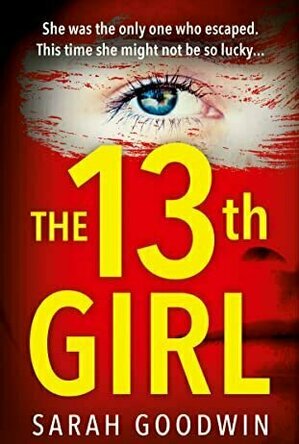

Lucy thought she had escaped her past but little did she know that it was just waiting for her all along ready to come back and bite her with venom.
Lucy escaped a cult when she was just seven years old. Many years later and having made a new life for herself, the skeletons start to emerge and Lucy's life is turned upside down. Having escaped one kind of controlling environment, Lucy swaps it for another - her husband and his parents are, in my opinion, vile creatures who continue to brow beat Lucy and blame her for what happened to her as a child and what her mother and cult did ... what the heck!!! Who blames a 7 year old??? Like I said, vile creatures.
Anyway, what follows is the story of Lucy trying to remember her time in the cult through flashbacks, memories and dreams/nightmares but what is real and how reliable is she? And who is doing this to her? Lucy returns to the place of her nightmares to try and remember just what happened but she is soon in an even more terrifying nightmare which is all to real and how is she going to get out of it.
This is a book that pulls on all your emotions at once and I admit that I wanted to physically get inside it and give Lucy's husband and parents-in-law a slap and Lucy a shake; oh my word, I was so annoyed at times that I nearly didn't finish the book it irritated me that much however, I persevered and, actually, am glad I did as the reasons she was like she was, became clear and, in the end, I was rooting for her and desperate for there to be a happy ending. I won't give it away but I will say that it was quite satisfying albeit a little unbelievable in parts.
Overall, a good read with an interesting plot and some unexpected twists but with characters I struggled with and with a pace that started well, got a bit slow in the middle and ramped up again towards the end.
Thank you to Avon Books UK and NetGalley for enabling me to read The 13th Girl and share my thoughts.
Lucy escaped a cult when she was just seven years old. Many years later and having made a new life for herself, the skeletons start to emerge and Lucy's life is turned upside down. Having escaped one kind of controlling environment, Lucy swaps it for another - her husband and his parents are, in my opinion, vile creatures who continue to brow beat Lucy and blame her for what happened to her as a child and what her mother and cult did ... what the heck!!! Who blames a 7 year old??? Like I said, vile creatures.
Anyway, what follows is the story of Lucy trying to remember her time in the cult through flashbacks, memories and dreams/nightmares but what is real and how reliable is she? And who is doing this to her? Lucy returns to the place of her nightmares to try and remember just what happened but she is soon in an even more terrifying nightmare which is all to real and how is she going to get out of it.
This is a book that pulls on all your emotions at once and I admit that I wanted to physically get inside it and give Lucy's husband and parents-in-law a slap and Lucy a shake; oh my word, I was so annoyed at times that I nearly didn't finish the book it irritated me that much however, I persevered and, actually, am glad I did as the reasons she was like she was, became clear and, in the end, I was rooting for her and desperate for there to be a happy ending. I won't give it away but I will say that it was quite satisfying albeit a little unbelievable in parts.
Overall, a good read with an interesting plot and some unexpected twists but with characters I struggled with and with a pace that started well, got a bit slow in the middle and ramped up again towards the end.
Thank you to Avon Books UK and NetGalley for enabling me to read The 13th Girl and share my thoughts.

High Point
Book
Jett Castle and Mia Fringe get down and dirty in this passionate, action-packed romance! It’s...
Contemporary Romance

Haley Mathiot (9 KP) rated Anything But Typical in Books
Apr 27, 2018


nything but Typical by Nora Raleigh Baskin anything-but-typical
Rating: 4.5/5
<b> My Summary: </b> <i> Jason is Autistic. Letters define his life, and he thinks in full complete sentences, no contractions, and perfect grammar. Every morning, a word pops into his head. He says it out loud while he brushes his teeth. He has been able to spell any word he has ever seen perfectly since the age of four, but he has no control over his body. When he gets stressed out, his hands start to fly away from his body, and his head begins to buzz, and feels like it’s going to fly away. He can’t keep his body together. He can’t talk to people very well, if at all. He can’t look at people’s faces, and he doesn’t respond to questions. He has no social skills. But, his mind is full of everything in the room—the sound of the air conditioner, the smell of his teacher’s shampoo, the light in the room, the echo of slamming doors… Jason has permission to come home from school when he needs too if he can’t handle it. Jason’s outlet is writing. He writes stories online at storyboard. He meets a girl named PhoenixBird online, and she loves his stories. They become friends. That’s a huge thing for Jason—they start talking about things like school drama and pets instead of grades and story ideas. She tells him that her name is Rebecca. They’re real friends now. But then Jason finds out that he has to meet his friend at the storyboard convention, and he’s afraid Rebecca won’t like him anymore because she will think he’s weird, just like everyone else who has met him. It’s the end of his world. Boy meets girl. Boy gets girl. Boy looses girl. Isn’t that the way all the stories go? </i>
<b> My Thoughts: </b> My brother is Autistic. Or rather, he has Aspergers syndrome, which is on the Autism spectrum. I thought I understood autistic kids pretty well. I was wrong.
From the first page I could hear Jason’s voice, the way he spoke, the way he thought. It was all very clear—and fascinating. I can’t really say much about this book, simply because it’s something you have to read for yourself and understand. You have to get inside Jason’s head and listen to what he has to say, and learn from him. He’s a brilliant person, and personally I think he understands some things better than most “normal” people.
<b> The Characters: </b> the characters were the most important aspect of this book. I could feel Jason’s confusion over little things that set him off and his stress about meeting his would-be girlfriend, and his wandering mind that went from one thought to another. Most people wouldn’t connect thoughts the way Jason did. But while I was inside his head, I understood that connection a little better. All the characters were very well developed and strong, too. Mother had her quirks and was technology-illiterate. Dad was quiet but wanted everyone to be happy. Little brother worshiped the ground Jason walked on and had his own little compulsions. Jason was my favorite character, though.
<b> The Plot: </b> the plot didn’t really matter in this book. Although it was very well thought out and executed, the point of this book was Jason and his mind, not what happened. With that in mind—the plot was very plausible, realistic, and easy to follow. There was a little bit of jumping around, from past tense to present, telling a story from his earlier experiences, but not much. Jason’s life is very interesting, because every day things mean different things to him than they do to us. Every little thing that we experience is special or different or scary or exhilarating for Jason.
<b> Writing: </b> This book is written in first person, so I was able to get inside Jason’s head from the very first sentence: “Most people like to talk in their own language.” The words were beautiful, and I was wrapped up in the immediately. I loved it.
<b> Recommendation: </b> I would want everyone to read this book—everyone. If you can read, you should read it. If your kid can’t read, read it out loud to them. If your grandma is blind, buy the audio book. It’s fantastic, enjoyable, and perfect for any age group.
<u> This is one of my favorite books that I’ve read in a long time. I’m going to make my mom read it, and all my friends read it, because it was so fantastic. Maybe now I can understand my autistic brother just a little bit more. </u>
<i> Thank you to Krissy at NPCCPL for providing this ARC for review. I did not receive any compensation in exchange for this review. Please see my disclaimer for more information. </i>
~Haleyknitz
Rating: 4.5/5
<b> My Summary: </b> <i> Jason is Autistic. Letters define his life, and he thinks in full complete sentences, no contractions, and perfect grammar. Every morning, a word pops into his head. He says it out loud while he brushes his teeth. He has been able to spell any word he has ever seen perfectly since the age of four, but he has no control over his body. When he gets stressed out, his hands start to fly away from his body, and his head begins to buzz, and feels like it’s going to fly away. He can’t keep his body together. He can’t talk to people very well, if at all. He can’t look at people’s faces, and he doesn’t respond to questions. He has no social skills. But, his mind is full of everything in the room—the sound of the air conditioner, the smell of his teacher’s shampoo, the light in the room, the echo of slamming doors… Jason has permission to come home from school when he needs too if he can’t handle it. Jason’s outlet is writing. He writes stories online at storyboard. He meets a girl named PhoenixBird online, and she loves his stories. They become friends. That’s a huge thing for Jason—they start talking about things like school drama and pets instead of grades and story ideas. She tells him that her name is Rebecca. They’re real friends now. But then Jason finds out that he has to meet his friend at the storyboard convention, and he’s afraid Rebecca won’t like him anymore because she will think he’s weird, just like everyone else who has met him. It’s the end of his world. Boy meets girl. Boy gets girl. Boy looses girl. Isn’t that the way all the stories go? </i>
<b> My Thoughts: </b> My brother is Autistic. Or rather, he has Aspergers syndrome, which is on the Autism spectrum. I thought I understood autistic kids pretty well. I was wrong.
From the first page I could hear Jason’s voice, the way he spoke, the way he thought. It was all very clear—and fascinating. I can’t really say much about this book, simply because it’s something you have to read for yourself and understand. You have to get inside Jason’s head and listen to what he has to say, and learn from him. He’s a brilliant person, and personally I think he understands some things better than most “normal” people.
<b> The Characters: </b> the characters were the most important aspect of this book. I could feel Jason’s confusion over little things that set him off and his stress about meeting his would-be girlfriend, and his wandering mind that went from one thought to another. Most people wouldn’t connect thoughts the way Jason did. But while I was inside his head, I understood that connection a little better. All the characters were very well developed and strong, too. Mother had her quirks and was technology-illiterate. Dad was quiet but wanted everyone to be happy. Little brother worshiped the ground Jason walked on and had his own little compulsions. Jason was my favorite character, though.
<b> The Plot: </b> the plot didn’t really matter in this book. Although it was very well thought out and executed, the point of this book was Jason and his mind, not what happened. With that in mind—the plot was very plausible, realistic, and easy to follow. There was a little bit of jumping around, from past tense to present, telling a story from his earlier experiences, but not much. Jason’s life is very interesting, because every day things mean different things to him than they do to us. Every little thing that we experience is special or different or scary or exhilarating for Jason.
<b> Writing: </b> This book is written in first person, so I was able to get inside Jason’s head from the very first sentence: “Most people like to talk in their own language.” The words were beautiful, and I was wrapped up in the immediately. I loved it.
<b> Recommendation: </b> I would want everyone to read this book—everyone. If you can read, you should read it. If your kid can’t read, read it out loud to them. If your grandma is blind, buy the audio book. It’s fantastic, enjoyable, and perfect for any age group.
<u> This is one of my favorite books that I’ve read in a long time. I’m going to make my mom read it, and all my friends read it, because it was so fantastic. Maybe now I can understand my autistic brother just a little bit more. </u>
<i> Thank you to Krissy at NPCCPL for providing this ARC for review. I did not receive any compensation in exchange for this review. Please see my disclaimer for more information. </i>
~Haleyknitz

Movie Metropolis (309 KP) rated The Iron Lady (2012) in Movies
Jun 10, 2019
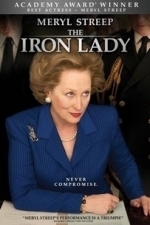

Meryl Streep certainly has an impressive roster of films under her belt. She’s reduced Anne Hathaway to tears in The Devil Wears Prada, she’s played the role of struggling hotelier in the all singing, all dancing Mamma Mia and has racked up an astonishing 16 Oscar nominations for films like Kramer vs. Kramer and Sophie’s Choice. However, here, she perhaps takes on her biggest role to date portraying arguably the most controversial figure in British politics; Baroness Thatcher. Can she pull it off? Did you really need to ask?
Streep teams up with Mammia Mia director Phyllida Lloyd in the Iron Lady, a biopic surrounding the life of ex-Prime Minister, Margaret Thatcher and between the two of them and a wonderful supporting cast, deliver a stunning but disappointingly safe take on the 86 year olds life.
The film opens with a frail looking woman wandering the streets and buying a bottle of milk, we soon learn that this woman is of course, Baroness Thatcher. After a thought provoking moment of silence, the scene is switched to her current home where she is kept under lock and key, struggling with ever worsening dementia. Her constant conversations with dead husband Dennis, played fabulously by Jim Broadbent are emotional and form the basis of the entire film.
It is in these scenes that we begin to ‘study’ Thatcher’s life from her youth right up until the present day. We see her refusing to give up after failing to gain a seat in the 1950 and 1951 general elections as well as her first steps into Number 10 as the first ever female Prime Minister. Lloyd displays these moments with great finesse and integrates Streep’s portrayal with real footage of Thatcher walking into 10 Downing Street amongst other key moments.
Most of the major events in Margaret’s career are carried over into the film, bar a few notable exceptions. The Grand Hotel bombing, the Falklands war, the death of Thatcher’s personal assistant at the hands of the IRA and of course the controversial Poll Tax all make the grade but are explained in a way that isn’t damaging to the reputation of the Baroness and this is perhaps where the film loses its way a little.
There’ll be no prizes in telling you that Margaret Thatcher was either a fantastic woman who turned around the fates of a country struggling with recession or a woman who nearly destroyed everything we hold dear; depending obviously on your thoughts of her. No matter what thoughts we all have, opinions are opinions. Here, however, the film tries to make up the minds of those watching, rather than allowing an opinion to form on its own and this is perhaps the biggest problem with a political biopic, there is always a sense of bias.
Fortunately, Lloyd stays on the right side of mass appeal and doesn’t give in to mindless brown-nosing.
It is in the films present day moments that really shine. Seeing a woman who wanted to change the world struggle to cope with the loss of her husband and fall into dementia is, no matter what your opinion on the ex-Prime Minister, heart-breaking. It is here, that sympathy is found.
Streep’s performance is stunning to say the least and she is a joy to watch. Her transgression from young, enthusiastic Thatcher to the old and frail woman we see today is yes, in part down to the astonishing make-up given to her throughout but mainly because of her ability as an actress. She, like the lady herself takes charge of every scene she is a part of, something which many actresses struggle to do. Streep may have had her critics in being cast for this film, but she has proved them wrong. It will be a crime if she isn’t nominated for an Oscar this year.
Of the films other cast, Olivia Colman does well as Margaret’s daughter Carole and as mentioned previously, Jim Broadbent is brilliant as the deceased Dennis Thatcher; he fits the role perfectly and again should be nominated for an Oscar later this year. The supporting cast includes the likes of Anthony Head as Geoffrey Howe and Nicholas Farrell as Thatcher’s murdered assistant Airey Neave, but the scenes with these characters are often overshadowed by Streep’s presence.
The Iron Lady is a joy to behold. It makes you proud to be British, to know that we as a country can produce films of this calibre and it shows the world just what a woman Margaret Thatcher was. In the scenes showing Thatcher’s spiral into dementia is where it becomes most touching, but throughout, we get a full, if slightly biased view of her 11 and a half years in office and Meryl Streep does the old girl proud.
Think what you will of the former Conservative leader, but The Iron Lady is worth a watch for Streep’s performance alone.
https://moviemetropolis.net/2012/01/12/review-the-iron-lady-2011/
Streep teams up with Mammia Mia director Phyllida Lloyd in the Iron Lady, a biopic surrounding the life of ex-Prime Minister, Margaret Thatcher and between the two of them and a wonderful supporting cast, deliver a stunning but disappointingly safe take on the 86 year olds life.
The film opens with a frail looking woman wandering the streets and buying a bottle of milk, we soon learn that this woman is of course, Baroness Thatcher. After a thought provoking moment of silence, the scene is switched to her current home where she is kept under lock and key, struggling with ever worsening dementia. Her constant conversations with dead husband Dennis, played fabulously by Jim Broadbent are emotional and form the basis of the entire film.
It is in these scenes that we begin to ‘study’ Thatcher’s life from her youth right up until the present day. We see her refusing to give up after failing to gain a seat in the 1950 and 1951 general elections as well as her first steps into Number 10 as the first ever female Prime Minister. Lloyd displays these moments with great finesse and integrates Streep’s portrayal with real footage of Thatcher walking into 10 Downing Street amongst other key moments.
Most of the major events in Margaret’s career are carried over into the film, bar a few notable exceptions. The Grand Hotel bombing, the Falklands war, the death of Thatcher’s personal assistant at the hands of the IRA and of course the controversial Poll Tax all make the grade but are explained in a way that isn’t damaging to the reputation of the Baroness and this is perhaps where the film loses its way a little.
There’ll be no prizes in telling you that Margaret Thatcher was either a fantastic woman who turned around the fates of a country struggling with recession or a woman who nearly destroyed everything we hold dear; depending obviously on your thoughts of her. No matter what thoughts we all have, opinions are opinions. Here, however, the film tries to make up the minds of those watching, rather than allowing an opinion to form on its own and this is perhaps the biggest problem with a political biopic, there is always a sense of bias.
Fortunately, Lloyd stays on the right side of mass appeal and doesn’t give in to mindless brown-nosing.
It is in the films present day moments that really shine. Seeing a woman who wanted to change the world struggle to cope with the loss of her husband and fall into dementia is, no matter what your opinion on the ex-Prime Minister, heart-breaking. It is here, that sympathy is found.
Streep’s performance is stunning to say the least and she is a joy to watch. Her transgression from young, enthusiastic Thatcher to the old and frail woman we see today is yes, in part down to the astonishing make-up given to her throughout but mainly because of her ability as an actress. She, like the lady herself takes charge of every scene she is a part of, something which many actresses struggle to do. Streep may have had her critics in being cast for this film, but she has proved them wrong. It will be a crime if she isn’t nominated for an Oscar this year.
Of the films other cast, Olivia Colman does well as Margaret’s daughter Carole and as mentioned previously, Jim Broadbent is brilliant as the deceased Dennis Thatcher; he fits the role perfectly and again should be nominated for an Oscar later this year. The supporting cast includes the likes of Anthony Head as Geoffrey Howe and Nicholas Farrell as Thatcher’s murdered assistant Airey Neave, but the scenes with these characters are often overshadowed by Streep’s presence.
The Iron Lady is a joy to behold. It makes you proud to be British, to know that we as a country can produce films of this calibre and it shows the world just what a woman Margaret Thatcher was. In the scenes showing Thatcher’s spiral into dementia is where it becomes most touching, but throughout, we get a full, if slightly biased view of her 11 and a half years in office and Meryl Streep does the old girl proud.
Think what you will of the former Conservative leader, but The Iron Lady is worth a watch for Streep’s performance alone.
https://moviemetropolis.net/2012/01/12/review-the-iron-lady-2011/

Alexandra Hammond and her family are living in Washington DC, and on the outside, they are a typical modern family. But Alexandra and her husband, Josh, are exhausted and frustrated as parents of two children: eleven-year-old Iris and thirteen-year-old Tilly. Tilly, you see, has been diagnosed with PDD-NOS, a form of autism, and it means that Alexandra's lovely, intelligent daughter, who could read by the age of three, is also prone to violent outbursts where she yells out curse words, has an inability to control many of her thoughts and actions, and truly, just doesn't seem to fit into the mold society wishes to place our children. When yet another school kicks Tilly out, Alexandra and Josh are at a loss. So Alexandra turns to Scott Bean, a self-professed expert with "difficult" children whose seminars and private sessions she's been attending for several years now. Scott is starting Camp Harmony in New Hampshire: an isolated society for families struggling with children like Tilly, free of outside influences, electronics, harmful foods and stimulants, and most of all, free from judgement. So Alexandra and Josh do the unthinkable: they sell everything and pack up the kids and head to New Hampshire, joining Scott and two other families in making Camp Harmony work. But will it work? Can it work?
If you haven't read anything by Carolyn Parkhurst, you're missing out. She's a wonderful author, whose books are simply beautiful. My particular favorite is [b:The Dogs of Babel|89691|The Dogs of Babel|Carolyn Parkhurst|https://d.gr-assets.com/books/1344269639s/89691.jpg|1585061], a lovely, haunting novel about a woman, her husband, and her dog that I read 10 years ago and still touches me to this day. While I wasn't as affected by this novel, it still has many flashes of the amazing brilliance of Parkhurst and her wonderful way with the written word. Her characters form before you eyes.
In [b:Harmony|29236564|Harmony|Carolyn Parkhurst|https://d.gr-assets.com/books/1469411954s/29236564.jpg|49477924], Parkhurst does an excellent job conveying Alexandra's fear and anxiety over the frightening aspects of our society and its effects on our children, and how our society has changed, with things like autism and food allergies seemingly becoming more prevalent each year. She doesn't preach, she just paints a picture with her words and Alexandra's thoughts. The book is told between alternating points of view and time periods. We hear from Alexandra in the past, telling the story of Tilly (and Iris) growing up and how things have reached this point and then we hear from Iris, in the present, at Camp Harmony.
Alexandra captures a life and marriage in moments and snapshots, with Parkhurst easily depicting the desperation that parents of children that are different feel. You can sense her terror and why she would actually consider packing up entire family and moving them to an isolated camp in the middle of nowhere, led by a man they really know nothing about.
Iris' perspective, meanwhile, is just beautiful and touching. Parkhurst wonderfully conveys her voice. There were times when I felt Iris was a bit "old" for an eleven-year-old, but I chalked a lot of that up to having a sister such as Tilly and having to grow up rather quickly. And as the book progressed, there were many moments where Iris came across as a scared, naive kid, after all. Iris' depiction of the camp-through her innocent eyes-is perfect, and she has a wonderful way of portraying her sister, where you will grow to love Tilly, as well, and understand Alexandra's fierce desire to protect both her children.
All in all, despite its serious subject matter, the book is often humorous, and I loved its portrayal of real characters and situations, despite the fact that they all gathered in an isolated camp site in New Hampshire. My only real issue with the book was the camp's leader, Scott Bean. To me, he was the least developed character of the bunch, and while you sensed that perhaps we were hurtling toward trouble, the ending seemed a little quick and too pat for such a well-written and developed book.
Still, this book was quite well-done and certainly a must for any parent struggling with a child who feels different, or really, any parent struggling to raise a child in today's modern society. Parkhurst is a wonderful writer, and she will not disappoint with her latest. 3.5+ stars.
I received a copy of this novel from the publisher and Edelweiss - thank you! It is available everywhere as of 08/02/2016.
<a href="http://justacatandabookatherside.blogspot.com/">My Blog</a> ~ <a href="https://www.facebook.com/justacatandabook/">Facebook</a>; ~ <a href="https://twitter.com/mwcmoto">Twitter</a>;
If you haven't read anything by Carolyn Parkhurst, you're missing out. She's a wonderful author, whose books are simply beautiful. My particular favorite is [b:The Dogs of Babel|89691|The Dogs of Babel|Carolyn Parkhurst|https://d.gr-assets.com/books/1344269639s/89691.jpg|1585061], a lovely, haunting novel about a woman, her husband, and her dog that I read 10 years ago and still touches me to this day. While I wasn't as affected by this novel, it still has many flashes of the amazing brilliance of Parkhurst and her wonderful way with the written word. Her characters form before you eyes.
In [b:Harmony|29236564|Harmony|Carolyn Parkhurst|https://d.gr-assets.com/books/1469411954s/29236564.jpg|49477924], Parkhurst does an excellent job conveying Alexandra's fear and anxiety over the frightening aspects of our society and its effects on our children, and how our society has changed, with things like autism and food allergies seemingly becoming more prevalent each year. She doesn't preach, she just paints a picture with her words and Alexandra's thoughts. The book is told between alternating points of view and time periods. We hear from Alexandra in the past, telling the story of Tilly (and Iris) growing up and how things have reached this point and then we hear from Iris, in the present, at Camp Harmony.
Alexandra captures a life and marriage in moments and snapshots, with Parkhurst easily depicting the desperation that parents of children that are different feel. You can sense her terror and why she would actually consider packing up entire family and moving them to an isolated camp in the middle of nowhere, led by a man they really know nothing about.
Iris' perspective, meanwhile, is just beautiful and touching. Parkhurst wonderfully conveys her voice. There were times when I felt Iris was a bit "old" for an eleven-year-old, but I chalked a lot of that up to having a sister such as Tilly and having to grow up rather quickly. And as the book progressed, there were many moments where Iris came across as a scared, naive kid, after all. Iris' depiction of the camp-through her innocent eyes-is perfect, and she has a wonderful way of portraying her sister, where you will grow to love Tilly, as well, and understand Alexandra's fierce desire to protect both her children.
All in all, despite its serious subject matter, the book is often humorous, and I loved its portrayal of real characters and situations, despite the fact that they all gathered in an isolated camp site in New Hampshire. My only real issue with the book was the camp's leader, Scott Bean. To me, he was the least developed character of the bunch, and while you sensed that perhaps we were hurtling toward trouble, the ending seemed a little quick and too pat for such a well-written and developed book.
Still, this book was quite well-done and certainly a must for any parent struggling with a child who feels different, or really, any parent struggling to raise a child in today's modern society. Parkhurst is a wonderful writer, and she will not disappoint with her latest. 3.5+ stars.
I received a copy of this novel from the publisher and Edelweiss - thank you! It is available everywhere as of 08/02/2016.
<a href="http://justacatandabookatherside.blogspot.com/">My Blog</a> ~ <a href="https://www.facebook.com/justacatandabook/">Facebook</a>; ~ <a href="https://twitter.com/mwcmoto">Twitter</a>;

Darren (1599 KP) rated Terminator: Dark Fate (2019) in Movies
Oct 24, 2019
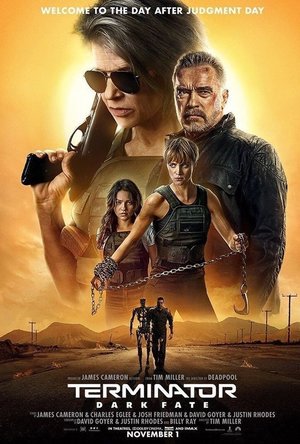
Thoughts on Terminator: Dark Fate
Characters – Dani is the sweet Mexican girl that keeps her family organized with everyday events, making sure her father gets to appointments and her brother joins her for work, her family means everything to her. When Grace turns up, she finds her perfect life ruined, when she needs to go on the run with her from a Terminator, not knowing why a normal young woman has been targeted, she will learn her importance to the future and learn skills alone the way. The only negative side for Dani, is that we don’t learn enough about her before the events happen, it is hard to figure out just how old she is too. Sarah Connor hasn’t stopped hunting Terminators, she is prepared for them all and saves the day, she knows how to stay off the radar, well for the most part one giant plot hole with her talk here, but is a bitter hard as nails woman. The Terminator has many surprises this time, he helps, gets plenty of laughs and as always will fight the superior model. The bad Terminator can fuse with anything it touches, being able to break into more than one threat and isn’t going to stop for anything, he is relentless and on a similar mission focused level as the first two villainous Terminators. Grace is the enhanced soldier sent back to protect Dani, she does need to be kept alive with medicine, proving to be a different level of protection then we have seen before, she has all the human traits, she has lived, fought and battled through the future and knows why she is here and how important this mission is.
Performances – First we will go through the returning cast, Linda Hamilton is wonderful to watch, not only is she perfect here, she lets the new cast members shine, which was one of the weakness of a film that did the same trick, Halloween. Arnold Schwarzenegger gives his best action performance since his return to acting, not only does he still have the fighting down, he has got perfect dead pan comedy down too. Mackenzie Davis might well have just made her an action star for years to come here, giving a performance that could be a star making one. Natalia Reyes does everything right for her character, it isn’t her performance that lets her down, it is certain developments in her character that hold her back. Gabriel Luna as the new Terminator is great too, it is nice they picked a lesser known actor, because a big name would have shifted focus on them instead of a faceless killer.
Story – The story here follows a young Mexican woman that has been targeted by a Terminator, for a reason she doesn’t know, she has a super soldier and Sarah Connor to protect her, as she learns about a future, where like Sarah Connor, she will have a big part to play in the war against the machines. This is a sequel that feels like it has re-imagined the original, mixed with the second one, this is all good because having a new face that needs to learn their part in the future is what makes Terminator different in story, the idea that technology has moved on, also helps this story unfold nicely showing us just how much we are going to see. For a story that is 2 hours long, this barely feels that long if we are being honest and by the end you will be wanting to see more, because even though we have returning characters, they don’t feel thrown in like Arnie’s in the last film.
Action/Sci-Fi – The action here is massive, this shows some great teamwork from the stunt teams too, the fights are people bashing the hell out of an indestructible robot, which means we can hit harder and it not look stupid, while we might have a couple too many cuts during them though. The sci-fi idea has moved on from previous films, which shows us just how much could change in the future, the war will always be coming.
Settings – The film does use the settings are a plot point, where it is, we need to get here, then here, via here, all but the final battle seems simple enough locations.
Special Effects – The effects for the most part are wonderful, there are a few questionable moments, but when you see the Terminator get hit, the metal exposing, doesn’t look out of place.
Scene of the Movie – Opening Chase.
That Moment That Annoyed Me – There is one on the nose reference to gun control in America.
Final Thoughts – This is an enjoyable action movie that brings the Terminator back to life for everybody to enjoy, this is bar far the best Terminator movie since Judgement Day.
Overall: Excellent Movie.
Rating
Characters – Dani is the sweet Mexican girl that keeps her family organized with everyday events, making sure her father gets to appointments and her brother joins her for work, her family means everything to her. When Grace turns up, she finds her perfect life ruined, when she needs to go on the run with her from a Terminator, not knowing why a normal young woman has been targeted, she will learn her importance to the future and learn skills alone the way. The only negative side for Dani, is that we don’t learn enough about her before the events happen, it is hard to figure out just how old she is too. Sarah Connor hasn’t stopped hunting Terminators, she is prepared for them all and saves the day, she knows how to stay off the radar, well for the most part one giant plot hole with her talk here, but is a bitter hard as nails woman. The Terminator has many surprises this time, he helps, gets plenty of laughs and as always will fight the superior model. The bad Terminator can fuse with anything it touches, being able to break into more than one threat and isn’t going to stop for anything, he is relentless and on a similar mission focused level as the first two villainous Terminators. Grace is the enhanced soldier sent back to protect Dani, she does need to be kept alive with medicine, proving to be a different level of protection then we have seen before, she has all the human traits, she has lived, fought and battled through the future and knows why she is here and how important this mission is.
Performances – First we will go through the returning cast, Linda Hamilton is wonderful to watch, not only is she perfect here, she lets the new cast members shine, which was one of the weakness of a film that did the same trick, Halloween. Arnold Schwarzenegger gives his best action performance since his return to acting, not only does he still have the fighting down, he has got perfect dead pan comedy down too. Mackenzie Davis might well have just made her an action star for years to come here, giving a performance that could be a star making one. Natalia Reyes does everything right for her character, it isn’t her performance that lets her down, it is certain developments in her character that hold her back. Gabriel Luna as the new Terminator is great too, it is nice they picked a lesser known actor, because a big name would have shifted focus on them instead of a faceless killer.
Story – The story here follows a young Mexican woman that has been targeted by a Terminator, for a reason she doesn’t know, she has a super soldier and Sarah Connor to protect her, as she learns about a future, where like Sarah Connor, she will have a big part to play in the war against the machines. This is a sequel that feels like it has re-imagined the original, mixed with the second one, this is all good because having a new face that needs to learn their part in the future is what makes Terminator different in story, the idea that technology has moved on, also helps this story unfold nicely showing us just how much we are going to see. For a story that is 2 hours long, this barely feels that long if we are being honest and by the end you will be wanting to see more, because even though we have returning characters, they don’t feel thrown in like Arnie’s in the last film.
Action/Sci-Fi – The action here is massive, this shows some great teamwork from the stunt teams too, the fights are people bashing the hell out of an indestructible robot, which means we can hit harder and it not look stupid, while we might have a couple too many cuts during them though. The sci-fi idea has moved on from previous films, which shows us just how much could change in the future, the war will always be coming.
Settings – The film does use the settings are a plot point, where it is, we need to get here, then here, via here, all but the final battle seems simple enough locations.
Special Effects – The effects for the most part are wonderful, there are a few questionable moments, but when you see the Terminator get hit, the metal exposing, doesn’t look out of place.
Scene of the Movie – Opening Chase.
That Moment That Annoyed Me – There is one on the nose reference to gun control in America.
Final Thoughts – This is an enjoyable action movie that brings the Terminator back to life for everybody to enjoy, this is bar far the best Terminator movie since Judgement Day.
Overall: Excellent Movie.
Rating
Darren (1599 KP) rated Spider-Man: Far From Home (2019) in Movies
Jul 3, 2019
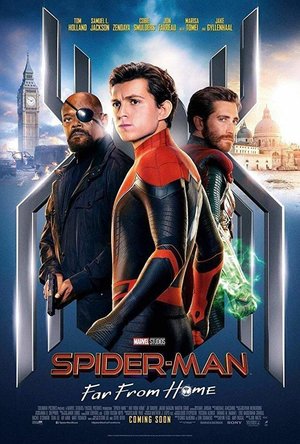
Director: Jon Watts
Writer: Chris McKenna, Erik Sommers (Screenplay) Steve Ditko, Stan Lee (Comic Book)
Starring: Tom Holland, Jake Gyllenhaal, Zendaya, Samuel L Jackson, Jon Favreau, Angourie Rice, Jacob Batalon, Tony Revolori
Plot: Following the events of Avengers: Endgame, Spider-Man must step up to take on new threats in a world that has changed forever.
Runtime: 2 Hours 9 Minutes
There may be spoilers in the rest of the review
Verdict: An Entertaining Jumble
Story: Spider-Man Far from Home starts when Peter Parker (Holland) and his classmates MJ (Zendaya), Ned (Batalon), Flash (Revolori) and others head off to Europe for a scientific school trip, Peter’s plan is to finally tell MJ how he feels, but things don’t go to plan.
Peter finds himself recruited by Nick Fury (Jackson) to help new superhero Quentin Beck known as Mysterio (Gyllenhaal) fight a new threat that is attacking cities in Europe, trying to decide if he is ready to tackle the added responsibility of being a superhero.
Thoughts on Spider-Man Far from Home
Characters – Peter Parker has two main storylines going on in this film, one side of him is the high school student that wants to tell the girl he likes his feeling, nervous and social awkward. The second one sees him facing the reality that he was hand picked to step up and help save the world, a decision which sees him wanting to just take a break from. Watching Peter balance the two is interesting because the high school one was the weaker side, the superhero side is very interesting to follow. Nick Fury is also adapting to life after the snap, where he isn’t in the same level of control on everything going on in the world, he wants Peter to come and work for him and doesn’t like being told no. They did try to recapture certain elements of the chemistry he had with Captain Marvel too. Quentin Beck is the new superhero dubbed Mysterio because of his powers and ability to defeat the elementals that have started attacking the major cities, he offers Peter a chance to discuss his position with having powers like nobody else has since Tony’s death. MJ is the girl of Peter’s dreams, she is very different to both versions of MJ we have seen before, being very distant to the rest of the class, but always manages to capture Peter watching her.
Performances – Tom Holland does do a very good job in the leading role, if it was just the high school side of the film, he does struggle at times, but it is the human effect of being a superhero that completely makes you believe what he is going through. Samuel L Jackson does what we expect from him in a supporting role, as does Zendaya who does everything without standing out. Jake Gyllenhaal though, he was a joy to watch especially in the second half of the film, he just takes his role and runs with it.
Story – The story here follows Peter Parker on his high school trip that gets interrupted to help try and save the world from a new threat, testing him to see if he is ready to replace Iron-Man. This like the character of Peter Parker can be broken down into two simple positives and negatives, the high school trip stuff, is there, most of it gets pretty boring quickly, it is here to help show a human life that he could have though. The superhero side of the story is the highlight because it does get to show how the once confident Peter is starting to question if he is ready to step up after seeing the consequences to what has happened to people in their lives. The villain is a surprise and while I won’t get into details, it is very entertaining to watch and could be one of the best they have bought to a stand alone film.
Action/Sci-Fi – The action in this film is brilliant to watch, it blends with the special effects and doesn’t turn into anything as ridiculous as it could be when you see the fights. The sci-fi element of the film does address the dangers of technology being in the wrong hands once again, but it all works for the story being shown here.
Settings – The film gives us the basic European settings, we have Venice, Prague, Berlin and London, you know well know locations that have large populations which could get destroyed.
Special Effects – The effects in the film did seem flawless, we do have large scale, dust, water and fire monsters used for battles which all look like they could be real along with certain twists in the story which only add to the effects.
Scene of the Movie – What is real?
That Moment That Annoyed Me – Most of the high school stuff.
Final Thoughts – This is a real mixed bag of a superhero movie, it could have been fantastic, only it gets too carried away dealing with the high school world which does drag things down.
Overall: Entertaining enough.
Rating
Writer: Chris McKenna, Erik Sommers (Screenplay) Steve Ditko, Stan Lee (Comic Book)
Starring: Tom Holland, Jake Gyllenhaal, Zendaya, Samuel L Jackson, Jon Favreau, Angourie Rice, Jacob Batalon, Tony Revolori
Plot: Following the events of Avengers: Endgame, Spider-Man must step up to take on new threats in a world that has changed forever.
Runtime: 2 Hours 9 Minutes
There may be spoilers in the rest of the review
Verdict: An Entertaining Jumble
Story: Spider-Man Far from Home starts when Peter Parker (Holland) and his classmates MJ (Zendaya), Ned (Batalon), Flash (Revolori) and others head off to Europe for a scientific school trip, Peter’s plan is to finally tell MJ how he feels, but things don’t go to plan.
Peter finds himself recruited by Nick Fury (Jackson) to help new superhero Quentin Beck known as Mysterio (Gyllenhaal) fight a new threat that is attacking cities in Europe, trying to decide if he is ready to tackle the added responsibility of being a superhero.
Thoughts on Spider-Man Far from Home
Characters – Peter Parker has two main storylines going on in this film, one side of him is the high school student that wants to tell the girl he likes his feeling, nervous and social awkward. The second one sees him facing the reality that he was hand picked to step up and help save the world, a decision which sees him wanting to just take a break from. Watching Peter balance the two is interesting because the high school one was the weaker side, the superhero side is very interesting to follow. Nick Fury is also adapting to life after the snap, where he isn’t in the same level of control on everything going on in the world, he wants Peter to come and work for him and doesn’t like being told no. They did try to recapture certain elements of the chemistry he had with Captain Marvel too. Quentin Beck is the new superhero dubbed Mysterio because of his powers and ability to defeat the elementals that have started attacking the major cities, he offers Peter a chance to discuss his position with having powers like nobody else has since Tony’s death. MJ is the girl of Peter’s dreams, she is very different to both versions of MJ we have seen before, being very distant to the rest of the class, but always manages to capture Peter watching her.
Performances – Tom Holland does do a very good job in the leading role, if it was just the high school side of the film, he does struggle at times, but it is the human effect of being a superhero that completely makes you believe what he is going through. Samuel L Jackson does what we expect from him in a supporting role, as does Zendaya who does everything without standing out. Jake Gyllenhaal though, he was a joy to watch especially in the second half of the film, he just takes his role and runs with it.
Story – The story here follows Peter Parker on his high school trip that gets interrupted to help try and save the world from a new threat, testing him to see if he is ready to replace Iron-Man. This like the character of Peter Parker can be broken down into two simple positives and negatives, the high school trip stuff, is there, most of it gets pretty boring quickly, it is here to help show a human life that he could have though. The superhero side of the story is the highlight because it does get to show how the once confident Peter is starting to question if he is ready to step up after seeing the consequences to what has happened to people in their lives. The villain is a surprise and while I won’t get into details, it is very entertaining to watch and could be one of the best they have bought to a stand alone film.
Action/Sci-Fi – The action in this film is brilliant to watch, it blends with the special effects and doesn’t turn into anything as ridiculous as it could be when you see the fights. The sci-fi element of the film does address the dangers of technology being in the wrong hands once again, but it all works for the story being shown here.
Settings – The film gives us the basic European settings, we have Venice, Prague, Berlin and London, you know well know locations that have large populations which could get destroyed.
Special Effects – The effects in the film did seem flawless, we do have large scale, dust, water and fire monsters used for battles which all look like they could be real along with certain twists in the story which only add to the effects.
Scene of the Movie – What is real?
That Moment That Annoyed Me – Most of the high school stuff.
Final Thoughts – This is a real mixed bag of a superhero movie, it could have been fantastic, only it gets too carried away dealing with the high school world which does drag things down.
Overall: Entertaining enough.
Rating
Darren (1599 KP) rated Midsommar (2019) in Movies
Jul 4, 2019

Director: Ari Aster
Writer: Ari Aster (Screenplay)
Starring: Florence Pugh, Will Poulter, Jack Reynor, William Jackson Harper, Liv Mjones, Anna Astrom, Julia Ragnarsson
Plot: A couple travels to Sweden to visit a rural hometown's fabled mid-summer festival. What begins as an idyllic retreat quickly devolves into an increasingly violent and bizarre competition at the hands of a pagan cult.
Runtime: 2 Hours 20 Minutes
There may be spoilers in the rest of the review
Verdict: The Wicker Man on Acid
Story: Midsommar starts when young lady Dani (Pugh) has her family die suddenly, turning to the only person left in her life, her boyfriend Christian (Reynor) who has started to move away from their relationship. Christian and his friends Josh (Harper), Mark (Poulter) and Pelle (Blomgren) are planning a trip to Pelle’s home in Sweden for a special mid-summer festival.
Christian trying to do the right thing for Dani, invites her along, but it isn’t long before the festival turns into a cultural nightmare for the outsiders who have never seen the customs before.
Thoughts on Midsommar
Characters – Dani is a young lady that has suffered a heart-breaking tragedy in her life, leaving her along in the world, struggle to get over the loss of her family, she is unsure about her relationship with her boyfriend and agrees to go with him on the trip to Sweden. Dani is trying her best to get on with her life, which is seeing her have the good and bad days, while on the commune she starts to relax more in life. Christian is the student boyfriend of Dani, he is starting to question the relationship about to end it before the tragedy strikes, he invites her believing she won’t go, while also hoping to find out whether they should stay together. Josh is a student friend of Christian, who has been working on his paper on different cultures, he sees this event a major part of his studies, only he doesn’t seem to respect enough cultures. Mark is the comic relief, he wants to go to Sweden to meet women, he is quick to turn to drink or drugs, while always putting his foot in it.
Performances – Florence Pugh is the star of the show, she does show the grief required in her role, which shows us how hard to is finding life. Jack Reynor has finished turning his career around after Transformers, with one that must make people take him seriously now. Will Poulter will make you laugh with nearly everything he says, while William Jackson Harper will make you dislike his characters arrogance quickly.
Story – The story here follows a young woman dealing with grief of losing her family, trying to get away from her past by getting away from the world with the festival which soon sees her trapped with her friends with a cult that has strict rules. Much like Hereditary, we are tackling grief on a personal level, unlike Hereditary we find ourselves not seeing a timeline to make us understand the recover process that Dani is trying to go through. The story does have a huge problem for me though, is that this is a story which the people should just walk or run away after seeing the first major incident, not just calmly say ‘sure this is a different culture we should see what happens next’ this is easily one of the biggest let down in any horror. We also do spend way too much time just turning to drugs as an excuse rather than trying to solve the real problems and the students just being arrogant not seemingly wanting to do anything with their lives.
Horror/Mystery – The horror in this film comes from graphic imaginary that we see from the injuries, we do have tension growing and the make up team should be praised for just how real everything looks. The mystery comes from just what is happening with this cult and what they will do next.
Settings – The film is set in the Swedish countryside away from the world, the only type of place a cult could operate in around the modern day. The sets are the best thing about this film because they are crafted which such love and you can’t help but think everything you see is a clue to what is happening.
Special Effects – The effects in the film do bring us the graphic images of the injuries that people are going through. The make up team work wonders on this film.
Scene of the Movie – Dancing.
That Moment That Annoyed Me – Just using drugs to explain why these people are friends.
Final Thoughts – This is a horror that is set and created wonderfully on the outside, only to fall short on the story which only drags along without reaching any levels of scares.
Overall: Not reaching the potential.
Rating
Writer: Ari Aster (Screenplay)
Starring: Florence Pugh, Will Poulter, Jack Reynor, William Jackson Harper, Liv Mjones, Anna Astrom, Julia Ragnarsson
Plot: A couple travels to Sweden to visit a rural hometown's fabled mid-summer festival. What begins as an idyllic retreat quickly devolves into an increasingly violent and bizarre competition at the hands of a pagan cult.
Runtime: 2 Hours 20 Minutes
There may be spoilers in the rest of the review
Verdict: The Wicker Man on Acid
Story: Midsommar starts when young lady Dani (Pugh) has her family die suddenly, turning to the only person left in her life, her boyfriend Christian (Reynor) who has started to move away from their relationship. Christian and his friends Josh (Harper), Mark (Poulter) and Pelle (Blomgren) are planning a trip to Pelle’s home in Sweden for a special mid-summer festival.
Christian trying to do the right thing for Dani, invites her along, but it isn’t long before the festival turns into a cultural nightmare for the outsiders who have never seen the customs before.
Thoughts on Midsommar
Characters – Dani is a young lady that has suffered a heart-breaking tragedy in her life, leaving her along in the world, struggle to get over the loss of her family, she is unsure about her relationship with her boyfriend and agrees to go with him on the trip to Sweden. Dani is trying her best to get on with her life, which is seeing her have the good and bad days, while on the commune she starts to relax more in life. Christian is the student boyfriend of Dani, he is starting to question the relationship about to end it before the tragedy strikes, he invites her believing she won’t go, while also hoping to find out whether they should stay together. Josh is a student friend of Christian, who has been working on his paper on different cultures, he sees this event a major part of his studies, only he doesn’t seem to respect enough cultures. Mark is the comic relief, he wants to go to Sweden to meet women, he is quick to turn to drink or drugs, while always putting his foot in it.
Performances – Florence Pugh is the star of the show, she does show the grief required in her role, which shows us how hard to is finding life. Jack Reynor has finished turning his career around after Transformers, with one that must make people take him seriously now. Will Poulter will make you laugh with nearly everything he says, while William Jackson Harper will make you dislike his characters arrogance quickly.
Story – The story here follows a young woman dealing with grief of losing her family, trying to get away from her past by getting away from the world with the festival which soon sees her trapped with her friends with a cult that has strict rules. Much like Hereditary, we are tackling grief on a personal level, unlike Hereditary we find ourselves not seeing a timeline to make us understand the recover process that Dani is trying to go through. The story does have a huge problem for me though, is that this is a story which the people should just walk or run away after seeing the first major incident, not just calmly say ‘sure this is a different culture we should see what happens next’ this is easily one of the biggest let down in any horror. We also do spend way too much time just turning to drugs as an excuse rather than trying to solve the real problems and the students just being arrogant not seemingly wanting to do anything with their lives.
Horror/Mystery – The horror in this film comes from graphic imaginary that we see from the injuries, we do have tension growing and the make up team should be praised for just how real everything looks. The mystery comes from just what is happening with this cult and what they will do next.
Settings – The film is set in the Swedish countryside away from the world, the only type of place a cult could operate in around the modern day. The sets are the best thing about this film because they are crafted which such love and you can’t help but think everything you see is a clue to what is happening.
Special Effects – The effects in the film do bring us the graphic images of the injuries that people are going through. The make up team work wonders on this film.
Scene of the Movie – Dancing.
That Moment That Annoyed Me – Just using drugs to explain why these people are friends.
Final Thoughts – This is a horror that is set and created wonderfully on the outside, only to fall short on the story which only drags along without reaching any levels of scares.
Overall: Not reaching the potential.
Rating
Darren (1599 KP) rated Fast & Furious Presents: Hobbs & Shaw (2019) in Movies
Aug 1, 2019
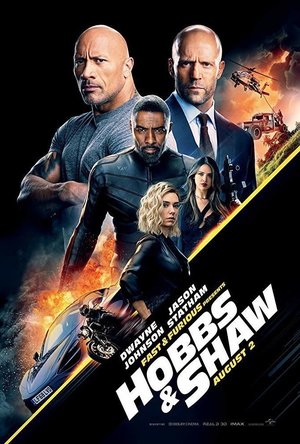
Verdict: Stunt Work of the Year
Story: Fast & Furious Presents: Hobbs & Shaw starts when MI6 Agent Hattie Shaw (Kirby) is framed for stealing a deadly virus that Brixton (Elba) is after, using her ability to go into hiding comes in handy, Luke Hobbs (Johnson) and Deckard (Statham) are recruited to work together to help find her and get the virus out of her before it becomes a threat to the world.
With the three teaming up, they must use their connections to stay ahead of Brixton who has been enhanced to make a deadly threat that neither can defeat on their own, can they put aside their different and save the world again?
Thoughts on Fast & Furious Presents: Hobbs & Shaw
Characters – Hobbs is still working in the field to hunt down bad guys, but he remains family based with his daughter being the most important part of his life, he gets the call to save the world once again and doesn’t say no, heading to London to team up with an old enemy and friend in Deckard. He does play the I am bigger than you card, as the two constantly try to play the alpha male card. Deckard must come out of hiding to rescue his own little sister, he is better designed to the spy like side of this mission, we do get to learn a lot more about his past in this film too. Brixton is the big bad, he even introduces himself as ‘the bad guy’ he has been enhanced, making him a proper deadly weapon that will win any one on one fight, he isn’t afraid to fight with his men, though he is only part of a bigger plan going on. Hattie is the MI6 agent that gets framed, she is Deckard sister and knows how to get off the grid, she can handle herself in a fight and isn’t afraid to use a few tricks she learnt from her mother to get out of a sticky situation.
Performances – Dwayne Johnson and Jason Statham must be looked at as one, they are excellent when it comes to the action sequences, you wouldn’t expect anything less, when they have a moment of serious material they do well, it is part of the back and forth between them which does get slightly tiresome after a while. It is almost like the film must stop for 30 seconds to a minute so they can go at each with insults. Idris Elba does look like he is having a hell of a time as the villainous figure, while Vanessa Kirby keeps up with the action heavy stars with ease bring another aspect to the styles of the three.
Story – The story here follows Hobbs and Shaw as they must once again put their differences a side to help Shaw’s sister get away from a deadly enhanced soldier and the virus he is threatening the world with. Breaking down this story, it does feel like any Fast & Furious film, there is no questions there, we get everything we expect with cheesy dialogue to match. If we do look at the story it is strange because we could easily have had this as a Hobbs or Shaw solo film with the way everything unfolds, with only one aspect of the film truly needing them to work together. The pair do seem to lose certain parts of the chemistry and respect for one an other they got from Fast 8, which again confuses why we need so much bickering between the two, as they are both the alpha, neither comes off as the comical side of the buddy relationship, meaning a lot of the jokes just hold up the film. It is nice this story could build on both the pairs backgrounds more, with slightly more focus on Deckard. If we are being honest, we don’t need a deep story here, we just come for the action.
Action/Adventure – The action in this film is huge, the fights, the chases and the explosions, though when it comes to the fights we do get a lot of cuts in them, which just doesn’t work as well as other action heavy films. The adventure does take the crew from London, to Russian to Samoa proving it to be an international mission.
Settings – The film uses the tight streets of London for the spy side of the movie, along with one big car chase, we use the other cities for the wide-open big action sequences in the film.
Special Effects – The effects in the film are also a mixed bad, certain bits look wonderful, including how Brixton is almost attached to his motorbike, it is the couple of moments which you can see the CGI effects at work which let it down.
Scene of the Movie – The base escape.
That Moment That Annoyed Me – The bickering gets tiresome.
Final Thoughts – This is everything you expect in a Fast & Furious film, it is big, the action is ridiculous, and you can just sit back and enjoy.
Overall: Big dumb fun
Rating
Story: Fast & Furious Presents: Hobbs & Shaw starts when MI6 Agent Hattie Shaw (Kirby) is framed for stealing a deadly virus that Brixton (Elba) is after, using her ability to go into hiding comes in handy, Luke Hobbs (Johnson) and Deckard (Statham) are recruited to work together to help find her and get the virus out of her before it becomes a threat to the world.
With the three teaming up, they must use their connections to stay ahead of Brixton who has been enhanced to make a deadly threat that neither can defeat on their own, can they put aside their different and save the world again?
Thoughts on Fast & Furious Presents: Hobbs & Shaw
Characters – Hobbs is still working in the field to hunt down bad guys, but he remains family based with his daughter being the most important part of his life, he gets the call to save the world once again and doesn’t say no, heading to London to team up with an old enemy and friend in Deckard. He does play the I am bigger than you card, as the two constantly try to play the alpha male card. Deckard must come out of hiding to rescue his own little sister, he is better designed to the spy like side of this mission, we do get to learn a lot more about his past in this film too. Brixton is the big bad, he even introduces himself as ‘the bad guy’ he has been enhanced, making him a proper deadly weapon that will win any one on one fight, he isn’t afraid to fight with his men, though he is only part of a bigger plan going on. Hattie is the MI6 agent that gets framed, she is Deckard sister and knows how to get off the grid, she can handle herself in a fight and isn’t afraid to use a few tricks she learnt from her mother to get out of a sticky situation.
Performances – Dwayne Johnson and Jason Statham must be looked at as one, they are excellent when it comes to the action sequences, you wouldn’t expect anything less, when they have a moment of serious material they do well, it is part of the back and forth between them which does get slightly tiresome after a while. It is almost like the film must stop for 30 seconds to a minute so they can go at each with insults. Idris Elba does look like he is having a hell of a time as the villainous figure, while Vanessa Kirby keeps up with the action heavy stars with ease bring another aspect to the styles of the three.
Story – The story here follows Hobbs and Shaw as they must once again put their differences a side to help Shaw’s sister get away from a deadly enhanced soldier and the virus he is threatening the world with. Breaking down this story, it does feel like any Fast & Furious film, there is no questions there, we get everything we expect with cheesy dialogue to match. If we do look at the story it is strange because we could easily have had this as a Hobbs or Shaw solo film with the way everything unfolds, with only one aspect of the film truly needing them to work together. The pair do seem to lose certain parts of the chemistry and respect for one an other they got from Fast 8, which again confuses why we need so much bickering between the two, as they are both the alpha, neither comes off as the comical side of the buddy relationship, meaning a lot of the jokes just hold up the film. It is nice this story could build on both the pairs backgrounds more, with slightly more focus on Deckard. If we are being honest, we don’t need a deep story here, we just come for the action.
Action/Adventure – The action in this film is huge, the fights, the chases and the explosions, though when it comes to the fights we do get a lot of cuts in them, which just doesn’t work as well as other action heavy films. The adventure does take the crew from London, to Russian to Samoa proving it to be an international mission.
Settings – The film uses the tight streets of London for the spy side of the movie, along with one big car chase, we use the other cities for the wide-open big action sequences in the film.
Special Effects – The effects in the film are also a mixed bad, certain bits look wonderful, including how Brixton is almost attached to his motorbike, it is the couple of moments which you can see the CGI effects at work which let it down.
Scene of the Movie – The base escape.
That Moment That Annoyed Me – The bickering gets tiresome.
Final Thoughts – This is everything you expect in a Fast & Furious film, it is big, the action is ridiculous, and you can just sit back and enjoy.
Overall: Big dumb fun
Rating

Lottie disney bookworm (1056 KP) rated A Frozen Heart in Books
Sep 20, 2020

Contains spoilers, click to show
It seems like adaptations of Frozen and Frozen 2 are everywhere right now: it must be so hard for an author to come up with a story that is different enough to draw readers in but still in-keeping with the story. Luckily, Elizabeth Rudnick’s skilled writing turns the typical Frozen tale on its head: telling it solely from the perspective of Anna and Hans.
It is this, seemingly simple, difference that gives “A Frozen Heart” it’s edge. The inclusion of Hans’ viewpoint allows us to witness his upbringing as the 13th Prince of The Southern Isles: we visit looming, black, inhospitable castle with it’s stern, hard-to-please King; an absent-minded, weak but loving Queen and the youngest Prince who has been bullied for his entire life.
Rudnick’s characterisation of Hans is nothing less than pure genius. It is difficult to feel anything but pity for Hans during his childhood: he is constantly disappointing his father and being physically and emotionally bullied by his brothers. The only family member whom Hans truly seems to love is his mother but she is portrayed as somewhat absent in her mental state. (As a mother I can only assume this is from having 13 sons! I struggle with 2!)
Even when Hans “plots” his way to Arendelle, it is purely an evacuation plan. He is so desperate to leave the Southern Isles that he believes Elsa, a social enigma of a future queen, is his best chance for a new life. Then, when Hans realises Elsa is a lost cause and goes off singing and dancing into the night with Anna, at first, the reader genuinely believes his intentions are good. It even reminded me of the fan theory that Hans is the real deal until the trolls sing “get the fiancé out of the way”.
Hans is never completely trustworthy though: he is too acutely aware of how others view him and his actions, as well as the relative power those onlookers have and whether they will support him with his next, calculated move.
Hans also seems to be of the opinion that a Queen needs a King and the King will rule. Apart from being adoringly archaic(!), it is likely that this could be an effect of the relationship between his parents: the brief insight we have into the King and Queen of the Southern Isles suggest Hans has never had a strong female role model in his life. Again, Rudnick’s writing and characters implying that Hans is not 100% to blame: perhaps he is merely a product of the harsh environment he was brought up in?
Unfortunately, the deep-rooted power complex instilled from his father wins out in the end and Hans can see no alternative life but one where he is ruler. Thus, the villain in him rises; constantly calculating and predicting how his actions will be judged by others and the tale with which we are so familiar plays out.
Anna’s story runs along similar parallels to Hans, with neglect and isolation from her closest family. However, the way this pain manifests in Anna could not be further than that of the Prince of the Southern Isles.
‘A Frozen Heart’ reflects Anna’s vulnerability in every sentence. As a young girl Anna lost her freedom as well as her best friend and sister; as a teenager she loses her parents and this has formed an extremely fragile, trusting, naïve young woman. Anna has lived the definition of a sheltered childhood: is it any wonder she falls in love with the first man who pays her attention? Anna’s even confesses to herself: “That is all I ever wanted. For someone to love me”.
Despite this, Anna does not present as a weak character. Yes, she is a hopeless romantic: all the best people are in my opinion! However, she is also strong-willed and is willing to go to any lengths to bring back her sister. Rudnick’s first-person perspective only highlights this strength in Anna: she completely accepts her faults and can see the error in her actions, particularly when it comes to Hans, but she can not and will not give up.
I really enjoyed the insight into Hans and Anna’s thoughts and particularly into Hans’ background. However, once this initial thrill was over, I felt that ‘A Frozen Heart’ merely followed along with the plot of the movie and, dare I say, became a bit lazy?
Please don’t misunderstand me, I did enjoy the book and Rudnick did an amazing job bringing to life our favourite characters on the page but I just needed a little bit more: perhaps an insight into Kristoff’s backstory? How does a young boy with a reindeer find himself adopted by trolls? Is Kristoff even an orphan? What has he experienced in order to consider the trolls love doctors?
‘A Frozen Heart’: an interesting concept but maybe played it a little too safe? Please let me know your thoughts.
It is this, seemingly simple, difference that gives “A Frozen Heart” it’s edge. The inclusion of Hans’ viewpoint allows us to witness his upbringing as the 13th Prince of The Southern Isles: we visit looming, black, inhospitable castle with it’s stern, hard-to-please King; an absent-minded, weak but loving Queen and the youngest Prince who has been bullied for his entire life.
Rudnick’s characterisation of Hans is nothing less than pure genius. It is difficult to feel anything but pity for Hans during his childhood: he is constantly disappointing his father and being physically and emotionally bullied by his brothers. The only family member whom Hans truly seems to love is his mother but she is portrayed as somewhat absent in her mental state. (As a mother I can only assume this is from having 13 sons! I struggle with 2!)
Even when Hans “plots” his way to Arendelle, it is purely an evacuation plan. He is so desperate to leave the Southern Isles that he believes Elsa, a social enigma of a future queen, is his best chance for a new life. Then, when Hans realises Elsa is a lost cause and goes off singing and dancing into the night with Anna, at first, the reader genuinely believes his intentions are good. It even reminded me of the fan theory that Hans is the real deal until the trolls sing “get the fiancé out of the way”.
Hans is never completely trustworthy though: he is too acutely aware of how others view him and his actions, as well as the relative power those onlookers have and whether they will support him with his next, calculated move.
Hans also seems to be of the opinion that a Queen needs a King and the King will rule. Apart from being adoringly archaic(!), it is likely that this could be an effect of the relationship between his parents: the brief insight we have into the King and Queen of the Southern Isles suggest Hans has never had a strong female role model in his life. Again, Rudnick’s writing and characters implying that Hans is not 100% to blame: perhaps he is merely a product of the harsh environment he was brought up in?
Unfortunately, the deep-rooted power complex instilled from his father wins out in the end and Hans can see no alternative life but one where he is ruler. Thus, the villain in him rises; constantly calculating and predicting how his actions will be judged by others and the tale with which we are so familiar plays out.
Anna’s story runs along similar parallels to Hans, with neglect and isolation from her closest family. However, the way this pain manifests in Anna could not be further than that of the Prince of the Southern Isles.
‘A Frozen Heart’ reflects Anna’s vulnerability in every sentence. As a young girl Anna lost her freedom as well as her best friend and sister; as a teenager she loses her parents and this has formed an extremely fragile, trusting, naïve young woman. Anna has lived the definition of a sheltered childhood: is it any wonder she falls in love with the first man who pays her attention? Anna’s even confesses to herself: “That is all I ever wanted. For someone to love me”.
Despite this, Anna does not present as a weak character. Yes, she is a hopeless romantic: all the best people are in my opinion! However, she is also strong-willed and is willing to go to any lengths to bring back her sister. Rudnick’s first-person perspective only highlights this strength in Anna: she completely accepts her faults and can see the error in her actions, particularly when it comes to Hans, but she can not and will not give up.
I really enjoyed the insight into Hans and Anna’s thoughts and particularly into Hans’ background. However, once this initial thrill was over, I felt that ‘A Frozen Heart’ merely followed along with the plot of the movie and, dare I say, became a bit lazy?
Please don’t misunderstand me, I did enjoy the book and Rudnick did an amazing job bringing to life our favourite characters on the page but I just needed a little bit more: perhaps an insight into Kristoff’s backstory? How does a young boy with a reindeer find himself adopted by trolls? Is Kristoff even an orphan? What has he experienced in order to consider the trolls love doctors?
‘A Frozen Heart’: an interesting concept but maybe played it a little too safe? Please let me know your thoughts.