
Search
Search results
ClareR (6256 KP) rated Vita and the Birds in Books
Jul 4, 2023
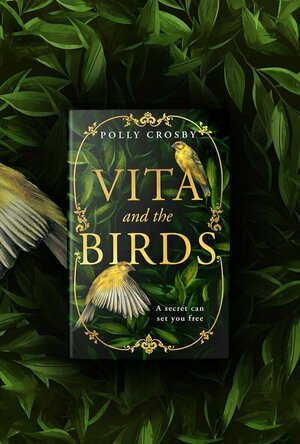

I was so excited when I got an email with the offer to read this. Mainly because despite the fact that I’m utterly rubbish at reading and reviewing on time, I had still been given a chance to read an ARC. Well, true to form, I’m late reviewing this - but I like to think that I’ll catch the prevaricators (we’re a great bunch really!) and tip them in to buying mode!
Vita and the Birds is set in a dual timeline: 1938 and 1997.
In 1938, Lady Vita Goldsborough lives a very constrained life. Her brother is extremely controlling even for 1938, I think. Vita meets the artist Dodie Blakeney whilst on a walk on the East Anglian coastal marshes, and a deep bond is formed between the women that will have lasting repercussions.
1997, and Eve Blakeney has returned to her grandmothers beach hut where she had lived alone up to her death. Eve is grieving the death of her mother, and going through her grandmothers belongings is supposed to be helping her to grieve. Eve seemed to be so vulnerable, sad and lost through much of this book. So when she finds some letters of her grandmother's written by another woman, they are something of a distraction. Clearly this is a relationship that ended before either woman wanted it to, which makes it all the more sad.
There is a tangible feeling of melancholy and sadness throughout each timeline. All of the characters experience loss.
I just loved this book. It made my heart ache for all three women. The windswept landscape of the coast and marshes were evocatively described and added to the desolation. I’m making this sound very depressing, aren’t I? Well, it is and it isn’t. I don’t like to wallow in depressing prose, and this had such beauty in it: the landscape, the birds, the love of the women and Eve’s family. Ultimately there is hope - and that’s what rounded this beautiful novel off perfectly.
Highly recommended.
Vita and the Birds is set in a dual timeline: 1938 and 1997.
In 1938, Lady Vita Goldsborough lives a very constrained life. Her brother is extremely controlling even for 1938, I think. Vita meets the artist Dodie Blakeney whilst on a walk on the East Anglian coastal marshes, and a deep bond is formed between the women that will have lasting repercussions.
1997, and Eve Blakeney has returned to her grandmothers beach hut where she had lived alone up to her death. Eve is grieving the death of her mother, and going through her grandmothers belongings is supposed to be helping her to grieve. Eve seemed to be so vulnerable, sad and lost through much of this book. So when she finds some letters of her grandmother's written by another woman, they are something of a distraction. Clearly this is a relationship that ended before either woman wanted it to, which makes it all the more sad.
There is a tangible feeling of melancholy and sadness throughout each timeline. All of the characters experience loss.
I just loved this book. It made my heart ache for all three women. The windswept landscape of the coast and marshes were evocatively described and added to the desolation. I’m making this sound very depressing, aren’t I? Well, it is and it isn’t. I don’t like to wallow in depressing prose, and this had such beauty in it: the landscape, the birds, the love of the women and Eve’s family. Ultimately there is hope - and that’s what rounded this beautiful novel off perfectly.
Highly recommended.
Heather Cranmer (2721 KP) rated The Caretakers in Books
Apr 6, 2020
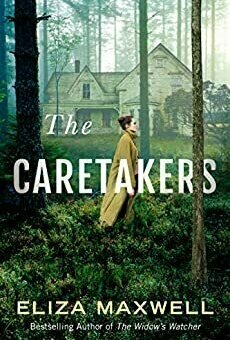
As soon as I read the synopsis for The Caretakers by Eliza Maxwell, I was instantly hooked. I knew it was a book that I had to read. It's like it was calling out to me saying "read me...read me." What a wild ride The Caretakers had in store for me!
Tessa Shepard made a documentary that helped free a man that she thought was framed for murder. However, when it seems he's killed the police chief's daughter, Tessa's life becomes upended. Around the same time, Tessa and her twin sister inherit a large estate named Fallbrook. There she meets two old ladies who are the caretakers of Fallbrook that have their own crazy story about the past when it comes to Fallbrooks history. With danger lurking around every corner, Tessa must try to survive and figure out the two old ladies' story.
I could not fault the plot of The Caretakers at all. It was absolutely solid from beginning to end. With The Caretakers, I felt like I was sort of getting two stories in one which was great! The first story is Tessa's. The narrative follows Tessa as she deals with her conscience about freeing a man from prison who may have actually been guilty. She's also dealing with the fallout between her and her twin sister Margot. With Tessa's reputation in tatters, Tessa tries to stay out of the spotlight and deal with what's going on in her personal life, but it doesn't turn out to be that easy. The second narrative belongs to the two old ladies and caretakers of Fallbrook, Kitty and Deidre. Their story was the most interesting to read about. Kitty and Deidre remember two different accounts of what actually befell Fallbrook when they were children. It was traumatizing for both of them, and at least one of the sisters has blocked out the actual memories of the horrible event that happened there. I found myself trying to guess which events were the true ones. Kudos to Eliza Maxwell for adding so many plot twists to The Caretakers that I never saw coming! I absolutely was thrilled that there were so many plot twists. Just when I thought I had the story figured out, a curve ball was thrown at me making me have to start my guess work all over again. However, all cliff hangers and questions are answered by the end of the book.
The characters in The Caretakers were all written fantastically! All were fleshed out appropriately even the minor characters. It was easy to empathize with everything Tessa was going through. She had so much bad stuff going on at one time. Learning her back story, it was easy to see why she thought the way she did. I liked Margot as well. While she's not a main character, she does play a fairly important role in Tessa's life. Sometimes I felt like Margot was a little too closed off when it came to Tessa and her husband, Ben. This wasn't due to bad writing, but quite the opposite. I felt like this was a character flaw that even real life people struggle with. I enjoyed Oliver's character. He made for a fantastic antagonist. Oliver was the one who Tessa freed from prison due to her documentary. Through fantastic storytelling, it was easy to see why Oliver went off the deep end after he was released. I felt bad for him actually. Deidre was an interesting character, and I came to understand why she was wary of strangers meddling in hers and Kitty's business. Kitty was my all time favorite character in The Caretakers though. I was sucked up in her childlike way of acting. She seemed to trust everyone and came across as such a sweet person. It seemed like she was too nice to be unkind towards anyone. I felt like Kitty had the most interesting backstory out of all the characters. The Cooke family, who had previously lived in Fallbrook before it became derelict, had the most intriguing story out of everyone. I really enjoyed reading about them.
Trigger warnings for The Caretakers include profanity, murder, violence, drinking, and police corruption.
To say I was blown away by The Caretakers is an understatement. Seriously, this book gave me goosebumps and a severe book hangover. That's how great it was! With intriguing plot lines and fantastic characters, it was such a fantastic read. I would most definitely recommend The Caretakers by Eliza Maxwell to those aged 17+. I really believe readers of all genres will really enjoy this book!
--
(A special thank you to Lone Star Literary Life and Eliza Maxwell for sending me a paperback and Netgalley for an eBook of The Caretakers in exchange for an honest and unbiased review.)
Tessa Shepard made a documentary that helped free a man that she thought was framed for murder. However, when it seems he's killed the police chief's daughter, Tessa's life becomes upended. Around the same time, Tessa and her twin sister inherit a large estate named Fallbrook. There she meets two old ladies who are the caretakers of Fallbrook that have their own crazy story about the past when it comes to Fallbrooks history. With danger lurking around every corner, Tessa must try to survive and figure out the two old ladies' story.
I could not fault the plot of The Caretakers at all. It was absolutely solid from beginning to end. With The Caretakers, I felt like I was sort of getting two stories in one which was great! The first story is Tessa's. The narrative follows Tessa as she deals with her conscience about freeing a man from prison who may have actually been guilty. She's also dealing with the fallout between her and her twin sister Margot. With Tessa's reputation in tatters, Tessa tries to stay out of the spotlight and deal with what's going on in her personal life, but it doesn't turn out to be that easy. The second narrative belongs to the two old ladies and caretakers of Fallbrook, Kitty and Deidre. Their story was the most interesting to read about. Kitty and Deidre remember two different accounts of what actually befell Fallbrook when they were children. It was traumatizing for both of them, and at least one of the sisters has blocked out the actual memories of the horrible event that happened there. I found myself trying to guess which events were the true ones. Kudos to Eliza Maxwell for adding so many plot twists to The Caretakers that I never saw coming! I absolutely was thrilled that there were so many plot twists. Just when I thought I had the story figured out, a curve ball was thrown at me making me have to start my guess work all over again. However, all cliff hangers and questions are answered by the end of the book.
The characters in The Caretakers were all written fantastically! All were fleshed out appropriately even the minor characters. It was easy to empathize with everything Tessa was going through. She had so much bad stuff going on at one time. Learning her back story, it was easy to see why she thought the way she did. I liked Margot as well. While she's not a main character, she does play a fairly important role in Tessa's life. Sometimes I felt like Margot was a little too closed off when it came to Tessa and her husband, Ben. This wasn't due to bad writing, but quite the opposite. I felt like this was a character flaw that even real life people struggle with. I enjoyed Oliver's character. He made for a fantastic antagonist. Oliver was the one who Tessa freed from prison due to her documentary. Through fantastic storytelling, it was easy to see why Oliver went off the deep end after he was released. I felt bad for him actually. Deidre was an interesting character, and I came to understand why she was wary of strangers meddling in hers and Kitty's business. Kitty was my all time favorite character in The Caretakers though. I was sucked up in her childlike way of acting. She seemed to trust everyone and came across as such a sweet person. It seemed like she was too nice to be unkind towards anyone. I felt like Kitty had the most interesting backstory out of all the characters. The Cooke family, who had previously lived in Fallbrook before it became derelict, had the most intriguing story out of everyone. I really enjoyed reading about them.
Trigger warnings for The Caretakers include profanity, murder, violence, drinking, and police corruption.
To say I was blown away by The Caretakers is an understatement. Seriously, this book gave me goosebumps and a severe book hangover. That's how great it was! With intriguing plot lines and fantastic characters, it was such a fantastic read. I would most definitely recommend The Caretakers by Eliza Maxwell to those aged 17+. I really believe readers of all genres will really enjoy this book!
--
(A special thank you to Lone Star Literary Life and Eliza Maxwell for sending me a paperback and Netgalley for an eBook of The Caretakers in exchange for an honest and unbiased review.)

Kristy H (1252 KP) rated Inherit the Bones (Detective Gemma Monroe, #1) in Books
Feb 13, 2018


Gemma Monroe is a police detective in a small town nestled in the mountains of Colorado. Early in her career, while skiing, Gemma found the long-buried bodies of two young boys who disappeared in the mid-1980s. The boys were murdered; their killer never found; and their disappearance and the subsequent crime has haunted the town. Now, in the present day, Gemma is called upon to investigate the gruesome murder of a teenage circus worker who was part of a circus traveling through town. Soon though, Gemma will come to realize that this murder is connected to the disappearance of the boys. She'll uncover a dark past that haunts her town--and discover that someone desperately wants her to leave the past alone.
This was an excellent and well-plotted mystery novel. The story reels you in immediately and never lets you go with its strong, complex narrative. Gemma is a likeable, fairly deep, and interesting lead character. I took to her quickly and found myself wrapped up in her life. Gemma is six months pregnant - something you don't always find in detective novels, and you see her grappling with not only the case, but her personal life. Working in a small town, she finds quickly that she can't really trust anyone, and Littlejohn gives us good insight into her squad dynamics. She also captures small town living fairly well. This is a town wrapped up in its past, unable to move on from a web of secrets and lies that have tormented it for years.
Indeed, the secrets continue to unfold, but in a completely believable manner, which I really appreciated. I guessed a part of the plot early on, but there were still so many pieces to the story that I was very much riveted until the very end. There's a strong supporting cast here as well, without the usual simple stock characters who sometimes support a rural detective. Goodreads is telling me that this is the first in a Gemma Monroe series, which I hope is true. While I think the series could hit a wall--as many others do--with the small town aspect (only so much murder and mayhem can happen in a small town: see Linda Castillo's excellent Kate Burkholder series, where you eventually start to fear for the poor townspeople of Painter's Mill), but I would certainly love to see more of Gemma.
Overall, a well-done mystery. Originally rated at 3.5 stars, but pushing up to 4 as I write this review and realize how much I enjoyed it. Always nice to have a new face in the mystery world.
I received a copy of this novel from the publisher and Netgalley (thank you!) in return for an unbiased review; it is available everywhere as of 11/01/2016.
This was an excellent and well-plotted mystery novel. The story reels you in immediately and never lets you go with its strong, complex narrative. Gemma is a likeable, fairly deep, and interesting lead character. I took to her quickly and found myself wrapped up in her life. Gemma is six months pregnant - something you don't always find in detective novels, and you see her grappling with not only the case, but her personal life. Working in a small town, she finds quickly that she can't really trust anyone, and Littlejohn gives us good insight into her squad dynamics. She also captures small town living fairly well. This is a town wrapped up in its past, unable to move on from a web of secrets and lies that have tormented it for years.
Indeed, the secrets continue to unfold, but in a completely believable manner, which I really appreciated. I guessed a part of the plot early on, but there were still so many pieces to the story that I was very much riveted until the very end. There's a strong supporting cast here as well, without the usual simple stock characters who sometimes support a rural detective. Goodreads is telling me that this is the first in a Gemma Monroe series, which I hope is true. While I think the series could hit a wall--as many others do--with the small town aspect (only so much murder and mayhem can happen in a small town: see Linda Castillo's excellent Kate Burkholder series, where you eventually start to fear for the poor townspeople of Painter's Mill), but I would certainly love to see more of Gemma.
Overall, a well-done mystery. Originally rated at 3.5 stars, but pushing up to 4 as I write this review and realize how much I enjoyed it. Always nice to have a new face in the mystery world.
I received a copy of this novel from the publisher and Netgalley (thank you!) in return for an unbiased review; it is available everywhere as of 11/01/2016.
Necole (36 KP) rated The Stolen Marriage in Books
Aug 12, 2018
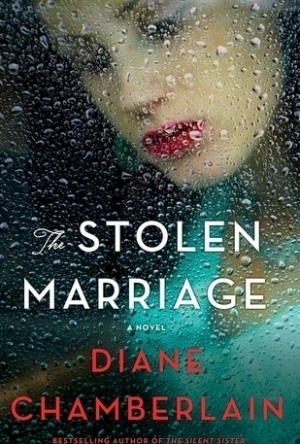
Ok so let me just say the cover of this novel is absolutely stunning … all the water droplets are raised and the image is breath taking!!!!
After reading the synopsis of the story in the cover, I was hooked into wanting to read this and the novel did not disappoint. This is not only a multilayered, multifaceted novel of plots and characters but also genre of books. The writing is like watching a movie playing in your head … Chamberlain has a way at pulling you in and making you feel all different emotions throughout the story. Each character is written in a way that you feel like you know them and see their growth and there views and feel each of their stories. If you like historical fiction or mystery or self discovery or even romance, you will love The Stolen Marriage.
The book is set in 1943-1945 with an epilogue that is 1955. It starts out with Tess in Baltimore, which in these times is considered to have northern values and religions with a mix of cultures. Then the story continues into Hickory NC where southern religions, views on colored people, values such as money and family come into play. I am not going to summarize it too much and give too much away nor am I going to describe the synopsis of the book that is given because it is spot on. However, the first chapter draws you in with an accident and a death!!! Then the story unfolds where Tess makes a detrimental decision that changes her path in life drastically. Then its a wild, emotional and beautiful story about a marriage to someone she doesn't know and slowly gets to know, loosing people that are precious to her, loosing herself and finding herself when she becomes a nurse and uses these skills when the polio epidemic hits Hickory, how the town comes together during this time to build a make shift hospital in a very short time, losing and regretting the love of her life, finding out people are not what they make of themselves, secrets that come to light throughout the book, finding out that even though differences are evident you still can learn and overcome a way of thinking, and so much more.
The decisions she makes changes not only her path but others as well. And also the decisions others make change Tess and change the characters lives as well.
This book has race issues, religious issues, moral dilemmas, moral values, personal growth, finding ones true self, etc.
I highly recommend this book!!!!! It was an amazing read, compelling story telling and so many plots wrapped up in one incredible novel!
After reading the synopsis of the story in the cover, I was hooked into wanting to read this and the novel did not disappoint. This is not only a multilayered, multifaceted novel of plots and characters but also genre of books. The writing is like watching a movie playing in your head … Chamberlain has a way at pulling you in and making you feel all different emotions throughout the story. Each character is written in a way that you feel like you know them and see their growth and there views and feel each of their stories. If you like historical fiction or mystery or self discovery or even romance, you will love The Stolen Marriage.
The book is set in 1943-1945 with an epilogue that is 1955. It starts out with Tess in Baltimore, which in these times is considered to have northern values and religions with a mix of cultures. Then the story continues into Hickory NC where southern religions, views on colored people, values such as money and family come into play. I am not going to summarize it too much and give too much away nor am I going to describe the synopsis of the book that is given because it is spot on. However, the first chapter draws you in with an accident and a death!!! Then the story unfolds where Tess makes a detrimental decision that changes her path in life drastically. Then its a wild, emotional and beautiful story about a marriage to someone she doesn't know and slowly gets to know, loosing people that are precious to her, loosing herself and finding herself when she becomes a nurse and uses these skills when the polio epidemic hits Hickory, how the town comes together during this time to build a make shift hospital in a very short time, losing and regretting the love of her life, finding out people are not what they make of themselves, secrets that come to light throughout the book, finding out that even though differences are evident you still can learn and overcome a way of thinking, and so much more.
The decisions she makes changes not only her path but others as well. And also the decisions others make change Tess and change the characters lives as well.
This book has race issues, religious issues, moral dilemmas, moral values, personal growth, finding ones true self, etc.
I highly recommend this book!!!!! It was an amazing read, compelling story telling and so many plots wrapped up in one incredible novel!
Gareth von Kallenbach (980 KP) rated Freeheld (2015) in Movies
Jun 19, 2019
Based on a true story about Detective Lauren Hester (Julianne Moore) who is dying of cancer and her life-partner Stacie Andree (Ellen Page, who “came out” herself last year), and their fight for their civil rights against the “Freeholders Committee” in Ocean City, NJ.
After more than 20 years of being on the force and highly decorated, Lauren Hester is seeking to give her pension to her domestic partner just like any straight married county employee has been able to do. The Freeholders, are a committee who governs the county, decided that Hester’s pension would not be given to Andree because they are lesbians and the fight begins. They are contacted by a gay rights activist, Steve Goldstein (Steve Carell), who with the help of Hester’s detective partner Dane Wells (Michael Shannon), try to get the Freeholders to change their opinion. Only with help from the community and police force, who are rallied by Goldstein and Wells,will anything be changed.
Right from the start the movie grabs hold of the viewer, and keeps them engrossed in their struggle to the end. Being so close to being a biography I was surprised at how well it was done and my interest was kept throughout. It is not just an account of a gay couple, more a depiction of a battle for everyone’s civil rights. Freeheld skillfully depicts the struggles of gay professionals to keep their identity a secret from society while still being successful in their field, having a fulfilling relationship and how society discriminated LGBTQ domestic partnerships which became fuel for the Marriage Equality movement.
The actors and director (Peter Sollett) keep the pace fluid and easy to follow without losing any of the important details of their lives or bogging it down with the legalities of the fight. The screenplay could easily have turned this into an exploitation just for the tear-jerking factor, but instead keep it realistic, even adding a bit of humor alleviate the dreariness the story, just like most people will do when facing the death of a loved one. I found Freeheld to be somewhat upbeat, even in the darkest scenes dealing with the misuse of the laws due to bigotry and how close to reality Moore simulates a person dying of cancer, instead turning it into another gloom and doom cancer or civil rights movie. Having been through it myself, I could fully connect with Page’s depiction how it feels to watch loved one dying of cancer and I know so many others will also.
I honestly loved Freeheld, I would suggest to anyone who prefers a matter of fact movie mixed with humor, compassion, and heartbreak that ends with you feeling like you were fully immersed in their life and closure with the finale.
http://sknr.net/2015/10/09/freeheld/
After more than 20 years of being on the force and highly decorated, Lauren Hester is seeking to give her pension to her domestic partner just like any straight married county employee has been able to do. The Freeholders, are a committee who governs the county, decided that Hester’s pension would not be given to Andree because they are lesbians and the fight begins. They are contacted by a gay rights activist, Steve Goldstein (Steve Carell), who with the help of Hester’s detective partner Dane Wells (Michael Shannon), try to get the Freeholders to change their opinion. Only with help from the community and police force, who are rallied by Goldstein and Wells,will anything be changed.
Right from the start the movie grabs hold of the viewer, and keeps them engrossed in their struggle to the end. Being so close to being a biography I was surprised at how well it was done and my interest was kept throughout. It is not just an account of a gay couple, more a depiction of a battle for everyone’s civil rights. Freeheld skillfully depicts the struggles of gay professionals to keep their identity a secret from society while still being successful in their field, having a fulfilling relationship and how society discriminated LGBTQ domestic partnerships which became fuel for the Marriage Equality movement.
The actors and director (Peter Sollett) keep the pace fluid and easy to follow without losing any of the important details of their lives or bogging it down with the legalities of the fight. The screenplay could easily have turned this into an exploitation just for the tear-jerking factor, but instead keep it realistic, even adding a bit of humor alleviate the dreariness the story, just like most people will do when facing the death of a loved one. I found Freeheld to be somewhat upbeat, even in the darkest scenes dealing with the misuse of the laws due to bigotry and how close to reality Moore simulates a person dying of cancer, instead turning it into another gloom and doom cancer or civil rights movie. Having been through it myself, I could fully connect with Page’s depiction how it feels to watch loved one dying of cancer and I know so many others will also.
I honestly loved Freeheld, I would suggest to anyone who prefers a matter of fact movie mixed with humor, compassion, and heartbreak that ends with you feeling like you were fully immersed in their life and closure with the finale.
http://sknr.net/2015/10/09/freeheld/
Ivana A. | Diary of Difference (1171 KP) rated I Know Who You Are in Books
Feb 3, 2020
<a href="https://diaryofdifference.com/">Blog</a>; | <a href="https://www.facebook.com/diaryofdifference/">Facebook</a>; | <a href="https://twitter.com/DiaryDifference">Twitter</a>; | <a href="https://www.instagram.com/diaryofdifference/">Instagram</a>; | <a href="https://www.pinterest.co.uk/diaryofdifference/pins/">Pinterest</a>;
<img src="https://i0.wp.com/diaryofdifference.com/wp-content/uploads/2019/05/I-Know-Who-You-Are-blog-tour-banner.jpg?resize=768%2C909&ssl=1"/>;
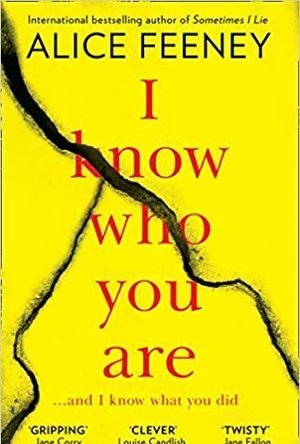
<b>I Know Who You Are by Alice Feeney is a book that stays with you after you read it. Dark, twisted and unpredictable until the very last chapter.</b>
In the very beginning, we are met with the unknown. Aimee Sinclair is an actress and when she comes home, she realizes her husband is missing. The police suspect she is hiding something. They are right, she does have a secret…
The book switches between two timelines; the first being Aimee today and the second being Aimee’s childhood. We get to enjoy these parallel stories and understand how Aimee’s childhood directly influences her decisions as a grown up.
<b><i>‘’Sometimes it only takes one person to believe in you, to change your life forever. Sometimes it only takes one person not believing in you to destroy it. Humans are a highly sensitive species.’’</i></b>
Alice’s writing is brilliant, and when reading the two timelines, you feel the child and you feel the adult. A skill not many writers can perfect.
Aimee’s whole life has been about being a different person. That is why she choose to become an actress. She can change into different people as she wants, and keep her true self hidden somewhere safe. But she didn’t learn this all by herself.
The book will leave things unpredictable until the very end. I had my theories and they kept changing all the time. The moment you feel you are close to the truth, something happens and you are back at the start. I loved it!
I wasn’t disappointed with the ending, but I did feel grossed out and disgusted by a certain someone. At times, some scenes felt like too much, but they were crucial to the story.
<b><i>If you love dark and twisted psychological thrillers, you will most probably enjoy reading I Know Who You Are by Alice Feeney.</i></b>
<b>Trigger warnings for abuse in all shapes and forms, animal cruelty and childhood trauma.</b>
Thank you to the team at HQ, for the opportunity to be part of this blog tour, and for sending me a paperback copy in exchange for an honest review.
<a href="https://diaryofdifference.com/">Blog</a>; | <a href="https://www.facebook.com/diaryofdifference/">Facebook</a>; | <a href="https://twitter.com/DiaryDifference">Twitter</a>; | <a href="https://www.instagram.com/diaryofdifference/">Instagram</a>; | <a href="https://www.pinterest.co.uk/diaryofdifference/pins/">Pinterest</a>;
<img src="https://i0.wp.com/diaryofdifference.com/wp-content/uploads/2019/05/I-Know-Who-You-Are-blog-tour-banner.jpg?resize=768%2C909&ssl=1"/>;
<b>I Know Who You Are by Alice Feeney is a book that stays with you after you read it. Dark, twisted and unpredictable until the very last chapter.</b>
In the very beginning, we are met with the unknown. Aimee Sinclair is an actress and when she comes home, she realizes her husband is missing. The police suspect she is hiding something. They are right, she does have a secret…
The book switches between two timelines; the first being Aimee today and the second being Aimee’s childhood. We get to enjoy these parallel stories and understand how Aimee’s childhood directly influences her decisions as a grown up.
<b><i>‘’Sometimes it only takes one person to believe in you, to change your life forever. Sometimes it only takes one person not believing in you to destroy it. Humans are a highly sensitive species.’’</i></b>
Alice’s writing is brilliant, and when reading the two timelines, you feel the child and you feel the adult. A skill not many writers can perfect.
Aimee’s whole life has been about being a different person. That is why she choose to become an actress. She can change into different people as she wants, and keep her true self hidden somewhere safe. But she didn’t learn this all by herself.
The book will leave things unpredictable until the very end. I had my theories and they kept changing all the time. The moment you feel you are close to the truth, something happens and you are back at the start. I loved it!
I wasn’t disappointed with the ending, but I did feel grossed out and disgusted by a certain someone. At times, some scenes felt like too much, but they were crucial to the story.
<b><i>If you love dark and twisted psychological thrillers, you will most probably enjoy reading I Know Who You Are by Alice Feeney.</i></b>
<b>Trigger warnings for abuse in all shapes and forms, animal cruelty and childhood trauma.</b>
Thank you to the team at HQ, for the opportunity to be part of this blog tour, and for sending me a paperback copy in exchange for an honest review.
<a href="https://diaryofdifference.com/">Blog</a>; | <a href="https://www.facebook.com/diaryofdifference/">Facebook</a>; | <a href="https://twitter.com/DiaryDifference">Twitter</a>; | <a href="https://www.instagram.com/diaryofdifference/">Instagram</a>; | <a href="https://www.pinterest.co.uk/diaryofdifference/pins/">Pinterest</a>;

Neon's Nerd Nexus (360 KP) rated Bad Boys for Life (2020) in Movies
Jan 18, 2020 (Updated Jan 18, 2020)
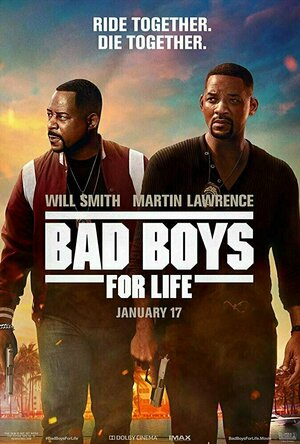

Fly Together Die Together
Bad Boys For Life doesnt suck. That sentence alone could be the review many of you were hoping for right there but its actually true and as a matter of fact I think this is also my favourite out of the 3 movies. A decision was made to pass this movie over to a diffrent director (watch out for a brilliant cameo almost giving blessing this) and while personally I love Micheal Bays explosive syle of directing every now and then for the franchise this was a great move. For Life is not only a tighter more mature outing but it also shows the franchise has evolved, learnt and adapted with the times something most sequels fail to acomplish. Ill start with the action this time it certainly feels tighter, better shot and grittier going for more of a John Wick approach which without a doubt leads to some very impressive visual flare, lovely cinematography, great choreograph and some fabulously unique and stylish camera angles too. Theres no quick cuts either (thank god) but there is however one scene that had green screen so bad I wondered why its inclusion was necessary at all. Its uber violent too with some scenes being shockingly grizzly to watch but these combine with villians which feel so evil/methodical really adds a lot of urgency, fear, threat and tension to the story making the film feel way more adult the previous outings. Story wise things are layed out nicely too however it does take a strange turn in the third act which I feel doesnt quite work or fit a character we know and love. Chemistry between Will Smith and Martin Lawrence is as flawless as ever and while the jokes may not be laugh out loud funny watching them bicker/fight is still so entertaining and Infact theres actually some really great acting too from both the Bad Boys too. As we are introduced to new members of the team we also see how times have changed, how roles have been reversed and how a gung-ho approach to situations just isnt viable anymore as it causes to much collateral damage and ends in to many casualties. Seeing Marcus and Mike forced to change thier approach, grow up and realise they are getting old works really well and helps keep the film feeling unpredictable too. While not groundbreaking I had a bloody good time with Bad Boys 3 and feel with this new aproach Id be happy to see the franchise continue on for a bit longer. Its a fast, violent, stylish, thrilling, funny and above all a highly enjoyable 'one last ride'.
We Need to Talk About ... Kevin Bridges
Book
This is the comic autobiography of 2014. A comedian's autobiography? I wonder if he's ever used...

Golf Star™
Games and Entertainment
App
Experience the first real-time, multi-player mobile golf game! Introducing Golf Star™, the...

Rugby League Live 2: Mini Games
Games and Sports
App
HEAPS OF FUN! The ultimate iPhone & iPad rugby experience! Tru Blu Entertainment and Wicked...