
Pocket Vedas
Book and Reference
App
Pocket Vedas includes the full text of all these books: Bhagavad-gītā As It Is / Śrīmad...

Cinderella by Nosy Crow
Book and Education
App
*** Major new update! *** A brand new, trilingual edition of our award-winning Cinderella app, with...

Touch Surgery, Surgical Simulator
Medical and Education
App
Train for surgical procedures with Touch Surgery, the number one tool for medical professionals....

Drugs & Medications PRO
Medical and Health & Fitness
App
************************** The top drug app since 2010 now an universal app designed and optimized...

Afghanistan '11
Games
App Watch
The year is 2011, you are commanding the US army operations in Afghanistan. But contrary to the...
games
Escape: Designing the Modern Guest House
Book
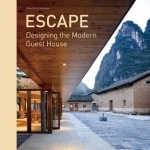
A book showcasing guest house design which merges practicality with motifs of nature and art, to...

Tank Battle: Game Bắn Tăng 3D
Games
App
Are you ready for the War III ? Download now one of the best tank games, it's totally FREE now! ...
The United States of Beer: A Regional History of the All-American Drink
Book
From the author of "the definitive history of bourbon" (Sacramento Bee) comes the epic true tale of...

Ian Anderson recommended Head Games by Foreigner in Music (curated)


Ross (3284 KP) rated Doors: Colony in Books
Mar 26, 2021
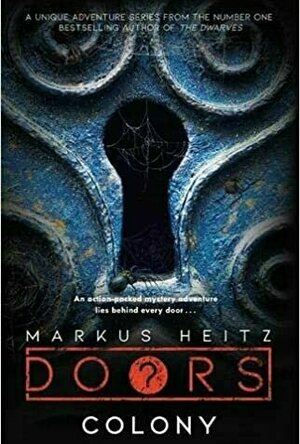

The group find themselves slimmed down very quickly as members of the group drop like flies. Soon a small number of them find themselves in the company of some Russian spies, looking to stop the Americans' attempts to take power. For some reason, phony clairvoyant Coco Fendi now has actual powers and is capable of mind-reading, earning the respect and assistance of these spies.
There then follows a fairly enjoyable attempt to catch up with a train and board it to stop a nuclear war from breaking out.
The translation again is quite poor here, as some phrases do not make sense and make the reader work to understand what is meant. I am giving Heitz the benefit of the doubt and laying blame at the door of the translator here (though looking at some of the reviews on goodreads in German I'm not sure this is fair). However, there are some very odd passages that take the reader right out of the book, for example 'the time had come to test the 4x4's four-litre twin turbo engine promising 650 horsepower and a top speed of 190 miles an hour'. I mean, what the hell? Has Clarkson been asked to translate this book? It was completely irrelevant and odd.
In the 'Twilight' book of the series, there were some hints at other users of the doors and their purpose and provenance. This book builds on that to an extent, which is a clever idea from Heitz - in order to answer the questions, I think you need to read all three books. However, as a book in its own right, there are simply too many unanswered questions left (though slightly fewer than in 'Twilight').
An improvement, with a more coherent story once through the door in question, but still not a great read. As the first c25% is duplicated between books, I merrily skipped through this section looking for the distinct part starting off.
I received a free advance copy from the publisher and NetGalley in exchange for an honest review.