
Search
Kirk Bage (1775 KP) rated Beasts of No Nation (2015) in Movies
Mar 3, 2020 (Updated Jul 9, 2020)


As I may have mentioned, a lot of my film viewing over the last wee while has been part of a project that hopes to be called 21st Century Cinema: 200 Essential films of the new millennium – which utilises the Decinemal system you will see at the bottom of each of my reviews. It aims to judge each film objectively with a score out of 10 over 10 categories, to give an overall rating out of 100.
Cary Joyi Fukunaga’s personal opus Beasts of no Nation, made for Netflix but good enough for a cinema release, falls into the category of films that have garnered enough critical acclaim to demand consideration for the top 200. It is the kind of film that you would always recommend, but may choose to overlook in search of a more basically entertaining watch.
Fukunaga has a fine pedigree already in his career, with credits on True Detective and the under-rated Sin Nombre from 2009. He has also been tasked with directing duties on the delayed Bond No Time To Die, which we hope to see before the new year now. He is a hands on, no messing about kind of guy, seemingly, taking on writing and cinematography duties also for this sad tale of child exploitation in an unnamed African war.
At times, it borders on documentary style, with an eye for strong visual images and extended silences, favoured over extraneous exposition and needless dialogue. A technique that makes the subject matter all the more uncomfortable to watch. Idris Elba adds big name weight in a fine supporting role, but the lion’s share of acting responsibility falls to young Abraham Attah, who is nothing short of astonishing in the most harrowing moments of this stark and sincere story.
I have to confess, this was another pre-lockdown watch for me, and as much as I can recall the feel and impact of it as a whole, I would struggle to talk about it in any detail after one viewing three months ago. And that is partly the reason it won’t quite make the lower benchmark of a strong 73 Decinemal score; for all its power it just isn’t quite memorable enough on every level, in the way something like City Of God, or even Beasts of the Southern Wild most definitely are.
Perhaps those are unfair comparisons, but it strives for the impact of the former without the flair, and has an independant feel without the charm of the latter. Not that flair or charm are priorities here. It simply wants to show you an issue you may not have been overly aware of, and demands that you empathise both with the complexity of the problem and with the tragic journey of Agu – a child robbed of all innocence by a terrible world.
The photography sits with the strong performances as a notable highlight; giving contrast to the devastation, depredation and desperation under the skin, and showing an angry beauty that dances beside it, showing brief moments of hope when we need them most, and therefore avoiding the trap of being too brutal to enjoy on any level. Which is a mistake similar films can fall prey too.
Violence and war are not light subjects. When the focus is also the lost soul of a child, the tightrope of melodrama and sentimentality is very fine. All involved here walk that line expertly, never once resorting to having to buy your care with familiar Hollywood tricks. In fact it couldn’t be further from Hollywood if it tried. And the drama is all the better for that.
A solid, fine movie, that is narrowly short of being truly great. But you should most definitely see it at some point if you haven’t already.
Cary Joyi Fukunaga’s personal opus Beasts of no Nation, made for Netflix but good enough for a cinema release, falls into the category of films that have garnered enough critical acclaim to demand consideration for the top 200. It is the kind of film that you would always recommend, but may choose to overlook in search of a more basically entertaining watch.
Fukunaga has a fine pedigree already in his career, with credits on True Detective and the under-rated Sin Nombre from 2009. He has also been tasked with directing duties on the delayed Bond No Time To Die, which we hope to see before the new year now. He is a hands on, no messing about kind of guy, seemingly, taking on writing and cinematography duties also for this sad tale of child exploitation in an unnamed African war.
At times, it borders on documentary style, with an eye for strong visual images and extended silences, favoured over extraneous exposition and needless dialogue. A technique that makes the subject matter all the more uncomfortable to watch. Idris Elba adds big name weight in a fine supporting role, but the lion’s share of acting responsibility falls to young Abraham Attah, who is nothing short of astonishing in the most harrowing moments of this stark and sincere story.
I have to confess, this was another pre-lockdown watch for me, and as much as I can recall the feel and impact of it as a whole, I would struggle to talk about it in any detail after one viewing three months ago. And that is partly the reason it won’t quite make the lower benchmark of a strong 73 Decinemal score; for all its power it just isn’t quite memorable enough on every level, in the way something like City Of God, or even Beasts of the Southern Wild most definitely are.
Perhaps those are unfair comparisons, but it strives for the impact of the former without the flair, and has an independant feel without the charm of the latter. Not that flair or charm are priorities here. It simply wants to show you an issue you may not have been overly aware of, and demands that you empathise both with the complexity of the problem and with the tragic journey of Agu – a child robbed of all innocence by a terrible world.
The photography sits with the strong performances as a notable highlight; giving contrast to the devastation, depredation and desperation under the skin, and showing an angry beauty that dances beside it, showing brief moments of hope when we need them most, and therefore avoiding the trap of being too brutal to enjoy on any level. Which is a mistake similar films can fall prey too.
Violence and war are not light subjects. When the focus is also the lost soul of a child, the tightrope of melodrama and sentimentality is very fine. All involved here walk that line expertly, never once resorting to having to buy your care with familiar Hollywood tricks. In fact it couldn’t be further from Hollywood if it tried. And the drama is all the better for that.
A solid, fine movie, that is narrowly short of being truly great. But you should most definitely see it at some point if you haven’t already.

Louise (64 KP) rated Anna and the French Kiss in Books
Jul 2, 2018
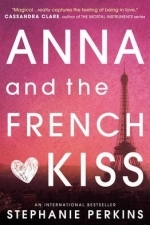


I was pretty late on this band wagon, so late that I almost missed it. I found the delights of booktube this year!( I have been hiding under a rock!) and whenever some one mentioned a book to re read or one that gets you out of slumps etcetera etcetera, This was the one that popped up most of the time or Fangirl by Rainbow Rowell.
I really loved this book, I probably could have read it in one sitting but the fact I had to go to work the next morning made me put it down (I was late for work). I was reading this well into the night as I was unable to put it down, I needed to read more and find out what happened without having a break, to say I was fully invested was an understatement.
Anna is enrolled to go to a College/school in Paris for Americans, she totally doesn't want to be there, but because her dad is a high regarded author in the book world, he wants his daughter to reap the benefits or in Anna's terms... to show off. Being in a foreign country is daunting when there are no familiar people around you and the fact that you have no understanding of the language - Luckily Anna befriends a group of people very quickly, they take her under their wing and help Anna with her French and her way around the city. Among the group is Etienne St Clair, one of the hottest guys at the school - there is an instant mutual attraction, however there is a problem.....HIS GIRLFRIEND!
Anna is a great female protagonist, she starts off naive, shy and comes across as a bit whiney but the great thing as the story goes on you see her develop and act more grown up. I felt sorry for her being forced to school in Paris where she is all alone, when all she wants to do is be at home in Atlanta with her Mum, Seany (brother), Bridgette(best friend) and Toph (Potential love interest).
Etienne St Clair! Well what can I say? He was a complicated character he had so much emotional baggage. He is the heart-throb of the school, everyone wants to be hanging off his arm and there is a lot of bitchiness towards Anna as people notice their closeness. He has this certain aura about him, he has amazing hair, teeth, skin, dresses like a Parisian and not too tall (for some reason this was mentioned a lot) He has a British accent but lives in America and his father is french! He is swoon worthy in short, he blushes, he gets anxious and he isn't a complete douche-bag. He is mature for his age. However his family life is complicated, he's got a girlfriend but he wants Anna.
This book is cute, sweet , fluffy and all the adjectives. The fact that it is set in the City of Love also makes it more romantic. I totally recommend this book if you are a fan of Romance and YA. It is definitely a book you can reread, the writing is so easy to follow and a fast read.
I will be continuing with the trilogy.
I rated this book 5 out of 5 stars
I really loved this book, I probably could have read it in one sitting but the fact I had to go to work the next morning made me put it down (I was late for work). I was reading this well into the night as I was unable to put it down, I needed to read more and find out what happened without having a break, to say I was fully invested was an understatement.
Anna is enrolled to go to a College/school in Paris for Americans, she totally doesn't want to be there, but because her dad is a high regarded author in the book world, he wants his daughter to reap the benefits or in Anna's terms... to show off. Being in a foreign country is daunting when there are no familiar people around you and the fact that you have no understanding of the language - Luckily Anna befriends a group of people very quickly, they take her under their wing and help Anna with her French and her way around the city. Among the group is Etienne St Clair, one of the hottest guys at the school - there is an instant mutual attraction, however there is a problem.....HIS GIRLFRIEND!
Anna is a great female protagonist, she starts off naive, shy and comes across as a bit whiney but the great thing as the story goes on you see her develop and act more grown up. I felt sorry for her being forced to school in Paris where she is all alone, when all she wants to do is be at home in Atlanta with her Mum, Seany (brother), Bridgette(best friend) and Toph (Potential love interest).
Etienne St Clair! Well what can I say? He was a complicated character he had so much emotional baggage. He is the heart-throb of the school, everyone wants to be hanging off his arm and there is a lot of bitchiness towards Anna as people notice their closeness. He has this certain aura about him, he has amazing hair, teeth, skin, dresses like a Parisian and not too tall (for some reason this was mentioned a lot) He has a British accent but lives in America and his father is french! He is swoon worthy in short, he blushes, he gets anxious and he isn't a complete douche-bag. He is mature for his age. However his family life is complicated, he's got a girlfriend but he wants Anna.
This book is cute, sweet , fluffy and all the adjectives. The fact that it is set in the City of Love also makes it more romantic. I totally recommend this book if you are a fan of Romance and YA. It is definitely a book you can reread, the writing is so easy to follow and a fast read.
I will be continuing with the trilogy.
I rated this book 5 out of 5 stars

JT (287 KP) rated The Little Things (2021) in Movies
Feb 6, 2021


The opening of The Little Things promises a lot but ultimately the tension that is driven during the first ten minutes is nowhere to be seen for the rest of the run time.
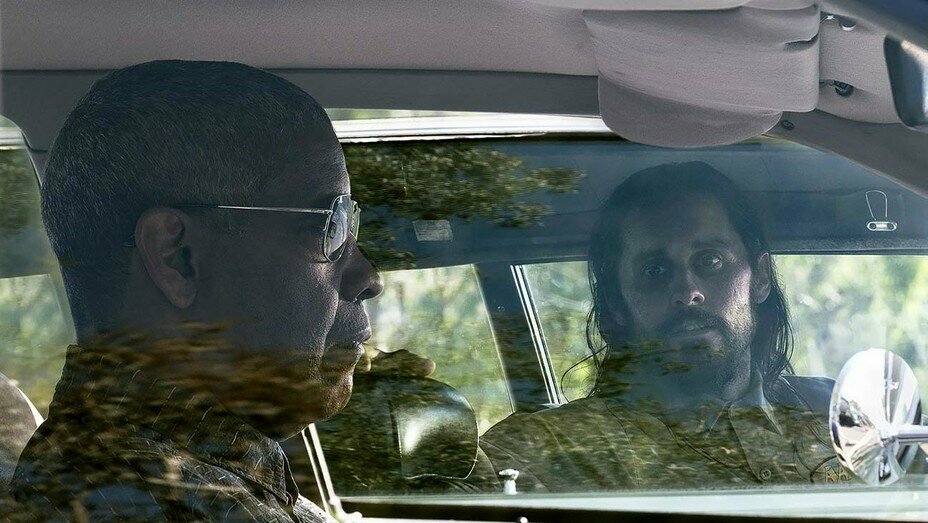
With three Oscar-winning actors and a genre that I absolutely love I couldn’t have been more excited, but that excitement started to take a nosedive when ‘The Little Things‘ started to get a ‘little dull’. Joe ‘Deke’ Deacon (Denzel Washington) is former Los Angeles cop turned local county sheriff, whose content with chasing small-time criminals. When he is asked to go back to the city to pick up some evidence for another case he crosses paths with Jim Baxter (Rami Malek) who is on the hunt for a sadistic serial killer.
Baxter realising that he is in the presence of greatness asks Deacon to accompany him to a crime scene, at which point Deke’s instincts point to someone potentially far more dangerous. Set in the 90s this is raw police work and the use of technology is limited, this is about assessing a crime scene in-depth, or in this case why the killer posed his victims in specific ways or returned to the crime scene later to move them.
Director John Lee Hancock wrote the script 30 years ago which is where it has remained until now. At one point Steven Spielberg and Clint Eastwood were rumoured to direct. The film bears resemblance to such thrillers as Se7en and Zodiac, however, The Little Things might be 30 years too late. The atmosphere and ambience is a neo-noir, at one point Deke is lying on a bed in a run-down motel room starring at polaroid photos of past victims on the wall. An obsession burning inside to catch the killer, which during flashbacks, he has encountered before.
And then there is Albert Sparma (Jared Leto) the prime suspect, or is he? Such is the film’s ambiguity that the third act will leave you scratching your head, trying to piece the evidence together yourself in a bid to catch the killer. Sparma has all the tendencies of a serial killer, he certainly has the look and demeanour. But he may also be a self-obsessed crime buff, with a morbid fascination for death and crime scenes.
All three actors give a solid account of themselves, with Leto making the biggest impression. He’s creepy in a way that will get under your skin. The film is bursting with ideas and places to ramp up the tension but it falls short which is such a shame. As someone who is very fond of a good psychological thriller, this was definitely a missed opportunity.
With three Oscar-winning actors and a genre that I absolutely love I couldn’t have been more excited, but that excitement started to take a nosedive when ‘The Little Things‘ started to get a ‘little dull’. Joe ‘Deke’ Deacon (Denzel Washington) is former Los Angeles cop turned local county sheriff, whose content with chasing small-time criminals. When he is asked to go back to the city to pick up some evidence for another case he crosses paths with Jim Baxter (Rami Malek) who is on the hunt for a sadistic serial killer.
Baxter realising that he is in the presence of greatness asks Deacon to accompany him to a crime scene, at which point Deke’s instincts point to someone potentially far more dangerous. Set in the 90s this is raw police work and the use of technology is limited, this is about assessing a crime scene in-depth, or in this case why the killer posed his victims in specific ways or returned to the crime scene later to move them.
Director John Lee Hancock wrote the script 30 years ago which is where it has remained until now. At one point Steven Spielberg and Clint Eastwood were rumoured to direct. The film bears resemblance to such thrillers as Se7en and Zodiac, however, The Little Things might be 30 years too late. The atmosphere and ambience is a neo-noir, at one point Deke is lying on a bed in a run-down motel room starring at polaroid photos of past victims on the wall. An obsession burning inside to catch the killer, which during flashbacks, he has encountered before.
And then there is Albert Sparma (Jared Leto) the prime suspect, or is he? Such is the film’s ambiguity that the third act will leave you scratching your head, trying to piece the evidence together yourself in a bid to catch the killer. Sparma has all the tendencies of a serial killer, he certainly has the look and demeanour. But he may also be a self-obsessed crime buff, with a morbid fascination for death and crime scenes.
All three actors give a solid account of themselves, with Leto making the biggest impression. He’s creepy in a way that will get under your skin. The film is bursting with ideas and places to ramp up the tension but it falls short which is such a shame. As someone who is very fond of a good psychological thriller, this was definitely a missed opportunity.

Sensitivemuse (246 KP) rated The Way to London in Books
Feb 8, 2018
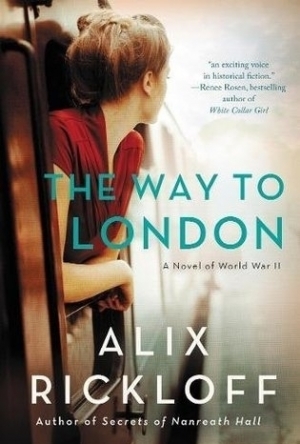
Great self discovery journey for Lucy
So what I was expecting from this book is a typical journey of a young woman and a boy she finds along the way. I was expecting a serious journey, perhaps with a few tear jerker scenes along and a bit of romance to lighten the mood. I was happy to be wrong about it when I finally finished the book.
Besides the obvious journey to London, it’s also more of Lucy’s road to developing her true self and coming to terms with it. She comes across characters that have had a hand in impacting her life and assisting Lucy in finding self finding journey.
The plot here was steady and flowing, there were some lulls here and there but it’s pretty much cut and clear. I did like reading Lucy’s character development throughout the novel. She went from spoiled entitled brat to someone who really did have a soft caring heart. It was great to see her develop into a more caring loving person of not others but also of herself. No matter how much she tries to go back to her selfish ways something always gets her back on track to show her true caring nature and that it is more rewarding helping and caring for others.
Lucy’s chemistry with Bill and Michael make the book more enjoyable to read. Bill because he brought out the caring aspect in Lucy, Michael because he challenged her and made her see things in a different light (plus, well he managed to wriggle under Lucy’s skin which was nice and fun to read as he had caught her speechless in some moments)
What I didn’t expect from the book was the funny light hearted moments. I found myself laughing here and there with Bill’s behavior and his uncanny ability to involve himself and Lucy into potentially hairy situations, or the times where Lucy fights with Michael, and it seems Michael is the only one that can render Lucy speechless and flabbergasted. Those were great moments in the book and it kept the reading at a light hearted mood despite what was happening around them.
I enjoyed this book a lot and I do recommend it if you’re in the mood for something light despite the dark setting of WWII London.
Besides the obvious journey to London, it’s also more of Lucy’s road to developing her true self and coming to terms with it. She comes across characters that have had a hand in impacting her life and assisting Lucy in finding self finding journey.
The plot here was steady and flowing, there were some lulls here and there but it’s pretty much cut and clear. I did like reading Lucy’s character development throughout the novel. She went from spoiled entitled brat to someone who really did have a soft caring heart. It was great to see her develop into a more caring loving person of not others but also of herself. No matter how much she tries to go back to her selfish ways something always gets her back on track to show her true caring nature and that it is more rewarding helping and caring for others.
Lucy’s chemistry with Bill and Michael make the book more enjoyable to read. Bill because he brought out the caring aspect in Lucy, Michael because he challenged her and made her see things in a different light (plus, well he managed to wriggle under Lucy’s skin which was nice and fun to read as he had caught her speechless in some moments)
What I didn’t expect from the book was the funny light hearted moments. I found myself laughing here and there with Bill’s behavior and his uncanny ability to involve himself and Lucy into potentially hairy situations, or the times where Lucy fights with Michael, and it seems Michael is the only one that can render Lucy speechless and flabbergasted. Those were great moments in the book and it kept the reading at a light hearted mood despite what was happening around them.
I enjoyed this book a lot and I do recommend it if you’re in the mood for something light despite the dark setting of WWII London.

Debbiereadsbook (1818 KP) rated The Gentleman's Gentleman (His Lordship's Realm #1) in Books
Apr 27, 2024
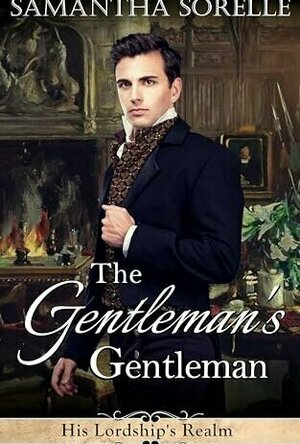
thoroughly enjoyable tale!
Independent reviewer for Archaeolibrarian, I was gifted my copy of this book.
This book kinda follows on from anoth series by this author called His Lordship’s Mysteries but it’s not necessary to read those before this one. While Dominick and Alfie are mentioned, and this book takes place in Balcarres House where they live, they take no part in it. I’ve read books one and two in that set, but not all the series.
I really enjoyed this book! Set in Victorian times, it comes with all the problems that being a man of a certain persuasion brings.
And it’s those problems that hold for much of this book. Given as the only way to save Jarrett from the noose is to put his own neck in it, Gil keeps quiet about seeing Jarrett the night that man in the chapel died at the hands of another. And it wrecks his head, it really does. His attraction to Jarrett has been bubbling under his skin for months but seeing him in the one place he never thought he would, brings that attraction front and centre.
Jarrett, on the other hand, found himself getting all tongue tied and flustered around Gil, even if he wanted to get his hands on the son of a baron, Jarrett knows that he never will, since he is just a lowly valet.
Things move quickly in places, and slower in others and I liked that I was able to take a breath before the next bit ran away with itself. Once things started to come together, though, there was no catching that breath and I did not know whodunnit til everything became clear in the book! So very well played for keeping me on my toes!
Both Jarrett and Gil get a say, so we get it all in glorious detail. How Jarrett feels about the man who gets him out of jail. How Gil feels about his family and about the man whose kiss he will never forget, and we get it all, when each man teaches the other about their way. I loved how different they both are!
A thoroughly enjoyable read! I really must go back and read the other stories about Alfie and Dominick.
4 very good stars
*same worded review will appear elsewhere
This book kinda follows on from anoth series by this author called His Lordship’s Mysteries but it’s not necessary to read those before this one. While Dominick and Alfie are mentioned, and this book takes place in Balcarres House where they live, they take no part in it. I’ve read books one and two in that set, but not all the series.
I really enjoyed this book! Set in Victorian times, it comes with all the problems that being a man of a certain persuasion brings.
And it’s those problems that hold for much of this book. Given as the only way to save Jarrett from the noose is to put his own neck in it, Gil keeps quiet about seeing Jarrett the night that man in the chapel died at the hands of another. And it wrecks his head, it really does. His attraction to Jarrett has been bubbling under his skin for months but seeing him in the one place he never thought he would, brings that attraction front and centre.
Jarrett, on the other hand, found himself getting all tongue tied and flustered around Gil, even if he wanted to get his hands on the son of a baron, Jarrett knows that he never will, since he is just a lowly valet.
Things move quickly in places, and slower in others and I liked that I was able to take a breath before the next bit ran away with itself. Once things started to come together, though, there was no catching that breath and I did not know whodunnit til everything became clear in the book! So very well played for keeping me on my toes!
Both Jarrett and Gil get a say, so we get it all in glorious detail. How Jarrett feels about the man who gets him out of jail. How Gil feels about his family and about the man whose kiss he will never forget, and we get it all, when each man teaches the other about their way. I loved how different they both are!
A thoroughly enjoyable read! I really must go back and read the other stories about Alfie and Dominick.
4 very good stars
*same worded review will appear elsewhere

Hazel (1853 KP) rated Small Great Things in Books
May 24, 2017
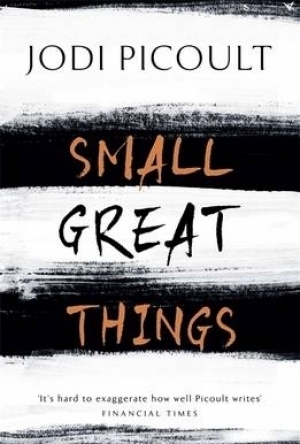
Small is an Understatement
Jodi Picoult has been my favourite author since I first came across her novels in 2008. With twenty-three novels under her belt, she continues to delight readers with her page-turning stories. Most of Picoult’s books contain a moral issue, often, but not always, in the form of medical ethics, as well as a hefty court case. Although following along similar lines, Small Great Things is a radical, revolutionary book, which, with great courage, Picoult has written with the intent to expose the reader to truths that most of us, as a society, are intentionally oblivious to.
The gist of the storyline is that a baby dies whilst under the care of a nurse, prompting the grieving parents to take her to court with the accusation of murder. Although that sounds like an interesting story, it barely begins to describe what the book is about. The character on trial, Ruth, is an African American labour and delivery nurse – something that in this day and age need not by an issue. On the other hand, the parents of the baby are White Supremacists: seriously racist with the belief that white people are the master race. The father, Turk, refuses to let his wife and child be treated by Ruth, however circumstances result in her being the only nurse available to watch Davis, when, unfortunately, he so happens to go into cardiac arrest. Although the reader knows that Ruth is not at fault, Turk insists she murdered his child – but is he accusing her of medical negligence, or punishing her for being black?
Three characters, all with different views and experience when it comes to racism, alternately narrate Small Great Things. Ruth and Turk represent the extremes at either side of the scale. Ruth experiences first hand the negative impact of prejudice in the American system and society, not only through this court case, but in everyday life as well. She also reveals the difficulties growing up in a predominately white environment, never feeling like she fitted in with her peers. Alternatively, Turk spent his teenage years attending KKK rallies, participating in a white power movement, and beating up anyone who was different: black, foreign, gay, Jewish and so forth.
The third character represents the majority of white people living in America. Kennedy is a public defender and the lawyer assigned to Ruth’s case. Like most of the population, she believes that she is not racist, and persuades Ruth to leave the colour of her skin out of the argument. However, as she gets to know her client, she begins to realize that it is nigh on impossible to ignore racial prejudice.
Picoult shocks the reader on two accounts: one, the way that people of colour have been, and still are, treated; and two, the revelation that an invisible empire of White Supremacists are living amongst us. Yet there is a third way in which Picoult provokes outrage – she indirectly accuses the reader of being racist, too.
There is always something to learn in a Jodi Picoult novel, for instance medical terminology, or the way in which a court trial is conducted. Small Great Things provides a lot more eye opening information than any of her previous books, unveiling facts about such a controversial subject.
Through Kennedy, the reader’s eyes are opened to the racial discrimination that we all turn a blind eye to. Ignored are the difficulties African Americans suffer when going shopping, applying for jobs, attending school, walking down the street, sitting on a bus, and so forth. Picoult asks me as a reader to think about how my life has been affected by racial discrimination: being served politely in shops because I am white, not having my ethnicity questioned when applying for college etc. Living in Britain I have not experienced openly hateful comments or behaviours towards people with a different skin tone – I used to believe this was primarily an American problem. Yet, Small Great Things has really made me think about the hierarchy of power within society, particularly in regards to the ethnicity of those at the top, compared with those at the bottom.
Jodi Picoult sat on the idea of writing a book about racism for well over a decade, yet it is particularly apt that it is published now, with the current predicaments America is facing. Although we have come a long way in attempts to achieve equality for all – compare the trial in To Kill A Mockingbird to Picoult’s version – recent events have revealed that we are no where near.
Small Great Things will shock everyone who reads it regardless of their ethnicity and so forth. Many may find it uncomfortable to read, become upset or outraged, and even feel like they are being directly targeted. If this is the case, then good – it should do that. Everyone needs to read this book. On the one hand it is a brilliant, well told story with a beautiful, almost poetic narrative, and on the other, it causes us to face up to the issues we are forever making light of or overlooking entirely. We have grown up believing that racism is a form of hatred when, actually, it is about power. However Small Great Things makes you feel, it is definitely worth reading, especially for the satisfying ending – one that you do not see coming.
The gist of the storyline is that a baby dies whilst under the care of a nurse, prompting the grieving parents to take her to court with the accusation of murder. Although that sounds like an interesting story, it barely begins to describe what the book is about. The character on trial, Ruth, is an African American labour and delivery nurse – something that in this day and age need not by an issue. On the other hand, the parents of the baby are White Supremacists: seriously racist with the belief that white people are the master race. The father, Turk, refuses to let his wife and child be treated by Ruth, however circumstances result in her being the only nurse available to watch Davis, when, unfortunately, he so happens to go into cardiac arrest. Although the reader knows that Ruth is not at fault, Turk insists she murdered his child – but is he accusing her of medical negligence, or punishing her for being black?
Three characters, all with different views and experience when it comes to racism, alternately narrate Small Great Things. Ruth and Turk represent the extremes at either side of the scale. Ruth experiences first hand the negative impact of prejudice in the American system and society, not only through this court case, but in everyday life as well. She also reveals the difficulties growing up in a predominately white environment, never feeling like she fitted in with her peers. Alternatively, Turk spent his teenage years attending KKK rallies, participating in a white power movement, and beating up anyone who was different: black, foreign, gay, Jewish and so forth.
The third character represents the majority of white people living in America. Kennedy is a public defender and the lawyer assigned to Ruth’s case. Like most of the population, she believes that she is not racist, and persuades Ruth to leave the colour of her skin out of the argument. However, as she gets to know her client, she begins to realize that it is nigh on impossible to ignore racial prejudice.
Picoult shocks the reader on two accounts: one, the way that people of colour have been, and still are, treated; and two, the revelation that an invisible empire of White Supremacists are living amongst us. Yet there is a third way in which Picoult provokes outrage – she indirectly accuses the reader of being racist, too.
There is always something to learn in a Jodi Picoult novel, for instance medical terminology, or the way in which a court trial is conducted. Small Great Things provides a lot more eye opening information than any of her previous books, unveiling facts about such a controversial subject.
Through Kennedy, the reader’s eyes are opened to the racial discrimination that we all turn a blind eye to. Ignored are the difficulties African Americans suffer when going shopping, applying for jobs, attending school, walking down the street, sitting on a bus, and so forth. Picoult asks me as a reader to think about how my life has been affected by racial discrimination: being served politely in shops because I am white, not having my ethnicity questioned when applying for college etc. Living in Britain I have not experienced openly hateful comments or behaviours towards people with a different skin tone – I used to believe this was primarily an American problem. Yet, Small Great Things has really made me think about the hierarchy of power within society, particularly in regards to the ethnicity of those at the top, compared with those at the bottom.
Jodi Picoult sat on the idea of writing a book about racism for well over a decade, yet it is particularly apt that it is published now, with the current predicaments America is facing. Although we have come a long way in attempts to achieve equality for all – compare the trial in To Kill A Mockingbird to Picoult’s version – recent events have revealed that we are no where near.
Small Great Things will shock everyone who reads it regardless of their ethnicity and so forth. Many may find it uncomfortable to read, become upset or outraged, and even feel like they are being directly targeted. If this is the case, then good – it should do that. Everyone needs to read this book. On the one hand it is a brilliant, well told story with a beautiful, almost poetic narrative, and on the other, it causes us to face up to the issues we are forever making light of or overlooking entirely. We have grown up believing that racism is a form of hatred when, actually, it is about power. However Small Great Things makes you feel, it is definitely worth reading, especially for the satisfying ending – one that you do not see coming.
Hazel (1853 KP) rated Small Great Things in Books
Dec 7, 2018
Jodi Picoult has been my favourite author since I first came across her novels in 2008. With twenty-three novels under her belt, she continues to delight readers with her page-turning stories. Most of Picoult’s books contain a moral issue, often, but not always, in the form of medical ethics, as well as a hefty court case. Although following along similar lines, <i>Small Great Thing</i>s is a radical, revolutionary book, which, with great courage, Picoult has written with the intent to expose the reader to truths that most of us, as a society, are <s>intentionally</s> oblivious to.
The gist of the storyline is that a baby dies whilst under the care of a nurse, prompting the grieving parents to take her to court with the accusation of murder. Although that sounds like an interesting story, it barely begins to describe what the book is about. The character on trial, Ruth, is an African American labour and delivery nurse – something that in this day and age need not by an issue. On the other hand, the parents of the baby are White Supremacists: seriously racist with the belief that white people are the master race. The father, Turk, refuses to let his wife and child be treated by Ruth, however circumstances result in her being the only nurse available to watch Davis, when, unfortunately, he so happens to go into cardiac arrest. Although the reader knows that Ruth is not at fault, Turk insists she murdered his child – but is he accusing her of medical negligence, or punishing her for being black?
Three characters, all with different views and experience when it comes to racism, alternately narrate<i> Small Great Things</i>. Ruth and Turk represent the extremes at either side of the scale. Ruth experiences first hand the negative impact of prejudice in the American system and society, not only through this court case, but in everyday life as well. She also reveals the difficulties growing up in a predominately white environment, never feeling like she fitted in with her peers. Alternatively, Turk spent his teenage years attending KKK rallies, participating in a white power movement, and beating up anyone who was different: black, foreign, gay, Jewish and so forth.
The third character represents the majority of white people living in America. Kennedy is a public defender and the lawyer assigned to Ruth’s case. Like most of the population, she believes that she is not racist, and persuades Ruth to leave the colour of her skin out of the argument. However, as she gets to know her client, she begins to realize that it is nigh on impossible to ignore racial prejudice.
Picoult shocks the reader on two accounts: one, the way that people of colour have been, and still are, treated; and two, the revelation that an invisible empire of White Supremacists are living amongst us. Yet there is a third way in which Picoult provokes outrage – she indirectly accuses the reader of being racist, too.
There is always something to learn in a Jodi Picoult novel, for instance medical terminology, or the way in which a court trial is conducted. <i>Small Great Things</i> provides a lot more eye opening information than any of her previous books, unveiling facts about such a controversial subject.
Through Kennedy, the reader’s eyes are opened to the racial discrimination that we all turn a blind eye to. Ignored are the difficulties African Americans suffer when going shopping, applying for jobs, attending school, walking down the street, sitting on a bus, and so forth. Picoult asks me as a reader to think about how my life has been affected by racial discrimination: being served politely in shops because I am white, not having my ethnicity questioned when applying for college etc. Living in Britain I have not experienced openly hateful comments or behaviours towards people with a different skin tone – I used to believe this was primarily an American problem. Yet, <i>Small Great Things</i> has really made me think about the hierarchy of power within society, particularly in regards to the ethnicity of those at the top, compared with those at the bottom.
Jodi Picoult sat on the idea of writing a book about racism for well over a decade, yet it is particularly apt that it is published now, with the current predicaments America is facing. Although we have come a long way in attempts to achieve equality for all – compare the trial in <i>To Kill A Mockingbird</i> to Picoult’s version – recent events have revealed that we are no where near.
<i>Small Great Things</i> will shock everyone who reads it regardless of their ethnicity and so forth. Many may find it uncomfortable to read, become upset or outraged, and even feel like they are being directly targeted. If this is the case, then good – it should do that. Everyone needs to read this book. On the one hand it is a brilliant, well told story with a beautiful, almost poetic narrative, and on the other, it causes us to face up to the issues we are forever making light of or overlooking entirely. We have grown up believing that racism is a form of hatred when, actually, it is about power. However <i>Small Great Things </i>makes you feel, it is definitely worth reading, especially for the satisfying ending – one that you do not see coming.
The gist of the storyline is that a baby dies whilst under the care of a nurse, prompting the grieving parents to take her to court with the accusation of murder. Although that sounds like an interesting story, it barely begins to describe what the book is about. The character on trial, Ruth, is an African American labour and delivery nurse – something that in this day and age need not by an issue. On the other hand, the parents of the baby are White Supremacists: seriously racist with the belief that white people are the master race. The father, Turk, refuses to let his wife and child be treated by Ruth, however circumstances result in her being the only nurse available to watch Davis, when, unfortunately, he so happens to go into cardiac arrest. Although the reader knows that Ruth is not at fault, Turk insists she murdered his child – but is he accusing her of medical negligence, or punishing her for being black?
Three characters, all with different views and experience when it comes to racism, alternately narrate<i> Small Great Things</i>. Ruth and Turk represent the extremes at either side of the scale. Ruth experiences first hand the negative impact of prejudice in the American system and society, not only through this court case, but in everyday life as well. She also reveals the difficulties growing up in a predominately white environment, never feeling like she fitted in with her peers. Alternatively, Turk spent his teenage years attending KKK rallies, participating in a white power movement, and beating up anyone who was different: black, foreign, gay, Jewish and so forth.
The third character represents the majority of white people living in America. Kennedy is a public defender and the lawyer assigned to Ruth’s case. Like most of the population, she believes that she is not racist, and persuades Ruth to leave the colour of her skin out of the argument. However, as she gets to know her client, she begins to realize that it is nigh on impossible to ignore racial prejudice.
Picoult shocks the reader on two accounts: one, the way that people of colour have been, and still are, treated; and two, the revelation that an invisible empire of White Supremacists are living amongst us. Yet there is a third way in which Picoult provokes outrage – she indirectly accuses the reader of being racist, too.
There is always something to learn in a Jodi Picoult novel, for instance medical terminology, or the way in which a court trial is conducted. <i>Small Great Things</i> provides a lot more eye opening information than any of her previous books, unveiling facts about such a controversial subject.
Through Kennedy, the reader’s eyes are opened to the racial discrimination that we all turn a blind eye to. Ignored are the difficulties African Americans suffer when going shopping, applying for jobs, attending school, walking down the street, sitting on a bus, and so forth. Picoult asks me as a reader to think about how my life has been affected by racial discrimination: being served politely in shops because I am white, not having my ethnicity questioned when applying for college etc. Living in Britain I have not experienced openly hateful comments or behaviours towards people with a different skin tone – I used to believe this was primarily an American problem. Yet, <i>Small Great Things</i> has really made me think about the hierarchy of power within society, particularly in regards to the ethnicity of those at the top, compared with those at the bottom.
Jodi Picoult sat on the idea of writing a book about racism for well over a decade, yet it is particularly apt that it is published now, with the current predicaments America is facing. Although we have come a long way in attempts to achieve equality for all – compare the trial in <i>To Kill A Mockingbird</i> to Picoult’s version – recent events have revealed that we are no where near.
<i>Small Great Things</i> will shock everyone who reads it regardless of their ethnicity and so forth. Many may find it uncomfortable to read, become upset or outraged, and even feel like they are being directly targeted. If this is the case, then good – it should do that. Everyone needs to read this book. On the one hand it is a brilliant, well told story with a beautiful, almost poetic narrative, and on the other, it causes us to face up to the issues we are forever making light of or overlooking entirely. We have grown up believing that racism is a form of hatred when, actually, it is about power. However <i>Small Great Things </i>makes you feel, it is definitely worth reading, especially for the satisfying ending – one that you do not see coming.

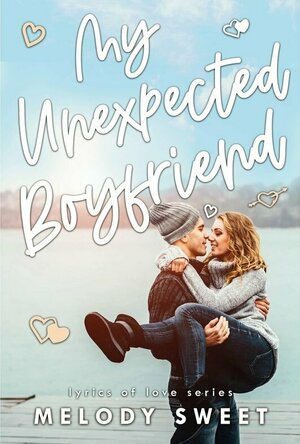
My Unexpected Boyfriend (Lyrics of Love #10)
4.5 Rate It
Book
He finds her opinionated and annoying. She thinks he’s nothing more than a heartless rock star....
Contemporary Romance

Lyndsey Gollogly (2893 KP) rated Gotta Get Theroux This in Books
Apr 25, 2021
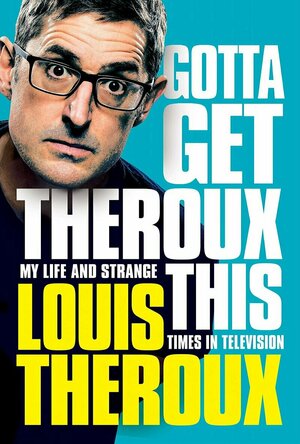
52 of 250
Book
Gotta get Theroux This
By Louis Theroux
Once read a review will be written via Smashbomb and link posted in comments
In 1994 fledgling journalist Louis Theroux was given a one-off gig on Michael Moore’s TV Nation, presenting a segment on apocalyptic religious sects. Gawky, socially awkward and totally unqualified, his first reaction to this exciting opportunity was panic. But he’d always been drawn to off-beat characters, so maybe his enthusiasm would carry the day. Or, you know, maybe it wouldn’t . . .
In Gotta Get Theroux This, Louis takes the reader on a joyous journey from his anxiety-prone childhood to his unexpectedly successful career. Nervously accepting the BBC’s offer of his own series, he went on to create an award-winning documentary style that has seen him immersed in the weird worlds of paranoid US militias and secretive pro-wrestlers, get under the skin of celebrities like Max Clifford and Chris Eubank and tackle gang culture in San Quentin prison, all the time wondering whether the same qualities that make him good at documentaries might also make him bad at life.
As Louis woos his beautiful wife Nancy and learns how to be a father, he also dares to take on the powerful Church of Scientology. Just as challenging is the revelation that one of his old subjects, Jimmy Savile, was a secret sexual predator, prompting him to question our understanding of how evil takes place. Filled with wry observation and self-deprecating humour, this is Louis at his most insightful and honest best.
I’m a huge fan of Louis Theroux I love his documentaries so when he released this book I was so looking forward to reading it. It did not disappoint as you read you read with his voice in your head! His life and adventures are just so fascinating I laughed and also felt a little sad in places! He’s open and candid about his work and relationships. I love hearing how he got his true love and it’s like every marriage with its twists and turns. I learnt so much about him. Well worth the read!!
Book
Gotta get Theroux This
By Louis Theroux
Once read a review will be written via Smashbomb and link posted in comments
In 1994 fledgling journalist Louis Theroux was given a one-off gig on Michael Moore’s TV Nation, presenting a segment on apocalyptic religious sects. Gawky, socially awkward and totally unqualified, his first reaction to this exciting opportunity was panic. But he’d always been drawn to off-beat characters, so maybe his enthusiasm would carry the day. Or, you know, maybe it wouldn’t . . .
In Gotta Get Theroux This, Louis takes the reader on a joyous journey from his anxiety-prone childhood to his unexpectedly successful career. Nervously accepting the BBC’s offer of his own series, he went on to create an award-winning documentary style that has seen him immersed in the weird worlds of paranoid US militias and secretive pro-wrestlers, get under the skin of celebrities like Max Clifford and Chris Eubank and tackle gang culture in San Quentin prison, all the time wondering whether the same qualities that make him good at documentaries might also make him bad at life.
As Louis woos his beautiful wife Nancy and learns how to be a father, he also dares to take on the powerful Church of Scientology. Just as challenging is the revelation that one of his old subjects, Jimmy Savile, was a secret sexual predator, prompting him to question our understanding of how evil takes place. Filled with wry observation and self-deprecating humour, this is Louis at his most insightful and honest best.
I’m a huge fan of Louis Theroux I love his documentaries so when he released this book I was so looking forward to reading it. It did not disappoint as you read you read with his voice in your head! His life and adventures are just so fascinating I laughed and also felt a little sad in places! He’s open and candid about his work and relationships. I love hearing how he got his true love and it’s like every marriage with its twists and turns. I learnt so much about him. Well worth the read!!