Paige (277 KP) rated Wynonna Earp - Season 1 in TV
Jun 27, 2022
Throughout the first Season of Wynonna Earp, we are able to gain an extensive insight into the lives of Waverley and Wynonna Earp; sisters. They are cursed and teach us of the importance of family, but also of following yourself independently.
Emily Andras has beautifully captured a storyline that will follow Wynonna and Waverley for many more seasons. Despite being siblings, their upbringings and characteristics are vastly different which permit an addictive dynamic.
The LGBTQIA+ inclusion is a thing that is uncomparable to anything else that has been broadcasted on such a significant platform. We are able to follow Waverleys discovery of her own identity, and understand the significance of self acceptance.
In regards to the storyline itself, and the correspondence between Western History, Wynonna Earp references the lives of the notorious Wyatt Earp and Doc Holliday.
To conclude, Wynonna Earp - Season 1 and its consequential seasons are highly recommended, the storyline, historical reference and chemistry between the cast makes this series unmissable.
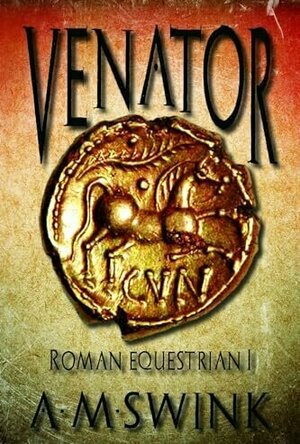
Venator (Roman Equestrian #1)
Book
Britannia, AD 59. Decimus is a long-serving senior centurion who dreams of retirement in Rome....
Historical Fiction Ancient Rome Ancient Britain

Bait the Devil (A Bounty of Shadows #2)
Book
In bounty hunting, clean jobs are a myth. Dot knows—she’s seen the blood. Dot Ybarra...
Contemporary Western Thriller
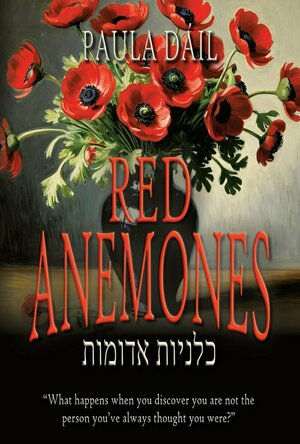
Red Anemones
Book
Moving among generations of a German-Jewish-American family, "Red Anemones" is a poignant...
Historical Fiction Family Legacy Jewish History
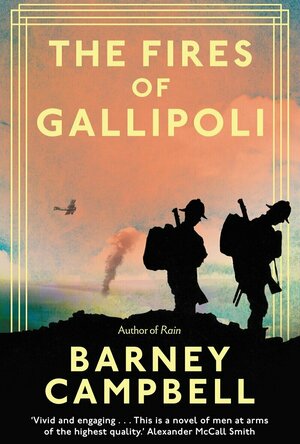
The Fires of Gallipoli
Book
Edward Salter is a shy, reserved lawyer whose life is transformed by the outbreak of war in 1914. On...
Historical Fiction WWI
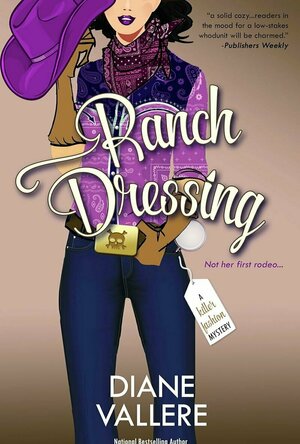
Ranch Dressing
Book
Get ready for a laugh-out-loud adventure with Samantha Kidd, the most stylish sleuth in Ribbon,...
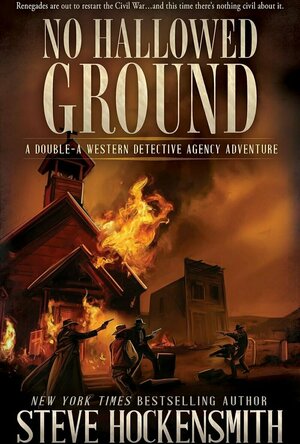
No Hallowed Ground
Book
In a relentless chase across Missouri, four brave souls confront a hidden cabal of Confederate...
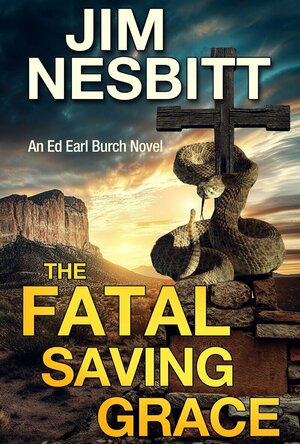
The Fatal Saving Grace (Ed Earl Burch Crime Thriller #5)
Book
MAYHEM WITH A BADGE After wandering the peephole wilderness of a private detective for two...
Crime Thriller Western
The China Factor: Leveraging Emerging Business Strategies to Compete, Grow, and Win in the New Global Economy
Wiley, Amy Karam and Ken Wilcox
Book
The Innovation of Globalization proven strategies to succeed and out-compete emerging competition...
Goddess in the Stacks (553 KP) rated The City of Brass: Daevabad Trilogy in Books
Mar 25, 2018
So the book has been touted as an "own voices" novel, seemingly much to the author's chagrin. She is Muslim, but she's a white convert (Chakraborty is her married name). She has striven to correct the misconception about her ethnicity when she finds it, tweeting about it and talking about it in interviews. (This interview is a good example.) Because the book is pure fantasy, in a fantasy realm after the first few chapters, I'm not too worried about it not actually being written by a middle-eastern author. She does note in the interview I linked that she's not qualified to write some stories because of her ethnicity, and I appreciate that recognition of privilege. As far as I can tell, (as a white person myself) she did justice to the bits of mythology that she included. (Given the reception by people who were so excited about it being an Own Voices book, I think I'm probably right.) Her twitter (@SChakrabs) is FULL of links to minority authors and retweets about their books. I am very impressed by the level of her advocacy for minority authors.
So that aside, I LOVED THIS BOOK. I almost always enjoy fantasy inspired by non-western mythology: Children of Blood and Bone was fantastic, and though Forest of a Thousand Lanterns had a western fairytale at its heart, being reimagined through an Asian lense was really neat to read. The Bear and The Nightingale and The Girl in the Tower were Russian inspired, as were The Crown's Game/The Crown's Fate. I really do try to pick up non-western inspired fantasy when I can. City of Brass scratched that itch perfectly.
City of Brass opens in Cairo, where our heroine, Nahri, is a con-woman with small healing magics. When a ritual goes awry, she's thrust into the world of the djinn. It's when Nahri and her accidental bodyguard, Dara, arrive at the Djinns' city of Daevabad that the story really gets started.
I'm still a little confused about the difference between djinn and Daeva; Daeva seem to be one of the tribes but also the name for the entire race, and some of them get offended at being called djinn but some of them don't? I'm not really sure about that distinction. There is a clear line between djinn and Ifrit, though - Ifrit are immensely powerful, immortal beings who refused to subject themselves to punishment many centuries ago. I'm not sure I actually see a downside to being Ifrit, other than the djinn all think they're evil. The Ifrit, however, are out to get Nahri, and Dara's not having any of THAT.
I love Dara - he's a fascinating character, with a violent, mysterious backstory. I'm very eager to read more about him and figure out exactly what's up with his background. Nahri is also awesome - a little arrogant, but by the end of the book she's starting to learn she might need help from those around her. Unfortunately, also by the end of the book she doesn't know who to trust. The naive djinn prince, Ali, is the third main character of the book, and while I can see him having an interesting story, his personality is still a little flat. Hopefully the second book will see advancement in all three of these characters' personalities.
And I can't WAIT for the second book! City of Brass didn't exactly end on a cliffhanger, but it did leave many questions unanswered and our main characters' fates uncertain. Unfortunately, I can't find any information on the sequel, just that it's being edited. No release date or title yet.
Read this book. It's fantastic.
You can find all my reviews at http://goddessinthestacks.wordpress.com