
Search
Search results

Becs (244 KP) rated Blinding Night in Books
May 17, 2019
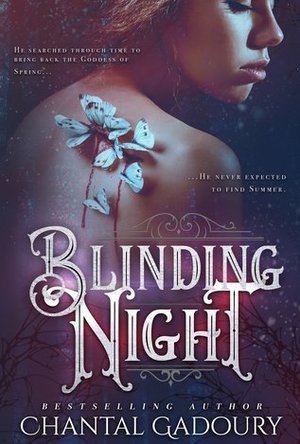

Rushed at parts and slow at others, but the story was there
My rating: ☆☆☆.5
I received the audiobook version of Blinding Night to read and review for my honest opinion.
I was very excited to read this as it was a retelling of my favorite Greek God and Goddess. I did enjoy it, but there were things that I was kind of so/so on. We'll get to that in a bit though.
Blinding Night follows Summer as she heads to Greece with her family for an expedition over summer vacation. Summer is not at all too happy about spending the entire summer months in a different country with her family while her friends were out having fun. But when Summer arrives in Greece, things take a twist of a turn.
She begins having visions and dreams of a shadowed figure and pomegranate seeds. Then the unthinkable happens, a tragic car accident. This is about the time when Summer meets Darce, a disguise of Hades. Darce then seduces Summer down into the Underworld because he believes she is the reincarnation of his long lost love Persephone. But they can't say anything because than Demeter who has been disguising herself as Summer's mother, will try to take her back. Which is not what we need, because that could lead to some very bad endings.
Characters:
Summer - the main character, a reincarnation of Persephone. Whines and complains a ton.
Darce - a disguise that Hades uses for when he's in the Human world. Supposed to be very dominant, brooding, and in charge, yet is not. Don't get me wrong, he was witty and seductive - which is honestly something I rather enjoy in the main man.
Morpheus - a very laid back character that I at first thought was more of a side character but he plays a very important role throughout the story.
Arae - sassy, snarky, the exact replica of a mean girl. Her snarky comments to the other gods had me cracking up!
Reasons why I rated it 3.5 stars:
1. The plot:
There were a lot of plot holes, at least that's what it felt like. Summer would do things that didn't make any sense and it just left me really confused over the entirety of the story. Some parts were rushed, while others were slow. It wasn't balanced as well as I'd hoped it was. When I imagined a modern retelling of Hades and Persephone, I figured it would have a bit of the dramatic, dark, and Gothic aura around the Underworld and Hades himself as is found in other retellings. Instead, I was left with sunshine and buttercups and just a small disappointed flare that raced through my body. Also, the part I enjoyed the most was the ending. That's when things actually started to get interesting. Chantal does not disappoint on cliffhangers, cause that was a surprise of a cliffhanger.
2. My enjoyment:
I really enjoyed the story as a whole and would reread again at a later date, but I just wish it was more fleshed out.
3. Character and story development:
There was hardly any character development and that made the story a bit dry. There was some story development but not as much that was needed. I found some parts to be rather boring because it lacked the spark of background that could have made this story so much better.
4. Grammar and spelling:
Since I listened to the audiobook version of the story, I can't say much for the grammar and spelling. I'm going to assume it's good and the way Chantal writes had me enthralled with the story.
5. The overall story:
The story wasn't at all what I imagined how the story was going to go. It was a good and very light story, but it lacked the intensity that comes when you read retellings of Greek gods and goddess'.
"Stories tend to get messed up all the time. It's like a classic game of telephone. Somewhere along the way, the truth is lost and the story becomes something entirely different."
I received the audiobook version of Blinding Night to read and review for my honest opinion.
I was very excited to read this as it was a retelling of my favorite Greek God and Goddess. I did enjoy it, but there were things that I was kind of so/so on. We'll get to that in a bit though.
Blinding Night follows Summer as she heads to Greece with her family for an expedition over summer vacation. Summer is not at all too happy about spending the entire summer months in a different country with her family while her friends were out having fun. But when Summer arrives in Greece, things take a twist of a turn.
She begins having visions and dreams of a shadowed figure and pomegranate seeds. Then the unthinkable happens, a tragic car accident. This is about the time when Summer meets Darce, a disguise of Hades. Darce then seduces Summer down into the Underworld because he believes she is the reincarnation of his long lost love Persephone. But they can't say anything because than Demeter who has been disguising herself as Summer's mother, will try to take her back. Which is not what we need, because that could lead to some very bad endings.
Characters:
Summer - the main character, a reincarnation of Persephone. Whines and complains a ton.
Darce - a disguise that Hades uses for when he's in the Human world. Supposed to be very dominant, brooding, and in charge, yet is not. Don't get me wrong, he was witty and seductive - which is honestly something I rather enjoy in the main man.
Morpheus - a very laid back character that I at first thought was more of a side character but he plays a very important role throughout the story.
Arae - sassy, snarky, the exact replica of a mean girl. Her snarky comments to the other gods had me cracking up!
Reasons why I rated it 3.5 stars:
1. The plot:
There were a lot of plot holes, at least that's what it felt like. Summer would do things that didn't make any sense and it just left me really confused over the entirety of the story. Some parts were rushed, while others were slow. It wasn't balanced as well as I'd hoped it was. When I imagined a modern retelling of Hades and Persephone, I figured it would have a bit of the dramatic, dark, and Gothic aura around the Underworld and Hades himself as is found in other retellings. Instead, I was left with sunshine and buttercups and just a small disappointed flare that raced through my body. Also, the part I enjoyed the most was the ending. That's when things actually started to get interesting. Chantal does not disappoint on cliffhangers, cause that was a surprise of a cliffhanger.
2. My enjoyment:
I really enjoyed the story as a whole and would reread again at a later date, but I just wish it was more fleshed out.
3. Character and story development:
There was hardly any character development and that made the story a bit dry. There was some story development but not as much that was needed. I found some parts to be rather boring because it lacked the spark of background that could have made this story so much better.
4. Grammar and spelling:
Since I listened to the audiobook version of the story, I can't say much for the grammar and spelling. I'm going to assume it's good and the way Chantal writes had me enthralled with the story.
5. The overall story:
The story wasn't at all what I imagined how the story was going to go. It was a good and very light story, but it lacked the intensity that comes when you read retellings of Greek gods and goddess'.
"Stories tend to get messed up all the time. It's like a classic game of telephone. Somewhere along the way, the truth is lost and the story becomes something entirely different."
Daniel Boyd (1066 KP) rated Aquaman (2018) in Movies
Jan 8, 2019 (Updated Jan 8, 2019)
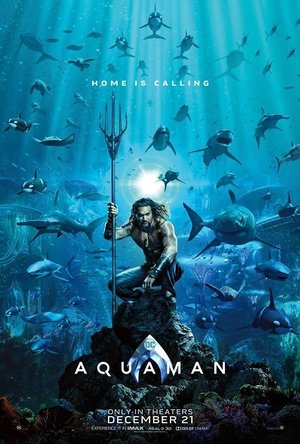

Wishy Washy
I was excited to see this movie after hearing the glowing reviews and praise it was getting. I am also a fan of Jason Momoa and James Wan, so I was really hoping for this to be at least as good as Wonder Woman. Also, being a long time fan of DC Comics, I really want to see them find their footing cinematically and I thought that this could finally be the start of that. Unfortunately I left the cinema feeling pretty underwhelmed.
The movie opens by telling the story of how Aquaman's parents came to meet and fall in love, even though they are from vastly different worlds. This whole sequence is brilliant and I was totally on-board for what was to come afterwards. Sadly, this opening sequence is by far the best part of the entire movie. From this point on it descends into a mediocre action adventure flick with story elements very reminiscent of Thor and Black Panther, (two movies that are vastly superior to this one.)
From a direction standpoint, it is clear that James Wan knows how to visually capture a scene in the most beautiful and intriguing way possible, which is especially evident during the trench sequence. His direction during all of the action sequences is great, with Nicole Kidman's trident work in the opening scene and the rooftop sequence with Black Manta, Mera and Aquaman being the highlights. I don't think that my issue with this movie is due to the direction lacking in any aspect. The only questionable choice in my opinion, was the choice to shoot the big Black Manta scene in broad daylight. It just looked slightly naff and would have came across much better if shot in darker conditions at night.
Nor do I think that it is the fault of any of the cast members. I think that Momoa does a great job in the title role and he looks incredible in the full on Aquaman suit, (which I don't think many other actors could legitimately pull off.) I think that Patrick Wilson did a decent job as the evil slightly cheesy power hungry half brother of Aquaman. I also enjoyed Willem Dafoe, Dolph Lundgren and Nicole Kidman in each of their scenes.
I think that the major culprit in this movie feeling a bit forced at times, is the lazy script that the actors had to work with. Almost every scene plays out in the exact same way; with the characters that we are following turning up to a new location, meeting up with a character, (usually Willem Dafoe,) listening to them spout a bunch of expositional dialogue and then mid sentence bad guys will attack and an explosion will go off cutting the conversation short. Then we will get a well shot action sequence with super dynamic cinematography, then the characters will figure out where they need to go next, they will go to the next location and the process will be rinsed and repeated for the duration of the movie.
Overall, Aquaman is not a bad superhero movie, there is a lot of fun to be had here with the badass action sequences. Unfortunately the lazy script holds the movie back from being as good as the glowing reviews told me it would be and out of the DC solo movies, - this, Man of Steel and Wonder Woman, - this is probably the worst of the three.
PS. Although I don't think that the movie in general was up to the highest level of quality, the CGI is objectively breath-taking in every scene and I totally agree with James Wan that it is nothing short of an atrocity that the SFX team on this movie have been snubbed for this year's Oscars ceremony.
The movie opens by telling the story of how Aquaman's parents came to meet and fall in love, even though they are from vastly different worlds. This whole sequence is brilliant and I was totally on-board for what was to come afterwards. Sadly, this opening sequence is by far the best part of the entire movie. From this point on it descends into a mediocre action adventure flick with story elements very reminiscent of Thor and Black Panther, (two movies that are vastly superior to this one.)
From a direction standpoint, it is clear that James Wan knows how to visually capture a scene in the most beautiful and intriguing way possible, which is especially evident during the trench sequence. His direction during all of the action sequences is great, with Nicole Kidman's trident work in the opening scene and the rooftop sequence with Black Manta, Mera and Aquaman being the highlights. I don't think that my issue with this movie is due to the direction lacking in any aspect. The only questionable choice in my opinion, was the choice to shoot the big Black Manta scene in broad daylight. It just looked slightly naff and would have came across much better if shot in darker conditions at night.
Nor do I think that it is the fault of any of the cast members. I think that Momoa does a great job in the title role and he looks incredible in the full on Aquaman suit, (which I don't think many other actors could legitimately pull off.) I think that Patrick Wilson did a decent job as the evil slightly cheesy power hungry half brother of Aquaman. I also enjoyed Willem Dafoe, Dolph Lundgren and Nicole Kidman in each of their scenes.
I think that the major culprit in this movie feeling a bit forced at times, is the lazy script that the actors had to work with. Almost every scene plays out in the exact same way; with the characters that we are following turning up to a new location, meeting up with a character, (usually Willem Dafoe,) listening to them spout a bunch of expositional dialogue and then mid sentence bad guys will attack and an explosion will go off cutting the conversation short. Then we will get a well shot action sequence with super dynamic cinematography, then the characters will figure out where they need to go next, they will go to the next location and the process will be rinsed and repeated for the duration of the movie.
Overall, Aquaman is not a bad superhero movie, there is a lot of fun to be had here with the badass action sequences. Unfortunately the lazy script holds the movie back from being as good as the glowing reviews told me it would be and out of the DC solo movies, - this, Man of Steel and Wonder Woman, - this is probably the worst of the three.
PS. Although I don't think that the movie in general was up to the highest level of quality, the CGI is objectively breath-taking in every scene and I totally agree with James Wan that it is nothing short of an atrocity that the SFX team on this movie have been snubbed for this year's Oscars ceremony.

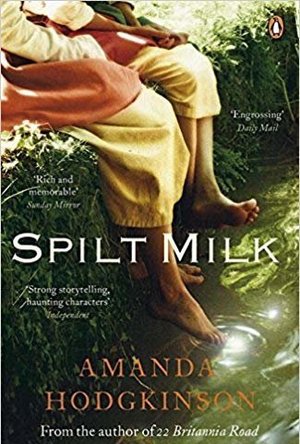
Hazel (1853 KP) rated Spilt Milk in Books
May 30, 2017
Not about milk
I received this book for free through Goodreads First Reads.
Spilt Milk is the second historical novel by Amanda Hodgkinson, award-winning British author of 22 Britannia Road. Split into two parts it follows the lives of two sisters over several decades during the first half of the twentieth century. Set in Britain, this is a novel about relationships, family, secrets… and illegitimate pregnancies. Lots of illegitimate pregnancies.
The first part spans from 1913 until 1917 thus covering the First World War period. The second part picks up the storyline in 1939 and continues until the novel’s final pages set in 1965. So yet another world war is included, although it has little impact on the plot. The first chapter is almost like the calm before the storm. Everything appears peaceful and happy until everything spirals out of control. Vivian and Nellie Marsh (aged twenty three and twenty two) have been raised by their older sister Rose in a small farmhouse since the death of their parents when Nellie was a baby. We first meet Nellie rinsing chamber pots outside where she has a feeling that something is going to happen; something good, she hopes. Alas, it turns out it was a bad feeling after all as floodwaters rise and Rose dies. The only apparent good thing is the arrival of a hired farm hand, Joe Ferier. But no, that is also a bad occurrence that leaves one sister pregnant and the other temporarily homeless.
Over the years we see how the sisters deal with the way in which their lives have drastically changed up until Nellie has a child with her husbands brother. Luckily her husband is willing to pass the child off as his own, and so Nellie, unlike the other secret pregnancies in this story, actually gets to keep her love child.
At the start of part two, Nellie’s daughter Bertha (commonly known as Birdie) is eighteen years old and finds herself – can you guess? – pregnant after a one night stand. So that it can remain secret she goes to live with her Aunt Vivian until the baby is born and adopted. Vivian ends up housing many girls including a couple of minor characters who have got themselves in a similar way. I did say there were a lot of illegitimate pregnancies! It also comes to light that supposedly innocent, spinster Rose had not one but two babies during her teenage years.
The remainder of the novel shows us how the girls: Nellie, Vivian and Birdie; get on with their lives under the burden of their personal secrets and emotions. It is Birdie who struggles the most with the knowledge that her daughter is growing up without her but to talk to anyone about it would have deep consequences.
The size of the time period means that the reader can become attached to certain key characters and feel their pain as they struggle with their emotional afflictions, however each scene passes quickly as time goes on which means we do not really get to appreciate the minor characters.
Overall it is a good, reasonably quick read which many women would enjoy, particularly those who appreciate historical fiction and may have sisters of their own and therefore understand what the power of keeping secrets can result in.
Spilt Milk is the second historical novel by Amanda Hodgkinson, award-winning British author of 22 Britannia Road. Split into two parts it follows the lives of two sisters over several decades during the first half of the twentieth century. Set in Britain, this is a novel about relationships, family, secrets… and illegitimate pregnancies. Lots of illegitimate pregnancies.
The first part spans from 1913 until 1917 thus covering the First World War period. The second part picks up the storyline in 1939 and continues until the novel’s final pages set in 1965. So yet another world war is included, although it has little impact on the plot. The first chapter is almost like the calm before the storm. Everything appears peaceful and happy until everything spirals out of control. Vivian and Nellie Marsh (aged twenty three and twenty two) have been raised by their older sister Rose in a small farmhouse since the death of their parents when Nellie was a baby. We first meet Nellie rinsing chamber pots outside where she has a feeling that something is going to happen; something good, she hopes. Alas, it turns out it was a bad feeling after all as floodwaters rise and Rose dies. The only apparent good thing is the arrival of a hired farm hand, Joe Ferier. But no, that is also a bad occurrence that leaves one sister pregnant and the other temporarily homeless.
Over the years we see how the sisters deal with the way in which their lives have drastically changed up until Nellie has a child with her husbands brother. Luckily her husband is willing to pass the child off as his own, and so Nellie, unlike the other secret pregnancies in this story, actually gets to keep her love child.
At the start of part two, Nellie’s daughter Bertha (commonly known as Birdie) is eighteen years old and finds herself – can you guess? – pregnant after a one night stand. So that it can remain secret she goes to live with her Aunt Vivian until the baby is born and adopted. Vivian ends up housing many girls including a couple of minor characters who have got themselves in a similar way. I did say there were a lot of illegitimate pregnancies! It also comes to light that supposedly innocent, spinster Rose had not one but two babies during her teenage years.
The remainder of the novel shows us how the girls: Nellie, Vivian and Birdie; get on with their lives under the burden of their personal secrets and emotions. It is Birdie who struggles the most with the knowledge that her daughter is growing up without her but to talk to anyone about it would have deep consequences.
The size of the time period means that the reader can become attached to certain key characters and feel their pain as they struggle with their emotional afflictions, however each scene passes quickly as time goes on which means we do not really get to appreciate the minor characters.
Overall it is a good, reasonably quick read which many women would enjoy, particularly those who appreciate historical fiction and may have sisters of their own and therefore understand what the power of keeping secrets can result in.
Hazel (1853 KP) rated Spilt Milk in Books
Dec 14, 2018
<i>I received this book for free through Goodreads First Reads.</i>
<i>Spilt Milk</i> is the second historical novel by Amanda Hodgkinson, award-winning British author of <i>22 Britannia Road</i>. Split into two parts it follows the lives of two sisters over several decades during the first half of the twentieth century. Set in Britain, this is a novel about relationships, family, secrets… and illegitimate pregnancies. Lots of illegitimate pregnancies.
The first part spans from 1913 until 1917 thus covering the First World War period. The second part picks up the storyline in 1939 and continues until the novel’s final pages set in 1965. So yet another world war is included, although it has little impact on the plot. The first chapter is almost like the calm before the storm. Everything appears peaceful and happy until everything spirals out of control. Vivian and Nellie Marsh (aged twenty three and twenty two) have been raised by their older sister Rose in a small farmhouse since the death of their parents when Nellie was a baby. We first meet Nellie rinsing chamber pots outside where she has a feeling that something is going to happen; something good, she hopes. Alas, it turns out it was a bad feeling after all as floodwaters rise and Rose dies. The only apparent good thing is the arrival of a hired farm hand, Joe Ferier. But no, that is also a bad occurrence that leaves one sister pregnant and the other temporarily homeless.
Over the years we see how the sisters deal with the way in which their lives have drastically changed up until Nellie has a child with her husbands brother. Luckily her husband is willing to pass the child off as his own, and so Nellie, unlike the other secret pregnancies in this story, actually gets to keep her love child.
At the start of part two, Nellie’s daughter Bertha (commonly known as Birdie) is eighteen years old and finds herself – can you guess? – pregnant after a one night stand. So that it can remain secret she goes to live with her Aunt Vivian until the baby is born and adopted. Vivian ends up housing many girls including a couple of minor characters who have got themselves in a similar way. I did say there were a lot of illegitimate pregnancies! It also comes to light that supposedly innocent, spinster Rose had not one but two babies during her teenage years.
The remainder of the novel shows us how the girls: Nellie, Vivian and Birdie; get on with their lives under the burden of their personal secrets and emotions. It is Birdie who struggles the most with the knowledge that her daughter is growing up without her but to talk to anyone about it would have deep consequences.
The size of the time period means that the reader can become attached to certain key characters and feel their pain as they struggle with their emotional afflictions, however each scene passes quickly as time goes on which means we do not really get to appreciate the minor characters.
Overall it is a good, reasonably quick read which many women would enjoy, particularly those who appreciate historical fiction and may have sisters of their own and therefore understand what the power of keeping secrets can result in.
<i>Spilt Milk</i> is the second historical novel by Amanda Hodgkinson, award-winning British author of <i>22 Britannia Road</i>. Split into two parts it follows the lives of two sisters over several decades during the first half of the twentieth century. Set in Britain, this is a novel about relationships, family, secrets… and illegitimate pregnancies. Lots of illegitimate pregnancies.
The first part spans from 1913 until 1917 thus covering the First World War period. The second part picks up the storyline in 1939 and continues until the novel’s final pages set in 1965. So yet another world war is included, although it has little impact on the plot. The first chapter is almost like the calm before the storm. Everything appears peaceful and happy until everything spirals out of control. Vivian and Nellie Marsh (aged twenty three and twenty two) have been raised by their older sister Rose in a small farmhouse since the death of their parents when Nellie was a baby. We first meet Nellie rinsing chamber pots outside where she has a feeling that something is going to happen; something good, she hopes. Alas, it turns out it was a bad feeling after all as floodwaters rise and Rose dies. The only apparent good thing is the arrival of a hired farm hand, Joe Ferier. But no, that is also a bad occurrence that leaves one sister pregnant and the other temporarily homeless.
Over the years we see how the sisters deal with the way in which their lives have drastically changed up until Nellie has a child with her husbands brother. Luckily her husband is willing to pass the child off as his own, and so Nellie, unlike the other secret pregnancies in this story, actually gets to keep her love child.
At the start of part two, Nellie’s daughter Bertha (commonly known as Birdie) is eighteen years old and finds herself – can you guess? – pregnant after a one night stand. So that it can remain secret she goes to live with her Aunt Vivian until the baby is born and adopted. Vivian ends up housing many girls including a couple of minor characters who have got themselves in a similar way. I did say there were a lot of illegitimate pregnancies! It also comes to light that supposedly innocent, spinster Rose had not one but two babies during her teenage years.
The remainder of the novel shows us how the girls: Nellie, Vivian and Birdie; get on with their lives under the burden of their personal secrets and emotions. It is Birdie who struggles the most with the knowledge that her daughter is growing up without her but to talk to anyone about it would have deep consequences.
The size of the time period means that the reader can become attached to certain key characters and feel their pain as they struggle with their emotional afflictions, however each scene passes quickly as time goes on which means we do not really get to appreciate the minor characters.
Overall it is a good, reasonably quick read which many women would enjoy, particularly those who appreciate historical fiction and may have sisters of their own and therefore understand what the power of keeping secrets can result in.

Emma @ The Movies (1786 KP) rated Mid90s (2018) in Movies
Jun 22, 2019 (Updated Sep 25, 2019)
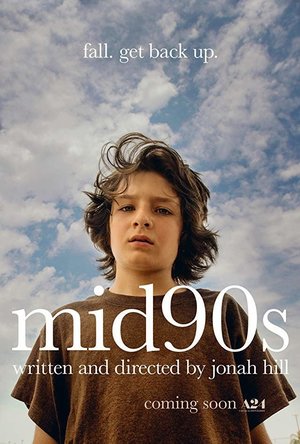

At 1 hour 25 minutes you'd be forgiven for thinking this would be a brief affair, but if you're not into it then this 85-minute film is agonisingly long.
Going into this the only thing I knew about this film was that it was directed by Jonah Hill, and I like him so that felt like something positive.
31 people had booked to see this preview at my Cineworld, I think there were maybe 10 of us that showed up. I have to say that there wasn't a lot of enthusiasm from any of us until it was time to leave.
Kudos on going with the 4:3 look on the screen and the grainier quality on the filming (I'm sure there are technical terms for that but I don't know them!) That combined with accurate costumes and settings to really take you back to the 90s. I found the smaller aspect to be rather distracting on the big screen though. I watch 4:3 a lot at home on my widescreen TV without it seeming odd, perhaps this is just one of those things, I go so often that I'm probably just expecting it to fill the whole screen.
The film starts with a particularly jarring scene, and while I don't have an issue with that shock impact I don't like that there's no context. You can infer things later on, but at no point do you explicitly find out the reason behind some of the shocking scenes. The film feels much more like we've been plonked down into his life rather than learning about it.
It's difficult to sum up how I feel about the characters.
Sunny Suljic is fine in the main role but there wasn't anything that wowed me from the role. That's no slur on the acting, I just didn't feel that the dialogue or story gave us more than a glance at his life.
Ray came across as the strongest out of all the skaters, we see a few different aspects of him and he gets a proper chance to open up. Had all the characters had this opportunity then I think we'd have had something much more interesting... but then teenage boys aren't notoriously fans of opening up emotionally on screen unless we're in a romantic film.
Those of you who read my reviews will know how I feel about Lucas Hedges, that is to say, I don't really get it. This role offers little backstory apart from the fact that he clearly has a long passion for beating the crap out of his brother, Stevie. Despite my growing indifference for him I feel like Hedges wasn't given enough time in the movie. I can see why he wasn't, Ian is hyper-aggressive and a very threatening presence so having more of him would have changed the dynamic a lot. Having more of him though might have allowed us to understand him a little bit more and take away some of the unanswered questions at the end of the film.
There are a lot of scenes with drug use and alcohol, and I can see those being relevant to the story, but the "sex" scene was uncomfortable and really didn't feel like it fit in at all. From the moment you see it coming to the point where the boys are prying out details of the encounter I sat there wondering why. Why it needed to be there and why the script was just so bad through it.
The ending was the only part of the film that actually made me feel anything for the characters and the events. That in itself is quite an achievement being that you can tell exactly what is coming. The way the final event is handled was visually striking and leads us into a moment where all the characters get to show something that finally feels like genuine emotion. I think it says a lot that the most effective bits of the film had no dialogue in them. The events at the end of this film saved Mid90s from getting one of the lowest ratings in my reviewing history.
I'd say that had they given over an extra 20 minutes to better character development then this would have been better, but I worry that an extra 20 minutes would just have made the event even more excruciating.
What you should do
I'm sure this has it's audience somewhere, after all, people seem to be raving about it. Sadly I am not that audience and I really can't recommend this to anyone.
Movie thing you wish you could take home
I love the idea of making customer skateboards.
Going into this the only thing I knew about this film was that it was directed by Jonah Hill, and I like him so that felt like something positive.
31 people had booked to see this preview at my Cineworld, I think there were maybe 10 of us that showed up. I have to say that there wasn't a lot of enthusiasm from any of us until it was time to leave.
Kudos on going with the 4:3 look on the screen and the grainier quality on the filming (I'm sure there are technical terms for that but I don't know them!) That combined with accurate costumes and settings to really take you back to the 90s. I found the smaller aspect to be rather distracting on the big screen though. I watch 4:3 a lot at home on my widescreen TV without it seeming odd, perhaps this is just one of those things, I go so often that I'm probably just expecting it to fill the whole screen.
The film starts with a particularly jarring scene, and while I don't have an issue with that shock impact I don't like that there's no context. You can infer things later on, but at no point do you explicitly find out the reason behind some of the shocking scenes. The film feels much more like we've been plonked down into his life rather than learning about it.
It's difficult to sum up how I feel about the characters.
Sunny Suljic is fine in the main role but there wasn't anything that wowed me from the role. That's no slur on the acting, I just didn't feel that the dialogue or story gave us more than a glance at his life.
Ray came across as the strongest out of all the skaters, we see a few different aspects of him and he gets a proper chance to open up. Had all the characters had this opportunity then I think we'd have had something much more interesting... but then teenage boys aren't notoriously fans of opening up emotionally on screen unless we're in a romantic film.
Those of you who read my reviews will know how I feel about Lucas Hedges, that is to say, I don't really get it. This role offers little backstory apart from the fact that he clearly has a long passion for beating the crap out of his brother, Stevie. Despite my growing indifference for him I feel like Hedges wasn't given enough time in the movie. I can see why he wasn't, Ian is hyper-aggressive and a very threatening presence so having more of him would have changed the dynamic a lot. Having more of him though might have allowed us to understand him a little bit more and take away some of the unanswered questions at the end of the film.
There are a lot of scenes with drug use and alcohol, and I can see those being relevant to the story, but the "sex" scene was uncomfortable and really didn't feel like it fit in at all. From the moment you see it coming to the point where the boys are prying out details of the encounter I sat there wondering why. Why it needed to be there and why the script was just so bad through it.
The ending was the only part of the film that actually made me feel anything for the characters and the events. That in itself is quite an achievement being that you can tell exactly what is coming. The way the final event is handled was visually striking and leads us into a moment where all the characters get to show something that finally feels like genuine emotion. I think it says a lot that the most effective bits of the film had no dialogue in them. The events at the end of this film saved Mid90s from getting one of the lowest ratings in my reviewing history.
I'd say that had they given over an extra 20 minutes to better character development then this would have been better, but I worry that an extra 20 minutes would just have made the event even more excruciating.
What you should do
I'm sure this has it's audience somewhere, after all, people seem to be raving about it. Sadly I am not that audience and I really can't recommend this to anyone.
Movie thing you wish you could take home
I love the idea of making customer skateboards.
Sophia (Bookwyrming Thoughts) (530 KP) rated Our Wayward Fate in Books
Jan 23, 2020


<b><i>The author/publisher provided a free copy of the book for review purposes - thank you! Receiving a review copy does not guarantee a positive review and therefore do not affect the opinion or content of the review.</i></b>
I adored <a href="https://bookwyrmingthoughts.com/american-panda-by-gloria-chao/"><em>American Panda</em></a> back in 2018, so when I heard Gloria Chao was releasing a new book, I pretty much slid <em>Our Wayward Fate</em> onto my TBR with no questions asked. (I enjoyed <em>American Panda</em> enough that I got my own copy... only to have my mom "borrow" it. She still hasn't returned it.)
<h2><strong>Gloria Chao is a Queen of Writing Relatable Characters and it continues with her second novel, <em>Our Wayward Fate</em>.</strong></h2>
Chao's latest novel follows Ali Chu, a high school senior living in Indiana and is the only Asian kid in her school; for years, she operates in survival mode in order to blend in with the rest of her classmates, even if she hates dealing with the constant racist stereotypes that are automatically associated with her simply because she's Asian. But she continues to remain silent until she finds out the new kid in school, Chase Yu, is also Taiwanese like her.
<strong>Let me take a moment to talk about their relationship!!!</strong>
❤ Puns, puns, so many puns
❤ Jokes and wordplay in Mandarin (also I really loved how Chao didn't incorporate a glossary so readers can get what it's like to be someone learning a language through conversation and context)
❤ They're just so cute and competitive together; ugh, my heart can't
<h3><strong>Friends, I saw myself in <em>American Panda</em>, but I also really saw myself in <em>Our Wayward Fate</em>.</strong></h3>
Chao touches on a lot of experiences that I personally went through - it's a book that I would have loved to read back in middle and high school when I occasionally felt like I was alone in my experiences. Much of the experiences Ali goes through hit hardcore emotionally and I really, <em>really</em> wanted to reach through the book just to give Ali a hug. (Here I thought I related to Mei a lot and Ali Chu comes in and knocks it out of the park.)
<h2><strong>Chao's latest novel deals with darker topics while also incorporating her signature humor.</strong></h2>
I love puns, so I'm a little biased toward them. While <em>Our Wayward Fate</em> is chock full of puns (I love them) and incorporates Chao's signature humor from her debut, it also has a darker feel. <em>Our Wayward Fate</em> is a book with family and identity with a retelling of <em>The Butterfly Lovers; </em>it also focuses a lot about miscommunication when we struggle or are unsure when communicating with others.
<a href="https://bookwyrmingthoughts.com/our-wayward-fate-by-gloria-chao/"; target="_blank">This review was originally posted on Bookwyrming Thoughts</a>
I adored <a href="https://bookwyrmingthoughts.com/american-panda-by-gloria-chao/"><em>American Panda</em></a> back in 2018, so when I heard Gloria Chao was releasing a new book, I pretty much slid <em>Our Wayward Fate</em> onto my TBR with no questions asked. (I enjoyed <em>American Panda</em> enough that I got my own copy... only to have my mom "borrow" it. She still hasn't returned it.)
<h2><strong>Gloria Chao is a Queen of Writing Relatable Characters and it continues with her second novel, <em>Our Wayward Fate</em>.</strong></h2>
Chao's latest novel follows Ali Chu, a high school senior living in Indiana and is the only Asian kid in her school; for years, she operates in survival mode in order to blend in with the rest of her classmates, even if she hates dealing with the constant racist stereotypes that are automatically associated with her simply because she's Asian. But she continues to remain silent until she finds out the new kid in school, Chase Yu, is also Taiwanese like her.
<strong>Let me take a moment to talk about their relationship!!!</strong>
❤ Puns, puns, so many puns
❤ Jokes and wordplay in Mandarin (also I really loved how Chao didn't incorporate a glossary so readers can get what it's like to be someone learning a language through conversation and context)
❤ They're just so cute and competitive together; ugh, my heart can't
<h3><strong>Friends, I saw myself in <em>American Panda</em>, but I also really saw myself in <em>Our Wayward Fate</em>.</strong></h3>
Chao touches on a lot of experiences that I personally went through - it's a book that I would have loved to read back in middle and high school when I occasionally felt like I was alone in my experiences. Much of the experiences Ali goes through hit hardcore emotionally and I really, <em>really</em> wanted to reach through the book just to give Ali a hug. (Here I thought I related to Mei a lot and Ali Chu comes in and knocks it out of the park.)
<h2><strong>Chao's latest novel deals with darker topics while also incorporating her signature humor.</strong></h2>
I love puns, so I'm a little biased toward them. While <em>Our Wayward Fate</em> is chock full of puns (I love them) and incorporates Chao's signature humor from her debut, it also has a darker feel. <em>Our Wayward Fate</em> is a book with family and identity with a retelling of <em>The Butterfly Lovers; </em>it also focuses a lot about miscommunication when we struggle or are unsure when communicating with others.
<a href="https://bookwyrmingthoughts.com/our-wayward-fate-by-gloria-chao/"; target="_blank">This review was originally posted on Bookwyrming Thoughts</a>

Ronyell (38 KP) rated Monkeybone (2001) in Movies
Aug 4, 2020

Get Boned With Monkeybone!
I had watched almost all the movies directed by Henry Selick at this point and I had enjoyed almost all of them! However, "Monkeybone" was that one case that I could have enjoyed it much better if the plot and the characters were handled a bit better, but I'll get into that later. What I did like about this movie was the fact that the world of Downtown was so creative to look at as all the characters look like they came out of various mythologies and fantasy works and seeing them interact with each other was brilliant to see! I also loved how all the actors and actresses in this film gave their all by acting so hammy yet convincing towards the audience in detailing the characters' plight throughout this movie. Probably the actors and actresses in this film that I really enjoyed their performances were Whoopi Goldberg and Brendan Fraser as they really made their characters truly stand out in this film! I loved the way that Brendan Fraser was able to balance between being hammy and being emotional as Stu Miley and it really made me get into Stu's predicament of trying to confess his love towards Julie and try to find his way out of Downtown so he could tell Julie he loves her. Whoopi Goldberg was also fantastic as Death as she made Death into a truly hilarious and sympathetic character and I really liked the relationship she develops with Stu. I also loved the fact that Stu truly does care about Julie and is willing to do anything to get back to her and confess his love to her.
Some problems that I had with this film was that I felt that the story could have been much better if the characters and the story were developed better. Now, I did look at the deleted scenes for this movie and I realized that the creative team were forced to cut out a lot of parts to help this film retain a PG-13 rating, but in doing that, they cut out a lot of parts that were essential to the plot of the story, even if they probably wouldn't make the movie any better than it is. I would have liked this movie better if we actually got to know more about the characters themselves, especially about the pact between Stu and his sister Kimmy where Kimmy will pull the plug on Stu if Stu goes into a coma, which the movie failed to go into more detail about. Also, there were times where the movie was forcing in crude humor where they didn't need to be and it made viewing this movie a bit awkward since one moment I would be enjoying the story of the film and then the next moment, they introduce a crude moment that involves toilet humor that kind of ruins the scenes for me.
Overall, while "Monkeybone" does have a lot of creative moments, especially during the Downtown sequences, the movie suffers from lack of character development that makes viewing this movie a bit hard at times.
Some problems that I had with this film was that I felt that the story could have been much better if the characters and the story were developed better. Now, I did look at the deleted scenes for this movie and I realized that the creative team were forced to cut out a lot of parts to help this film retain a PG-13 rating, but in doing that, they cut out a lot of parts that were essential to the plot of the story, even if they probably wouldn't make the movie any better than it is. I would have liked this movie better if we actually got to know more about the characters themselves, especially about the pact between Stu and his sister Kimmy where Kimmy will pull the plug on Stu if Stu goes into a coma, which the movie failed to go into more detail about. Also, there were times where the movie was forcing in crude humor where they didn't need to be and it made viewing this movie a bit awkward since one moment I would be enjoying the story of the film and then the next moment, they introduce a crude moment that involves toilet humor that kind of ruins the scenes for me.
Overall, while "Monkeybone" does have a lot of creative moments, especially during the Downtown sequences, the movie suffers from lack of character development that makes viewing this movie a bit hard at times.
Kara Skinner (332 KP) rated The Remnants in Books
Sep 10, 2019
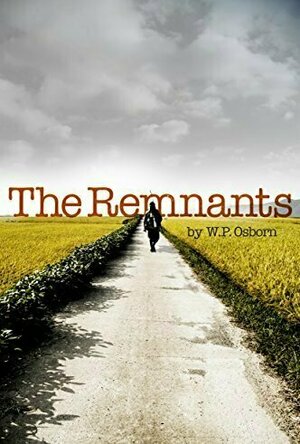
Genre: Historical Fiction
Average Goodreads Rating: 4.26/5 stars
My rating: 3/5 stars
Danny Pulbrook is a handsome and rebellious young man. Born the bastard son of a minor royal and orphaned at birth he is determined to find a new life far beyond his “pre-ordained oblivion”. His only way out – a forced enlistment into the army brings him to an inevitable confrontation with his own demons in the cauldron of the first world war.
Rose Quayle is a beautiful and confident hazel-eyed housemaid who, like her mother and her mother’s mother is employed in service at Meaford House – an expansive vice-regal estate near Tunbridge Wells. Like Danny she longs for a life beyond the tyranny of the rigid class system that defines her humble destiny.
Their chance meeting becomes the catalyst that changes both of their lives forever.
The Remnants is like a fixer upper. It’s unpolished and a bit of a hot mess, but you can still see the potential. Unfortunately, The Remnants was published before it got the TLC it deserved.
Not only is the text plagued with typos and missing punctuation, but there are too many storylines and character to keep straight. It’s a hot mess that could have been amazing.
The story starts out on a seemingly inconsequential day, with two minor characters talking. Yes, minor. They’re barely in the story but they make up the opening scene that eventually introduces Rose as a young, innocent girl going on her first car ride. So far there’s promise. After all, the boggy description will clear up when the story gets going, right?
I wish.
But it does pick up when we meet lovable bad boy Danny. Straight from an orphanage and now working at a general store, he’s a troublemaker and has never known love of any sort. He’s convinced he’s unlovable. Perfect for a love interest. I do have a thing for the bad boys. Give them a vulnerable side and I’m practically putty.
Rose and Danny have an excellently sweet and innocent chance encounter that clashes with the darkness in the rest of the book. Actually, there’s no foreshadowing at all that things will go so horribly awry when they met, or how dark most of the book is.
But dark it is. Danny goes off to fight in India, leaving Rose behind, but promising to still see her. After realizing he will die unless he deserts the army, he runs away and Rose goes to live with him in Canada
Had this been split into two or three full-length novels with the first novel ending here, I would have liked it a lot. But instead this great beginning with Danny’s and Rose’s innocence isn’t given the full detail and development it deserves, instead being condensed to the beginning of the novel.
But unfortunately it gets worse. Because the story continues. With so many characters that it’s impossible to keep them straight.
Danny’s character takes a sharp left when he feels the need to go to war again, this time with the Canadian army. He and Rose had practically just found each other and now he’s going back to fight, and after he had almost died the last time? Yeah. That makes total sense. What is he, an addict all of a sudden?
The entire story goes in a whirlwind. Danny has such a steep character arc, from innocent teenaged boy to hardened veteran, it might as well be a character cliff. Rose, on the other hand, doesn’t have that much character to arc. She’s slightly more bitter by the end, but she had already been bitter in the beginning of the story. Her lack of character frustrates me to no end.
There are some good parts to this story, though. Rose’s experience in the workplace was well-written, as was the death of Grace, Danny’s girl on the side. His war buddy, Mitch, is an excellent character and funny as hell, even if he is a bit cliched. The dynamic between Danny and his comrades is actually very good and I wish I had seen more of that and less flowery description about the war atmosphere.
While this story is mildly entertaining, well-researched, and interesting, it’s not my favorite and I will definitely not be reading it again. What do you think? Does this book sound interesting to you?
Average Goodreads Rating: 4.26/5 stars
My rating: 3/5 stars
Danny Pulbrook is a handsome and rebellious young man. Born the bastard son of a minor royal and orphaned at birth he is determined to find a new life far beyond his “pre-ordained oblivion”. His only way out – a forced enlistment into the army brings him to an inevitable confrontation with his own demons in the cauldron of the first world war.
Rose Quayle is a beautiful and confident hazel-eyed housemaid who, like her mother and her mother’s mother is employed in service at Meaford House – an expansive vice-regal estate near Tunbridge Wells. Like Danny she longs for a life beyond the tyranny of the rigid class system that defines her humble destiny.
Their chance meeting becomes the catalyst that changes both of their lives forever.
The Remnants is like a fixer upper. It’s unpolished and a bit of a hot mess, but you can still see the potential. Unfortunately, The Remnants was published before it got the TLC it deserved.
Not only is the text plagued with typos and missing punctuation, but there are too many storylines and character to keep straight. It’s a hot mess that could have been amazing.
The story starts out on a seemingly inconsequential day, with two minor characters talking. Yes, minor. They’re barely in the story but they make up the opening scene that eventually introduces Rose as a young, innocent girl going on her first car ride. So far there’s promise. After all, the boggy description will clear up when the story gets going, right?
I wish.
But it does pick up when we meet lovable bad boy Danny. Straight from an orphanage and now working at a general store, he’s a troublemaker and has never known love of any sort. He’s convinced he’s unlovable. Perfect for a love interest. I do have a thing for the bad boys. Give them a vulnerable side and I’m practically putty.
Rose and Danny have an excellently sweet and innocent chance encounter that clashes with the darkness in the rest of the book. Actually, there’s no foreshadowing at all that things will go so horribly awry when they met, or how dark most of the book is.
But dark it is. Danny goes off to fight in India, leaving Rose behind, but promising to still see her. After realizing he will die unless he deserts the army, he runs away and Rose goes to live with him in Canada
Had this been split into two or three full-length novels with the first novel ending here, I would have liked it a lot. But instead this great beginning with Danny’s and Rose’s innocence isn’t given the full detail and development it deserves, instead being condensed to the beginning of the novel.
But unfortunately it gets worse. Because the story continues. With so many characters that it’s impossible to keep them straight.
Danny’s character takes a sharp left when he feels the need to go to war again, this time with the Canadian army. He and Rose had practically just found each other and now he’s going back to fight, and after he had almost died the last time? Yeah. That makes total sense. What is he, an addict all of a sudden?
The entire story goes in a whirlwind. Danny has such a steep character arc, from innocent teenaged boy to hardened veteran, it might as well be a character cliff. Rose, on the other hand, doesn’t have that much character to arc. She’s slightly more bitter by the end, but she had already been bitter in the beginning of the story. Her lack of character frustrates me to no end.
There are some good parts to this story, though. Rose’s experience in the workplace was well-written, as was the death of Grace, Danny’s girl on the side. His war buddy, Mitch, is an excellent character and funny as hell, even if he is a bit cliched. The dynamic between Danny and his comrades is actually very good and I wish I had seen more of that and less flowery description about the war atmosphere.
While this story is mildly entertaining, well-researched, and interesting, it’s not my favorite and I will definitely not be reading it again. What do you think? Does this book sound interesting to you?

Movie Metropolis (309 KP) rated The Hunger Games: Catching Fire (2013) in Movies
Jun 10, 2019

The Hunger Games franchise has come at a time that is almost certain to gather box-office success. After Harry Potter finished two years ago and The Twilight Saga bowed out just 12 months ago, teenagers and young adults have been craving for a new series of blockbusters to ‘sink their teeth into’.
The first film of this new dawn, based on Suzanne Collins’ successful book, was released in March last year and greeted with warm reviews and a staggering box-office performance, a gross just shy of $700m to be a little more precise.
However, rumoured tensions between director Gary Ross and studio Color Force meant that despite its impressive takings, he was not to helm its sequel, Catching Fire. Taking over from him is Francis Lawrence, director of I am Legend, Constantine and Water for Elephants, but can he better what preceded him?
The series centres around an annual ‘games’, in which people aged between 12 and 18 must fight to the death in a custom made arena, leaving only one victor, who is showered with riches for the rest of their lives.
Jennifer Lawrence, returning to the series after her first Oscar win this year, plays Katniss Everdeen, a plucky young teen who fresh from winning the previous Hunger Games tournament alongside her beau Peeta Mellark, played by Josh Hutcherson, travel through the land of Panem (a post-apocalyptic America) to spread their story and persuade others to take part in the vicious tournament.
However, after angering the Capitol, run by cold-hearted President Snow (Donald Sutherland) who becomes increasingly concerned that an up-rising is brewing, it is decided that previous victors must once again take part, to show that even they are not above the law.
For those fresh to the series, I warn you not to watch this film without seeing the first, as much of the plot will be near incomprehensible and your enjoyment will suffer as a result.
The film starts slowly, giving enough backstory before the inevitable return to the arena. Thankfully despite its large running time of 146 minutes, it never falters and after allowing the audience to see how the world has changed, it is back into the new and improved arena for the 75th Hunger Games.
Gone is the shaky handy-cam of director Gary Ross, and in its place we are treated to sweeping shots of numerous landscapes; from the coal-mining community of District 12, to the bright lights of the Capitol and even the large arena which has been given a radical overhaul to make it even more challenging than ever.
The acting is simply sublime by all accounts. Jennifer Lawrence, fresh from the honour of an Oscar plays Katniss with such a subtle grace that she is mesmerising to watch, a real treat for fans of J-Law and of course Suzanne Collins’ character. Liam Hemsworth returns to the series as Katniss’ secret love interest Gale, but he is sorely underused. Josh Hutcherson’s Peeta Mellark is as irritating as ever and lacks a backbone, but this is more to do with the script than Hutcherson’s abilities as an actor.
Woody Harrelson, Elizabeth Banks, Stanley Tucci also return, with the latter being a real stand-out in a film which is filled with quirky and unusual characters.
Those of you who have read my review of the previous film will know that I wasn’t a fan of its lacklustre special effects. Thankfully my prayers were answered and due to a budget that has almost doubled, the effects are glorious. The Capitol is perhaps the best use of the CGI, where the first film looked like a Star Wars: Episode I rip-off, here we really feel like the city is living and breathing for the very first time.
Unfortunately, it seems like the special effects team are still struggling with CGI fire as the computer generated flames are still laughable in their realism.
At 146 minutes, Catching Fire was always going to numb your backside, but you don’t care, the film is an absolute treat to watch. Director Francis Lawrence has retained the violent nature of the series despite its ridiculous 12A certification and manages to get around those limitations with style and flair.
Yes, if I was pushed I’d say it was a little over-long, the CGI flames still look ridiculous and the ending is far too abrupt, but if those are the only faults I can find in a film, then clearly it is more than worth the increasingly expensive price of a cinema admission ticket.
https://moviemetropolis.net/2013/11/23/hunger-games-catching-fire-review/
The first film of this new dawn, based on Suzanne Collins’ successful book, was released in March last year and greeted with warm reviews and a staggering box-office performance, a gross just shy of $700m to be a little more precise.
However, rumoured tensions between director Gary Ross and studio Color Force meant that despite its impressive takings, he was not to helm its sequel, Catching Fire. Taking over from him is Francis Lawrence, director of I am Legend, Constantine and Water for Elephants, but can he better what preceded him?
The series centres around an annual ‘games’, in which people aged between 12 and 18 must fight to the death in a custom made arena, leaving only one victor, who is showered with riches for the rest of their lives.
Jennifer Lawrence, returning to the series after her first Oscar win this year, plays Katniss Everdeen, a plucky young teen who fresh from winning the previous Hunger Games tournament alongside her beau Peeta Mellark, played by Josh Hutcherson, travel through the land of Panem (a post-apocalyptic America) to spread their story and persuade others to take part in the vicious tournament.
However, after angering the Capitol, run by cold-hearted President Snow (Donald Sutherland) who becomes increasingly concerned that an up-rising is brewing, it is decided that previous victors must once again take part, to show that even they are not above the law.
For those fresh to the series, I warn you not to watch this film without seeing the first, as much of the plot will be near incomprehensible and your enjoyment will suffer as a result.
The film starts slowly, giving enough backstory before the inevitable return to the arena. Thankfully despite its large running time of 146 minutes, it never falters and after allowing the audience to see how the world has changed, it is back into the new and improved arena for the 75th Hunger Games.
Gone is the shaky handy-cam of director Gary Ross, and in its place we are treated to sweeping shots of numerous landscapes; from the coal-mining community of District 12, to the bright lights of the Capitol and even the large arena which has been given a radical overhaul to make it even more challenging than ever.
The acting is simply sublime by all accounts. Jennifer Lawrence, fresh from the honour of an Oscar plays Katniss with such a subtle grace that she is mesmerising to watch, a real treat for fans of J-Law and of course Suzanne Collins’ character. Liam Hemsworth returns to the series as Katniss’ secret love interest Gale, but he is sorely underused. Josh Hutcherson’s Peeta Mellark is as irritating as ever and lacks a backbone, but this is more to do with the script than Hutcherson’s abilities as an actor.
Woody Harrelson, Elizabeth Banks, Stanley Tucci also return, with the latter being a real stand-out in a film which is filled with quirky and unusual characters.
Those of you who have read my review of the previous film will know that I wasn’t a fan of its lacklustre special effects. Thankfully my prayers were answered and due to a budget that has almost doubled, the effects are glorious. The Capitol is perhaps the best use of the CGI, where the first film looked like a Star Wars: Episode I rip-off, here we really feel like the city is living and breathing for the very first time.
Unfortunately, it seems like the special effects team are still struggling with CGI fire as the computer generated flames are still laughable in their realism.
At 146 minutes, Catching Fire was always going to numb your backside, but you don’t care, the film is an absolute treat to watch. Director Francis Lawrence has retained the violent nature of the series despite its ridiculous 12A certification and manages to get around those limitations with style and flair.
Yes, if I was pushed I’d say it was a little over-long, the CGI flames still look ridiculous and the ending is far too abrupt, but if those are the only faults I can find in a film, then clearly it is more than worth the increasingly expensive price of a cinema admission ticket.
https://moviemetropolis.net/2013/11/23/hunger-games-catching-fire-review/

Gareth von Kallenbach (980 KP) rated Wonder Woman 1984 (2020) in Movies
Dec 23, 2020
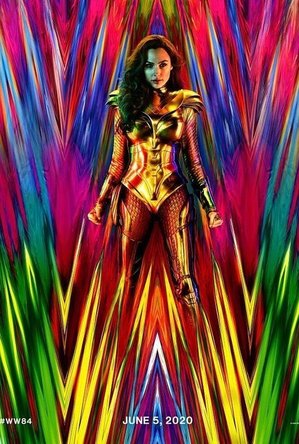
Gal Gadot returns as Diana Prince in “Wonder Woman 1984” which has seen its release date shift a few times due to the Covid-19 pandemic. The film has started to open overseas and will arrive in the U.S. on Christmas day with a limited debut on HBO Max as well.
The story sees Diana now living in Washington D.C. in 1984. Diana is popular but has refused male companionship as she still longs for her late love Steve Trevor (Chris Pine).
Diana works in the Smithsonian Institute in antiquities and keeps her secret identity under wraps even when a daring mall heist forces her to leap into action.
A shy and passive employee named Barbara (Kirsten Wiig); who is afraid of her own shadow and largely ignored by her peers is befriended by Diana and they discover one item from the heist is inscribed with the ability to grant a wish. Unknowingly Diana wishes for Steve to return and Barbara wishes to be more like Diana which sets a chain of events into motion.
A shady business man named Maxwell Lord (Perdro Pascal) has his site on obtaining the relic as he believes having the ability to grant wishes will allow him to save his failing business and give him the power he craves.
With such a promising setup; the film ultimately does not deliver on its premise and becomes bogged down in drawn out sequences with surprisingly little action and gaps in logic that defy even standards for a comic book film.
The first 90 minutes of the film has roughly 10-15 minutes of action tops and we are instead given lengthy scenes of Steve trying to find an 80s fashion look; flying over fireworks, and Maxwell trashing from one locale to another without much needed continuity.
An action scene involving a convoy chase through the desert seems very inspired by “Raiders of the Lost Ark” and ultimately does not deliver especially with such a long gape between the action sequences.
The final act does attempt to redeem the film as seeing Barbara transform into her new persona is interesting and Wiig does a very solid job with the role. This sadly is undermined with a single line of dialogue which takes away a big part of the transformation that audiences deserved to see.
There was also a sequence where Diana races down the streets and takes to flight with her Lasso and then discovers she can fly like Superman. Not only is this not in keeping with the character; but we see this extended fast moving sequence where she is clearly heading away from D.C. at great speed only to arrive at a destination with an item which had been established to be back at her home in D.C. It is this sort of sloppiness that really detracts from the film. There is also the fact that Steve has to fly her around on a jet that even as a pilot he should not know how to fly as he has never flown a jet aircraft in his life.
When the big confrontation comes it is a letdown as it is not overly epic and the CGI really does not seem to mesh. What is an even bigger disappointment is that a certain character stands emoting for several minutes while Diana gives such a bland and extended speech that even my wife had to ask “who wrote these lines”.
The film was not a total disaster as the characters were interesting and worked well with one another making the film entertaining in parts despite being really disappointed with it.
The film strikes me as a product of the talented Patty Jenkins being able to do whatever she wanted after the success of the first film. Jenkins not only Directed but did the screenplay for it. Considering the amazing job she did writing “Monster” I had high expectations for the film but to me it seemed like it could have used a bit more attention to several aspects.
My summary would be the following… good cast, entertaining in parts, not much action over two hours, takes huge liberties with Diana and her abilities, massive gaps in logic even for a comic movie. It aims to be epic and comes up lacking. At least the mid. credit scene was worth it.
3 stars out of 5
The story sees Diana now living in Washington D.C. in 1984. Diana is popular but has refused male companionship as she still longs for her late love Steve Trevor (Chris Pine).
Diana works in the Smithsonian Institute in antiquities and keeps her secret identity under wraps even when a daring mall heist forces her to leap into action.
A shy and passive employee named Barbara (Kirsten Wiig); who is afraid of her own shadow and largely ignored by her peers is befriended by Diana and they discover one item from the heist is inscribed with the ability to grant a wish. Unknowingly Diana wishes for Steve to return and Barbara wishes to be more like Diana which sets a chain of events into motion.
A shady business man named Maxwell Lord (Perdro Pascal) has his site on obtaining the relic as he believes having the ability to grant wishes will allow him to save his failing business and give him the power he craves.
With such a promising setup; the film ultimately does not deliver on its premise and becomes bogged down in drawn out sequences with surprisingly little action and gaps in logic that defy even standards for a comic book film.
The first 90 minutes of the film has roughly 10-15 minutes of action tops and we are instead given lengthy scenes of Steve trying to find an 80s fashion look; flying over fireworks, and Maxwell trashing from one locale to another without much needed continuity.
An action scene involving a convoy chase through the desert seems very inspired by “Raiders of the Lost Ark” and ultimately does not deliver especially with such a long gape between the action sequences.
The final act does attempt to redeem the film as seeing Barbara transform into her new persona is interesting and Wiig does a very solid job with the role. This sadly is undermined with a single line of dialogue which takes away a big part of the transformation that audiences deserved to see.
There was also a sequence where Diana races down the streets and takes to flight with her Lasso and then discovers she can fly like Superman. Not only is this not in keeping with the character; but we see this extended fast moving sequence where she is clearly heading away from D.C. at great speed only to arrive at a destination with an item which had been established to be back at her home in D.C. It is this sort of sloppiness that really detracts from the film. There is also the fact that Steve has to fly her around on a jet that even as a pilot he should not know how to fly as he has never flown a jet aircraft in his life.
When the big confrontation comes it is a letdown as it is not overly epic and the CGI really does not seem to mesh. What is an even bigger disappointment is that a certain character stands emoting for several minutes while Diana gives such a bland and extended speech that even my wife had to ask “who wrote these lines”.
The film was not a total disaster as the characters were interesting and worked well with one another making the film entertaining in parts despite being really disappointed with it.
The film strikes me as a product of the talented Patty Jenkins being able to do whatever she wanted after the success of the first film. Jenkins not only Directed but did the screenplay for it. Considering the amazing job she did writing “Monster” I had high expectations for the film but to me it seemed like it could have used a bit more attention to several aspects.
My summary would be the following… good cast, entertaining in parts, not much action over two hours, takes huge liberties with Diana and her abilities, massive gaps in logic even for a comic movie. It aims to be epic and comes up lacking. At least the mid. credit scene was worth it.
3 stars out of 5