
Search
Search results

Ryan Hill (152 KP) rated Captain America: The First Avenger (2011) in Movies
May 9, 2019
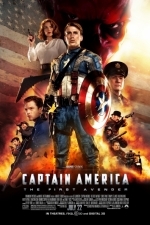

"i'm just a kid from brooklyn"
"I'm just a kid from Brooklyn"
A rip-roaring homage to old fashioned serials and comic books. Joe Johnston somehow pulls off the tone and look, firmly planting me into the 1940's time period. As fantastical as it is I still feel the real world within the picture.
Protagonist Steve Rogers makes for an easily likable guy who at the start is a smaller guy, who stands up to bullies even if it means getting his ass beat. His dream is to serve his country and although not meeting physical requirements for the army, he proves the heart and courage to become the specimen of a super soldier syrum. With this experiment, Steve's size, strength and conditioning is greatly enhanced and becomes the face of WW2 propaganda. His desire to fight however gets him involved with the battle against a division of the Nazi's known as Hydra, headed by Johann Schmidt, the "Red Skull".
Red Skull is one of the best villians of the Marvel cinematic universe. I couldn't imagine him played by anyone other than Hugo Weaving who brings such gravitas and personality to the role. Red Skull is an experiment of the soldier syrum himself which gives him a certain connection to Rogers, but chooses to use his power for the service of himself and his evil desires. The film includes the element of Nazi fascination with science and experimentation, taking it a step further. Red Skull discovers other worldly magic, the Tesseract of Asgard, which he utilizes for the use of weaponry. Thus, blending historical events with an exciting dose of imagination. A Nazi more powerful than Hitler? That's pretty scary.
The action comes swift and mighty, combining the fleshy violence of war with creative comic book thrills. It's some of the most entertaining action I've ever seen. I love that the presence of Hitler can be felt even though he is not on screen. It seamlessly connects the future with the past, makes the looming threat of the entire world felt, and contains elements of other Marvel films past and present that only adds to the movie and never detracts. Tony Stark's father has a direct influence on Captain America which adds a layer to the proceeding films. Thor and Loki's place in future events are tied in perfectly. Steve's friendship with Bucky and presumed death is one of the emotional cores to the film that also plays into the sequels. Unbelievable.
Can I just mention the charming romance between Peggy and Steve Rogers? It's so natural and plays out over the duration of the film without anything ridiculous. When Peggy tears up as Steve is speeding toward the unkown in a downed plane, I lose it. I lose it every time. They never got that last dance and my heart is broken.
When Red Skull calls Steve a "simpleton with a shield" I'm like YES!! that's why I love him. I could be Steve Rogers. I could be Captain America. Well, not really, but he's one of the most relatable on screen super heroes. I'd even say he's the one I can see myself in the most. Consider me #TeamCap.
I must make mention of the wonderful musical score and songs written for the film. Very important piece to the puzzle. I listen to "Star Spangled Man" just about every time I take a walk. The costumes and production design deserve all the love in the world as well. Tommy Lee Jones is great and makes me laugh as usual. All performances are great. Points for finding a use for Captain America's vintage comic book costume and re-enacting the punch to Hitler's face from Captain America issue #1.
Who taught Cap how to fight like that though? Guess that's one of the perks of the syrum too.
A rip-roaring homage to old fashioned serials and comic books. Joe Johnston somehow pulls off the tone and look, firmly planting me into the 1940's time period. As fantastical as it is I still feel the real world within the picture.
Protagonist Steve Rogers makes for an easily likable guy who at the start is a smaller guy, who stands up to bullies even if it means getting his ass beat. His dream is to serve his country and although not meeting physical requirements for the army, he proves the heart and courage to become the specimen of a super soldier syrum. With this experiment, Steve's size, strength and conditioning is greatly enhanced and becomes the face of WW2 propaganda. His desire to fight however gets him involved with the battle against a division of the Nazi's known as Hydra, headed by Johann Schmidt, the "Red Skull".
Red Skull is one of the best villians of the Marvel cinematic universe. I couldn't imagine him played by anyone other than Hugo Weaving who brings such gravitas and personality to the role. Red Skull is an experiment of the soldier syrum himself which gives him a certain connection to Rogers, but chooses to use his power for the service of himself and his evil desires. The film includes the element of Nazi fascination with science and experimentation, taking it a step further. Red Skull discovers other worldly magic, the Tesseract of Asgard, which he utilizes for the use of weaponry. Thus, blending historical events with an exciting dose of imagination. A Nazi more powerful than Hitler? That's pretty scary.
The action comes swift and mighty, combining the fleshy violence of war with creative comic book thrills. It's some of the most entertaining action I've ever seen. I love that the presence of Hitler can be felt even though he is not on screen. It seamlessly connects the future with the past, makes the looming threat of the entire world felt, and contains elements of other Marvel films past and present that only adds to the movie and never detracts. Tony Stark's father has a direct influence on Captain America which adds a layer to the proceeding films. Thor and Loki's place in future events are tied in perfectly. Steve's friendship with Bucky and presumed death is one of the emotional cores to the film that also plays into the sequels. Unbelievable.
Can I just mention the charming romance between Peggy and Steve Rogers? It's so natural and plays out over the duration of the film without anything ridiculous. When Peggy tears up as Steve is speeding toward the unkown in a downed plane, I lose it. I lose it every time. They never got that last dance and my heart is broken.
When Red Skull calls Steve a "simpleton with a shield" I'm like YES!! that's why I love him. I could be Steve Rogers. I could be Captain America. Well, not really, but he's one of the most relatable on screen super heroes. I'd even say he's the one I can see myself in the most. Consider me #TeamCap.
I must make mention of the wonderful musical score and songs written for the film. Very important piece to the puzzle. I listen to "Star Spangled Man" just about every time I take a walk. The costumes and production design deserve all the love in the world as well. Tommy Lee Jones is great and makes me laugh as usual. All performances are great. Points for finding a use for Captain America's vintage comic book costume and re-enacting the punch to Hitler's face from Captain America issue #1.
Who taught Cap how to fight like that though? Guess that's one of the perks of the syrum too.
Best of Fragments from France
Bruce Bairnsfather, Tonie Holt and Valmai Holt
Book
Bruce Bairnsfather (BB) was the most famous cartoonist of the First World War and his soldier...

Movie Metropolis (309 KP) rated Dad's Army (2016) in Movies
Jun 11, 2019
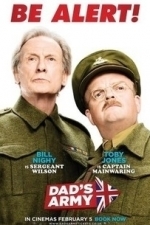

Full of wasted British talent
I may be fairly young in years, but I grew up around comedies like Only Fools & Horses, One Foot in the Grave and of course Dad’s Army. I remember many evenings sitting at home with my dad as he cried with laughter at all three, though it was the latter’s influence that stuck with me the most.
Now, Dad’s Army like so many classic TV shows is getting the silver screen treatment, but does this modern-day reimagining, with an all-star British cast live up to the series that delighted so many for so long?
The movie adaptation of Dad’s Army follows on from the TV series, taking place just before the Second World War comes to an end. In Walmington-On-Sea, the Home Guard, led by Captain Mainwaring must track down a German spy, who is intent on swaying the war in their favour.
A whole host of British talent, young and old, star and each and every one of them slots perfectly into the well-worn shoes of classic characters. From Michael Gambon’s effervescent performance as Godfrey and Toby Jones’ faithful portrayal of Mainwaring to Inbetweeners star Blake Harrison taking on the role of Pike, it feels as though the casting team really put a lot of thought into getting the characteristics right.
It doesn’t stop there, Welsh beauty Catherine Zeta Jones, TV favourite Sarah Lancashire and Victor Meldrew’s long-suffering wife Margaret (Annette Crosbie) all make appearances for the fairer sex, with each bringing something to the table.
The scenery is beautiful, filmed just a couple of hours up the road in Bridlington, East Yorkshire, the normally vibrant seaside town is transformed into 1940s Walmington with an enviable amount of detail. Elsewhere, the White Cliffs of Dover are replicated exceptionally at Flamborough on the east coast.
Unfortunately, the story is a little on the light side, barely managing to stretch to the film’s slightly overlong running time. This is an issue that blights many TV to film projects and it feels like this unbelievably talented cast is somewhat wasted with a fairly run-of-the-mill plot.
It also feels like the comedy is on rations. Yes, it’s nostalgic with constant references to its small-screen counterpart, but it comes across like the producers were too busy trying to shoehorn as many elements of the TV series into the film, without concentrating on what Dad’s Army was all about – laughs.
Nevertheless, there is plenty to enjoy despite a lack of giggles. The acting is, as said previously, remarkable with fans of the series and newcomers alike being able to enjoy the warm, typically British feeling these thespians bring to the film.
Overall, Dad’s Army is a decent, albeit slightly underwhelming, effort in bringing one of the most popular TV shows of all time to the big screen. Its talent and casting are undeniable and the filming style is very impressive, but a lack of attention to the plot and a comedy drought stop it short of achieving what it clearly set out to do.
https://moviemetropolis.net/2016/02/07/full-of-wasted-british-talent-dads-army-review/
Now, Dad’s Army like so many classic TV shows is getting the silver screen treatment, but does this modern-day reimagining, with an all-star British cast live up to the series that delighted so many for so long?
The movie adaptation of Dad’s Army follows on from the TV series, taking place just before the Second World War comes to an end. In Walmington-On-Sea, the Home Guard, led by Captain Mainwaring must track down a German spy, who is intent on swaying the war in their favour.
A whole host of British talent, young and old, star and each and every one of them slots perfectly into the well-worn shoes of classic characters. From Michael Gambon’s effervescent performance as Godfrey and Toby Jones’ faithful portrayal of Mainwaring to Inbetweeners star Blake Harrison taking on the role of Pike, it feels as though the casting team really put a lot of thought into getting the characteristics right.
It doesn’t stop there, Welsh beauty Catherine Zeta Jones, TV favourite Sarah Lancashire and Victor Meldrew’s long-suffering wife Margaret (Annette Crosbie) all make appearances for the fairer sex, with each bringing something to the table.
The scenery is beautiful, filmed just a couple of hours up the road in Bridlington, East Yorkshire, the normally vibrant seaside town is transformed into 1940s Walmington with an enviable amount of detail. Elsewhere, the White Cliffs of Dover are replicated exceptionally at Flamborough on the east coast.
Unfortunately, the story is a little on the light side, barely managing to stretch to the film’s slightly overlong running time. This is an issue that blights many TV to film projects and it feels like this unbelievably talented cast is somewhat wasted with a fairly run-of-the-mill plot.
It also feels like the comedy is on rations. Yes, it’s nostalgic with constant references to its small-screen counterpart, but it comes across like the producers were too busy trying to shoehorn as many elements of the TV series into the film, without concentrating on what Dad’s Army was all about – laughs.
Nevertheless, there is plenty to enjoy despite a lack of giggles. The acting is, as said previously, remarkable with fans of the series and newcomers alike being able to enjoy the warm, typically British feeling these thespians bring to the film.
Overall, Dad’s Army is a decent, albeit slightly underwhelming, effort in bringing one of the most popular TV shows of all time to the big screen. Its talent and casting are undeniable and the filming style is very impressive, but a lack of attention to the plot and a comedy drought stop it short of achieving what it clearly set out to do.
https://moviemetropolis.net/2016/02/07/full-of-wasted-british-talent-dads-army-review/
Ryan Hill (152 KP) rated The Last Samurai (2003) in Movies
Jun 23, 2019
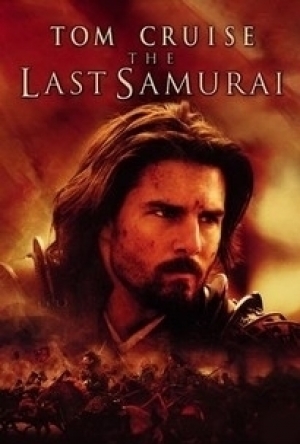

" I will tell you, how he lived"
The honour and code of the samurai has always been enticing to a Western civilisation that is far removed from such customs, which perhaps makes The Last Samurai such an enticing, enigmatic film. Edward Zwick crafts quite an epic adventure rich in mythology & thematic resonance that while traditionally Hollywood in its construction still manages to exist a cut above many such movies of its ilk, a touch of class surrounding how the story of Captain Nathan Algren is put together, based as it is on several real life legendary American figures who played key roles in the Satsuma Rebellion in Japan during the late 19th century. This isn't a direct re-telling of those events but serves as a leaping off point to construct a tale about a stranger in a strange land, of a man haunted by fighting an unjust war who rediscovers his honour & place in the world through a dying culture. Zwick's film is slick, sweeping, beautifully shot and frequently involving, backed up by a strong performance by Tom Cruise in one of those roles that remind you just what a good actor he can be.
In the role of Algren, Cruise begins a dejected man living out of a bottle, bereft of purpose & suffering post-Civil War nightmares of a man touted as a hero despite feeling the guilt of slaughtering Indians crushed under the might of a military machine; in that sense, The Last Samurai is very anti-war in its message, John Logan's story painting the Americans and specifically the Imperialist Japanese not in the greatest light. Cruise takes Algren on a traditional voyage of discovery, first pitted against the samurai code & eventually becoming consumed by it, consumed by the similarity of the way of the warrior between both cultures - and Ken Watanabe's dignified samurai 'rebel' Katsumoto learns from him, as well as the other way around, with Cruise remaining stoic & only getting flashes of a chance to display the usual Cruise charm, but that's OK - Algren isn't the kind of character to benefit from that, Cruise's natural magnetism is enough here. Wit is provided thankfully through, albeit briefly, Billy Connolly as a tough old Irish veteran & chiefly Timothy Spall as our portly 'narrator' of sorts, who serves to help mythologise Algren & the legend itself. Zwick is most concerned with that, you see, the idea of legends and how men become them, exploring that concept alongside digging into the cultural rituals and practises of a changing Japan.
Algren's story is placed at a time when the old ways of Japan were shifting, under the pressures of global politics & business; the Emperor here is a naive young man, sitting on an empty throne, looking to Watanabe for validation as his advisor's push to quash a rebellion fighting to preserve the old ways, preserve Japanese interests as America knocks on the door. That's why Cruise's role here is so interesting, his character learning of the samurai code & helping those around him remember their history, and Zwick explores well the concept of national identity alongside personal ideas of myth, legend & destiny. It all boils together in a careful script, never overblown, which neatly develops the relationships involved & helps you fully believe Algren's transformation into the eponymous 'last samurai'. Along the way, Zwick doesn't forget theatrics - staging plenty of well staged & intense fight scenes which utilise the strong Japanese production design, before building to a quite epic war climax with army pitted against army, with personal stakes cutting through it, backed up indeed by another superlative score by Hans Zimmer. It becomes more than just a historical swords & armour film, reaching deeper on several levels.
What could have been a slow paced, potentially ponderous movie is avoided well by Edward Zwick, who with The Last Samurai delivers one of the stronger historical adventure epics of recent years. Beautifully shot in many places, with some excellent cinematography & production standards, not to mention an impressive script well acted in particular by Tom Cruise & Ken Watanabe, Zwick creates a recognisably Hollywood picture but for once a movie that doesn't dumb down, doesn't pander and ultimately serves as an often involving, often damn well made story. Especially one to check out if you love the way of the samurai.
In the role of Algren, Cruise begins a dejected man living out of a bottle, bereft of purpose & suffering post-Civil War nightmares of a man touted as a hero despite feeling the guilt of slaughtering Indians crushed under the might of a military machine; in that sense, The Last Samurai is very anti-war in its message, John Logan's story painting the Americans and specifically the Imperialist Japanese not in the greatest light. Cruise takes Algren on a traditional voyage of discovery, first pitted against the samurai code & eventually becoming consumed by it, consumed by the similarity of the way of the warrior between both cultures - and Ken Watanabe's dignified samurai 'rebel' Katsumoto learns from him, as well as the other way around, with Cruise remaining stoic & only getting flashes of a chance to display the usual Cruise charm, but that's OK - Algren isn't the kind of character to benefit from that, Cruise's natural magnetism is enough here. Wit is provided thankfully through, albeit briefly, Billy Connolly as a tough old Irish veteran & chiefly Timothy Spall as our portly 'narrator' of sorts, who serves to help mythologise Algren & the legend itself. Zwick is most concerned with that, you see, the idea of legends and how men become them, exploring that concept alongside digging into the cultural rituals and practises of a changing Japan.
Algren's story is placed at a time when the old ways of Japan were shifting, under the pressures of global politics & business; the Emperor here is a naive young man, sitting on an empty throne, looking to Watanabe for validation as his advisor's push to quash a rebellion fighting to preserve the old ways, preserve Japanese interests as America knocks on the door. That's why Cruise's role here is so interesting, his character learning of the samurai code & helping those around him remember their history, and Zwick explores well the concept of national identity alongside personal ideas of myth, legend & destiny. It all boils together in a careful script, never overblown, which neatly develops the relationships involved & helps you fully believe Algren's transformation into the eponymous 'last samurai'. Along the way, Zwick doesn't forget theatrics - staging plenty of well staged & intense fight scenes which utilise the strong Japanese production design, before building to a quite epic war climax with army pitted against army, with personal stakes cutting through it, backed up indeed by another superlative score by Hans Zimmer. It becomes more than just a historical swords & armour film, reaching deeper on several levels.
What could have been a slow paced, potentially ponderous movie is avoided well by Edward Zwick, who with The Last Samurai delivers one of the stronger historical adventure epics of recent years. Beautifully shot in many places, with some excellent cinematography & production standards, not to mention an impressive script well acted in particular by Tom Cruise & Ken Watanabe, Zwick creates a recognisably Hollywood picture but for once a movie that doesn't dumb down, doesn't pander and ultimately serves as an often involving, often damn well made story. Especially one to check out if you love the way of the samurai.
The Alex Crow
Book
From the critically acclaimed author of cult teen novel Grasshopper Jungle, Andrew Smith, comes a...
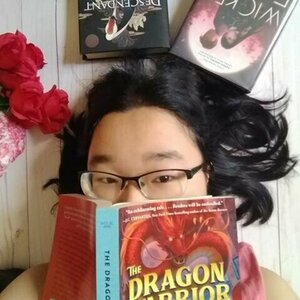
Sophia (Bookwyrming Thoughts) (530 KP) rated Becoming Darkness in Books
Jan 23, 2020


<b><i>I received this book for free from Publisher in exchange for an honest review. This does not affect my opinion of the book or the content of my review.</i></b>
Never have I ever read a book in which Hitler won World War II and succeeded in taking over the world.
Until now. I admit I'm a little fond of this one because of the whole alternative history thing going on right there, but I'm a little disturbed here, Lindsay Francis Brambles. You're as bad as Agatha Christie and came very close to killing everyone. Although technically, you did kill most of the characters that I grew fond of. Not cool. I don't think I can ever forgive you for this transgression of Trigger Happy Book. (More like Explosion Happy Book.)
But in the very long run, I only liked <i>Becoming Darkness</i> for a few things.
Sadistic as it may be, I did like how Brambles made Hitler won the second world war and unleashed a virus that made a lot of people turn into vampires all of that is told within the first few pages. Although the origins of Gemorrah (le virus) is revealed throughout the story and integrated in the plot, I still don't understand how the creators came up with that name in the first place. Does it mean something in German, or is it something they thought sounded sinister and cool and decided to go with it? In my humble opinion, it does not sound cool or sinister. It sounds like a Mary Poppins word.
I also really liked how Brambles didn't go completely off course from history there are some references to the war, there might be another significant historical figure who makes a cameo appearance (under a different name, but don't quote me), etc. Basically, there's not much that's thrown in completely off kilter aside from maybe the virus I still feel fishy about that.
Sophie Harkness does not take BS when there are boys hitting on her in the stupidest, cheesiest ways. Namely: "We're meant for one another because you're a girl, I'm a guy, and we have the parts to create phenomenal offspring." Sorry for the disturbing image, but that was very much implied by the character. Unfortunately for her, she sort of believes in love at first sight when she first met Val back when she was fourteen.
Sophie is also not a judgmental character she's very open-minded and believes vampires aren't exactly sinister blood sucking creatures. Every other Immune, those who can't get Gemorrah, are so judgmental and narrow-minded, it just peeves me greatly. It IS understandable, though, considering the year Brambles sets the book in.
Unfortunately, I didn't really like the whole flashbacks. For awhile in the beginning, it's a little confusing and I had to backtrack to make sure it was a flashback and not actually set in the present day. There's a "sort-of" warning and then we're in flashback mode that feels like it's set in the present but is really Sophie telling a story. On the bright side, all those flashbacks (and the journal entries written by Sophie's mom) all play a relevant role in the overall plot.
I also didn't really like Valentine. Though I eventually warmed up to him over the course of the book, something about him was really disturbing. He's not an annoying "stalker type" of character, but it IS a little weird he still tried to keep his connections to Sophie's family from grandma to mom to Sophie in the hopes of falling in love again. But considering the fact he's doesn't throw out stupidly cheesy lines at Sophie, I like him a little.
Have I mentioned I'm sick and tired of seeing the name Valentine over and over again in literature? We just can't get any more original than St. Valentine, can we?
I would totally summarize <i>Becoming Darkness</i> in a few words if only I didn't end up giving major spoilers. But in a nutshell, the book quite literally tells me all of us should be downright grateful the Third Reich didn't succeed. It also told me I'm royally screwed if the way to a man's heart is through his stomach, but I think I've established that in sixth grade with the whole Ramen Noodle Stove catastrophe.
<a href="https://bookwyrmingthoughts.com/arc-review-becoming-darkness-by-lindsay-francis-brambles/"; target="_blank">This review was originally posted on Bookwyrming Thoughts</a>
Never have I ever read a book in which Hitler won World War II and succeeded in taking over the world.
Until now. I admit I'm a little fond of this one because of the whole alternative history thing going on right there, but I'm a little disturbed here, Lindsay Francis Brambles. You're as bad as Agatha Christie and came very close to killing everyone. Although technically, you did kill most of the characters that I grew fond of. Not cool. I don't think I can ever forgive you for this transgression of Trigger Happy Book. (More like Explosion Happy Book.)
But in the very long run, I only liked <i>Becoming Darkness</i> for a few things.
Sadistic as it may be, I did like how Brambles made Hitler won the second world war and unleashed a virus that made a lot of people turn into vampires all of that is told within the first few pages. Although the origins of Gemorrah (le virus) is revealed throughout the story and integrated in the plot, I still don't understand how the creators came up with that name in the first place. Does it mean something in German, or is it something they thought sounded sinister and cool and decided to go with it? In my humble opinion, it does not sound cool or sinister. It sounds like a Mary Poppins word.
I also really liked how Brambles didn't go completely off course from history there are some references to the war, there might be another significant historical figure who makes a cameo appearance (under a different name, but don't quote me), etc. Basically, there's not much that's thrown in completely off kilter aside from maybe the virus I still feel fishy about that.
Sophie Harkness does not take BS when there are boys hitting on her in the stupidest, cheesiest ways. Namely: "We're meant for one another because you're a girl, I'm a guy, and we have the parts to create phenomenal offspring." Sorry for the disturbing image, but that was very much implied by the character. Unfortunately for her, she sort of believes in love at first sight when she first met Val back when she was fourteen.
Sophie is also not a judgmental character she's very open-minded and believes vampires aren't exactly sinister blood sucking creatures. Every other Immune, those who can't get Gemorrah, are so judgmental and narrow-minded, it just peeves me greatly. It IS understandable, though, considering the year Brambles sets the book in.
Unfortunately, I didn't really like the whole flashbacks. For awhile in the beginning, it's a little confusing and I had to backtrack to make sure it was a flashback and not actually set in the present day. There's a "sort-of" warning and then we're in flashback mode that feels like it's set in the present but is really Sophie telling a story. On the bright side, all those flashbacks (and the journal entries written by Sophie's mom) all play a relevant role in the overall plot.
I also didn't really like Valentine. Though I eventually warmed up to him over the course of the book, something about him was really disturbing. He's not an annoying "stalker type" of character, but it IS a little weird he still tried to keep his connections to Sophie's family from grandma to mom to Sophie in the hopes of falling in love again. But considering the fact he's doesn't throw out stupidly cheesy lines at Sophie, I like him a little.
Have I mentioned I'm sick and tired of seeing the name Valentine over and over again in literature? We just can't get any more original than St. Valentine, can we?
I would totally summarize <i>Becoming Darkness</i> in a few words if only I didn't end up giving major spoilers. But in a nutshell, the book quite literally tells me all of us should be downright grateful the Third Reich didn't succeed. It also told me I'm royally screwed if the way to a man's heart is through his stomach, but I think I've established that in sixth grade with the whole Ramen Noodle Stove catastrophe.
<a href="https://bookwyrmingthoughts.com/arc-review-becoming-darkness-by-lindsay-francis-brambles/"; target="_blank">This review was originally posted on Bookwyrming Thoughts</a>
Justin Taylor (59 KP) rated Avengers: Infinity War (2018) in Movies
Oct 29, 2018
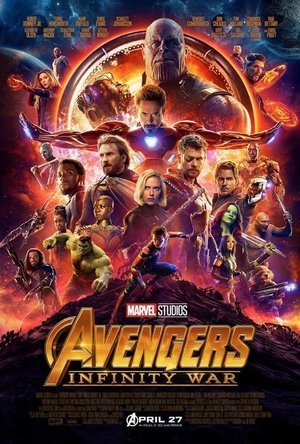
How the characters react to each other and the different characters that directors Joe and Anthony Russo put side by side (3 more)
Thanks actually does something other than sit in that chair! (Sorry couldn't resist putting that joke in) all joking aside he is practically the star of the film and Josh brolin does a great job in it
The Twist ending which I will not spoil here is freaking brilliant and when I saw it I nearly cried and I assume those who have watched the movie agree with me.
Lots of Easter eggs to the source material...if u remember reading the infinity gauntlet or the infinity storyarch both of which are what this movie is inspired by you'll love the references
Infinity war is the embodiment of what marvel is!
Ok this movie is the greatest marvel movie ever in my opinion and there's reasons why...number one, ten years of story building lead to it. I remember when I was 8 years old and watching iron Man and the incredible hulk on either DVD or on the TV and I never thought that it would lead to something like this, keep in mind this was something that at the time iron Man came out that was never done before and that's pretty darn impressive especially if they keep impressing me with every movie that came out (yes I even liked iron Man 3 and Thor: the dark world).
Now as for reason number 2 almost all of the storylines from every corner of the MCU is tied together here and if u have been watching for the past 8 years u would be invested the same way I was and then they did something I thought took guts.
Which leads me to reason 3, one of if not the best Twist ending since the empire strikes back in my opinion, one that I won't spoil here but warning bring tissues. also like all marvel movies stay til the very end of the credits and I mean not mid credits but waaaay after.
Overall the finest marvel film I have ever seen at Least until avengers 4 comes out next year.
Now I bet y'all are probably wondering what negative thing can I say well...that's kinda hard for a movie this good but if I had to say something it would be I wish some of the side characters got a little more screen time but other than that nothing to major
Now as for reason number 2 almost all of the storylines from every corner of the MCU is tied together here and if u have been watching for the past 8 years u would be invested the same way I was and then they did something I thought took guts.
Which leads me to reason 3, one of if not the best Twist ending since the empire strikes back in my opinion, one that I won't spoil here but warning bring tissues. also like all marvel movies stay til the very end of the credits and I mean not mid credits but waaaay after.
Overall the finest marvel film I have ever seen at Least until avengers 4 comes out next year.
Now I bet y'all are probably wondering what negative thing can I say well...that's kinda hard for a movie this good but if I had to say something it would be I wish some of the side characters got a little more screen time but other than that nothing to major
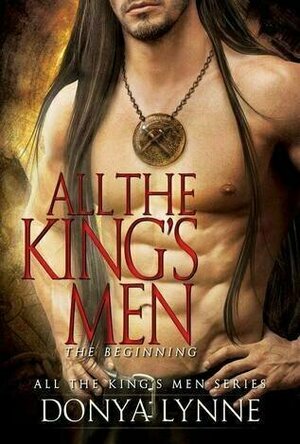
All the King's Men: The Beginning (All The King's Men #6)
8.0 Rate It
Book
NOTE: This book is a prequel. Reading the first five books of the series will greatly enhance your...
Paranormal Romance Vampires

Jamie (131 KP) rated A Thousand Splendid Suns in Books
May 24, 2017
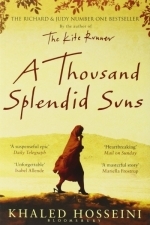

An eye opening and jarring exploration into the plight of women in the middle east
If I had to pick one word to sum up this book: it would be powerful. I thought that The Kite Runner was an emotional roller coaster, A Thousand Splendid Suns leaves its predecessor in the dust. This book made me smile, it made me cry, and at times I became so violently angry over the cruel circumstances faced by the book’s heroines that I had to put it down for a while to calm myself. The story utterly destroyed me and shook me to my core. It is rare indeed for a book to make me feel such a wide variety of emotions.
A Thousand Splendid Suns is a beautiful historical fiction set to the backdrop in a war torn Afghanistan fresh off the fall of Najibullah’s government. The book takes us through the violent struggle between rival militias that eventually leads to the rise of the Taliban. The story follows first a young girl named Mariam, a bastard child forced with her abusive mother to live secluded in the countryside. Later she is forced into marriage with a much older man obsessed with having another son. The story then picks up with the birth of another young girl named Laila. The book continues to switch narratives between the two women until they are eventually brought together by circumstance. Together the girls face immeasurable hardship, vividly showing the dreadful reality for many women in the middle east.
The overall tone of the novel is intense, with the story taking many heart-wrenching turns. It opened my eyes to a part of the world that I had previously known little about. My childhood in the 1990’s was comfortable and safe, a far cry from the horrors faced by women and children during the same time period on the other side of the globe; it was like stepping into another world.
I’ve found that twice now, I liked the first half of Khaled Hosseini’s books better than the second half. The later plot lines usually seem a little far-fetched to me, but it doesn’t change the overall satisfaction I get from the book. The book covers the topics of the relationship between women, a perfect compliment to The Kite Runner‘s themes of relationships between men. This beautiful book is a masterpiece and the very best of Hosseini’s work. Be prepared to cry though, this one is hard on the emotions.
A Thousand Splendid Suns is a beautiful historical fiction set to the backdrop in a war torn Afghanistan fresh off the fall of Najibullah’s government. The book takes us through the violent struggle between rival militias that eventually leads to the rise of the Taliban. The story follows first a young girl named Mariam, a bastard child forced with her abusive mother to live secluded in the countryside. Later she is forced into marriage with a much older man obsessed with having another son. The story then picks up with the birth of another young girl named Laila. The book continues to switch narratives between the two women until they are eventually brought together by circumstance. Together the girls face immeasurable hardship, vividly showing the dreadful reality for many women in the middle east.
The overall tone of the novel is intense, with the story taking many heart-wrenching turns. It opened my eyes to a part of the world that I had previously known little about. My childhood in the 1990’s was comfortable and safe, a far cry from the horrors faced by women and children during the same time period on the other side of the globe; it was like stepping into another world.
I’ve found that twice now, I liked the first half of Khaled Hosseini’s books better than the second half. The later plot lines usually seem a little far-fetched to me, but it doesn’t change the overall satisfaction I get from the book. The book covers the topics of the relationship between women, a perfect compliment to The Kite Runner‘s themes of relationships between men. This beautiful book is a masterpiece and the very best of Hosseini’s work. Be prepared to cry though, this one is hard on the emotions.

Rachel King (13 KP) rated Fragile Eternity (Wicked Lovely, #3) in Books
Feb 11, 2019
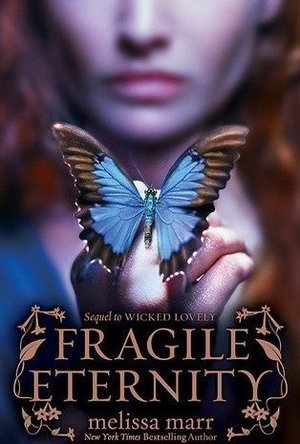
At first I was really excited that this book was picking up on Seth and Aislinn from where the first book left off. Sorcha's court is very interesting and uniquely different from the other three courts, and I think that it is the court I would most likely fit into. I like how Marr fashions each court by a different set of rules, so that something that one court has the power to accomplish another court cannot necessarily duplicate. This makes the plot less predictable and allows the monarchs of each court to become more memorable and unique to the reader.
Keenan is just as much of an arse as he is in the other books - I see the least character growth with him, despite how much he is not getting what he wants. Aislinn is obviously still relatively naive about him. Despite how hard she works to be a good queen, she still appears to be an amateur, based on how easily everyone keeps secrets from her. I really like how hard Seth works to be a good boyfriend, but I love how the reader gets to see him in his weaker moments. This makes him more humane and believeable. His courage and determination are quite commendable, but I can hardly believe that he missed that very important detail about Faerie when he makes his bargain with Sorcha. As much reading as he has supposedly done on the subject, it isn't very likely that he would not read about the time differences. I was so disappointed when I realized that Seth had essentially become a "momma's boy" when Sorcha makes him her Faerie son. While this seems to benefit Sorcha, I really don't see how this will benefit Seth - and every other fairy, except for Bananach, seems to agree with this.
As for Bananach, while what she sees is focused on her goals of War, by the end of this book, I don't see how there could be any other outcome. Each of the monarchs are too focused on protecting and strengthening his or her own courts to care about the fate of the fairy world as a whole, which the real world has proven can only have one outcome. While the romantic in me just wants to see each of the monarchs find mates and a happily ever after, I like how Marr deviates from this typical theme and produces books that thrive on unpredictability. I look forward to getting my hands on the next book, Radiant Shadows (Wicked Lovely).
Keenan is just as much of an arse as he is in the other books - I see the least character growth with him, despite how much he is not getting what he wants. Aislinn is obviously still relatively naive about him. Despite how hard she works to be a good queen, she still appears to be an amateur, based on how easily everyone keeps secrets from her. I really like how hard Seth works to be a good boyfriend, but I love how the reader gets to see him in his weaker moments. This makes him more humane and believeable. His courage and determination are quite commendable, but I can hardly believe that he missed that very important detail about Faerie when he makes his bargain with Sorcha. As much reading as he has supposedly done on the subject, it isn't very likely that he would not read about the time differences. I was so disappointed when I realized that Seth had essentially become a "momma's boy" when Sorcha makes him her Faerie son. While this seems to benefit Sorcha, I really don't see how this will benefit Seth - and every other fairy, except for Bananach, seems to agree with this.
As for Bananach, while what she sees is focused on her goals of War, by the end of this book, I don't see how there could be any other outcome. Each of the monarchs are too focused on protecting and strengthening his or her own courts to care about the fate of the fairy world as a whole, which the real world has proven can only have one outcome. While the romantic in me just wants to see each of the monarchs find mates and a happily ever after, I like how Marr deviates from this typical theme and produces books that thrive on unpredictability. I look forward to getting my hands on the next book, Radiant Shadows (Wicked Lovely).