Search
Search results
Hadley (567 KP) rated The Institute in Books
Oct 24, 2019
Likable characters (1 more)
Paranormal
Sexualizing children (1 more)
Not a regular King story
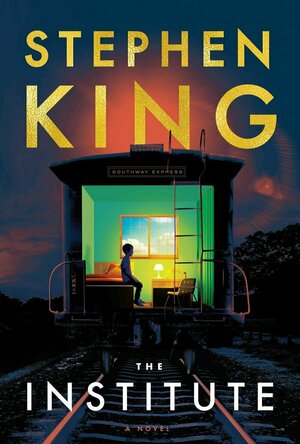
At around 95 novels, Stephen King, who is one of the most well-known authors of our time, debuts a possible new novel series about psychic children. 'The Institute' mostly takes place in a hidden facility located in a wooded area of Maine,where readers follow a kidnapped child prodigy named Luke Ellis, and the government experiments that are inflicted on him to heighten his psychic powers.
So why is the government kidnapping children to conduct psychic research on them? At first, it may seem just that: psychic research, because psychic powers seem to be more powerful in young children than adults, but nothing is what it seems. As the boss of this Institute says to the children: " ' There's a war going on, and you have been called upon to serve your country.' " A few sentences later, and she explains it a little more in depth for Ellis: " ' This is not an arms race but a mind race, and if we lose, the consequences would be more than dire; they would be unimaginable. You may only be twelve, but you are a soldier in an undeclared war. The same is true of Kalisha and the others. Do you like it? Of course not. Draftees never do, and draftees sometimes need to be taught that there are consequences for not following orders. I believe you've already had one lesson in that regard. If you're as bright as your records say you are, perhaps you won't need another. If you do, however, you'll get it. This is not your home. This is not your school. You will not simply be given an extra chore or sent to the principal's office or given detention; you will be punished. Clear? ' "
King writes in a third-person point-of-view, which makes it a little disturbing that when any female character he introduces (including girls as young as 11-years-old) are usually introduced by their breast size. It's not uncommon for male writers to introduce female characters this way, but when most of them are children, it can be very off putting for readers. One scene, King makes Ellis notice that Kalisha has 'her hands on her mostly nonexistent hips,' then writes about the character Helen in the same scene: " Another door opened and Helen Simms appeared, clad - - - sort of - - - in what Luke believed were called babydoll pajamas. She had hips, plus other interesting equipment. " Both of these characters are only twelve-years-old.
Aside from the children, King also introduces an important character named Tim Jamieson. This character starts the novel off before readers meet Ellis; we learn that he is a former cop who is traveling to New York while taking odd jobs on his way there, including a night knocker job in DuPray, South Carolina (which becomes very important later on in the story) .
Avery, my personal favorite character in the book, is a ten-year-old who acts like a five-year-old, " The screamer was a little boy in Star Wars pajamas, hammering on doors with small fists that went up and down like pistons. Ten? Avery Dixon looked six, seven at most. The crotch and one leg of his pajama pants were wet and sticking to him. " Dixon and Kalisha are both in the Institute for telepathy. " 'You know so,' Kalisha said, and began to stroke the little boy's [Dixon] hair again. Like had a sense - - - maybe bullshit, maybe not - - - that a lot was going on between them. Inside traffic. " And quickly, the group of children become protective of Dixon, " 'But you need to take care of this one for as long as you can. When I think of Tony or Zeke or that bitch Winona hitting Avery, it makes me want to cry. ' " Kalisha confides in Ellis.
Kalisha, one of the other children that has been kidnapped, is another very likable character that seems to keep all of the other kids' spirits up by either keeping them out of trouble with advice or stopping small fights between them. Another kid named Nicky, the troublemaker of the group, is the stereo-typical bad boy. He gets involved in fistfights with the orderlies that work at the Institute, taking quite a bit of abuse in return. But eventually, the rebelliousness catches up with him, leading him to be moved from Front Half to the dreaded Back Half.
Readers later learn that Back Half is worse than Front Half. Most questions we may have about why the Institute is abusing these children are all answered when readers get to see into Back Half from Kalisha's point-of-view. But what is left unanswered is exactly how many children have been through the Institute? From the amount of children seen just in this story, the numbers could be in the hundreds of thousands!
But, as expected, the children come up with a plan to escape - - - with giving as little detail as possible, an orderlie at the Institute is helped by one of the children with a personal problem, and in return, this orderlie decides to help one of them escape and reveal everything that is the Institute. The instance the escape starts being discussed is when the book really picks up.
King's writing of the abuse our characters sustain is very real (" When Stevie Whipple asked where he'd been and what was wrong, Luke just shook his head. He didn't want to talk about the tank. Not now, not ever. He supposed it was like being in a war. You got drafted, you went, but you didn't want to talk about what you'd seen, or what had happened to you there." ) The scene in which Ellis refuses to speak of is where the orderlie Zeke is trying to make Ellis confess that he is not only telekinesis, but also telepathic: "Zeke hauled him up by the hair. His white tunic was soaked. He looked fixedly at Luke. 'I'm going to put you down again, Luke. Again and again and again. I'll put you down until you drown and then we'll resuscitate you and drown you again and resuscitate you again. Last chance: what number am I thinking of?' "
King brings up a fictional belief that strikes fear in parents everywhere: children being kidnapped for government experiments. Readers witness Ellis' parents being killed, Kalisha being a surrogate mother to kids she barely knows, Nicky being beaten by adults when he refuses to get 'shots for dots,' night terrors, suicide, zap sticks and murder.
This book doesn't read like a regular King book; even with the paranormal aspects occurring in it, it doesn't add up to much. The horror aspect is more in the form of child abuse then paranormal moments. I would only recommend this book to fans of Netflix's 'Stranger Things' and Patterson's 'Maximum Ride.' I don't think I would read this again.

So why is the government kidnapping children to conduct psychic research on them? At first, it may seem just that: psychic research, because psychic powers seem to be more powerful in young children than adults, but nothing is what it seems. As the boss of this Institute says to the children: " ' There's a war going on, and you have been called upon to serve your country.' " A few sentences later, and she explains it a little more in depth for Ellis: " ' This is not an arms race but a mind race, and if we lose, the consequences would be more than dire; they would be unimaginable. You may only be twelve, but you are a soldier in an undeclared war. The same is true of Kalisha and the others. Do you like it? Of course not. Draftees never do, and draftees sometimes need to be taught that there are consequences for not following orders. I believe you've already had one lesson in that regard. If you're as bright as your records say you are, perhaps you won't need another. If you do, however, you'll get it. This is not your home. This is not your school. You will not simply be given an extra chore or sent to the principal's office or given detention; you will be punished. Clear? ' "
King writes in a third-person point-of-view, which makes it a little disturbing that when any female character he introduces (including girls as young as 11-years-old) are usually introduced by their breast size. It's not uncommon for male writers to introduce female characters this way, but when most of them are children, it can be very off putting for readers. One scene, King makes Ellis notice that Kalisha has 'her hands on her mostly nonexistent hips,' then writes about the character Helen in the same scene: " Another door opened and Helen Simms appeared, clad - - - sort of - - - in what Luke believed were called babydoll pajamas. She had hips, plus other interesting equipment. " Both of these characters are only twelve-years-old.
Aside from the children, King also introduces an important character named Tim Jamieson. This character starts the novel off before readers meet Ellis; we learn that he is a former cop who is traveling to New York while taking odd jobs on his way there, including a night knocker job in DuPray, South Carolina (which becomes very important later on in the story) .
Avery, my personal favorite character in the book, is a ten-year-old who acts like a five-year-old, " The screamer was a little boy in Star Wars pajamas, hammering on doors with small fists that went up and down like pistons. Ten? Avery Dixon looked six, seven at most. The crotch and one leg of his pajama pants were wet and sticking to him. " Dixon and Kalisha are both in the Institute for telepathy. " 'You know so,' Kalisha said, and began to stroke the little boy's [Dixon] hair again. Like had a sense - - - maybe bullshit, maybe not - - - that a lot was going on between them. Inside traffic. " And quickly, the group of children become protective of Dixon, " 'But you need to take care of this one for as long as you can. When I think of Tony or Zeke or that bitch Winona hitting Avery, it makes me want to cry. ' " Kalisha confides in Ellis.
Kalisha, one of the other children that has been kidnapped, is another very likable character that seems to keep all of the other kids' spirits up by either keeping them out of trouble with advice or stopping small fights between them. Another kid named Nicky, the troublemaker of the group, is the stereo-typical bad boy. He gets involved in fistfights with the orderlies that work at the Institute, taking quite a bit of abuse in return. But eventually, the rebelliousness catches up with him, leading him to be moved from Front Half to the dreaded Back Half.
Readers later learn that Back Half is worse than Front Half. Most questions we may have about why the Institute is abusing these children are all answered when readers get to see into Back Half from Kalisha's point-of-view. But what is left unanswered is exactly how many children have been through the Institute? From the amount of children seen just in this story, the numbers could be in the hundreds of thousands!
But, as expected, the children come up with a plan to escape - - - with giving as little detail as possible, an orderlie at the Institute is helped by one of the children with a personal problem, and in return, this orderlie decides to help one of them escape and reveal everything that is the Institute. The instance the escape starts being discussed is when the book really picks up.
King's writing of the abuse our characters sustain is very real (" When Stevie Whipple asked where he'd been and what was wrong, Luke just shook his head. He didn't want to talk about the tank. Not now, not ever. He supposed it was like being in a war. You got drafted, you went, but you didn't want to talk about what you'd seen, or what had happened to you there." ) The scene in which Ellis refuses to speak of is where the orderlie Zeke is trying to make Ellis confess that he is not only telekinesis, but also telepathic: "Zeke hauled him up by the hair. His white tunic was soaked. He looked fixedly at Luke. 'I'm going to put you down again, Luke. Again and again and again. I'll put you down until you drown and then we'll resuscitate you and drown you again and resuscitate you again. Last chance: what number am I thinking of?' "
King brings up a fictional belief that strikes fear in parents everywhere: children being kidnapped for government experiments. Readers witness Ellis' parents being killed, Kalisha being a surrogate mother to kids she barely knows, Nicky being beaten by adults when he refuses to get 'shots for dots,' night terrors, suicide, zap sticks and murder.
This book doesn't read like a regular King book; even with the paranormal aspects occurring in it, it doesn't add up to much. The horror aspect is more in the form of child abuse then paranormal moments. I would only recommend this book to fans of Netflix's 'Stranger Things' and Patterson's 'Maximum Ride.' I don't think I would read this again.
Night Reader Reviews (683 KP) rated Secrets in Books
Nov 18, 2020

Interesting book
Secrets by Victoria E Kuhnhardt is an interesting book about spies and you guessed it, secrets. A young teen’s world is turned upside down and she no longer knows who to trust or who anyone is for that matter. As it is a relatively short book the avid reader could finish it within a week easily.
Posy Waiters’s is a fifteen year old girl who has always questioned her parent’s love for her. This is mainly because she hardly knows them since they travel all the time for work and rarely see her. Sometimes they even forget to send her a card on her birthday. Posy lives all alone except for the live-in nanny who is only there for the money Posy’s parents are paying her. One day all this suddenly changes.
Posy’s parents tragically die and leave Posy to their friends whom Posy has never even heard of let alone met. Her greedy nanny doesn't even stick around to help her pack after hearing the news. Now Posy is living in San Francisco with the Forests but things are not quite what she thinks. While exploring the cellar of her new home Posy discovers something that will change her life forever.
I just loved how many twists there were in this book, some of which actually surprised me. One of the biggest surprises actually appeared at the very end of the book and was a real shocker (though it left a bunch of questions I feel will go unanswered as I don’t believe there is a sequel coming). I also enjoyed the loyalty and non-judgmental attitude for the friends, a rare trait anymore. There are quite a few errors in the book but that is not my largest complaint. My main issue is just how oblivious Posy and Alex are frequently. I also felt like the author occasionally forgot how old (or young) the characters are, such as when a sixteen year old Posy buys a cocktail dress.
Teens to young adults would probably like this book the most. This is largely because it doesn't go into a lot of detail. I also don’t believe the unanswered questions will bother younger readers as much. However, incest is a big subject in this book (and sex is hinted at) and those unable to handle it should refrain from reading this book. I rate this book 2 out of 4 or 3 out of 5. The book would have been much better if it answered ore of the question that it created. That along with the errors and age appropriate behavior (or lack there of) of the characters really damaged my view of the book. If going off of the plot alone I would say the book is extremely good.
Posy Waiters’s is a fifteen year old girl who has always questioned her parent’s love for her. This is mainly because she hardly knows them since they travel all the time for work and rarely see her. Sometimes they even forget to send her a card on her birthday. Posy lives all alone except for the live-in nanny who is only there for the money Posy’s parents are paying her. One day all this suddenly changes.
Posy’s parents tragically die and leave Posy to their friends whom Posy has never even heard of let alone met. Her greedy nanny doesn't even stick around to help her pack after hearing the news. Now Posy is living in San Francisco with the Forests but things are not quite what she thinks. While exploring the cellar of her new home Posy discovers something that will change her life forever.
I just loved how many twists there were in this book, some of which actually surprised me. One of the biggest surprises actually appeared at the very end of the book and was a real shocker (though it left a bunch of questions I feel will go unanswered as I don’t believe there is a sequel coming). I also enjoyed the loyalty and non-judgmental attitude for the friends, a rare trait anymore. There are quite a few errors in the book but that is not my largest complaint. My main issue is just how oblivious Posy and Alex are frequently. I also felt like the author occasionally forgot how old (or young) the characters are, such as when a sixteen year old Posy buys a cocktail dress.
Teens to young adults would probably like this book the most. This is largely because it doesn't go into a lot of detail. I also don’t believe the unanswered questions will bother younger readers as much. However, incest is a big subject in this book (and sex is hinted at) and those unable to handle it should refrain from reading this book. I rate this book 2 out of 4 or 3 out of 5. The book would have been much better if it answered ore of the question that it created. That along with the errors and age appropriate behavior (or lack there of) of the characters really damaged my view of the book. If going off of the plot alone I would say the book is extremely good.
Hadley (567 KP) rated Soul Drinker in Books
Jul 25, 2020
The writing (2 more)
No character development
No ending
One of the classic horror tropes is Heaven versus Hell, angels versus demons, good versus evil (like a boogeyman versus an innocent child, or a killer versus a group of teenagers, or even an evil spirit versus an exorcist) and we always know how it's going to end: good triumphs evil, every time. Some of the most well known films with this trope are Constantine (2005), the Exorcist (1973) and more recently, Stephen King's IT : Chapter 2 (2019).
That, along with a little romance, mystery, and historical elements make up this novel that features three main characters who are stuck in a struggle between good and evil while having to face mistakes from the past.
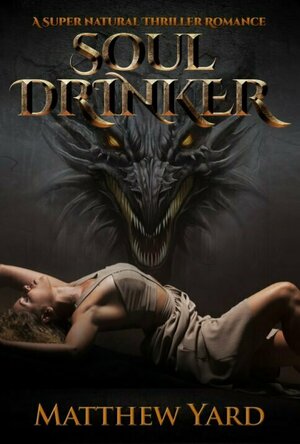
Welcome to the hellish world of Soul Drinker by newcomer, Matthew Yard.
Deep description is what makes up Yard's storytelling, so much so that the book is extremely hard to read. Only 132 pages long, Yard spends most paragraphs describing one single thing in many different ways, such as a young woman's hair, which only needs one sentence to tell such a detail, but instead, took an entire paragraph.
During an ancient civilization, a deity appeared named Destroyer, it found a way to break through the boundaries that separates realms and universes - - - finding our realm, Destroyer leaves his son Luther to build powerful followings through cults run by Pagans.
The novel's villain, Luther, isn't present enough to feel like a real threat for the reader. And the three main characters, other than their physical descriptions, are lifeless because of the extreme lack of character development.
Our main character, Devin, is a college student who constantly has nightmares of his best friend's murder. He also lives at house in the woods which he has no idea how he attained it and this is never explained. After Devin and a classmate named Vic have an encounter with a supernatural cloud, they end up at this house, where readers find out that Devin isn't the only one who has been having nightmares.
Vic is a beautiful, young woman, who Devin seems to be enamoured with, but she is still busy getting over her first love. A few chapters in, readers get flashbacks of Vic's father and mother before she was born. Vic's father was also haunted by this supernatural cloud, which seems to have had a tighter grip on him than Vic - - - her father's flashbacks are the most interesting part of this story.
Vic's father, Jacob, is fast asleep next to his wife when a giant face wakes him up, telling him that there is work to do. Jacob follows the face out into the hallway, when it begins to sway, as if through the eyes of a drunk. Jacob fights the urge to continue to the stairs, wanting to turn back and protect his sleeping wife.
A little while later, we find out that Jacob is psychic: he can see the dead and/or the past. But for anymore development on that interesting piece of information, readers get one glimpse of what Jacob sees - - - and that's it. Jacob's wife, Nina, is an even flatter character, which we only get to see in bed either asleep or waking up. Even Jacob's mental and spiritual fight with the 'face' is disappointingly short with no real tension, no climax, or feelings of betrayal when something finally happens in the end of that scene.
Love, the supernatural, and Pagan cults are what make up the plot of this book. The story jumps between Devin, Vic and Jacob, but the story gets caught up in moments that shouldn't be more than a paragraph, which caused me to become bored with the story. And Yard's writing made this book read like a fan fiction: a lot of inconsistencies throughout, tons of misspellings, and a major overuse of the same words, sometimes even in the same sentence.
Unfortunately, this book was almost unreadable, and the heavy descriptions were extremely off-putting, as was the end of the story- - - the book ended suddenly, and with no sequel in sight. I can't recommend this book to anyone.
That, along with a little romance, mystery, and historical elements make up this novel that features three main characters who are stuck in a struggle between good and evil while having to face mistakes from the past.
Welcome to the hellish world of Soul Drinker by newcomer, Matthew Yard.
Deep description is what makes up Yard's storytelling, so much so that the book is extremely hard to read. Only 132 pages long, Yard spends most paragraphs describing one single thing in many different ways, such as a young woman's hair, which only needs one sentence to tell such a detail, but instead, took an entire paragraph.
During an ancient civilization, a deity appeared named Destroyer, it found a way to break through the boundaries that separates realms and universes - - - finding our realm, Destroyer leaves his son Luther to build powerful followings through cults run by Pagans.
The novel's villain, Luther, isn't present enough to feel like a real threat for the reader. And the three main characters, other than their physical descriptions, are lifeless because of the extreme lack of character development.
Our main character, Devin, is a college student who constantly has nightmares of his best friend's murder. He also lives at house in the woods which he has no idea how he attained it and this is never explained. After Devin and a classmate named Vic have an encounter with a supernatural cloud, they end up at this house, where readers find out that Devin isn't the only one who has been having nightmares.
Vic is a beautiful, young woman, who Devin seems to be enamoured with, but she is still busy getting over her first love. A few chapters in, readers get flashbacks of Vic's father and mother before she was born. Vic's father was also haunted by this supernatural cloud, which seems to have had a tighter grip on him than Vic - - - her father's flashbacks are the most interesting part of this story.
Vic's father, Jacob, is fast asleep next to his wife when a giant face wakes him up, telling him that there is work to do. Jacob follows the face out into the hallway, when it begins to sway, as if through the eyes of a drunk. Jacob fights the urge to continue to the stairs, wanting to turn back and protect his sleeping wife.
A little while later, we find out that Jacob is psychic: he can see the dead and/or the past. But for anymore development on that interesting piece of information, readers get one glimpse of what Jacob sees - - - and that's it. Jacob's wife, Nina, is an even flatter character, which we only get to see in bed either asleep or waking up. Even Jacob's mental and spiritual fight with the 'face' is disappointingly short with no real tension, no climax, or feelings of betrayal when something finally happens in the end of that scene.
Love, the supernatural, and Pagan cults are what make up the plot of this book. The story jumps between Devin, Vic and Jacob, but the story gets caught up in moments that shouldn't be more than a paragraph, which caused me to become bored with the story. And Yard's writing made this book read like a fan fiction: a lot of inconsistencies throughout, tons of misspellings, and a major overuse of the same words, sometimes even in the same sentence.
Unfortunately, this book was almost unreadable, and the heavy descriptions were extremely off-putting, as was the end of the story- - - the book ended suddenly, and with no sequel in sight. I can't recommend this book to anyone.
Hazel (1853 KP) rated A List of Cages in Books
Dec 17, 2018
<i>This ARC was provided by the author in exchange for an honest review </i>
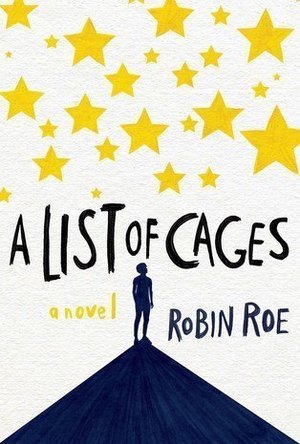
Debut novelist Robin Roe is emerging with a bang with soon-to-be-published young adult novel, <i>A List of Cages</i>. Dealing with relatable school experience as well as devastating, painful realities, Roe engages the reader in a gripping, heartbreaking narrative.
Told through the words of two characters, <i>A List of Cages</i> explores contrasting personalities of high school students. On the one hand there is Julian, a quiet, anxious 14-year-old who is often ostracized and ridiculed by the members of his classes. Suffering from dyslexia, Julian does not enjoy school or have any friends to talk to. To make things worse, his parents have died, leaving Julian in the care of irascible Uncle Russell. In contrast, Adam, a senior, is a popular, well-loved student, whose diagnosis of ADHD causes him to be loud and energetic – the opposite of fearful Julian.
Having known Julian before the death of his parents, Adam is quick to notice the change in Julian’s personality and uses his role as aide to the school psychologist to get to know him better. Much to his friends’ unease, Adam begins bringing Julian along to parties, concerts and days out where, despite initially sticking out like a sore thumb, Julian begins to relax and realize that people enjoy having him around. Yet, Adam is still acutely aware that something is not right, and although suspicious of Julian’s uncle, does not do anything until it is almost too late…
For a fairly short story, <i>A List of Cages</i> covers a broad range of themes. Many of these are comparisons that reveal the potential problems students may face during high school. The obvious issue of learning difficulties are highlighted by Adam’s ADHD and Julian’s Dyslexia, as well as the contrasting ways teachers deal with them. There is also the difference in personality that alters the way the characters are received by their peers.
A prominent theme is grief – coming to terms with the sudden deaths of parents; but the most important subject raised is the advantage an ignoble adult may take on a vulnerable child. The abuse inflicted on Julian is demoralizing and painful to read - the understanding that this is a real issue in today’s world, shatteringly upsetting. The ease with which an abuser controls their victim is extremely scary, however the knowledge that there are people around to help and/or rescue the child is uplifting.
<i>A List of Cages</i> has been listed as suitable for readers between the ages of 12 and 18, however I disagree. The distressing storyline will most likely upset the lower end of this scale, especially as at that age they may not be able to fully understand the circumstances described. The occasional use of expletives support my opinion that older readers are the more appropriate audience.
It may take a few chapters to get a feel for the book, however <i>A List of Cages</i> is a highly recommended novel. Many writers over the past decade have brought topics previously taboo to readers’ attentions. Robin Roe continues to create an awareness of such matters through her incisive story. Her writing style will appeal to many well-read teenagers, and it is hoped that she will continue publishing works in this vein.
Debut novelist Robin Roe is emerging with a bang with soon-to-be-published young adult novel, <i>A List of Cages</i>. Dealing with relatable school experience as well as devastating, painful realities, Roe engages the reader in a gripping, heartbreaking narrative.
Told through the words of two characters, <i>A List of Cages</i> explores contrasting personalities of high school students. On the one hand there is Julian, a quiet, anxious 14-year-old who is often ostracized and ridiculed by the members of his classes. Suffering from dyslexia, Julian does not enjoy school or have any friends to talk to. To make things worse, his parents have died, leaving Julian in the care of irascible Uncle Russell. In contrast, Adam, a senior, is a popular, well-loved student, whose diagnosis of ADHD causes him to be loud and energetic – the opposite of fearful Julian.
Having known Julian before the death of his parents, Adam is quick to notice the change in Julian’s personality and uses his role as aide to the school psychologist to get to know him better. Much to his friends’ unease, Adam begins bringing Julian along to parties, concerts and days out where, despite initially sticking out like a sore thumb, Julian begins to relax and realize that people enjoy having him around. Yet, Adam is still acutely aware that something is not right, and although suspicious of Julian’s uncle, does not do anything until it is almost too late…
For a fairly short story, <i>A List of Cages</i> covers a broad range of themes. Many of these are comparisons that reveal the potential problems students may face during high school. The obvious issue of learning difficulties are highlighted by Adam’s ADHD and Julian’s Dyslexia, as well as the contrasting ways teachers deal with them. There is also the difference in personality that alters the way the characters are received by their peers.
A prominent theme is grief – coming to terms with the sudden deaths of parents; but the most important subject raised is the advantage an ignoble adult may take on a vulnerable child. The abuse inflicted on Julian is demoralizing and painful to read - the understanding that this is a real issue in today’s world, shatteringly upsetting. The ease with which an abuser controls their victim is extremely scary, however the knowledge that there are people around to help and/or rescue the child is uplifting.
<i>A List of Cages</i> has been listed as suitable for readers between the ages of 12 and 18, however I disagree. The distressing storyline will most likely upset the lower end of this scale, especially as at that age they may not be able to fully understand the circumstances described. The occasional use of expletives support my opinion that older readers are the more appropriate audience.
It may take a few chapters to get a feel for the book, however <i>A List of Cages</i> is a highly recommended novel. Many writers over the past decade have brought topics previously taboo to readers’ attentions. Robin Roe continues to create an awareness of such matters through her incisive story. Her writing style will appeal to many well-read teenagers, and it is hoped that she will continue publishing works in this vein.
Hazel (1853 KP) rated Blood for Blood (Wolf By Wolf #2) in Books
Dec 17, 2018
<i>This eBook was provided by the publisher via NetGalley in exchange for an honest review </i>
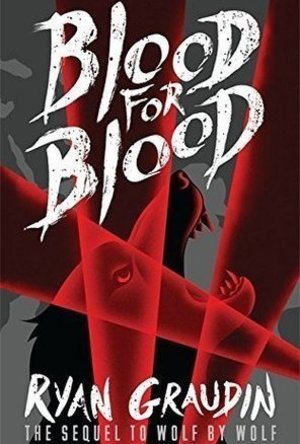
Ryan Graudin blew readers away with her alternate historical novel <i>Wolf by Wolf</i>. Now it is time to conclude the imaginative narrative with the highly anticipated sequel, <i>Blood for Blood. </i>Continuing from the precise moment Yael pulled the trigger on the Führer’s doppelgänger, the reader is thrown into a lively story of twists and turns, where danger lives around every corner.
To recap, it is 1956 and Hitler has won the war. Germany, or Germania, is ruling over Europe and many countries in Asia and Africa. Yael is a Jewish girl who a doctor experimented on whilst she was detained in a concentration camp. As a result of the brutal medical treatment, Yael is a successful result of the Doppelgänger Project – she can now change her physical appearance and anatomy at will.<i> Wolf by Wolf</i> focused on Yael and the resistance’s attempt to win a prestigious motorcycle race in order to get close to the Führer and end his life. As it turns out, Yael is not the only person with this skin shifting ability.
On the run with the entire world knowing her secret, Yael is desperate to make contact with the resistance leaders and continue with their plot to assassinate Hitler. However, unable to leave innocent people to suffer at the hands of the National Socialists, Yael ends up being accompanied and hindered by two Aryan boys, Luka and Felix. Yet with no way of knowing who can be trusted, Yael is taking a fatal risk by helping others instead of saving herself.
Despite circumstances, the blossoming romance that began to advance toward the end of the first book continues to feature in <i>Blood for Blood</i> as characters begin to rely on and trust each other. Nonetheless, constant plot developments obstruct all thoughts of a happy ending. Clever twists and gradually emerging truths prevent any opportunity for rest or safety.
<i>Wolf by Wolf </i>was an exciting, new concept for young adult readers, answering a “what if” question about the second world war. Yet the historical setting – albeit fictional – was impeded by the focus on the Axis Tour as characters raced from Germania to Tokyo. In contrast, <i>Blood for Blood</i> leaves all distractions behind, giving full attention to the life and danger under Hitler’s dictatorship. Despite Germany/Germania’s triumphant win, war is still raging throughout Europe. Anyone not meeting the Aryan description is at risk of death or deportment. Strictly speaking, the situation described must look similar, if not the same, as the true result of Nazi ruling.
Ryan Graudin is a formidable writer with the ability to make fiction seem like reality. Despite the added science fiction twist, the imaginative scenario is so well researched and planned that it becomes almost believable. Graudin comes at the story from so many directions, evidencing the effort put into creating the thrilling plot. It is one thing to be able to string words together, but to make them come alive it takes a genius.
<i>Blood for Blood</i> is by far the better of the two novels, making it the perfect conclusion to a fantastic two-part story. Beginning with explosive action and not stopping until its heart-wrenching conclusion, <i>Blood for Blood</i> will satisfy readers of all ages and genres. Those who have read <i>Wolf by Wolf</i> definitely must get their hands on this amazing sequel. You will not be disappointed.
Ryan Graudin blew readers away with her alternate historical novel <i>Wolf by Wolf</i>. Now it is time to conclude the imaginative narrative with the highly anticipated sequel, <i>Blood for Blood. </i>Continuing from the precise moment Yael pulled the trigger on the Führer’s doppelgänger, the reader is thrown into a lively story of twists and turns, where danger lives around every corner.
To recap, it is 1956 and Hitler has won the war. Germany, or Germania, is ruling over Europe and many countries in Asia and Africa. Yael is a Jewish girl who a doctor experimented on whilst she was detained in a concentration camp. As a result of the brutal medical treatment, Yael is a successful result of the Doppelgänger Project – she can now change her physical appearance and anatomy at will.<i> Wolf by Wolf</i> focused on Yael and the resistance’s attempt to win a prestigious motorcycle race in order to get close to the Führer and end his life. As it turns out, Yael is not the only person with this skin shifting ability.
On the run with the entire world knowing her secret, Yael is desperate to make contact with the resistance leaders and continue with their plot to assassinate Hitler. However, unable to leave innocent people to suffer at the hands of the National Socialists, Yael ends up being accompanied and hindered by two Aryan boys, Luka and Felix. Yet with no way of knowing who can be trusted, Yael is taking a fatal risk by helping others instead of saving herself.
Despite circumstances, the blossoming romance that began to advance toward the end of the first book continues to feature in <i>Blood for Blood</i> as characters begin to rely on and trust each other. Nonetheless, constant plot developments obstruct all thoughts of a happy ending. Clever twists and gradually emerging truths prevent any opportunity for rest or safety.
<i>Wolf by Wolf </i>was an exciting, new concept for young adult readers, answering a “what if” question about the second world war. Yet the historical setting – albeit fictional – was impeded by the focus on the Axis Tour as characters raced from Germania to Tokyo. In contrast, <i>Blood for Blood</i> leaves all distractions behind, giving full attention to the life and danger under Hitler’s dictatorship. Despite Germany/Germania’s triumphant win, war is still raging throughout Europe. Anyone not meeting the Aryan description is at risk of death or deportment. Strictly speaking, the situation described must look similar, if not the same, as the true result of Nazi ruling.
Ryan Graudin is a formidable writer with the ability to make fiction seem like reality. Despite the added science fiction twist, the imaginative scenario is so well researched and planned that it becomes almost believable. Graudin comes at the story from so many directions, evidencing the effort put into creating the thrilling plot. It is one thing to be able to string words together, but to make them come alive it takes a genius.
<i>Blood for Blood</i> is by far the better of the two novels, making it the perfect conclusion to a fantastic two-part story. Beginning with explosive action and not stopping until its heart-wrenching conclusion, <i>Blood for Blood</i> will satisfy readers of all ages and genres. Those who have read <i>Wolf by Wolf</i> definitely must get their hands on this amazing sequel. You will not be disappointed.
Night Reader Reviews (683 KP) rated The Dark Prince: The Beginning in Books
Jan 10, 2020
Honest Review for Free Copy of Book
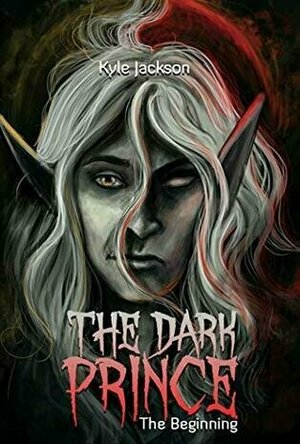
The Dark Prince by Kyle Jackson contains elves, both dark, and light (but not the kind that helps Santa), can be found as main characters in this story. There are also dwarves, gods, dragons, and fae. Demons from the lower planes even make large appearances at various times.
The first book in The Dark Prince series introduces readers to Prince Lexxendae Tal’ Dier, a half-dark elf and half demi-god. His mother is Xeron, a demi-goddess exiled to the mortal plane by the other gods due to her being cruel to humans. She ends up marrying the King of the dark elves and gives him three sons. Price Lexxendae is the eldest of the three princes but he wars with his other evil personality. With the help of Segromor, a necromancer, and a friend of his father, Lexxendae learns how to create a mental barrier to hold back his evil side.
Xeron frames Lexxendae for the murder of his father in an attempt to get Lexxendae out of her way in her quest for more power. Segromor saves Lexxendae and sets him on a great quest for a legendary weapon that can kill a god. While Lexxendae is on his journey and making some surprising new friends his brothers are reluctantly teaming up to fight a new evil that threatens the entire island. Xeron is slowly losing her mind and questioning her choices in turning away or destroying everyone who cared about her and tried to get close to her. Meanwhile, on the realm of the gods they are watching all this unfold on their human children and some are starting to talk of rebelling.
What I liked best was that while I thought the story would drop Lex’s mother in favor of Lex himself I was surprised to find it just branched off instead. Lex’s mother played an important role in the entire story. Also seeing what the Gods were thinking about regarding the events playing out on Earth was interesting. Even though the Gods sent Lex’s mother to Earth they still regularly watched her instead of just leaving the humans to our fate. What I did not like all that much was once Lex’s brothers go to war the book seriously begins to drag. Lex’s journey keeps its pace nicely yet the rest of the book seems to lose its speed. There were also numerous places where the tense of words was so wrong that it was extremely obvious, even to me.
The target readers for this book are teens and young adults who enjoy fantasy. Even though the story is about a Prince it is not a mushy love story in any way and it will interest most anyone. There is one minor sex scene that readers should be aware of. Overall I give this book a rating of 3 out of 4. This book contains all the elements of most fantasy stories. The plotline is strong while multiple branches are being told at the same time. The war slowing down the pace of the book and the errors that even I noticed is why I did not give the book a perfect score.
https://www.facebook.com/nightreaderreviews
The first book in The Dark Prince series introduces readers to Prince Lexxendae Tal’ Dier, a half-dark elf and half demi-god. His mother is Xeron, a demi-goddess exiled to the mortal plane by the other gods due to her being cruel to humans. She ends up marrying the King of the dark elves and gives him three sons. Price Lexxendae is the eldest of the three princes but he wars with his other evil personality. With the help of Segromor, a necromancer, and a friend of his father, Lexxendae learns how to create a mental barrier to hold back his evil side.
Xeron frames Lexxendae for the murder of his father in an attempt to get Lexxendae out of her way in her quest for more power. Segromor saves Lexxendae and sets him on a great quest for a legendary weapon that can kill a god. While Lexxendae is on his journey and making some surprising new friends his brothers are reluctantly teaming up to fight a new evil that threatens the entire island. Xeron is slowly losing her mind and questioning her choices in turning away or destroying everyone who cared about her and tried to get close to her. Meanwhile, on the realm of the gods they are watching all this unfold on their human children and some are starting to talk of rebelling.
What I liked best was that while I thought the story would drop Lex’s mother in favor of Lex himself I was surprised to find it just branched off instead. Lex’s mother played an important role in the entire story. Also seeing what the Gods were thinking about regarding the events playing out on Earth was interesting. Even though the Gods sent Lex’s mother to Earth they still regularly watched her instead of just leaving the humans to our fate. What I did not like all that much was once Lex’s brothers go to war the book seriously begins to drag. Lex’s journey keeps its pace nicely yet the rest of the book seems to lose its speed. There were also numerous places where the tense of words was so wrong that it was extremely obvious, even to me.
The target readers for this book are teens and young adults who enjoy fantasy. Even though the story is about a Prince it is not a mushy love story in any way and it will interest most anyone. There is one minor sex scene that readers should be aware of. Overall I give this book a rating of 3 out of 4. This book contains all the elements of most fantasy stories. The plotline is strong while multiple branches are being told at the same time. The war slowing down the pace of the book and the errors that even I noticed is why I did not give the book a perfect score.
https://www.facebook.com/nightreaderreviews
YA female Top Gun ... in space
*** Disclosure - I received a free advance copy of this book from NetGalley in exchange for an honest review ***
Sanderson's new series is a foray into proper sci-fi, but written for the Young Adult market (which should not be read as a bad thing, just something of a warning that for once any white middle-aged men might have to put some effort into thinking about how the main character might feel. Similar to his super-hero Steelheart series (also outwith his Cosmere univers), the story follows a young person who has had a hard life, has a dream to be something and has put every effort into learning the knowledge needed to achieve that, and just need a little luck to go their way. Sadly, Spensa is the daughter of renowned "coward" Chaser, a fighter pilot who fled the thick of battle against The Krell (a mysterious alien race who regularly attack the surface of the planet that has become the human race's last stand) and was shot down for his desertion. Spensa has to battle against all the odds to get a place on the flight training scheme and work hard to stay there.
The action sequences are decent and regularly spaced throughout the book, both in the simulator training scenes and the actual battle sequences.
The plot itself is fairly typical, and more or less the plot of the Hot Shots film, but in space. There was a tremendous amount of mystery surrounding aspects of the world the human race come to inhabit, and their alien attackers, which was rather clumsily all blurted out in a nonsense bit of exposition in the final 3 pages or so.
As with a lot of sci-fi, Sanderson gets quite bogged down in the made-up science and technology that might exist in the future and this, alongside some of the dialogue, was a little too geeky for my tastes (the use of Jerkface as an insult was cringeworthy the first time but is then used throughout the book).
All in all, a well told sci-fi tale that could easily be picked up by the YA audience but likewise should appeal to older sci-fi readers as well.
Sanderson's new series is a foray into proper sci-fi, but written for the Young Adult market (which should not be read as a bad thing, just something of a warning that for once any white middle-aged men might have to put some effort into thinking about how the main character might feel. Similar to his super-hero Steelheart series (also outwith his Cosmere univers), the story follows a young person who has had a hard life, has a dream to be something and has put every effort into learning the knowledge needed to achieve that, and just need a little luck to go their way. Sadly, Spensa is the daughter of renowned "coward" Chaser, a fighter pilot who fled the thick of battle against The Krell (a mysterious alien race who regularly attack the surface of the planet that has become the human race's last stand) and was shot down for his desertion. Spensa has to battle against all the odds to get a place on the flight training scheme and work hard to stay there.
The action sequences are decent and regularly spaced throughout the book, both in the simulator training scenes and the actual battle sequences.
The plot itself is fairly typical, and more or less the plot of the Hot Shots film, but in space. There was a tremendous amount of mystery surrounding aspects of the world the human race come to inhabit, and their alien attackers, which was rather clumsily all blurted out in a nonsense bit of exposition in the final 3 pages or so.
As with a lot of sci-fi, Sanderson gets quite bogged down in the made-up science and technology that might exist in the future and this, alongside some of the dialogue, was a little too geeky for my tastes (the use of Jerkface as an insult was cringeworthy the first time but is then used throughout the book).
All in all, a well told sci-fi tale that could easily be picked up by the YA audience but likewise should appeal to older sci-fi readers as well.
Hazel (1853 KP) rated These Shallow Graves in Books
Dec 17, 2018
<i>This eBook was provided by the publisher via NetGalley in exchange for an honest review </i>
Known for her young adult series about mermaids, Jennifer Donnelly also proves she is an excellent writer of historical murder mysteries. <i>These Shallow Graves</i> is set in the USA during the late 1800s where Josephine Montfort, a headstrong seventeen-year-old from a respectable family, is expected to marry well and produce a male heir. However, Jo’s innocent lifestyle is disrupted after her father’s mysterious death. With her passion for writing at the forefront of her mind, Jo rejects social etiquette and begins searching for answers.
Jo meets Eddie, a young, ambitious newspaper reporter who agrees to assist with her enquiries. However it is not as straightforward as Jo expects it to be. As the pair begin to uncover dangerous secrets, Jo is also witness to the injustices in the world. Life for the rich was a whole different world from that of the poor, but as Jo learns, that does not make anyone less worthy of being treated as a person.
<i>These Shallow Graves</i> is an exciting story that is gripping from beginning to end. Not only is there a crime to solve, Jo also ends up in a forbidden relationship that crosses the boundaries of her social status. From an historical point of view it is refreshing to read of a female challenging her position in society rather than being the naïve protagonist that many novels written during this time period contain. In some ways she is comparable to Jo March in <i>Little Women</i>, and not only because of their shared name.
Having read the first two books in the <i>Waterfire</i> saga, and been slightly disappointed with the writing style, I was a little apprehensive when beginning to read <i>These Shallow Graves</i>. I presumed I would get bored part way through, or find the narrative dreary, however I was pleasantly surprised. Donnelly is significantly better at historical fiction. The book was greatly researched thus the setting and dialogue were perfectly in keeping with the time period.
As with most murder mysteries the murderer is only revealed at the very end of the story. I guessed who it was fairly early on, however that is all it was, a guess. Most readers will be left hanging until the final chapters – will you work out who it was before then?
Known for her young adult series about mermaids, Jennifer Donnelly also proves she is an excellent writer of historical murder mysteries. <i>These Shallow Graves</i> is set in the USA during the late 1800s where Josephine Montfort, a headstrong seventeen-year-old from a respectable family, is expected to marry well and produce a male heir. However, Jo’s innocent lifestyle is disrupted after her father’s mysterious death. With her passion for writing at the forefront of her mind, Jo rejects social etiquette and begins searching for answers.
Jo meets Eddie, a young, ambitious newspaper reporter who agrees to assist with her enquiries. However it is not as straightforward as Jo expects it to be. As the pair begin to uncover dangerous secrets, Jo is also witness to the injustices in the world. Life for the rich was a whole different world from that of the poor, but as Jo learns, that does not make anyone less worthy of being treated as a person.
<i>These Shallow Graves</i> is an exciting story that is gripping from beginning to end. Not only is there a crime to solve, Jo also ends up in a forbidden relationship that crosses the boundaries of her social status. From an historical point of view it is refreshing to read of a female challenging her position in society rather than being the naïve protagonist that many novels written during this time period contain. In some ways she is comparable to Jo March in <i>Little Women</i>, and not only because of their shared name.
Having read the first two books in the <i>Waterfire</i> saga, and been slightly disappointed with the writing style, I was a little apprehensive when beginning to read <i>These Shallow Graves</i>. I presumed I would get bored part way through, or find the narrative dreary, however I was pleasantly surprised. Donnelly is significantly better at historical fiction. The book was greatly researched thus the setting and dialogue were perfectly in keeping with the time period.
As with most murder mysteries the murderer is only revealed at the very end of the story. I guessed who it was fairly early on, however that is all it was, a guess. Most readers will be left hanging until the final chapters – will you work out who it was before then?
Hazel (1853 KP) rated 13 Days of Midnight in Books
Dec 17, 2018
<i>This eBook was provided by the publisher via NetGalley in exchange for an honest review
Thirteen Days of Midnight</i> is the slightly lighthearted, young adult novel by Leo Hunt set in contemporary Northeast England. Luke Manchett is an average sixteen-year-old boy who mostly cares about his reputation as a member of the school rugby team, and attracting the attention of his crush, Holiday Simmon. However, his life drastically changes on discovering that his absent, psychic exorcist, of a father has died.
Luke is not affected by the actual death, as he barely knew his father; it is the things he inherits as the only named beneficiary of his father’s will that twist his life upside down. It turns out that Horatio Manchett was not a television phony but actually a powerful necromancer. The biggest shock of all is that Luke is now the owner of a collection of eight sinister ghosts who want him dead. With Halloween fast approaching, when the souls’ powers will be at their strongest, Luke with the help of mysterious school friend, Elza Moss, and an ancient book they cannot read, must find a way to release the ghosts without causing harm to anyone else.
<i>Thirteen Days of Midnight </i>is not scary in the way some readers may expect paranormal novels to be. Although it contains ghosts and death threats it is not written in a way meant to terrify, rather to entertain. Luke and Elza’s lack of knowledge and experience with a large number of spirits helps the reader relate to the story, as it is with great doubt that any other teenager would have known exactly what to do. Luke’s dog, Ham, also adds a bit of humour to the book.
There were a few typical aspects to the story, which made it less original. A paranormal novel based at Halloween seems a fairly obvious choice of setting, and popular boy developing a friendship (and possibly more) with an unpopular girl seems rather mainstream in regards to current young adult books.
Some paranormal/horror novels can be a bit over the top and occasionally confusing, therefore it was a surprise to discover how good Thirteen Days of Midnight is. The main characters are likable, the narrative flows well and it is overall entertaining to read. It is definitely a recommendable book.
Thirteen Days of Midnight</i> is the slightly lighthearted, young adult novel by Leo Hunt set in contemporary Northeast England. Luke Manchett is an average sixteen-year-old boy who mostly cares about his reputation as a member of the school rugby team, and attracting the attention of his crush, Holiday Simmon. However, his life drastically changes on discovering that his absent, psychic exorcist, of a father has died.
Luke is not affected by the actual death, as he barely knew his father; it is the things he inherits as the only named beneficiary of his father’s will that twist his life upside down. It turns out that Horatio Manchett was not a television phony but actually a powerful necromancer. The biggest shock of all is that Luke is now the owner of a collection of eight sinister ghosts who want him dead. With Halloween fast approaching, when the souls’ powers will be at their strongest, Luke with the help of mysterious school friend, Elza Moss, and an ancient book they cannot read, must find a way to release the ghosts without causing harm to anyone else.
<i>Thirteen Days of Midnight </i>is not scary in the way some readers may expect paranormal novels to be. Although it contains ghosts and death threats it is not written in a way meant to terrify, rather to entertain. Luke and Elza’s lack of knowledge and experience with a large number of spirits helps the reader relate to the story, as it is with great doubt that any other teenager would have known exactly what to do. Luke’s dog, Ham, also adds a bit of humour to the book.
There were a few typical aspects to the story, which made it less original. A paranormal novel based at Halloween seems a fairly obvious choice of setting, and popular boy developing a friendship (and possibly more) with an unpopular girl seems rather mainstream in regards to current young adult books.
Some paranormal/horror novels can be a bit over the top and occasionally confusing, therefore it was a surprise to discover how good Thirteen Days of Midnight is. The main characters are likable, the narrative flows well and it is overall entertaining to read. It is definitely a recommendable book.
Hazel (1853 KP) rated It's About Love in Books
Dec 17, 2018
<i>This eBook was provided by the publisher via NetGalley in exchange for an honest review
It’s About Love</i> is not a typical love story. The author of Tape, Steven Camden, has written a story from the point of view of a sixteen-year-old boy named Luke. In his first week of college he meets a girl in his film studies class. Her name is Leia and, ignoring the Star Wars connection, their passion for film makes them the perfect partners.
Luke, however, comes from a very troubling background. He has purposefully chosen a college two bus journeys away in order to escape his past. He can try to hide his relation to his brother due to be released from prison, but he cannot cover up the scar on his face. Initially Luke wants as little attention as possible, although once he starts developing feelings for Leia he enjoys being around her and her friends.
Yet everything changes when Luke’s past life and friends collide with the new. Believing he has ruined everything with Leia, Luke needs all the encouragement he can get from his film studies tutor, Noah, to keep on going.
Camden writes the story through first person narrative, film directions and ideas in Luke’s notebooks. This is an interesting method and helps to create a clearer picture of Luke’s personality. He is a teenager with potential and the ability to think for himself. It is his past history that makes him feel like he does not deserve happiness or success.
Although I liked the concept I did not care for any of the characters. Many could be described as thuggish and a lot of violence was involved. I understand that Luke needed to be involved with these types of people for the storyline to work, but it was not for me.
Despite the title, <i>It’s About Love</i> is more suitable for young adult males than it is females due to the nature of the story and the main character. Whether a boy would happily be caught reading a book with ‘love’ written on the cover is another matter. Steven Camden clearly has the young adult audience in mind as he writes and, even though I did not think it anything special, I am sure there will be many readers who will love this book.
It’s About Love</i> is not a typical love story. The author of Tape, Steven Camden, has written a story from the point of view of a sixteen-year-old boy named Luke. In his first week of college he meets a girl in his film studies class. Her name is Leia and, ignoring the Star Wars connection, their passion for film makes them the perfect partners.
Luke, however, comes from a very troubling background. He has purposefully chosen a college two bus journeys away in order to escape his past. He can try to hide his relation to his brother due to be released from prison, but he cannot cover up the scar on his face. Initially Luke wants as little attention as possible, although once he starts developing feelings for Leia he enjoys being around her and her friends.
Yet everything changes when Luke’s past life and friends collide with the new. Believing he has ruined everything with Leia, Luke needs all the encouragement he can get from his film studies tutor, Noah, to keep on going.
Camden writes the story through first person narrative, film directions and ideas in Luke’s notebooks. This is an interesting method and helps to create a clearer picture of Luke’s personality. He is a teenager with potential and the ability to think for himself. It is his past history that makes him feel like he does not deserve happiness or success.
Although I liked the concept I did not care for any of the characters. Many could be described as thuggish and a lot of violence was involved. I understand that Luke needed to be involved with these types of people for the storyline to work, but it was not for me.
Despite the title, <i>It’s About Love</i> is more suitable for young adult males than it is females due to the nature of the story and the main character. Whether a boy would happily be caught reading a book with ‘love’ written on the cover is another matter. Steven Camden clearly has the young adult audience in mind as he writes and, even though I did not think it anything special, I am sure there will be many readers who will love this book.