
Search
Search results
Hazel (1853 KP) rated Who Runs the World? in Books
Dec 17, 2018


3.5 stars
<i>This ARC was provided by the publisher via NetGalley in exchange for an honest review </i>
What would the world be like if there were no men, only women? Would it be an idyllic, peaceful planet, where compassion and courtesy are more important than money and owning commodities? A world without war, without crime, without weapons? Global agreements with everyone working together and not for personal gain? Endangered animals suddenly thriving in a landscape no longer inhabited by poachers? Perfect, perhaps? <i>Welcome to the Matriarchy.</i>
<i>Who Runs the World?</i> by Virigina Bergin explores the concept of growing up in a world with no men. Sixty years previously, a virus wiped out anyone with a Y chromosome (i.e. men), leaving women to pull together to survive in a dystopian world. River, aged fourteen, has never met a boy, and never expects to – they are as rare as unicorns. Conditioned to believe that men used to be monsters whose only aims were to rape, harm and kill, River believes the world is a faultless society. But, then she meets Mason.
Mason is a similar age to River, but has a distinct difference – he’s a boy. After escaping from a sanctuary – something River never knew existed – Mason has been on the run, seriously ill, but, amazingly, not dying. Despite the initial antagonism between the two characters – after all, they have both been conditioned to believe the opposite sexes are dangerous predators - River and Mason quickly discover that the older women in power have been hiding secrets from the rest of the world.
For six decades, men have lived in sterile sanctuaries, isolated from the deadly virus and the rest of the world. Their purpose is to produce sperm to be used in IVF in order to keep the human population going – obvious when you think about it. Yet, there is clearly an ulterior motive amongst the women in charge, for why else would they keep the male existence secret and teach young girls that men were monsters?
As River and Mason try to come to terms with the hidden truth, events begin to unravel the harmony of the Matriarchy. Perhaps an all female world would not be so perfect after all.
Initially, the tranquil civilisation Bergin creates feels false, a mockery of today’s politics. It is almost like feminism gone too far, claiming that men are the reason for the suffering in today’s world. True, women are still oppressed by their male counterparts, but the generalization that this is a result of ALL men, is a stretch too far. Once the truth about the situation begins to break through, it becomes more acceptable, more realistic even, given the corrupt society we are used to.
But Bergin has a point, how would the world survive if there were no men? For all we know, a deadly virus could rid the world of XYs, leaving women to piece everything back together. What the author is trying to point out is that women CAN be as powerful as men. Women deserve to be part of politics, of decision making, to have equal rights. Despite the initial suggested perfection, Bergin is showing that women are as capable as men, not better or worse.
Targeted at young adults, <i>Who Runs the World?</i> is written in a way that current readers can relate to, but not in ways one may expect. References made by or about the older generation are much more significant than the life and experiences of River, for it is these women that were alive at the beginning of the 21st century. These women were us.
An innovative novel from an up-and-coming British author, <i>Who Runs the World? </i>will make you think about the future as well as open your eyes to the discrimination of the present. It is a very interesting concept with the potential to be followed up with further novels, or left to the reader’s imagination.
<i>This ARC was provided by the publisher via NetGalley in exchange for an honest review </i>
What would the world be like if there were no men, only women? Would it be an idyllic, peaceful planet, where compassion and courtesy are more important than money and owning commodities? A world without war, without crime, without weapons? Global agreements with everyone working together and not for personal gain? Endangered animals suddenly thriving in a landscape no longer inhabited by poachers? Perfect, perhaps? <i>Welcome to the Matriarchy.</i>
<i>Who Runs the World?</i> by Virigina Bergin explores the concept of growing up in a world with no men. Sixty years previously, a virus wiped out anyone with a Y chromosome (i.e. men), leaving women to pull together to survive in a dystopian world. River, aged fourteen, has never met a boy, and never expects to – they are as rare as unicorns. Conditioned to believe that men used to be monsters whose only aims were to rape, harm and kill, River believes the world is a faultless society. But, then she meets Mason.
Mason is a similar age to River, but has a distinct difference – he’s a boy. After escaping from a sanctuary – something River never knew existed – Mason has been on the run, seriously ill, but, amazingly, not dying. Despite the initial antagonism between the two characters – after all, they have both been conditioned to believe the opposite sexes are dangerous predators - River and Mason quickly discover that the older women in power have been hiding secrets from the rest of the world.
For six decades, men have lived in sterile sanctuaries, isolated from the deadly virus and the rest of the world. Their purpose is to produce sperm to be used in IVF in order to keep the human population going – obvious when you think about it. Yet, there is clearly an ulterior motive amongst the women in charge, for why else would they keep the male existence secret and teach young girls that men were monsters?
As River and Mason try to come to terms with the hidden truth, events begin to unravel the harmony of the Matriarchy. Perhaps an all female world would not be so perfect after all.
Initially, the tranquil civilisation Bergin creates feels false, a mockery of today’s politics. It is almost like feminism gone too far, claiming that men are the reason for the suffering in today’s world. True, women are still oppressed by their male counterparts, but the generalization that this is a result of ALL men, is a stretch too far. Once the truth about the situation begins to break through, it becomes more acceptable, more realistic even, given the corrupt society we are used to.
But Bergin has a point, how would the world survive if there were no men? For all we know, a deadly virus could rid the world of XYs, leaving women to piece everything back together. What the author is trying to point out is that women CAN be as powerful as men. Women deserve to be part of politics, of decision making, to have equal rights. Despite the initial suggested perfection, Bergin is showing that women are as capable as men, not better or worse.
Targeted at young adults, <i>Who Runs the World?</i> is written in a way that current readers can relate to, but not in ways one may expect. References made by or about the older generation are much more significant than the life and experiences of River, for it is these women that were alive at the beginning of the 21st century. These women were us.
An innovative novel from an up-and-coming British author, <i>Who Runs the World? </i>will make you think about the future as well as open your eyes to the discrimination of the present. It is a very interesting concept with the potential to be followed up with further novels, or left to the reader’s imagination.

Night Reader Reviews (683 KP) rated Freiyon Fables: Hooked on Power in Books
Jan 9, 2020

Honest Review for Free Copy of Book
WARNING: PLEASE NOTE THE CONTENTS IN THIS REVIEW MY NOT BE COMPLETELY ACCURATE. THIS REVIEW WAS DONE ON THE BOOK BEFORE IT WAS COMPLEATED FOR RELEASE AND THE AUTHOR MAY CHANGE THINGS BETWEEN NOW AND THEN. KEEP THIS IN MIND AS YOU READ ON.
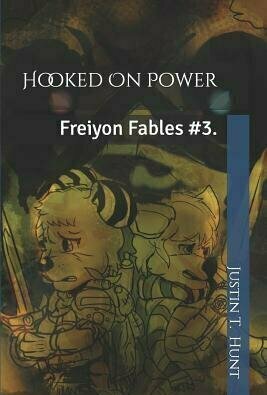
Freiyon Fables: Hooked on Power by Justin Hunt is the third and I believe the final book in the Freiyon Fables series. Right from the start, the book promises to answer some questions that I had from the start of the series. I have noticed some inconsistencies in formatting or writing style, such as the first book being broken into three separate parts, the first book being one whole book, and now the third being broken apart again. However, I did not notice any problems with the timeline between the three books.
The story starts out with a letter to the reader from an unnamed author (that is until the very end). This author claims that the reader would not recognize him or her from previous stories about Freiyon but intends to “explain the many different mysteries of the World of Freiyon”. It then starts with the story of some pirates who find themselves in Freiyon by mistake. These pirates then capture and torture poor Quasapoor (who you may remember was evil in a previous book) until he goes insane. They then run into Sybil and Helen Rochester and the creation of the Rochester Runes is explained as well.
Adam, a young boy who heard of Freiyon from his mother then and his battle with Captain Liberty (an evil power-hungry pirate) becomes the main focus of the story. He soon finds that time runs differently in Freiyon from the human world and the events his mother told him about are yet to happen. Adam is even present for the creation of Lord Libertas, but I am not going to ruin how that happened for the curious reader. As Adam travels Freiyon and the surrounding lands the reader also learns about how Freiyon itself came to be along with the Wise One and Lightning Tail Island. Will Adam with the help of some new friends and some well-known favorites be able to protect Freiyon from Captain Liberty or will Freiyon be destroyed once and for all?
What I liked best was how the book answered major questions that arose during the first two books, even if some of the explanations seem a bit far fetched. I really enjoyed the appearance of Adam as I had been looking forward to finding out his identity for quite some time. My main problem was with the time difference between Freiyon and the human world because it made things really confusing. I don’t really understand how Adam could even be in Freiyon before his mother and the events she tells him about, even if it was because of a spell gone wrong. Time travel always gets me confused. Also Adam frequently reminds himself that he is in Freiyon’s past and if every time he dose that is mixed with all the times the story backtracks over what a character just did or what happened in a previous book about a third of this book could be completely removed.
The target readers for this book changed a bit from the previous two books in this series. This third edition to the Freiyon Fables is directed more towards middle school readers. While previous Freiyon Fable books may have been appropriate for even some elementary students I feel as if they would get bored after the first one hundred pages or so of this one. Staying consistent with the first two books I rate this one as a 2 out of 4. Originally this final book was going to be given a three for explaining some of the strange things that happened in the first two. However, because of all the repetition (entire paragraphs and pages seemed directly taken from one of the first two books) and how it felt like it was dragging for the final third of the book, I felt like a two was better deserved once again.
https://www.facebook.com/nightreaderreviews
Freiyon Fables: Hooked on Power by Justin Hunt is the third and I believe the final book in the Freiyon Fables series. Right from the start, the book promises to answer some questions that I had from the start of the series. I have noticed some inconsistencies in formatting or writing style, such as the first book being broken into three separate parts, the first book being one whole book, and now the third being broken apart again. However, I did not notice any problems with the timeline between the three books.
The story starts out with a letter to the reader from an unnamed author (that is until the very end). This author claims that the reader would not recognize him or her from previous stories about Freiyon but intends to “explain the many different mysteries of the World of Freiyon”. It then starts with the story of some pirates who find themselves in Freiyon by mistake. These pirates then capture and torture poor Quasapoor (who you may remember was evil in a previous book) until he goes insane. They then run into Sybil and Helen Rochester and the creation of the Rochester Runes is explained as well.
Adam, a young boy who heard of Freiyon from his mother then and his battle with Captain Liberty (an evil power-hungry pirate) becomes the main focus of the story. He soon finds that time runs differently in Freiyon from the human world and the events his mother told him about are yet to happen. Adam is even present for the creation of Lord Libertas, but I am not going to ruin how that happened for the curious reader. As Adam travels Freiyon and the surrounding lands the reader also learns about how Freiyon itself came to be along with the Wise One and Lightning Tail Island. Will Adam with the help of some new friends and some well-known favorites be able to protect Freiyon from Captain Liberty or will Freiyon be destroyed once and for all?
What I liked best was how the book answered major questions that arose during the first two books, even if some of the explanations seem a bit far fetched. I really enjoyed the appearance of Adam as I had been looking forward to finding out his identity for quite some time. My main problem was with the time difference between Freiyon and the human world because it made things really confusing. I don’t really understand how Adam could even be in Freiyon before his mother and the events she tells him about, even if it was because of a spell gone wrong. Time travel always gets me confused. Also Adam frequently reminds himself that he is in Freiyon’s past and if every time he dose that is mixed with all the times the story backtracks over what a character just did or what happened in a previous book about a third of this book could be completely removed.
The target readers for this book changed a bit from the previous two books in this series. This third edition to the Freiyon Fables is directed more towards middle school readers. While previous Freiyon Fable books may have been appropriate for even some elementary students I feel as if they would get bored after the first one hundred pages or so of this one. Staying consistent with the first two books I rate this one as a 2 out of 4. Originally this final book was going to be given a three for explaining some of the strange things that happened in the first two. However, because of all the repetition (entire paragraphs and pages seemed directly taken from one of the first two books) and how it felt like it was dragging for the final third of the book, I felt like a two was better deserved once again.
https://www.facebook.com/nightreaderreviews

Lottie disney bookworm (1056 KP) rated A Vow So Bold and Deadly in Books
Jun 17, 2021
Regular readers will know that I devoured the Cursebreaker series earlier in the year but Netgalley were generous enough to provide the opportunity to listen to this fantastic audiobook in exchange for an honest review.
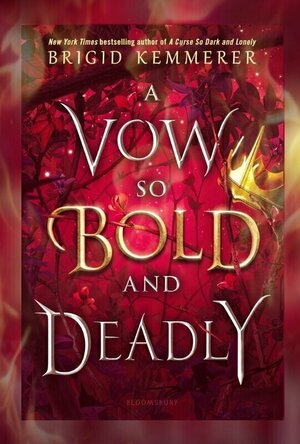
The final book in the Cursebreakers series is a hard thing to come to terms with. Brigid Kemmerer has been messing with our hearts for 2 books so far and she isn’t about to let us go without a fight! Rhen and Grey are on opposite sides of a war, Harper is (deservedly) super mad at Rhen and Lilith has returned, seemingly unharmed. Is there nothing that can stop the enchantress?
Similarly to the previous two books, A Vow so Bold and Deadly is written from multiple POVs but what I loved in comparison to A Heart so Fierce and Broken is that we got a lot more of Harper! I really felt that Lia Mara took a bit of Harper’s “airtime” in the last book.
I also specifically loved the audiobook version because any third party’s speech within a character’s POV is done in that character’s voice – Rhen voicing Lilith is particularly hilarious.
The characters themselves seem to fall in my favour as we progress through the series and AVSBAD was no exception.
I still loved Harper with her fierceness and her sarcasm. I think the physical journey in the book (this is me trying to not give any spoilers) really spoke to her as a character and her unwavering, loyal nature and the fact that her anger towards Rhen took a long time to dissipate felt very real. I also loved her friendship with Zo but I must admit that sometimes Harper did border on petty – I guess she is fairly young though.
Lia Mara was a great character in AHSFAB, she was a breath of fresh air and I really admired her fight for peace in a violent kingdom. However, shacking up with Grey has made this Queen a wet fish! For a woman who has been raised with the notion that you do not need a man to rule Lia Mara severely disappoints. I really didn’t understand her character in the final book, she was unable to stand up for herself and totally dependent on Grey, even pining after him at times. It was sickening.
Grey has been my favourite in both the previous books, even when he was scary Grey! Don’t get me wrong he hasn’t totally changed and it is nice to see his struggles in gaining the loyalty of people in Shyl Shallow BUT his coldness towards Harper and THAT ending….nah it didn’t sit well with me. The fact that Grey has a claim to Emberfall is bad enough (it seems to be the only Kingdom in the fictional universe which includes bastards in the laws of succession) but to completely disregard Rhen is not the Grey the readers know and love.
Speaking of Rhen, and I’m going to get a lot of hate for this, but Rhen has never been my favourite. He has gone from being a tortured prince to a torturing prince to a tortured prince again. He just doesn’t seem to develop. Yes, I felt sorry for him, particularly towards the end of the book but I didn’t love him. I nearly did in book 1 but then he ruined it in book 2 and has never redeemed himself. I particularly felt that the ending held no justice for Rhen – there was a clear path for a happily ever after for all and, while I love a good twist, I feel that Kemmerer’s choice of ending kind of kicked Rhen while he was down.
The ending of A Vow So Bold and Deadly definitely paves the way for a spin off book but that feels like it would centre more around Grey and Lia Mara and so I don’t know how much appetite I would have for it. I’d read it but it wouldn’t be top of my TBR.
Overall I liked this book, but I didn’t love it. I had such high expectations after ACSDAL and was willing to overlook AHSFAB as plot filler but this ending fell flat for me. As someone who has read both the book and listened to the audiobook I would recommend the audiobook as it seems to keep you interested in that first few hundred pages where very little happens.
The final book in the Cursebreakers series is a hard thing to come to terms with. Brigid Kemmerer has been messing with our hearts for 2 books so far and she isn’t about to let us go without a fight! Rhen and Grey are on opposite sides of a war, Harper is (deservedly) super mad at Rhen and Lilith has returned, seemingly unharmed. Is there nothing that can stop the enchantress?
Similarly to the previous two books, A Vow so Bold and Deadly is written from multiple POVs but what I loved in comparison to A Heart so Fierce and Broken is that we got a lot more of Harper! I really felt that Lia Mara took a bit of Harper’s “airtime” in the last book.
I also specifically loved the audiobook version because any third party’s speech within a character’s POV is done in that character’s voice – Rhen voicing Lilith is particularly hilarious.
The characters themselves seem to fall in my favour as we progress through the series and AVSBAD was no exception.
I still loved Harper with her fierceness and her sarcasm. I think the physical journey in the book (this is me trying to not give any spoilers) really spoke to her as a character and her unwavering, loyal nature and the fact that her anger towards Rhen took a long time to dissipate felt very real. I also loved her friendship with Zo but I must admit that sometimes Harper did border on petty – I guess she is fairly young though.
Lia Mara was a great character in AHSFAB, she was a breath of fresh air and I really admired her fight for peace in a violent kingdom. However, shacking up with Grey has made this Queen a wet fish! For a woman who has been raised with the notion that you do not need a man to rule Lia Mara severely disappoints. I really didn’t understand her character in the final book, she was unable to stand up for herself and totally dependent on Grey, even pining after him at times. It was sickening.
Grey has been my favourite in both the previous books, even when he was scary Grey! Don’t get me wrong he hasn’t totally changed and it is nice to see his struggles in gaining the loyalty of people in Shyl Shallow BUT his coldness towards Harper and THAT ending….nah it didn’t sit well with me. The fact that Grey has a claim to Emberfall is bad enough (it seems to be the only Kingdom in the fictional universe which includes bastards in the laws of succession) but to completely disregard Rhen is not the Grey the readers know and love.
Speaking of Rhen, and I’m going to get a lot of hate for this, but Rhen has never been my favourite. He has gone from being a tortured prince to a torturing prince to a tortured prince again. He just doesn’t seem to develop. Yes, I felt sorry for him, particularly towards the end of the book but I didn’t love him. I nearly did in book 1 but then he ruined it in book 2 and has never redeemed himself. I particularly felt that the ending held no justice for Rhen – there was a clear path for a happily ever after for all and, while I love a good twist, I feel that Kemmerer’s choice of ending kind of kicked Rhen while he was down.
The ending of A Vow So Bold and Deadly definitely paves the way for a spin off book but that feels like it would centre more around Grey and Lia Mara and so I don’t know how much appetite I would have for it. I’d read it but it wouldn’t be top of my TBR.
Overall I liked this book, but I didn’t love it. I had such high expectations after ACSDAL and was willing to overlook AHSFAB as plot filler but this ending fell flat for me. As someone who has read both the book and listened to the audiobook I would recommend the audiobook as it seems to keep you interested in that first few hundred pages where very little happens.
Merissa (14188 KP) rated Gabriel (Legacy Ranch #2) in Books
Aug 17, 2017
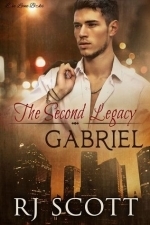
Gabriel (Legacy Ranch #2) by R.J. Scott
Gabriel is the second book in the Legacy Ranch series, and we find out a bit more about the young man who cried at the trial that happened in book one. His life hasn't been a good one so far, but he is broken enough that he thinks it is just fine. He lives with his pimp, Stefan, who controls every aspect of his life, and makes Gabriel pay for any misdemeanours that Stefan thinks has happened, or that he has just made up because he's not having a good day. Stefan has managed to get into Gabriel's mind and twist things around so that Gabriel is actually thankful for all that Stefan does for him.
Cam, on the other hand, appears to have it all. He runs a successful hotel, has plenty of money, and even has a bodyguard. Things must be good, right? Wrong! Cam's family, with the odd exception, are a bunch of BEEP, condescending, BEEP, know-it-alls, who think that just because Cam is losing his sight, he must be losing all of his faculties too. His father, well, enough said about him!
Cam and Gabriel end up together on a purely business level. Cam needs someone to pretend to be with him, Gabriel wants the money. However, feelings quickly become involved, and then it's anyone's guess. Six tries to tell Cam not to get involved, but Cam pays no attention. Their road is anything but smooth, but luckily the folks at Legacy Ranch are there to help... once Gabriel lets them in.
This is a dark book, with dark topics and it's not a HEA situation full of rainbows and glitter. This is hard, and horrible, and may be a trigger book for some readers. There is light at the end of the tunnel for Gabriel though, and I really hope that he will feature in the next book, just so I can see what progress he's made.
Gabriel is extremely well written, with no editing or grammatical errors that disrupted my reading flow. Like I've already said, it's not an easy book to read, but it is definitely worth it. I would also say that it isn't fully necessary to have read book one in this series, or indeed the Texas series which is where we first meet Jack and Riley. This book does stand on it's own merit, but personally I would recommend reading Kyle at the minimum, just to give you a feeling of what the Legacy Ranch series is about.
If you like your M/M Romance with angst, then I can definitely recommend this book/series. Just remember the trigger warnings!
* A copy of this book was provided to me with no requirements for a review. I voluntarily read this book, and the comments here are my honest opinion. *
Merissa
Archaeolibrarian - I Dig Good Books!
Cam, on the other hand, appears to have it all. He runs a successful hotel, has plenty of money, and even has a bodyguard. Things must be good, right? Wrong! Cam's family, with the odd exception, are a bunch of BEEP, condescending, BEEP, know-it-alls, who think that just because Cam is losing his sight, he must be losing all of his faculties too. His father, well, enough said about him!
Cam and Gabriel end up together on a purely business level. Cam needs someone to pretend to be with him, Gabriel wants the money. However, feelings quickly become involved, and then it's anyone's guess. Six tries to tell Cam not to get involved, but Cam pays no attention. Their road is anything but smooth, but luckily the folks at Legacy Ranch are there to help... once Gabriel lets them in.
This is a dark book, with dark topics and it's not a HEA situation full of rainbows and glitter. This is hard, and horrible, and may be a trigger book for some readers. There is light at the end of the tunnel for Gabriel though, and I really hope that he will feature in the next book, just so I can see what progress he's made.
Gabriel is extremely well written, with no editing or grammatical errors that disrupted my reading flow. Like I've already said, it's not an easy book to read, but it is definitely worth it. I would also say that it isn't fully necessary to have read book one in this series, or indeed the Texas series which is where we first meet Jack and Riley. This book does stand on it's own merit, but personally I would recommend reading Kyle at the minimum, just to give you a feeling of what the Legacy Ranch series is about.
If you like your M/M Romance with angst, then I can definitely recommend this book/series. Just remember the trigger warnings!
* A copy of this book was provided to me with no requirements for a review. I voluntarily read this book, and the comments here are my honest opinion. *
Merissa
Archaeolibrarian - I Dig Good Books!
Kyera (8 KP) rated Frozen (Heart of Dread, #1) in Books
Feb 1, 2018


The story Frozen, by Melissa de la Cruz and Michael Johnston, is a tale about a girl with powers who lives in a world unlike our own. In post-apocalyptic New Vegas, Nat fins the one object that might allow her to escape the frozen landscape. The map to help her find the Blue, a promised land untainted by the cold and destruction her world knows. A place that maybe she can live a good life and not spend each day fearful that she will be discovered.
For an established YA writer, this book is surprisingly wrought with errors and would make an English major cringe. It was a poorly written novel with a multitude of punctuation, grammar, and spelling errors. Those completely detracted from the book and made it difficult to read the novel fluidly. There was an overuse of commas, "For days upon days she had been left in the room, alone, in total silence, with little food and water, the weight of solitude becoming ever more oppressive, the silence a heaviness that she could not shake, punishment for refusing to do as she was told, punishment for being what she was." I ran out of breath just reading that incredibly long, run on sentence. It also illustrates another example, the banal repetitiveness. Some examples would be, "She walked down the road, the road that was smooth." Or "The fire that raged within her. The fire that destroyed and consumed. The fire that would destroy and consume her..." How many times does one need to write the fire? Many of the sentences are just reworded versions of the one that came before it. Unnecessarily repetitive and it makes the book sound like a novice writer threw it together in a slap-dash manner with no editor to speak of.
It also cannot decide what genre it wishes to fall under. The magical elements and new species lend itself to a label of fantasy, like books about faeries or nymphs. Paranormal romance perhaps, for the love story that blossoms over the course of the novel? Or the more recently popular zombie novels, with their diseases and alterations of the human dNA, like Forest of Teeth and Bones? Perhaps its a post-apocalyptic or dystopian style novel, akin to Divergent or the Hunger Games - with its frozen world, scarce resources, and tyrannical governments. Whatever it is, the fact that it cannot decide makes the book quite confusing. It does not flow well as a result of the colliding and conflicting worlds. There also is no world-building, which is incredibly important to me in a book. And character building, or even character personalities? Almost non-existent. I would recommend this book to young teen readers, but not anyone who finds themselves frequently noticing errors in novels (even minor ones)as this will drive you crazy. I almost didn't finish the first chapter because the book was so poorly written, but I wanted to see if it would improve.
For an established YA writer, this book is surprisingly wrought with errors and would make an English major cringe. It was a poorly written novel with a multitude of punctuation, grammar, and spelling errors. Those completely detracted from the book and made it difficult to read the novel fluidly. There was an overuse of commas, "For days upon days she had been left in the room, alone, in total silence, with little food and water, the weight of solitude becoming ever more oppressive, the silence a heaviness that she could not shake, punishment for refusing to do as she was told, punishment for being what she was." I ran out of breath just reading that incredibly long, run on sentence. It also illustrates another example, the banal repetitiveness. Some examples would be, "She walked down the road, the road that was smooth." Or "The fire that raged within her. The fire that destroyed and consumed. The fire that would destroy and consume her..." How many times does one need to write the fire? Many of the sentences are just reworded versions of the one that came before it. Unnecessarily repetitive and it makes the book sound like a novice writer threw it together in a slap-dash manner with no editor to speak of.
It also cannot decide what genre it wishes to fall under. The magical elements and new species lend itself to a label of fantasy, like books about faeries or nymphs. Paranormal romance perhaps, for the love story that blossoms over the course of the novel? Or the more recently popular zombie novels, with their diseases and alterations of the human dNA, like Forest of Teeth and Bones? Perhaps its a post-apocalyptic or dystopian style novel, akin to Divergent or the Hunger Games - with its frozen world, scarce resources, and tyrannical governments. Whatever it is, the fact that it cannot decide makes the book quite confusing. It does not flow well as a result of the colliding and conflicting worlds. There also is no world-building, which is incredibly important to me in a book. And character building, or even character personalities? Almost non-existent. I would recommend this book to young teen readers, but not anyone who finds themselves frequently noticing errors in novels (even minor ones)as this will drive you crazy. I almost didn't finish the first chapter because the book was so poorly written, but I wanted to see if it would improve.

Zuky the BookBum (15 KP) rated The Merciless in Books
Mar 15, 2018

Also read my review here: http://bookbum.weebly.com/book-reviews/the-merciless-by-danielle-vega
<b><i>Forgive us, Father, for we have sinned.</b></i>
Well, well, well, what can I say? This thoroughly disappointed me, after giving it some more thought, Ive taken this down to 2 stars.
So we have 3 beautiful and popular God-fearing girls who adopt the new girl into their secretive little gang and warn her against demon-possessed Brooklyn. To cure Brooklyn of her devilish ways they decide to kidnap her, stick her in a basement and torture her, or exorcise her Sound like Im giving too much away? Well yes, I probably am, but the blurb tells you the exact same thing, making the whole suspense element of this book completely useless and a waste of the author's time. <b>Dont try to keep us on our toes when youve already told us whats going to happen.</b>
Due to this being a novel aimed at Young Adult readers, the language, for me, felt simple and lack lustre. I can only read so much before it becomes laughable for me, and laughable it became. All the characters speech was so unrealistic and straightforward it was almost impossible to believe anyone would actually talk like that. This unrealistic speech really made it difficult to connect to any of the characters on a deeper level so I had no empathy for any of them.
The plot, overall, is just a little bit completely ridiculous and nonsensical. The blandness of the characters, scenes and speech make the whole thing feel like a pretty demented, but dumb dream. <spoiler>If Brooklyn had just been evil in a normal teenage girl way and didnt rip out Rileys fucking heart, maybe it would have been a better book</spoiler> I didnt find myself shocked, scared or creeped out at any point in the entire book because it was all so juvenile and cheesy. The reasons the girls did what they did was childish and cringy and it just wouldnt happen in the way Vega wrote it down. And lets not get me started on all the loose ends...
Anyone up for reading one of the most predictable endings ever? My God, what an unexciting end to a pretty unexciting novel - at least it was consistent.
I did read this over the period of just one day, so it had me wanting to finish it, but not for any of the right reasons. I wasnt reading it quickly because I wanted to know what was going to happen next, I was reading it quickly because it was getting stupider and stupider and I wanted to get it over and done with. Do I want to put myself through reading the second book in the series? I dont know Ill give it some time first.
<b><i>Forgive us, Father, for we have sinned.</b></i>
Well, well, well, what can I say? This thoroughly disappointed me, after giving it some more thought, Ive taken this down to 2 stars.
So we have 3 beautiful and popular God-fearing girls who adopt the new girl into their secretive little gang and warn her against demon-possessed Brooklyn. To cure Brooklyn of her devilish ways they decide to kidnap her, stick her in a basement and torture her, or exorcise her Sound like Im giving too much away? Well yes, I probably am, but the blurb tells you the exact same thing, making the whole suspense element of this book completely useless and a waste of the author's time. <b>Dont try to keep us on our toes when youve already told us whats going to happen.</b>
Due to this being a novel aimed at Young Adult readers, the language, for me, felt simple and lack lustre. I can only read so much before it becomes laughable for me, and laughable it became. All the characters speech was so unrealistic and straightforward it was almost impossible to believe anyone would actually talk like that. This unrealistic speech really made it difficult to connect to any of the characters on a deeper level so I had no empathy for any of them.
The plot, overall, is just a little bit completely ridiculous and nonsensical. The blandness of the characters, scenes and speech make the whole thing feel like a pretty demented, but dumb dream. <spoiler>If Brooklyn had just been evil in a normal teenage girl way and didnt rip out Rileys fucking heart, maybe it would have been a better book</spoiler> I didnt find myself shocked, scared or creeped out at any point in the entire book because it was all so juvenile and cheesy. The reasons the girls did what they did was childish and cringy and it just wouldnt happen in the way Vega wrote it down. And lets not get me started on all the loose ends...
Anyone up for reading one of the most predictable endings ever? My God, what an unexciting end to a pretty unexciting novel - at least it was consistent.
I did read this over the period of just one day, so it had me wanting to finish it, but not for any of the right reasons. I wasnt reading it quickly because I wanted to know what was going to happen next, I was reading it quickly because it was getting stupider and stupider and I wanted to get it over and done with. Do I want to put myself through reading the second book in the series? I dont know Ill give it some time first.

Cynthia Armistead (17 KP) rated More Holmes for the Holidays in Books
Mar 1, 2018
[a:Martin H. Greenberg|6436872|Martin H. Greenberg|http://www.goodreads.com/assets/nophoto/nophoto-M-50x66.jpg] and company have provided a fine collection of Sherlockian holiday stories that fit in quite well with the traditional set.
"The Christmas Gift" by Anne Perry is a nice little piece about a stolen Stradivarius and a couple who want to marry against the wishes of the young lady's father. There is an excellent red herring, one of the few in this anthology.
In "The Four Wise Men" by Peter Lovesey, Watson must answer a call to duty from his former commanding officer in the Army, in order to help guard a medieval treasure in a Christmas pageant. The game is soon afoot, and Sherlock's powers of observation are as keen as ever.
Barbara Paul's "Eleemosynary, My Dear Watson" gives Holmes a jewel theft and a kidnapping to solve, which he does in his inimitable way. One clue seemed slightly too obvious to me, but it may not to other readers.
In "The Adventure of the Greatest Gift" by Loren D. Estleman, Holmes receives a wax cylinder containing a recording of a song popular in America. He takes it as a warning of a crime which could lead to war between Britain and France, and of course he leaps into action. This is Mycroft Holmes' only appearance in the volume.
There's plenty of misdirection in "The Case of the Rajah's Emerald" by Carolyn Wheat. Somehow, though, I suspected one of the great revelations in this one from the beginning, but I couldn't tell you exactly why. It didn't ruin the story for me, and there was still a surprise at the end.
On the other hand, Edward D. Hoch's "The Christmas Conspiracy" managed to take me completely unawares. I couldn't fathom why the crime would be committed or by whom, despite having a major clue dropped by one character. Very well done!
"The Music of Christmas" by L.B. Greenwood telegraphed the identity of the criminal from the start, but was well worth reading. One of the characters also tugged at the heartstrings.
Bill Crider's "The Adventure of the Christmas Bear" is largely memorable because of the appearance of Oscar Wilde as a character.
"The Adventure of the Naturalist's Stock Pin" by Jon L. Breen gives us Charles Darwin as Holmes' client. The mystery is less Sherlockian than some of the others, but I didn't mind reading it.
Daniel Stashower's "The Adventure of the Second Violet" was an interesting twist on a well-known Christmas story. I cannot say more without spoiling it, but he has a nice touch.
"The Human Mystery" by Tanith Lee is as dark as I expect from her, and was a depressing ending to the collection. It was, however, very well-written.
The anthology left me hungry for more Holmes, and wishing that I weren't between seasons of BBC's Sherlock or that I had another collection of stories on hand. That's the sign of a success, I think.
"The Christmas Gift" by Anne Perry is a nice little piece about a stolen Stradivarius and a couple who want to marry against the wishes of the young lady's father. There is an excellent red herring, one of the few in this anthology.
In "The Four Wise Men" by Peter Lovesey, Watson must answer a call to duty from his former commanding officer in the Army, in order to help guard a medieval treasure in a Christmas pageant. The game is soon afoot, and Sherlock's powers of observation are as keen as ever.
Barbara Paul's "Eleemosynary, My Dear Watson" gives Holmes a jewel theft and a kidnapping to solve, which he does in his inimitable way. One clue seemed slightly too obvious to me, but it may not to other readers.
In "The Adventure of the Greatest Gift" by Loren D. Estleman, Holmes receives a wax cylinder containing a recording of a song popular in America. He takes it as a warning of a crime which could lead to war between Britain and France, and of course he leaps into action. This is Mycroft Holmes' only appearance in the volume.
There's plenty of misdirection in "The Case of the Rajah's Emerald" by Carolyn Wheat. Somehow, though, I suspected one of the great revelations in this one from the beginning, but I couldn't tell you exactly why. It didn't ruin the story for me, and there was still a surprise at the end.
On the other hand, Edward D. Hoch's "The Christmas Conspiracy" managed to take me completely unawares. I couldn't fathom why the crime would be committed or by whom, despite having a major clue dropped by one character. Very well done!
"The Music of Christmas" by L.B. Greenwood telegraphed the identity of the criminal from the start, but was well worth reading. One of the characters also tugged at the heartstrings.
Bill Crider's "The Adventure of the Christmas Bear" is largely memorable because of the appearance of Oscar Wilde as a character.
"The Adventure of the Naturalist's Stock Pin" by Jon L. Breen gives us Charles Darwin as Holmes' client. The mystery is less Sherlockian than some of the others, but I didn't mind reading it.
Daniel Stashower's "The Adventure of the Second Violet" was an interesting twist on a well-known Christmas story. I cannot say more without spoiling it, but he has a nice touch.
"The Human Mystery" by Tanith Lee is as dark as I expect from her, and was a depressing ending to the collection. It was, however, very well-written.
The anthology left me hungry for more Holmes, and wishing that I weren't between seasons of BBC's Sherlock or that I had another collection of stories on hand. That's the sign of a success, I think.
Hazel (1853 KP) rated Stargirl (Stargirl, #1) in Books
Dec 7, 2018

<i>This eBook was provided by the publisher via NetGalley in exchange for an honest review
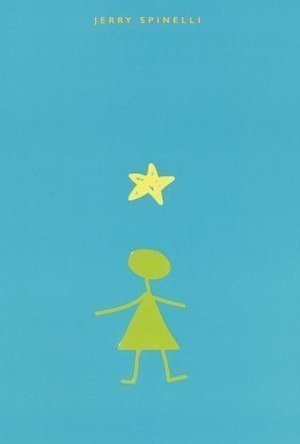
Stargirl</i> is a popular young adult novel by Jerry Spinelli, originally published in 2000. But what is it that has kept it a favourite sixteen years later? The story is told by Leo Borlock, a student in the 11th grade at Mica Area High School. This year there is a new girl who calls herself Stargirl and, like her name, is completely different from everyone else. She has an outlandish dress sense, plays the ukele at lunchtimes, knows and celebrates everyone’s birthdays. The only word the school can think of to describe her is “HUH?”
Despite the weirdness surrounding her, Stargirl quickly becomes popular. People are entertained by her, want to be with her, want to be her. Leo is equally fascinated by her and is shocked when she begins to pay him attention. However, after a while the novelty of Stargirl wears off. Students begin to despise her and shun her. Stargirl does not care, but Leo does. He tries to change Stargirl, tries to make her act normal like everyone else.
<i>Stargirl</i>, like the titular character, is a breath of fresh air. It is quick and easy to read with the benefit of added humour. It also contains a powerful message. Although Stargirl is not affected by the behaviour of her fellow students, it is shocking the extent that the entire student body goes to in shunning her. This is a form of bullying, something that a child in the real world faces everyday. And that child will be bothered by it, will be hurt, and will be upset. It will probably affect their future.
Leo’s behaviour is something that everyone will be able to recognize in themself. Conforming to the norm. Leo wanted Stargirl to change, to go by her real name, Susan. To stop wearing eccentric clothing. To stop drawing attention to herself. Ultimately, what Leo was asking was for Stargirl to stop being herself. And that is really sad. I have lost count of the times people have said to me “Just be yourself,” but do they mean that? Perhaps they are really saying, “behave like everyone else, and you’ll fit in”?
Spinelli’s most important message in <i>Stargirl</i> is that we should not be afraid to be ourselves. It is unlikely that anyone is as bizarre as Stargirl, yet if everyone stopped being so scared to reveal their true feelings, likes and dislikes etc, perhaps schools would become less intimidating places?
<i>Stargirl</i> is suitable for teenage and adult readers who want something quick to devour. It will entertain, and, although it has a rather ambiguous ending, nothing disastrous happens in the book. It will hopefully leave you feeling as care free as its main character.
Stargirl</i> is a popular young adult novel by Jerry Spinelli, originally published in 2000. But what is it that has kept it a favourite sixteen years later? The story is told by Leo Borlock, a student in the 11th grade at Mica Area High School. This year there is a new girl who calls herself Stargirl and, like her name, is completely different from everyone else. She has an outlandish dress sense, plays the ukele at lunchtimes, knows and celebrates everyone’s birthdays. The only word the school can think of to describe her is “HUH?”
Despite the weirdness surrounding her, Stargirl quickly becomes popular. People are entertained by her, want to be with her, want to be her. Leo is equally fascinated by her and is shocked when she begins to pay him attention. However, after a while the novelty of Stargirl wears off. Students begin to despise her and shun her. Stargirl does not care, but Leo does. He tries to change Stargirl, tries to make her act normal like everyone else.
<i>Stargirl</i>, like the titular character, is a breath of fresh air. It is quick and easy to read with the benefit of added humour. It also contains a powerful message. Although Stargirl is not affected by the behaviour of her fellow students, it is shocking the extent that the entire student body goes to in shunning her. This is a form of bullying, something that a child in the real world faces everyday. And that child will be bothered by it, will be hurt, and will be upset. It will probably affect their future.
Leo’s behaviour is something that everyone will be able to recognize in themself. Conforming to the norm. Leo wanted Stargirl to change, to go by her real name, Susan. To stop wearing eccentric clothing. To stop drawing attention to herself. Ultimately, what Leo was asking was for Stargirl to stop being herself. And that is really sad. I have lost count of the times people have said to me “Just be yourself,” but do they mean that? Perhaps they are really saying, “behave like everyone else, and you’ll fit in”?
Spinelli’s most important message in <i>Stargirl</i> is that we should not be afraid to be ourselves. It is unlikely that anyone is as bizarre as Stargirl, yet if everyone stopped being so scared to reveal their true feelings, likes and dislikes etc, perhaps schools would become less intimidating places?
<i>Stargirl</i> is suitable for teenage and adult readers who want something quick to devour. It will entertain, and, although it has a rather ambiguous ending, nothing disastrous happens in the book. It will hopefully leave you feeling as care free as its main character.
Debbiereadsbook (1829 KP) rated Hush (Nights #8) in Books
Dec 10, 2018
i love this series!
Independent reviewer for Archaeolibrarian, I was gifted my copy of this book.
So! This is book 8 in the Nights Series, but this one really can be read as a stand alone. I'm not sure I recall Lana or Tom from any of the previous books, but that might be me. Also, books one through 6 are male/male pairings and book7 and this one are male/female pairings. Again, I'm not picky, especially when the author pulls off the difference incredibly well, but I know some readers are. Books one through 3, and 6 and 7 are all 5 stars reads from me too.
Lana has been the bane of Tom's existence since he fell in love with her at 16. Having worked for her for 4 years, Tom really has reached the end of his tether, and feels he needs to move on. But when Lana turns up at his door, drunk, demanding sex, what's a guy to do, huh?? He does the right thing, and puts her to bed, while sleeping on the sofa. But, things change between Lana and Tom, and Lana begins to feel things more keenly. These feelings she never realised she had. And the feelings that she wants more than the verbal battling they have every day. But Tom runs, and Lana has to face some facts.
A thoroughly enjoyable addition to this series, even if i found it not quite up to par as the rest.
Oh, don't get me wrong! It's a great book, told from both Lana and Tom's point of view. It's sexy and hot, and I did read it in one sitting.
It just doesn't have the heat level the other books have, and I think I missed that! Ya'll know I made a new shelf for these books, "fan yourself, it's a hot one" and this book doesn't get to join the others there, simply because of that fact.
There is, though, more emotions in this one, I think. Having loved Lana for the better part of his life, Tom's feeling are front and centre, right from the beginning, but Lana's take some digging out. I LOVED the scene when she's talking to Eveline and Lincoln from book 7, about just WHY Lana is annoyed with Tom!
I really have enjoyed this series, and there is just one book to go, and I will be so bloody sad to see the end of these books!
I also find myself curious as to what name this author usually writes under, as AM Salinger is a pen name. I'd LOVE to read something written under that name, just to see the differences. But then again, it might be young adult, or zombies and they really don't float my boat. So, on reflection, no, I don't want to know!
4 solid sexy (but not quite as sexy as the rest) stars
**same worded review will appear elsewhere**
So! This is book 8 in the Nights Series, but this one really can be read as a stand alone. I'm not sure I recall Lana or Tom from any of the previous books, but that might be me. Also, books one through 6 are male/male pairings and book7 and this one are male/female pairings. Again, I'm not picky, especially when the author pulls off the difference incredibly well, but I know some readers are. Books one through 3, and 6 and 7 are all 5 stars reads from me too.
Lana has been the bane of Tom's existence since he fell in love with her at 16. Having worked for her for 4 years, Tom really has reached the end of his tether, and feels he needs to move on. But when Lana turns up at his door, drunk, demanding sex, what's a guy to do, huh?? He does the right thing, and puts her to bed, while sleeping on the sofa. But, things change between Lana and Tom, and Lana begins to feel things more keenly. These feelings she never realised she had. And the feelings that she wants more than the verbal battling they have every day. But Tom runs, and Lana has to face some facts.
A thoroughly enjoyable addition to this series, even if i found it not quite up to par as the rest.
Oh, don't get me wrong! It's a great book, told from both Lana and Tom's point of view. It's sexy and hot, and I did read it in one sitting.
It just doesn't have the heat level the other books have, and I think I missed that! Ya'll know I made a new shelf for these books, "fan yourself, it's a hot one" and this book doesn't get to join the others there, simply because of that fact.
There is, though, more emotions in this one, I think. Having loved Lana for the better part of his life, Tom's feeling are front and centre, right from the beginning, but Lana's take some digging out. I LOVED the scene when she's talking to Eveline and Lincoln from book 7, about just WHY Lana is annoyed with Tom!
I really have enjoyed this series, and there is just one book to go, and I will be so bloody sad to see the end of these books!
I also find myself curious as to what name this author usually writes under, as AM Salinger is a pen name. I'd LOVE to read something written under that name, just to see the differences. But then again, it might be young adult, or zombies and they really don't float my boat. So, on reflection, no, I don't want to know!
4 solid sexy (but not quite as sexy as the rest) stars
**same worded review will appear elsewhere**
Hazel (1853 KP) rated The Prisoner of Heaven in Books
Dec 14, 2018
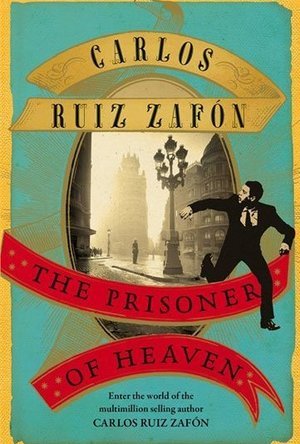
<i>The Prisoner of Heaven</i> by Carlos Ruiz Zafón is part of a cycle of novels known collectively as <i>The Cemetery of Forgotten Books</i>. At the moment there are three books (the other two being <i>The Shadow of the Wind</i> and <i>The Angel’s Game</i>) and they are all independent stories whose characters and themes overlap, meaning that they can be read in any order. Despite this I think it that you would get more out of each story if you read them in order of publication.
My experience of <i>The Prisoner of Heaven</i> would be different from those who have not read the previous two books. I read <i>The Shadow of the Wind</i> when I was quite young and, although I probably did not understand it that well, I was able to recognize and understand certain references to that particular storyline. I have also read <i>The Angel’s Game</i> – also a number of years ago, which I found quite terrifying – which meant I had the background knowledge of a particular character. Having said that, Zafón provides enough information for new readers to understand what is going on.
The story is written in several parts beginning in Barcelona at Christmas in 1957. The sections set during this time period are narrated by Daniel Sempere (the main character from <i>The Shadow of the Wind</i>) who works alongside his father in the bookshop <i>Sempere & Sons</i>. One day a mysterious customer buys and leaves a copy of an expensive novel for Daniel’s friend and work colleague Fermín Romero de Torres. This leads us to the middle sections, the key part of the plot in which, told in third person narrative in order to differentiate from the “current day” (1957), we discover the character Fermín’s past and who the mysterious customer was. David Martín, the main character in <i>The Angel’s Game</i>, makes a significant appearance in this part.
During the remaining parts, told once again from Daniel’s point of view, I kept expecting something major to happen as I did not feel that the novel had reached it’s climax. But nothing happened which was slightly disappointing (although I was also relieved as I feared I would find this book scary as I did with <i>The Angel’s Game</i> – I didn’t). However I do believe that the final book in this cycle will continue with and tie up the loose ends in <i>The Prisoner of Heaven</i> – another reason to have read the books in order in my view.
Overall I enjoyed the book. I definitely prefer it to <i>The Angel’s Game</i>, which I found confusing and slightly unnerving. I cannot compare it easily with <i>The Shadow of the Wind</i> for, as already mentioned, it has been such a long time since I read it. I would certainly recommend this book (and series) particularly to those who enjoy historical fiction and mysteries.
My experience of <i>The Prisoner of Heaven</i> would be different from those who have not read the previous two books. I read <i>The Shadow of the Wind</i> when I was quite young and, although I probably did not understand it that well, I was able to recognize and understand certain references to that particular storyline. I have also read <i>The Angel’s Game</i> – also a number of years ago, which I found quite terrifying – which meant I had the background knowledge of a particular character. Having said that, Zafón provides enough information for new readers to understand what is going on.
The story is written in several parts beginning in Barcelona at Christmas in 1957. The sections set during this time period are narrated by Daniel Sempere (the main character from <i>The Shadow of the Wind</i>) who works alongside his father in the bookshop <i>Sempere & Sons</i>. One day a mysterious customer buys and leaves a copy of an expensive novel for Daniel’s friend and work colleague Fermín Romero de Torres. This leads us to the middle sections, the key part of the plot in which, told in third person narrative in order to differentiate from the “current day” (1957), we discover the character Fermín’s past and who the mysterious customer was. David Martín, the main character in <i>The Angel’s Game</i>, makes a significant appearance in this part.
During the remaining parts, told once again from Daniel’s point of view, I kept expecting something major to happen as I did not feel that the novel had reached it’s climax. But nothing happened which was slightly disappointing (although I was also relieved as I feared I would find this book scary as I did with <i>The Angel’s Game</i> – I didn’t). However I do believe that the final book in this cycle will continue with and tie up the loose ends in <i>The Prisoner of Heaven</i> – another reason to have read the books in order in my view.
Overall I enjoyed the book. I definitely prefer it to <i>The Angel’s Game</i>, which I found confusing and slightly unnerving. I cannot compare it easily with <i>The Shadow of the Wind</i> for, as already mentioned, it has been such a long time since I read it. I would certainly recommend this book (and series) particularly to those who enjoy historical fiction and mysteries.