
Search

<i>This eBook was provided by the publisher via NetGalley in exchange for an honest review </i>
Canadian author Susin Nielsen continues to entertain children with her latest novel<i> Word Nerd</i>. Similarly with characters from previous novels, the pre-teen Ambrose is a bit of a misfit. With a deathly peanut allergy and an over protective parent who travels from job to job, Ambrose never manages to make any friends. Now settled in Vancouver, Ambrose is the happiest he has ever been. He is homeschooled away from all the bullies, has made a friend and found a passion in Scrabble. However, he has to keep all of this secret from his mother.
Ambrose is a funny, intelligent narrator who draws the reader in from the very first line: “The day I almost died…” Like many children who do not fit in with peers at school, Ambrose’s passions lie within less conventional past times, i.e. playing Scrabble. Able to quickly pull out several words from a jumble of letters – emphasized by the anagram chapter headings – he is overjoyed to learn of a nearby Scrabble club and knows just the person to accompany him.
Cosmo is a character that younger readers may struggle to come to terms with. An ex-convict and recovering drug addict, Cosmo also enjoys playing Scrabble and is persuaded by his annoying neighbour – Ambrose – to go to the club. An unconventional friendship sparks between the two of them, both unintentionally helping the other out. Cosmo encourages Ambrose to stand up to the bullies, whereas having a child around keeps Cosmo away from the things that resulted in a prison sentence. Despite the positives in this relationship, Ambrose’s mother believes Cosmo to be completely untrustworthy.
Although Ambrose and Cosmo are the main characters in <i>Word Nerd</i>, Ambrose’s mother maintains an important role. Having lost her husband suddenly and unexpectedly, she must have been terrified to learn of Ambrose’s peanut allergy. In order to prevent her son from leaving her as well, she has become overprotective and controlling, denying Ambrose the right to live his own life.
Some readers may have experienced similar situations either at school or with their parents. Word Nerd, whilst being a form of entertainment, explains the potential reasons behind these scenarios, helping children to understand what may be occurring in their lives. It also highlights the dangers of drug addictions and crime, but also suggests that people can change their ways.
<i>Word Nerd</i>, whilst voiced by a twelve year old, is more appropriate for readers in their teens. Ambrose is very mature at such a young age, and the book contains subjects of drugs and violence as well as mild sexual references. What Susin Nielsen has produced is an amusing story with a powerful message. Both entertaining and insightful, <i>Word Nerd</i> is perhaps Nielsen’s best novel yet.
Canadian author Susin Nielsen continues to entertain children with her latest novel<i> Word Nerd</i>. Similarly with characters from previous novels, the pre-teen Ambrose is a bit of a misfit. With a deathly peanut allergy and an over protective parent who travels from job to job, Ambrose never manages to make any friends. Now settled in Vancouver, Ambrose is the happiest he has ever been. He is homeschooled away from all the bullies, has made a friend and found a passion in Scrabble. However, he has to keep all of this secret from his mother.
Ambrose is a funny, intelligent narrator who draws the reader in from the very first line: “The day I almost died…” Like many children who do not fit in with peers at school, Ambrose’s passions lie within less conventional past times, i.e. playing Scrabble. Able to quickly pull out several words from a jumble of letters – emphasized by the anagram chapter headings – he is overjoyed to learn of a nearby Scrabble club and knows just the person to accompany him.
Cosmo is a character that younger readers may struggle to come to terms with. An ex-convict and recovering drug addict, Cosmo also enjoys playing Scrabble and is persuaded by his annoying neighbour – Ambrose – to go to the club. An unconventional friendship sparks between the two of them, both unintentionally helping the other out. Cosmo encourages Ambrose to stand up to the bullies, whereas having a child around keeps Cosmo away from the things that resulted in a prison sentence. Despite the positives in this relationship, Ambrose’s mother believes Cosmo to be completely untrustworthy.
Although Ambrose and Cosmo are the main characters in <i>Word Nerd</i>, Ambrose’s mother maintains an important role. Having lost her husband suddenly and unexpectedly, she must have been terrified to learn of Ambrose’s peanut allergy. In order to prevent her son from leaving her as well, she has become overprotective and controlling, denying Ambrose the right to live his own life.
Some readers may have experienced similar situations either at school or with their parents. Word Nerd, whilst being a form of entertainment, explains the potential reasons behind these scenarios, helping children to understand what may be occurring in their lives. It also highlights the dangers of drug addictions and crime, but also suggests that people can change their ways.
<i>Word Nerd</i>, whilst voiced by a twelve year old, is more appropriate for readers in their teens. Ambrose is very mature at such a young age, and the book contains subjects of drugs and violence as well as mild sexual references. What Susin Nielsen has produced is an amusing story with a powerful message. Both entertaining and insightful, <i>Word Nerd</i> is perhaps Nielsen’s best novel yet.

Natacha (374 KP) rated The Last Smile in Sunder City -(The Fetch Phillips Archives #1) in Books
Feb 18, 2020 (Updated Feb 19, 2020)
More Review Here: https://natachainreviewland.wordpress...
I really, really had a blast reading this story and I flew through it!
Think I liked:
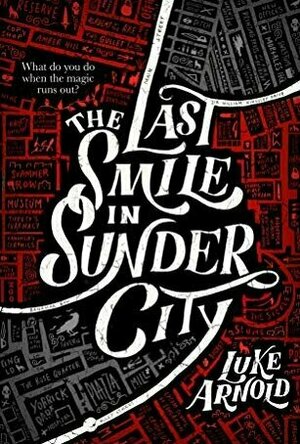
-The Last Smile in Sunder is an urban fantasy with a very noir atmosphere. Luke Arnold writing really immerses you into this world and makes it come to life. As a rule, I don't like lengthy descriptions in my stories, but all descriptions in this book were exactly the right amount and the way they were written grab my interest and didn't let it go.
-I liked the concept of a world where magic disappeared and seeing how that affected all magical beings was something I haven't seen before.
-Fecht personally had some issues but his back story was so interesting. As a was reading about Fetch past I kept thinking that his back story deserved a book on its own. But on the other hand, it was so nicely tied into the main story that by the end I was sold on all those lengthy flashbacks on his past.
-They are so many magical beings, all living in the same world and it was very interesting seeing Arnold's take on them and what back story it gave them.
-Everyone in this story is a grey character. There are not good or bad people/magical beings, it all depends on which version of the story you are listening and we unusually get both sides and I really like that.
-(view spoiler)
Things I didn't like:
-So this one is not something that I didn't like but more like something that some readers might not like. It has some tropes that we've seen a lot. Fecht is your very classic alcoholic and pain killer addict detective that doesn't care about anything and spends his time self pitting because of all the crap he's done in the past and also the love of his life is dead because of him. We've seen that a lot and I can see how other readers might be tired of that trope. Personally, I didn't mind.
-It took me more than 60% to make peace with the fact that the main plot is more like a device for us to get to know the world and Fetch. Yes, everything does come together at the end in a really nice way but at around d 50% of the book I knew almost everything about the world and Fetch's back story but nothing had really happened regarding the investigation. Once I made peace with that fact the slow-moving main stopped bothering me.
-I got an advance copy some maybe it won't be the case with the final version but I wish there was a map to better understand what is going where.
In conclusion, I personally had a really good time reading this story. I will definitely keep an eye on the rest of the series and I've already ordered my physical copy because I need it on my shelf!
I really, really had a blast reading this story and I flew through it!
Think I liked:
-The Last Smile in Sunder is an urban fantasy with a very noir atmosphere. Luke Arnold writing really immerses you into this world and makes it come to life. As a rule, I don't like lengthy descriptions in my stories, but all descriptions in this book were exactly the right amount and the way they were written grab my interest and didn't let it go.
-I liked the concept of a world where magic disappeared and seeing how that affected all magical beings was something I haven't seen before.
-Fecht personally had some issues but his back story was so interesting. As a was reading about Fetch past I kept thinking that his back story deserved a book on its own. But on the other hand, it was so nicely tied into the main story that by the end I was sold on all those lengthy flashbacks on his past.
-They are so many magical beings, all living in the same world and it was very interesting seeing Arnold's take on them and what back story it gave them.
-Everyone in this story is a grey character. There are not good or bad people/magical beings, it all depends on which version of the story you are listening and we unusually get both sides and I really like that.
-(view spoiler)
Things I didn't like:
-So this one is not something that I didn't like but more like something that some readers might not like. It has some tropes that we've seen a lot. Fecht is your very classic alcoholic and pain killer addict detective that doesn't care about anything and spends his time self pitting because of all the crap he's done in the past and also the love of his life is dead because of him. We've seen that a lot and I can see how other readers might be tired of that trope. Personally, I didn't mind.
-It took me more than 60% to make peace with the fact that the main plot is more like a device for us to get to know the world and Fetch. Yes, everything does come together at the end in a really nice way but at around d 50% of the book I knew almost everything about the world and Fetch's back story but nothing had really happened regarding the investigation. Once I made peace with that fact the slow-moving main stopped bothering me.
-I got an advance copy some maybe it won't be the case with the final version but I wish there was a map to better understand what is going where.
In conclusion, I personally had a really good time reading this story. I will definitely keep an eye on the rest of the series and I've already ordered my physical copy because I need it on my shelf!

Drops: Learn French language
Education and Games
App
Ever felt entertained while learning a new language? Now you will! Drops is game-changing approach...

Drops: Learn 23 new languages
Education, Games and Stickers
9.3 Rate It
App
"Ever felt entertained while learning a new language? Now you will! Drops is game-changing approach...

Sudoku Master Edition
Games
App
***APPLE-FEATURED GAME OF THE DAY 09/25*** THE WORLD’S BEST SUDOKU GAME WITH FULL APPLE PENCIL...

Sarah (7800 KP) rated The Rhythm Section (2019) in Movies
Nov 29, 2020


An average thriller
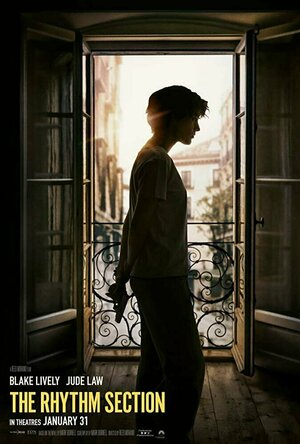
The Rhythm Section is a 2020 action thriller based on a book of the same name written by Mark Burnell. Directed by Reed Moreno, it stars Blake Lively as Stephanie Patrick, a young woman bent on revenge against the terrorists who orchestrated a plane crash that killed her entire family.
From the very beginning, you can see the influences and similarities in this to other films and stories.
This has obviously taken inspiration from the likes of John Le Carre and is a rather dark and gritty take on the action thriller genre, with a decent amount of physical (and well choreographed) violence. However in all honesty, the originality here is severely lacking. I’ve seen countless revenge films and this is no different. There is little in this to make it stand out above all those that have come before it and it isn’t helped by a limited number of action scenes either to help ramp up the interest.
It doesn’t start off very well, as we find out about Stephanie’s life and how the death of her family turned her into a drug addict and a prostitute. It’s so clichéd that even Jude Law’s character Boyd mocks her for this later in the film, which whilst fun, doesn’t change the fact that they actually used this idea in the plot. There’s also the sketchy almost nonexistent reason for journalist Proctor (Raza Jeffrey) to reach out to Stephanie to tell her that the plane crash was caused by terrorists rather than an accident. It just doesn’t make any sense as to why he’d get Stephanie involved and the film doesn’t even try to explain this rationally. Same goes when Boyd takes in Stephanie and starts to train her as an assassin. Whilst a reason is eventually revealed, it isn’t entirely plausible and again doesn’t make any sense as to why he does this with a woman who has no background or knowledge in espionage or assassination.
Aside from the sketchy plot, there are some plus points. Blake Lively performs well (despite the often hideous wigs), and you can see that she’s really giving it her all and could really make it as an action star. The scenes featuring her and Jude Law are also entertaining to watch and give the film a more relaxed feeling, especially the earlier training scenes. One of the most likeable things about this thought for me was the score. It’s tense and dramatic and full of excitement, with pieces featuring strings, piano and percussion to the point where you begin to wonder if the title ‘The Rhythm Section’ isn’t more appropriate for the music rather than the explanation given during the film.
Sadly The Rhythm Section is a fairly average thriller that whilst boosted slightly by a good performance and score, is unfortunately not particularly memorable, especially with such a lacklustre ending.
From the very beginning, you can see the influences and similarities in this to other films and stories.
This has obviously taken inspiration from the likes of John Le Carre and is a rather dark and gritty take on the action thriller genre, with a decent amount of physical (and well choreographed) violence. However in all honesty, the originality here is severely lacking. I’ve seen countless revenge films and this is no different. There is little in this to make it stand out above all those that have come before it and it isn’t helped by a limited number of action scenes either to help ramp up the interest.
It doesn’t start off very well, as we find out about Stephanie’s life and how the death of her family turned her into a drug addict and a prostitute. It’s so clichéd that even Jude Law’s character Boyd mocks her for this later in the film, which whilst fun, doesn’t change the fact that they actually used this idea in the plot. There’s also the sketchy almost nonexistent reason for journalist Proctor (Raza Jeffrey) to reach out to Stephanie to tell her that the plane crash was caused by terrorists rather than an accident. It just doesn’t make any sense as to why he’d get Stephanie involved and the film doesn’t even try to explain this rationally. Same goes when Boyd takes in Stephanie and starts to train her as an assassin. Whilst a reason is eventually revealed, it isn’t entirely plausible and again doesn’t make any sense as to why he does this with a woman who has no background or knowledge in espionage or assassination.
Aside from the sketchy plot, there are some plus points. Blake Lively performs well (despite the often hideous wigs), and you can see that she’s really giving it her all and could really make it as an action star. The scenes featuring her and Jude Law are also entertaining to watch and give the film a more relaxed feeling, especially the earlier training scenes. One of the most likeable things about this thought for me was the score. It’s tense and dramatic and full of excitement, with pieces featuring strings, piano and percussion to the point where you begin to wonder if the title ‘The Rhythm Section’ isn’t more appropriate for the music rather than the explanation given during the film.
Sadly The Rhythm Section is a fairly average thriller that whilst boosted slightly by a good performance and score, is unfortunately not particularly memorable, especially with such a lacklustre ending.

Hazel (1853 KP) rated Dreaming of Antigone in Books
Dec 17, 2018

<i>This ARC was provided by the publisher via NetGalley in exchange for an honest review
Dreaming of Antigone</i> is a contemporary tragedy about sixteen-year-old Andria in the aftermath of the death of her twin sister Iris. It has been almost six months since Iris overdosed on heroin, and also the same amount of time since Andria last had an epileptic seizure. Feeling overwhelmed by her mother’s overprotectiveness, Andria is counting down the days until she can reapply for her driving license – freedom. Only fourteen days to go; unless she has another seizure…
Although she is not over her sister’s death, Andria is keeping her emotions in check; but then, Iris’ ex-drug addict boyfriend, Alex, comes back to school. Andria feels hatred toward him and angrily blames him for what happened to her sister. She is beyond frustrated to discover that she has to work alongside Alex in the library after school. However their love of poetry begins to bond them together, causing Andria to question how she really feels. When more tragedy strikes in the form of her stepfather, Andria is glad to have Alex by her side.
<i>Dreaming of Antigone</i> is a mix of high culture and pop culture. It is written for the contemporary teenager who enjoys love stories, yet it also contains a few highbrow topics. Firstly, as referenced in the title, is the Greek play <i>Antigone</i>. Andria is studying this tragedy at school and likens herself and Iris to the key characters, Antigone and Ismene. Secondly is astronomy. Andria is passionate about the stars and educates the reader a little about the names of constellations and the position of the stars and planets in the solar system. Thirdly, as already mentioned, there are lots of poetry citations.
I was a little disappointed that there was not more focus on <i>Antigone</i>, as this is what attracted me to the novel in the first place. Robin Bridges gives a brief overview of the play for the benefit of readers who are unfamiliar with it, however for readers, like myself, who have studied Sophocles’ tragedies, there is not much more to gain from this reference.
Bridges tackles quite a number of difficult subjects in <i>Dreaming of Antigone</i>. There is the obvious issue of drug abuse, which killed Iris. In this case, Iris was a victim of the addiction, however Bridges counters this with Alex, the survivor, thus saying that it is possible to recover from such a dangerous habit. Later on in the story other challenging problems crop up, for example suicide and sexual abuse. Thankfully Bridges deals with these in a mature and gentle manner, so as not to distress the reader. Having said this, some readers may struggle with this triggering content.
Overall, whilst this was not a terrible book, it was not exactly what I was expecting, and therefore a bit of a disappointment. It is for this reason that I am not giving <i>Dreaming of Antigone</i> more than three stars. Other readers with fewer expectations may enjoy this novel a lot more.
Dreaming of Antigone</i> is a contemporary tragedy about sixteen-year-old Andria in the aftermath of the death of her twin sister Iris. It has been almost six months since Iris overdosed on heroin, and also the same amount of time since Andria last had an epileptic seizure. Feeling overwhelmed by her mother’s overprotectiveness, Andria is counting down the days until she can reapply for her driving license – freedom. Only fourteen days to go; unless she has another seizure…
Although she is not over her sister’s death, Andria is keeping her emotions in check; but then, Iris’ ex-drug addict boyfriend, Alex, comes back to school. Andria feels hatred toward him and angrily blames him for what happened to her sister. She is beyond frustrated to discover that she has to work alongside Alex in the library after school. However their love of poetry begins to bond them together, causing Andria to question how she really feels. When more tragedy strikes in the form of her stepfather, Andria is glad to have Alex by her side.
<i>Dreaming of Antigone</i> is a mix of high culture and pop culture. It is written for the contemporary teenager who enjoys love stories, yet it also contains a few highbrow topics. Firstly, as referenced in the title, is the Greek play <i>Antigone</i>. Andria is studying this tragedy at school and likens herself and Iris to the key characters, Antigone and Ismene. Secondly is astronomy. Andria is passionate about the stars and educates the reader a little about the names of constellations and the position of the stars and planets in the solar system. Thirdly, as already mentioned, there are lots of poetry citations.
I was a little disappointed that there was not more focus on <i>Antigone</i>, as this is what attracted me to the novel in the first place. Robin Bridges gives a brief overview of the play for the benefit of readers who are unfamiliar with it, however for readers, like myself, who have studied Sophocles’ tragedies, there is not much more to gain from this reference.
Bridges tackles quite a number of difficult subjects in <i>Dreaming of Antigone</i>. There is the obvious issue of drug abuse, which killed Iris. In this case, Iris was a victim of the addiction, however Bridges counters this with Alex, the survivor, thus saying that it is possible to recover from such a dangerous habit. Later on in the story other challenging problems crop up, for example suicide and sexual abuse. Thankfully Bridges deals with these in a mature and gentle manner, so as not to distress the reader. Having said this, some readers may struggle with this triggering content.
Overall, whilst this was not a terrible book, it was not exactly what I was expecting, and therefore a bit of a disappointment. It is for this reason that I am not giving <i>Dreaming of Antigone</i> more than three stars. Other readers with fewer expectations may enjoy this novel a lot more.

Gareth von Kallenbach (980 KP) rated Flight (2012) in Movies
Aug 7, 2019

I’m not good with dramas. I like to watch movies to escape reality and dramas are all about reminding you of the turmoil and awkwardness and unpredictability that is reality. But, only if they’re good. Dramas require an emotional response from the viewer, which can only be achieved through great performances, enhanced by story, music and editing. (don’t quote me I could be missing one). If one or more elements are missing, at best it’s an unexpected comedy, at worst you’ve just wasted time and money that you’ll never get back.
Flight in my opinion delivered. We start off with gratuitous nudity (for me it didn’t add to the story but guys will like it) from flight attendant Katerina Marquez (Nadine Valazquez) and a man, Captain Whip Whitacker (Denzel Washington) who’s about to hit his rock bottom. After a night of drinking and snorting some cocaine, together they take to the skies only for it to go horribly wrong, the plane begins an uncontrolled nose dive. Lot’s of close up shots put you right into the aircraft and you almost feel as if you’re on the flight as it’s going down (seriously my heart involuntarily started pounding faster).
Afterwards, the movie really hits its’ stride and gets into the gritty reality of what life can become. Denzel does an excellent job of bringing you in to the internal struggles with his demons; he’s so good in his denial. John Goodman plays a drug dealer Harling Mays, almost as a comic relief which actually works. Don Cheadle plays Hugh Lang, a criminal attorney sent to help Cpt Whitacker as questions arise about what really caused the plane to crash. He plays a great attorney, not smarmy, not slick, but intelligent and sharp, and in his own way, caring.
Nicole Maggen (Kelly Reilly), a drug addict who we witness goes through a relapse that puts her into the path of Cpt Whitacker. Co-pilot Ken Evans (Brian Geraghty) was a convincingly green pilot whom I would not want flying any plane I’m in. And flight attendant Margaret Tomason (Tamara Tunie), a good friend of Whitackers for several years and Pilots union rep Charlie Anderson (Bruce Greenwood) a long time military buddy who comes back into his life because of the crash. I liked both their performances, they really did great in their supporting rolls; you couldn’t have one without the other.
There is a question of devine intervention and redemption, but I think the movie steers clear of being overly religious. (I could have done without Ken Evans wife, overkill in my opinion and not necessary to the story). Anything more I say will spill the beans on the ending, so I’ll leave you with this; it really is unpredictable, you never quite know what Cpt Whitacker’s going to do until he does it. There are beautiful moments and bittersweet moments that create a powerful, emotional ride that I would recommend to someone who likes a good drama. And, even to people like me, who generally try to avoid them.
Flight in my opinion delivered. We start off with gratuitous nudity (for me it didn’t add to the story but guys will like it) from flight attendant Katerina Marquez (Nadine Valazquez) and a man, Captain Whip Whitacker (Denzel Washington) who’s about to hit his rock bottom. After a night of drinking and snorting some cocaine, together they take to the skies only for it to go horribly wrong, the plane begins an uncontrolled nose dive. Lot’s of close up shots put you right into the aircraft and you almost feel as if you’re on the flight as it’s going down (seriously my heart involuntarily started pounding faster).
Afterwards, the movie really hits its’ stride and gets into the gritty reality of what life can become. Denzel does an excellent job of bringing you in to the internal struggles with his demons; he’s so good in his denial. John Goodman plays a drug dealer Harling Mays, almost as a comic relief which actually works. Don Cheadle plays Hugh Lang, a criminal attorney sent to help Cpt Whitacker as questions arise about what really caused the plane to crash. He plays a great attorney, not smarmy, not slick, but intelligent and sharp, and in his own way, caring.
Nicole Maggen (Kelly Reilly), a drug addict who we witness goes through a relapse that puts her into the path of Cpt Whitacker. Co-pilot Ken Evans (Brian Geraghty) was a convincingly green pilot whom I would not want flying any plane I’m in. And flight attendant Margaret Tomason (Tamara Tunie), a good friend of Whitackers for several years and Pilots union rep Charlie Anderson (Bruce Greenwood) a long time military buddy who comes back into his life because of the crash. I liked both their performances, they really did great in their supporting rolls; you couldn’t have one without the other.
There is a question of devine intervention and redemption, but I think the movie steers clear of being overly religious. (I could have done without Ken Evans wife, overkill in my opinion and not necessary to the story). Anything more I say will spill the beans on the ending, so I’ll leave you with this; it really is unpredictable, you never quite know what Cpt Whitacker’s going to do until he does it. There are beautiful moments and bittersweet moments that create a powerful, emotional ride that I would recommend to someone who likes a good drama. And, even to people like me, who generally try to avoid them.

Bong Mines Entertainment (15 KP) rated KOD by J. Cole in Music
Jun 7, 2019
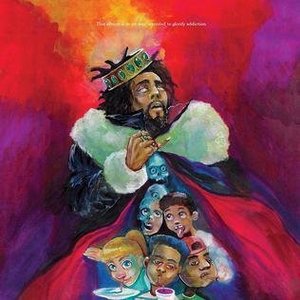
J. Cole is a popular hip-hop lyricist out of Fayetteville, North Carolina. Not too long ago, he released his long-anticipated, self-produced, fifth studio album, entitled, “KOD”.
J. Cole – “KOD Trailer”
Cole revealed via Twitter that “KOD” stands for Kids on Drugs, King Overdosed, and Kill Our Demons. The rest of the album he leaves to our interpretation. Well, let’s begin.
INTRO
The album begins with caution. Jazz bellows underneath a female voice reciting uplifting words. Her message suggests listeners should make the right decisions (choose wisely) because the past (sand in an hourglass) can provide shelter for their demons.
Also, a way to a painless existence is provided. Those in pain must choose wisely, or make healthier decisions, to avoid being tormented by their past.
KOD
The title track showcases Cole’s Kids on Drugs braggadocios side. In verse one, he utilizes his carnal mind to reply to media/fans asking him a bunch of ‘how’ questions. But instead of being humble, Cole replies to his critics in an arrogant way.
The second verse disconnects from the first and goes into a random storytelling mode with intersecting ideas that jump from one subject to another.
The outro is noteworthy. It forms a bridge between Intro and KOD songs. Also, it ends on a thought-provoking note.
If love is indeed the strongest drug like Cole stated, then why isn’t it being chased after like the drugs listed above? Why aren’t more people getting high off love? The question then becomes…is love even a drug?
That depends on who you ask. But what we all will agree on, love is an invisible element that contributes to people being addicted to drugs? It’s a fact, a strong love for something breeds addiction, dependency, et cetera.
PHOTOGRAPH
Cole uses a 2018 rhyme pattern to address a woman he follows privately on social media. He’s addicted or loves to stalk the woman online, and it’s starting to mess with his health.
Cole always excels when he tells stories about him and a woman. Women are his go-to subject to rap about and he does a pretty good job on this song.
THE CUT OFF (FEAT. KILL EDWARD)
Cole isn’t too fond of doing features on his albums. But this time, he enlists his alter ego, kiLL edward, to help him say that Heaven is a mental mind state.
edward raps that he’s stuck in his fallen ways and that’s why he keeps falling down. That’s why he drinks alcohol and uses drugs to help him cope. But keep in mind that edward is actually Cole.
Cole raps about disloyal friends that owe him an apology and what he’s gonna do to them when they meet. But all the while, edward is in Cole’s mind telling him that drinking alcohol and using drugs will help numb his pain.
ATM
ATM is an energetically poppin’ single with replay value. It begins with the album’s theme—choose wisely.
Cole praises money like it’s biblical and even states that it solved every problem he had. But after counting up all the money, he concludes that you can’t take it with you when you die.
The Scott Lazer & Cole-directed video shows the King of Drugs chauffeuring a bunch of children riding on a drug float. The storyline is dope, reminiscent of a classic video from hip-hop’s golden era.
Also, Cole literally gives his arm and leg to purchase a vehicle. That transaction signifies what people are doing nowadays to accumulate material wealth. But keep in mind, chasing money will lead to your death or downfall. Message received.
MOTIV8
Motiv8 is a good track that features a sample from Junior M.A.F.I.A.’s “Get Money” single.
Cole encourages listeners to get high and get money, even though he just said that chasing money is detrimental to their health.
Verse 2 features one of Cole’s best lyrics and flow.
KEVIN’S HEART
Cole’s continues his lyrical crusade and touches on his favorite subject.
He raps about being in a committed relationship but admits to being an addict that’s addicted to cheating. He tries to fight the temptation and remain faithful but acknowledges that he’s fake for thinking that way.
BRACKETS
The song begins with a Richard Pryor comedy skit.
Cole speaks about being a millionaire and then he receives a phone call from Uncle Sam.
Verse 2 highlights Cole’s disgust with paying higher taxes now that he’s a millionaire.
ONCE AN ADDICT – INTERLUDE
Cole shines brightly on this song, which is reminiscent of Nas’ “Project Windows” single.
He addresses his mother’s battle with alcoholism. The reason why she drank—because Cole’s step-father had a baby with another woman. So, to cope with the pain, Cole’s mother started abusing alcohol.
With no one to turn to, she used to call to talk to Cole. But he didn’t like talking to her while she was drunk.
At the end of the song, Cole regrets being that way to his mother when she needed him the most.
FRIENDS (FEAT. KILL EDWARDS)
Cole finds solace in his alter ego and cops another bag of weed to smoke. Somehow, he needs it to cope and gets aggravated when he doesn’t smoke.
He takes this time to address his friends who aren’t motivated to succeed. He tells them several things they can blame their lack of motivation on. And ends it by saying that the blame game is also an addiction that people use to not get better.
Also, he raps about depression and drug addiction.
WINDOW PAIN – OUTRO
The song begins with a girl telling Cole about the time her cousin got shot. Cole is sad, listening to the girl with tears in his eyes.
Then Cole praises the Most High. He speaks about things he wanna do like killing the man that made his mother cry and seeing his granny on the other side.
The girl ends the song with a powerful message.
1985 – INTRO TO “THE FALL OFF”
Cole ends his KOD album in battle rap mode. He addresses Lil Pump for dissing him on Pump’s “F*ck J Cole” song.
Cole’s flow is melodic and his lyrics cut deep. He foretells Pump’s future and predicts the rapper will be on Love & Hip-Hop in five years. Also, Cole wished him good luck in his career.
CONCLUSION
J. Cole gets a big thumbs up for producing a solid album with no features. Also, his evergreen message of choosing wisely has to be applauded, especially nowadays when living recklessly is being rewarded.
Listeners have different options to cope with their pain. Using drugs and drinking alcohol are just two ways of doing so. But if you choose wisely, and pick a healthier way to ease your pain, your life will change for the better.
https://www.bongminesentertainment.com/j-cole-kod/
J. Cole – “KOD Trailer”
Cole revealed via Twitter that “KOD” stands for Kids on Drugs, King Overdosed, and Kill Our Demons. The rest of the album he leaves to our interpretation. Well, let’s begin.
INTRO
The album begins with caution. Jazz bellows underneath a female voice reciting uplifting words. Her message suggests listeners should make the right decisions (choose wisely) because the past (sand in an hourglass) can provide shelter for their demons.
Also, a way to a painless existence is provided. Those in pain must choose wisely, or make healthier decisions, to avoid being tormented by their past.
KOD
The title track showcases Cole’s Kids on Drugs braggadocios side. In verse one, he utilizes his carnal mind to reply to media/fans asking him a bunch of ‘how’ questions. But instead of being humble, Cole replies to his critics in an arrogant way.
The second verse disconnects from the first and goes into a random storytelling mode with intersecting ideas that jump from one subject to another.
The outro is noteworthy. It forms a bridge between Intro and KOD songs. Also, it ends on a thought-provoking note.
If love is indeed the strongest drug like Cole stated, then why isn’t it being chased after like the drugs listed above? Why aren’t more people getting high off love? The question then becomes…is love even a drug?
That depends on who you ask. But what we all will agree on, love is an invisible element that contributes to people being addicted to drugs? It’s a fact, a strong love for something breeds addiction, dependency, et cetera.
PHOTOGRAPH
Cole uses a 2018 rhyme pattern to address a woman he follows privately on social media. He’s addicted or loves to stalk the woman online, and it’s starting to mess with his health.
Cole always excels when he tells stories about him and a woman. Women are his go-to subject to rap about and he does a pretty good job on this song.
THE CUT OFF (FEAT. KILL EDWARD)
Cole isn’t too fond of doing features on his albums. But this time, he enlists his alter ego, kiLL edward, to help him say that Heaven is a mental mind state.
edward raps that he’s stuck in his fallen ways and that’s why he keeps falling down. That’s why he drinks alcohol and uses drugs to help him cope. But keep in mind that edward is actually Cole.
Cole raps about disloyal friends that owe him an apology and what he’s gonna do to them when they meet. But all the while, edward is in Cole’s mind telling him that drinking alcohol and using drugs will help numb his pain.
ATM
ATM is an energetically poppin’ single with replay value. It begins with the album’s theme—choose wisely.
Cole praises money like it’s biblical and even states that it solved every problem he had. But after counting up all the money, he concludes that you can’t take it with you when you die.
The Scott Lazer & Cole-directed video shows the King of Drugs chauffeuring a bunch of children riding on a drug float. The storyline is dope, reminiscent of a classic video from hip-hop’s golden era.
Also, Cole literally gives his arm and leg to purchase a vehicle. That transaction signifies what people are doing nowadays to accumulate material wealth. But keep in mind, chasing money will lead to your death or downfall. Message received.
MOTIV8
Motiv8 is a good track that features a sample from Junior M.A.F.I.A.’s “Get Money” single.
Cole encourages listeners to get high and get money, even though he just said that chasing money is detrimental to their health.
Verse 2 features one of Cole’s best lyrics and flow.
KEVIN’S HEART
Cole’s continues his lyrical crusade and touches on his favorite subject.
He raps about being in a committed relationship but admits to being an addict that’s addicted to cheating. He tries to fight the temptation and remain faithful but acknowledges that he’s fake for thinking that way.
BRACKETS
The song begins with a Richard Pryor comedy skit.
Cole speaks about being a millionaire and then he receives a phone call from Uncle Sam.
Verse 2 highlights Cole’s disgust with paying higher taxes now that he’s a millionaire.
ONCE AN ADDICT – INTERLUDE
Cole shines brightly on this song, which is reminiscent of Nas’ “Project Windows” single.
He addresses his mother’s battle with alcoholism. The reason why she drank—because Cole’s step-father had a baby with another woman. So, to cope with the pain, Cole’s mother started abusing alcohol.
With no one to turn to, she used to call to talk to Cole. But he didn’t like talking to her while she was drunk.
At the end of the song, Cole regrets being that way to his mother when she needed him the most.
FRIENDS (FEAT. KILL EDWARDS)
Cole finds solace in his alter ego and cops another bag of weed to smoke. Somehow, he needs it to cope and gets aggravated when he doesn’t smoke.
He takes this time to address his friends who aren’t motivated to succeed. He tells them several things they can blame their lack of motivation on. And ends it by saying that the blame game is also an addiction that people use to not get better.
Also, he raps about depression and drug addiction.
WINDOW PAIN – OUTRO
The song begins with a girl telling Cole about the time her cousin got shot. Cole is sad, listening to the girl with tears in his eyes.
Then Cole praises the Most High. He speaks about things he wanna do like killing the man that made his mother cry and seeing his granny on the other side.
The girl ends the song with a powerful message.
1985 – INTRO TO “THE FALL OFF”
Cole ends his KOD album in battle rap mode. He addresses Lil Pump for dissing him on Pump’s “F*ck J Cole” song.
Cole’s flow is melodic and his lyrics cut deep. He foretells Pump’s future and predicts the rapper will be on Love & Hip-Hop in five years. Also, Cole wished him good luck in his career.
CONCLUSION
J. Cole gets a big thumbs up for producing a solid album with no features. Also, his evergreen message of choosing wisely has to be applauded, especially nowadays when living recklessly is being rewarded.
Listeners have different options to cope with their pain. Using drugs and drinking alcohol are just two ways of doing so. But if you choose wisely, and pick a healthier way to ease your pain, your life will change for the better.
https://www.bongminesentertainment.com/j-cole-kod/

Heather Cranmer (2721 KP) rated Glass (Crank, #2) in Books
Jun 6, 2018

(This review can also be found on my blog <a href="http://themisadventuresofatwentysomethingyearold.blogspot.com">The (Mis)Adventures of a Twenty-Something Year Old Girl</a>).
After reading Crank by Ellen Hopkins, I knew I had to read the sequel. It just had to be done. I enjoyed this book a lot, not as much as the first book in the series, but it was still good.
Glass begins where Crank left off. Now Kristina has a baby to take care off. Kristina believes she can control the monster now that she has Hunter to take care of. Little does she know it's not as easy as that. Will Kristina finally give up the monster for good this time to become a good mother?
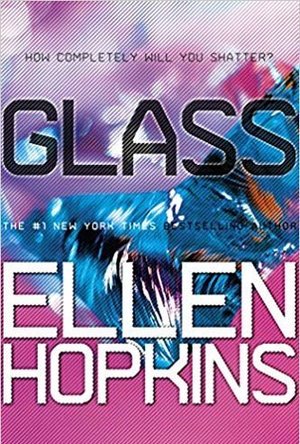
The title of this sequel to Crank is a great one. Glass is one of the many slang names for the drug Meth. I love the way Hopkins continues to use a slang name for Meth.
Again, I do like the cover to this book. I do prefer the first cover as I loved the black and white simplicity of it. However, the purple cover with the title written in Meth looks good too.
As with the first book in this series, the world building is perfect. It's so easy to lose yourself in Kristina's world. The scenes for each chapter are so easy to imagine.
The pacing of this book is a bit slower than the first one. However, the pacing is still very good. I didn't devour this book like I did Crank, but I still loved it. I don't know why, but Glass just read a bit slower.
Like with the first book in the series, there isn't that much dialogue between characters. However, I loved the internal dialogue Kristina has with herself. It makes Kristina come across as more real and vulnerable. There is swearing in this book so if that bothers you, you don't want to read this book.
I still think Kristina is a fabulous character, and Hopkins does a fantastic job of portraying her like a proper Meth addict that came from a great home life. Kristina is a very well written character, and I really, really loved learning more about her. I was a bit saddened that Chase wasn't really in the second book as I loved him in the first. We do get to meet Trey though who I didn't really like, not because he wasn't written very well, but because of the way he treated Kristina. Brad was definitely one of my favourite characters.
This book is also written in verse like the first one. I like this because it makes the story more interesting to me. Plus, I like it when a book has a short chapter. Long chapters in books really annoy me for some reason.
Glass is a fantastic book and continues from the first book rather smoothly. The pacing is not as fast as the first book, but it's still a great sequel. I've now started on the third and final book in the series.
I'd recommend this book to everyone aged 16+ due to the bad language and the themes.
I'd give Glass (Crank #2) by Ellen Hopkins a 4.5 out of 5.
After reading Crank by Ellen Hopkins, I knew I had to read the sequel. It just had to be done. I enjoyed this book a lot, not as much as the first book in the series, but it was still good.
Glass begins where Crank left off. Now Kristina has a baby to take care off. Kristina believes she can control the monster now that she has Hunter to take care of. Little does she know it's not as easy as that. Will Kristina finally give up the monster for good this time to become a good mother?
The title of this sequel to Crank is a great one. Glass is one of the many slang names for the drug Meth. I love the way Hopkins continues to use a slang name for Meth.
Again, I do like the cover to this book. I do prefer the first cover as I loved the black and white simplicity of it. However, the purple cover with the title written in Meth looks good too.
As with the first book in this series, the world building is perfect. It's so easy to lose yourself in Kristina's world. The scenes for each chapter are so easy to imagine.
The pacing of this book is a bit slower than the first one. However, the pacing is still very good. I didn't devour this book like I did Crank, but I still loved it. I don't know why, but Glass just read a bit slower.
Like with the first book in the series, there isn't that much dialogue between characters. However, I loved the internal dialogue Kristina has with herself. It makes Kristina come across as more real and vulnerable. There is swearing in this book so if that bothers you, you don't want to read this book.
I still think Kristina is a fabulous character, and Hopkins does a fantastic job of portraying her like a proper Meth addict that came from a great home life. Kristina is a very well written character, and I really, really loved learning more about her. I was a bit saddened that Chase wasn't really in the second book as I loved him in the first. We do get to meet Trey though who I didn't really like, not because he wasn't written very well, but because of the way he treated Kristina. Brad was definitely one of my favourite characters.
This book is also written in verse like the first one. I like this because it makes the story more interesting to me. Plus, I like it when a book has a short chapter. Long chapters in books really annoy me for some reason.
Glass is a fantastic book and continues from the first book rather smoothly. The pacing is not as fast as the first book, but it's still a great sequel. I've now started on the third and final book in the series.
I'd recommend this book to everyone aged 16+ due to the bad language and the themes.
I'd give Glass (Crank #2) by Ellen Hopkins a 4.5 out of 5.