
Search
Search results

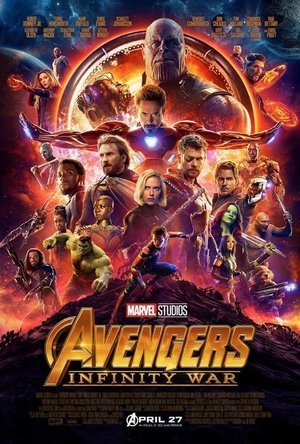
Connor Sheffield (293 KP) rated Avengers: Infinity War (2018) in Movies
Apr 28, 2018 (Updated Apr 30, 2018)


Great Action (as always) (3 more)
Incredible visuals
Brilliant cast
A f*ck fest of emotions
Not as impactful (2 more)
Another film that seems to happen too fast
A f*ck fest of emotions
10 years in the making
Contains spoilers, click to show
As stated this review contains spoilers so leave now lest ye want to ruin the film!
So this films has been everything marvel has been building towards for the past decade and that in itself is truly incredible and whilst I am not as big a Marvel fan as I am DC, I can honestly say I have loved every step of the way. The films only got better with each wave of the universe and there have been some true masterpieces, Superior to the DC cinematic universe for it's continuity and it's structure, I am not afraid to admit that or foolish enough to deny that.
However at the time of writing this I have literally just come out of the screening of Avengers: Infinity War and I have to say I was impressed but also slightly disappointed. Here's why...
I was impressed with the performances, and everything that has connected the Marvel cinematic universe up to this point and the cast portray that history incredibly well. You can really tell that these characters have had all this history and even the newer cast like Black Panther, fit well into that history and the overall atmosphere of the universe.
Brolin was incredible as Thanos and the writers did something unexpected with his character that really makes the audience think about his intentions.
However, the overall impact of the film was a little lost on me and possibly me alone, for the simple reason that it all happens so fast. There's a lot of action, a lot of laughs and a lot of serious impact moments, but without spoiling names, the loss of characters in this film didn't impact me as much as I'd hoped.
But here's why that might just be me, and it really comes down to 3 words:
Comic Book Movie
No matter how hard I try, I can't escape that when I watch these films. They are comic book movies and we already know a lot of these characters have more movies to go. So I know that no matter what will happen, it will all work out one way or another in the end you'll lose some characters but will they really be gone gone, or will we see them in another film, or at least hear about them in another film.
It's not because I'm a DC fanboy or anything cos honestly I know I'd feel this way about any comic book movie. It's just not something I can seem to grasp when it comes to my feelings towards comic book movies. The whole "they made comic characters feel real and live in our reality" I get to a certain extent but that doesn't mean I'll walk out of a movie in tears over the death of even my favourite comic book character if it were to happen. Some films have that impact on me, I'm not a robot, but comic book films just don't seem to work for me when it comes to that true emotions of loss. But as I said that's just me. I was hoping infinity war would change that cos I knew this was a biggy, but sadly it didn't quite happen. It came close with certain scenes. But not quite.
So overall I give it 9/10 because it was a brilliant film. Without a doubt ONE OF the best comic movies, not the best, but certainly one of.
So this films has been everything marvel has been building towards for the past decade and that in itself is truly incredible and whilst I am not as big a Marvel fan as I am DC, I can honestly say I have loved every step of the way. The films only got better with each wave of the universe and there have been some true masterpieces, Superior to the DC cinematic universe for it's continuity and it's structure, I am not afraid to admit that or foolish enough to deny that.
However at the time of writing this I have literally just come out of the screening of Avengers: Infinity War and I have to say I was impressed but also slightly disappointed. Here's why...
I was impressed with the performances, and everything that has connected the Marvel cinematic universe up to this point and the cast portray that history incredibly well. You can really tell that these characters have had all this history and even the newer cast like Black Panther, fit well into that history and the overall atmosphere of the universe.
Brolin was incredible as Thanos and the writers did something unexpected with his character that really makes the audience think about his intentions.
However, the overall impact of the film was a little lost on me and possibly me alone, for the simple reason that it all happens so fast. There's a lot of action, a lot of laughs and a lot of serious impact moments, but without spoiling names, the loss of characters in this film didn't impact me as much as I'd hoped.
But here's why that might just be me, and it really comes down to 3 words:
Comic Book Movie
No matter how hard I try, I can't escape that when I watch these films. They are comic book movies and we already know a lot of these characters have more movies to go. So I know that no matter what will happen, it will all work out one way or another in the end you'll lose some characters but will they really be gone gone, or will we see them in another film, or at least hear about them in another film.
It's not because I'm a DC fanboy or anything cos honestly I know I'd feel this way about any comic book movie. It's just not something I can seem to grasp when it comes to my feelings towards comic book movies. The whole "they made comic characters feel real and live in our reality" I get to a certain extent but that doesn't mean I'll walk out of a movie in tears over the death of even my favourite comic book character if it were to happen. Some films have that impact on me, I'm not a robot, but comic book films just don't seem to work for me when it comes to that true emotions of loss. But as I said that's just me. I was hoping infinity war would change that cos I knew this was a biggy, but sadly it didn't quite happen. It came close with certain scenes. But not quite.
So overall I give it 9/10 because it was a brilliant film. Without a doubt ONE OF the best comic movies, not the best, but certainly one of.

Andy K (10827 KP) rated Poltergeist (1982) in Movies
Oct 25, 2019


The TV People!
When the Freeling family moved into their suburban California home, little did they know what they were getting themselves into! Minor oddities began showing themselves like chairs stacking in the kitchen lights flashing or even being pulled across the kitchen floor. It felt like a "tickle". The situation quickly grows more severe as a tree outside the children's room plunges inside and tries to ingest son, Robbie. Simultaneously, a gateway of sorts opens in the children's room eventually pulling the entire contents into its closet vortex including youngest daughter, Carol Anne.
Parents Steve and Diane have little option but to accept "professional" help. The Ghostbusters were not available since that film was not released until 2 years later. Instead, they convince a doctor and paranormal scientists to enter there home to record some of these events and provide some answers if they can. Eventually, the Dr. summons a spiritual medium who says someone must enter the void and rescue Carol Anne from the evil which surrounds her. After apparent success, the house is considered "clean".
I wonder if it will stay that way?
Over the years lots of interesting facts about the film and production have emerged including the Poltergeist "curse" since a prominent cast member passed away after each film was completed. Tragically, oldest daughter, Dana, played by actress Dominique Dunne, was strangled by her boyfriend and pronounced brain dead a few days later.
Spielberg was hot off Raiders of the Lost Ark at the time so was busy with one production after another. Immediately following the wrap of filming of Poltergeist he filmed E. T. The Extra Terrestrial, but was still heavily involved in post production. It has been widely speculated Spielberg even directed some of Poltergieist due to having control issues or maybe not liking what credited director Tobe Hooper was doing.
Drew Barrymore auditioned for Carol Ann, but didn't get the role. Obviously, she was remembered and given her breakout role in E.T. when it was also released in 1982.
So much of the movie is still remembered including the menacing tree, the clown scene with Robbie and a rich, interesting screenplay Spielberg himself wrote. The line "They're Here" is listed on the AFI's 100 YEARS...100 MOVIE QUOTES list at #69. As with a lot of Spielberg's early work, the affect of slowing building tension and the starting out "normal" and moving toward higher tension gradually is a staple and works amazingly well here.
I will admit some of the optical effects used now look a bit dated by today's standards of film perfection; however, does not diminish the scares, creeps or overall feel of this horror classic one bit. The score by Jerry Goldsmith is haunting, foreboding and captures the magic of the Freeling household perfectly.
I love the production design in the house especially the children's bedroom. There must have been some inside joke between Spielberg and George Lucas who had just collaborated on Raiders of the Lost Ark as their room is filled with Star Wars licensing of every type (so was mine as a kid) including action figures, bedding, movie posters and even clothing. I do draw the line at the Alien poster on the wall, through, as I don't think a 5 and 8 year old would have seen that film so young.
One other funny thing which us older folk take for granted is a network actually going off the air and showing just snow. This fact happened every day before the days of the 24 television cycle and would be completely foreign to the younger generation. Oh how things have changed.
I revisit this film often and is one of my Halloween traditions every few years. I should probably upgrade my 20 years old DVD copy for a fresh Blu Ray. Add it to the list! 😜
Parents Steve and Diane have little option but to accept "professional" help. The Ghostbusters were not available since that film was not released until 2 years later. Instead, they convince a doctor and paranormal scientists to enter there home to record some of these events and provide some answers if they can. Eventually, the Dr. summons a spiritual medium who says someone must enter the void and rescue Carol Anne from the evil which surrounds her. After apparent success, the house is considered "clean".
I wonder if it will stay that way?
Over the years lots of interesting facts about the film and production have emerged including the Poltergeist "curse" since a prominent cast member passed away after each film was completed. Tragically, oldest daughter, Dana, played by actress Dominique Dunne, was strangled by her boyfriend and pronounced brain dead a few days later.
Spielberg was hot off Raiders of the Lost Ark at the time so was busy with one production after another. Immediately following the wrap of filming of Poltergeist he filmed E. T. The Extra Terrestrial, but was still heavily involved in post production. It has been widely speculated Spielberg even directed some of Poltergieist due to having control issues or maybe not liking what credited director Tobe Hooper was doing.
Drew Barrymore auditioned for Carol Ann, but didn't get the role. Obviously, she was remembered and given her breakout role in E.T. when it was also released in 1982.
So much of the movie is still remembered including the menacing tree, the clown scene with Robbie and a rich, interesting screenplay Spielberg himself wrote. The line "They're Here" is listed on the AFI's 100 YEARS...100 MOVIE QUOTES list at #69. As with a lot of Spielberg's early work, the affect of slowing building tension and the starting out "normal" and moving toward higher tension gradually is a staple and works amazingly well here.
I will admit some of the optical effects used now look a bit dated by today's standards of film perfection; however, does not diminish the scares, creeps or overall feel of this horror classic one bit. The score by Jerry Goldsmith is haunting, foreboding and captures the magic of the Freeling household perfectly.
I love the production design in the house especially the children's bedroom. There must have been some inside joke between Spielberg and George Lucas who had just collaborated on Raiders of the Lost Ark as their room is filled with Star Wars licensing of every type (so was mine as a kid) including action figures, bedding, movie posters and even clothing. I do draw the line at the Alien poster on the wall, through, as I don't think a 5 and 8 year old would have seen that film so young.
One other funny thing which us older folk take for granted is a network actually going off the air and showing just snow. This fact happened every day before the days of the 24 television cycle and would be completely foreign to the younger generation. Oh how things have changed.
I revisit this film often and is one of my Halloween traditions every few years. I should probably upgrade my 20 years old DVD copy for a fresh Blu Ray. Add it to the list! 😜

Emma @ The Movies (1786 KP) rated Venom (2018) in Movies
Sep 25, 2019
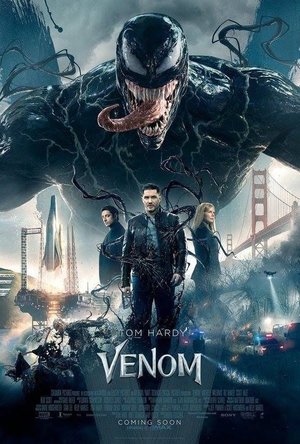


I went into the screen with wildly low expectations for Venom, nothing in the trailer had me on the edge of my seat. In the run up to me going there were more and more reviews appearing saying that it was bad, not that I read any of them. So many people just felt the need to put it right in the title... yes, yes, but much more obvious than mine!!
But you know what? It wasn't bad. That's not to say it was good, but it wasn't bad. I didn't laugh anywhere near as much as everyone else did, but it did have some funny bits in it. I'm sorry though, "blowing like a turd in the wind"? Not funny. Wasn't funny in the trailer, not funny in the film.
Full disclosure, I've booked to see this again. Not because I enjoyed it so much but because the people who were watching it in the screen with me were the noisiest people on the planet.
I understand that they couldn't accurately do Venom's origin story as it invilves Spider-man but I'm not sure how I felt about this version of events. Also, if a super nerd out there could help me out... I thought that Venom was the name for the combined host and symbiote, but in the film the symbiote is called Venom... which way is correct?
There are some great bits between Eddie and Venom. Venom obviously thinks Eddie is a bit of a wimp and doesn't mind pointing it out. He's embarrassed by him putting his hands up in surrender and by him being unwilling to jump out of an upper floor window. Both bring amusing exchanges.
When we see the duo fighting and evading the tac team in the early part of the film all I could think was how reminiscent of Upgrade it was when he was being controlled by Venom. I also got flashes of other Marvel offerings, specifically Hulk. Venom tossing people around by their feet, then witnessing him fight Riot gave me flashbacks of Hulk and The Abomination. The latter was a lot easier to watch than the fight between this new pair though. It was way too chaotic, and almost impossible to figure out exactly what was happening.
In general I'm not a fan of the CGI symbiotes, they look a lot more cartoony and feel slightly unfinished, like there's a layer missing to make them more realistic. I also wasn't overly keen on much of the acting, I found Tom Hardy to be lacking and didn't find Eddie Brock to be very dynamic for an investigative journalist.
The first of the credit scenes lines us up with a potential sequel with a quick appearence by Woody Harrelson as Cletus Kasady who historically was the original host for Carnage. Harrelson has grown on me immensely in recent years with his acting and it would be a shame not to see him given this serial killers' role in the Universe... but with a film that feels like it fits more in the Maguire era of Spider-man movies I personally can't see a sequel from Venom doing him justice.
The second credit scene felt a little like a cheat to me as it wasn't anything to do with the film. It was entertaining despite that though. A little lighthearted humour but it felt completely out of place, it was much more like a short you would watch before the main event. Perhaps it would have been better as a "feature length" trailer than a credit scene.
What should you do?
You should probably see it. In my opinion it doesn't compare to any of the other "super" movies, and he isn't going to become my favourite anti-hero, but it is a reasonable diversion and the humour that's there isn't that bad.
Movie thing you wish you could take home
If I could have a symbiote that won't kill be and wouldn't look so crazy then I think I'd probably see where it took me.
But you know what? It wasn't bad. That's not to say it was good, but it wasn't bad. I didn't laugh anywhere near as much as everyone else did, but it did have some funny bits in it. I'm sorry though, "blowing like a turd in the wind"? Not funny. Wasn't funny in the trailer, not funny in the film.
Full disclosure, I've booked to see this again. Not because I enjoyed it so much but because the people who were watching it in the screen with me were the noisiest people on the planet.
I understand that they couldn't accurately do Venom's origin story as it invilves Spider-man but I'm not sure how I felt about this version of events. Also, if a super nerd out there could help me out... I thought that Venom was the name for the combined host and symbiote, but in the film the symbiote is called Venom... which way is correct?
There are some great bits between Eddie and Venom. Venom obviously thinks Eddie is a bit of a wimp and doesn't mind pointing it out. He's embarrassed by him putting his hands up in surrender and by him being unwilling to jump out of an upper floor window. Both bring amusing exchanges.
When we see the duo fighting and evading the tac team in the early part of the film all I could think was how reminiscent of Upgrade it was when he was being controlled by Venom. I also got flashes of other Marvel offerings, specifically Hulk. Venom tossing people around by their feet, then witnessing him fight Riot gave me flashbacks of Hulk and The Abomination. The latter was a lot easier to watch than the fight between this new pair though. It was way too chaotic, and almost impossible to figure out exactly what was happening.
In general I'm not a fan of the CGI symbiotes, they look a lot more cartoony and feel slightly unfinished, like there's a layer missing to make them more realistic. I also wasn't overly keen on much of the acting, I found Tom Hardy to be lacking and didn't find Eddie Brock to be very dynamic for an investigative journalist.
The first of the credit scenes lines us up with a potential sequel with a quick appearence by Woody Harrelson as Cletus Kasady who historically was the original host for Carnage. Harrelson has grown on me immensely in recent years with his acting and it would be a shame not to see him given this serial killers' role in the Universe... but with a film that feels like it fits more in the Maguire era of Spider-man movies I personally can't see a sequel from Venom doing him justice.
The second credit scene felt a little like a cheat to me as it wasn't anything to do with the film. It was entertaining despite that though. A little lighthearted humour but it felt completely out of place, it was much more like a short you would watch before the main event. Perhaps it would have been better as a "feature length" trailer than a credit scene.
What should you do?
You should probably see it. In my opinion it doesn't compare to any of the other "super" movies, and he isn't going to become my favourite anti-hero, but it is a reasonable diversion and the humour that's there isn't that bad.
Movie thing you wish you could take home
If I could have a symbiote that won't kill be and wouldn't look so crazy then I think I'd probably see where it took me.

Bob Mann (459 KP) rated The Mule (2018) in Movies
Sep 28, 2021
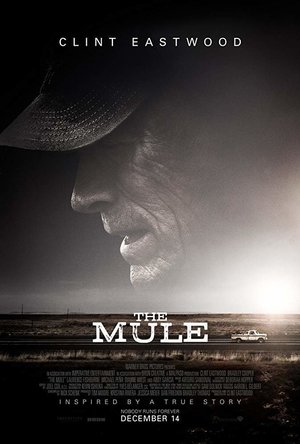
Eastwood is back, but is he hero or anti-hero?
It’s delightful to see Clint Eastwood back in front of the camera on the big screen. His last starring film was “Trouble with the Curve” in 2012 – a baseball-themed film that I don’t remember coming out in the UK, let alone remember seeing. Before that was 2008’s excellent “Gran Torino”.
Based on a true story.
“The Mule” is based on a true New York Times story about Leo Sharp, a veteren recruited by a cartel to ship drugs from the southern border to Chicago.
Eastwood couldn’t cast Sharp in the movie as himself because he died back in 2016, so had to personally take the role. (This is #satire…. Eastwood’s last film was the terrible “The 15:17 to Paris” where his ‘actors’ were the real-life participants themselves: you won’t find a review on this site as I only review films I’ve managed to sit through…. and with this one I failed!).
The plot.
Eastwood plays Earl Stone, a self-centred horticulturist of award-winning daylily’s (whatever they are) who is estranged from wife Mary (Dianne Wiest) and especially from his daughter Iris (Alison Eastwood, Clint’s own daughter), who now refuses to speak to him. This is because Earl has let his family down at every turn. The only person willing to give him a chance is his grand-daughter Ginny (Taissa Farmiga, younger sister of Vera). With his affairs in financial freefall, a chance meeting at a wedding leads Earl into a money-making driving job for the cartel operated by Laton (Andy Garcia). (Laton doesn’t seem to have a first name….. Fernando perhaps?).
With has beat-up truck and aged manner, he is invisible to the cops and so highly effective in the role. Even when – as the money keeps rolling in – he upgrades his truck to a souped-up monster!
Loose Morals.
It’s difficult to know whether Eastwood is playing a hero or an anti-hero. You feel tense when Earl is at risk of being caught, but then again the law officers would be preventing hundreds of kilos of cocaine from reaching the streets of Chicago and through their actions saving the lives of probably hundreds of people. I felt utterly conflicted: the blood of those people, and the destruction of the families that addiction causes, was on Earl’s hands as much as his employer’s. But you can’t quite equate that to the affable old-man that Eastwood portrays, who uses much of the money for charitable good-works in his community.
Family values.
In parallel with the drug-running main plot is a tale of Earl’s attempted redemption: “family should always come first”. When the two storylines come together around a critical event then it feels like a sufficient trigger for Earl to turn his back on his life of selfishness. This also gives room for some splendid acting scenes between Eastwood and Wiest. It’s also interesting that Earl tries to teach the younger DEA enforcement agent not to follow in the sins of his past. Bradley Cooper, back in pretty-boy mode, plays the agent, but seemed to me to be coasting; to me he wasn’t convincing in the role. Michael Peña is better as his unnamed DEA-buddy.
Final thoughts.
The showing at my cinema was surprisingly well-attended for a Wednesday night, showing that Eastwood is still a star-draw for box-office even in his old age. And it’s the reason to see the film for sure. His gristled driving turn to camera (most fully seen in the trailer rather than the final cut) is extraordinary.
He even manages to turn in an “eyes in rearview-mirror” shot that is surely a tribute to his Dirty Harry days!
If you can park your moral compass for a few hours then its an enjoyable film of drug-running and redemption. I’d like to suggest it also illustrates that crime really doesn’t pay, but from the end titles scene I’m not even sure at that age if that even applies!
Based on a true story.
“The Mule” is based on a true New York Times story about Leo Sharp, a veteren recruited by a cartel to ship drugs from the southern border to Chicago.
Eastwood couldn’t cast Sharp in the movie as himself because he died back in 2016, so had to personally take the role. (This is #satire…. Eastwood’s last film was the terrible “The 15:17 to Paris” where his ‘actors’ were the real-life participants themselves: you won’t find a review on this site as I only review films I’ve managed to sit through…. and with this one I failed!).
The plot.
Eastwood plays Earl Stone, a self-centred horticulturist of award-winning daylily’s (whatever they are) who is estranged from wife Mary (Dianne Wiest) and especially from his daughter Iris (Alison Eastwood, Clint’s own daughter), who now refuses to speak to him. This is because Earl has let his family down at every turn. The only person willing to give him a chance is his grand-daughter Ginny (Taissa Farmiga, younger sister of Vera). With his affairs in financial freefall, a chance meeting at a wedding leads Earl into a money-making driving job for the cartel operated by Laton (Andy Garcia). (Laton doesn’t seem to have a first name….. Fernando perhaps?).
With has beat-up truck and aged manner, he is invisible to the cops and so highly effective in the role. Even when – as the money keeps rolling in – he upgrades his truck to a souped-up monster!
Loose Morals.
It’s difficult to know whether Eastwood is playing a hero or an anti-hero. You feel tense when Earl is at risk of being caught, but then again the law officers would be preventing hundreds of kilos of cocaine from reaching the streets of Chicago and through their actions saving the lives of probably hundreds of people. I felt utterly conflicted: the blood of those people, and the destruction of the families that addiction causes, was on Earl’s hands as much as his employer’s. But you can’t quite equate that to the affable old-man that Eastwood portrays, who uses much of the money for charitable good-works in his community.
Family values.
In parallel with the drug-running main plot is a tale of Earl’s attempted redemption: “family should always come first”. When the two storylines come together around a critical event then it feels like a sufficient trigger for Earl to turn his back on his life of selfishness. This also gives room for some splendid acting scenes between Eastwood and Wiest. It’s also interesting that Earl tries to teach the younger DEA enforcement agent not to follow in the sins of his past. Bradley Cooper, back in pretty-boy mode, plays the agent, but seemed to me to be coasting; to me he wasn’t convincing in the role. Michael Peña is better as his unnamed DEA-buddy.
Final thoughts.
The showing at my cinema was surprisingly well-attended for a Wednesday night, showing that Eastwood is still a star-draw for box-office even in his old age. And it’s the reason to see the film for sure. His gristled driving turn to camera (most fully seen in the trailer rather than the final cut) is extraordinary.
He even manages to turn in an “eyes in rearview-mirror” shot that is surely a tribute to his Dirty Harry days!
If you can park your moral compass for a few hours then its an enjoyable film of drug-running and redemption. I’d like to suggest it also illustrates that crime really doesn’t pay, but from the end titles scene I’m not even sure at that age if that even applies!

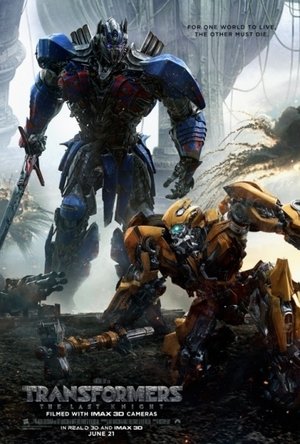
VAG_Abbo (4 KP) rated Transformers: The Last Knight (2017) in Movies
Jul 13, 2017

Great CGI work as always (3 more)
Little bits of Autobot and Cybertronian history sprinkled in
Lots of humour
Anthony Hopkins (watch it and you will understand)
Story was good yet a bit convoluted (2 more)
Lack of Dinobot screen time
Optimus not a big feature in this one
Better than expected
Contains spoilers, click to show
After seeing this film get slated by "professional" reviewers my hopes weren't very high for this instalment of a franchise that I personally enjoy. I was a pleasant surprise by how enjoyable this film was and maybe the number of laughs this film produces helps with that. It's nice to see that this film has visited the history of Cybertron and its race, but at the same time, it isn't over-explaining things and visiting the past too much. Anthony Hopkins has yet again given a great performance in this role and Mark Wahlberg gives a good show as well. For me personally, I think the trailers are a little deceiving as Optimus doesn't feature a great deal in this film. To be honest I think that there isn't enough screen time for any of the transformers as this one seems to be more about the humans, and considering the movie is called Transformers I feel that this is a bit of a letdown. Also, there was no explanation as to how Bumblebee gets his voice back and why it disappears as quick as it shows up. Yes, it's good that Optimus snaps out of the mind control (or is it bad coding in the ECU? LOL) at the sound of his old friend's real voice, but seriously how easy did that happen? If that's all it took then why didn't Bee just talk to him at the start instead of trading blows with each other and risking dying. Yes, maybe it is to get the point across that Bee will do anything for Optimus, but they are in a war they are losing so why let your strongest ally be fighting for the other side for so long? And what about Grimlock and Slag?? Very small bit parts for the Dinobots AND they changed Slags name to Slug!
LeftSideCut (3776 KP) rated Avengers: Endgame (2019) in Movies
May 14, 2019 (Updated May 14, 2019)
A truly incredible end to the MCU Infinity Saga
SPOLIER FREE REVIEW
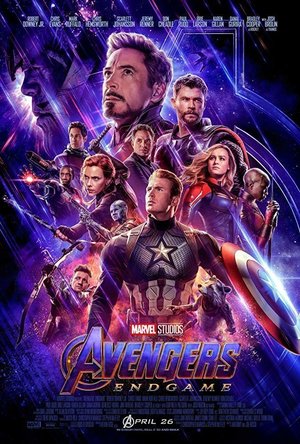
Avengers: Endgame is finally here after the shocking events of Infinity War.
First and foremost, a huge amount of respect is owed to the Russo brothers for managing to juggle so many characters across these two films (and Civil War) to a hugely satisfying degree.
But with a smaller cast to manage this time around, this is a film that is able to focus more on the original six Avengers from 2012.
The majority of the film is quite dialogue heavy, as the film focuses on a fun time travel plot, that takes us through a nostalgia filled trip through some of the past MCU films, filled with cameos galore.
The usual mix of thrilling set pieces, emotional beats (that scene set in 1970?), and comedy land just as well as they always have done, with Paul Rudd and Chris Hemsworth delivering most of the humour.
Robert Downey Jr and Scarlett Johansson shine as Tony Stark and Black Widow, as they always do, and I also enjoyed the amount of time they spent with characters like Hawkeye and Nebula, characters who would usually be considered secondary.
A concern I had going in was that they might use the recently added Captain Marvel, but thankfully isn't the case. She is used sparingly, and therefore effectively.
The only real gripe I have with Endgame, is that Thanos is forced more into a backseat role, after his incredible character arc throughout Infinity War, but is understandable, as mentioned above, this film is all about the original 6, and that's where the main focus lies. Saying that though, I did feel pretty unsatisfied with how they concluded the story arc for Black Widow...
As the movie approaches the inevitable big showdown, the ensuing battle is nothing short of thrilling, a pure scene of unobstructed comic book joy, that will have any Marvel fan trying not to shout at the screen.
All in all, it's a phenomenal ending to this chapter of the MCU, and I can't wait for what comes next (especially now that Marvel Studios have the Fox properties back)
Avengers: Endgame is finally here after the shocking events of Infinity War.
First and foremost, a huge amount of respect is owed to the Russo brothers for managing to juggle so many characters across these two films (and Civil War) to a hugely satisfying degree.
But with a smaller cast to manage this time around, this is a film that is able to focus more on the original six Avengers from 2012.
The majority of the film is quite dialogue heavy, as the film focuses on a fun time travel plot, that takes us through a nostalgia filled trip through some of the past MCU films, filled with cameos galore.
The usual mix of thrilling set pieces, emotional beats (that scene set in 1970?), and comedy land just as well as they always have done, with Paul Rudd and Chris Hemsworth delivering most of the humour.
Robert Downey Jr and Scarlett Johansson shine as Tony Stark and Black Widow, as they always do, and I also enjoyed the amount of time they spent with characters like Hawkeye and Nebula, characters who would usually be considered secondary.
A concern I had going in was that they might use the recently added Captain Marvel, but thankfully isn't the case. She is used sparingly, and therefore effectively.
The only real gripe I have with Endgame, is that Thanos is forced more into a backseat role, after his incredible character arc throughout Infinity War, but is understandable, as mentioned above, this film is all about the original 6, and that's where the main focus lies. Saying that though, I did feel pretty unsatisfied with how they concluded the story arc for Black Widow...
As the movie approaches the inevitable big showdown, the ensuing battle is nothing short of thrilling, a pure scene of unobstructed comic book joy, that will have any Marvel fan trying not to shout at the screen.
All in all, it's a phenomenal ending to this chapter of the MCU, and I can't wait for what comes next (especially now that Marvel Studios have the Fox properties back)
LeftSideCut (3776 KP) rated Jumanji: Welcome to the Jungle (2017) in Movies
Mar 13, 2020
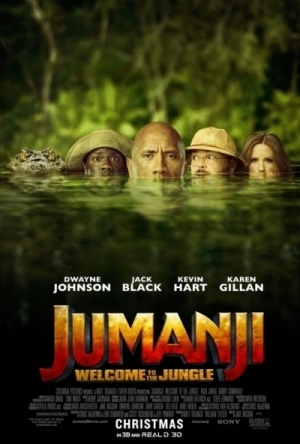
Jumanji: Welcome to the Jungle is on of those films that has no business being as good as it is.
Released a whopping 22 years after the beloved original, it's existence feels like it should be firmly in the "money grab" territory of Hollywood, but that just simply isn't the case.
Firstly, it's not just a re hash of the original plot. This time around, four teenagers all in detention for one reason or another, come across an old, unrecognisable games console labelled 'Jumanji'. After booting up the game and selecting their desired characters, the group are sucked into the game world, and have to complete it from within if they want to escape with their lives.
When in the game, the teens take on the roles of the characters they selected, each with their own skill sets. It's a delight for any video game fans, with fun references and silly NPC jokes scattered around.
The four younger actors don't get a huge amount of screen time, but they're engaging enough when they are about, bit the stars are of course the four who are front and centre of all the advertising. The chemistry between Dwayne 'The Rock' Johnson, Karen Gillan, Kevin Hart and Jack Black is fantastic and genuine. The script is tight and joke heavy, and every humourous line lands without fail. They all do a great job of awkward teenagers trapped inside the bodies of video game characters. Jack Black is a particular highlight, essentially playing an Instagram obsessed 18 year old girl.
The whole movie is pretty hilarious. It also carries a passive story of friendship and family, as the four very different people form a strong bond as the story progresses.
The action sequences are pretty thrilling as well, even if it is hard to not notice the excessive CGI at times.
WTTJ is a really enjoyable popcorn blockbuster. It's funny, silly, and has enough substance to it to get nicely invested in the characters. It even includes a subtle and tasteful nod to Robin Williams' character from 1995, and is a classy touch.
Released a whopping 22 years after the beloved original, it's existence feels like it should be firmly in the "money grab" territory of Hollywood, but that just simply isn't the case.
Firstly, it's not just a re hash of the original plot. This time around, four teenagers all in detention for one reason or another, come across an old, unrecognisable games console labelled 'Jumanji'. After booting up the game and selecting their desired characters, the group are sucked into the game world, and have to complete it from within if they want to escape with their lives.
When in the game, the teens take on the roles of the characters they selected, each with their own skill sets. It's a delight for any video game fans, with fun references and silly NPC jokes scattered around.
The four younger actors don't get a huge amount of screen time, but they're engaging enough when they are about, bit the stars are of course the four who are front and centre of all the advertising. The chemistry between Dwayne 'The Rock' Johnson, Karen Gillan, Kevin Hart and Jack Black is fantastic and genuine. The script is tight and joke heavy, and every humourous line lands without fail. They all do a great job of awkward teenagers trapped inside the bodies of video game characters. Jack Black is a particular highlight, essentially playing an Instagram obsessed 18 year old girl.
The whole movie is pretty hilarious. It also carries a passive story of friendship and family, as the four very different people form a strong bond as the story progresses.
The action sequences are pretty thrilling as well, even if it is hard to not notice the excessive CGI at times.
WTTJ is a really enjoyable popcorn blockbuster. It's funny, silly, and has enough substance to it to get nicely invested in the characters. It even includes a subtle and tasteful nod to Robin Williams' character from 1995, and is a classy touch.

Illeana Douglas recommended Vagabond (1985) in Movies (curated)

Haley Mathiot (9 KP) rated My Unfair Lady in Books
Apr 27, 2018

My Unfair Lady by Kathryne Kennedy
Genre: Historical fiction, Historical Romance
Rating: 4/5
Summary (from the back of the book):
HE CREATED THE PERFECT WOMAN… the impoverished Duke of Monchester despises the rich Americans who flock to London, seeking to buy their way into the ranks of the British peerage. So when railroad heiress Summer Wine Lee offers him a king’s ransom if he’ll teach her to become a proper lady, he’s prepared to rebuff her. But when he meets the petite beauty with the knife in her boot, it’s not her fortune he finds impossible to resist…
…FOR THE ARMS OF ANOTHER MAN. Frontier-bred Summer Wine Lee has no interest in winning over London society—it’s the New York bluebloods and her future mother-in-law she’s determined to impress. She knows the cost of smoothing her rough-and-tumble frontier edges will be high. But she never imagined it might cost her her heart…
Review: This book is so cute! The dialogue is lively, the characters are likeable (or in the case of the “bad ones”, hate-able), and the images and descriptions are clear and visible. I loved it by the end of the first chapter.
Summer was my kind of girl. She grinned when things were funny instead of trying to remain indifferent, she wasn’t afraid to show how she felt—but she could also throw a knife, shoot an arrow better than the woman champion of their day, and mount and ride a horse bareback (which I think is so cool!). She has a love for animals—and odd ones at that. She owns a three-legged dog, a dog with four legs but the size of a small horse, a monkey, a pocket-sized puppy, a fox, and a cat with no back legs (it sits in a cart and rolls around the room). She was raised by an Indian (one of those childhood dreams that I never quite left behind…) and he was the one who had taught her all that great stuff. Watching her try to settle into society was hilarious.
MY UNFAIR LADY has a lot of tension in it—both inner turmoil from poor Summer, and also sexual tension between the characters. However, it wasn’t overpowering because was so funny. I found that I laughed just as often as tension was built, so there was a constant, even balance. The end was very exciting, and I found it impossible to put down. Overall, reading this book was a hilarious and wonderful experience, and an unforgettable escape from reality.
Plot: My Fair Lady (the movie) shows a girl who is transformed to a lady, then the man falls in love with her. I love the change that has taken place in MY UNFAIR LADY—The man doesn’t want to change her, because he loves her the way she is. I like this plot better than the first!
Writing: The writing was decent, acceptable, and more readable than a lot of newly published romances. Though it wasn’t Dante, it wasn’t hard to read either.
Content: Refreshingly, there was no language in this book. Summer has her own set of expletives, but they weren’t offensive (“Tarnation!”). As far as sex, let’s just say there were several scenes (pages) in this book that I skipped completely, and just started reading again where the dialogue picked up. I didn’t miss anything important.
Recommendation: Ages 18+ to lovers of Historical fiction, Romance in general, or anyone who loves a girl who can shoot a gun, wield a knife, or use a bow and arrow better than a man!
**Thanks to Danielle at Sourcebooks for supplying my review copy!**
Genre: Historical fiction, Historical Romance
Rating: 4/5
Summary (from the back of the book):
HE CREATED THE PERFECT WOMAN… the impoverished Duke of Monchester despises the rich Americans who flock to London, seeking to buy their way into the ranks of the British peerage. So when railroad heiress Summer Wine Lee offers him a king’s ransom if he’ll teach her to become a proper lady, he’s prepared to rebuff her. But when he meets the petite beauty with the knife in her boot, it’s not her fortune he finds impossible to resist…
…FOR THE ARMS OF ANOTHER MAN. Frontier-bred Summer Wine Lee has no interest in winning over London society—it’s the New York bluebloods and her future mother-in-law she’s determined to impress. She knows the cost of smoothing her rough-and-tumble frontier edges will be high. But she never imagined it might cost her her heart…
Review: This book is so cute! The dialogue is lively, the characters are likeable (or in the case of the “bad ones”, hate-able), and the images and descriptions are clear and visible. I loved it by the end of the first chapter.
Summer was my kind of girl. She grinned when things were funny instead of trying to remain indifferent, she wasn’t afraid to show how she felt—but she could also throw a knife, shoot an arrow better than the woman champion of their day, and mount and ride a horse bareback (which I think is so cool!). She has a love for animals—and odd ones at that. She owns a three-legged dog, a dog with four legs but the size of a small horse, a monkey, a pocket-sized puppy, a fox, and a cat with no back legs (it sits in a cart and rolls around the room). She was raised by an Indian (one of those childhood dreams that I never quite left behind…) and he was the one who had taught her all that great stuff. Watching her try to settle into society was hilarious.
MY UNFAIR LADY has a lot of tension in it—both inner turmoil from poor Summer, and also sexual tension between the characters. However, it wasn’t overpowering because was so funny. I found that I laughed just as often as tension was built, so there was a constant, even balance. The end was very exciting, and I found it impossible to put down. Overall, reading this book was a hilarious and wonderful experience, and an unforgettable escape from reality.
Plot: My Fair Lady (the movie) shows a girl who is transformed to a lady, then the man falls in love with her. I love the change that has taken place in MY UNFAIR LADY—The man doesn’t want to change her, because he loves her the way she is. I like this plot better than the first!
Writing: The writing was decent, acceptable, and more readable than a lot of newly published romances. Though it wasn’t Dante, it wasn’t hard to read either.
Content: Refreshingly, there was no language in this book. Summer has her own set of expletives, but they weren’t offensive (“Tarnation!”). As far as sex, let’s just say there were several scenes (pages) in this book that I skipped completely, and just started reading again where the dialogue picked up. I didn’t miss anything important.
Recommendation: Ages 18+ to lovers of Historical fiction, Romance in general, or anyone who loves a girl who can shoot a gun, wield a knife, or use a bow and arrow better than a man!
**Thanks to Danielle at Sourcebooks for supplying my review copy!**
Bob Mann (459 KP) rated The Mercy (2018) in Movies
Sep 29, 2021
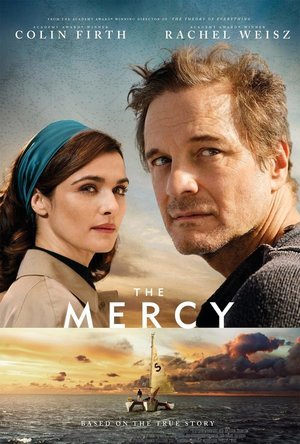
“With shroud, and mast, and pennon fair”.
It’s 1968. Donald Crowhurst (Colin Firth, “Kingsman: The Golden Circle“; “Magic in the Moonlight“), an amateur sailor and entrepreneur based in Teignmouth, Devon, is inspired by listening to single-handed round-the-world yachtsman Sir Francis Chichester and does a a crazy thing. He puts his business, his family’s house and his own life on the line by entering the Sunday Times single-handed round-the-world yacht race. It’s not even as if he has a boat built yet!
Lending him the money, under onerous terms, are local businessman Mr Best (Ken Stott, “The Hobbit“) and local newspaper editor Rodney Hallworth (David Thewlis, “Wonder Woman“, “The Theory of Everything“). With the race deadline upon him, Crowhurst is pressed into sailing away from his beloved wife Clare (Rachel Weisz, “Denial“, “The Lobster“) and young family in a trimaran that is well below par.
But what happens next is so ludicrous that it makes a mockery of whoever wrote this ridiculous work of fiction. Ah… but wait a minute… it’s a true story!
It is in fact such an astonishing story that this is a film that is easy to spoil in a review, a fact that seems to have passed many newspaper reviewers by (Arrrggghhh!!). So I will leave much comment to a “spoiler section” that follows the trailer (which is also best avoided). This is honestly a film worth seeing cold. What can I say that is spoiler-free then?
Firth and Weisz make a well-matched couple, and the rest of the cast is peppered with well-known faces from British film and (particularly) TV: Andrew Buchan and Jonathan Bailey (from “Broadchurch”); Mark Gatiss (“Sherlock”, “Out Kind of Traitor“); Adrian Schiller (“Victoria”; “Beauty and the Beast“).
The first part of the film is well executed and excellent value for older viewers. 60’s Devon is warm, bucolic and nostalgic. In fact, the film beautifully creates the late 60’s of my childhood, from the boxy hardwood furniture of the Crowhurst’s house to the Meccano set opened at Christmas time.
Once afloat though, the film is less successful at getting its sea-legs. The story is riveting, but quite a number of the scenes raise more questions than they answer. As stress takes hold it is perhaps not surprising that there are a few fantastical flights of movie fancy. But some specific elements in Scott Burns’ script don’t quite gel: a brass clock overboard is a case in point. What? Why?
And it seems to be light on the fallout from the race: there is a weighty scene in the trailer between Best and Hallworth that (unless I dozed off!) I don’t think appeared in the final cut, and I think was needed.
All in all, I was left feeling mildly dissatisfied: a potentially good film by “Theory of Everything” director James Marsh that rather goes off the rails in the final stretch.
This was a time where morality and honour were often rigidly adhered to – British “stiff upper lip” and all that – and seemed to carry a lot more weight than they do today. So some of the decisions in the film might mystify younger viewers. But for the packed older audience in my showing (Cineworld: this needs to be put on in a bigger screen!) then it was a gripping, stressful, but far from flawless watch.
I’d also like to take this opportunity to pay my respects to the film’s composer Jóhann Jóhannsson, who shockingly died last week at the ridiculously young age of 48. His strange and atmospheric music for films including “The Theory of Everything“, “Sicario” and (particularly) “Arrival” set him on the path to be a film composing great of the future. Like James Horner, another awful and untimely loss to the film music industry.
Lending him the money, under onerous terms, are local businessman Mr Best (Ken Stott, “The Hobbit“) and local newspaper editor Rodney Hallworth (David Thewlis, “Wonder Woman“, “The Theory of Everything“). With the race deadline upon him, Crowhurst is pressed into sailing away from his beloved wife Clare (Rachel Weisz, “Denial“, “The Lobster“) and young family in a trimaran that is well below par.
But what happens next is so ludicrous that it makes a mockery of whoever wrote this ridiculous work of fiction. Ah… but wait a minute… it’s a true story!
It is in fact such an astonishing story that this is a film that is easy to spoil in a review, a fact that seems to have passed many newspaper reviewers by (Arrrggghhh!!). So I will leave much comment to a “spoiler section” that follows the trailer (which is also best avoided). This is honestly a film worth seeing cold. What can I say that is spoiler-free then?
Firth and Weisz make a well-matched couple, and the rest of the cast is peppered with well-known faces from British film and (particularly) TV: Andrew Buchan and Jonathan Bailey (from “Broadchurch”); Mark Gatiss (“Sherlock”, “Out Kind of Traitor“); Adrian Schiller (“Victoria”; “Beauty and the Beast“).
The first part of the film is well executed and excellent value for older viewers. 60’s Devon is warm, bucolic and nostalgic. In fact, the film beautifully creates the late 60’s of my childhood, from the boxy hardwood furniture of the Crowhurst’s house to the Meccano set opened at Christmas time.
Once afloat though, the film is less successful at getting its sea-legs. The story is riveting, but quite a number of the scenes raise more questions than they answer. As stress takes hold it is perhaps not surprising that there are a few fantastical flights of movie fancy. But some specific elements in Scott Burns’ script don’t quite gel: a brass clock overboard is a case in point. What? Why?
And it seems to be light on the fallout from the race: there is a weighty scene in the trailer between Best and Hallworth that (unless I dozed off!) I don’t think appeared in the final cut, and I think was needed.
All in all, I was left feeling mildly dissatisfied: a potentially good film by “Theory of Everything” director James Marsh that rather goes off the rails in the final stretch.
This was a time where morality and honour were often rigidly adhered to – British “stiff upper lip” and all that – and seemed to carry a lot more weight than they do today. So some of the decisions in the film might mystify younger viewers. But for the packed older audience in my showing (Cineworld: this needs to be put on in a bigger screen!) then it was a gripping, stressful, but far from flawless watch.
I’d also like to take this opportunity to pay my respects to the film’s composer Jóhann Jóhannsson, who shockingly died last week at the ridiculously young age of 48. His strange and atmospheric music for films including “The Theory of Everything“, “Sicario” and (particularly) “Arrival” set him on the path to be a film composing great of the future. Like James Horner, another awful and untimely loss to the film music industry.
Becca Major (96 KP) Apr 29, 2018