
Search
Search results

Heather Cranmer (2721 KP) rated TaleSpins in Books
Jun 7, 2018


(This review can be found on my blog <a href="http://themisadventuresofatwentysomething.blogspot.com/">The (Mis)Adventures of a Twenty-Something Year Old Girl</a>).
I love alternate takes on fairy tales, so I was super happy when I was asked if I wanted to review TaleSpins (TaleSpins #1-3) by Michael Mullin! I must say that I loved this book!
The three stories are all short and are written in rhyming verse and can be bought individually. TaleSpins (TaleSpins #1-3) is just the collection of three stories in one place.
I must say that I do like the cover! It has to do with the story of 8th Dwarf.
For my review, I will be reviewing each story individually.
*
8th Dwarf
This is a retelling of Snow White. In this story, there was an eighth dwarf called Creepy who was locked int he basement so he'd be out of sight and out of mind. He was disfigured and lived up to his name. Creepy tells us the story of what really happened.
I enjoyed the story of 8th Dwarf. I felt bad for Creepy though because all he wanted was to be treated like a normal person and not like a criminal. He tries to save Snow White from the evil witch so many times, yet Snow White is too thick to realize that the witch is taking advantage of her. I enjoyed the rhyming, and I loved the font changes and little pictures during the story. I don't know if this is included in the ebook version, but it is in the paperback version.
8th Dwarf gets a 5 out of 5.
*
The Plight and Plot of Princess Penny
This is the story of a 15 year old princess named Penny who is bullied at school by a girl named Darcy. Penny is tired of being bullied by Darcy and seeks out a witch to help her get back at Darcy. Along the way she meets a troll named Jink. Jink warns her to stay away from the witch, but Penny will not listen. When Penny steals from the witch, Penny is taken prisoner by her. It's up to Jink to help Penny.
The Plight and Plot of Princess Penny references many fairy tales. I enjoyed all the references because it took me back to back to my childhood, especially the reference to Hansel and Gretel. While I didn't find this story as interesting as 8th Dwarf, it was still fun to read. Sometimes, I felt as if it had gotten to be a bit long winded and found my eyes were starting to glaze over. However, the pacing would pick back up, and I'd be enthralled in the story once again. I believe this story helps to teach us that nothing is ever as it seems.
The Plight and Plot of Princess Penny gets a 3.75 out of 5.
*
Jack'd
Jack'd is a take on the original Jack and the Beanstalk story. A doctor comes home to find a valuable treasure of his has been stolen by a teenager named Jack. While trying to locate Jack, the doctor comes across an elf like person who spray paints choices as doors for the doctor to make/take. The doctor becomes responsible for what happens to Jack.
Wow, wow, wow! This is definitely my favorite story in the book! Mr. Mullin sure did save the best for last! Jack'd read like one of those old film noir detective stories....at least, that's how it read to me. I found it interesting the way that the doctor had the choice as to what would happen to Jack...kind of like those choose your own ending books. I also loved how the verse was written in this story. I never even saw the plot twist coming!
Jack'd gets a definite 5 out of 5.
*
TaleSpins (TaleSpins #1-3) is a fantastic take on classic fairy tales. Michael Mullin brings in his own style of writing to make the fairy tales we've all come to know become fresh again.
I'd recommend this book to anyone aged 8+ (except Jack'd due to the theme. Jack'd, I'd recommend to those age 13+) who wants to get a thrill out of fairy tales again.
TaleSpins (TaleSpins #1-3) by Michael Mullin gets a 4.5 out of 5 overall.
(I received a free paperback copy of this title from the author in exchange for a fair and honest review).
I love alternate takes on fairy tales, so I was super happy when I was asked if I wanted to review TaleSpins (TaleSpins #1-3) by Michael Mullin! I must say that I loved this book!
The three stories are all short and are written in rhyming verse and can be bought individually. TaleSpins (TaleSpins #1-3) is just the collection of three stories in one place.
I must say that I do like the cover! It has to do with the story of 8th Dwarf.
For my review, I will be reviewing each story individually.
*
8th Dwarf
This is a retelling of Snow White. In this story, there was an eighth dwarf called Creepy who was locked int he basement so he'd be out of sight and out of mind. He was disfigured and lived up to his name. Creepy tells us the story of what really happened.
I enjoyed the story of 8th Dwarf. I felt bad for Creepy though because all he wanted was to be treated like a normal person and not like a criminal. He tries to save Snow White from the evil witch so many times, yet Snow White is too thick to realize that the witch is taking advantage of her. I enjoyed the rhyming, and I loved the font changes and little pictures during the story. I don't know if this is included in the ebook version, but it is in the paperback version.
8th Dwarf gets a 5 out of 5.
*
The Plight and Plot of Princess Penny
This is the story of a 15 year old princess named Penny who is bullied at school by a girl named Darcy. Penny is tired of being bullied by Darcy and seeks out a witch to help her get back at Darcy. Along the way she meets a troll named Jink. Jink warns her to stay away from the witch, but Penny will not listen. When Penny steals from the witch, Penny is taken prisoner by her. It's up to Jink to help Penny.
The Plight and Plot of Princess Penny references many fairy tales. I enjoyed all the references because it took me back to back to my childhood, especially the reference to Hansel and Gretel. While I didn't find this story as interesting as 8th Dwarf, it was still fun to read. Sometimes, I felt as if it had gotten to be a bit long winded and found my eyes were starting to glaze over. However, the pacing would pick back up, and I'd be enthralled in the story once again. I believe this story helps to teach us that nothing is ever as it seems.
The Plight and Plot of Princess Penny gets a 3.75 out of 5.
*
Jack'd
Jack'd is a take on the original Jack and the Beanstalk story. A doctor comes home to find a valuable treasure of his has been stolen by a teenager named Jack. While trying to locate Jack, the doctor comes across an elf like person who spray paints choices as doors for the doctor to make/take. The doctor becomes responsible for what happens to Jack.
Wow, wow, wow! This is definitely my favorite story in the book! Mr. Mullin sure did save the best for last! Jack'd read like one of those old film noir detective stories....at least, that's how it read to me. I found it interesting the way that the doctor had the choice as to what would happen to Jack...kind of like those choose your own ending books. I also loved how the verse was written in this story. I never even saw the plot twist coming!
Jack'd gets a definite 5 out of 5.
*
TaleSpins (TaleSpins #1-3) is a fantastic take on classic fairy tales. Michael Mullin brings in his own style of writing to make the fairy tales we've all come to know become fresh again.
I'd recommend this book to anyone aged 8+ (except Jack'd due to the theme. Jack'd, I'd recommend to those age 13+) who wants to get a thrill out of fairy tales again.
TaleSpins (TaleSpins #1-3) by Michael Mullin gets a 4.5 out of 5 overall.
(I received a free paperback copy of this title from the author in exchange for a fair and honest review).

Gareth von Kallenbach (980 KP) rated Super 8 (2011) in Movies
Aug 7, 2019
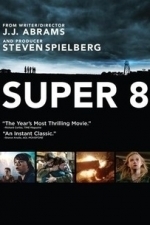

Writer/Director/Producer JJ Abramas is one of film and televisions hottest talents. With credits that include Lost, Fringe, Alias, “Mission Impossible 3“, “Cloverfield“, and “Star Trek” on his resume and several projects in the works, Abrams is one of the shining young talents in Hollywood.
For his new film “Super 8” Abrams uses a small Ohio town in the summer of 1979 to set the stage for his tale about a group of friends who while shooting a zombie film project make a discovery that will shake the foundation of their rural community.
Following the tragic death of his mother in a mill accident, Joe Lamb (Joel Courtney), is deep in dispair over his loss. His father deputy Lamb (Kyle Chandler), is focused on his work and with this own grieving that he has no time to bond with his son.
When summer break arrives deputy Lamb thinks that Joe would be better off spedning a few weeks at a baseball camp instead of associating with his friends and making what he believes is a stupid zombie film.
Wishing to stay with his friends, Joe works to help his friend Charles (Riley Griffiths), finish his Super 8 film for a contest by providing the makeup for the film. When the group of friends sneak out one evening to film scenes at a train platform they are thrilled to have a local girl named Alice (Elle Fanning), on board the production. Joe has long had interest in Alice and the fact that she has borrowed her fathers car to drive them despite having her license is a big plus.
The filming is going well when they notice a truck driving into the path of an oncoming train and setting off a spectacular derailment and series of explosions.
When the smoke clears the friends learn that the truck was driven by their high school biology teacher who warns them not to say a word as their lives as well as their families lives will be in danger .
The friends return to town and keep quiet about what they have seen even when the military shows up and is clearly hiding something from the local population. When a series of bizzare events start to unfold it becomes clear that something has escaped from the train wreckage, and it is something that the military will go to any lengths to recover and are not about to let anyone stand in their way.
Caught between the military and a creature on the loose, Joe and his friends must find a way to get to the truth and save their town and friends before its to late.
The film moves at a very steady pace that does not lend itself to an action film. The movie is a character driven film about the youngsters and their coming of age relationships with one another as they are faced with a situation beyond their comprehension.
There is a good amount of humor in the film and the youngcast does very well with one another. I especially liked the character of Cary (Ryan Lee), who is obsesses with explosives and blowing things up. He provided plenety of light moments in the film as did other cast members who brought humanity to their parts with their foibles like having a weak stomach in times of stress.
My biggest issue with the film was that as good as the cast was the pacing was to slow as there was not enough action and suspense to sustain the films premise. The reveal of the creature was fairly matter of fact and lacked any real tension or surprise.
The film also suffered from having the adults in the film for the most part come across as incompetant individuals which forced the children to take action.
While this can be overlooked, I think the film could have used some more action and suspense as well as a tighter transition and pacing to the films final act as it came across as all to familiar with very little in the way of suspense or thrills.
“Super 8” played out as JJ Abrams nostalgic homage to the Steven Spielberg (who produced the film) movies of his childhood which so clearly influenced him. I saw many elements of Spielberg directed or produced classic such as the shadowy authority figures, child heroes, and the sense of wonder and growing up that made such fims as “E.T”, “Close Encounters of the Third Kind”, “Gremlins” and “The Goonies” such beloved films.
That being said, “Super 8” is a fun and entertaining summer film that is enjoyable if not original. The nostalgic soundtrack and look of the era is captured well and provides for a pleasant summer distraction.
For his new film “Super 8” Abrams uses a small Ohio town in the summer of 1979 to set the stage for his tale about a group of friends who while shooting a zombie film project make a discovery that will shake the foundation of their rural community.
Following the tragic death of his mother in a mill accident, Joe Lamb (Joel Courtney), is deep in dispair over his loss. His father deputy Lamb (Kyle Chandler), is focused on his work and with this own grieving that he has no time to bond with his son.
When summer break arrives deputy Lamb thinks that Joe would be better off spedning a few weeks at a baseball camp instead of associating with his friends and making what he believes is a stupid zombie film.
Wishing to stay with his friends, Joe works to help his friend Charles (Riley Griffiths), finish his Super 8 film for a contest by providing the makeup for the film. When the group of friends sneak out one evening to film scenes at a train platform they are thrilled to have a local girl named Alice (Elle Fanning), on board the production. Joe has long had interest in Alice and the fact that she has borrowed her fathers car to drive them despite having her license is a big plus.
The filming is going well when they notice a truck driving into the path of an oncoming train and setting off a spectacular derailment and series of explosions.
When the smoke clears the friends learn that the truck was driven by their high school biology teacher who warns them not to say a word as their lives as well as their families lives will be in danger .
The friends return to town and keep quiet about what they have seen even when the military shows up and is clearly hiding something from the local population. When a series of bizzare events start to unfold it becomes clear that something has escaped from the train wreckage, and it is something that the military will go to any lengths to recover and are not about to let anyone stand in their way.
Caught between the military and a creature on the loose, Joe and his friends must find a way to get to the truth and save their town and friends before its to late.
The film moves at a very steady pace that does not lend itself to an action film. The movie is a character driven film about the youngsters and their coming of age relationships with one another as they are faced with a situation beyond their comprehension.
There is a good amount of humor in the film and the youngcast does very well with one another. I especially liked the character of Cary (Ryan Lee), who is obsesses with explosives and blowing things up. He provided plenety of light moments in the film as did other cast members who brought humanity to their parts with their foibles like having a weak stomach in times of stress.
My biggest issue with the film was that as good as the cast was the pacing was to slow as there was not enough action and suspense to sustain the films premise. The reveal of the creature was fairly matter of fact and lacked any real tension or surprise.
The film also suffered from having the adults in the film for the most part come across as incompetant individuals which forced the children to take action.
While this can be overlooked, I think the film could have used some more action and suspense as well as a tighter transition and pacing to the films final act as it came across as all to familiar with very little in the way of suspense or thrills.
“Super 8” played out as JJ Abrams nostalgic homage to the Steven Spielberg (who produced the film) movies of his childhood which so clearly influenced him. I saw many elements of Spielberg directed or produced classic such as the shadowy authority figures, child heroes, and the sense of wonder and growing up that made such fims as “E.T”, “Close Encounters of the Third Kind”, “Gremlins” and “The Goonies” such beloved films.
That being said, “Super 8” is a fun and entertaining summer film that is enjoyable if not original. The nostalgic soundtrack and look of the era is captured well and provides for a pleasant summer distraction.

Kristy H (1252 KP) rated You Have a Match in Books
Jan 28, 2021
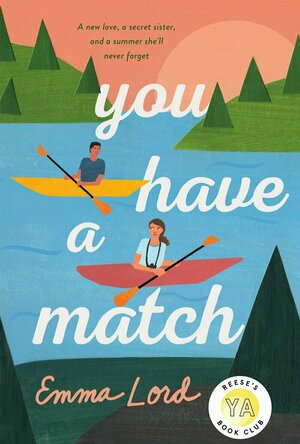
Abby only signs up for a DNA test to help her friend (and secret crush) Leo. But when the results come back, it's not Leo who gets a surprise, it's Abby. Apparently, she has an older sister. And not a half sister, but a full-fledged sister. A sister who just happens to be beautiful, polished, Instagram star, Savannah "Savvy" Tully, who is only a year and half older than Abby. Neither Abby or Savvy can figure out how this happened, so they hatch a plan. They'll both attend summer camp at Camp Reynolds, where they can learn more about their parents and each other. But they quickly learn that they are very different: Savvy is a rule follower who is addicted to her Instagram and follower count. Abby is more go-with-the-flow. And, of course, there's Leo, who turns up at the same camp. How on earth will Abby negotiate her newfound sister, her secret crush--oh, and the fact that her parents will soon realize she lied about going to camp?
"Normal isn't having a big, stupid, ridiculous crush on one of my best friends, especially when he most certainly doesn't have one on me."
So, this is a good book, but I have to admit that I was disappointed because it wasn't the same as TWEET CUTE. I absolutely loved that YA romance, and while this is an interesting read, it just didn't have the romantic twang of TWEET CUTE. It's probably not fair to compare the two, but I couldn't help it. MATCH focuses less on romantic chemistry and more on Abby finding her way/coming of age and meeting Savvy, her "new" sister.
I actually liked the sister piece overall. The DNA twist is different (rarely do we get full siblings!) and there's also a nice LGBTQIA relationship thrown in. But, I never felt like Abby and Leo's relationship fully gelled. It just didn't feel as fun and flirty as I wanted. And, much of the book's plot is propelled by misunderstandings. At some point, it got to be too much: if some characters had just spoken up, so much could have been avoided! There's so much going on--the sister aspect, romance, secrets, etc. At times, it feels like the plot is struggling to contain them all.
Still, there's a lot to enjoy about this story. Don't get me wrong at all. The camp setting is a lot of fun, and Abby and Savvy are both great characters. Watching Abby develop is rewarding, and there are plenty of humorous and tender scenes as the sisters get to know each other. Even though MATCH didn't meet my TWEET CUTE expectations, it's an enjoyable read. (I judge romances on whether I'll get a copy for my SIL and this one passes the test.) 3.5 stars.
"Normal isn't having a big, stupid, ridiculous crush on one of my best friends, especially when he most certainly doesn't have one on me."
So, this is a good book, but I have to admit that I was disappointed because it wasn't the same as TWEET CUTE. I absolutely loved that YA romance, and while this is an interesting read, it just didn't have the romantic twang of TWEET CUTE. It's probably not fair to compare the two, but I couldn't help it. MATCH focuses less on romantic chemistry and more on Abby finding her way/coming of age and meeting Savvy, her "new" sister.
I actually liked the sister piece overall. The DNA twist is different (rarely do we get full siblings!) and there's also a nice LGBTQIA relationship thrown in. But, I never felt like Abby and Leo's relationship fully gelled. It just didn't feel as fun and flirty as I wanted. And, much of the book's plot is propelled by misunderstandings. At some point, it got to be too much: if some characters had just spoken up, so much could have been avoided! There's so much going on--the sister aspect, romance, secrets, etc. At times, it feels like the plot is struggling to contain them all.
Still, there's a lot to enjoy about this story. Don't get me wrong at all. The camp setting is a lot of fun, and Abby and Savvy are both great characters. Watching Abby develop is rewarding, and there are plenty of humorous and tender scenes as the sisters get to know each other. Even though MATCH didn't meet my TWEET CUTE expectations, it's an enjoyable read. (I judge romances on whether I'll get a copy for my SIL and this one passes the test.) 3.5 stars.

Lee (2222 KP) rated Welcome to Marwen (2018) in Movies
Jan 11, 2019
Steve Carell (1 more)
Leslie Mann
This year, I made a resolution to try not to let critic reviews heavily influence my decision to go see a movie or not. In the period between Christmas and New year, I'd booked to go see Holmes and Watson, but when the very bad reviews for it started coming it, I decided to cancel, opting to continue lazing on the sofa with food, drink and Netflix instead. That particular choice I don't regret, but I feel there have been many occasions over the last year where I've either hated a movie the critics loved, or loved a movie the critics were negative about. Time to try and change that.
I almost did miss out on seeing Welcome to Marwen though, due to the large number of mediocre reviews I read. In fact, it doesn't seem to have appealed to the general public enough to keep it in the cinemas for very long at all. Having only opened here in the UK on New year's Day, the screening I went to last night was actually the last screening being shown at that particular cinema, and I was one of only a handful of people there watching it. What prompted me earlier this week to give it a go though was after listening to director Robert Zemeckis talk passionately about it, along with his other movies. It was a gentle reminder that this guy is responsible for so many of my favourite movies, and I decided to give it a shot. While I'm glad I did, and overall I enjoyed it a lot, I can certainly appreciate where some of the criticism is coming from.
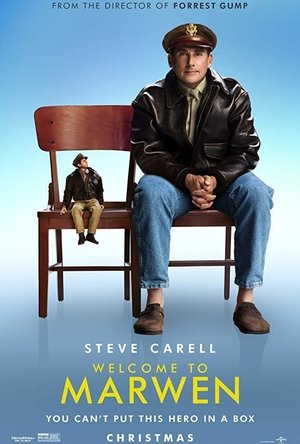
Welcome to Marwen is based on the true story of Mark Hogancamp, and the 2010 documentary on his life title 'Marwencol'. Mark (played in the movie by Steve Carell) suffered a severe beating at the hands of a bunch of thugs following an altercation in a bar regarding his lifestyle choice of being a cross dresser. After nine days in a coma, the beating understandably left him traumatised, but it also left him without any memory his life prior to the attack - once a talented war illustrator, he now can't even write his own name. But Mark remained an artist, building a miniature World War II Belgian town called Marwen outside his home and populating it with dolls. Using them he creates scenes and a story which he then photographs, helping him to express and deal with his lack of memory, the pain and trauma he now experiences, and the relationships with the people around him. Captain Hogie is a fighter pilot, an Action Man/GI Joe figure representing Mark. The residents of Marwen are all women, alter egos of various people who have helped him in the past or continue to help him. The toyshop worker who supplies him with the dolls, a friend he met during rehab, a co-worker, his carer and the woman who came to his aid following his beating. The town is also terrorised regularly by a bunch of Nazis, representing the men responsible for attacking him. And whenever the Nazis are beaten and killed, they are brought back to life by a Belgian witch! When a woman called Nicol (Leslie Mann) moves in across the street, she strikes up a wonderful friendship with Mark, earning her own doll in the town of Marwen where she strikes up a relationship with Captain Hogie. As the movie progresses, Mark has to deal with the pending sentencing of his attackers and the anxiety surrounding an upcoming exhibition showcasing his photographs. Marwen, and its inhabitants, help him to work through all of this.
The scenes and stories in Marwen that Mark is creating and imagining are brought to life in the movie using impressive motion capture CGI which, if you've seen the trailer or any clips of the movie, will know looks incredible. When you think about the animation Zemeckis and his team were producing for The Polar Express back in 2004, through Beowulf and Disney's The Christmas Carol to where we are now with this movie, it's simply amazing how far we've come. Perfect recreations of the movie characters in doll form, moving and interacting with the real surroundings and the CGI is just faultless. But for the earlier parts of the movie, this aspect of the movie for me was for a while the most frustrating and dull. The movie opens with a big scene as Captain Hogie crashes his plane, comes across a group of Nazis before being rescued by the girls of Marwen and we get a few more of these lengthy sequences early on, with only short glimpses of Mark and his life inbetween. I found myself become interested and engrossed in the life of Mark, wanting to learn more, only to be snapped out of it by a not so interesting scene involving some dolls. Thankfully, the length of those scenes reduces over time, and as you begin to empathise more with Mark and his life, you start to appreciate more the reasons why a certain scene is playing out the way it is. At that point, I began to really appreciate and enjoy them a lot more.
My only issue overall with this movie is that I wouldn't really know the age range to pitch it at, and that's possibly why it doesn't appear to have done so well with audiences. You've got the fun elements involving the dolls and the CGI, but then some of these scenes do involve a fair bit of violence which actually appears quite realistic at times. Then you've got the trauma and the flashbacks involving the beating - the movie doesn't go as dark as it could, or maybe should have done with that subject matter, but I certainly wouldn't say this is a fun movie for all the family to enjoy. Which is a shame really because I did enjoy this a lot. Steve Carell does an outstanding job, and Leslie Mann is just wonderful as always. It's opened my eyes to some of the consequences of brain injury and made me want to learn more about Mark Hogancamp, which parts of the movie are true and which parts were added for entertainment. I'll be sure to try and watch the documentary at some point.
I almost did miss out on seeing Welcome to Marwen though, due to the large number of mediocre reviews I read. In fact, it doesn't seem to have appealed to the general public enough to keep it in the cinemas for very long at all. Having only opened here in the UK on New year's Day, the screening I went to last night was actually the last screening being shown at that particular cinema, and I was one of only a handful of people there watching it. What prompted me earlier this week to give it a go though was after listening to director Robert Zemeckis talk passionately about it, along with his other movies. It was a gentle reminder that this guy is responsible for so many of my favourite movies, and I decided to give it a shot. While I'm glad I did, and overall I enjoyed it a lot, I can certainly appreciate where some of the criticism is coming from.
Welcome to Marwen is based on the true story of Mark Hogancamp, and the 2010 documentary on his life title 'Marwencol'. Mark (played in the movie by Steve Carell) suffered a severe beating at the hands of a bunch of thugs following an altercation in a bar regarding his lifestyle choice of being a cross dresser. After nine days in a coma, the beating understandably left him traumatised, but it also left him without any memory his life prior to the attack - once a talented war illustrator, he now can't even write his own name. But Mark remained an artist, building a miniature World War II Belgian town called Marwen outside his home and populating it with dolls. Using them he creates scenes and a story which he then photographs, helping him to express and deal with his lack of memory, the pain and trauma he now experiences, and the relationships with the people around him. Captain Hogie is a fighter pilot, an Action Man/GI Joe figure representing Mark. The residents of Marwen are all women, alter egos of various people who have helped him in the past or continue to help him. The toyshop worker who supplies him with the dolls, a friend he met during rehab, a co-worker, his carer and the woman who came to his aid following his beating. The town is also terrorised regularly by a bunch of Nazis, representing the men responsible for attacking him. And whenever the Nazis are beaten and killed, they are brought back to life by a Belgian witch! When a woman called Nicol (Leslie Mann) moves in across the street, she strikes up a wonderful friendship with Mark, earning her own doll in the town of Marwen where she strikes up a relationship with Captain Hogie. As the movie progresses, Mark has to deal with the pending sentencing of his attackers and the anxiety surrounding an upcoming exhibition showcasing his photographs. Marwen, and its inhabitants, help him to work through all of this.
The scenes and stories in Marwen that Mark is creating and imagining are brought to life in the movie using impressive motion capture CGI which, if you've seen the trailer or any clips of the movie, will know looks incredible. When you think about the animation Zemeckis and his team were producing for The Polar Express back in 2004, through Beowulf and Disney's The Christmas Carol to where we are now with this movie, it's simply amazing how far we've come. Perfect recreations of the movie characters in doll form, moving and interacting with the real surroundings and the CGI is just faultless. But for the earlier parts of the movie, this aspect of the movie for me was for a while the most frustrating and dull. The movie opens with a big scene as Captain Hogie crashes his plane, comes across a group of Nazis before being rescued by the girls of Marwen and we get a few more of these lengthy sequences early on, with only short glimpses of Mark and his life inbetween. I found myself become interested and engrossed in the life of Mark, wanting to learn more, only to be snapped out of it by a not so interesting scene involving some dolls. Thankfully, the length of those scenes reduces over time, and as you begin to empathise more with Mark and his life, you start to appreciate more the reasons why a certain scene is playing out the way it is. At that point, I began to really appreciate and enjoy them a lot more.
My only issue overall with this movie is that I wouldn't really know the age range to pitch it at, and that's possibly why it doesn't appear to have done so well with audiences. You've got the fun elements involving the dolls and the CGI, but then some of these scenes do involve a fair bit of violence which actually appears quite realistic at times. Then you've got the trauma and the flashbacks involving the beating - the movie doesn't go as dark as it could, or maybe should have done with that subject matter, but I certainly wouldn't say this is a fun movie for all the family to enjoy. Which is a shame really because I did enjoy this a lot. Steve Carell does an outstanding job, and Leslie Mann is just wonderful as always. It's opened my eyes to some of the consequences of brain injury and made me want to learn more about Mark Hogancamp, which parts of the movie are true and which parts were added for entertainment. I'll be sure to try and watch the documentary at some point.

Lottie disney bookworm (1056 KP) rated The Winter Duke in Books
Oct 13, 2020
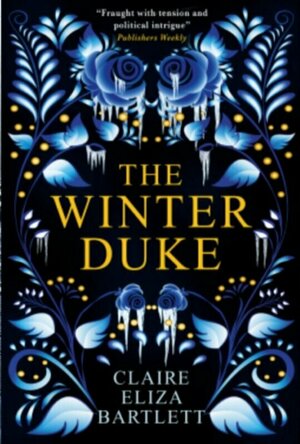

A duchy of ice and snow above, a duchy of water and magic below, separated only by a lake of ice. Both dependent upon one another and both as violent as they are beautiful.
Ekata is a middle child within the Avenko royal family: a family who are intent on murdering each other to get to the throne. However, Ekata has no interest in the throne at all: her interests lie in biology rather than brokering treaties and she wants nothing more than to leave Kylma Above and attend university.
However, at the age of thirteen, Ekata wakes to find herself the only member of her family who has not been cursed into a permanent sleep. Suddenly, she is the Grand Duke and is expected to prove herself worthy to rule Kylma Above: conquering the world of politics and magic in order to find a way to wake her family and avoid death herself.
The Winter Duke spans only six days in its storyline. Nonetheless, this does not diminish the journey that Bartlett takes her readers on: there are twists at every turn and almost everyone seems like a villain; neither Ekata nor the reader knows whom they can trust.
Although this is very much Ekata’s story, there are so many characters surrounding her that there is a danger some of these may seem undeveloped. Thankfully, I didn’t feel this way at all. Bartlett brings something different to each character she introduces: from Sigis’ immediate repulsiveness; Eirhan’s deadpan nature and Inkar’s flirty charms. All the characters have their part to play and, although keeping track of all the ministers could be difficult at times, this only added to the overwhelming suffocation that Ekata must be feeling.
Ekata herself is an amazing protagonist: at just thirteen she makes a number of impulsive decisions which end disastrously – so why do we, as a reader, not get frustrated with her? Again, I feel that this is due, in part, to the dizzying number of secondary characters. The reader witnesses the sheer number of commitments that fall onto the shoulders of one who never aspired to this role: we attend unwanted proposals; hear the accusations of murdering her own family; comprehend that she is used as a pawn by her Prime Minister and constantly see Ekata’s authority undermined due to her sex. It is impossible not to empathise with her desperate need to return to her normal life.
Sexism plays a large part in Ekata’s story, with Sigis immediately heralded as the solution to her problems due to his position as a strong man with an army. Inkar is also underestimated due to being female: before she then shatters these perceptions with her axes, her willingness to fight and her protective nature over Ekata.
However, The Winter Duke has to be commended for the gender fluidity within its pages. The brideshow is made of men and women, at least one minister is non-binary and the only romance within this novel is between two queer females. This was such a natural romance as well, slow-burning and cautious due to the politics involved but one that, when the walls of both women came down, could achieve the impossible.
The world building by Claire Eliza Bartlett in this novel is second to none. Kylma Above is impressive with its ice palaces and winter roses invading every corner. However, Kylma Below, the duchy below the ice is magical and sinister in equal measure. With fields of magic, sharks used in tribunals, and coral gardens, it wasn’t only Ekata who wanted to explore further.
Quite a few YA novels recently have included queer women smashing the patriarchy. This is the first one I have read where they smash the autocracy.
Ekata’s journey to find out what kind of ruler she will be is encapsulating and riveting. In a story where the betrayal just keeps coming, Ekata remains loyal to the end – despite the epilogue proving that this is never appreciated. The world of Kylma was immersive and the themes of politics, murder, sexism and violence are swept up by the breezy writing style to create a book that was impossible to put down.
Thank you to Netgalley for giving me the opportunity to read and review this wonderful novel.
Ekata is a middle child within the Avenko royal family: a family who are intent on murdering each other to get to the throne. However, Ekata has no interest in the throne at all: her interests lie in biology rather than brokering treaties and she wants nothing more than to leave Kylma Above and attend university.
However, at the age of thirteen, Ekata wakes to find herself the only member of her family who has not been cursed into a permanent sleep. Suddenly, she is the Grand Duke and is expected to prove herself worthy to rule Kylma Above: conquering the world of politics and magic in order to find a way to wake her family and avoid death herself.
The Winter Duke spans only six days in its storyline. Nonetheless, this does not diminish the journey that Bartlett takes her readers on: there are twists at every turn and almost everyone seems like a villain; neither Ekata nor the reader knows whom they can trust.
Although this is very much Ekata’s story, there are so many characters surrounding her that there is a danger some of these may seem undeveloped. Thankfully, I didn’t feel this way at all. Bartlett brings something different to each character she introduces: from Sigis’ immediate repulsiveness; Eirhan’s deadpan nature and Inkar’s flirty charms. All the characters have their part to play and, although keeping track of all the ministers could be difficult at times, this only added to the overwhelming suffocation that Ekata must be feeling.
Ekata herself is an amazing protagonist: at just thirteen she makes a number of impulsive decisions which end disastrously – so why do we, as a reader, not get frustrated with her? Again, I feel that this is due, in part, to the dizzying number of secondary characters. The reader witnesses the sheer number of commitments that fall onto the shoulders of one who never aspired to this role: we attend unwanted proposals; hear the accusations of murdering her own family; comprehend that she is used as a pawn by her Prime Minister and constantly see Ekata’s authority undermined due to her sex. It is impossible not to empathise with her desperate need to return to her normal life.
Sexism plays a large part in Ekata’s story, with Sigis immediately heralded as the solution to her problems due to his position as a strong man with an army. Inkar is also underestimated due to being female: before she then shatters these perceptions with her axes, her willingness to fight and her protective nature over Ekata.
However, The Winter Duke has to be commended for the gender fluidity within its pages. The brideshow is made of men and women, at least one minister is non-binary and the only romance within this novel is between two queer females. This was such a natural romance as well, slow-burning and cautious due to the politics involved but one that, when the walls of both women came down, could achieve the impossible.
The world building by Claire Eliza Bartlett in this novel is second to none. Kylma Above is impressive with its ice palaces and winter roses invading every corner. However, Kylma Below, the duchy below the ice is magical and sinister in equal measure. With fields of magic, sharks used in tribunals, and coral gardens, it wasn’t only Ekata who wanted to explore further.
Quite a few YA novels recently have included queer women smashing the patriarchy. This is the first one I have read where they smash the autocracy.
Ekata’s journey to find out what kind of ruler she will be is encapsulating and riveting. In a story where the betrayal just keeps coming, Ekata remains loyal to the end – despite the epilogue proving that this is never appreciated. The world of Kylma was immersive and the themes of politics, murder, sexism and violence are swept up by the breezy writing style to create a book that was impossible to put down.
Thank you to Netgalley for giving me the opportunity to read and review this wonderful novel.

Bob Mann (459 KP) rated Bridget Jones's Baby (2016) in Movies
Sep 29, 2021


Come the F*** on Bridget… who’s the Daddy?
The world’s favourite lonely-hearts diarist is back. Bridget (Renée Zellweger) once again starts the film ‘all by herself’, haunted by occasional meetings with ex-flame Mark D’Arcy (Colin Firth) – now married to Camilla (Agni Scott) – and facing the natural discomfort of the early funeral of another friend who has died way too young. And at 43, Bridget’s biological clock is also ticking towards parental midnight.
Proving that enormous ditzyness and lack of talent need not be an impediment to a successful career, Bridget is now a top TV floor manager on a cable news station, anchored by friend Miranda (an excellent Sarah Solemani). In an effort to shake Bridget out of her malaise, Miranda takes her to a music festival (featuring some fun cameos!) where she has a one-night-stand with the delectable (speaking at least for all the women in my audience) Jack (Patrick Dempsey). Following another one-night-stand with D’Arcy and finding herself pregnant, a comedy of farce follows with one expectant mother and two prospective fathers competing for Bridget’s affections.
OK. So it’s not bloody Shakespeare. But it is an extremely well-crafted comedy, and as a British rom-com it significantly out-does many of the efforts of the rom-com king – Richard Curtis – in recent years. As a series its just amazing how many of the original cast have been reunited after 2004’s rather lacklustre “Bridget Jones: Edge of Reason”. Particularly effective are Bridget’s parents, played by the delectably Tory Gemma Jones and the ever-perfect Jim Broadbent. And Bridget’s trio of irreverent friends: Shazzer (Sally Phillips), Jude (Shirley Henderson) and Tom (James Callis) are all back. All are either well into parenthood or have impending parenthood, adding to the pressure on Bridget’s aching ovaries.
New to the cast, and brilliant in every scene she’s in, is the ever-radiant Emma Thompson as Bridget’s doctor. Is there any actress in the movies today that can deliver a comic line better-timed than Thompson? I doubt it. Just superb. And Thompson also co-wrote the screenplay, together with Bridget author Helen Fielding and – an unlikely contributor – Ali G collaborator Dan Mazer. All contribute to a sizzling script – not based on Fielding’s poorly received story – that zips along and makes the 123 minute run-time fly by. My one reservation would be – despite the film being set in the current day – lapses into internet memes like Hitler Cats and song crazes that are at least five years out of date. But I forgive that for the Colin Firth ‘Gangnam’ line, for me the funniest in the whole film.
Zellweger looks fantastic, pulling off the 4 year age difference from her character with ease. And isn’t it wonderful to see a middle-aged character as the centre of a rom-com for once? Hollywood would be well to remember that romance is not restricted to the 20-somethings. Certainly the packed cinema – filled with probably 90% (well oiled) women – certainly thought so, in what was a raucous and entertaining showing!
The music is superbly supported by an epic soundtrack of well-chosen tracks from Ellie Goulding, Years and Years, Jess Glynne, Lily Allen (with very funny adult content!) and classic oldies, all wrappered with nice themes by the brilliant and underrated Craig “Love Actually” Armstrong.
Sharon Maguire – the director of the original “Diary” – has delivered here a fun, absorbing and enormously entertaining piece of fluff that deserves to do well. And it has in the UK, making $11M in its opening weekend here and playing to packed showings. However – incomprehensibly – it has bombed in the US with only $8M coming in. Hopefully it might prove a bit of a sleeper hit there: come on America… we go to see all of the rubbish rom-coms you send over here, and this is way better than most of those!
This was a film I was determined to be sniffy about with my rating. But as a) I enjoyed it very much and b) a packed audience of women can’t be wrong…
Proving that enormous ditzyness and lack of talent need not be an impediment to a successful career, Bridget is now a top TV floor manager on a cable news station, anchored by friend Miranda (an excellent Sarah Solemani). In an effort to shake Bridget out of her malaise, Miranda takes her to a music festival (featuring some fun cameos!) where she has a one-night-stand with the delectable (speaking at least for all the women in my audience) Jack (Patrick Dempsey). Following another one-night-stand with D’Arcy and finding herself pregnant, a comedy of farce follows with one expectant mother and two prospective fathers competing for Bridget’s affections.
OK. So it’s not bloody Shakespeare. But it is an extremely well-crafted comedy, and as a British rom-com it significantly out-does many of the efforts of the rom-com king – Richard Curtis – in recent years. As a series its just amazing how many of the original cast have been reunited after 2004’s rather lacklustre “Bridget Jones: Edge of Reason”. Particularly effective are Bridget’s parents, played by the delectably Tory Gemma Jones and the ever-perfect Jim Broadbent. And Bridget’s trio of irreverent friends: Shazzer (Sally Phillips), Jude (Shirley Henderson) and Tom (James Callis) are all back. All are either well into parenthood or have impending parenthood, adding to the pressure on Bridget’s aching ovaries.
New to the cast, and brilliant in every scene she’s in, is the ever-radiant Emma Thompson as Bridget’s doctor. Is there any actress in the movies today that can deliver a comic line better-timed than Thompson? I doubt it. Just superb. And Thompson also co-wrote the screenplay, together with Bridget author Helen Fielding and – an unlikely contributor – Ali G collaborator Dan Mazer. All contribute to a sizzling script – not based on Fielding’s poorly received story – that zips along and makes the 123 minute run-time fly by. My one reservation would be – despite the film being set in the current day – lapses into internet memes like Hitler Cats and song crazes that are at least five years out of date. But I forgive that for the Colin Firth ‘Gangnam’ line, for me the funniest in the whole film.
Zellweger looks fantastic, pulling off the 4 year age difference from her character with ease. And isn’t it wonderful to see a middle-aged character as the centre of a rom-com for once? Hollywood would be well to remember that romance is not restricted to the 20-somethings. Certainly the packed cinema – filled with probably 90% (well oiled) women – certainly thought so, in what was a raucous and entertaining showing!
The music is superbly supported by an epic soundtrack of well-chosen tracks from Ellie Goulding, Years and Years, Jess Glynne, Lily Allen (with very funny adult content!) and classic oldies, all wrappered with nice themes by the brilliant and underrated Craig “Love Actually” Armstrong.
Sharon Maguire – the director of the original “Diary” – has delivered here a fun, absorbing and enormously entertaining piece of fluff that deserves to do well. And it has in the UK, making $11M in its opening weekend here and playing to packed showings. However – incomprehensibly – it has bombed in the US with only $8M coming in. Hopefully it might prove a bit of a sleeper hit there: come on America… we go to see all of the rubbish rom-coms you send over here, and this is way better than most of those!
This was a film I was determined to be sniffy about with my rating. But as a) I enjoyed it very much and b) a packed audience of women can’t be wrong…
Kristy H (1252 KP) rated The Roanoke Girls in Books
Dec 24, 2017
alluring (2 more)
twisted
well-written
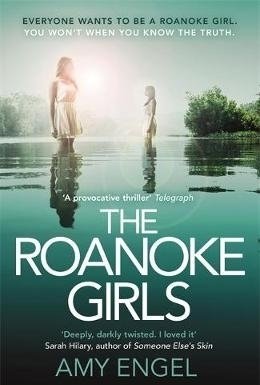
Lane Roanoke is just a teenager when her mother commits suicide, and Lane is sent to live with her grandparents in Kansas. While Lane lived a sad life with her depressed, volatile mother, her wealthy grandparents represent a chance for a new start - and Lane can meet her cousin, Allegra, who is close to her age. When Lane arrives in Kansas, she quickly befriends Allegra and is amazed by the kindness of her grandfather, but she also realizes not everything is as it seems.
Eleven years later, after Lane has fled the farm (and left her family there behind), Lane receives a call from her grandfather: Allegra is missing. Can she please come home? Reluctantly Lane returns to a place she vowed she'd never see again to search for her cousin, whom she has always felt bad about leaving behind. But returning only brings up bad memories, and Lane quickly worries that something terrible has happened to Allegra. Can Lane face her fears and figure out what happened to her cousin?
This book, oh this book. Wow. This is quite the novel! The story alternates between the present-day and that fateful summer (from Lane's point of view), with a few snippets from earlier generations of the other Roanoke girls thrown in. It's slightly confusing at first (you'll need easy access to the family tree at the beginning of the book), but quickly pulls you in and never lets you go. I was immediately captivated by this novel and read it in less than 24 hours. It's not some "feel good" novel, but it's amazingly well-written and just spellbinding. It starts off with a bombshell and then hooks you from there with the dark story of the twisted Roanoke family.
There is something completely alluring about how messed up and sick the Roanokes are. I couldn't turn away from them. The book is great because you become quickly intrigued and invested in the story of what happened to Allegra, but there's also a bit of suspense to the "then" storyline as Lane finds out something terrible about her family. Engel is remarkably talented because we know the secret already, and Lane knows it in the present-day portion of the book, but it's still enthralling watching it unravel as she's a teen. There's also just a pure fascination and horror at this family. There are also periodic shockers throughout the entire novel and several "wow" and "didn't see that coming" moments for me. The whole thing is extremely well-done.
I was extremely impressed by Engel's characters. For instance, Lane is a broken and damaged person who cannot trust or love. As such, she is frustrating with her guarded heart but still sympathetic. She drove me crazy, but I loved her. Engel did an excellent job with all of these characters. Even those that seemed (or were) absolutely awful; they all seemed so real. She also did a great job at portraying small towns and their tangled web of secrets. The broken Kansas town where the Roanokes lived was expertly done, with all of its bit characters and the descriptions of its streets and happenings.
Overall, I was incredibly impressed with this book. Its entire plot was creepy and twisted, and it was compulsively readable, with plenty of shocking moments. Yet it also had empathetic, well-written characters. It was an amazing dark look at the power of childhood, your parents, and your past. It's a mean and twisted novel and impeccably written, because you feel such a range of emotions for its characters. Definitely recommend.
Eleven years later, after Lane has fled the farm (and left her family there behind), Lane receives a call from her grandfather: Allegra is missing. Can she please come home? Reluctantly Lane returns to a place she vowed she'd never see again to search for her cousin, whom she has always felt bad about leaving behind. But returning only brings up bad memories, and Lane quickly worries that something terrible has happened to Allegra. Can Lane face her fears and figure out what happened to her cousin?
This book, oh this book. Wow. This is quite the novel! The story alternates between the present-day and that fateful summer (from Lane's point of view), with a few snippets from earlier generations of the other Roanoke girls thrown in. It's slightly confusing at first (you'll need easy access to the family tree at the beginning of the book), but quickly pulls you in and never lets you go. I was immediately captivated by this novel and read it in less than 24 hours. It's not some "feel good" novel, but it's amazingly well-written and just spellbinding. It starts off with a bombshell and then hooks you from there with the dark story of the twisted Roanoke family.
There is something completely alluring about how messed up and sick the Roanokes are. I couldn't turn away from them. The book is great because you become quickly intrigued and invested in the story of what happened to Allegra, but there's also a bit of suspense to the "then" storyline as Lane finds out something terrible about her family. Engel is remarkably talented because we know the secret already, and Lane knows it in the present-day portion of the book, but it's still enthralling watching it unravel as she's a teen. There's also just a pure fascination and horror at this family. There are also periodic shockers throughout the entire novel and several "wow" and "didn't see that coming" moments for me. The whole thing is extremely well-done.
I was extremely impressed by Engel's characters. For instance, Lane is a broken and damaged person who cannot trust or love. As such, she is frustrating with her guarded heart but still sympathetic. She drove me crazy, but I loved her. Engel did an excellent job with all of these characters. Even those that seemed (or were) absolutely awful; they all seemed so real. She also did a great job at portraying small towns and their tangled web of secrets. The broken Kansas town where the Roanokes lived was expertly done, with all of its bit characters and the descriptions of its streets and happenings.
Overall, I was incredibly impressed with this book. Its entire plot was creepy and twisted, and it was compulsively readable, with plenty of shocking moments. Yet it also had empathetic, well-written characters. It was an amazing dark look at the power of childhood, your parents, and your past. It's a mean and twisted novel and impeccably written, because you feel such a range of emotions for its characters. Definitely recommend.

SmartKids.
Education and Games
App
When learning becomes an adventure! Your kids can have fun and develop their intellectual skills by...

Phillip McSween (751 KP) rated Black Panther (2018) in Movies
Mar 5, 2018
Epic
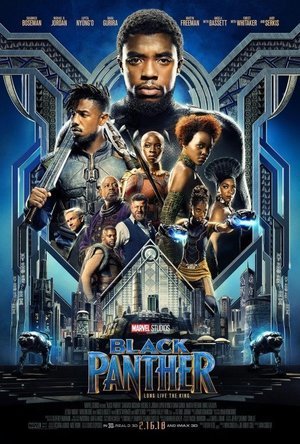
There is so much to love about Black Panther that it's taken me awhile to figure out where to begin. I guess I'll start with the message. A message that leaves us with two options: We can all spend the rest of our lives hating each other or we can choose to work together. That's not just a message for black people, which the cast predominately represents, but a message for the human race.
The film would be nothing without the powerful cast surrounding it. Their performances were both memorable and deep. I could spend this entire review going into depth on the effect of each actor/actresses performance on the film, but instead I want to take a moment to recognize one particular actress who has been in the game for decades: Angela Bassett. She absolutely nails the role of Queen mother Ramonda. Because the other roles are so strong, her performance may go unnoticed but not by me. She's a picture of calm, always displaying the perfect amount of strength in her position of power. Her vulnerability doesn't diminish her role of power in this matriarchal society.
Critics and fans alike have been complaining about one-dimensional villains for years in the Marvel Cinematic Universe. You won't find that in Black Panther as Killmonger (Michael B. Jordan) is extremely well-developed. The best villains make you sensitive to their plight. Not only did I understand where Killmonger was coming from, there were plenty of moments where I wondered whether or not he was wrong.
As much as the film creates a strong feeling of black empowerment, Black Panther creates a strong sense of women's empowerment as well. The Wakandan tribes revolve around a king, yet the society would be nothing without the strong matriarchal figures that keep things running smoothly. There is a scene in the beginning of the film where N'Jobu (Sterling K. Brown) is discussing underdealings in his apartment when there is a knock at his door. When asked if he should open the door, he responds, "They won't ask twice." You can read the fear in his eyes as he understands the power of the women waiting behind that door. The more of the film you watch, the more you understand the justification behind that fear.
The conflict in the film wasn't created, but happened naturally as a result of flawed characters with depth and strong minds. W'Kabi (Daniel Kaluuya) loves his people but has a heart for vengeance which begins to consume him. His story is just one of many revolving pieces that provide layers to the story.
The set pieces throughout the film were absolutely stunning. From its beautiful waterfall overlooks to the wintery mountains of the Jabari Tribe, you can't help but feel the magic in this place. The casino set piece was easily my favorite, a location that's seedy on the outside yet full of glamour and ritz within.
Now for my one minor gripe: I can't go into detail without ruining the film for those that haven't seen it, but there was one particular relationship that I felt should have been fleshed out a bit more, especially since it impacted the tide of the movie as a whole. The original cut of this film is four hours long and I've read that my issue is a non-issue in that version so I won't deduct too much. Not to mention, there are so many moments that they got right, particularly in the action front, that it's hard being too picky. Even the fight scenes and sprawling battles (rhinos in vibranium armor? Yes, please!) are original, breathing fresh life into the MCU the same way Doctor Strange did.
At the heart of everything, Black Panther is shaped by memorable, powerful moments that impact the way you look at the movie. Killmonger's dream sequence is probably the most powerful scene in an MCU movie yet, just edging out the final confrontation between Vision and Ultron in Avengers: Age of Ultron. The film is a double threat as it not only packs a strong action punch, but an introspective one as well.
Wakanda is crowning a new king, but there is one who would oppose the throne for reasons of his own. One, coincidentally, is the same amount of points that I deducted from my rating. Just amazing, Black Panther gets a 99 from me.
The film would be nothing without the powerful cast surrounding it. Their performances were both memorable and deep. I could spend this entire review going into depth on the effect of each actor/actresses performance on the film, but instead I want to take a moment to recognize one particular actress who has been in the game for decades: Angela Bassett. She absolutely nails the role of Queen mother Ramonda. Because the other roles are so strong, her performance may go unnoticed but not by me. She's a picture of calm, always displaying the perfect amount of strength in her position of power. Her vulnerability doesn't diminish her role of power in this matriarchal society.
Critics and fans alike have been complaining about one-dimensional villains for years in the Marvel Cinematic Universe. You won't find that in Black Panther as Killmonger (Michael B. Jordan) is extremely well-developed. The best villains make you sensitive to their plight. Not only did I understand where Killmonger was coming from, there were plenty of moments where I wondered whether or not he was wrong.
As much as the film creates a strong feeling of black empowerment, Black Panther creates a strong sense of women's empowerment as well. The Wakandan tribes revolve around a king, yet the society would be nothing without the strong matriarchal figures that keep things running smoothly. There is a scene in the beginning of the film where N'Jobu (Sterling K. Brown) is discussing underdealings in his apartment when there is a knock at his door. When asked if he should open the door, he responds, "They won't ask twice." You can read the fear in his eyes as he understands the power of the women waiting behind that door. The more of the film you watch, the more you understand the justification behind that fear.
The conflict in the film wasn't created, but happened naturally as a result of flawed characters with depth and strong minds. W'Kabi (Daniel Kaluuya) loves his people but has a heart for vengeance which begins to consume him. His story is just one of many revolving pieces that provide layers to the story.
The set pieces throughout the film were absolutely stunning. From its beautiful waterfall overlooks to the wintery mountains of the Jabari Tribe, you can't help but feel the magic in this place. The casino set piece was easily my favorite, a location that's seedy on the outside yet full of glamour and ritz within.
Now for my one minor gripe: I can't go into detail without ruining the film for those that haven't seen it, but there was one particular relationship that I felt should have been fleshed out a bit more, especially since it impacted the tide of the movie as a whole. The original cut of this film is four hours long and I've read that my issue is a non-issue in that version so I won't deduct too much. Not to mention, there are so many moments that they got right, particularly in the action front, that it's hard being too picky. Even the fight scenes and sprawling battles (rhinos in vibranium armor? Yes, please!) are original, breathing fresh life into the MCU the same way Doctor Strange did.
At the heart of everything, Black Panther is shaped by memorable, powerful moments that impact the way you look at the movie. Killmonger's dream sequence is probably the most powerful scene in an MCU movie yet, just edging out the final confrontation between Vision and Ultron in Avengers: Age of Ultron. The film is a double threat as it not only packs a strong action punch, but an introspective one as well.
Wakanda is crowning a new king, but there is one who would oppose the throne for reasons of his own. One, coincidentally, is the same amount of points that I deducted from my rating. Just amazing, Black Panther gets a 99 from me.

Great writing (2 more)
Never slows down
Great characters
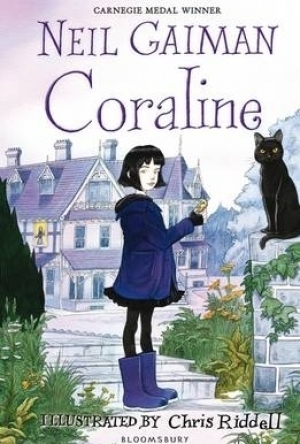
Of the few children's horror books out there, Neil Gaiman's 2002 short novel Coraline, is one of the must-read for that age group. When a young girl named Coraline, and her family move into a new house (one which shares its basement and attic with other tenets), she finds a locked door that leads to nowhere, but soon after the door opens to a house that mirrors her own, yet the people there are a little bit "different. "
The people here look like the people from the world on the other side of the door, but these people have big buttons for eyes, and some are younger than their counterparts, but the most odd are her "other" parents, who, in her world, don't spend very much time with Coraline, and these two buttoned-eyed parents pay so much attention to her that they want her to stay with them forever just so they can make her happy. Coraline even meets a talking black cat, but the cat tells her it was smart to bring protection to this world (a stone with a hole in it that was given to her in the other world by two older lady tenets); this makes Coraline wonder why she would need protection in such a great place like this.
But for Coraline to stay in this world, her other mother and father tell her there is only one little thing she has to do to make that happen: " 'If you want to stay,' said her other father, 'there's only one little thing we'll have to do, so you can stay here for ever and always. '
They went to into the kitchen. On a china plate on the kitchen table was a spool of black cotton, and a long silver needle, and, beside them, two large black buttons. "
Coraline must allow her other parents to sew buttons over her eyes, but she adamantly refuses to allow them; her other parents don't argue with her, but rather bid her farewell, stating they'll see her again soon.
When Coraline returns to her normal world, she comes to realize that her parents are missing. Coraline now knows that the other parents will stop at nothing, including kidnapping her real parents, to get her to join them. Coraline goes back to the other world, demanding that the other parents give her real ones back. It's always that easy, right?
Wrong. Since the other parents are not willing to let Coraline go so easily, the other mother decides to play a game with Coraline, which is if she can find the souls of the other children this other mother has taken, she'll not only get to go home, but also get to take her real parents with her.
Fortunately, Coraline wasn't working alone in this game - - - remember the black cat? - - - she even has to face the 'other' counterparts of the tenets that live in the building. Since the movie of Coraline is still popular, most readers can guess what happens, but maybe not exactly how it happens.
Some readers may realize that the movie is quite different from the book. Most books are different from their film counterparts, but then you have books such as Stephen King's 'The Shining,' which are practically complete opposites of the movie. I don't believe that those, like myself, who watched the movie 'Coraline,' before reading the book will be disappointed by it, although there are quite a few differences throughout.
I have to end my review here because to tell you any more of the story would give away some of what makes Coraline such a great book. Which is not surprising coming from Neil Gaiman whose writing is always clear and concise, never slowing scenes down. Gaiman's children-age books are always flawless in both idea and writing.
Although this story is for ages 8 - 12, as an adult, I thoroughly enjoyed it! I highly recommend this book as a great way to introduce children to the horror genre, and to older people that like a good creepy story to read.
The people here look like the people from the world on the other side of the door, but these people have big buttons for eyes, and some are younger than their counterparts, but the most odd are her "other" parents, who, in her world, don't spend very much time with Coraline, and these two buttoned-eyed parents pay so much attention to her that they want her to stay with them forever just so they can make her happy. Coraline even meets a talking black cat, but the cat tells her it was smart to bring protection to this world (a stone with a hole in it that was given to her in the other world by two older lady tenets); this makes Coraline wonder why she would need protection in such a great place like this.
But for Coraline to stay in this world, her other mother and father tell her there is only one little thing she has to do to make that happen: " 'If you want to stay,' said her other father, 'there's only one little thing we'll have to do, so you can stay here for ever and always. '
They went to into the kitchen. On a china plate on the kitchen table was a spool of black cotton, and a long silver needle, and, beside them, two large black buttons. "
Coraline must allow her other parents to sew buttons over her eyes, but she adamantly refuses to allow them; her other parents don't argue with her, but rather bid her farewell, stating they'll see her again soon.
When Coraline returns to her normal world, she comes to realize that her parents are missing. Coraline now knows that the other parents will stop at nothing, including kidnapping her real parents, to get her to join them. Coraline goes back to the other world, demanding that the other parents give her real ones back. It's always that easy, right?
Wrong. Since the other parents are not willing to let Coraline go so easily, the other mother decides to play a game with Coraline, which is if she can find the souls of the other children this other mother has taken, she'll not only get to go home, but also get to take her real parents with her.
Fortunately, Coraline wasn't working alone in this game - - - remember the black cat? - - - she even has to face the 'other' counterparts of the tenets that live in the building. Since the movie of Coraline is still popular, most readers can guess what happens, but maybe not exactly how it happens.
Some readers may realize that the movie is quite different from the book. Most books are different from their film counterparts, but then you have books such as Stephen King's 'The Shining,' which are practically complete opposites of the movie. I don't believe that those, like myself, who watched the movie 'Coraline,' before reading the book will be disappointed by it, although there are quite a few differences throughout.
I have to end my review here because to tell you any more of the story would give away some of what makes Coraline such a great book. Which is not surprising coming from Neil Gaiman whose writing is always clear and concise, never slowing scenes down. Gaiman's children-age books are always flawless in both idea and writing.
Although this story is for ages 8 - 12, as an adult, I thoroughly enjoyed it! I highly recommend this book as a great way to introduce children to the horror genre, and to older people that like a good creepy story to read.