
Search
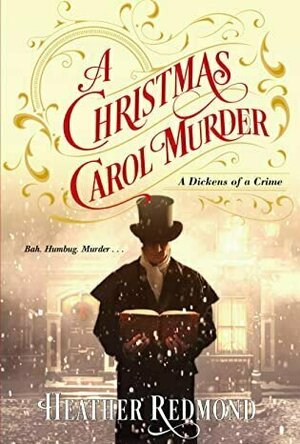
A Christmas Carol Murder (A Dickens of a Crime #3)
Book
The latest novel from Heather Redmond’s acclaimed mystery series finds young Charles Dickens...
Historical Mystery
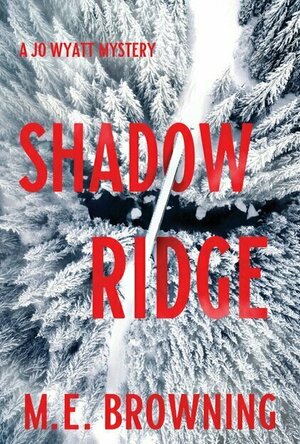
Shadow Ridge (Jo Wyatt Mystery #1)
Book
Death is one click away when a string of murders rocks a small Colorado town in the first...
Mystery Crime Police Procedural
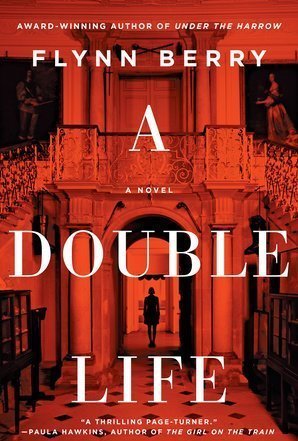
A Double Life
9.0 Rate It
Book
“A thrilling page-turner.” —Paula Hawkins, author of The Girl on the Train “Breathtaking...

ClareR (6256 KP) rated The Promise in Books
Oct 12, 2021
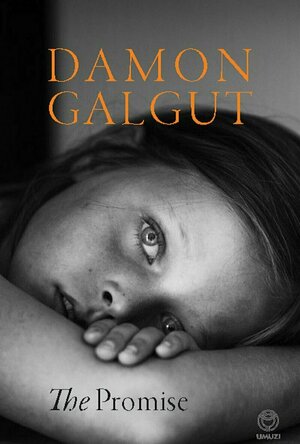

The Promise is on the Booker Prize 2021 shortlist, and I can see why. I enjoyed this book immensely - I love the idea of being a fly on the wall of a white South Africans house during and after Apartheid, and this pretty much sold the book to me before I even started reading it. The fact that we only drop in to the lives of this family during times of death and the subsequent funerals was a really interesting angle to take. These were people under a great deal of stress due to the fact that someone in their close family had died - even though they weren’t a close family at all. There are four funerals, each completely different in style, religion (or not) and ways in which they died.
As time moves on, Apartheid ends, Nelson Mandela becomes President. But does life change that much for the Swarts? Do they uphold the promise made at the beginning of the book, as overheard by the youngest daughter when her mother was dying? Laws may change, but do people’s attitudes?
This is a disjointed family: there doesn’t seem to be a single close relationship between any of them. They all seem to be selfish people who resent the new South Africa, as they lose social standing, money, and are directly affected by the rise in crime.
It was a thoroughly engrossing book, and I lost myself in it every time I sat down to read. It’s a really good, character-driven novel. Now to wait and see if it wins!!
As time moves on, Apartheid ends, Nelson Mandela becomes President. But does life change that much for the Swarts? Do they uphold the promise made at the beginning of the book, as overheard by the youngest daughter when her mother was dying? Laws may change, but do people’s attitudes?
This is a disjointed family: there doesn’t seem to be a single close relationship between any of them. They all seem to be selfish people who resent the new South Africa, as they lose social standing, money, and are directly affected by the rise in crime.
It was a thoroughly engrossing book, and I lost myself in it every time I sat down to read. It’s a really good, character-driven novel. Now to wait and see if it wins!!

Mark @ Carstairs Considers (2635 KP) rated Dead-Bang Fall in Books
Feb 2, 2023 (Updated Feb 2, 2023)
Helping a Face from His Past
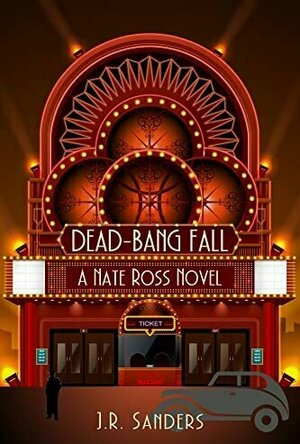
PI Nate Ross thinks he has a simple case when he’s hired for a penny-ante theft caper. But that’s before one of his suspects is killed in a back alley. While Nate didn’t witness the crime, he did see the victim go into the alley with someone that Nate helped put in prison five years ago. However, a few hours later, that man turns up at Nate’s office claiming to be innocent and hiring Nate to clear him before disappearing again. Nate buys most of the story, but he knows he didn’t get the whole truth. That feeling only grows as he starts to investigate. Can he figure out the whole truth?
This is a great trip back to 1939 Hollywood, and the setting comes to life. As a throwback PI novel, it does start out with a little too much jargon of the time, but fortunately, that calms down as we get into the story. It does have a bit more violence and foul language than in one of the cozies I read, but it doesn’t go overboard. The plot is strong with quite a few twists, compilations, and half-truths before we reach the fun climax. Nate much face his past here, and we are reminded about enough to make the growth real. Meanwhile, we get a couple of fun returning characters and a batch of great new ones. If you enjoy PI novels set in this era, this is one to check out.
This is a great trip back to 1939 Hollywood, and the setting comes to life. As a throwback PI novel, it does start out with a little too much jargon of the time, but fortunately, that calms down as we get into the story. It does have a bit more violence and foul language than in one of the cozies I read, but it doesn’t go overboard. The plot is strong with quite a few twists, compilations, and half-truths before we reach the fun climax. Nate much face his past here, and we are reminded about enough to make the growth real. Meanwhile, we get a couple of fun returning characters and a batch of great new ones. If you enjoy PI novels set in this era, this is one to check out.

Louise (64 KP) rated The Unseeing in Books
Jul 2, 2018


I am a lover of Historical fiction especially Victorian London so when I read the synopsis of ‘The Unseeing’ I knew I had to read it. This is Anna Mazzola’s debut novel and I can tell you it certainly delivered.
The year is 1837 and Sarah Gale is sentenced to be hung, she is believed to have aid and abet James Greenacre in the death of Hannah Brown. Sarah Gale was having an on/off relationship with Greenacre and living with him in his home until he met Hannah. Hannah Brown was a spinster with a bit of money and business’s in her possession,until her body parts were found randomly around London.Greenacre a conniving man that he is only wanted Hannah for her money and threw Sarah out a few days before Christmas. A few days after Christmas Hannah Brown is gone and Sarah Gale is back in Greenacre’s bed. Sarah is adamant that she knows nothing about the disappearance or death of Hannah Brown, but no-one believes her.
Sarah Gale and a Women’s institute have requested Sarah to be pardoned as she is to be hung but is adamant she knows nothing. Edmund Fleetwood has been assigned the case, his job is to see if she will talk or if there is any new evidence. This is one of the most spoken about cases of the time and this could be the career break that Edmund needs, however Sarah Gale is still adamant that she knows nothing. Can this meek, pale women really be involved in a murder?
This book was amazing, I felt like I had been transported to London in 1837. The writing was so atmospheric, the descriptions of the sounds, the streets and the way the characters spoke just blew me away, and it was consistent throughout the book. The Unseeing is a slow burn book that drip feeds you information slowly and you start piecing it together like a jigsaw puzzle. I was definitely hooked and needed to know how Hannah had come to be in pieces around London and what was going to happen to Sarah. There is a twist and I didn’t see it coming whatsoever and was left shocked for some time.
This book is based on a true crime that happened in 1837 and is known as the Edgeware Murder. Sarah Gale and John Greenacre are the names of the actual people involved and the court scripts can be seen at the Old Bailey website. You can definitely tell that the Mazzola had knowledge of the justice system as it was very well researched. I loved that Mazzola managed to make a fictional book out of a true crime and it makes it even more intriguing to read. It does make you think of how the justice system failed a lot of people back in Victorian times.
I will definitely be reading anything else Anna Mazzola release and recommend this book you are interested true crime and historical fiction.
I rated this 4 out of 5 stars
The year is 1837 and Sarah Gale is sentenced to be hung, she is believed to have aid and abet James Greenacre in the death of Hannah Brown. Sarah Gale was having an on/off relationship with Greenacre and living with him in his home until he met Hannah. Hannah Brown was a spinster with a bit of money and business’s in her possession,until her body parts were found randomly around London.Greenacre a conniving man that he is only wanted Hannah for her money and threw Sarah out a few days before Christmas. A few days after Christmas Hannah Brown is gone and Sarah Gale is back in Greenacre’s bed. Sarah is adamant that she knows nothing about the disappearance or death of Hannah Brown, but no-one believes her.
Sarah Gale and a Women’s institute have requested Sarah to be pardoned as she is to be hung but is adamant she knows nothing. Edmund Fleetwood has been assigned the case, his job is to see if she will talk or if there is any new evidence. This is one of the most spoken about cases of the time and this could be the career break that Edmund needs, however Sarah Gale is still adamant that she knows nothing. Can this meek, pale women really be involved in a murder?
This book was amazing, I felt like I had been transported to London in 1837. The writing was so atmospheric, the descriptions of the sounds, the streets and the way the characters spoke just blew me away, and it was consistent throughout the book. The Unseeing is a slow burn book that drip feeds you information slowly and you start piecing it together like a jigsaw puzzle. I was definitely hooked and needed to know how Hannah had come to be in pieces around London and what was going to happen to Sarah. There is a twist and I didn’t see it coming whatsoever and was left shocked for some time.
This book is based on a true crime that happened in 1837 and is known as the Edgeware Murder. Sarah Gale and John Greenacre are the names of the actual people involved and the court scripts can be seen at the Old Bailey website. You can definitely tell that the Mazzola had knowledge of the justice system as it was very well researched. I loved that Mazzola managed to make a fictional book out of a true crime and it makes it even more intriguing to read. It does make you think of how the justice system failed a lot of people back in Victorian times.
I will definitely be reading anything else Anna Mazzola release and recommend this book you are interested true crime and historical fiction.
I rated this 4 out of 5 stars

Hadley (567 KP) rated In Cold Blood: A True Account of a Multiple Murder and Its Consequences in Books
Aug 2, 2020
The writing (1 more)
The flow
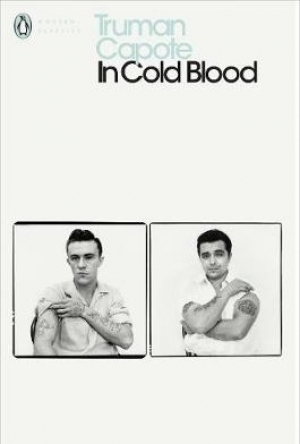
In the 'Introduction' of Capote's true crime novel In Cold Blood, American writer Bob Colacello states: "Capote was one of the first who dared to elevate journalism to the level of art. In Cold Blood is a work of great discipline and even greater restraint, a tale of fate, as spare and elegiac as a Greek tragedy, as rich in its breadth and depth as the classic French novels of Stendhal and Flaubert. 'We all have our souls and we all have facades,' Truman Capote told his friend Kay Meehan a year or so before he came upon the news that would inspire his masterpiece, 'and then there's something in between that makes us function as people. That's what I have the ability to communicate.' "
The novel, which was published in 1965, is an eyewitness account of Capote's visitation to the scene of the murder as well as meetings with the murderers and townspeople- - - a retelling of the crime and aftermath, mostly from the eyes of those affected, by hundreds of hours of interviews and interrogations. The novel, ultimately, was the end of Capote which led him to alcoholism that took his life in 1984.
Like most small-town murders, a tension between residences is created when a well-known and well-liked family of four is brutally murdered, and everyone begins to point a finger at the other: "But afterward the townspeople, theretofore sufficiently unfearful of each other to seldom trouble to lock their doors, found fantasy re-creating them over and again - - - those somber explosions that stimulated fires of mistrust in the glare of which many old neighbors viewed each other strangely, and as strangers." Fortunately, the KBI (Kansas Bureau of Investigation) didn't allow these accusations to keep them from finding the real killers.
" 'Deep down,' Perry continued, 'way, way rock bottom, I never thought I could do it. A thing like that.' " Perry Smith, one of the murderers, confesses to his cohort and partner-in-crime, Richard Hickock, about murdering the Clutter family. "Presently, he said, 'Know what it is that really bugs me? About that other thing[Clutter murder]? It's just I don't believe it- - - that anyone can get away with a thing like that.' And he suspected that Dick [Richard] didn't, either. For Dick was at least partly inhabited by Perry's mystical-moral apprehensions. Thus: 'Now, just shut up!' "
Capote writes clearly of the impact that Smith's and Hickock's past may have played leading up to the murders, mostly focusing on Smith's traumatic childhood. During the trial portion of the book, a psychologist is brought in to point out how the two murderers may not have been responsible for their actions due-to instances in their past - - - a horrific car crash in Hickock's that left him with a lop-sided face and black-out spells, as well as Smith being physically and emotional abused by his alcoholic mother and father. In exploring these traumas, In Cold Blood leaves the impression that these two men were merely ticking time bombs and that the Clutter family, unfortunately, had to pay for it.
The trauma shared by Hickock and Smith help to shape the two murderers into actual human beings rather than monsters throughout the novel: one scene, where we get to read a letter to Smith from his last living sister, readers get to see how he was perceived by his family members, as his sister goes on to degrade him to the maturity level of a child and that she is above him because of that- - -but she also reveals her jealousy of their father loving him more than he ever loved her (despite the excessive abuse). A close friend of Smith's tells him to be careful writing her anymore because he believes that: 'they can only serve to increase your already dangerous anti-social instincts.'
Part of the narrative, too, is the KBI agent in-charge of the Clutter murder, Alvin Dewey: One day while visiting Holcomb's well-known cafe (Hartman's) where Dewey is told he looks awful from weight loss and fatigue - - - Dewey recalls that he had spent: 'two wearying and wasted days trying to trace that phantom pair, the Mexicans sworn by Paul Helm to have visited Mr. Clutter on the eve of the murders.' And then he gets heckled by a local, who wants to know why he hasn't found the people responsible yet,but Dewey simply smiles and walks away, having put up with numerous people being angry that the murders were taking so long to solve.
But it wasn't footwork that got the pair arrested, it was an old cellmate who had given Hickock the idea that there was $10,000 in a safe at the Clutter farm that came forward: (read this on my blog because I had to cut it out since my review was too long!).
Meanwhile, readers also get to experience Hickock and Smith's troubles as they are on the run after the murders which is done masterfully by Capote. And although one would assume that the killers would stay as far away from Kansas as possible, the two end up back there, only to miraculously get out before the police can catch up with them. The pair decide to head to Florida, where, on December 19, 1959, an entire family was murdered in the exact same way as the Clutters; Hickock and Smith both adamantly denied that they were involved with it - - - and back in 2012- - - Hickock and Smith's bodies were exhumed to compare their DNA with a profile found on one of the victim's clothing: they were not a match. The case remains unsolved til this day.
" Presently he[Smith] came across an inner-page story that won his entire attention. It concerned murder, the slaying of a Florida family, a Mr. and Mrs. Clifford Walker, their four-year-old son, and their two-year-old daughter. Each of the victims, though not bound or gagged, had been shot through the head with a .22 weapon. The crime, clueless and apparently motiveless, had taken place Saturday night, December 19, at the Walker home, on a cattle-raising ranch not far from Tallahassee."
Not soon after the pair leave the Florida beaches, they are arrested on what they believe to be parole violations, but it's clear, when the arresting officers are KBI agents that they had been caught for the Clutter murders. " 'Listen good, Perry. Because Mr. Duntz[KBI agent] is going to tell you where you really were...' Midway in the questioning, after he'd[Smith] begun to notice the number of allusions to a particular November weekend, he'd nerved himself for what he knew was coming, yet when it did, when the big cowboy with the sleepy voice said, 'You were killing the Clutter family' - - - well, he'd damn near died. That's all. "
The confession that follows is the most intense part of the book, given in it's entirety, readers finally get to know what happened to the Clutter family that cold night in November, 1959. Smith reveals that he never had the intention to kill anyone in the home, and that when the safe hadn't been found, he had fully intended to leave, even without Hickock, but what kept him there was Hickock threatening to rape Nancy Clutter. Smith states that he hates people who can't control themselves sexually, and that he didn't allow his partner to touch her at all. He also reveals that he thought about killing Hickock afterwards,stating: " no witnesses."
Capote didn't write 'In Cold Blood' until after Hickock and Smith were executed. The amount of interviews, court room appearances, and even witnessing the executions of both murderers shines through in this novel. But the book has also brought about doubters; a handful of people have since come forward to state that Capote's masterpiece is either 'not the full story' or 'completely wrong.' Just as recent as 2017, a man came forward with a 'manuscript' of a book that Hickock was writing, that contained a different confession on how and why the murders took place- - - Hickock states in this unpublished manuscript that a man by the name 'Roberts' had hired him and Smith to kill the Clutters.
Whether or not you believe that Capote wrote the whole truth or some of the truth, this novel is flawless and beautiful. The writing is poetic and the flow of the story keeps moving, page after page, never stopping long enough to bore the reader. I highly recommend this book as a MUST READ for anyone who loves the True Crime genre.
The novel, which was published in 1965, is an eyewitness account of Capote's visitation to the scene of the murder as well as meetings with the murderers and townspeople- - - a retelling of the crime and aftermath, mostly from the eyes of those affected, by hundreds of hours of interviews and interrogations. The novel, ultimately, was the end of Capote which led him to alcoholism that took his life in 1984.
Like most small-town murders, a tension between residences is created when a well-known and well-liked family of four is brutally murdered, and everyone begins to point a finger at the other: "But afterward the townspeople, theretofore sufficiently unfearful of each other to seldom trouble to lock their doors, found fantasy re-creating them over and again - - - those somber explosions that stimulated fires of mistrust in the glare of which many old neighbors viewed each other strangely, and as strangers." Fortunately, the KBI (Kansas Bureau of Investigation) didn't allow these accusations to keep them from finding the real killers.
" 'Deep down,' Perry continued, 'way, way rock bottom, I never thought I could do it. A thing like that.' " Perry Smith, one of the murderers, confesses to his cohort and partner-in-crime, Richard Hickock, about murdering the Clutter family. "Presently, he said, 'Know what it is that really bugs me? About that other thing[Clutter murder]? It's just I don't believe it- - - that anyone can get away with a thing like that.' And he suspected that Dick [Richard] didn't, either. For Dick was at least partly inhabited by Perry's mystical-moral apprehensions. Thus: 'Now, just shut up!' "
Capote writes clearly of the impact that Smith's and Hickock's past may have played leading up to the murders, mostly focusing on Smith's traumatic childhood. During the trial portion of the book, a psychologist is brought in to point out how the two murderers may not have been responsible for their actions due-to instances in their past - - - a horrific car crash in Hickock's that left him with a lop-sided face and black-out spells, as well as Smith being physically and emotional abused by his alcoholic mother and father. In exploring these traumas, In Cold Blood leaves the impression that these two men were merely ticking time bombs and that the Clutter family, unfortunately, had to pay for it.
The trauma shared by Hickock and Smith help to shape the two murderers into actual human beings rather than monsters throughout the novel: one scene, where we get to read a letter to Smith from his last living sister, readers get to see how he was perceived by his family members, as his sister goes on to degrade him to the maturity level of a child and that she is above him because of that- - -but she also reveals her jealousy of their father loving him more than he ever loved her (despite the excessive abuse). A close friend of Smith's tells him to be careful writing her anymore because he believes that: 'they can only serve to increase your already dangerous anti-social instincts.'
Part of the narrative, too, is the KBI agent in-charge of the Clutter murder, Alvin Dewey: One day while visiting Holcomb's well-known cafe (Hartman's) where Dewey is told he looks awful from weight loss and fatigue - - - Dewey recalls that he had spent: 'two wearying and wasted days trying to trace that phantom pair, the Mexicans sworn by Paul Helm to have visited Mr. Clutter on the eve of the murders.' And then he gets heckled by a local, who wants to know why he hasn't found the people responsible yet,but Dewey simply smiles and walks away, having put up with numerous people being angry that the murders were taking so long to solve.
But it wasn't footwork that got the pair arrested, it was an old cellmate who had given Hickock the idea that there was $10,000 in a safe at the Clutter farm that came forward: (read this on my blog because I had to cut it out since my review was too long!).
Meanwhile, readers also get to experience Hickock and Smith's troubles as they are on the run after the murders which is done masterfully by Capote. And although one would assume that the killers would stay as far away from Kansas as possible, the two end up back there, only to miraculously get out before the police can catch up with them. The pair decide to head to Florida, where, on December 19, 1959, an entire family was murdered in the exact same way as the Clutters; Hickock and Smith both adamantly denied that they were involved with it - - - and back in 2012- - - Hickock and Smith's bodies were exhumed to compare their DNA with a profile found on one of the victim's clothing: they were not a match. The case remains unsolved til this day.
" Presently he[Smith] came across an inner-page story that won his entire attention. It concerned murder, the slaying of a Florida family, a Mr. and Mrs. Clifford Walker, their four-year-old son, and their two-year-old daughter. Each of the victims, though not bound or gagged, had been shot through the head with a .22 weapon. The crime, clueless and apparently motiveless, had taken place Saturday night, December 19, at the Walker home, on a cattle-raising ranch not far from Tallahassee."
Not soon after the pair leave the Florida beaches, they are arrested on what they believe to be parole violations, but it's clear, when the arresting officers are KBI agents that they had been caught for the Clutter murders. " 'Listen good, Perry. Because Mr. Duntz[KBI agent] is going to tell you where you really were...' Midway in the questioning, after he'd[Smith] begun to notice the number of allusions to a particular November weekend, he'd nerved himself for what he knew was coming, yet when it did, when the big cowboy with the sleepy voice said, 'You were killing the Clutter family' - - - well, he'd damn near died. That's all. "
The confession that follows is the most intense part of the book, given in it's entirety, readers finally get to know what happened to the Clutter family that cold night in November, 1959. Smith reveals that he never had the intention to kill anyone in the home, and that when the safe hadn't been found, he had fully intended to leave, even without Hickock, but what kept him there was Hickock threatening to rape Nancy Clutter. Smith states that he hates people who can't control themselves sexually, and that he didn't allow his partner to touch her at all. He also reveals that he thought about killing Hickock afterwards,stating: " no witnesses."
Capote didn't write 'In Cold Blood' until after Hickock and Smith were executed. The amount of interviews, court room appearances, and even witnessing the executions of both murderers shines through in this novel. But the book has also brought about doubters; a handful of people have since come forward to state that Capote's masterpiece is either 'not the full story' or 'completely wrong.' Just as recent as 2017, a man came forward with a 'manuscript' of a book that Hickock was writing, that contained a different confession on how and why the murders took place- - - Hickock states in this unpublished manuscript that a man by the name 'Roberts' had hired him and Smith to kill the Clutters.
Whether or not you believe that Capote wrote the whole truth or some of the truth, this novel is flawless and beautiful. The writing is poetic and the flow of the story keeps moving, page after page, never stopping long enough to bore the reader. I highly recommend this book as a MUST READ for anyone who loves the True Crime genre.

Hazel (1853 KP) rated The Professor (McMurtrie and Drake Legal Thrillers #1) in Books
Dec 17, 2018
<i>I received this book for free through Goodreads First Reads.</i>
<i>The Professor</i>, a legal thriller by American author Robert Bailey, is a well-written novel about an investigation into a fatal car crash. A collision between a speeding truck and a family car resulted in the death of all four people in the vehicles. The mother of one of the deceased is determined to find out the truth about what happened and so enlists the help of an old friend, Thomas McMurtrie, the Professor.
Although everything revolves around the upcoming trial, the story is really focused on two people in particular. One is the aforementioned Professor and the other is an ex-student of his, Rick Drake. Tom used to be a lawyer but after persuasion from Coach Paul Bryant he took up a position at the University of Alabama teaching law. Now at 68 years old he is forced into retirement. Rick Drake, on the other hand, is a young and struggling lawyer, who after punching Tom due to his hot headedness is finding it difficult to pick up work. Putting aside their differences, the two of the come together to try and win this court case. The opposition, however, seem determined to make that impossible by using any means possible.
The prologue initially misled me. It explains how Tom became a professor in 1969 by detailing his meeting with Coach Paul Bryant who is more often referred to as the Man. This title, as well as the capitalization, led me to believe that he would be a sinister, untrustworthy character in this story. That turned out not to be the case – nor was he even in it, having long passed away. He was known as the Man in the same way that Tom is known as the Professor, due to respect and admiration.
There were times when I did not like what was happening in the novel, particularly the murders of Rick’s key witnesses, but once the trial actually began it got really exciting with the pace picking up as I hoped that everything would resolve itself.
For those who love crime novels this is a definite read. I cannot be entirely sure but the caption on the back cover “The First McMurtrie & Drake Investigation” implies that this could become a series rather than a standalone story; in which case it would be interesting to discover what the pair do next.
<i>The Professor</i>, a legal thriller by American author Robert Bailey, is a well-written novel about an investigation into a fatal car crash. A collision between a speeding truck and a family car resulted in the death of all four people in the vehicles. The mother of one of the deceased is determined to find out the truth about what happened and so enlists the help of an old friend, Thomas McMurtrie, the Professor.
Although everything revolves around the upcoming trial, the story is really focused on two people in particular. One is the aforementioned Professor and the other is an ex-student of his, Rick Drake. Tom used to be a lawyer but after persuasion from Coach Paul Bryant he took up a position at the University of Alabama teaching law. Now at 68 years old he is forced into retirement. Rick Drake, on the other hand, is a young and struggling lawyer, who after punching Tom due to his hot headedness is finding it difficult to pick up work. Putting aside their differences, the two of the come together to try and win this court case. The opposition, however, seem determined to make that impossible by using any means possible.
The prologue initially misled me. It explains how Tom became a professor in 1969 by detailing his meeting with Coach Paul Bryant who is more often referred to as the Man. This title, as well as the capitalization, led me to believe that he would be a sinister, untrustworthy character in this story. That turned out not to be the case – nor was he even in it, having long passed away. He was known as the Man in the same way that Tom is known as the Professor, due to respect and admiration.
There were times when I did not like what was happening in the novel, particularly the murders of Rick’s key witnesses, but once the trial actually began it got really exciting with the pace picking up as I hoped that everything would resolve itself.
For those who love crime novels this is a definite read. I cannot be entirely sure but the caption on the back cover “The First McMurtrie & Drake Investigation” implies that this could become a series rather than a standalone story; in which case it would be interesting to discover what the pair do next.

honingwords (32 KP) rated Alias in Books
Jul 5, 2018
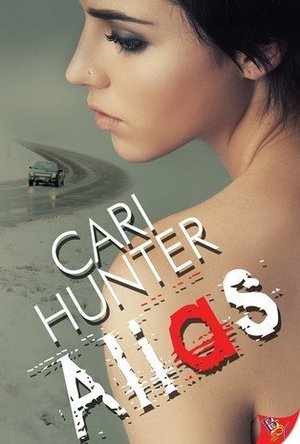
I’ve never read a book by Cari Hunter that I haven't loved and Alias lived up to my high expectations.
I’ve never read a book by Cari Hunter that I haven't loved and Alias lived up to my high expectations. It became available to me soon after I finished the third of her Dark Peaks trilogy so I was able to fangirl-mode right into it.
It is an absolute joy to read Cari Hunter’s books. I’m so thankful I have stumbled across her at the point where there have been a few books to binge on. It is no secret that I think she is one of the finest authors currently, and she has re-awakened my interest in crime thrillers after many years of reading solely romances. It’s a bonus that she is writing novels about regional parts of the UK.
Alias is written in the first person through-out, which is different to her other books and I found this quite refreshing.
The plot starts off with a car crash on a Welsh country road. The woman driver finds herself alive, confused as to who the dead woman beside her is, and then frustrated she doesn’t remember anything about herself, including her name, or why she was driving through Wales.
The opening scene brought tears to my eyes when I realised a great writer was going to be looking after the next few hours of my reading pleasure.
The local Police spend their time trying to work out if she should be prosecuted and she decides to keep tight-lipped about the small pieces of information that start to come back to her through her fugue while she is hospitalised, and then for the short while after she is released.
The rest of the book is about her finding out whether she is a goody or a baddy; whether she should trust Detective Bronwen Pryce, or, in fact, any of the other characters who tell her they are friends and colleagues. Cari makes us wonder about everyone until the very end of the novel.
The details! The details! Cari just loads her pages with perfect details about what is happening to the characters. There is never anything to stutter over. I never have to read a sentence twice because I didn’t understand it, or lose track of the easy-going flow.
I had to note the parts which made me beam during this book so I could re-read them at leisure. That’s it! Cari Hunter makes me beam while reading her books.
Her character’s legs are ‘wobblier than watered-down jelly’, they find ‘novelty of two cooperating lungs’, their ‘fingers poke out’ (from her splint) ‘as fat as unpopped sausages.’
Cari doesn’t simply give her characters goose pimples - they ‘tickle as they rise along her arm.’ They use ‘the painted numbers on the wheelie bins to gauge’ their progress down the street. When they eat they try ‘at first to isolate flavours and then giving up and simply enjoy the mix.’ Their stomach doesn’t just rumble; eating silences their ‘gastric percussion and leaves them with a stitch to walk off.’ The weather isn't cold, it is ‘brittle cold.’
The amnesia aspect had me in tears at points. There are people who possibly may no longer be alive and when she meets her friend for the ‘first time’ I became quite emotional.
As per her other books Cari has humorous moments throughout Alias.
The character is ‘sure that my choice of forget-me-nots wasn’t intended to be ironic.’ And there is a car-buying scene which make me laugh out loud.
There is no CSI Effect in this book. Some blood testing will be ‘four to five weeks at best’ rather than the four to five hours it can sometimes be in fiction.
I’m really sorry to learn there are no plans to take these characters further. Cari writes well-rounded characters with believable back stories and I would have loved to have seen a couple of the ones in this book teased out a little more in at least one sequel.
Don’t be picking this book up if you are looking for bodice-ripping sex. It just isn't there. Part of me cries out for more than Cari usually offers us, the part of me which craves romances. Holy Crap! She can sure write sex when she wants to but, people, this. is. a. crime. novel.
She could have put more sex in, but then it wouldn’t be true to itself, she wouldn’t be true to herself, and the novel would suffer for reader-driven gratuitous sex scenes which aren’t necessary to the plot.
If you would like recommendations for that kind of book let me know and I’ll introduce you to different genres and different authors.
For now, sit back and enjoy good down-to-earth well-written crime fiction.
It is an absolute joy to read Cari Hunter’s books. I’m so thankful I have stumbled across her at the point where there have been a few books to binge on. It is no secret that I think she is one of the finest authors currently, and she has re-awakened my interest in crime thrillers after many years of reading solely romances. It’s a bonus that she is writing novels about regional parts of the UK.
Alias is written in the first person through-out, which is different to her other books and I found this quite refreshing.
The plot starts off with a car crash on a Welsh country road. The woman driver finds herself alive, confused as to who the dead woman beside her is, and then frustrated she doesn’t remember anything about herself, including her name, or why she was driving through Wales.
The opening scene brought tears to my eyes when I realised a great writer was going to be looking after the next few hours of my reading pleasure.
The local Police spend their time trying to work out if she should be prosecuted and she decides to keep tight-lipped about the small pieces of information that start to come back to her through her fugue while she is hospitalised, and then for the short while after she is released.
The rest of the book is about her finding out whether she is a goody or a baddy; whether she should trust Detective Bronwen Pryce, or, in fact, any of the other characters who tell her they are friends and colleagues. Cari makes us wonder about everyone until the very end of the novel.
The details! The details! Cari just loads her pages with perfect details about what is happening to the characters. There is never anything to stutter over. I never have to read a sentence twice because I didn’t understand it, or lose track of the easy-going flow.
I had to note the parts which made me beam during this book so I could re-read them at leisure. That’s it! Cari Hunter makes me beam while reading her books.
Her character’s legs are ‘wobblier than watered-down jelly’, they find ‘novelty of two cooperating lungs’, their ‘fingers poke out’ (from her splint) ‘as fat as unpopped sausages.’
Cari doesn’t simply give her characters goose pimples - they ‘tickle as they rise along her arm.’ They use ‘the painted numbers on the wheelie bins to gauge’ their progress down the street. When they eat they try ‘at first to isolate flavours and then giving up and simply enjoy the mix.’ Their stomach doesn’t just rumble; eating silences their ‘gastric percussion and leaves them with a stitch to walk off.’ The weather isn't cold, it is ‘brittle cold.’
The amnesia aspect had me in tears at points. There are people who possibly may no longer be alive and when she meets her friend for the ‘first time’ I became quite emotional.
As per her other books Cari has humorous moments throughout Alias.
The character is ‘sure that my choice of forget-me-nots wasn’t intended to be ironic.’ And there is a car-buying scene which make me laugh out loud.
There is no CSI Effect in this book. Some blood testing will be ‘four to five weeks at best’ rather than the four to five hours it can sometimes be in fiction.
I’m really sorry to learn there are no plans to take these characters further. Cari writes well-rounded characters with believable back stories and I would have loved to have seen a couple of the ones in this book teased out a little more in at least one sequel.
Don’t be picking this book up if you are looking for bodice-ripping sex. It just isn't there. Part of me cries out for more than Cari usually offers us, the part of me which craves romances. Holy Crap! She can sure write sex when she wants to but, people, this. is. a. crime. novel.
She could have put more sex in, but then it wouldn’t be true to itself, she wouldn’t be true to herself, and the novel would suffer for reader-driven gratuitous sex scenes which aren’t necessary to the plot.
If you would like recommendations for that kind of book let me know and I’ll introduce you to different genres and different authors.
For now, sit back and enjoy good down-to-earth well-written crime fiction.