
Search
Search results

Purple Phoenix Games (2266 KP) rated The Imposter Kings in Tabletop Games
May 1, 2021

If there is one thing that I love about board gaming, it’s strategy. Planning out and executing a long-term plan, only to have your opponents throw a wrench in it, thus forcing you to re-strategize on the spot? That’s my JAM. So when I heard about The Imposter Kings, I knew it was right up my alley. After getting to play it, did it live up to my expectations? Or is it an imposter that doesn’t hold up? Keep reading to find out!
DISCLAIMER: We were provided a copy of this game for the purposes of this review. This is a retail copy of the game, so what you see in these photos is exactly what would be received in your box. I do not intend to cover every single rule included in the rulebook, but will describe the overall game flow and major rule set so that our readers may get a sense of how the game plays. For more in depth rules, you may purchase a copy online or from your FLGS. -L
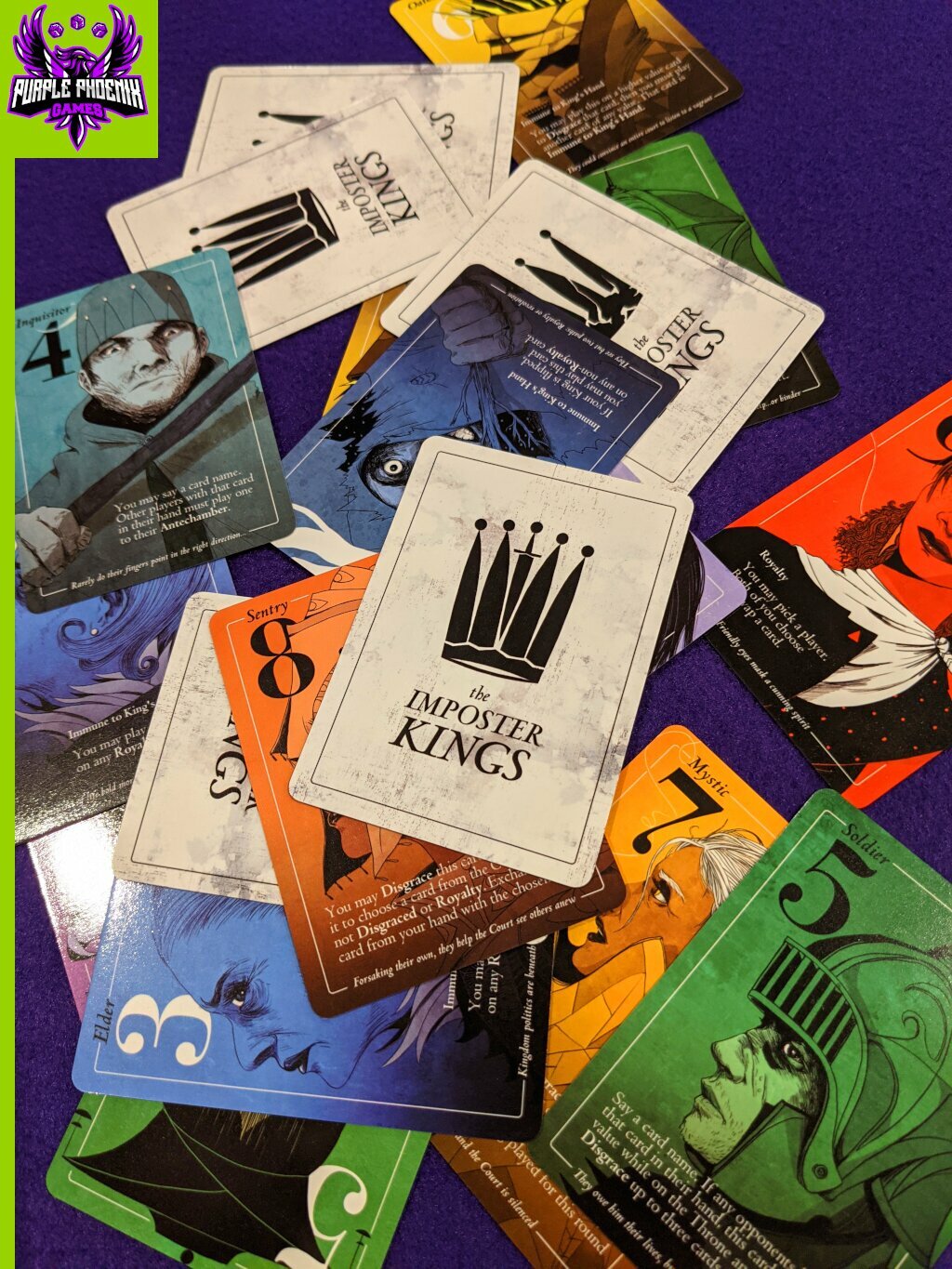
The Imposter Kings is a card game for 2-4 players in which players are attempting to gain and maintain control of the throne, accumulating a total of 7 points to win the game. There are some slight rules variations between 2-, 3-, and 4-player games, but the overall gameplay is the same. This review will focus on the 2-player rules. To setup for the game, assemble the deck as described in the rules for your chosen player count. In a 2-player game, the deck is comprised of 18 cards. Each player is given a King card, and one player’s will be the True King. The True King merely determines the first player for the round. Shuffle the deck and deal 8 cards to each player. There will be 2 cards leftover, and those will go into the center of the play area, one face-up and one face-down. This lets the players know which card is not in either players hand, as well as a random unknown card in neither players’ hand. Each player will select a card from their hand to be their Successor, and will place it face-down next to their King, and they will also select one card from their hand to discard face-down. The game is now ready to begin!
On your turn, you will play any card from your hand to the Court (play area) that is of an equal or higher value than the card played previously. The last-played card to the Court is considered to be on the Throne. All cards in Imposter Kings are numbered 1-9, and each card has an associated special ability. Once you play a card to the Court, you may/must use the ability (if optional/mandatory). These special abilities can alter the Court and gameplay by Disgracing cards (flipping them face-down to ‘reset’ the number line), swapping cards with other players, playing a lower-numbered card on top of a higher number etc. The round continues in this fashion, with players alternating, until one player is no longer able to play a card to the Court. That player loses the round, and the winning player receives a number of points, depending on certain aspects. The deck is reshuffled, the True King is passed to the loser of the round, and a new round commences. The first player to reach 7 points is the ultimate winner!
That details the basics of the gameplay, but there are a few special things to keep in mind. Certain cards will force players to play a card to their Antechamber – face-up in front of them. If ever you have a card in your Antechamber at the beginning of a turn, you must play it to the Court, regardless of its value. This can be a good strategic way to trap your opponent into playing a specific card on their next turn! Sometimes a card will need to be Condemned – it is then placed face-down in front of you, and then removed from play on your next turn. Another good way to eat up an opponent’s turn! If you ever get to a point in the round when you are unable to play a card to the Court, you may choose to use your King power – it allows you to flip your King over to Disgrace the card currently on the Throne, and take your Successor into your hand (hopefully giving you a chance to keep playing in the round!). However, there is an Assassin card in the game!! If you have the Assassin, you can reveal it when your opponent decides to use their King – thus assassinating them and immediately winning the round. Lots of tricksy ways to make sure you end up on the Throne!
So all in all, how does The Imposter Kings hold up? Fairly well, actually. For being a simple and relatively fast card game, there is a lot of strategy required for success. You have to decide which cards/powers to use when, while also trying to deduce what your opponent has in their hand. Can you trap them and force the round to end? Or have they kept a dark horse in hand for just this situation? There is a lot more to The Imposter Kings than meets the eye, and that makes it a fun challenge. The first time I played this game, it reminded me of a similar game by ButtonShy titled Hierarchy. The concept and gameplay are similar, but the biggest difference is that The Imposter Kings can be played with 3 and 4 players. That adds another element of strategy/chaos to the game, as there are more cards to deduce, more opportunities for the Court to change between your turns, and just more strategy in general. Hierarchy is strictly a 2-player game, but The Imposter Kings allows you to play with more people. With higher player counts, new and unique cards are added to the starting deck, offering even more abilities and strategic options for play. The gameplay scales with player count, and that keeps it engaging.
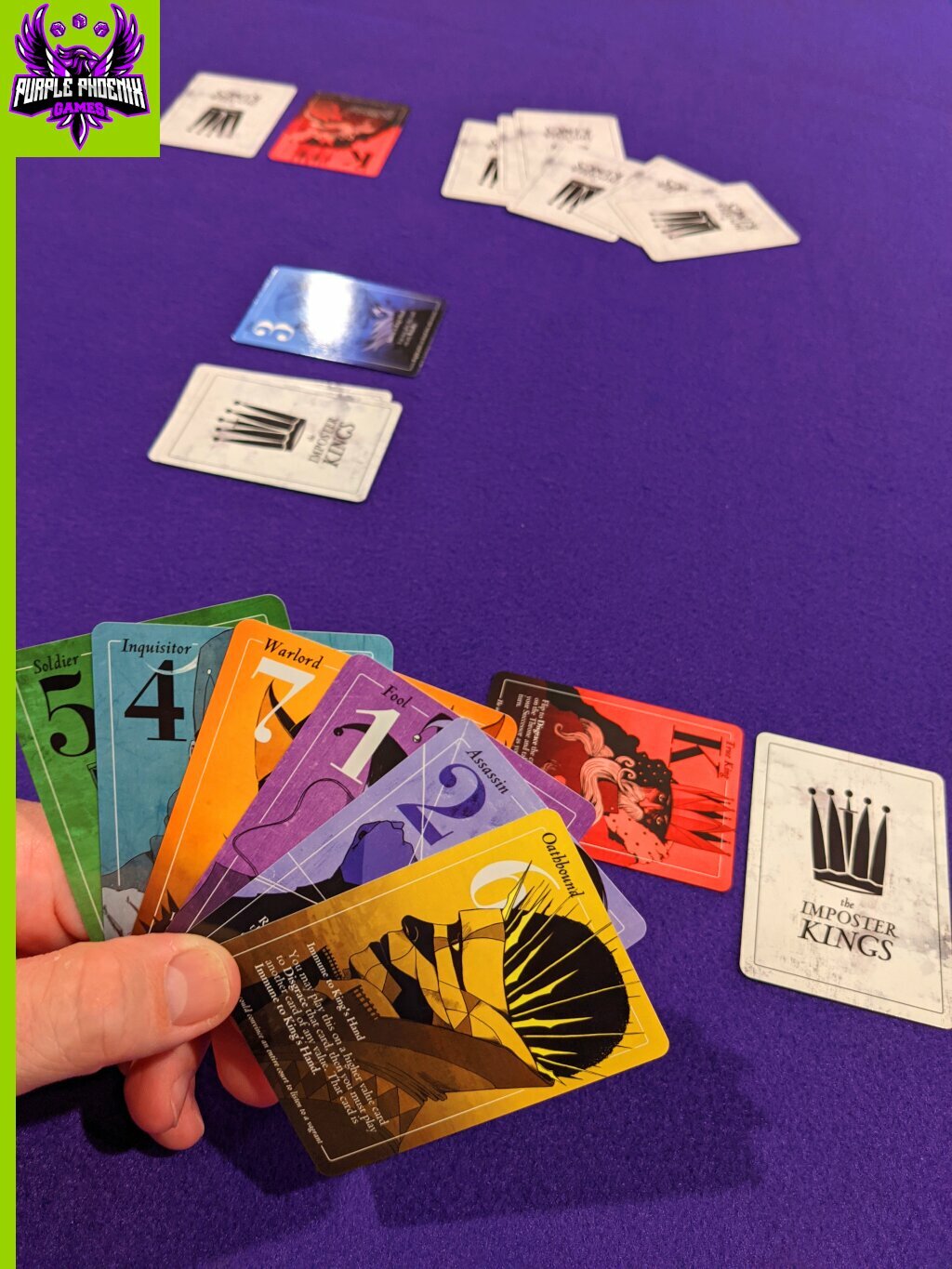
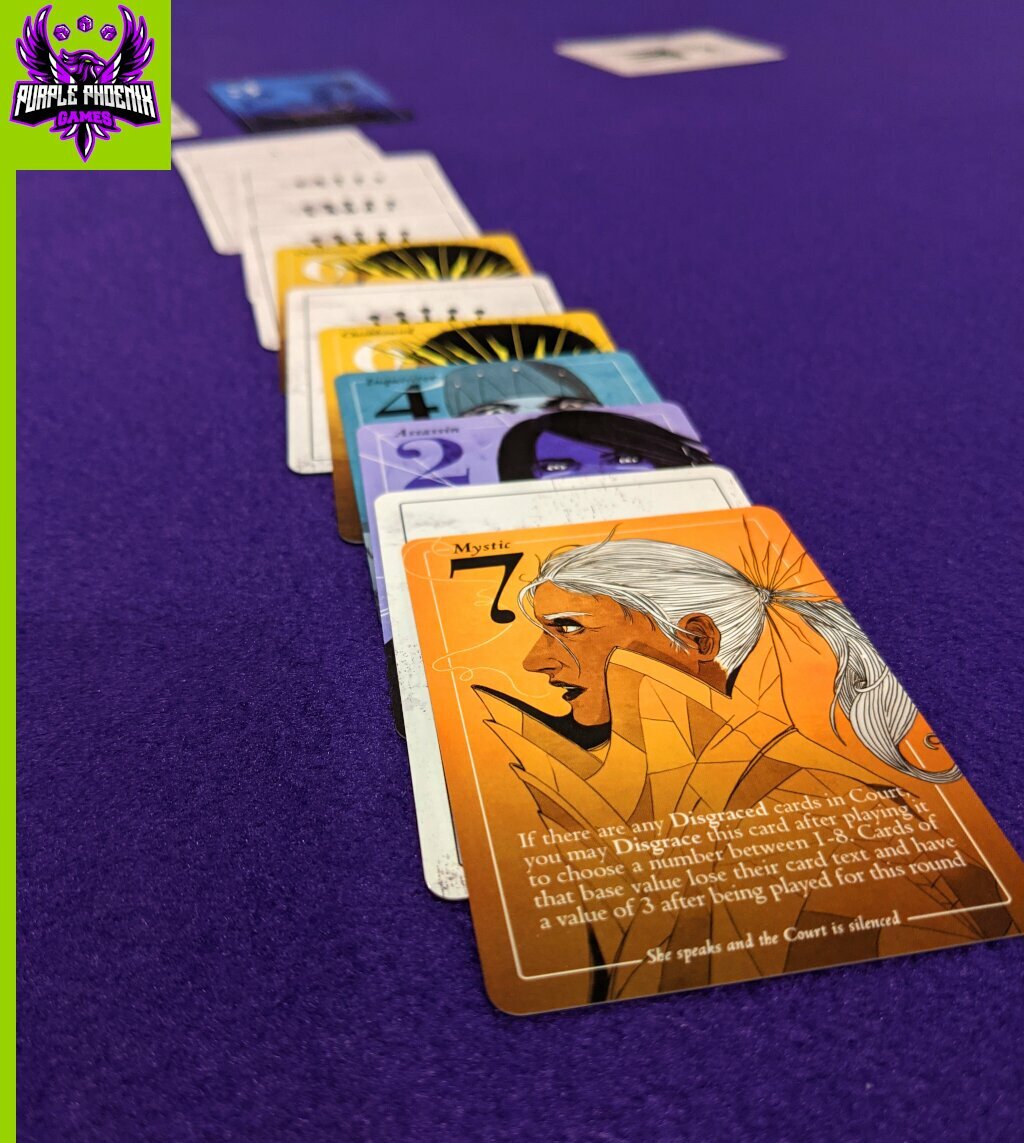
Let me touch on components for a minute. This is a retail version of the game, and the production quality is very nice! The game comes in a nice small box, and the deck of cards is sturdy in hand. The artwork is interesting, the text is clear, and the cards are color-coded based on their value. The coloring really helps with quick visual identification of what cards are in play. The game also comes with some reference cards for the various abilities, and those were much appreciated. The rulebook had a couple of areas of ambiguity, but watching the videos on the BGG page for The Imposter Kings helped answer any questions I might have had. All in all, good production quality!
So as you can probably tell from this review, I generally like The Imposter Kings. The gameplay is strategic, engaging, and its 3-4 player variants offer some unique twists that the 2-player just cannot handle. This is a game that I can see myself bringing out when I have newer gamers at my table. The gameplay is simple, yet strategic, and it is not overwhelming to learn or play. It definitely makes players think, and even now I’m thinking about what strategy I might try next game. If you are looking for something relatively simple, yet surprisingly strategic, consider checking out The Imposter Kings. Purple Phoenix Games gives it a royal 8 / 12.
DISCLAIMER: We were provided a copy of this game for the purposes of this review. This is a retail copy of the game, so what you see in these photos is exactly what would be received in your box. I do not intend to cover every single rule included in the rulebook, but will describe the overall game flow and major rule set so that our readers may get a sense of how the game plays. For more in depth rules, you may purchase a copy online or from your FLGS. -L
The Imposter Kings is a card game for 2-4 players in which players are attempting to gain and maintain control of the throne, accumulating a total of 7 points to win the game. There are some slight rules variations between 2-, 3-, and 4-player games, but the overall gameplay is the same. This review will focus on the 2-player rules. To setup for the game, assemble the deck as described in the rules for your chosen player count. In a 2-player game, the deck is comprised of 18 cards. Each player is given a King card, and one player’s will be the True King. The True King merely determines the first player for the round. Shuffle the deck and deal 8 cards to each player. There will be 2 cards leftover, and those will go into the center of the play area, one face-up and one face-down. This lets the players know which card is not in either players hand, as well as a random unknown card in neither players’ hand. Each player will select a card from their hand to be their Successor, and will place it face-down next to their King, and they will also select one card from their hand to discard face-down. The game is now ready to begin!
On your turn, you will play any card from your hand to the Court (play area) that is of an equal or higher value than the card played previously. The last-played card to the Court is considered to be on the Throne. All cards in Imposter Kings are numbered 1-9, and each card has an associated special ability. Once you play a card to the Court, you may/must use the ability (if optional/mandatory). These special abilities can alter the Court and gameplay by Disgracing cards (flipping them face-down to ‘reset’ the number line), swapping cards with other players, playing a lower-numbered card on top of a higher number etc. The round continues in this fashion, with players alternating, until one player is no longer able to play a card to the Court. That player loses the round, and the winning player receives a number of points, depending on certain aspects. The deck is reshuffled, the True King is passed to the loser of the round, and a new round commences. The first player to reach 7 points is the ultimate winner!
That details the basics of the gameplay, but there are a few special things to keep in mind. Certain cards will force players to play a card to their Antechamber – face-up in front of them. If ever you have a card in your Antechamber at the beginning of a turn, you must play it to the Court, regardless of its value. This can be a good strategic way to trap your opponent into playing a specific card on their next turn! Sometimes a card will need to be Condemned – it is then placed face-down in front of you, and then removed from play on your next turn. Another good way to eat up an opponent’s turn! If you ever get to a point in the round when you are unable to play a card to the Court, you may choose to use your King power – it allows you to flip your King over to Disgrace the card currently on the Throne, and take your Successor into your hand (hopefully giving you a chance to keep playing in the round!). However, there is an Assassin card in the game!! If you have the Assassin, you can reveal it when your opponent decides to use their King – thus assassinating them and immediately winning the round. Lots of tricksy ways to make sure you end up on the Throne!
So all in all, how does The Imposter Kings hold up? Fairly well, actually. For being a simple and relatively fast card game, there is a lot of strategy required for success. You have to decide which cards/powers to use when, while also trying to deduce what your opponent has in their hand. Can you trap them and force the round to end? Or have they kept a dark horse in hand for just this situation? There is a lot more to The Imposter Kings than meets the eye, and that makes it a fun challenge. The first time I played this game, it reminded me of a similar game by ButtonShy titled Hierarchy. The concept and gameplay are similar, but the biggest difference is that The Imposter Kings can be played with 3 and 4 players. That adds another element of strategy/chaos to the game, as there are more cards to deduce, more opportunities for the Court to change between your turns, and just more strategy in general. Hierarchy is strictly a 2-player game, but The Imposter Kings allows you to play with more people. With higher player counts, new and unique cards are added to the starting deck, offering even more abilities and strategic options for play. The gameplay scales with player count, and that keeps it engaging.
Let me touch on components for a minute. This is a retail version of the game, and the production quality is very nice! The game comes in a nice small box, and the deck of cards is sturdy in hand. The artwork is interesting, the text is clear, and the cards are color-coded based on their value. The coloring really helps with quick visual identification of what cards are in play. The game also comes with some reference cards for the various abilities, and those were much appreciated. The rulebook had a couple of areas of ambiguity, but watching the videos on the BGG page for The Imposter Kings helped answer any questions I might have had. All in all, good production quality!
So as you can probably tell from this review, I generally like The Imposter Kings. The gameplay is strategic, engaging, and its 3-4 player variants offer some unique twists that the 2-player just cannot handle. This is a game that I can see myself bringing out when I have newer gamers at my table. The gameplay is simple, yet strategic, and it is not overwhelming to learn or play. It definitely makes players think, and even now I’m thinking about what strategy I might try next game. If you are looking for something relatively simple, yet surprisingly strategic, consider checking out The Imposter Kings. Purple Phoenix Games gives it a royal 8 / 12.

Kristy H (1252 KP) rated Between Me and You in Books
Dec 23, 2017

confusing (1 more)
repetitive
Repetitive but oddly compelling romance
When Ben Livingston and Tatum Connelly meet, they are both dreaming of success in Hollywood--Ben as a scriptwriter and Tatum as an actress. It's Ben who hits it big first, becoming Hollywood's It Guy and a Sundance favorite. But over time, his star slowly fades while Tatum rises to a stardom neither could have ever fully imagined. Along the way, the two wed, have a son, and experience a variety of ups and downs in their marriage. This includes several losses in their personal lives and slowly drifting apart. They once were incredibly close and deeply in love; can their love sustain everything that life throws at them?
This was a really interesting book, starting with the format. The story is told from both Tatum and Ben's perspectives. No big deal, you think, right? Except Tatum's portions start at the beginning of their journey and go in chronological order, while Ben tells his part of the story backward, starting with how they've fallen apart and going back in time. It's an odd device and definitely takes some getting used to. It was hard to keep some of the dates and timelines straight; it was one of the times where I wished I had a hardcopy of the book so I could flip back and forth more easily.
It also seemed to make the story more repetitive--when you have two people telling the same stories, you're bound to get some repetition. But what was really strange was that it sometimes felt like each chapter was a mini story that needed to reintroduce everything all over again. I don't know why the author felt this was necessary, because it's an oddly compelling book on its own even when neither main character is really that likeable. But we heard over and over about Tatum and Ben's daddy issues, career issues, that he never wrote anything for her. And oh yeah, did we mention that Tatum's an actress and doesn't eat, etc.?
At the core, this isn't really a happy book, despite it being romantic at times. Both Tatum and Ben have a lot of petty issues, but also really serious issues relating to their parents. This is fine, except we hear about it (a lot) due to the repetitive way the story is told. There's a lot of mourning and grieving and there's a dark side that deals with addiction, too. The focus on that fact that Ben has never written a script for Tatum--while this does have a point in the end--this gets to be a little much, too. The problem with all the focus on these things is that I felt like I never really learn a lot about Tatum and Ben in this format. I was always yearning for more. Is the story of two people growing apart interesting? Am I invested in them? (I was.)
It's sad, because despite everything I have said, I found this book weirdly compelling. Maybe it's because Tatum is a famous actress and there's a Hollywood setting, even if it's not really fleshed out. I wanted to know more about Tatum and Ben. I wanted them to work out. I wanted to read the book, even with the odd format and rehashing of things. It's a little hard to describe. It's like watching a romantic comedy where you desperately want the two leads to get together, despite all the odds.
So, I'm still glad I read this one. It was engaging and different. I do wish I knew more about Ben and Tatum and their motivations and what led them together (and apart).
This was a really interesting book, starting with the format. The story is told from both Tatum and Ben's perspectives. No big deal, you think, right? Except Tatum's portions start at the beginning of their journey and go in chronological order, while Ben tells his part of the story backward, starting with how they've fallen apart and going back in time. It's an odd device and definitely takes some getting used to. It was hard to keep some of the dates and timelines straight; it was one of the times where I wished I had a hardcopy of the book so I could flip back and forth more easily.
It also seemed to make the story more repetitive--when you have two people telling the same stories, you're bound to get some repetition. But what was really strange was that it sometimes felt like each chapter was a mini story that needed to reintroduce everything all over again. I don't know why the author felt this was necessary, because it's an oddly compelling book on its own even when neither main character is really that likeable. But we heard over and over about Tatum and Ben's daddy issues, career issues, that he never wrote anything for her. And oh yeah, did we mention that Tatum's an actress and doesn't eat, etc.?
At the core, this isn't really a happy book, despite it being romantic at times. Both Tatum and Ben have a lot of petty issues, but also really serious issues relating to their parents. This is fine, except we hear about it (a lot) due to the repetitive way the story is told. There's a lot of mourning and grieving and there's a dark side that deals with addiction, too. The focus on that fact that Ben has never written a script for Tatum--while this does have a point in the end--this gets to be a little much, too. The problem with all the focus on these things is that I felt like I never really learn a lot about Tatum and Ben in this format. I was always yearning for more. Is the story of two people growing apart interesting? Am I invested in them? (I was.)
It's sad, because despite everything I have said, I found this book weirdly compelling. Maybe it's because Tatum is a famous actress and there's a Hollywood setting, even if it's not really fleshed out. I wanted to know more about Tatum and Ben. I wanted them to work out. I wanted to read the book, even with the odd format and rehashing of things. It's a little hard to describe. It's like watching a romantic comedy where you desperately want the two leads to get together, despite all the odds.
So, I'm still glad I read this one. It was engaging and different. I do wish I knew more about Ben and Tatum and their motivations and what led them together (and apart).

postapocalypticplayground (27 KP) rated Everless in Books
Jan 9, 2018

The estate of Everless is formidible in Sempera. For Jules it is a symbol of what life was. Both she and her father had been cast out several years before and now live in squalor in the village of Compton, struggling to survive. In Sempera however there is a way to make money, it is terrible and dangerous and has brought her father close to death - blood iron. Time distilled through bloodletting. An hour, day or even a year can be taken but clearly with a toll for those who rely on it to as a means to survive on only the most basic of means. When an opportunity arises to gain work on the Everless estate, Jules sees an opportunity to lift her and her father out of debt, as long as she can remain unnoticed by the Gerling children, her childhood playmates. However, the work being offered is preparing the estate for the upcoming wedding of her childhood beau Roan and the Queen of Sempera's Ward, Ina; will Jules be able to stay away from her past?
As Jules becomes more embroiled in the wedding preparations she finds herself forging an unlikely friendship with Ina and stumbling down a path that reveals more about her past than she ever could have imagined and also a danger which shakes her to the very core.
Everless for me was a really enjoyable read. When I read the first chapter, I had to eye roll massively as we start out with Jules, the young female protagonist out as a huntress in the forest, searching for food for survival, this was thankfully one of only a few tropes and it quickly found it's own feet. Despite the shaky start for me, Jules is an immensely likeable character. She feels horribly wronged by the Gerlings and with good reason, she saved Roan's life, but in one of Everless's best kept secrets she was simply blamed for the burning down of her fathers forge on the estate and they had to flee. Her father, once highly skilled, has now suffered so greatly by the giving of time through blood iron that he hangs on by barely a thread. She shows immense bravery by wanting to attend the blood letters herself to pay the rent debt, but like so many things in the story her best intentions are always taken out of her hands. Only just 17 and having been treated so badly in the past, she is incredibly trusting, despite outwardly projecting otherwise. I was surprised how easily she was able to forge friendships, however there is much to be said for solidarity.
Her inquisitiveness far outweighs her common sense though and despite many warnings she continues to follow a path of investigating her heritage born out by a strange ability to slow the passing of time when she is emotionally heightened. The twists and revelations in relation to this are fantastic, there was so much I didn't see coming and I really enjoyed the excursions out of the Everless Estate (perhaps a lovely map wouldn't go amiss in book 2) which really helped prevent the story becoming stagnant in a single setting.
Everless was a huge page turner for me, I really love this kind of traditional fantasy and although there were a few points that didn't really work for me (like why would she throw away a year blood iron into the lake a breath after saying she would search through the mud if she has lost one) for the majority I found the story to be utterly engaging with a huge amount of originality. I am looking forward to hopefully having some aspects of the story explored further in book 2 as the true story of Jules's heritage for me was captivating
As Jules becomes more embroiled in the wedding preparations she finds herself forging an unlikely friendship with Ina and stumbling down a path that reveals more about her past than she ever could have imagined and also a danger which shakes her to the very core.
Everless for me was a really enjoyable read. When I read the first chapter, I had to eye roll massively as we start out with Jules, the young female protagonist out as a huntress in the forest, searching for food for survival, this was thankfully one of only a few tropes and it quickly found it's own feet. Despite the shaky start for me, Jules is an immensely likeable character. She feels horribly wronged by the Gerlings and with good reason, she saved Roan's life, but in one of Everless's best kept secrets she was simply blamed for the burning down of her fathers forge on the estate and they had to flee. Her father, once highly skilled, has now suffered so greatly by the giving of time through blood iron that he hangs on by barely a thread. She shows immense bravery by wanting to attend the blood letters herself to pay the rent debt, but like so many things in the story her best intentions are always taken out of her hands. Only just 17 and having been treated so badly in the past, she is incredibly trusting, despite outwardly projecting otherwise. I was surprised how easily she was able to forge friendships, however there is much to be said for solidarity.
Her inquisitiveness far outweighs her common sense though and despite many warnings she continues to follow a path of investigating her heritage born out by a strange ability to slow the passing of time when she is emotionally heightened. The twists and revelations in relation to this are fantastic, there was so much I didn't see coming and I really enjoyed the excursions out of the Everless Estate (perhaps a lovely map wouldn't go amiss in book 2) which really helped prevent the story becoming stagnant in a single setting.
Everless was a huge page turner for me, I really love this kind of traditional fantasy and although there were a few points that didn't really work for me (like why would she throw away a year blood iron into the lake a breath after saying she would search through the mud if she has lost one) for the majority I found the story to be utterly engaging with a huge amount of originality. I am looking forward to hopefully having some aspects of the story explored further in book 2 as the true story of Jules's heritage for me was captivating

Hazel (1853 KP) rated A Robot in the Garden in Books
May 25, 2017
So Sweet
This ebook was provided by the publisher via NetGalley in exchange for an honest review
What would you do if you found a robot in your garden? That is exactly what, as the title suggests, 34-year-old Ben has to answer on making this discovery early one September morning. Set in the near future where many people have androids in their houses to do the chores they do not wish to do, finding a robot is not a completely unsettling event. What is unusual, however, is that this particular robot is the opposite of the modern, shiny models: he appears to be a mishmash of Japanese fine art and something you would find on a scrap heap.
As Ben discovers, the robot, named Tang is broken and is in need of urgent care and repair. Ben becomes obsessed with trying to pry information out of the robot as to where he came from and to whom he belongs to. Bringing Tang into the house is the last straw for his wife, Amy, who after letting him know all his faults – unemployment, never achieved anything – walks out on him. Now alone, with no one else to worry about, Ben is determined to locate Tang’s creator and save the robot’s life.
What continues is a wild goose chase across America and over to Asia as the strange pairing – human and robot – follows hints and clues that could help them reach their destination. Along the way Ben gets to know Tang and learns to love him in the same way a father loves a child. No matter what mischief Tang gets himself into, Ben is always there to fix the situation. The only thing he cannot fix is Tang’s internal parts, and time is running out.
Initially the story was about a man who wanted to prove he could achieve something to show his sister and his, now, ex-wife that they were wrong about him. However later on in the novel Ben realizes he is changing for himself, not for anyone else, and the person – or robot – that has helped him to achieve this is Tang. On the other hand it is also a humorous tale that explores a character that is unable to connect to the world around him. Tang is like a human toddler who needs constant care and attention, and is fascinated by everything around him. With Ben’s love and attention he proves to the world that he is much more than a rusty metal box.
A Robot in the Garden is a gem of a novel that is guaranteed to make the reader laugh. It is also touching and emotionally engaging, with both heartwarming and heart wrenching moments. Deborah Install has created an accurate representation of a character that has no understanding of the happenings in the world around it, basing many hilarious instances on those of her young son.
Whilst reading this book I could not help but compare it to the film Short Circuit (1986) in which a robot is electrocuted and gains human intelligence. I kept picturing the storyline of A Robot in the Garden in my head and thinking up ways it could be portrayed on screen. Whether there are plans to make it into a film I have no idea, but I am sure it would make prize-winning picture.
Do not be put off by its science fiction classification; A Robot in the Garden is no War of the Worlds or Doctor Who type of story. Instead it is a brilliant piece if fiction suitable for all adults. Those with children will laugh at the similarities between Tang and their offspring, whereas those without will sympathise with Ben’s struggles to keep the robot under control. All in all a great novel.
What would you do if you found a robot in your garden? That is exactly what, as the title suggests, 34-year-old Ben has to answer on making this discovery early one September morning. Set in the near future where many people have androids in their houses to do the chores they do not wish to do, finding a robot is not a completely unsettling event. What is unusual, however, is that this particular robot is the opposite of the modern, shiny models: he appears to be a mishmash of Japanese fine art and something you would find on a scrap heap.
As Ben discovers, the robot, named Tang is broken and is in need of urgent care and repair. Ben becomes obsessed with trying to pry information out of the robot as to where he came from and to whom he belongs to. Bringing Tang into the house is the last straw for his wife, Amy, who after letting him know all his faults – unemployment, never achieved anything – walks out on him. Now alone, with no one else to worry about, Ben is determined to locate Tang’s creator and save the robot’s life.
What continues is a wild goose chase across America and over to Asia as the strange pairing – human and robot – follows hints and clues that could help them reach their destination. Along the way Ben gets to know Tang and learns to love him in the same way a father loves a child. No matter what mischief Tang gets himself into, Ben is always there to fix the situation. The only thing he cannot fix is Tang’s internal parts, and time is running out.
Initially the story was about a man who wanted to prove he could achieve something to show his sister and his, now, ex-wife that they were wrong about him. However later on in the novel Ben realizes he is changing for himself, not for anyone else, and the person – or robot – that has helped him to achieve this is Tang. On the other hand it is also a humorous tale that explores a character that is unable to connect to the world around him. Tang is like a human toddler who needs constant care and attention, and is fascinated by everything around him. With Ben’s love and attention he proves to the world that he is much more than a rusty metal box.
A Robot in the Garden is a gem of a novel that is guaranteed to make the reader laugh. It is also touching and emotionally engaging, with both heartwarming and heart wrenching moments. Deborah Install has created an accurate representation of a character that has no understanding of the happenings in the world around it, basing many hilarious instances on those of her young son.
Whilst reading this book I could not help but compare it to the film Short Circuit (1986) in which a robot is electrocuted and gains human intelligence. I kept picturing the storyline of A Robot in the Garden in my head and thinking up ways it could be portrayed on screen. Whether there are plans to make it into a film I have no idea, but I am sure it would make prize-winning picture.
Do not be put off by its science fiction classification; A Robot in the Garden is no War of the Worlds or Doctor Who type of story. Instead it is a brilliant piece if fiction suitable for all adults. Those with children will laugh at the similarities between Tang and their offspring, whereas those without will sympathise with Ben’s struggles to keep the robot under control. All in all a great novel.

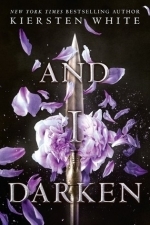
Jamie (131 KP) rated And I Darken (The Conqueror's Saga #1) in Books
Jul 15, 2017

Well developed characters with complex relationships (1 more)
Engaging story
What if Vlad the Impaler was a girl? An engrossing historical dark fantasy
I was surprised to find that the story had two main characters, Lada and her younger brother Radu. The story is told from their alternating points of view from childhood up to early adulthood. The siblings are sent from their homeland as hostages to the sultan to ensure their father’s loyalty. The story follows the siblings through their journey of self discovery as their fates become entangled with Mehmed II, the virtuous son of the sultan with dreams of conquest.
Lada is fierce even from a young age, a vicious child that is often described as being ugly. She is abrasive and domineering with an intense hunger to claim and rule over what she views as hers. She is frustrated by the limitations placed on her for being a woman, craving power and freedom given to her brother for the simple fact that he is a man. Lada wrestles with her femininity, at some times rejecting it entirely and at other times trying to accept herself and her needs as a woman. She idolizes her father and later the janissaries, wanting desperately to be recognized and accepted. Lada seeks to return home to her mother Wallachia, her birthright.
In stark contrast to Lada, he is sensitive and beautiful. As a child he cried easily and like his sister he also desperately sought affection and acceptance from others. Beginning with their father, their nursemaid, Lada, and eventually Mehmed. While Lada seeks power through brute strength Radu finds a means to his ends through manipulation, using his attractiveness to gain the respect and trust of the people around him. Radu finds his home in Islam and the empire under the watchful eye of the father, the Sultan.
The parallels between Lada and Radu are a subversion of the classical gendered stereotypes placed on men and women. The bonds between Lada, Radu, and Mehmed were incredibly complex and toxic for all involved. The book doesn’t shy away at all from the hideous aspects of love and jealousy and gives an honest and intimate portrayal of the characters as they stumble into adulthood.
This book is loosely based on three very real historical figures: Vlad the Impaler, Radu the Fair, and Mehmed II. Despite this, the book is in no way to be considered to be historically factual, as noted by the author. Lada’s gender change aside there is definitely many pieces of history that are changed deliberately to make room not only for a new romance but also for a more neutral portrayal of the character. This is definitely a medieval fantasy and alternate history book which I’m quite frankly fine with and was able to enjoy just the same. The setting and characters were fairly convincing for the time period and appreciated the research and detail that was put into the book to make it at least believable.
I expected a little more war and battle in this book but there was actually next to none. There was much more focus on the political aspects of the story which I think was alright considering the ages of the main characters. I do expect to see more combat in the next book though, so maybe Lada will actually be the brutal warrior princess she was destined to be.
Despite my mild complaints about the historical aspects of this book I thoroughly enjoyed myself reading it. I was initially intimidated by the page count for this book but found myself flying through the pages. And I Darken is masterfully written and really polished compared to a lot of YA literature. Definitely one of my favorites and I am absolutely ecstatic to continue the series.
Lada is fierce even from a young age, a vicious child that is often described as being ugly. She is abrasive and domineering with an intense hunger to claim and rule over what she views as hers. She is frustrated by the limitations placed on her for being a woman, craving power and freedom given to her brother for the simple fact that he is a man. Lada wrestles with her femininity, at some times rejecting it entirely and at other times trying to accept herself and her needs as a woman. She idolizes her father and later the janissaries, wanting desperately to be recognized and accepted. Lada seeks to return home to her mother Wallachia, her birthright.
In stark contrast to Lada, he is sensitive and beautiful. As a child he cried easily and like his sister he also desperately sought affection and acceptance from others. Beginning with their father, their nursemaid, Lada, and eventually Mehmed. While Lada seeks power through brute strength Radu finds a means to his ends through manipulation, using his attractiveness to gain the respect and trust of the people around him. Radu finds his home in Islam and the empire under the watchful eye of the father, the Sultan.
The parallels between Lada and Radu are a subversion of the classical gendered stereotypes placed on men and women. The bonds between Lada, Radu, and Mehmed were incredibly complex and toxic for all involved. The book doesn’t shy away at all from the hideous aspects of love and jealousy and gives an honest and intimate portrayal of the characters as they stumble into adulthood.
This book is loosely based on three very real historical figures: Vlad the Impaler, Radu the Fair, and Mehmed II. Despite this, the book is in no way to be considered to be historically factual, as noted by the author. Lada’s gender change aside there is definitely many pieces of history that are changed deliberately to make room not only for a new romance but also for a more neutral portrayal of the character. This is definitely a medieval fantasy and alternate history book which I’m quite frankly fine with and was able to enjoy just the same. The setting and characters were fairly convincing for the time period and appreciated the research and detail that was put into the book to make it at least believable.
I expected a little more war and battle in this book but there was actually next to none. There was much more focus on the political aspects of the story which I think was alright considering the ages of the main characters. I do expect to see more combat in the next book though, so maybe Lada will actually be the brutal warrior princess she was destined to be.
Despite my mild complaints about the historical aspects of this book I thoroughly enjoyed myself reading it. I was initially intimidated by the page count for this book but found myself flying through the pages. And I Darken is masterfully written and really polished compared to a lot of YA literature. Definitely one of my favorites and I am absolutely ecstatic to continue the series.

Acanthea Grimscythe (300 KP) rated Three Heart Echo in Books
May 16, 2018
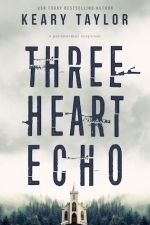

Three Heart Echo by Keary Taylor ended up on my reading list by yet another mislabeling on NetGalley, I must admit. As seen in the title image above, the book is a paranormal suspense. If you’ve read my blog for any length of time, you’ll no doubt guess that I grabbed it from the horror genre titles. Fortunately, after revisiting its cover I can at least say that its actual genre is the right one. While Three Heart Echo does have some elements of horror, it reads more like a paranormal-themed Lifetime movie.
Taking place soon after the death of Jack Caraway, Three Heart Echo tells the story of two vastly different people meeting and, you guessed it, falling in love. It’s not that simple though, and several of the more twisted things that one might expect from a horror novel surface throughout the plot. Iona Faye, a frail woman mourning the death of her fiance, seeks out Sully Whitmore, a man rumored to be able to speak to the dead. Together, the two unravel the darkness of Jack’s past while racing against time to unravel not one, but two curses.
The plot is fairly linear, with only one unexpected twist at the end. That twist defines much of the book though, and I have to admit that I actually felt anger flare up within me. I’ve gotta give Taylor kudos for that one. What I don’t like, besides the heavily romantic subplot, is the fact that, as readers see in many romance books, we’re dealing with two Mary Sue characters. Iona is described as a beautiful fawn whilst Sully is a giant Viking of a man. Catch my drift? Oh, and poor dead Jack? Apparently, he’s a stunner too.
While the plot is straightforward, Taylor also alternates between perspectives on chapters. Now, as a reader, you may think I mean she goes back and forth between past and present. It’s common enough when we read books, after all. Unfortunately, what I mean is that Taylor switches between perspectives of Sully and Iona. For the most part, the switches follow a pattern. There is some story overlap/repetition within those shifts, but it isn’t terrible. What perturbs me about these perspectives is that every now and then, there’s a break to the pattern where it may take some readers a moment to realize that the book has suddenly shifted to the past without warning.
Back to the romance side of things, there are far too many cliches. Poor, helpless main character gets an indescribable pain in their chest and they can’t fathom why it feels like their heart races when they look upon their love interest. As if that’s not bad enough, you know from the get-go that there’s going to be a love story involved. It’s not well enough to leave it a paranormal suspense, we might as well make it a romance too. Because y’know, two attractive people can’t simply be friends!
Speaking of chest pain, there’s another thing about this book that absolutely irked me. I could understand if one character had an odd need to count things. It happens and OCD is a real thing; but, what I’m referring to, is the need by both characters to take exactly five steps, to blink four times, to wait for three heartbeats before they do something so much as take a breath.
Finally, what the hell is a grand opus? The actual term is magnum opus. I’lll hope it was just a typo that was fixed in the final, published copy of the Three Heart Echo. Overall, the story itself is engaging to a degree, but it definitely wasn’t my style. I think it belongs more in the paranormal romance genre than it does horror.
I’d like to thank NetGalley and the author for providing me with a free copy for the purpose of review.
Taking place soon after the death of Jack Caraway, Three Heart Echo tells the story of two vastly different people meeting and, you guessed it, falling in love. It’s not that simple though, and several of the more twisted things that one might expect from a horror novel surface throughout the plot. Iona Faye, a frail woman mourning the death of her fiance, seeks out Sully Whitmore, a man rumored to be able to speak to the dead. Together, the two unravel the darkness of Jack’s past while racing against time to unravel not one, but two curses.
The plot is fairly linear, with only one unexpected twist at the end. That twist defines much of the book though, and I have to admit that I actually felt anger flare up within me. I’ve gotta give Taylor kudos for that one. What I don’t like, besides the heavily romantic subplot, is the fact that, as readers see in many romance books, we’re dealing with two Mary Sue characters. Iona is described as a beautiful fawn whilst Sully is a giant Viking of a man. Catch my drift? Oh, and poor dead Jack? Apparently, he’s a stunner too.
While the plot is straightforward, Taylor also alternates between perspectives on chapters. Now, as a reader, you may think I mean she goes back and forth between past and present. It’s common enough when we read books, after all. Unfortunately, what I mean is that Taylor switches between perspectives of Sully and Iona. For the most part, the switches follow a pattern. There is some story overlap/repetition within those shifts, but it isn’t terrible. What perturbs me about these perspectives is that every now and then, there’s a break to the pattern where it may take some readers a moment to realize that the book has suddenly shifted to the past without warning.
Back to the romance side of things, there are far too many cliches. Poor, helpless main character gets an indescribable pain in their chest and they can’t fathom why it feels like their heart races when they look upon their love interest. As if that’s not bad enough, you know from the get-go that there’s going to be a love story involved. It’s not well enough to leave it a paranormal suspense, we might as well make it a romance too. Because y’know, two attractive people can’t simply be friends!
Speaking of chest pain, there’s another thing about this book that absolutely irked me. I could understand if one character had an odd need to count things. It happens and OCD is a real thing; but, what I’m referring to, is the need by both characters to take exactly five steps, to blink four times, to wait for three heartbeats before they do something so much as take a breath.
Finally, what the hell is a grand opus? The actual term is magnum opus. I’lll hope it was just a typo that was fixed in the final, published copy of the Three Heart Echo. Overall, the story itself is engaging to a degree, but it definitely wasn’t my style. I think it belongs more in the paranormal romance genre than it does horror.
I’d like to thank NetGalley and the author for providing me with a free copy for the purpose of review.
Kristy H (1252 KP) rated Half Of What You Hear in Books
Mar 20, 2019
Captivating characters and story
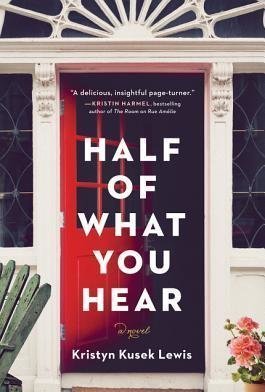
Bess and Cole Warner arrive in Greyhill, Virginia from Washington, DC. Ostensibly they've come to take over the local inn from Cole's parents, Diane and Bradley, but they are also fleeing the city. Bess is leaving behind her job as a social secretary at the White House, which she left in disgrace. Greyhill, meanwhile, is a beautiful town, but also one of old money, tradition, and gossip. Bess literally lives across the stress from her in-laws, allowing Diane to pop in anytime, bringing with her her trademark mixture of judgement and condescension. Bess soon realizes that it's not easy to assimilate into Greyhill if you're deemed an "outsider." Her husband seems happy among his old friends--many of whom are more than glad to spread gossip about Bess. Her twin children are figuring out their way at the local private school--a challenge that seems harder for her daughter than son. When she's offered a chance to write an article on a local figure, Susannah Greyhill Lane, Bess jumps at the chance. She soon realizes Susannah is a bit of a kindred spirit: the town doesn't seem to like her much either. Susannah also has a lot of secrets, some of which involve Bess' in-laws. As Bess learns more about Greyhill's past, she starts to wonder exactly what she's gotten herself and her family into.
This was a really engaging, easy-to-read book that expertly captured the small town dynamic. Bess was a likeable character, struggling as an outsider in her husband's town. She's trying to put a mistake behind her at her former job, giving her even more trust issues. The novel is told mainly from Bess' point of view, but we also get snippets of town gossip, too. Ugh, having lived in such a town, I can tell you that Lewis really gets it right. I was wrapped up in the story from the beginning and felt awfully sorry for Bess--moving away from all she knew and having to deal with those hateful small town busybodies (sometimes there's nothing worse, really).
"It's like living in Stars Hollow, the charming small town on Gilmore Girls... Although honestly, so far, Greyhill feels a little more Desperate Housewives. The star character being me."
I was initially drawn to reading this book because the fake town of Greyhill, as written, is practically in my backyard. It frequently mentions my hometown of Madison (which, believe me, *never* shows up in books - it's not that big), as well as where I currently live. Even better, Lewis captures both quite well, as well as the moneyed, snobby atmosphere of Greyhill that will be intimately familiar to anyone who lives in Virginia. There's always something fun about reading about a place (or places) you know. My favorite sports team even gets a mention!
Bess is also a very realistic mother. The book does an excellent job of capturing how hard it is being a mom when your kid is going through a hard time, for example. Honestly, it does a good job of portraying parenthood in general--it's real and true throughout. I very much appreciated that. None of the sugarcoated parent/child relationships we get in some books.
This one was not completely what I expected. While it's character-driven and portrays Bess' struggle to fit in in Greyhill, it is almost a mystery at times. You can't really trust what you read and it's twisty, with some surprises thrown in. It makes for a fast, interesting read that delves into the history of Greyhill and Bess' family.
Overall, this was a really captivating book. I enjoyed the characters and the story--and the setting was a real bonus. This is the first book I've read by Krusek Lewis, but I definitely would like to read more.
I received a copy of this book from the publisher, Harper Collins, via LibraryThing in return for an unbiased review - thank you!
This was a really engaging, easy-to-read book that expertly captured the small town dynamic. Bess was a likeable character, struggling as an outsider in her husband's town. She's trying to put a mistake behind her at her former job, giving her even more trust issues. The novel is told mainly from Bess' point of view, but we also get snippets of town gossip, too. Ugh, having lived in such a town, I can tell you that Lewis really gets it right. I was wrapped up in the story from the beginning and felt awfully sorry for Bess--moving away from all she knew and having to deal with those hateful small town busybodies (sometimes there's nothing worse, really).
"It's like living in Stars Hollow, the charming small town on Gilmore Girls... Although honestly, so far, Greyhill feels a little more Desperate Housewives. The star character being me."
I was initially drawn to reading this book because the fake town of Greyhill, as written, is practically in my backyard. It frequently mentions my hometown of Madison (which, believe me, *never* shows up in books - it's not that big), as well as where I currently live. Even better, Lewis captures both quite well, as well as the moneyed, snobby atmosphere of Greyhill that will be intimately familiar to anyone who lives in Virginia. There's always something fun about reading about a place (or places) you know. My favorite sports team even gets a mention!
Bess is also a very realistic mother. The book does an excellent job of capturing how hard it is being a mom when your kid is going through a hard time, for example. Honestly, it does a good job of portraying parenthood in general--it's real and true throughout. I very much appreciated that. None of the sugarcoated parent/child relationships we get in some books.
This one was not completely what I expected. While it's character-driven and portrays Bess' struggle to fit in in Greyhill, it is almost a mystery at times. You can't really trust what you read and it's twisty, with some surprises thrown in. It makes for a fast, interesting read that delves into the history of Greyhill and Bess' family.
Overall, this was a really captivating book. I enjoyed the characters and the story--and the setting was a real bonus. This is the first book I've read by Krusek Lewis, but I definitely would like to read more.
I received a copy of this book from the publisher, Harper Collins, via LibraryThing in return for an unbiased review - thank you!

Movie Metropolis (309 KP) rated How to Train Your Dragon 2 (2014) in Movies
Jun 10, 2019


Watch out pixar
Dreamworks’ How to Train Your Dragon was an example of setting your expectations low and coming out pleasantly surprised. The first film proved that the studio could create animated masterpieces and it left audiences across the globe hooked.
However, expectation has never been higher for its sequel, How to Train Your Dragon 2, but does it soar to the dizzying heights of its predecessor?
Thankfully the answer is a resounding yes. From beautiful animated dragons to breathtaking aerial-bound sequences, this sequel just about surpasses the original in every way.
Following on five years after events in the first film, Dragon 2 follows a 20-year-old Hiccup, voiced wonderfully by Jay Baruchel, and his sidekick Toothless in their home town of Berk as the residents come to terms with living peacefully alongside dragons.
Being Hiccup, he is naturally curious to learn about a legendary ‘dragon master’ who can enslave the beasts to form an army and sets out to persuade him to care for the animals like the villagers. This plot point is sidetracked from the outset however as we are introduced to Valka – Hiccup’s long lost mother, voiced by a rather miscast Cate Blanchett.
The bond between Hiccup and Toothless has grown massively in the five year break between films and this makes them even more enjoyable to watch. Yes, each of the villagers has their own dragon to look after, but it is the relationship between the two primary characters which we really care about the most.
Feline similarities in Toothless will not go unnoticed, his cat-like qualities give him an air of cuteness that you wouldn’t expect to come from such a menacing and ultimately deadly creature, and it is testament to Dreamworks that they have managed to craft such a personality for a character that never speaks.
The animation is also absolutely stunning, from the crystal waters of the sea around Berk to the people and dragons themselves, everything has been given an upgrade after the first film’s success and the battle scenes are beautiful in their simplicity – there’s no worrying about losing track of characters here.
However, it’s not all smoke and mirrors, the story has real meaning. Family values are explored, the way to treat animals is also looked at brieflyrs_634x1024-140205120546-634.cate-blanchett-bp.cm.2514 and ultimately, this is about one young man’s journey to maturity.
Unfortunately, the vocal performance of Cate Blanchett detracts somewhat from the overall magic. Her peculiar Scottish accent, which travels all over Europe by the time the end credits roll, is of particular annoyance and it’s a better film when she is not playing a central part. This is a shame as the realisation that Hiccup’s mother isn’t dead should be one of great consequence, but Blanchett’s strange acting hampers the scenes.
How to Train Your Dragon is to Dreamworks what WALL-E is to Pixar, each film is one of, if not the best animated feature from either studio and Dragon 2 follows that trend. It is the rare sequel that is superior to the first film – a la Spider-Man 2.
It’s an emotional rollercoaster too, and in some places very dark, possibly too much for children, but for teenagers and adults alike, there is something to enjoy here. From the engaging plot to the mesmerising soundtrack.
Overall, How to Train Your Dragon 2 is a fine film, helped along the way by some incredible animation, amazingly deep characters and a meaningful story. Only a poor showing by Cate Blanchett stops it achieving perfection.
https://moviemetropolis.net/2014/07/16/watch-out-pixar-how-to-train-your-dragon-2-review/
However, expectation has never been higher for its sequel, How to Train Your Dragon 2, but does it soar to the dizzying heights of its predecessor?
Thankfully the answer is a resounding yes. From beautiful animated dragons to breathtaking aerial-bound sequences, this sequel just about surpasses the original in every way.
Following on five years after events in the first film, Dragon 2 follows a 20-year-old Hiccup, voiced wonderfully by Jay Baruchel, and his sidekick Toothless in their home town of Berk as the residents come to terms with living peacefully alongside dragons.
Being Hiccup, he is naturally curious to learn about a legendary ‘dragon master’ who can enslave the beasts to form an army and sets out to persuade him to care for the animals like the villagers. This plot point is sidetracked from the outset however as we are introduced to Valka – Hiccup’s long lost mother, voiced by a rather miscast Cate Blanchett.
The bond between Hiccup and Toothless has grown massively in the five year break between films and this makes them even more enjoyable to watch. Yes, each of the villagers has their own dragon to look after, but it is the relationship between the two primary characters which we really care about the most.
Feline similarities in Toothless will not go unnoticed, his cat-like qualities give him an air of cuteness that you wouldn’t expect to come from such a menacing and ultimately deadly creature, and it is testament to Dreamworks that they have managed to craft such a personality for a character that never speaks.
The animation is also absolutely stunning, from the crystal waters of the sea around Berk to the people and dragons themselves, everything has been given an upgrade after the first film’s success and the battle scenes are beautiful in their simplicity – there’s no worrying about losing track of characters here.
However, it’s not all smoke and mirrors, the story has real meaning. Family values are explored, the way to treat animals is also looked at brieflyrs_634x1024-140205120546-634.cate-blanchett-bp.cm.2514 and ultimately, this is about one young man’s journey to maturity.
Unfortunately, the vocal performance of Cate Blanchett detracts somewhat from the overall magic. Her peculiar Scottish accent, which travels all over Europe by the time the end credits roll, is of particular annoyance and it’s a better film when she is not playing a central part. This is a shame as the realisation that Hiccup’s mother isn’t dead should be one of great consequence, but Blanchett’s strange acting hampers the scenes.
How to Train Your Dragon is to Dreamworks what WALL-E is to Pixar, each film is one of, if not the best animated feature from either studio and Dragon 2 follows that trend. It is the rare sequel that is superior to the first film – a la Spider-Man 2.
It’s an emotional rollercoaster too, and in some places very dark, possibly too much for children, but for teenagers and adults alike, there is something to enjoy here. From the engaging plot to the mesmerising soundtrack.
Overall, How to Train Your Dragon 2 is a fine film, helped along the way by some incredible animation, amazingly deep characters and a meaningful story. Only a poor showing by Cate Blanchett stops it achieving perfection.
https://moviemetropolis.net/2014/07/16/watch-out-pixar-how-to-train-your-dragon-2-review/
Movie Metropolis (309 KP) rated The Hunger Games: Mockingjay - Part 1 (2014) in Movies
Jun 10, 2019
Too slow in parts
The Hunger Games series has become something of a worldwide phenomenon over the last few years, with over $1bn in takings between two films, success is a bit of an understatement.
A year after the critically acclaimed Catching Fire, director Francis Lawrence returns with the first part of Suzanne Collins’ underwhelming finale – Mockingjay, but can it continue with the series’ success and improve on the lacklustre novel?
Partially is the short answer. Lawrence continues to provide a slick environment in which the film resides and commands the best from the actors, but severe pacing issues occasionally stop the movie dead in its tracks.
Mockingjay begins just hours after the end of the second film with Jennifer Lawrence becoming a completely deflated Katniss Everdeen when she realises that Peeta wasn’t rescued with her in the arena.
She is now hiding out in District 13, along with a host of familiar faces including Elizabeth Banks’ brilliant Effie Trinket who provides the majority of the film’s comedic moments – though these are few and far between this time around. The late Philip Seymour Hoffman also returns as Plutarch Heavensbee and completely commands the screen in every scene.
However, the standout performance doesn’t belong to one of the old favourites. Julianne Moore enters the series as President Alma Coin and is a complete joy, her warm yet steely persona is engaging and mesmerising and her character promises to be even more intriguing in the next instalment.
It’s also nice to see Liam Hemsworth take on a more central role as Gale, which leaves Josh Hutcherson’s whiny Peeta very much in the background.
The film centres around the creation of numerous propaganda videos, each designed to threaten the Capitol and President Snow, played by such a convincing Donald Sutherland you actually believe he is evil, made by the rebellion to show they are fighting back.
The lack of a games for a focus point could’ve had a huge impact on this film’s popularity, but Francis Lawrence gets around the lack of them with style and flair, blending truly horrific images of war with those of running water, forests and wild animals – all the while showing us how even in the darkest of times, there is beauty in this world.
Moreover, the special effects have once again been stepped up a gear. The onslaught of the Capitol’s bombers is realised beautifully and really drives home how brutal this film can be in parts. It is the first in the series where its 12A certification may have been slightly too lenient, with images of Snow’s increasing brutality proving a shock to the system.
Unfortunately, the decision to split Collins’ last novel into two films was a controversial one which hasn’t paid off. The pacing of the film is appalling and some of the worst I’ve seen. You can fill a 2 hour runtime with as much beautiful scenery as you like, but if there isn’t enough action to counterbalance it, you end up with something that feels a little hollow.
The story simply isn’t there and we spend the majority of the film watching Katniss recoil in shock at seeing Peeta in the Capitol and wandering around the different districts aimlessly, searching for more atrocities to become angry at.
Mercifully, there is one scene towards the climax which rivals Gareth Edward’s Godzilla for the most eerily quiet and exquisitely shot action sequence of the year – see if you can spot it.
Overall, Mockingjay: Part 1 is a decent film if not quite to the standard of last year’s Catching Fire. The decision to create two films has destroyed the series’ pacing and reeks of money grabbing.
However, stunning performances from all the actors, in particular Julianne Moore and Donald Sutherland ensure that fans of the series will be dying to see the next instalment in a year’s time.
https://moviemetropolis.net/2014/11/22/too-slow-in-parts-mockingjay-part-1-review/
A year after the critically acclaimed Catching Fire, director Francis Lawrence returns with the first part of Suzanne Collins’ underwhelming finale – Mockingjay, but can it continue with the series’ success and improve on the lacklustre novel?
Partially is the short answer. Lawrence continues to provide a slick environment in which the film resides and commands the best from the actors, but severe pacing issues occasionally stop the movie dead in its tracks.
Mockingjay begins just hours after the end of the second film with Jennifer Lawrence becoming a completely deflated Katniss Everdeen when she realises that Peeta wasn’t rescued with her in the arena.
She is now hiding out in District 13, along with a host of familiar faces including Elizabeth Banks’ brilliant Effie Trinket who provides the majority of the film’s comedic moments – though these are few and far between this time around. The late Philip Seymour Hoffman also returns as Plutarch Heavensbee and completely commands the screen in every scene.
However, the standout performance doesn’t belong to one of the old favourites. Julianne Moore enters the series as President Alma Coin and is a complete joy, her warm yet steely persona is engaging and mesmerising and her character promises to be even more intriguing in the next instalment.
It’s also nice to see Liam Hemsworth take on a more central role as Gale, which leaves Josh Hutcherson’s whiny Peeta very much in the background.
The film centres around the creation of numerous propaganda videos, each designed to threaten the Capitol and President Snow, played by such a convincing Donald Sutherland you actually believe he is evil, made by the rebellion to show they are fighting back.
The lack of a games for a focus point could’ve had a huge impact on this film’s popularity, but Francis Lawrence gets around the lack of them with style and flair, blending truly horrific images of war with those of running water, forests and wild animals – all the while showing us how even in the darkest of times, there is beauty in this world.
Moreover, the special effects have once again been stepped up a gear. The onslaught of the Capitol’s bombers is realised beautifully and really drives home how brutal this film can be in parts. It is the first in the series where its 12A certification may have been slightly too lenient, with images of Snow’s increasing brutality proving a shock to the system.
Unfortunately, the decision to split Collins’ last novel into two films was a controversial one which hasn’t paid off. The pacing of the film is appalling and some of the worst I’ve seen. You can fill a 2 hour runtime with as much beautiful scenery as you like, but if there isn’t enough action to counterbalance it, you end up with something that feels a little hollow.
The story simply isn’t there and we spend the majority of the film watching Katniss recoil in shock at seeing Peeta in the Capitol and wandering around the different districts aimlessly, searching for more atrocities to become angry at.
Mercifully, there is one scene towards the climax which rivals Gareth Edward’s Godzilla for the most eerily quiet and exquisitely shot action sequence of the year – see if you can spot it.
Overall, Mockingjay: Part 1 is a decent film if not quite to the standard of last year’s Catching Fire. The decision to create two films has destroyed the series’ pacing and reeks of money grabbing.
However, stunning performances from all the actors, in particular Julianne Moore and Donald Sutherland ensure that fans of the series will be dying to see the next instalment in a year’s time.
https://moviemetropolis.net/2014/11/22/too-slow-in-parts-mockingjay-part-1-review/
Movie Metropolis (309 KP) rated Finding Dory (2016) in Movies
Jun 11, 2019
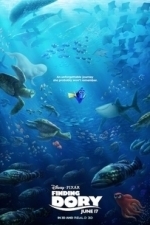
Is it a return to form for Pixar/
For years, Pixar was an unstoppable force. The studio combined stunning animation with thought-provoking stories that adults and children could enjoy. From Toy Story to Wall.E, everyone, at some point will have watched a Pixar film.
Then a few things caused the bubble to burst. Firstly, other companies upped their game, big time, with Dreamworks in particular being hot on the heels of their rival. Secondly, Pixar’s own partner, Disney started churning out great animated films with Zootropolis and Wreck-it Ralph worth a mention.
Finally, Pixar lost its way. Cars and its dreadful sequel, followed by an underwhelming prequel to Monsters Inc and the marketing disaster that was The Good Dinosaur all culminated in a studio damaged by its own high standards. Now, in 2016, we have a sequel to arguably Pixar’s best film, Finding Nemo, but does Finding Dory build on its predecessor or sink faster than a stone?
Dory (Ellen DeGeneres) is a wide-eyed, blue tang fish who suffers from memory loss. The one thing she can remember is she somehow became separated from her parents as a child. With help from Nemo and Marlin, Dory embarks on an epic adventure to find them. Her journey brings her to the Marine Life Institute, a rehabilitation centre for diverse ocean species and from there; she tries to reunite with her long-lost relatives.
Finding Dory opens with a neatly packaged throwback to its predecessor, providing an easy way of getting the audience up to speed with what came before it – after all, it’s been 13 years since the release of the first film. From then on, it’s full steam ahead with a story that lacks the subtlety of Finding Nemo, but is engaging nonetheless.
The animation is you guessed it, exceptional. Nemo was one of the best films to showcase Pixar’s talents and its sequel continues that trend. The vibrancy of the colour palette is breath-taking and each shimmering wave makes you feel part of the watery depths. The blacks feel endless and the diversity of marine life just adds to the sparkle.
For adults, there are some cracking references to other films. Would you believe me if I told you Pixar managed to shoehorn an Alien homage in there? Well, they did, and it works beautifully. Couple that with a surprise turn from Sigourney Weaver as a park announcer and it’s a recipe for laughs all around.
Ellen DeGeneres takes centre stage this time around and rightly so. Dory is a loveable character, especially in her wide-eyed youth, and a very well-written one, despite her constant forgetfulness. Elsewhere, Idris Elba provides some laughs as a lazy sea lion and Ed O’Neill steals the show as a grumpy octopus.
Unfortunately, the final act of the film delves into unnecessarily and uncharacteristically silly territory. The joy of Pixar’s other works is that, despite their often out-of-this-world themes, they still feel grounded in reality. Dory’s finale is so ridiculous that it spoils the effect of the plot.
Nevertheless, you’ll be reaching for your tissues more than once as director and scriptwriter Andrew Stanton combines that heart-warming story with some lovely dialogue that will resonate with all generations.
Overall, Finding Dory isn’t the outright success it could’ve been, but it doesn’t continue the slip in Pixar’s quality either. The animation is truly wonderful and some of the references to more adult films are worked in very cleverly – but that final act; it’s just awful.
https://moviemetropolis.net/2016/08/01/is-it-a-return-to-form-for-pixar-finding-dory-review/
Then a few things caused the bubble to burst. Firstly, other companies upped their game, big time, with Dreamworks in particular being hot on the heels of their rival. Secondly, Pixar’s own partner, Disney started churning out great animated films with Zootropolis and Wreck-it Ralph worth a mention.
Finally, Pixar lost its way. Cars and its dreadful sequel, followed by an underwhelming prequel to Monsters Inc and the marketing disaster that was The Good Dinosaur all culminated in a studio damaged by its own high standards. Now, in 2016, we have a sequel to arguably Pixar’s best film, Finding Nemo, but does Finding Dory build on its predecessor or sink faster than a stone?
Dory (Ellen DeGeneres) is a wide-eyed, blue tang fish who suffers from memory loss. The one thing she can remember is she somehow became separated from her parents as a child. With help from Nemo and Marlin, Dory embarks on an epic adventure to find them. Her journey brings her to the Marine Life Institute, a rehabilitation centre for diverse ocean species and from there; she tries to reunite with her long-lost relatives.
Finding Dory opens with a neatly packaged throwback to its predecessor, providing an easy way of getting the audience up to speed with what came before it – after all, it’s been 13 years since the release of the first film. From then on, it’s full steam ahead with a story that lacks the subtlety of Finding Nemo, but is engaging nonetheless.
The animation is you guessed it, exceptional. Nemo was one of the best films to showcase Pixar’s talents and its sequel continues that trend. The vibrancy of the colour palette is breath-taking and each shimmering wave makes you feel part of the watery depths. The blacks feel endless and the diversity of marine life just adds to the sparkle.
For adults, there are some cracking references to other films. Would you believe me if I told you Pixar managed to shoehorn an Alien homage in there? Well, they did, and it works beautifully. Couple that with a surprise turn from Sigourney Weaver as a park announcer and it’s a recipe for laughs all around.
Ellen DeGeneres takes centre stage this time around and rightly so. Dory is a loveable character, especially in her wide-eyed youth, and a very well-written one, despite her constant forgetfulness. Elsewhere, Idris Elba provides some laughs as a lazy sea lion and Ed O’Neill steals the show as a grumpy octopus.
Unfortunately, the final act of the film delves into unnecessarily and uncharacteristically silly territory. The joy of Pixar’s other works is that, despite their often out-of-this-world themes, they still feel grounded in reality. Dory’s finale is so ridiculous that it spoils the effect of the plot.
Nevertheless, you’ll be reaching for your tissues more than once as director and scriptwriter Andrew Stanton combines that heart-warming story with some lovely dialogue that will resonate with all generations.
Overall, Finding Dory isn’t the outright success it could’ve been, but it doesn’t continue the slip in Pixar’s quality either. The animation is truly wonderful and some of the references to more adult films are worked in very cleverly – but that final act; it’s just awful.
https://moviemetropolis.net/2016/08/01/is-it-a-return-to-form-for-pixar-finding-dory-review/