
Search
Search results

Zuky the BookBum (15 KP) rated Fractured in Books
Mar 15, 2018


Also read my review here: http://bookbum.weebly.com/book-reviews/fractured-by-catherine-mckenzie
AVAILABLE NOW IN THE UK!
<b><i>They say that if a butterfly flaps its wings in the Amazonian rainforest, it can change the weather half a world away. Chaos theory...
All I know is today is that you can think that what you’ve done is only the flap of a butterfly wing, when it’s really a thunderclap.
And both can result in a hurricane.</b></i>
Julie’s life has gotten hard, she’s become a famous author and managed to bag herself a crazed stalker, so she decides to move her family across the country in hope of a new, stalkerless, beginning. And when she meet neighbour John, they hit it off immediately, the future seems brighter. But before long, things start to go wrong again. Who knew moving into a beautiful picturesque new neighbourhood could be so deadly?
I was really worried about reading this because Netgalley classed it as women's fiction and I have serious beef with that genre… but also, I was expecting a suspense thriller, not some family-lovey-dovey bullshit, but after seeing the rave reviews on Goodreads I had a little more hope that this would be bearable for me. And boy was it bearable, more than that in fact, it was exciting and thrilling to read!
As Stephen King says <i><b>“Good books don't give up all their secrets at once.”</i></b> and this book certainly didn’t! I thought it was excellent at keeping you on your toes, feeding you chunks of mystery and suspense a little at a time.
<b>Minor spoilers in this paragraph.</b> I really liked the main characters in this book… separately. Julie was a good mum and loving wife who was dealing with all her issues in a non-annoying way and John was a good dad, and, for the most part, a good husband. But put the two of them together and they got annoying. How could a grown man and woman not realise the friendship they had managed to create out of one conversation the day Julie moved in was inappropriate for so long? Julie especially, as her relationship with Daniel seemed close to perfect! The childishness of their situation had me really irritated and uncomfortable throughout the novel. I never used to have a problem with these kind of relationships in books until me and Matt had been together for a while, not that I <i>ever</i> condoned cheating on a partner before I got into a relationship, just the thought of being cheated on by your other half sets off all kinds of emotions and feelings inside of me that I can’t even begin to describe. <spoiler>So when they kissed each other outside Julie’s house, my stomach dropped, I felt instantly panicky and sick and contemplated putting the novel down as unfinished. I hate, <b>hate</b> reading about affairs.</spoiler>
My favourite character was Daniel though, what a lovely, gentle and understanding man… if not a little naive. Though I didn’t like Hanna, but she had every right to be angry and suspicious with John.
It’s pretty clear from a few chapters in who our criminal is, but McKenzie does well to keep what specifically the “accident” is and who our victim is secret until just the right moment. When we found out what happened and who it happened to I was shocked! It’s been a long time since a book has surprised me in the same way. What a crazy end to this rollercoaster ride of a book!
Overall, this is a fantastic suspense novel, with just the right amount of “women’s fiction” merged with thriller. I seriously recommend this for all thriller/suspense readers out there, I’m sure this won’t disappoint!
<i>(I don’t mean to create any kind of drama with this comment but this whole novel is <i>so American!</i> Wanting to sue someone over small things? Having “block parties” and neighbourhood newsletters and stuff with an immature queen bee in charge of it all? This shit would never go down in the UK.)</i>
I’d like to thank Netgalley and Lake Union Publishing for the opportunity to read this in an exchange for an honest review.
AVAILABLE NOW IN THE UK!
<b><i>They say that if a butterfly flaps its wings in the Amazonian rainforest, it can change the weather half a world away. Chaos theory...
All I know is today is that you can think that what you’ve done is only the flap of a butterfly wing, when it’s really a thunderclap.
And both can result in a hurricane.</b></i>
Julie’s life has gotten hard, she’s become a famous author and managed to bag herself a crazed stalker, so she decides to move her family across the country in hope of a new, stalkerless, beginning. And when she meet neighbour John, they hit it off immediately, the future seems brighter. But before long, things start to go wrong again. Who knew moving into a beautiful picturesque new neighbourhood could be so deadly?
I was really worried about reading this because Netgalley classed it as women's fiction and I have serious beef with that genre… but also, I was expecting a suspense thriller, not some family-lovey-dovey bullshit, but after seeing the rave reviews on Goodreads I had a little more hope that this would be bearable for me. And boy was it bearable, more than that in fact, it was exciting and thrilling to read!
As Stephen King says <i><b>“Good books don't give up all their secrets at once.”</i></b> and this book certainly didn’t! I thought it was excellent at keeping you on your toes, feeding you chunks of mystery and suspense a little at a time.
<b>Minor spoilers in this paragraph.</b> I really liked the main characters in this book… separately. Julie was a good mum and loving wife who was dealing with all her issues in a non-annoying way and John was a good dad, and, for the most part, a good husband. But put the two of them together and they got annoying. How could a grown man and woman not realise the friendship they had managed to create out of one conversation the day Julie moved in was inappropriate for so long? Julie especially, as her relationship with Daniel seemed close to perfect! The childishness of their situation had me really irritated and uncomfortable throughout the novel. I never used to have a problem with these kind of relationships in books until me and Matt had been together for a while, not that I <i>ever</i> condoned cheating on a partner before I got into a relationship, just the thought of being cheated on by your other half sets off all kinds of emotions and feelings inside of me that I can’t even begin to describe. <spoiler>So when they kissed each other outside Julie’s house, my stomach dropped, I felt instantly panicky and sick and contemplated putting the novel down as unfinished. I hate, <b>hate</b> reading about affairs.</spoiler>
My favourite character was Daniel though, what a lovely, gentle and understanding man… if not a little naive. Though I didn’t like Hanna, but she had every right to be angry and suspicious with John.
It’s pretty clear from a few chapters in who our criminal is, but McKenzie does well to keep what specifically the “accident” is and who our victim is secret until just the right moment. When we found out what happened and who it happened to I was shocked! It’s been a long time since a book has surprised me in the same way. What a crazy end to this rollercoaster ride of a book!
Overall, this is a fantastic suspense novel, with just the right amount of “women’s fiction” merged with thriller. I seriously recommend this for all thriller/suspense readers out there, I’m sure this won’t disappoint!
<i>(I don’t mean to create any kind of drama with this comment but this whole novel is <i>so American!</i> Wanting to sue someone over small things? Having “block parties” and neighbourhood newsletters and stuff with an immature queen bee in charge of it all? This shit would never go down in the UK.)</i>
I’d like to thank Netgalley and Lake Union Publishing for the opportunity to read this in an exchange for an honest review.

Heather Cranmer (2721 KP) rated The Third Floor (Angel Hill, #1) in Books
Jun 7, 2018

(This review can be found on my blog <a href="http://themisadventuresofatwentysomething.blogspot.com/">The (Mis)Adventures of a Twenty-Something Year Old Girl</a>).
The feels with this book! This book scared me, and I loved it! It was the blurb that made me want to read this book. Even reading the blurb now sends chills down my neck. This is the kind of horror I wish more authors would write.
The title is perfect for the book. Most of the ghostly goings on happen on the third floor. While it's not an overly creepy title, it still works.
I don't really like the cover. Yes, it is the house the story is about, but it doesn't give off any spooky vibes. I, personally, would've liked to see some creepy stuff on the cover like ghosts, but to each their own I guess.
The world building was eerie and perfect for a horror novel. I got chills so many times while reading this book. Moore did an excellent job as portraying just how scary Angel Hill is as well as the spooky house the Kitches live in. (Oh, and if you're a fan of Silent Hill, I just want to say that Angel Hill reminded me a bit of Silent Hill). I read this book at night, so every noise and shadow scared me thanks to this book. (I did like being scared though).
The pacing was fantastic!! I was hooked from the first page. In fact, I was actually hooked from the first sentence. I love the way the story unfolded and flowed easily from one paragraph to the next.
The story line was great! While the whole plot of a house being haunted isn't new at all, Moore did a fantastic job of making it feel like it was a whole new concept. There was a skeptic and a believer in the same household, and while it was frustrating that Jack didn't believe Liz, I was interested in finding out what it'd take to make Jack believe. There was a minor plot twist that I wouldn't have predicted either. For those of you who don't like cliff hanger endings, then this a book for you. No cliff hanger endings are found in The Third Floor.
I thought all the characters, even minor ones, were very well written. I sympathized with Liz because she had to experience all the ghostly activity first hand. I felt scared for her, and I was also worried that something bad would happen to her in that house. I found myself wanting to protect Liz. I didn't really like Jack to much, not because he was a poorly written character which he's quite the opposite. I just didn't like how he, to me, tried to make Liz feel like she was crazy. He'd get angry with her about things that she didn't do. It was like he didn't trust her at all. I understand that he's a big time skeptic, but I thought, maybe, he could've been a little bit nicer to her and more willing to listen. I loved little Joey. He came across as such a sweet child. He was also experiencing supernatural events firsthand and even more so than Liz. I just wanted to go over to that house, get Joey, and never bring him back until Jack realized what was going on.
The dialogue in this book was never awkward or disjointed. The character interactions felt realistic and never forced. There were a few grammar mistakes that I came across in the book, but nothing major that would take away from how fantastic the book is. There is violence and swearing in the book as well as a few sexual references (though not many).
Overall, The Third Floor is an incredibly spooky read which I think most horror fans will love. It has a fantastic plot, great world building, and likable characters. This is a story that you may want to leave the lights on when you read it though.
I'd recommend this book to those aged 17+ who are into spooky ghost stories and those who like being scared.
<b>I'd give The Third Floor by C. Dennis Moore a 4.75 out of 5.</b>
(I borrowed this book for free from the Amazon's Kindle Owners' Lending Library. I was not required to write a review).
The feels with this book! This book scared me, and I loved it! It was the blurb that made me want to read this book. Even reading the blurb now sends chills down my neck. This is the kind of horror I wish more authors would write.
The title is perfect for the book. Most of the ghostly goings on happen on the third floor. While it's not an overly creepy title, it still works.
I don't really like the cover. Yes, it is the house the story is about, but it doesn't give off any spooky vibes. I, personally, would've liked to see some creepy stuff on the cover like ghosts, but to each their own I guess.
The world building was eerie and perfect for a horror novel. I got chills so many times while reading this book. Moore did an excellent job as portraying just how scary Angel Hill is as well as the spooky house the Kitches live in. (Oh, and if you're a fan of Silent Hill, I just want to say that Angel Hill reminded me a bit of Silent Hill). I read this book at night, so every noise and shadow scared me thanks to this book. (I did like being scared though).
The pacing was fantastic!! I was hooked from the first page. In fact, I was actually hooked from the first sentence. I love the way the story unfolded and flowed easily from one paragraph to the next.
The story line was great! While the whole plot of a house being haunted isn't new at all, Moore did a fantastic job of making it feel like it was a whole new concept. There was a skeptic and a believer in the same household, and while it was frustrating that Jack didn't believe Liz, I was interested in finding out what it'd take to make Jack believe. There was a minor plot twist that I wouldn't have predicted either. For those of you who don't like cliff hanger endings, then this a book for you. No cliff hanger endings are found in The Third Floor.
I thought all the characters, even minor ones, were very well written. I sympathized with Liz because she had to experience all the ghostly activity first hand. I felt scared for her, and I was also worried that something bad would happen to her in that house. I found myself wanting to protect Liz. I didn't really like Jack to much, not because he was a poorly written character which he's quite the opposite. I just didn't like how he, to me, tried to make Liz feel like she was crazy. He'd get angry with her about things that she didn't do. It was like he didn't trust her at all. I understand that he's a big time skeptic, but I thought, maybe, he could've been a little bit nicer to her and more willing to listen. I loved little Joey. He came across as such a sweet child. He was also experiencing supernatural events firsthand and even more so than Liz. I just wanted to go over to that house, get Joey, and never bring him back until Jack realized what was going on.
The dialogue in this book was never awkward or disjointed. The character interactions felt realistic and never forced. There were a few grammar mistakes that I came across in the book, but nothing major that would take away from how fantastic the book is. There is violence and swearing in the book as well as a few sexual references (though not many).
Overall, The Third Floor is an incredibly spooky read which I think most horror fans will love. It has a fantastic plot, great world building, and likable characters. This is a story that you may want to leave the lights on when you read it though.
I'd recommend this book to those aged 17+ who are into spooky ghost stories and those who like being scared.
<b>I'd give The Third Floor by C. Dennis Moore a 4.75 out of 5.</b>
(I borrowed this book for free from the Amazon's Kindle Owners' Lending Library. I was not required to write a review).
Heather Cranmer (2721 KP) rated The Disappearing Girl in Books
Jun 7, 2018
(This review can be found on my blog <a href="http://themisadventuresofatwentysomething.blogspot.com/">The (Mis)Adventures of a Twenty-Something Year Old Girl</a> at the end of September).
For some reason, this is a book that I really wanted to read. It's like it just spoke out to me. I'm glad I read it because this was such an interesting read!
It's so annoying when a book's blurb tells you what the book's going to be about, but then it turn's out the book is nothing like the blurb. However, The Disappearing Girl's blurb is spot on, so I won't bore you with my own words with what it's about.
The title is what first drew my attention to this book. I think it's intriguing, and it made me want to know why this girl was disappearing.
The cover is alright. For some reason, the girl on the front annoys me. There's just something about her appearance. However, that's just a personal thing. I do like the photo frame of just a brick wall with the title in it though.
I think Ms. Wood did a brilliant job with the world building! I struggled with anorexia when I was 13 years old, so I know what's it like. Ms. Wood seem to get the thought process right and the mannerisms of having this disorder. I remembered thinking those same things that Kayla would think. This book has one of the best built words I've read about in awhile!
I won't lie. I did think there would be times when the pacing would slow down. However, I needn't have worried. This book draws you in and doesn't let you go until the very end. I found myself fully immersed, and not once did my attention waver.
The plot line of a girl with anorexia has been done before, but Heather Topham Wood does an excellent job of creating fantastic sub-plots that support the main plot. As I said before, this is a great read!
Like everything else, the characters were written fantastically! I could totally relate to Kayla and what extreme lengths she'd go to to get to her goal weight. I liked how even though she had this internal struggle going on, she tried her hardest to please everyone. I know that if you end up trying to please everyone, you end up pleasing no one, but I do like how Kayla tried to make everyone happy. Cameron was a sweetie! I admired him for his dedication and loyalty to Kayla. I loved how he kept trying to stick by her side even when she tried pushing him away. I was so angry with Kayla's mother though! I hated how she treated Kayla and her sister Lila. There were times when I felt like screaming at my book to try to reach this literary character! Kayla's mom isn't written horribly, but quite the opposite. In fact, I'd go to say that she's that person you love to hate. I loved Lila! She isn't mentioned a whole lot throughout the story, but I loved reading about how her character grew emotionally. She goes from being a very vulnerable teen to a strong woman.
I thought the dialogue suited this book quite well. The whole anorexia talk doesn't just sound like something the author came up with. Instead, it sounds like the author did her research about this disease. As for bad language, there are some swear words so be warned.
Overall, The Disappearing Girl by Heather Topham Wood is like actually knowing someone with anorexia. This book makes you feel as if the main character is one of your best friends, and you just want her to get better. Everything about this book is perfect, and I can't find even one thing to fault.
I'd recommend this book to those aged 17+ (due to adult themes) who want to know the characters on a very emotional, personal level.
(I received a free ebook of this title from the author in exchange for a fair and honest review).
For some reason, this is a book that I really wanted to read. It's like it just spoke out to me. I'm glad I read it because this was such an interesting read!
It's so annoying when a book's blurb tells you what the book's going to be about, but then it turn's out the book is nothing like the blurb. However, The Disappearing Girl's blurb is spot on, so I won't bore you with my own words with what it's about.
The title is what first drew my attention to this book. I think it's intriguing, and it made me want to know why this girl was disappearing.
The cover is alright. For some reason, the girl on the front annoys me. There's just something about her appearance. However, that's just a personal thing. I do like the photo frame of just a brick wall with the title in it though.
I think Ms. Wood did a brilliant job with the world building! I struggled with anorexia when I was 13 years old, so I know what's it like. Ms. Wood seem to get the thought process right and the mannerisms of having this disorder. I remembered thinking those same things that Kayla would think. This book has one of the best built words I've read about in awhile!
I won't lie. I did think there would be times when the pacing would slow down. However, I needn't have worried. This book draws you in and doesn't let you go until the very end. I found myself fully immersed, and not once did my attention waver.
The plot line of a girl with anorexia has been done before, but Heather Topham Wood does an excellent job of creating fantastic sub-plots that support the main plot. As I said before, this is a great read!
Like everything else, the characters were written fantastically! I could totally relate to Kayla and what extreme lengths she'd go to to get to her goal weight. I liked how even though she had this internal struggle going on, she tried her hardest to please everyone. I know that if you end up trying to please everyone, you end up pleasing no one, but I do like how Kayla tried to make everyone happy. Cameron was a sweetie! I admired him for his dedication and loyalty to Kayla. I loved how he kept trying to stick by her side even when she tried pushing him away. I was so angry with Kayla's mother though! I hated how she treated Kayla and her sister Lila. There were times when I felt like screaming at my book to try to reach this literary character! Kayla's mom isn't written horribly, but quite the opposite. In fact, I'd go to say that she's that person you love to hate. I loved Lila! She isn't mentioned a whole lot throughout the story, but I loved reading about how her character grew emotionally. She goes from being a very vulnerable teen to a strong woman.
I thought the dialogue suited this book quite well. The whole anorexia talk doesn't just sound like something the author came up with. Instead, it sounds like the author did her research about this disease. As for bad language, there are some swear words so be warned.
Overall, The Disappearing Girl by Heather Topham Wood is like actually knowing someone with anorexia. This book makes you feel as if the main character is one of your best friends, and you just want her to get better. Everything about this book is perfect, and I can't find even one thing to fault.
I'd recommend this book to those aged 17+ (due to adult themes) who want to know the characters on a very emotional, personal level.
(I received a free ebook of this title from the author in exchange for a fair and honest review).
Heather Cranmer (2721 KP) rated King of Bad (Super Villain Academy #1) in Books
Jun 7, 2018
(This review can be found on my blog <a href="http://themisadventuresofatwentysomething.blogspot.com/">The (Mis)Adventures of a Twenty-Something Year Old Girl</a>).
This book has been on my TBR (to be read) list for awhile. It sounded very intriguing, so when I was offered the chance to review it, I automatically said yes. Luckily, the book didn't disappoint.
I think the title is an excellent fit for this book. Even Jeff's sister refers to him as the king of bad at one point. It's also an ironic fit for Jeff as we soon discover. (And don't worry, that wasn't a spoiler).
The cover is alright. I like the whole fire and ice thing going on with the cover which fits nicely with the book. I just wish there was less person and more scenery in the forefront.
I loved the world building! It made me wish I was part of it. Strand does a fantastic job of making the world of King of Bad seem like it's a real thing. The setting takes place in the United States although there are super villain and super hero academies all around the world. I like that Strand kept her novel set in the real world instead of some made up fantasy world. It makes it feel more real. The only thing I found confusing was the end. To me, it just felt a bit rushed, and just left me scratching my head wondering what had just happened.
The pacing is very enjoyable, and I found myself becoming more and more immersed with what was and what would happen to Jeff. Like the world building, the pacing does speed up a bit too much towards the end for my liking. Personally, I felt that things should've been better explained.
I loved the plot! It's about time we see the perspective of the world from a super villain! All too often, books tend to focus on the super hero. I liked the idea of a Super Villain Academy and seeing how the children were all trained to be bad. When a super hero academy attacks Jeff's school, I was actually rooting for the bad guys although it didn't feel wrong. There is a plot twist which I really enjoyed. There's no cliff hangers in this book that I noticed, so it can be read as a stand alone.
The characters were fantastic. It was hard not to love Jeff. He had fantastic manners for a baddie, and he was also very sarcastic which was my favorite thing about him. Source was probably my favorite character. I loved his nerdiness, and I could totally relate to him feeling that he didn't really fit in although Jeff felt that way as well. Oceanus came across as conflicted which I believe was intentional. She didn't want Jeff to think of her as a nice girl because she was supposed to be a villain. However, I did like Oceanus very much, and I kept rooting for her and Jeff to get together. Mystic is a fantastic character, and I never really trusted her. The author does a fantastic job in making the reader feel conflicted about Mystic which is also intentional. She had the power of suave which I thought was a fantastic ability. She also comes across as a caring and sweet girl for the most part.
The dialogue and character interactions flow very smoothly. Nothing ever felt forced or awkward writing wise. There is some swearing in this book as well as some sexual references and violence in case that isn't your thing.
Overall, King of Bad is an enjoyable and original read. My favorite thing about this book were the characters and reading about super villains as opposed to super heroes.
I'd recommend this book to those aged 15+ who are feeling a little bit bad although they're really good. If you enjoy great characters and a fantastic plot, then this is the book for you!
(I received this ebook for free from the tour host in exchange for a fair and honest review).
This book has been on my TBR (to be read) list for awhile. It sounded very intriguing, so when I was offered the chance to review it, I automatically said yes. Luckily, the book didn't disappoint.
I think the title is an excellent fit for this book. Even Jeff's sister refers to him as the king of bad at one point. It's also an ironic fit for Jeff as we soon discover. (And don't worry, that wasn't a spoiler).
The cover is alright. I like the whole fire and ice thing going on with the cover which fits nicely with the book. I just wish there was less person and more scenery in the forefront.
I loved the world building! It made me wish I was part of it. Strand does a fantastic job of making the world of King of Bad seem like it's a real thing. The setting takes place in the United States although there are super villain and super hero academies all around the world. I like that Strand kept her novel set in the real world instead of some made up fantasy world. It makes it feel more real. The only thing I found confusing was the end. To me, it just felt a bit rushed, and just left me scratching my head wondering what had just happened.
The pacing is very enjoyable, and I found myself becoming more and more immersed with what was and what would happen to Jeff. Like the world building, the pacing does speed up a bit too much towards the end for my liking. Personally, I felt that things should've been better explained.
I loved the plot! It's about time we see the perspective of the world from a super villain! All too often, books tend to focus on the super hero. I liked the idea of a Super Villain Academy and seeing how the children were all trained to be bad. When a super hero academy attacks Jeff's school, I was actually rooting for the bad guys although it didn't feel wrong. There is a plot twist which I really enjoyed. There's no cliff hangers in this book that I noticed, so it can be read as a stand alone.
The characters were fantastic. It was hard not to love Jeff. He had fantastic manners for a baddie, and he was also very sarcastic which was my favorite thing about him. Source was probably my favorite character. I loved his nerdiness, and I could totally relate to him feeling that he didn't really fit in although Jeff felt that way as well. Oceanus came across as conflicted which I believe was intentional. She didn't want Jeff to think of her as a nice girl because she was supposed to be a villain. However, I did like Oceanus very much, and I kept rooting for her and Jeff to get together. Mystic is a fantastic character, and I never really trusted her. The author does a fantastic job in making the reader feel conflicted about Mystic which is also intentional. She had the power of suave which I thought was a fantastic ability. She also comes across as a caring and sweet girl for the most part.
The dialogue and character interactions flow very smoothly. Nothing ever felt forced or awkward writing wise. There is some swearing in this book as well as some sexual references and violence in case that isn't your thing.
Overall, King of Bad is an enjoyable and original read. My favorite thing about this book were the characters and reading about super villains as opposed to super heroes.
I'd recommend this book to those aged 15+ who are feeling a little bit bad although they're really good. If you enjoy great characters and a fantastic plot, then this is the book for you!
(I received this ebook for free from the tour host in exchange for a fair and honest review).
Heather Cranmer (2721 KP) rated The Curse of Betrayal (Curse Books, #2) in Books
Jun 7, 2018
(This review can also be found on my blog <a href="http://themisadventuresofatwentysomething.blogspot.com/">The (Mis)Adventures of a Twenty-Something Year Old Girl</a>).
You know when you read the second book in a series, and think how much better the first book was? Well, this isn't the case with The Curse of Betrayal! In fact, I think this book was even better than its predecessor. I believe The Curse of Betrayal could be read as a stand alone, but it'd be much more enjoyable if you read The Thousand Year Curse which is the first book in the series.
I like the title. Ryder does feel a bit betrayed by her mother and someone else (to tell would be spoilers) in the book.
Like the first book, I'm not a fan of the cover of this book either. It's just too plain for my liking, and for those that do judge a book by its cover (of which I have been guilty before), I think it will put them off reading this AMAZING book!
I enjoyed the world building. It seemed as if a place like the Demi God Academy could really exist. Plus, the world in this book answers most of my questions from the first book. The world building is definitely interesting in this book!
The pacing is spot on! I loved every page and couldn't wait to find out what would happen next. Even in the pages where there was no action, it was still very gripping.
The plot is just as interesting, if not more interesting, as the first book. In this book, we learn more about Ryder, Ryder's elusive mother, and Ari as well as a new cast of characters. We get to see Ryder's first year at Demi God Academy, and let's just say it is anything but uneventful. Ryder is still trying to work out her curse and find out which man is her soul mate. There's also another added danger that I won't go in to due to spoilers.
Miss Lavati does an excellent job of making sure her characters are well written and able to come to life. While I liked Ryder and found her to be a well rounded character, I thought she was being a bit too whiny and selfish with double standards. For example, it's okay for Ryder to flirt with and kiss both Ollie and Ari, but when one of them does it with another girl, Ryder gets insanely jealous. (There's one scene at a restaurant where this is very apparent and a bit over the top). I do feel bad for Ryder though. While some may think it'd be amazing to have two hot guys pine after your affections, Ryder doesn't want to hurt either one of them and hates seeing each one miserable. Plus, her life is in danger thanks to the curse Hades has put on her. I was glad that Ari was featured a lot in this book because I'm definitely Team Ari, and I really want Ryder to pick him. Ari is just a smooth kind of guy. He's funny and witty. Ollie is in the book just not as much as Ari. I do like Ollie also, but just not as much as Ari. Ollie is very caring and everything, but I just feel like Ari would make a better boyfriend. I also liked Kara in this book. She was such an awesome best friend, and I loved the way she really cared about Ryder.
The dialogue fits perfectly for a mature young adult/new adult book. I enjoyed every single scene. There are a few grammatical errors, but it doesn't take away from the book at all. There's also swearing and sexual references, but nothing over the top.
Overall, The Curse of Betrayal by Taylor Lavati is a fantastic read. This book has a great cast of characters, a super interesting plot, and a very immersive world. Miss Lavati is a very talented writer, and I enjoy reading her work. Will I be reading the next book in the series? Most definitely!
I'd recommend this book to those aged 17+ who enjoy reading about Greek mythology, hot guys, and/or great characters.
<b>I'd give The Curse of Betrayal (Curse Books #2) by Taylor Lavati a 4.75 out of 5.</b>
You know when you read the second book in a series, and think how much better the first book was? Well, this isn't the case with The Curse of Betrayal! In fact, I think this book was even better than its predecessor. I believe The Curse of Betrayal could be read as a stand alone, but it'd be much more enjoyable if you read The Thousand Year Curse which is the first book in the series.
I like the title. Ryder does feel a bit betrayed by her mother and someone else (to tell would be spoilers) in the book.
Like the first book, I'm not a fan of the cover of this book either. It's just too plain for my liking, and for those that do judge a book by its cover (of which I have been guilty before), I think it will put them off reading this AMAZING book!
I enjoyed the world building. It seemed as if a place like the Demi God Academy could really exist. Plus, the world in this book answers most of my questions from the first book. The world building is definitely interesting in this book!
The pacing is spot on! I loved every page and couldn't wait to find out what would happen next. Even in the pages where there was no action, it was still very gripping.
The plot is just as interesting, if not more interesting, as the first book. In this book, we learn more about Ryder, Ryder's elusive mother, and Ari as well as a new cast of characters. We get to see Ryder's first year at Demi God Academy, and let's just say it is anything but uneventful. Ryder is still trying to work out her curse and find out which man is her soul mate. There's also another added danger that I won't go in to due to spoilers.
Miss Lavati does an excellent job of making sure her characters are well written and able to come to life. While I liked Ryder and found her to be a well rounded character, I thought she was being a bit too whiny and selfish with double standards. For example, it's okay for Ryder to flirt with and kiss both Ollie and Ari, but when one of them does it with another girl, Ryder gets insanely jealous. (There's one scene at a restaurant where this is very apparent and a bit over the top). I do feel bad for Ryder though. While some may think it'd be amazing to have two hot guys pine after your affections, Ryder doesn't want to hurt either one of them and hates seeing each one miserable. Plus, her life is in danger thanks to the curse Hades has put on her. I was glad that Ari was featured a lot in this book because I'm definitely Team Ari, and I really want Ryder to pick him. Ari is just a smooth kind of guy. He's funny and witty. Ollie is in the book just not as much as Ari. I do like Ollie also, but just not as much as Ari. Ollie is very caring and everything, but I just feel like Ari would make a better boyfriend. I also liked Kara in this book. She was such an awesome best friend, and I loved the way she really cared about Ryder.
The dialogue fits perfectly for a mature young adult/new adult book. I enjoyed every single scene. There are a few grammatical errors, but it doesn't take away from the book at all. There's also swearing and sexual references, but nothing over the top.
Overall, The Curse of Betrayal by Taylor Lavati is a fantastic read. This book has a great cast of characters, a super interesting plot, and a very immersive world. Miss Lavati is a very talented writer, and I enjoy reading her work. Will I be reading the next book in the series? Most definitely!
I'd recommend this book to those aged 17+ who enjoy reading about Greek mythology, hot guys, and/or great characters.
<b>I'd give The Curse of Betrayal (Curse Books #2) by Taylor Lavati a 4.75 out of 5.</b>

Hazel (1853 KP) rated Red Rising in Books
Dec 7, 2018
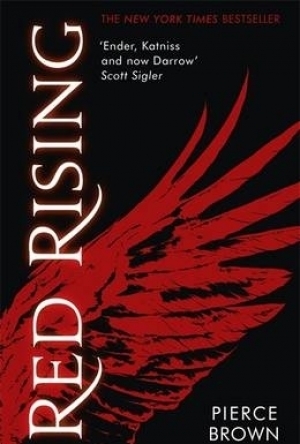

<i>This eBook was provided by the publisher via NetGalley in exchange for an honest review</i>
<i>Red Rising</i> by debut author Pierce Brown is a very difficult book to review. It is clear that Brown is an excellent writer with amazing ideas, but at the same time it does not feel possible to rate the book any higher that two or three stars. This first book of three is somewhat alike <i>The Hunger Games Trilogy</i> by Suzanne Collins and has some very exciting themes. However at other times it provoked a range of emotions from disgust to almost verging on boredom.
Set thousands of years in the future, the world has become colour coded. Gold are the elite, the ruling colour, and at the bottom of the pile are the Reds. Darrow is a Red and lives below the surface of the planet Mars in the mines with the responsibility of helping to make the planet’s surface habitable for humans in the future. He soon discovers that the ruling societies have been lying to him all his life, and to the many generations before him. But there is an uprising brewing and Darrow has been chosen to play a vital role in it, even though that means pretending to be the enemy.
Although it was difficult to get into the novel it appeared to be clear what the plot would be about. Wrong! Once Darrow has been trained to behave like a Gold the storyline changes completely. It is almost as though it is a different book altogether. <i>Red Rising</i> suddenly becomes <i>Hunger Games-esque</i> and the situations with the Reds, while being referred to once or twice, was all but forgotten. Presumably those original themes will continue within the final books of the trilogy.
Living under the surface of Mars with no sunlight speeds up the aging process of the inhabitants. People in the thirties are considered old; therefore even though Darrow is a teenager in Earth years, he is portrayed as a man – an image that is difficult to shake off throughout the entire book. Once Darrow is living with the Golds and, supposedly, resembling his true age, it is still easy to forget that he is young. This may change the way the reader pictures the scenes compared with how the author intended them to be imagined. The characters are still only children but may be mistaken for adults due Darrow’s opening scenes.
It cannot be denied that Brown is a very knowledgeable writer. As well as writing in an exceptionally well-structured way, he incorporates a vast amount of high culture into his story. A lot of the novel is influenced by Greek and Roman mythology and he also quotes famous philosophers such as Cicero and Plato. So despite its science fiction genre it also has a slight educational nature.
Something interesting about <i>Red Rising</i> was the character development of Darrow. At the beginning he was rather naïve, believing everything he was told, following orders etc. But soon he becomes more confident, clever, Gold-like. However he then becomes like a wild beast, killing to survive, to win. Thankfully his cleverness takes control and he realizes that he needs to become a leader and not a tyrant. Towards the end he even becomes messiah-like. As Darrow progresses through these changes he becomes a more likable character.
I am not sure whether I want to read the next installment of <i>Red Rising</i>. For the beginning storyline to continue and become the main focus, the book would need to be completely different. This could be a good thing because, as mentioned, there were times when it was a little boring, however there’s the risk that it will not feel like a follow on from the first book. I do not want to put anyone off from reading it, but I will honestly say that it was not really what I was expecting.
<i>Red Rising</i> by debut author Pierce Brown is a very difficult book to review. It is clear that Brown is an excellent writer with amazing ideas, but at the same time it does not feel possible to rate the book any higher that two or three stars. This first book of three is somewhat alike <i>The Hunger Games Trilogy</i> by Suzanne Collins and has some very exciting themes. However at other times it provoked a range of emotions from disgust to almost verging on boredom.
Set thousands of years in the future, the world has become colour coded. Gold are the elite, the ruling colour, and at the bottom of the pile are the Reds. Darrow is a Red and lives below the surface of the planet Mars in the mines with the responsibility of helping to make the planet’s surface habitable for humans in the future. He soon discovers that the ruling societies have been lying to him all his life, and to the many generations before him. But there is an uprising brewing and Darrow has been chosen to play a vital role in it, even though that means pretending to be the enemy.
Although it was difficult to get into the novel it appeared to be clear what the plot would be about. Wrong! Once Darrow has been trained to behave like a Gold the storyline changes completely. It is almost as though it is a different book altogether. <i>Red Rising</i> suddenly becomes <i>Hunger Games-esque</i> and the situations with the Reds, while being referred to once or twice, was all but forgotten. Presumably those original themes will continue within the final books of the trilogy.
Living under the surface of Mars with no sunlight speeds up the aging process of the inhabitants. People in the thirties are considered old; therefore even though Darrow is a teenager in Earth years, he is portrayed as a man – an image that is difficult to shake off throughout the entire book. Once Darrow is living with the Golds and, supposedly, resembling his true age, it is still easy to forget that he is young. This may change the way the reader pictures the scenes compared with how the author intended them to be imagined. The characters are still only children but may be mistaken for adults due Darrow’s opening scenes.
It cannot be denied that Brown is a very knowledgeable writer. As well as writing in an exceptionally well-structured way, he incorporates a vast amount of high culture into his story. A lot of the novel is influenced by Greek and Roman mythology and he also quotes famous philosophers such as Cicero and Plato. So despite its science fiction genre it also has a slight educational nature.
Something interesting about <i>Red Rising</i> was the character development of Darrow. At the beginning he was rather naïve, believing everything he was told, following orders etc. But soon he becomes more confident, clever, Gold-like. However he then becomes like a wild beast, killing to survive, to win. Thankfully his cleverness takes control and he realizes that he needs to become a leader and not a tyrant. Towards the end he even becomes messiah-like. As Darrow progresses through these changes he becomes a more likable character.
I am not sure whether I want to read the next installment of <i>Red Rising</i>. For the beginning storyline to continue and become the main focus, the book would need to be completely different. This could be a good thing because, as mentioned, there were times when it was a little boring, however there’s the risk that it will not feel like a follow on from the first book. I do not want to put anyone off from reading it, but I will honestly say that it was not really what I was expecting.

Lucy Buglass (45 KP) rated Bohemian Rhapsody (2018) in Movies
Jun 20, 2019

An honest, captivating and respectful biopic
Biopics are not easy to perfect and when you’re dealing with an iconic figure such as Freddie Mercury, it becomes even harder. When this film was announced it seemed natural to feel a little bit of apprehension, because could anyone really portray Freddie? Who could bring him to life on screen before thousands of fans? Thankfully, for me at least, my worries were soon quenched as soon as I began to watch it. I thought was a stunning film and I have no problem admitting that brought tears to my eyes on several occasions.
Rami Malek was an excellent choice to portray Freddie, to the point where I found myself believing I was watching the man himself. His stage presence especially was spot on and the live performances were simply stunning to watch, especially with surround sound. I felt transported, part of the crowd, and it was such a special moment to share with the rest of the cinema. We become part of different times and places in a matter of minutes, giving you an idea of just how globally successful and adored Queen were. Despite the film’s main focus being Freddie, the supporting roles of the rest of the band were fantastic too, and I have so much praise for Gwilym Lee, Ben Hardy and Joseph Mazzello for their performances.
Freddie dealt with a lot of discrimination during his career, particularly due to his race, sexuality and flamboyant personality. The film chose to portray these issues honestly, because pretending they didn’t exist would be an insult. When Freddie first starts performing with the rest of Queen, he’s greeted with questions such as “Who’s the P***?”, which for a modern audience is a terrible racial slur that I don’t even feel comfortable writing here. But for a Indian-British Parsi musician performing to a largely white audience in the ’70s, this word would have been used a lot. I feel it was important for the filmmakers to shed light on this as it provides context into Freddie’s upbringing and life that some may not have known about, including his real name: Farrokh Bulsara.
In terms of his sexuality, the film uses the role of the press to exploit and make a big deal about his personal relationships. The press conference scene was particularly uncomfortable as he’s bombarded with inappropriate questions instead of focusing on Queen and their music. He was constantly criticised in papers and magazines for simply being himself, and that’s a heartbreaking truth that Bohemian Rhapsody really hammers home. His long-term relationship with Mary Austin is also focused on throughout, and how that broke down but they still remained in touch. It’s a complex part of his life that the film does well to explore in just over 2 hours.
It’s not all bleak, and although these dark truths are explored, the film is fundamentally a celebration of Freddie’s life and extraordinary talent. Several Queen songs are present throughout the film and we even see the writing process behind some of them, my favourite being the creation of We Will Rock You in which they wanted the audience to play along with them through stomps and claps. The birth of Bohemian Rhapsody is comical in nature and received a lot of backlash at the time, but as we know, has since gone on to become an iconic song we all know the lyrics to.
Even in Freddie’s final days, after he was diagnosed with AIDS, the film encourages us to celebrate their music and make the most of the time Freddie has left, which is exactly what he himself wanted to do. I can’t think of a more respectful and considerate way to show it than that.
I could probably write an entire essay about just how much I thought Bohemian Rhapsody got right, but hopefully I’ve managed to condense my thoughts somewhat. This is a film you simply must experience for yourself, at least once.
https://lucygoestohollywood.com/2018/11/14/bohemian-rhapsody-an-honest-captivating-and-respectful-biopic/
Rami Malek was an excellent choice to portray Freddie, to the point where I found myself believing I was watching the man himself. His stage presence especially was spot on and the live performances were simply stunning to watch, especially with surround sound. I felt transported, part of the crowd, and it was such a special moment to share with the rest of the cinema. We become part of different times and places in a matter of minutes, giving you an idea of just how globally successful and adored Queen were. Despite the film’s main focus being Freddie, the supporting roles of the rest of the band were fantastic too, and I have so much praise for Gwilym Lee, Ben Hardy and Joseph Mazzello for their performances.
Freddie dealt with a lot of discrimination during his career, particularly due to his race, sexuality and flamboyant personality. The film chose to portray these issues honestly, because pretending they didn’t exist would be an insult. When Freddie first starts performing with the rest of Queen, he’s greeted with questions such as “Who’s the P***?”, which for a modern audience is a terrible racial slur that I don’t even feel comfortable writing here. But for a Indian-British Parsi musician performing to a largely white audience in the ’70s, this word would have been used a lot. I feel it was important for the filmmakers to shed light on this as it provides context into Freddie’s upbringing and life that some may not have known about, including his real name: Farrokh Bulsara.
In terms of his sexuality, the film uses the role of the press to exploit and make a big deal about his personal relationships. The press conference scene was particularly uncomfortable as he’s bombarded with inappropriate questions instead of focusing on Queen and their music. He was constantly criticised in papers and magazines for simply being himself, and that’s a heartbreaking truth that Bohemian Rhapsody really hammers home. His long-term relationship with Mary Austin is also focused on throughout, and how that broke down but they still remained in touch. It’s a complex part of his life that the film does well to explore in just over 2 hours.
It’s not all bleak, and although these dark truths are explored, the film is fundamentally a celebration of Freddie’s life and extraordinary talent. Several Queen songs are present throughout the film and we even see the writing process behind some of them, my favourite being the creation of We Will Rock You in which they wanted the audience to play along with them through stomps and claps. The birth of Bohemian Rhapsody is comical in nature and received a lot of backlash at the time, but as we know, has since gone on to become an iconic song we all know the lyrics to.
Even in Freddie’s final days, after he was diagnosed with AIDS, the film encourages us to celebrate their music and make the most of the time Freddie has left, which is exactly what he himself wanted to do. I can’t think of a more respectful and considerate way to show it than that.
I could probably write an entire essay about just how much I thought Bohemian Rhapsody got right, but hopefully I’ve managed to condense my thoughts somewhat. This is a film you simply must experience for yourself, at least once.
https://lucygoestohollywood.com/2018/11/14/bohemian-rhapsody-an-honest-captivating-and-respectful-biopic/
Lucy Buglass (45 KP) rated The Girl in the Spider's Web (2018) in Movies
Jun 20, 2019
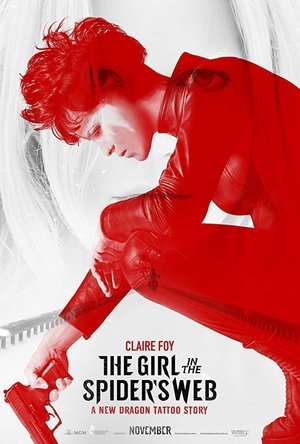

Disappointingly Average
I love The Girl With The Dragon Tattoo series. The Swedish films are excellent and David Fincher’s US adaptation was a decent watch too. Lisbeth Salander is such an iconic and well-written character, so her return to the big screen was met with much anticipation. With a new cast and new story I was looking forward to seeing it, catching a Limitless preview screening a few days before its general UK release. Unfortunately, it didn’t live up to my relatively high expectations.
The biggest insult to this film is its trailer. It gives away EVERYTHING so if you’ve seen the trailer, you’ve basically seen the entire film condensed down into a few minutes. All the best scenes and key moments have been awkwardly crammed into its promotion, to the point where I was able to predict exactly what was going to happen. I felt very let down by this and it seriously ruined my ability to enjoy the film properly. It deserved a much more ambiguous trailer, letting the mystery be revealed throughout the full narrative instead.
The film is redeemed somewhat by the performances. Claire Foy is a fantastic Lisbeth Salander, putting her all into this performance and fully embodying the badass, bisexual cyber-hacker that we all know and love. She is slick, smart and sexually charged, and is a worthy successor to both Noomi Rapace and Rooney Mara. If anything, Foy deserved a better film because this story really didn’t do her much justice and that’s not her fault.
It was also interesting to see British comedian Stephen Merchant in a much more serious role, proving that he is able to step out of his comfort zone. His character, Frans Balder, is a complex one despite his lack of screen time, and I was convinced by his take on the character. Despite his relatively small role, I found him more interesting than some of the main characters.
Security expert Edwin Needham is utterly forgettable, and his character wasn’t strong enough to get much interest from me. In a similar vein, Millenium journalist Mikael Blomkvist barely even made an appearance and considering he’s been a key character in the novels and in Lisbeth’s life, this was disappointing for me. I haven’t read the novel yet so I’m unsure if this is true to the original story, but it was a shame he didn’t feature more.
Because this film focuses primarily on Salander and twin sister, Camilla, I was relieved that I at least enjoyed scenes featuring the two of them. Sylvia Hoeks is a terrifying and powerful on-screen presence, from her mannerisms to her costume design. The fractured relationship between the two sisters is fascinating and runs deep, but seems to be glossed over at times. Foy and Hoeks did their best with the script they had, but I still found the narrative jumbled and rushed in places, favouring drawn-out action over scenes with any real substance.
Sure, the action sequences are well-shot and full of adrenaline but when they replace actual narrative coherence, we have a problem. There’s too much going on, there’s plot holes, and filler scenes that really didn’t need to be there. I know two hours isn’t really a lot of screen time to play with, but it could’ve been so much better than this.
The Girl In The Spider’s Web is nothing like the complex thriller I was expecting it to be, cramming far too much into its runtime and leaving me feeling dissatisfied. It’s entertaining in its own way and if you’re mainly looking looking for chase sequences, fast cars and action, then you’ll probably have a good time. There are some great scenes and lines of dialogue, but not enough to fully redeem itself. I don’t necessarily regret watching it, but I won’t be watching again. It’s a forgettable action film.
If you want to see Lisbeth Salander and co. at their best, catch the Swedish films instead.
https://lucygoestohollywood.com/2018/11/28/disappointingly-average-a-review-of-the-girl-in-the-spiders-web/
The biggest insult to this film is its trailer. It gives away EVERYTHING so if you’ve seen the trailer, you’ve basically seen the entire film condensed down into a few minutes. All the best scenes and key moments have been awkwardly crammed into its promotion, to the point where I was able to predict exactly what was going to happen. I felt very let down by this and it seriously ruined my ability to enjoy the film properly. It deserved a much more ambiguous trailer, letting the mystery be revealed throughout the full narrative instead.
The film is redeemed somewhat by the performances. Claire Foy is a fantastic Lisbeth Salander, putting her all into this performance and fully embodying the badass, bisexual cyber-hacker that we all know and love. She is slick, smart and sexually charged, and is a worthy successor to both Noomi Rapace and Rooney Mara. If anything, Foy deserved a better film because this story really didn’t do her much justice and that’s not her fault.
It was also interesting to see British comedian Stephen Merchant in a much more serious role, proving that he is able to step out of his comfort zone. His character, Frans Balder, is a complex one despite his lack of screen time, and I was convinced by his take on the character. Despite his relatively small role, I found him more interesting than some of the main characters.
Security expert Edwin Needham is utterly forgettable, and his character wasn’t strong enough to get much interest from me. In a similar vein, Millenium journalist Mikael Blomkvist barely even made an appearance and considering he’s been a key character in the novels and in Lisbeth’s life, this was disappointing for me. I haven’t read the novel yet so I’m unsure if this is true to the original story, but it was a shame he didn’t feature more.
Because this film focuses primarily on Salander and twin sister, Camilla, I was relieved that I at least enjoyed scenes featuring the two of them. Sylvia Hoeks is a terrifying and powerful on-screen presence, from her mannerisms to her costume design. The fractured relationship between the two sisters is fascinating and runs deep, but seems to be glossed over at times. Foy and Hoeks did their best with the script they had, but I still found the narrative jumbled and rushed in places, favouring drawn-out action over scenes with any real substance.
Sure, the action sequences are well-shot and full of adrenaline but when they replace actual narrative coherence, we have a problem. There’s too much going on, there’s plot holes, and filler scenes that really didn’t need to be there. I know two hours isn’t really a lot of screen time to play with, but it could’ve been so much better than this.
The Girl In The Spider’s Web is nothing like the complex thriller I was expecting it to be, cramming far too much into its runtime and leaving me feeling dissatisfied. It’s entertaining in its own way and if you’re mainly looking looking for chase sequences, fast cars and action, then you’ll probably have a good time. There are some great scenes and lines of dialogue, but not enough to fully redeem itself. I don’t necessarily regret watching it, but I won’t be watching again. It’s a forgettable action film.
If you want to see Lisbeth Salander and co. at their best, catch the Swedish films instead.
https://lucygoestohollywood.com/2018/11/28/disappointingly-average-a-review-of-the-girl-in-the-spiders-web/
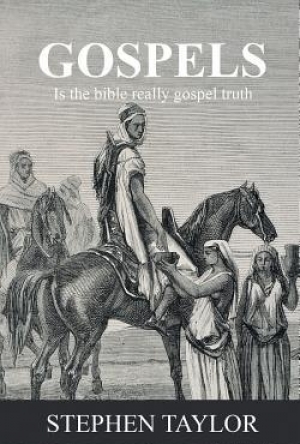
<i>I received this book for free through Goodreads First Reads.
Is the Bible really gospel truth?</i> This is the question the honourable, academic Robert Babcock aims to find out on his quest to find the earliest copies of the gospels in order to prove the reliability of the story of Jesus as recounted in the King James Bible. However, this is not the key focus of Stephen Taylor’s fictional novel, <i>Gospels</i>. The main character is the perfidious John Campbell-John, a rogue, imposter and swindler who flees 19th-century England in an attempt to escape from his debts.
John meets the magnanimous Robert in Venice and, despite being polar opposites, become firm friends. After being honest for the first time in his life, admitting to owing thousands of pounds in gambling debts, Robert offers John the opportunity to accompany him on his quest through the deserts of Egypt. John accepts and the pair finds themselves on an adventure of discovery and personal redemption.
John and Robert make an unlikely but excellent team. Robert’s knowledge of the Bible and ancient history is vital, however, John’s propensity for falsehoods and cunningness gets them out of a few scrapes and tricky situations. Nonetheless, it is difficult for John to give up his old ways and his insular behaviour threatens to get them in more trouble.
Fortunately, Robert’s humility begins to influence the young scoundrel, as does his penchant for historical artefacts. As the story progresses, John begins to leave his past behind and becomes interested in Robert’s work, learning new things about Egyptian culture and the origins of the Bible. However, when a new gospel comes to light that threatens the whole of Christianity, Robert does not know what to do; and only John can give him counsel.
John Campbell-John is a character that the author introduced in a previous book. However, the timelines are not sequential, therefore <i>Gospels</i> is a stand-alone novel. The time frame for this book needed to be set in 1835 to correspond with historical truths. Although Robert’s discovery of a Gospel of Thaddeus Jude is an invention of the author, the quest itself is based on the journeys of three 19th-century Bible hunters. Stephen Taylor has conducted an enormous amount of research, including the biographies of Robert Curzon, Constantin von Tischendorf and Émile Amélineau who, on separate occasions, sought the same knowledge as the fictional Robert Babcock.
Despite being titled <i>Gospels</i>, the novel, for the most part, focuses on John Campbell-John and his wicked ways. Through a first-person narrative, John explains his past, his betrayal of a friend, and his addiction to gambling. Initially, he has no qualms about his behaviour and acts only for himself and his selfish greed. Whilst Robert goes in search of knowledge, John goes on a journey of redemption, coming to terms with his previous wrongdoings. However, acknowledging these faults is not enough, he needs to turn away from these roguish ways.
It is disappointing that the narrative does not focus more on the gospels, both real and imagined. There was enormous scope for an in-depth look at the life of Jesus and the inconsistencies in the Bible. The fictitious Gospel of Thaddeus Jude evokes a similar reaction in Robert as the Non-Canonical Gospel of Thomas found in the 19th-century had on many devout Christians. There was so much potential with this direction of thought, however, the author passes over it in preference to the life of John Campbell-John.
Slow to begin but increasingly interesting as it progresses, <i>Gospels</i> is a book of many themes. History, both 19th-century and ancient; religion, although not a Christian story; and achievement and absolution combine together to produce a unique tale that takes the reader from the back alleys of London to the River Nile and the deserts of Sinai. A subtle clue in the prologue keeps readers alert as they await the conclusion of the adventure – an ending that ambiguously reveals whether John moves on from the follies of his past.
Is the Bible really gospel truth?</i> This is the question the honourable, academic Robert Babcock aims to find out on his quest to find the earliest copies of the gospels in order to prove the reliability of the story of Jesus as recounted in the King James Bible. However, this is not the key focus of Stephen Taylor’s fictional novel, <i>Gospels</i>. The main character is the perfidious John Campbell-John, a rogue, imposter and swindler who flees 19th-century England in an attempt to escape from his debts.
John meets the magnanimous Robert in Venice and, despite being polar opposites, become firm friends. After being honest for the first time in his life, admitting to owing thousands of pounds in gambling debts, Robert offers John the opportunity to accompany him on his quest through the deserts of Egypt. John accepts and the pair finds themselves on an adventure of discovery and personal redemption.
John and Robert make an unlikely but excellent team. Robert’s knowledge of the Bible and ancient history is vital, however, John’s propensity for falsehoods and cunningness gets them out of a few scrapes and tricky situations. Nonetheless, it is difficult for John to give up his old ways and his insular behaviour threatens to get them in more trouble.
Fortunately, Robert’s humility begins to influence the young scoundrel, as does his penchant for historical artefacts. As the story progresses, John begins to leave his past behind and becomes interested in Robert’s work, learning new things about Egyptian culture and the origins of the Bible. However, when a new gospel comes to light that threatens the whole of Christianity, Robert does not know what to do; and only John can give him counsel.
John Campbell-John is a character that the author introduced in a previous book. However, the timelines are not sequential, therefore <i>Gospels</i> is a stand-alone novel. The time frame for this book needed to be set in 1835 to correspond with historical truths. Although Robert’s discovery of a Gospel of Thaddeus Jude is an invention of the author, the quest itself is based on the journeys of three 19th-century Bible hunters. Stephen Taylor has conducted an enormous amount of research, including the biographies of Robert Curzon, Constantin von Tischendorf and Émile Amélineau who, on separate occasions, sought the same knowledge as the fictional Robert Babcock.
Despite being titled <i>Gospels</i>, the novel, for the most part, focuses on John Campbell-John and his wicked ways. Through a first-person narrative, John explains his past, his betrayal of a friend, and his addiction to gambling. Initially, he has no qualms about his behaviour and acts only for himself and his selfish greed. Whilst Robert goes in search of knowledge, John goes on a journey of redemption, coming to terms with his previous wrongdoings. However, acknowledging these faults is not enough, he needs to turn away from these roguish ways.
It is disappointing that the narrative does not focus more on the gospels, both real and imagined. There was enormous scope for an in-depth look at the life of Jesus and the inconsistencies in the Bible. The fictitious Gospel of Thaddeus Jude evokes a similar reaction in Robert as the Non-Canonical Gospel of Thomas found in the 19th-century had on many devout Christians. There was so much potential with this direction of thought, however, the author passes over it in preference to the life of John Campbell-John.
Slow to begin but increasingly interesting as it progresses, <i>Gospels</i> is a book of many themes. History, both 19th-century and ancient; religion, although not a Christian story; and achievement and absolution combine together to produce a unique tale that takes the reader from the back alleys of London to the River Nile and the deserts of Sinai. A subtle clue in the prologue keeps readers alert as they await the conclusion of the adventure – an ending that ambiguously reveals whether John moves on from the follies of his past.
Heather Cranmer (2721 KP) rated Among the Red Stars in Books
Dec 21, 2018
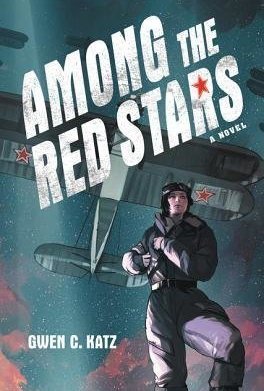
The Plot (2 more)
The History
The Characters
A lot of Russian names make it hard to keep up with who's who (1 more)
Lack of mention of parents
A Great Historical Read!
When I was offered the chance to review Among the Red Stars by Gwen C. Katz, I jumped at the chance. After reading the great reviews, I knew it was going to be a great book. Luckily, I was not disappointed.
I though the plot and world building were excellent! The story for Among the Red Stars is mostly told through letters written by Valka, the main character, and her childhood friend, Pasha. Set in Russia during World War II, Pasha was drafted and had no choice but to join, and Valka voluntarily joined because she had been wanting to be a pilot since she was young. The all female bomber regiment isn't taken seriously at first since they are all young and female, but soon enough, it because apparent that these female pilots are the real deal and just as good as their male counterparts. Among the Red Stars is also based in some fact too which made the book that much more interesting. My emotions were all over the place reading this book. I kept on hoping the outcome of the story would be a good one. Among the Red Stars answered all the questions I had, and I would suggest reading the Author's Note at the end of the book because it will give you more insight into the all female Russian bomber regiment. I found it very interesting. The only thing that bothered me was that Valka's parents weren't really mentioned throughout the book. I would have thought that Valka's parents would have written to their daughter during the war. If they didn't want to, it would have been nice to have an explanation as to why they didn't want to write to their daughter. I just found it a bit strange that Valka's parents weren't mentioned at all during the book except for briefly towards the end.
The characters were written very well in Among the Red Stars. It was interesting to learn that many of the characters mentioned in Among the Red Stars were based on actual people who served in World War II. As I've said before, a lot of the story is based on fact which made this book that much more enjoyable. I loved seeing Pasha and Valka grow throughout their letters. I was always hoping they'd be reunited soon because it was obvious how much they really cared about each other. I also loved the relationship between Valka and her cousin Iskra. It was refreshing to read about the love between them. I admired Galya's and Lilya's spirit throughout the war, and I loved how awesome Vera and Tanya were. All the females in Among the Red Stars were amazing, and I admired each and every one of them. I loved the camaraderie between all the girls. I will admit that sometimes it was hard to keep up with who was who during the book due to the Russian names, but I still thoroughly enjoyed every character. If you read the Author's Note at the end of the book, you can learn more about each character that was actually a real person. I loved that Gwen C. Katz added all that information.
The pacing for Among the Red Stars grabs you by the hand and never lets go! Never once did I grow bored of the story. The story never got too fast paced for me where I was confused with what was happening. The pacing was fantastic!
Trigger warnings for Among the Red Stars include violence, death, injuries, war, and sexism.
All in all, Among the Red Stars was a fantastic, thrilling read. I never wanted to put it down. This book had everything from a great group of characters to a fantastic plot. I would definitely recommend Among the Red Stars by Gwen C. Katz to everyone aged 14+. It's such an interesting book as well as an interesting way to learn about a piece of important history.
--
(A special thank you to the author for providing me with a paperback of Among the Red Stars in exchange for an honest and unbiased review.)
I though the plot and world building were excellent! The story for Among the Red Stars is mostly told through letters written by Valka, the main character, and her childhood friend, Pasha. Set in Russia during World War II, Pasha was drafted and had no choice but to join, and Valka voluntarily joined because she had been wanting to be a pilot since she was young. The all female bomber regiment isn't taken seriously at first since they are all young and female, but soon enough, it because apparent that these female pilots are the real deal and just as good as their male counterparts. Among the Red Stars is also based in some fact too which made the book that much more interesting. My emotions were all over the place reading this book. I kept on hoping the outcome of the story would be a good one. Among the Red Stars answered all the questions I had, and I would suggest reading the Author's Note at the end of the book because it will give you more insight into the all female Russian bomber regiment. I found it very interesting. The only thing that bothered me was that Valka's parents weren't really mentioned throughout the book. I would have thought that Valka's parents would have written to their daughter during the war. If they didn't want to, it would have been nice to have an explanation as to why they didn't want to write to their daughter. I just found it a bit strange that Valka's parents weren't mentioned at all during the book except for briefly towards the end.
The characters were written very well in Among the Red Stars. It was interesting to learn that many of the characters mentioned in Among the Red Stars were based on actual people who served in World War II. As I've said before, a lot of the story is based on fact which made this book that much more enjoyable. I loved seeing Pasha and Valka grow throughout their letters. I was always hoping they'd be reunited soon because it was obvious how much they really cared about each other. I also loved the relationship between Valka and her cousin Iskra. It was refreshing to read about the love between them. I admired Galya's and Lilya's spirit throughout the war, and I loved how awesome Vera and Tanya were. All the females in Among the Red Stars were amazing, and I admired each and every one of them. I loved the camaraderie between all the girls. I will admit that sometimes it was hard to keep up with who was who during the book due to the Russian names, but I still thoroughly enjoyed every character. If you read the Author's Note at the end of the book, you can learn more about each character that was actually a real person. I loved that Gwen C. Katz added all that information.
The pacing for Among the Red Stars grabs you by the hand and never lets go! Never once did I grow bored of the story. The story never got too fast paced for me where I was confused with what was happening. The pacing was fantastic!
Trigger warnings for Among the Red Stars include violence, death, injuries, war, and sexism.
All in all, Among the Red Stars was a fantastic, thrilling read. I never wanted to put it down. This book had everything from a great group of characters to a fantastic plot. I would definitely recommend Among the Red Stars by Gwen C. Katz to everyone aged 14+. It's such an interesting book as well as an interesting way to learn about a piece of important history.
--
(A special thank you to the author for providing me with a paperback of Among the Red Stars in exchange for an honest and unbiased review.)