

Two Fatherlands (Reschen Valley #4)
Book
It's a dangerous time to be a dissident... 1938. Northern Italy. Since saving Angelo Grimani's...
Historical Fiction WW2
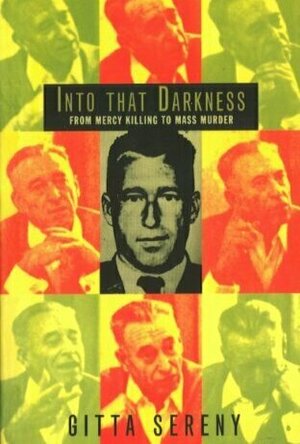
Into That Darkness
Book
The biography of Franz Stangl, commandant of the Treblinka extermination camp - a classic and...

Canadian Newspapers Plus - Canada News by sunflowerapps
News
App
Download now the best selling news apps in Italy, Germany, Spain, Canada, UK: - Canadian...

VIP BETTING PICKS - Sports Bet
Sports and Games
App
VIPBETPICKS Betting Tips - Experience the thrill of Sports Betting on MAJOR SPORTS (Football Betting...

OffMaps 2 · Offline Maps for Travelers
Navigation and Travel
App
"A Cheaper Way to Navigate Abroad, No Costly Data-Roaming Required", NYT GadgetWise Blog "OffMaps 2...

Sygic Europe - GPS Navigation
Navigation and Travel
App
Whether you are travelling, commuting to work, or driving professionally Sygic GPS Navigation is...

Sygic Turkey: GPS Navigation
Navigation and Travel
App
THE MOST DOWNLOADED OFFLINE NAVIGATION APP IN THE WORLD! "Very nice GPS" Yagiz, Turkey "Love the...

Sygic Western Europe: GPS Navigation, Offline Maps
Navigation and Travel
App
The World’s Most Advanced Navigation app, trusted by 125 million drivers. Sygic: GPS Navigation,...
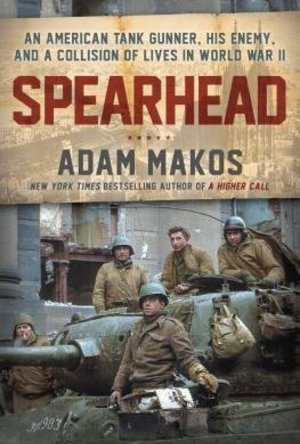
Spearhead: An American Tank Gunner, His Enemy, and a Collision of Lives In World War II
Book
From the New York Times bestselling author of A Higher Call comes the riveting story of an American...
ClareR (6256 KP) rated We Germans in Books
Aug 17, 2023
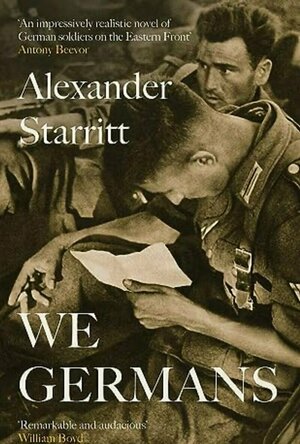

That letter is the book we read, with asides and clarifications from the grandson.
We don’t have a story that covers from the beginning to the end of the war. This is told from when things have started to go wrong for the Germans. The army is fragmented. The soldiers don’t really know where they’re going, but they know that they want to try and make it back to Germany - on foot. These men are scared, confused and the acts they see committed by both sides are horrific.
The grandson helps us to see the effects of the war on his grandfather, and his subsequent imprisonment in Russia. How 70 years post-war have changed him, how the war changed him as well. He acknowledges that he was to blame for what had happened as much as anyone else, but that he was expected to toe the line as a soldier.
This is historical fiction, but its well researched and has the hint of reality about it. It really gives the reader something to think about, and I know that personally, I haven’t found many books out there that cover this period of history in this way. I can’t say as it’s something I want to avidly read lots of books about, but having read this from a more human perspective (rather than a factual history book that lists dates and places), it feels very personal.
This is a short, powerful novel, and I think it’s worth the time spent reading it if you have an interest in either the time in history, or human nature.