
Search

Charlie Cobra Reviews (1840 KP) rated The Old Guard (2020) in Movies
Aug 27, 2020

Kick Ass Action (2 more)
Good Casting and Supporting Actors/Characters
Cool Concept
The Musical Score/ Soundtrack (3 more)
Some characters were a little cliché
Characters not fully developed or given enough backstory
Dialogue
In With The Old Guard (7/10)
Contains spoilers, click to show
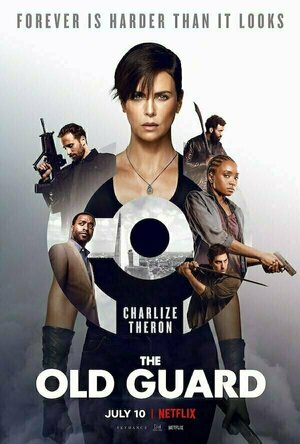
The Old Guard is 2020 action movie directed by Gina Prince-Bythewood and written by Greg Rucka, The film was produced by Skydance Media, Denver and Delilah Productions and Marc Evans Productions and distributed by Netflix. Producers on the movie include David Ellison, Dana Goldberg, Don Granger, Charlize Theron, AJ Dix, Beth Kono and Marc Evans. The film stars Charlize Theron, Kiki Layne, Marwan Kenzari, Luca Marinelli and Matthias Schoenaerts.
Andy (Charlize Theron), and her covert group of tight-knit immortals have fought and protected the mortal world for centuries with their mysterious inability to die. With their extraordinary abilities suddenly exposed on an emergency mission, the group finds themselves hunted by those who will stop at nothing to replicate their power. Nile (Kiki Layne), the newest soldier, joins their ranks, to help the group eliminate the threat and avoid capture as they find out who's found them.
This move was pretty bad ass. I liked it quite a bit. Charlize Theron definitely kicks ass as Andy in this flick and has a bunch of really cool action sequences throughout the film. The supporting cast was really good as well. I hadn't heard of the graphic novel or comic that it was based off of by the film's writer Greg Rucka but now I really want to check it out because the backstory they give the characters and their actions seem really cool. Now I know a lot of people give the whole girl power thing bad energy online and a lot of stuff gets hate and trolls for stuff like that but I dig this film. (examples Captain Marvel, The girl power scene in Endgame, etc...) I definitely got that vibe that the director was a woman without even paying attention to it in the opening credits and that's not a bad thing, just an observation. The way certain things happened in the movie, the soundtrack (which was good but felt like it didn't match) and the two main characters/protagonists are female as well. I think Gina Prince-Bythewood did a great job in mixing in the story and the action in this movie. Of course when coming up with a cool concept like this there always going to be plot holes or things that don't make sense and this movie is no exception, some characters are a little cliché but there acting pretty good and their performances were good but the dialogue definitely suffered from the writing. There was some weird lines in there and some scenes that just kind of faltered. The villain wasn't that memorable and the film had some slow places, not that pacing was off but maybe dragged on a little too long. I think this movie was still great good though and if you're looking for a good action flick to check out you should definitely give it a try, I give it a 7/10.
Spoiler Section Review:
Man, I have seen this movie getting ripped on reviews online and a lot of it is actually on the soundtrack. Now I understand completely, to me the song choices were off for the mood or tone of the film from the beginning but I saw what "they" were going for because all the songs had a similar theme which was connected by women. It was one of the reasons I felt like the movie was directed by a woman before I looked it up. Now I didn't hate the music, I actually liked some of the songs but for some people I can understand how it distracts, how it lessens in a way the impact of the cinematography and graphic violence of the film. Also the plot holes and logic when it comes to cool concept like the one for this movie. Like when they heal, the bullets get pushed out of their body, but what about Andy's earrings? That's literally the only example of plot holes I've found in other reviews, but every review hating on it says that. Other people hated on it's "woke politics" whatever that means and cheap and lacking in most places. I'll admit that they dropped the ball on putting in decent enough backstory for the characters who were supposed to have live for hundreds of years. You would think they would have some good flashback scenes but they only show a couple and some are weird and blurry sometimes. They just really dropped the ball on developing the characters more or giving you a reason to like them or care about them. They're were the two gay guys but for some people that is a little cliché already because everyone movie is trying to be inclusive now so it comes off as unoriginal. I'll admit that Kiki Layne's performance could be better in certain scenes especially in the beginning some of the girl soldiers didn't seem like "real soldiers" whatever that means, lol. but didn't look the part or act the part. And even at the end her character totally just shifts into kill mode when the whole time she couldn't get over the first person she killed and we're supposed to believe that she believes in the cause the fight for now. I mean she has some good scenes too though. There's just a lot of convenience or hand of god ("deus ex machina") throughout the movie. It's hard for me to give this a higher score when some of the points against it are legitimate but I think some of them are just haters. Anyways I give this movie a 7/10 and I for one personally can't wait for the sequel.
Andy (Charlize Theron), and her covert group of tight-knit immortals have fought and protected the mortal world for centuries with their mysterious inability to die. With their extraordinary abilities suddenly exposed on an emergency mission, the group finds themselves hunted by those who will stop at nothing to replicate their power. Nile (Kiki Layne), the newest soldier, joins their ranks, to help the group eliminate the threat and avoid capture as they find out who's found them.
This move was pretty bad ass. I liked it quite a bit. Charlize Theron definitely kicks ass as Andy in this flick and has a bunch of really cool action sequences throughout the film. The supporting cast was really good as well. I hadn't heard of the graphic novel or comic that it was based off of by the film's writer Greg Rucka but now I really want to check it out because the backstory they give the characters and their actions seem really cool. Now I know a lot of people give the whole girl power thing bad energy online and a lot of stuff gets hate and trolls for stuff like that but I dig this film. (examples Captain Marvel, The girl power scene in Endgame, etc...) I definitely got that vibe that the director was a woman without even paying attention to it in the opening credits and that's not a bad thing, just an observation. The way certain things happened in the movie, the soundtrack (which was good but felt like it didn't match) and the two main characters/protagonists are female as well. I think Gina Prince-Bythewood did a great job in mixing in the story and the action in this movie. Of course when coming up with a cool concept like this there always going to be plot holes or things that don't make sense and this movie is no exception, some characters are a little cliché but there acting pretty good and their performances were good but the dialogue definitely suffered from the writing. There was some weird lines in there and some scenes that just kind of faltered. The villain wasn't that memorable and the film had some slow places, not that pacing was off but maybe dragged on a little too long. I think this movie was still great good though and if you're looking for a good action flick to check out you should definitely give it a try, I give it a 7/10.
Spoiler Section Review:
Man, I have seen this movie getting ripped on reviews online and a lot of it is actually on the soundtrack. Now I understand completely, to me the song choices were off for the mood or tone of the film from the beginning but I saw what "they" were going for because all the songs had a similar theme which was connected by women. It was one of the reasons I felt like the movie was directed by a woman before I looked it up. Now I didn't hate the music, I actually liked some of the songs but for some people I can understand how it distracts, how it lessens in a way the impact of the cinematography and graphic violence of the film. Also the plot holes and logic when it comes to cool concept like the one for this movie. Like when they heal, the bullets get pushed out of their body, but what about Andy's earrings? That's literally the only example of plot holes I've found in other reviews, but every review hating on it says that. Other people hated on it's "woke politics" whatever that means and cheap and lacking in most places. I'll admit that they dropped the ball on putting in decent enough backstory for the characters who were supposed to have live for hundreds of years. You would think they would have some good flashback scenes but they only show a couple and some are weird and blurry sometimes. They just really dropped the ball on developing the characters more or giving you a reason to like them or care about them. They're were the two gay guys but for some people that is a little cliché already because everyone movie is trying to be inclusive now so it comes off as unoriginal. I'll admit that Kiki Layne's performance could be better in certain scenes especially in the beginning some of the girl soldiers didn't seem like "real soldiers" whatever that means, lol. but didn't look the part or act the part. And even at the end her character totally just shifts into kill mode when the whole time she couldn't get over the first person she killed and we're supposed to believe that she believes in the cause the fight for now. I mean she has some good scenes too though. There's just a lot of convenience or hand of god ("deus ex machina") throughout the movie. It's hard for me to give this a higher score when some of the points against it are legitimate but I think some of them are just haters. Anyways I give this movie a 7/10 and I for one personally can't wait for the sequel.

Haley Mathiot (9 KP) rated Crime and Punishment in Books
Apr 27, 2018

**spoilers**
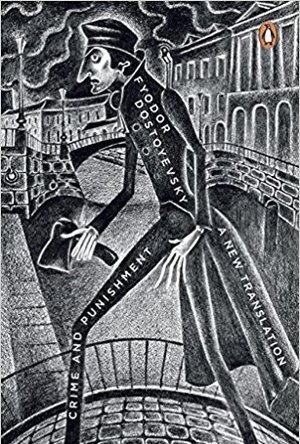
Crime and Punishment by Fyodor Dostoevsky. read by Anthony Heald.
Genre: Fiction, classic
Rating: 5
Sin, Sentence, and Salvation
The allegory of Crime and Punishment
Crime and Punishment, one of the more famous works of Fyodor Dostoevsky, is considered “the first great novel of his mature period,” (Frank, 1995) and is one of his more famous books, rivaled only by The Brothers Karamazov. What makes Crime and Punishment such a classic? Perhaps because it is a picture of the only classic, and greatest story of all time. Crime and Punishment is an allegory of Salvation.
Self-justified
The main character, Rodion Romanovich Raskolnikov, was a poor student at a university, and was overcome with hate toward an old pawnbroker, and decided to rid the world of her for the greater good of everyone. He believed that she was a “louse,” and since everyone would be happier without her, his actions would be justified. He believed that he had broken the letter of the law only, but that it didn’t have any authority over him anyway because it was written by people just as low as himself. He didn’t believe in God, and in prison he was convinced that he didn’t deserve his treatment, and that it was something he simply needed to get over with. He had no higher authority, so he said “my conscience is at rest.” This is a picture of man before he is touched by the merciful salvation of Christ.
A Troubled Man
Although Raskolnikov justified his actions in killing the old woman, he still felt an overwhelming sense of guilt and fear over what he did. He worked very hard at keeping it a secret, and at first he thought he could live with the guilt that sat in back of his mind, but he was wrong. Raskolnikov had horrible dreams, was always sick, and one of the other characters noticed that he was constantly “set off by little things” for no apparent reason (though the reader knew that it was only because it reminded him of his crime). This represents a man who knows in his heart that he is a sinner, but who will not turn and repent from his sin.
Unending Love
Sonya Semyonovna Marmeladov was the daughter of a drunkard who “took the yellow card” and prostituted herself to support her family. Throughout the book, Sonya began to love Raskolnikov. Eventually, Raskolnikov told Sonya his secret. Sonya was horrified, but still loved him and forgave him after her initial shock wore off. As Raskolnikov was fighting inside with his conscience and his sins, he repeatedly snapped at her, refused her comfort, yelled at her, and so on. He was a bitter, angry, hateful man—and yet Sonya forgave him for everything he did to her, and everything he had done in his past. What redeeming quality Sonya saw in the wretch and why she forgave him, one cannot begin to comprehend; aside from the simple truth that Sonya was a loving, gentile, merciful girl. She saw that Raskolnikov needed someone to love him and she reached out to him, even when he repeatedly pushed her away. Sonya’s love for him is a picture of Christ’s unending and perfect love to His sinful people.
A Silent Witness
When Raskolnikov finally broke down and confessed his crime, Sonya moved to Siberia with him. Raskolnikov expected this, and knew that telling her not to come would be fruitless. She visited him often in prison and wrote to his family for him. But although Raskolnikov expected her to preach to him and push the Gospel in his face, she did not. Sonya followed the scripture’s instruction to Christian wives with non-Christian husbands in 1 Peter 3:1—“ Wives, in the same way be submissive to your husbands so that, if any of them do not believe the word, they may be won over without words by the behavior of their wives…” The verse tells women to be good examples of Christ to their non-Christian husbands rather than to preach to them and try to convert them, and that is exactly what Sonya did, even though she was not married to him. She did not try to convert him with words; rather she won him with her love. She did not push the Testament into Raskolnikov’s hands, he asked for it. When she did bring it, she did not pester him to read it. She had faith, and showed Raskolnikov the love of Christ through her actions. In the end, it paid off. Although Dostoevsky does not specifically say that Raskolnikov was converted, he does imply that he eventually became a Christian when he mused “Can not her own convictions now be mine?”
The truth will set you free
When Raskolnikov finally realized that he loved Sonya, he accepted that he was a criminal, and a murderer. When he finally accepted that he was a sinner, he repented and had a new life in him. He said he felt like “he had risen again” and that Sonya “lived only in his life.” By life, Dostoevsky refers to his mentality. Before, he had been a living dead man in prison. He was hated by his inmates, was almost killed by them in an outbreak, was unaffected by anything that happened to him or his family, and eventually became ill from it all. But after his resurrection, he repented from his sins, learned to move on with his life, and started to change. He began to converse with his inmates, and they no longer hated him. Sonya was alive in his “life” because of her love for him. When he was changed, she was so happy that she became sick with joy, to the point that she was ill in bed. Dostoevsky paints a picture of a redeemed man at the end of his novel—redeemed both by the law, and by God. This picture symbolizes the miracle of salvation through Christ.
An amazing Allegory
Dostoevsky was a wonderful writer because of his use of dialogue to tell the story, his descriptive scenes, his powerfully developed characters, and their inner dialogue. He often times told you that something was happening by only telling you what the character who was speaking at the time said in response to what was going on. For example, if Sonya was standing up, Dostoevsky would write “… ‘hey, what do you stand for?’ for Sonya had stood.”
He also painted such good descriptions of his characters, that by the middle of the book he didn’t have to say that Raskolnikov was musing in the corner of the room, glaring at anyone who was brave enough to look at him, while he stewed in grief under his old ratted cap, because you knew from how well he was described earlier and how well his character was developed from the dialogue, that he was doing exactly that.
His characters are so real, they almost frighten you because you see the things they do and feel and experience reflected in your own life. They are not perfect—in fact they are all incredibly flawed, but they are a joy to read.
His ending is superb, because he closes the story without actually telling you everything. He never says that Raskolnikov was converted, he never says when he got out of prison, and he never says that Sonya and he were married, but you know that it happened. The last scene of the story is so superb, it makes you want to read it again, just to experience the joy all over again.
But what really made Crime and Punishment the classic that it was is the picture of the best story in the world, the classic story of the world, showing through. The story of the Gospel, of Jesus Christ’s unending love and sin and salvation is clearly portrayed, and makes a joyous read.
Works cited:
Quotes are from Crime and Punishment by Fyodor Dostoevsky, 1886
Frank, Joseph (1995). Dostoevsky: The Miraculous Years, 1865–1871. Princeton University Press. ISBN 0-691-01587-2. (source found and taken from Wikipedia.com)
1 Peter 3:1 New International Version of The Holy Bible
Audio review: I had a hard time reading the book, simply because it was so huge that it was intimidating. I bought (ouch) the audio book of Crime and Punishment, recorded by Anthony Heald who did a fantastic job reading. His voices for the characters perfectly matched them, he felt for them, and he acted them. None of them were cheesy (yeah you all know how lame some male readers are at acting female voices). He read fast enough that the story didn't drag at all, but not so fast that you'd feel like you'd miss something if you didn't listen hard. I will definitely re-listen to the audio book.
Content: some gruesome descriptions of blood from the murder
Recommendation: Ages 14+
Crime and Punishment by Fyodor Dostoevsky. read by Anthony Heald.
Genre: Fiction, classic
Rating: 5
Sin, Sentence, and Salvation
The allegory of Crime and Punishment
Crime and Punishment, one of the more famous works of Fyodor Dostoevsky, is considered “the first great novel of his mature period,” (Frank, 1995) and is one of his more famous books, rivaled only by The Brothers Karamazov. What makes Crime and Punishment such a classic? Perhaps because it is a picture of the only classic, and greatest story of all time. Crime and Punishment is an allegory of Salvation.
Self-justified
The main character, Rodion Romanovich Raskolnikov, was a poor student at a university, and was overcome with hate toward an old pawnbroker, and decided to rid the world of her for the greater good of everyone. He believed that she was a “louse,” and since everyone would be happier without her, his actions would be justified. He believed that he had broken the letter of the law only, but that it didn’t have any authority over him anyway because it was written by people just as low as himself. He didn’t believe in God, and in prison he was convinced that he didn’t deserve his treatment, and that it was something he simply needed to get over with. He had no higher authority, so he said “my conscience is at rest.” This is a picture of man before he is touched by the merciful salvation of Christ.
A Troubled Man
Although Raskolnikov justified his actions in killing the old woman, he still felt an overwhelming sense of guilt and fear over what he did. He worked very hard at keeping it a secret, and at first he thought he could live with the guilt that sat in back of his mind, but he was wrong. Raskolnikov had horrible dreams, was always sick, and one of the other characters noticed that he was constantly “set off by little things” for no apparent reason (though the reader knew that it was only because it reminded him of his crime). This represents a man who knows in his heart that he is a sinner, but who will not turn and repent from his sin.
Unending Love
Sonya Semyonovna Marmeladov was the daughter of a drunkard who “took the yellow card” and prostituted herself to support her family. Throughout the book, Sonya began to love Raskolnikov. Eventually, Raskolnikov told Sonya his secret. Sonya was horrified, but still loved him and forgave him after her initial shock wore off. As Raskolnikov was fighting inside with his conscience and his sins, he repeatedly snapped at her, refused her comfort, yelled at her, and so on. He was a bitter, angry, hateful man—and yet Sonya forgave him for everything he did to her, and everything he had done in his past. What redeeming quality Sonya saw in the wretch and why she forgave him, one cannot begin to comprehend; aside from the simple truth that Sonya was a loving, gentile, merciful girl. She saw that Raskolnikov needed someone to love him and she reached out to him, even when he repeatedly pushed her away. Sonya’s love for him is a picture of Christ’s unending and perfect love to His sinful people.
A Silent Witness
When Raskolnikov finally broke down and confessed his crime, Sonya moved to Siberia with him. Raskolnikov expected this, and knew that telling her not to come would be fruitless. She visited him often in prison and wrote to his family for him. But although Raskolnikov expected her to preach to him and push the Gospel in his face, she did not. Sonya followed the scripture’s instruction to Christian wives with non-Christian husbands in 1 Peter 3:1—“ Wives, in the same way be submissive to your husbands so that, if any of them do not believe the word, they may be won over without words by the behavior of their wives…” The verse tells women to be good examples of Christ to their non-Christian husbands rather than to preach to them and try to convert them, and that is exactly what Sonya did, even though she was not married to him. She did not try to convert him with words; rather she won him with her love. She did not push the Testament into Raskolnikov’s hands, he asked for it. When she did bring it, she did not pester him to read it. She had faith, and showed Raskolnikov the love of Christ through her actions. In the end, it paid off. Although Dostoevsky does not specifically say that Raskolnikov was converted, he does imply that he eventually became a Christian when he mused “Can not her own convictions now be mine?”
The truth will set you free
When Raskolnikov finally realized that he loved Sonya, he accepted that he was a criminal, and a murderer. When he finally accepted that he was a sinner, he repented and had a new life in him. He said he felt like “he had risen again” and that Sonya “lived only in his life.” By life, Dostoevsky refers to his mentality. Before, he had been a living dead man in prison. He was hated by his inmates, was almost killed by them in an outbreak, was unaffected by anything that happened to him or his family, and eventually became ill from it all. But after his resurrection, he repented from his sins, learned to move on with his life, and started to change. He began to converse with his inmates, and they no longer hated him. Sonya was alive in his “life” because of her love for him. When he was changed, she was so happy that she became sick with joy, to the point that she was ill in bed. Dostoevsky paints a picture of a redeemed man at the end of his novel—redeemed both by the law, and by God. This picture symbolizes the miracle of salvation through Christ.
An amazing Allegory
Dostoevsky was a wonderful writer because of his use of dialogue to tell the story, his descriptive scenes, his powerfully developed characters, and their inner dialogue. He often times told you that something was happening by only telling you what the character who was speaking at the time said in response to what was going on. For example, if Sonya was standing up, Dostoevsky would write “… ‘hey, what do you stand for?’ for Sonya had stood.”
He also painted such good descriptions of his characters, that by the middle of the book he didn’t have to say that Raskolnikov was musing in the corner of the room, glaring at anyone who was brave enough to look at him, while he stewed in grief under his old ratted cap, because you knew from how well he was described earlier and how well his character was developed from the dialogue, that he was doing exactly that.
His characters are so real, they almost frighten you because you see the things they do and feel and experience reflected in your own life. They are not perfect—in fact they are all incredibly flawed, but they are a joy to read.
His ending is superb, because he closes the story without actually telling you everything. He never says that Raskolnikov was converted, he never says when he got out of prison, and he never says that Sonya and he were married, but you know that it happened. The last scene of the story is so superb, it makes you want to read it again, just to experience the joy all over again.
But what really made Crime and Punishment the classic that it was is the picture of the best story in the world, the classic story of the world, showing through. The story of the Gospel, of Jesus Christ’s unending love and sin and salvation is clearly portrayed, and makes a joyous read.
Works cited:
Quotes are from Crime and Punishment by Fyodor Dostoevsky, 1886
Frank, Joseph (1995). Dostoevsky: The Miraculous Years, 1865–1871. Princeton University Press. ISBN 0-691-01587-2. (source found and taken from Wikipedia.com)
1 Peter 3:1 New International Version of The Holy Bible
Audio review: I had a hard time reading the book, simply because it was so huge that it was intimidating. I bought (ouch) the audio book of Crime and Punishment, recorded by Anthony Heald who did a fantastic job reading. His voices for the characters perfectly matched them, he felt for them, and he acted them. None of them were cheesy (yeah you all know how lame some male readers are at acting female voices). He read fast enough that the story didn't drag at all, but not so fast that you'd feel like you'd miss something if you didn't listen hard. I will definitely re-listen to the audio book.
Content: some gruesome descriptions of blood from the murder
Recommendation: Ages 14+

Erika (17789 KP) rated Loki - Season 1 in TV
Jul 16, 2021 (Updated Jul 16, 2021)


I’ll stick with Loki’s original story-arc.
Contains spoilers, click to show
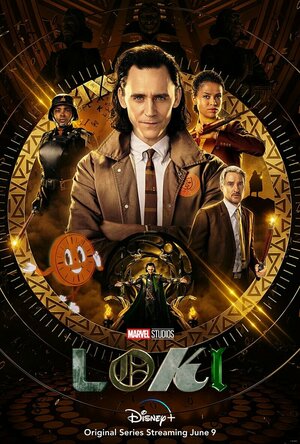
Loki, featuring the return of Tom Hiddleston to the MCU, has escaped with the tesseract, and is subsequently caught by the TVA. He agrees to help Owen Wilson’s Mobius track down a variant that is conveniently a version of himself. What ensues is a painful setup for Ironman with Magic… oh, sorry, Dr. Strange and the Multiverse of Madness.
On one hand, my ma always told me, if you don’t have anything nice to say, don’t say anything at all, but on the other hand, I haven’t been this pissed off at a major franchise since Star Wars: The Last Jedi. My visceral, negative reaction was caused by many things.
First, this series did not need to be made. Loki had a perfect ending to his overall arc, and it really didn’t need to be messed with. I am a huge Tom Hiddleston fan, I went to NYC to see him in a play, waited outside freezing my butt off to meet him, all of that. I was so glad when Loki was killed off, so he’d be free to do other things, and not just be known for Loki. Alas, that did not happen.
This series was made for two subsets of fans: the fans that can’t accept the death of their favorite character, and the fans that are absolutely, irrationally obsessed with having their favorite character paired up romantically. I fall into neither of these categories. ‘More Stories to Tell’ was the tagline… it should have been ‘More Money to be Made’.
After watching the same movie in a different flavor for over ten years, I realized that maybe the MCU wasn’t for me anymore. But, when Loki was announced, I was promised something new and weird! I thought, maybe this will be the show to get me back into the MCU. That was not the case. I cannot believe the rave reviews about this series; did we all watch the same thing?
The first warning sign for me was when it was announced that Michael Waldron, who was a writer for Rick & Morty was going to be helming this series. Rick & Morty is funny… if you’re a dude-bro, drunk, or high. When I read a few of his interviews prior to the release of Loki, another warning sign, this guy kind of sounded like a huge douchebag. I was then calmed and reassured that maybe it wouldn’t be a train-wreck because Hiddleston was heavily involved in the series.
As I’ve mentioned before, we were promised something new, different, and weird. Don’t make promises you can’t keep, creative team behind Loki.
Episode 1 was cheap; did I need to see clips from previous movies used in a very uncreative way? No, I did not. There was also something just off about the casting of Wilson. Now, this may be on me because my teen-years were spent quoting Owen Wilson films. There were a few things I liked about Episode 1, like the Blade Runner robot reference. There was a red flag in this episode though. Pro-tip: never, EVER have a character verbalize/confirm that they’re smart. Because it’s probably not the case.
Episode 2 was the bright spot, it was my favorite, by far. It was fast-paced, amusing, and the most interesting episode out of the whole series. The Mt Vesuvius/unleashing of the goats thing was the sort of thing I was looking for in this series. I actually chuckled a little, which rarely happens. It moved the story along, and we get the big reveal of the Loki variant that’s causing all the havoc.
Episode 3 was, for lack of a better word, boring. The pace slowed, and it was the infamous Disney+ show filler episode. We’re introduced to Mary Sue, sorry, I mean Lady Loki, but not really, Sylvie, the Enchantress, right? No, wait, she’s a completely different, new character. Probably shouldn’t have opted for the name Sylvie in that case. She’s a brand new, *strong* female, that shows her strength by punching people and has no personality (see: Carol Danvers - Captain Marvel, Hope van Dyne - Ant-Man). Y’all, you told me you were going to give me something different, new, weird. A Mary Sue isn’t new, different, or weird. This episode was a get-to-know-each-other, and build a pseudo-sibling relationship, right? Because anything else would be weird in a bad way, not an interesting way. There was a considerable shift in our TVA ‘Smart’ Loki character evolution, he opened-up, announced that he was a member of the LGBTQQIAAP nation, progress! First bi-sexual character in the MCU, way to go Disney, getting with the times! It was still a filler episode though, and while the stakes seemed high, you knew that there were three more episodes to go, of course they would live.
Again, I was reassured after this lackluster episode by Hiddleston, that 4 and 5 were his favorite. That fact is now disturbing.
Episode 4 was the death knell. I think the response from the creative team afterwards was also incredibly tone-deaf, and, quite frankly, insulting. The 4th episode was so bad, I legitimately had to go cleanse my eyes and brain with a GBBO marathon. The fact that the creative team had no idea that the insta-love (see: Jane and Thor - Thor) between two characters that had seemingly formed a pseudo-sibling relationship wouldn’t come off a little incest-y is really strange to me. If a pseudo-sibling relationship was not the intention, then it was poor writing, directing and acting by all parties involved. Sometimes, when a Mary Sue punches our main character, he falls in love with her (see: Hope and Scott - Ant-Man). The whole narcissism thing was hilarious, I’m glad our TVA ‘Smart’ Loki was cured of that by Sylvie and another *strong* personality-lacking woman (see: Sif -Thor/Thor: the Dark World) kicking him between the legs was what he’d needed all along. If a small portion of this episode was actually utilizing the myth of Narcissus, then I’m glad they followed it through to the dying part. This is when everything clicked for me. Our TVA ‘Smart’ Loki’s character evolution made him a big ol’ bowl of mushy, overcooked oatmeal. HOW and WHY would you take one of the best anti-heroes in the MCU, or any superhero franchise, and make him so mushy? More importantly, I didn’t care about what happened to any of the characters, except B-15. Normally, that’s my cue to stop watching a show, but I wanted to see if they tried to convince audiences that this Oatmeal Loki was actually smart and logical.
Episode 5 was when things slightly improved. Again, I couldn’t forgive the events of Episode 4, and I totally fast-forwarded during whatever talk Loki and Mary Sue, sorry, Sylvie, had with a blankie around their shoulders. All of the other Lokis were better in their tiny amount of screen time than Oatmeal Loki and Mary Sue Loki. Alligator Loki had more personality than Sylvie. Richard Grant is the superior Loki in my opinion. This episode also reintroduced hand holding with CGI colors swirling around characters (see: Guardians of the Galaxy).
Episode 6 was our finale. Thank God. We’re introduced to the real head of the TVA, which was who everyone was expecting. This episode was a little slow-paced, with a lot of interesting chit-chat. Oatmeal Loki actually seemed like he had a brain cell or two for a few brief, fleeting moments. He even showed off some of his powers, which, by the way, we were told we’d see more of… but didn’t. Then, our Oatmeal Loki was distracted by his Mary Sue, went for a kiss, and plopped right on his ass, looking like a fool. I almost snorted my coffee as I watched. Then, they confirmed a Season 2.
Honestly, I was hoping Oatmeal Loki and Mary Sue Loki would get killed off. Sadly, it didn’t happen, and they’re getting another series, and an appearance in Ironman with Magic. I’m so glad this series was something new, different, and weird, not just the bog-standard, MCU drivel we normally get. Oh, wait… I probably don’t even need to state that this wasn’t my cup of tea, and, again, solidified the fact that I’m over the MCU. I also know that I should avoid anything Michael Waldron and Kate Herron touch. Eventually, I’ll stop feeling betrayed by Hiddleston, but it may take a while. Is that ridiculous? Probably.
On one hand, my ma always told me, if you don’t have anything nice to say, don’t say anything at all, but on the other hand, I haven’t been this pissed off at a major franchise since Star Wars: The Last Jedi. My visceral, negative reaction was caused by many things.
First, this series did not need to be made. Loki had a perfect ending to his overall arc, and it really didn’t need to be messed with. I am a huge Tom Hiddleston fan, I went to NYC to see him in a play, waited outside freezing my butt off to meet him, all of that. I was so glad when Loki was killed off, so he’d be free to do other things, and not just be known for Loki. Alas, that did not happen.
This series was made for two subsets of fans: the fans that can’t accept the death of their favorite character, and the fans that are absolutely, irrationally obsessed with having their favorite character paired up romantically. I fall into neither of these categories. ‘More Stories to Tell’ was the tagline… it should have been ‘More Money to be Made’.
After watching the same movie in a different flavor for over ten years, I realized that maybe the MCU wasn’t for me anymore. But, when Loki was announced, I was promised something new and weird! I thought, maybe this will be the show to get me back into the MCU. That was not the case. I cannot believe the rave reviews about this series; did we all watch the same thing?
The first warning sign for me was when it was announced that Michael Waldron, who was a writer for Rick & Morty was going to be helming this series. Rick & Morty is funny… if you’re a dude-bro, drunk, or high. When I read a few of his interviews prior to the release of Loki, another warning sign, this guy kind of sounded like a huge douchebag. I was then calmed and reassured that maybe it wouldn’t be a train-wreck because Hiddleston was heavily involved in the series.
As I’ve mentioned before, we were promised something new, different, and weird. Don’t make promises you can’t keep, creative team behind Loki.
Episode 1 was cheap; did I need to see clips from previous movies used in a very uncreative way? No, I did not. There was also something just off about the casting of Wilson. Now, this may be on me because my teen-years were spent quoting Owen Wilson films. There were a few things I liked about Episode 1, like the Blade Runner robot reference. There was a red flag in this episode though. Pro-tip: never, EVER have a character verbalize/confirm that they’re smart. Because it’s probably not the case.
Episode 2 was the bright spot, it was my favorite, by far. It was fast-paced, amusing, and the most interesting episode out of the whole series. The Mt Vesuvius/unleashing of the goats thing was the sort of thing I was looking for in this series. I actually chuckled a little, which rarely happens. It moved the story along, and we get the big reveal of the Loki variant that’s causing all the havoc.
Episode 3 was, for lack of a better word, boring. The pace slowed, and it was the infamous Disney+ show filler episode. We’re introduced to Mary Sue, sorry, I mean Lady Loki, but not really, Sylvie, the Enchantress, right? No, wait, she’s a completely different, new character. Probably shouldn’t have opted for the name Sylvie in that case. She’s a brand new, *strong* female, that shows her strength by punching people and has no personality (see: Carol Danvers - Captain Marvel, Hope van Dyne - Ant-Man). Y’all, you told me you were going to give me something different, new, weird. A Mary Sue isn’t new, different, or weird. This episode was a get-to-know-each-other, and build a pseudo-sibling relationship, right? Because anything else would be weird in a bad way, not an interesting way. There was a considerable shift in our TVA ‘Smart’ Loki character evolution, he opened-up, announced that he was a member of the LGBTQQIAAP nation, progress! First bi-sexual character in the MCU, way to go Disney, getting with the times! It was still a filler episode though, and while the stakes seemed high, you knew that there were three more episodes to go, of course they would live.
Again, I was reassured after this lackluster episode by Hiddleston, that 4 and 5 were his favorite. That fact is now disturbing.
Episode 4 was the death knell. I think the response from the creative team afterwards was also incredibly tone-deaf, and, quite frankly, insulting. The 4th episode was so bad, I legitimately had to go cleanse my eyes and brain with a GBBO marathon. The fact that the creative team had no idea that the insta-love (see: Jane and Thor - Thor) between two characters that had seemingly formed a pseudo-sibling relationship wouldn’t come off a little incest-y is really strange to me. If a pseudo-sibling relationship was not the intention, then it was poor writing, directing and acting by all parties involved. Sometimes, when a Mary Sue punches our main character, he falls in love with her (see: Hope and Scott - Ant-Man). The whole narcissism thing was hilarious, I’m glad our TVA ‘Smart’ Loki was cured of that by Sylvie and another *strong* personality-lacking woman (see: Sif -Thor/Thor: the Dark World) kicking him between the legs was what he’d needed all along. If a small portion of this episode was actually utilizing the myth of Narcissus, then I’m glad they followed it through to the dying part. This is when everything clicked for me. Our TVA ‘Smart’ Loki’s character evolution made him a big ol’ bowl of mushy, overcooked oatmeal. HOW and WHY would you take one of the best anti-heroes in the MCU, or any superhero franchise, and make him so mushy? More importantly, I didn’t care about what happened to any of the characters, except B-15. Normally, that’s my cue to stop watching a show, but I wanted to see if they tried to convince audiences that this Oatmeal Loki was actually smart and logical.
Episode 5 was when things slightly improved. Again, I couldn’t forgive the events of Episode 4, and I totally fast-forwarded during whatever talk Loki and Mary Sue, sorry, Sylvie, had with a blankie around their shoulders. All of the other Lokis were better in their tiny amount of screen time than Oatmeal Loki and Mary Sue Loki. Alligator Loki had more personality than Sylvie. Richard Grant is the superior Loki in my opinion. This episode also reintroduced hand holding with CGI colors swirling around characters (see: Guardians of the Galaxy).
Episode 6 was our finale. Thank God. We’re introduced to the real head of the TVA, which was who everyone was expecting. This episode was a little slow-paced, with a lot of interesting chit-chat. Oatmeal Loki actually seemed like he had a brain cell or two for a few brief, fleeting moments. He even showed off some of his powers, which, by the way, we were told we’d see more of… but didn’t. Then, our Oatmeal Loki was distracted by his Mary Sue, went for a kiss, and plopped right on his ass, looking like a fool. I almost snorted my coffee as I watched. Then, they confirmed a Season 2.
Honestly, I was hoping Oatmeal Loki and Mary Sue Loki would get killed off. Sadly, it didn’t happen, and they’re getting another series, and an appearance in Ironman with Magic. I’m so glad this series was something new, different, and weird, not just the bog-standard, MCU drivel we normally get. Oh, wait… I probably don’t even need to state that this wasn’t my cup of tea, and, again, solidified the fact that I’m over the MCU. I also know that I should avoid anything Michael Waldron and Kate Herron touch. Eventually, I’ll stop feeling betrayed by Hiddleston, but it may take a while. Is that ridiculous? Probably.

Zuky the BookBum (15 KP) rated The Lake House in Books
Mar 15, 2018

<b>All spoilers hidden.</b>
The Lake House sounded really interesting to me because of its weave of three stories that make the one mystifying disappearance of young baby Theo. Our first of the three stories comes from the perspective of young Alice during the earlier years of the 1900s, the second comes from current day, now serial author, Alice in the early 2000s and the last from troubled police detective Sadie. But wait there are more stories given to us in this book? But I thought it claimed there were only three? Well no there are at least 4 as we also get a very in depth tale from Alices mother's perspective too.
To begin with I really enjoyed this book and I looked forward to my travels everyday to give me a bit of down time with the opportunity for a good read too however when we got to about half way through I started to get a bit bored. I definitely feel that the story could have been cut down by quite a lot, it seemed in places that Morton was just rambling away, trying to add substance to the story that it could have easily done without. By the time the mystery was being solved I was actually quite fed up of all of the characters and just wanted to know what had happened to Theo so I could get on with my life. I wasnt even surprised by the time we got to the resolution of the mystery as Id already guessed it, so it was a little anticlimactic.
Lets talk about the characters for a minute shall we?
OK, so Alice. I understand that she lost her brother, <spoiler> and believed for most of her life that she was the reason he had gone missing,</spoiler> but I dont understand why that made her so cold and harsh? <spoiler> She made the choice to keep her secret to herself so it was her own fault she felt so guilty all the time, but there was no need for her to turn that bitterness onto everyone else.</spoiler> She changed so much from the young, spritely young girl she once was, to a boring old woman who ate bloody boiled eggs <i>everyday.</i>
Sadie was such a cliche. A police detective with such a strong connection with a previous case that she was asked to take some leave? A police detective with some underlying issue that makes it difficult for her to focus on her tasks without stepping back into the past each time? A police detective who just couldnt let go of the case in front of her and would do everything she possibly could to solve something that had been unsolvable for 70 years? <i>Well my god, Ive never seen such a character in a book before!</i> <spoiler> Can someone explain to me how this woman can come along and solve a 70 year old cold case just like that? And whats the fucking betting her grandad is the missing baby Theo! What an amazing and unpredictable end to the novel!</spoiler>
Eleanor was the only character in the book I couldnt decide if I liked or not. She was such a lovely young girl but had to turn into the strict Mother for her young children while Daddy was away which almost made her dislikable. But then we find out all that shes going through so much to keep her family afloat that we can forgive her for her stony personality. <i>But then,</i> we find out shes doing something morally questionable, <spoiler> her stupid affair,</spoiler> behind her family's back purely for her own pleasure with almost no regard for how it might make her children and husband feel. Now I have to say I didnt feel any sympathy for Eleanor once her actions were made known to the reader, and as soon as they were I knew what the end of the novel was going to be.
Can we also quickly talk about Ben Munro please he was such a hippy idiot.
<img src="https://media.giphy.com/media/CK3smvJ4EJlug/giphy.gif"; width="442" height="249" alt="hippie"/>
<spoiler> There was nothing appealing about his character in the slightest and it makes me wonder why Eleanor fell for him so hard. There was nothing spectacular about his choice to live as a gypsy. He was a deluded, drippy loser who was terrified commitment, even to a fucking kettle. Why couldnt he have taken his son? Why did he choose to live his life in his caravan rather than looking after his son that he so apparently adored and treasured? Selfish, selfish, selfish!</spoiler>
Apart from all my annoyances with the characters and the lack of excitement I felt by the end of the novel, it wasnt the worst thing Ive ever read and I even thought I enjoyed it. But as its been over a week since Ive finished this and Ive had time to think about it, the more Ive realised how bloody annoyed it made me.
The Lake House sounded really interesting to me because of its weave of three stories that make the one mystifying disappearance of young baby Theo. Our first of the three stories comes from the perspective of young Alice during the earlier years of the 1900s, the second comes from current day, now serial author, Alice in the early 2000s and the last from troubled police detective Sadie. But wait there are more stories given to us in this book? But I thought it claimed there were only three? Well no there are at least 4 as we also get a very in depth tale from Alices mother's perspective too.
To begin with I really enjoyed this book and I looked forward to my travels everyday to give me a bit of down time with the opportunity for a good read too however when we got to about half way through I started to get a bit bored. I definitely feel that the story could have been cut down by quite a lot, it seemed in places that Morton was just rambling away, trying to add substance to the story that it could have easily done without. By the time the mystery was being solved I was actually quite fed up of all of the characters and just wanted to know what had happened to Theo so I could get on with my life. I wasnt even surprised by the time we got to the resolution of the mystery as Id already guessed it, so it was a little anticlimactic.
Lets talk about the characters for a minute shall we?
OK, so Alice. I understand that she lost her brother, <spoiler> and believed for most of her life that she was the reason he had gone missing,</spoiler> but I dont understand why that made her so cold and harsh? <spoiler> She made the choice to keep her secret to herself so it was her own fault she felt so guilty all the time, but there was no need for her to turn that bitterness onto everyone else.</spoiler> She changed so much from the young, spritely young girl she once was, to a boring old woman who ate bloody boiled eggs <i>everyday.</i>
Sadie was such a cliche. A police detective with such a strong connection with a previous case that she was asked to take some leave? A police detective with some underlying issue that makes it difficult for her to focus on her tasks without stepping back into the past each time? A police detective who just couldnt let go of the case in front of her and would do everything she possibly could to solve something that had been unsolvable for 70 years? <i>Well my god, Ive never seen such a character in a book before!</i> <spoiler> Can someone explain to me how this woman can come along and solve a 70 year old cold case just like that? And whats the fucking betting her grandad is the missing baby Theo! What an amazing and unpredictable end to the novel!</spoiler>
Eleanor was the only character in the book I couldnt decide if I liked or not. She was such a lovely young girl but had to turn into the strict Mother for her young children while Daddy was away which almost made her dislikable. But then we find out all that shes going through so much to keep her family afloat that we can forgive her for her stony personality. <i>But then,</i> we find out shes doing something morally questionable, <spoiler> her stupid affair,</spoiler> behind her family's back purely for her own pleasure with almost no regard for how it might make her children and husband feel. Now I have to say I didnt feel any sympathy for Eleanor once her actions were made known to the reader, and as soon as they were I knew what the end of the novel was going to be.
Can we also quickly talk about Ben Munro please he was such a hippy idiot.
<img src="https://media.giphy.com/media/CK3smvJ4EJlug/giphy.gif"; width="442" height="249" alt="hippie"/>
<spoiler> There was nothing appealing about his character in the slightest and it makes me wonder why Eleanor fell for him so hard. There was nothing spectacular about his choice to live as a gypsy. He was a deluded, drippy loser who was terrified commitment, even to a fucking kettle. Why couldnt he have taken his son? Why did he choose to live his life in his caravan rather than looking after his son that he so apparently adored and treasured? Selfish, selfish, selfish!</spoiler>
Apart from all my annoyances with the characters and the lack of excitement I felt by the end of the novel, it wasnt the worst thing Ive ever read and I even thought I enjoyed it. But as its been over a week since Ive finished this and Ive had time to think about it, the more Ive realised how bloody annoyed it made me.