
Search
Search results

Gareth von Kallenbach (980 KP) rated Greedfall in Video Games
Oct 31, 2019
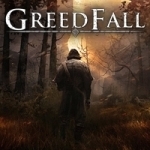


Greedfall the latest action-adventure roleplaying game from the folks at Spider and Focus Home Interactive is set in the far-off land of Teer Fradee where numerous factions vie for dominance over the continent (and its native inhabitants) while searching for an elusive cure for the Malichor, an insidious disease that threatens to wipe out the inhabitants. The story begins in the plague-ridden streets of Serene, where you immediately get a sense of what it must have been like in Europe while the black plague threatened to wipe out entire societies. You play the role of De Sardet, a young noble who sets sail for the new world in an effort to bring back a cure and assist his cousin who has taken over as the newly appointed governor. Using your skills of diplomacy, sword play, and stealth you’ll have to befriend not only the other factions, but the natives if you wish to bring a cure home.
Greedfall is a beautiful game, taking place in large expansive cities reminiscent of Paris or London in the 18th century and the lush forest landscape of Teer Fradee. Each character is costumed in what could only be considered French Musketeer and the island natives’ representative of what early European settlers in North America must have encountered. The sense of scale between the massive cities, and the vast expanse of the frontier provides a sense of openness that rival many other titles.
It’s this sense of openness however, where Greedfall initially stumbles. Much like games such as Dragon Age, the illusion of an open world environment is regularly halted by “invisible” walls that impede your progress. Looking through a small grove of trees you see your objective but are unable to pass through them directly. Instead, you must follow the path and climb a rock ledge to reach it. Several times while attempting to get to my highlighted objective, I’d get stuck on small bushes, or my path stopped by what should be easily passable brush. There are moments where it’s uncertain whether or not I could pass through the environment, so I’d have to refer to my map to see if that was the correct path, or I had to follow some other indirect route to get there. While this game style is hardly new (and had been common in the past until advancements in both computing power and storage space allowed for larger environments) the inconsistencies of what was passable and impassable lead to a bit more frustration then it should.
Combat is quick and easy to pick up with a light and heavy attack and a block or dodge for defense. Each successful attack also builds up your fury meter which allows for stronger strikes against enemy opponents. You and your opponents also benefit from armor and health attributes. Armor can help defend against health damage, but once the armor is depleted there is little standing between you and certain death at the end of a musket or blade. Numerous spells and potions can be used to buff up your character, cause elemental damage or provide quick healing when needed. Besides swords, maces and axes there are also an assortment of pistols and rifles for ranged attack. If you so choose, you can also create magic wielding warriors who can utilize spells and magic rings in combat as well. Various skill points can be added to your offensive and defensive capabilities that allows for stronger strikes, better mobility (unlocking the ability to roll away from danger is something that I highly recommend) and increase the length of spells.
The story and character voice acting is typically top notch, the one glaring exception to this was the accent used by the natives. As much as I hoped I would get used to it, the worse it tended to get. While creating an accent that is supposed to be unique to the people who share it should be applause worthy, it often felt forced and in most cases entirely TOO artificial. The cut scenes that are used throughout to further along the story are outstanding, and while the facial expressions generally left a lot to be desired, it didn’t detract too much from what was being said. The amount of voice acting and cut scenes puts it on par with far larger budget titles and outside of those few gripes feel they are done well overall.
Technically the game tends to suffer from some annoying and immersion breaking problems. While I played the game using a Nvidia GTX 2080 Super, there were times when the frame rates would drop from the typical 80+ on my ultra-wide screen down to 15 or 20. These slowdowns didn’t last long but seemed to come at times I wouldn’t have expected them. In my attempts to isolate them, I tried lowering a number of the graphical settings, but in most cases, it didn’t seem to have much effect. These have improved somewhat with the latest patches to the game, but still exist from time to time. There are also the random crashes to desktop for no reason at all, thankfully the game autosaves frequently enough (and allows you to manually save as often as you wish) that I never lost much progress when these occurred, but it’s something to be aware of. Characters and animals occasionally get stuck on the environment, I one time found myself stuck in a small hole that I should have easily been able to walk out of, and another time a large deer was stuck running in place next to a large rock. While these glitches didn’t cause any serious quest ending problems, they are just additional polish issues that still need to be worked out. As other reviewers have pointed out, there are some issues going from light to dark environments where it seems to take awhile for the lighting to adjust as it should.
Greedfall even with the inconsistent accents and technical difficulties is still an easy game to recommend for folks looking for a change of pace from the standard Dungeons and Dragons tropes. There is plenty of political intrigue and mysteries to unravel on Teer Fradee and no one faction that can be singled out as good or evil. Sacrifices have to be made when dealing with each faction and doing something for one will almost always cause a conflict with another. While the choices you make, do impact how others see you, they aren’t as world changing as they could have been. Greedfall is a long game easily 40+ hours depending on how many side quests you choose to complete on your search for a cure and it tells an interesting enough story to keep you engaged throughout.
What I liked: Interesting factions, Beautiful scenery, Unique setting
What I liked less: Invisible walls, Technical glitches, Inconsistent voice acting

Becs (244 KP) rated How NOT to Summon a Demon Lord in TV
Jul 22, 2019

Catching and Action-Packed!
TRIGGER WARNINGS: memory loss, anger issues, agoraphobia, graphic injuries, fat-shaming, body-shaming, forced marriage, incest, manipulation, toxic relationship, mind control, misogynistic language, slavery, torture, violence, executions
I was generally worried at whether this show was going to be good or if it was going to be one of those trashy anime's that are just 'alright'. I randomly put it on as I had just finished my hundredth re-watch of Vampire Knight and was shocked. This was crafted into a rather enjoyable story that had an amazing cast of main characters. There was silliness, softcore (ecchi) content, action, and adventure.
Throughout the show, there are scenes that are deemed inappropriate and the first episode contains one of those "whoa there" scenes. I wouldn't recommend watching if you don't want somewhat sexual scenes littered throughout the show. Besides those moments, How NOT to Summon a Demon Lord is pretty fun and an enjoyable series that fits with the genre of the show.
How NOT to Summon a Demon Lord captures the whole overpowered main character but balances it with a main character that has limits to his power. There is also the whole sense of danger to those that are close to the main character. The story is told really well and wraps up nicely, leaving the ending open so that if more seasons do end up getting made it would work perfectly with continuing the story on. But if this was the end, then it ended on a good note.
You won't see much of the modern world in the show except for the very beginning. The setting is set in a parallel fantasy world (isekai) where the main character is instantly sucked into a world similar to the game that he was playing. There isn't much connection between the game world and the modern world, but it really isn't an issue as it happened early on in the show.
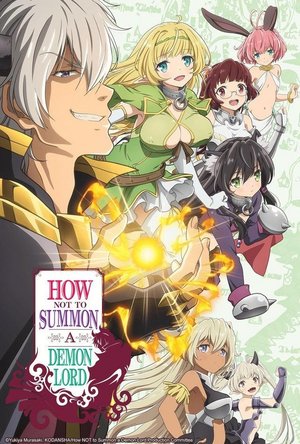
The show itself is about the main character, who plays an all-mighty powerful Demon Lord in a game in the modern world, but then gets physically summoned into this parallel fantasy world. The twist: the main character is actually stuck in the body of his character Diablo. The story follows a pretty typical plotline where the main character adapts to being in a new body, a new world, how he deals with his surroundings, and how he tackles the issues that arise.
The biggest plot point revolves around the two summoners: Rem and Shera. Each had their own reason for summoning Diablo and he even gets involved with those same issues, seeking to help them. It's insinuated incredibly well that these two young women are main characters alongside Diablo, but some issues arise. Like the slave collars that are around the women's necks should have been around Diablo's neck. The issues that these young women have are as weighty as the salve collars. Slavery is apparently legal in this world, but Diablo doesn't abuse his power and actually allows the women to do as they please, even going as far as forming a bond with both of them.
Overall, I enjoyed watching the story unfold and seeing the producers establish the difference between the modern world and the game that Diablo was experiencing. And even seeing Diablo overpower so many of the opponents he encountered throughout the world. I was entertained throughout every episode and ended up binging this in an entire night!
Generally, when you have a show like this, the characters have to carry a ton to really make the show good. In How NOT to Summon a Demon Lord, they do an exceptional job at portraying that. Diablo is a pretty solid main character, even being likable! The problem with action-packed shows like this with an overly powerful main character is that the character isn't likable and that makes the show rather boring. With this show, you do not get that vibe one bit. Diablo actually works because he's a generally nice guy at heart, never resorting to using his powers right away or even stop caring about whether or not he kills someone. His strength is evenly matched with his lack of communication and his heavy social anxiety. I mean, you get inside his head quite often and he uses both his brains and brawn to help in a rough spot, instead of just randomly firing about as most power main characters do. This really adds to the appeal of Diablo.
The other two main characters, Rem and Shera are two girls with their own reasons for summoning a powerful demon to aid them. Both are entertaining and even have their own backstories that really add to the story. Rem's backstory is a bit more emotional compared to Shera's but the watcher is able to emphasize with both excruciatingly well. Especially when all three main characters develop a sturdy friendship and gain the trust of the others. Shera is the glue that holds both Rem and Diablo together when they start doubting themselves.
There are a wide variety of antagonists and side characters that don't get a ton of focus, but they do help push the main cast and story along. These antagonists have their own goals and that causes serious conflict with the goals Diablo, Rem, and Shera have/want to do. But then there are also the side characters that are actually on the side of the three mains and do play important roles in various points of the story.
The art and visual effects were well down and it wasn't the same graphic scenes and spells as most anime's do. For instance, Diablo doesn't just spam the same spell over and over (like I do when I'm playing a game because I'm a button smasher haha) instead, he uses different attacks and spells for each occasion. The show doesn't shower blood around like it's rain *cough cough Game of Thrones cough cough*, but it does a good enough job letting the watcher know when someone gets hurt/ dies.
My final thoughts:
Overall, this was a well-done show that held the action and made the characters very likable, without rushing the story. There is comedy, action, magic, and a bit of a push on the boundary with softcore (ecchi) content but you get a good sense from the main characters and story that it's defiantly worth checking out.

Bob Mann (459 KP) rated Joker (2019) in Movies
Nov 10, 2019



Joachim Phoenix - Oscar winning performance? (1 more)
Look and feel of the film - technically brilliant
A loser's tale.
“Joker” has managed to stir up a whirlwind of controversy, centring partly around the level of violence included but also on the use of “that song” on the soundtrack. But putting aside that flurry of commentary, what of the film itself?
Man, this is a dark film! It’s as much of an anti-superhero film as this year’s “Brightburn“. The Batman legacy has addressed the mental state of the protagonists before (both that of the hero and the villains). Here we have a real study of how a mentally unstable no-hoper can be pushed over the edge by bigotry, carelessness and government cut-backs.
Indeed, there is something alarmingly prescient about the movie’s plot line, watching this as we (in the UK) are in the month of possible (or as Boris Johnson would say, definite) Brexit madness! “Is it me, or is it getting crazier out there?” Arthur Fleck muses to his social worker (Sharon Washington). And a rant by Arthur late on goes “Everybody just yells and screams at each other. Nobody’s civil anymore. Nobody thinks what it’s like to be the other guy. You think men like Thomas Wayne ever think what it’s like to be someone like me? To be somebody but themselves? They don’t. They think that we’ll just sit there and take it, like good little boys! That we won’t werewolf and go wild!” Chilling words as we possibly face a very bumpy October and November in the UK.
After reviewing “Judy” I wouldn’t be the least surprised if I’d just seen the Best Actress award bagged (by Renée Zellweger). Now, with “Joker”, surely Joachim Phoenix might bag his first (and well overdue in my book) Oscar. Although nominated before (for “Gladiator”, “Walk the Line” and “The Master”) he’s never won. Here Phoenix’s physical transformation into Arthur Fleck is SIMPLY EXTRAORDINARY. And the way he captures the (medically) induced fits of helpless laughter, ending in a sort of choking fit, is brilliant and replicated to a ‘T’ on multiple occasions.
I loved “You Were Never Really Here“, primarily due to Phoenix’s pitch-perfect performance. And “Joker” reminded me very much of Lynne Ramsey‘s film: a disturbed loner, looking after his elderly mother; with violence meted out to wrong-doers. Joe is almost the yin to Arthur Fleck’s yang: Joe is an invisible man who is very much present; Arthur is a very visible man who thinks he is invisible. There’s even comment by Fleck towards the end of the film that sometimes he thinks he’s ‘not really there at all’! (A deliberate ‘in’ joke in reference to that film?)
After some pretty piss-poor “pension grabs” in recent years, culminating in the appalling career- nadir of “Dirty Grandpa” in 2016, Robert De Niro comes good with a fine performance as the idolised but thoughtless and cruel talk-show host Murray Franklin. It’s very much a supporting role, but delivered with great aplomb.
Also great again is “Deadpool 2“‘s Zazie Beetz (a great trivia answer for an actor with three ‘z’s’ in the name). This angle of the story is deviously clever, and Zazie handles the various twists and turns brilliantly.
Movie violence needs to be taken in context to both the film’s story and to the movie’s certificate. For those expecting a light and fluffy “Avengers” style of movie, they might be shocked by what they see. True that the film definitely pushes the boundaries of what I think is acceptable in a UK15-certificate film. … I suspect there were HEATED discussions at the BBFC after this screening! The violence though seems comparable to some other 15’s I’ve seen: a DIY-store drill scene in “The Equalizer” comes to mind.
A particularly brutal scene is reminiscent of a climactic scene in “Once Upon a Time… in Hollywood“, such that Quentin Tarantino might have just cause to appeal his ‘UK18’ certificate.
You might argue about the level of violence that SHOULD be shown in a 15 certificate film. But I think the violence portrayed – given this is in the known context an origin story for a psychopathic killer – is appropriate. I personally found the Heath Ledger‘s Joker’s “pencil trick” scene in “The Dark Knight” more disturbing, given it was a 12 certificate.
I have less sympathy for the inclusion of “Rock and Roll Part 2” on the soundtrack. The fact that a convicted paedophile (I refuse to say his name) is profiting from the ticket sales is galling. This is almost deliberately courting controversy. There has been some view that this is a “traditional” chant song at US football matches (as “The Hey Song”). But most (all?) teams have now recognized the connection and stopped its use. At least here the director and producers should have more of a ‘world view’ on this.
Where “Hangover” director Todd Phillips does recover some of this respect is in the quality of the script (co-written with Scott Silver) and the direction. It’s misdirection without mis-direction! Some of the twists in the plot (no spoilers here!) I did not see coming, and certain aspects of the story (again no spoilers!) are left brilliantly (and chillingly) vague.
Sure, it borrows heavily in story-line and mood from Martin Scorsese‘s “Taxi Driver”. And I was also reminded of 1993’s Joel Schumacher flick “Falling Down” where Michael Douglas is an ordinary man pushed to the edge and beyond by a series of life’s trials. But if you want to criticise a film for “not being 100% original” then let’s start at the top of the 2019 IMDB listings and keep going! I’ve also seen comment from some that criticises the somewhat clunky overlay of the Batman back-story into the script. I also understand that view but I didn’t personally share it.
Elsewhere I would not be surprised if the movie gets garlanded with technical Oscar nominations aplenty come January. The cinematography, by Phillips-regular Lawrence Sher, is exquisite in setting the grimy 70’s tone. (I loved the retro Warner Brothers logo too). And both video and sound editing is top-notch. Not forgetting a sonorous cello-heavy soundtrack that perfectly suits the mood. Want to put a bet on which film might top the “number of Oscar nominations” list? This might not be a bad choice.
Dark and brooding, with a slow-burn start, this is a proper drama that might make action superhero fans fidgety. But I simply loved it, and would love to carve out the time to give it a re-watch. The Phoenix performance is extraordinary. Will this make my Top 10 of the year? Fingers to head, and pull the trigger…. it’s a no-brainer.

Piper (13 KP) rated Halloween (2018) in Movies
Nov 27, 2019

Strong Characters (3 more)
Clever Camerawork
Myers is Finally Threatening Again
Callbacks and Subversions
"You're The New Doctor Loomis" (3 more)
Plot Holes
Predictable
Too Much Off-Screen Action
Halloween: Predictably Unpredictable
Contains spoilers, click to show
After the nightmare of a film that was Rob Zombie’s 2007 remake, I refused to bother seeing the new Halloween on its release, choosing instead to pick up a DVD when the price got knocked down significantly enough - after all, we’ve had sixty-three Halloween films now and only half of them were worth watching (really, Season of the Witch?) and this looked, in all honesty, like just another slasher-film-reboot that wasn’t worth the time. Now don’t get me wrong, it absolutely was just another slasher film, but I wish I’d seen it in the cinema. And a year earlier than I did, too, because I missed out big-time with this one.
The plot is predictable, because of course it is. It’s Michael Myers, what’s he going to do except escape from a mental institution and murder some people? But it’s beautifully subverted; some of the characters you might expect to last till the end die before the halfway mark, and while there are a fair amount who are clearly written in just to be killed minutes later, they contribute to some fine, gory moments, so it’s kind of okay. There’s no real heartbreaker here - everyone you really rooted for just about makes it, and everyone that was kind of a dick is killed. And that’s fine, because in a way this isn’t the kind of slasher where it matters who lives or dies. This is a film about preserving a legacy, or perhaps just making one, and it works. We’re told fairly early on that this is a direct sequel to the original Halloween (Myers’ death toll at the start of this version, apparently, is five, which matches the amount of kills he made in the first movie - as far as I’m aware, Myers has actually killed over 100 people in all the films combined, so this is a nice subtle way of telling us what to remember and what to ignore completely). Having said that, references are made throughout to previous films, the best of which is of course a callback to the infamous scene where Myers tumbles out of a window only for his body to completely disappear - this time it’s Laurie Strode who does the tumbling, and she very much intends to do a little vanishing act of her own, Michael, so keep an eye on - oh, no, you looked away, I wonder what’s happening down there!
Focusing on Laurie for a moment, Jamie Lee Curtis does an absolutely excellent job here. Age has given her character wisdom, paranoia, and a whole lot of guns, and the acting carries a huge amount of weight and strength with it. Having said that, there are a couple of moments where all of Laurie’s fear-induced calculations don’t seem to have quite worked out - why bother going to such extreme measures to protect your house, if the front door you’re standing behind is half glass? But that’s the thing about this movie - whatever you plan for, whatever you think Michael Myers is capable of, he’s stronger than you think, he’s far more terrifying than you remember, and right until the end, he’s here to remind you that nothing you can plan for will ever be enough. Of course, we never actually see him die (again) so here’s looking forward to the next sequel…
The cinematography is something to at least wonder over - settings and locations are used well and established with some wonderful wide shots, and some of the best scenes are those where the camera just stays in one place, at a very carefully-selected window for example, and watches. Two scenes are worth a particular mention; the first, in which we follow our two podcast-host characters to a gas station, seems fairly dull until Myers catches up to them, but if you watch the background carefully enough you’ll see he’s there all along, beating people up and murdering quite happily (swapping his prison jumpsuit for those traditional blues in the process). The second seems a little superficial, in the grand scheme of the movie, but it’s well-shot nonetheless - we watch, from that aforementioned window, as a woman hears about all the nasty things Michael might do, and of course we can see him through another window, heading for her front door, and when he finally appears inside the house he’s all the way across the room, somehow, and he calmly wanders on over and stabs the woman quite coolly through the throat, in a scene which I think is most reminiscent of the original films.
However, there are moments when you don’t see Michael at all, just the aftermath, or where we watch him enter a room and are forced to linger in the corridor while he does the dirty work. A couple of times that’s just fine, but considering the nature of the film it would be nice to watch the magic happen a couple more times. And while we’re on the negatives, I might mention that the reveal that the Doctor Loomis-type character who looked, felt, and sounded like a rip-off of Doctor Loomis, and was even referred to as “The New Doctor Loomis” did EXACTLY the same thing that Doctor Loomis did, surprise, and we were somehow expected to not see that coming like it was all one big, obvious, heavy-handed bluff. A couple of the other characters, too, felt like they were purely rammed in there to be irritating - there were a couple of strong scenes with our podcast hosts, but ultimately they were rude, on-the-nose and annoyingly egotistical, and I was happy to see them go, just like Alison’s friend Foggy Nelson.
The score, incidentally, is worth mentioning, from a haunting retune of the original Myers theme to darker and more dramatic variations on it later on that really would have been quite something to hear in surround-sound. I’m never usually one to appreciate the music of a film quite fully enough, so it was nice to have this grab my attention in quite the way it did. Overall, it’s a genuinely good follow-on that takes the best of the films before and makes the best use of the worst of them. Some of the characters might be a little annoying, some of the action could have translated better on-screen than off, but it was an honest and straight-up slasher film and it just wasn’t that bad at all.

Matt Geiger (15 KP) rated Da 5 Bloods (2020) in Movies
Jun 27, 2020
Da 5 Bloods: Spike Lee Asks Us "What's Going On?"
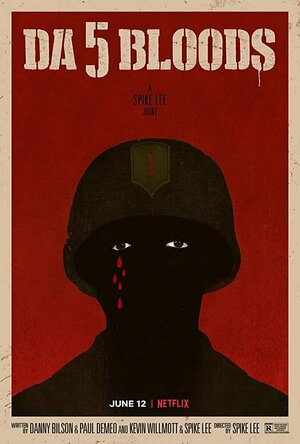
Spike Lee could not have possibly known that current events and major progresses made in the Black Lives Matter movement would more than likely affect the way audiences perceive Da 5 Bloods, but it’s these developments that, for all of the film’s flaws, imbue it with a sense of urgency befitting of Lee’s filmmaking talents and the beliefs that his filmography has been expounding for decades. In the process of expressing such powerful statements, Lee, in turn, provides a long-overdue voice for the African American experience in the Vietnam War, a conflict that has been portrayed in popular film for about as long as it has been over, and yet strangely, has not been properly balanced in its representation of those who made up the largest percentage of those who served in it.
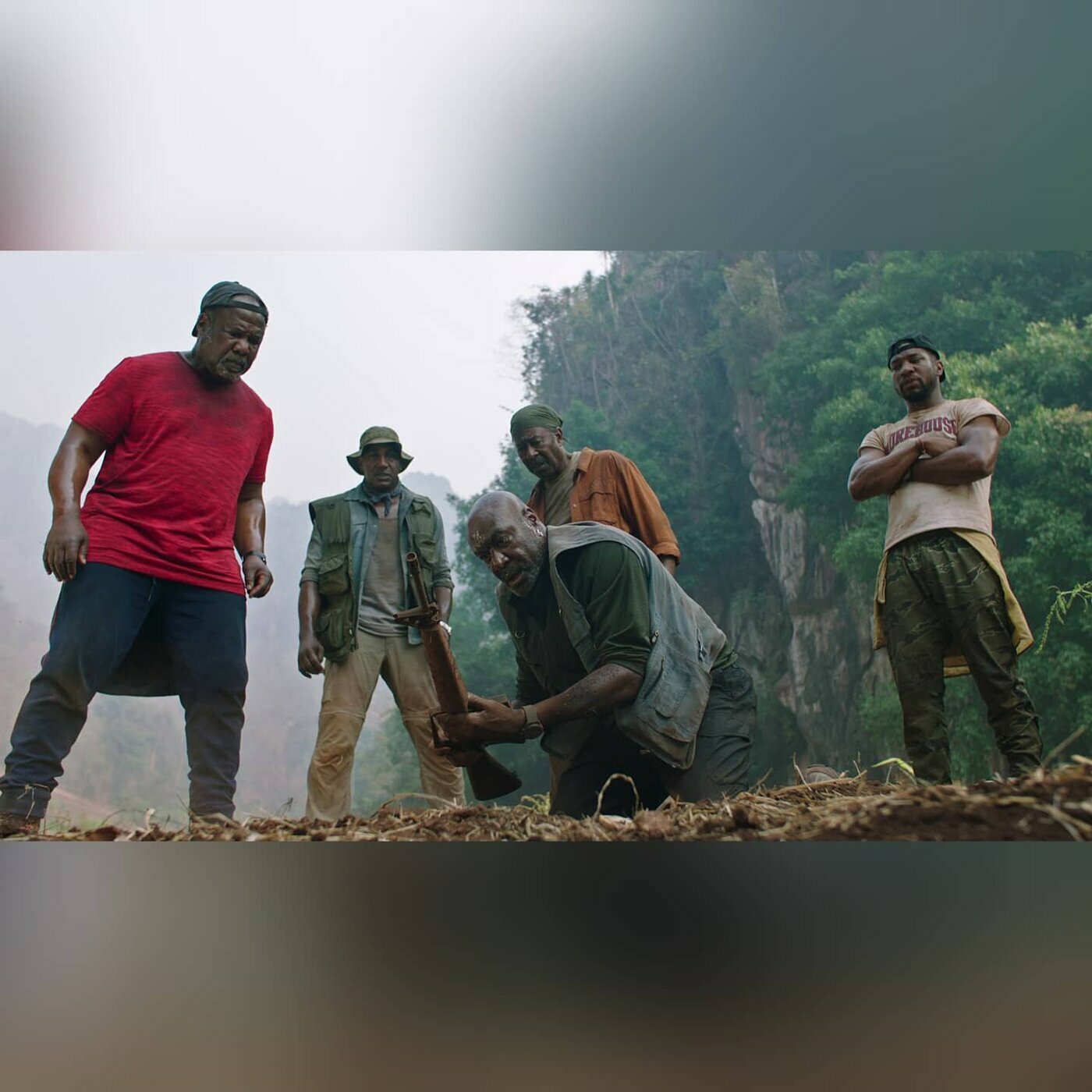
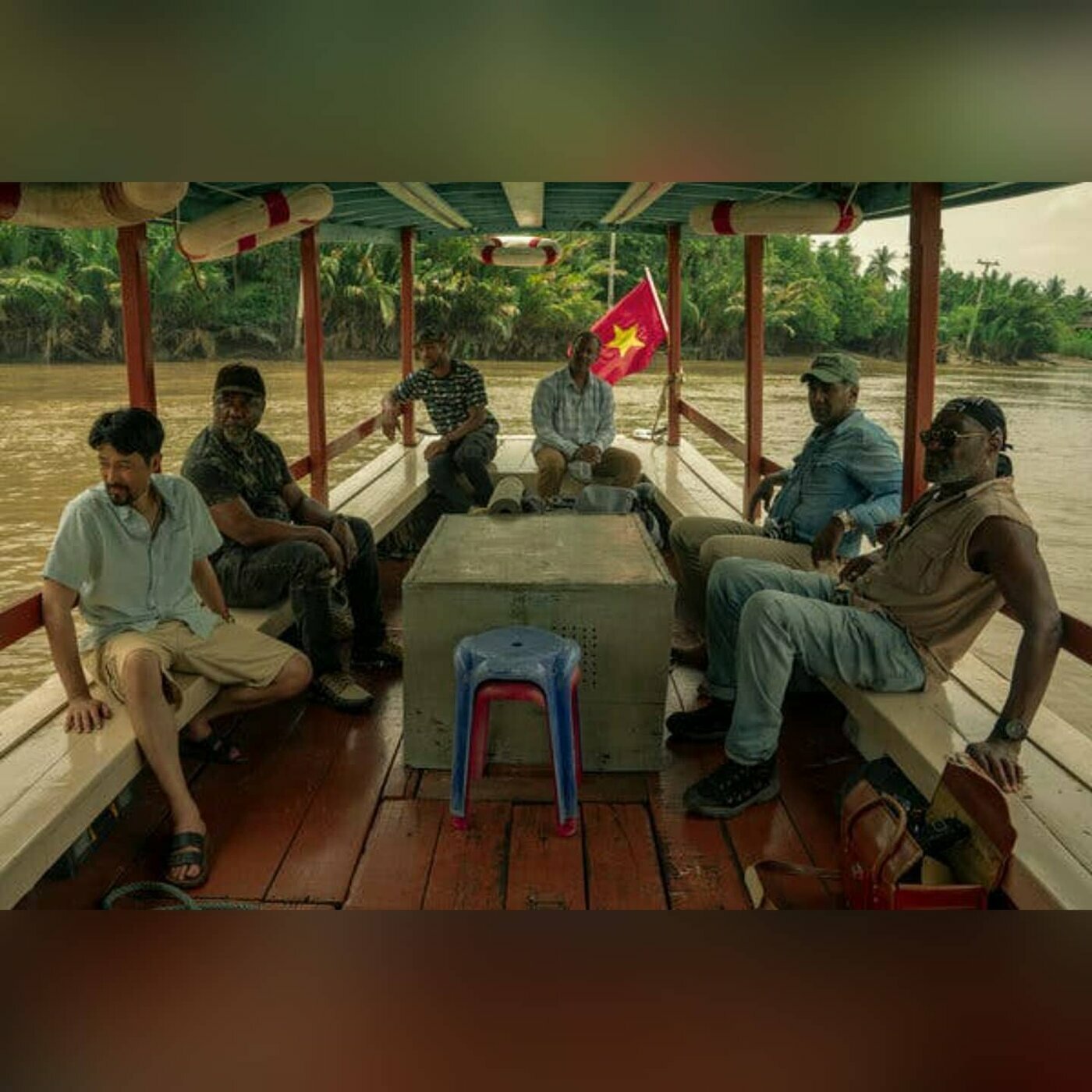
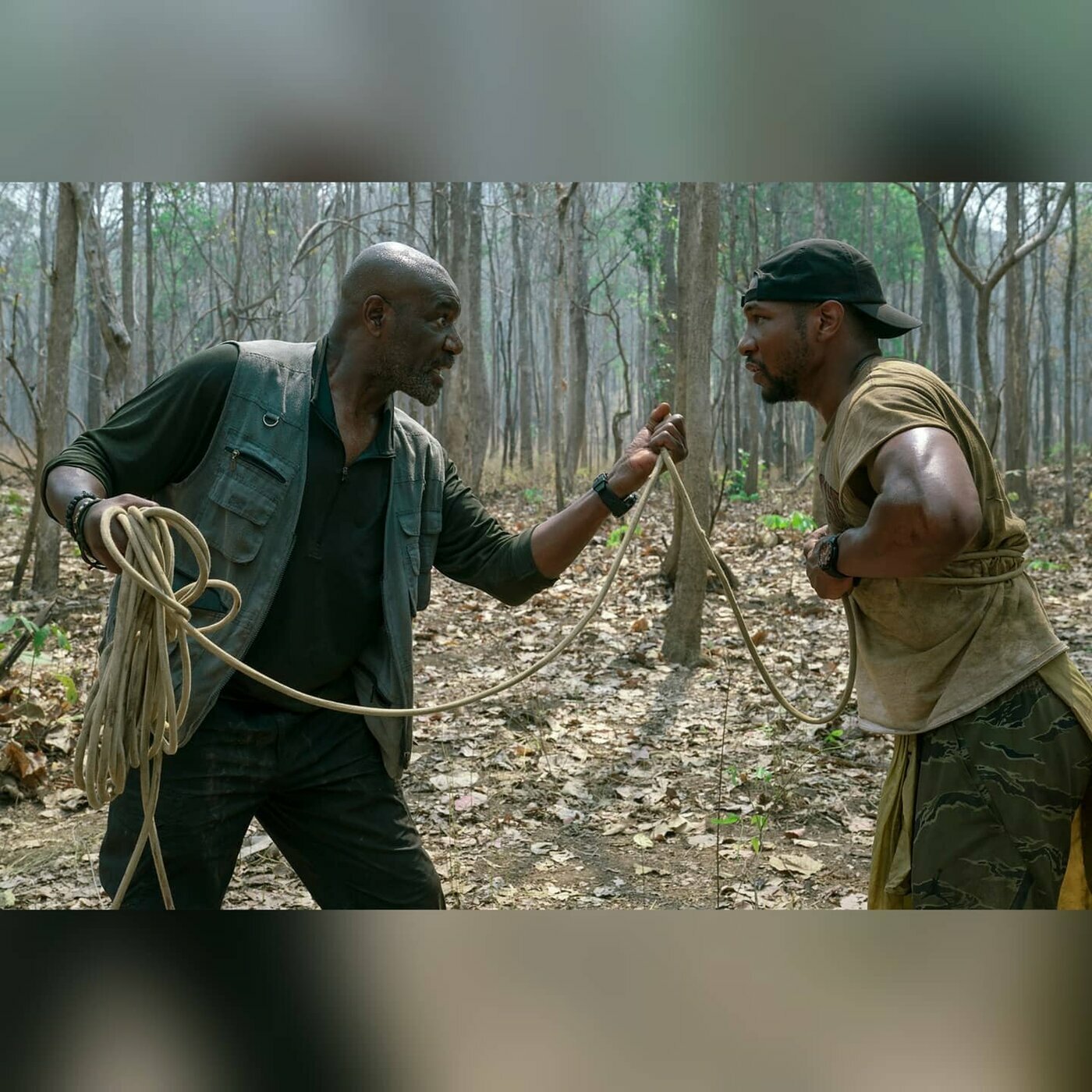
Continuing Lee’s trend of fusing the past and present together to show that things are definitely still yet to change, Da 5 Bloods finds four African American veterans returning to Vietnam to search for the remains of their commanding officer, “Stormin’” Norman (Chadwick Boseman), and the stash of gold that they found and collectively buried, gold that was initially offered to the indigenous Southern Vietnamese by the CIA as payment for their support of US troops, but taken by the “Bloods” as compensation for their needless sacrifices for a country that has never given them the treatment they deserve despite the fact that they played a pivotal role in helping to make it what it is today. The ultimate goal is nothing that hasn’t been depicted before, but the controversy of the Vietnam War and the experience of combat and violence spills over into today; some of the film’s most striking messages are effectively relayed through a handful of very committed performances from the well-casted ensemble, with Delroy Lindo serving as the beating emotional heart of the film. It’s a career-defining showcase for Lindo, who, as the PTSD-stricken Trump supporter Paul, carries the most weight on his shoulders. He wrestles with personal demons and survivor’s guilt for more than half of his life because of the choices he made during his time in the service, time he and the other Bloods couldn’t avoid because, unlike the privileged white men of America, they were not given the same opportunities to dodge the draft. The disenfranchisement and aimlessness that Lindo merely alludes to through his heart-wrenching performance provides the foundation for the complicated relationship Paul shares with his estranged son, David (Jonathan Majors in the film’s other award-worthy performance), who tags along for the ride in an effort to heal old wounds and bury a deeply-lodged hatchet.
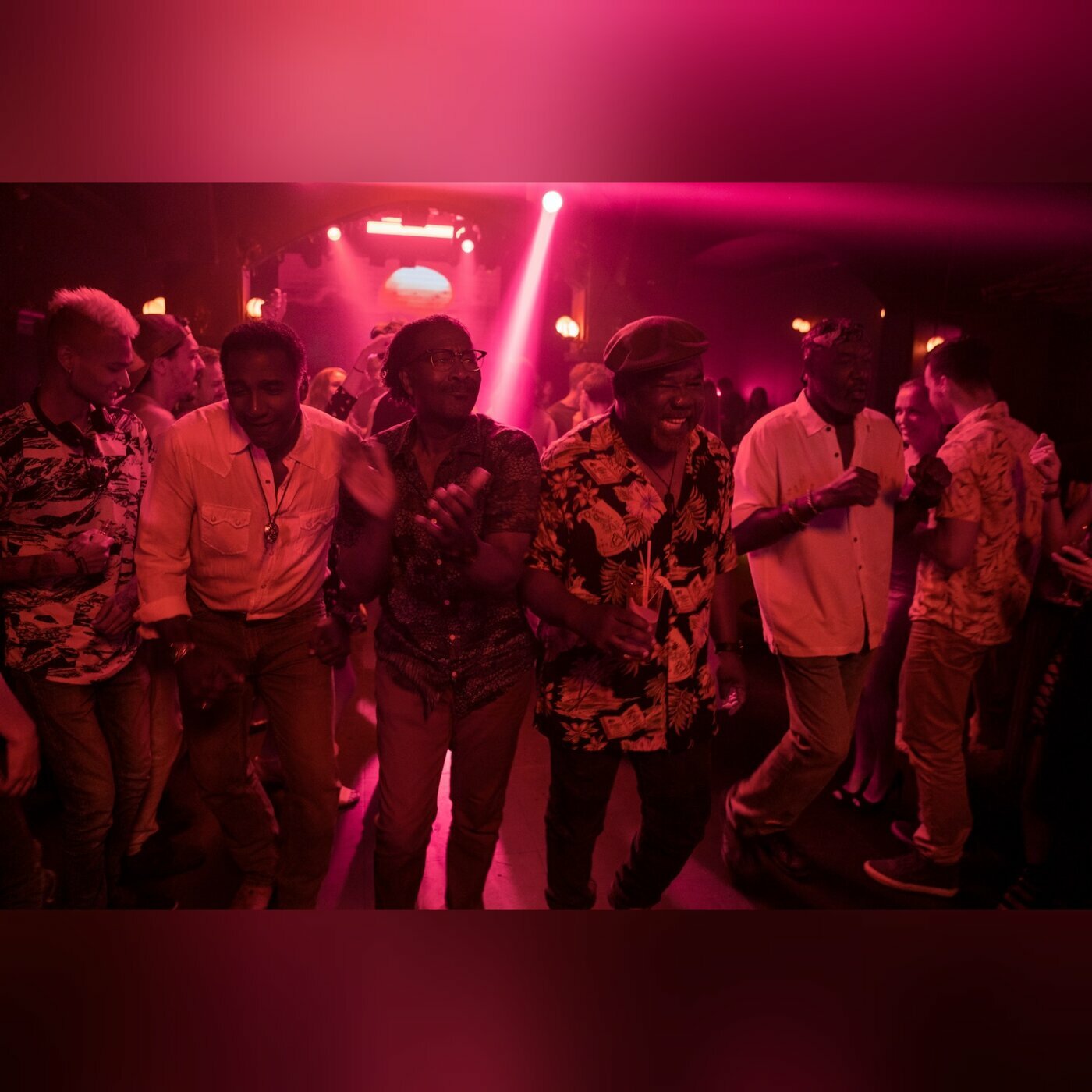
The natural chemistry Lindo shares with the other Bloods (Clarke Peters, Norm Lewis, and Isiah Whitlock, Jr.) is palpable in both the past and present, which blend into one as the screen slides from one aspect ratio to another, shifting from flashbacks of one wartorn world to the present day, in which we find ourselves fighting a different, yet altogether similar kind of war. That these changes in aspect ratios never appear as visually perceived cuts is simply another one of the ways in which Spike Lee seamlessly reminds us that then and now are cut from the same cloth, complete with the same heart-wrenching tragedies that give way to the camaraderie that is necessary to ensure that the proper names get written back into history where they belong. How the four vets are visually represented in their recollections of their commander, which are stripped of the psychedelic imagery associated with previous Vietnam War films in order to cut deeper into understanding what the Bloods’ place in Vietnam is supposed to mean (if it means anything at all), further adds to Lee’s ability to find the haunting parallels between the two time periods that comprise the film.
Spike Lee gets at so many unique and timely concepts that seem perfectly applicable to what’s going on in the world, but where he stumbles is how he goes about explicating these ideas. As a storyteller, Lee is at his best when his narratives gradually develop at a reasonably decisive pace until the tension is fully amplified by the story’s climactic boiling point, at which point there’s no turning back. Such was the nature of Do the Right Thing and, more recently, BlacKkKlansman. The same cannot entirely be said for Da 5 Bloods, which struggles to find a consistent pace and tone during its first act, in which it tries to introduce all of the central ideas at once, along with some unnecessary side stories that carry little to no weight in comparison to the central task and are ultimately resolved in schmaltzy, unsatisfying ways. Moreover, while investment in the film can be maintained throughout, too often is this investment reinforced by the unnecessary moments that serve as detriments to the sequences of dramatic consequence and just might take you out of the story, causing you to restart your investment. Every act has at least one of these moments, with the final result unfortunately falling short of the expectations of some of the genres that are molded into the Bloods’ journey through the Vietnamese jungle. The overtly patriotic and quite distracting score from Terence Blanchard (regardless of whether or not its inclusion was intended as irony) does not help the matter, with many of the best scenes occurring either in silence or alongside the soulful tracks of Marvin Gaye’s What’s Going On album.
Even when Spike Lee stumbles in the execution of his argument, what ultimately matters is the argument itself; while the film begins and ends rather heavy-handedly, telling the viewer things they are bound to already know and incorporating footage that doesn’t need to be there for the point to get across, the sacrifices that Lee chooses to detail and their ramifications for the state of our country to today give the film a degree of value at a time like this, and he is the only director who could bring these issues to the forefront in such an entertaining way. It may not be as good or accessible as his best work, but the calls to action that he has long been affiliated with echo through jungles and cities in equal measure.
What did you guys think of Da 5 Bloods? Agree? Disagree?


Purple Phoenix Games (2266 KP) rated Posthuman in Tabletop Games
Aug 25, 2021
So many storytellers have attempted to predict, or at least depict, the future of humanity. Many assert that a cataclysmic event will trigger some dark post-apocalyptic culture of humanity’s last breath on Earth. Others would have us fleeing to the stars to colonize and begin our species anew. But what if the former was correct and instead of becoming X-Men humans would rapidly mutate and become… something else entirely?
Posthuman is set in that dark post-apocalyptic horrorscape and is an exploration adventure game with character upgrading and dice-driven combat. The twist here is that humans are trying to escape the mutant creatures to The Fortress, a safe haven for all, but once infected may turn mutant and also turn on the party to prevent that glorious end. In this review, however, I will be playing through the solo rules, and they do not have players turning into mutants during the game. Bummer, eh?
DISCLAIMER: We are using the Kickstarter Deluxe version of the game. We do have the Defiant expansion from the KS campaign, but will not be using it for this review (I don’t think). Also, we do not intend to cover every single rule included in the rule book, but will describe the overall game flow and major rule set so that our readers may get a sense of how the game plays. For more in depth rules, you may purchase a copy from the publisher directly or from your FLGS. -T
To setup consult the rulebook, as there are so many decks of cards and character setup steps that need to happen that I just cannot detail here. Once setup your play area will look something like the photo below. Once setup is complete you are ready to begin your journey to The Fortress.
Posthuman is played over a series of rounds until the player wins or loses. The only way to win is to enter The Fortress before the Event deck runs out, and obviously the only way to lose is to run the Event deck out of cards or become a mutant by suffering five scars.
A round consists of several phases. The first phase is Event Resolution. The player will flip the top Event card and resolve its text. These Events could be a one-shot bad (or good) thing for the player, or may be an ongoing Seasonal Event that will stay in play until another Seasonal Event is drawn.
After the Events, characters will need to Eat to survive. Characters will be able to forage for food in a subsequent phase, but know that food is very important and if characters go too long without eating they will be suffering penalties of their Health and Morale.
Once fed (or starved, I suppose), the player will Declare an Action from the following: Camp, Forage, Scout, or Move (in multiplayer there is an additional action as well). To Camp players will forego any other action to heal their character. When a character Forages they will flip the current tile’s marker to show it may no longer be foraged and draw a Supplies card to see what supplies they will be able to gather. These could be more food tokens, ammo, equipment or weapons. To Scout a character will draw terrain tiles equal to the number of exits shown on their current terrain tile. The player will place the tiles however they want and this will provide insight into future locations and what they may hold. Lastly a player may Move into a connected terrain tile and begin having encounters upon it.
Most of the action in Posthuman comes as a result of having encounters on terrain tiles. Depending on where the character meeple is located on the Central Board track encounters will be drawn from the level one, two, or three decks and encountered immediately. Most of the encounters are combats, and I could write another whole post on combat, but I will spare you the details and merely say that combat is very involved and encompasses many steps to resolve. At the end of the combat a character may receive the encountered creature card as a VP trophy to be spent later on upgrades. The VP card may also instruct the player to move the meeple one space closer to The Fortress on the Central Board track. The other type of encounter card presents choices for the player to make or stat tests to overcome via die rolls.
Play continues in this fashion until the player wins by reaching The Fortress, or by losing to the forces set against them.
Components. This box is chock FULL of components and they are all super high-quality and enjoyable to play with. I do have a couple issues with some bits. Firstly, the player boards are quite small, and the tracking cubes are not meant for big meaty paws at all. Similarly, the tracking chits to be used for stats on the player board are flimsy and don’t really stay in place too well. Also the game comes with two different shades of gray player meeple colors and NOT a purple option. Shame! Shame! Shame!
When all is said and done Posthuman delivers an exciting experience on the table for a solo player and indulges the player’s need to roll dice on the regular. Just me? Didn’t think so. The combat is great, but I found myself discarding more enemies than defeating in some games and that is quite annoying. One game I refused to Scout at all and that totally bit me in the booty. So Scout, y’all.
Just know that playing this solo is NOT a cakewalk at all. I watched a playthrough video where the host won the game but nearly every roll of the die was favorable and every combat successful. Even still, she nearly ran out of time and lost the game. So games really can come down to the wire. Now, I haven’t really gotten very close to winning yet, but my day is coming!
I like this one a lot, and will certainly be going back to it for my solo plays. I have been playing some really great solo games lately, and I am very thankful for that. Posthuman, however, I don’t think will get much multiplayer action at my house. The rules are plentiful and the people I normally game with do not enjoy rules-heavy games. Similarly, I don’t think the theme is for everyone. I dig it, but different strokes and all. If you are in the market for a new (to you) game that can be played solo or multiplayer with an interesting theme and is pretty difficult, look up Posthuman. Just stay away from the mutants. These do NOT want to recruit you to their school for gifted people.


Purple Phoenix Games (2266 KP) rated Blue Moon City in Tabletop Games
Aug 27, 2021
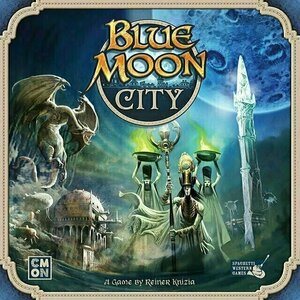
Ahh Blue Moon. Delicious on a hot Summer day night. Hefeweizen is my favorite type of beer, but most places do not serve my all-time fave Hefe: Paulaner Hefe-Weizen. If you haven’t yet tried it, you must. I’m no snob or anything, so I’ll take the Blue Moon when I can’t have the Paulaner, but I wanted you all to know my tastes. So when I heard about a game that was all about a city named after a beer I enjoy (but only with an orange slice) I had to try it. Did it live up to my expectations or did it- wait, this game isn’t about beer? Why the heck did I-
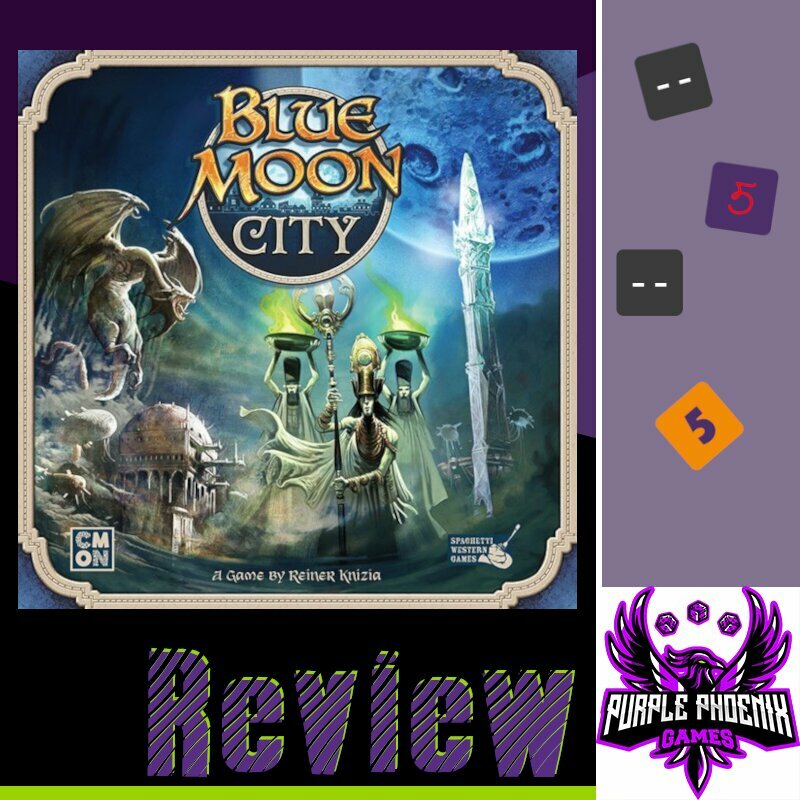
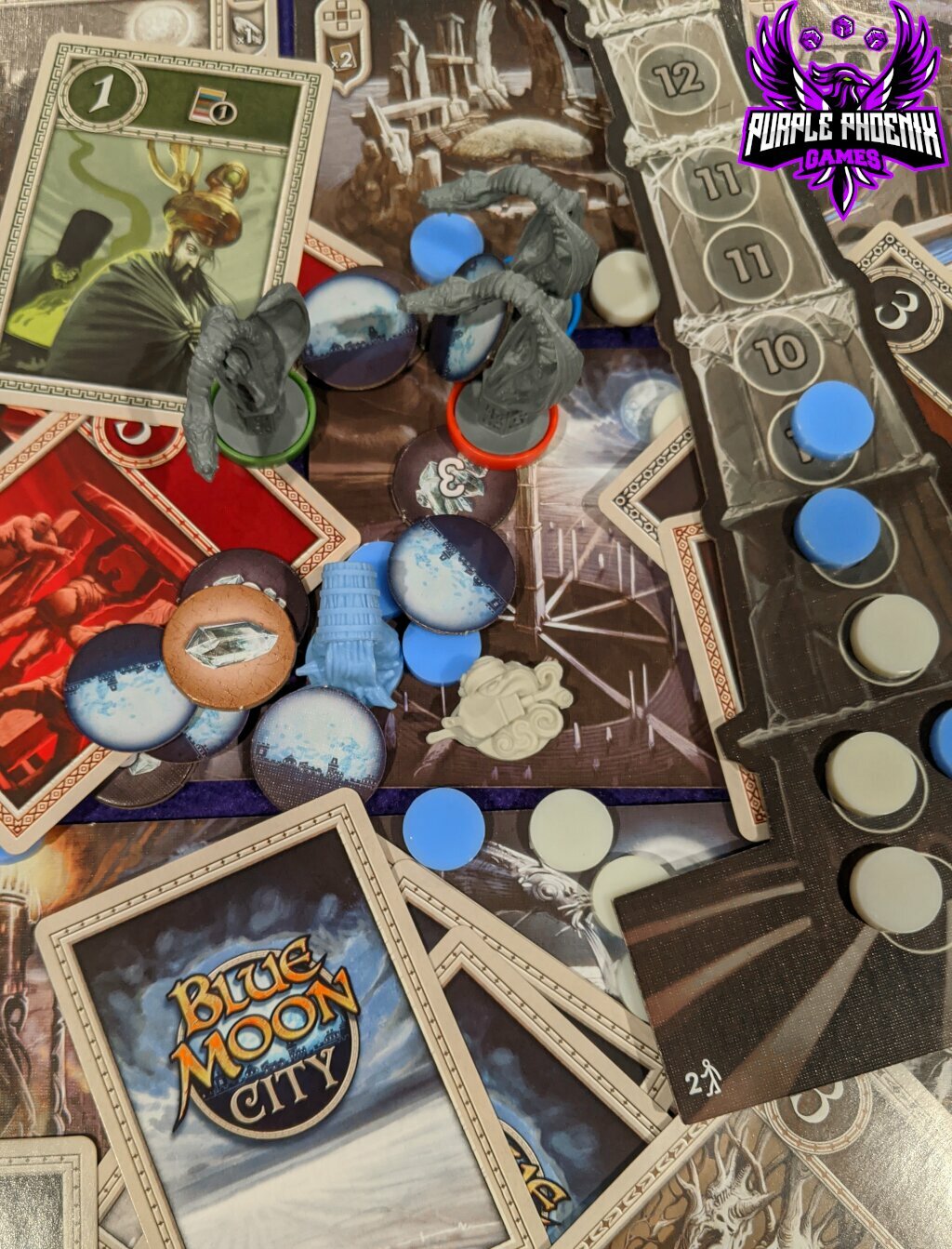
Blue Moon City is a fantasy-set, hand management, set collection, city rebuilding game for two to four players. In it players are attempting to help reconstruct the war-ravaged Blue Moon City to its former glory by utilizing its citizens at crucial construction sites in order to earn crystals. It sounds weird, and it is, but read further to understand why. Oh and there are dragons that act like supervisors or teachers when they come stand by you to watch you take a test and judge you from behind the whole time.
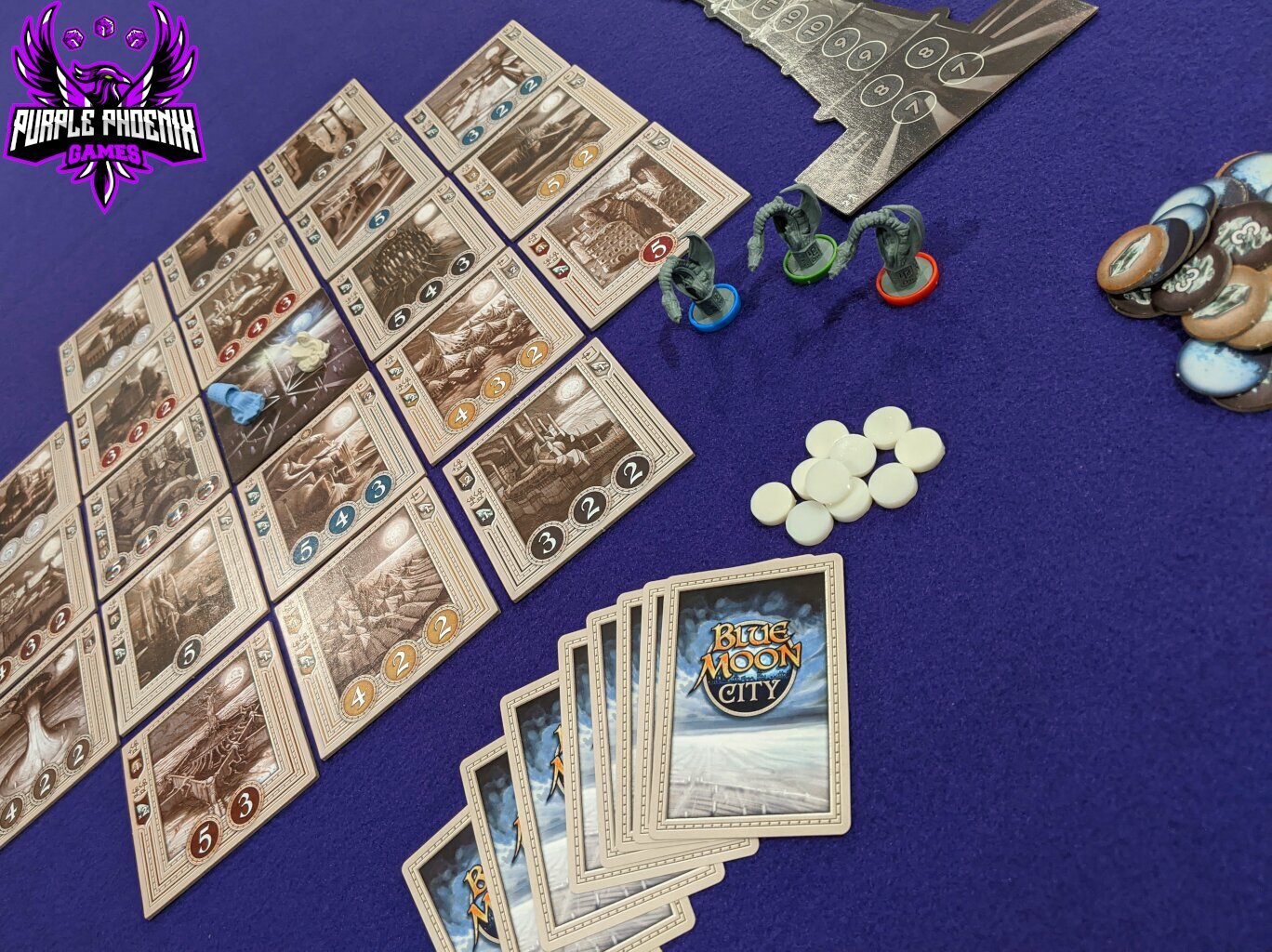
To setup, place the Courtyard tile in the middle of the table and build the city in a 5×5 grid minus the corner tiles. Each player chooses their color and takes the mini and discs of that color. Place the dragons nearby, along with the Obelisk token, draw deck of cards, crystal chits, and dragon scale chits. Deal each player a hand of eight cards and the game may begin!
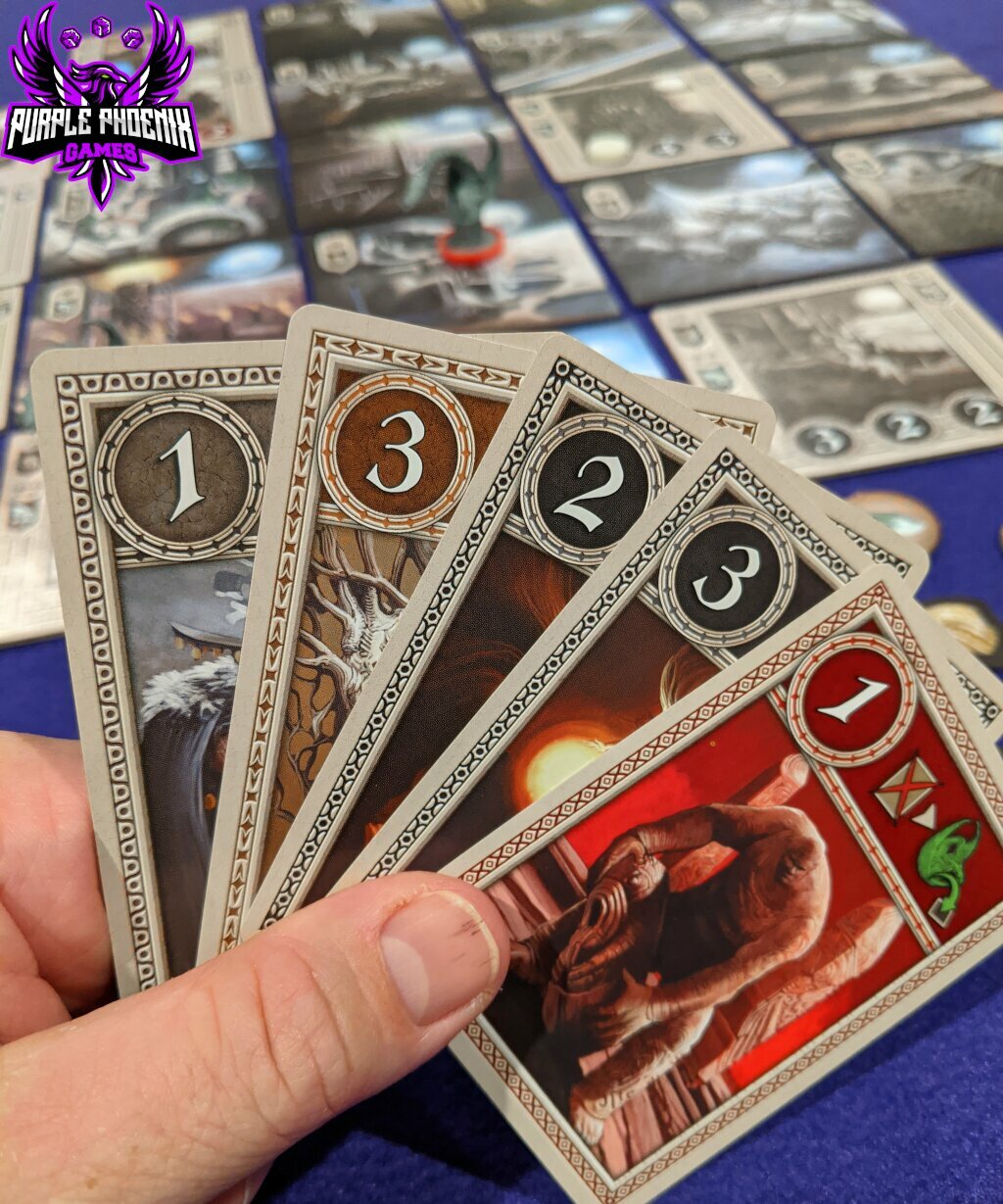
Blue Moon City is played over a series of turns, and each turn is divided into four phases: Movement, Contribution, Reset, Pass Turn. During the optional Movement phase, a player may move their pawn one to two orthagonal spaces (N/E/S/W) or use cards from their hand for their special movement powers for player pawn AND/OR dragon movement.
Next, a player may discard cards from their hand to contribute to the reconstruction of a building during this optional Contribution phase. By discarding a number of cards whose values equal or exceed the printed value on the matching-colored building tile a player will be able to place a disc upon the tile. Once the tile’s contribution spaces have been filled with discs it can be scored. To score a building tile, determine majority presence on the tile and award the Majority Bonus to that player. Any disc presence in minority will receive the Construction Bonus, including the majority winner. If a player had contributed on a tile that also was hosting a dragon mini, that player would earn a dragon scale from said dragon supervisor. Players may also make their way back to the Courtyard tile in order to donate crystals to the Obelisk. Doing so will allow the player to place one of their discs on the Obelisk itself, and the game ends when a player has placed the proper number of discs upon the Obelisk per the number of players.
When the pile of dragon scale tokens has been exhausted, players will check who currently holds the majority of scales. They will be awarded with six crystals, and any player holding three or more will receive three crystals. Turn all the dragon scales back into the supply to be earned again.
During the Reset phase a player may discard any number of cards from their hand and draw back as many cards plus two. So if a player discards zero cards from hand they would still draw two from the deck. Discarded four cards? Well redraw six.
Finally the active player will Pass Turn to the player on their left, who will complete their turn of the same four phases.
Play continues in this fashion until one player has placed the target number of discs on the Obelisk token to claim victory and dragon approval!
Components. Okay, this is a tough one because overall I love the components in the game. The dragons and player pawns are cool minis (from CMON that just makes sense). The Obelisk token is huge and I love how it looks. The art overall is really creepy, but well done, and enjoyable to behold. The player discs, though poo-pooed by other more-renowned reviewers, I find to be just fine. They are a smooth plastic in the player color and I have no problems with their quality. But speaking of colors… I agree with others that have stated the colors of some cards (or suits, if you prefer) should have been made a different color. What I mean is that the game is very greige-heavy throughout. The card suits (except the red, yellow, and blue) are a variation of the same greige that makes eyes strain to determine exactly which color they are holding. I understand that a certain aesthetic was targeted, and they certainly achieved that, but these colors do make it more difficult to play, especially for us that are starting to over-ripen with age.
Those component gripes aside, this is an incredible game. The color choices aside, I love everything about it! The movement from tile to tile, and trying to align movement with the cards in hand and keeping some back so that you can use them to move the dragon to your spot as well is just fun mental exercise. Each value 1 and 2 card has a special ability, be it movement bonuses, changing other cards’ colors, or just being straight up wild cards, and having to choose to use the cards as either the special power or for contribution values creates tons of crunchy gamer choices. Not super-crunchy. Turns won’t be mentally debated for 10 minutes, but deciding how best to use the hand of cards you hold is great.
I also very much enjoy the theme of the game, even though I was hoodwinked by the title (not really, just trying to tie it all back). I love fantasy worlds and having a unique theme is a definite plus for me. I haven’t yet thrown in the expansion tiles, but I will the next time I play. If you need a relatively quick-playing jaunt through a ravaged city, I recommend you check out Blue Moon City. Purple Phoenix Games give it a 10 / 12. It has nothing to do with beer, which would be another great theme idea – drunken dragons – but I will be holding onto this one for quite a while.
Bob Mann (459 KP) rated Wonder Woman (2017) in Movies
Sep 29, 2021
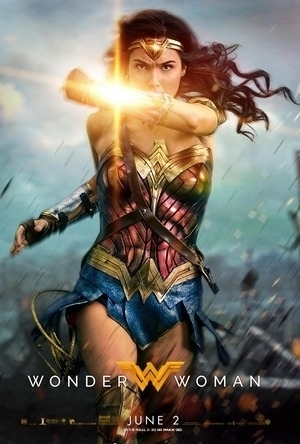
“What first attracted you Dr Mann to the movie with the scantily-clad Amazonians?”
Amazonians deliver! And how. The much anticipated new Wonder Woman movie is with us, and for once the film lives up to the wall-to-wall marketing hype.
With a heavy dose of mythology, Diana is growing up as the cossetted daughter of Hippolyta (Connie Nielsen, “Gladiator”), the Queen of the Amazons, on the hidden paradise island of Themyscira. Trained up as a warrior by Hippolyta’s sister, General Antiope (Robin Wright of “House of Cards”), Diana is clearly something special. Her ego is reinforced by the knowledge that she was made of clay with life breathed into her by the God Zeus. It’s enough to turn a girl’s head!
It’s 1917 and the man-free paradise is shaken up when an American spy by the name of Steve Trevor (Chris Pine, “Star Trek: Beyond“) crash-lands in the waters off Themyscira. (And yes… you didn’t mishear me… this film genuinely features a hero with both the names “Steve” and ‘Trevor”). Prince Eric – no, sorry, wrong film – is saved and awakened on the beach by Diana as the others arrive. “Thank God!”, say the Amazonians. “At last, someone to process the 200 year backlog of washing and ironing”!
But Steve (an “above average specimen”, LOL) is not long for paradise as he needs to return to the war with the results of his spy-work: a chemistry book stolen from the gorgeously deformed Dr Maru (Elena Anaya), gas-developer for the evil General Ludendorff (Danny Huston). Seeing Ludendorff to be her God-like nemesis Ares, Diana returns with Steve to the WW1 battlefields with the intent of killing the God of War and so ending the ‘war to end all wars’.
Much ‘fish out of water’ fun is had with Diana meeting civilised London society, although perhaps this section of the film doesn’t quite live up to its full potential: having ice cream for the first time, without any sign of surprise, all she can come up with is an amusing but rather lame “You must be very proud”.
But where the film really accelerates into awesomeness is when Diana reaches ‘The Front’. She emerges from the trenches like some shimmering vision of hotness, to set male and lesbian hearts a flutter. Its the most memorable trench-exit since the finale of “Black Adder 4”, and the subsequent scenes of Diana single-handedly facing the German guns is for me one of the most compelling and enjoyable scenes in any recent DC or Marvel movie.
Holding all this together is the ex-Israeli army-trainer Gal Gadot in the title role. And man oh man, what a Gal! Statuesque, athletic but also sweet, charming and emotionally fragile she completely owns this role from beginning to end. Gadot made a memorable entry in the otherwise poor “Batman v Superman: Dawn of Justice” (#marthagate #neverforget #neverforgive) but nothing prepares you for just how great she is in this outing. In fact, I’ll go as far as saying that this film, although having a UK 12 certificate, is a film of immense danger to heterosexual teenagers of any age (#humor):
All boys will be cast into a lifetime of misery, never able to find a woman that can possibly live up to the impossibly perfect vision of Diana Prince, tearing up the German army with fists and whip!;
All girls WILL BECOME LESBIANS AFTER WATCHING THIS FILM!
Parents: you have been warned! 🙂
Chris Pine – the thinking women’s Chris Pratt – once again proves himself as a talented actor who manages to successfully morph to inhabit the role he plays. Much as he did in the excellent “Hell or High Water“, not once did I equate him to be James Tiberius Kirk after the first 5 minutes.
Effective in supporting roles are David Thewlis (“Harry Potter”) as a ‘helpful’ army bod and an almost unrecognisable Lucy Davis (“The Office”) as Etta, Steve’s comedic secretary. Steve’s rather unlikely sidekicks of Sameer (Said Taghmaoui, “American Hustle“), Charlie (Ewen Bremner, “Trainspotting”) and ‘The Chief’ (Eugene Brave Rock “The Revenant“) all rather fade into the woodwork by comparison.
I saw the film in 3D (“careful now… you could take an eye out with those things”) and very good it was too. Aside from some rather unnecessary Amazonian arrows, its never feels overdone, and elements of it were extremely effective.
Another star of the show is the superb Wonder Woman theme by Hans Zimmer, here rolled out by the film’s composer Rupert Gregson-Williams (“Hacksaw Ridge“). Unfortunately, the rest of the soundtrack is not particularly memorable.
The film shifts into more traditional yawn-worthy ‘superhero finale’ mode in the last twenty minutes, which is a bit of a shame. It’s also really curious that for such a sexually charged film there is an almost complete absence of ‘lurrve’ on show. The one love scene coquettishly fades to a view of the outside window. Was this to protect the film’s family friendly rating (probably) or that the director didn’t want to show her heroine in a remotely submissive position (possibly)? More frustratingly, the morning after there is no mention of it at all! (“Move along, nothing to see here”). I at least wanted some sort of recognition that a human/God liaison had taken place: Steve grimacing a bit when he sits down; or Diana on the blower to Themyscira saying “Yes, you were right Mum. 5 minutes in, and it just snapped clean off!”
I know my friend David Moody (of markanddave vblog fame, and a big DC/Marvel fan) was generally disappointed with the film. Conversely, Amy Andrews from the ever-excellent Oh That Film Blog loved it. I’m with Amy on this one, and greatly enjoyed it as a well-constructed action rollercoaster. The nearly two and a half hours sped by. By the way (and I took one for the team here) there is no “monkey” at the end of the film’s credit to hang on for.
Patty Jenkins (“Monster”) directs and knows the audience she is aiming to please. One can only imagine the empowering impact this film will have on young girls, crossing their wrists to ‘THAT’ music and, in their imagination, casting terrorists into the hell that they should be consigned to. In this week of yet more Isis atrocity in London, Wonder Woman is a role-model we could all stand and salute: “I believe in love” too.

Chris Sawin (602 KP) rated The Batman (2022) in Movies
Mar 6, 2022


Paul Dano and Colin Farrell's Performances (2 more)
The Batmobile car chase with Oz
The different/damaged take on Bruce Wayne
Entirely too long - too much detective work (2 more)
Little to no chemistry between The Bat and The Cat
The raspy adventures of Batsy and Jimbo
When is a Bat Not Quite a Bat?
Matt Reeves’ The Batman isn’t an origin story. Instead Bruce Wayne (Robert Pattinson) treats every villain and every thug as if they were the ones to take his parents away from him. This is a version of Bruce Wayne that hates being Bruce Wayne; Batman is his legacy. The tragedy of losing his parents is his most defining characteristic. Bruce is a social hermit and the world’s biggest introvert in The Batman.
The Riddler (Paul Dano) kills Gotham’s mayor on Halloween night and he continues to target key political figures throughout the film. A cryptic riddle is left for Batman at every crime scene revealing just a big enough clue to keep Batman and Jim Gordon (Jeffrey Wright) entangled in Riddler’s enigmatic bloodbath. As Batman crosses paths with a cat-loving thief named Selina Kyle (Zoe Kravitz) and the magnificently sleazy Iceberg Lounge owner Oswald Cobblepot (Colin Farrell), he soon realizes that the Wayne family may be a bigger piece of the puzzle than he originally imagined.
Paul Dano is essentially the highlight of the film. Matt Reeves stated that his inspiration for his version of the character was The Zodiac Killer and it shows. Riddler’s costume is basically a camouflage gimp outfit with tactical advantages and a fetish for duct tape. Dano’s performance is haunting. His riddles are more akin to Jigsaw’s games from the Saw franchise. The character is at his best when he’s showcased in grainy cell phone videos where his shouting and heavy breathing are even more distorted than if he was standing right in front of you. The intriguing aspect is that Dano seems to be even more mesmerizing as the character once he’s unmasked. He’s able to tap into this lunacy, this dread, and this hypnotic terror that defines the character whether he’s hiding his face or not.
Featured less prominently is Colin Farrell as Oswald Cobblepot, who also delivers a fantastic performance. Farrell is so unrecognizable thanks to the facial prosthetics and fat suit that he’s wearing. Some of the aspects of The Penguin that makes him so dangerous is that he’s incredibly resourceful and he can talk his way into and out of just about anything. Farrell’s best moments as the character come during the Batmobile chase featured in the trailer followed by the conversation Batman and Gordon have with him immediately afterwards. You never knew how much you needed a Spanish lesson from Oz until Matt Reeves came along.
The Batmobile car chase is the best sequence of the film. It’s absolutely explosive and worth seeing in a theater. Michael Giacchino’s score is also bold and thrilling; it helps define the Batman character for a new generation with an undeniably epic theme. Matt Reeves compared Bruce Wayne to Kurt Cobain in this film. Bruce’s relationship with the spotlight and how he’d rather stay away from it is a lot like how Cobain viewed being famous. “Something in the Way” by Nirvana fits the Batman universe so well and it’s surprising nobody has ever thought of utilizing it until now.
This unusual version of Bruce Wayne in The Batman makes it feel unlike any other Batman film. Bruce Wayne is typically a playboy that is consistently showcased at public events that flaunts his fortune and bounces from woman to woman on a nightly basis. In The Batman, we see the smudged black eye makeup as Bruce takes off his cowl. Robert Pattinson didn’t bulk up for the role, so he has this pale and gaunt appearance. He has no interest in the business his father left him in charge of. Vengeance is his only purpose.
The Batman is also the first Batman film to actually feel like a detective story. So much time is devoted to the investigation aspect of the film; maybe too much time. The film is five minutes shy of being three hours long and The Batman feels like a three hour film. Some of these sequences feel like they could have been trimmed (did we really need to see Batman or Bruce Wayne go to the Iceberg Lounge so many times?) or cut entirely, but everything feels like it’s part of the bigger picture of capturing The Riddler. Every little stop along the way leads to the next clue or next big encounter. Unfortunately, it feels like a chore listening to Batman answer riddles for the sixth time in the midst of three hours.
Robert Pattinson is a seriously talented actor outside of the Twilight franchise and Zoe Kravitz chooses interesting projects to be a part of, but their chemistry in The Batman feels forced. Batman tracks down Selina Kyle almost like a stalker as he starts inserting himself into her life after a random encounter at The Iceberg Lounge. Despite being friends in real life, the two actors seem stiff and awkward when they’re around each other. These are two versions of the characters that don’t have the history the comics or the movies laid out for them after decades of publication and on screen appearances. This is supposed to be the first time they’ve met and they go from being bumbling partners to nearly leaving Gotham together after being shot at a few times and finding a dead girl in a trunk; it doesn’t make sense.
Matt Reeves was capable of taking The Batman into a different direction for both the Batman universe and superhero films alike. The action sequences are almost earned here as there’s much more down time while following a lead or doing research. You actually see that Bruce documents his inner monologues and his nightly outings as Batman in handwritten journals. There’s a ton of interesting concepts in The Batman that ultimately don’t pay off.
Paul Dano and Colin Farrell are extraordinary, but The Batman is a three hour slog through Gotham that culminates with an over exaggerated riddle that isn’t worth solving. Having Batman and Jim Gordon both speak in raspy, whispery grunts feels excessive as does Gordon’s insistence on calling Batman, “Chief,” every time that they’re together. The film deserves credit for prominently shining the spotlight on the underbelly of crime in Gotham, but the storytelling in The Batman is a lot like Bugs Bunny meaning to have taken that left turn at Albuquerque; a meandering foray down a dark rabbit hole that isn’t entirely necessary.

Bong Mines Entertainment (15 KP) rated The Life of Pablo by Kanye West in Music
Jun 7, 2019
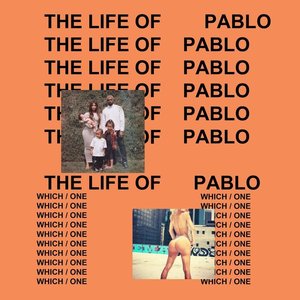
Kanye West is an iconic rapper from Chicago, Illinois. Not too long ago, he released his seventh studio album, entitled, “The Life of Pablo“.
ULTRA LIGHT BEAMS
The opening track functions as a Sunday-morning church revival, where Kanye is the ordained minister. He’s standing in the pulpit, preaching a time-sensitive sermon to his loyal congregation.
His message: God over Satan, keep the faith, pray for Paris, pray for parents, and we’re living God’s dream.
West sets the tone and declares where he stands on religious and socially-driven issues.
A Gospel choir emerges. The Dream and Kelly Price reinforce West’s message by singing verses of encouragement, leading to a heartfelt testimonial by Chance The Rapper.
While the collection plates are being filled with hopes of a better tomorrow, Kirk Franklin concludes the service by praying for everyone. He uplifts those who feel they are not good enough or have said, “I’m sorry,” too many times.
Father Stretch My Hands (Pt. 1)
A spiritual figure, Pastor T.L. Barrett, ushers in the second track with praises to The Most High. Future appears for a brief moment and Kid Cudi delivers a stunning chorus.
A liberated West returns to the pulpit and gives a brief, but somewhat explicit testimony of his past and present relationships to Amber Rose and Kim Kardashian.
Father Stretch My Hands (Pt. 2)
West continues his testimony and raps about his personal experiences. He speaks on the importance of returning his wife’s phone calls and not wanting to make the same mistakes his father made. Also, he mentions the passing of the mother in Hollywood, being broke, and the reason why he broke his jaw.
West’s words hit home, making room for another liberated soul to tell his story of triumph.
Desiigner, a newly-signed artist of G.O.O.D. Music, emerges from the underbelly of the ghetto. He raps about getting money illegally, drugs, and violence-familiarized by urban-street hustlers.
Though his grim subject matter contradicts the song’s hopeful message of liberation, it somehow adds mysticism or substance to Kanye’s brutally-honest testimony.
Desiigner, blessed with a futuristic flow, highlights a few things that West’s congregation needs to examine in order to be totally liberated.
FAMOUS
Whenever an important event occurs in an urban community, an after party is sure to follow. And a host of celebrities are always on standby to attend it. The Life of Pablo is no exception.
The fourth song features Rihanna and legendary-producer Swizz Beatz. Also, it contains timeless vocals from Sister Nancy and Nina Simone.
West, no longer in church clothes, stands out lyrically with witty, braggadocios lyrics.
Whether that statement is factual or not, it’s doesn’t really matter because West believes it is.
FEEDBACK
The fifth song serves as a transformational period, where West shows signs of the old Kanye.
West doesn’t need a psychiatrist to diagnose his problems. He does that himself by wearing them on his sleeves.
LOW LIGHTS
On the sixth track, West wrote via Twitter, “I put Low Lights on my album just thinking about all the moms driving their kids to school, then going to work.”
Listeners can now relate to the everyday struggle that mothers endure.
The song features an acapella sample from “So Alive” by Kings of Tomorrow.
The woman gives a grateful-testimony of God’s graciousness over a laid-back, simple piano groove. Her honesty is felt. Also, she sounds liberated because her Creator has accepted her for who she is.
HIGH LIGHTS
From lows to high, the seventh track is in direct correlation to “Low Lights”.
West and Young Thug put on their festive robes because it’s time to celebrate life. El Debarge and The Dream chime in, and West addresses a lingering issue.
But this is only the beginning. West finishes strong with more thought-provoking lyrics.
FREESTYLE 4
The eighth track features Desiigner. Again, when he and West are together, all hell breaks loose.
The once festive scene transforms into a grimy underworld filled with a prostitute that West is explicitly lusting after. The temptation makes it difficult for him to stand on his opening statement of Jesus over Satan. But the power of darkness is more powerful than West thinks. So, he subconsciously indulges in sexual misconduct.
I LOVE KANYE
On the ninth track, West realizes that he’s at war with himself. The old Kanye, known for chopping up soul records is fighting against the new Kanye that everyone hates. But Kanye wants to go back to being sweet again if that’s even possible. His multiple egos are fighting for control over the ‘real’ Kanye.
WAVE
West doesn’t stare in the mirror for too long. On the tenth track, redemption happens. Chris Brown, disguised as an angel, comes to West’s aid by providing much-needed light.
Miraculously, the sun emerges from the shade, a bird flies out its cage, and a nostalgic feeling is felt.
West realizes that nothing is impossible because waves don’t die and feelings don’t really go away.
FML (FOR MY LADY)
On the eleventh track, West realizes what’s really important to him and that’s his wife. Someone he won’t jeopardize for no other woman. Also, his children are all layers of his soul.
The Weeknd appears in the form of West’s conscience.
West remains focused and listeners can feel the positive aura of God surrounding him. He is determined to remain faithful to only Kim, no other woman.
REAL FRIENDS
West continues his introspective outlook and raps about trust issues that everyone can relate to. His honest, down-to-earth lyrics, mixed in with Ty Dolla $ign’s vocals, paints a vivid picture. Also, it forms a collectible souvenir that hangs nicely in listeners’ collective memories.
WOLVES
The thirteenth track provides a cooling effect with wild emotions and bizarre-sounds.
The setting, maybe an extraterritorial realm in West’s subconscious mind. Perhaps, it’s the Milky Way Galaxy or a dream-state of Saturn.
A time for relaxation, preparing listeners for a surprise guest.
SILVER SURFER INTERMISSION
The fourteenth track features a phone conversation between incarcerated Max B and French Montana. Also, Max voices his gratitude to West for showing him love.
30 HOURS
On the fifteenth track, West takes a trip down memory lane and raps about an ex-girlfriend that he used to drive 30-hours to see. He used to drive from Chicago to St. Louis, St. Louis to Chicago. He recalls the good times they shared. But unfortunately, her infidelity was the reason why they broke up.
NO PARTIES IN L.A.
The sixteenth track will go down in history as a legendary bar-fest between two elite emcees. Kendrick Lamar and West rap with dope punchlines and clever metaphors over a Madlib-produced track. Once again, West is flowing like the old Kanye that people love.
FACTS
The seventeenth track is a standout anthem where West brags that Yeezy just jumped over Jumpman. He’s in boss-mode, talking that big-money talk.
FADE
The final track features Post Malone and Ty Dollar $ign. The song has a reoccurring sample from Rare Earth, “Your love is fading/I feel it fade.”
The Eli Linnetz-directed video shows Teyana Taylor explicitly dancing.
CONCLUSION
Kanye West’s “The Life of Pablo” is a memorable hip-hop album with solid content and heavy replay value.
https://www.bongminesentertainment.com/kanye-west-life-pablo/