
Search
Search results

Paul Kellett (118 KP) rated The City of Kings in Tabletop Games
May 1, 2019

Great artwork (2 more)
Tons of content
Great for solo play
A bit fiddly (1 more)
Some scenarios are incredibly hard
A new take on the adventure game
The City of Kings is a tactical fantasy adventure, with procedurally generated monsters and some neat Euro mechanics. Frank West, the designer, has come up with a game that is massive in scope while being really simple to play and offering tons of replayability.
Set in an as yet unknown land, you take control of a hero (or, as this will be a solo focused review, a minimum of 2 heroes) to try and free the lands of the evil armies of Vesh Darkhand. The main story plays out over 7 stories, each with 4 chapters and 2 optional endings (Heroic & Legendary). There are also a bunch of stand-alone missions not tied to the main story.
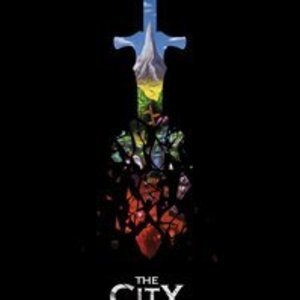
The game is nothing less than stunning. The components are all top quality and the artwork is luscious. If you spring for the Deluxe version, you also get shaped wooden components for the resources as well as storage trays and some really useful plastic overlays to keep your character's stat cubes in place.
The game plays really smoothly. The rulebook is well laid out and gives the main rules in easily referenced sections. There is also a separate glossary which lists all the different creature abilities, location types, quest types and special tokens. This keeps the rulebook free of clutter and lets you learn about the different things as you play, giving the game a sense of mystery as you will be finding new things for many games to come. It's also really easy to open up and look up a skill.
The character sheets look intimidating but are wonderfully functional and quite intuitive as you start playing. Each character starts off the same, but as you kill monsters, complete quests and progress through the chapters, you will gain experience which lets you upgrade one of the several stats on your character sheet. This lets you customise your character and will make each play subtly different. You could go for attack and become the party's "tank" or you could focus on boosting your workers and be the one responsible for gathering the resources needed to buy better weapons or armour.
Each character also has a skill tree where you can gain different abilities unique to that character. With 12 different abilities and the restriction of only being able to pick up to 3 each game, it will take a good many games to try out the different combinations.
You get to perform 4 actions each turn and as well as being able to move your character across the map, you also start with a little worker that you can send out to the various resource locations on the map (when you have explored and found them) to gather the resources needed to purchase better equipment.
All (or most) of the map tiles will be face down at the start of the game, so you will be moving out of the city and exploring as you go, but when you flip over a monster spawn tile, you get to the meat of the game.
Unlike every other fantasy game, this is not your usual hack and slash, stand there and kill everything affair. This is more like a game of chess, you will need to be cunning and tactical to be able to survive and win.
You won't be facing the standard fantasy monsters, rather you will draw an enemy tile which will give you a description of the mob (yes, you are fighting groups at a time) you have encountered and then you will draw a stat card. These are numbered so after a couple of games you will know the basic stats of the next monster and be ready for it.
This sounds like it would become terribly repetitive, but each time you spawn a monster, you also have to assign abilities to it. these abilities are drawn from one (or more) of 3 bags containing Easy, Medium and Hard abilities so while you may know that the monster will do 4 damage and have 16 health, you won't know if it will spit poison at you, pull you into it's clutches or make you flee in terror. Or any number of other nasty things.
Line of sight, movement and combat is only done orthogonally, so as long as you are not in a straight line of the creature's range, you can leave him alone while you go about completing quests to either complete a chapter or to get the skills and equipment needed to defeat the beast.
On the whole it works very well. As is the nature of random token draws, you occasionally come across something that is just way too much to deal with and you will struggle to beat it, but that's all part of the fun.
I keep mentioning quests and equipment. There are two massive decks of cards, one you draw from when you interact with the quest location on the map. This will give you a quest that could be killing a monster, gathering a specific amount of a certain resource or, if you have the Deluxe upgrade, a dexterity quest. These are cool, you have to stack the wooden shapes in a tower without them falling :) and if you succeed you will gain XP and sometimes equipment.
The equipment deck is not quite a big as the quest deck, but still contains a load of cool tems which will be set out ready for you to purchase from the town or any discovered shop. To buy these you will need to have your worker running about the map harvesting the various resources scattered about the land and once you have enough, you can equip your heroes with mighty weapons and armour.
Be warned though, you can't just amble about the land at your leisure as each chapter has a strict time limit and if you have failed to complete your objectives by the time the clock strikes midnight after however many days you have been given, then the city will lose hope and you will fail. This makes for a very challenging experience where you need to work as a team and harmonise your skills to get the most efficient party.
Playing solo, you have to control a minimum of 2 characters, but it is not a complex task unlike a lot of other fantasy games. You don't have stacks of cards to shuffle through or tons of abilities or special rules to remember, just two character sheets with all the information easily seen and remembered. Depending on whether you play a single mission or a full story, the game will take between 1 and 2.5-3 hours and will offer a challenging tactical experience and a great narrative adventure that will be different every time.
This is such a good game and plays brilliantly as every player count (1-4) with different enemy stat bars to balance the threat against the number of players. Back on Kickstarter for a second printing along with some new expansion content, this should be on every gamers' shelf if you are a fan of great story driven fantasy games.
Set in an as yet unknown land, you take control of a hero (or, as this will be a solo focused review, a minimum of 2 heroes) to try and free the lands of the evil armies of Vesh Darkhand. The main story plays out over 7 stories, each with 4 chapters and 2 optional endings (Heroic & Legendary). There are also a bunch of stand-alone missions not tied to the main story.
The game is nothing less than stunning. The components are all top quality and the artwork is luscious. If you spring for the Deluxe version, you also get shaped wooden components for the resources as well as storage trays and some really useful plastic overlays to keep your character's stat cubes in place.
The game plays really smoothly. The rulebook is well laid out and gives the main rules in easily referenced sections. There is also a separate glossary which lists all the different creature abilities, location types, quest types and special tokens. This keeps the rulebook free of clutter and lets you learn about the different things as you play, giving the game a sense of mystery as you will be finding new things for many games to come. It's also really easy to open up and look up a skill.
The character sheets look intimidating but are wonderfully functional and quite intuitive as you start playing. Each character starts off the same, but as you kill monsters, complete quests and progress through the chapters, you will gain experience which lets you upgrade one of the several stats on your character sheet. This lets you customise your character and will make each play subtly different. You could go for attack and become the party's "tank" or you could focus on boosting your workers and be the one responsible for gathering the resources needed to buy better weapons or armour.
Each character also has a skill tree where you can gain different abilities unique to that character. With 12 different abilities and the restriction of only being able to pick up to 3 each game, it will take a good many games to try out the different combinations.
You get to perform 4 actions each turn and as well as being able to move your character across the map, you also start with a little worker that you can send out to the various resource locations on the map (when you have explored and found them) to gather the resources needed to purchase better equipment.
All (or most) of the map tiles will be face down at the start of the game, so you will be moving out of the city and exploring as you go, but when you flip over a monster spawn tile, you get to the meat of the game.
Unlike every other fantasy game, this is not your usual hack and slash, stand there and kill everything affair. This is more like a game of chess, you will need to be cunning and tactical to be able to survive and win.
You won't be facing the standard fantasy monsters, rather you will draw an enemy tile which will give you a description of the mob (yes, you are fighting groups at a time) you have encountered and then you will draw a stat card. These are numbered so after a couple of games you will know the basic stats of the next monster and be ready for it.
This sounds like it would become terribly repetitive, but each time you spawn a monster, you also have to assign abilities to it. these abilities are drawn from one (or more) of 3 bags containing Easy, Medium and Hard abilities so while you may know that the monster will do 4 damage and have 16 health, you won't know if it will spit poison at you, pull you into it's clutches or make you flee in terror. Or any number of other nasty things.
Line of sight, movement and combat is only done orthogonally, so as long as you are not in a straight line of the creature's range, you can leave him alone while you go about completing quests to either complete a chapter or to get the skills and equipment needed to defeat the beast.
On the whole it works very well. As is the nature of random token draws, you occasionally come across something that is just way too much to deal with and you will struggle to beat it, but that's all part of the fun.
I keep mentioning quests and equipment. There are two massive decks of cards, one you draw from when you interact with the quest location on the map. This will give you a quest that could be killing a monster, gathering a specific amount of a certain resource or, if you have the Deluxe upgrade, a dexterity quest. These are cool, you have to stack the wooden shapes in a tower without them falling :) and if you succeed you will gain XP and sometimes equipment.
The equipment deck is not quite a big as the quest deck, but still contains a load of cool tems which will be set out ready for you to purchase from the town or any discovered shop. To buy these you will need to have your worker running about the map harvesting the various resources scattered about the land and once you have enough, you can equip your heroes with mighty weapons and armour.
Be warned though, you can't just amble about the land at your leisure as each chapter has a strict time limit and if you have failed to complete your objectives by the time the clock strikes midnight after however many days you have been given, then the city will lose hope and you will fail. This makes for a very challenging experience where you need to work as a team and harmonise your skills to get the most efficient party.
Playing solo, you have to control a minimum of 2 characters, but it is not a complex task unlike a lot of other fantasy games. You don't have stacks of cards to shuffle through or tons of abilities or special rules to remember, just two character sheets with all the information easily seen and remembered. Depending on whether you play a single mission or a full story, the game will take between 1 and 2.5-3 hours and will offer a challenging tactical experience and a great narrative adventure that will be different every time.
This is such a good game and plays brilliantly as every player count (1-4) with different enemy stat bars to balance the threat against the number of players. Back on Kickstarter for a second printing along with some new expansion content, this should be on every gamers' shelf if you are a fan of great story driven fantasy games.
Kirk Bage (1775 KP) rated The Umbrella Academy in TV
Sep 19, 2020 (Updated Jan 22, 2021)
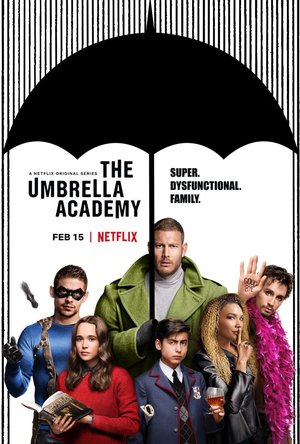

I came to this gloriously colourful, energetic and super smart comic book adaptation in August (when Netflix advertised season 2), at a time of lockdown where I really needed something cheerful and fun to keep me going. It worked so well I watched both full seasons twice over, back to back, and key episodes 3 times! A rare thing indeed for me and a TV show.
Since then the rigours of isolation have set me back with a really long backlog for The Wasteland – currently I have a list of over 40 cultural artifacts I want to talk about and share with you- but, I am very glad to be talking about this one today, as even though it wasn’t that long ago, it evokes such fond happy memories of becoming just a little bit obsessed by something. A phenomenon that only seems to happen when you go into something with low to medium expectations and come out feeling like you have found a diamond in the rough.
The concept of 7 children with mysterious powers being adopted and raised by a shady and strict, umbrella wielding, father has been around a few years in the form of several graphic novels, penned by My Chemical Romance frontman Gerard Way. You can feel the vibe of something slightly emo and arty coming through – just cool enough but also self conscious; melancholy and dark in places but also lots of sardonic fun. But, unlike the books, which often look stark and minimal, the world created by show runner and director Steve Blackman is vivid and full to the brim with things to overwhelm the senses.
For the last few years, and especially of late, the Superhero genre has been so oversaturated that it is almost impossible to come up with anything original, but The Umbrella Academy together with Amazon’s The Boys, definitely manage to do that. It has enough mystique to be intriguingly confusing for the first few episodes, as we piece together the Hargreaves’ past that has led to the current situation, and discover the dynamic tension that exists between the adopted siblings. Oh, and there is a talking chimpanzee butler / guardian called Pogo, that feels like CGI gimmickery for a while, before growing into something truly wonderful.
The first thing you notice about this set of misfits, as they reassemble for their father’s funeral after years of bitterness and estrangement, is that they are all a little bit broken and uncomfortable in their own skins – their powers as individuals are all a bit, well frankly underwhelming, and their personalities are not exactly attractive in every case. Season one is all about re-establishing connections and working through identity crises. In many ways it is a coming of age story, as circumstances lead to them needing to grow up fast and join together to achieve true power. It works both on the surface and as a deeper allegory.
As each main character is introduced you inevitably get drawn into ranking them from most to least favourite, and the trick of it is how much those feelings shift as the story progresses. Everyone loves Klaus, the twitchy junkie who can see dead people, his completely non heroic yet hilariously stoned outlook gives him many of the best lines and most fun scenes. I changed allegiance several times with the others, but Klaus, played by the charismatic Irish actor Robert Sheehan, always remained my favourite, because of his hippie rockstar vibe. Although it’s hard not to have a soft spot for Number 5, the time travelling schoolboy that has been missing for years and re-emerges as a middle aged man still trapped in the boys’ body. Aiden Gillen is superb in conveying that he is older whilst always looking like a teenager, and in many ways he is the true pivot and anchor of the story.
I suppose before the show aired it was Ellen Page that was the “star” draw amongst the young and mostly unknown cast of “heroes”. As Vanya, the only Hargreaves child never to demonstrate a power, and held aside by their controlling father, she is the outsider and most insecure of the bunch. You sense her storyline is going to be crucial to the whole shebang, and so it turns out, but her fame as an actress of note never overshadows the show as a whole – it feels instantly like a group effort, and in that sense a true family, the deeper you get into it.
I could go on explaining each character and the details of the intricate plot forever, but I would never do it justice. The only way to see what the fuss is about is to watch it. Anything else would just sound like mad confusion to the uninitiated. All I can say is that it does an incredible job of unfolding its charms and secrets piece by piece. So much so that by the climax of season two I am still not entirely sure we have all the information necessary to know what is going on in a complete sense; there are several questions and mysteries still to be unearthed, and I like that very much.
I have recommended this show to anyone I know who enjoys something entertaining that has substance yet doesn’t take itself too seriously – so that is everyone then! I think it’s allure is that very thing: it manages to hit a zeitgeist of perfect balance between a smart script and plotline with many cliffhangers, and enough disposable moments of fun, to be exactly what the modern Netflix viewer is looking for. Super easy to watch with one eye or with both, depending on what mood you are in.
There is also the style of the thing – a veritable candy box of colours and neat visual tricks, mixed in with some of the best musical montage sequences I have ever seen. I understand from several interviews that Steve Blackman specifically wrote certain scenes around the feel of a piece of music he wanted to include. That is a clever way of building a cult following: find songs that both tell a story and appeal to the cool kids, then use them as mini music video segments that punctuate the heavier elements of storytelling. It’s not a new trick, but the song choices here are so good that it has rarely been done this well before.
It all works especially well as we move into season two and an historical context that brings up a lot of pertinent issues for some of the siblings regarding race, sexuality and other freedoms of identity that can be taken for granted in the modern era. I don’t want to spoil too much of that here, but suffice to say as a hook to pin the themes on it is a genius touch that makes season two a huge leap forward on something that was already pretty decent in season one. All the characters become more rounded and relatable, even the so called bad guys – an increasingly eccentric bunch of creations that leave you in no doubt this is a comic book world not to be confused with reality.
At time of writing, a third season has still not being given the greenlight. Considering the massive cliffhanger we are left with at the end of season two, and how big the cult following seems to be by now, it would be an absolute crime not to allow it to continue. The only reason I can see it wouldn’t is that the stories of the source material are now exhausted, and anywhere they go from here will need to be truly original. However, there is so much scope to do almost anything from here that I don’t see it as any kind of issue.
If you haven’t seen it, I urge you whole-heartedly to give it a go. There really is something in there to please everyone, except perhaps the most serious minded of realists. Even then, they’d be hard pressed not to raise a smile or tap a toe at some of the best musical moments of emo hero mayhem.
Since then the rigours of isolation have set me back with a really long backlog for The Wasteland – currently I have a list of over 40 cultural artifacts I want to talk about and share with you- but, I am very glad to be talking about this one today, as even though it wasn’t that long ago, it evokes such fond happy memories of becoming just a little bit obsessed by something. A phenomenon that only seems to happen when you go into something with low to medium expectations and come out feeling like you have found a diamond in the rough.
The concept of 7 children with mysterious powers being adopted and raised by a shady and strict, umbrella wielding, father has been around a few years in the form of several graphic novels, penned by My Chemical Romance frontman Gerard Way. You can feel the vibe of something slightly emo and arty coming through – just cool enough but also self conscious; melancholy and dark in places but also lots of sardonic fun. But, unlike the books, which often look stark and minimal, the world created by show runner and director Steve Blackman is vivid and full to the brim with things to overwhelm the senses.
For the last few years, and especially of late, the Superhero genre has been so oversaturated that it is almost impossible to come up with anything original, but The Umbrella Academy together with Amazon’s The Boys, definitely manage to do that. It has enough mystique to be intriguingly confusing for the first few episodes, as we piece together the Hargreaves’ past that has led to the current situation, and discover the dynamic tension that exists between the adopted siblings. Oh, and there is a talking chimpanzee butler / guardian called Pogo, that feels like CGI gimmickery for a while, before growing into something truly wonderful.
The first thing you notice about this set of misfits, as they reassemble for their father’s funeral after years of bitterness and estrangement, is that they are all a little bit broken and uncomfortable in their own skins – their powers as individuals are all a bit, well frankly underwhelming, and their personalities are not exactly attractive in every case. Season one is all about re-establishing connections and working through identity crises. In many ways it is a coming of age story, as circumstances lead to them needing to grow up fast and join together to achieve true power. It works both on the surface and as a deeper allegory.
As each main character is introduced you inevitably get drawn into ranking them from most to least favourite, and the trick of it is how much those feelings shift as the story progresses. Everyone loves Klaus, the twitchy junkie who can see dead people, his completely non heroic yet hilariously stoned outlook gives him many of the best lines and most fun scenes. I changed allegiance several times with the others, but Klaus, played by the charismatic Irish actor Robert Sheehan, always remained my favourite, because of his hippie rockstar vibe. Although it’s hard not to have a soft spot for Number 5, the time travelling schoolboy that has been missing for years and re-emerges as a middle aged man still trapped in the boys’ body. Aiden Gillen is superb in conveying that he is older whilst always looking like a teenager, and in many ways he is the true pivot and anchor of the story.
I suppose before the show aired it was Ellen Page that was the “star” draw amongst the young and mostly unknown cast of “heroes”. As Vanya, the only Hargreaves child never to demonstrate a power, and held aside by their controlling father, she is the outsider and most insecure of the bunch. You sense her storyline is going to be crucial to the whole shebang, and so it turns out, but her fame as an actress of note never overshadows the show as a whole – it feels instantly like a group effort, and in that sense a true family, the deeper you get into it.
I could go on explaining each character and the details of the intricate plot forever, but I would never do it justice. The only way to see what the fuss is about is to watch it. Anything else would just sound like mad confusion to the uninitiated. All I can say is that it does an incredible job of unfolding its charms and secrets piece by piece. So much so that by the climax of season two I am still not entirely sure we have all the information necessary to know what is going on in a complete sense; there are several questions and mysteries still to be unearthed, and I like that very much.
I have recommended this show to anyone I know who enjoys something entertaining that has substance yet doesn’t take itself too seriously – so that is everyone then! I think it’s allure is that very thing: it manages to hit a zeitgeist of perfect balance between a smart script and plotline with many cliffhangers, and enough disposable moments of fun, to be exactly what the modern Netflix viewer is looking for. Super easy to watch with one eye or with both, depending on what mood you are in.
There is also the style of the thing – a veritable candy box of colours and neat visual tricks, mixed in with some of the best musical montage sequences I have ever seen. I understand from several interviews that Steve Blackman specifically wrote certain scenes around the feel of a piece of music he wanted to include. That is a clever way of building a cult following: find songs that both tell a story and appeal to the cool kids, then use them as mini music video segments that punctuate the heavier elements of storytelling. It’s not a new trick, but the song choices here are so good that it has rarely been done this well before.
It all works especially well as we move into season two and an historical context that brings up a lot of pertinent issues for some of the siblings regarding race, sexuality and other freedoms of identity that can be taken for granted in the modern era. I don’t want to spoil too much of that here, but suffice to say as a hook to pin the themes on it is a genius touch that makes season two a huge leap forward on something that was already pretty decent in season one. All the characters become more rounded and relatable, even the so called bad guys – an increasingly eccentric bunch of creations that leave you in no doubt this is a comic book world not to be confused with reality.
At time of writing, a third season has still not being given the greenlight. Considering the massive cliffhanger we are left with at the end of season two, and how big the cult following seems to be by now, it would be an absolute crime not to allow it to continue. The only reason I can see it wouldn’t is that the stories of the source material are now exhausted, and anywhere they go from here will need to be truly original. However, there is so much scope to do almost anything from here that I don’t see it as any kind of issue.
If you haven’t seen it, I urge you whole-heartedly to give it a go. There really is something in there to please everyone, except perhaps the most serious minded of realists. Even then, they’d be hard pressed not to raise a smile or tap a toe at some of the best musical moments of emo hero mayhem.

Hadley (567 KP) rated The Devil in the White City: Murder, Magic, and Madness in Books
Jan 18, 2021

History (1 more)
Well-written
H.H. Holmes had many aliases and lives.
He's been a doctor and a licensed pharmacist, who then conned an old couple into selling their drug store to him where he preyed on young girls and ignorant customers that would buy whatever Holmes would tell them to buy, whether it were real or fake tonics.
He was a building owner who had a murder hotel secretly built with " a wooden chute that would descend from a secret location on the second floor all the way to the basement... ", "a room next to his office fitted with a large walk-in vault, with airtight seams and asbestos-coated iron walls. A gas jet embedded in one wall would be controlled from his closet...", "a large basement with hidden chambers and a sub-basement for the permanent storage of sensitive material. "
He owned and ran an alcohol-treatment company known as the Silver Ash Institute that claimed to have the cure for alcoholism.
He was a traveling business man, who had two wives and two children. He established the Campbell-Yates Manufacturing Company, which made nothing and sold nothing.
He was also labeled as America's first serial killer. His body count is unknown even today; his victims were frequently young women, which included stenographers and house wives. He was best known for convincing people who trusted him to sign him as the beneficiary of their life insurance policies, only to kill them and make it seem an accident so he could collect the money.
Holmes grew up in a small farming village in New Hampshire, where he briefly spoke about an early fear of a human skeleton that hung in a doctor's office: " 'I had daily to pass the office of one village doctor, the door of which was seldom if ever barred,' he wrote in a later memoir. 'Partly from its being associated in my mind as the source of all the nauseous mixtures that had been my childish terror (for this was before the day of children's medicines), and partly because of vague rumors I had heard regarding its contents, this place was one of peculiar abhorrence to me.' "... "Two children discovered Mudgett's [Holmes' real last name] fear and one day captured him and dragged him 'struggling and shrieking' into the doctor's office. 'Nor did they desist,' Mudgett wrote, 'until I had been brought face to face with one of its grinning skeletons, which, with arms outstretched, seemed ready in its turn to seize me. It was a wicked and dangerous thing to do to a child of tender years and health,' he wrote, ' but it proved an heroic method of treatment, destined ultimately to cure me of my fears, and to inculcate in me, first, a strong feeling of curiosity, and, later, a desire to learn, which resulted years afterwards in my adopting medicine as a profession.' "
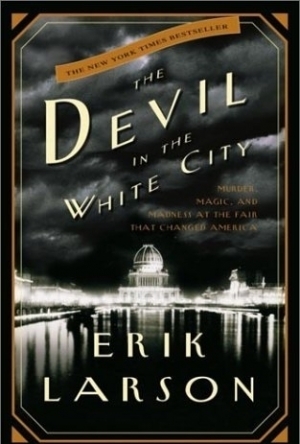
Erik Larson's fourth book, the Devil in the White City, is only partly about Holmes and his dark trail of murder and lies. The story told is mostly centered around the planning and building of the 1893 World's Fair. The prologue opens with one of the architects aboard a ship long after the fair has ended - - - 1912 to be exact- - - where he begins to write of the fair in his diary. The next chapter continues on with Chicago competing against other major cities to win the rights to host the World's Fair. Chicago was not the ideal place for the fair because it was known for it's crime and slaughter houses - - - this was exactly why the politicians wanted it so badly there, so it would help to lighten the image of Chicago for the rest of the world. Even the local Whitechapel Club that had sprouted up after the infamous murders by Jack the Ripper, were excited to win the rights to host the fair in their city, and celebrated in a macabre way:
"Upon learning that Chicago had won the fair, the men of the Whitechapel Club composed a telegram to Chauncey Depew, who more than any other man symbolized New York and its campaign to win the fair. Previously Depew had promised the members of the Whitechapel Club that if Chicago prevailed he would present himself at the club's next meeting, to be hacked apart by the Ripper himself - - - metaphorically, he presumed, although at the Whitechapel Club could one ever be certain? The club's coffin, for example, had once been used to transport the body of a member who had committed suicide. After claiming his body, the club hauled it to the Indiana Dunes on Lake Michigan, where members erected an immense pyre. They placed the body on top, then set it alight. Carrying torches and wearing black hooded robes, they circled the fire singing hymns to the dead between sips of whiskey. The club also had a custom of sending robed members to kidnap visiting celebrities and steal them away in a black coach with covered windows, all without saying a word.
The club's telegram reached Depew in Washington twenty minutes after the final ballot, just as Chicago's congressional delegation began celebrating at the Willard Hotel near the White House. The telegram asked, 'When may we see you at our dissecting table?' "
There are chapters in-between, technically reading like a side story, that tell us about Holmes and his misdeeds in Chicago, but there just wasn't enough about Holmes that I could consider this a True Crime book, nor an informative book about Holmes. Unfortunately, when the reader begins to really dwell into the story of Holmes, it's quickly ended by having two or more chapters about the building of the World's Fair. One interesting point about the story is that the reader does get to see how many inventions were brought to light because of the Fair, such as the invention of the Ferris Wheel. Larson's writing is very coherent and the descriptions are so well done that the reader is practically transported back to the late 1800s, yet, before I finished the book, I felt misled by the title... then coming across everything that happened to not only the Fair, but the people who were involved with it, it's hard not to wonder if the whole thing was cursed, thus the Devil being in the White City.
One of the side stories I did really enjoy was the slow unfolding of a man named Prendergast. A delusional young man who ran one of the groups of paperboys in Chicago, who was also obsessed with politics, became a determined supporter of Mayor Harrison; after Harrison was voted into office again, Prendergast believed it was because of him and the letters he sent out to numerous politicians and potential voters. Prendergast also believed he deserved a chair on the council for Harrison's re-election, for which he even showed up at City Hall to take over. This incident was the straw that broke the camel's back for Prendergast - - - he was humiliated when the people there laughed in his face. Prendergast then decided to take matters into his own hands, and bought a revolver. The day before the Fair would end, Prendergast showed up at Harrison's home and shot him. Harrison died minutes later. Prendergast turned himself in for the murder as soon as he left Harrison's residence. When asked why he had done it, Prendergast responded: " ' Because he betrayed my confidence. I supported him through his campaign and he promised to appoint me corporation counsel. He didn't live up to his word.' "
This book has been voted as a top True Crime must-read novel. I don't agree with this. As I said before: Holmes' chapters are few; eighty percent of this book is about the building of the World's Fair. As a True Crime junkie, I didn't enjoy this one, but also as a history junkie, I enjoyed learning about the Fair and everything that happened. I can't recommend this book to TC fans or horror fans. It's mostly history and architecture.
He's been a doctor and a licensed pharmacist, who then conned an old couple into selling their drug store to him where he preyed on young girls and ignorant customers that would buy whatever Holmes would tell them to buy, whether it were real or fake tonics.
He was a building owner who had a murder hotel secretly built with " a wooden chute that would descend from a secret location on the second floor all the way to the basement... ", "a room next to his office fitted with a large walk-in vault, with airtight seams and asbestos-coated iron walls. A gas jet embedded in one wall would be controlled from his closet...", "a large basement with hidden chambers and a sub-basement for the permanent storage of sensitive material. "
He owned and ran an alcohol-treatment company known as the Silver Ash Institute that claimed to have the cure for alcoholism.
He was a traveling business man, who had two wives and two children. He established the Campbell-Yates Manufacturing Company, which made nothing and sold nothing.
He was also labeled as America's first serial killer. His body count is unknown even today; his victims were frequently young women, which included stenographers and house wives. He was best known for convincing people who trusted him to sign him as the beneficiary of their life insurance policies, only to kill them and make it seem an accident so he could collect the money.
Holmes grew up in a small farming village in New Hampshire, where he briefly spoke about an early fear of a human skeleton that hung in a doctor's office: " 'I had daily to pass the office of one village doctor, the door of which was seldom if ever barred,' he wrote in a later memoir. 'Partly from its being associated in my mind as the source of all the nauseous mixtures that had been my childish terror (for this was before the day of children's medicines), and partly because of vague rumors I had heard regarding its contents, this place was one of peculiar abhorrence to me.' "... "Two children discovered Mudgett's [Holmes' real last name] fear and one day captured him and dragged him 'struggling and shrieking' into the doctor's office. 'Nor did they desist,' Mudgett wrote, 'until I had been brought face to face with one of its grinning skeletons, which, with arms outstretched, seemed ready in its turn to seize me. It was a wicked and dangerous thing to do to a child of tender years and health,' he wrote, ' but it proved an heroic method of treatment, destined ultimately to cure me of my fears, and to inculcate in me, first, a strong feeling of curiosity, and, later, a desire to learn, which resulted years afterwards in my adopting medicine as a profession.' "
Erik Larson's fourth book, the Devil in the White City, is only partly about Holmes and his dark trail of murder and lies. The story told is mostly centered around the planning and building of the 1893 World's Fair. The prologue opens with one of the architects aboard a ship long after the fair has ended - - - 1912 to be exact- - - where he begins to write of the fair in his diary. The next chapter continues on with Chicago competing against other major cities to win the rights to host the World's Fair. Chicago was not the ideal place for the fair because it was known for it's crime and slaughter houses - - - this was exactly why the politicians wanted it so badly there, so it would help to lighten the image of Chicago for the rest of the world. Even the local Whitechapel Club that had sprouted up after the infamous murders by Jack the Ripper, were excited to win the rights to host the fair in their city, and celebrated in a macabre way:
"Upon learning that Chicago had won the fair, the men of the Whitechapel Club composed a telegram to Chauncey Depew, who more than any other man symbolized New York and its campaign to win the fair. Previously Depew had promised the members of the Whitechapel Club that if Chicago prevailed he would present himself at the club's next meeting, to be hacked apart by the Ripper himself - - - metaphorically, he presumed, although at the Whitechapel Club could one ever be certain? The club's coffin, for example, had once been used to transport the body of a member who had committed suicide. After claiming his body, the club hauled it to the Indiana Dunes on Lake Michigan, where members erected an immense pyre. They placed the body on top, then set it alight. Carrying torches and wearing black hooded robes, they circled the fire singing hymns to the dead between sips of whiskey. The club also had a custom of sending robed members to kidnap visiting celebrities and steal them away in a black coach with covered windows, all without saying a word.
The club's telegram reached Depew in Washington twenty minutes after the final ballot, just as Chicago's congressional delegation began celebrating at the Willard Hotel near the White House. The telegram asked, 'When may we see you at our dissecting table?' "
There are chapters in-between, technically reading like a side story, that tell us about Holmes and his misdeeds in Chicago, but there just wasn't enough about Holmes that I could consider this a True Crime book, nor an informative book about Holmes. Unfortunately, when the reader begins to really dwell into the story of Holmes, it's quickly ended by having two or more chapters about the building of the World's Fair. One interesting point about the story is that the reader does get to see how many inventions were brought to light because of the Fair, such as the invention of the Ferris Wheel. Larson's writing is very coherent and the descriptions are so well done that the reader is practically transported back to the late 1800s, yet, before I finished the book, I felt misled by the title... then coming across everything that happened to not only the Fair, but the people who were involved with it, it's hard not to wonder if the whole thing was cursed, thus the Devil being in the White City.
One of the side stories I did really enjoy was the slow unfolding of a man named Prendergast. A delusional young man who ran one of the groups of paperboys in Chicago, who was also obsessed with politics, became a determined supporter of Mayor Harrison; after Harrison was voted into office again, Prendergast believed it was because of him and the letters he sent out to numerous politicians and potential voters. Prendergast also believed he deserved a chair on the council for Harrison's re-election, for which he even showed up at City Hall to take over. This incident was the straw that broke the camel's back for Prendergast - - - he was humiliated when the people there laughed in his face. Prendergast then decided to take matters into his own hands, and bought a revolver. The day before the Fair would end, Prendergast showed up at Harrison's home and shot him. Harrison died minutes later. Prendergast turned himself in for the murder as soon as he left Harrison's residence. When asked why he had done it, Prendergast responded: " ' Because he betrayed my confidence. I supported him through his campaign and he promised to appoint me corporation counsel. He didn't live up to his word.' "
This book has been voted as a top True Crime must-read novel. I don't agree with this. As I said before: Holmes' chapters are few; eighty percent of this book is about the building of the World's Fair. As a True Crime junkie, I didn't enjoy this one, but also as a history junkie, I enjoyed learning about the Fair and everything that happened. I can't recommend this book to TC fans or horror fans. It's mostly history and architecture.
5 Minute Movie Guy (379 KP) rated Transformers: Age of Extinction (2014) in Movies
Jun 29, 2019


There's a lot of good, fun, over-the-top, explosive action! (2 more)
Age of Extinction features an incredible showcase of special effects.
Great acting from Tucci and Grammar, and a solid new star for the franchise with Mark Wahlberg.
With a 2 hour and 45 minute run-time, the movie goes on far too long and loses steam before the finale. (1 more)
The plot is completely overloaded with enough content to easily cover two films.
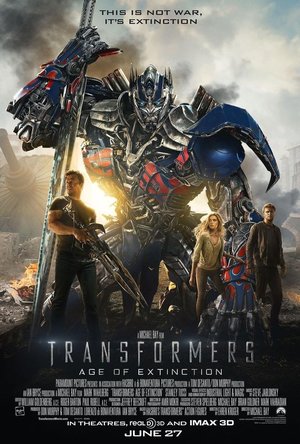
Transformers: Age of Extinction is a fun summer movie that sticks to Michael Bay's usual mode of operation, but it's jam-packed and overly ambitious, stretching the run time far longer than it ever should.
After the events of Transformers: Dark of the Moon, referred to in the film as The Battle of Chicago, the surviving Autobots are being hunted to extinction. The United States government is bent on exterminating all Transformers, good and bad, believing them to be an unwelcome global threat. All the while, the hypocritical government has simultaneously partnered with a wealthy inventor who is trying to create his own superior, man-made variations of Transformers. Furthermore, they’re working with the help of the Transformer bounty hunter Lockdown to search out and annihilate Optimus Prime, the famed leader of the Autobots. Prime has been forced into hiding and has sent out a distress call encouraging his comrades to follow suit. When amateur inventor Cade Yeager inadvertently stumbles upon a disguised Optimus Prime, he helps to repair the damaged Transformer who must reunite with his remaining allies to fight for their right to live.
Before I dive into this review, I think I should inform you that I have not seen any of the previous Transformers movies. I should also note that I’m something of a Transformers hater. Despite pressure from family and friends who have praised the movie series, I have deliberately avoided every single one of the films. I never liked the cartoon as a kid, and while Transformers’ amalgamation of cars and robots may be a dream combination for most guys, I have very little interest in either. However, as a critic, I cannot let my own biases get in the way of giving fair judgment. After having watched Transformers: Age of Extinction, I can thankfully report that the film actually wasn’t half bad. While it’s not going to make a Transformers fan out of me, it was an entertaining, albeit overly-long, movie-going experience.
Age of Extinction is an action-packed ride, filled with the kind of over-the-top entertainment you would expect from a Michael Bay film. While Bay has developed something of a bad rap, there’s no denying his knack for fun and ridiculous action sequences. He’s a man who spares no expense when it comes to explosions and special effects, and this is where Bay is at his best. Love him or hate him, it’s hard to argue with his results as he’s surely one of the most successful directors of all time. However, clocking in at two hours and forty-five minutes, the high-speed action of Age of Extinction is exhausting and becomes tiresome long before the finale. Even when Bay slows things down, he keeps the camera overly busy with particle effects and constant movement. While all of that looks great in IMAX 3D, it feels like an endless visual barrage that is frankly a lot to take in. How many lens flares must a man endure in one movie? I understand the desire to make every shot exciting and visually striking, but I think Bay is trying to tackle too much on camera.
Similarly, Age of Extinction is trying to squeeze too much into its plot, which could almost be broken up into two entirely separate movies. We have the hunt for Optimus Prime and the Transformers by Lockdown and the CIA; Cade Yeager’s discovery of Prime and their ensuing alliance; the love story between Cade’s daughter and her boyfriend; the emergence of the Dinobots; as well as the man-made construction of new Transformers. The result is a fast-paced action movie that is convoluted and far too long. That’s not to say that what is there is bad, though. Awful love story aside, all of the other components of the story are solid and even pretty interesting. Kelsey Grammer puts in a good performance as the head of the CIA who is responsible for the extermination of the Transformers. Similarly, Stanley Tucci is great as Joshua Joyce, the brilliant inventor who is recreating human-controlled Transformers for military use. Yet I can’t help but think that Joyce’s plot would have been perhaps been better to save for a sequel. Sure, it offers a nice parallel between the two inventors and it also creates an opportunity for them to introduce some all-new Transformers, but aren’t the Dinobots enough? There’s so much going on in the film that the eagerly-anticipated Dinobots aren’t given much screen time at all. There is just an unreasonable amount of narratives going on in this movie, to the point where it’s hard to follow, and even harder to stay interested in. Instead of sitting on the edge of your seat during the climactic showdown, you’re probably going to be looking at your watch and wondering how much longer this movie can possibly go on.
While I’m no expert on Transformers, I think the film does an admirable job in bringing the robotic characters to life. Their appearance and animation are both impressive, and they’re typically a pretty fun bunch. I have to admit, though, that I was a bit jarred by the angry and violent demeanor of Optimus Prime. I thought he was supposed to be the good guy everyone looked up to? In Age of Extinction, he clearly has some anger management issues. While he might be the most skilled warrior out there, he sure doesn’t seem like much of a role model. Peter Cullen, the original voice of Optimus Prime, has one again returned to voice the character. John Goodman gives a stand-out voice performance as Hound, in a role he seemed to have a lot of fun with, and Ken Watanabe voices the Samurai-like Transformer known as Drift. All in all, there are a lot of Transformers in the movie, but there is hardly ample time to get to know most of them. I imagine many of them have been introduced in previous films, but for a newcomer like myself, I had a hard time distinguishing between quite a few of them. Then there are the Dinobots, which look awesome, but we’re not given a chance to know much of anything about them. It’s a shame that they’re reduced to feeling like unnecessary bookends to an already overly-crammed movie.
On the human side of things, Mark Wahlberg is enjoyable as the struggling inventor who scavengers through whatever he can to try to create a breakthrough invention. He brings a charming and heroic presence to his role, making him a character we can identify with and root for as he tries to assist the highly-targeted Transformers. T.J. Miller’s Lucas makes for a mildly humorous companion to Cade, although much of the film’s attempts at comedy feel forced and aren’t very funny. Then there’s Nicola Peltz as the skimpily-dressed, rebellious but brainy and innocent, party girl daughter Tessa. She fits right into Bay’s stereotypical sexist female lead who serves as little more than a damsel in distress and eye candy. Still, I don’t know who is worse; Tessa, or her rally car racing boyfriend Shane, played by Jack Reynor. I felt just as frustrated by them as Wahlberg does playing Tessa’s disgruntled and disapproving father. These two lovebirds are an annoying and unwanted addition that only further drag out the plot. While it was at first vaguely amusing to watch Cade freak out as the over-protective father, that shtick ended up getting old real quick. While Wahlberg makes a good new face for the franchise, I hope to God that he comes alone for the next one.
Transformers: Age of Extinction is a fun summer movie. Director Michael Bay sticks to his usual mode of operation with ridiculous action sequences, top of the line special effects, and a whole lot of explosions. If you’re looking for a movie with more flash than substance, Age of Extinction should be right up your alley. It’s jam-packed and overly ambitious, stretching the run time far longer than it ever should, but if offers plenty of dumb, fun entertainment. Transformers fans should be pleased, although the series still has yet to make a fan out of me.
(This review was originally posted at 5mmg.com on 9.22.14.)
Before I dive into this review, I think I should inform you that I have not seen any of the previous Transformers movies. I should also note that I’m something of a Transformers hater. Despite pressure from family and friends who have praised the movie series, I have deliberately avoided every single one of the films. I never liked the cartoon as a kid, and while Transformers’ amalgamation of cars and robots may be a dream combination for most guys, I have very little interest in either. However, as a critic, I cannot let my own biases get in the way of giving fair judgment. After having watched Transformers: Age of Extinction, I can thankfully report that the film actually wasn’t half bad. While it’s not going to make a Transformers fan out of me, it was an entertaining, albeit overly-long, movie-going experience.
Age of Extinction is an action-packed ride, filled with the kind of over-the-top entertainment you would expect from a Michael Bay film. While Bay has developed something of a bad rap, there’s no denying his knack for fun and ridiculous action sequences. He’s a man who spares no expense when it comes to explosions and special effects, and this is where Bay is at his best. Love him or hate him, it’s hard to argue with his results as he’s surely one of the most successful directors of all time. However, clocking in at two hours and forty-five minutes, the high-speed action of Age of Extinction is exhausting and becomes tiresome long before the finale. Even when Bay slows things down, he keeps the camera overly busy with particle effects and constant movement. While all of that looks great in IMAX 3D, it feels like an endless visual barrage that is frankly a lot to take in. How many lens flares must a man endure in one movie? I understand the desire to make every shot exciting and visually striking, but I think Bay is trying to tackle too much on camera.
Similarly, Age of Extinction is trying to squeeze too much into its plot, which could almost be broken up into two entirely separate movies. We have the hunt for Optimus Prime and the Transformers by Lockdown and the CIA; Cade Yeager’s discovery of Prime and their ensuing alliance; the love story between Cade’s daughter and her boyfriend; the emergence of the Dinobots; as well as the man-made construction of new Transformers. The result is a fast-paced action movie that is convoluted and far too long. That’s not to say that what is there is bad, though. Awful love story aside, all of the other components of the story are solid and even pretty interesting. Kelsey Grammer puts in a good performance as the head of the CIA who is responsible for the extermination of the Transformers. Similarly, Stanley Tucci is great as Joshua Joyce, the brilliant inventor who is recreating human-controlled Transformers for military use. Yet I can’t help but think that Joyce’s plot would have been perhaps been better to save for a sequel. Sure, it offers a nice parallel between the two inventors and it also creates an opportunity for them to introduce some all-new Transformers, but aren’t the Dinobots enough? There’s so much going on in the film that the eagerly-anticipated Dinobots aren’t given much screen time at all. There is just an unreasonable amount of narratives going on in this movie, to the point where it’s hard to follow, and even harder to stay interested in. Instead of sitting on the edge of your seat during the climactic showdown, you’re probably going to be looking at your watch and wondering how much longer this movie can possibly go on.
While I’m no expert on Transformers, I think the film does an admirable job in bringing the robotic characters to life. Their appearance and animation are both impressive, and they’re typically a pretty fun bunch. I have to admit, though, that I was a bit jarred by the angry and violent demeanor of Optimus Prime. I thought he was supposed to be the good guy everyone looked up to? In Age of Extinction, he clearly has some anger management issues. While he might be the most skilled warrior out there, he sure doesn’t seem like much of a role model. Peter Cullen, the original voice of Optimus Prime, has one again returned to voice the character. John Goodman gives a stand-out voice performance as Hound, in a role he seemed to have a lot of fun with, and Ken Watanabe voices the Samurai-like Transformer known as Drift. All in all, there are a lot of Transformers in the movie, but there is hardly ample time to get to know most of them. I imagine many of them have been introduced in previous films, but for a newcomer like myself, I had a hard time distinguishing between quite a few of them. Then there are the Dinobots, which look awesome, but we’re not given a chance to know much of anything about them. It’s a shame that they’re reduced to feeling like unnecessary bookends to an already overly-crammed movie.
On the human side of things, Mark Wahlberg is enjoyable as the struggling inventor who scavengers through whatever he can to try to create a breakthrough invention. He brings a charming and heroic presence to his role, making him a character we can identify with and root for as he tries to assist the highly-targeted Transformers. T.J. Miller’s Lucas makes for a mildly humorous companion to Cade, although much of the film’s attempts at comedy feel forced and aren’t very funny. Then there’s Nicola Peltz as the skimpily-dressed, rebellious but brainy and innocent, party girl daughter Tessa. She fits right into Bay’s stereotypical sexist female lead who serves as little more than a damsel in distress and eye candy. Still, I don’t know who is worse; Tessa, or her rally car racing boyfriend Shane, played by Jack Reynor. I felt just as frustrated by them as Wahlberg does playing Tessa’s disgruntled and disapproving father. These two lovebirds are an annoying and unwanted addition that only further drag out the plot. While it was at first vaguely amusing to watch Cade freak out as the over-protective father, that shtick ended up getting old real quick. While Wahlberg makes a good new face for the franchise, I hope to God that he comes alone for the next one.
Transformers: Age of Extinction is a fun summer movie. Director Michael Bay sticks to his usual mode of operation with ridiculous action sequences, top of the line special effects, and a whole lot of explosions. If you’re looking for a movie with more flash than substance, Age of Extinction should be right up your alley. It’s jam-packed and overly ambitious, stretching the run time far longer than it ever should, but if offers plenty of dumb, fun entertainment. Transformers fans should be pleased, although the series still has yet to make a fan out of me.
(This review was originally posted at 5mmg.com on 9.22.14.)