
Search
Search results
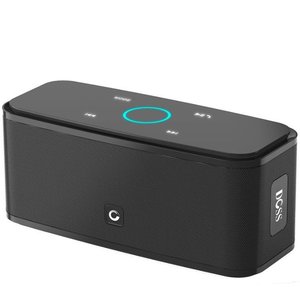
DOSS Touch Wireless Bluetooth V4.0 Portable Speaker
6.6 Rate It
Tech Watch
At first glance, you may underestimate the quality of such a compact speaker. The true appeal of...
Christine A. (965 KP) rated The Secret Child (DI Amy Winter #2) in Books
Apr 2, 2019
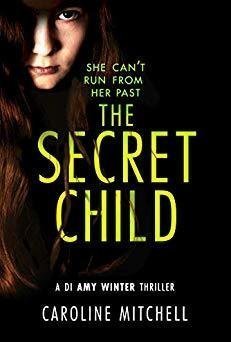

the 2nd novel in Caroline Mitchell's DI Amy Winter series
Last year I read Truth and Lies, the first novel in Caroline Mitchell's DI Amy Winter series. My eyes started to hurt so I took a break and realized I had read the first 16 chapters without stopping.
The Secret Child is the second novel in Mitchell's DI Amy Winter series. I learned my lesson from binge reading the first book and set a timer to remind myself to take a break from reading. I forced myself to take a few breaks but finished reading it in one day. It is not a very long book, 330 pags, but I just could not find a place to stop reading for the day. I just had to keep reading!
Detective Inspector Amy Winter returns with her high-priority crime unit tracking down a kidnapper. He is using the kidnappings to extract revenge on those who had used children for dangerous and illegal experimentation years ago. Also returning is Lillian Grimes, Winter's biological mother who is imprisoned for being half of a serial killer husband and wife team known as the Beasts of Brentwood.
The Secret Child is as riveting as Truth and Lies. Both are character-driven and fast-paced, suspenseful, and well written.
Review published on Philomathinphila.com, Smashbomb, Goodreads, and Amazon on or before 4/2/19. Will publish on Twitter, Facebook, and Barnes and Noble on its release date, April 18, 2019.
The Secret Child is the second novel in Mitchell's DI Amy Winter series. I learned my lesson from binge reading the first book and set a timer to remind myself to take a break from reading. I forced myself to take a few breaks but finished reading it in one day. It is not a very long book, 330 pags, but I just could not find a place to stop reading for the day. I just had to keep reading!
Detective Inspector Amy Winter returns with her high-priority crime unit tracking down a kidnapper. He is using the kidnappings to extract revenge on those who had used children for dangerous and illegal experimentation years ago. Also returning is Lillian Grimes, Winter's biological mother who is imprisoned for being half of a serial killer husband and wife team known as the Beasts of Brentwood.
The Secret Child is as riveting as Truth and Lies. Both are character-driven and fast-paced, suspenseful, and well written.
Review published on Philomathinphila.com, Smashbomb, Goodreads, and Amazon on or before 4/2/19. Will publish on Twitter, Facebook, and Barnes and Noble on its release date, April 18, 2019.
Hazel (1853 KP) rated Lies We Tell Ourselves in Books
Dec 17, 2018
<i>This ARC was provided by the publisher via NetGalley in exchange for an honest review</i>
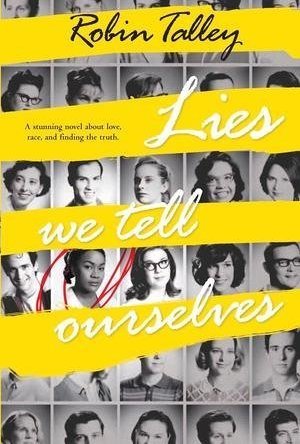
<i>Lies We Tell Ourselves</i> by Robin Talley is a realistic tale about the beginning of the integration of coloured people into white schools in late 1950s America. In Virginia it is 1959 and ten Negros are beginning their first day at Jefferson Highschool. The experience is narrated from one of the ten, Sarah’s, perspective. In other parts of the novel the voice changes to that of Linda, a particularly nasty white girl, who is one of countless students opposed to integration.
Although many young people will have been taught about the black civil right movement it is still shocking to read about the horrible things they had to endure. By writing in the first person, Talley encourages the reader to try to understand how they would feel in a similar situation. Sarah and her friends instantly become the victims of verbal and physical abuse that members of authority turn a blind eye to.
To Sarah, Linda is a nasty spoilt bully who, although does not join in with the taunting and abuse, is as bad as the rest of them. Through reading Linda’s account it becomes clear that her behaviour has a lot to do with her home life, in particularly with her father’s attitude towards her. After being forced to partner Sarah for a French project Linda begins to question why there is so much emphasis on skin colour, however not wanting to be shunned by her own friends she keeps these thoughts to herself.
Sarah is also struggling to come to terms with her sexual preference for girls. It has been drilled into her that these thoughts are a sin. She hides her true feelings from everyone and constantly berates herself mentally for being “unnatural”. But it turns out she may not be the only one with these thoughts.
The lies referred to in the title are not the blatant or harmful lies but rather the lies the characters believe or even want to believe. Each chapter begins with a lie that reflects what is occurring in the novel at that time; for example “There’s no need to be afraid” and “I don’t care what they think of me.” This is an interesting way of telling the story as it emphasizes Sarah’s determination to keep going despite what she is subjected to. It also reveals the mental struggles she faces. On the other hand the lies disclose Linda’s conflicting feelings towards the South’s current situation and segregation laws.
Although not a religious novel, each part begins with the title of a Christian hymn. It was the norm for everyone to go to church and, despite the separate churches, was something black and white people did. Sarah and Linda have faith in God yet they both use the bible’s teachings for opposing arguments. The religious aspect also highlights Sarah’s self-hatred and belief that she has fallen into sin.
Unfortunately in today’s world there are still issues with racism and homophobia however after reading <i>Lies We Tell Ourselves</i> it is evident that these situations have vastly improved, at least in the Western world, since the 1950s. Without children such as Sarah going through these horrible experiences nothing would have changed. There would still be separate schools, slavery and inaccurate opinions about race inequality. America has a lot to thank these brave students who were the first to create mixed race schools.
Overall this is a brilliant book. Well written and realistic, it really draws the reader in to the characters’ stories. Although <i>Lies We Tell Ourselves</i> is a work of fiction, it is historically accurate and can teach a lot about America’s history to young adults today.
<i>Lies We Tell Ourselves</i> by Robin Talley is a realistic tale about the beginning of the integration of coloured people into white schools in late 1950s America. In Virginia it is 1959 and ten Negros are beginning their first day at Jefferson Highschool. The experience is narrated from one of the ten, Sarah’s, perspective. In other parts of the novel the voice changes to that of Linda, a particularly nasty white girl, who is one of countless students opposed to integration.
Although many young people will have been taught about the black civil right movement it is still shocking to read about the horrible things they had to endure. By writing in the first person, Talley encourages the reader to try to understand how they would feel in a similar situation. Sarah and her friends instantly become the victims of verbal and physical abuse that members of authority turn a blind eye to.
To Sarah, Linda is a nasty spoilt bully who, although does not join in with the taunting and abuse, is as bad as the rest of them. Through reading Linda’s account it becomes clear that her behaviour has a lot to do with her home life, in particularly with her father’s attitude towards her. After being forced to partner Sarah for a French project Linda begins to question why there is so much emphasis on skin colour, however not wanting to be shunned by her own friends she keeps these thoughts to herself.
Sarah is also struggling to come to terms with her sexual preference for girls. It has been drilled into her that these thoughts are a sin. She hides her true feelings from everyone and constantly berates herself mentally for being “unnatural”. But it turns out she may not be the only one with these thoughts.
The lies referred to in the title are not the blatant or harmful lies but rather the lies the characters believe or even want to believe. Each chapter begins with a lie that reflects what is occurring in the novel at that time; for example “There’s no need to be afraid” and “I don’t care what they think of me.” This is an interesting way of telling the story as it emphasizes Sarah’s determination to keep going despite what she is subjected to. It also reveals the mental struggles she faces. On the other hand the lies disclose Linda’s conflicting feelings towards the South’s current situation and segregation laws.
Although not a religious novel, each part begins with the title of a Christian hymn. It was the norm for everyone to go to church and, despite the separate churches, was something black and white people did. Sarah and Linda have faith in God yet they both use the bible’s teachings for opposing arguments. The religious aspect also highlights Sarah’s self-hatred and belief that she has fallen into sin.
Unfortunately in today’s world there are still issues with racism and homophobia however after reading <i>Lies We Tell Ourselves</i> it is evident that these situations have vastly improved, at least in the Western world, since the 1950s. Without children such as Sarah going through these horrible experiences nothing would have changed. There would still be separate schools, slavery and inaccurate opinions about race inequality. America has a lot to thank these brave students who were the first to create mixed race schools.
Overall this is a brilliant book. Well written and realistic, it really draws the reader in to the characters’ stories. Although <i>Lies We Tell Ourselves</i> is a work of fiction, it is historically accurate and can teach a lot about America’s history to young adults today.

A fabulous book that will keep you on the edge of your seat every step of the way!
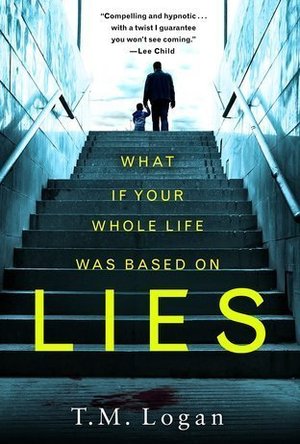
Couldn't put this one down! Joe is a good man, loving father, and devoted husband. After being the wrong place at the right time, everything he thought he knew begins to fall apart. An incredible story, filled with lies and betrayal, persistence and some incredible twists! My first book by this author and I'll surely be back for more!
M-
Maaximus - More Affordable Aircraft Through Extended, Integrated and Mature Numerical Sizing
Book
This edited volume contains the research results of the EU funded project MAAXIMUS. The topical...