Search
Search results

Lee (2222 KP) rated #Alive (2020) in Movies
Sep 11, 2020
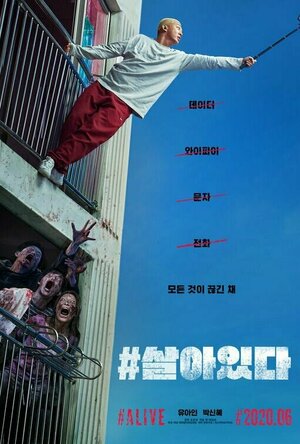


The bar for South Korean zombie movies, or for any kind of zombie movie for that matter, was set exceptionally high when Train to Busan was released back in 2016. #Alive, which arrived on Netflix earlier this week, having premiered in its home country of South Korea back in June, had a lot to live up to. But by focusing primarily on just a single character, #Alive manages to deliver a quarantine story that we can all relate to after the chaos and uncertainty of 2020 and brings a touch of originality to a very familiar genre.
#Alive certainly doesn’t waste much time in dropping us straight into the zombie apocalypse. Young gamer Oh Joon-woo wakes up at 10 am, alone in the high-rise apartment that he shares with his parents. A note left by them tells us that they’ve gone away for a few days, leaving Oh Joon-woo to fend for himself. “Make sure you pick up some groceries”, his mum tells him, but instead he heads back to his room and begins playing an online game with some friends. But shortly into their game, his friends are distracted by some disturbing news reports on the TV, so Oh Joon-woo goes to check for himself.
He doesn’t need to watch much of the news on TV before realising that he can look outside of his apartment window and see for himself what the panic is all about. Down on the streets, people are running and screaming in all directions while others are in a frenzied state, attacking and biting everyone around them. Family members turn on each other, a fire truck crashes into a row of cars, and a nearby explosion quickly sends a dazed and confused Oh Joon-woo back inside his apartment.
The news reports talk of people quickly turning violent and attacking others, immediately passing on whatever it is that has turned them into crazed zombies. It describes how you can tell a person is turning because they will be bleeding from the eyes. “Citizens must stay home and avoid going out.” is the advice given. Sound familiar?
Oh Joon-woo does what a lot of us probably did during lockdown - he plays video games, drinks his dad’s alcohol, and tries to just ride it all out the best he can. He quickly regrets ignoring his mum’s request to go and buy groceries though, as he lays out the very small amount of mostly unhealthy food items that are in the apartment out onto the table, and separates them into meals for each day over the coming week or so.
Days pass, but without any sign of the outside chaos subsiding. There are still zombies down on the streets, taking out any unfortunate survivor unlucky enough to be outside, and any investigative trips outside the apartment front door are fraught with danger. We’ve now passed day 20, and Oh Joon-woo is struggling.
At his lowest point, Oh Joon-woo notices a laser pointer shining into his apartment from the high-rise opposite. When he goes to investigate, he sees that there is another survivor looking back at him. Kim Yoo-bin is also at a fairly low point in her life, but with food, weapons and homemade zombie traps, she appears to be a bit of a badass, clearly better equipped at dealing with the crisis than Oh Joon-woo. She initially thinks Oh Joon-woo is an idiot, sending food across a wire that they manage to set up between their buildings so that he doesn’t starve. But they soon form a close bond, sending messages to each other before eventually employing the use of walkie-talkies so that they can discuss a way out of their predicament.
#Alive taps into the feelings that so many of us will have felt during lockdown this year - feeling isolated, lonely, scared. It’s the quiet human moments that work so well here, especially with the introduction of a friend and an ally in the form of Kim Yoo-bin. Finding each other does literally save both of their lives.
But it’s never too long before we’re jolted right back into some zombie action, and thankfully that aspect doesn’t disappoint. The news reports had already informed us that the zombies appeared to be able to remember certain human actions from before they turned, such as opening doors. They even appear to retain aspects of behaviour from their human occupations. This makes for some entertaining and unpredictable zombie fun, most notably a firefighter zombie who scales the outside of the high-rise in an attempt to try and reach Kim Yoo-bin.
There’s a late plot twist and a deus ex machina which may seem like a bit of a cop-out for some, but overall #Alive is certainly a worthwhile watch for fans of zombie action with a focus on the human characters.
#Alive certainly doesn’t waste much time in dropping us straight into the zombie apocalypse. Young gamer Oh Joon-woo wakes up at 10 am, alone in the high-rise apartment that he shares with his parents. A note left by them tells us that they’ve gone away for a few days, leaving Oh Joon-woo to fend for himself. “Make sure you pick up some groceries”, his mum tells him, but instead he heads back to his room and begins playing an online game with some friends. But shortly into their game, his friends are distracted by some disturbing news reports on the TV, so Oh Joon-woo goes to check for himself.
He doesn’t need to watch much of the news on TV before realising that he can look outside of his apartment window and see for himself what the panic is all about. Down on the streets, people are running and screaming in all directions while others are in a frenzied state, attacking and biting everyone around them. Family members turn on each other, a fire truck crashes into a row of cars, and a nearby explosion quickly sends a dazed and confused Oh Joon-woo back inside his apartment.
The news reports talk of people quickly turning violent and attacking others, immediately passing on whatever it is that has turned them into crazed zombies. It describes how you can tell a person is turning because they will be bleeding from the eyes. “Citizens must stay home and avoid going out.” is the advice given. Sound familiar?
Oh Joon-woo does what a lot of us probably did during lockdown - he plays video games, drinks his dad’s alcohol, and tries to just ride it all out the best he can. He quickly regrets ignoring his mum’s request to go and buy groceries though, as he lays out the very small amount of mostly unhealthy food items that are in the apartment out onto the table, and separates them into meals for each day over the coming week or so.
Days pass, but without any sign of the outside chaos subsiding. There are still zombies down on the streets, taking out any unfortunate survivor unlucky enough to be outside, and any investigative trips outside the apartment front door are fraught with danger. We’ve now passed day 20, and Oh Joon-woo is struggling.
At his lowest point, Oh Joon-woo notices a laser pointer shining into his apartment from the high-rise opposite. When he goes to investigate, he sees that there is another survivor looking back at him. Kim Yoo-bin is also at a fairly low point in her life, but with food, weapons and homemade zombie traps, she appears to be a bit of a badass, clearly better equipped at dealing with the crisis than Oh Joon-woo. She initially thinks Oh Joon-woo is an idiot, sending food across a wire that they manage to set up between their buildings so that he doesn’t starve. But they soon form a close bond, sending messages to each other before eventually employing the use of walkie-talkies so that they can discuss a way out of their predicament.
#Alive taps into the feelings that so many of us will have felt during lockdown this year - feeling isolated, lonely, scared. It’s the quiet human moments that work so well here, especially with the introduction of a friend and an ally in the form of Kim Yoo-bin. Finding each other does literally save both of their lives.
But it’s never too long before we’re jolted right back into some zombie action, and thankfully that aspect doesn’t disappoint. The news reports had already informed us that the zombies appeared to be able to remember certain human actions from before they turned, such as opening doors. They even appear to retain aspects of behaviour from their human occupations. This makes for some entertaining and unpredictable zombie fun, most notably a firefighter zombie who scales the outside of the high-rise in an attempt to try and reach Kim Yoo-bin.
There’s a late plot twist and a deus ex machina which may seem like a bit of a cop-out for some, but overall #Alive is certainly a worthwhile watch for fans of zombie action with a focus on the human characters.

5 Minute Movie Guy (379 KP) rated Blinded by the Light (2019) in Movies
Sep 16, 2019

Based on a true story, Blinded by the Light follows the life of Javed, a down-on-his-luck Pakistani teenager living in Great Britain in the 1980s, who is in a social stranglehold by his strict father. He just wants to live a life like any other kid his age, and hang out with his friends, and go to parties, and maybe even meet a girl, but his overbearing dad has other expectations and plans for him. Being that they’re minorities in a foreign country in a time of racism, Javed’s father wants him to keep his head down and put his family first and foremost. That means living the life his father chooses for him, and not being able to live the life he desires. Feeling trapped by his circumstances, Javed’s bleak outlook becomes changed completely after he makes a new friend at school who introduces him to the music of the All-American legend, Bruce Springsteen.
One stormy night, fueled by his frustrations with his family, Javed turns to the cassette tapes he borrowed from his friend, and listens to “The Boss” for the very first time. It’s an instantly cathartic and unforgettably life-changing experience. The words speak to him in a way that no song ever has before. The lyrics speak of his ambitions and know his struggles and pain. It’s as if suddenly through the songs of Springsteen, Javed has found his voice and a guiding light. He’s instantly transformed by it, and is given a purpose and a passion to pursue it. For him, the music is the spark to light the fire to his ambitions; to leave his small town, to escape poverty, to resist his father’s oppression, to live on his own accord, to become a writer, and to feed his hungry heart.
As a writer and a lover of Springsteen myself, I connected with Blinded by the Light on a profoundly personal level. Springsteen’s music has spoken to me in a similar fashion as it does to Javed in the film. While I’m not the super fan that he is, I like to think we all have comparable experiences with certain musical artists who resonate with us deep in our souls. Bruce’s music in particular speaks to the common man, and it rallies against the injustices of the world in the pursuit of the American dream. I can’t think of a single musician that I personally find to be more motivational than him. It is my hope that people will watch this movie, particularly those who are unfamiliar with the music of Bruce Springsteen, and they’ll have a reaction to it much like Javed in this movie.
It goes without saying that the soundtrack in Blinded by the Light is fantastic. It has a nice mix of classic hits as well as some lesser known Springsteen songs, including some live versions, and they’re all put to good use here. Out of all of the recent movies inspired by real-life musicians, including Bohemian Rhapsody, Rocketman, and Yesterday, Blinded by the Light is by far my personal favorite. There are no poor cover songs nor bad lip synching to be found here. What you get is 100% The Boss. In a few parts, the movie even breaks out into full-on dancing musical numbers. While they’re a little cheesy and even feel a bit out of place, I found that they remained true to the music and were simply too much fun not to enjoy.
Director Gurinder Chadha does a fine job crafting Javed’s story and all of its complexities while also paying homage to The Boss. The movie explores our innate desire for freedom and finding ourselves, while also exposing the sacrifices we often must make in life for those we love. The film additionally explores social issues of the era, including political turmoil, fascist movements, and racism, which Javed faces first-hand as a Pakistani in England, and which unfortunately still feel uncomfortably relevant today. Javed is played by Viveik Kalra in his motion-picture debut, and he is immensely likable and relatable in his performance. The cast as a whole is pretty good, with the standouts being Hayley Atwell as Javed’s teacher, Ms. Clay, who encourages him to continue with his writing, as well as Kulvinder Ghir, who plays Javed’s controlling father. I also liked Aaron Phagura as Roops, Javed’s loyal Bruce-Springsteen-cassette-tape-sharing friend. We all could use more friends like him!
Overall, Blinded by the Light is a loving tribute to the music of Bruce Springsteen, but more than anything, it’s an emotional, identifiable, and uplifting tale about reaching for your dreams. The struggles that Javed faces resonate brilliantly with the messages of the music, and his story is an inspiring one worth hearing. Springsteen fans in particular definitely won’t want to miss this movie, but I think regardless of your interest or familiarity with Springsteen and his music, you’re likely to find something to enjoy here. And maybe, just maybe, you’ll even walk out of the theater as a fan.
One stormy night, fueled by his frustrations with his family, Javed turns to the cassette tapes he borrowed from his friend, and listens to “The Boss” for the very first time. It’s an instantly cathartic and unforgettably life-changing experience. The words speak to him in a way that no song ever has before. The lyrics speak of his ambitions and know his struggles and pain. It’s as if suddenly through the songs of Springsteen, Javed has found his voice and a guiding light. He’s instantly transformed by it, and is given a purpose and a passion to pursue it. For him, the music is the spark to light the fire to his ambitions; to leave his small town, to escape poverty, to resist his father’s oppression, to live on his own accord, to become a writer, and to feed his hungry heart.
As a writer and a lover of Springsteen myself, I connected with Blinded by the Light on a profoundly personal level. Springsteen’s music has spoken to me in a similar fashion as it does to Javed in the film. While I’m not the super fan that he is, I like to think we all have comparable experiences with certain musical artists who resonate with us deep in our souls. Bruce’s music in particular speaks to the common man, and it rallies against the injustices of the world in the pursuit of the American dream. I can’t think of a single musician that I personally find to be more motivational than him. It is my hope that people will watch this movie, particularly those who are unfamiliar with the music of Bruce Springsteen, and they’ll have a reaction to it much like Javed in this movie.
It goes without saying that the soundtrack in Blinded by the Light is fantastic. It has a nice mix of classic hits as well as some lesser known Springsteen songs, including some live versions, and they’re all put to good use here. Out of all of the recent movies inspired by real-life musicians, including Bohemian Rhapsody, Rocketman, and Yesterday, Blinded by the Light is by far my personal favorite. There are no poor cover songs nor bad lip synching to be found here. What you get is 100% The Boss. In a few parts, the movie even breaks out into full-on dancing musical numbers. While they’re a little cheesy and even feel a bit out of place, I found that they remained true to the music and were simply too much fun not to enjoy.
Director Gurinder Chadha does a fine job crafting Javed’s story and all of its complexities while also paying homage to The Boss. The movie explores our innate desire for freedom and finding ourselves, while also exposing the sacrifices we often must make in life for those we love. The film additionally explores social issues of the era, including political turmoil, fascist movements, and racism, which Javed faces first-hand as a Pakistani in England, and which unfortunately still feel uncomfortably relevant today. Javed is played by Viveik Kalra in his motion-picture debut, and he is immensely likable and relatable in his performance. The cast as a whole is pretty good, with the standouts being Hayley Atwell as Javed’s teacher, Ms. Clay, who encourages him to continue with his writing, as well as Kulvinder Ghir, who plays Javed’s controlling father. I also liked Aaron Phagura as Roops, Javed’s loyal Bruce-Springsteen-cassette-tape-sharing friend. We all could use more friends like him!
Overall, Blinded by the Light is a loving tribute to the music of Bruce Springsteen, but more than anything, it’s an emotional, identifiable, and uplifting tale about reaching for your dreams. The struggles that Javed faces resonate brilliantly with the messages of the music, and his story is an inspiring one worth hearing. Springsteen fans in particular definitely won’t want to miss this movie, but I think regardless of your interest or familiarity with Springsteen and his music, you’re likely to find something to enjoy here. And maybe, just maybe, you’ll even walk out of the theater as a fan.
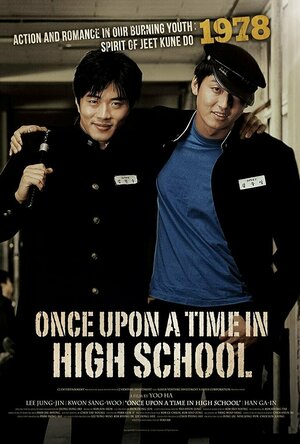
Once Upon a Time in High School: The Spirit of Jeet Kune Do (2004)
Movie
By "Fist of Fury", Kim Hyun-Soo (Sang-Woo Kwone) addicted to Bruce Lee. Year 1978. Hyun-Soo moved to...
Lee (2222 KP) rated Jumanji: The Next Level (2019) in Movies
Dec 23, 2019
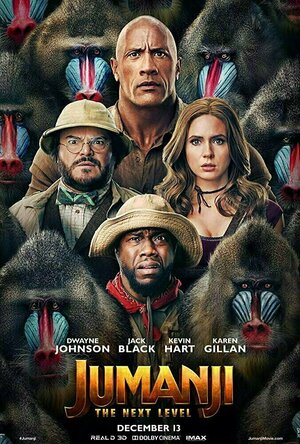

Like pretty much everyone else, when I first heard that the Robin Williams 1985 classic Jumanji was getting some kind of reboot/remake starring Dwayne Johnson, I was hugely sceptical. I probably even rolled my eyes and raised an eyebrow or something in disappointed disbelief! But then, also like pretty much everyone else judging by the fact it went on to make almost a billion dollars, I was more than pleasantly surprised when Jumanji: Welcome to the Jungle turned out to be a big hit - an enjoyable, fresh take on the Jumanji idea, while still remaining true to the original. But, big box office numbers usually mean that a sequel won't be too far off and, sure enough, Jumanji: The Next Level was announced, with the original cast all returning. Hopefully they weren't going to end up stretching the formula too thin and had managed to come up with another new and exciting adventure to entice us back into the world of Jumanji.
Our four teens from Welcome to the Jungle are all still great friends following their ordeal/adventure together, although Spencer has become more distant from the group over the last year, seeming rather unhappy and depressed with life. As the rest of the group excitedly exchange messages on Whatsapp in preparation to return home for a Christmas reunion, Spencer is getting yelled at by his boss before struggling with a broken suitcase in the pouring rain as he heads to catch the bus home. When he does make it home, his Grandpa Eddie (Danny DeVito) is staying with them while he recovers from a hip operation, and Spencer now has the pleasure of sharing his bedroom with him. Complaining about old age, Eddie is the kind of grumpy character that Danny DeVito plays so perfectly and we are also introduced soon after to an old friend of his, Milo (Danny Glover). Eddie and Milo are former partners in the restaurant business, but haven't been on the best of terms over the last 15 years since they sold the restaurant and parted on not the best of terms.
When Spencer suddenly goes missing and his three friends go looking for him, they discover the battered Jumanji video game down in his basement, with Spencer's mobile phone and coat laying nearby. They realise that Spencer has ventured back into Jumanji and decide that they must join him in order to increase his chances of getting out of there alive. But this time round, it's not just the teens who get pulled into the game, as Eddie and Milo also find themselves inside Jumanji. And, just to mix things up a bit from the last movie, not everyone winds up in the same avatar as they did before either. So, similar to what we got last time, we're treated to plenty of comedy moments while everyone becomes accustomed to their new body and is either disgusted or overjoyed with what they've got. Grandpa Eddie finds himself as Dr. Bravestone while Milo is Franklin 'Mouse' Finbar, so obviously now having a fully functional, new and improved body is a pretty big deal for the old timers. Seeing Dwayne Johnson and Kevin Hart act out their very best impersonations of DeVito and Glover is a lot of fun and straight away serves up a completely different dynamic to that of the first movie. On top of that, there are some differences in the skills and weaknesses that each avatar now possesses and the introduction throughout the movie of a few more avatars in order to cater for the additional players who are now in the game.
When it comes to the quest that the team must embark upon in order to beat the game, this doesn't seem quite as well fleshed out or developed as in Welcome to the Jungle, and it's where this movie is lacking. The villain isn't at all interesting, and neither is the journey they take in order to get there. There are a couple of big fun action scenes, but also a lot of filler scenes that are somewhat lacking. It's still that winning formula from the previous movie, but with something missing.
As before though, it's the characters that shine through and make this all the more enjoyable. Probably the biggest addition this time round is Awkwafina as Ming Fleetfoot, who proves to be just as entertaining as the rest of the avatars. And, just to keep us on our toes, there are a couple of times where a dip in some magical water causes the players to switch avatars, meaning the cast get a chance to act in a different way as they get to grips with a new body and skills again.
Overall, Jumanji: The Next Level felt like more of the same, only not quite as good as Welcome to the Jungle. Obviously, there's a teaser or two of a sequel at the end of the movie and I'm sure the characters telling each other that they'll “never go back again” won't be enough to stop that from happening should this movie do as well as the last one!
Our four teens from Welcome to the Jungle are all still great friends following their ordeal/adventure together, although Spencer has become more distant from the group over the last year, seeming rather unhappy and depressed with life. As the rest of the group excitedly exchange messages on Whatsapp in preparation to return home for a Christmas reunion, Spencer is getting yelled at by his boss before struggling with a broken suitcase in the pouring rain as he heads to catch the bus home. When he does make it home, his Grandpa Eddie (Danny DeVito) is staying with them while he recovers from a hip operation, and Spencer now has the pleasure of sharing his bedroom with him. Complaining about old age, Eddie is the kind of grumpy character that Danny DeVito plays so perfectly and we are also introduced soon after to an old friend of his, Milo (Danny Glover). Eddie and Milo are former partners in the restaurant business, but haven't been on the best of terms over the last 15 years since they sold the restaurant and parted on not the best of terms.
When Spencer suddenly goes missing and his three friends go looking for him, they discover the battered Jumanji video game down in his basement, with Spencer's mobile phone and coat laying nearby. They realise that Spencer has ventured back into Jumanji and decide that they must join him in order to increase his chances of getting out of there alive. But this time round, it's not just the teens who get pulled into the game, as Eddie and Milo also find themselves inside Jumanji. And, just to mix things up a bit from the last movie, not everyone winds up in the same avatar as they did before either. So, similar to what we got last time, we're treated to plenty of comedy moments while everyone becomes accustomed to their new body and is either disgusted or overjoyed with what they've got. Grandpa Eddie finds himself as Dr. Bravestone while Milo is Franklin 'Mouse' Finbar, so obviously now having a fully functional, new and improved body is a pretty big deal for the old timers. Seeing Dwayne Johnson and Kevin Hart act out their very best impersonations of DeVito and Glover is a lot of fun and straight away serves up a completely different dynamic to that of the first movie. On top of that, there are some differences in the skills and weaknesses that each avatar now possesses and the introduction throughout the movie of a few more avatars in order to cater for the additional players who are now in the game.
When it comes to the quest that the team must embark upon in order to beat the game, this doesn't seem quite as well fleshed out or developed as in Welcome to the Jungle, and it's where this movie is lacking. The villain isn't at all interesting, and neither is the journey they take in order to get there. There are a couple of big fun action scenes, but also a lot of filler scenes that are somewhat lacking. It's still that winning formula from the previous movie, but with something missing.
As before though, it's the characters that shine through and make this all the more enjoyable. Probably the biggest addition this time round is Awkwafina as Ming Fleetfoot, who proves to be just as entertaining as the rest of the avatars. And, just to keep us on our toes, there are a couple of times where a dip in some magical water causes the players to switch avatars, meaning the cast get a chance to act in a different way as they get to grips with a new body and skills again.
Overall, Jumanji: The Next Level felt like more of the same, only not quite as good as Welcome to the Jungle. Obviously, there's a teaser or two of a sequel at the end of the movie and I'm sure the characters telling each other that they'll “never go back again” won't be enough to stop that from happening should this movie do as well as the last one!

Janeeny (200 KP) rated How to Be Famous in Books
Jul 8, 2019
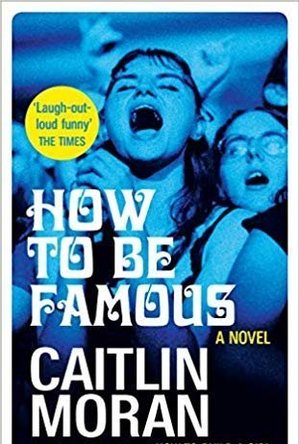
I’ve been ‘aware’ of Caitlin Moran’s work for a number of years. I think she first came to my attention in 2011. I worked in a bookshop and Morans book ‘How to be a Woman’ was in the charts. The cover art just seemed to exude a quirky confidence and it went straight into my ‘theoretical’ TBR pile.
As you can imagine, a booksellers TBR pile is a challenging Behemoth, so when ‘Raised by Wolves’ (a sitcom written by Caitlin Moran and her sister Caroline) came on the telly in 2013 I still hadn’t read ‘How to be a Woman’.
Happily, ‘Raised by Wolves’ was hilarious, putting Caitlin Moran well and truly on my radar as someone who had a lot of interesting and humorous opinions that I would really need to read about some day.
(On a little side note Alexa davies who plays Aretha in this is hilarious and worth keeping an eye on.)
Cut to 2019 Caitlin Moran has released 4 more books and I haven’t read a single one of them! So when NETgalley offered me a copy of ‘How to be famous’ in exchange for an honest review I had to say yes, as despite the fact that I actually own a copy of ‘How to be a girl’ I still haven’t read it, so I figured, if I have a deadline for a review that is going to spur me on to actually read this one!
It worked, I read it, and it was everything I thought it would be.
It had some definite laugh out loud moments, Morans humorous writing style comes through triumphantly.
So, the blurb . . .
“Johanna Morrigan (AKA Dolly Wilde) has it all: at eighteen, she lives in her own flat in London and writes for the coolest music magazine in Britain. But Johanna is miserable. Her best friend and man of her dreams John Kite has just made it big in 1994’s hot new BritPop scene. Suddenly John exists on another plane of reality: that of the Famouses.
Never one to sit on the sidelines, Johanna hatches a plan: she will Saint Paul his Corinthians, she will Jimmy his Pinocchio—she will write a monthly column, by way of a manual to the famous, analyzing fame, its power, its dangers, and its amusing aspects. In stories, girls never win the girl—they are won. Well, Johanna will re-write the stories, and win John, through her writing.
But as Johanna’s own star rises, an unpleasant one-night stand she had with a stand-up comedian, Jerry Sharp, comes back to haunt in her in a series of unfortunate consequences. How can a girl deal with public sexual shaming? Especially when her new friend, the up-and-coming feminist rock icon Suzanne Banks, is Jimmy Cricketing her?”
First off, despite the fact that this is the second book in a series, you don’t lose anything of the story by not having read the first one. If anything it makes you want to read the first one even more, as you want to know how Dolly got to where she is and the adventures she’s had on the way.
Secondly, the characters were just brilliant not a two-dimensional one among them, the dialogue just flows beautifully, and you’ll end the book wishing you were friends with them.
Thirdly, in my inexpert opinion its really well written, the story flows effortlessly and you are just grabbed by the collar and dragged along on this adventure.
I quite literally cannot find the words to say how much I admire Morans writing style, as I said before, this is so well written and the characters are so relatable. It’s full of many laugh out loud moments and some very frank and hilarious conversations about sex, and amongst the humour are actually some quite serious issues, like the clear displays of the inequality of women within the music industry (even though this was set in the 90s, I’m sure much of it is still true today)
And coming from somebody who never seems to get symbolism or messages from books, I took away a LOT from this one
One of my favourite moments was a letter that Dolly writes to her musician friend (Johnny) who is troubled by accusations of ‘selling out’
It basically addresses the scorn heaped on bands, with a predominantly teenage female following, by ‘Elitist’ fans and the music industry. She asks Johnny to appreciate his ‘screaming’ girls fans, as just because they’re louder, more emotional, younger, and haven’t been part of the fanbase since day one, doesn’t mean they don’t appreciate the music any less or feel any less. Yes, they are the ones putting money in your bank account, putting you in the charts, but just because they are part of the mass market doesn’t make their feelings any less valid.
Seeing as I’ve been both a ‘screaming girl fan’ and an ‘Elitist Fan’ I understand and appreciate what’s being said here.
There is so much to love bout this book, the strong female characters, the humour, the feminist message, and underneath it all a good old fashioned love story
As you can imagine, a booksellers TBR pile is a challenging Behemoth, so when ‘Raised by Wolves’ (a sitcom written by Caitlin Moran and her sister Caroline) came on the telly in 2013 I still hadn’t read ‘How to be a Woman’.
Happily, ‘Raised by Wolves’ was hilarious, putting Caitlin Moran well and truly on my radar as someone who had a lot of interesting and humorous opinions that I would really need to read about some day.
(On a little side note Alexa davies who plays Aretha in this is hilarious and worth keeping an eye on.)
Cut to 2019 Caitlin Moran has released 4 more books and I haven’t read a single one of them! So when NETgalley offered me a copy of ‘How to be famous’ in exchange for an honest review I had to say yes, as despite the fact that I actually own a copy of ‘How to be a girl’ I still haven’t read it, so I figured, if I have a deadline for a review that is going to spur me on to actually read this one!
It worked, I read it, and it was everything I thought it would be.
It had some definite laugh out loud moments, Morans humorous writing style comes through triumphantly.
So, the blurb . . .
“Johanna Morrigan (AKA Dolly Wilde) has it all: at eighteen, she lives in her own flat in London and writes for the coolest music magazine in Britain. But Johanna is miserable. Her best friend and man of her dreams John Kite has just made it big in 1994’s hot new BritPop scene. Suddenly John exists on another plane of reality: that of the Famouses.
Never one to sit on the sidelines, Johanna hatches a plan: she will Saint Paul his Corinthians, she will Jimmy his Pinocchio—she will write a monthly column, by way of a manual to the famous, analyzing fame, its power, its dangers, and its amusing aspects. In stories, girls never win the girl—they are won. Well, Johanna will re-write the stories, and win John, through her writing.
But as Johanna’s own star rises, an unpleasant one-night stand she had with a stand-up comedian, Jerry Sharp, comes back to haunt in her in a series of unfortunate consequences. How can a girl deal with public sexual shaming? Especially when her new friend, the up-and-coming feminist rock icon Suzanne Banks, is Jimmy Cricketing her?”
First off, despite the fact that this is the second book in a series, you don’t lose anything of the story by not having read the first one. If anything it makes you want to read the first one even more, as you want to know how Dolly got to where she is and the adventures she’s had on the way.
Secondly, the characters were just brilliant not a two-dimensional one among them, the dialogue just flows beautifully, and you’ll end the book wishing you were friends with them.
Thirdly, in my inexpert opinion its really well written, the story flows effortlessly and you are just grabbed by the collar and dragged along on this adventure.
I quite literally cannot find the words to say how much I admire Morans writing style, as I said before, this is so well written and the characters are so relatable. It’s full of many laugh out loud moments and some very frank and hilarious conversations about sex, and amongst the humour are actually some quite serious issues, like the clear displays of the inequality of women within the music industry (even though this was set in the 90s, I’m sure much of it is still true today)
And coming from somebody who never seems to get symbolism or messages from books, I took away a LOT from this one
One of my favourite moments was a letter that Dolly writes to her musician friend (Johnny) who is troubled by accusations of ‘selling out’
It basically addresses the scorn heaped on bands, with a predominantly teenage female following, by ‘Elitist’ fans and the music industry. She asks Johnny to appreciate his ‘screaming’ girls fans, as just because they’re louder, more emotional, younger, and haven’t been part of the fanbase since day one, doesn’t mean they don’t appreciate the music any less or feel any less. Yes, they are the ones putting money in your bank account, putting you in the charts, but just because they are part of the mass market doesn’t make their feelings any less valid.
Seeing as I’ve been both a ‘screaming girl fan’ and an ‘Elitist Fan’ I understand and appreciate what’s being said here.
There is so much to love bout this book, the strong female characters, the humour, the feminist message, and underneath it all a good old fashioned love story

Bob Mann (459 KP) rated Their Finest (2017) in Movies
Sep 29, 2021

Keep Calm and Carry on Writing.
In a well-mined category, “Their Finest” is a World War 2 comedy/drama telling a tale I haven’t seen told before: the story behind the British Ministry of Information and their drive to produce propaganda films that support morale and promote positive messages in a time of national crisis. For it is 1940 and London is under nightly attack by the Luftwaffe during the time known as “The Blitz”. Unfortunately the Ministry is run by a bunch of toffs, and their output is laughably misaligned with the working class population, and especially the female population: with their husbands fighting overseas, these two groups are fast becoming one and the same. For women are finding and enjoying new empowerment and freedom in being socially unshackled from the kitchen sink.
The brave crew of the Nancy Starling. Bill Nighy as Uncle Frank, with twins Lily and Francesca Knight as the Starling sisters.
Enter Catrin Cole (Gemma Arterton, “The Girl with all the Gifts“) who is one such woman arriving to a dangerous London from South Wales to live with struggling disabled artist Ellis (Jack Huston, grandson of John Huston). Catrin, stretching the truth a little, brings a stirring ‘true’ tale of derring-do about the Dunkirk evacuation to the Ministry’s attention. She is then employed to “write the slop” (the woman’s dialogue) in the writing team headed by spiky Tom Buckley (Sam Claflin, “Me Before You“).
One of the stars of the film within the film is ‘Uncle Frank’ played by the aging but charismatic actor Ambrose Hilliard (Bill Nighy, “Dad’s Army“, “Love Actually”). Catrin proves her worth by pouring oil on troubled waters as the army insist on the introduction of an American airman (Jake Lacy, “Carol“) to the stressful mix. An attraction builds between Catrin and Tom, but how will the love triangle resolve itself? (For a significant clue see the “Spoiler Section” below the trailer, but be warned that this is a major spoiler!).
As you might expect if you’ve seen the trailer the film is, in the main, warm and funny with Gemma Arterton just gorgeously huggable as the determined young lady trying to make it in a misogynistic 40’s world of work. Arterton is just the perfect “girl next door”: (sigh… if I was only 20 years younger and unattached!) But mixed in with the humour and the romantic storyline is a harsh sprinkling of the trials of war and not a little heartbreak occurs. This is at least a 5 tissue movie.
Claflin, who is having a strong year with appearances in a wide range of films, is also eminently watchable. One of his best scenes is a speech with Arterton about “why people love the movies”, a theory that the film merrily and memorably drives a stake through the heart of!
Elsewhere Lacy is hilarious as the hapless airman with zero acting ability; Helen McCrory (“Harry Potter”) as Sophie Smith vamps it up wonderfully as the potential Polish love interest for Hilliard; Richard E Grant (“Logan“) and Jeremy Irons (“The Lion King”, “Die Hard: with a Vengeance”) pop up in useful cameos and Eddie Marsan (“Sherlock Holmes”) is also touching as Hilliard’s long-suffering agent.
But it is Bill Nighy’s Hilliard who carries most of the wit and humour of the film with his pompous thespian persona, basking in the dwindling glory of a much loved series of “Inspector Lynley” films. With his pomposity progressively warming under the thawing effect of Sophie and Catrin, you have to love him! Bill Nighy is, well, Bill Nighy. Hugh Grant gets it (unfairly) in the neck for “being Hugh Grant” in every film, but this pales in comparison with Nighy’s performances! But who cares: his kooky delivery is just delightful and he is a national treasure!
Slightly less convincing for me was Rachael Stirling’s role as a butch ministry busybody with more than a hint of the lesbian about her. Stirling’s performance in the role is fine, but would this really have been so blatant in 1940’s Britain? This didn’t really ring true for me.
While the film gamely tries to pull off London in the Blitz the film’s limited budget (around £25m) makes everything feel a little underpowered and ’empty’: a few hundred more extras in the Underground/Blitz scenes for example would have helped no end. However, the special effects crew do their best and the cinematography by Sebastian Blenkov (“The Riot Club”) suitably conveys the mood: a scene where Catrin gets caught in a bomb blast outside a clothes shop is particularly moving.
As with all comedy dramas, sometimes the bedfellows lie uncomfortably with each other, and a couple of plot twists: one highly predictable; one shockingly unpredictable make this a non-linear watch. This rollercoaster of a script by Gaby Chiappe, in an excellent feature film debut (she actually also has a cameo in the propaganda “carrot film”!), undeniably adds interest and makes the film more memorable. However (I know from personal experience) that the twist did not please everyone in the audience!
Despite its occasionally uneven tone, this is a really enjoyable watch (particularly for more mature audiences) and Danish director Lone Scherfig finally has a vehicle that matches the quality of her much praised Carey Mulligan vehicle “An Education”.
The brave crew of the Nancy Starling. Bill Nighy as Uncle Frank, with twins Lily and Francesca Knight as the Starling sisters.
Enter Catrin Cole (Gemma Arterton, “The Girl with all the Gifts“) who is one such woman arriving to a dangerous London from South Wales to live with struggling disabled artist Ellis (Jack Huston, grandson of John Huston). Catrin, stretching the truth a little, brings a stirring ‘true’ tale of derring-do about the Dunkirk evacuation to the Ministry’s attention. She is then employed to “write the slop” (the woman’s dialogue) in the writing team headed by spiky Tom Buckley (Sam Claflin, “Me Before You“).
One of the stars of the film within the film is ‘Uncle Frank’ played by the aging but charismatic actor Ambrose Hilliard (Bill Nighy, “Dad’s Army“, “Love Actually”). Catrin proves her worth by pouring oil on troubled waters as the army insist on the introduction of an American airman (Jake Lacy, “Carol“) to the stressful mix. An attraction builds between Catrin and Tom, but how will the love triangle resolve itself? (For a significant clue see the “Spoiler Section” below the trailer, but be warned that this is a major spoiler!).
As you might expect if you’ve seen the trailer the film is, in the main, warm and funny with Gemma Arterton just gorgeously huggable as the determined young lady trying to make it in a misogynistic 40’s world of work. Arterton is just the perfect “girl next door”: (sigh… if I was only 20 years younger and unattached!) But mixed in with the humour and the romantic storyline is a harsh sprinkling of the trials of war and not a little heartbreak occurs. This is at least a 5 tissue movie.
Claflin, who is having a strong year with appearances in a wide range of films, is also eminently watchable. One of his best scenes is a speech with Arterton about “why people love the movies”, a theory that the film merrily and memorably drives a stake through the heart of!
Elsewhere Lacy is hilarious as the hapless airman with zero acting ability; Helen McCrory (“Harry Potter”) as Sophie Smith vamps it up wonderfully as the potential Polish love interest for Hilliard; Richard E Grant (“Logan“) and Jeremy Irons (“The Lion King”, “Die Hard: with a Vengeance”) pop up in useful cameos and Eddie Marsan (“Sherlock Holmes”) is also touching as Hilliard’s long-suffering agent.
But it is Bill Nighy’s Hilliard who carries most of the wit and humour of the film with his pompous thespian persona, basking in the dwindling glory of a much loved series of “Inspector Lynley” films. With his pomposity progressively warming under the thawing effect of Sophie and Catrin, you have to love him! Bill Nighy is, well, Bill Nighy. Hugh Grant gets it (unfairly) in the neck for “being Hugh Grant” in every film, but this pales in comparison with Nighy’s performances! But who cares: his kooky delivery is just delightful and he is a national treasure!
Slightly less convincing for me was Rachael Stirling’s role as a butch ministry busybody with more than a hint of the lesbian about her. Stirling’s performance in the role is fine, but would this really have been so blatant in 1940’s Britain? This didn’t really ring true for me.
While the film gamely tries to pull off London in the Blitz the film’s limited budget (around £25m) makes everything feel a little underpowered and ’empty’: a few hundred more extras in the Underground/Blitz scenes for example would have helped no end. However, the special effects crew do their best and the cinematography by Sebastian Blenkov (“The Riot Club”) suitably conveys the mood: a scene where Catrin gets caught in a bomb blast outside a clothes shop is particularly moving.
As with all comedy dramas, sometimes the bedfellows lie uncomfortably with each other, and a couple of plot twists: one highly predictable; one shockingly unpredictable make this a non-linear watch. This rollercoaster of a script by Gaby Chiappe, in an excellent feature film debut (she actually also has a cameo in the propaganda “carrot film”!), undeniably adds interest and makes the film more memorable. However (I know from personal experience) that the twist did not please everyone in the audience!
Despite its occasionally uneven tone, this is a really enjoyable watch (particularly for more mature audiences) and Danish director Lone Scherfig finally has a vehicle that matches the quality of her much praised Carey Mulligan vehicle “An Education”.

Jayme (18 KP) rated Underwater in Books
Mar 28, 2018


Plot (1 more)
Emotion
Contains spoilers, click to show
Marisa Reichardt’s debut novel Underwater is a compelling account of a teenage girl’s struggles with agoraphobia caused by a traumatic shooting taking place in her high school. The book intended for a young adult audience follows Morgan as as she tries to cope with several adversities in her life, primarily the fear of leaving her apartment. Morgan was content with wearing the same pajamas everyday while she did her schoolwork online and ate grilled cheese for lunch until a boy her age named Evan moved in next door. Evan showed up on Morgan’s door step smelling like the ocean, reminding her of summer and everything she missed outdoors. With help from Evan, her psychiatrist, her mom, and her little brother Ben, Morgan is able to finally confront her fears and take necessary steps toward recovery.
I found myself connecting to Morgan more than any other character within the book, and that connection began early on in her description of the day her younger brother was born.
"I think of Ben on the day he was born, all chubby and pink and bald. … I think of the newborn Ben next to my mom’s hospital bed and rocking him under dim lights while he slept in my arms. I fall asleep to the feeling of a love I never knew until my brother got here."
Being the youngest in my family and having no experience with anyone I knew having children, I was especially excited when my only sister got pregnant with her first child. I sat in an uncomfortable chair across the room from my sister’s hospital bed for thirteen hours while she was in labor. When she was finally ready to push, I stood at her side giving words of encouragement, and she even gave me the honor of cutting my nephew’s umbilical cord. I remember the warmth of my tears as I heard my nephew cry out, sucking in his first breaths of air. I left the hospital shortly after his delivery, allowing my sister to get some rest. I returned a few hours later and held my tiny nephew in my arms for the first time. I love plenty of people in my life, but it wasn’t until I watched my newborn nephew as he slept swaddled in the hospital-issued blanket that I fully understood the depths of the love I was capable of producing. The astonishment I felt holding my precious nephew can be compared to the feelings Morgan had toward her brother the day he was born.
What I found to be most fascinating about this book is the way the author tackles the problem of school shootings in a way that humanizes the shooter and his victims. Instead of making the shooter out to be a merciless attacker, he was demonstrated as a victim of neglect among his peers who deserves forgiveness for his mistakes. There have been one hundred and seventy-four school shootings in America since the year 2003. School shootings are a recurring issue in our society.
"Before Aaron’s Facebook was disabled, news outlets released photographs from his profile. They found the worst ones. The ones that painted the picture of a kid who was angry and alone. They interviewed neighbors who said Aaron spent weekends tinkering in the garage. His mom revealed Aaron had been in therapy since middle school. His dad revealed he kept guns in the house. For protection. From the world. Not from his son. Those were guns Aaron brought to school onOctober fifteenth. … And the only person who could give us answers, who could tell us why, was gone."
The media is quick to make the shooter out to be a monster instead of acknowledging the idea that people make drastic decisions, like one of shooting up a school, because they have no one to turn to.
Other personal accounts of shootings have been written, but there is nothing like this fictional demonstration of the aftereffects of such occurrences. Misty Bernell, the mother of a student killed in the Columbine High School shooting taking place in 1999, wrote the book She Said Yes: The Unlikely Martydom of Cassie Bernall as a way of commemorating her daughter and spreading awareness of the lives lost in the tragic massacre. Reichardt manages to establish a point of view that allows readers to show empathy toward a victim in the shooting the same way Bernell does without downplaying the internal struggles Aaron, the shooter in the novel, may have been experiencing.
The successful manner in which Reichardt explores a real-time societal issue from a unique perspective provides enough grounds for me to recommend the book. However, I was also able to find many characteristics that made me feel invested in the well-being of the each of the characters within the novel. Morgan works especially hard to go outside in order to see her brother perform in his kindergarten play, the psychiatrist meets with Morgan for free because the psychiatrist wanted Morgan to know she was being heard, Evan offering his old prepaid cell phone to Morgan so they could send text messages to communicate the problems Morgan was too afraid to talk about out loud, and the way Morgan’s mother compromises with Morgan and attempts to understand her feelings. Each character demonstrates selflessness and unconditional love while maneuvering through a situation where love and support are crucial to the mental health of everyone involved. Reading about people who truly care about each other and work to build each other up in a difficult time instead of worrying only of themselves is refreshing.
I found myself connecting to Morgan more than any other character within the book, and that connection began early on in her description of the day her younger brother was born.
"I think of Ben on the day he was born, all chubby and pink and bald. … I think of the newborn Ben next to my mom’s hospital bed and rocking him under dim lights while he slept in my arms. I fall asleep to the feeling of a love I never knew until my brother got here."
Being the youngest in my family and having no experience with anyone I knew having children, I was especially excited when my only sister got pregnant with her first child. I sat in an uncomfortable chair across the room from my sister’s hospital bed for thirteen hours while she was in labor. When she was finally ready to push, I stood at her side giving words of encouragement, and she even gave me the honor of cutting my nephew’s umbilical cord. I remember the warmth of my tears as I heard my nephew cry out, sucking in his first breaths of air. I left the hospital shortly after his delivery, allowing my sister to get some rest. I returned a few hours later and held my tiny nephew in my arms for the first time. I love plenty of people in my life, but it wasn’t until I watched my newborn nephew as he slept swaddled in the hospital-issued blanket that I fully understood the depths of the love I was capable of producing. The astonishment I felt holding my precious nephew can be compared to the feelings Morgan had toward her brother the day he was born.
What I found to be most fascinating about this book is the way the author tackles the problem of school shootings in a way that humanizes the shooter and his victims. Instead of making the shooter out to be a merciless attacker, he was demonstrated as a victim of neglect among his peers who deserves forgiveness for his mistakes. There have been one hundred and seventy-four school shootings in America since the year 2003. School shootings are a recurring issue in our society.
"Before Aaron’s Facebook was disabled, news outlets released photographs from his profile. They found the worst ones. The ones that painted the picture of a kid who was angry and alone. They interviewed neighbors who said Aaron spent weekends tinkering in the garage. His mom revealed Aaron had been in therapy since middle school. His dad revealed he kept guns in the house. For protection. From the world. Not from his son. Those were guns Aaron brought to school onOctober fifteenth. … And the only person who could give us answers, who could tell us why, was gone."
The media is quick to make the shooter out to be a monster instead of acknowledging the idea that people make drastic decisions, like one of shooting up a school, because they have no one to turn to.
Other personal accounts of shootings have been written, but there is nothing like this fictional demonstration of the aftereffects of such occurrences. Misty Bernell, the mother of a student killed in the Columbine High School shooting taking place in 1999, wrote the book She Said Yes: The Unlikely Martydom of Cassie Bernall as a way of commemorating her daughter and spreading awareness of the lives lost in the tragic massacre. Reichardt manages to establish a point of view that allows readers to show empathy toward a victim in the shooting the same way Bernell does without downplaying the internal struggles Aaron, the shooter in the novel, may have been experiencing.
The successful manner in which Reichardt explores a real-time societal issue from a unique perspective provides enough grounds for me to recommend the book. However, I was also able to find many characteristics that made me feel invested in the well-being of the each of the characters within the novel. Morgan works especially hard to go outside in order to see her brother perform in his kindergarten play, the psychiatrist meets with Morgan for free because the psychiatrist wanted Morgan to know she was being heard, Evan offering his old prepaid cell phone to Morgan so they could send text messages to communicate the problems Morgan was too afraid to talk about out loud, and the way Morgan’s mother compromises with Morgan and attempts to understand her feelings. Each character demonstrates selflessness and unconditional love while maneuvering through a situation where love and support are crucial to the mental health of everyone involved. Reading about people who truly care about each other and work to build each other up in a difficult time instead of worrying only of themselves is refreshing.
The Leader's Guide to Presenting
Book
Presentations are an inevitable part of a leader's day to day. They are fundamental to delivering...

Connor Sheffield (293 KP) rated The Company of Wolves (1984) in Movies
Apr 19, 2017


Very Different from most films (3 more)
Transformation Sequences
Great Cast
Brilliant lore
May seem confusing (1 more)
Rosaleen younger than originally planned
Of Wolves and Men
Where do I begin when reviewing a film as obscure and brilliant as, The Company of Wolves. Well for starters I should probably introduce it as it's not a film a lot of people are aware of.
The Company of Wolves is a British Gothic Horror movie adapted from an Anthology of short stories called The Curious Room, written by Angela Carter, and the short story that the film was adapted from was in fact of the same name, The Company of Wolves.
Angela Carter worked with Neil Jordan to write the screenplay and whilst it has some differences (I've not yet read the original story so I couldn't tell you the differences....just google it) the movie is still pretty close to the source material from what I have heard.
One thing I can tell you about this film is that it is brilliant and unlike anything you will ever watch (at least its unlike anything I have seen as of writing this). When I first watched this film, my initial thought was "What on earth did I just watch?" and after viewing it several more times I understood more and more and each viewing was like a new experience.
It's cast add to the creepy dark tone of the film whilst still feeling like a light fantasy film, but with gore and death. The soundtrack is certainly the creepiest element of the film, and it creates an eerily uncomfortable atmosphere. To add to this atmosphere we have a cast that includes the likes of famous names such as Angela Lansbury (Bedknobs and Broomsticks, Beauty and the Beast, Murder She Wrote etc.), Stephen Rea (V for Vendetta, The Crying Game, Underworld: Awakening etc.), David Warner (Titanic, Tron, The Omen etc.) and Brian Glover (An American Werewolf in London, Alien 3, KES etc.) just to name a few, but we also have brilliant talent from lesser known actors\actresses such as Micha Bergese (Interview With A Vampire) and the lead role of young Rosaleen, portrayed by Sarah Patterson who only ever starred in 3 more films after The Company of Wolves.
So why do I love this movie? I have a love for werewolf lore and the subtle messages about reality the legends may be formed from and this film explores some of that. With Angela Lansbury as Granny telling young Rosaleen stories about how she shouldn't trust men who's eyebrows meet, and how she shouldn't stray from the path when walking through the forest. Tradition superstition that were actual beliefs many years ago. The Company of Wolves is a combination of stories, but with an overall plot similar in many ways to that of Little Red Riding Hood, including Granny knitting Rosaleen a red shoal, and being challenged by a huntsman to a race to Granny's house, which concludes with SPOILERS!!!!
Granny is murdered, and the huntsman is discovered by Rosaleen who them puts the pieces of the puzzle together and comes to the truthful conclusion that the huntsman is in fact a werewolf.
However, my only issue with the film is not being able to explore the story properly, as the casting of Rosaleen was actually too young for the original script. The film is a somewhat coming of age movie for Rosaleen and a young boy who is infatuated with her (known only in the credits as Amerous Boy, portrayed by Shane Johnstone. Never heard of him? That's because this was his only movie). The original script was essentially going to explore more of the sexuality between a young girl and the handsome stranger known as The Huntsman. However, during casting, Sarah Patterson shined above the other young performers and was chosen for the role, but due to her being so young (only 12/13 years old) they had to change the script and so their interaction was reduced to nothing more than a bet which would lead to a kiss, but the kiss is then a simple peck on the lips as the Rosaleen jumps back with the line "My what big teeth you have!".
Here's a tip when you watch this movie. Look around Rosaleens room at the beginning and pay attention to her dolls etc. Some of the props will help the film make more sense because one thing I should have mentioned at the start is that this story takes place in a young girls dream (Also portrayed by Sarah Patterson) and the finale is spectacular.
The wolves for the majority of their appearances are easily noticeable as being nothing more than domestic German Shepherds, but that makes sense when you think about this being a girl's dream, and this girl in fact owns a pet German Shepherd.
The best part and the most horrific part of this movie, is the transformations of two of the characters. Stephen Rea's character is a young groom in one of Granny's stories that she tells to Rosaleen, and his transformation into wolf form is one of the most graphic transformations I have ever seen in a film, and despite the use of an animatronic dog, which in part takes away some of the magic, you have to remember this was 1984 and these kinds of films were not going to have the amazing technology we have today and you have to give so much credit and respect to Neil Jordan for using practical effects.
The Huntsmans transformation is less gory but definitely not any less creepier, as we see an extended tongue, and a lot of physical body transformation before a wolf snout comes bursting out of his mouth and fur rips through his skin. Both of these portrayals of the transformation were a representation of the running theme that men have beasts inside of them, that only appear when they are angry or upset.
I highly recommend this film, but I have warned you beforehand. If you do watch this film, feel free to discuss it with me because as I said it is one of my favourites and is lesser known to many audiences.
The Company of Wolves is a British Gothic Horror movie adapted from an Anthology of short stories called The Curious Room, written by Angela Carter, and the short story that the film was adapted from was in fact of the same name, The Company of Wolves.
Angela Carter worked with Neil Jordan to write the screenplay and whilst it has some differences (I've not yet read the original story so I couldn't tell you the differences....just google it) the movie is still pretty close to the source material from what I have heard.
One thing I can tell you about this film is that it is brilliant and unlike anything you will ever watch (at least its unlike anything I have seen as of writing this). When I first watched this film, my initial thought was "What on earth did I just watch?" and after viewing it several more times I understood more and more and each viewing was like a new experience.
It's cast add to the creepy dark tone of the film whilst still feeling like a light fantasy film, but with gore and death. The soundtrack is certainly the creepiest element of the film, and it creates an eerily uncomfortable atmosphere. To add to this atmosphere we have a cast that includes the likes of famous names such as Angela Lansbury (Bedknobs and Broomsticks, Beauty and the Beast, Murder She Wrote etc.), Stephen Rea (V for Vendetta, The Crying Game, Underworld: Awakening etc.), David Warner (Titanic, Tron, The Omen etc.) and Brian Glover (An American Werewolf in London, Alien 3, KES etc.) just to name a few, but we also have brilliant talent from lesser known actors\actresses such as Micha Bergese (Interview With A Vampire) and the lead role of young Rosaleen, portrayed by Sarah Patterson who only ever starred in 3 more films after The Company of Wolves.
So why do I love this movie? I have a love for werewolf lore and the subtle messages about reality the legends may be formed from and this film explores some of that. With Angela Lansbury as Granny telling young Rosaleen stories about how she shouldn't trust men who's eyebrows meet, and how she shouldn't stray from the path when walking through the forest. Tradition superstition that were actual beliefs many years ago. The Company of Wolves is a combination of stories, but with an overall plot similar in many ways to that of Little Red Riding Hood, including Granny knitting Rosaleen a red shoal, and being challenged by a huntsman to a race to Granny's house, which concludes with SPOILERS!!!!
Granny is murdered, and the huntsman is discovered by Rosaleen who them puts the pieces of the puzzle together and comes to the truthful conclusion that the huntsman is in fact a werewolf.
However, my only issue with the film is not being able to explore the story properly, as the casting of Rosaleen was actually too young for the original script. The film is a somewhat coming of age movie for Rosaleen and a young boy who is infatuated with her (known only in the credits as Amerous Boy, portrayed by Shane Johnstone. Never heard of him? That's because this was his only movie). The original script was essentially going to explore more of the sexuality between a young girl and the handsome stranger known as The Huntsman. However, during casting, Sarah Patterson shined above the other young performers and was chosen for the role, but due to her being so young (only 12/13 years old) they had to change the script and so their interaction was reduced to nothing more than a bet which would lead to a kiss, but the kiss is then a simple peck on the lips as the Rosaleen jumps back with the line "My what big teeth you have!".
Here's a tip when you watch this movie. Look around Rosaleens room at the beginning and pay attention to her dolls etc. Some of the props will help the film make more sense because one thing I should have mentioned at the start is that this story takes place in a young girls dream (Also portrayed by Sarah Patterson) and the finale is spectacular.
The wolves for the majority of their appearances are easily noticeable as being nothing more than domestic German Shepherds, but that makes sense when you think about this being a girl's dream, and this girl in fact owns a pet German Shepherd.
The best part and the most horrific part of this movie, is the transformations of two of the characters. Stephen Rea's character is a young groom in one of Granny's stories that she tells to Rosaleen, and his transformation into wolf form is one of the most graphic transformations I have ever seen in a film, and despite the use of an animatronic dog, which in part takes away some of the magic, you have to remember this was 1984 and these kinds of films were not going to have the amazing technology we have today and you have to give so much credit and respect to Neil Jordan for using practical effects.
The Huntsmans transformation is less gory but definitely not any less creepier, as we see an extended tongue, and a lot of physical body transformation before a wolf snout comes bursting out of his mouth and fur rips through his skin. Both of these portrayals of the transformation were a representation of the running theme that men have beasts inside of them, that only appear when they are angry or upset.
I highly recommend this film, but I have warned you beforehand. If you do watch this film, feel free to discuss it with me because as I said it is one of my favourites and is lesser known to many audiences.

Matt Geiger (15 KP) rated Da 5 Bloods (2020) in Movies
Jun 27, 2020
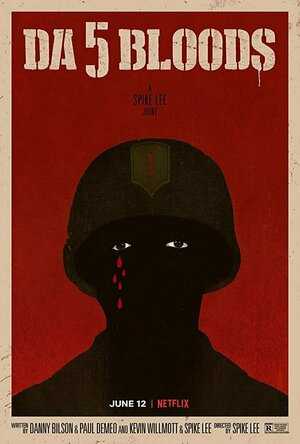
Da 5 Bloods: Spike Lee Asks Us "What's Going On?"
Spike Lee could not have possibly known that current events and major progresses made in the Black Lives Matter movement would more than likely affect the way audiences perceive Da 5 Bloods, but it’s these developments that, for all of the film’s flaws, imbue it with a sense of urgency befitting of Lee’s filmmaking talents and the beliefs that his filmography has been expounding for decades. In the process of expressing such powerful statements, Lee, in turn, provides a long-overdue voice for the African American experience in the Vietnam War, a conflict that has been portrayed in popular film for about as long as it has been over, and yet strangely, has not been properly balanced in its representation of those who made up the largest percentage of those who served in it.
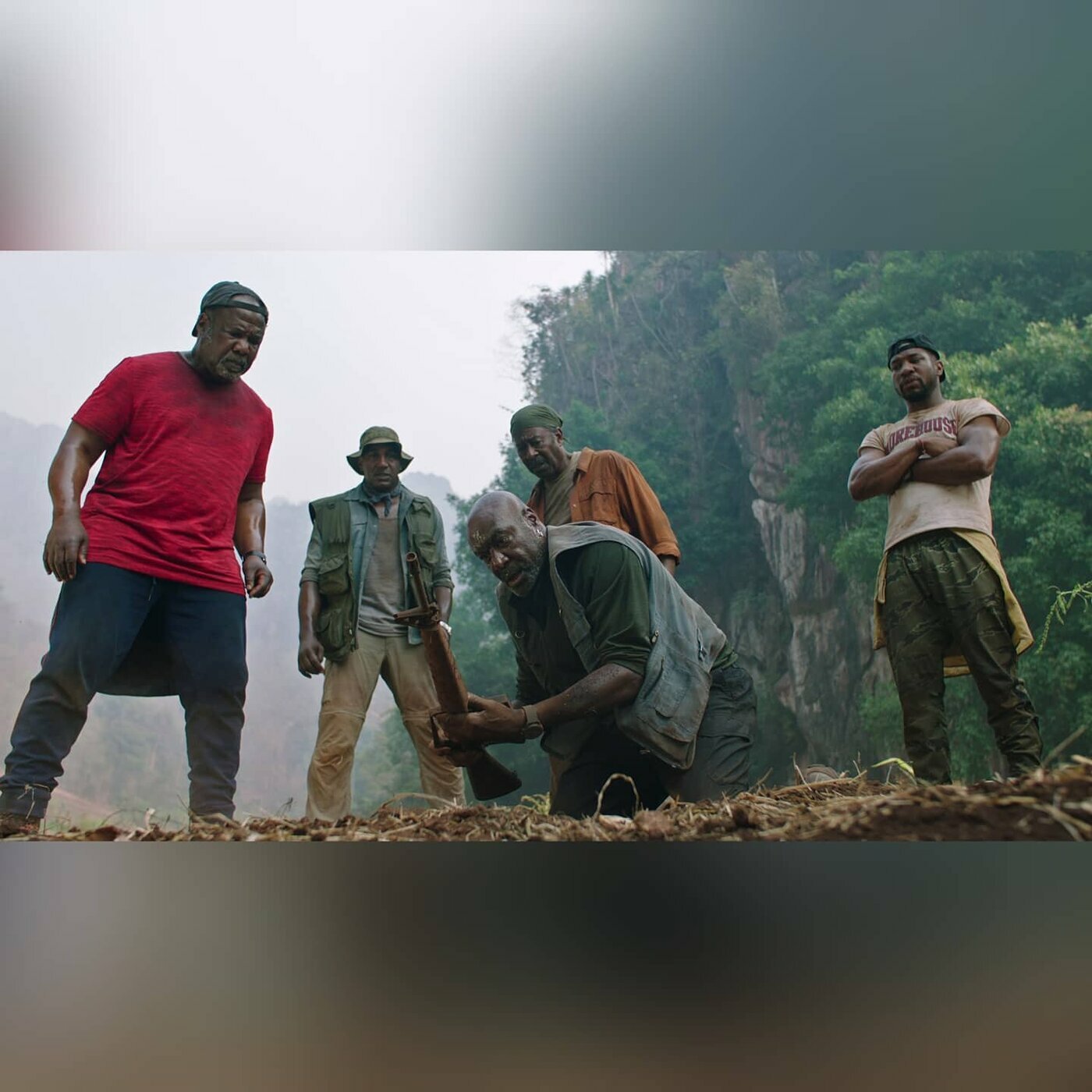
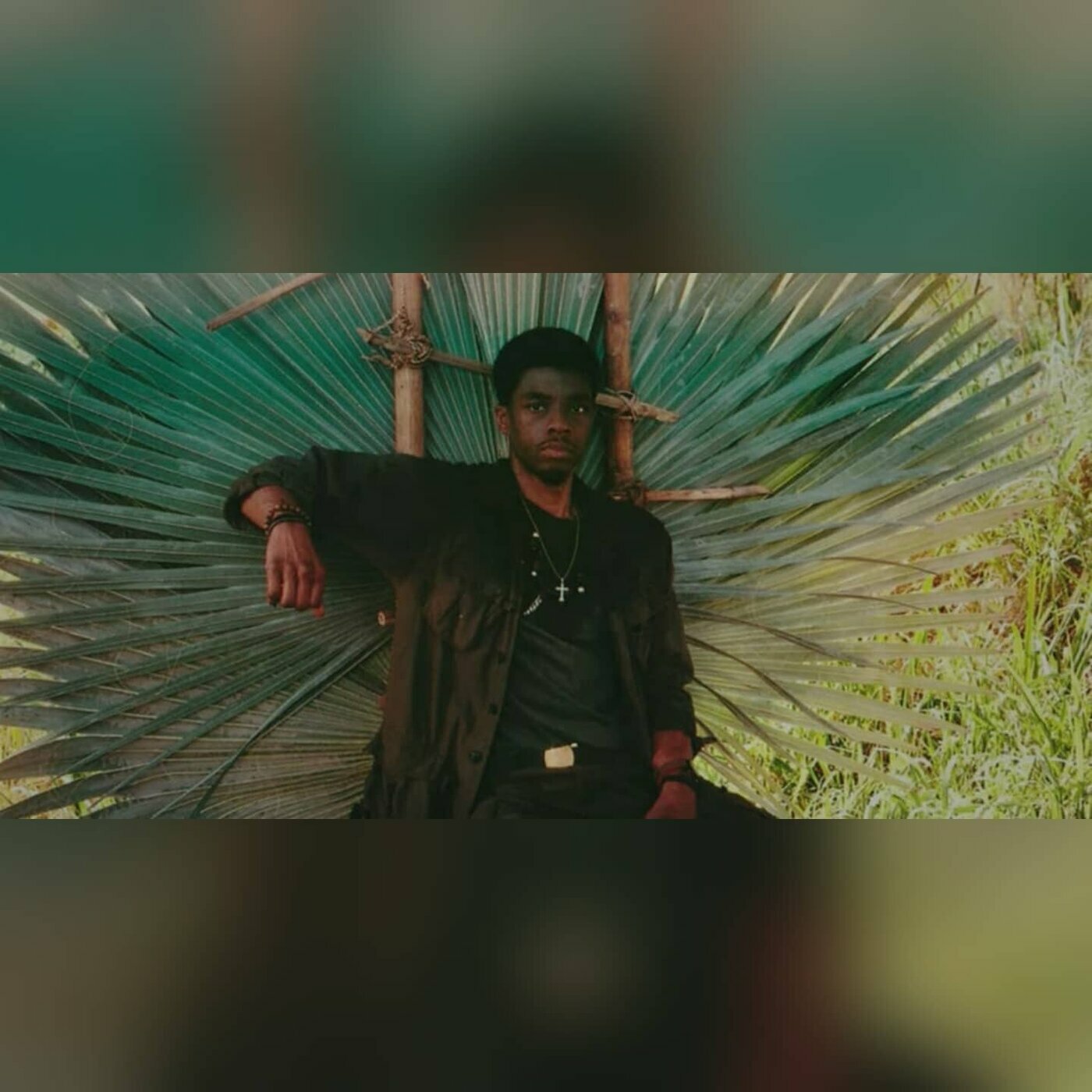
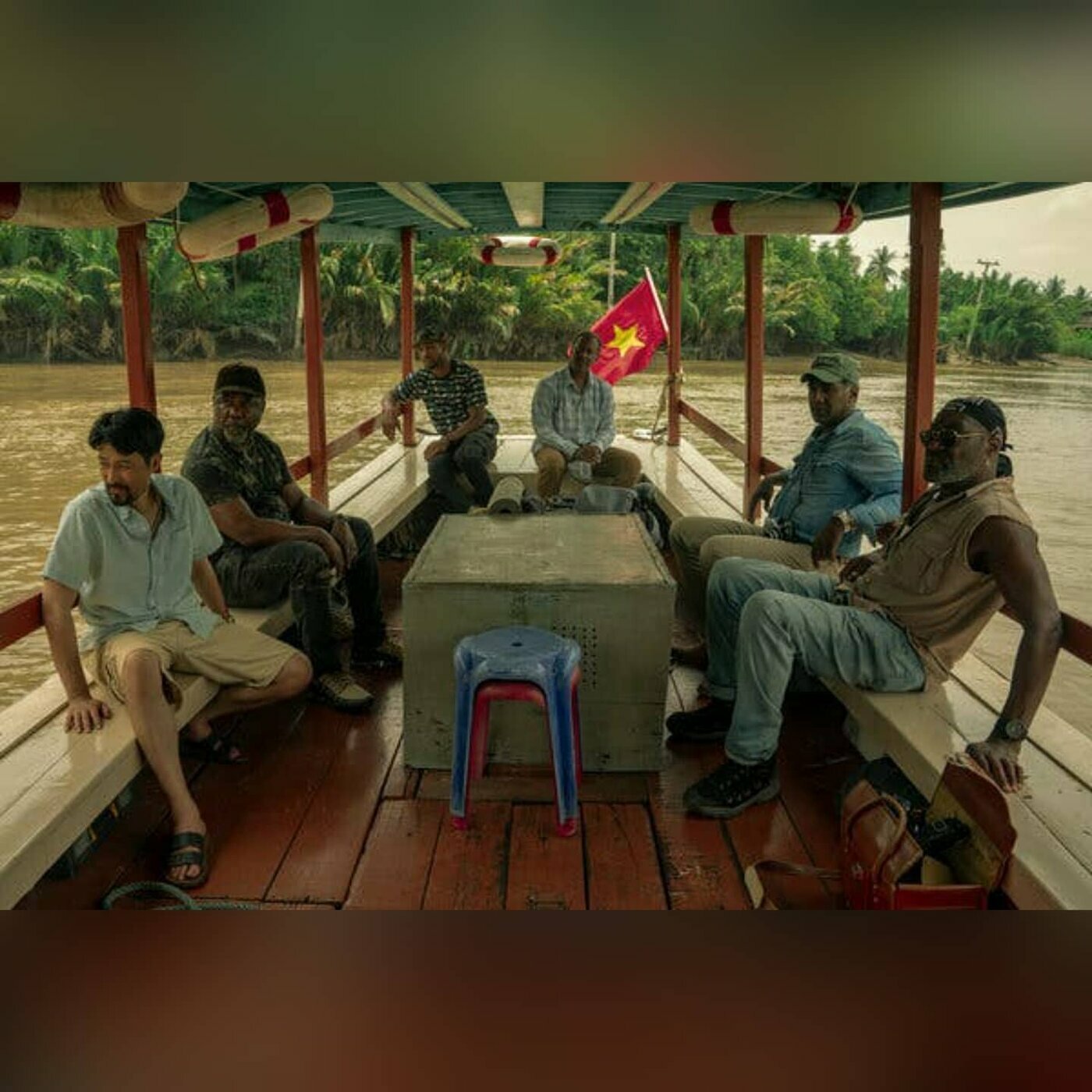
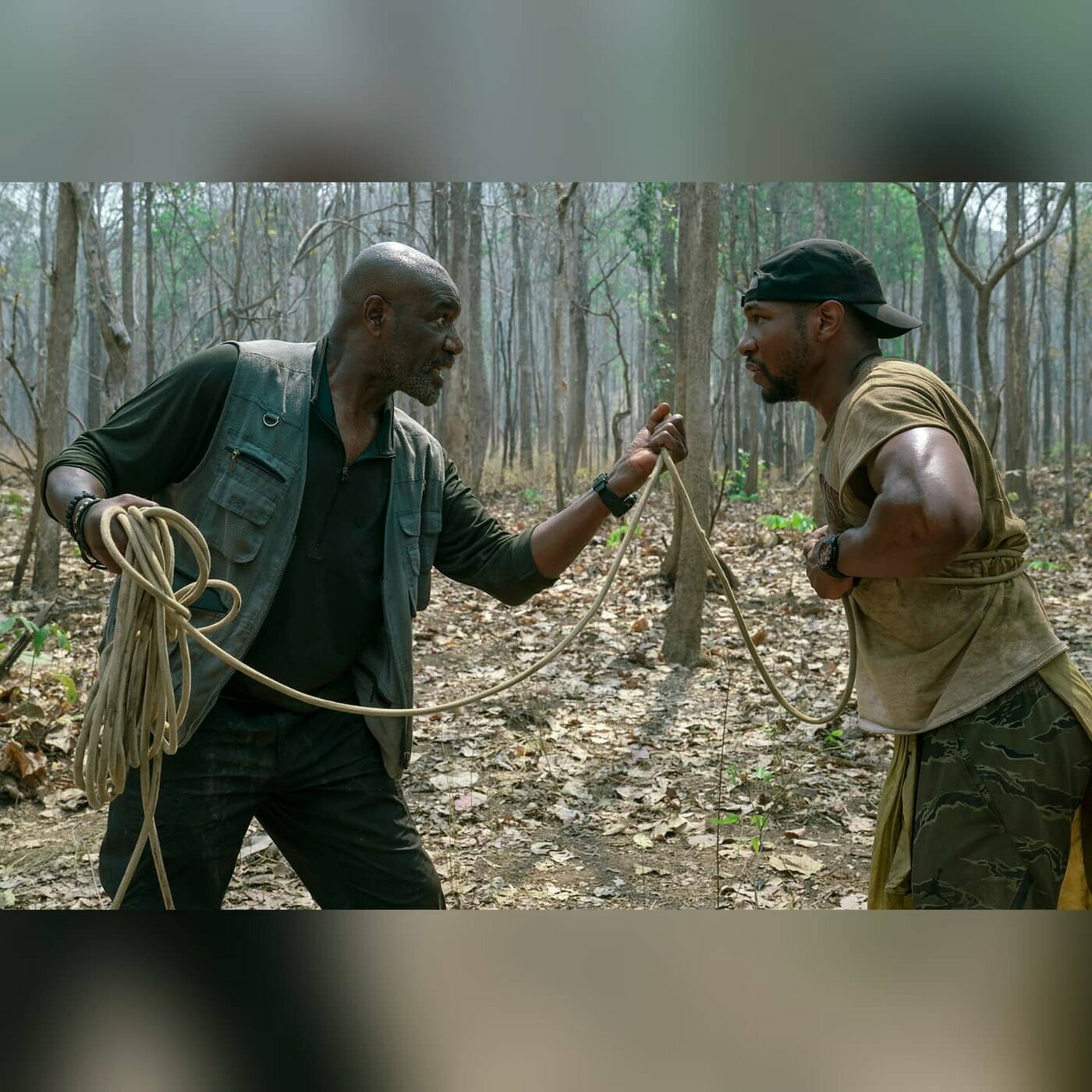
Continuing Lee’s trend of fusing the past and present together to show that things are definitely still yet to change, Da 5 Bloods finds four African American veterans returning to Vietnam to search for the remains of their commanding officer, “Stormin’” Norman (Chadwick Boseman), and the stash of gold that they found and collectively buried, gold that was initially offered to the indigenous Southern Vietnamese by the CIA as payment for their support of US troops, but taken by the “Bloods” as compensation for their needless sacrifices for a country that has never given them the treatment they deserve despite the fact that they played a pivotal role in helping to make it what it is today. The ultimate goal is nothing that hasn’t been depicted before, but the controversy of the Vietnam War and the experience of combat and violence spills over into today; some of the film’s most striking messages are effectively relayed through a handful of very committed performances from the well-casted ensemble, with Delroy Lindo serving as the beating emotional heart of the film. It’s a career-defining showcase for Lindo, who, as the PTSD-stricken Trump supporter Paul, carries the most weight on his shoulders. He wrestles with personal demons and survivor’s guilt for more than half of his life because of the choices he made during his time in the service, time he and the other Bloods couldn’t avoid because, unlike the privileged white men of America, they were not given the same opportunities to dodge the draft. The disenfranchisement and aimlessness that Lindo merely alludes to through his heart-wrenching performance provides the foundation for the complicated relationship Paul shares with his estranged son, David (Jonathan Majors in the film’s other award-worthy performance), who tags along for the ride in an effort to heal old wounds and bury a deeply-lodged hatchet.
The natural chemistry Lindo shares with the other Bloods (Clarke Peters, Norm Lewis, and Isiah Whitlock, Jr.) is palpable in both the past and present, which blend into one as the screen slides from one aspect ratio to another, shifting from flashbacks of one wartorn world to the present day, in which we find ourselves fighting a different, yet altogether similar kind of war. That these changes in aspect ratios never appear as visually perceived cuts is simply another one of the ways in which Spike Lee seamlessly reminds us that then and now are cut from the same cloth, complete with the same heart-wrenching tragedies that give way to the camaraderie that is necessary to ensure that the proper names get written back into history where they belong. How the four vets are visually represented in their recollections of their commander, which are stripped of the psychedelic imagery associated with previous Vietnam War films in order to cut deeper into understanding what the Bloods’ place in Vietnam is supposed to mean (if it means anything at all), further adds to Lee’s ability to find the haunting parallels between the two time periods that comprise the film.
Spike Lee gets at so many unique and timely concepts that seem perfectly applicable to what’s going on in the world, but where he stumbles is how he goes about explicating these ideas. As a storyteller, Lee is at his best when his narratives gradually develop at a reasonably decisive pace until the tension is fully amplified by the story’s climactic boiling point, at which point there’s no turning back. Such was the nature of Do the Right Thing and, more recently, BlacKkKlansman. The same cannot entirely be said for Da 5 Bloods, which struggles to find a consistent pace and tone during its first act, in which it tries to introduce all of the central ideas at once, along with some unnecessary side stories that carry little to no weight in comparison to the central task and are ultimately resolved in schmaltzy, unsatisfying ways. Moreover, while investment in the film can be maintained throughout, too often is this investment reinforced by the unnecessary moments that serve as detriments to the sequences of dramatic consequence and just might take you out of the story, causing you to restart your investment. Every act has at least one of these moments, with the final result unfortunately falling short of the expectations of some of the genres that are molded into the Bloods’ journey through the Vietnamese jungle. The overtly patriotic and quite distracting score from Terence Blanchard (regardless of whether or not its inclusion was intended as irony) does not help the matter, with many of the best scenes occurring either in silence or alongside the soulful tracks of Marvin Gaye’s What’s Going On album.
Even when Spike Lee stumbles in the execution of his argument, what ultimately matters is the argument itself; while the film begins and ends rather heavy-handedly, telling the viewer things they are bound to already know and incorporating footage that doesn’t need to be there for the point to get across, the sacrifices that Lee chooses to detail and their ramifications for the state of our country to today give the film a degree of value at a time like this, and he is the only director who could bring these issues to the forefront in such an entertaining way. It may not be as good or accessible as his best work, but the calls to action that he has long been affiliated with echo through jungles and cities in equal measure.
What did you guys think of Da 5 Bloods? Agree? Disagree?
Continuing Lee’s trend of fusing the past and present together to show that things are definitely still yet to change, Da 5 Bloods finds four African American veterans returning to Vietnam to search for the remains of their commanding officer, “Stormin’” Norman (Chadwick Boseman), and the stash of gold that they found and collectively buried, gold that was initially offered to the indigenous Southern Vietnamese by the CIA as payment for their support of US troops, but taken by the “Bloods” as compensation for their needless sacrifices for a country that has never given them the treatment they deserve despite the fact that they played a pivotal role in helping to make it what it is today. The ultimate goal is nothing that hasn’t been depicted before, but the controversy of the Vietnam War and the experience of combat and violence spills over into today; some of the film’s most striking messages are effectively relayed through a handful of very committed performances from the well-casted ensemble, with Delroy Lindo serving as the beating emotional heart of the film. It’s a career-defining showcase for Lindo, who, as the PTSD-stricken Trump supporter Paul, carries the most weight on his shoulders. He wrestles with personal demons and survivor’s guilt for more than half of his life because of the choices he made during his time in the service, time he and the other Bloods couldn’t avoid because, unlike the privileged white men of America, they were not given the same opportunities to dodge the draft. The disenfranchisement and aimlessness that Lindo merely alludes to through his heart-wrenching performance provides the foundation for the complicated relationship Paul shares with his estranged son, David (Jonathan Majors in the film’s other award-worthy performance), who tags along for the ride in an effort to heal old wounds and bury a deeply-lodged hatchet.
The natural chemistry Lindo shares with the other Bloods (Clarke Peters, Norm Lewis, and Isiah Whitlock, Jr.) is palpable in both the past and present, which blend into one as the screen slides from one aspect ratio to another, shifting from flashbacks of one wartorn world to the present day, in which we find ourselves fighting a different, yet altogether similar kind of war. That these changes in aspect ratios never appear as visually perceived cuts is simply another one of the ways in which Spike Lee seamlessly reminds us that then and now are cut from the same cloth, complete with the same heart-wrenching tragedies that give way to the camaraderie that is necessary to ensure that the proper names get written back into history where they belong. How the four vets are visually represented in their recollections of their commander, which are stripped of the psychedelic imagery associated with previous Vietnam War films in order to cut deeper into understanding what the Bloods’ place in Vietnam is supposed to mean (if it means anything at all), further adds to Lee’s ability to find the haunting parallels between the two time periods that comprise the film.
Spike Lee gets at so many unique and timely concepts that seem perfectly applicable to what’s going on in the world, but where he stumbles is how he goes about explicating these ideas. As a storyteller, Lee is at his best when his narratives gradually develop at a reasonably decisive pace until the tension is fully amplified by the story’s climactic boiling point, at which point there’s no turning back. Such was the nature of Do the Right Thing and, more recently, BlacKkKlansman. The same cannot entirely be said for Da 5 Bloods, which struggles to find a consistent pace and tone during its first act, in which it tries to introduce all of the central ideas at once, along with some unnecessary side stories that carry little to no weight in comparison to the central task and are ultimately resolved in schmaltzy, unsatisfying ways. Moreover, while investment in the film can be maintained throughout, too often is this investment reinforced by the unnecessary moments that serve as detriments to the sequences of dramatic consequence and just might take you out of the story, causing you to restart your investment. Every act has at least one of these moments, with the final result unfortunately falling short of the expectations of some of the genres that are molded into the Bloods’ journey through the Vietnamese jungle. The overtly patriotic and quite distracting score from Terence Blanchard (regardless of whether or not its inclusion was intended as irony) does not help the matter, with many of the best scenes occurring either in silence or alongside the soulful tracks of Marvin Gaye’s What’s Going On album.
Even when Spike Lee stumbles in the execution of his argument, what ultimately matters is the argument itself; while the film begins and ends rather heavy-handedly, telling the viewer things they are bound to already know and incorporating footage that doesn’t need to be there for the point to get across, the sacrifices that Lee chooses to detail and their ramifications for the state of our country to today give the film a degree of value at a time like this, and he is the only director who could bring these issues to the forefront in such an entertaining way. It may not be as good or accessible as his best work, but the calls to action that he has long been affiliated with echo through jungles and cities in equal measure.
What did you guys think of Da 5 Bloods? Agree? Disagree?