
Search
Search results

Hadley (567 KP) rated Stranger Things: Suspicious Minds in Books
Jun 10, 2019
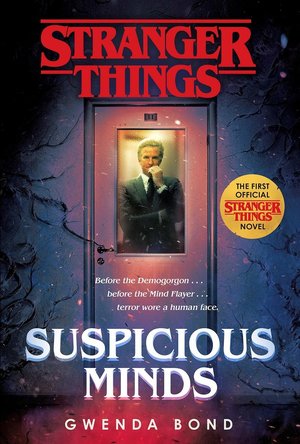


The first novel adapted from the Netflix series hit 'Stranger Things' is an astonishing work of art. Viewers of the show may be familiar with Eleven's mother, Terry Ives, which this book surrounds. Along for the ride are a few important characters that weren't mentioned in the series: Alice, Gloria and Ken - a self proclaimed psychic - all of which meet because they signed up for a human experiment at Hawkins National Laboratory, where each are given doses of LSD every week. This quickly tells readers that the book is not recommended for anyone under the age of 14.
Although the series has more than one book, and no end in sight, Bond was only chosen to do this novel. 'Suspicious Minds' is categorized under Young Adult books, but with the heavy Vietnam content, it's not considered that many young adults today can actually relate with this story or even understand the devastating effects of a looming draft hanging over the heads of young men throughout America in the 1960's. But Bond does a wonderful job in relating the emotional state of this era through our main character, Terry. Another subject that Bond does a fantastic job of explaining in 'Suspicious Minds' is the taboo of being a pregnant, unwed mother in this era, something that seems to be making headlines again in the States nearly 60 years later.
Bond shows us a young Dr. Martin Brenner, with neatly styled brown hair and an almost unlined face, as well as a more lively Terry Ives (which only season 2 has shown a very short flashback sequence of Terry being mobile before her dreaded consequence from being associated with the human experiments). We find out that the reason Terry volunteered for the experiment is due to her father's service in WWII, and wanting to make the world a better place. Bond brings in the other important characters, who also volunteered for the experiments, quickly bonding the four as friends for life.
As far as characters go, these four are written very well. Although Terry is the main character of 'Suspicious Minds,' we get to see from the viewpoints of all people, including Brenner. Bond gives the reader a short background on what LSD is and where it came from when the time comes for the experiments to begin. Brenner doesn't really explain why he gives LSD to the volunteers, but only that it is part of a secret experiment. Even when Terry is placed in a sensory deprivation tank, he doesn't reveal anything to her, and Bond does a great job of keeping the characters enough in the grey area of knowing that it's believable. Even at one point, when Terry begins to suspect something strange from the experiments, she keeps the belief that whatever is going on at Hawkins Laboratory must be important: " 'But you can't see it's important?' Terry leaned in close, and they kept their voices down as other students walked past. 'They just called up the school and told them to give me Thursdays off and I'm getting credit for it? They're tying our grades to doing this. And no one asked any questions. They just agreed. I have to keep going.' " Bond eloquently keeps the mystery going.
This mystery is even interesting to those who know what happens in the end. In 'Stranger Things,' Terry is introduced as a comatose woman in a rocking chair- who happens to be Eleven's mother. We have never met Gloria, Alice or Ken. The three become very close to Terry, and they all somehow escape from Brenner's grasp, but they also end up joining in Terry's pursuit of getting Eleven/Jane back to her mother. Fans of the show might be left asking what happened to these three enjoyable characters? I haven't seen any plans for a part two of this story, so we may be left not knowing what happened or if the three are even still alive today (in the Stranger Things' era). Even more enjoyable is the random use of J.R.R. Tolkien's 'The Lord of the Rings,' where in one scene, Alice and Terry decide to name their small group 'The Fellowship of the Lab.' Any veteran reader will be happy to see a classic brought up in a newer book of today.
And also of interest, fans will recognize a little girl who is frequent throughout the story: Eight a.k.a. Kali. We never get to see through Kali's perspective, but the reader does get to see the multitude of her abilities. For instance, Kali is able to scare personnel in the lab by causing the hallucination of tidal waves inside the building, only to stop when Brenner (or Papa to her) gives her her favorite sweet: Hostess cakes. Other than that, Kali is like any child; she throws tantrums and rebels from her Papa, sometimes to the laughter of the reader.
One point, Terry even meets with Kali in her LSD induced state: " Terry shook her head. 'There can be. He's just a man. He can't know everything.' She paused. 'Does he hurt you? Papa?' Kali frowned, but she didn't answer. 'If he does... I can help you.' Terry had to make her understand. The little girl shook her head. 'I don't think so. I might be able to help you, though.' A field of yellow sunflowers grew up around them. A rainbow arcing over the golden tops." Terry, understandably, begins to scheme about how they can help Kali to escape the lab.
Bond does a great job of transitioning between Terry's point of view to the other characters' viewpoints. We get a young woman named Gloria, who has a secret obsession with comic books (especially X-Men). A hippie-looking man named Ken, who claims he is psychic, but just happens to have a lot of hunches that come true. And last, but not least, another young woman named Alice, who shows up in grease covered overalls and curly black hair, explaining that she works for her uncle's garage and that she loves machines. These three are delightful to read about, and the story would be boring without them.
This book was the perfect novel to answer questions fans may have had about Eleven's mother. Bond writes smoothly and easily enough that you may find yourself wanting to read just one more page before setting the book down for the evening. She drags you into the world of the 1960's and helps young readers to feel the emotional time that it was for women like Terry. But with only a few inconsistencies here and there, 'Suspicious Minds' leaves us wanting more. If you are a fan of 'Stranger Things,' I say that this is a must-read! Highly recommend!
Although the series has more than one book, and no end in sight, Bond was only chosen to do this novel. 'Suspicious Minds' is categorized under Young Adult books, but with the heavy Vietnam content, it's not considered that many young adults today can actually relate with this story or even understand the devastating effects of a looming draft hanging over the heads of young men throughout America in the 1960's. But Bond does a wonderful job in relating the emotional state of this era through our main character, Terry. Another subject that Bond does a fantastic job of explaining in 'Suspicious Minds' is the taboo of being a pregnant, unwed mother in this era, something that seems to be making headlines again in the States nearly 60 years later.
Bond shows us a young Dr. Martin Brenner, with neatly styled brown hair and an almost unlined face, as well as a more lively Terry Ives (which only season 2 has shown a very short flashback sequence of Terry being mobile before her dreaded consequence from being associated with the human experiments). We find out that the reason Terry volunteered for the experiment is due to her father's service in WWII, and wanting to make the world a better place. Bond brings in the other important characters, who also volunteered for the experiments, quickly bonding the four as friends for life.
As far as characters go, these four are written very well. Although Terry is the main character of 'Suspicious Minds,' we get to see from the viewpoints of all people, including Brenner. Bond gives the reader a short background on what LSD is and where it came from when the time comes for the experiments to begin. Brenner doesn't really explain why he gives LSD to the volunteers, but only that it is part of a secret experiment. Even when Terry is placed in a sensory deprivation tank, he doesn't reveal anything to her, and Bond does a great job of keeping the characters enough in the grey area of knowing that it's believable. Even at one point, when Terry begins to suspect something strange from the experiments, she keeps the belief that whatever is going on at Hawkins Laboratory must be important: " 'But you can't see it's important?' Terry leaned in close, and they kept their voices down as other students walked past. 'They just called up the school and told them to give me Thursdays off and I'm getting credit for it? They're tying our grades to doing this. And no one asked any questions. They just agreed. I have to keep going.' " Bond eloquently keeps the mystery going.
This mystery is even interesting to those who know what happens in the end. In 'Stranger Things,' Terry is introduced as a comatose woman in a rocking chair- who happens to be Eleven's mother. We have never met Gloria, Alice or Ken. The three become very close to Terry, and they all somehow escape from Brenner's grasp, but they also end up joining in Terry's pursuit of getting Eleven/Jane back to her mother. Fans of the show might be left asking what happened to these three enjoyable characters? I haven't seen any plans for a part two of this story, so we may be left not knowing what happened or if the three are even still alive today (in the Stranger Things' era). Even more enjoyable is the random use of J.R.R. Tolkien's 'The Lord of the Rings,' where in one scene, Alice and Terry decide to name their small group 'The Fellowship of the Lab.' Any veteran reader will be happy to see a classic brought up in a newer book of today.
And also of interest, fans will recognize a little girl who is frequent throughout the story: Eight a.k.a. Kali. We never get to see through Kali's perspective, but the reader does get to see the multitude of her abilities. For instance, Kali is able to scare personnel in the lab by causing the hallucination of tidal waves inside the building, only to stop when Brenner (or Papa to her) gives her her favorite sweet: Hostess cakes. Other than that, Kali is like any child; she throws tantrums and rebels from her Papa, sometimes to the laughter of the reader.
One point, Terry even meets with Kali in her LSD induced state: " Terry shook her head. 'There can be. He's just a man. He can't know everything.' She paused. 'Does he hurt you? Papa?' Kali frowned, but she didn't answer. 'If he does... I can help you.' Terry had to make her understand. The little girl shook her head. 'I don't think so. I might be able to help you, though.' A field of yellow sunflowers grew up around them. A rainbow arcing over the golden tops." Terry, understandably, begins to scheme about how they can help Kali to escape the lab.
Bond does a great job of transitioning between Terry's point of view to the other characters' viewpoints. We get a young woman named Gloria, who has a secret obsession with comic books (especially X-Men). A hippie-looking man named Ken, who claims he is psychic, but just happens to have a lot of hunches that come true. And last, but not least, another young woman named Alice, who shows up in grease covered overalls and curly black hair, explaining that she works for her uncle's garage and that she loves machines. These three are delightful to read about, and the story would be boring without them.
This book was the perfect novel to answer questions fans may have had about Eleven's mother. Bond writes smoothly and easily enough that you may find yourself wanting to read just one more page before setting the book down for the evening. She drags you into the world of the 1960's and helps young readers to feel the emotional time that it was for women like Terry. But with only a few inconsistencies here and there, 'Suspicious Minds' leaves us wanting more. If you are a fan of 'Stranger Things,' I say that this is a must-read! Highly recommend!

Lee (2222 KP) rated Welcome to Marwen (2018) in Movies
Jan 11, 2019

Steve Carell (1 more)
Leslie Mann
This year, I made a resolution to try not to let critic reviews heavily influence my decision to go see a movie or not. In the period between Christmas and New year, I'd booked to go see Holmes and Watson, but when the very bad reviews for it started coming it, I decided to cancel, opting to continue lazing on the sofa with food, drink and Netflix instead. That particular choice I don't regret, but I feel there have been many occasions over the last year where I've either hated a movie the critics loved, or loved a movie the critics were negative about. Time to try and change that.
I almost did miss out on seeing Welcome to Marwen though, due to the large number of mediocre reviews I read. In fact, it doesn't seem to have appealed to the general public enough to keep it in the cinemas for very long at all. Having only opened here in the UK on New year's Day, the screening I went to last night was actually the last screening being shown at that particular cinema, and I was one of only a handful of people there watching it. What prompted me earlier this week to give it a go though was after listening to director Robert Zemeckis talk passionately about it, along with his other movies. It was a gentle reminder that this guy is responsible for so many of my favourite movies, and I decided to give it a shot. While I'm glad I did, and overall I enjoyed it a lot, I can certainly appreciate where some of the criticism is coming from.
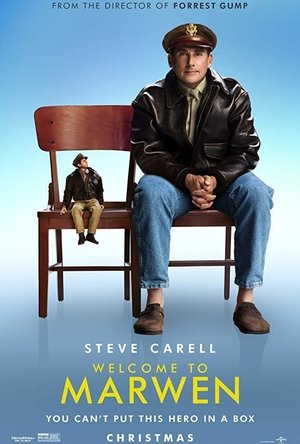
Welcome to Marwen is based on the true story of Mark Hogancamp, and the 2010 documentary on his life title 'Marwencol'. Mark (played in the movie by Steve Carell) suffered a severe beating at the hands of a bunch of thugs following an altercation in a bar regarding his lifestyle choice of being a cross dresser. After nine days in a coma, the beating understandably left him traumatised, but it also left him without any memory his life prior to the attack - once a talented war illustrator, he now can't even write his own name. But Mark remained an artist, building a miniature World War II Belgian town called Marwen outside his home and populating it with dolls. Using them he creates scenes and a story which he then photographs, helping him to express and deal with his lack of memory, the pain and trauma he now experiences, and the relationships with the people around him. Captain Hogie is a fighter pilot, an Action Man/GI Joe figure representing Mark. The residents of Marwen are all women, alter egos of various people who have helped him in the past or continue to help him. The toyshop worker who supplies him with the dolls, a friend he met during rehab, a co-worker, his carer and the woman who came to his aid following his beating. The town is also terrorised regularly by a bunch of Nazis, representing the men responsible for attacking him. And whenever the Nazis are beaten and killed, they are brought back to life by a Belgian witch! When a woman called Nicol (Leslie Mann) moves in across the street, she strikes up a wonderful friendship with Mark, earning her own doll in the town of Marwen where she strikes up a relationship with Captain Hogie. As the movie progresses, Mark has to deal with the pending sentencing of his attackers and the anxiety surrounding an upcoming exhibition showcasing his photographs. Marwen, and its inhabitants, help him to work through all of this.
The scenes and stories in Marwen that Mark is creating and imagining are brought to life in the movie using impressive motion capture CGI which, if you've seen the trailer or any clips of the movie, will know looks incredible. When you think about the animation Zemeckis and his team were producing for The Polar Express back in 2004, through Beowulf and Disney's The Christmas Carol to where we are now with this movie, it's simply amazing how far we've come. Perfect recreations of the movie characters in doll form, moving and interacting with the real surroundings and the CGI is just faultless. But for the earlier parts of the movie, this aspect of the movie for me was for a while the most frustrating and dull. The movie opens with a big scene as Captain Hogie crashes his plane, comes across a group of Nazis before being rescued by the girls of Marwen and we get a few more of these lengthy sequences early on, with only short glimpses of Mark and his life inbetween. I found myself become interested and engrossed in the life of Mark, wanting to learn more, only to be snapped out of it by a not so interesting scene involving some dolls. Thankfully, the length of those scenes reduces over time, and as you begin to empathise more with Mark and his life, you start to appreciate more the reasons why a certain scene is playing out the way it is. At that point, I began to really appreciate and enjoy them a lot more.
My only issue overall with this movie is that I wouldn't really know the age range to pitch it at, and that's possibly why it doesn't appear to have done so well with audiences. You've got the fun elements involving the dolls and the CGI, but then some of these scenes do involve a fair bit of violence which actually appears quite realistic at times. Then you've got the trauma and the flashbacks involving the beating - the movie doesn't go as dark as it could, or maybe should have done with that subject matter, but I certainly wouldn't say this is a fun movie for all the family to enjoy. Which is a shame really because I did enjoy this a lot. Steve Carell does an outstanding job, and Leslie Mann is just wonderful as always. It's opened my eyes to some of the consequences of brain injury and made me want to learn more about Mark Hogancamp, which parts of the movie are true and which parts were added for entertainment. I'll be sure to try and watch the documentary at some point.
I almost did miss out on seeing Welcome to Marwen though, due to the large number of mediocre reviews I read. In fact, it doesn't seem to have appealed to the general public enough to keep it in the cinemas for very long at all. Having only opened here in the UK on New year's Day, the screening I went to last night was actually the last screening being shown at that particular cinema, and I was one of only a handful of people there watching it. What prompted me earlier this week to give it a go though was after listening to director Robert Zemeckis talk passionately about it, along with his other movies. It was a gentle reminder that this guy is responsible for so many of my favourite movies, and I decided to give it a shot. While I'm glad I did, and overall I enjoyed it a lot, I can certainly appreciate where some of the criticism is coming from.
Welcome to Marwen is based on the true story of Mark Hogancamp, and the 2010 documentary on his life title 'Marwencol'. Mark (played in the movie by Steve Carell) suffered a severe beating at the hands of a bunch of thugs following an altercation in a bar regarding his lifestyle choice of being a cross dresser. After nine days in a coma, the beating understandably left him traumatised, but it also left him without any memory his life prior to the attack - once a talented war illustrator, he now can't even write his own name. But Mark remained an artist, building a miniature World War II Belgian town called Marwen outside his home and populating it with dolls. Using them he creates scenes and a story which he then photographs, helping him to express and deal with his lack of memory, the pain and trauma he now experiences, and the relationships with the people around him. Captain Hogie is a fighter pilot, an Action Man/GI Joe figure representing Mark. The residents of Marwen are all women, alter egos of various people who have helped him in the past or continue to help him. The toyshop worker who supplies him with the dolls, a friend he met during rehab, a co-worker, his carer and the woman who came to his aid following his beating. The town is also terrorised regularly by a bunch of Nazis, representing the men responsible for attacking him. And whenever the Nazis are beaten and killed, they are brought back to life by a Belgian witch! When a woman called Nicol (Leslie Mann) moves in across the street, she strikes up a wonderful friendship with Mark, earning her own doll in the town of Marwen where she strikes up a relationship with Captain Hogie. As the movie progresses, Mark has to deal with the pending sentencing of his attackers and the anxiety surrounding an upcoming exhibition showcasing his photographs. Marwen, and its inhabitants, help him to work through all of this.
The scenes and stories in Marwen that Mark is creating and imagining are brought to life in the movie using impressive motion capture CGI which, if you've seen the trailer or any clips of the movie, will know looks incredible. When you think about the animation Zemeckis and his team were producing for The Polar Express back in 2004, through Beowulf and Disney's The Christmas Carol to where we are now with this movie, it's simply amazing how far we've come. Perfect recreations of the movie characters in doll form, moving and interacting with the real surroundings and the CGI is just faultless. But for the earlier parts of the movie, this aspect of the movie for me was for a while the most frustrating and dull. The movie opens with a big scene as Captain Hogie crashes his plane, comes across a group of Nazis before being rescued by the girls of Marwen and we get a few more of these lengthy sequences early on, with only short glimpses of Mark and his life inbetween. I found myself become interested and engrossed in the life of Mark, wanting to learn more, only to be snapped out of it by a not so interesting scene involving some dolls. Thankfully, the length of those scenes reduces over time, and as you begin to empathise more with Mark and his life, you start to appreciate more the reasons why a certain scene is playing out the way it is. At that point, I began to really appreciate and enjoy them a lot more.
My only issue overall with this movie is that I wouldn't really know the age range to pitch it at, and that's possibly why it doesn't appear to have done so well with audiences. You've got the fun elements involving the dolls and the CGI, but then some of these scenes do involve a fair bit of violence which actually appears quite realistic at times. Then you've got the trauma and the flashbacks involving the beating - the movie doesn't go as dark as it could, or maybe should have done with that subject matter, but I certainly wouldn't say this is a fun movie for all the family to enjoy. Which is a shame really because I did enjoy this a lot. Steve Carell does an outstanding job, and Leslie Mann is just wonderful as always. It's opened my eyes to some of the consequences of brain injury and made me want to learn more about Mark Hogancamp, which parts of the movie are true and which parts were added for entertainment. I'll be sure to try and watch the documentary at some point.

It’s about 6 weeks since I finished season 3 of this incredible show from Netflix. I have been putting off writing about it, because I wanted to let it settle. And also because I have a hell of a lot to say about it. I am gonna try and be comprehensive, without giving too much away in terms of spoilers. I am going to assume you have seen some of it, or have heard the hype, at least. If you haven’t got around to it yet, then all I can say is: what are you doing with your entertainment life? Get on it, now! It is as ubiquitous as Breaking Bad, The Sopranos, or The Wire, and sits comfortably in that group for consistent quality and lasting impressions.
Season one first aired in July 2017. I heard good things very quickly, albeit with some hesitation. It was dark, sometimes literally, utilising a trademark washed-out effect visually, that instantly gave it a bleak feel, which was not to everyone’s taste, but I loved. General consensus had it that the writing was great; the situation and concept drew you in from minute one. In fact, I believe the first episode is one of the best pilots seen in the last decade, bar none. It made no bones about what we were to expect from the start: intelligent dialogue, a lot of tension and a hefty chunk of jaw-dropping brutality.
Jason Bateman has enjoyed a remarkable career in the last ten years, putting behind him a patchy child-star and B actor tag, to emerge as the go to guy for deadpan comedy pathos, rivalled only, perhaps by Paul Rudd. Ozark is Bateman’s show in many regards, fulfilling his ambition to produce and direct as well as act, and he is a superb central pivot to the show, as hard nosed accountant turned drug cartel puppet, Marty Byrde. He excels in all three roles on every level, and if you are a fan of his lighter work, chances are you will fall head over heels for his dubious charm in Ozark.
But, whilst he is the lynchpin of the show, and a compelling character in every subtley drawn way, there is so much more to the show than him. Laura Linney, as his initially timid wife, Wendy, is never less than interesting. Perfectly cast, utilising her skill for portraying strong yet flawed women at every turn; she grows into a character so full of contradictions and conflicts, that you change your mind whether you like her or not almost episode to episode. Time will tell, but she may yet emerge in season 4 as the most fully realised character in the show, depending on how her arc ends. The potential is huge, and despite a CV of solid roles over the years, this could be the defining work of her career. It’s already close.
Then there are the kids in this very modern nuclear family, Charlotte and Jonah, played by Sofia Hublitz and Skylar Gaetner. These characters could have been set decoration in lesser hands, but in this show they are given the chance to grow and become pivotal to the ongoing story in remarkable ways. There is nothing stereotypical about either of them, and the two young actors more than rise to the challenge of matching the more experienced pros. Many a show has been ruined by miscast youths that can’t match the more sophisticated adult content, but I remain impressed by these two, both as characters and actors. Again, they have the scope to go into very fascinating places within the story when season four emerges.
The true strength of the show, however, may lie in its consistently solid output of great supporting characters. Julia Gartner, as older than her years redneck with ambitions to rise above it, Ruth, has garnered all the plaudits, quite rightly. You grow to like her in usual ways. At first mistrusting her and then ended up 100% on her side. At times, she is the only one making sense and making the right decisions. The continual ways she is forced to grow up fast and bounce back from traumatic situations is so beautifully handled, that when she does show her vulnerable side it is at once shocking and heart- rending.
A lot of characters come and go; some forever, much quicker than you anticipated… for the sake of non spoilers, I won’t go into a who’s who here, but many meet a very sticky end, and it isn’t always who you think it will be. Especially by season 3, which largely drops the dark filter on the camera lens, but cranks up the body count exponentially, you start to feel that no one is safe, and anyone can go at any minute. Except, when they do, and why they do, is so well interwoven into the plot that you forget to look for the sucker punch and are still left with your jaw hitting the floor.
There were moments on season three where I was actually talking to the screen, begging certain characters not to do what they were doing; a sure sign of complete emotional investment. A big part of that was the addition of Tom Pelphrey as Wendy’s brother, who from the start puts a genius new spin on the family dynamic, becoming intertwined in interesting and ultimately devastating ways. His character takes a while to warm up, but by mid-season he is guaranteed to be your favourite person in it. And in episode 9, he delivers a monologue and a performance that I would quite honestly say is one of the absolute best things I’ve ever seen in a TV show.
I was moderately outraged then, to see he wasn’t rewarded with at least a nomination for the 2020 Emmy Awards. An oversight rather than a snub, for sure, but when Bateman, Linney and Garner all got nominated and he didn’t it felt like a real injustice, and a lot of online vitriol reflected that. Such a shame, especially if it turns out to be the best work he ever does – and I can’t imagine anything better, but who knows where he will go from here.
By the end of season 3 I felt exhausted. Each episode is slightly over an hour long, but can feel like you just watched a self contained movie. The quality certainly feels that way. I was both elated and shocked by the way it was left on a cliff edge, and relieved that I could take a break from it now. Although, waiting potentially up to two years to see how the story ends now seems like a long wait.
And it will be the end, one way or another, as the production announced season four will be the last, however stretching from 10 to 14 episodes, divided into 2 halves of 7; a trick Breaking Bad also did in its fifth and final season. I love that idea. Knowing the finish line is coming, rather than having it stretch out for years until the ideas and the momentum have long run out. Dexter springs to mind: a show that should have ended two seasons earlier, for sure.
I can really only see two ways it can go from here: either everyone dies, and that seems quite likely right now, or they win big. There simply is no inbetween I can imagine that would be satisfying. And I’m on the fence which I will prefer… The only certainty is that I will be very excited indeed when it comes around. And shows that make you feel that way are rare. In the meantime, I’m gonna watch a lot of comedies. I need a laugh after this…
Season one first aired in July 2017. I heard good things very quickly, albeit with some hesitation. It was dark, sometimes literally, utilising a trademark washed-out effect visually, that instantly gave it a bleak feel, which was not to everyone’s taste, but I loved. General consensus had it that the writing was great; the situation and concept drew you in from minute one. In fact, I believe the first episode is one of the best pilots seen in the last decade, bar none. It made no bones about what we were to expect from the start: intelligent dialogue, a lot of tension and a hefty chunk of jaw-dropping brutality.
Jason Bateman has enjoyed a remarkable career in the last ten years, putting behind him a patchy child-star and B actor tag, to emerge as the go to guy for deadpan comedy pathos, rivalled only, perhaps by Paul Rudd. Ozark is Bateman’s show in many regards, fulfilling his ambition to produce and direct as well as act, and he is a superb central pivot to the show, as hard nosed accountant turned drug cartel puppet, Marty Byrde. He excels in all three roles on every level, and if you are a fan of his lighter work, chances are you will fall head over heels for his dubious charm in Ozark.
But, whilst he is the lynchpin of the show, and a compelling character in every subtley drawn way, there is so much more to the show than him. Laura Linney, as his initially timid wife, Wendy, is never less than interesting. Perfectly cast, utilising her skill for portraying strong yet flawed women at every turn; she grows into a character so full of contradictions and conflicts, that you change your mind whether you like her or not almost episode to episode. Time will tell, but she may yet emerge in season 4 as the most fully realised character in the show, depending on how her arc ends. The potential is huge, and despite a CV of solid roles over the years, this could be the defining work of her career. It’s already close.
Then there are the kids in this very modern nuclear family, Charlotte and Jonah, played by Sofia Hublitz and Skylar Gaetner. These characters could have been set decoration in lesser hands, but in this show they are given the chance to grow and become pivotal to the ongoing story in remarkable ways. There is nothing stereotypical about either of them, and the two young actors more than rise to the challenge of matching the more experienced pros. Many a show has been ruined by miscast youths that can’t match the more sophisticated adult content, but I remain impressed by these two, both as characters and actors. Again, they have the scope to go into very fascinating places within the story when season four emerges.
The true strength of the show, however, may lie in its consistently solid output of great supporting characters. Julia Gartner, as older than her years redneck with ambitions to rise above it, Ruth, has garnered all the plaudits, quite rightly. You grow to like her in usual ways. At first mistrusting her and then ended up 100% on her side. At times, she is the only one making sense and making the right decisions. The continual ways she is forced to grow up fast and bounce back from traumatic situations is so beautifully handled, that when she does show her vulnerable side it is at once shocking and heart- rending.
A lot of characters come and go; some forever, much quicker than you anticipated… for the sake of non spoilers, I won’t go into a who’s who here, but many meet a very sticky end, and it isn’t always who you think it will be. Especially by season 3, which largely drops the dark filter on the camera lens, but cranks up the body count exponentially, you start to feel that no one is safe, and anyone can go at any minute. Except, when they do, and why they do, is so well interwoven into the plot that you forget to look for the sucker punch and are still left with your jaw hitting the floor.
There were moments on season three where I was actually talking to the screen, begging certain characters not to do what they were doing; a sure sign of complete emotional investment. A big part of that was the addition of Tom Pelphrey as Wendy’s brother, who from the start puts a genius new spin on the family dynamic, becoming intertwined in interesting and ultimately devastating ways. His character takes a while to warm up, but by mid-season he is guaranteed to be your favourite person in it. And in episode 9, he delivers a monologue and a performance that I would quite honestly say is one of the absolute best things I’ve ever seen in a TV show.
I was moderately outraged then, to see he wasn’t rewarded with at least a nomination for the 2020 Emmy Awards. An oversight rather than a snub, for sure, but when Bateman, Linney and Garner all got nominated and he didn’t it felt like a real injustice, and a lot of online vitriol reflected that. Such a shame, especially if it turns out to be the best work he ever does – and I can’t imagine anything better, but who knows where he will go from here.
By the end of season 3 I felt exhausted. Each episode is slightly over an hour long, but can feel like you just watched a self contained movie. The quality certainly feels that way. I was both elated and shocked by the way it was left on a cliff edge, and relieved that I could take a break from it now. Although, waiting potentially up to two years to see how the story ends now seems like a long wait.
And it will be the end, one way or another, as the production announced season four will be the last, however stretching from 10 to 14 episodes, divided into 2 halves of 7; a trick Breaking Bad also did in its fifth and final season. I love that idea. Knowing the finish line is coming, rather than having it stretch out for years until the ideas and the momentum have long run out. Dexter springs to mind: a show that should have ended two seasons earlier, for sure.
I can really only see two ways it can go from here: either everyone dies, and that seems quite likely right now, or they win big. There simply is no inbetween I can imagine that would be satisfying. And I’m on the fence which I will prefer… The only certainty is that I will be very excited indeed when it comes around. And shows that make you feel that way are rare. In the meantime, I’m gonna watch a lot of comedies. I need a laugh after this…
Kirk Bage (1775 KP) rated Game Of Thrones in TV
Aug 6, 2020
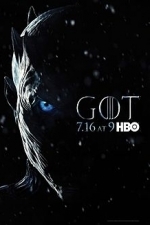
Look on the bright side, we all said, without really believing it, when lockdown hit in March – time to watch those box sets we’ve been putting off. Well that was, of course, a great idea! For me that box set was possibly the biggest of all: the behemoth that is GOT.
Much like when a new band gets big quickly and you refuse to listen to the hype, I avoided watching the biggest show in the world, even when it was on in the same room as I tried to read a book in the other corner. It wasn’t that I thought I wouldn’t like it, but more that I didn’t believe it could be anywhere near as good as folk were making it out to be, especially as season one looked like only a slight step up on the swords and sandles exploitation-fests that had been going around. I labelled it “Tits and Dragons” and got on with my life for the next 8 years.
March 2020 will go down in history as the biggest spike in streaming TV services the globe will ever see. Literally millions of previously casual watchers, who had been busy having lives and jobs, turned to Netflix, Amazon Prime, Now TV and iPlayer etc, in search of endless hours of easy entertainment they could immerse their bored and twitchy minds inside of. Without internet at home, I had to go a bit more old school and rely on my daughter posting me the DVDs of GOT season by season.
I found season one enjoyable, with caveats, as it seemed to be one massive exposition (and sexposition) workshop. Obviously the main characters were being set up for big storylines down the road. In which sense it reminded me of a soap opera; in how it flitted between characters and relationships, never dwelling on one plot point for more than two minutes. I liked the way the production had set itself up though – the sets and costumes were of a much higher level than was usual for this kind of thing. Then there was those great opening credits, which become impossible not to hum along to as you get more into it.
Sadly, the first big shock moment didn’t shock me, as I’d heard so much about it on social media 9 years ago. But it was still very well done. Bold and brave; to take out a big name that early was a master stroke. By the end of S1E9 I was properly hooked. Although it helped I didn’t have anything else to do!
The next two weeks I had to wait for season two to be posted out, so I embarked on watching all the DVD commentaries too to kill some time in the evenings whilst I waited. This is almost certainly something I wouldn’t have done under normal circumstances and I believe it is what cemented my enjoyment of it as a whole. Listening to the cast and crew reminisce about what a great time they had, and how close they all were, really helped put it into context for me. I was already loving Peter Dinklage and Lena Headey, but their humour and irreverence in the commentaries made it feel like there were pals in the room watching it with me.
By season two and beyond, I was looking at maps, memorizing every minor character’s name, house and motto, and just immersing in it to the point of obsession. As, I guess, millions of people had already done over the years, but now I got what the fuss was all about. It is an addictive show; you have to know what happens next, you simply can’t leave it alone! Whether it is hissing and booing at Joffrey, or loving to hate Cersei, or siding with the bastards and broken things, there is always something engaging going on – and when a character you disliked dies horribly it is so satisfying!
It is a weird mix, however, of moments so horribly signposted, with some dubious acting, and moments of real surprise and emotion delivered with great acting. Many of the characters really grow into their skins as the actors get more familiar and comfortable being them. The writers too get better at putting the right words in their mouths, and learn to minimise the exposition moments. The young ones in particular really grow impressively as it goes on into seasons 3 and 4. Maisie Williams as the slightly sadistic loner Arya Stark especially. I loved how none stereotypical that character was, and have to say her relationship with The Hound was my favourite thing in the whole show.
At the climax of season four, which I believe was the peak of it artistically, the story arc of Dinklage as Tyrion Lannister, aka The Imp, becomes so compellingly good you can’t take your eyes off him. I had already come to the conclusion that his scenes were the best ones, but this went to 11 on the dial. And it gets better thinking back on it too. Which can’t truly be said of where they go with John Snow and Daenarys, who are ostensibly the main draw by this point, as all storylines seem to mirror their journeys on opposite sides of the world; a song of ice and fire, indeed.
Seasons 5 and 6 continued to be great, even though the dramatic peaks were hard to top. What did improve was the big set pieces, as episodes such as Hardhome and Battle of the Bastards upper the bar on huge battles, staged masterfully. There were things happening that I had never seen in a TV show before, both creatively and budget spent. Watching some of the making of documentaries was fascinating in this regard. The props department alone was astonishingly detailed, to Lord of the Rings degrees, properly impressive!
To go into story and scene details here is pointless, and I don’t want to include any more spoilers than I already have, just in case there is anyone else like me, that hasn’t done the whole journey yet. Obviously, there was some controversy in where seasons 7 and especially 8 went with some storylines and characters. I thought it was mostly fine, to be honest, I just went with it. But it did become a little stretched and hurried, as it raced towards its conclusion. It’s hard for me to get a proper impression of how tense and then annoying it would be to wait a long time for a new season and then have it not go where you imagined it would. Not a problem for me, as I blitzed the final 4 seasons in about a week.
As the episode ratings of season 8 on IMDb indicate, folk were not happy. There was an element of anti-climax, to be fair, but what else could it have been, now so many people claim it as their own? The end isn’t perfect, and that may have a lot to do with the fact they stopped following the books, because they hadn’t been written. In all honestly, I didn’t care. It was spectacular and diverting enough to keep my attention, and my investment in the characters not brutally killed off was not teenage enough to take it personally. I do have sympathy for fans that felt their loyalty betrayed, but come on… it’s just a TV show.
Watching the same fictional world for more than 70 actual hours can do things to you brain. In conclusion I would say I loved going there! The good things always outweighed the annoying things, and it is an experience I would recommend to anyone who hasn’t done it. Whatever age you are, it is a must see phenomenon, like The Sopranos – oh wait, I haven’t seen that yet either…
Much like when a new band gets big quickly and you refuse to listen to the hype, I avoided watching the biggest show in the world, even when it was on in the same room as I tried to read a book in the other corner. It wasn’t that I thought I wouldn’t like it, but more that I didn’t believe it could be anywhere near as good as folk were making it out to be, especially as season one looked like only a slight step up on the swords and sandles exploitation-fests that had been going around. I labelled it “Tits and Dragons” and got on with my life for the next 8 years.
March 2020 will go down in history as the biggest spike in streaming TV services the globe will ever see. Literally millions of previously casual watchers, who had been busy having lives and jobs, turned to Netflix, Amazon Prime, Now TV and iPlayer etc, in search of endless hours of easy entertainment they could immerse their bored and twitchy minds inside of. Without internet at home, I had to go a bit more old school and rely on my daughter posting me the DVDs of GOT season by season.
I found season one enjoyable, with caveats, as it seemed to be one massive exposition (and sexposition) workshop. Obviously the main characters were being set up for big storylines down the road. In which sense it reminded me of a soap opera; in how it flitted between characters and relationships, never dwelling on one plot point for more than two minutes. I liked the way the production had set itself up though – the sets and costumes were of a much higher level than was usual for this kind of thing. Then there was those great opening credits, which become impossible not to hum along to as you get more into it.
Sadly, the first big shock moment didn’t shock me, as I’d heard so much about it on social media 9 years ago. But it was still very well done. Bold and brave; to take out a big name that early was a master stroke. By the end of S1E9 I was properly hooked. Although it helped I didn’t have anything else to do!
The next two weeks I had to wait for season two to be posted out, so I embarked on watching all the DVD commentaries too to kill some time in the evenings whilst I waited. This is almost certainly something I wouldn’t have done under normal circumstances and I believe it is what cemented my enjoyment of it as a whole. Listening to the cast and crew reminisce about what a great time they had, and how close they all were, really helped put it into context for me. I was already loving Peter Dinklage and Lena Headey, but their humour and irreverence in the commentaries made it feel like there were pals in the room watching it with me.
By season two and beyond, I was looking at maps, memorizing every minor character’s name, house and motto, and just immersing in it to the point of obsession. As, I guess, millions of people had already done over the years, but now I got what the fuss was all about. It is an addictive show; you have to know what happens next, you simply can’t leave it alone! Whether it is hissing and booing at Joffrey, or loving to hate Cersei, or siding with the bastards and broken things, there is always something engaging going on – and when a character you disliked dies horribly it is so satisfying!
It is a weird mix, however, of moments so horribly signposted, with some dubious acting, and moments of real surprise and emotion delivered with great acting. Many of the characters really grow into their skins as the actors get more familiar and comfortable being them. The writers too get better at putting the right words in their mouths, and learn to minimise the exposition moments. The young ones in particular really grow impressively as it goes on into seasons 3 and 4. Maisie Williams as the slightly sadistic loner Arya Stark especially. I loved how none stereotypical that character was, and have to say her relationship with The Hound was my favourite thing in the whole show.
At the climax of season four, which I believe was the peak of it artistically, the story arc of Dinklage as Tyrion Lannister, aka The Imp, becomes so compellingly good you can’t take your eyes off him. I had already come to the conclusion that his scenes were the best ones, but this went to 11 on the dial. And it gets better thinking back on it too. Which can’t truly be said of where they go with John Snow and Daenarys, who are ostensibly the main draw by this point, as all storylines seem to mirror their journeys on opposite sides of the world; a song of ice and fire, indeed.
Seasons 5 and 6 continued to be great, even though the dramatic peaks were hard to top. What did improve was the big set pieces, as episodes such as Hardhome and Battle of the Bastards upper the bar on huge battles, staged masterfully. There were things happening that I had never seen in a TV show before, both creatively and budget spent. Watching some of the making of documentaries was fascinating in this regard. The props department alone was astonishingly detailed, to Lord of the Rings degrees, properly impressive!
To go into story and scene details here is pointless, and I don’t want to include any more spoilers than I already have, just in case there is anyone else like me, that hasn’t done the whole journey yet. Obviously, there was some controversy in where seasons 7 and especially 8 went with some storylines and characters. I thought it was mostly fine, to be honest, I just went with it. But it did become a little stretched and hurried, as it raced towards its conclusion. It’s hard for me to get a proper impression of how tense and then annoying it would be to wait a long time for a new season and then have it not go where you imagined it would. Not a problem for me, as I blitzed the final 4 seasons in about a week.
As the episode ratings of season 8 on IMDb indicate, folk were not happy. There was an element of anti-climax, to be fair, but what else could it have been, now so many people claim it as their own? The end isn’t perfect, and that may have a lot to do with the fact they stopped following the books, because they hadn’t been written. In all honestly, I didn’t care. It was spectacular and diverting enough to keep my attention, and my investment in the characters not brutally killed off was not teenage enough to take it personally. I do have sympathy for fans that felt their loyalty betrayed, but come on… it’s just a TV show.
Watching the same fictional world for more than 70 actual hours can do things to you brain. In conclusion I would say I loved going there! The good things always outweighed the annoying things, and it is an experience I would recommend to anyone who hasn’t done it. Whatever age you are, it is a must see phenomenon, like The Sopranos – oh wait, I haven’t seen that yet either…
Kirk Bage (1775 KP) rated Tales from the Loop in TV
Jan 22, 2021
Such is the competition for our attention on the major streaming services, and such is the daunting depth of choice, that sometimes something of real quality can slip through the net for a while. I like to think that eventually, everything gets the audience it deserves, because eventually enough people that appreciated it will find it and pass it on. But it is apparent that good things can go under the radar very easily for one reason or another.
Everything about the production and presentation of Amazon’s Tales From the Loop suggests they thought it might be a bigger hit, or at least they had enough faith in it to let it be different from the mass appeal conventions that apply to sci-fi shows. They have proved this many times in recent years, with shows like The Man In the High Castle and The Expanse favouring patient and mature story-telling over interminable flashbangs and whizzpops usually found in the more action based sci-fi on Netflix and others (The Handmaid’s Tale being another notable exception).
Having raised myself auto-didactically on the oldest traditions of science fiction writing in novel and short story form since my teenage years, I can say with some amateur authority that the point of using sci-fi ideas was always about the people and the parallels to social reality and politics that could be highlighted by putting them in a “what-if” situation. The lazer guns and spaceships and evil aliens were much more a product of Hollywood, and still are. Great science fiction writing can and usually does revolve around a very simple change to the world we know, an inversion or a convention or a technology that turns how we live on its head. At its best it is philosophical and moral poetry.
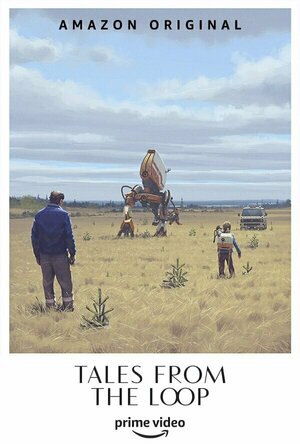
Tales From the Loop, inspired by the beguiling paintings of Swedish Artist Simon Stålenhag aspires to return to these principles, eschewing breakneck pace and unnecessary exposition at every turn – it is entirely content to confuse and sometimes even bore you with its patient, melancholy approach, testing almost if you are worthy to reach the prize of deeper meaning buried away in the final few episodes.
The idea of Stålenhag’s work is to juxtapose a familiar and mundane landscape with a detail of technology that does not exist in our reality. Often it is something broken, run-down or neglected, leaving a strange sadness and beauty behind that has you wondering who once made this and what was it for, and why is it no longer loved? The untold stories objects and hidden lives, secrets and desires that have been lost, is what this sensitive and delicate show is about. It is about the interconnection of lives caught in time, and the sci-fi / tech conceit is only the hanger that coat is put on. Which… I love.
The surface idea is that we are looking at the inhabitants of a small American town that once relied on farming and community, but now has been changed by the presence of an underground facility that deals with experimental physics and finding ways to make impossible things possible. They call it The Loop. It is never fully explained where it came from, or why, or what it is truly capable of – the mystery is always allowed to remain mostly a mystery – which, again, I love!
Many people in the town work at The Loop and rely on it for their livelihoods and collective economy, including Jonathon Pryce and Rebecca Hall, who are ostensibly the show’s main characters. But most folk have no idea what is really going on. Each episode focuses on one or two members of the community that interweave with one another; several important people begin as background dressing and become more prevalent as the full story of their lives and connections unfolds. But no one character is in every episode… which, you know, I love.
Their lives, that seem simple at first glance, are revealed to be complex tapestries of emotion and personal history, revolving around how The Loop has affected them and the things they love. The progression and unfolding of the detail is so deliberate and usually under-explained that very often you don’t realise the effect the full image will have. And when it does catch up with you it becomes a very moving and meaningful experience. Characters that you don’t understand or even like at first come into sharper focus as we reach the climax of the season and grow to learn why they are the way they are. The story arcs of Pryce and Hall in particular are very satisfying, tragic yet utterly beautiful to comprehend.
A lot of the criticism you will see about the show will concentrate on how slow it all is. I am totally convinced this is a deliberate artistic choice to weed out the thrill junkies. They are very welcome to go elsewhere, and it sounds as if many of them did, basing their reviews on one or two half watched episodes they couldn’t be bothered to engage with or wonder at. Which is why I think in time the respect for this as a work of art will come back around.
There is nothing to fault in the production at all. From the opening credits to the end of each episode, what you get is a very highly polished and considered look and feel, designed to evoke certain feelings over others – a wistfulness, an ennui, a bittersweet smile of knowing, perhaps. It invites you to watch patiently and relate, not to watch eagerly and expect… which, you know, I love.
The photography is crisp and well framed always; the music is subtle but effective; the dialogue is often sparing and well chosen (no detail is merely thrown away); and the direction is of a remarkably uniform vision, considering each episode is a different guest professional, including such prestigious names as Jodie Foster, Mark Romanek and Andrew Stanton.
I absolutely urge anyone that isn’t put off by a little sentiment to give this one a try. Sadness and regret in life is not something to shun and be afraid of, they are parts of human experience, and I love art that explores them as concepts. Put that art in a science fiction context and I am bound to love it even more. Like the final moments of Blade Runner, we know that one day all these moments will be lost in time, like tears in rain. We have to take time to see the beauty while we can, even if that beauty is painful.
It may not be for you – I don’t think it is better or worse than other things, just more… me. There is every chance that if it isn’t you… you will hate it. If you do begin, however, please see it to the finish before casting judgement – the final episode directed by Jodie Foster is truly wonderful: a pay-off of such emotion after your investment of seven previous stories, tying it all together perfectly. Rarely have I felt so stupid for not understanding the point of something sooner, or been more pleased that I hadn’t. The final moment of the season is literally unforgettable, and gets richer in my imagination by the day.
Will there be a second season? There certainly could be. Was it enough of a success to justify the investment? Hmm, not sure. Either way, it either sits as a perfect self contained collection of fine, old-fashioned sci-fi stories, or I’d be happy to see it expand, as long as the temptation isn’t to listen to the negative reviews and pander to the fast-food mentality that has already rejected it without fully understanding it. Because nothing needs to change here. A thing of beauty, recommended to those who like beautiful and delicate things.
Everything about the production and presentation of Amazon’s Tales From the Loop suggests they thought it might be a bigger hit, or at least they had enough faith in it to let it be different from the mass appeal conventions that apply to sci-fi shows. They have proved this many times in recent years, with shows like The Man In the High Castle and The Expanse favouring patient and mature story-telling over interminable flashbangs and whizzpops usually found in the more action based sci-fi on Netflix and others (The Handmaid’s Tale being another notable exception).
Having raised myself auto-didactically on the oldest traditions of science fiction writing in novel and short story form since my teenage years, I can say with some amateur authority that the point of using sci-fi ideas was always about the people and the parallels to social reality and politics that could be highlighted by putting them in a “what-if” situation. The lazer guns and spaceships and evil aliens were much more a product of Hollywood, and still are. Great science fiction writing can and usually does revolve around a very simple change to the world we know, an inversion or a convention or a technology that turns how we live on its head. At its best it is philosophical and moral poetry.
Tales From the Loop, inspired by the beguiling paintings of Swedish Artist Simon Stålenhag aspires to return to these principles, eschewing breakneck pace and unnecessary exposition at every turn – it is entirely content to confuse and sometimes even bore you with its patient, melancholy approach, testing almost if you are worthy to reach the prize of deeper meaning buried away in the final few episodes.
The idea of Stålenhag’s work is to juxtapose a familiar and mundane landscape with a detail of technology that does not exist in our reality. Often it is something broken, run-down or neglected, leaving a strange sadness and beauty behind that has you wondering who once made this and what was it for, and why is it no longer loved? The untold stories objects and hidden lives, secrets and desires that have been lost, is what this sensitive and delicate show is about. It is about the interconnection of lives caught in time, and the sci-fi / tech conceit is only the hanger that coat is put on. Which… I love.
The surface idea is that we are looking at the inhabitants of a small American town that once relied on farming and community, but now has been changed by the presence of an underground facility that deals with experimental physics and finding ways to make impossible things possible. They call it The Loop. It is never fully explained where it came from, or why, or what it is truly capable of – the mystery is always allowed to remain mostly a mystery – which, again, I love!
Many people in the town work at The Loop and rely on it for their livelihoods and collective economy, including Jonathon Pryce and Rebecca Hall, who are ostensibly the show’s main characters. But most folk have no idea what is really going on. Each episode focuses on one or two members of the community that interweave with one another; several important people begin as background dressing and become more prevalent as the full story of their lives and connections unfolds. But no one character is in every episode… which, you know, I love.
Their lives, that seem simple at first glance, are revealed to be complex tapestries of emotion and personal history, revolving around how The Loop has affected them and the things they love. The progression and unfolding of the detail is so deliberate and usually under-explained that very often you don’t realise the effect the full image will have. And when it does catch up with you it becomes a very moving and meaningful experience. Characters that you don’t understand or even like at first come into sharper focus as we reach the climax of the season and grow to learn why they are the way they are. The story arcs of Pryce and Hall in particular are very satisfying, tragic yet utterly beautiful to comprehend.
A lot of the criticism you will see about the show will concentrate on how slow it all is. I am totally convinced this is a deliberate artistic choice to weed out the thrill junkies. They are very welcome to go elsewhere, and it sounds as if many of them did, basing their reviews on one or two half watched episodes they couldn’t be bothered to engage with or wonder at. Which is why I think in time the respect for this as a work of art will come back around.
There is nothing to fault in the production at all. From the opening credits to the end of each episode, what you get is a very highly polished and considered look and feel, designed to evoke certain feelings over others – a wistfulness, an ennui, a bittersweet smile of knowing, perhaps. It invites you to watch patiently and relate, not to watch eagerly and expect… which, you know, I love.
The photography is crisp and well framed always; the music is subtle but effective; the dialogue is often sparing and well chosen (no detail is merely thrown away); and the direction is of a remarkably uniform vision, considering each episode is a different guest professional, including such prestigious names as Jodie Foster, Mark Romanek and Andrew Stanton.
I absolutely urge anyone that isn’t put off by a little sentiment to give this one a try. Sadness and regret in life is not something to shun and be afraid of, they are parts of human experience, and I love art that explores them as concepts. Put that art in a science fiction context and I am bound to love it even more. Like the final moments of Blade Runner, we know that one day all these moments will be lost in time, like tears in rain. We have to take time to see the beauty while we can, even if that beauty is painful.
It may not be for you – I don’t think it is better or worse than other things, just more… me. There is every chance that if it isn’t you… you will hate it. If you do begin, however, please see it to the finish before casting judgement – the final episode directed by Jodie Foster is truly wonderful: a pay-off of such emotion after your investment of seven previous stories, tying it all together perfectly. Rarely have I felt so stupid for not understanding the point of something sooner, or been more pleased that I hadn’t. The final moment of the season is literally unforgettable, and gets richer in my imagination by the day.
Will there be a second season? There certainly could be. Was it enough of a success to justify the investment? Hmm, not sure. Either way, it either sits as a perfect self contained collection of fine, old-fashioned sci-fi stories, or I’d be happy to see it expand, as long as the temptation isn’t to listen to the negative reviews and pander to the fast-food mentality that has already rejected it without fully understanding it. Because nothing needs to change here. A thing of beauty, recommended to those who like beautiful and delicate things.
Hadley (567 KP) rated Stranger Things: Runaway Max in Books
Feb 16, 2020

More of Max & Billy's relationship (1 more)
Max's life in California
Brenna Yovanoff wrote this novel after season two of Stranger Things debuted on Netflix. And it reads exactly like season two, but from Max's point-of-view with some flashbacks of her life before Hawkins mixed in to make a pleasurable meal for the eyes.
Max Mayfield is a pre-teen that just moved to Hawkins, Indiana after her mother remarried and added an abusive step-father and step-brother to the family equation. She spends most of her time trying to not want to fit in with the kids at her new school, riding her trusty skateboard behind the building during recess and telling a group of boys who can't stop staring at her to leave her alone. Max's home life has become unbearable to the point that she debates running back to her real father in California. Fortunately, two of those boys that couldn't stop staring try to be friends with her, but when she begins to hang around them, she learns that things are not what they seem in Hawkins, Indiana. Merging with this group of boys, Max's life is forever changed, and probably for the better.
Runaway Max doesn't focus on the supernatural aspect that Stranger Things is known for. Instead, the focus is on a girl's life that gets turned upside down [pun intended] by the introduction of two abusive people that enter it with the intent of either destroying her or making her compliant, the struggle with who she is and who everyone else says she should be, to the desperation for just one real friend. Personally, I believe Yovanoff did an amazing job at telling Stranger Things fans the backstory of our Mad Max. As a result, I have no complaints about this novel whatsoever.
Yovanoff starts readers off with Max riding her skateboard through downtown Hawkins, with Max telling us how she was happy there was an arcade in this small town. Max wipes out on her skateboard, where a woman who will be very familiar to fans, runs out of a store to help her to her feet until the loud sound of engine comes pulling up; enter Billy and his Camaro. All throughout the story, readers get to see more of what was going on inside the Mayfield/Hargrove's household, which viewers of the series were only witness to one of the abuses happening to Billy by his father.
Runaway Max picks up the pace when a familiar scene happens with Max joining Stranger Things regulars: Lucas and Dustin, for Halloween around Hawkins. But with this story, we follow Max home after Will's encounter with a creature from the Upside Down. We learn that Billy never picked Max up, as he was suppose to, and that his father, Neil, is beyond angry when Billy comes home drunk and high:
" When Billy came slamming into the house, the smell came with him, rolling like the clouds of smoke and alcohol wafting out of a dive bar. Like bad weather. He was stumbling a little. His eyes were red-rimmed and heavier than ever, and he still had the leather jacket on, but he wasn't wearing a shirt. The light from the stained-glass lamp on the end table made him look deranged.
Neil breathed in through his nose and heaved himself out of his chair. 'And where the hell have you been?'
'Nowhere,' Billy muttered, and tried to brush past him, but Neil stepped in front of him and stopped him with a hand on his chest.
'What was that?'
Billy ducked his head and mumbled something about a flat tire. I couldn't tell if he was being honest or not - - - probably not - - - but as soon as he said it, it was pretty obvious that I had been lying. Whatever he'd been doing, it definitely hadn't been giving a school friend a ride home.
Neil had stayed ominously quiet, but now he drew himself up and took a step forward so he had Billy trapped against the wall. 'I'm curious to know where you learned to be so disobedient.'
Billy stared back at him. He was standing with his chin down and his jacket open, looking mutinous. He smelled like beer and the dry-skunk smell of Nate's brother, Silas, and all the other eighth-grade boys who got stoned behind the baseball diamond back home. It was the smell of not caring. 'Bite me, Neil. I'm not in the mood.'
For a second, they just stood looking at each other.
Then Neil spoke in a low, dangerous voice. The air was heavy and metallic, like right before a thunderstorm. 'I don't know where you've been or what you've been up to, but you will show me some respect!'
He shouted the last part. His voice sounded much too big in the smallness of the living room, and I winced, even though I was willing myself not to."
After Max quickly heads to her room to count her Halloween candy...
"Out in the living room, Neil was tuning up. For a while, it was just a rumble of voices, softer sometimes, then louder. There was a short, sharp cry and then a flat, meaty sound, like punching the pocket of a baseball glove. "
Runaway Max does a superb job of detailing abuse and the psychology that plays a role in it. Readers, also, get to see more of Billy's abuse towards Max. Focusing on the shift of personality Billy goes through (those who have watched season three of Stranger Things will have more of an understanding behind Billy, I recommend that if you haven't watched that season yet, that you do after reading this book). While all of this is going on, Yovanoff also retells season two, winding it within Max's story effortlessly and concisely:
"Dustin bent over the table, gazing at the creature in his hands like it was the sweetest, most adorable thing. He kept calling it a he, even though it was so weird and shapeless that how could you tell?
When he saw me staring, he asked if I wanted to hold it, and I shook my head, but he turned and tipped it out of his cupped palms and into mine.
It felt cool and squishy, heavier than it looked, and I passed it to Lucas fast. Lucas handed it off to Will, and it made its way around the circle. I was a little relieved to see that I wasn't the only one shrinking back from it. Will was looking at it like it had some kind of disease, and even Mike didn't exactly seem thrilled to touch it. He was the bravest, though, and held it up for a closer look. "
All-in-all, Runaway Max is season two of Stranger Things to-a-tee. But with Max's relationship with Billy being molded more by this novel, it can make even the most die-hard fans look at the two in a different way. There are even small splotches of scenes where Billy seems to want Max as a little sister, one such, when Max catches him in the garage of their California home, working on his car and smoking a cigarette:
" I leaned forward with my knees on my elbows and cupped my chin in my hands. 'At the health assembly in school, they told us that we're not supposed to smoke.'
Billy straightened and closed the hood, wiping his hands with a rag. 'And do you always do everything your teachers tell you?'
That idea was so wrong it was hilarious. My grades were usually okay, but my conduct cards were a mess. I was always in trouble for something- - - talking back, or drawing cartoon hot rods on my desk with a felt pen. I laughed and shook my head.
That seemed to make him happy. He smiled in a slow, lazy way, then pulled the pack of Parliaments out of his shirt pocket. He held it out to me and waited, watching my face until I took one." When readers get to see the small moments between the two, it hurts more to know that Billy is just an abused young man that is reflecting his father's behavior.
Overall, I really enjoyed Max's story, but was it needed? Before season three, I would have said yes, but with what we learned of Billy in season three, I don't think it was completely necessary. I think only die-hard fans of the show will enjoy this book, otherwise watching the series is the majority of the novel.
Max Mayfield is a pre-teen that just moved to Hawkins, Indiana after her mother remarried and added an abusive step-father and step-brother to the family equation. She spends most of her time trying to not want to fit in with the kids at her new school, riding her trusty skateboard behind the building during recess and telling a group of boys who can't stop staring at her to leave her alone. Max's home life has become unbearable to the point that she debates running back to her real father in California. Fortunately, two of those boys that couldn't stop staring try to be friends with her, but when she begins to hang around them, she learns that things are not what they seem in Hawkins, Indiana. Merging with this group of boys, Max's life is forever changed, and probably for the better.
Runaway Max doesn't focus on the supernatural aspect that Stranger Things is known for. Instead, the focus is on a girl's life that gets turned upside down [pun intended] by the introduction of two abusive people that enter it with the intent of either destroying her or making her compliant, the struggle with who she is and who everyone else says she should be, to the desperation for just one real friend. Personally, I believe Yovanoff did an amazing job at telling Stranger Things fans the backstory of our Mad Max. As a result, I have no complaints about this novel whatsoever.
Yovanoff starts readers off with Max riding her skateboard through downtown Hawkins, with Max telling us how she was happy there was an arcade in this small town. Max wipes out on her skateboard, where a woman who will be very familiar to fans, runs out of a store to help her to her feet until the loud sound of engine comes pulling up; enter Billy and his Camaro. All throughout the story, readers get to see more of what was going on inside the Mayfield/Hargrove's household, which viewers of the series were only witness to one of the abuses happening to Billy by his father.
Runaway Max picks up the pace when a familiar scene happens with Max joining Stranger Things regulars: Lucas and Dustin, for Halloween around Hawkins. But with this story, we follow Max home after Will's encounter with a creature from the Upside Down. We learn that Billy never picked Max up, as he was suppose to, and that his father, Neil, is beyond angry when Billy comes home drunk and high:
" When Billy came slamming into the house, the smell came with him, rolling like the clouds of smoke and alcohol wafting out of a dive bar. Like bad weather. He was stumbling a little. His eyes were red-rimmed and heavier than ever, and he still had the leather jacket on, but he wasn't wearing a shirt. The light from the stained-glass lamp on the end table made him look deranged.
Neil breathed in through his nose and heaved himself out of his chair. 'And where the hell have you been?'
'Nowhere,' Billy muttered, and tried to brush past him, but Neil stepped in front of him and stopped him with a hand on his chest.
'What was that?'
Billy ducked his head and mumbled something about a flat tire. I couldn't tell if he was being honest or not - - - probably not - - - but as soon as he said it, it was pretty obvious that I had been lying. Whatever he'd been doing, it definitely hadn't been giving a school friend a ride home.
Neil had stayed ominously quiet, but now he drew himself up and took a step forward so he had Billy trapped against the wall. 'I'm curious to know where you learned to be so disobedient.'
Billy stared back at him. He was standing with his chin down and his jacket open, looking mutinous. He smelled like beer and the dry-skunk smell of Nate's brother, Silas, and all the other eighth-grade boys who got stoned behind the baseball diamond back home. It was the smell of not caring. 'Bite me, Neil. I'm not in the mood.'
For a second, they just stood looking at each other.
Then Neil spoke in a low, dangerous voice. The air was heavy and metallic, like right before a thunderstorm. 'I don't know where you've been or what you've been up to, but you will show me some respect!'
He shouted the last part. His voice sounded much too big in the smallness of the living room, and I winced, even though I was willing myself not to."
After Max quickly heads to her room to count her Halloween candy...
"Out in the living room, Neil was tuning up. For a while, it was just a rumble of voices, softer sometimes, then louder. There was a short, sharp cry and then a flat, meaty sound, like punching the pocket of a baseball glove. "
Runaway Max does a superb job of detailing abuse and the psychology that plays a role in it. Readers, also, get to see more of Billy's abuse towards Max. Focusing on the shift of personality Billy goes through (those who have watched season three of Stranger Things will have more of an understanding behind Billy, I recommend that if you haven't watched that season yet, that you do after reading this book). While all of this is going on, Yovanoff also retells season two, winding it within Max's story effortlessly and concisely:
"Dustin bent over the table, gazing at the creature in his hands like it was the sweetest, most adorable thing. He kept calling it a he, even though it was so weird and shapeless that how could you tell?
When he saw me staring, he asked if I wanted to hold it, and I shook my head, but he turned and tipped it out of his cupped palms and into mine.
It felt cool and squishy, heavier than it looked, and I passed it to Lucas fast. Lucas handed it off to Will, and it made its way around the circle. I was a little relieved to see that I wasn't the only one shrinking back from it. Will was looking at it like it had some kind of disease, and even Mike didn't exactly seem thrilled to touch it. He was the bravest, though, and held it up for a closer look. "
All-in-all, Runaway Max is season two of Stranger Things to-a-tee. But with Max's relationship with Billy being molded more by this novel, it can make even the most die-hard fans look at the two in a different way. There are even small splotches of scenes where Billy seems to want Max as a little sister, one such, when Max catches him in the garage of their California home, working on his car and smoking a cigarette:
" I leaned forward with my knees on my elbows and cupped my chin in my hands. 'At the health assembly in school, they told us that we're not supposed to smoke.'
Billy straightened and closed the hood, wiping his hands with a rag. 'And do you always do everything your teachers tell you?'
That idea was so wrong it was hilarious. My grades were usually okay, but my conduct cards were a mess. I was always in trouble for something- - - talking back, or drawing cartoon hot rods on my desk with a felt pen. I laughed and shook my head.
That seemed to make him happy. He smiled in a slow, lazy way, then pulled the pack of Parliaments out of his shirt pocket. He held it out to me and waited, watching my face until I took one." When readers get to see the small moments between the two, it hurts more to know that Billy is just an abused young man that is reflecting his father's behavior.
Overall, I really enjoyed Max's story, but was it needed? Before season three, I would have said yes, but with what we learned of Billy in season three, I don't think it was completely necessary. I think only die-hard fans of the show will enjoy this book, otherwise watching the series is the majority of the novel.