
Search
Search results
graveyardgremlin (7194 KP) rated Sweet Valley Confidential: Ten Years Later in Books
Feb 15, 2019


<b><i>"What a stupid book."</i></b>
That was my initial thought after turning the final page of <b>Sweet Valley Confidential: Ten Years Later</b>.
As a pre-teen, I was addicted to the <u>Sweet Valley High</u> series, and then later, the <u>Sweet Valley University</u> series as well. Before that even, I had read some of the Twins and Kids series, so when I heard this was coming out last year, I just knew I had to read it. I was excited beyond compare and went into full geek-out mode. Where are the perfect size-six Wakefield twins, and their friends and enemies, now? What are their occupations? Who are they dating or who'd they marry? And my questions kept going on and on. What has inspired this obsession? It's not like these books were high literature, but somehow they became ingrained into my life to this very day and I cannot help but remember SVH fondly.
It is nearly impossible to review the story within the covers without spoilers, but I am going to try my darnedest. Some cursing may or may not be involved.
<b>Short synopsis</b> (snarky comments in parentheses ;P):
Jessica has betrayed Elizabeth. <i>(Doesn't take a rocket scientist to figure out what she did. Anyone who's read the books could make an accurate guess.)</i> The Ultimate Betrayal. <i>(Oooooh!)</i> Elizabeth flees to New York. Elizabeth is a slightly sympathetic bitter victim/martyr who craves revenge throughout the book. Jessica is supposed to be a sympathetic betrayer/victim who's heartsick at destroying her sister. <i>(I don't buy it.)</i> Tons of reminiscing flashbacks ensue throughout the book, sometimes the same ones told by different characters, and take up about half of it, so there's barely any plot. Book ends with a thirteen-page <i>Where Are They Now?</i>-type epilogue that tells old fans what has happened to many major supporting characters from the original high school series. <i>(Apparently no one is allowed to be happy. And anyone you may have originally liked from SVH has turned into a big dick. WTF?)</i>
I expected to enjoy this as the usual over-the-top, soap opera stories I remember, but revamped a bit. Sadly, I was left feeling underwhelmed, disappointed, annoyed, and rather pissed off. For one thing, I could not buy the main betrayal -- <spoiler>Jessica and Todd?! In love!!?? Really? In what surreal dimension does that make any kind of sense? This broke the book for me. How can I believe anything else if this doesn't ring true. A passionate affair, sure. A one-night stand, why not? But actual 'til death do us part nonsense? Bull. Not when it's almost always been the Elizabeth and Todd, "made-for-each-other" type of thing. I actually wouldn't have minded if E & T hadn't ended up together, but for Todd to be with Jessica, that's just madness, plain and simple.</spoiler> -- it was just so unbelievable. And I mean that in a Sweet Valley way, which we all know is not steeped in any form of actual reality, so my standards are quite low and I expect the extraordinary and overwrought. So from this point on, which is within the first two chapters, I struggled, but somehow managed to read on. I admit, I gagged more than few times throughout the book. Who wouldn't when faced with passages such as this one,
<blockquote>"And what faces they were.
Gorgeous. Absolutely amazing. The kind you couldn't stop looking at. Their eyes were shades of aqua that danced in the light like shards of precious stones, oval and fringed with thick, light brown lashes long enough to cast a shadow on their cheeks. Their silky blond hair, the cascading kind, fell just below their shoulders. And to complete the perfection, their rosy lips looked as if they were penciled on. There wasn't a thing wrong with their figures, either. It was if billions of possibilities all fell together perfectly.
Twice."
-page 9/10</blockquote>
I hope you managed to hold onto your last meal. I barely did. I also had to endure "his beloved," "his love," and other similar nauseating descriptions.
This is not the PG-rated books from the past, the word "orgasm" is actually used. So is the F-bomb and other expletives. *gasp* Seriously, it does push the boundaries more than the innocent SVH series, but it's not very shocking by today's standards. Except that it does involve the Wakefield Twins, which was strange at first. Of course, current trends had to pop up, like Twitter and Facebook, Justin Timberlake and Beyonce, which always makes a book better and doesn't date it in the least. (That was heavy sarcasm in case you weren't sure.) The book does refer to some incidents and people from the SVU series, but only certain elements, otherwise it's mainly a continuation of high school and no one from the university days actually appears in the book.
Neither Elizabeth nor Jessica felt true to form, especially Jessica, and in fact, none of the characters, whether seen or just talked about, were right. Sure, some people change and some don't, but not a one was recognizable. Where did these strangers with the same names come from? Why couldn't there have been some semblance of the original shining through? Again, I have a hard time with the basis of the book, so that has severely colored my view of the entire thing, but as it stands, it was a complete waste of a good idea. I'd be willing to bet that any fan of SVH could come up with something a million times better than this dreck. Wasn't there an original ghostwriter available? You know, someone who might actually know the world and characters, and have the skill to develop them both in a believable manner?
The writing is rather clunky and purple-ly, often managing both at the same time. Redundancy abounds, editing mistakes, including wrong names and inconsistencies to previous events in SVH-iverse, and lots of use of the words "like" and "so", more-so in Jessica's narrative than anywhere else, which was really, really, so, like, irritating. Like, really. Ms. Pascal must have had a thesaurus at the ready, because there were big words awkwardly thrown into the narrative. While I appreciate authors utilizing lesser known or used words, some just don't blend well with the rest of the text and they pop-out unflatteringly. The structure needed fine-tuning and tenses were oddly used to differentiate the flashbacks from present day.
To put it succinctly, the writing isn't great and neither is the storyline, what there is of it. This was a bizarre read even by Sweet Valley standards and an insult to fans. Seriously, does Francine Pascal hate this universe and its readers? I think I'll stick to the <a href="http://www.goodreads.com/series/58723-sweet-valley-high">Sweet Valley High</a> series and make up my own stories about what happened afterward.
Slightly spoiler-ish lesson learned from this book:
<spoiler>Betrayal is okay as long as it's "Twu Luv."</spoiler>
Second lesson learned:
Everything always turns up fucking sunshine and roses and unicorns and lollipops for the worst person (or people) in the end.
I'd like to leave you with another winning description,
<blockquote>"There were no tears, but her mouth was twisted in a silent sob."
-page 17</blockquote>
<u>A thought a few hours after having finished this book:</u>
Maybe another "sequel" will eventually come out and it'll begin with Elizabeth waking up from the nightmare that is this book and we'll get the real ten years later story. Ahh, sweet dreams.
<u>Update: April 26, 2011:</u>
Oh yes, always good to blame the fans/readers for not liking their terrible book. By pointing out minor, petty reasons, I might add. <b>Warning:</b> book spoilers in article.
http://www.nytimes.com/2011/04/17/business/media/17sweet.html?_r=1
That was my initial thought after turning the final page of <b>Sweet Valley Confidential: Ten Years Later</b>.
As a pre-teen, I was addicted to the <u>Sweet Valley High</u> series, and then later, the <u>Sweet Valley University</u> series as well. Before that even, I had read some of the Twins and Kids series, so when I heard this was coming out last year, I just knew I had to read it. I was excited beyond compare and went into full geek-out mode. Where are the perfect size-six Wakefield twins, and their friends and enemies, now? What are their occupations? Who are they dating or who'd they marry? And my questions kept going on and on. What has inspired this obsession? It's not like these books were high literature, but somehow they became ingrained into my life to this very day and I cannot help but remember SVH fondly.
It is nearly impossible to review the story within the covers without spoilers, but I am going to try my darnedest. Some cursing may or may not be involved.
<b>Short synopsis</b> (snarky comments in parentheses ;P):
Jessica has betrayed Elizabeth. <i>(Doesn't take a rocket scientist to figure out what she did. Anyone who's read the books could make an accurate guess.)</i> The Ultimate Betrayal. <i>(Oooooh!)</i> Elizabeth flees to New York. Elizabeth is a slightly sympathetic bitter victim/martyr who craves revenge throughout the book. Jessica is supposed to be a sympathetic betrayer/victim who's heartsick at destroying her sister. <i>(I don't buy it.)</i> Tons of reminiscing flashbacks ensue throughout the book, sometimes the same ones told by different characters, and take up about half of it, so there's barely any plot. Book ends with a thirteen-page <i>Where Are They Now?</i>-type epilogue that tells old fans what has happened to many major supporting characters from the original high school series. <i>(Apparently no one is allowed to be happy. And anyone you may have originally liked from SVH has turned into a big dick. WTF?)</i>
I expected to enjoy this as the usual over-the-top, soap opera stories I remember, but revamped a bit. Sadly, I was left feeling underwhelmed, disappointed, annoyed, and rather pissed off. For one thing, I could not buy the main betrayal -- <spoiler>Jessica and Todd?! In love!!?? Really? In what surreal dimension does that make any kind of sense? This broke the book for me. How can I believe anything else if this doesn't ring true. A passionate affair, sure. A one-night stand, why not? But actual 'til death do us part nonsense? Bull. Not when it's almost always been the Elizabeth and Todd, "made-for-each-other" type of thing. I actually wouldn't have minded if E & T hadn't ended up together, but for Todd to be with Jessica, that's just madness, plain and simple.</spoiler> -- it was just so unbelievable. And I mean that in a Sweet Valley way, which we all know is not steeped in any form of actual reality, so my standards are quite low and I expect the extraordinary and overwrought. So from this point on, which is within the first two chapters, I struggled, but somehow managed to read on. I admit, I gagged more than few times throughout the book. Who wouldn't when faced with passages such as this one,
<blockquote>"And what faces they were.
Gorgeous. Absolutely amazing. The kind you couldn't stop looking at. Their eyes were shades of aqua that danced in the light like shards of precious stones, oval and fringed with thick, light brown lashes long enough to cast a shadow on their cheeks. Their silky blond hair, the cascading kind, fell just below their shoulders. And to complete the perfection, their rosy lips looked as if they were penciled on. There wasn't a thing wrong with their figures, either. It was if billions of possibilities all fell together perfectly.
Twice."
-page 9/10</blockquote>
I hope you managed to hold onto your last meal. I barely did. I also had to endure "his beloved," "his love," and other similar nauseating descriptions.
This is not the PG-rated books from the past, the word "orgasm" is actually used. So is the F-bomb and other expletives. *gasp* Seriously, it does push the boundaries more than the innocent SVH series, but it's not very shocking by today's standards. Except that it does involve the Wakefield Twins, which was strange at first. Of course, current trends had to pop up, like Twitter and Facebook, Justin Timberlake and Beyonce, which always makes a book better and doesn't date it in the least. (That was heavy sarcasm in case you weren't sure.) The book does refer to some incidents and people from the SVU series, but only certain elements, otherwise it's mainly a continuation of high school and no one from the university days actually appears in the book.
Neither Elizabeth nor Jessica felt true to form, especially Jessica, and in fact, none of the characters, whether seen or just talked about, were right. Sure, some people change and some don't, but not a one was recognizable. Where did these strangers with the same names come from? Why couldn't there have been some semblance of the original shining through? Again, I have a hard time with the basis of the book, so that has severely colored my view of the entire thing, but as it stands, it was a complete waste of a good idea. I'd be willing to bet that any fan of SVH could come up with something a million times better than this dreck. Wasn't there an original ghostwriter available? You know, someone who might actually know the world and characters, and have the skill to develop them both in a believable manner?
The writing is rather clunky and purple-ly, often managing both at the same time. Redundancy abounds, editing mistakes, including wrong names and inconsistencies to previous events in SVH-iverse, and lots of use of the words "like" and "so", more-so in Jessica's narrative than anywhere else, which was really, really, so, like, irritating. Like, really. Ms. Pascal must have had a thesaurus at the ready, because there were big words awkwardly thrown into the narrative. While I appreciate authors utilizing lesser known or used words, some just don't blend well with the rest of the text and they pop-out unflatteringly. The structure needed fine-tuning and tenses were oddly used to differentiate the flashbacks from present day.
To put it succinctly, the writing isn't great and neither is the storyline, what there is of it. This was a bizarre read even by Sweet Valley standards and an insult to fans. Seriously, does Francine Pascal hate this universe and its readers? I think I'll stick to the <a href="http://www.goodreads.com/series/58723-sweet-valley-high">Sweet Valley High</a> series and make up my own stories about what happened afterward.
Slightly spoiler-ish lesson learned from this book:
<spoiler>Betrayal is okay as long as it's "Twu Luv."</spoiler>
Second lesson learned:
Everything always turns up fucking sunshine and roses and unicorns and lollipops for the worst person (or people) in the end.
I'd like to leave you with another winning description,
<blockquote>"There were no tears, but her mouth was twisted in a silent sob."
-page 17</blockquote>
<u>A thought a few hours after having finished this book:</u>
Maybe another "sequel" will eventually come out and it'll begin with Elizabeth waking up from the nightmare that is this book and we'll get the real ten years later story. Ahh, sweet dreams.
<u>Update: April 26, 2011:</u>
Oh yes, always good to blame the fans/readers for not liking their terrible book. By pointing out minor, petty reasons, I might add. <b>Warning:</b> book spoilers in article.
http://www.nytimes.com/2011/04/17/business/media/17sweet.html?_r=1
Kyera (8 KP) rated Empire of Storms in Books
Feb 1, 2018


Re-Read Update:
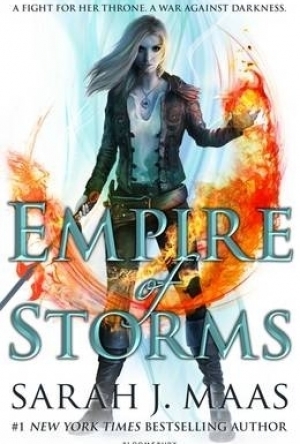
This book destroyed me. I cheered when my baby, Abraxos, appeared (legitimately out loud cheered) and wanted to cry at those fateful words. If you've read this book, you know which ones I'm referring to and if not, I can't say because there would be spoilers. Despite the issues and shift in the characterization of some of our leads, this book takes you on an incredible emotional journey with highs that make you cheer (see above) and lows that bring you to tears (almost).
Despite the length of the book, I didn't feel as though the story lagged or the pacing was poor. Any free minute I had, I immediately turned to the book to continue where I left off. Even knowing what was going to happen, it managed to enthrall me.
One of the problems that I have with this book is its portrayal of relationships. There are aspects of it that are so swoon-worthy and make your heart hurt, but there are some that are not healthy. It's nice to see diverse portrayals of love and relationships, but my concern is that a young adult reader might see the territorial Fae nonsense in the book and not realize that it's an extreme. It might seem normalized. As I am not a teenager, I am aware of the intricacies and can roll my eyes at the "nonsense" without putting any weight on the idea. That may not be the same for teen readers.
There are aspects of the character development that seems off and others that, although regrettable, are completely valid. For example, Dorian has gone through an incredible amount of turmoil and emotional upheaval in the last two books. It's understandable that his personality would not quite be the same carefree, flirty scholar that we met in the first book who wished to stand up to his father but could never garner the courage to do so.
In a similar vein, we watch other characters develop into multi-faceted people and understand them more. Manon and Lysandra have become much more interesting characters as they were expanded upon, and at least for me have become some of my favourites. Despite the huge cast of fairly main characters, each is still given the time to shine and grow.
Finally, the world building continues in this book to an immense degree. A combination of the book's size and the various viewpoints has allowed Sarah J Maas to expand the world we have come to know. Erilea has been developed and we are able to see more pieces of Nehemia's homeland, Aelin's kingdom, and so much in between.
I still love this series and highly recommend it to young adult/teen readers who enjoy fantasy books.
Original Review:
These novels are so addicting, emotional and indescribable - but I'm going to try to do them justice. If you've not yet read up to Empire of Storms, please avoid this review as it has spoilers. I try to leave out the major plot points and just focus on the characters/world, but it's not free from them. Please read on only if you've read the series.
Our main cast of beloved and some tolerated, main/supporting characters grows throughout the series. Although we lose Nehemia, which I am still so sad about - we are introduced to the Fae. Their inclusion in the series brings the genre into high fantasy and makes it even more enjoyable. Prior to this series, I hadn't read many novels in which the supernatural creatures were the Fae but now I am obsessed. The world of the Fae isn't experienced or explained much, but I would love to see more of it. Their powers or abilities are so intriguing and well written. Just enough information is given that you can understand what is going on, then beautifully populate the world and battles in your mind.
Sarah J Maas makes you fall in love with each of the characters, whether you liked them when they were first introduced or not. One of the first perspective shifts we experience is when we are introduced to the bloodthirsty Manon Blackbeak. At first, you wish her scenes weren't there as they take away from time with our main characters but by the fifth novel she's one of the characters you're rooting for. Although she's a witch and over one hundred years old, she is given the ability to develop and change over the course of the novels. It takes time because she's learning that things she believed her entire life aren't true and don't need to affect how she views life.
Even characters that we were originally introduced to, like Lysandre are able to evolve and change over the course of the books. She and Celaena start off butting heads and competing, but that doesn't last. They join together and made a formidable pair (especially once magic is restored to the land). Lysandre grows into one of my favourite characters and her wholehearted commitment to the cause is inspiring.
Seeking more information about the Wyrdkeys, Celaena seeks knowledge from the Fae Queen Maeve. Unwilling to give her information away for nothing, Queen Maeve makes a deal that Celaena must train with and impress one of her trusted warriors, Rowan. Prince Rowan is able to manipulate ice and wind, whilst also transforming into a hawk. Her inner circle are sworn to her with a blood oath and a group of Fae warriors that include Rowan, Lorcan, Gavriel, Vaughen, Fenrys and Connall. Later on, this group is affectionately titled Rowan's cadre and some join our heroes on their journey.
Unsurprisingly, we discover that Celaena is actually the Princess (or Queen) of Terrasen and that revelation brings with it some people from her past. Her cousin, Aedion was forced for years to do the bidding of the King of Adarlan whilst secretly helping his people. He is a general and his legion of warriors called the Bane are loyal to him rather than the King. We also meet another person from Terrasen, the daughter of the woman who sacrificed herself to allow Aelin to escape as a child - Elide. She was mistreated by her Uncle for years, until Manon Blackbeak helped her escape. After only a few days, she crosses paths with Lorcan who is a member of Rowan's cadre and they begin to journey together.
Lorcan is not well liked by Rowan or Aelin when we first come across him in Rifthold. He is still bound to Queen Maeve and is seeking to find and destroy the Wyrdkeys. Throughout his journey across Erilea, he discovers that he has a soft spot for Elide and protects her. Some of the other cadre are viewed in a more favourable light by Aelin and her friends, as they attempt to delay their orders from Maeve to help on the quest.
Sarah J Maas writes the best pairings that fill your heart with so much feeling then she rips it out and stomps all over it. Rowan loves Aelin with his whole heart, every part, the good, the bad, the broken and beaten, the assassin, the Queen, the Fae and no one else has ever done that for her. Their love is true and enduring. Heartwrenching and pure. Even though they didn't start off on the best footing, after training her for a time and even breaking his blood oath to Maeve - Rowan is completely enamored. Plus, they're mates so there's nothing more important and bonding. Each relationship is authentic and pulls at your heartstrings.
Throughout the novels, you are able to experience more of the lands with Erilea from the dark, twisted towers of Morath to the Queen's home of Terrasen. They are welcome additions to our mental maps of the land and wonderfully illustrated through words.
This is one of my favourite series by far and is highly recommended to all - also specifically to young adult readers who enjoy well writen novels with developed characters, immersive world-building and fantasy.
This book destroyed me. I cheered when my baby, Abraxos, appeared (legitimately out loud cheered) and wanted to cry at those fateful words. If you've read this book, you know which ones I'm referring to and if not, I can't say because there would be spoilers. Despite the issues and shift in the characterization of some of our leads, this book takes you on an incredible emotional journey with highs that make you cheer (see above) and lows that bring you to tears (almost).
Despite the length of the book, I didn't feel as though the story lagged or the pacing was poor. Any free minute I had, I immediately turned to the book to continue where I left off. Even knowing what was going to happen, it managed to enthrall me.
One of the problems that I have with this book is its portrayal of relationships. There are aspects of it that are so swoon-worthy and make your heart hurt, but there are some that are not healthy. It's nice to see diverse portrayals of love and relationships, but my concern is that a young adult reader might see the territorial Fae nonsense in the book and not realize that it's an extreme. It might seem normalized. As I am not a teenager, I am aware of the intricacies and can roll my eyes at the "nonsense" without putting any weight on the idea. That may not be the same for teen readers.
There are aspects of the character development that seems off and others that, although regrettable, are completely valid. For example, Dorian has gone through an incredible amount of turmoil and emotional upheaval in the last two books. It's understandable that his personality would not quite be the same carefree, flirty scholar that we met in the first book who wished to stand up to his father but could never garner the courage to do so.
In a similar vein, we watch other characters develop into multi-faceted people and understand them more. Manon and Lysandra have become much more interesting characters as they were expanded upon, and at least for me have become some of my favourites. Despite the huge cast of fairly main characters, each is still given the time to shine and grow.
Finally, the world building continues in this book to an immense degree. A combination of the book's size and the various viewpoints has allowed Sarah J Maas to expand the world we have come to know. Erilea has been developed and we are able to see more pieces of Nehemia's homeland, Aelin's kingdom, and so much in between.
I still love this series and highly recommend it to young adult/teen readers who enjoy fantasy books.
Original Review:
These novels are so addicting, emotional and indescribable - but I'm going to try to do them justice. If you've not yet read up to Empire of Storms, please avoid this review as it has spoilers. I try to leave out the major plot points and just focus on the characters/world, but it's not free from them. Please read on only if you've read the series.
Our main cast of beloved and some tolerated, main/supporting characters grows throughout the series. Although we lose Nehemia, which I am still so sad about - we are introduced to the Fae. Their inclusion in the series brings the genre into high fantasy and makes it even more enjoyable. Prior to this series, I hadn't read many novels in which the supernatural creatures were the Fae but now I am obsessed. The world of the Fae isn't experienced or explained much, but I would love to see more of it. Their powers or abilities are so intriguing and well written. Just enough information is given that you can understand what is going on, then beautifully populate the world and battles in your mind.
Sarah J Maas makes you fall in love with each of the characters, whether you liked them when they were first introduced or not. One of the first perspective shifts we experience is when we are introduced to the bloodthirsty Manon Blackbeak. At first, you wish her scenes weren't there as they take away from time with our main characters but by the fifth novel she's one of the characters you're rooting for. Although she's a witch and over one hundred years old, she is given the ability to develop and change over the course of the novels. It takes time because she's learning that things she believed her entire life aren't true and don't need to affect how she views life.
Even characters that we were originally introduced to, like Lysandre are able to evolve and change over the course of the books. She and Celaena start off butting heads and competing, but that doesn't last. They join together and made a formidable pair (especially once magic is restored to the land). Lysandre grows into one of my favourite characters and her wholehearted commitment to the cause is inspiring.
Seeking more information about the Wyrdkeys, Celaena seeks knowledge from the Fae Queen Maeve. Unwilling to give her information away for nothing, Queen Maeve makes a deal that Celaena must train with and impress one of her trusted warriors, Rowan. Prince Rowan is able to manipulate ice and wind, whilst also transforming into a hawk. Her inner circle are sworn to her with a blood oath and a group of Fae warriors that include Rowan, Lorcan, Gavriel, Vaughen, Fenrys and Connall. Later on, this group is affectionately titled Rowan's cadre and some join our heroes on their journey.
Unsurprisingly, we discover that Celaena is actually the Princess (or Queen) of Terrasen and that revelation brings with it some people from her past. Her cousin, Aedion was forced for years to do the bidding of the King of Adarlan whilst secretly helping his people. He is a general and his legion of warriors called the Bane are loyal to him rather than the King. We also meet another person from Terrasen, the daughter of the woman who sacrificed herself to allow Aelin to escape as a child - Elide. She was mistreated by her Uncle for years, until Manon Blackbeak helped her escape. After only a few days, she crosses paths with Lorcan who is a member of Rowan's cadre and they begin to journey together.
Lorcan is not well liked by Rowan or Aelin when we first come across him in Rifthold. He is still bound to Queen Maeve and is seeking to find and destroy the Wyrdkeys. Throughout his journey across Erilea, he discovers that he has a soft spot for Elide and protects her. Some of the other cadre are viewed in a more favourable light by Aelin and her friends, as they attempt to delay their orders from Maeve to help on the quest.
Sarah J Maas writes the best pairings that fill your heart with so much feeling then she rips it out and stomps all over it. Rowan loves Aelin with his whole heart, every part, the good, the bad, the broken and beaten, the assassin, the Queen, the Fae and no one else has ever done that for her. Their love is true and enduring. Heartwrenching and pure. Even though they didn't start off on the best footing, after training her for a time and even breaking his blood oath to Maeve - Rowan is completely enamored. Plus, they're mates so there's nothing more important and bonding. Each relationship is authentic and pulls at your heartstrings.
Throughout the novels, you are able to experience more of the lands with Erilea from the dark, twisted towers of Morath to the Queen's home of Terrasen. They are welcome additions to our mental maps of the land and wonderfully illustrated through words.
This is one of my favourite series by far and is highly recommended to all - also specifically to young adult readers who enjoy well writen novels with developed characters, immersive world-building and fantasy.

Eilidh G Clark (177 KP) rated The Panopticon in Books
May 13, 2017
This is my all time favouurite book.
Jenny Fagan stated in an interview in 2013 that prior to writing the novel The Panopticon (2012) she had one question, ‘is it possible to achieve autonomy?’ Fagan explores this question throughout her novel with the character of Anais Hendrix. I would also suggest that the author is metaphorically exploring whether Scotland can achieve autonomy as an independent nation. Autonomy, in relation to the individual, is self-governance- or being able to decide for oneself
At the beginning of the novel, the fifteen-year old Anais is governed by the state. In contemporary British society, a child under the age of sixteen, regardless of her social situation is, by law, governed by an adult/s. Anais has lived her life in the care system with the exception of a short period in which she lived with an adopted mother. It is for this reason that she is able to see society from outside of the family unit. By creating the motherless child, Fagan presents Anais as the ‘other’ from both a societal perspective- ‘communities dinnae like no-ones,’ and from the viewpoint of the protagonist, ‘What they really want is me dead,’ (TP, p.23). Without a family, and through a lack of legitimate information regarding her birth mother, Anais believes that she was created in a lab:
I’M AN experiment. I always have been, It’s a given, a liberty, a fact. They watch me. Not just in school or social-work reviews, courts or police cells – they watch everywhere. […] They’re there when I stare too long or too clearly, without flinching. […] They watch me, I know it, and I can’t find anywhere any more – where they can’t see, (TP, Prologue).
Note that in the above quotation, the protagonist describes her assumed identity as a ‘liberty’. Liberty, in this case, means freedom from the oppressive nature of the family. Although Anais desires the nurturing aspect of the family, ‘I just want my mum,’ (Tp, p.269), her lack of family exposes her to the nature of contemporary society as a constant monitoring of civilians. In the above quotation, the repetition of ‘they’ suggests that she feels outside of the norm. The most important aspect of the above quote however, is that it is told from the protagonist’s thoughts. While Fagan gives Anais a certain amount of autonomy through both the first-person narrator, and the vernacular, the reliability of the narrator is increased by presenting the characters inner thoughts. While this limited autonomy is important, full autonomy is restricted by age. Bever suggests that ‘the capacity for individuals to become autonomous seems radically dependent on the contingent historical circumstances and societies into which they are born. Anais’ awareness of herself as the ‘other’ allows her an insight into the oppressive role of society, which is normally hindered in childhood due to the role of the family and it’s teaching of norms and values.
The sense of otherness can also be looked at in regard to Scotland and its role within the UK. The UK is a family of four countries under one state. Regardless of Scotland’s devolution, it has still to comply with a large amount of UK policies. Scotland has different values and goals to that of the UK making it ‘other’. With a different cultural identity to its neighbours, many Scottish citizens are seeking independence to protect its dwindling identity, whilst for others, independence is political.
Anais’ awareness of social control causes her a feeling of shrinking. This, according to her social workers is an identity problem:
Fifty odd moves, three different names, born in a nuthouse to a nobody that was never seen again. Identity problem? I dinnae have an identity problem – I dinnae have an identity, (TP, p.99).
Anais’ reaction in the above statement describes her lack of knowledge of her ancestry. I would argue that her identity is forced upon her from the fifty-one times that she has moved home, the care system, the solitary time in which she was adopted, the relationships she has had - both female and male, her friends but more importantly, from the unreliable account of her birth from the monk in the metal institution. The lack of family does not alter the fact that she is alive, and that all the fragments of her past make up an identity. For Anais, ‘Families are overrated […] ‘I umnay fooled. Not by families,’(TP, p.63-64). Like Anais, Scotland’s identity is ambiguous. Independence will allow Scotland political autonomy, however, within a global economy, Scotland still has limited autonomy. As culturally ‘other’ however, Scotland has already achieved autonomy with or without a state through its language, its people and its traditions.
Fagan demonstrates the difficulty of total autonomy though Anais and the birthday game, a game in which she creates her own identity. When she turns sixteen years of age, Anais is free from societal care and flees from her imprisonment, ‘I am Frances Jones from Paris. I am not a face on a missing-person poster, I am not a number or a statistic in a file. I have no-one watching me, […] I−begin today,’ (TP, p.323-324). ‘I’ suggests singularity and is still opposite to ‘them’ or ‘we’. Autonomy is therefore, ambiguous; Anais is still living within the same system under a false identity, she is therefore, segregated from everyone that she knows. Moreover, by changing Anais’ name to a name that ‘means freedom.’ (TP, p.323), Fagan is pointing out the difference between freedom and autonomy. Freedom is an emotive word, and there are two concepts of freedom – freedom from, which in Anais’ situation means freedom from the system of observation. Freedom to, however, is more problematic as Anais can never be free from the neoliberal system of rules and law – as Scotland would see in the case of independence. I would therefore conclude that Anais/Scotland has always has limited autonomy through cultural identity and history. I believe autonomy can only reside within the system through cultural and individual imagination and not out with it.
What does this mean for Scotland? If Scotland is part of the global community, can it become an autonomous nation? Is there a solution or should Anais/Scotland accept that cultural autonomy is imagined or self-contained. Can a collective identity and imagination change the political system? Finally, can culture survive without independence?
Bibliography
Crupp, Tyler, ‘Autonomy and Contemporary Political Theory’, in Encyclopaedia of Political Theory, ed. Mark Bevor (London: Sage Publications, 2010)
Fagan, Jenni, The Panopticon (London: Windmill Books, 2013), p.6.
Windmill Books. (2013). Granta Best Young British Novelist Jenni Fagan, . accessed 22 November 2015. Published on Apr 16, 2013
At the beginning of the novel, the fifteen-year old Anais is governed by the state. In contemporary British society, a child under the age of sixteen, regardless of her social situation is, by law, governed by an adult/s. Anais has lived her life in the care system with the exception of a short period in which she lived with an adopted mother. It is for this reason that she is able to see society from outside of the family unit. By creating the motherless child, Fagan presents Anais as the ‘other’ from both a societal perspective- ‘communities dinnae like no-ones,’ and from the viewpoint of the protagonist, ‘What they really want is me dead,’ (TP, p.23). Without a family, and through a lack of legitimate information regarding her birth mother, Anais believes that she was created in a lab:
I’M AN experiment. I always have been, It’s a given, a liberty, a fact. They watch me. Not just in school or social-work reviews, courts or police cells – they watch everywhere. […] They’re there when I stare too long or too clearly, without flinching. […] They watch me, I know it, and I can’t find anywhere any more – where they can’t see, (TP, Prologue).
Note that in the above quotation, the protagonist describes her assumed identity as a ‘liberty’. Liberty, in this case, means freedom from the oppressive nature of the family. Although Anais desires the nurturing aspect of the family, ‘I just want my mum,’ (Tp, p.269), her lack of family exposes her to the nature of contemporary society as a constant monitoring of civilians. In the above quotation, the repetition of ‘they’ suggests that she feels outside of the norm. The most important aspect of the above quote however, is that it is told from the protagonist’s thoughts. While Fagan gives Anais a certain amount of autonomy through both the first-person narrator, and the vernacular, the reliability of the narrator is increased by presenting the characters inner thoughts. While this limited autonomy is important, full autonomy is restricted by age. Bever suggests that ‘the capacity for individuals to become autonomous seems radically dependent on the contingent historical circumstances and societies into which they are born. Anais’ awareness of herself as the ‘other’ allows her an insight into the oppressive role of society, which is normally hindered in childhood due to the role of the family and it’s teaching of norms and values.
The sense of otherness can also be looked at in regard to Scotland and its role within the UK. The UK is a family of four countries under one state. Regardless of Scotland’s devolution, it has still to comply with a large amount of UK policies. Scotland has different values and goals to that of the UK making it ‘other’. With a different cultural identity to its neighbours, many Scottish citizens are seeking independence to protect its dwindling identity, whilst for others, independence is political.
Anais’ awareness of social control causes her a feeling of shrinking. This, according to her social workers is an identity problem:
Fifty odd moves, three different names, born in a nuthouse to a nobody that was never seen again. Identity problem? I dinnae have an identity problem – I dinnae have an identity, (TP, p.99).
Anais’ reaction in the above statement describes her lack of knowledge of her ancestry. I would argue that her identity is forced upon her from the fifty-one times that she has moved home, the care system, the solitary time in which she was adopted, the relationships she has had - both female and male, her friends but more importantly, from the unreliable account of her birth from the monk in the metal institution. The lack of family does not alter the fact that she is alive, and that all the fragments of her past make up an identity. For Anais, ‘Families are overrated […] ‘I umnay fooled. Not by families,’(TP, p.63-64). Like Anais, Scotland’s identity is ambiguous. Independence will allow Scotland political autonomy, however, within a global economy, Scotland still has limited autonomy. As culturally ‘other’ however, Scotland has already achieved autonomy with or without a state through its language, its people and its traditions.
Fagan demonstrates the difficulty of total autonomy though Anais and the birthday game, a game in which she creates her own identity. When she turns sixteen years of age, Anais is free from societal care and flees from her imprisonment, ‘I am Frances Jones from Paris. I am not a face on a missing-person poster, I am not a number or a statistic in a file. I have no-one watching me, […] I−begin today,’ (TP, p.323-324). ‘I’ suggests singularity and is still opposite to ‘them’ or ‘we’. Autonomy is therefore, ambiguous; Anais is still living within the same system under a false identity, she is therefore, segregated from everyone that she knows. Moreover, by changing Anais’ name to a name that ‘means freedom.’ (TP, p.323), Fagan is pointing out the difference between freedom and autonomy. Freedom is an emotive word, and there are two concepts of freedom – freedom from, which in Anais’ situation means freedom from the system of observation. Freedom to, however, is more problematic as Anais can never be free from the neoliberal system of rules and law – as Scotland would see in the case of independence. I would therefore conclude that Anais/Scotland has always has limited autonomy through cultural identity and history. I believe autonomy can only reside within the system through cultural and individual imagination and not out with it.
What does this mean for Scotland? If Scotland is part of the global community, can it become an autonomous nation? Is there a solution or should Anais/Scotland accept that cultural autonomy is imagined or self-contained. Can a collective identity and imagination change the political system? Finally, can culture survive without independence?
Bibliography
Crupp, Tyler, ‘Autonomy and Contemporary Political Theory’, in Encyclopaedia of Political Theory, ed. Mark Bevor (London: Sage Publications, 2010)
Fagan, Jenni, The Panopticon (London: Windmill Books, 2013), p.6.
Windmill Books. (2013). Granta Best Young British Novelist Jenni Fagan, . accessed 22 November 2015. Published on Apr 16, 2013

Kaysee Hood (83 KP) rated Attachments in Books
Nov 16, 2017
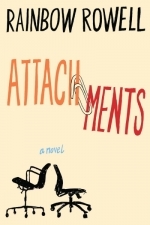

Unconventional Romance (3 more)
Read Life Issues
Movie/Book References
Friendships
Love at First...E-mail?
I've seen some low scored reviews for this book on GR and I realized it may keep some people from reading it, but here are some points I think some should consider before not giving Attachments a chance:
1. This is Rainbow Rowell's first published novel, so of course for some it doesn't hold the magic like Eleanor & Park. Keep in mind many first books never hold against later published works, but are still good or why would the author be allowed to continue?
2. Even though it was published in 2011, it is based in 1999/2000 for plot reasons as to why Lincoln would have his job. This may offset some readers who might not realize how different 1999 is to 2017 Internet use wise for jobs.
3. The lack of reading into who and why the characters are as they are. In a way, it is the adult version of Fangirl, expect the roles are flipped a tad bit.
Anyway, I loved Attachments because it stayed true to Rowell's style, yet it felt raw compared to how she writes now. There is the unconventional love story of a man falling in love with a woman through the e-mails he reads as part of his job to ensure people are working and not nonsense while on the job. There's characters of all sorts with real world problems and real life flaws. There are topics covered of overbearing mothers and mothers who are too cruel both because of their own life. There is men who never want to be tied down, yet one does due to advice and the right woman. The book covers pieces life without taking from the plot whatsoever.
Lincoln O'Neil is a 28-year-old who could have been a successful man with a normal day shift job if a break up had not left him shattered nine years before. Maybe also if his mother had not coddled him, even though she clearly meant well as it is clear him and his sister, Eve, might have been her whole life. Yet we would not have the awkward, shy man working a the swing shift in the IT office as a "security officer" fixing computers in his spare time when he isn't reading through e-mails that come up flagged in the Webfence program. Apparently the security part was ensuring no one at the newspaper office was using the Internet to look at porn, gamble, or idle chit chat instead of working. Not quite was Lincoln had pictured and he doesn't enjoy reading people's exchanges, but the money is good and will grant him the chance to move out his mom's sooner rather than later.
His mundane routine and nothingness during his shift is filled with some enjoyment as Lincoln reads the e-mails flagged from Beth Fremont and Jennifer Scribner-Snyder. There is nothing harmful. Innocent discussions of water cooler talk, life, relationships, and gossip. As much as he knows it is wrong to continue to read their messages about their lives without flagging them as he would anyone else Lincoln cannot help but to get a kick out of the e-mails.
However it soon becomes apparent Lincoln has fallen for Beth despite the fact he has no idea what she looks like or who is she outside of work. Not to mention she has a boyfriend, Chris, who even though she may rant about to Jennifer, she obviously has not intent on breaking ties with. Not for someone like Lincoln anyway. So he spends his time in turmoil trying to decide if a new job is in order, going back to college, or finding a woman to focus his attention on (which are the very things he tries to do). He even tries to ignore the e-mails, yet can't. He cannot help, but feel for Jennifer's worry over having a baby even though her husband wants one. He cannot help, but captivated by their friendship. He cannot help his feelings for Beth for who she is.
It doesn't help Beth has spotted him labeling him as "A Cute Guy" when he never realized she was around. It is like a game of cat and mouse between them then. Beth still unaware he is reading her e-mails. Lincoln unaware of how often she is close to him even when she is going out of her way to find him.
Thus a budding romance is born. But how much of a romance can it be when Beth has Chris and Lincoln can barely look a woman in the eyes?
1. This is Rainbow Rowell's first published novel, so of course for some it doesn't hold the magic like Eleanor & Park. Keep in mind many first books never hold against later published works, but are still good or why would the author be allowed to continue?
2. Even though it was published in 2011, it is based in 1999/2000 for plot reasons as to why Lincoln would have his job. This may offset some readers who might not realize how different 1999 is to 2017 Internet use wise for jobs.
3. The lack of reading into who and why the characters are as they are. In a way, it is the adult version of Fangirl, expect the roles are flipped a tad bit.
Anyway, I loved Attachments because it stayed true to Rowell's style, yet it felt raw compared to how she writes now. There is the unconventional love story of a man falling in love with a woman through the e-mails he reads as part of his job to ensure people are working and not nonsense while on the job. There's characters of all sorts with real world problems and real life flaws. There are topics covered of overbearing mothers and mothers who are too cruel both because of their own life. There is men who never want to be tied down, yet one does due to advice and the right woman. The book covers pieces life without taking from the plot whatsoever.
Lincoln O'Neil is a 28-year-old who could have been a successful man with a normal day shift job if a break up had not left him shattered nine years before. Maybe also if his mother had not coddled him, even though she clearly meant well as it is clear him and his sister, Eve, might have been her whole life. Yet we would not have the awkward, shy man working a the swing shift in the IT office as a "security officer" fixing computers in his spare time when he isn't reading through e-mails that come up flagged in the Webfence program. Apparently the security part was ensuring no one at the newspaper office was using the Internet to look at porn, gamble, or idle chit chat instead of working. Not quite was Lincoln had pictured and he doesn't enjoy reading people's exchanges, but the money is good and will grant him the chance to move out his mom's sooner rather than later.
His mundane routine and nothingness during his shift is filled with some enjoyment as Lincoln reads the e-mails flagged from Beth Fremont and Jennifer Scribner-Snyder. There is nothing harmful. Innocent discussions of water cooler talk, life, relationships, and gossip. As much as he knows it is wrong to continue to read their messages about their lives without flagging them as he would anyone else Lincoln cannot help but to get a kick out of the e-mails.
However it soon becomes apparent Lincoln has fallen for Beth despite the fact he has no idea what she looks like or who is she outside of work. Not to mention she has a boyfriend, Chris, who even though she may rant about to Jennifer, she obviously has not intent on breaking ties with. Not for someone like Lincoln anyway. So he spends his time in turmoil trying to decide if a new job is in order, going back to college, or finding a woman to focus his attention on (which are the very things he tries to do). He even tries to ignore the e-mails, yet can't. He cannot help, but feel for Jennifer's worry over having a baby even though her husband wants one. He cannot help, but captivated by their friendship. He cannot help his feelings for Beth for who she is.
It doesn't help Beth has spotted him labeling him as "A Cute Guy" when he never realized she was around. It is like a game of cat and mouse between them then. Beth still unaware he is reading her e-mails. Lincoln unaware of how often she is close to him even when she is going out of her way to find him.
Thus a budding romance is born. But how much of a romance can it be when Beth has Chris and Lincoln can barely look a woman in the eyes?

Lee (2222 KP) rated Pet Sematary (2019) in Movies
Apr 2, 2019 (Updated Apr 5, 2019)
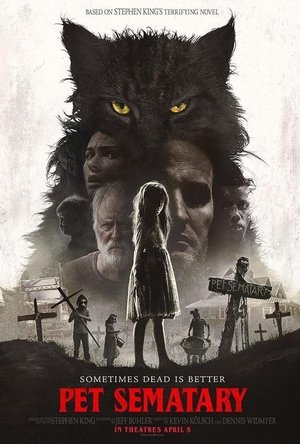


Not only have I not read the Stephen King book that Pet Sematary is based on, I haven't even seen the original 1989 movie either. As much as I feel ashamed for completely missing out on both of those, it also meant that I was able to head into this movie with nothing to compare it to and no idea of what to expect, other than a bit of creepy-burial-ground-raising-the-dead type stuff that the first trailer covered. One quick note on the trailers before I begin though - the most recent one, which luckily I only saw after I had seen the movie, pretty much gives away the entire plot. Granted, if you're a fan of Stephen Kings work, or even the original movie, then you're going to know what to expect anyway. But, if you're like me - someone who enjoys a good horror movie, but doesn't read books and has gaping holes in his movie viewing history, then try and give the trailers a miss on this occasion before heading into the cinema.
Louis Creed (Jason Clarke) is a Boston doctor who moves his family to the (hopefully) less chaotic setting of rural Maine - wife Rachel (Amy Seimetz), 8 year old daughter Ellie (Jeté Laurence), toddler Gage and friendly family cat Church. However, the family soon discover that their house is located right alongside a road which is prone to noisy trucks suddenly speeding past - our first jump scare and something already given away by the trailers! Those trucks also have a tendency to end the lives of any local pets who might happen to wander out in front of them, so it's pretty handy that there happens to be a Native American graveyard out in the woods at the back of the Creed's new house.
The local children make good use of the area, carrying out a funeral procession while wearing masks before burying deceased pets there, and they have also erected a sign - "Pet Sematary", which is nailed to one of the trees outside of it. Unfortunately, it's not too long before Church falls victim to a passing truck, at which point friendly neighbour Jud (John Lithgow) tells Louis of a special burial ritual which can be carried out on an area of ground located even further into the forest. It's a ritual that can bring the dead back to life so, in order to avoid upsetting daughter Ellie, Louis keeps the death a secret until he and Jud can head out late that night to perform the ritual with Church. Sure enough, Church is back with the family the next morning - alive, but looking very disheveled and in a seriously grumpy mood. He's not quite the cute little bundle of joy he once was - as Jud puts it, "Sometimes dead is better".
After banging on earlier about spoilers for movies, I feel it would be wrong of me to go and do the same thing here. If you're familiar with the story, then you'll know what happens anyway, although there is a moderate change of detail in this particular version which has already had a few die hard Stephen King fans up in arms. I'll just say that the special properties of the burial ground get used on a few more occasions during the course of the movie, with increasingly devastating consequences, and I personally felt that the change to the source material totally worked within the confines of this version of the story.
Ok, so what did I think of the movie overall? Well, I found Pet Sematary to be pretty intense, even more so than 'Us' recently. There were a couple of guys to the side of me in the cinema who were sitting forward on the edge of their seat for the majority of the movie just hyperventilating - I thought they were going to have a heart attack at one point! Yes, there are some jump scares, but this was more the kind of nightmare horror that I loved while watching 'Us' and it had me gripped to my seat for a good 80% or so of its run-time. Everyone involved in the movie is on top form - the children are outstanding, as is Jason Clarke, John Lithgow, even the cat! The dread-filled atmosphere, the tragedy and the horror of it all, it really resonated with me and I came away from this exhausted but happy!
Louis Creed (Jason Clarke) is a Boston doctor who moves his family to the (hopefully) less chaotic setting of rural Maine - wife Rachel (Amy Seimetz), 8 year old daughter Ellie (Jeté Laurence), toddler Gage and friendly family cat Church. However, the family soon discover that their house is located right alongside a road which is prone to noisy trucks suddenly speeding past - our first jump scare and something already given away by the trailers! Those trucks also have a tendency to end the lives of any local pets who might happen to wander out in front of them, so it's pretty handy that there happens to be a Native American graveyard out in the woods at the back of the Creed's new house.
The local children make good use of the area, carrying out a funeral procession while wearing masks before burying deceased pets there, and they have also erected a sign - "Pet Sematary", which is nailed to one of the trees outside of it. Unfortunately, it's not too long before Church falls victim to a passing truck, at which point friendly neighbour Jud (John Lithgow) tells Louis of a special burial ritual which can be carried out on an area of ground located even further into the forest. It's a ritual that can bring the dead back to life so, in order to avoid upsetting daughter Ellie, Louis keeps the death a secret until he and Jud can head out late that night to perform the ritual with Church. Sure enough, Church is back with the family the next morning - alive, but looking very disheveled and in a seriously grumpy mood. He's not quite the cute little bundle of joy he once was - as Jud puts it, "Sometimes dead is better".
After banging on earlier about spoilers for movies, I feel it would be wrong of me to go and do the same thing here. If you're familiar with the story, then you'll know what happens anyway, although there is a moderate change of detail in this particular version which has already had a few die hard Stephen King fans up in arms. I'll just say that the special properties of the burial ground get used on a few more occasions during the course of the movie, with increasingly devastating consequences, and I personally felt that the change to the source material totally worked within the confines of this version of the story.
Ok, so what did I think of the movie overall? Well, I found Pet Sematary to be pretty intense, even more so than 'Us' recently. There were a couple of guys to the side of me in the cinema who were sitting forward on the edge of their seat for the majority of the movie just hyperventilating - I thought they were going to have a heart attack at one point! Yes, there are some jump scares, but this was more the kind of nightmare horror that I loved while watching 'Us' and it had me gripped to my seat for a good 80% or so of its run-time. Everyone involved in the movie is on top form - the children are outstanding, as is Jason Clarke, John Lithgow, even the cat! The dread-filled atmosphere, the tragedy and the horror of it all, it really resonated with me and I came away from this exhausted but happy!

Kristy H (1252 KP) rated Practicing Normal in Books
Feb 13, 2018
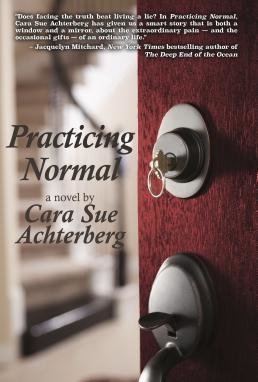
Poor Kate Turner. She lives in a beautiful home in Pine Estates with her family: husband, Everett; teenage daughter, Jenna; and tween son, JT. But things are not as lovely (and normal) as they appear from the outside. Everett works at a security firm, but he also disappears for hours on end, and Kate worries he's having (another) affair. Jenna learned to break into homes from her dad, and she's busy skipping school and putting that talent to good use. She also has no use for her father since his mistress appeared on their front doorstep. And JT is a wonderful, intelligent kid, but he is also dealing with Asperberger's and the fact that his father would love nothing more than for him to be "normal."
I just have to preface my review to say that <i>I don't understand why more people don't know of and read Cara Sue Achterberg.</i> I read her last novel, [b:Girls' Weekend|28280644|Girls' Weekend|Cara Sue Achterberg|https://images.gr-assets.com/books/1453684219s/28280644.jpg|48328656], and it was so good. She also has a great twitter, fosters dogs, and is just so fun. Darn you, world!
Anyway, I liked the characters of PRACTICING NORMAL (or at least was drawn into their worlds) immediately -- there was no way I was ever going to like Kate's husband, though. Kate is so real--she is flawed, she is tough, she is a loving mom. She is no stock character. Achterberg does spot-on coverage of Kate's mother, Mildred, a crotchety old woman with borderline dementia. Mildred's love of her backyard songbirds is just awesome: you will laugh (and perhaps cry). There are also touching (and probably pretty realistic) interactions with her son. Meanwhile, her husband is just a piece of work.
<i>Achterberg has a way of making you empathize so deeply with her characters.</i> I felt so badly for Kate. Other times I wanted to shake her, wake her up, and get her out of her life. No matter what, I was completely invested in her story. She's relatable and will certainly appeal to the overworked, stressed moms of the world. (There's a moment where Kate wishes she could just have a temporary health issue and wind up in the hospital for a moment - where people actually care for her for once. Oh yes. Haven't we all been there--guiltily--for a minute or two?)
The POV varies mainly between Kate and Jenna--and about a quarter way through the story, we hear from that "louse" (as Mildred would say) Everett. I enjoyed how Achterberg used shorter sentences and simpler words when speaking as Everett. I'm sorry, but I could just never warm up to that guy. (Read it, you'll understand.) Now Jenna? She's a gem. A spitfire of a teen with the ability to see through the pretend layers everyone puts on. I fiercely wanted to protect Jenna--a testament to Achterberg's writing and this character she had created.
I was a bit irritated by Kate's sister Evelyn and her constant focus on bringing their deadbeat father back into their life (though that storyline picks up later), but Evelyn certainly stood for yet another thing poor Kate must deal with. I mean, seriously. This poor woman.
<i>Overall, I really enjoyed this one.</i> Much like GIRLS' WEEKEND, I am just amazed at how well Achterberg writes her characters and how quickly she draws you into their lives. I might have enjoyed GIRLS just a tad more, but only because I am more at the point of those women in my life (with younger kids) than Kate. I still really liked this novel. I would find myself just smiling at parts while I read it, because I was so taken by the characters. I was rooting for Kate and Jenna (and JT!) and, often, very much against Everett and Evelyn. It's truly a lovely reflection on the different kinds of love we have for others, and yes, the spectrum of normal. Highly recommend with 4+ stars.
I received a copy of this book from the publisher and Netgalley (thank you!) in return for an unbiased review. It is available as of 06/06/17.
You can read my review of Achterberg's previous novel, GIRLS' WEEKEND, <a href="http://justacatandabookatherside.blogspot.com/2016/04/ive-got-sunshine-and-few-good-friends.html">here</a>;.
<center><a href="http://justacatandabookatherside.blogspot.com/">Blog</a>; ~ <a href="https://twitter.com/mwcmoto">Twitter</a>; ~ <a href="https://www.facebook.com/justacatandabook/">Facebook</a>; ~ <a href="https://plus.google.com/u/0/+KristyHamiltonbooks">Google+</a></center>;
I just have to preface my review to say that <i>I don't understand why more people don't know of and read Cara Sue Achterberg.</i> I read her last novel, [b:Girls' Weekend|28280644|Girls' Weekend|Cara Sue Achterberg|https://images.gr-assets.com/books/1453684219s/28280644.jpg|48328656], and it was so good. She also has a great twitter, fosters dogs, and is just so fun. Darn you, world!
Anyway, I liked the characters of PRACTICING NORMAL (or at least was drawn into their worlds) immediately -- there was no way I was ever going to like Kate's husband, though. Kate is so real--she is flawed, she is tough, she is a loving mom. She is no stock character. Achterberg does spot-on coverage of Kate's mother, Mildred, a crotchety old woman with borderline dementia. Mildred's love of her backyard songbirds is just awesome: you will laugh (and perhaps cry). There are also touching (and probably pretty realistic) interactions with her son. Meanwhile, her husband is just a piece of work.
<i>Achterberg has a way of making you empathize so deeply with her characters.</i> I felt so badly for Kate. Other times I wanted to shake her, wake her up, and get her out of her life. No matter what, I was completely invested in her story. She's relatable and will certainly appeal to the overworked, stressed moms of the world. (There's a moment where Kate wishes she could just have a temporary health issue and wind up in the hospital for a moment - where people actually care for her for once. Oh yes. Haven't we all been there--guiltily--for a minute or two?)
The POV varies mainly between Kate and Jenna--and about a quarter way through the story, we hear from that "louse" (as Mildred would say) Everett. I enjoyed how Achterberg used shorter sentences and simpler words when speaking as Everett. I'm sorry, but I could just never warm up to that guy. (Read it, you'll understand.) Now Jenna? She's a gem. A spitfire of a teen with the ability to see through the pretend layers everyone puts on. I fiercely wanted to protect Jenna--a testament to Achterberg's writing and this character she had created.
I was a bit irritated by Kate's sister Evelyn and her constant focus on bringing their deadbeat father back into their life (though that storyline picks up later), but Evelyn certainly stood for yet another thing poor Kate must deal with. I mean, seriously. This poor woman.
<i>Overall, I really enjoyed this one.</i> Much like GIRLS' WEEKEND, I am just amazed at how well Achterberg writes her characters and how quickly she draws you into their lives. I might have enjoyed GIRLS just a tad more, but only because I am more at the point of those women in my life (with younger kids) than Kate. I still really liked this novel. I would find myself just smiling at parts while I read it, because I was so taken by the characters. I was rooting for Kate and Jenna (and JT!) and, often, very much against Everett and Evelyn. It's truly a lovely reflection on the different kinds of love we have for others, and yes, the spectrum of normal. Highly recommend with 4+ stars.
I received a copy of this book from the publisher and Netgalley (thank you!) in return for an unbiased review. It is available as of 06/06/17.
You can read my review of Achterberg's previous novel, GIRLS' WEEKEND, <a href="http://justacatandabookatherside.blogspot.com/2016/04/ive-got-sunshine-and-few-good-friends.html">here</a>;.
<center><a href="http://justacatandabookatherside.blogspot.com/">Blog</a>; ~ <a href="https://twitter.com/mwcmoto">Twitter</a>; ~ <a href="https://www.facebook.com/justacatandabook/">Facebook</a>; ~ <a href="https://plus.google.com/u/0/+KristyHamiltonbooks">Google+</a></center>;
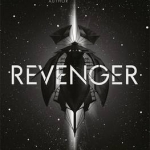
What can I say about <i>Revenger</i>?
It was my first ever Space Opera and it has opened my eyes to a whole new genre.
It was my first ever Space Opera and it has primed my taste-buds for more.
It was my first ever Alastair Reynolds and now I want more.
Revenger itself was amazingly well written. As mentioned above this was my first book from Alastair Reynolds and it was just the kind of book I could get into again and again; the writing style flowed with a shocking ease and the plot line was very Firefly-esque with a hint more action and a smidge more ‘oh-shit’ factor.
Revenger follows the story of Adrana and Arafura Ness – two sisters from Mazarile whose sick father had made some very poor choices in business – as they embark on a journey into space to end all journeys.
It begins with Adrana convincing her younger sister Arafura to escape into Neural Alley for a reading by Madam Granity. There’s aliens, robots and weird looking men with bad attitudes and then there’s Captain Rackamore. Pol Rackamore is the captain of the Monetta’s Mourn – a sunjammer spaceship – and he’s in need of a new Boney on his ship as his current one is getting too old to ‘read the bones’ and I mean that in the literal sense of the word.
Adrana convinces Cap’n Rack to take both her and Arafura on board the Monetta in the position of new Bone Readers (with the aide of Cazaray the current Boney) and that is where the story really begins. We’re introduced to the rest of the crew and the Monetta sails off into the Empty in search of baubles. As they sail towards their first bauble Arafura becomes a lot closer to the rest of the crew while I feel that Adrana is doing her best to stay away from them all even though she’s front and center.
Story progresses and little hints are dropped about Bosa Sennen and Cap’n Rack’s long lost daughter. There’s several shocking deaths, a mad woman, a kidnapping or two and a young girl bent on revenge.
Around the mid way mark Arafura changes, subtly at first and then a lot more drastic and she becomes Just Fura. This is where the story becomes a lot darker and a lot less like Firefly and a lot more like the Firefly from hell; the second half of this book is based around Fura getting Revenger on Bosa Sennen for what she did and the things that Fura puts herself through to get where she needs to be? She started off as a little timid and shy but after the 50% mark she changed completely and became hard and unyielding.
You know how they say that the future is bright? That brightness is swallowed by the Empty and the future is dark and full of terrors (oh yeah I went there) there’s a doctor with a God complex, a father with a total lack of regard for his daughters, a totally bad ass soldier robot with logic barricades and all sorts of other people.
I think I loved the world building the most about Revenger it was such a smooth transition from place to place and from time to time that it was almost seamless; my second favourite thing was the characters – hands down they were some of the best characters I’ve ever read and I’d love to see if AR takes this book any further as it was seemingly left open for another book but we shall see.
The book gave off a distinctly pirate feeling but with the space element it felt more like Firefly than it did Pirates of the Caribbean which as a fan of both was saying something. Pirates sailing the high skies rather than the high seas! Some of the characters left much to be desired – Bosa, Adrana and Dr Moonface I’m looking at y’all – but the likes of Rack, Prozor and Paladin more than made up for them.
The dialogue was great and the story wasn’t overly scientific which sometimes can be an issue for me, I like my books to be a little less science fact and a bit more science fiction but with Revenger, I felt like AR was giving us regular folk an explanation without going overboard on the description.
It was my first ever Space Opera and it has opened my eyes to a whole new genre.
It was my first ever Space Opera and it has primed my taste-buds for more.
It was my first ever Alastair Reynolds and now I want more.
Revenger itself was amazingly well written. As mentioned above this was my first book from Alastair Reynolds and it was just the kind of book I could get into again and again; the writing style flowed with a shocking ease and the plot line was very Firefly-esque with a hint more action and a smidge more ‘oh-shit’ factor.
Revenger follows the story of Adrana and Arafura Ness – two sisters from Mazarile whose sick father had made some very poor choices in business – as they embark on a journey into space to end all journeys.
It begins with Adrana convincing her younger sister Arafura to escape into Neural Alley for a reading by Madam Granity. There’s aliens, robots and weird looking men with bad attitudes and then there’s Captain Rackamore. Pol Rackamore is the captain of the Monetta’s Mourn – a sunjammer spaceship – and he’s in need of a new Boney on his ship as his current one is getting too old to ‘read the bones’ and I mean that in the literal sense of the word.
Adrana convinces Cap’n Rack to take both her and Arafura on board the Monetta in the position of new Bone Readers (with the aide of Cazaray the current Boney) and that is where the story really begins. We’re introduced to the rest of the crew and the Monetta sails off into the Empty in search of baubles. As they sail towards their first bauble Arafura becomes a lot closer to the rest of the crew while I feel that Adrana is doing her best to stay away from them all even though she’s front and center.
Story progresses and little hints are dropped about Bosa Sennen and Cap’n Rack’s long lost daughter. There’s several shocking deaths, a mad woman, a kidnapping or two and a young girl bent on revenge.
Around the mid way mark Arafura changes, subtly at first and then a lot more drastic and she becomes Just Fura. This is where the story becomes a lot darker and a lot less like Firefly and a lot more like the Firefly from hell; the second half of this book is based around Fura getting Revenger on Bosa Sennen for what she did and the things that Fura puts herself through to get where she needs to be? She started off as a little timid and shy but after the 50% mark she changed completely and became hard and unyielding.
You know how they say that the future is bright? That brightness is swallowed by the Empty and the future is dark and full of terrors (oh yeah I went there) there’s a doctor with a God complex, a father with a total lack of regard for his daughters, a totally bad ass soldier robot with logic barricades and all sorts of other people.
I think I loved the world building the most about Revenger it was such a smooth transition from place to place and from time to time that it was almost seamless; my second favourite thing was the characters – hands down they were some of the best characters I’ve ever read and I’d love to see if AR takes this book any further as it was seemingly left open for another book but we shall see.
The book gave off a distinctly pirate feeling but with the space element it felt more like Firefly than it did Pirates of the Caribbean which as a fan of both was saying something. Pirates sailing the high skies rather than the high seas! Some of the characters left much to be desired – Bosa, Adrana and Dr Moonface I’m looking at y’all – but the likes of Rack, Prozor and Paladin more than made up for them.
The dialogue was great and the story wasn’t overly scientific which sometimes can be an issue for me, I like my books to be a little less science fact and a bit more science fiction but with Revenger, I felt like AR was giving us regular folk an explanation without going overboard on the description.

Alice (12 KP) rated The Promise of the Child (The Amaranthine Spectrum #1) in Books
Jul 3, 2018
<blockquote>How little is the promise of the child fulfilled in the man</blockquote>
The Promise of the Child was one of those impulse books bought because I’d attended a festival (Gollancz festival October 15th 2016 I think) with the author in attendance and I liked the sound of both him and his debut novel; I have no regrets for purchasing this book on impulse unlike some of my impulse buys.
I think, personally, that 100 pages is all you get to grab me, if your book fails to grab me by then there’s a likelihood that I’ll abandon it sooner rather than later and I will admit I came so incredibly close to abandoning at about 80 pages because the book hadn’t grabbed me enough to keep me interested – I am glad I didn’t and persevered to the 100 page mark as shortly after my thoughts to abandon the book picked up massively.
The book is understandably a little confusing in places, sometimes a touch frustrating also but the world building was brilliantly done. It’s the 147th century and there are so many species of creature as to overload a new reader – which I will admit, I am and yes, it did happen – but there’s a wonderful glossary at the back of the book which for the first 150 pages or so I kept flicking backwards and forwards between to understand what it was I was reading. Tom also kindly answered my random Twitter message about the Melius – a giant non-reptilian chameleon-esque creature that wear colours instead of clothes (can I get a hell yeah?) and he’s such a nice guy (Tom, not the Melius, though they are quite nice too) he also suggested that the glossary would basically be my new best friend and no truer words have ever been spoken.
The characters were great – three main characters and a few main side characters that got a little more page time that you’d expect a secondary character to get.
Lycaste – a Melius who has been blessed/cursed with good looks and a soft heart.
Sotiris – an Amaranthine approximately 12,000 years old who mourns the death of his sister and plots to stop the man determined to become Emperor.
Ghaldezuel – a Lacaille knight of the stars who must steal the object that the Pretender will stop at nothing to obtain.
Each character had their own little quirks which didn’t deter from their overall character view but merely added to it. Lycaste for example is really soft hearted in the beginning but then another male encroaches on what he considers his territory and he flips – he’s a totally different man from how I’d gotten used to him and what I liked was that this new Lycaste continued throughout the rest of the book – he became infinitely more “masculine” than the hermit Lycaste of the beginning of the book.
For a debut novel the writing style was fresh if just a touch wordy, a lot of new words and styles of words specifically designed for The Amaranthine Spectrum world and though they’re long, and do put a bit of potentially unnecessary wordage in the book, I think that without them, The Promise of the Child wouldn’t have been the book it was.
On occasion, the book didn’t quite flow as well as I would have thought but it was made better by the general flow of it and the overall world building, characters and the plot line. The plot line was at first a bit confusing (I’d like to point out that I knew this going into the book and that this is no detriment on the book as a whole) but once it hit past the 100 page mark the plots stabilised and became their own individual side plots mixed together to make the one big plot.
The ending of the book threw me for a loop as I didn’t expect that ending in the slightest. It didn’t seem to match up with the beginning of the book where a random kid is taken by the Pretender and you don’t really hear about this child for the rest of the book. Then BAM! Dinosaur.
Yes. Dinosaur.
The book is perfectly spacey and sci/fi but it has that sweet touch of fantasy with the seemingly random designed creatures and alien species.
In all, this was a good book and I’d recommend it.
The Promise of the Child was one of those impulse books bought because I’d attended a festival (Gollancz festival October 15th 2016 I think) with the author in attendance and I liked the sound of both him and his debut novel; I have no regrets for purchasing this book on impulse unlike some of my impulse buys.
I think, personally, that 100 pages is all you get to grab me, if your book fails to grab me by then there’s a likelihood that I’ll abandon it sooner rather than later and I will admit I came so incredibly close to abandoning at about 80 pages because the book hadn’t grabbed me enough to keep me interested – I am glad I didn’t and persevered to the 100 page mark as shortly after my thoughts to abandon the book picked up massively.
The book is understandably a little confusing in places, sometimes a touch frustrating also but the world building was brilliantly done. It’s the 147th century and there are so many species of creature as to overload a new reader – which I will admit, I am and yes, it did happen – but there’s a wonderful glossary at the back of the book which for the first 150 pages or so I kept flicking backwards and forwards between to understand what it was I was reading. Tom also kindly answered my random Twitter message about the Melius – a giant non-reptilian chameleon-esque creature that wear colours instead of clothes (can I get a hell yeah?) and he’s such a nice guy (Tom, not the Melius, though they are quite nice too) he also suggested that the glossary would basically be my new best friend and no truer words have ever been spoken.
The characters were great – three main characters and a few main side characters that got a little more page time that you’d expect a secondary character to get.
Lycaste – a Melius who has been blessed/cursed with good looks and a soft heart.
Sotiris – an Amaranthine approximately 12,000 years old who mourns the death of his sister and plots to stop the man determined to become Emperor.
Ghaldezuel – a Lacaille knight of the stars who must steal the object that the Pretender will stop at nothing to obtain.
Each character had their own little quirks which didn’t deter from their overall character view but merely added to it. Lycaste for example is really soft hearted in the beginning but then another male encroaches on what he considers his territory and he flips – he’s a totally different man from how I’d gotten used to him and what I liked was that this new Lycaste continued throughout the rest of the book – he became infinitely more “masculine” than the hermit Lycaste of the beginning of the book.
For a debut novel the writing style was fresh if just a touch wordy, a lot of new words and styles of words specifically designed for The Amaranthine Spectrum world and though they’re long, and do put a bit of potentially unnecessary wordage in the book, I think that without them, The Promise of the Child wouldn’t have been the book it was.
On occasion, the book didn’t quite flow as well as I would have thought but it was made better by the general flow of it and the overall world building, characters and the plot line. The plot line was at first a bit confusing (I’d like to point out that I knew this going into the book and that this is no detriment on the book as a whole) but once it hit past the 100 page mark the plots stabilised and became their own individual side plots mixed together to make the one big plot.
The ending of the book threw me for a loop as I didn’t expect that ending in the slightest. It didn’t seem to match up with the beginning of the book where a random kid is taken by the Pretender and you don’t really hear about this child for the rest of the book. Then BAM! Dinosaur.
Yes. Dinosaur.
The book is perfectly spacey and sci/fi but it has that sweet touch of fantasy with the seemingly random designed creatures and alien species.
In all, this was a good book and I’d recommend it.
Heather Cranmer (2721 KP) rated The Forgotten Child (A Riley Thomas Mystery #1) in Books
Oct 3, 2018
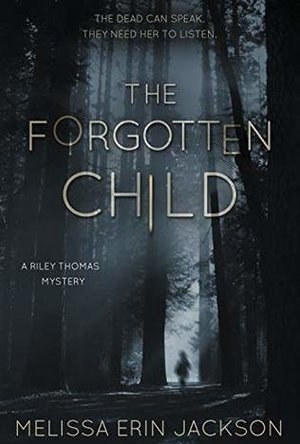
Well Written Characters (1 more)
Spooky Scenes
Pointless Sex Scenes (1 more)
Cheesy Dialogue at Times
A Spooky Read
The synopsis for The Forgotten Child by Melissa Erin Jackson really drew me in. It was one of those books that I knew I had to read. I even pre-ordered the book. Luckily, I won it on a Goodreads giveaway, so I had the chance to read it before it was released.
I found the pacing to be fairly consistent for The Forgotten Child. For the most part, it was a fast paced read which I thoroughly enjoyed! There were a few times that the pacing slowed down a bit, and I was wishing for it to speed up again. However, those moments weren't very often.
The plot for The Forgotten Child has been done before, but Ms. Jackson made the story line interesting enough for me to enjoy the story. Riley, the main character, gets roped in to going to a house that has been featured on a popular ghost hunting show and known to be very haunted. It was also the site of some very brutal murders. Riley is reluctant to go due to her ability to see and interact with ghosts and because of something that happened when she was 10 years old involving a spirit. While there, she interacts with the ghost of a little boy as well as the infamous serial killer who used to live there. After getting completely freaked out by a ghostly encounter with the serial killer's ghost, she leaves early to go back home. However, the ghost boy has followed her home. She feels sorry for the little boy and vows to find out what happened to him. Finding out what happened to him won't be easy, and it will put her in grave danger. While trying to uncover the mystery of the little boy, she also is juggling her love life with her new boyfriend. I felt like there were no plot twists, but there were plenty of spooky moments! There was one point in the story where I was really regretting my decision to read The Forgotten Child late at night due to a very spooky scene! Even though this book is part of a series, there were no cliffhangers. All of my questions were answered by the end of the book which I was thankful for. I wish this focused more on Riley's abilities and on the ghostly aspect instead of Riley's relationship with Michael, but that's just a personal preference. I also could have done without the sex scenes between Riley and Michael as I felt like they didn't really fit the tone of the book. Perhaps that's just a me thing though.
The world building for The Forgotten Child was written fairly well. There were some times where I was wondering about the dialogue in the book. Some of the choices of phrases used were a bit cheesy. I hadn't heard anyone use some of the phrases used in the book ever! However, the dialogue was still very believable for the most part. I loved the way some of The Forgotten Child was set a creepy ranch in a spooky house. I do wish more of the action took place here, but I still enjoyed the book.
I enjoyed the characters in The Forgotten Child. Melissa Erin Jackson did a fantastic job in making each character feel like a real person. Not one of the characters was lacking. I found each one to be interesting. I really enjoyed the chemistry between Riley and Michael. I enjoyed their banter a lot even if I wish the book would have focused less on their physical and romantic relationship. I also enjoyed reading about Jade and Riley's friendship. You could feel how strong their friendship was. I loved how Miss Jackson wrote about Orin and Hank. I could feel the evilness of both Orin and Hank oozing from the pages! Both of them made fantastic evil characters.
Trigger warnings include a lot of swearing, violence, a few graphic (but not too graphic) sex scenes including a non-graphic rape, murder including child murder, drinking, an evil spirit, and other scenes dealing with the occult.
All in all, The Forgotten Child was a good read. I loved how spooky it was as well as how great the characters were written. I would definitely recommend The Forgotten Child by Melissa Erin Jackson to those 18+ who love a good paranormal mystery. I will definitely be reading the next book in the Riley Thomas Mystery series.
I found the pacing to be fairly consistent for The Forgotten Child. For the most part, it was a fast paced read which I thoroughly enjoyed! There were a few times that the pacing slowed down a bit, and I was wishing for it to speed up again. However, those moments weren't very often.
The plot for The Forgotten Child has been done before, but Ms. Jackson made the story line interesting enough for me to enjoy the story. Riley, the main character, gets roped in to going to a house that has been featured on a popular ghost hunting show and known to be very haunted. It was also the site of some very brutal murders. Riley is reluctant to go due to her ability to see and interact with ghosts and because of something that happened when she was 10 years old involving a spirit. While there, she interacts with the ghost of a little boy as well as the infamous serial killer who used to live there. After getting completely freaked out by a ghostly encounter with the serial killer's ghost, she leaves early to go back home. However, the ghost boy has followed her home. She feels sorry for the little boy and vows to find out what happened to him. Finding out what happened to him won't be easy, and it will put her in grave danger. While trying to uncover the mystery of the little boy, she also is juggling her love life with her new boyfriend. I felt like there were no plot twists, but there were plenty of spooky moments! There was one point in the story where I was really regretting my decision to read The Forgotten Child late at night due to a very spooky scene! Even though this book is part of a series, there were no cliffhangers. All of my questions were answered by the end of the book which I was thankful for. I wish this focused more on Riley's abilities and on the ghostly aspect instead of Riley's relationship with Michael, but that's just a personal preference. I also could have done without the sex scenes between Riley and Michael as I felt like they didn't really fit the tone of the book. Perhaps that's just a me thing though.
The world building for The Forgotten Child was written fairly well. There were some times where I was wondering about the dialogue in the book. Some of the choices of phrases used were a bit cheesy. I hadn't heard anyone use some of the phrases used in the book ever! However, the dialogue was still very believable for the most part. I loved the way some of The Forgotten Child was set a creepy ranch in a spooky house. I do wish more of the action took place here, but I still enjoyed the book.
I enjoyed the characters in The Forgotten Child. Melissa Erin Jackson did a fantastic job in making each character feel like a real person. Not one of the characters was lacking. I found each one to be interesting. I really enjoyed the chemistry between Riley and Michael. I enjoyed their banter a lot even if I wish the book would have focused less on their physical and romantic relationship. I also enjoyed reading about Jade and Riley's friendship. You could feel how strong their friendship was. I loved how Miss Jackson wrote about Orin and Hank. I could feel the evilness of both Orin and Hank oozing from the pages! Both of them made fantastic evil characters.
Trigger warnings include a lot of swearing, violence, a few graphic (but not too graphic) sex scenes including a non-graphic rape, murder including child murder, drinking, an evil spirit, and other scenes dealing with the occult.
All in all, The Forgotten Child was a good read. I loved how spooky it was as well as how great the characters were written. I would definitely recommend The Forgotten Child by Melissa Erin Jackson to those 18+ who love a good paranormal mystery. I will definitely be reading the next book in the Riley Thomas Mystery series.

LilyLovesIndie (123 KP) rated King Hall (Forever Evermore, #1) in Books
Nov 5, 2018
Read the most up to date version of this review over on Ramble Media http://www.ramblemedia.com/?p=20241
I received an ARC of this book and I am so very glad I was given this opportunity as this book really is something else! I devoured it in no time at all, reading until I fell asleep on my kindle, waking up and reading some more. I honestly have not read a book this well written and gripping in a while, and it is most definitely a book worth adding to your to-read list sharpish!
So I suppose you want to know why I find this book so wonderful? Well for once, I am actually rather speechless, in an incredibly good way, as there is just so much good that it's hard to know where to start. Perhaps the one thing I absolutely loved in this book is the plot. A different take on the typical YA Magical genre, the inclusion of Kings, Mys factions, heartbreak, mates and the friendship between these groups, it's all so very different from the norm. But that is one of the greatest aspects of this book, it breaks so many of the standard rules and 'norms' of this genre. It is naughty in parts, funny in others and downright heart breaking at times as well. The plot is superbly paced to guide the reader through everything that takes place, without dragging it's feet or rushing too fast - it is perfectly pitched for your enjoyment. The twists and turns in the plot is another huge advantage as it simply keeps you on the balls of your feet throughout. It's rare to find a book that does this so completely so I have to give credit to Scarlett Dawn for developing such a wonderful plot development.
Something else that is amazing in this book is the dynamic between the characters. They are wonderful. Seriously, they gel so incredibly well with each other and with you as a reader that you feel like the 5th member of the Prodigy group. They are wonderful characters in their own right, but together they truly shine. Jack, a real Jack the lad, so untamed and playful; Pearl, a beauty with a mischievous side; Ezra, dark and mysterious, he exudes sex appeal; and Lily, well what can you say? She's shorter than average, smaller than average, a fiery tempered Shifter which matches her fiery red hair. I love her to bits, mostly because she really reminds me of myself, but also because she is a strong heroine, and these types of characters are really missing from books. She's inspirational and an absolute delight to read, sucking you into her crazy world and dragging you into all their mischief together. Equally, you also get drawn into her heart break, and my heart seriously ached with her with the tragedy she faced. She is an incredibly well written character, and one I honestly cannot wait to learn more about.
Another amazing aspect of this book is the humour which weaves its way throughout. It counteracts the dark undertones of sadness and tension throughout, meaning that although the darkness is there, there is always hope and happiness not far behind. This stops the story from becoming too angsty and helps the reader have a few good belly laughs along the way. The naughtiness of the humour is excellently written, balancing on the tasteful sexual humour rather than being crude. This makes it even more enjoyable to read as it just feels so natural. It's like an old pair of jeans, the book just feels so right as you read it. Although there may be uncomfortable moments (King Kincaid and Venclaire feature in most of them), Scarlett Dawn makes them incredibly enjoyable by using a unique brand of humour to ease the tension, usually through Lily's thoughts. I can only compliment this as it is something I know isn't hard to write and balance correctly.
So I suppose I ought to wrap this on before I gush too much and end up repeating myself. IF you haven't already guessed from reading the review so far, I absolutely, positively ADORED this book (yes, the capitalisation is most definitely needed). It has everything you want in a good read, emotions of all kinds, a fab pace and plot and excellent characters. There's nothing more for me to say other than to tell you to get a copy of this book sooner rather than later and be prepared for a cliff hanger that is out of this world! Now all there is for me to do is twiddle my thumbs and wait very impatiently for the next instalment!
I received an ARC of this book and I am so very glad I was given this opportunity as this book really is something else! I devoured it in no time at all, reading until I fell asleep on my kindle, waking up and reading some more. I honestly have not read a book this well written and gripping in a while, and it is most definitely a book worth adding to your to-read list sharpish!
So I suppose you want to know why I find this book so wonderful? Well for once, I am actually rather speechless, in an incredibly good way, as there is just so much good that it's hard to know where to start. Perhaps the one thing I absolutely loved in this book is the plot. A different take on the typical YA Magical genre, the inclusion of Kings, Mys factions, heartbreak, mates and the friendship between these groups, it's all so very different from the norm. But that is one of the greatest aspects of this book, it breaks so many of the standard rules and 'norms' of this genre. It is naughty in parts, funny in others and downright heart breaking at times as well. The plot is superbly paced to guide the reader through everything that takes place, without dragging it's feet or rushing too fast - it is perfectly pitched for your enjoyment. The twists and turns in the plot is another huge advantage as it simply keeps you on the balls of your feet throughout. It's rare to find a book that does this so completely so I have to give credit to Scarlett Dawn for developing such a wonderful plot development.
Something else that is amazing in this book is the dynamic between the characters. They are wonderful. Seriously, they gel so incredibly well with each other and with you as a reader that you feel like the 5th member of the Prodigy group. They are wonderful characters in their own right, but together they truly shine. Jack, a real Jack the lad, so untamed and playful; Pearl, a beauty with a mischievous side; Ezra, dark and mysterious, he exudes sex appeal; and Lily, well what can you say? She's shorter than average, smaller than average, a fiery tempered Shifter which matches her fiery red hair. I love her to bits, mostly because she really reminds me of myself, but also because she is a strong heroine, and these types of characters are really missing from books. She's inspirational and an absolute delight to read, sucking you into her crazy world and dragging you into all their mischief together. Equally, you also get drawn into her heart break, and my heart seriously ached with her with the tragedy she faced. She is an incredibly well written character, and one I honestly cannot wait to learn more about.
Another amazing aspect of this book is the humour which weaves its way throughout. It counteracts the dark undertones of sadness and tension throughout, meaning that although the darkness is there, there is always hope and happiness not far behind. This stops the story from becoming too angsty and helps the reader have a few good belly laughs along the way. The naughtiness of the humour is excellently written, balancing on the tasteful sexual humour rather than being crude. This makes it even more enjoyable to read as it just feels so natural. It's like an old pair of jeans, the book just feels so right as you read it. Although there may be uncomfortable moments (King Kincaid and Venclaire feature in most of them), Scarlett Dawn makes them incredibly enjoyable by using a unique brand of humour to ease the tension, usually through Lily's thoughts. I can only compliment this as it is something I know isn't hard to write and balance correctly.
So I suppose I ought to wrap this on before I gush too much and end up repeating myself. IF you haven't already guessed from reading the review so far, I absolutely, positively ADORED this book (yes, the capitalisation is most definitely needed). It has everything you want in a good read, emotions of all kinds, a fab pace and plot and excellent characters. There's nothing more for me to say other than to tell you to get a copy of this book sooner rather than later and be prepared for a cliff hanger that is out of this world! Now all there is for me to do is twiddle my thumbs and wait very impatiently for the next instalment!