

Emma @ The Movies (1786 KP) rated Ralph Breaks the Internet: Wreck-It Ralph 2 (2018) in Movies
Sep 25, 2019

But enough of that deep sigh moment.
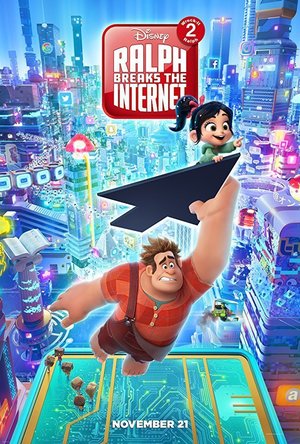
Ralph is still the bumbling bad guy and inadvertently causes the mayhem that sets off the main storyline in the film. That coupled with the new whiffy... wifey...? in the arcade means that they get to meet a whole new world on the internet.
It's a fun way to think about going online, everyone milling around like it's a shopping centre. And I'm sure that we've all been in Ralph's position too, shopping on the internet and forgotten to be prepared with our credit card to checkout. Of course I don't think we've ever thought to do what he does to fix the problem.
Vanellope makes a few new friends in the form of Shank and her crew from GTA style game, Slaughter Race. Just like the first movie all the different styles went well together. But my favourite bit about their first outing in Slaughter Race were the player avatars. Those slightly stunted turns and limb movements were perfect and took me back to my days of game play. I've also got to give the shark an honourable mention, his next staring role should be "The Meg: The Musical".
I can't do a review for this and not mention the Princesses. I'm not sure they're as good as I'd hoped they'd be. Pocahontas gets the biggest praise for her constantly fluttering hair but they were all just kind of... there, and there wasn't much else. They do at least teach V that she can channel her inner Princess by staring into some water, but gazing at her reflection doesn't quite have the desired effect.
When the story goes back to Ralph it's a little sad to see that he can't let it go and see how Vanellope has found a new home. They do at least give him some redemption and he realises that she's a girl worth fighting for and goes about fixing all of the drama that he's caused.
As well as the fun there's some truths about the internet in there too. First rule of the internet, don't read the comments, and the troll at the Q&A. Good luck explaining those things to your kids... "When people grow up, some of them become dickhead and upset other people because they have nothing better to do with their spare time."
Watching this I did at least find an answer to the age old question of why I occasionally lose my internet connection! Watching all those poor unfortunate souls losing theirs... well it'll probably make me less stressed to imagine that happening when the whiffy box says no next time.
Honestly, this waffle will end soon...
Ralph Breaks The Internet is like the kids version of Ready Player One. I spent so much of the movie looking around for all the little hidden tidbits. What websites can you spot? Which characters? Dial-up Express amused me, and it's certainly one for the adults to laugh at. I also took a pause at Stan Lee, I nearly had my own Princess moment in a puddle of tears.
Lastly we obviously have to mention the credit scenes. Two of them. I got super annoyed when the credits started to roll, as you may well do, but scene one really turned that around. You have to stay right until the end for the second one, it will reeeeeally annoy you, so enjoy that!
What you should do
You should watch it. The kids will love it because of all the characters and daft antics, and you'll love it because of those two things and all the hidden references.
Movie thing you wish you could take home
So many choices. I wouldn't mind having my own amusement arcade... oooooooh or Princess hair... ooooooooooh or animals that sew clothes... ooooooooh or... I could be here a while, why don't you click on a pop up ad and go heart some videos instead of waiting around.
[I'd like to apologise for more waffle than usual, but when I accidentally put one Disney song title in a sentence I couldn't pass up the chance to try for more!]

Ross (3284 KP) rated The Occultist in Books
Feb 12, 2019 (Updated Feb 14, 2019)

The LitRPG genre (the best-known example being Ready Player One) is something of a narrow one. There are only a few levers to pull: the main character's real life scenario, the game mechanics, the main character's chosen "class" in-game and the conflicts therein.
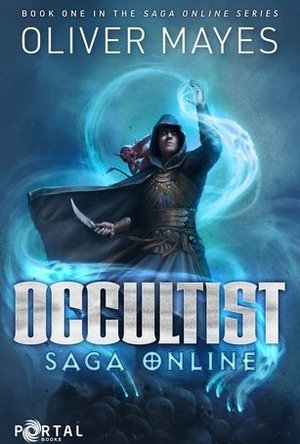
The Occultist looks to mix this up a bit with the main character choosing a less traditional class, of occultist - that is, he learns the ability to summon a variety of demons and spells/abilities to use with them. This would mark The Occultist out from the crowd, if it weren't for Awaken Online already having done almost the exact same. In AO, Jason chooses a dark class and summons zombies, skeletons etc, and a large part of the early stages of this book really bear a very close resemblance to AO. We have the main character's problems at home, leading him to want to escape into the game, and to find a way to make money from his gaming hobby. The chosen in-game path is almost identical. There is an extremely strong, popular player that he wants to compete with.
From early on, I was thinking this book was a rip-off of AO. But the second half of the book is really where the book marks itself apart from AO. Whereas that book's action was focused on large scale strategy in battles, here we are scurrying around in the background picking players off one by one and there are some truly excellent action sequences, where the abilities and spells learned and the demons at Damien's disposal are used to some really creative effects. Damien looks to get some revenge on his nemesis and also to try and "level up" quickly (again, a key component of LitRPG books), and tries to pick off players as they battle other players, or take on perilous dungeons.
A lot of LitRPG books have had a very immersive gaming element, at times it was more like reading a more traditional fantasy book but where the main character was more clear what he was doing and what skills/abilities he was using. Here you are always aware the character is in a game: he "equips" clothes rather than getting dressed, there is no need for eating or sleeping, what can and can't be done, what you get from killing another character etc is so much more in line with games than in other books. This again marked it out from other books, and gave it a very different feel.
Another major selling point of The Occultist is that it doesn't mess around with time dilation (game time running at a much faster rate than real time). I don't see why so many of the other books in this genre feel the need to build this in, as it is then hard to keep it consistent, and doesn't really feel right or necessary at any time.
Also, Damien's real world troubles take more focus than in other books, as he struggles to find somewhere to live and is on the run.
While the book manages to stick to its own rules (what can and can't be done etc), there is one moment where the main character manages to do something he shouldn't be able to do (his spells have a cool down period before they can be used again and at least once this isn't observed), which was slightly frustrating given how hard the author had tried to plan out the action in line with the people involved and their skills and strengths.
My only real gripe with the book is the title of the game/series - Saga Online, which sounds less like an exciting new MMORPG, and more like the web portal for booking a pensioners' cruise!
In summary, not an original idea (but hard to have such a thing in this genre) but a superbly well told, exciting and fun read. I heartily recommend this to anyone who likes fantasy books, games like the Witcher or just anyone looking for some real fun escapism.
Soul Raiders
7.0 Rate It
Tabletop Game
Tomorrow is the day: you will pledge yourself to the ancestral order of the Soul Raiders, in the...
Starbase Orion
Games
App
"The best 4X game currently available for mobile" - PocketTactics.com "This one is geek heaven" -...
Tavarua
5.0 Rate It
Tabletop Game
Tavarua is a 1-6 player competitive surfing board game. In Tavarua you are a surfer in a surf...
Boardgames SurfingGames 6playerGames
Purple Phoenix Games (2266 KP) rated High Noon in Tabletop Games
Mar 1, 2021
Disclaimer: We were provided with a copy of the game for the purposes of this preview. This is a finalized production copy, and the components you see pictured are those you will receive in your own game! Also, we were provided the 4-player starter set – the game is playable with more people when expansions are included. -L
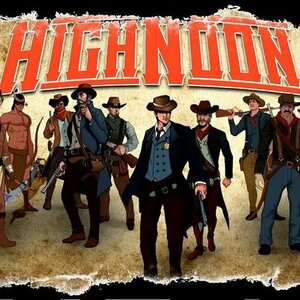
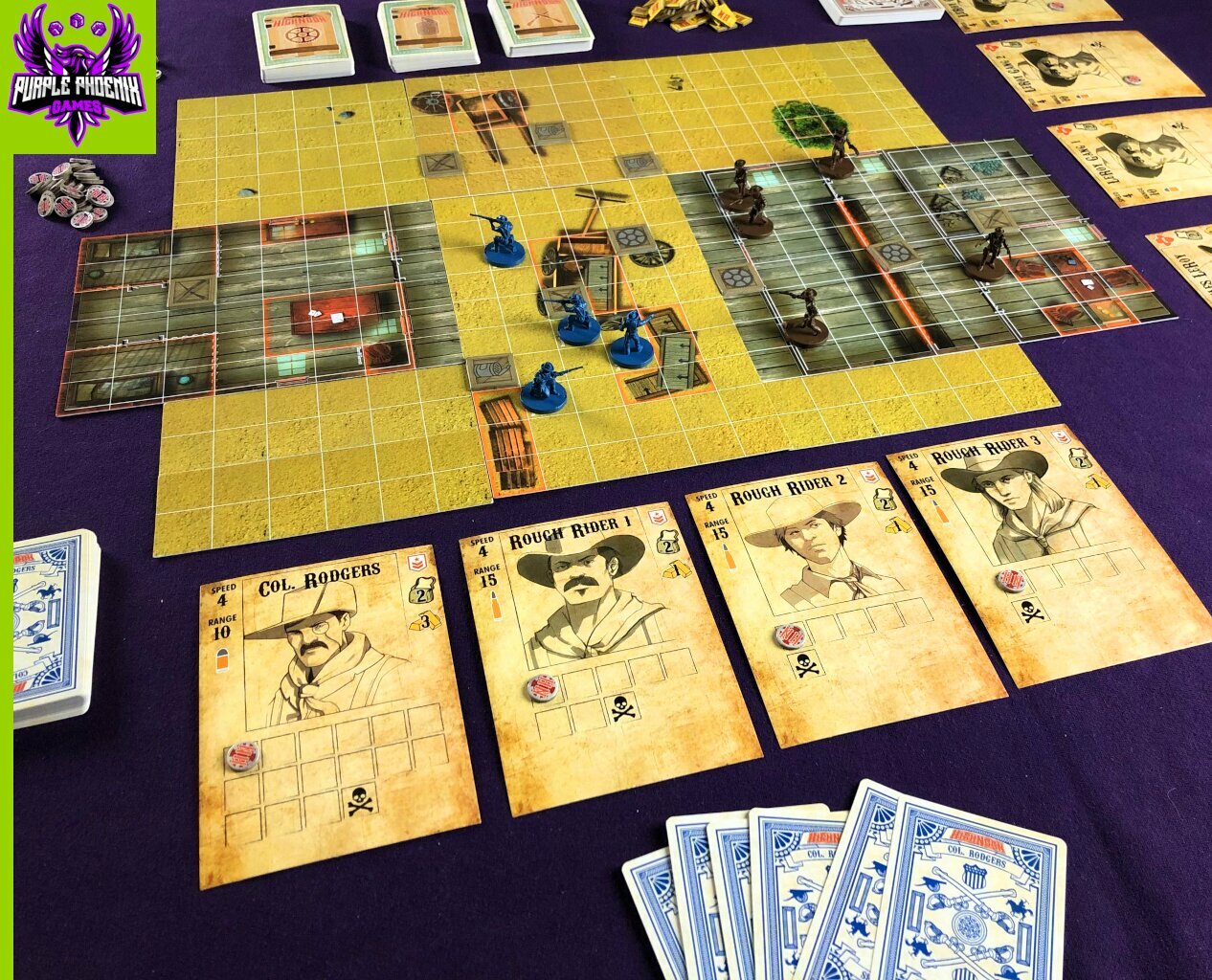
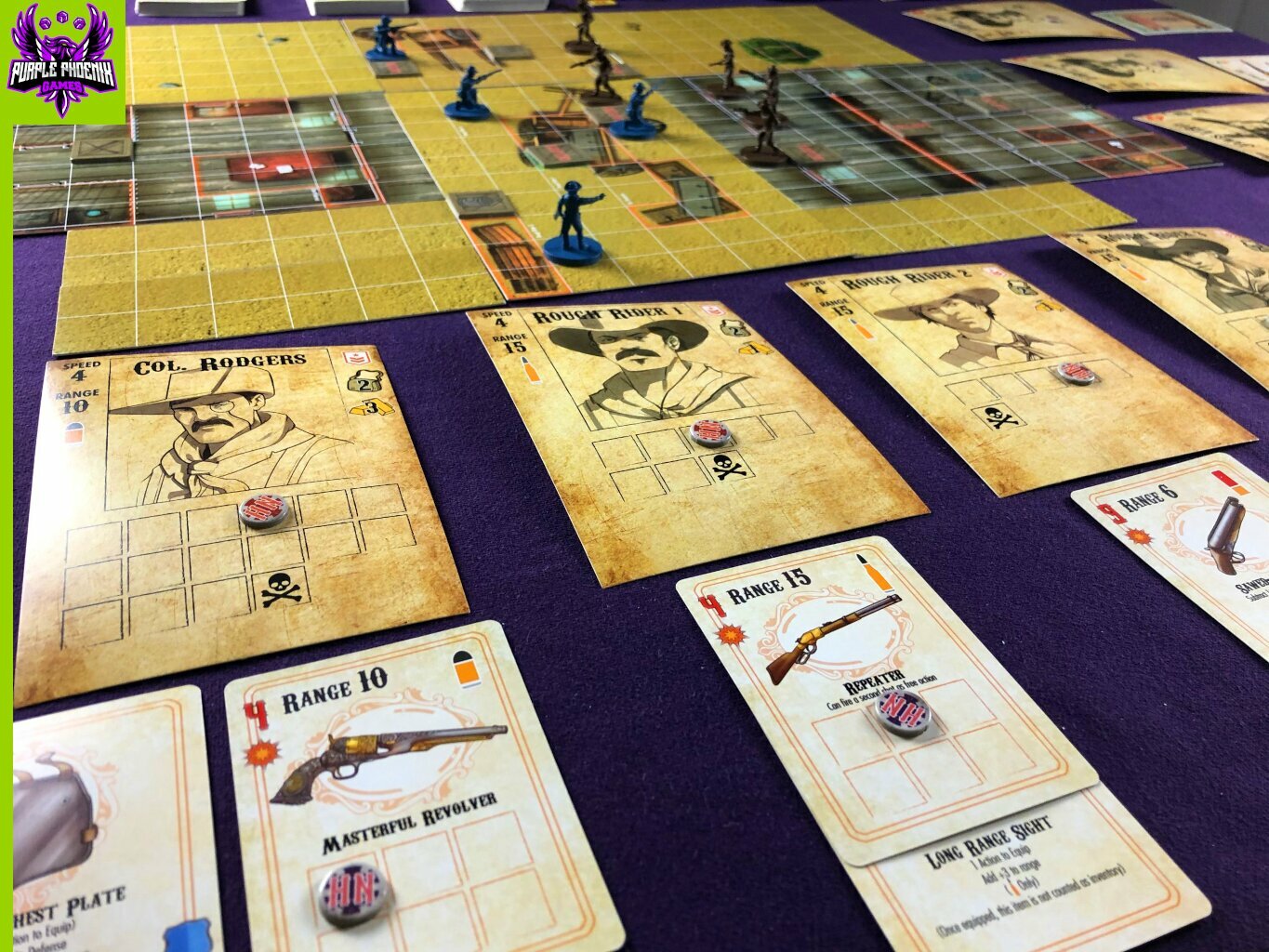
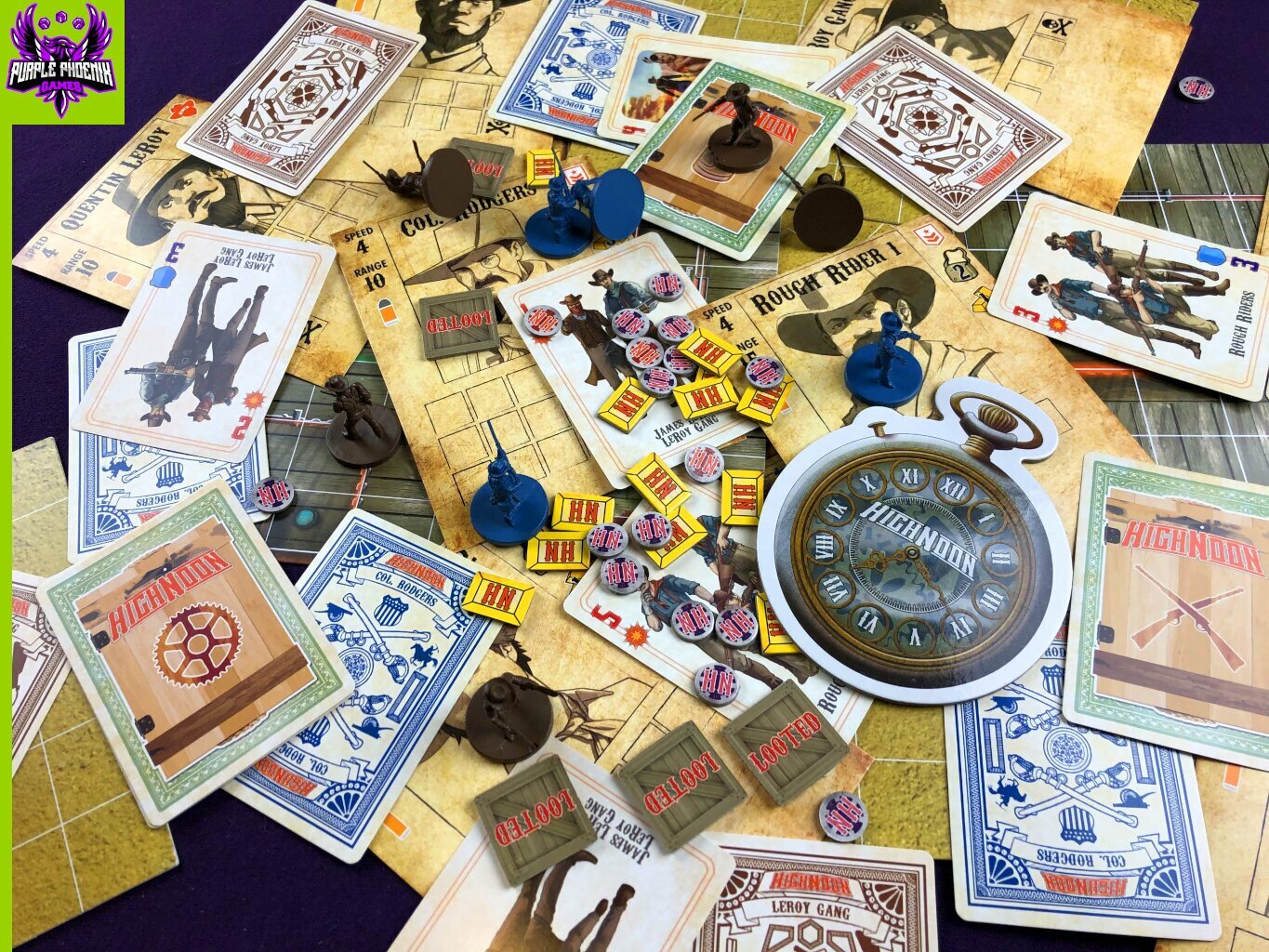
High Noon is a game of action points, grid movement, and fighting, played over a series of 12 rounds, in which players take on the roles of various posses in the Wild West who are battling to collect the most gold in town. To setup for the game, each player selects a posse and receives their corresponding deck of cards, character sheets, and minis. Character sheets are placed in front of each player, and a red Poker Chip is placed on each to track the Health of each character. Setup the map tiles as shown in the rulebook, or players may create their own map layout using at least 7 of the map tiles. Shuffle the Loot decks and place them to the side within reach of all players, and create a pool of Gold tokens and Poker Chips. The Loot Crate tokens are shuffled and randomly placed on the green squares of the board, and then players will take turns each placing 3 more Loot Crates following certain placement restrictions. All minis are placed on their starting squares on the map tiles, players draw 6 cards from their own posse decks, a starting player is selected, and the game is ready to begin!
Each turn is broken into 3 phases: Movement, Action, and Draw Cards. During the Movement phase, players may move any/all of their minis on the map up to the Speed value listed on their respective Character Sheets. Movement is always in straight lines, or can be diagonal. Diagonal movement costs 2 squares of movement though, so keep that in mind! The map tiles have various obstacles as well, and navigating over obstacles costs 2 squares of movement as well. After a player has moved their minis, they now move to the Action phase. In this phase, each individual character of your posse is allowed one action: Play a Card, Loot a Crate, Loot a Body, Equip an Item, Pass an Item, or Drop an Item. To Play a Card, select a card from your hand, perform the action listed on it (either an Attack or Special Action), and discard it. It is important to note that a character may only ‘Play a Card’ if you have one of their cards in your hand! Each posse deck is made up of action cards for the various posse members – so you might not always have a card in hand for every character. In order to Loot a Crate or Loot a Body, your mini must be in an adjacent square to the item to pick it up. Any Loot that is picked up is placed with the corresponding character’s Character Sheet – each character may only hold a specific amount of Loot! Certain Loot items need to be equipped, and thus you may make that character equip an item in lieu of any other actions this turn. Loot cards have various uses: Weapons, Consumables, or Ammunition. These can provide extra Attack damage, Healing powers, or Defense bonuses to characters. Loot is highly coveted!
Passing an Item allows you to hand off Loot between posse members, or Dropping an Item (a free action) removes that Loot from your Character and is discarded. After all of your characters have acted (if possible), your turn then moves to the Draw Cards phase. You will draw 3 cards from your posse deck. Once you have 12 cards in hand, you must discard 3 cards in order to draw 3 cards. You must always draw 3 cards at the end of your turn. The game then proceeds to the next player, and continues as such until the end of 12 rounds. So how do you win? By collecting Gold, of course! And the way to do that is by attacking your rival posses. Any time one of your characters deals at least 1 point of damage to an opponent, you collect 1 Gold token. Any time you kill an opposing character (reducing their Health on their Character Sheet to 0), you collect the amount of Gold listed on the deceased character’s Character Sheet. At the end of 12 rounds, the player/posse that has amassed the most Gold is the winner!
Ok, so I know that seems like a lot, but I promise that the gameplay is pretty streamlined once you actually get going. The Movement phase is very straightforward and simple to perform. The Action phase is logical, and the options are clear. Drawing cards is a no-brainer at the end of your turn. The real nitty-gritty part of play is in the strategy. You earn Gold by dealing damage or killing opponents, so naturally Combat is where the crux of the gameplay is centered. All characters are armed with weapons that have finite range. You may only ever attack opponents who are in direct Line-of-Sight – in a straight line away from you, or diagonally, each square costing 2 squares of range. If an opponent is not in either of those 2 directions from your character, you may not attack them! So movement and character placement becomes a lot more strategic and important in gameplay. There is also the concept of obstacles impeding the attacks of players. It makes logical sense, and I feel like the damage adjustments to incorporate obstacles feel realistic. When a player is attacked, they may choose to play a card from their hand to defend against some of the damage being dealt. As mentioned above, though, a character may only ever play a card that is specified for him! (Ex. Col. Rodgers cannot defend if you have no Col. Rodgers cards in hand) Are you willing to risk your only Leroy Gang card to defend 2 points of damage instead of using it to attack for 3 points of damage on your turn? You have to figure out exactly how to play the combat, and that strategy can turn in the blink of an eye.
Honestly, for me, the trickiest part of the gameplay was keeping track of which character acted each turn. I ended up grabbing some of the extra Poker Chips and placing them on a Character Sheet once he had acted each turn. Not necessarily a knock on the game, just on my inability to control multiple characters I guess! Let me touch on components for a minute. The copy of the game that I received is a finalized production copy. There may be some updates to the rulebook, but component-wise, what you see is what you get. And what you get is pretty great. The posse and Loot decks are nice sturdy cards, and the cardboard chits (Poker Chips, Loot tokens, and Gold) are thick, if not a little too small for my taste. The Character Sheets are big, easy to read, and clear in their iconography. The map tiles are some nice thick card stock-like material that definitely will hold up to numerous plays. And the minis. They are so cool! Each posse has a designated color, and they are just fun to play with and move around the board. At first, I found it difficult to tell certain posse members apart, since some of the minis look alike. But then I realized that each mini has a number of nicks in the base to help players identify which mini corresponds to which character. That was definitely a lifesaver for me in my plays. The components make this feel like a luxury game, and that helps make it more exciting to play!
So all in all, how does High Noon fare? In my opinion, pretty well! The map grid and combat are reminiscent of Dungeons and Dragons, but with a Wild West theme that feels novel and unique. And according to the box, it can be played with more than 4 players if you incorporate expansions into the base game. So you can really turn this into an all-out Western showdown! The gameplay is smooth, the strategy ever-changing, and the concept and rules are fairly simple to learn and teach. High Noon definitely gets some high marks from me!


blueirisfox (125 KP) rated the PC version of Final Fantasy XIV Online Complete Edition in Video Games
Feb 16, 2020 (Updated Feb 16, 2020)
But still, against all odds, I found this amazing world and community and I am just so in love with it.
I've been playing this game since around June/July of 2019, and only actually bought the full version the following Christmas, so I still consider myself to be a newbie. I'll try my best to review the content that I've played, as well as the content I've seen others play.
Before I say anything else, I feel that I need to get this across. If you are completely new to this game, don't spend any money on it yet! There is a free trial that DOESN'T HAVE A TIME LIMIT and is FREE. If you actually buy the game, you will have to start paying for the online subscription after the first 30 days free are used up. You will be saving a lot of money by just playing up to the level cap of the free trial at your own pace. The level caps at 35, which sounds like it's not that high, but this applies to ALL CLASSES and not just one - so you can multiclass and level them all up to 35. Also, this will let you experience the game without much sacrifice and give you the opportunity to see if you actually like this game, or if it's not for you.
When you do come around to buying it, I would recommend getting the compete edition. It works out a lot cheaper since it comes with everything. So if you're not sure which one to get, then this is the best one. However, a cool thing about this game - and the greatest cause of confusion among new players - is that buying the newest expansion will also give you all the old ones too, BUT this will only be playable if you have the base game first. And it is for this reason that it ends up cheaper to get the complete edition, since the Shadowbringers expansion alone is about £40.
Now, onto the review...
I have heard this game be compared to World of Warcraft (WoW) many times before. I've never played WoW, but I'm sure that this gives a bit of a better idea of what kind of game this is.
There are different Data Centers and Servers you can play on, and simply hopping from one to another can give the game a completely different feel. When I started out on Omega, it felt like a quiet and cozy little community of players. I know now that this server is a roleplay (rp) oriented server, but I could have easily jumped onto a more player-vs-player (pvp) oriented one, or a busier and more hectic server. So I guess that it was pure luck that I picked a server that matched my slow and cosy play style. I'm pretty sure that there is a reddit post that explains what the different servers are like, although this is likely to change with time as certain servers grow.
Onto Character creation. Oh how I love my character creation. I am proud to say that I have spent many hours in this part of the game alone, which is the main reason why I have so many playable characters scattered on different servers. I do have some criticisms for this one, but by the same note I have a lot of love for it.
So first of all, there are a total of 8 playable races: The Hyur (humans), the Elezen (elves), the Lalafell (midgets), the Miqo'te (cat people that look like ichigo from Tokyo Mew Mew), Roegadyn (buff giants), Au Ra (part dragon? They have cool horns), Hrothgar (Actual cat people, like the guy from FFX), and finally Viera (the bunny girl).
Phew! Got all their names out. Now I can critique.
So first of all, I feel that I should mention that only the first five races are available in the free trial and base game. The other three races are unlocked through buying the expansions (Heavensward, Stormblood, and Shadowbringers) although I'm not entirely sure which ones specifically since I bought the complete edition.
My biggest beef with the races as of writing this review, is that Hrothgar and Viera are gender locked. Hrothgar's are locked to males, and the Viera are locked to females. These races are the newest to be added, so there is still a chance of introducing the other genders - which isn't as unlikely as you may think, since the FFXIV team listen to the community a lot, and fix/introduce many features wanted by the community.
Furthermore, these two races are a bit limited in their customisation. The Hrothgar have the problem of the hairstyles being locked to face types (which there are only 4 or 5 of), and unlike every other race, they have to buy a fantasia to make changes to the hairstyle. Fantasia are used to change your character's look, from race to gender, to smaller features like eye and skin colour - they are intended to change permanent features, which is why it's a bit unfair to Hrothgar players looking for a new look that could normally be achieved through the Aesthetician (stylist) - I'm pretty sure i spelled that wrong 😅
Then there is the Viera. Don't get me wrong, I love this race - I'm currently playing one myself. But I can't help but be sad over the lack of compatible hairstyles and head gear. I didn't mention this before, but you can aquire new hairstyles through certain areas of gameplay. When I was playing a Hyur (human), I could fully enjoy these hairstyles without a problem. But when I tried it on the Viera, it just didn't work at all. And if that wasn't bad enough, my character can't wear a lot of the hats in the game, which is just infuriating to me since I really love the glamour system and making cool looking characters.
Those were my biggest peeves with the game, and now they are out of the way.
I'll keep the rest brief, since this is quite a long review already.
The housing system looks really cool, with a lot of different housing items that can be used. I've seen some really epic houses so far. Housing and furnishings are really expensive, so this is more of a long term goal. Saying that, the cheaper alternative is apartments, although you lose out on a garden (unless you make an indoor one - and I'm not sure how functional it would be since I can't afford housing), as well as loosing basements I'd imagine.
The rest is in comments because it didn't fit..
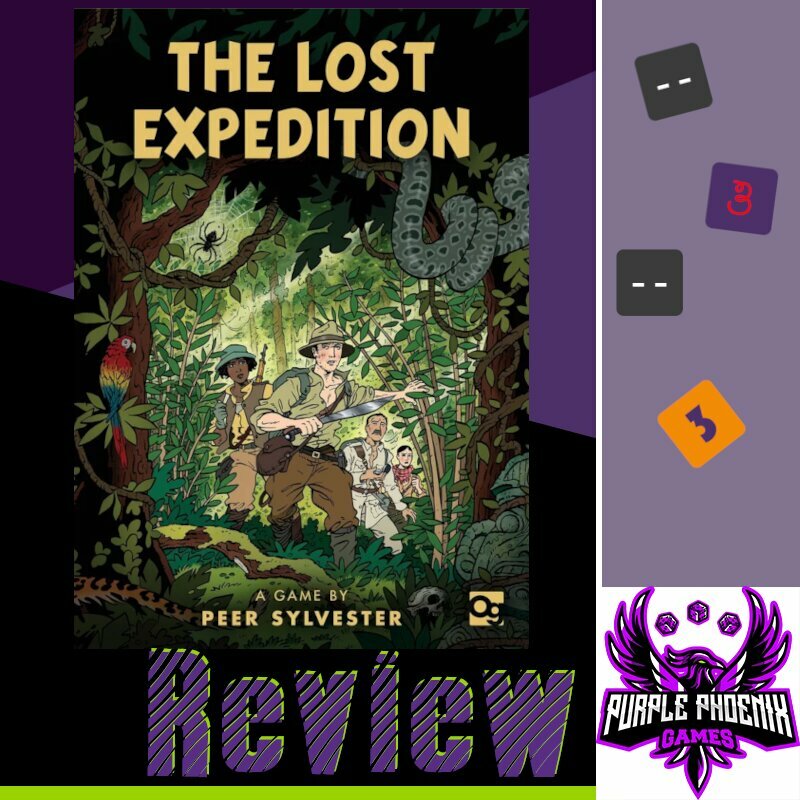
Purple Phoenix Games (2266 KP) rated The Lost Expedition in Tabletop Games
Jul 22, 2021
Disclaimer: The Lost Expedition can be played cooperatively, solo, or head-to-head. This review only covers the cooperative version of the game! -L
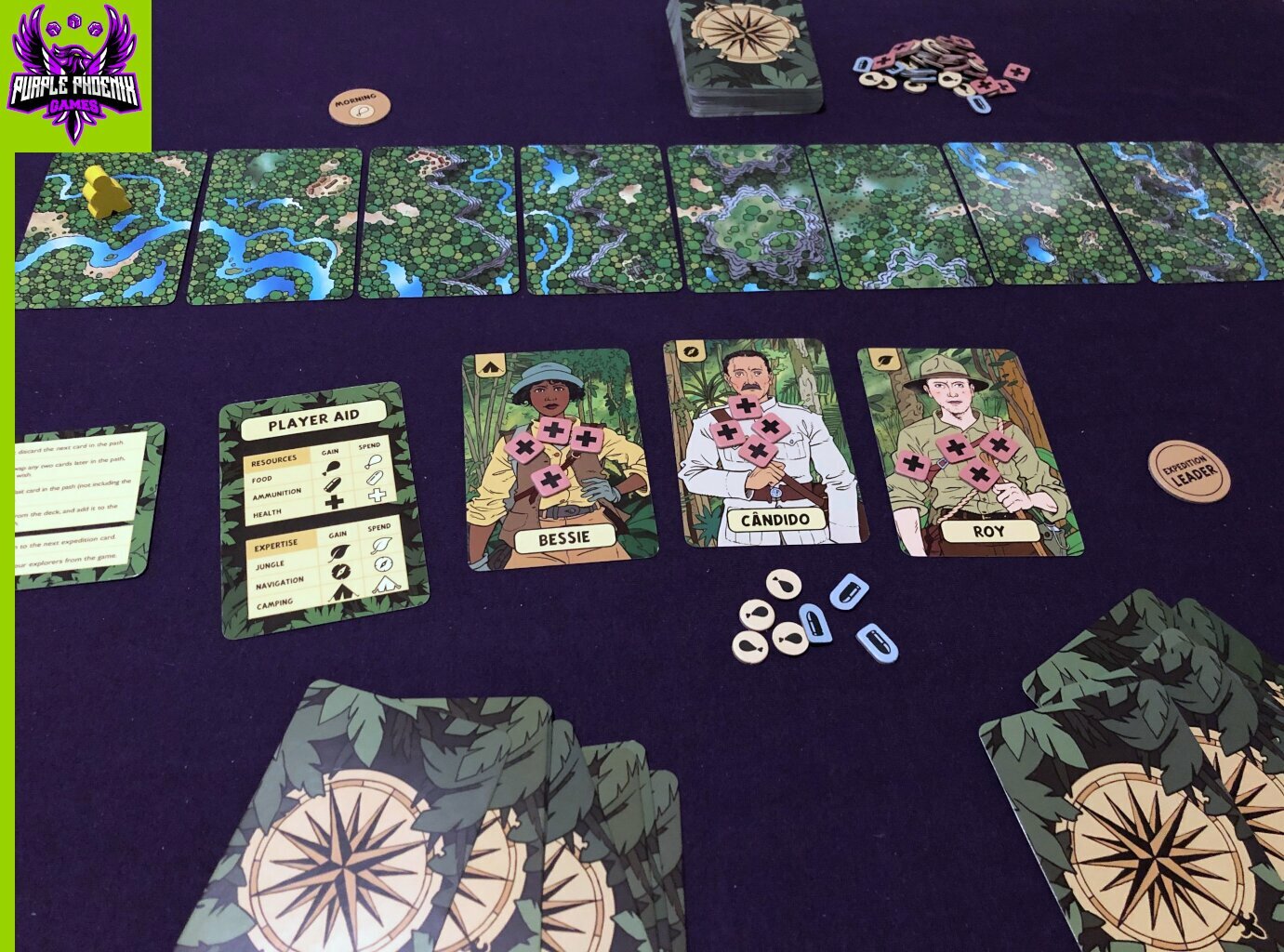
The Lost Expedition is a cooperative (in this case) game of strategy and hand management in which players are trying to traverse the jungle to reach El Dorado by carefully managing their Resources and utilizing their collective Expertise. To setup the game, choose 3 explorers to form your team, and collect 3 Ammunition and 4 Food from the supply tokens. Shuffle the adventure cards, dealing 4 to every player, placing the remainder in a face-down draw deck. Depending on the difficulty selected, place the corresponding number of Expedition cards in a row on the table (we played Normal mode, using 9 Expedition cards). Place 4 Health tokens on each explorer card, place the phase token with the Morning side up, select a starting expedition leader, and the game is ready to begin.
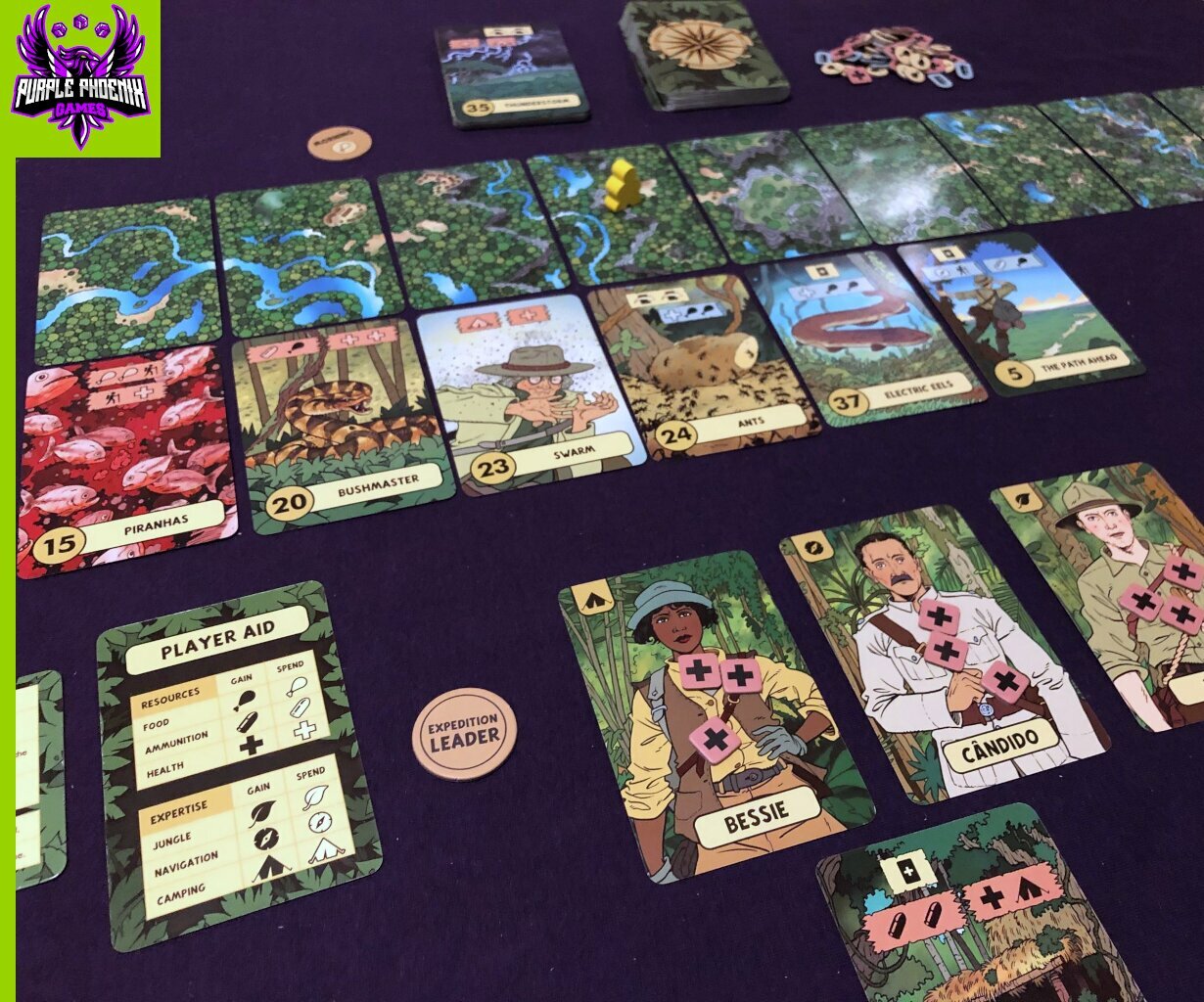
Each round consists of 2 phases: Morning and Evening. During the Morning phase, players will take turns playing adventure cards from their hand, one at a time, until each player has played 2 cards. This line of cards forms the path that the explorers are traveling in the morning. After all cards have been played, they will be rearranged in numerical order, from lowest to highest. Once the cards are organized, they will be resolved one at a time, from lowest to highest, until all cards have been addressed. Examples of card actions are: discarding the next card in play, swapping two cards on the path, adding a new card to the end of the path, or moving the team pawn one card closer to El Dorado. Adventure cards have different colored boxes that indicate action choices that the players must make. Some actions are mandatory and must be completed. Some cards offer 2 or more choices, one of which must be selected and performed to clear the card. And some cards have optional choices, that do not have to be completed for the card to be resolved. Certain actions will require the team to gain/spend Resources tokens or Expertise from your explorers (in the form of Health tokens). At the end of the Morning phase, the team loses 1 Food token, and play continues to the Evening phase.
During the Evening phase, the gameplay is like that of the Morning with a couple of changes. Players again will alternate playing cards, but will play until all remaining cards in their hand have been played. Cards in the Evening phase are resolved in the order that they are played, and are not organized numerically like in the Morning phase. Again, after all cards are played, they will be resolved one by one as normal, paying Resources/Expertise as required. Once the Evening phase is finished, the team loses 1 Food token, players draw a new hand of cards, select another expedition leader, and a new round begins with the Morning phase. Play continues in this fashion until either the players have reached El Dorado, all 3 of the team’s explorers have died (have no remaining Health tokens), or if the adventure card draw deck runs out 2 times during play.
Pretty straight-forward, right? Play cards, resolve cards, repeat. That is one thing I really like about The Lost Expedition – it is simple, yet so strategic. Ultimately this is a game of Resource/Expertise management. You need at least 1 explorer to make it to El Dorado alive. There is no reward without risk in this game. Couple that with the multiple action options on each card, and you’ve really got to have a strategy. Maybe you’re low on Ammunition, but in order to gain back some much-needed Health, you’ve got to spend Ammo. Or are you willing to deal damage to an explorer if it means the team can advance a card? There are so many things to consider, and so many ways in which you can strategize, and that keeps all players engaged.
That being said, players are not allowed to reveal the details of any cards in hand. So how can you best communicate with your team about what types of cards to play if you can’t tell them point-blank? That added aspect of working in a team creates some unique strategies in and of itself. Ultimately, the final decision comes down to the expedition leader for the round – but what if they choose the action you didn’t want? How can everyone help balance everyone else out? You really have to work together to be successful. The flip-side of that teamwork is that the game can be frustrating in some aspects. You never truly know what your teammates are going to play at any given time, and the card they choose could totally unravel your plan. Not being able to discuss the specifics of cards in your hand makes sense (because then why wouldn’t the team just have one collective hand of cards?), but it adds an element of randomness and luck to the game that seems counterintuitive to me. Playing the wrong card at the wrong time might just turn your team against you, and that undermines the spirit of the game.
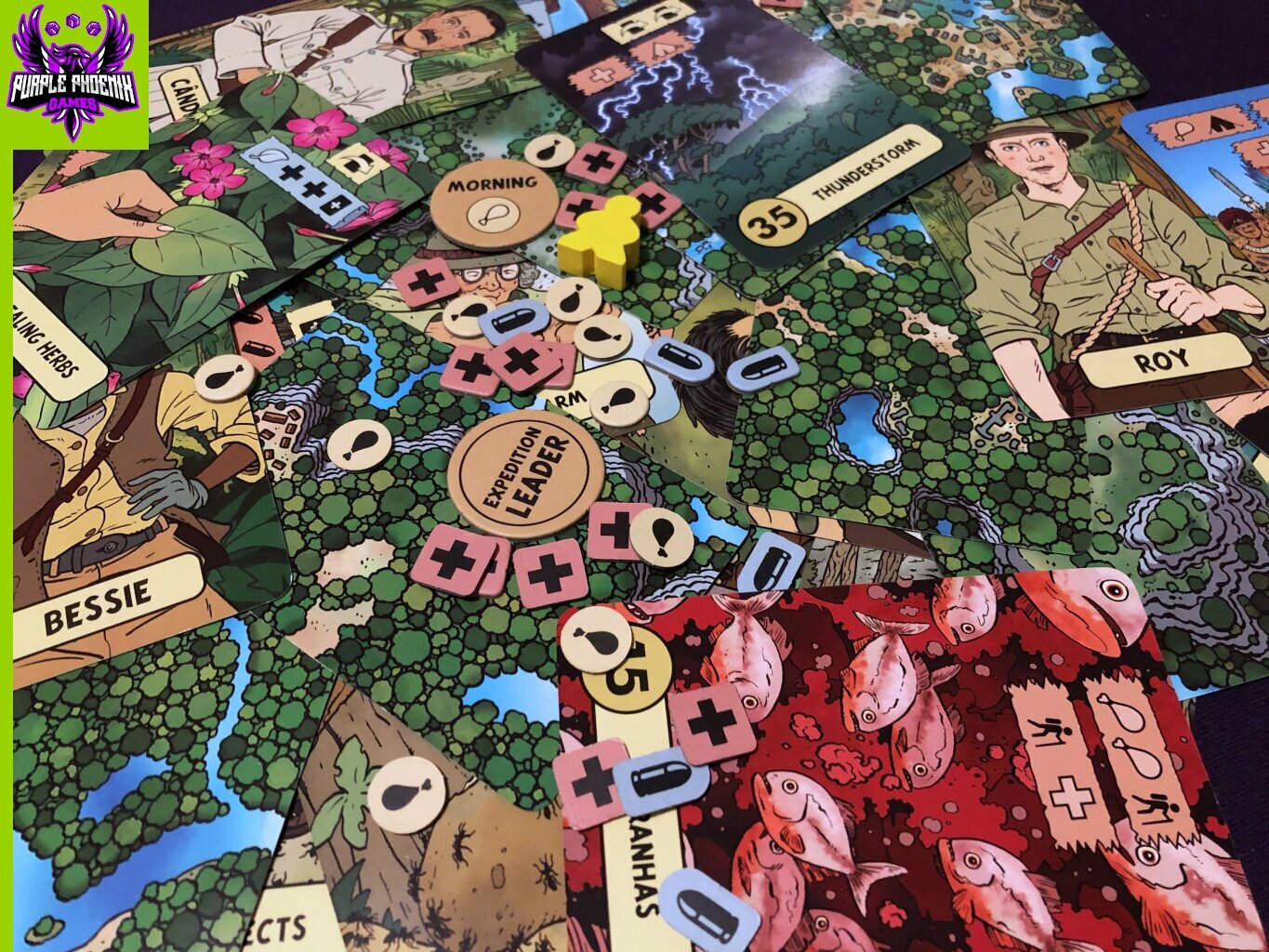
Let’s touch briefly on components. The cards are nice, oversized, and sturdy. The artwork is colorful and thematically appropriate. All of the Resources tokens are thick cardboard, and the meeples are nice and chunky. All in all, good production quality overall.
So how do I really feel about The Lost Expedition? I think it’s ok. It is strategic and entertaining, with the added elements of teamwork and cooperation – you either win together or lose together. As a group, you’ve got to have an adaptable strategy and manage your resources as best you can. Is it a game that I love? No. But it’s one that will probably stay in my collection for a bit, before it moves on to someone who might see some hidden quality that I may have missed. If you want a nice and relatively simple team game to play, maybe check out The Lost Expedition. And if risk/reward or resource management isn’t your jam, then maybe keep looking beyond this one. Purple Phoenix Games give The Lost Expedition an eventful 6 / 12.
Purple Phoenix Games (2266 KP) rated Hunting Sasquatch in Tabletop Games
Jan 30, 2021
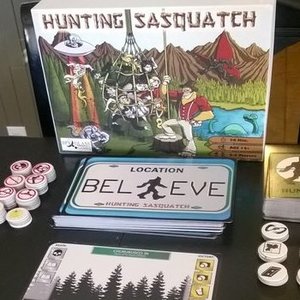
Hunting Sasquatch is a competitive press-your-luck card and dice game where players are attempting to gather clues to catch Sasquatch. The winner will be the player with the most Victory Points at the end of the game, if any VP are to be had before too many Hunters go missing in the woods.
DISCLAIMER: We were provided a prototype copy of this game for the purposes of this review. These are preview copy components, and I do not know for sure if the final components will be any different from these shown. Also, it is not my intention to detail every rule in the game, as there are just too many. You are invited to download the rulebook, back the game through the Kickstarter campaign, or through any retailers stocking it after fulfillment. -T
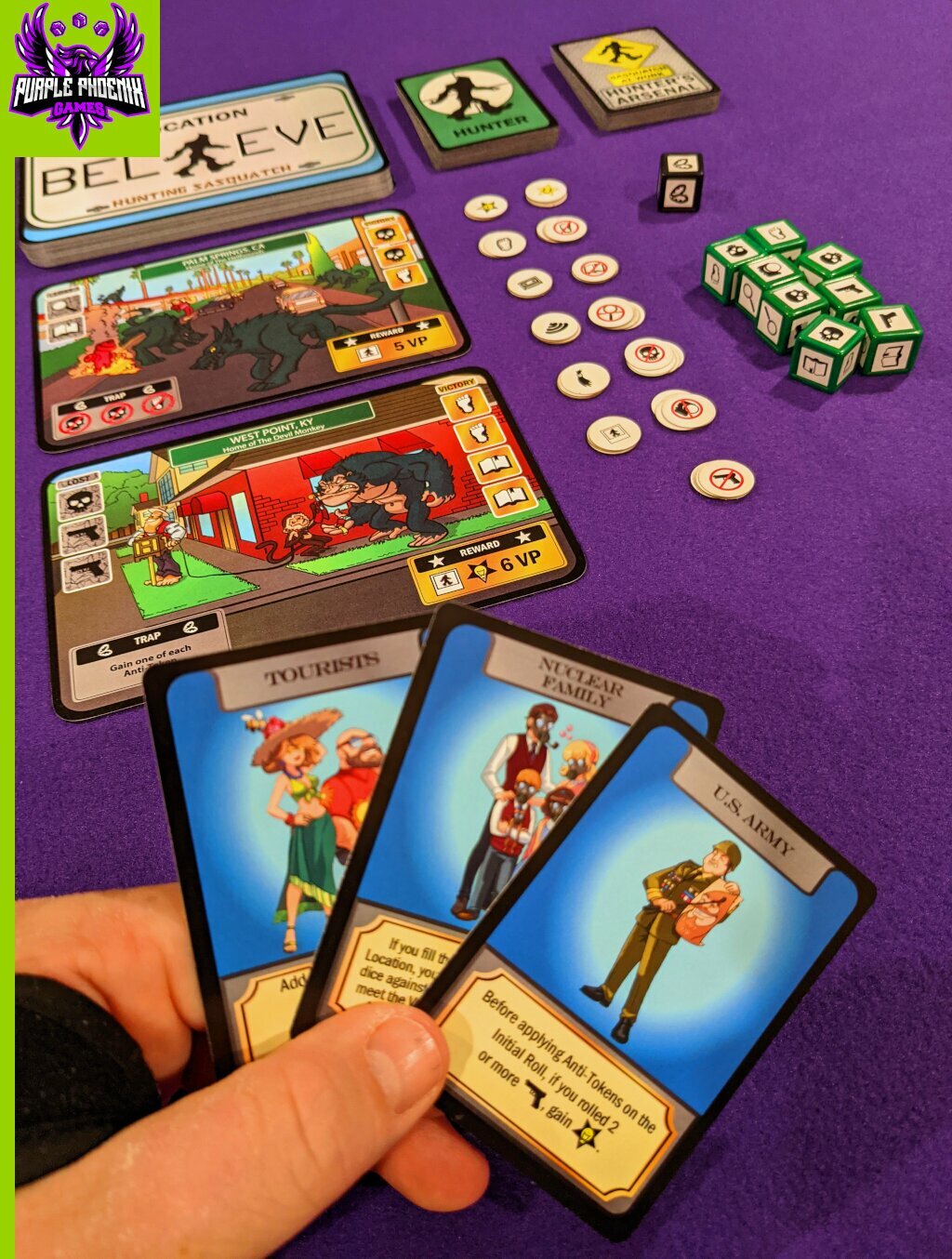
To setup shuffle the Location cards (big ones) and reveal as many locations as are players. Shuffle the Hunter cards and deal three to each player. Shuffle the Hunter’s Arsenal cards and place its deck near the Hunter deck on the table. Separate the various tokens by type and place them on the table nearby as well. Have the dice accessible to all players and the game may begin!
On a turn the active player will choose one of their Hunters to visit a Location. The Hunter may visit one of the face-up Locations or draw one to be placed on top of one of those revealed. If the Hunter draws a new Location they MUST visit this newly-revealed Location.
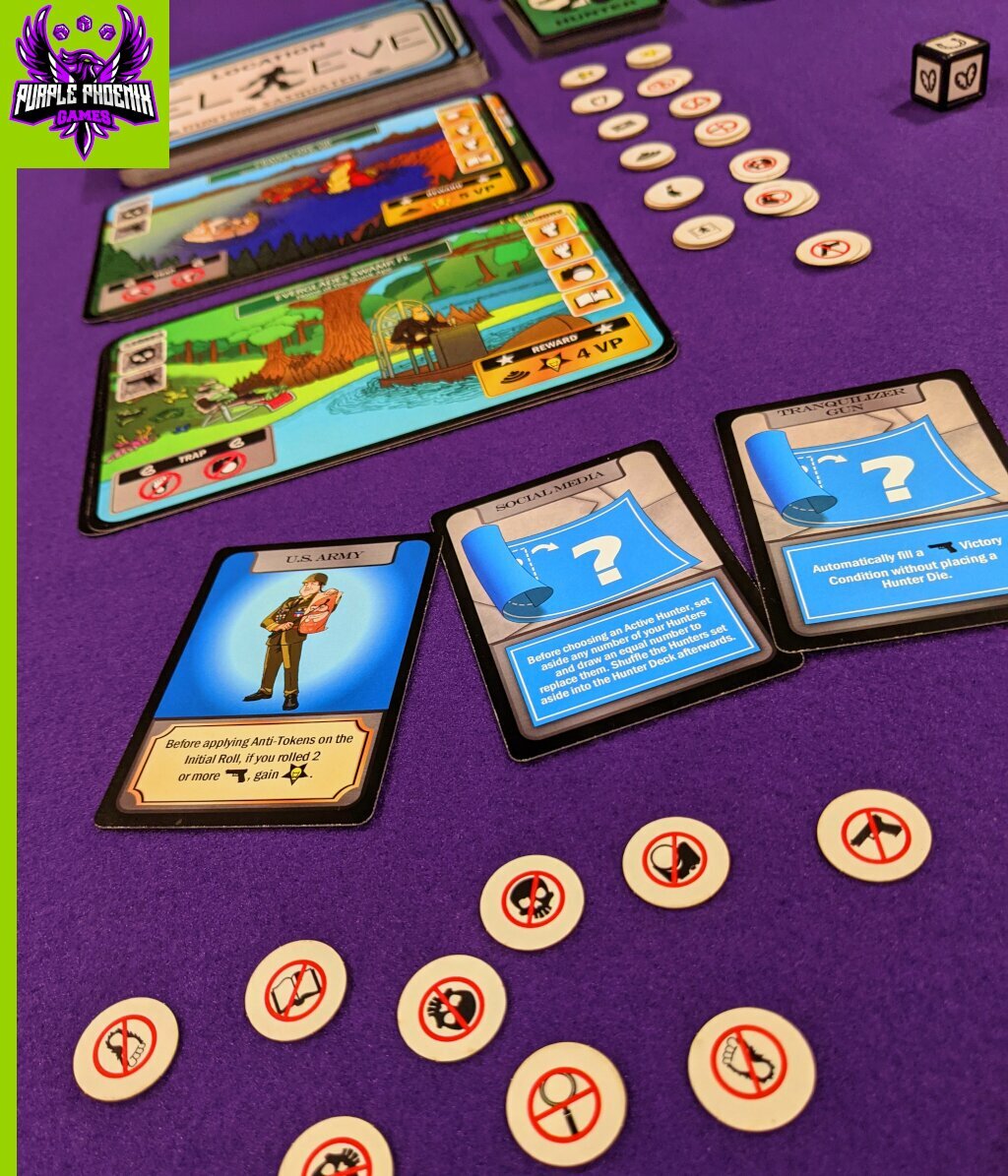
The Hunter then rolls all eight of the green Hunter Dice. If the Hunter had gained any Anti- tokens (anti-camera, anti-book, etc) then those Anti- tokens cause matching dice to be removed from the turn immediately. The Hunter may now spend any Wildcard Tokens they may have earned previously to rotate a die’s value to anything wished.
Once the roll is ready to be resolved, the Hunter will reference the Location they chose for dice values. Each Location has Lost Conditions on the left and Victory Conditions on the right of the card. The Hunter must fill as many Lost Conditions as they have matching dice, and may then assign Victory Conditions dice to their places on the card. Should a Hunter fill up the Lost Conditions spaces with dice the Hunter is then lost to the hunt and their Hunter Card is discarded. Should the Hunter avoiding becoming lost and fill up the column of Victory Conditions they will score the booty from the box in the lower right-hand corner of the Location card (mostly VP, Evidence Tokens, Wildcard Tokens).
If neither column of icons on the Location Card have been filled completely and there are still dice available, the black Fate Die may be rolled. A successful Fate Die roll shows a lucky horseshoe and allows the Hunter to re-roll the available dice. An unsuccessful Fate Die roll shows a bear trap icon and forces the Hunter to apply the Trap conditions on the lower left-hand corner of the Location Card (usually Anti- tokens).
The game ends once a certain number of Hunters are lost (depending on number of players) or once any Hunter has collected all five Evidence Tokens.
Components. Again, this is a prototype copy of the game, so components will most likely be different as a result of a successful Kickstarter campaign. That said, I can comment on the direction the game is going, and I like it quite a bit. The tokens will need to be improved to be more usable, and obviously the dice will upgraded, but other than those I like everything else going on here. The cards are nice, easy to read, and have great artwork on them. Similarly the Location Cards are probably my favorite components of the game because they feature hilarious and wonderful artwork. The game looks great as is, but I am eagerly looking forward to what it will be once completely finished.
The gameplay is kind of a crapshoot in my experience. I have had several plays where too many Hunters were lost too quickly and the game ended in five minutes. I have also played games where Lady Luck was on my side and I was rolling like a king. I managed to get three Evidence Tokens that time. Each one of my games have ended in surpassing the total number of Hunters lost, but I feel like the game is winnable. Just probably by someone luckier than me.
I do really love dice games, and when they allow players to alter the face values, or the game alters them I find a great deal of satisfaction. And that is what Hunting Sasquatch delivers. It is a dice chucking game with dice alteration, amazing hilarious art, and a pretty tough difficulty level. It is perfect for gamers who enjoy dice games but find most to be too lame and easy.
I love this theme. I love this art style. I love the gameplay. I do not love the tiny and thin tokens (but I pray they get a huge upgrade for the final version). Hunting Sasquatch is another winner from Spyglass Games, who brought us the incredible VENOM Assault. I am a big fan of the games this publisher is putting out there and if you are like me, I think you will also like this one a lot. I invite you to check out their Kickstarter campaign when it launches, and remember: cryptids are just made-up stories. They cannot come to your campsite and eat all your jerky.


MStykal (3 KP) rated The Resistance in Tabletop Games
Nov 20, 2018
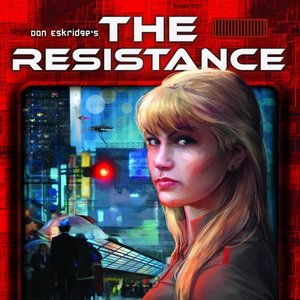

The Resistance is a fine game. It's only great or good until your group has built up such a metagame that it's not great or good anymore. But then something surprises you and it's back up there. Until you play with a different group. Until you play a different game. Until you evolve naturally past The Resistance into another similar game. I'd always recommend this to new gamers. Because it's a good game... Until... It's not good anymore. Then it's always there for a new friend coming to play. For a session with the new players. It's a good game... Until... It's not.