
Search
Search results
Kirk Bage (1775 KP) rated BlacKkKlansman (2018) in Movies
Jan 22, 2021
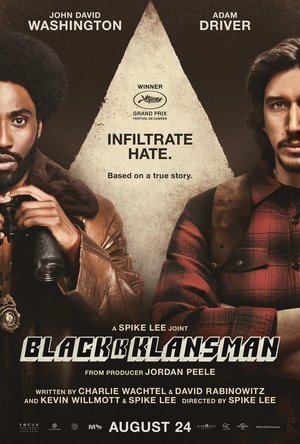


I have had my issues with Spike Lee as a filmmaker over the years. It always seemed like his next film was the most “important” one, and that he didn’t make a film if it didn’t have something to say about race and the oppression of African Americans. Which in itself is not a problem, as long as that point isn’t laboured to the detriment of all other aspects of the film. My problem wasn’t the message, it was that a lot of the films were dull or just not that great.
I like Malcolm X to a point, but it is overlong and uneven. I think Do the Right Thing is a fine example of indie bravura, but also has faults. Of the rest, I really only rate 25th Hour and Inside Man, both of which are entertaining movies that move tentatively away from full on politics and therefore avoid the trap of being bombastic. In short, I’ve always wanted to like him as a director a lot more than I do.
The thing that drew me to BlacKkKlansman more than Lee, or the yet little known John David Washington, was the 100% dependable Adam Driver. I have yet to see a performance of his I didn’t like, and I’d heard that he was the standout of this film too, so it went on my list of must sees. And, yes, he is excellent, of course he is – there’s something about how easy and relaxed he can be within a character that is very rare. I’d suggest he is one of the very best male actors of that age group working today.
Now, obviously, it is entirely intentional that the two leads and eventual partners in the film are black and white… but the idea that this is a problem, or a thing at all, is not addressed as the only issue; in BlacKkKlansman it isn’t being black or white or anything else that defines you, it is what you do, what you say and what you stand for. And that idea is so crystal clear and well achieved that as an entertainment the film can then go anywhere it wants around that framework. Which it revels in doing.
It is both a good looking film and an exciting one; funny when it wants to be, smart all the time, and razor serious when it needs to be. A balancing act not to be sniffed at! And one that Lee has struggled with in the past. Here he nails the tone so well that it feels like his entire back catalogue was just a training exercise to get him to this point. I wouldn’t say it’s a masterpiece, but it is a damn fine work of art on many levels.
Washington as the focus of the tale, which also functions perfectly as an undercover cop movie of basic intent, i.e. infiltrate the bad guys and take them down, is perfectly cast and believable from minute one. His chemistry with the insanely gorgeous and talented Laura Harrier is a highlight, especially watching them dance and move with absolute cool in those 70s clothes and hairstyles. This movie has serious style that leaves you in no doubt that the black sub-culture is where it’s at, and the stupid bigoted klansmen are shown up as ridiculous as much as dangerous.
Every trope and icon of the Blacksploitation era is referenced and reclaimed as cool. Perhaps to a degree I am not aware of, as I’ve only seen one or two obvious examples in my time. We are given the tease to follow the notion that racism of this kind was a thing of the past, specifically related to the 70s and now it’s better in many ways. Before we are hit with the hammer blow of realisation at the very end of the film, where a juxtaposition of fantasy and horrific reality collide to magnificently shocking and depressing effect.
I felt after seeing it that I had been cleverly schooled. As in, I’m glad you enjoyed this, now go away and really think about it… and it worked, because I have tried to think about it more than I have before. And feel just that little bit more educated to a problem that is worldwide, but has never really felt directly part of my world.
Discussing anything related to the BLM movement in 2020 feels important and complicated in so many ways. It is an emotive subject that I’d feel I mostly want to avoid for fear of saying the wrong thing. Even though the basic idea of human rights and basic rights for all people has always been a no brainer; prejudice and hate crimes and fear are wrong, and we collectively must do whatever we can to educate ourselves and others not to make the mistakes of the past. Can a movie do that? No of course not, but it can open the door to dialogue that might not have happened otherwise.
Lee isn’t scared of what you think of this film, or any argument you may have against it. He knows his subject, and you feel that confidence in every scene. He doesn’t want to lecture you, or scream at you in despair, he wants to tell you an entertaining story that comes with a whole side discussion if you want it. Which is so much more powerful than any tactic he has tried before. And I think it works. I’d recommend anyone watch this, without hesitation.
I like Malcolm X to a point, but it is overlong and uneven. I think Do the Right Thing is a fine example of indie bravura, but also has faults. Of the rest, I really only rate 25th Hour and Inside Man, both of which are entertaining movies that move tentatively away from full on politics and therefore avoid the trap of being bombastic. In short, I’ve always wanted to like him as a director a lot more than I do.
The thing that drew me to BlacKkKlansman more than Lee, or the yet little known John David Washington, was the 100% dependable Adam Driver. I have yet to see a performance of his I didn’t like, and I’d heard that he was the standout of this film too, so it went on my list of must sees. And, yes, he is excellent, of course he is – there’s something about how easy and relaxed he can be within a character that is very rare. I’d suggest he is one of the very best male actors of that age group working today.
Now, obviously, it is entirely intentional that the two leads and eventual partners in the film are black and white… but the idea that this is a problem, or a thing at all, is not addressed as the only issue; in BlacKkKlansman it isn’t being black or white or anything else that defines you, it is what you do, what you say and what you stand for. And that idea is so crystal clear and well achieved that as an entertainment the film can then go anywhere it wants around that framework. Which it revels in doing.
It is both a good looking film and an exciting one; funny when it wants to be, smart all the time, and razor serious when it needs to be. A balancing act not to be sniffed at! And one that Lee has struggled with in the past. Here he nails the tone so well that it feels like his entire back catalogue was just a training exercise to get him to this point. I wouldn’t say it’s a masterpiece, but it is a damn fine work of art on many levels.
Washington as the focus of the tale, which also functions perfectly as an undercover cop movie of basic intent, i.e. infiltrate the bad guys and take them down, is perfectly cast and believable from minute one. His chemistry with the insanely gorgeous and talented Laura Harrier is a highlight, especially watching them dance and move with absolute cool in those 70s clothes and hairstyles. This movie has serious style that leaves you in no doubt that the black sub-culture is where it’s at, and the stupid bigoted klansmen are shown up as ridiculous as much as dangerous.
Every trope and icon of the Blacksploitation era is referenced and reclaimed as cool. Perhaps to a degree I am not aware of, as I’ve only seen one or two obvious examples in my time. We are given the tease to follow the notion that racism of this kind was a thing of the past, specifically related to the 70s and now it’s better in many ways. Before we are hit with the hammer blow of realisation at the very end of the film, where a juxtaposition of fantasy and horrific reality collide to magnificently shocking and depressing effect.
I felt after seeing it that I had been cleverly schooled. As in, I’m glad you enjoyed this, now go away and really think about it… and it worked, because I have tried to think about it more than I have before. And feel just that little bit more educated to a problem that is worldwide, but has never really felt directly part of my world.
Discussing anything related to the BLM movement in 2020 feels important and complicated in so many ways. It is an emotive subject that I’d feel I mostly want to avoid for fear of saying the wrong thing. Even though the basic idea of human rights and basic rights for all people has always been a no brainer; prejudice and hate crimes and fear are wrong, and we collectively must do whatever we can to educate ourselves and others not to make the mistakes of the past. Can a movie do that? No of course not, but it can open the door to dialogue that might not have happened otherwise.
Lee isn’t scared of what you think of this film, or any argument you may have against it. He knows his subject, and you feel that confidence in every scene. He doesn’t want to lecture you, or scream at you in despair, he wants to tell you an entertaining story that comes with a whole side discussion if you want it. Which is so much more powerful than any tactic he has tried before. And I think it works. I’d recommend anyone watch this, without hesitation.
KittyMiku (138 KP) rated Final Notice: A Political Thriller in Books
May 23, 2019
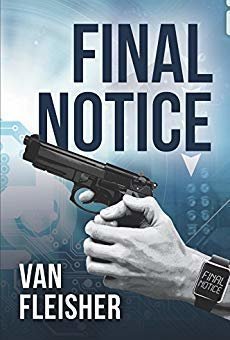

Final Notice by Van Fleisher is a book that hits you hard with facts of life today in the United States. It begs the question, "What would you do if you knew you had one week to die?" Although reading the book for enjoyment had been very enlightening, I found it raised many common issues of today's world into light. However, it also made me think about the different issues that could come with knowing when I would die and how would I react. Though uncertain what I would do in that situation, Fleisher has some pretty good ideas on how some people would go about their final days. In the book, you can see how guns, anger, and other situations could affect such a decision, as well as, how different parties would react to such. With advancing technology, I wouldn't be surprised if someone who read this was able to create the VT2 like in the book. After all, who doesn't want to know when they will die?
The book follows a great many of characters, all having their own personality and involvement in one way or another to a device that would inform you of your impending death. It would give you a notice so that you could get your affairs in order, or so its creator had intended for it to do. You get to read about how the some people reacted poorly while others just let their end meet them. You also get to see how the government and other agencies (like the press and the public) are affected by the actions of some of the people who knew their end would be soon. In Final Notice, the reader will see how some of the gun laws, racism, and other bigoted treatment can affect the way someone will carry out their final days. Although the book is mainly about the device that can detect with accuracy your time of death, the reader will find themselves completely relating to stand points and often agreeing with certain characters over others. I know I spent a lot of time wishing Vince, a main character you can learn to love, was real so that I could have some of the conversations he often had with his group of friends.
In fact, I found that there were a lot of characters that I could admire and see many others feeling the same way. Most stood for what they believed in, even when others were not as supporting. It gives me hope that even if a device like this came to us now, that maybe as a society we could still do what is right for our fellow man, and start fighting back peacefully against those who wronged us. But as seen in the book, there is also a chance that it could make things worse as well. Having such realistic details on how people could react, had my interest the whole time, especially when a new character was involved.
I had found this book to be an amazing representation of how the United States of America is now. Though it was considered to already have happened, based on the time line being in Obama's presidency, I was able to relate to a few characters and their opinions on the people around them. I enjoyed being able to connect to characters and see that, although they aren't real, there are good people out there wanting to stop some of the wrong doings of others the way I wish to. I often found myself lost in the book, not able to put it down because I just couldn't wait for the next thing to happen. With all the realistic situations these characters went through, and all the gut wrenching suspense, I found it to be a real page turner, which is what I want out of a good book. However, I did find that I longed to hear more about some characters that apparently weren't as important to the story as others. So, I do believe that could have been improved, but over all I found this book to be enticing.
I would rate this book to be 4 stars out of 4 stars. There didn't seem to have any errors, and it often used a plethora of words that I enjoyed seeing instead of all the basic words you can find. I even had to look up a few as I don’t see them often. From the beginning, Fleisher had mapped out the main idea of the book with easy understanding and had slipped in issues we have in our world without a problem. It ran so smoothly together, that it made me feel like it was possible that this book wasn’t fiction at all. I would definitely recommend this book to all my friends, and I have already recommended it to my husband and family. It’s a rather short book, but the ideas and heart in it, makes it a savory delight in my eyes.
Final Notice by Van Fleisher is a must read in my mind. With great story telling and a beautiful way of words, the reader can easily get lost in this fiction work. It was dealt with care and professionalism and it shows. I, again, will state that everyone should read this book at least once if you have interest in how people and the world around you would react if there was such a device. This is by far one of the best books I read, and I hope you will feel the same after reading it yourself.
The book follows a great many of characters, all having their own personality and involvement in one way or another to a device that would inform you of your impending death. It would give you a notice so that you could get your affairs in order, or so its creator had intended for it to do. You get to read about how the some people reacted poorly while others just let their end meet them. You also get to see how the government and other agencies (like the press and the public) are affected by the actions of some of the people who knew their end would be soon. In Final Notice, the reader will see how some of the gun laws, racism, and other bigoted treatment can affect the way someone will carry out their final days. Although the book is mainly about the device that can detect with accuracy your time of death, the reader will find themselves completely relating to stand points and often agreeing with certain characters over others. I know I spent a lot of time wishing Vince, a main character you can learn to love, was real so that I could have some of the conversations he often had with his group of friends.
In fact, I found that there were a lot of characters that I could admire and see many others feeling the same way. Most stood for what they believed in, even when others were not as supporting. It gives me hope that even if a device like this came to us now, that maybe as a society we could still do what is right for our fellow man, and start fighting back peacefully against those who wronged us. But as seen in the book, there is also a chance that it could make things worse as well. Having such realistic details on how people could react, had my interest the whole time, especially when a new character was involved.
I had found this book to be an amazing representation of how the United States of America is now. Though it was considered to already have happened, based on the time line being in Obama's presidency, I was able to relate to a few characters and their opinions on the people around them. I enjoyed being able to connect to characters and see that, although they aren't real, there are good people out there wanting to stop some of the wrong doings of others the way I wish to. I often found myself lost in the book, not able to put it down because I just couldn't wait for the next thing to happen. With all the realistic situations these characters went through, and all the gut wrenching suspense, I found it to be a real page turner, which is what I want out of a good book. However, I did find that I longed to hear more about some characters that apparently weren't as important to the story as others. So, I do believe that could have been improved, but over all I found this book to be enticing.
I would rate this book to be 4 stars out of 4 stars. There didn't seem to have any errors, and it often used a plethora of words that I enjoyed seeing instead of all the basic words you can find. I even had to look up a few as I don’t see them often. From the beginning, Fleisher had mapped out the main idea of the book with easy understanding and had slipped in issues we have in our world without a problem. It ran so smoothly together, that it made me feel like it was possible that this book wasn’t fiction at all. I would definitely recommend this book to all my friends, and I have already recommended it to my husband and family. It’s a rather short book, but the ideas and heart in it, makes it a savory delight in my eyes.
Final Notice by Van Fleisher is a must read in my mind. With great story telling and a beautiful way of words, the reader can easily get lost in this fiction work. It was dealt with care and professionalism and it shows. I, again, will state that everyone should read this book at least once if you have interest in how people and the world around you would react if there was such a device. This is by far one of the best books I read, and I hope you will feel the same after reading it yourself.
Heather Cranmer (2721 KP) rated Failure to Protect (Dre Thomas & Angela Evans #4) in Books
Nov 12, 2019
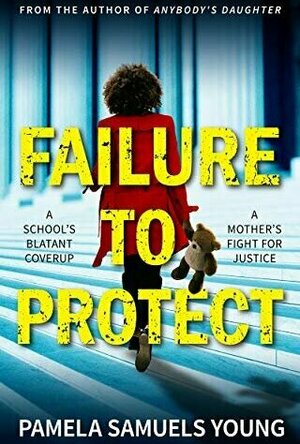

I don't normally read legal thrillers, but there was something about Failure to Protect by Pamela Samuels Young that drew me in. I think it's because I was bullied as a child, but mostly because I'm a mom now. My oldest son has high functioning Autism and ADHD. He was bullied one year in school, and his school seemed to not do anything about it. Failure to Protect was a very emotional read, and I'm really glad I decided to give it a try.
The plot for Failure to Protect was solid. Nine-year-old Bailey Lewis is constantly being bullied at her school. When something major happens, Bailey's mother, Erika, decides to sue the elementary school. However, the principal, Darcella, is more concerned with keeping the school's good record intact instead of worrying about bullied students. The principal will do whatever it takes to make sure her school's stellar reputation doesn't get soiled even if it means doing some bullying herself.
Pamela Samuels Young did such a stellar job with the world building. Her knowledge of the court process and justice system is fantastic. Young is an attorney, and it's obvious she knows her stuff. Unfortunately, the subject of bullying in schools is all too real, and sadly, many schools are more worried about their reputation and all the paperwork and time a bullying case would take than actually caring about a bullied student. This fiction novel reads like a true story. There are a few plot twists which make this book even more interesting! Failure to Protect also answered every question I had. There's no speculation in Failure to Protect, and there's also no cliffhangers. This book is part of a series, but it's the first book I've read in the series, and I feel like it works as a standalone.
The pacing in Failure to Protect is done perfectly. Every single paragraph, and every single chapter flowed smoothly into the next. Not once did I want to put this book down. It had my attention throughout! I was also a fan of the short chapters which I felt helped with the pacing.
The best thing about Failure to Protect, besides everything, were the characters. Each character had such a unique personality which really helped them to feel like a real person rather than just a character in a novel. I loved little Bailey, and I just wanted to hug her and let her know that I'd protect her against her bully. It was heartbreaking reading about all she went through in her young life from losing her father not too long ago to being relentlessly bullied in school and online. I also felt horrible for her mother Erika. She also went through two horrible tragedies including one a parent should never have to go through. I was constantly in her corner, and I kept rooting for her throughout the whole bullying ordeal with the school. Erika felt like what happened to Bailey was mostly her fault, and I wanted to tell Erika that sometimes it's not easy to know everything about our children. Dre was my favorite character. I enjoyed his thought process and how passionate he was about everything. It was obvious how much he loved his goddaughter Bailey. I loved how Angela grew as a character when it came to her relationship with Erika. At first, she wasn't big on Erika, but it was obvious how much she did end up caring for her. Angela and Jenny were both fantastic attorneys, and I loved how they were willing to dedicate all their time and knowledge for Bailey's case. Darcella, the principal, was such a horrible person. Young did a fantastic job at creating Darcella to be the antagonist. So many times I was so angry with Darcella. I wanted to just shake her and ask her why she didn't do anything for Bailey. Darcella does explain why she decided to overlook the bullying, but I just wanted to know why she bothered to work in a profession dealing with children if she didn't have any empathy. I was so annoyed with Darcella. I was also annoyed with Ethan Landers, Darcella's attorney. I know he was just doing his job at the end of the day, but it wasn't easy to read about how he could just side with the enemy. Zola, Bailey's teacher, was also an interesting character. She was so conflicted about doing the right thing, and I liked reading about why she chose to do what she did. Apache, Dre's best friend, was a minor character in Failure to Protect, but he gets a mention because I loved his scenes. He was such a character, and I loved how comical he was especially when it came to helping out Dre.
Trigger warnings in Failure to Protect include bullying, racism, sexual situations (although not too graphic), suicide, death, lying, alcohol, mentions of past drug use and selling, profanity, and mentions of violence.
All in all, Failure to Protect is an emotionally well written novel. It would make a fantastic Lifetime movie - at least that's what I kept thinking whilst reading it. The story line is something that unfortunately is so commonplace in a lot of schools. I would definitely recommend Failure to Protect by Pamela Samuels Young to those aged 18+. I think this is a book that everyone should read and can relate to on at least some level. If you do decide to read Failure to Protect (which you should), please know that you'll feel a vast range of emotions!
--
(A special thank you to Pamela Samuels Young for providing me with an eBook of Failure to Protect in exchange for an honest and unbiased review.)
The plot for Failure to Protect was solid. Nine-year-old Bailey Lewis is constantly being bullied at her school. When something major happens, Bailey's mother, Erika, decides to sue the elementary school. However, the principal, Darcella, is more concerned with keeping the school's good record intact instead of worrying about bullied students. The principal will do whatever it takes to make sure her school's stellar reputation doesn't get soiled even if it means doing some bullying herself.
Pamela Samuels Young did such a stellar job with the world building. Her knowledge of the court process and justice system is fantastic. Young is an attorney, and it's obvious she knows her stuff. Unfortunately, the subject of bullying in schools is all too real, and sadly, many schools are more worried about their reputation and all the paperwork and time a bullying case would take than actually caring about a bullied student. This fiction novel reads like a true story. There are a few plot twists which make this book even more interesting! Failure to Protect also answered every question I had. There's no speculation in Failure to Protect, and there's also no cliffhangers. This book is part of a series, but it's the first book I've read in the series, and I feel like it works as a standalone.
The pacing in Failure to Protect is done perfectly. Every single paragraph, and every single chapter flowed smoothly into the next. Not once did I want to put this book down. It had my attention throughout! I was also a fan of the short chapters which I felt helped with the pacing.
The best thing about Failure to Protect, besides everything, were the characters. Each character had such a unique personality which really helped them to feel like a real person rather than just a character in a novel. I loved little Bailey, and I just wanted to hug her and let her know that I'd protect her against her bully. It was heartbreaking reading about all she went through in her young life from losing her father not too long ago to being relentlessly bullied in school and online. I also felt horrible for her mother Erika. She also went through two horrible tragedies including one a parent should never have to go through. I was constantly in her corner, and I kept rooting for her throughout the whole bullying ordeal with the school. Erika felt like what happened to Bailey was mostly her fault, and I wanted to tell Erika that sometimes it's not easy to know everything about our children. Dre was my favorite character. I enjoyed his thought process and how passionate he was about everything. It was obvious how much he loved his goddaughter Bailey. I loved how Angela grew as a character when it came to her relationship with Erika. At first, she wasn't big on Erika, but it was obvious how much she did end up caring for her. Angela and Jenny were both fantastic attorneys, and I loved how they were willing to dedicate all their time and knowledge for Bailey's case. Darcella, the principal, was such a horrible person. Young did a fantastic job at creating Darcella to be the antagonist. So many times I was so angry with Darcella. I wanted to just shake her and ask her why she didn't do anything for Bailey. Darcella does explain why she decided to overlook the bullying, but I just wanted to know why she bothered to work in a profession dealing with children if she didn't have any empathy. I was so annoyed with Darcella. I was also annoyed with Ethan Landers, Darcella's attorney. I know he was just doing his job at the end of the day, but it wasn't easy to read about how he could just side with the enemy. Zola, Bailey's teacher, was also an interesting character. She was so conflicted about doing the right thing, and I liked reading about why she chose to do what she did. Apache, Dre's best friend, was a minor character in Failure to Protect, but he gets a mention because I loved his scenes. He was such a character, and I loved how comical he was especially when it came to helping out Dre.
Trigger warnings in Failure to Protect include bullying, racism, sexual situations (although not too graphic), suicide, death, lying, alcohol, mentions of past drug use and selling, profanity, and mentions of violence.
All in all, Failure to Protect is an emotionally well written novel. It would make a fantastic Lifetime movie - at least that's what I kept thinking whilst reading it. The story line is something that unfortunately is so commonplace in a lot of schools. I would definitely recommend Failure to Protect by Pamela Samuels Young to those aged 18+. I think this is a book that everyone should read and can relate to on at least some level. If you do decide to read Failure to Protect (which you should), please know that you'll feel a vast range of emotions!
--
(A special thank you to Pamela Samuels Young for providing me with an eBook of Failure to Protect in exchange for an honest and unbiased review.)
Kirk Bage (1775 KP) rated Black Mirror - Season 3 in TV
Mar 3, 2020
Nosedive - 8
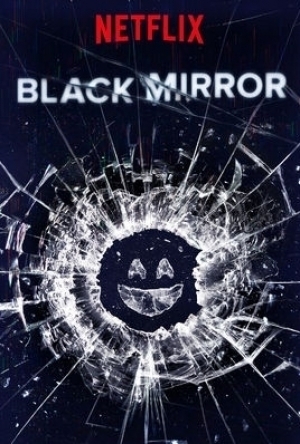
We had to wait almost another 2 years for the Netflix investment to show a product, and in time for Halloween 2016 we got the super-glossy re-boot of Nosedive, with a big name up front and lots of anticipation. The tone was instantly more playful; less British, more inclusive to a world audience. It tackled with a wry humour the universal phenomenon of popularity and everything being rated, most notably, people themselves. In a future world of sunshine and pastel shades it has become the norm to rate every interaction, from buying coffee to buying a house, in the hope of becoming one of the beautiful people rated above a 4.5. It cleverly questions the motivations for that desire, and the pitfalls of false behaviour and the manipulation from an elite standpoint. It isn’t necessary to imagine this future, as we are virtually there already, and all this episode does is heighten the idea to hyperbolic proportions. Rated down by many viewers because it is “annoying”, but that is entirely the point: the whole thing makes you want to scream!
Playtest - 6.5
Also available for Halloween (as was the whole season, in standard Netflix style) came a chance to explore what really scares us! And… they blew it. Sure, the idea that gaming and VR becomes so photo realistic it seems entirely real isn’t far away. But, making it personal to a very annoying character dissolves all tension quite early on. Some mild jump scares aside, this has to go down as a missed opportunity. Notable only for the re-occurance of the White Bear symbol.
Shut Up and Dance - 7
This is the one most likely to make you think, hmm, that is too far! An uncomfortable episode, not only because of the subject matter and ultimate revelation, but because of the intense nastiness that pervades it. No doubt that tension is intentional, and therefore effective to a degree, but for me it crosses the line of entertainment and becomes simply nasty. Being unafraid to tackle controversial subjects is to be applauded, but the execution has to be note perfect, or the risk is the backlash this episode received. A cautionary tale about surveillance, data theft, blackmail and our personal online responsibility. Not a bad piece, just a slight misjudgment on tone and delivery.
San Junipero - 9.5
Just when critics were sharpening their pens that Netflix had ruined the potential of Black Mirror in its first phase, comes an almost perfect piece of TV that is literally heavenly! Everything about San Junipero is a work of art! Another “blind” episode that takes a while to unravel; the pacing and realisation of which is so beautifully judged that, from a writing point of view, this has to be seen as the pinnacle of the show to date. Mackenzie Davis is extraordinary as the vulnerable, shy and naive Yorkie, looking for a connection in an 80s nightclub, filled with nostalgia and cultural memes galore. The music alone is not only sing aloud perfect, but chosen for storytelling reasons so clever it raises goosebumps! The relationship between Yorkie and Kelly, an equally great Gugu Mbatha-Raw, is filled with chemistry and nuance, drawing us in to a place so deep that when the penny drops on what is really going on it draws a gasp and then possibly tears – I know it did for me! The mechanics of the technology that would make this story possible does raise a lot of questions, but in the end it is better to accept it as an allegory for love, life and our ideas of “eternity”. Don’t look too deeply at the how, but marvel at the why, and this could be the best hour of TV you will ever see! So rewatchable, rich and rewarding; the only reason not to make this a feature length big budget film is that how could it possibly be improved?
Men Against Fire - 7
Revisiting yet again the technology of a brain implant that affects our vision of the world, literally and figuratively, this episode explores indoctrination and brainwashing, with the underlying themes of racism and basic human compassion. It is a fine analogy of how the media and governments would have us think of immigrants and the “dangers” of anything “not us”. A tad obvious, and doesn’t really go anywhere new once the twist is revealed. Visually quite stunning, but not as strong as other episodes that cover similar ground.
Hated in the Nation - 8.5
With a running time of 89 minutes, this is essentially what happens when Black Mirror pushes an idea to feature length. Allowing more time for character development does make a difference, and the tension build in this fine concept for a thriller also benefits from a few extra minutes. The ever reliable Kelly MacDonald is the cornerstone of a strong cast, on the hunt for the mind behind a series of killings by killer bee drones, targeted at a democratically elected “most hated” person every day, based on a public vote. An exploration of media vilification and how easy it can be to manipulate our idea of someone’s identity and judge their actions and even personalities based on one wrong thing they may have said or done. The episode is a who-dunnit? A why-doit? And, framed, with the backdrop of the inquest surrounding events, both a good cop movie and a courtroom drama. Charlie Brooker has hinted that some of these characters may return at some point. I’m all for it.
We had to wait almost another 2 years for the Netflix investment to show a product, and in time for Halloween 2016 we got the super-glossy re-boot of Nosedive, with a big name up front and lots of anticipation. The tone was instantly more playful; less British, more inclusive to a world audience. It tackled with a wry humour the universal phenomenon of popularity and everything being rated, most notably, people themselves. In a future world of sunshine and pastel shades it has become the norm to rate every interaction, from buying coffee to buying a house, in the hope of becoming one of the beautiful people rated above a 4.5. It cleverly questions the motivations for that desire, and the pitfalls of false behaviour and the manipulation from an elite standpoint. It isn’t necessary to imagine this future, as we are virtually there already, and all this episode does is heighten the idea to hyperbolic proportions. Rated down by many viewers because it is “annoying”, but that is entirely the point: the whole thing makes you want to scream!
Playtest - 6.5
Also available for Halloween (as was the whole season, in standard Netflix style) came a chance to explore what really scares us! And… they blew it. Sure, the idea that gaming and VR becomes so photo realistic it seems entirely real isn’t far away. But, making it personal to a very annoying character dissolves all tension quite early on. Some mild jump scares aside, this has to go down as a missed opportunity. Notable only for the re-occurance of the White Bear symbol.
Shut Up and Dance - 7
This is the one most likely to make you think, hmm, that is too far! An uncomfortable episode, not only because of the subject matter and ultimate revelation, but because of the intense nastiness that pervades it. No doubt that tension is intentional, and therefore effective to a degree, but for me it crosses the line of entertainment and becomes simply nasty. Being unafraid to tackle controversial subjects is to be applauded, but the execution has to be note perfect, or the risk is the backlash this episode received. A cautionary tale about surveillance, data theft, blackmail and our personal online responsibility. Not a bad piece, just a slight misjudgment on tone and delivery.
San Junipero - 9.5
Just when critics were sharpening their pens that Netflix had ruined the potential of Black Mirror in its first phase, comes an almost perfect piece of TV that is literally heavenly! Everything about San Junipero is a work of art! Another “blind” episode that takes a while to unravel; the pacing and realisation of which is so beautifully judged that, from a writing point of view, this has to be seen as the pinnacle of the show to date. Mackenzie Davis is extraordinary as the vulnerable, shy and naive Yorkie, looking for a connection in an 80s nightclub, filled with nostalgia and cultural memes galore. The music alone is not only sing aloud perfect, but chosen for storytelling reasons so clever it raises goosebumps! The relationship between Yorkie and Kelly, an equally great Gugu Mbatha-Raw, is filled with chemistry and nuance, drawing us in to a place so deep that when the penny drops on what is really going on it draws a gasp and then possibly tears – I know it did for me! The mechanics of the technology that would make this story possible does raise a lot of questions, but in the end it is better to accept it as an allegory for love, life and our ideas of “eternity”. Don’t look too deeply at the how, but marvel at the why, and this could be the best hour of TV you will ever see! So rewatchable, rich and rewarding; the only reason not to make this a feature length big budget film is that how could it possibly be improved?
Men Against Fire - 7
Revisiting yet again the technology of a brain implant that affects our vision of the world, literally and figuratively, this episode explores indoctrination and brainwashing, with the underlying themes of racism and basic human compassion. It is a fine analogy of how the media and governments would have us think of immigrants and the “dangers” of anything “not us”. A tad obvious, and doesn’t really go anywhere new once the twist is revealed. Visually quite stunning, but not as strong as other episodes that cover similar ground.
Hated in the Nation - 8.5
With a running time of 89 minutes, this is essentially what happens when Black Mirror pushes an idea to feature length. Allowing more time for character development does make a difference, and the tension build in this fine concept for a thriller also benefits from a few extra minutes. The ever reliable Kelly MacDonald is the cornerstone of a strong cast, on the hunt for the mind behind a series of killings by killer bee drones, targeted at a democratically elected “most hated” person every day, based on a public vote. An exploration of media vilification and how easy it can be to manipulate our idea of someone’s identity and judge their actions and even personalities based on one wrong thing they may have said or done. The episode is a who-dunnit? A why-doit? And, framed, with the backdrop of the inquest surrounding events, both a good cop movie and a courtroom drama. Charlie Brooker has hinted that some of these characters may return at some point. I’m all for it.
Mandy and G.D. Burkhead (26 KP) rated The Grey Bastards in Books
May 20, 2018
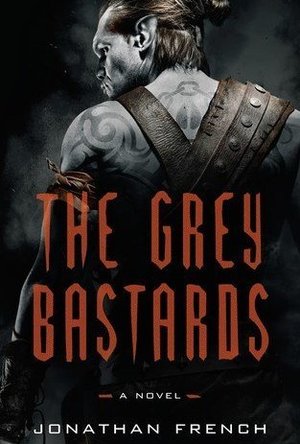
Shelf Life – The Grey Bastards Exemplifies Grimdark Fantasy at Its Damn Finest
Contains spoilers, click to show
The Grey Bastards is a fun, foul-mouthed read. If you’re turned off by bad language, steamy sex, or a good plot with plenty of action and twists, then this book isn’t for you. The Grey Bastards falls into the fantasy sub-genre known as grimdark. Where high fantasy has your Tolkien beautiful and noble elves, dwarves, humans, and wizards with epic battles between good and evil, grimdark takes all of that and covers it in shit, pus, and blood. Notice how in high fantasy nobody ever takes a piss or fucks? In grimdark, everyone does.
But don’t be fooled into thinking this book will be any less intelligent, epic, or heartfelt for it. The Grey Bastards is all of that and more. The novel follows Jackal, a half-breed orc living in the Lot Lands, the barren desert wasteland of Hispartha. He is a Grey Bastard, one of many half-orc hoofs, each protecting its own small town in the Lots. Members of a hoof are elite warriors that ride out on their Barbarians—giant warthogs—and slaughter invading bands of orcs.
Hispartha is a vibrant world, with a mix of fantastical species (orcs, half-orcs, elves, humans, halflings, and centaurs) with unique cultures and religions. Hispartha itself takes influences from Reconquista Spain, which is especially noticeable in the nomenclature, geography, and architecture.
The primarily atheistic half-orcs recently won their freedom from slavery at the hands of humans. Humans treat the half-orcs like second-class citizens, but tolerate them because of their strength, using them as a shield from the orcs. The elves are beautiful, reclusive, and probably the most cliché; there is one important elf character, but for the most part, we don’t get a good look into their culture in the first book. The centaurs worship Romanesque deities and go on crazed, Bacchanalian killing sprees during the blood moon.
Besides the half-orcs, the halflings are perhaps the most interesting. I still have a hard time visualizing them, trying to figure out if they are thin, pixie-like creatures or more stocky like dwarves. Their small stature and black skin makes me think of pygmies. They worship a god they expect will reincarnate someday, (view spoiler)
One thing that has always annoyed me about fantasy is that many authors feel that the characters of their world, being pre-industrial and thus “medieval,” must all be white, straight, Christian (or proto-Christian), cisgender males. If a woman appears at all is to act as the damsel, prize, or, if she’s lucky, a mystical enchantress to guide the heroes or provide a maguffin. It has come to the point in which this has become a tired and accepted baseline for fantasy. I don’t necessarily think that these fantasy authors are intentionally trying to be uninclusive, so much as they just seem to forget that other groups of people can exist in fantasy thanks to its fathers, Tolkien and Lewis.
But enough with my rant, the purpose of which is to highlight why I am often drawn to grimdark fantasy: at the very least I know that women, people of color, lgbt people, and other religions will be present, even if they are often victimized. This is because grimdark fantasy honestly depicts the horrors of rape, war, murder, slavery, and racism (or rather, speciesism in most cases) and has heroes and villains that are morally grey.
However, many authors describe these atrocities and then leave it at that, assuming that simply depicting them is enough to make a book mature and meaningful. They often fail to make any sort of statement on evil, and thus can seem to be, at best, blindly accepting it and, at worst, glorifying it (this often happens in the cases of magnificent bastard characters, who are absolute monsters but are so charming you almost respect or like them).
Jonathan French, however, does not fall short of the mark as many authors do, and for two main reasons: humor and humanity.
Let’s start with the humor. This book is hilarious. I mean in the I literally laughed out loud while reading it way. Sure, the jokes are often crass, but I have a dirty mind, so inappropriate humor is my favorite kind. The dialogue is especially top-notch, and the interactions between Jackal and his friends Fetching and Oats feel genuine, full of in-jokes, insults, and sexually-charged humor, all of which are exactly how I interact with my own close friends. And every major character in this book is so damn witty that I’m honestly jealous of them. If I could be quick enough to make even one of their zingers at the right time in a conversation, I would feel proud of myself for the rest of the day.
Humor is necessary to prevent any grimdark fantasy from becoming too over-the-top or depressing. And honestly, humor is needed most when the world is a dark and frightening place. But too much humor could accidentally downplay the point of grimdark: the brutally honest depiction of the atrocities that people are capable of.
And this is where it is important to have an element of humanity. By this I mean that the “good guys” must make some action or statement on those atrocities. Too often I read or watch hardened badass characters with no emotion who can watch a person get tortured and killed without flinching (maybe even do it themselves) and who never stop to question the nature of their society (even as part of their character growth), and I have difficulty finding them at all relatable or even the least bit interesting.
Now, often for this type of character, he or she is dead inside as a coping mechanism and part of their character arc is learning to allow themselves to feel their repressed emotions: heartbreak, anger, fear, etc. This can be done very well (see The Hunger Games for a great example—dystopian scifi and grimdark fantasy have very similar undertones). But most times it just ends up falling flat.
But Jackal already starts out with more personality than most grimdark protagonists. He is a humorous and light-hearted person. Sure, he lives in a desert wasteland, his race is entirely created by rape, he’s treated as a second-class citizen, and his life and the lives of those around him are in constant danger of rape and/or murder by invading orcs or blood-crazed centaurs. But despite all of that, he still has a sense of humor, people he loves, a community, ambitions, moral code, and all of the other things that these protagonists are often lacking.
Don’t get me wrong, he can be an asshole, and he’s often acts rashly before he thinks. But the scene that really stuck with me the most was [when Jackal and the wizard Crafty come across an unconscious elf sex-slave. I was expecting him to say something along the lines of “There’s nothing we can do for her, we have to save ourselves” or “This isn’t any of our business” or “It would be best to just put her out of her mercy.” These are the typical lines that a grimdark protagonist might utter while their companion—accused of being a bleeding heart—frees the slave. But this was not the case. Jackal and Crafty both immediately set out to free the girl and steal her away from her owner, despite the danger to themselves. And when he comes across an entire castle-full of these women, Jackal again sets about freeing them without a moment’s hesitation. (hide spoiler)]
And it’s no surprise that Jackal has a serious problem with rape. As I’ve mentioned before, half-orcs are entirely the product of roving bands of orcs raping human, elven, or even half-orc women. [When Jackal learns that Starling, the elf slave he rescued, is pregnant with a half-orc baby, he is not only furious with the orcs that gang-raped her, but also disturbed by the fact that elven society shuns any of their women who have been raped, and that these victims often end up taking their own lives rather than give birth to an impure half-elf. (hide spoiler)]
Furthermore, Jackal, unlike many people in Hispartha, does not buy into misogyny or sexism. His best friend Fetching is the first female half-orc to have joined a group of riders. Not only does Jackal respect Fetching, he understands the emotional turmoil that she is dealing with being the first female rider and how she overcompensates as a result to earn the respect of the other men.
While there is quite a bit of speciesism (pretty much none of the species get along with one another), the inhabitants of Hispartha come in every skin color and nobody gives a damn. Furthermore, sexuality is primarily treated as each person’s individual preference and nobody else’s business. While characters may make jokes about acting “backy” (gay), these are made in good humor between friends, and nobody gets particularly offended by them. Fetching is herself openly bisexual (though she seems to suppress her heterosexual desires more than her homosexual ones out of that same need to be “one of the boys”), and Oats and Jackal are one of my favorite bromantic pairings.
Grimdark fantasy can often be depressing to read. But Jonathan French does an excellent job of infusing hope into his narrative. The story actually has a happier ending than I was expecting. [I was especially pleased when Jackal chooses Fetching to be the new leader of the hoof (she is voted in unanimously by the other riders). I find it incredibly annoying in books and movies when revolutionaries/usurpers decide to appoint themselves leaders, as the former does not qualify you for the latter. Part of Jackal’s arc is realizing that he is not meant to lead the hoof like he’d once desired. (hide spoiler)]
For the sequel, The True Bastards, I’m hoping to see [if a cure can be found for the thrice-blood child now infected with plague, how Fetching is doing leading the hoof, and what the mysterious Starling is up to (I don’t buy for a second that she’s killed herself). And of course, I fully expect that Jackal is going to have to fulfill his empty promise to the halfling’s resurrected god, Belico.
But don’t be fooled into thinking this book will be any less intelligent, epic, or heartfelt for it. The Grey Bastards is all of that and more. The novel follows Jackal, a half-breed orc living in the Lot Lands, the barren desert wasteland of Hispartha. He is a Grey Bastard, one of many half-orc hoofs, each protecting its own small town in the Lots. Members of a hoof are elite warriors that ride out on their Barbarians—giant warthogs—and slaughter invading bands of orcs.
Hispartha is a vibrant world, with a mix of fantastical species (orcs, half-orcs, elves, humans, halflings, and centaurs) with unique cultures and religions. Hispartha itself takes influences from Reconquista Spain, which is especially noticeable in the nomenclature, geography, and architecture.
The primarily atheistic half-orcs recently won their freedom from slavery at the hands of humans. Humans treat the half-orcs like second-class citizens, but tolerate them because of their strength, using them as a shield from the orcs. The elves are beautiful, reclusive, and probably the most cliché; there is one important elf character, but for the most part, we don’t get a good look into their culture in the first book. The centaurs worship Romanesque deities and go on crazed, Bacchanalian killing sprees during the blood moon.
Besides the half-orcs, the halflings are perhaps the most interesting. I still have a hard time visualizing them, trying to figure out if they are thin, pixie-like creatures or more stocky like dwarves. Their small stature and black skin makes me think of pygmies. They worship a god they expect will reincarnate someday, (view spoiler)
One thing that has always annoyed me about fantasy is that many authors feel that the characters of their world, being pre-industrial and thus “medieval,” must all be white, straight, Christian (or proto-Christian), cisgender males. If a woman appears at all is to act as the damsel, prize, or, if she’s lucky, a mystical enchantress to guide the heroes or provide a maguffin. It has come to the point in which this has become a tired and accepted baseline for fantasy. I don’t necessarily think that these fantasy authors are intentionally trying to be uninclusive, so much as they just seem to forget that other groups of people can exist in fantasy thanks to its fathers, Tolkien and Lewis.
But enough with my rant, the purpose of which is to highlight why I am often drawn to grimdark fantasy: at the very least I know that women, people of color, lgbt people, and other religions will be present, even if they are often victimized. This is because grimdark fantasy honestly depicts the horrors of rape, war, murder, slavery, and racism (or rather, speciesism in most cases) and has heroes and villains that are morally grey.
However, many authors describe these atrocities and then leave it at that, assuming that simply depicting them is enough to make a book mature and meaningful. They often fail to make any sort of statement on evil, and thus can seem to be, at best, blindly accepting it and, at worst, glorifying it (this often happens in the cases of magnificent bastard characters, who are absolute monsters but are so charming you almost respect or like them).
Jonathan French, however, does not fall short of the mark as many authors do, and for two main reasons: humor and humanity.
Let’s start with the humor. This book is hilarious. I mean in the I literally laughed out loud while reading it way. Sure, the jokes are often crass, but I have a dirty mind, so inappropriate humor is my favorite kind. The dialogue is especially top-notch, and the interactions between Jackal and his friends Fetching and Oats feel genuine, full of in-jokes, insults, and sexually-charged humor, all of which are exactly how I interact with my own close friends. And every major character in this book is so damn witty that I’m honestly jealous of them. If I could be quick enough to make even one of their zingers at the right time in a conversation, I would feel proud of myself for the rest of the day.
Humor is necessary to prevent any grimdark fantasy from becoming too over-the-top or depressing. And honestly, humor is needed most when the world is a dark and frightening place. But too much humor could accidentally downplay the point of grimdark: the brutally honest depiction of the atrocities that people are capable of.
And this is where it is important to have an element of humanity. By this I mean that the “good guys” must make some action or statement on those atrocities. Too often I read or watch hardened badass characters with no emotion who can watch a person get tortured and killed without flinching (maybe even do it themselves) and who never stop to question the nature of their society (even as part of their character growth), and I have difficulty finding them at all relatable or even the least bit interesting.
Now, often for this type of character, he or she is dead inside as a coping mechanism and part of their character arc is learning to allow themselves to feel their repressed emotions: heartbreak, anger, fear, etc. This can be done very well (see The Hunger Games for a great example—dystopian scifi and grimdark fantasy have very similar undertones). But most times it just ends up falling flat.
But Jackal already starts out with more personality than most grimdark protagonists. He is a humorous and light-hearted person. Sure, he lives in a desert wasteland, his race is entirely created by rape, he’s treated as a second-class citizen, and his life and the lives of those around him are in constant danger of rape and/or murder by invading orcs or blood-crazed centaurs. But despite all of that, he still has a sense of humor, people he loves, a community, ambitions, moral code, and all of the other things that these protagonists are often lacking.
Don’t get me wrong, he can be an asshole, and he’s often acts rashly before he thinks. But the scene that really stuck with me the most was [when Jackal and the wizard Crafty come across an unconscious elf sex-slave. I was expecting him to say something along the lines of “There’s nothing we can do for her, we have to save ourselves” or “This isn’t any of our business” or “It would be best to just put her out of her mercy.” These are the typical lines that a grimdark protagonist might utter while their companion—accused of being a bleeding heart—frees the slave. But this was not the case. Jackal and Crafty both immediately set out to free the girl and steal her away from her owner, despite the danger to themselves. And when he comes across an entire castle-full of these women, Jackal again sets about freeing them without a moment’s hesitation. (hide spoiler)]
And it’s no surprise that Jackal has a serious problem with rape. As I’ve mentioned before, half-orcs are entirely the product of roving bands of orcs raping human, elven, or even half-orc women. [When Jackal learns that Starling, the elf slave he rescued, is pregnant with a half-orc baby, he is not only furious with the orcs that gang-raped her, but also disturbed by the fact that elven society shuns any of their women who have been raped, and that these victims often end up taking their own lives rather than give birth to an impure half-elf. (hide spoiler)]
Furthermore, Jackal, unlike many people in Hispartha, does not buy into misogyny or sexism. His best friend Fetching is the first female half-orc to have joined a group of riders. Not only does Jackal respect Fetching, he understands the emotional turmoil that she is dealing with being the first female rider and how she overcompensates as a result to earn the respect of the other men.
While there is quite a bit of speciesism (pretty much none of the species get along with one another), the inhabitants of Hispartha come in every skin color and nobody gives a damn. Furthermore, sexuality is primarily treated as each person’s individual preference and nobody else’s business. While characters may make jokes about acting “backy” (gay), these are made in good humor between friends, and nobody gets particularly offended by them. Fetching is herself openly bisexual (though she seems to suppress her heterosexual desires more than her homosexual ones out of that same need to be “one of the boys”), and Oats and Jackal are one of my favorite bromantic pairings.
Grimdark fantasy can often be depressing to read. But Jonathan French does an excellent job of infusing hope into his narrative. The story actually has a happier ending than I was expecting. [I was especially pleased when Jackal chooses Fetching to be the new leader of the hoof (she is voted in unanimously by the other riders). I find it incredibly annoying in books and movies when revolutionaries/usurpers decide to appoint themselves leaders, as the former does not qualify you for the latter. Part of Jackal’s arc is realizing that he is not meant to lead the hoof like he’d once desired. (hide spoiler)]
For the sequel, The True Bastards, I’m hoping to see [if a cure can be found for the thrice-blood child now infected with plague, how Fetching is doing leading the hoof, and what the mysterious Starling is up to (I don’t buy for a second that she’s killed herself). And of course, I fully expect that Jackal is going to have to fulfill his empty promise to the halfling’s resurrected god, Belico.