
Search
Search results

Lyndsey Gollogly (2893 KP) rated Masters of Horror: A Horror Anthology in Books
Jun 26, 2020



112 of 200
Kindle
Masters of Horror: A Horror anthology
Presented by Matt Shaw
Collection of authors
Masters of Horror A selection of some of the finest horror writers of today were invited by Matt Shaw to bring him their twisted tales for this anthology. A book put together with the sole purpose of reminding readers what the horror genre is really about. Each author was told they could write about any subject matter they wanted so long as it was set in a world of horror. The only rule they had: No Paranormal Romance. Vampires do not sparkle, werewolves do not date, Witches do not scour Tinder for Virgins and ghosts do not declare their undying love whilst tidying the apartment... This is horror... Featuring work from: Introduction- Matt Shaw Brian Lumley - The Cyprus Shell Ramsey Campbell- Again Sam West- Survival J R Park - Mary Peter McKeirnon- Doll Face Andrew Freudenberg- A Taste of Mercy Mason Sabre - Chocolate Shaun Hutson- The Contract Anton Palmer- Dead-Eyed Dick Wrath James White- Beast Mode Shane McKenzie- Dewey Davenport Tonia Brown - Zolem Graeme Reynolds- The Pit Adam L.G. Nevill- Hippocampus Gary McMahon- You Can Go Now Ryan Harding - Down There Matt Shaw - Letter From Hell Matt Hickman- Eye For An Eye Daniel Marc Chant - Three Black Dogs Amy Cross- Checkout Kit Power- Loco Parentis Adam Millard - In The Family Guy N. Smith - The Priest Hole Jaime Johnesee- Just Breathe Craig Saunders- Raintown Sam Michael Bray - The End Is Where You’ll Find It Jeff Strand- Don’t Make Fun Of The Haunted House Mark Cassell - Trust Issues Paul Flewitt- The Silent Invader Clare Riley Whitfield- The Clay Man Jim Goforth- Animus Brian Lumley - The Deep-Sea Conch Chris Hall- Afterword
A few comments on the ones I enjoyed the most!
1. The Cyprus shell by Brain Lumley
This is a letter to a friend explaining his recent early departure from a dinner party. He explains his awful experience and aversion to oysters! Got to say I loved it and it captured so much in a short letter!
2. Again by Ramsey Campbell
This is a strange little story about a hiker discovering a strange old woman keeping her almost dead husband tied to a bed. It was a little strange.
4. Mary by J R Park
Ooo this was good religious symbols and lots of murder and blood!!
5 Doll Face by Peter McKeirnon
This was creepy as f**k there are no limits to what a father would do for his little girl!
6. A taste of Mercy by Andrew Freudenburg
Brilliant so sad and yet so gross! You felt every word of the woe the trenches brought these men!
7 chocolate by Mason Sabre
Ok so I will be keeping a close eye on my kids and their imaginary friends needing chocolate haha loved it!
8 The Contract by Shaun Hutson
Well this taught us one thing is certain killing death would be a very silly thing to do!!
9 Dead-eyed Dick by Anton Palmer
This had me in tears laughing and must be every mans worst nightmare! I’m definitely getting my husband to read it! Brilliant!!
11 Hippocampus by Adam L.G. Nevill
Nevill is one of my favourite authors he has a way of taking you every step of the journey with every book he writes. This one did not disappoint I walked the length of that vessel
With him! I know have some pretty gruesome scenes in my head.
12 you can go now. By Gary McMahon
Totally heartbreaking in some way and utterly creepy in others! Also an eye opener to mental illness which I took from it!
13 letter from hell by Matt Shaw
Reading this made me sick to my stomach being a mum I think it’s my worst nightmare! I can just imagine how those mothers felt when their children never came home! Totally gut wrenching!!
14 Eye for an eye by Matt Hickman
Brilliant! Gruesome and totally what you’d expect from the afterlife of a murderer!
16 Loco Parentis by Kit Power
About a man rounding up a pedophile ring and breaking some bones but in a strange twist he turns it on the reader lol very good!!
I absolutely loved most of these stories I think there is something in there for every Horror fan I’ve also found a few more authors!
Kindle
Masters of Horror: A Horror anthology
Presented by Matt Shaw
Collection of authors
Masters of Horror A selection of some of the finest horror writers of today were invited by Matt Shaw to bring him their twisted tales for this anthology. A book put together with the sole purpose of reminding readers what the horror genre is really about. Each author was told they could write about any subject matter they wanted so long as it was set in a world of horror. The only rule they had: No Paranormal Romance. Vampires do not sparkle, werewolves do not date, Witches do not scour Tinder for Virgins and ghosts do not declare their undying love whilst tidying the apartment... This is horror... Featuring work from: Introduction- Matt Shaw Brian Lumley - The Cyprus Shell Ramsey Campbell- Again Sam West- Survival J R Park - Mary Peter McKeirnon- Doll Face Andrew Freudenberg- A Taste of Mercy Mason Sabre - Chocolate Shaun Hutson- The Contract Anton Palmer- Dead-Eyed Dick Wrath James White- Beast Mode Shane McKenzie- Dewey Davenport Tonia Brown - Zolem Graeme Reynolds- The Pit Adam L.G. Nevill- Hippocampus Gary McMahon- You Can Go Now Ryan Harding - Down There Matt Shaw - Letter From Hell Matt Hickman- Eye For An Eye Daniel Marc Chant - Three Black Dogs Amy Cross- Checkout Kit Power- Loco Parentis Adam Millard - In The Family Guy N. Smith - The Priest Hole Jaime Johnesee- Just Breathe Craig Saunders- Raintown Sam Michael Bray - The End Is Where You’ll Find It Jeff Strand- Don’t Make Fun Of The Haunted House Mark Cassell - Trust Issues Paul Flewitt- The Silent Invader Clare Riley Whitfield- The Clay Man Jim Goforth- Animus Brian Lumley - The Deep-Sea Conch Chris Hall- Afterword
A few comments on the ones I enjoyed the most!
1. The Cyprus shell by Brain Lumley
This is a letter to a friend explaining his recent early departure from a dinner party. He explains his awful experience and aversion to oysters! Got to say I loved it and it captured so much in a short letter!
2. Again by Ramsey Campbell
This is a strange little story about a hiker discovering a strange old woman keeping her almost dead husband tied to a bed. It was a little strange.
4. Mary by J R Park
Ooo this was good religious symbols and lots of murder and blood!!
5 Doll Face by Peter McKeirnon
This was creepy as f**k there are no limits to what a father would do for his little girl!
6. A taste of Mercy by Andrew Freudenburg
Brilliant so sad and yet so gross! You felt every word of the woe the trenches brought these men!
7 chocolate by Mason Sabre
Ok so I will be keeping a close eye on my kids and their imaginary friends needing chocolate haha loved it!
8 The Contract by Shaun Hutson
Well this taught us one thing is certain killing death would be a very silly thing to do!!
9 Dead-eyed Dick by Anton Palmer
This had me in tears laughing and must be every mans worst nightmare! I’m definitely getting my husband to read it! Brilliant!!
11 Hippocampus by Adam L.G. Nevill
Nevill is one of my favourite authors he has a way of taking you every step of the journey with every book he writes. This one did not disappoint I walked the length of that vessel
With him! I know have some pretty gruesome scenes in my head.
12 you can go now. By Gary McMahon
Totally heartbreaking in some way and utterly creepy in others! Also an eye opener to mental illness which I took from it!
13 letter from hell by Matt Shaw
Reading this made me sick to my stomach being a mum I think it’s my worst nightmare! I can just imagine how those mothers felt when their children never came home! Totally gut wrenching!!
14 Eye for an eye by Matt Hickman
Brilliant! Gruesome and totally what you’d expect from the afterlife of a murderer!
16 Loco Parentis by Kit Power
About a man rounding up a pedophile ring and breaking some bones but in a strange twist he turns it on the reader lol very good!!
I absolutely loved most of these stories I think there is something in there for every Horror fan I’ve also found a few more authors!

Hadley (567 KP) rated The Other Mrs. in Books
Apr 4, 2020

Mental illness done correctly (1 more)
Addictive
Mental illness.
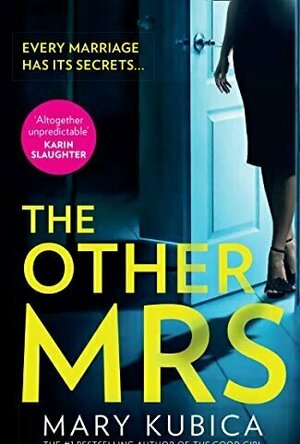
I've read a lot of horror books that cover this subject, watched horror movies covering this subject, listened to music covering this subject, but none of them have covered mental illness as well and correctly as Mary Kubica's "The Other Mrs.."
So, with that said, if you have any type of PTSD, this book may be hard for you to read. Otherwise, this novel is very addicting, filled with so many twists and turns that you won't be able to set it down for long. For me, someone who deals with C-PTSD, 'The Other Mrs.' by Mary Kubica has been a heartache to read, but also very fulfilling to finish.
Kubica is known for her best-selling novel 'the Good Girl' - - - a thriller following a mother and a detective in search of the the former's missing daughter that leads them down a twisted tale of family secrets. From highly acclaimed critics, 'the Other Mrs.' has out-done 'the Good Girl' as Kubica's best novel so far. Kubica sticks with her psychological thriller writing that she is known for in this newest novel. She keeps the reader guessing at what will happen next, and she plays out mental illnesses in a way that most who suffer can relate while winding in a mystery well enough that the reader won't be able to guess everything before the ending.
I can't give such a heavy review on this book because, to do so, would give away a lot of the ending, so I'll stick to talking about noteworthy characters that make up the novel. The main character is a woman named Sadie, whose family is being uprooted from Chicago and moved to a small island in Maine after her husband's sister dies, which leaves them with not only a house in the will, but a sixteen-year-old niece named Imogen.
Sadie is already a mother of two sons, both younger than sixteen, when she suddenly finds herself in-charge of the stereo-typical edgy teenager, Imogen. Sadie describes her the first time she sees Imogen: " But there she stands, a morose figure dressed in black. Black jeans, a black shirt, bare feet. Her hair is black, long with bangs that slant sideways across her face. Her eyes are outlined in a thick slash of black eyeliner. Everything black, aside from the white lettering on her shirt, which reads, I want to die. The septum of her nose is pierced. Her skin, in contrast to everything else, is white, pallid, ghostlike. She's thin. "
Early one morning when Sadie is heading off to work, she finds a word spelled on her car window. The word reads: "Die." Sadie, as most readers, quickly assumes that Imogen is responsibly for this, as she tries to explain: "I've tried to be understanding because of how awful the situation must be for her. Her life has been upended. She lost her mother and now must share her home with people she doesn't know. But that doesn't justify threatening me. Because Imogen doesn't mince words. She means just what she said. She wants me to die."
The next character that makes up a big part of this story is a confident, self-centered woman, whose name is Camille,and is also the 'other woman' in this story. Camille is a woman who gets what and who she wants, and won't let anyone get in her way, including Sadie, whose husband is someone Camille wants. I can't go much into the things that Camille's character does because it would give away a lot of the surprises in this novel - - - I can say though that there is murder and mystery throughout; the book will leave most readers guessing until the very end.
One other character who deserves mentioning is a little girl- - - with the nickname 'Mouse' - - - who finds herself suddenly dealing with a horrific stepmother, who abuses her physically and mentally unbeknownst to Mouse's father. One time, in which Mouse shows how smart she is to her the stepmother while being in front of her father (who Mouse likes to call 'Fake Mom'), later that night, when Mouse's father isn't looking, Fake Mom lets Mouse know how she felt about that:
" But later that night, when he father wasn't looking, Fake Mom got down into Mouse's face and told her if she ever made her look stupid again in front of her father, there would be hell to pay. Fake Mom's face got all red. She bared her teeth like a dog does when it's mad. A vein stuck out of her forehead. It throbbed. Fake Mom spit when she spoke, like she was so mad she couldn't stop herself from spitting. Like she was spitting mad. She spit on Mouse's face but Mouse didn't dare raise a hand to wipe it away."
Mental and physical abuse make up all that The Other Mrs. is about. So far, this is the best story I have read in a long time. My only problem with it is it's written like a YA novel, where it seems Kubica tried to keep that from happening by throwing in some heavy syllable words to make it more fitting for adults. But, luckily, she left out most of the wishy-washy elements that make up YA novels, so I believe most adults will enjoy this. I highly recommend this book to people who love murder mysteries!
I've read a lot of horror books that cover this subject, watched horror movies covering this subject, listened to music covering this subject, but none of them have covered mental illness as well and correctly as Mary Kubica's "The Other Mrs.."
So, with that said, if you have any type of PTSD, this book may be hard for you to read. Otherwise, this novel is very addicting, filled with so many twists and turns that you won't be able to set it down for long. For me, someone who deals with C-PTSD, 'The Other Mrs.' by Mary Kubica has been a heartache to read, but also very fulfilling to finish.
Kubica is known for her best-selling novel 'the Good Girl' - - - a thriller following a mother and a detective in search of the the former's missing daughter that leads them down a twisted tale of family secrets. From highly acclaimed critics, 'the Other Mrs.' has out-done 'the Good Girl' as Kubica's best novel so far. Kubica sticks with her psychological thriller writing that she is known for in this newest novel. She keeps the reader guessing at what will happen next, and she plays out mental illnesses in a way that most who suffer can relate while winding in a mystery well enough that the reader won't be able to guess everything before the ending.
I can't give such a heavy review on this book because, to do so, would give away a lot of the ending, so I'll stick to talking about noteworthy characters that make up the novel. The main character is a woman named Sadie, whose family is being uprooted from Chicago and moved to a small island in Maine after her husband's sister dies, which leaves them with not only a house in the will, but a sixteen-year-old niece named Imogen.
Sadie is already a mother of two sons, both younger than sixteen, when she suddenly finds herself in-charge of the stereo-typical edgy teenager, Imogen. Sadie describes her the first time she sees Imogen: " But there she stands, a morose figure dressed in black. Black jeans, a black shirt, bare feet. Her hair is black, long with bangs that slant sideways across her face. Her eyes are outlined in a thick slash of black eyeliner. Everything black, aside from the white lettering on her shirt, which reads, I want to die. The septum of her nose is pierced. Her skin, in contrast to everything else, is white, pallid, ghostlike. She's thin. "
Early one morning when Sadie is heading off to work, she finds a word spelled on her car window. The word reads: "Die." Sadie, as most readers, quickly assumes that Imogen is responsibly for this, as she tries to explain: "I've tried to be understanding because of how awful the situation must be for her. Her life has been upended. She lost her mother and now must share her home with people she doesn't know. But that doesn't justify threatening me. Because Imogen doesn't mince words. She means just what she said. She wants me to die."
The next character that makes up a big part of this story is a confident, self-centered woman, whose name is Camille,and is also the 'other woman' in this story. Camille is a woman who gets what and who she wants, and won't let anyone get in her way, including Sadie, whose husband is someone Camille wants. I can't go much into the things that Camille's character does because it would give away a lot of the surprises in this novel - - - I can say though that there is murder and mystery throughout; the book will leave most readers guessing until the very end.
One other character who deserves mentioning is a little girl- - - with the nickname 'Mouse' - - - who finds herself suddenly dealing with a horrific stepmother, who abuses her physically and mentally unbeknownst to Mouse's father. One time, in which Mouse shows how smart she is to her the stepmother while being in front of her father (who Mouse likes to call 'Fake Mom'), later that night, when Mouse's father isn't looking, Fake Mom lets Mouse know how she felt about that:
" But later that night, when he father wasn't looking, Fake Mom got down into Mouse's face and told her if she ever made her look stupid again in front of her father, there would be hell to pay. Fake Mom's face got all red. She bared her teeth like a dog does when it's mad. A vein stuck out of her forehead. It throbbed. Fake Mom spit when she spoke, like she was so mad she couldn't stop herself from spitting. Like she was spitting mad. She spit on Mouse's face but Mouse didn't dare raise a hand to wipe it away."
Mental and physical abuse make up all that The Other Mrs. is about. So far, this is the best story I have read in a long time. My only problem with it is it's written like a YA novel, where it seems Kubica tried to keep that from happening by throwing in some heavy syllable words to make it more fitting for adults. But, luckily, she left out most of the wishy-washy elements that make up YA novels, so I believe most adults will enjoy this. I highly recommend this book to people who love murder mysteries!

Kristy H (1252 KP) rated The Stone Circle (Ruth Galloway, #11) in Books
Jun 21, 2019
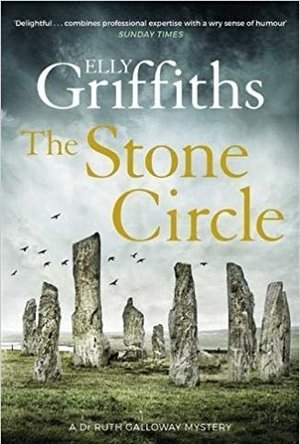
When DCI Nelson receives the letter, he's immediately transported back to twenty years ago, when young Lucy Downey went missing and the first letters began. Then, to ten years later, when they found the bones in the Saltmarsh. It was then that Ruth first came in to Nelson's life, when she was called to examine the bones. While the bones weren't related to Lucy, she also took a look at the letters. And, of course, became entwined in Nelson's life. During that time, another child died, and the killer drowned on the marshes. The letter writer, Erik Anderssen, Ruth's mentor, also died that night too. Now, Ruth is assisting with a new dig in the Saltmarsh in a stone circle--one with ties to Erik. While digging, they find recent bones believed to belong to Margaret Lacey, who went missing in 1981 at the age of twelve. As the the investigation into Margaret's case begins, it looks like it has ties to Nelson's earlier cases--the letters, the bones, the missing kids, and more. But that killer is dead--right?
"'He's back,' says Clough. 'Bollocks,' says Nelson. 'He's dead.'"
The wonderful Elly Griffiths brings us back to her first Ruth Galloway book, The Crossing Places in this, her eleventh Ruth story. Yet, the tale feels as fresh and intriguing as ever. I just love the Ruth Galloway series--the tone of these books is unlike almost any other. Ruth seems real to me by now, like an old friend, and don't even get me started on Nelson, our beloved, sarcastic, DCI. Griffiths has an amazing ability to characterize Ruth and Nelson (and the whole crew) and capture their own distinct voices. Her books are at turns funny, familiar, and sometimes heartbreaking as Ruth and Nelson try to navigate their own relationship--and the other relationships that may or may not keep them apart. Michelle, Nelson's wife, has her baby in this one (cliffhanger resolved), and there is progress made on other personal fronts as well.
It almost seems like icing on the cake that we are treated to an enjoyable mystery along with our lovely characters and just overall familiarity. I found the case in this one to be engrossing, especially with the ties back to the earlier book. (I highly recommend reading this series from the beginning--it's the best way to catch all the little nuances and bits of humor, but the book will stand alone.) Margaret's disappearance is interesting--and her story brings a whole new cast of characters, several of whom entwine with our usual suspects.
All in all, as always, another winner from Griffiths. I could read her books constantly, and I love Ruth and Nelson (and Kate, Ruth's seven-year-old) so dearly! They truly seem real to me. If you've been reading this series from book #1, you'll enjoy the usual humor (oh Nelson) and returning to our cast of characters. If you like a good mystery (with some archaeological flavor sprinkled in), you won't be disappointed either. 4.5 stars.
"'He's back,' says Clough. 'Bollocks,' says Nelson. 'He's dead.'"
The wonderful Elly Griffiths brings us back to her first Ruth Galloway book, The Crossing Places in this, her eleventh Ruth story. Yet, the tale feels as fresh and intriguing as ever. I just love the Ruth Galloway series--the tone of these books is unlike almost any other. Ruth seems real to me by now, like an old friend, and don't even get me started on Nelson, our beloved, sarcastic, DCI. Griffiths has an amazing ability to characterize Ruth and Nelson (and the whole crew) and capture their own distinct voices. Her books are at turns funny, familiar, and sometimes heartbreaking as Ruth and Nelson try to navigate their own relationship--and the other relationships that may or may not keep them apart. Michelle, Nelson's wife, has her baby in this one (cliffhanger resolved), and there is progress made on other personal fronts as well.
It almost seems like icing on the cake that we are treated to an enjoyable mystery along with our lovely characters and just overall familiarity. I found the case in this one to be engrossing, especially with the ties back to the earlier book. (I highly recommend reading this series from the beginning--it's the best way to catch all the little nuances and bits of humor, but the book will stand alone.) Margaret's disappearance is interesting--and her story brings a whole new cast of characters, several of whom entwine with our usual suspects.
All in all, as always, another winner from Griffiths. I could read her books constantly, and I love Ruth and Nelson (and Kate, Ruth's seven-year-old) so dearly! They truly seem real to me. If you've been reading this series from book #1, you'll enjoy the usual humor (oh Nelson) and returning to our cast of characters. If you like a good mystery (with some archaeological flavor sprinkled in), you won't be disappointed either. 4.5 stars.

Kara Skinner (332 KP) rated The Princess of Aenya in Books
Jul 20, 2020
Genre: Fantasy
My rating: 4 out of 5 stars
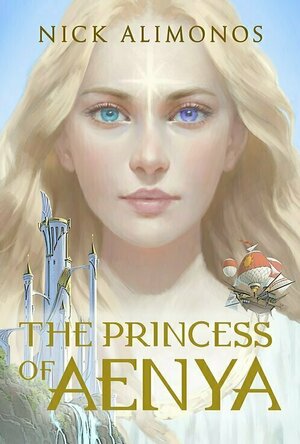
Princess Radia is struggling to rule Aenya, a once-mighty kingdom now all but cut off from the rest of the world. But her adopted brother, Zaibos, leader of Aenya’s army, rebels against her until she’s forced to go into hiding while he rules as a sadistic tyrant. Now Radia and her bodyguard Demacharon have to hide until they can take back Tyrnael. But Radia isn’t all that she seems. She might possess power greater than anything she or her allies imagined.
The Princess of Aenya by Nick Alimonos was a good book, but I think I would enjoy it more reading it a second time. From the beginning, there’s an onslaught of action and story coming from multiple characters at once. The main storyline follows Radia and Demacharon as they fight to survive. But Hugo and Esse, a soldier and a servant, are introduced, as well as Ugh, a Bogren, and Eros, an assassin hired to kill Radia.
Through alternating chapters, the reader has to follow all of these storylines before they eventually intertwine in the end of the book and, for me at least, this was difficult. Don’t get me wrong, I still enjoyed the individual storylines and characters.
Hugo and Esse deserve their own book. I would love for a companion novel to be made about them leading the rebellion in Tyrnael while Radia had to be in hiding. Esse was bred to be a servant, someone designed to not stand out or aspire to anything more than serving others. But she fought against that lifelong training to lead a rebellion against a sadistic tyrant. Before Zaibos, Tyrnael was at peace for a thousand years. No one had any experience protesting or rebelling because there wasn’t a need. But Esse stepped up and started to lead! Honestly, her story is just as fascinating as Radia’s, and a lot more relatable. I love stories about people who take their fate into their own hands so Esse’s story would be a great one.
I really liked Eros as well. He represents the dark side of Tyrnael. Just because there was peace doesn’t mean everyone was happy. Sexual intercourse is forbidden in Tyrnael. Eros was born from sexual intercourse so he and his mother were branded and ostracized. He was forced to become an assassin to support and protect his mother. Honestly, I wanted him to fail and succeed at the same time because succeeding meant killing Radia but it also meant the brand getting lifted from his mother.
However, while I enjoyed the characters and could follow and enjoy the plot overall, there’s still a lot I’m confused about. There are five storylines to juggle, six if you count Demarchon’s flashbacks. Not only are we following Radia, but we are also following Eros, Ugh, Esse, and Zaibos through their stories. It’s a lot to take in and keep straight.
The Princess of Aenya was an enjoyable read and the ending was satisfying. However, I would get a lot more out of the story if I reread it.
Get The Princess of Aenya on Amazon.
My rating: 4 out of 5 stars
Princess Radia is struggling to rule Aenya, a once-mighty kingdom now all but cut off from the rest of the world. But her adopted brother, Zaibos, leader of Aenya’s army, rebels against her until she’s forced to go into hiding while he rules as a sadistic tyrant. Now Radia and her bodyguard Demacharon have to hide until they can take back Tyrnael. But Radia isn’t all that she seems. She might possess power greater than anything she or her allies imagined.
The Princess of Aenya by Nick Alimonos was a good book, but I think I would enjoy it more reading it a second time. From the beginning, there’s an onslaught of action and story coming from multiple characters at once. The main storyline follows Radia and Demacharon as they fight to survive. But Hugo and Esse, a soldier and a servant, are introduced, as well as Ugh, a Bogren, and Eros, an assassin hired to kill Radia.
Through alternating chapters, the reader has to follow all of these storylines before they eventually intertwine in the end of the book and, for me at least, this was difficult. Don’t get me wrong, I still enjoyed the individual storylines and characters.
Hugo and Esse deserve their own book. I would love for a companion novel to be made about them leading the rebellion in Tyrnael while Radia had to be in hiding. Esse was bred to be a servant, someone designed to not stand out or aspire to anything more than serving others. But she fought against that lifelong training to lead a rebellion against a sadistic tyrant. Before Zaibos, Tyrnael was at peace for a thousand years. No one had any experience protesting or rebelling because there wasn’t a need. But Esse stepped up and started to lead! Honestly, her story is just as fascinating as Radia’s, and a lot more relatable. I love stories about people who take their fate into their own hands so Esse’s story would be a great one.
I really liked Eros as well. He represents the dark side of Tyrnael. Just because there was peace doesn’t mean everyone was happy. Sexual intercourse is forbidden in Tyrnael. Eros was born from sexual intercourse so he and his mother were branded and ostracized. He was forced to become an assassin to support and protect his mother. Honestly, I wanted him to fail and succeed at the same time because succeeding meant killing Radia but it also meant the brand getting lifted from his mother.
However, while I enjoyed the characters and could follow and enjoy the plot overall, there’s still a lot I’m confused about. There are five storylines to juggle, six if you count Demarchon’s flashbacks. Not only are we following Radia, but we are also following Eros, Ugh, Esse, and Zaibos through their stories. It’s a lot to take in and keep straight.
The Princess of Aenya was an enjoyable read and the ending was satisfying. However, I would get a lot more out of the story if I reread it.
Get The Princess of Aenya on Amazon.

Lottie disney bookworm (1056 KP) rated Wendy, Darling in Books
Jun 17, 2021
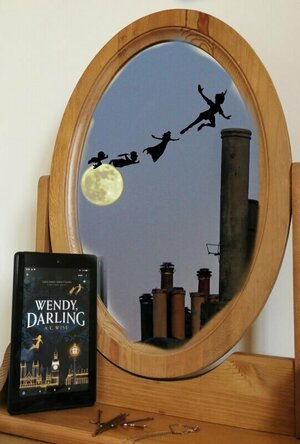
Have you ever wondered what happened when Wendy, John and Michael returned from Neverland? Wendy, Darling by A. C Wise is about to reveal all, but let me warn you, it is far from a fairytale!
Life post-Neverland for the Darling children has been difficult to say the least. Upon their return Wendy was struck with a serious fever, their parents were casualties of the Titanic, Michael has recently returned from WWI with his own ghosts and John has financial struggles. However, from Wendy's perspective, these all pale in comparison: John and Michael have done the worst thing imaginable they have forgotten Neverland!
Wendy's refusal to let go of Neverland and her dogged determination to make her brothers remember their adventures causes great friction within the Darling family. Wendy finds herself labelled as a hysterical woman and is even confined to an asylum after raging at her siblings.
This is just one of the methods Wise uses to address the misogyny of the original Peter Pan story and it is a particularly harrowing one: the abuse Wendy faces at the hands of her "carers" is brutal and unforgiving in its detail. To everyone surrounding her, Neverland is Wendy's sickness, an imaginery world that she is hiding behind. However, several years after her release from St Bernadettes, Neverland still lives on in Wendy's memories and now it is catching up with her. Now Peter is flying out of her window again... with Wendy's daughter Jane in tow!
Wendy returns to a very different Neverland to that which she left. Although the island always seemed to play to Peter's every whim this time there is a dark, evil edge to it. Wise really plays on the fact that everyone idolised Peter in the original fairytale but this Peter has a barbaric, sinister personality along with a dangerous secret. Can Wendy rescue her daughter from the boy she used to worship? One thing is for sure, they're not playing a game anymore!
A. C Wise's writing almost hypnotises the reader, flitting between characters and time periods with ease without losing our interest. The undercurrent of a locked-away secret and the juxtaposition between Barrie/Disney's Neverland and Wise's makes this a real page turner.
Wendy herself is a flawed heroine but in my opinion that is the best kind. She has overcome so much loss and trauma and, although she still feels the pull of Neverland, she finds that motherhood has a much stronger claim on her heart and can provide her with so much more power than she ever imagined.
Wendy, Darling is an unflinching retelling of Peter Pan with a feminist edge. A. C Wise kidnaps and transports her readers to a dark and ominous Neverland which harbours a monstrous secret. Wendy and her daughter are on an adventure of fear, loss and grief. There is no make-believe in this fantasy land.
Thank you to Netgalley and Titan Books for the opportunity to read this e-ARC in exchange for an honest review. Wendy, Darling comes with trigger warnings for kidnap, death, trauma and abuse.
Life post-Neverland for the Darling children has been difficult to say the least. Upon their return Wendy was struck with a serious fever, their parents were casualties of the Titanic, Michael has recently returned from WWI with his own ghosts and John has financial struggles. However, from Wendy's perspective, these all pale in comparison: John and Michael have done the worst thing imaginable they have forgotten Neverland!
Wendy's refusal to let go of Neverland and her dogged determination to make her brothers remember their adventures causes great friction within the Darling family. Wendy finds herself labelled as a hysterical woman and is even confined to an asylum after raging at her siblings.
This is just one of the methods Wise uses to address the misogyny of the original Peter Pan story and it is a particularly harrowing one: the abuse Wendy faces at the hands of her "carers" is brutal and unforgiving in its detail. To everyone surrounding her, Neverland is Wendy's sickness, an imaginery world that she is hiding behind. However, several years after her release from St Bernadettes, Neverland still lives on in Wendy's memories and now it is catching up with her. Now Peter is flying out of her window again... with Wendy's daughter Jane in tow!
Wendy returns to a very different Neverland to that which she left. Although the island always seemed to play to Peter's every whim this time there is a dark, evil edge to it. Wise really plays on the fact that everyone idolised Peter in the original fairytale but this Peter has a barbaric, sinister personality along with a dangerous secret. Can Wendy rescue her daughter from the boy she used to worship? One thing is for sure, they're not playing a game anymore!
A. C Wise's writing almost hypnotises the reader, flitting between characters and time periods with ease without losing our interest. The undercurrent of a locked-away secret and the juxtaposition between Barrie/Disney's Neverland and Wise's makes this a real page turner.
Wendy herself is a flawed heroine but in my opinion that is the best kind. She has overcome so much loss and trauma and, although she still feels the pull of Neverland, she finds that motherhood has a much stronger claim on her heart and can provide her with so much more power than she ever imagined.
Wendy, Darling is an unflinching retelling of Peter Pan with a feminist edge. A. C Wise kidnaps and transports her readers to a dark and ominous Neverland which harbours a monstrous secret. Wendy and her daughter are on an adventure of fear, loss and grief. There is no make-believe in this fantasy land.
Thank you to Netgalley and Titan Books for the opportunity to read this e-ARC in exchange for an honest review. Wendy, Darling comes with trigger warnings for kidnap, death, trauma and abuse.

Ghost Capture
Photo & Video and Entertainment
App
Ghosts Don't Exist Presents "Ghost Capture" ***NOW WITH 40 TOTAL GHOSTS!! DON'T FORGET TO SUBMIT...
The Extraordinary Leader: Turning Good Managers into Great Leaders by John Zenger & Joseph Folkman
Business and Book
4.0 Rate It
App
This free sample contains the first chapter and access to the full book requires an in-app purchase...

Darren (1599 KP) rated American Graffiti (1973) in Movies
Nov 21, 2019
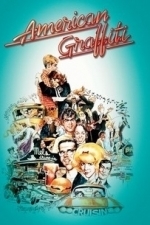
Thoughts on American Graffiti
Characters – Curt has always enjoyed his time on the strip, he knows everybody and is one of the most popular guys around, he was due to head of the college, but hasn’t made his mind up yet, despite it needing to be read for his next day, he ends up trying to spend his time chasing a mysterious woman around town all night. Steve has always planned his life out, he is going off to college and he is ready to make his relationship more open while they are separated, here he gets to learn about his relationship even if his best friend might not be joining him in college. John is the friend that has always been known for his ability with cars, he has a reputation around town with the police following him around and now he is starting to see the future where his friends are doing a lot more than him and gets stuck with a younger girl for the night, where he starts to see a brighter side to his future. Terry has always been the butt of most of the jokes between the friends, now he gets Steve’s car to look after he spends the night trying to find himself a woman and impress her with his lines.
Performances – When we look at the cast, Richard Dreyfuss is great through the film showing us a character that can get plenty of laughs and is quick on his feet. Ron Howard brings the character we know him for is always going to be easy for him to play. Paul Le Mat brings the typical bad boy to life that does show how he bought us a level of sympathy to the character. Charles Martin Smith brings the geeky sounding character out which become one of the most popular characters in these teen comedies for years to come.
Story – The story here follows four friends on the last day of summer before college is due to start, we see how the four have a different adventure on this night, which will help them discover what they want next in their lives. This is a story that shows just how difficult life is when you take the next step, leaving school is one of the first and biggest anybody will take, with the uncertainty being there for everybody involved, part of you will want to stay close to what you already had, while other sides of this will see you wanting to see what is next. This story mixes all of this together through the film with little effort and makes you believe these people could be real, while certain aspects will have dated here, with a new generation, back n the 1970s this would have been the idea of the house party in the 80s or 90s and wild adventure the modern youth would be having.
Comedy – The comedy in this film would be right up there with any teen comedies, it would have gotten more laughs for when it was released, rather than the ones you would expect to see now.
Settings – The film is set in one hang out location known as the strip, this will be the location where we get all the hang outs you would expect for teens in this generation.
Scene of the Movie – Terry’s attempts to get boozes.
That Moment That Annoyed Me – The world involved does seem to have dated.
Final Thoughts – This is a wonderful look at teenage life in the 70s it shows us just how close the friendships were, how hard the changes coming were and just what was left for the people in life.
Overall: Beautiful Look at the 70s.
Rating
Characters – Curt has always enjoyed his time on the strip, he knows everybody and is one of the most popular guys around, he was due to head of the college, but hasn’t made his mind up yet, despite it needing to be read for his next day, he ends up trying to spend his time chasing a mysterious woman around town all night. Steve has always planned his life out, he is going off to college and he is ready to make his relationship more open while they are separated, here he gets to learn about his relationship even if his best friend might not be joining him in college. John is the friend that has always been known for his ability with cars, he has a reputation around town with the police following him around and now he is starting to see the future where his friends are doing a lot more than him and gets stuck with a younger girl for the night, where he starts to see a brighter side to his future. Terry has always been the butt of most of the jokes between the friends, now he gets Steve’s car to look after he spends the night trying to find himself a woman and impress her with his lines.
Performances – When we look at the cast, Richard Dreyfuss is great through the film showing us a character that can get plenty of laughs and is quick on his feet. Ron Howard brings the character we know him for is always going to be easy for him to play. Paul Le Mat brings the typical bad boy to life that does show how he bought us a level of sympathy to the character. Charles Martin Smith brings the geeky sounding character out which become one of the most popular characters in these teen comedies for years to come.
Story – The story here follows four friends on the last day of summer before college is due to start, we see how the four have a different adventure on this night, which will help them discover what they want next in their lives. This is a story that shows just how difficult life is when you take the next step, leaving school is one of the first and biggest anybody will take, with the uncertainty being there for everybody involved, part of you will want to stay close to what you already had, while other sides of this will see you wanting to see what is next. This story mixes all of this together through the film with little effort and makes you believe these people could be real, while certain aspects will have dated here, with a new generation, back n the 1970s this would have been the idea of the house party in the 80s or 90s and wild adventure the modern youth would be having.
Comedy – The comedy in this film would be right up there with any teen comedies, it would have gotten more laughs for when it was released, rather than the ones you would expect to see now.
Settings – The film is set in one hang out location known as the strip, this will be the location where we get all the hang outs you would expect for teens in this generation.
Scene of the Movie – Terry’s attempts to get boozes.
That Moment That Annoyed Me – The world involved does seem to have dated.
Final Thoughts – This is a wonderful look at teenage life in the 70s it shows us just how close the friendships were, how hard the changes coming were and just what was left for the people in life.
Overall: Beautiful Look at the 70s.
Rating

BankofMarquis (1832 KP) rated The Green Knight (2020) in Movies
Aug 6, 2021
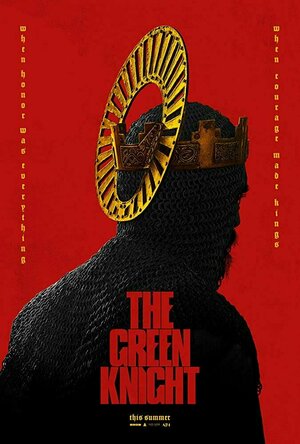

Interesting...Intriguing...and Weird
You have 2 choices when choosing to view the Arthurian tale THE GREEN KNIGHT.
1). Brush up on the 14th Century tale (writer unknown) about Sir Gawain (of Knights of the Round Table fame) and The Green Knight
2). Go in “blind” and let the film wash over you.
I did #2 and while I got the “gist” of what was going on, I missed some of the subtleties (or the attempted subtleties) that I now know since I went on-line and brushed up on the story/poem (no, I did not read the 14th century poem - a google search synopsis of plot of the poem was sufficient).
Starring Dev Patel (more on him later) THE GREEN KNIGHT tells the story of a would-be Knight of the Round Table, Gawain, who accepts a challenge of THE GREEN KNIGHT and now must stand up to the consequence of his deeds while heading off on a quest.
Dev Patel (SLUMDOG MILLIONAIRE) has really grown into a fine actor and he is perfectly cast as the courage-challenged Gawain. He walks through this film with a slight look of fear in his eyes and I was finding myself yelling at him (in my head) to “stand up and do what’s right” (which is the point of the film/story) when he would make the wrong decision.
Alicia Vikander (who I have not seen on screen since 2018’s TOMB RAIDER) and Joel Edgerton (LOVING) are 2 of the people that Gawain meets along the way and they bring strength and star power to the middle part of this film - they came along at an opportune time, for this film was beginning to sag under it’s own weight at that point, but these 2 help propel Gawain (and the film) to the climax.
Director David Lowery (A GHOST STORY) has crafted a fantastical film that reminded me very much of the work of Terry Gilliam - and I mean that as a compliment. He heightens every scene with imagery that’s just “off” (again, I mean that as a compliment) that symbolizes the “quest” that Gawain is on.
He also does something that will either encourage or discourage a viewer (and that is the strength and weakness of this film) - he explains nothing.
For example…at the beginning, Gawain is sitting at a round table with a King and Queen and a bunch of other Knights (or would be Knights). One would assume that this is King Arthur, Guinevere and the Knights of the Round Table, but Lowery never calls them by name. “The King” pulls out his sword and hands it to Gawain for his contest with the Green Knight. The crowd reacts with gasps - one would assume that this is the fable sword Excaliber, but it is never stated.
So…knowing these things (and some of the other aspects of the Gawain) story, might further enrich this experience, but Lowery chooses to not spoon feed the audience and since I did not really know the Gawain story, I just sat back and enjoyed the quest, the imagery, the weirdness (and there is some VERY weird moments - I still don’t know what to make of the scene with the Giants) and was rewarded with a film experience that is rare nowadays, one that just unfurls without telescoping what is happening or what is to come.
This film is not for everyone - it does have a rather languid pace to it - but for those of you that can sit in the stillness, marvel at the imagery and revel in the weirdness/unknown, then THE GREEN KNIGHT is, ultimately, a rewarding film experience - one that (now that I know the story) am eager to revisit.
Letter Grade: B
7 Stars (out of 10) and you can take that to the Bank(ofMarquis)
1). Brush up on the 14th Century tale (writer unknown) about Sir Gawain (of Knights of the Round Table fame) and The Green Knight
2). Go in “blind” and let the film wash over you.
I did #2 and while I got the “gist” of what was going on, I missed some of the subtleties (or the attempted subtleties) that I now know since I went on-line and brushed up on the story/poem (no, I did not read the 14th century poem - a google search synopsis of plot of the poem was sufficient).
Starring Dev Patel (more on him later) THE GREEN KNIGHT tells the story of a would-be Knight of the Round Table, Gawain, who accepts a challenge of THE GREEN KNIGHT and now must stand up to the consequence of his deeds while heading off on a quest.
Dev Patel (SLUMDOG MILLIONAIRE) has really grown into a fine actor and he is perfectly cast as the courage-challenged Gawain. He walks through this film with a slight look of fear in his eyes and I was finding myself yelling at him (in my head) to “stand up and do what’s right” (which is the point of the film/story) when he would make the wrong decision.
Alicia Vikander (who I have not seen on screen since 2018’s TOMB RAIDER) and Joel Edgerton (LOVING) are 2 of the people that Gawain meets along the way and they bring strength and star power to the middle part of this film - they came along at an opportune time, for this film was beginning to sag under it’s own weight at that point, but these 2 help propel Gawain (and the film) to the climax.
Director David Lowery (A GHOST STORY) has crafted a fantastical film that reminded me very much of the work of Terry Gilliam - and I mean that as a compliment. He heightens every scene with imagery that’s just “off” (again, I mean that as a compliment) that symbolizes the “quest” that Gawain is on.
He also does something that will either encourage or discourage a viewer (and that is the strength and weakness of this film) - he explains nothing.
For example…at the beginning, Gawain is sitting at a round table with a King and Queen and a bunch of other Knights (or would be Knights). One would assume that this is King Arthur, Guinevere and the Knights of the Round Table, but Lowery never calls them by name. “The King” pulls out his sword and hands it to Gawain for his contest with the Green Knight. The crowd reacts with gasps - one would assume that this is the fable sword Excaliber, but it is never stated.
So…knowing these things (and some of the other aspects of the Gawain) story, might further enrich this experience, but Lowery chooses to not spoon feed the audience and since I did not really know the Gawain story, I just sat back and enjoyed the quest, the imagery, the weirdness (and there is some VERY weird moments - I still don’t know what to make of the scene with the Giants) and was rewarded with a film experience that is rare nowadays, one that just unfurls without telescoping what is happening or what is to come.
This film is not for everyone - it does have a rather languid pace to it - but for those of you that can sit in the stillness, marvel at the imagery and revel in the weirdness/unknown, then THE GREEN KNIGHT is, ultimately, a rewarding film experience - one that (now that I know the story) am eager to revisit.
Letter Grade: B
7 Stars (out of 10) and you can take that to the Bank(ofMarquis)

Hazel (1853 KP) rated Small Great Things in Books
May 24, 2017
Small is an Understatement
Jodi Picoult has been my favourite author since I first came across her novels in 2008. With twenty-three novels under her belt, she continues to delight readers with her page-turning stories. Most of Picoult’s books contain a moral issue, often, but not always, in the form of medical ethics, as well as a hefty court case. Although following along similar lines, Small Great Things is a radical, revolutionary book, which, with great courage, Picoult has written with the intent to expose the reader to truths that most of us, as a society, are intentionally oblivious to.
The gist of the storyline is that a baby dies whilst under the care of a nurse, prompting the grieving parents to take her to court with the accusation of murder. Although that sounds like an interesting story, it barely begins to describe what the book is about. The character on trial, Ruth, is an African American labour and delivery nurse – something that in this day and age need not by an issue. On the other hand, the parents of the baby are White Supremacists: seriously racist with the belief that white people are the master race. The father, Turk, refuses to let his wife and child be treated by Ruth, however circumstances result in her being the only nurse available to watch Davis, when, unfortunately, he so happens to go into cardiac arrest. Although the reader knows that Ruth is not at fault, Turk insists she murdered his child – but is he accusing her of medical negligence, or punishing her for being black?
Three characters, all with different views and experience when it comes to racism, alternately narrate Small Great Things. Ruth and Turk represent the extremes at either side of the scale. Ruth experiences first hand the negative impact of prejudice in the American system and society, not only through this court case, but in everyday life as well. She also reveals the difficulties growing up in a predominately white environment, never feeling like she fitted in with her peers. Alternatively, Turk spent his teenage years attending KKK rallies, participating in a white power movement, and beating up anyone who was different: black, foreign, gay, Jewish and so forth.
The third character represents the majority of white people living in America. Kennedy is a public defender and the lawyer assigned to Ruth’s case. Like most of the population, she believes that she is not racist, and persuades Ruth to leave the colour of her skin out of the argument. However, as she gets to know her client, she begins to realize that it is nigh on impossible to ignore racial prejudice.
Picoult shocks the reader on two accounts: one, the way that people of colour have been, and still are, treated; and two, the revelation that an invisible empire of White Supremacists are living amongst us. Yet there is a third way in which Picoult provokes outrage – she indirectly accuses the reader of being racist, too.
There is always something to learn in a Jodi Picoult novel, for instance medical terminology, or the way in which a court trial is conducted. Small Great Things provides a lot more eye opening information than any of her previous books, unveiling facts about such a controversial subject.
Through Kennedy, the reader’s eyes are opened to the racial discrimination that we all turn a blind eye to. Ignored are the difficulties African Americans suffer when going shopping, applying for jobs, attending school, walking down the street, sitting on a bus, and so forth. Picoult asks me as a reader to think about how my life has been affected by racial discrimination: being served politely in shops because I am white, not having my ethnicity questioned when applying for college etc. Living in Britain I have not experienced openly hateful comments or behaviours towards people with a different skin tone – I used to believe this was primarily an American problem. Yet, Small Great Things has really made me think about the hierarchy of power within society, particularly in regards to the ethnicity of those at the top, compared with those at the bottom.
Jodi Picoult sat on the idea of writing a book about racism for well over a decade, yet it is particularly apt that it is published now, with the current predicaments America is facing. Although we have come a long way in attempts to achieve equality for all – compare the trial in To Kill A Mockingbird to Picoult’s version – recent events have revealed that we are no where near.
Small Great Things will shock everyone who reads it regardless of their ethnicity and so forth. Many may find it uncomfortable to read, become upset or outraged, and even feel like they are being directly targeted. If this is the case, then good – it should do that. Everyone needs to read this book. On the one hand it is a brilliant, well told story with a beautiful, almost poetic narrative, and on the other, it causes us to face up to the issues we are forever making light of or overlooking entirely. We have grown up believing that racism is a form of hatred when, actually, it is about power. However Small Great Things makes you feel, it is definitely worth reading, especially for the satisfying ending – one that you do not see coming.
The gist of the storyline is that a baby dies whilst under the care of a nurse, prompting the grieving parents to take her to court with the accusation of murder. Although that sounds like an interesting story, it barely begins to describe what the book is about. The character on trial, Ruth, is an African American labour and delivery nurse – something that in this day and age need not by an issue. On the other hand, the parents of the baby are White Supremacists: seriously racist with the belief that white people are the master race. The father, Turk, refuses to let his wife and child be treated by Ruth, however circumstances result in her being the only nurse available to watch Davis, when, unfortunately, he so happens to go into cardiac arrest. Although the reader knows that Ruth is not at fault, Turk insists she murdered his child – but is he accusing her of medical negligence, or punishing her for being black?
Three characters, all with different views and experience when it comes to racism, alternately narrate Small Great Things. Ruth and Turk represent the extremes at either side of the scale. Ruth experiences first hand the negative impact of prejudice in the American system and society, not only through this court case, but in everyday life as well. She also reveals the difficulties growing up in a predominately white environment, never feeling like she fitted in with her peers. Alternatively, Turk spent his teenage years attending KKK rallies, participating in a white power movement, and beating up anyone who was different: black, foreign, gay, Jewish and so forth.
The third character represents the majority of white people living in America. Kennedy is a public defender and the lawyer assigned to Ruth’s case. Like most of the population, she believes that she is not racist, and persuades Ruth to leave the colour of her skin out of the argument. However, as she gets to know her client, she begins to realize that it is nigh on impossible to ignore racial prejudice.
Picoult shocks the reader on two accounts: one, the way that people of colour have been, and still are, treated; and two, the revelation that an invisible empire of White Supremacists are living amongst us. Yet there is a third way in which Picoult provokes outrage – she indirectly accuses the reader of being racist, too.
There is always something to learn in a Jodi Picoult novel, for instance medical terminology, or the way in which a court trial is conducted. Small Great Things provides a lot more eye opening information than any of her previous books, unveiling facts about such a controversial subject.
Through Kennedy, the reader’s eyes are opened to the racial discrimination that we all turn a blind eye to. Ignored are the difficulties African Americans suffer when going shopping, applying for jobs, attending school, walking down the street, sitting on a bus, and so forth. Picoult asks me as a reader to think about how my life has been affected by racial discrimination: being served politely in shops because I am white, not having my ethnicity questioned when applying for college etc. Living in Britain I have not experienced openly hateful comments or behaviours towards people with a different skin tone – I used to believe this was primarily an American problem. Yet, Small Great Things has really made me think about the hierarchy of power within society, particularly in regards to the ethnicity of those at the top, compared with those at the bottom.
Jodi Picoult sat on the idea of writing a book about racism for well over a decade, yet it is particularly apt that it is published now, with the current predicaments America is facing. Although we have come a long way in attempts to achieve equality for all – compare the trial in To Kill A Mockingbird to Picoult’s version – recent events have revealed that we are no where near.
Small Great Things will shock everyone who reads it regardless of their ethnicity and so forth. Many may find it uncomfortable to read, become upset or outraged, and even feel like they are being directly targeted. If this is the case, then good – it should do that. Everyone needs to read this book. On the one hand it is a brilliant, well told story with a beautiful, almost poetic narrative, and on the other, it causes us to face up to the issues we are forever making light of or overlooking entirely. We have grown up believing that racism is a form of hatred when, actually, it is about power. However Small Great Things makes you feel, it is definitely worth reading, especially for the satisfying ending – one that you do not see coming.