
Search
Search results

Ivana A. | Diary of Difference (1171 KP) rated Reverie in Books
Oct 5, 2020

I wanted to love Reverie by Ryan La Sala so much!
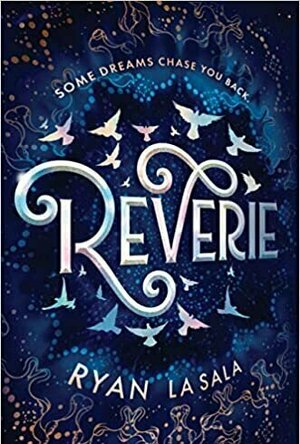
Reverie has a wonderful cover that draws you in immediately. The plot mentions a boy and a fantasy world that revolves around dreams. Everything I hoped this book would be – it wasn’t.
Kane is a gay teenager who is trying to pick up the pieces of his life back together after an attack leaves him with no memories of the past. He is in the search of who he is and who he was, and he discovers an alternate reality that he was involved in.
Reveries are worlds born from a person’s private fantasies, and once they manifest they can only be unraveled by bringing their conflicts to a resolution. Reveries have rules and plots, magic and monsters – anything you could wish for. And one wrong step can twist the entire thing into a lethal nightmare maze.
Sounds complicated already?
What if I told you that this is only from the blurb and the book doesn’t really explain these things at all?
Kane is an unraveler, together with The Others. Or at least he was, until one of The Others purged Kane of his memories. And here we are now, with Kane trying to solve the mystery and fight against evil.
I jumped into this book very eagerly, and was disappointing immediately, within the first couple of pages. The reveries and their whole concept were quite confusing, to the point of me not knowing whether the characters are now in a reverie, or in their real world.
Reverie had an amazing concept and it could’ve been done way better than this. I am just disappointed. It all seemed a bit messy and felt like it wasn’t thought through…
I didn’t connect with any of the characters, except for Kane, for the below reasons. And that was it… I didn’t care about any of the others, and there were quite a few characters.
One thing that annoyed me about Reverie, was the exaggeration of the #OwnVoices.
I am not against it, on the contrary! I love equality and I love diversity, and I share love everywhere and to everyone, and if you know me in real life, you will know this about me. We are all equal and different at the same time, and that is the unique thing that connects us all.
However, this book keeps mentioning that Kane is gay. And Kane is a lovely character. He is smart and he is brave. His memories were lost and is desperately trying to find out who he is, who he was, who are his true friends, who is good and who is evil. He doesn’t take for granted on what people tell him. He is AMAZING. Kane was so much more than just gay. But the author kept trying so hard to put an #OwnVoices hashtag on this book, that is was quite aggressive and off-putting. I love books that feature #OwnVoices, but Ryan, please – a little bit of modesty would’ve been nice.
I keep feeling this pressure of trying to write a book review that will not offend anyone, and I don’t mean to offend anyone, but I need to say that sometimes, there can be such a thing as “too much OwnVoicing” in a book. And we shouldn’t be afraid to point it out!
I am really sad about this one, guys. Honestly, I expected it to love it so bad, and now I feel down. I wouldn’t recommend it, but if you think you will love it, please pick it up. You are valid!
Reverie has a wonderful cover that draws you in immediately. The plot mentions a boy and a fantasy world that revolves around dreams. Everything I hoped this book would be – it wasn’t.
Kane is a gay teenager who is trying to pick up the pieces of his life back together after an attack leaves him with no memories of the past. He is in the search of who he is and who he was, and he discovers an alternate reality that he was involved in.
Reveries are worlds born from a person’s private fantasies, and once they manifest they can only be unraveled by bringing their conflicts to a resolution. Reveries have rules and plots, magic and monsters – anything you could wish for. And one wrong step can twist the entire thing into a lethal nightmare maze.
Sounds complicated already?
What if I told you that this is only from the blurb and the book doesn’t really explain these things at all?
Kane is an unraveler, together with The Others. Or at least he was, until one of The Others purged Kane of his memories. And here we are now, with Kane trying to solve the mystery and fight against evil.
I jumped into this book very eagerly, and was disappointing immediately, within the first couple of pages. The reveries and their whole concept were quite confusing, to the point of me not knowing whether the characters are now in a reverie, or in their real world.
Reverie had an amazing concept and it could’ve been done way better than this. I am just disappointed. It all seemed a bit messy and felt like it wasn’t thought through…
I didn’t connect with any of the characters, except for Kane, for the below reasons. And that was it… I didn’t care about any of the others, and there were quite a few characters.
One thing that annoyed me about Reverie, was the exaggeration of the #OwnVoices.
I am not against it, on the contrary! I love equality and I love diversity, and I share love everywhere and to everyone, and if you know me in real life, you will know this about me. We are all equal and different at the same time, and that is the unique thing that connects us all.
However, this book keeps mentioning that Kane is gay. And Kane is a lovely character. He is smart and he is brave. His memories were lost and is desperately trying to find out who he is, who he was, who are his true friends, who is good and who is evil. He doesn’t take for granted on what people tell him. He is AMAZING. Kane was so much more than just gay. But the author kept trying so hard to put an #OwnVoices hashtag on this book, that is was quite aggressive and off-putting. I love books that feature #OwnVoices, but Ryan, please – a little bit of modesty would’ve been nice.
I keep feeling this pressure of trying to write a book review that will not offend anyone, and I don’t mean to offend anyone, but I need to say that sometimes, there can be such a thing as “too much OwnVoicing” in a book. And we shouldn’t be afraid to point it out!
I am really sad about this one, guys. Honestly, I expected it to love it so bad, and now I feel down. I wouldn’t recommend it, but if you think you will love it, please pick it up. You are valid!

Sarah (7800 KP) rated Spree (2020) in Movies
Jan 24, 2021

Different
In a world filled with YouTubers and social media influencers, it was inevitable that eventually we’d get a film shot in the style of a social media stream. We’ve seen similar with films like Unfriended and Searching, taking on the likes of social media whilst shot entirely from a webcam. However Spree is the first that I’ve seen that takes on social media almost entirely from live streaming or go pro recordings, and overall it’s a pretty decent attempt.
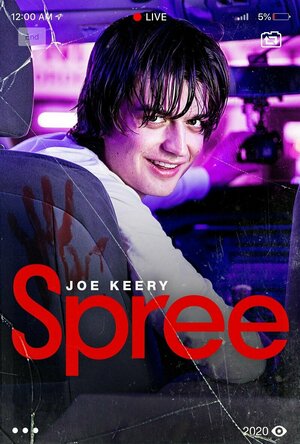
Spree is a 2020 comedy horror film starring Joe Keery as Kurt Kunkle, a failing social media influencer who works as a driver for a rideshare app called Spree. Fed up of his lack of viewers, Kurt decides to fit out his car with cameras and livestream “The Lesson”, where he instructs viewers on how to become famous on social media while picking up passengers and murdering them. One of the passengers he lets go is comedian Jessie Adams (Sasheer Zamata), a star and social media success who Kurt becomes obsessed with over the course of his murderous evening.
Spree is definitely a fun film. The comedic horror style works very well, especially in the first half although later on it does make way for a more serious side. There’s a decent amount of blood and gore too and it has a wonderfully cheesy B-movie vibe about it. What makes Spree so fun though is Joe Keery. His performance as an influencer is entirely believable and it’s his charisma and baby-faced innocence that makes this film watchable. He spends the entirety of the film like he’s high and hyped up on energy drinks and while this does make his performance a little over the top, this is exactly what Spree needs. David Arquette as Kurt’s dad also brings a lot of fun although his screen time is sadly lacking.
Despite Spree’s dark comedic feel, there’s a more serious story and commentary underlying this film. It might look as though it’s making light of social media influencers, but actually it’s making a rather serious point of the pressures and negatives of the constant need influencers have to be liked and obtain more followers. Kurt’s story is rather sad, and even the other characters like Jessie are shown to have their own stories but still stuck in the same social media behaviour. The live streams used to shoot most of this film, with the likes and comments from viewers, emphasise the pitfalls and real life issues with social media.
Admittedly this live stream method does get a little thin by the end of the 90 minute run time, and after the initial few murders, it’s only Keery’s performance that holds the film up to the end. It isn’t helped that aside from Kurt, none of his victims are particularly likeable and it makes them very difficult to relate to or care about. And this also goes for Jessie who despite her heroine status, becomes unlikeable due to how she too bows to the pressure of social media.
I’m not a fan of the YouTube and influencer revolution, so for me Spree was an interesting take on this and social media in general. It has a good point to make and a serious message, although this may be overshadowed by the dark comedy and horror. With a great turn from Joe Keery, it’s a fun film but not entirely memorable.
Spree is a 2020 comedy horror film starring Joe Keery as Kurt Kunkle, a failing social media influencer who works as a driver for a rideshare app called Spree. Fed up of his lack of viewers, Kurt decides to fit out his car with cameras and livestream “The Lesson”, where he instructs viewers on how to become famous on social media while picking up passengers and murdering them. One of the passengers he lets go is comedian Jessie Adams (Sasheer Zamata), a star and social media success who Kurt becomes obsessed with over the course of his murderous evening.
Spree is definitely a fun film. The comedic horror style works very well, especially in the first half although later on it does make way for a more serious side. There’s a decent amount of blood and gore too and it has a wonderfully cheesy B-movie vibe about it. What makes Spree so fun though is Joe Keery. His performance as an influencer is entirely believable and it’s his charisma and baby-faced innocence that makes this film watchable. He spends the entirety of the film like he’s high and hyped up on energy drinks and while this does make his performance a little over the top, this is exactly what Spree needs. David Arquette as Kurt’s dad also brings a lot of fun although his screen time is sadly lacking.
Despite Spree’s dark comedic feel, there’s a more serious story and commentary underlying this film. It might look as though it’s making light of social media influencers, but actually it’s making a rather serious point of the pressures and negatives of the constant need influencers have to be liked and obtain more followers. Kurt’s story is rather sad, and even the other characters like Jessie are shown to have their own stories but still stuck in the same social media behaviour. The live streams used to shoot most of this film, with the likes and comments from viewers, emphasise the pitfalls and real life issues with social media.
Admittedly this live stream method does get a little thin by the end of the 90 minute run time, and after the initial few murders, it’s only Keery’s performance that holds the film up to the end. It isn’t helped that aside from Kurt, none of his victims are particularly likeable and it makes them very difficult to relate to or care about. And this also goes for Jessie who despite her heroine status, becomes unlikeable due to how she too bows to the pressure of social media.
I’m not a fan of the YouTube and influencer revolution, so for me Spree was an interesting take on this and social media in general. It has a good point to make and a serious message, although this may be overshadowed by the dark comedy and horror. With a great turn from Joe Keery, it’s a fun film but not entirely memorable.

Eleanor Luhar (47 KP) rated Whisper to Me in Books
Jun 24, 2019



This book is fantastic. I know it sounds cheesy, but I literally could not put it down.
The plot isn't just one simple story line; it's twists and turns and ups and downs all over the place. Cass is writing to someone - who is never named, actually - recapping events. The style means that she can switch from talking about the past to describing her current situation and feelings, in the present. She's able to reflect on the past, add a whole new level to the story. I loved it. And when "you" are in the story, she describes you but also skips the mundane details that you would already know, keeping the story really interesting. It really sounded like she was writing to someone.
Cass's letter/email is an apology, an explanation, for hurting someone. She acknowledges this right from the start, but it takes a long, long time to get into what really happened. Not in a boring, dragged-out way, but in a suspenseful way. Constantly, I wanted to know what she was referring to, what had happened to require the writing of this email.
So the plot is, as I said, not a straight line at all. But some important things are:
Cass starts to hear a voice. A voice that's not there, not really.
Cass meets "you" and the voice is quiet and everything is great. But things go wrong. Things go so, so wrong.
Cass's dad has issues - untreated PTSD from serving as a MARINE.
Cass has some, uh, unacknowledged issues caused by the death of her mother.
Cass meets Paris. Paris is sunshine and love and happiness.
There's a serial killer on the loose.
As you can see, there is a lot going on in this book. I won't tell you how all the things link together, but it's so clever. And oh, so heartbreaking.
Let's just say that you know it's coming - you can tell by Cass's choice of language that something is going to happen - but you still hope for some miracle.
Leading on from that last point, the characters are fantastic. Paris is honestly just amazing; I really fell in love with her. Probably more than Cass's actual love interest. Oops. And Cass's dad is so complex, clearly struggling with some stuff, and although he does wrong and he gets angry and he scares Cass sometimes you don't hate him, not really, and neither does Cass. He's her dad and she loves him, and he's trying his best and I could really feel that.
Some books really do just click with you, and this was one of those for me. I made excuses to read for longer than planned, stayed up later. It was lovely to have that excitement back when reading, even if I do feel kind of sad and empty now it's finished.
Part of me wants some kind of follow-up, but I also know that that would kind of ruin the whole mysterious, imaginative element that the ending leaves. I don't know.
I would completely definitely certainly recommend it. It covers so much - mental illnesses and single parents and love and death and sex workers and just so many different aspects of life that you maybe wouldn't expect to find thrown together into one book. But Cass doesn't seem crazy, isn't made out to be some kind of mental patient. And no single theme dominates the story - this isn't just about love, or just about murder. It's about life.
Definitely 5 stars. I adored this book.
The plot isn't just one simple story line; it's twists and turns and ups and downs all over the place. Cass is writing to someone - who is never named, actually - recapping events. The style means that she can switch from talking about the past to describing her current situation and feelings, in the present. She's able to reflect on the past, add a whole new level to the story. I loved it. And when "you" are in the story, she describes you but also skips the mundane details that you would already know, keeping the story really interesting. It really sounded like she was writing to someone.
Cass's letter/email is an apology, an explanation, for hurting someone. She acknowledges this right from the start, but it takes a long, long time to get into what really happened. Not in a boring, dragged-out way, but in a suspenseful way. Constantly, I wanted to know what she was referring to, what had happened to require the writing of this email.
So the plot is, as I said, not a straight line at all. But some important things are:
Cass starts to hear a voice. A voice that's not there, not really.
Cass meets "you" and the voice is quiet and everything is great. But things go wrong. Things go so, so wrong.
Cass's dad has issues - untreated PTSD from serving as a MARINE.
Cass has some, uh, unacknowledged issues caused by the death of her mother.
Cass meets Paris. Paris is sunshine and love and happiness.
There's a serial killer on the loose.
As you can see, there is a lot going on in this book. I won't tell you how all the things link together, but it's so clever. And oh, so heartbreaking.
Let's just say that you know it's coming - you can tell by Cass's choice of language that something is going to happen - but you still hope for some miracle.
Leading on from that last point, the characters are fantastic. Paris is honestly just amazing; I really fell in love with her. Probably more than Cass's actual love interest. Oops. And Cass's dad is so complex, clearly struggling with some stuff, and although he does wrong and he gets angry and he scares Cass sometimes you don't hate him, not really, and neither does Cass. He's her dad and she loves him, and he's trying his best and I could really feel that.
Some books really do just click with you, and this was one of those for me. I made excuses to read for longer than planned, stayed up later. It was lovely to have that excitement back when reading, even if I do feel kind of sad and empty now it's finished.
Part of me wants some kind of follow-up, but I also know that that would kind of ruin the whole mysterious, imaginative element that the ending leaves. I don't know.
I would completely definitely certainly recommend it. It covers so much - mental illnesses and single parents and love and death and sex workers and just so many different aspects of life that you maybe wouldn't expect to find thrown together into one book. But Cass doesn't seem crazy, isn't made out to be some kind of mental patient. And no single theme dominates the story - this isn't just about love, or just about murder. It's about life.
Definitely 5 stars. I adored this book.

Kristy H (1252 KP) rated After the End in Books
Jun 25, 2019
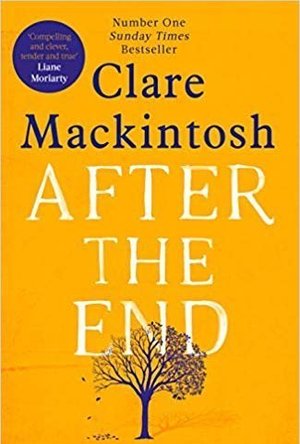

Max and Pip have a deep, untenable bond and a strong marriage that they feel is sealed by fate. But when their nearly three-year-old son, Dylan, gets sick, everything they know changes. Dylan has a brain tumor, and now Pip spends her days in the PICU, while Max tries to juggle work and being strong for his wife and child. Then, the couple receives the worst of all news: the chemo isn't helping Dylan's tumor, and the doctors feel Dylan's condition is terminal. Suddenly, Max and Pip find themselves on opposite sides--each wanting different medical treatment for their beloved boy.
Clare Mackintosh offers us a beautiful, poignant, and heartbreaking book based on her life experiences, having lost her own son. Knowing this makes the book even more tender and real, as each word is based on a kernel of truth. Reading this book isn't always easy--as a parent, my heart digested these words and put myself in the shoes of Max and Pip. This book makes you think, and it makes you so incredibly grateful for your own life, wanting to snuggle your own children and hold them dear.
"How can my son be a breath away from death, when evidence of his life is all around me? When I feel him in my heart, as surely as when I carried him in my womb?"
The story is one of loss, yes, but it's also a love story: Max and Pip, Dylan and his family, and more. We are introduced to Dylan's family and also to Dylan's doctor, Leila, whom I really liked. Leila has her own struggles. Her mom, Habibeh, is visiting, but won't leave the house, preferring to watch QVC and cook endlessly for her daughter. (Habibeh is a trip; she's awesome.) The decision of Dylan's fate falls on Leila's shoulders first: a lot for a young doctor to bear. We get the story through her eyes and then each of Dylan's parents. As a mom, I felt drawn to Pip, but I liked how we got both Pip and Max's perspectives. Each only wants what is best for their son--and, at first, each feels they are doing the right thing.
"However long you spend with someone, however well you think you know them, they can still be a stranger to you."
Mackintosh is best known for her thrillers, and, this book is just as well-written as those. And, interestingly enough, she throws in a bit of a twist here, too. I won't spoil it, per se, but will tell you that this book is a fascinating exploration of choices, allowing you to think about life and the various paths that everyone can take. It's a sad book, yes, but lovely too--a tribute to parents, medical professionals, and to the children we love so much. It's a reminder to cherish those we hold dear and that life can be short but beautiful, no matter which way it may turn out.
Overall, even though I found this difficult to read at times, I'm really glad I did. I was reminded, yet again, what a good writer Clare Mackintosh is. I'm so incredibly sorry she lost her son, and I'm in such awe that she could turn that loss into such a lovely book. I highly recommend this--it's a beautiful exploration of life's different paths and what fate can bring us.
Clare Mackintosh offers us a beautiful, poignant, and heartbreaking book based on her life experiences, having lost her own son. Knowing this makes the book even more tender and real, as each word is based on a kernel of truth. Reading this book isn't always easy--as a parent, my heart digested these words and put myself in the shoes of Max and Pip. This book makes you think, and it makes you so incredibly grateful for your own life, wanting to snuggle your own children and hold them dear.
"How can my son be a breath away from death, when evidence of his life is all around me? When I feel him in my heart, as surely as when I carried him in my womb?"
The story is one of loss, yes, but it's also a love story: Max and Pip, Dylan and his family, and more. We are introduced to Dylan's family and also to Dylan's doctor, Leila, whom I really liked. Leila has her own struggles. Her mom, Habibeh, is visiting, but won't leave the house, preferring to watch QVC and cook endlessly for her daughter. (Habibeh is a trip; she's awesome.) The decision of Dylan's fate falls on Leila's shoulders first: a lot for a young doctor to bear. We get the story through her eyes and then each of Dylan's parents. As a mom, I felt drawn to Pip, but I liked how we got both Pip and Max's perspectives. Each only wants what is best for their son--and, at first, each feels they are doing the right thing.
"However long you spend with someone, however well you think you know them, they can still be a stranger to you."
Mackintosh is best known for her thrillers, and, this book is just as well-written as those. And, interestingly enough, she throws in a bit of a twist here, too. I won't spoil it, per se, but will tell you that this book is a fascinating exploration of choices, allowing you to think about life and the various paths that everyone can take. It's a sad book, yes, but lovely too--a tribute to parents, medical professionals, and to the children we love so much. It's a reminder to cherish those we hold dear and that life can be short but beautiful, no matter which way it may turn out.
Overall, even though I found this difficult to read at times, I'm really glad I did. I was reminded, yet again, what a good writer Clare Mackintosh is. I'm so incredibly sorry she lost her son, and I'm in such awe that she could turn that loss into such a lovely book. I highly recommend this--it's a beautiful exploration of life's different paths and what fate can bring us.


Natacha (374 KP) rated Scythe (Arc of a Scythe #1) in Books
Sep 7, 2019
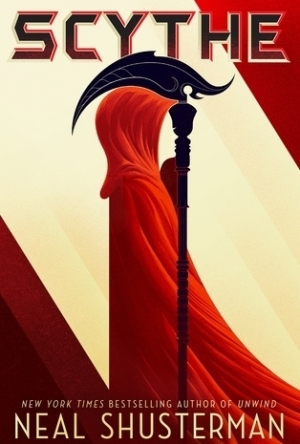

Unfortunately, it looks like I have an unpopular opinion once more and I'm so sad about it. The hype for the book is big and the concept of it made me really want to read it and I was sure I'll like it. But alas...
Things I like:
-The main idea of the book sounded very unique and interesting. A future society where humanity had overcome death and all diseases and the only way to keep the population to a normal number is having a group of people how must obey to a certain set of rule, randomly killing other members of the society. Such a nice concept and so many topics that you could dive in.
-There were a couple of nice twists.
-Scyth Curie was an interesting character with a nice backstory.
-Volta. He is a side character and yet, he was one of the most interesting ones.
Things I didn't like
-Everything came down to execution. As I mentioned the concept was unique but yet we get very little world-building and very little description in general. And this is coming for someone that despises lengthy descriptions. By the end of the book the only thing that I knew is that people don't die, they have a way to become young again but there is nothing left for them to do and they are bored. That's a missed opportunity to elaborate and dive into what would actually people do in these circumstances.
-Because we don't get enough information and rules in this world I was left with questions and also instances that looked like plot holes.
-The main characters. Throughout the book, we are constantly being told what characters are feeling, never shown through their actions, which made it very difficult for me to connect with them and believe what I was told they felt. An example was during Rowan training where he had to perform some actions and the only thing we got was "I don't like this" but this was never followed with actions to show us that he didn't like what he needed to do.
-It's hinted in the book that Rowan slowly turns into a bad person that is enjoying killing, but again this is never back with his action and I never felt that this was what was happening to him.
-The love story. So I've seen many people saying that there was instant love and unfortunately I agree. The two main characters fall in love within 3 months which I would argue that that makes it not instant love but, because once again we brush over everything we go to "I don't like you" to "I'm in love with you" without been shown how this happened. Yes, they are supposed to spend 3 months training together but if you don't show me how they slowly bonded and fall in love I'll never believe it. And this what happened to me.
-The climax. The book build-up to the final moment where one of the main characters will have to kill the other. This moment is in the last 5 pages off the book and once again just gets brush over the events and makes it looks too easy.
To sum up this could have been an amazing story but unfortunately, I felt like it was rushed and not well executed.
Things I like:
-The main idea of the book sounded very unique and interesting. A future society where humanity had overcome death and all diseases and the only way to keep the population to a normal number is having a group of people how must obey to a certain set of rule, randomly killing other members of the society. Such a nice concept and so many topics that you could dive in.
-There were a couple of nice twists.
-Scyth Curie was an interesting character with a nice backstory.
-Volta. He is a side character and yet, he was one of the most interesting ones.
Things I didn't like
-Everything came down to execution. As I mentioned the concept was unique but yet we get very little world-building and very little description in general. And this is coming for someone that despises lengthy descriptions. By the end of the book the only thing that I knew is that people don't die, they have a way to become young again but there is nothing left for them to do and they are bored. That's a missed opportunity to elaborate and dive into what would actually people do in these circumstances.
-Because we don't get enough information and rules in this world I was left with questions and also instances that looked like plot holes.
-The main characters. Throughout the book, we are constantly being told what characters are feeling, never shown through their actions, which made it very difficult for me to connect with them and believe what I was told they felt. An example was during Rowan training where he had to perform some actions and the only thing we got was "I don't like this" but this was never followed with actions to show us that he didn't like what he needed to do.
-It's hinted in the book that Rowan slowly turns into a bad person that is enjoying killing, but again this is never back with his action and I never felt that this was what was happening to him.
-The love story. So I've seen many people saying that there was instant love and unfortunately I agree. The two main characters fall in love within 3 months which I would argue that that makes it not instant love but, because once again we brush over everything we go to "I don't like you" to "I'm in love with you" without been shown how this happened. Yes, they are supposed to spend 3 months training together but if you don't show me how they slowly bonded and fall in love I'll never believe it. And this what happened to me.
-The climax. The book build-up to the final moment where one of the main characters will have to kill the other. This moment is in the last 5 pages off the book and once again just gets brush over the events and makes it looks too easy.
To sum up this could have been an amazing story but unfortunately, I felt like it was rushed and not well executed.
Debbiereadsbook (1818 KP) rated Alex (Twilights Falls #1) in Books
Oct 8, 2019

wonderful start to a new series!
Independent reviewer for Archaeolibrarian, I was gifted my copy of this book.
Alex’s business partner scammed him for the tune of half a million dollars. His friend, Izzy, has the perfect solution. Marry her client, live with said client for 6 months, and get his half million back. Finn’s great aunt is a manipulative woman, but she loves him, she really does. Getting Finn out the house to meet someone new was not going to work while the artist hides himself away following the death of his wife several years ago. Marrying him off seems the perfect idea. When Finn and Alex come face to face at the courthouse, neither is expecting a man, but they go ahead. They can live with each other for 6 months and be done. But what happens when feelings get involved? When things begin to be REAL?
I thoroughly, thoroughly enjoyed this start of a new series by Salinger! I LOVED the Nights series and I can see this new series growing on me too.
There is immediate attraction to Finn from Alex but while Finn acknowledges, to himself at least, that Alex is gorgeous, it takes time for the attraction to Alex to grow. Loved that it wasn’t immediate obvious to Finn, just what he might be feeling for Alex.
It’s not overly explicit, at least to start, but once these guys admit they want each other, and that Finn doesn’t seem to have a problem with that, they are all in! It does get a bit emotional, especially for Finn, when talking about his wife, and then to his great aunt about . . .things . . .and you feel sad for him, that he was never fully honest with himself. That his wife and his aunt saw, though, knocks him.
Glad the business partner gets his comeuppence!
I LOVED the wider group of friends that Alex comes home to! They are funny and I wonder if the series will evolve around them? I know Carter is next, who pops up here.
It didn’t take me long to read the 170 pages its billed as, just over 90 minutes, but it left me feeling that warm and fuzzie feeling I haven’t had from a book in a good long while.
So, thank you, Ms Salinger, for setting me up for a busy day at work, feeling that warm and fuzziness all day! I look forward to catching up with these guys should they pop up again in the series. * I hope they do!*
OH!!! There is a bit at the back of this book that gives the first chapter to One Night, which is the first in the Nights series. If you haven’t read those books, I STRONGLY recommend you do! I made a new shelf for them, and everything! And of course I read that little bit and then had to go back and read Cam and Gabe’s first book again. And NOW I wanna go back and read the whole damn series again! Be warned though, those books are HOT off the charts!
Ah sod it! I wrote 4 stars, then changed it to 5 then back to 4, but here you go!
5 warm and fuzzy, too stinking cute stars!
**same worded review will appear elsewhere**
Alex’s business partner scammed him for the tune of half a million dollars. His friend, Izzy, has the perfect solution. Marry her client, live with said client for 6 months, and get his half million back. Finn’s great aunt is a manipulative woman, but she loves him, she really does. Getting Finn out the house to meet someone new was not going to work while the artist hides himself away following the death of his wife several years ago. Marrying him off seems the perfect idea. When Finn and Alex come face to face at the courthouse, neither is expecting a man, but they go ahead. They can live with each other for 6 months and be done. But what happens when feelings get involved? When things begin to be REAL?
I thoroughly, thoroughly enjoyed this start of a new series by Salinger! I LOVED the Nights series and I can see this new series growing on me too.
There is immediate attraction to Finn from Alex but while Finn acknowledges, to himself at least, that Alex is gorgeous, it takes time for the attraction to Alex to grow. Loved that it wasn’t immediate obvious to Finn, just what he might be feeling for Alex.
It’s not overly explicit, at least to start, but once these guys admit they want each other, and that Finn doesn’t seem to have a problem with that, they are all in! It does get a bit emotional, especially for Finn, when talking about his wife, and then to his great aunt about . . .things . . .and you feel sad for him, that he was never fully honest with himself. That his wife and his aunt saw, though, knocks him.
Glad the business partner gets his comeuppence!
I LOVED the wider group of friends that Alex comes home to! They are funny and I wonder if the series will evolve around them? I know Carter is next, who pops up here.
It didn’t take me long to read the 170 pages its billed as, just over 90 minutes, but it left me feeling that warm and fuzzie feeling I haven’t had from a book in a good long while.
So, thank you, Ms Salinger, for setting me up for a busy day at work, feeling that warm and fuzziness all day! I look forward to catching up with these guys should they pop up again in the series. * I hope they do!*
OH!!! There is a bit at the back of this book that gives the first chapter to One Night, which is the first in the Nights series. If you haven’t read those books, I STRONGLY recommend you do! I made a new shelf for them, and everything! And of course I read that little bit and then had to go back and read Cam and Gabe’s first book again. And NOW I wanna go back and read the whole damn series again! Be warned though, those books are HOT off the charts!
Ah sod it! I wrote 4 stars, then changed it to 5 then back to 4, but here you go!
5 warm and fuzzy, too stinking cute stars!
**same worded review will appear elsewhere**
Ivana A. | Diary of Difference (1171 KP) rated Music From Another World in Books
Aug 3, 2020
<a href="https://amzn.to/2Wi7amb">Wishlist</a>; | <a
<a href="https://diaryofdifference.com/">Blog</a>; | <a href="https://www.facebook.com/diaryofdifference/">Facebook</a>; | <a href="https://twitter.com/DiaryDifference">Twitter</a>; | <a href="https://www.instagram.com/diaryofdifference/">Instagram</a>; | <a href="https://www.pinterest.co.uk/diaryofdifference/pins/">Pinterest</a>;
<img src="https://diaryofdifference.com/wp-content/uploads/2020/05/Book-Review-Banner-53.png"/>;
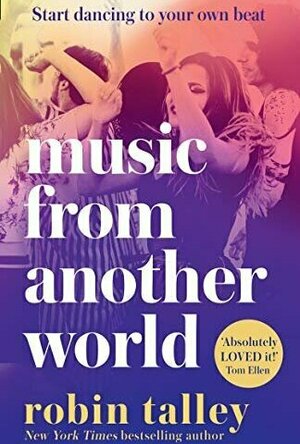
Music From Another World is a powerful and emotional read, about fighting for freedom and acceptance and the amazing feeling when you finally find a crowd where you can really fit in!
<b><i>Synopsis:</i></b>
It’s summer 1977 and closeted lesbian Tammy Larson can’t be herself anywhere. Not at her strict Christian high school. Not at her conservative Orange County church. And certainly not at home, where her ultra religious aunt relentlessly organizes anti gay political campaigns. Tammy’s only outlet is writing secret letters in her diary to gay civil rights activist Harvey Milk… until she has a real-life pen pal who changes everything.
Sharon Hawkins will bond with Tammy over punk music and carefully shared secrets, and soon their letters become the one place she can be honest. The rest of her life in San Francisco is full of lies. The kind she tells for others - like helping her gay brother hide the truth from their mom. But as anti gay fervor in America reaches a frightening new pitch, Sharon and Tammy must rely on their long-distance friendship to discover their deeply personal truths. What they’ll stand for…and who they’ll rise against.
<b><i>My Thoughts: </i></b>
From the very first moment I read the synopsis, I knew I needed to read this book. It seemed filled with 1970's spirit, the movement to be brave and honest. The discussions in this book are through the form of letters or diary entries, which I really enjoyed. This writing style helped me get through the book extremely quickly.
We get to meet the two girls, Tammy and Sharon, both very different, but both struggling with the same issues of being contained in a world where they cannot be themselves. And even though this particular book is about the LGBTQ+ community, I believe this issue also applies to anything else in life, where people feel like they cannot be who they really are. Sometimes it is religion, other times it is political opinions, it could even be different hobbies where the person feels needs to contain in themselves because of the fear they might be frowned upon or laughed at.
<b><i>It is amazing to see how the world has progressed over the years, where people start feeling like they can finally express who they really are. It is not yet ideal, but I have a good feeling we are getting there. There is also the very powerful force of the internet, the advantage people didn't have before, to find people across the globe that share the same beliefs and interests. </i></b>
Music From Another World really moved me, and it brought up various emotions. It talks about the struggles and the reprimands, but it also talks about real happiness and laughter. The amazing feeling when you finally find a crowd that accepts you and where you truly belong. I believe this is the first book with a plot that made me feel so happy, so sad and so angry at the same time.
Thank you to NetGalley and the HQ Team, for sending me an ARC copy of this book in exchange for an honest review!
<a href="https://diaryofdifference.com/">Blog</a>; | <a href="https://www.facebook.com/diaryofdifference/">Facebook</a>; | <a href="https://twitter.com/DiaryDifference">Twitter</a>; | <a href="https://www.instagram.com/diaryofdifference/">Instagram</a>; | <a href="https://www.pinterest.co.uk/diaryofdifference/pins/">Pinterest</a>;
<img src="https://diaryofdifference.com/wp-content/uploads/2020/05/Book-Review-Banner-53.png"/>;
Music From Another World is a powerful and emotional read, about fighting for freedom and acceptance and the amazing feeling when you finally find a crowd where you can really fit in!
<b><i>Synopsis:</i></b>
It’s summer 1977 and closeted lesbian Tammy Larson can’t be herself anywhere. Not at her strict Christian high school. Not at her conservative Orange County church. And certainly not at home, where her ultra religious aunt relentlessly organizes anti gay political campaigns. Tammy’s only outlet is writing secret letters in her diary to gay civil rights activist Harvey Milk… until she has a real-life pen pal who changes everything.
Sharon Hawkins will bond with Tammy over punk music and carefully shared secrets, and soon their letters become the one place she can be honest. The rest of her life in San Francisco is full of lies. The kind she tells for others - like helping her gay brother hide the truth from their mom. But as anti gay fervor in America reaches a frightening new pitch, Sharon and Tammy must rely on their long-distance friendship to discover their deeply personal truths. What they’ll stand for…and who they’ll rise against.
<b><i>My Thoughts: </i></b>
From the very first moment I read the synopsis, I knew I needed to read this book. It seemed filled with 1970's spirit, the movement to be brave and honest. The discussions in this book are through the form of letters or diary entries, which I really enjoyed. This writing style helped me get through the book extremely quickly.
We get to meet the two girls, Tammy and Sharon, both very different, but both struggling with the same issues of being contained in a world where they cannot be themselves. And even though this particular book is about the LGBTQ+ community, I believe this issue also applies to anything else in life, where people feel like they cannot be who they really are. Sometimes it is religion, other times it is political opinions, it could even be different hobbies where the person feels needs to contain in themselves because of the fear they might be frowned upon or laughed at.
<b><i>It is amazing to see how the world has progressed over the years, where people start feeling like they can finally express who they really are. It is not yet ideal, but I have a good feeling we are getting there. There is also the very powerful force of the internet, the advantage people didn't have before, to find people across the globe that share the same beliefs and interests. </i></b>
Music From Another World really moved me, and it brought up various emotions. It talks about the struggles and the reprimands, but it also talks about real happiness and laughter. The amazing feeling when you finally find a crowd that accepts you and where you truly belong. I believe this is the first book with a plot that made me feel so happy, so sad and so angry at the same time.
Thank you to NetGalley and the HQ Team, for sending me an ARC copy of this book in exchange for an honest review!

Kirk Bage (1775 KP) rated James Acaster: Repertoire in TV
Aug 6, 2020 (Updated Aug 6, 2020)
I have been a fan of stand up comedy, erm, all my life… well, at least since Billy Connely kinda invented it, in a way that wasn’t all about hating the mother in law and homophobia. When I moved to Edinburgh in 1999, I found myself at the epicentre of new comedy, every August at the unparalleled event that is the Fringe Festival.
Over the years I have seen most of the living greats at the art live, be it a full show or a smaller set at the legendary bullpit of Late and Live. Sad exceptions being Eddie Izzard and Dylan Moran, still on the bucket list. It has given me a pretty good eye for who is gonna make it big when they start out. I saw Jack Whitehall aged 16; Jimmy Carr before anyone knew who he was; and many others that have gone on to have decent TV and touring careers.
Having moved to Glasgow in recent years I started to see less comedy. Not that The Stand and other venues don’t have it going on, but because it just feels less of a thing outside of Edinburgh. So, when James Acaster came to my old place of work, the legendary Oran Mor, I booked tickets for myself, my daughter and her boyfriend in a heartbeat.
I had seen him do a lot of Mock The Week and a few other guest spots on TV, and thought from the start that this guy had something kinda special. The main good sign being that he made me laugh! A kind of blonder Jarvis Cocker, with the dress sense to match, he has a quirky, sleepy but cross delivery that is a total winner. He is very fast with an improvised moment, is very clever in his off kilter observations, and charmingly wanders into surreal tangents whenever possible. In other words, totally up my comedy avenue.
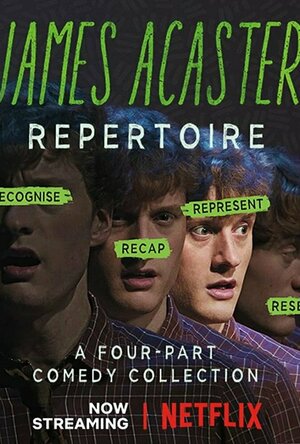
I was delighted to see that he had a new four part special on Netflix when I was recently surfing around old comedy shows I’ve seen half a dozen times. Repertoire is consecutive shows that work either alone, or payoff better as a whole, when early jokes get a back reference in a genius fashion. To explain why they are funny is not a thing I’m about to attempt. Comedy is so subjective; if it makes you laugh then it is good, if not… it might still be good, but not for you. You have to watch it to know.
So many highlights. At least three moments that made me have to pause it because I was laughing almost too much and in danger of passing out. Generally, you get a content knowing smile out of it, patting yourself on the back for getting his multi-layered intentions. Some things are just weird or hilarious, but often there is an intelligent point being made on the sly. When the two combine, I find him one of the best around for quality of writing and delivery.
As a side note, in part 3 of Repertoire he makes reference to a recent nightmare gig, when the entire front row of a Glasgow show kicked off and threw verbal abuse at him. That was the show we were at! He handled it remarkably well, turning the final portion of the show into an improv about that, chucked the planned material away. It isn’t every stand-up that can handle hecklers that well. Total kudos, Mr Acaster.
Recommended big time.
Over the years I have seen most of the living greats at the art live, be it a full show or a smaller set at the legendary bullpit of Late and Live. Sad exceptions being Eddie Izzard and Dylan Moran, still on the bucket list. It has given me a pretty good eye for who is gonna make it big when they start out. I saw Jack Whitehall aged 16; Jimmy Carr before anyone knew who he was; and many others that have gone on to have decent TV and touring careers.
Having moved to Glasgow in recent years I started to see less comedy. Not that The Stand and other venues don’t have it going on, but because it just feels less of a thing outside of Edinburgh. So, when James Acaster came to my old place of work, the legendary Oran Mor, I booked tickets for myself, my daughter and her boyfriend in a heartbeat.
I had seen him do a lot of Mock The Week and a few other guest spots on TV, and thought from the start that this guy had something kinda special. The main good sign being that he made me laugh! A kind of blonder Jarvis Cocker, with the dress sense to match, he has a quirky, sleepy but cross delivery that is a total winner. He is very fast with an improvised moment, is very clever in his off kilter observations, and charmingly wanders into surreal tangents whenever possible. In other words, totally up my comedy avenue.
I was delighted to see that he had a new four part special on Netflix when I was recently surfing around old comedy shows I’ve seen half a dozen times. Repertoire is consecutive shows that work either alone, or payoff better as a whole, when early jokes get a back reference in a genius fashion. To explain why they are funny is not a thing I’m about to attempt. Comedy is so subjective; if it makes you laugh then it is good, if not… it might still be good, but not for you. You have to watch it to know.
So many highlights. At least three moments that made me have to pause it because I was laughing almost too much and in danger of passing out. Generally, you get a content knowing smile out of it, patting yourself on the back for getting his multi-layered intentions. Some things are just weird or hilarious, but often there is an intelligent point being made on the sly. When the two combine, I find him one of the best around for quality of writing and delivery.
As a side note, in part 3 of Repertoire he makes reference to a recent nightmare gig, when the entire front row of a Glasgow show kicked off and threw verbal abuse at him. That was the show we were at! He handled it remarkably well, turning the final portion of the show into an improv about that, chucked the planned material away. It isn’t every stand-up that can handle hecklers that well. Total kudos, Mr Acaster.
Recommended big time.

Little Panda: Habits & Manners
Education and Games
App
For more videos, subscribe to BabyBus on YouTube! ►►https://goo.gl/llI2fX Keeping good...
Daniel Tiger's Grr-ific Feelings
Education and Games
8.0 Rate It
App
**2015 Parents' Choice - Gold Award** **Common Sense Media - 50 Apps All Kids Should Play at Least...