
Search
Search results

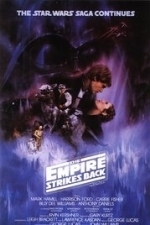
Puke Flyswatter (7 KP) rated Star Wars: Episode V – The Empire Strikes Back (1980) in Movies
Sep 12, 2017


Incredible special effects for the time (1 more)
Story writing and characters
The Force is strong with this one
Contains spoilers, click to show
Most fans argue over which of its ongoing episodes, is the best in the Star Wars saga. The Empire Strikes Back took a darker approach than its predecessor in delivering the story of the Rebellion's fight to bring peace and freedom to the galaxy by destroying the Empire who now rule with far more than just iron fist, having snatched its power from the dead hands of the Old Republic. This in my opinion, is what made it not only the best of the saga, but the best science fiction movie of all time and more controversially- one of the best movies ever made; an accolade that has still to be taken by any other movie of the genre to date.
George Lucas, ("the daddy" and brains behind the series of stories of intergalactic war and oppression), had reportedly suffered from exhaustion to the point of near breakdown- even suffering a near heart attack and so decided for the sake of his health and mental well-being not to helm this project which led to Irvin Kershner taking the reins instead.
Kershner's change in approach is apparent throughout the movie and even from the opening scene on Hoth- the barren ice planet- there is a palpably hollow and sombre overall feel which is more than likely deliberate so as to reflect the apparent futility and hopelessness of the protagonists’ struggle. This cleverly generated more empathy toward the characters, meaning the viewer became more invested in the outcome of the story.
The scope and scale of each scene is also cleverly used to give the viewer insight into the characters' state of mind and the choice in lighting and colour (or lack thereof) to deliver more impact and focus on the subject matter in each scene.
As far as story writing and script go, this is also miles ahead of the first and brilliant instalment of the saga. This was apparently due to George Lucas not being happy with the direction of the original draft of the screenplay and being forced to write a further two drafts for the movie following the death of the original screenplay author- the renowned Leigh Brackett who sadly died losing her battle with cancer. Lucas felt it necessary to then bring in Lawrence Kasdan to complete the writing of the screenplay, Kasdan would also go on to pen the screenplays for Raiders Of The Lost Ark, Return Of The Jedi, Star Wars VII The Force Awakens (as co-writer) and is also currently penning the screenplay for the upcoming Han Solo...solo movie. His input and impact on Empire took the saga from the swashbuckling heroic scenes of A New Hope to the almost World War-esque style in which characters are somewhat downtrodden and clearly showing the negative psychological effects on their personalities that are associated with any and every war. This set it apart from A New Hope which, despite the deaths of countless poor and innocent Jawas, inhabitants of Alderaan and Obi-Wan Kenobi, still managed to keep an optimistic outlook which while being an immensely fun and thrilling watch, did not do much in the way of drawing the viewer in and having a connection with the characters. This did not in any way ruin my enjoyment of the movie, I was a kid after all, but upon watching Empire for the first time, I was introduced to a new concept in cinema for me- one where the heroes do not always win, but who still carry on the fight no matter how emotionally scarred or beaten they may be. As a kid, this was so much more of a compelling and exciting movie as it was near impossible to guess where the story would lead and what the future would hold for the then trilogy.
Another highly positive aspect, is that the viewer did not necessarily need to have watched the previous movie and could jump straight into the story, able to enjoy it as each of the characters and the movie’s histories are cleverly re-introduced and explained without the use of exhausting flashbacks or back stories, effectively allowing it to serve as a standalone movie.
For people- who for some reason unbeknownst to me- that are not fans of the genre, this remains as a compelling, well-written and visually stunning piece of movie-making that still stands the test of time and one that anyone of any age can enjoy.
George Lucas, ("the daddy" and brains behind the series of stories of intergalactic war and oppression), had reportedly suffered from exhaustion to the point of near breakdown- even suffering a near heart attack and so decided for the sake of his health and mental well-being not to helm this project which led to Irvin Kershner taking the reins instead.
Kershner's change in approach is apparent throughout the movie and even from the opening scene on Hoth- the barren ice planet- there is a palpably hollow and sombre overall feel which is more than likely deliberate so as to reflect the apparent futility and hopelessness of the protagonists’ struggle. This cleverly generated more empathy toward the characters, meaning the viewer became more invested in the outcome of the story.
The scope and scale of each scene is also cleverly used to give the viewer insight into the characters' state of mind and the choice in lighting and colour (or lack thereof) to deliver more impact and focus on the subject matter in each scene.
As far as story writing and script go, this is also miles ahead of the first and brilliant instalment of the saga. This was apparently due to George Lucas not being happy with the direction of the original draft of the screenplay and being forced to write a further two drafts for the movie following the death of the original screenplay author- the renowned Leigh Brackett who sadly died losing her battle with cancer. Lucas felt it necessary to then bring in Lawrence Kasdan to complete the writing of the screenplay, Kasdan would also go on to pen the screenplays for Raiders Of The Lost Ark, Return Of The Jedi, Star Wars VII The Force Awakens (as co-writer) and is also currently penning the screenplay for the upcoming Han Solo...solo movie. His input and impact on Empire took the saga from the swashbuckling heroic scenes of A New Hope to the almost World War-esque style in which characters are somewhat downtrodden and clearly showing the negative psychological effects on their personalities that are associated with any and every war. This set it apart from A New Hope which, despite the deaths of countless poor and innocent Jawas, inhabitants of Alderaan and Obi-Wan Kenobi, still managed to keep an optimistic outlook which while being an immensely fun and thrilling watch, did not do much in the way of drawing the viewer in and having a connection with the characters. This did not in any way ruin my enjoyment of the movie, I was a kid after all, but upon watching Empire for the first time, I was introduced to a new concept in cinema for me- one where the heroes do not always win, but who still carry on the fight no matter how emotionally scarred or beaten they may be. As a kid, this was so much more of a compelling and exciting movie as it was near impossible to guess where the story would lead and what the future would hold for the then trilogy.
Another highly positive aspect, is that the viewer did not necessarily need to have watched the previous movie and could jump straight into the story, able to enjoy it as each of the characters and the movie’s histories are cleverly re-introduced and explained without the use of exhausting flashbacks or back stories, effectively allowing it to serve as a standalone movie.
For people- who for some reason unbeknownst to me- that are not fans of the genre, this remains as a compelling, well-written and visually stunning piece of movie-making that still stands the test of time and one that anyone of any age can enjoy.

RəX Regent (349 KP) rated Solo: A Star Wars Story (2018) in Movies
Feb 18, 2019


The Star Wars Story that nobody asked for, but was is a story worth telling?
In short, NO.
Where to start? Indeed, where to start with a background prequel focusing on one of the most iconic Star Wars characters ever, taking the ageing Harrison Ford’s characters to, well not so far beyond the age that we first met him back in 1977.
Recast with actor who brings very little Ford with him, apart from a few well practice smiles and other expressions here and there, this is a reinterpretation of the character, in this case as a naive and wimpy version, maybe even soft, is not the part for Alden Ehrenreich.
The Character arch of Han Solo in the original trilogy was his redemption from a selfish, self-assured space pirate to a man who could recognise and fight for a cause bigger than himself. But according this haphazard prequel, he was already a big softy before her learns the harsh realities of life, only he doesn’t, not really.
He just learns to be a little more cynical and to smirk his way through every situation with his lucky die and everything turns out okay for him. Ehrenrieich done not bring an ounce of the gravitas or charisma of Harrison Ford, as this film, which had to be almost entirely re-shot with Ron Howard taking the helm after The Lego Movie directing due Chris Miller and Phil Lord where unceremoniously fired after “not getting it”, apparently, shoe horns as much of the token events of Solo’s pre-rebellion life into its two and bit hour run time.
Ron Howard; A few hits and plenty of misses. Willow (1988) springs to mind. Not only was Willow Lucas’ attempt to begin and new fantasy trilogy after the Star Wars Saga was completed, it was micro directed by George Lucas as Ron Howard took the credit. And this has a lot of the hallmarks of Willow.
In short; A poor mans Star Wars. Hammy scripting and at times acting, the story is all over the place, with shallow characterisations, poor exposition, haphazard pacing and the action is actually quite hard to follow. Just please, give us ONE decent shot of the Millennium Falcon that we can keep up with and actually see, especially as it has been altered so much from the icon version that we all love. Maybe we’re getting bored of the same ship after 40 years? Maybe we all need to go out and by a new version?
Toyetic… anyone?
Instead everything of interest is speeding across the screen and the boring stuff is left to linger. And there was a level of boredom here. Incredibly predictable plotting, simply going through the motions of a no stakes story. But it does feel as if they shoehorned a larger narrative in there, with introduction in the final act of the rebellion and an old villain returns with a new legs, but by the time what should have been an earth shattering twist appeared, it wasn’t really interested, especially if you know the The Clone Wars or Rebels.
One major plus note though, Donald Glover aced Lando Calrissian, to such an extant that I wish this movie was actually called Lando: A Star War Story rather than Solo, because there’s no doubt that Glover brought so much more Billy Dee Williams and built on it, than Ehrenreich did for Ford’s.
As well as the subtle and well conceived plotting around Lando’s female droid, L3-37 (Phoebe Waller-Bridge) who may well be the ‘Old girl’ referred to by both Han and Lando during in the original trilogy when they speak to the Falcon, whilst shining a light on the deliberately ambiguous nature of droids in the Star Wars universe. In short; are they sentient or not? But this is not Star Trek so we do not really need an answer to that… do we?
Overall, I want to say that this was missed opportunity but in truth, it was not. It was waste of time. A story that did not need to be told with script that did not know what say. Clearly, they were aiming for a Guardians Of The Galaxy (2015), unaware that the secret of that surprise success was that it tapped in to the retro Star Wars vibe by NOT being Star Wars. And with little expectations.
Here they were playing with one of the biggest guns in modern film history and in my opinion, it blew up in there faces.
Where to start? Indeed, where to start with a background prequel focusing on one of the most iconic Star Wars characters ever, taking the ageing Harrison Ford’s characters to, well not so far beyond the age that we first met him back in 1977.
Recast with actor who brings very little Ford with him, apart from a few well practice smiles and other expressions here and there, this is a reinterpretation of the character, in this case as a naive and wimpy version, maybe even soft, is not the part for Alden Ehrenreich.
The Character arch of Han Solo in the original trilogy was his redemption from a selfish, self-assured space pirate to a man who could recognise and fight for a cause bigger than himself. But according this haphazard prequel, he was already a big softy before her learns the harsh realities of life, only he doesn’t, not really.
He just learns to be a little more cynical and to smirk his way through every situation with his lucky die and everything turns out okay for him. Ehrenrieich done not bring an ounce of the gravitas or charisma of Harrison Ford, as this film, which had to be almost entirely re-shot with Ron Howard taking the helm after The Lego Movie directing due Chris Miller and Phil Lord where unceremoniously fired after “not getting it”, apparently, shoe horns as much of the token events of Solo’s pre-rebellion life into its two and bit hour run time.
Ron Howard; A few hits and plenty of misses. Willow (1988) springs to mind. Not only was Willow Lucas’ attempt to begin and new fantasy trilogy after the Star Wars Saga was completed, it was micro directed by George Lucas as Ron Howard took the credit. And this has a lot of the hallmarks of Willow.
In short; A poor mans Star Wars. Hammy scripting and at times acting, the story is all over the place, with shallow characterisations, poor exposition, haphazard pacing and the action is actually quite hard to follow. Just please, give us ONE decent shot of the Millennium Falcon that we can keep up with and actually see, especially as it has been altered so much from the icon version that we all love. Maybe we’re getting bored of the same ship after 40 years? Maybe we all need to go out and by a new version?
Toyetic… anyone?
Instead everything of interest is speeding across the screen and the boring stuff is left to linger. And there was a level of boredom here. Incredibly predictable plotting, simply going through the motions of a no stakes story. But it does feel as if they shoehorned a larger narrative in there, with introduction in the final act of the rebellion and an old villain returns with a new legs, but by the time what should have been an earth shattering twist appeared, it wasn’t really interested, especially if you know the The Clone Wars or Rebels.
One major plus note though, Donald Glover aced Lando Calrissian, to such an extant that I wish this movie was actually called Lando: A Star War Story rather than Solo, because there’s no doubt that Glover brought so much more Billy Dee Williams and built on it, than Ehrenreich did for Ford’s.
As well as the subtle and well conceived plotting around Lando’s female droid, L3-37 (Phoebe Waller-Bridge) who may well be the ‘Old girl’ referred to by both Han and Lando during in the original trilogy when they speak to the Falcon, whilst shining a light on the deliberately ambiguous nature of droids in the Star Wars universe. In short; are they sentient or not? But this is not Star Trek so we do not really need an answer to that… do we?
Overall, I want to say that this was missed opportunity but in truth, it was not. It was waste of time. A story that did not need to be told with script that did not know what say. Clearly, they were aiming for a Guardians Of The Galaxy (2015), unaware that the secret of that surprise success was that it tapped in to the retro Star Wars vibe by NOT being Star Wars. And with little expectations.
Here they were playing with one of the biggest guns in modern film history and in my opinion, it blew up in there faces.
RəX Regent (349 KP) rated The Passion of Joan of Arc (1928) in Movies
Feb 19, 2019
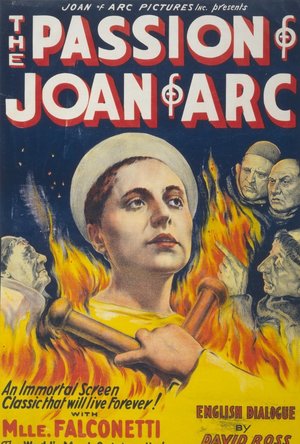
Silent cinema is not my strongest subject but one which I have been making a concerted effort to learn about over the past decade, but admittedly at a slow pace. The idea of sitting through a silent film can seem to be chore to a modern audience and to be honest, it can be inconceivable to the vast majority, but these attitudes only serve to deprive us of 30 years of cinema, both in primitive evolution and cinematic excellence.
The notion is that silent movies where almost amateurish is style, a three decade long film school to keep up occupied until the Talkies turned up and “film” as we know it, was born. This is wrong. Film is visual medium, Movies, moving pictures, all of which were accompanied by music by the way, so the term “silent” only really refers to the lack of synchronized sound and dialogue.
ydvjeYet, the core of film is visual. Modern cinema is a about perfecting the mesh of media forms, music, photography, narrative and sound. But without dialogue, silent movies had a challenge on their hands and one which The Passion Of Joan Of Arc, one of the last silent movies of the era, rose to perfectly.
Visually, this could have been made yesterday. A truly timeless blend of artistic and innovative cinematography, fast paced editing and outstanding performances. The Danish director, Carl Theodore Dreyer mastered the close up, naturalistic acting and manages to tell the procedural story of the trial of Joan Of Arc in such a gripping manner that you will forget that there is no spoken dialogue, yet you are literally putting the intertitles in to the mouths of the cast.
Not a single cast member is wasted, with every one pouring their hearts and souls in to the camera in such nuanced ways that it can be left to debate and interpretation as to exactly who is thinking or feeling what as Joan, Maria Falconetti in her third and final film role, steals the screen with her tortured soul and face shown almost entirely in close up.
the-passion-of-joan-of-arc-large-pictureOver acting has given way to strong acting, each shot designed to allow us access to her soul as she, in a plot not to dissimilar from the last hours of Jesus Christ, is torn between torture and certain death of abandoning her faith and spending the rest of her life imprisoned with only bread and water to look forward too.
The script is based on the actually accounts of the future saint’s trial in 1431 but the real events took place over 18 months whilst this either compresses this into one day or takes place on the last one, but the feeling is that this is the one and only trial of Joan so in that sense, theatrical licence has been taken but it hardly matters. The facts are present and the story is harrowing, made more so by an almost perfect production, led by a controversial, almost Kubrickian director, forcing his cast to suffer for their art, yet this version of events is also contested.
joan-of-arc-soundtrackFor everyone out there who believes that Silent movies are just cut to the chase comedies, or overly flamboyant and patronising filler until “real films” are made, this may just serve as wake up call, that films have evolved, but Sound would actually set the industry back in the 1930’s, as the new audio based art form evolved just as movies had up until this point., but Joan Of Arc should help all see that film has always been able to convey anything, from humour to horror; Real of make-believe.
Many believe that this movie is one of the best ever made and I do believe that to be true. An outstanding and forgotten film to all but critics and film buffs, one which everyone should see.
VERSION
The version which I watched was The Criterion Edition of the 1985 restoration of Dreyer’s “Lost” original cut. The music to this film was never deemed to be that important so there are several compositions which have been attached to the film over the years.
The “Lo Duca” cut, which was the a 61 minute version (1951) doing the rounds for years after the original cut was lost in a fire soon after the film’s release, was cut together by Joseph-Marie Lo Duca after discovering a negative in a vault. This version, as well as the “Director’s Cut” are both available on the Blu-ray, whilst it appeared that the 1985 restoration (Director’s Cut) is more widely available on DVD.
The notion is that silent movies where almost amateurish is style, a three decade long film school to keep up occupied until the Talkies turned up and “film” as we know it, was born. This is wrong. Film is visual medium, Movies, moving pictures, all of which were accompanied by music by the way, so the term “silent” only really refers to the lack of synchronized sound and dialogue.
ydvjeYet, the core of film is visual. Modern cinema is a about perfecting the mesh of media forms, music, photography, narrative and sound. But without dialogue, silent movies had a challenge on their hands and one which The Passion Of Joan Of Arc, one of the last silent movies of the era, rose to perfectly.
Visually, this could have been made yesterday. A truly timeless blend of artistic and innovative cinematography, fast paced editing and outstanding performances. The Danish director, Carl Theodore Dreyer mastered the close up, naturalistic acting and manages to tell the procedural story of the trial of Joan Of Arc in such a gripping manner that you will forget that there is no spoken dialogue, yet you are literally putting the intertitles in to the mouths of the cast.
Not a single cast member is wasted, with every one pouring their hearts and souls in to the camera in such nuanced ways that it can be left to debate and interpretation as to exactly who is thinking or feeling what as Joan, Maria Falconetti in her third and final film role, steals the screen with her tortured soul and face shown almost entirely in close up.
the-passion-of-joan-of-arc-large-pictureOver acting has given way to strong acting, each shot designed to allow us access to her soul as she, in a plot not to dissimilar from the last hours of Jesus Christ, is torn between torture and certain death of abandoning her faith and spending the rest of her life imprisoned with only bread and water to look forward too.
The script is based on the actually accounts of the future saint’s trial in 1431 but the real events took place over 18 months whilst this either compresses this into one day or takes place on the last one, but the feeling is that this is the one and only trial of Joan so in that sense, theatrical licence has been taken but it hardly matters. The facts are present and the story is harrowing, made more so by an almost perfect production, led by a controversial, almost Kubrickian director, forcing his cast to suffer for their art, yet this version of events is also contested.
joan-of-arc-soundtrackFor everyone out there who believes that Silent movies are just cut to the chase comedies, or overly flamboyant and patronising filler until “real films” are made, this may just serve as wake up call, that films have evolved, but Sound would actually set the industry back in the 1930’s, as the new audio based art form evolved just as movies had up until this point., but Joan Of Arc should help all see that film has always been able to convey anything, from humour to horror; Real of make-believe.
Many believe that this movie is one of the best ever made and I do believe that to be true. An outstanding and forgotten film to all but critics and film buffs, one which everyone should see.
VERSION
The version which I watched was The Criterion Edition of the 1985 restoration of Dreyer’s “Lost” original cut. The music to this film was never deemed to be that important so there are several compositions which have been attached to the film over the years.
The “Lo Duca” cut, which was the a 61 minute version (1951) doing the rounds for years after the original cut was lost in a fire soon after the film’s release, was cut together by Joseph-Marie Lo Duca after discovering a negative in a vault. This version, as well as the “Director’s Cut” are both available on the Blu-ray, whilst it appeared that the 1985 restoration (Director’s Cut) is more widely available on DVD.

Phillip McSween (751 KP) rated The Last Dragon (1985) in Movies
Jun 7, 2019

So Bad You Just Might Like it
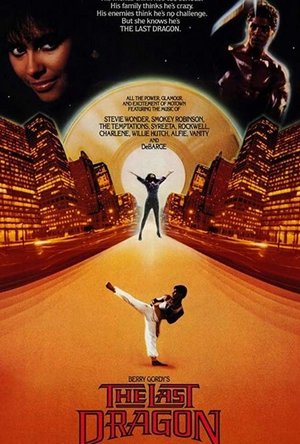
In his quest to find “The Master” and expand his training, black martial arts expert Bruce Leroy (Taimak) has to square off against Sho’nuff the Shogun of Harlem. With me, yet?
Acting: 10
The performances aren’t what killed this movie. Julius Carry pulls off one of my all-time favorite roles as Sho-Nuff, playing a villain that’s not hard to hate. His nemesis, hero Bruce Leroy is played with a sweet innocence by Taimak who harbors a fierce fighting style similar to his idol who is none other than…well, you guessed it, Bruce Lee. Sometimes a bit overdone, I thought overall the acting fit the movie’s overblown proportions as a whole.
Beginning: 3
Characters: 5
Again, the problem isn’t the acting. It’s the characters portrayed by the actors. They are as cardboard as they come, seemingly like caricatures of actual roles. This can be summed up by one role in particular: Eddie Arkadian (Chris Murney). Part business-owner, part gangster, you look at his mean scowl and listen to his horrible lines thinking, “Why are they ruining this man’s career with this role? This is awful!” I can imagine there were a lot of career-ruining roles in this movie. I haven’t even mentioned Eddie’s girlfriend, Angela whose voice alone gives me the urge to punt a baby. I can imagine director Michael Schultz walking up to Faith Prince saying, “Great take! Now, could you do me a favor? Could you sound more like Miss Piggy in distress? Please and thank you!”
Cinematography/Visuals: 4
The style that Schultz tries to establish comes off as cheesy and overdone. He takes the phrase “A little dab’ll do ya” and decides to do the complete opposite. There is nothing special to see and too much to see at the same time. As confusing as that might sound, if you watch the movie, you’ll get it. While there are glimpses of cool effects, even those are drowned by poor cinematic direction. There is one scene towards the end where Bruce Leroy’s hands starts to glow. He slowly moves them in a wavy pattern which creates a cool effect….until he starts doing it super fast and literally multiplies himself in some crazy funhouse type of way. Whomp whomp.
Conflict: 6
Because the movie struggles to find it’s way juggling back and forth between soundtrack-driven, drama, comedy, and action movie, the conflict suffers as a result. The fighting scenes aren’t terrible when they happen but there is too much of everything else to really leave you satisfied with those scenes. I would have been happier with no attempted character or story development and just two pure hours of Bruce Leroy kicking peoples’ teeth out. When I watched the last showdown between Leroy and Sho’nuff, I thought they were really on to something. Unfortunately they got lost along the way.
Genre: 7
Memorability: 5
Love it or hate it (or both), you’ll be hard-pressed leaving the movie not quoting at least a handful of lines. It’s a movie that sticks to you whether you want it to or not. It does leave something of an impact, although not very lasting.
Pace: 3
Between Leroy searching for The Master and Eddie trying to get his girl a record deal, the movie really drags on in spots. I don’t say this often, but a little more linearity in this case would have been just fine. The Last Dragon suffers from a severe case of Much Ado About Nothing. Just when you think something is about to pop off, the scene ends with a whimper.
Plot: 2
As a kid, I thought the storyline was funny. Now I think it’s just plain sad. I don’t know how much thought went into that script, but reading through it should give any aspiring screenwriter hope that they too can make it big. Stories within ridiculous stories, a meh love story, and terrible motivations all around take a machete to the movie before it even had a chance.
Resolution: 7
Overall: 52
For my 100th review, I wanted to review a movie that had some kind of value to me. I grew up with The Last Dragon and, I have to say, it is a pretty damn fun movie. Fun, unfortunately, doesn’t always equate to good. There is a reason it has an 86% audience score on Rotten Tomatoes right now, though. No matter how you feel about it, there will come a point when you’re watching, even if it’s for five minutes, where you find yourself having an actual good time. Unfortunately it’s the other 103 minutes you have to worry about.
Acting: 10
The performances aren’t what killed this movie. Julius Carry pulls off one of my all-time favorite roles as Sho-Nuff, playing a villain that’s not hard to hate. His nemesis, hero Bruce Leroy is played with a sweet innocence by Taimak who harbors a fierce fighting style similar to his idol who is none other than…well, you guessed it, Bruce Lee. Sometimes a bit overdone, I thought overall the acting fit the movie’s overblown proportions as a whole.
Beginning: 3
Characters: 5
Again, the problem isn’t the acting. It’s the characters portrayed by the actors. They are as cardboard as they come, seemingly like caricatures of actual roles. This can be summed up by one role in particular: Eddie Arkadian (Chris Murney). Part business-owner, part gangster, you look at his mean scowl and listen to his horrible lines thinking, “Why are they ruining this man’s career with this role? This is awful!” I can imagine there were a lot of career-ruining roles in this movie. I haven’t even mentioned Eddie’s girlfriend, Angela whose voice alone gives me the urge to punt a baby. I can imagine director Michael Schultz walking up to Faith Prince saying, “Great take! Now, could you do me a favor? Could you sound more like Miss Piggy in distress? Please and thank you!”
Cinematography/Visuals: 4
The style that Schultz tries to establish comes off as cheesy and overdone. He takes the phrase “A little dab’ll do ya” and decides to do the complete opposite. There is nothing special to see and too much to see at the same time. As confusing as that might sound, if you watch the movie, you’ll get it. While there are glimpses of cool effects, even those are drowned by poor cinematic direction. There is one scene towards the end where Bruce Leroy’s hands starts to glow. He slowly moves them in a wavy pattern which creates a cool effect….until he starts doing it super fast and literally multiplies himself in some crazy funhouse type of way. Whomp whomp.
Conflict: 6
Because the movie struggles to find it’s way juggling back and forth between soundtrack-driven, drama, comedy, and action movie, the conflict suffers as a result. The fighting scenes aren’t terrible when they happen but there is too much of everything else to really leave you satisfied with those scenes. I would have been happier with no attempted character or story development and just two pure hours of Bruce Leroy kicking peoples’ teeth out. When I watched the last showdown between Leroy and Sho’nuff, I thought they were really on to something. Unfortunately they got lost along the way.
Genre: 7
Memorability: 5
Love it or hate it (or both), you’ll be hard-pressed leaving the movie not quoting at least a handful of lines. It’s a movie that sticks to you whether you want it to or not. It does leave something of an impact, although not very lasting.
Pace: 3
Between Leroy searching for The Master and Eddie trying to get his girl a record deal, the movie really drags on in spots. I don’t say this often, but a little more linearity in this case would have been just fine. The Last Dragon suffers from a severe case of Much Ado About Nothing. Just when you think something is about to pop off, the scene ends with a whimper.
Plot: 2
As a kid, I thought the storyline was funny. Now I think it’s just plain sad. I don’t know how much thought went into that script, but reading through it should give any aspiring screenwriter hope that they too can make it big. Stories within ridiculous stories, a meh love story, and terrible motivations all around take a machete to the movie before it even had a chance.
Resolution: 7
Overall: 52
For my 100th review, I wanted to review a movie that had some kind of value to me. I grew up with The Last Dragon and, I have to say, it is a pretty damn fun movie. Fun, unfortunately, doesn’t always equate to good. There is a reason it has an 86% audience score on Rotten Tomatoes right now, though. No matter how you feel about it, there will come a point when you’re watching, even if it’s for five minutes, where you find yourself having an actual good time. Unfortunately it’s the other 103 minutes you have to worry about.

Movie Metropolis (309 KP) rated Glass (2019) in Movies
Jun 10, 2019
An ambitious but flawed finale
M. Night Shyamalan is back behind the camera! Quick, run! Joking aside, Shyamalan’s career is as convoluted as his signature third-act twists. Starting off with the fabulous The Sixth Sense and then almost derailing his career with catastrophic failures like The Happening, After Earth and dare I mention it, The Last Airbender, it appeared we had all but lost that once promising directorial flair.
Thankfully in 2016’s Split, Shyamalan returned to form somewhat with a nicely paced, tense thriller starring James McAvoy as Kevin, a guy with multiple personality disorder. Of course, the infamous twist, possibly Shyamalan’s best, that this film was set in the same universe as the fabulous Unbreakable was almost too much to handle.
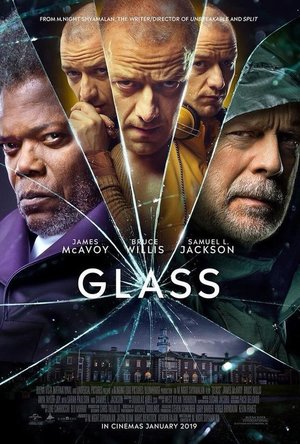
Fast-forward three years and Glass is the film that rounds out the surprise trilogy, bringing together McAvoy, Bruce Willis and Samuel L Jackson for the mother of all showdowns. Or that’s what the trailers would have you believe. But what’s the finished product like?
Three weeks after the conclusion of Split, Glass finds Bruce Willis’ David Dunn pursuing James McAvoy’s superhuman figure of The Beast in a series of escalating encounters, while the shadowy presence of Elijah Price (Samuel L Jackson) emerges as an orchestrator who holds secrets critical to both men. Sandwiched in between this is Sarah Paulson’s Dr Ellie Staple who desperately wants to prove that these men simply hold delusions of grandeur.
As a rule, trilogy closers generally tend to the weakest of the three films with Spider-Man 3, Return of the Jedi and X-Men: Apocalypse cementing my point and Glass unfortunately follows a similar pattern. While by no means a bad film, Shyamalan desperately tries to add too many plot threads into the mix at the end resulting in a messy climax that trips all over itself.
Thankfully, the first act, and the majority of the second live up to expectations. James McAvoy is absolutely exceptional as Kevin and his multiple personalities. Switching between them at the flash of a light, he is staggering to watch and is the highlight in a film that for the most part, gets the best out of its stars. Samuel L Jackson and Sarah Paulson are great with the former looking like he’s having an absolute blast reprising a role that’s been dormant for 19 years.
The less said about Bruce Willis the better. He seems to be sleepwalking through the entire film, so it’s probably for the best that he appears fleetingly every now and then as this is very much McAvoy’s film.
Glass is a film that is both longer and weaker than its two predecessors but can still get by on its own merits thanks to a stunning performance by James McAvoy
The script is typical Shyamalan. It’s clunky, filled with overly expositional dialogue and sometimes downright jarring, but the intriguing premise allows you to overlook this more often than not. There are some nice touches as Sarah Paulson’s character tries to explain away the powers of the main trio, making them and us as the audience doubt their superhuman abilities.
Those expecting a film packed with action will be disappointed. Glass is very much a character piece. The action that is there is well-filmed and realistic considering the film’s incredibly small budget, but it’s limited to the beginning and end of the movie, though the finale is such a mess that it’s really not worth mentioning.
Much of Glass takes place within the Raven Hill Memorial Hospital and follows Paulson’s daily studies of the trio and while this does dampen the pacing somewhat, it’s a refreshing change to the action-packed blockbusters that we have become accustomed to in the genre.
When it comes to cinematography, again, it’s typical Shyamalan. Long-tracking shots, super close-ups and peculiar camera angles are all present and correct. In Split, the impact of his unusual camerawork wasn’t too grating, but here it creates quite the distraction. There’s also another Shyamalan staple: the director’s cameo. The one in Glass is overly long and completely unnecessary, but it’s something we’ve come to expect over the last couple of decades.
Overall, Glass is a film that is both longer and weaker than its two predecessors but can still get by on its own merits thanks to a stunning performance by James McAvoy, the class brought by Samuel L Jackson and Sarah Paulson and a great sense of ambition. Unfortunately, budgetary restraints have resulted in a film that is subtle to the point of being dull and while praise should be given for effort, Glass proves to be just a little underwhelming.
https://moviemetropolis.net/2019/01/19/glass-review-an-ambitious-but-flawed-finale/
Thankfully in 2016’s Split, Shyamalan returned to form somewhat with a nicely paced, tense thriller starring James McAvoy as Kevin, a guy with multiple personality disorder. Of course, the infamous twist, possibly Shyamalan’s best, that this film was set in the same universe as the fabulous Unbreakable was almost too much to handle.
Fast-forward three years and Glass is the film that rounds out the surprise trilogy, bringing together McAvoy, Bruce Willis and Samuel L Jackson for the mother of all showdowns. Or that’s what the trailers would have you believe. But what’s the finished product like?
Three weeks after the conclusion of Split, Glass finds Bruce Willis’ David Dunn pursuing James McAvoy’s superhuman figure of The Beast in a series of escalating encounters, while the shadowy presence of Elijah Price (Samuel L Jackson) emerges as an orchestrator who holds secrets critical to both men. Sandwiched in between this is Sarah Paulson’s Dr Ellie Staple who desperately wants to prove that these men simply hold delusions of grandeur.
As a rule, trilogy closers generally tend to the weakest of the three films with Spider-Man 3, Return of the Jedi and X-Men: Apocalypse cementing my point and Glass unfortunately follows a similar pattern. While by no means a bad film, Shyamalan desperately tries to add too many plot threads into the mix at the end resulting in a messy climax that trips all over itself.
Thankfully, the first act, and the majority of the second live up to expectations. James McAvoy is absolutely exceptional as Kevin and his multiple personalities. Switching between them at the flash of a light, he is staggering to watch and is the highlight in a film that for the most part, gets the best out of its stars. Samuel L Jackson and Sarah Paulson are great with the former looking like he’s having an absolute blast reprising a role that’s been dormant for 19 years.
The less said about Bruce Willis the better. He seems to be sleepwalking through the entire film, so it’s probably for the best that he appears fleetingly every now and then as this is very much McAvoy’s film.
Glass is a film that is both longer and weaker than its two predecessors but can still get by on its own merits thanks to a stunning performance by James McAvoy
The script is typical Shyamalan. It’s clunky, filled with overly expositional dialogue and sometimes downright jarring, but the intriguing premise allows you to overlook this more often than not. There are some nice touches as Sarah Paulson’s character tries to explain away the powers of the main trio, making them and us as the audience doubt their superhuman abilities.
Those expecting a film packed with action will be disappointed. Glass is very much a character piece. The action that is there is well-filmed and realistic considering the film’s incredibly small budget, but it’s limited to the beginning and end of the movie, though the finale is such a mess that it’s really not worth mentioning.
Much of Glass takes place within the Raven Hill Memorial Hospital and follows Paulson’s daily studies of the trio and while this does dampen the pacing somewhat, it’s a refreshing change to the action-packed blockbusters that we have become accustomed to in the genre.
When it comes to cinematography, again, it’s typical Shyamalan. Long-tracking shots, super close-ups and peculiar camera angles are all present and correct. In Split, the impact of his unusual camerawork wasn’t too grating, but here it creates quite the distraction. There’s also another Shyamalan staple: the director’s cameo. The one in Glass is overly long and completely unnecessary, but it’s something we’ve come to expect over the last couple of decades.
Overall, Glass is a film that is both longer and weaker than its two predecessors but can still get by on its own merits thanks to a stunning performance by James McAvoy, the class brought by Samuel L Jackson and Sarah Paulson and a great sense of ambition. Unfortunately, budgetary restraints have resulted in a film that is subtle to the point of being dull and while praise should be given for effort, Glass proves to be just a little underwhelming.
https://moviemetropolis.net/2019/01/19/glass-review-an-ambitious-but-flawed-finale/
Movie Metropolis (309 KP) rated Ocean’s 8 (2018) in Movies
Jun 10, 2019

Light and breezy but utterly forgettable
It’s a peculiar state of affairs, the film industry that is. While reboots, remakes, prequels and sequels seem to be garnering much disdain from the movie-going audience of late, studios still push ahead with them regardless.
I mean, look at poor Disney and the performance of Solo: A Star Wars Story if you need any indication of a tiring audience. Female-led reboots are all the rage now too with Paul Feig’s Ghostbusters being met with a dreadful run at the box office despite decent critical responses. Next up, we’ve got Ocean’s 8, a sequel no-one was really asking for but got anyway. Is it worth a watch?
Five years, eight months, 12 days and counting – that’s how long Debbie Ocean (Sandra Bullock) has been devising the biggest heist of her life. She knows what it’s going to take – a team of the best people in the field, starting with her partner-in-crime Lou Miller (Cate Blanchett). Together, they recruit a crew of specialists, including jeweller Amita, street con Constance, suburban mom Tammy (Sarah Paulson), hacker Nine Ball (Rihanna), and fashion designer Rose (Helena Bonham Carter). Their target: a necklace that’s worth more than $150 million.
Gary Ross, director of the first Hunger Games movie, takes over from Steven Soderbergh to helm a film that is perfectly passable popcorn fodder, but sadly nothing more. But, for the sake of this review, let’s start with the positives.
The cast is by far, the biggest selling point for this film. Filled to the brim with talent like Bullock, Blanchett and Paulson, it was always going to be a win-win situation pulling an ensemble like this together. Bullock is absolutely fabulous from the minute the film begins and Anne Hathaway is clearly having a ball playing an over-the-top version of herself. Helena Bonham Carter is surprisingly good as a failing Irish fashion designer and it’s always a joy seeing Sarah Paulson’s understated performances grace the big screen.
What’s not so good is the way the film treats its stars from different ethnicities however. Rihanna, Mindy Kaling (Amita) and Awkwafina (Constance) are sorely underused throughout. In fact, outside of Paulson, Awkwafina and Kaling provide the film with its most intriguing characters – but we learn very little about them apart from a few scenes studying their personal/professional lives.
It’s also best not to talk about James Corden and his hideously over-acted performance as fraud investigator John. Filled with cringeworthy dialogue, it’s a miracle his part is relatively short. Like a bad smell however, he lingers for much too long.
The biggest sin that Ocean’s 8 commits is its complete lack of plausibility
Then there’s the plot, or rather the script. In making these women the absolute best-of-the-best, there are no high stakes, no tension to be had or anything remotely resembling a narrow-escape.
There’s the obligatory ‘oh no’ moment as something looks like it’s going to go wrong, but it’s rectified so suddenly that any joy in watching the heist unfold is completely lost. Where the previous Ocean’s movies were riddled with tension, Ocean’s 8 is devoid of it.
Thankfully, the plan is fun if a little uninspiring to behold, filled with bland cinematography very similar to what was seen in the first Hunger Games film way back in 2012. It’s all just very staid, like the studio was simply ticking boxes on a checklist to make sure they got a film that would make them money, but was lacking anything in the way of originality.
But perhaps the biggest sin that Ocean’s 8 commits is its complete lack of plausibility. Article upon article has already been created in which writers dissect the film’s heist plan and come up with the same conclusion: it can’t be done. You don’t need those articles though, because the plot holes are big enough for anyone to see and that’s a real shame. This becomes increasingly evident in the film’s final 10 minutes which makes a mockery of everything that came before.
Overall, Ocean’s 8 is your typical summer blockbuster. It’s light, breezy and like a big tub of cottage cheese, devoid of any personality whatsoever. It’s saving grace is the cast. Managing to pull together an ensemble this good takes a lot of effort, and for that, it deserves some praise – faint praise, but praise nonetheless.
https://moviemetropolis.net/2018/06/21/oceans-8-review-light-and-breezy-but-utterly-forgettable/
I mean, look at poor Disney and the performance of Solo: A Star Wars Story if you need any indication of a tiring audience. Female-led reboots are all the rage now too with Paul Feig’s Ghostbusters being met with a dreadful run at the box office despite decent critical responses. Next up, we’ve got Ocean’s 8, a sequel no-one was really asking for but got anyway. Is it worth a watch?
Five years, eight months, 12 days and counting – that’s how long Debbie Ocean (Sandra Bullock) has been devising the biggest heist of her life. She knows what it’s going to take – a team of the best people in the field, starting with her partner-in-crime Lou Miller (Cate Blanchett). Together, they recruit a crew of specialists, including jeweller Amita, street con Constance, suburban mom Tammy (Sarah Paulson), hacker Nine Ball (Rihanna), and fashion designer Rose (Helena Bonham Carter). Their target: a necklace that’s worth more than $150 million.
Gary Ross, director of the first Hunger Games movie, takes over from Steven Soderbergh to helm a film that is perfectly passable popcorn fodder, but sadly nothing more. But, for the sake of this review, let’s start with the positives.
The cast is by far, the biggest selling point for this film. Filled to the brim with talent like Bullock, Blanchett and Paulson, it was always going to be a win-win situation pulling an ensemble like this together. Bullock is absolutely fabulous from the minute the film begins and Anne Hathaway is clearly having a ball playing an over-the-top version of herself. Helena Bonham Carter is surprisingly good as a failing Irish fashion designer and it’s always a joy seeing Sarah Paulson’s understated performances grace the big screen.
What’s not so good is the way the film treats its stars from different ethnicities however. Rihanna, Mindy Kaling (Amita) and Awkwafina (Constance) are sorely underused throughout. In fact, outside of Paulson, Awkwafina and Kaling provide the film with its most intriguing characters – but we learn very little about them apart from a few scenes studying their personal/professional lives.
It’s also best not to talk about James Corden and his hideously over-acted performance as fraud investigator John. Filled with cringeworthy dialogue, it’s a miracle his part is relatively short. Like a bad smell however, he lingers for much too long.
The biggest sin that Ocean’s 8 commits is its complete lack of plausibility
Then there’s the plot, or rather the script. In making these women the absolute best-of-the-best, there are no high stakes, no tension to be had or anything remotely resembling a narrow-escape.
There’s the obligatory ‘oh no’ moment as something looks like it’s going to go wrong, but it’s rectified so suddenly that any joy in watching the heist unfold is completely lost. Where the previous Ocean’s movies were riddled with tension, Ocean’s 8 is devoid of it.
Thankfully, the plan is fun if a little uninspiring to behold, filled with bland cinematography very similar to what was seen in the first Hunger Games film way back in 2012. It’s all just very staid, like the studio was simply ticking boxes on a checklist to make sure they got a film that would make them money, but was lacking anything in the way of originality.
But perhaps the biggest sin that Ocean’s 8 commits is its complete lack of plausibility. Article upon article has already been created in which writers dissect the film’s heist plan and come up with the same conclusion: it can’t be done. You don’t need those articles though, because the plot holes are big enough for anyone to see and that’s a real shame. This becomes increasingly evident in the film’s final 10 minutes which makes a mockery of everything that came before.
Overall, Ocean’s 8 is your typical summer blockbuster. It’s light, breezy and like a big tub of cottage cheese, devoid of any personality whatsoever. It’s saving grace is the cast. Managing to pull together an ensemble this good takes a lot of effort, and for that, it deserves some praise – faint praise, but praise nonetheless.
https://moviemetropolis.net/2018/06/21/oceans-8-review-light-and-breezy-but-utterly-forgettable/
Movie Metropolis (309 KP) rated Black Panther (2018) in Movies
Jun 10, 2019 (Updated Jun 10, 2019)
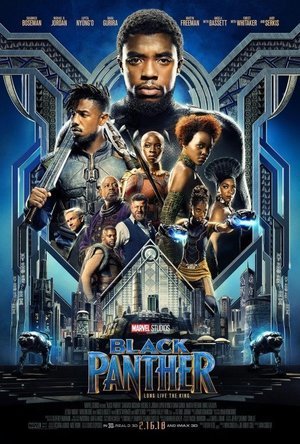
Is the MCU all out of surprises?
The Marvel Cinematic Universe has become one of the most successful movie franchises ever made, and it’s easy to see why. Featuring incredible actors, up-and-coming directors and that trademark sense of humour, each film in the MCU has something to offer.
That doesn’t mean they’re perfect however. The MCU has a distinct lack of decent villains, strong female characters and characters from ethnic minorities. In the run-up to this year’s Infinity War, Black Panther aims to turn what we know about Marvel on its head. But has it succeeded?
After the death of his father, T’Challa (Chadwick Boseman) returns home to the African nation of Wakanda to take his rightful place as king. When a powerful enemy suddenly reappears, T’Challa’s mettle as king – and as Black Panther – gets tested when he’s drawn into a conflict that puts the fate of Wakanda and the entire world at risk. Faced with treachery and danger, the young king must rally his allies and release the full power of Black Panther to defeat his foes and secure the safety of his people.
The opening sequence of Black Panther is an absolute treat as the audience are given a brief history of Wakanda and the tribes from which it grew. It’s a great montage to kick off a film that’s packed with stunning visuals and gorgeous landscapes, even though some of the special effects are left wanting at times.
Cast wise, this is one of the strongest entries into the MCU. Chadwick Boseman absolutely embodies the young, naïve yet warm T’Challa beautifully and it’s nice to see his character given some reference points after his sudden inclusion in Captain America: Civil War. Elsewhere, Lupita Nyong’o is always a pleasure to see on screen and her love interest to Boseman keeps him grounded over the course of the runtime.
For me the standout character is Danai Gurira’s Okoye, leader of a group of female warriors ordered to protect Wakanda and its king no matter what the cost. She’s certainly not to be messed with and gets a pleasing arc throughout. The script also seems to work best when she’s on screen.
When it comes to the bad guy, director Ryan Coogler (Creed) gets it nearly spot on. After dozens of, shall we say, lacklustre villains, the MCU receives its best yet. Michael B. Jordan’s Killmonger is, despite his ridiculous name, absolutely brilliant. Menacing and oddly charming in equal measure, he does away with the tradition of bizarre villain motives in the MCU. In fact, his motives throughout feel entirely believable and the film feels more grounded because of this.
Coogler does a good job at creating a bustling and vibrant world, even if the special effects can sometimes bring you out of the illusion
Martin Freeman’s Agent Ross is a strange addition to the cast, simply because his character isn’t essential to the plot. Freeman is always a magnetic presence but he really doesn’t have all that much to do. Finally, Andy Serkis reprises his role as arms dealer Ulysses Klaue and is great fun.
Looking at Wakanda itself, Coogler does a good job at creating a bustling and vibrant world, even if the special effects can sometimes bring you out of the illusion. It certainly feels more real than the hollow golden towers of Asgard (something thankfully fixed in last year’s Thor: Ragnarok), and Wakanda is a great addition to the many locations the Marvel Cinematic Universe has created.
So, I’ve mentioned disappointing special effects twice in this review and whilst they aren’t terrible, there are a few occasions where they are a little poor – especially evident in the film’s finale. For all his exciting filming style, Coogler’s shot choices occasionally jar with the uninspiring and lifeless CGI. Some of the landscapes also feel like a brochure for Disney’s upcoming The Lion King live-action remake.
I think it’s time to talk about film politics, because as much as Black Panther is a great addition to the MCU and a fine solo movie in itself, the legacy it will leave on the industry will be absolutely huge. With a majority black cast, strong female characters and a black director, it’s progressive and incredibly brave in its choices.
Any less of a story, director or cast wouldn’t have made it work and despite some poor CGI and slight pacing issues at the start, Black Panther is one of the best solo Marvel movies in years. Bring on Infinity War.
https://moviemetropolis.net/2018/02/15/black-panther-review-is-the-mcu-all-out-of-surprises/
That doesn’t mean they’re perfect however. The MCU has a distinct lack of decent villains, strong female characters and characters from ethnic minorities. In the run-up to this year’s Infinity War, Black Panther aims to turn what we know about Marvel on its head. But has it succeeded?
After the death of his father, T’Challa (Chadwick Boseman) returns home to the African nation of Wakanda to take his rightful place as king. When a powerful enemy suddenly reappears, T’Challa’s mettle as king – and as Black Panther – gets tested when he’s drawn into a conflict that puts the fate of Wakanda and the entire world at risk. Faced with treachery and danger, the young king must rally his allies and release the full power of Black Panther to defeat his foes and secure the safety of his people.
The opening sequence of Black Panther is an absolute treat as the audience are given a brief history of Wakanda and the tribes from which it grew. It’s a great montage to kick off a film that’s packed with stunning visuals and gorgeous landscapes, even though some of the special effects are left wanting at times.
Cast wise, this is one of the strongest entries into the MCU. Chadwick Boseman absolutely embodies the young, naïve yet warm T’Challa beautifully and it’s nice to see his character given some reference points after his sudden inclusion in Captain America: Civil War. Elsewhere, Lupita Nyong’o is always a pleasure to see on screen and her love interest to Boseman keeps him grounded over the course of the runtime.
For me the standout character is Danai Gurira’s Okoye, leader of a group of female warriors ordered to protect Wakanda and its king no matter what the cost. She’s certainly not to be messed with and gets a pleasing arc throughout. The script also seems to work best when she’s on screen.
When it comes to the bad guy, director Ryan Coogler (Creed) gets it nearly spot on. After dozens of, shall we say, lacklustre villains, the MCU receives its best yet. Michael B. Jordan’s Killmonger is, despite his ridiculous name, absolutely brilliant. Menacing and oddly charming in equal measure, he does away with the tradition of bizarre villain motives in the MCU. In fact, his motives throughout feel entirely believable and the film feels more grounded because of this.
Coogler does a good job at creating a bustling and vibrant world, even if the special effects can sometimes bring you out of the illusion
Martin Freeman’s Agent Ross is a strange addition to the cast, simply because his character isn’t essential to the plot. Freeman is always a magnetic presence but he really doesn’t have all that much to do. Finally, Andy Serkis reprises his role as arms dealer Ulysses Klaue and is great fun.
Looking at Wakanda itself, Coogler does a good job at creating a bustling and vibrant world, even if the special effects can sometimes bring you out of the illusion. It certainly feels more real than the hollow golden towers of Asgard (something thankfully fixed in last year’s Thor: Ragnarok), and Wakanda is a great addition to the many locations the Marvel Cinematic Universe has created.
So, I’ve mentioned disappointing special effects twice in this review and whilst they aren’t terrible, there are a few occasions where they are a little poor – especially evident in the film’s finale. For all his exciting filming style, Coogler’s shot choices occasionally jar with the uninspiring and lifeless CGI. Some of the landscapes also feel like a brochure for Disney’s upcoming The Lion King live-action remake.
I think it’s time to talk about film politics, because as much as Black Panther is a great addition to the MCU and a fine solo movie in itself, the legacy it will leave on the industry will be absolutely huge. With a majority black cast, strong female characters and a black director, it’s progressive and incredibly brave in its choices.
Any less of a story, director or cast wouldn’t have made it work and despite some poor CGI and slight pacing issues at the start, Black Panther is one of the best solo Marvel movies in years. Bring on Infinity War.
https://moviemetropolis.net/2018/02/15/black-panther-review-is-the-mcu-all-out-of-surprises/
Movie Metropolis (309 KP) rated Okja (2017) in Movies
Jun 10, 2019

The Film that turned me vegetarian
Netflix has been hitting it out of the park with their original movies and TV series recently. Stranger Things, The Sinner, and Gerald’s Game have all been recent Netflix releases, with a caliber to beat some of the most seasoned of television broadcasters and filmmakers. One of the main films that stood out to me was Joon-ho Bong’s Okja – a heartfelt tale of a ‘superpig’ and her family.
Okja follows a young girl called Mija and her mission to save her best friend, Okja, from being kidnapped by a multi-national company. As much as this is a magical and funny tale of friendship, it is also a heartbreaking satire for corporate greed and the mistreatment of animals in the food industry.
Mija is trying to save Okja from Lucy Mirando (Tilda Swinton) – the CEO of the Mirando Corporation, who wants to create a ‘superpig’ to fuel her latest food venture. This movie really highlights how we, as humans, see animals as less than us, when actually they are our friends.
The ending of this film is especially poignant. Not to reveal any spoilers, but I haven’t cried that hard at a film since Marley & Me. It puts you in the position of these animals, innocent but not naive, and seeing things from their perspective really made me consider my actions in a different light.
Before I went to university, I wasn’t that interested in vegetarianism. I had tried it a few times, forgot I was a vegetarian, and then given up almost immediately. When I moved to uni and one of my flat mates was a long-time veggie, it intrigued me.
My interest was cemented after watching Okja. This story of friendship between man and beast made me realise that animals, as much as people may not like to think about it, can feel and think and be in pain. Whilst watching this, my heart ached for these imaginary creatures, that much that I made a big decision.
I decided to try to be vegetarian. For once in my life, I was going to genuinely try. It took me a while, and of course, I have lapsed at some points in these few months since watching the film. It’s only recently that I have genuinely been sticking to a mainly vegetarian diet, and I feel so much better, both morally and physically, in myself.
There’s no denying the health benefits of vegetarianism. It lowers your cholesterol, you tend to lose weight, and you generally have quite a balanced diet. However, the idea that I could be fighting against the mistreatment of animals just by changing my diet a bit, was reason enough for me.
By no means am I the perfect vegetarian. I still eat meat sometimes, if I want to, or if I don’t fancy any of the (usually awful) vegetarian offerings at a restaurant. I am just trying my hardest to live a 90% vegetarian lifestyle.
Some may say that this is a bit of a drastic decision to make off of the back of a film that isn’t real. This is the power of good storytelling. It can make you feel things, say things, change things. It’s a powerful skill to master.
By no means am I telling you that watching Okja will make you vegetarian immediately. It’s just so heart warming and also devastating at the same time, that I couldn’t ignore what it was telling me.
The friendship between Mija and Okja is beautiful. It’s fun, it’s hilarious, it’s special. They have a bond that even the threat of death cannot break, and Mija will not let go of Okja until she has her back.
Overall, this movie is an absolute triumph. Director/writer Joon-ho Bong creates a script that’s almost lyrical in its approach, so fluid and well strung together that there are no seams, no breaks in the approach, no cracks in the well-polished veneer. He creates a story that breaks and heals, it takes the watcher on a journey of both the mind and the heart. It’s art.
This film’s aim is not to make you vegetarian. It’s not to make you feel bad about your food choices or your love of meat. It’s a story of love.
https://moviemetropolis.net/2017/12/13/okja-review-the-film-that-turned-me-veggie/
Okja follows a young girl called Mija and her mission to save her best friend, Okja, from being kidnapped by a multi-national company. As much as this is a magical and funny tale of friendship, it is also a heartbreaking satire for corporate greed and the mistreatment of animals in the food industry.
Mija is trying to save Okja from Lucy Mirando (Tilda Swinton) – the CEO of the Mirando Corporation, who wants to create a ‘superpig’ to fuel her latest food venture. This movie really highlights how we, as humans, see animals as less than us, when actually they are our friends.
The ending of this film is especially poignant. Not to reveal any spoilers, but I haven’t cried that hard at a film since Marley & Me. It puts you in the position of these animals, innocent but not naive, and seeing things from their perspective really made me consider my actions in a different light.
Before I went to university, I wasn’t that interested in vegetarianism. I had tried it a few times, forgot I was a vegetarian, and then given up almost immediately. When I moved to uni and one of my flat mates was a long-time veggie, it intrigued me.
My interest was cemented after watching Okja. This story of friendship between man and beast made me realise that animals, as much as people may not like to think about it, can feel and think and be in pain. Whilst watching this, my heart ached for these imaginary creatures, that much that I made a big decision.
I decided to try to be vegetarian. For once in my life, I was going to genuinely try. It took me a while, and of course, I have lapsed at some points in these few months since watching the film. It’s only recently that I have genuinely been sticking to a mainly vegetarian diet, and I feel so much better, both morally and physically, in myself.
There’s no denying the health benefits of vegetarianism. It lowers your cholesterol, you tend to lose weight, and you generally have quite a balanced diet. However, the idea that I could be fighting against the mistreatment of animals just by changing my diet a bit, was reason enough for me.
By no means am I the perfect vegetarian. I still eat meat sometimes, if I want to, or if I don’t fancy any of the (usually awful) vegetarian offerings at a restaurant. I am just trying my hardest to live a 90% vegetarian lifestyle.
Some may say that this is a bit of a drastic decision to make off of the back of a film that isn’t real. This is the power of good storytelling. It can make you feel things, say things, change things. It’s a powerful skill to master.
By no means am I telling you that watching Okja will make you vegetarian immediately. It’s just so heart warming and also devastating at the same time, that I couldn’t ignore what it was telling me.
The friendship between Mija and Okja is beautiful. It’s fun, it’s hilarious, it’s special. They have a bond that even the threat of death cannot break, and Mija will not let go of Okja until she has her back.
Overall, this movie is an absolute triumph. Director/writer Joon-ho Bong creates a script that’s almost lyrical in its approach, so fluid and well strung together that there are no seams, no breaks in the approach, no cracks in the well-polished veneer. He creates a story that breaks and heals, it takes the watcher on a journey of both the mind and the heart. It’s art.
This film’s aim is not to make you vegetarian. It’s not to make you feel bad about your food choices or your love of meat. It’s a story of love.
https://moviemetropolis.net/2017/12/13/okja-review-the-film-that-turned-me-veggie/
Movie Metropolis (309 KP) rated The Commuter (2018) in Movies
Jun 10, 2019
Liam Neeson's special set of skills return
The Movie Metropolis Alternative Oscars have received over 650 votes so far and it’s proving to be the closest run awards ever. Make sure you cast your vote for the best films and performances from 2017 before March 6th.
Liam Neeson is this generation’s formidable action hero. From protecting his family in Taken and protecting his family in Run All Night, to protecting his family in Taken 2, and you know, protecting his family in Taken 3, Neeson is a family man if ever I’ve seen one.
Teaming up with director Jaume Collet-Serra for the fourth time, the rather excellent Non-Stop being their best work together, Neeson takes the action and moves it on-board, you guessed it, a commuter train. But does The Commuter work? Or are we starting to get derailed by these constant action roles?
Insurance salesman Michael (Neeson) is on his daily commute home, which quickly becomes anything but routine. After being contacted by a mysterious stranger (Vera Farmiga), Michael is forced to uncover the identity of a hidden passenger on the train before the last stop. As he works against the clock to solve the puzzle, he realizes a deadly plan is unfolding, and he is unwittingly caught up in a criminal conspiracy that carries life and death stakes for everyone on the train.
The premise is a borderline carbon copy of what we saw in Non-Stop, but with Neeson battling a series of bad guys on a train instead of in the air, and while it is at times, ridiculous, it’s directed with the usual Collet-Serra sense of style that would make even a dog food commercial look intriguing.
Where last year’s Murder on the Orient Express opted for opulence and fairly static camerawork, here The Commuter utilises every part of the train to its advantage. From underneath the carriages, to through the windows and even cleverly framed through a ticket stub, Collet-Serra’s direction is unique, if a little over-stylised at times.
Casting wise, Neeson is the perfect choice to play the world-weary protagonist with a very special set of skills, after all, it’s a role he has been playing for many years now. Some might say typecast, I prefer to think of it as knowing what he wants. Elsewhere, Vera Farmiga is a disappointingly underused presence and it would have been nice to see her a little more throughout the fairly taut 105-minute running time. It’s also nice to see Sam Neill back on the big screen and he remains dependable company.
It’s a shame that Collet-Serra wasn’t given slightly more to work with as his ingenious camera trickery is at odds with the poor CG
The action is choreographed well considering the limitations of the set and while it’s clear that the carriages have been manipulated during some of the fight scenes, it’s still impressive to think of all the camera equipment being squeezed into a fairly small space. There’s always been something oddly satisfying at seeing 65-year-old Neeson taking down a group of ruffians half his age and that shows no sign of dissipating any time soon.
Unfortunately, it appears that the limitations of the set also manifested themselves in limits to the script. There are numerous scenes of Neeson pacing up and down the carriages with very little dialogue and while this worked reasonably well in Non-Stop, the result is less successful here, probably due to a less engaging supporting cast.
And while the cinematography is very clever indeed, the low budget, less than $20million in fact, means some of the CGI and special effects leave a lot to be desired, especially towards the film’s climax. It’s a shame that Collet-Serra wasn’t given slightly more to work with as his ingenious camera trickery is at odds with the poor CG.
Overall, The Commuter is another thrilling slice of popcorn entertainment from Jaume Collet-Serra and Liam Neeson. At 65-years-old, you’d think everyone’s favourite Irish actor would want to be settling down into cosier rom-com territory and who could blame him? I’m just thankful he’s not. The Commuter may be utterly preposterous and completely unoriginal, but you’ll have a blast watching it.
https://moviemetropolis.net/2018/01/20/the-commuter-review-liam-neesons-special-set-of-skills-return/
Liam Neeson is this generation’s formidable action hero. From protecting his family in Taken and protecting his family in Run All Night, to protecting his family in Taken 2, and you know, protecting his family in Taken 3, Neeson is a family man if ever I’ve seen one.
Teaming up with director Jaume Collet-Serra for the fourth time, the rather excellent Non-Stop being their best work together, Neeson takes the action and moves it on-board, you guessed it, a commuter train. But does The Commuter work? Or are we starting to get derailed by these constant action roles?
Insurance salesman Michael (Neeson) is on his daily commute home, which quickly becomes anything but routine. After being contacted by a mysterious stranger (Vera Farmiga), Michael is forced to uncover the identity of a hidden passenger on the train before the last stop. As he works against the clock to solve the puzzle, he realizes a deadly plan is unfolding, and he is unwittingly caught up in a criminal conspiracy that carries life and death stakes for everyone on the train.
The premise is a borderline carbon copy of what we saw in Non-Stop, but with Neeson battling a series of bad guys on a train instead of in the air, and while it is at times, ridiculous, it’s directed with the usual Collet-Serra sense of style that would make even a dog food commercial look intriguing.
Where last year’s Murder on the Orient Express opted for opulence and fairly static camerawork, here The Commuter utilises every part of the train to its advantage. From underneath the carriages, to through the windows and even cleverly framed through a ticket stub, Collet-Serra’s direction is unique, if a little over-stylised at times.
Casting wise, Neeson is the perfect choice to play the world-weary protagonist with a very special set of skills, after all, it’s a role he has been playing for many years now. Some might say typecast, I prefer to think of it as knowing what he wants. Elsewhere, Vera Farmiga is a disappointingly underused presence and it would have been nice to see her a little more throughout the fairly taut 105-minute running time. It’s also nice to see Sam Neill back on the big screen and he remains dependable company.
It’s a shame that Collet-Serra wasn’t given slightly more to work with as his ingenious camera trickery is at odds with the poor CG
The action is choreographed well considering the limitations of the set and while it’s clear that the carriages have been manipulated during some of the fight scenes, it’s still impressive to think of all the camera equipment being squeezed into a fairly small space. There’s always been something oddly satisfying at seeing 65-year-old Neeson taking down a group of ruffians half his age and that shows no sign of dissipating any time soon.
Unfortunately, it appears that the limitations of the set also manifested themselves in limits to the script. There are numerous scenes of Neeson pacing up and down the carriages with very little dialogue and while this worked reasonably well in Non-Stop, the result is less successful here, probably due to a less engaging supporting cast.
And while the cinematography is very clever indeed, the low budget, less than $20million in fact, means some of the CGI and special effects leave a lot to be desired, especially towards the film’s climax. It’s a shame that Collet-Serra wasn’t given slightly more to work with as his ingenious camera trickery is at odds with the poor CG.
Overall, The Commuter is another thrilling slice of popcorn entertainment from Jaume Collet-Serra and Liam Neeson. At 65-years-old, you’d think everyone’s favourite Irish actor would want to be settling down into cosier rom-com territory and who could blame him? I’m just thankful he’s not. The Commuter may be utterly preposterous and completely unoriginal, but you’ll have a blast watching it.
https://moviemetropolis.net/2018/01/20/the-commuter-review-liam-neesons-special-set-of-skills-return/
Movie Metropolis (309 KP) rated The Hunger Games: Catching Fire (2013) in Movies
Jun 10, 2019

The Hunger Games franchise has come at a time that is almost certain to gather box-office success. After Harry Potter finished two years ago and The Twilight Saga bowed out just 12 months ago, teenagers and young adults have been craving for a new series of blockbusters to ‘sink their teeth into’.
The first film of this new dawn, based on Suzanne Collins’ successful book, was released in March last year and greeted with warm reviews and a staggering box-office performance, a gross just shy of $700m to be a little more precise.
However, rumoured tensions between director Gary Ross and studio Color Force meant that despite its impressive takings, he was not to helm its sequel, Catching Fire. Taking over from him is Francis Lawrence, director of I am Legend, Constantine and Water for Elephants, but can he better what preceded him?
The series centres around an annual ‘games’, in which people aged between 12 and 18 must fight to the death in a custom made arena, leaving only one victor, who is showered with riches for the rest of their lives.
Jennifer Lawrence, returning to the series after her first Oscar win this year, plays Katniss Everdeen, a plucky young teen who fresh from winning the previous Hunger Games tournament alongside her beau Peeta Mellark, played by Josh Hutcherson, travel through the land of Panem (a post-apocalyptic America) to spread their story and persuade others to take part in the vicious tournament.
However, after angering the Capitol, run by cold-hearted President Snow (Donald Sutherland) who becomes increasingly concerned that an up-rising is brewing, it is decided that previous victors must once again take part, to show that even they are not above the law.
For those fresh to the series, I warn you not to watch this film without seeing the first, as much of the plot will be near incomprehensible and your enjoyment will suffer as a result.
The film starts slowly, giving enough backstory before the inevitable return to the arena. Thankfully despite its large running time of 146 minutes, it never falters and after allowing the audience to see how the world has changed, it is back into the new and improved arena for the 75th Hunger Games.
Gone is the shaky handy-cam of director Gary Ross, and in its place we are treated to sweeping shots of numerous landscapes; from the coal-mining community of District 12, to the bright lights of the Capitol and even the large arena which has been given a radical overhaul to make it even more challenging than ever.
The acting is simply sublime by all accounts. Jennifer Lawrence, fresh from the honour of an Oscar plays Katniss with such a subtle grace that she is mesmerising to watch, a real treat for fans of J-Law and of course Suzanne Collins’ character. Liam Hemsworth returns to the series as Katniss’ secret love interest Gale, but he is sorely underused. Josh Hutcherson’s Peeta Mellark is as irritating as ever and lacks a backbone, but this is more to do with the script than Hutcherson’s abilities as an actor.
Woody Harrelson, Elizabeth Banks, Stanley Tucci also return, with the latter being a real stand-out in a film which is filled with quirky and unusual characters.
Those of you who have read my review of the previous film will know that I wasn’t a fan of its lacklustre special effects. Thankfully my prayers were answered and due to a budget that has almost doubled, the effects are glorious. The Capitol is perhaps the best use of the CGI, where the first film looked like a Star Wars: Episode I rip-off, here we really feel like the city is living and breathing for the very first time.
Unfortunately, it seems like the special effects team are still struggling with CGI fire as the computer generated flames are still laughable in their realism.
At 146 minutes, Catching Fire was always going to numb your backside, but you don’t care, the film is an absolute treat to watch. Director Francis Lawrence has retained the violent nature of the series despite its ridiculous 12A certification and manages to get around those limitations with style and flair.
Yes, if I was pushed I’d say it was a little over-long, the CGI flames still look ridiculous and the ending is far too abrupt, but if those are the only faults I can find in a film, then clearly it is more than worth the increasingly expensive price of a cinema admission ticket.
https://moviemetropolis.net/2013/11/23/hunger-games-catching-fire-review/
The first film of this new dawn, based on Suzanne Collins’ successful book, was released in March last year and greeted with warm reviews and a staggering box-office performance, a gross just shy of $700m to be a little more precise.
However, rumoured tensions between director Gary Ross and studio Color Force meant that despite its impressive takings, he was not to helm its sequel, Catching Fire. Taking over from him is Francis Lawrence, director of I am Legend, Constantine and Water for Elephants, but can he better what preceded him?
The series centres around an annual ‘games’, in which people aged between 12 and 18 must fight to the death in a custom made arena, leaving only one victor, who is showered with riches for the rest of their lives.
Jennifer Lawrence, returning to the series after her first Oscar win this year, plays Katniss Everdeen, a plucky young teen who fresh from winning the previous Hunger Games tournament alongside her beau Peeta Mellark, played by Josh Hutcherson, travel through the land of Panem (a post-apocalyptic America) to spread their story and persuade others to take part in the vicious tournament.
However, after angering the Capitol, run by cold-hearted President Snow (Donald Sutherland) who becomes increasingly concerned that an up-rising is brewing, it is decided that previous victors must once again take part, to show that even they are not above the law.
For those fresh to the series, I warn you not to watch this film without seeing the first, as much of the plot will be near incomprehensible and your enjoyment will suffer as a result.
The film starts slowly, giving enough backstory before the inevitable return to the arena. Thankfully despite its large running time of 146 minutes, it never falters and after allowing the audience to see how the world has changed, it is back into the new and improved arena for the 75th Hunger Games.
Gone is the shaky handy-cam of director Gary Ross, and in its place we are treated to sweeping shots of numerous landscapes; from the coal-mining community of District 12, to the bright lights of the Capitol and even the large arena which has been given a radical overhaul to make it even more challenging than ever.
The acting is simply sublime by all accounts. Jennifer Lawrence, fresh from the honour of an Oscar plays Katniss with such a subtle grace that she is mesmerising to watch, a real treat for fans of J-Law and of course Suzanne Collins’ character. Liam Hemsworth returns to the series as Katniss’ secret love interest Gale, but he is sorely underused. Josh Hutcherson’s Peeta Mellark is as irritating as ever and lacks a backbone, but this is more to do with the script than Hutcherson’s abilities as an actor.
Woody Harrelson, Elizabeth Banks, Stanley Tucci also return, with the latter being a real stand-out in a film which is filled with quirky and unusual characters.
Those of you who have read my review of the previous film will know that I wasn’t a fan of its lacklustre special effects. Thankfully my prayers were answered and due to a budget that has almost doubled, the effects are glorious. The Capitol is perhaps the best use of the CGI, where the first film looked like a Star Wars: Episode I rip-off, here we really feel like the city is living and breathing for the very first time.
Unfortunately, it seems like the special effects team are still struggling with CGI fire as the computer generated flames are still laughable in their realism.
At 146 minutes, Catching Fire was always going to numb your backside, but you don’t care, the film is an absolute treat to watch. Director Francis Lawrence has retained the violent nature of the series despite its ridiculous 12A certification and manages to get around those limitations with style and flair.
Yes, if I was pushed I’d say it was a little over-long, the CGI flames still look ridiculous and the ending is far too abrupt, but if those are the only faults I can find in a film, then clearly it is more than worth the increasingly expensive price of a cinema admission ticket.
https://moviemetropolis.net/2013/11/23/hunger-games-catching-fire-review/