
Search
Search results

Night Reader Reviews (683 KP) rated The Boy Who Talks to Animals in Books
Feb 29, 2020

Honest Review for Free Copy of Book
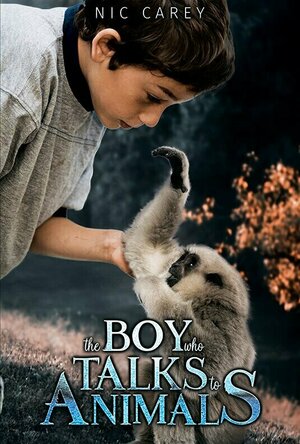
The Boy Who Talks To Animals by Nic Carey is a hard book to describe. The best way I can come up with is to offer a quote from the book:
“Where does legend end and reality begin? Perhaps all reality has root in legend and the two are intertwined.” - Professor Lofthouse page 140
Ben has worked at the zoo for years and had always wanted to be a zookeeper ever since he was a child. He loves animals and has dedicated his life to their care and happiness. Sometimes this means going into work super early and at times staying all night long. One night he started to notice strange things happening at the zoo restaurant, making him believe someone is breaking in and getting into the food. Concerned about the security of the zoo and the safety of not only the animals but also for the person breaking in, Ben sets a trap and waits to see who it is.
Much to Ben’s surprise, the culprit is a young boy about twelve years old. This boy appears to be a runaway and has been getting his food from the zoo for quite a while now. Slowly Ben befriends the boy and discovers something odd and wondrous about him. While this boy either can’t or won’t talk to people, he can talk to animals. All the animals in the zoo love this boy, even the most dangerous ones consider him to be one of their own. The people that spend a lot of time around the boy also start to notice some changes within themselves. Now all Be can hope for is that the zoo can offer this special boy the shelter, protection, love, and life that he deserves.
What I liked best was the Professor's description of hidden skills and his explanation of Autism was one of the best I have ever heard. He suggests that our ancestors had abilities like the boy in the story but since we lost our connection with the planet we lost those abilities. At times that extra chromosome shows up, giving a person access to these ancient abilities, but they must give up something else such as the ability to speak in order to access it. Honestly, my biggest problem occurs before the book actually starts. There is a four-page synopsis at the beginning of the book. While a synopsis in itself is not a problem this one was so long and detailed that after reading it I lost interest in reading the book. This was because the synopsis contains major spoilers and tells the reader how the book ends. I highly recommend if anyone decides to read this book that you do not read the synopsis.
Content-wise this book is safe for just about anyone to read. Aside from kissing the only thing that could be classified as inappropriate is a primate grabbing at a woman’s butt in one short area. The book is a bit long which may discourage some younger readers. I rate this book 2 out of 4. The story itself is really good but the delivery isn’t all that great. Besides the synopsis (which ruined the book for me) inside the book which tells everything of importance that happens. Also, the book drags, nothing really happens until the last few chapters and the first half of the book is really slow to progress.
https://www.facebook.com/nightreaderreviews/
https://smashbomb.com/nightreader
https://nightreaderreviews.blogspot.com/
“Where does legend end and reality begin? Perhaps all reality has root in legend and the two are intertwined.” - Professor Lofthouse page 140
Ben has worked at the zoo for years and had always wanted to be a zookeeper ever since he was a child. He loves animals and has dedicated his life to their care and happiness. Sometimes this means going into work super early and at times staying all night long. One night he started to notice strange things happening at the zoo restaurant, making him believe someone is breaking in and getting into the food. Concerned about the security of the zoo and the safety of not only the animals but also for the person breaking in, Ben sets a trap and waits to see who it is.
Much to Ben’s surprise, the culprit is a young boy about twelve years old. This boy appears to be a runaway and has been getting his food from the zoo for quite a while now. Slowly Ben befriends the boy and discovers something odd and wondrous about him. While this boy either can’t or won’t talk to people, he can talk to animals. All the animals in the zoo love this boy, even the most dangerous ones consider him to be one of their own. The people that spend a lot of time around the boy also start to notice some changes within themselves. Now all Be can hope for is that the zoo can offer this special boy the shelter, protection, love, and life that he deserves.
What I liked best was the Professor's description of hidden skills and his explanation of Autism was one of the best I have ever heard. He suggests that our ancestors had abilities like the boy in the story but since we lost our connection with the planet we lost those abilities. At times that extra chromosome shows up, giving a person access to these ancient abilities, but they must give up something else such as the ability to speak in order to access it. Honestly, my biggest problem occurs before the book actually starts. There is a four-page synopsis at the beginning of the book. While a synopsis in itself is not a problem this one was so long and detailed that after reading it I lost interest in reading the book. This was because the synopsis contains major spoilers and tells the reader how the book ends. I highly recommend if anyone decides to read this book that you do not read the synopsis.
Content-wise this book is safe for just about anyone to read. Aside from kissing the only thing that could be classified as inappropriate is a primate grabbing at a woman’s butt in one short area. The book is a bit long which may discourage some younger readers. I rate this book 2 out of 4. The story itself is really good but the delivery isn’t all that great. Besides the synopsis (which ruined the book for me) inside the book which tells everything of importance that happens. Also, the book drags, nothing really happens until the last few chapters and the first half of the book is really slow to progress.
https://www.facebook.com/nightreaderreviews/
https://smashbomb.com/nightreader
https://nightreaderreviews.blogspot.com/

Emma @ The Movies (1786 KP) rated Bloodshot (2020) in Movies
Mar 21, 2020


It's nice to get a different side of the comic book genre for once, I'm still suffering from Marvel/Avengers fatigue so this was a welcome diversion.
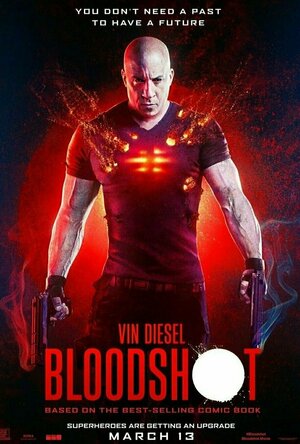
After a successful operation, soldier Ray Garrison has come home to take his beautiful wife of a well deserved break. What he doesn't realise is that he's being tracked by a team who are looking for information, and they'll do anything it takes to get it.
Waking up in a high tech lab with no memory Ray discovers that his body has been donated to a company after his death. RSC are pioneers in enhancements to the human body, taking people who might otherwise be given up on and giving them a new lease of life.
When you've had one of those days and you need some gratuitous violence you can't really go wrong with a Vin Diesel films... can you?
I can't say I ever go into films like this expecting a "masterpiece" of cinema, I was just hoping for some solid entertainment and it certainly gives that.
Enhanced humans always offer that level of escapism that allows for a few faux pas to come across as less obvious, but the trailer made me raise an eyebrow. The effects didn't look great in the few snippets we got, luckily, on seeing the final product thought I was pleasantly surprised. The close up action that wouldn't require major stunts were excellent and believable, I didn't feel like there were any holes to pick... until the elevator scene. You'll clearly see the graphic work and it's a real shame it is so bad in comparison to the rest, there's also a terrible chase scene that has no natural movement in it either.
It's not often Vin strays from a certain type of character so we get exactly what you'd expect from his portrayal of Ray Garrison, a driven "bad guy" with a reason to be mad at a lot of stuff. It's not groundbreaking but it's always fun to see.
Eiza Gonzalez as KT gets a good range to work with, she gives us an excellent character with a reasonable amount of depth compared to her counterparts... who I had to call Legs and Eyes in my notes because at no point did I notice if they had names or not.
Our bad guy was obviously Guy Pearce seems about right for him. It wasn't really out of his comfort zone either though and despite him being great as Dr Emil Harting it wasn't really pushing any boundaries.
Visually this film is pretty good, the fight sequence we get glimpses of during the trailer uses colour well and has some amusing little touches in it. A bit of humour and some shots that I'd associate with horror/thriller movies build that excitement and tension well. There's also a well edited montage that's used to great effect to show the audience an event succinctly without it becoming boring, which is always greatly appreciated in films.
There are a few comments I have but they definitely constitute spoilers so I'll keep them to myself, but there's nothing that majorly added or detracted from the film for me beyond what I've mentioned already.
As I said at the beginning, it's nice to have a different comic book entity on our screens and I think the story is a good one, we're thankfully given an interesting set of characters to focus on and that helps the story stay a little lighter. You know how I like an origin tale though and this seems a bit short on that bit of discovery. I've got the graphic novel to read though so I'm interested to see where it deviates. Despite its minor (and slightly major action CGI) issues I really enjoyed Bloodshot, Ray's anger issues really helped get out some frustration.
Originally posted on: https://emmaatthemovies.blogspot.com/2020/03/bloodshot-movie-review.html
After a successful operation, soldier Ray Garrison has come home to take his beautiful wife of a well deserved break. What he doesn't realise is that he's being tracked by a team who are looking for information, and they'll do anything it takes to get it.
Waking up in a high tech lab with no memory Ray discovers that his body has been donated to a company after his death. RSC are pioneers in enhancements to the human body, taking people who might otherwise be given up on and giving them a new lease of life.
When you've had one of those days and you need some gratuitous violence you can't really go wrong with a Vin Diesel films... can you?
I can't say I ever go into films like this expecting a "masterpiece" of cinema, I was just hoping for some solid entertainment and it certainly gives that.
Enhanced humans always offer that level of escapism that allows for a few faux pas to come across as less obvious, but the trailer made me raise an eyebrow. The effects didn't look great in the few snippets we got, luckily, on seeing the final product thought I was pleasantly surprised. The close up action that wouldn't require major stunts were excellent and believable, I didn't feel like there were any holes to pick... until the elevator scene. You'll clearly see the graphic work and it's a real shame it is so bad in comparison to the rest, there's also a terrible chase scene that has no natural movement in it either.
It's not often Vin strays from a certain type of character so we get exactly what you'd expect from his portrayal of Ray Garrison, a driven "bad guy" with a reason to be mad at a lot of stuff. It's not groundbreaking but it's always fun to see.
Eiza Gonzalez as KT gets a good range to work with, she gives us an excellent character with a reasonable amount of depth compared to her counterparts... who I had to call Legs and Eyes in my notes because at no point did I notice if they had names or not.
Our bad guy was obviously Guy Pearce seems about right for him. It wasn't really out of his comfort zone either though and despite him being great as Dr Emil Harting it wasn't really pushing any boundaries.
Visually this film is pretty good, the fight sequence we get glimpses of during the trailer uses colour well and has some amusing little touches in it. A bit of humour and some shots that I'd associate with horror/thriller movies build that excitement and tension well. There's also a well edited montage that's used to great effect to show the audience an event succinctly without it becoming boring, which is always greatly appreciated in films.
There are a few comments I have but they definitely constitute spoilers so I'll keep them to myself, but there's nothing that majorly added or detracted from the film for me beyond what I've mentioned already.
As I said at the beginning, it's nice to have a different comic book entity on our screens and I think the story is a good one, we're thankfully given an interesting set of characters to focus on and that helps the story stay a little lighter. You know how I like an origin tale though and this seems a bit short on that bit of discovery. I've got the graphic novel to read though so I'm interested to see where it deviates. Despite its minor (and slightly major action CGI) issues I really enjoyed Bloodshot, Ray's anger issues really helped get out some frustration.
Originally posted on: https://emmaatthemovies.blogspot.com/2020/03/bloodshot-movie-review.html

BankofMarquis (1832 KP) rated The Curious Case of Benjamin Button (2008) in Movies
Mar 28, 2020

Holds up well - worth your time
I remember really liking THE CURIOUS CASE OF BENJAMIN BUTTON when it first was released in 2011. It made me a fan of Brad Pitt, Cate Blanchette, Tilda Swinton, Taraji P. Henson, Jared Harris and Director David Fincher - and I defended this film to those that did not have as high an opinion of this movie than I did. So when my daughter recommended we re-watch this film (a film I haven't watched in 5 or 6 years), I was excited to revisit it.
And...I'm glad I did...for I re-fell in love with the portions of the film that I remembered fondly while I was also able to see the flaws (mostly in pacing) that drops this film down a peg.
Based on the short story by F. Scott Fitgerald, THE CURIOUS CASE OF BENJAMIN BUTTON tells the tale of a man who ages backwards. His life is chronicled from his birth (right after the "Great War" ended in the 1919) and follows right up to his death.
As played by Brad Pitt in an Oscar nominated turn, the titular character is earnest, honest, somewhat naive and (as he gets younger) very attractive to look at. I've been a fan of Pitt's acting since the days of FIGHT CLUB and 12 MONKEYS (and think he deserved his Oscar for ONCE UPON A TIME IN HOLLYWOOD) and he does not disappoint in this film, especially since he has quite a few strong performers to play against (even while under heavy make-up).
Jared Harris, Taraji P. Henson (in an Oscar nominated performance) and Mahershala Ali all bring strong, winning performances but is the performances of 2 strong actresses that drew my attention to them from this point forward. Tilda Swinton (SNOWPIERCER) brings a sense of longing to her portrayal of a woman that Benjamin has a brief affair with. Their scenes together are touching and poignant with a sense of sadness that had me rooting for Swinton's character throughout.
But, it is the appearance of Cate Blanchette (THOR: RAGNAROK) that elevates this film for me. I had been a fan of Blanchette's since her Oscar winning role of Katherine Hepburn in THE AVIATOR, but this performance raised her abilities in my eyes and I eagerly await everything that she is going to appear in (including CAROL, a film that I loathe).
Director David Fincher (Se7EN, FIGHT CLUB) was also Oscar nominated for his work in this film and he blends a lifelong love story with events of the day while mixing in some wonderful CGI that helps age (or de-age) Benjamin as the film unfolds. This film, for me, was a departure for Fincher who I came to admire for his trippy films, but he brings a human-ness to the proceedings that helps ground the fantastical into reality.
Upon this viewing, I did find that this film does drag a bit at times - it is as if Fincher (and the cast) fell so in love with the characters and the scenes, that they lose track of the pacing, letting the film bog down from time to time. The film runs 2 hours and 46 minutes...and I think I could help find spots to trim about 20 minutes out of it.
The film did win in 3 of the 13 categories it was Oscar nominated in (it was nominated for BEST FILM, but did not win that award). The Oscar wins were all for special effects of some sort - and I kept looking to see if I could spot the tricks and Special FX in the film - and I could not. A good sign that this film is holding up 9 years later.
Take a trip through time (backwards) with Benjamin Button, it's is worth it.
Letter Grade: A-
8 stars out of 10 (and you can take that to the Bank(OfMarquis)
And...I'm glad I did...for I re-fell in love with the portions of the film that I remembered fondly while I was also able to see the flaws (mostly in pacing) that drops this film down a peg.
Based on the short story by F. Scott Fitgerald, THE CURIOUS CASE OF BENJAMIN BUTTON tells the tale of a man who ages backwards. His life is chronicled from his birth (right after the "Great War" ended in the 1919) and follows right up to his death.
As played by Brad Pitt in an Oscar nominated turn, the titular character is earnest, honest, somewhat naive and (as he gets younger) very attractive to look at. I've been a fan of Pitt's acting since the days of FIGHT CLUB and 12 MONKEYS (and think he deserved his Oscar for ONCE UPON A TIME IN HOLLYWOOD) and he does not disappoint in this film, especially since he has quite a few strong performers to play against (even while under heavy make-up).
Jared Harris, Taraji P. Henson (in an Oscar nominated performance) and Mahershala Ali all bring strong, winning performances but is the performances of 2 strong actresses that drew my attention to them from this point forward. Tilda Swinton (SNOWPIERCER) brings a sense of longing to her portrayal of a woman that Benjamin has a brief affair with. Their scenes together are touching and poignant with a sense of sadness that had me rooting for Swinton's character throughout.
But, it is the appearance of Cate Blanchette (THOR: RAGNAROK) that elevates this film for me. I had been a fan of Blanchette's since her Oscar winning role of Katherine Hepburn in THE AVIATOR, but this performance raised her abilities in my eyes and I eagerly await everything that she is going to appear in (including CAROL, a film that I loathe).
Director David Fincher (Se7EN, FIGHT CLUB) was also Oscar nominated for his work in this film and he blends a lifelong love story with events of the day while mixing in some wonderful CGI that helps age (or de-age) Benjamin as the film unfolds. This film, for me, was a departure for Fincher who I came to admire for his trippy films, but he brings a human-ness to the proceedings that helps ground the fantastical into reality.
Upon this viewing, I did find that this film does drag a bit at times - it is as if Fincher (and the cast) fell so in love with the characters and the scenes, that they lose track of the pacing, letting the film bog down from time to time. The film runs 2 hours and 46 minutes...and I think I could help find spots to trim about 20 minutes out of it.
The film did win in 3 of the 13 categories it was Oscar nominated in (it was nominated for BEST FILM, but did not win that award). The Oscar wins were all for special effects of some sort - and I kept looking to see if I could spot the tricks and Special FX in the film - and I could not. A good sign that this film is holding up 9 years later.
Take a trip through time (backwards) with Benjamin Button, it's is worth it.
Letter Grade: A-
8 stars out of 10 (and you can take that to the Bank(OfMarquis)

The Elements by Theodore Gray
Book and Education
App
Of all the periodic table apps, there is only one which Stephen Fry described as “Alone worth the...

Dream of Pixels
Games and Entertainment
App
A very beautiful falling blocks puzzle game. "Best iPhone and iPad Games of 2012: Puzzle"...

Bob Mann (459 KP) rated The Invisible Man (2020) in Movies
Jan 9, 2021

Elisabeth Moss - excellent performance (1 more)
Slowly creeping tension - clever camera work
Have you seen "The Invisible Man"?
Cecilia Kass (Elisabeth Moss) is trapped in a highly controlling and violent relationship with technology mogul Adrian Griffin (Oliver Jackson-Cohen). Escaping from his fortress-like home, she lives in fear of his retribution. So she is much relieved, if a little surprised, at the report of his suicide. Now living with old friend James Lanier (Aldis Hodge) and his teenage daughter Sydney (Storm Reid), Cecilia can finally start to relax. But as strange things start to happen, is the ghost of Griffin back to haunt her? Or is it really all in her rapidly disintegrating mind, as her sister Emily (Harriet Dyer) and James suspect?
Australian writer/director Leigh Whannell is famous as the writer behind the "Saw" and "Insidious" franchises. So he knows a thing or two about crafting horror movies. And in this Blumhouse production, after a clever attention-grabbing opening, he really takes his time in building an understanding of Cecilia's mental state. When things start to happen, they happen so stealthily that I needed to hit the rewind button a couple of times (no cinema experience for this one I'm afraid). Cinematographer Stefan Duscio keeps slowly panning away from Cecilia across the room to show empty corridors before slowly panning back again. It's superbly effective and was comprehensively creeping me out!
When the set action pieces do occur then they are satisfactorily exciting, albeit wildly implausible. I did not see some of the "Surprises" coming, making them jolt-worthy. And the denouement really delivered for me, reminiscent of Hitchcock's style.
Now most famous for "Mad Men" and "The Handmaids Tale" on TV, Elisabeth Moss has delivered a range of impressive film performances including in "High Rise" and - as most closely related to this role - in "Girl, Interrupted" as mental patient Lisa. It's a star turn, no doubt about it.
This movie was intended by Universal to be part of the "Dark Universe" series. But the Tom Cruise flop "The Mummy" unfortunately put paid to that. Which is a great shame. If they'd started with this one, then they might have had a hit on their hands. With a post-credits "monkey" (there isn't one in this movie by the way) they could have lined up into the follow-up movie and started the ball rolling.
It's a rollicking action flick that had my attention throughout. However, the initial question it poses - haunting, 'all in the mind' or something else - gets clarified a little too early for me (and - note - is spoiled by the trailer), so the movie falls short of being a classic for that reason.
There's one aspect of the movie that really irritated me. And that is that there was no credit whatsoever for the idea of H.G. Wells that originated this story. There's a discussion of that here: since Wells died in 1946, his copyright will have expired on his works 70 years later. This is definitely NOT a retelling of his story, but in reusing the novel's title it would seem at least 'polite' to include a "Based on an idea by H.G. Wells" in the credits somewhere.
All in all, this is still a bit of a B-movie, but its a bloody good one! Utterly preposterous at times, and with decision-making that would feel at home within the Trump presidency, it's an entertaining rollercoaster of a movie. Definitely comes with a "recommended" from me and I'll look forward to a re-watch at some point.
For the full graphical review, please check out the One Mann's Movies review here - https://bob-the-movie-man.com/2021/01/09/have-you-seen-the-invisible-man/ .
Australian writer/director Leigh Whannell is famous as the writer behind the "Saw" and "Insidious" franchises. So he knows a thing or two about crafting horror movies. And in this Blumhouse production, after a clever attention-grabbing opening, he really takes his time in building an understanding of Cecilia's mental state. When things start to happen, they happen so stealthily that I needed to hit the rewind button a couple of times (no cinema experience for this one I'm afraid). Cinematographer Stefan Duscio keeps slowly panning away from Cecilia across the room to show empty corridors before slowly panning back again. It's superbly effective and was comprehensively creeping me out!
When the set action pieces do occur then they are satisfactorily exciting, albeit wildly implausible. I did not see some of the "Surprises" coming, making them jolt-worthy. And the denouement really delivered for me, reminiscent of Hitchcock's style.
Now most famous for "Mad Men" and "The Handmaids Tale" on TV, Elisabeth Moss has delivered a range of impressive film performances including in "High Rise" and - as most closely related to this role - in "Girl, Interrupted" as mental patient Lisa. It's a star turn, no doubt about it.
This movie was intended by Universal to be part of the "Dark Universe" series. But the Tom Cruise flop "The Mummy" unfortunately put paid to that. Which is a great shame. If they'd started with this one, then they might have had a hit on their hands. With a post-credits "monkey" (there isn't one in this movie by the way) they could have lined up into the follow-up movie and started the ball rolling.
It's a rollicking action flick that had my attention throughout. However, the initial question it poses - haunting, 'all in the mind' or something else - gets clarified a little too early for me (and - note - is spoiled by the trailer), so the movie falls short of being a classic for that reason.
There's one aspect of the movie that really irritated me. And that is that there was no credit whatsoever for the idea of H.G. Wells that originated this story. There's a discussion of that here: since Wells died in 1946, his copyright will have expired on his works 70 years later. This is definitely NOT a retelling of his story, but in reusing the novel's title it would seem at least 'polite' to include a "Based on an idea by H.G. Wells" in the credits somewhere.
All in all, this is still a bit of a B-movie, but its a bloody good one! Utterly preposterous at times, and with decision-making that would feel at home within the Trump presidency, it's an entertaining rollercoaster of a movie. Definitely comes with a "recommended" from me and I'll look forward to a re-watch at some point.
For the full graphical review, please check out the One Mann's Movies review here - https://bob-the-movie-man.com/2021/01/09/have-you-seen-the-invisible-man/ .
Kirk Bage (1775 KP) rated Stan & Ollie (2018) in Movies
Jan 28, 2021
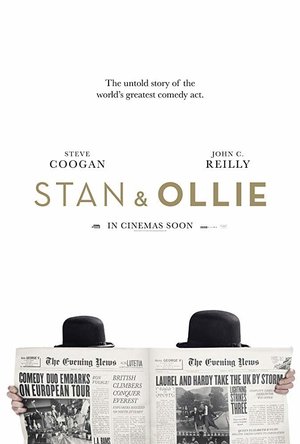
My relationship with Laurel & Hardy is a tentative one. I do enjoy their short films, full of ingenuity and genuinely funny moments. But, they’d be down the list a bit for me on the greatest black and white comedy stars – Chaplin, Keaton, Lloyd, then the Marx Brothers maybe, then the slapstick duo next, maybe. It’s not that I don’t think they are great! They are, they definitely are. I just can’t sit down and take to much of them at once. Maybe because their schtick is very stagey, vaudevillian even, rather than cinematic. And that is because they were primary stage actors and clowns. Not necessarily in that order.
So, my anticipation of a movie about them in 2018 was not huge. I was happy to wait, and it was consigned deep down the watchlist for a while. Until one Sunday evening in October, when it suddenly felt like exactly what I wanted to see that day – a nice, calm biopic that probably had a few laughs and a soppy ending. And that is pretty much what this is. Except that it also has two very very impressive performances from the eponymous leads, the consumately talented John C. Reilly and Steve Coogan.
When I say impressive I mean that at times it feels like you are magically watching the real Oliver Hardy and Stan Laurel. So detailed and well observed are their characterisations that nothing whatsoever (other than maybe the makeup on Reilly’s double chin) strikes you as false. Which helps you invest in their story entirely; told in professional if unspectacular style by Jon S. Baird, who demonstrates an understanding of the people, if not a full understanding of how to make a scene truly fly.
The story here is not a full biopic, but rather a snapshot of the end of their careers, when, amazingly, they embarked on a tour of UK theatres in an attempt to keep working once their film career had lost its shine and popularity. What we see are two older men, once treated as superstars, who are now brought down to earth by all things fading, including their youth. They are bitter and argumentative with each other, and their long suffering wives (played satisfyingly by Shirley Henderson and Nina Arianda). Long stewed resentments come to the surface and the smiles of the clowns are seen at their lowest ebb as things begin to fall apart.
What rings true are the observations of a love / hate friendship that has lasted a full lifetime, and how that affects a working relationship and a public legacy. Jeff Pope, who also worked with Coogan on Philomena, gives us a stoic but often deeply meaningful screenplay here, that isn’t bothered by showing off, in favour of colouring the relationship accurately, which is commendably, and feels quite anti-Hollywood and a bit more British.
The physical gags and set-pieces are also beautifully staged, and look gorgeous, evoking the period superbly. My face was almost permanently smiling, although I can’t remember laughing out loud once. And that is what this film feels like, ultimately – a nice, gentle, Sunday afternoon drive into the past. Your grandparents will love it! Personally, I felt it was fine and dandy, but lacked a spark or two to make it properly come to life.
Watch this if you enjoy great acting that doesn’t need to wave its arms around to get attention. Both Reilly and Coogan are extraordinary! Interestingly, the American was nominated for a Golden Globe over there, and the Brit was nominated for a Bafta over here. Neither won, but they were never going to, as this production is almost embarrassed to announce itself as being good. It is good. Just not amazing. Give it a go when a nice cosy, sleepy mood takes you one day.
So, my anticipation of a movie about them in 2018 was not huge. I was happy to wait, and it was consigned deep down the watchlist for a while. Until one Sunday evening in October, when it suddenly felt like exactly what I wanted to see that day – a nice, calm biopic that probably had a few laughs and a soppy ending. And that is pretty much what this is. Except that it also has two very very impressive performances from the eponymous leads, the consumately talented John C. Reilly and Steve Coogan.
When I say impressive I mean that at times it feels like you are magically watching the real Oliver Hardy and Stan Laurel. So detailed and well observed are their characterisations that nothing whatsoever (other than maybe the makeup on Reilly’s double chin) strikes you as false. Which helps you invest in their story entirely; told in professional if unspectacular style by Jon S. Baird, who demonstrates an understanding of the people, if not a full understanding of how to make a scene truly fly.
The story here is not a full biopic, but rather a snapshot of the end of their careers, when, amazingly, they embarked on a tour of UK theatres in an attempt to keep working once their film career had lost its shine and popularity. What we see are two older men, once treated as superstars, who are now brought down to earth by all things fading, including their youth. They are bitter and argumentative with each other, and their long suffering wives (played satisfyingly by Shirley Henderson and Nina Arianda). Long stewed resentments come to the surface and the smiles of the clowns are seen at their lowest ebb as things begin to fall apart.
What rings true are the observations of a love / hate friendship that has lasted a full lifetime, and how that affects a working relationship and a public legacy. Jeff Pope, who also worked with Coogan on Philomena, gives us a stoic but often deeply meaningful screenplay here, that isn’t bothered by showing off, in favour of colouring the relationship accurately, which is commendably, and feels quite anti-Hollywood and a bit more British.
The physical gags and set-pieces are also beautifully staged, and look gorgeous, evoking the period superbly. My face was almost permanently smiling, although I can’t remember laughing out loud once. And that is what this film feels like, ultimately – a nice, gentle, Sunday afternoon drive into the past. Your grandparents will love it! Personally, I felt it was fine and dandy, but lacked a spark or two to make it properly come to life.
Watch this if you enjoy great acting that doesn’t need to wave its arms around to get attention. Both Reilly and Coogan are extraordinary! Interestingly, the American was nominated for a Golden Globe over there, and the Brit was nominated for a Bafta over here. Neither won, but they were never going to, as this production is almost embarrassed to announce itself as being good. It is good. Just not amazing. Give it a go when a nice cosy, sleepy mood takes you one day.

Adobe Photoshop Fix
Photo & Video and Productivity
App
Adobe Photoshop Fix enables powerful, yet easy image retouching and restoration on your iPad or...

Ivana A. | Diary of Difference (1171 KP) rated Falling Short in Books
Oct 2, 2020

Contains spoilers, click to show
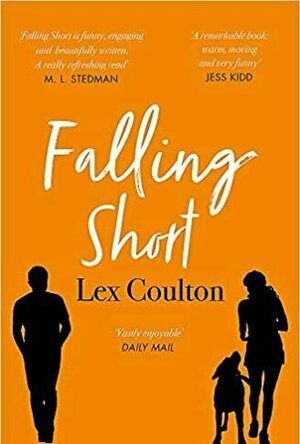
When I first found out about Falling Short, written by Lex Coulton, the blurb promised to be ''fresh, funny and life-affirming''. I am sorry, but no. That is not correct. This book was none of those things. It wasn’t bad at all, but I would prefer describing it as a slow-paced, and confusingly complex in an unsatisfying way.
About the book:
Frances Pilgrim’s father went missing when she was five, and ever since all sorts of things have been going astray: car keys, promotions, a series of underwhelming and unsuitable boyfriends . . . Now here she is, thirty-bloody-nine, teaching Shakespeare to rowdy sixth formers and still losing things.
But she has a much more pressing problem. Her mother, whose odd behaviour Frances has long put down to eccentricity, is slowly yielding to Alzheimer’s, leaving Frances with some disturbing questions about her father’s disappearance, and the family history she’s always believed in. Frances could really do with someone to talk to. Ideally Jackson: fellow teacher, dedicated hedonist, erstwhile best friend. Only they haven’t spoken since that night last summer when things got complicated . . .
As the new school year begins, and her mother’s behavior becomes more and more erratic, Frances realizes that she might just have a chance to find something for once. But will it be what she’s looking for?
My thoughts:
I am usually good at explaining why I don’t like a certain book, or why I feel the way I feel, and believe me, with this one, I have spent two days and 6 sittings in front of this draft (now published post) to try and write about it. So I am doing my best now…
First of all, there has to be something about a certain book to make me want to read it. With this one – there were two things:
I love romance and intrigue, and the blurb promised two people not really talking to each other, but sparks flying around… so yes, that got me.
The Alzheimer’s disease – as a person that has worked with people suffering from Dementia and Alzheimer’s, this subject is very close to my heart. I couldn’t miss this book for this reason.
Now – the romance part disappointed me, as there was no romance. No romance at all. Unless, of course, you count as a romance a person in their mid-forties sleeping around with drunk teens, and is then too complicated of a character to even realise who he loves, and why, and the moment he does, he still has no idea what to do with that information.
The other disappointment I had was that I expected to read about the Alzheimer’s, and not only that they weren’t there, but also some of the symptoms mentioned were not correct at all. There were only sex relationships and sex scenes, and that was supposed to define their relationship in the end. Not realistic at all.
Even though it seems that we follow Frances’s story throughout, we actually follow Jackson’s story as well. Their characters were too complicated and confusing for me, and it let me to now feel nor care about them at all. I honestly cared about Frances’s dog the most in this book.
The plot wasn’t perfect – there were times when the information given didn’t match.
[SPOILER ALERT]
The scene how Frances searches on Google to find the address of her dad. We are then told that she found out his address through Jean. Which one is it, then?
I am actually quite sad that I didn’t enjoy this book, but I will still be curious about new works from Lex Coulton, because, somehow, I really liked her writing style, despite all the flaws.
About the book:
Frances Pilgrim’s father went missing when she was five, and ever since all sorts of things have been going astray: car keys, promotions, a series of underwhelming and unsuitable boyfriends . . . Now here she is, thirty-bloody-nine, teaching Shakespeare to rowdy sixth formers and still losing things.
But she has a much more pressing problem. Her mother, whose odd behaviour Frances has long put down to eccentricity, is slowly yielding to Alzheimer’s, leaving Frances with some disturbing questions about her father’s disappearance, and the family history she’s always believed in. Frances could really do with someone to talk to. Ideally Jackson: fellow teacher, dedicated hedonist, erstwhile best friend. Only they haven’t spoken since that night last summer when things got complicated . . .
As the new school year begins, and her mother’s behavior becomes more and more erratic, Frances realizes that she might just have a chance to find something for once. But will it be what she’s looking for?
My thoughts:
I am usually good at explaining why I don’t like a certain book, or why I feel the way I feel, and believe me, with this one, I have spent two days and 6 sittings in front of this draft (now published post) to try and write about it. So I am doing my best now…
First of all, there has to be something about a certain book to make me want to read it. With this one – there were two things:
I love romance and intrigue, and the blurb promised two people not really talking to each other, but sparks flying around… so yes, that got me.
The Alzheimer’s disease – as a person that has worked with people suffering from Dementia and Alzheimer’s, this subject is very close to my heart. I couldn’t miss this book for this reason.
Now – the romance part disappointed me, as there was no romance. No romance at all. Unless, of course, you count as a romance a person in their mid-forties sleeping around with drunk teens, and is then too complicated of a character to even realise who he loves, and why, and the moment he does, he still has no idea what to do with that information.
The other disappointment I had was that I expected to read about the Alzheimer’s, and not only that they weren’t there, but also some of the symptoms mentioned were not correct at all. There were only sex relationships and sex scenes, and that was supposed to define their relationship in the end. Not realistic at all.
Even though it seems that we follow Frances’s story throughout, we actually follow Jackson’s story as well. Their characters were too complicated and confusing for me, and it let me to now feel nor care about them at all. I honestly cared about Frances’s dog the most in this book.
The plot wasn’t perfect – there were times when the information given didn’t match.
[SPOILER ALERT]
The scene how Frances searches on Google to find the address of her dad. We are then told that she found out his address through Jean. Which one is it, then?
I am actually quite sad that I didn’t enjoy this book, but I will still be curious about new works from Lex Coulton, because, somehow, I really liked her writing style, despite all the flaws.