Search
Search results
ClareR (6256 KP) rated The Leviathan in Books
Feb 3, 2023
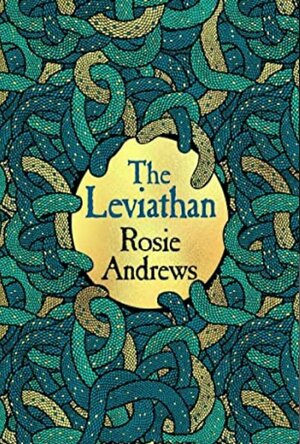
It’s 1643 and Thomas Treadwater has returned home injured from the Civil War. His father’s farm is in Norfolk, and his sister sent Thomas a letter, accusing their maidservant of bewitching their religious father. When Thomas arrives on the family land, it is to the sight of dead livestock, a sick father (a stroke), and a servant held responsible for both occurrences by way of witchcraft. Thomas doesn’t believe in witchcraft though, and decides to investigate what has happened for himself.
This beautiful story really does evoke the time: how women were regarded as witches if they knew too much, looked to beautiful, looked too ugly, or were simply in the wrong place at the wrong time. I enjoyed reading about their thoughts on religion, philosophy and how the law worked. There was even a part for John Milton himself.
There are secrets galore, a shipwreck and a real leviathan. The menace seems to be constantly radiating off the page in this dark (and it felt to me) grey and damp time!
Recommended.
This beautiful story really does evoke the time: how women were regarded as witches if they knew too much, looked to beautiful, looked too ugly, or were simply in the wrong place at the wrong time. I enjoyed reading about their thoughts on religion, philosophy and how the law worked. There was even a part for John Milton himself.
There are secrets galore, a shipwreck and a real leviathan. The menace seems to be constantly radiating off the page in this dark (and it felt to me) grey and damp time!
Recommended.
Dirty Laundry (Cole McGinnis #3)
Book
For ex-cop turned private investigator Cole McGinnis, each day brings a new challenge. Too bad most...
Contemporary MM Romance Crime Suspense Mystery
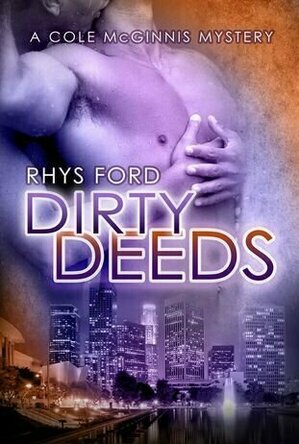
Dirty Deeds (Cole McGinnis #4)
Book
Sheila Pinelli needed to be taken out. Former cop turned private investigator Cole McGinnis never...
Contemporary MM Romance Crime Mystery Suspense
Katarzyna Krasuska (81 KP) rated Behind Closed Doors in Books
Aug 10, 2018
The book that made me angry
Contains spoilers, click to show
So, where do i start?
It took me one and a half day to read it, purely because I wanted to get it over with...
I must warn you, there might be some spoilers here, so unless you're not interested in reading the book I wouldn't continue with the review.
I just found the entire story so unrealistic and badly written, that it really makes me angry when I see all these five star reviews. For what, I'm asking?
Let me take you through some of my biggest issues with the story:
Issue number 1.:
Imagine you're 32 years old Grace, single, with the most amazing job as a buyer for Harrods with constant trips to South America. You're also about to become a legal guardian to your little sister with Down Syndrome. You meet this gorgeous man named Jack, whom you immediately fall in love with due to a lovely act of kindness towards your sister. This man within no time at all proposes to you and with that asks you to quit your job, sell your house and let him be the legal guardian as well. Any alarm bells yet??
He then says he wants the wedding to happen straight away. He's very manipulative, he makes all the decisions about the ceremony by himself; he decides the date, the venue, he even picks your dress.
Now the biggest giveaway that the fella is bad news is when he disappears on your wedding night and doesn't answer his phone, then in the morning texts you saying: Stop being so dramatic! I'll see you in front of the hotel at 11.
Wouldn't this be enough? Wouldn't you start thinking, that maybe you don't know enough about your husband, that you rushed into things?
What responsible woman would ever do that? I mean, seriously?! Ok, maybe if she didn't have Millie(her sister) and thought, that this might be the last chance to be with someone, than maybe she would agree for that quick a wedding. Or if she didn't have that good a job... Not like that though, I just don't see it. I think this could only happen if Grace herself had some sort of personality disorder or at least a very, very low self esteem.
Issue number 2.:
The constant threats about sending Millie to asylum...what asylum? This isn't Batman and Gotham city, asylums like that don't exist anymore. And since when people with Down Syndrome are held in Psychiatric Hospitals (as that's what they're called!). Not just that, you can't just admit someone to one of them. There are assessments and number of tests done with the patient, which means that only good things could come out that, as Millie would have told doctors what's really happening and the police would be called...simple.
Issue number 3.:
Grace had so many chances to escape, that it's actually funny. She could scream in the restaurant, shout for help, refuse to leave, do something!!
Issue number 4.:
Then there's the ending...
Grace in some miraculous way gets away with murder... In this fantasy world filled with lawyers, psychopaths & wealth, the author didn't think about forensics...hmm, or is it just me?
Even though I can honestly say I've read worse (Husband's secret, Sister's secret etc), this was a very painful and frustrating read...
It took me one and a half day to read it, purely because I wanted to get it over with...
I must warn you, there might be some spoilers here, so unless you're not interested in reading the book I wouldn't continue with the review.
I just found the entire story so unrealistic and badly written, that it really makes me angry when I see all these five star reviews. For what, I'm asking?
Let me take you through some of my biggest issues with the story:
Issue number 1.:
Imagine you're 32 years old Grace, single, with the most amazing job as a buyer for Harrods with constant trips to South America. You're also about to become a legal guardian to your little sister with Down Syndrome. You meet this gorgeous man named Jack, whom you immediately fall in love with due to a lovely act of kindness towards your sister. This man within no time at all proposes to you and with that asks you to quit your job, sell your house and let him be the legal guardian as well. Any alarm bells yet??
He then says he wants the wedding to happen straight away. He's very manipulative, he makes all the decisions about the ceremony by himself; he decides the date, the venue, he even picks your dress.
Now the biggest giveaway that the fella is bad news is when he disappears on your wedding night and doesn't answer his phone, then in the morning texts you saying: Stop being so dramatic! I'll see you in front of the hotel at 11.
Wouldn't this be enough? Wouldn't you start thinking, that maybe you don't know enough about your husband, that you rushed into things?
What responsible woman would ever do that? I mean, seriously?! Ok, maybe if she didn't have Millie(her sister) and thought, that this might be the last chance to be with someone, than maybe she would agree for that quick a wedding. Or if she didn't have that good a job... Not like that though, I just don't see it. I think this could only happen if Grace herself had some sort of personality disorder or at least a very, very low self esteem.
Issue number 2.:
The constant threats about sending Millie to asylum...what asylum? This isn't Batman and Gotham city, asylums like that don't exist anymore. And since when people with Down Syndrome are held in Psychiatric Hospitals (as that's what they're called!). Not just that, you can't just admit someone to one of them. There are assessments and number of tests done with the patient, which means that only good things could come out that, as Millie would have told doctors what's really happening and the police would be called...simple.
Issue number 3.:
Grace had so many chances to escape, that it's actually funny. She could scream in the restaurant, shout for help, refuse to leave, do something!!
Issue number 4.:
Then there's the ending...
Grace in some miraculous way gets away with murder... In this fantasy world filled with lawyers, psychopaths & wealth, the author didn't think about forensics...hmm, or is it just me?
Even though I can honestly say I've read worse (Husband's secret, Sister's secret etc), this was a very painful and frustrating read...
Goddess in the Stacks (553 KP) rated Wintersong in Books
Dec 27, 2018
So I knew this was inspired by Jim Henson's Labyrinth. That's partially why I picked it up, as I love that movie and David Bowie as the Goblin King. I didn't expect to get, basically, Labyrinth fanfiction. That was my first impression. As the book carries on, though, and especially as you get into the second book, it's more like a musician's fever-dream of their favorite childhood movie. There are so many elements taken from the movie, but they are deconstructed and put back together in such unexpected ways.
You'll recognize a line or two from the movie. The fairies still bite. The Goblin King is still beautiful and angular and strange. Liesl's after a stolen sibling. But Liesl and her family live in rural, probably 18th century Bavaria. She is not a spoiled, baby-sitting half-sister. Her grandmother has taught her the old stories, and unbeknownst to her, she's played music for The Goblin King her entire childhood.
The first book concerns Liesl's first foray into the Underground to save her sister when The Goblin King steals her to be his bride. This is where the acid trip starts. If you're familiar with Labyrinth, remember the ballroom scene? With people whirling about and appearing and disappearing and mirrors and the sense of disorientation as it all falls apart? Yeah, that's basically the entire time in the Underground. Though there is a ball scene, and it is especially trippy.
While Liesl manages to save her sister (that's a spoiler, but it isn't much of one), she has a harder time saving herself. Whether she actually does or not could be debated.
The second book of the duology, Shadowsong, has an interesting author's note in the front of it. The author first gives a content warning for self-harm, suicidal ideations, addiction, and reckless behaviors. She goes on to say Liesl has bipolar disorder, and further, that so does she. (The author.) She says Wintersong was her bright mirror, and Shadowsong her dark one. I can see that. Wintersong is a much happier book than Shadowsong, but the story would be incomplete without both books. Wintersong does end in a satisfactory conclusion, but Shadowsong just completes the tale in a way that I, at least, really enjoyed.
Shadowsong also contains more throwbacks to the movie - she falls and is caught by goblin hands; goblins form a giant face that talks to her about the old laws. These things don't happen in the same scene, though.
I loved the elements of music woven throughout the story; Liesl is a composer, and music - her music - is almost a character in its own right. It's definitely a huge plot element. It's in her connection to her brother, and her connection to The Goblin King. It's her way into the Underground, and her way out, and her way to reach back in.
It's an enchanting duology; I don't know if it would be as good for someone who didn't love Labyrinth the way I do. If you dislike the movie, I would probably advise against reading these. But if you like it or have simply never seen it, these would be good, atmospheric books to read in the dead of winter.
You can read all my reviews at http://goddessinthestacks.com
You'll recognize a line or two from the movie. The fairies still bite. The Goblin King is still beautiful and angular and strange. Liesl's after a stolen sibling. But Liesl and her family live in rural, probably 18th century Bavaria. She is not a spoiled, baby-sitting half-sister. Her grandmother has taught her the old stories, and unbeknownst to her, she's played music for The Goblin King her entire childhood.
The first book concerns Liesl's first foray into the Underground to save her sister when The Goblin King steals her to be his bride. This is where the acid trip starts. If you're familiar with Labyrinth, remember the ballroom scene? With people whirling about and appearing and disappearing and mirrors and the sense of disorientation as it all falls apart? Yeah, that's basically the entire time in the Underground. Though there is a ball scene, and it is especially trippy.
While Liesl manages to save her sister (that's a spoiler, but it isn't much of one), she has a harder time saving herself. Whether she actually does or not could be debated.
The second book of the duology, Shadowsong, has an interesting author's note in the front of it. The author first gives a content warning for self-harm, suicidal ideations, addiction, and reckless behaviors. She goes on to say Liesl has bipolar disorder, and further, that so does she. (The author.) She says Wintersong was her bright mirror, and Shadowsong her dark one. I can see that. Wintersong is a much happier book than Shadowsong, but the story would be incomplete without both books. Wintersong does end in a satisfactory conclusion, but Shadowsong just completes the tale in a way that I, at least, really enjoyed.
Shadowsong also contains more throwbacks to the movie - she falls and is caught by goblin hands; goblins form a giant face that talks to her about the old laws. These things don't happen in the same scene, though.
I loved the elements of music woven throughout the story; Liesl is a composer, and music - her music - is almost a character in its own right. It's definitely a huge plot element. It's in her connection to her brother, and her connection to The Goblin King. It's her way into the Underground, and her way out, and her way to reach back in.
It's an enchanting duology; I don't know if it would be as good for someone who didn't love Labyrinth the way I do. If you dislike the movie, I would probably advise against reading these. But if you like it or have simply never seen it, these would be good, atmospheric books to read in the dead of winter.
You can read all my reviews at http://goddessinthestacks.com
Goddess in the Stacks (553 KP) rated Shadowsong (Wintersong #2) in Books
Dec 27, 2018
So I knew this was inspired by Jim Henson's Labyrinth. That's partially why I picked it up, as I love that movie and David Bowie as the Goblin King. I didn't expect to get, basically, Labyrinth fanfiction. That was my first impression. As the book carries on, though, and especially as you get into the second book, it's more like a musician's fever-dream of their favorite childhood movie. There are so many elements taken from the movie, but they are deconstructed and put back together in such unexpected ways.
You'll recognize a line or two from the movie. The fairies still bite. The Goblin King is still beautiful and angular and strange. Liesl's after a stolen sibling. But Liesl and her family live in rural, probably 18th century Bavaria. She is not a spoiled, baby-sitting half-sister. Her grandmother has taught her the old stories, and unbeknownst to her, she's played music for The Goblin King her entire childhood.
The first book concerns Liesl's first foray into the Underground to save her sister when The Goblin King steals her to be his bride. This is where the acid trip starts. If you're familiar with Labyrinth, remember the ballroom scene? With people whirling about and appearing and disappearing and mirrors and the sense of disorientation as it all falls apart? Yeah, that's basically the entire time in the Underground. Though there is a ball scene, and it is especially trippy.
While Liesl manages to save her sister (that's a spoiler, but it isn't much of one), she has a harder time saving herself. Whether she actually does or not could be debated.
The second book of the duology, Shadowsong, has an interesting author's note in the front of it. The author first gives a content warning for self-harm, suicidal ideations, addiction, and reckless behaviors. She goes on to say Liesl has bipolar disorder, and further, that so does she. (The author.) She says Wintersong was her bright mirror, and Shadowsong her dark one. I can see that. Wintersong is a much happier book than Shadowsong, but the story would be incomplete without both books. Wintersong does end in a satisfactory conclusion, but Shadowsong just completes the tale in a way that I, at least, really enjoyed.
Shadowsong also contains more throwbacks to the movie - she falls and is caught by goblin hands; goblins form a giant face that talks to her about the old laws. These things don't happen in the same scene, though.
I loved the elements of music woven throughout the story; Liesl is a composer, and music - her music - is almost a character in its own right. It's definitely a huge plot element. It's in her connection to her brother, and her connection to The Goblin King. It's her way into the Underground, and her way out, and her way to reach back in.
It's an enchanting duology; I don't know if it would be as good for someone who didn't love Labyrinth the way I do. If you dislike the movie, I would probably advise against reading these. But if you like it or have simply never seen it, these would be good, atmospheric books to read in the dead of winter.
You can read all my reviews at http://goddessinthestacks.com
You'll recognize a line or two from the movie. The fairies still bite. The Goblin King is still beautiful and angular and strange. Liesl's after a stolen sibling. But Liesl and her family live in rural, probably 18th century Bavaria. She is not a spoiled, baby-sitting half-sister. Her grandmother has taught her the old stories, and unbeknownst to her, she's played music for The Goblin King her entire childhood.
The first book concerns Liesl's first foray into the Underground to save her sister when The Goblin King steals her to be his bride. This is where the acid trip starts. If you're familiar with Labyrinth, remember the ballroom scene? With people whirling about and appearing and disappearing and mirrors and the sense of disorientation as it all falls apart? Yeah, that's basically the entire time in the Underground. Though there is a ball scene, and it is especially trippy.
While Liesl manages to save her sister (that's a spoiler, but it isn't much of one), she has a harder time saving herself. Whether she actually does or not could be debated.
The second book of the duology, Shadowsong, has an interesting author's note in the front of it. The author first gives a content warning for self-harm, suicidal ideations, addiction, and reckless behaviors. She goes on to say Liesl has bipolar disorder, and further, that so does she. (The author.) She says Wintersong was her bright mirror, and Shadowsong her dark one. I can see that. Wintersong is a much happier book than Shadowsong, but the story would be incomplete without both books. Wintersong does end in a satisfactory conclusion, but Shadowsong just completes the tale in a way that I, at least, really enjoyed.
Shadowsong also contains more throwbacks to the movie - she falls and is caught by goblin hands; goblins form a giant face that talks to her about the old laws. These things don't happen in the same scene, though.
I loved the elements of music woven throughout the story; Liesl is a composer, and music - her music - is almost a character in its own right. It's definitely a huge plot element. It's in her connection to her brother, and her connection to The Goblin King. It's her way into the Underground, and her way out, and her way to reach back in.
It's an enchanting duology; I don't know if it would be as good for someone who didn't love Labyrinth the way I do. If you dislike the movie, I would probably advise against reading these. But if you like it or have simply never seen it, these would be good, atmospheric books to read in the dead of winter.
You can read all my reviews at http://goddessinthestacks.com
Kristy H (1252 KP) rated The Night Before in Books
Jun 21, 2019
Laura Lochner has returned to her hometown, a bit disgraced, after falling in love with the wrong man yet again. This is a pattern with Laura--always seeking the wrong guys. Her last breakup has hit her particularly hard, causing her to leave her job and apartment and return home to live with her sister, Rosie, Rosie's husband, Joe, and their young son, Mason. Rosie has worried about her sister since they were kids. Laura's always been a little angry and damaged. Both Rosie and Joe feel protective of Laura, especially as she leaves to go on a blind date with a man she "met" on a dating website. So when Laura isn't back the next morning and not responding to texts or calls, Rosie jumps to the worst conclusions. Rosie and Joe begin a frantic search to find Laura. Are they too late?
So this wasn't exactly what I was expecting, and I have to admit, it was a slightly strange and weird--almost trippy--read. The book alternates between Laura and Rosie's viewpoints, with Laura's leading up to and covering her blind date, while Rosie's cover the "after" period, when she searches for her sister. No matter what, I will emphasize that the book mainly held my interest, and while I didn't love it as much as many other reviewers, it was an interesting read, for sure. It's different, too, which is always fun and sometimes hard to find when it comes to thrillers. I just wasn't as "wowed" as I'd hoped, based on some of the reviews I'd read.
The premise here is that Laura has a horrible track record with men. And that she has a bit of a history with violence and unpredictability. The first part you will certainly get, as it's hammered over and over. And over. A bit too much for my taste. We get it. She has bad taste in men and makes poor choices. The second part--her unreliability and potential for violence--is a bit more intriguing. Instead of Rosie thinking that something might have happened to Laura, she almost fears Laura might have done something to her date. I liked this premise: it goes back to the fact that the book was different. A lot of this stemmed to Laura's past and a mysterious encounter with an old boyfriend, which was slowly revealed.
"It was in my hand. The weapon that killed him. But that night didn't change me. That night made me see what I've always been."
There are definitely some interesting twists in this one. Some, eh, while others were very unexpected. But, more in the far-fetched unexpected realm, versus whoa!, which led to a little bit of my letdown feeling. I wasn't particularly impressed with the big reveal of whodunnit and had no real attachment to any of the characters, including Laura, which was a bit disappointing.
Still, as I said, this one definitely held my interest, especially in the last 1/2 - 1/3 of the book. It's different and a little weird and dark. Some of the twists didn't really do it for me, but there are a ton of people who really liked this one, so take my review with a grain of salt. I'm still glad I read this book, and I will definitely continue to seek out Wendy Walker's books, as they are always a fun read. 3+ stars.
So this wasn't exactly what I was expecting, and I have to admit, it was a slightly strange and weird--almost trippy--read. The book alternates between Laura and Rosie's viewpoints, with Laura's leading up to and covering her blind date, while Rosie's cover the "after" period, when she searches for her sister. No matter what, I will emphasize that the book mainly held my interest, and while I didn't love it as much as many other reviewers, it was an interesting read, for sure. It's different, too, which is always fun and sometimes hard to find when it comes to thrillers. I just wasn't as "wowed" as I'd hoped, based on some of the reviews I'd read.
The premise here is that Laura has a horrible track record with men. And that she has a bit of a history with violence and unpredictability. The first part you will certainly get, as it's hammered over and over. And over. A bit too much for my taste. We get it. She has bad taste in men and makes poor choices. The second part--her unreliability and potential for violence--is a bit more intriguing. Instead of Rosie thinking that something might have happened to Laura, she almost fears Laura might have done something to her date. I liked this premise: it goes back to the fact that the book was different. A lot of this stemmed to Laura's past and a mysterious encounter with an old boyfriend, which was slowly revealed.
"It was in my hand. The weapon that killed him. But that night didn't change me. That night made me see what I've always been."
There are definitely some interesting twists in this one. Some, eh, while others were very unexpected. But, more in the far-fetched unexpected realm, versus whoa!, which led to a little bit of my letdown feeling. I wasn't particularly impressed with the big reveal of whodunnit and had no real attachment to any of the characters, including Laura, which was a bit disappointing.
Still, as I said, this one definitely held my interest, especially in the last 1/2 - 1/3 of the book. It's different and a little weird and dark. Some of the twists didn't really do it for me, but there are a ton of people who really liked this one, so take my review with a grain of salt. I'm still glad I read this book, and I will definitely continue to seek out Wendy Walker's books, as they are always a fun read. 3+ stars.
Kristy H (1252 KP) rated Love at First Like in Books
Mar 19, 2020
First of all, please congratulate me for reading a book on my Netgalley backlist! Go me! Second, congratulate me again for reading a book based on a premise I despise: sitting on a throne of lies! :)
When Eliza discovers via Instagram that her last serious ex-boyfriend, Holden is engaged, she flips out. Despite the fact that she runs a successful business, Brooklyn Jewelers, with her sister, Sophie, Eliza feels as if she's lost the breakup--and life--when Holden gets engaged first. After all, she's still single. To console herself, she takes out some of the jewelry store pieces and snaps some insta-worthy shots of them on her left (ring) finger. This process is accompanied with a little alcohol to soothe the loss. Everything seems fine until she wakes up in the morning and realizes she's posted a shot to the store's page--and it's basically gone viral. From there, Eliza makes the perfectly rational (??!!) decision to pretend she's engaged and line up a free wedding and honeymoon to drum up business for Brooklyn Jewelers. All she needs now is a groom.
"My wedding is exactly six months from tomorrow. All I have to do now is find the groom."
I have no idea why I picked this book, I'm guessing it was a Netgalley widget, because I really really hate books based on lies like this. It truly makes me nervous and on edge. I almost didn't keep reading, but I decided to give it a shot. And I will grudgingly admit that Eliza grew on me, okay? If you aren't as bothered by me by the "throne of lies" concept, you might enjoy this book. And if you are into Instagram and jewelry, you could even love it.
Some pluses... Eliza has a lesbian sister. Sure, it's token lesbian representation, but at least it's there. Eliza pines for a man, but she's also a strong businesswoman and her business is very important to her (so much that she'd go along with this harebrained scheme to keep it). She and her sister are running a fairly successful storefront in New York. They admit part of that is because they received an inheritance, but Eliza also puts a lot of work into it. That's cool.
Some negatives... a lot of the dilemmas and plot points come across as very flat and one dimensional. Oh no, suddenly the rent is being raised, heightening the stakes in Eliza's fake wedding scheme?! Her sister's health insurance no longer covers IVF, so she needs more money to have a baby with her wife? You don't say, etc. At times, the plot feels like a trainwreck, where you know something horrible is going to happen, but you just can't look away. Eliza is determined that she's getting married--no matter the cost to anyone. The book stressed me out a lot. (Just tell people the truth!)
Still, much like a Hallmark movie, I found myself invested. I knew how it would probably all wind up, but I was weirdly captivated by it all. The Instagram heavy scenes, Eliza's dramatics, the looming wedding date. Somehow it worked in the end. It was crazy and ridiculous, but oh well. 3 stars.
When Eliza discovers via Instagram that her last serious ex-boyfriend, Holden is engaged, she flips out. Despite the fact that she runs a successful business, Brooklyn Jewelers, with her sister, Sophie, Eliza feels as if she's lost the breakup--and life--when Holden gets engaged first. After all, she's still single. To console herself, she takes out some of the jewelry store pieces and snaps some insta-worthy shots of them on her left (ring) finger. This process is accompanied with a little alcohol to soothe the loss. Everything seems fine until she wakes up in the morning and realizes she's posted a shot to the store's page--and it's basically gone viral. From there, Eliza makes the perfectly rational (??!!) decision to pretend she's engaged and line up a free wedding and honeymoon to drum up business for Brooklyn Jewelers. All she needs now is a groom.
"My wedding is exactly six months from tomorrow. All I have to do now is find the groom."
I have no idea why I picked this book, I'm guessing it was a Netgalley widget, because I really really hate books based on lies like this. It truly makes me nervous and on edge. I almost didn't keep reading, but I decided to give it a shot. And I will grudgingly admit that Eliza grew on me, okay? If you aren't as bothered by me by the "throne of lies" concept, you might enjoy this book. And if you are into Instagram and jewelry, you could even love it.
Some pluses... Eliza has a lesbian sister. Sure, it's token lesbian representation, but at least it's there. Eliza pines for a man, but she's also a strong businesswoman and her business is very important to her (so much that she'd go along with this harebrained scheme to keep it). She and her sister are running a fairly successful storefront in New York. They admit part of that is because they received an inheritance, but Eliza also puts a lot of work into it. That's cool.
Some negatives... a lot of the dilemmas and plot points come across as very flat and one dimensional. Oh no, suddenly the rent is being raised, heightening the stakes in Eliza's fake wedding scheme?! Her sister's health insurance no longer covers IVF, so she needs more money to have a baby with her wife? You don't say, etc. At times, the plot feels like a trainwreck, where you know something horrible is going to happen, but you just can't look away. Eliza is determined that she's getting married--no matter the cost to anyone. The book stressed me out a lot. (Just tell people the truth!)
Still, much like a Hallmark movie, I found myself invested. I knew how it would probably all wind up, but I was weirdly captivated by it all. The Instagram heavy scenes, Eliza's dramatics, the looming wedding date. Somehow it worked in the end. It was crazy and ridiculous, but oh well. 3 stars.
Rick Astley recommended Greatest Hits by Al Green in Music (curated)
Lottie disney bookworm (1056 KP) rated Lost Property in Books
Jul 2, 2021
Dot Watson works in the TfL Lost Property office, meticulously labelling items found on London’s public transport in the hope of reuniting them with their owner. However, it soon becomes apparent that it is Dot who is lost, grieving the loss of her father to suicide, her mother to dementia and her ever-deteriorating relationship with her sister.
What isn’t initially clear is why Dot feels guilt-ridden by her father’s suicide but Paris carefully peels back the layers of Dot and her family’s lives to expose their loss, their love and their vulnerability.
Dot herself is fastidious in details, finding safety in rules, routine and order. Her safe words (Sellotape, safety pin, superglue) echo through the novel with no real context except to calm Dot, to allow her to keep everything together and in place. In contrast to this, Dot is clearly falling apart.
Dot’s life is already poles apart from what she envisioned for herself but circumstances cause her to fall further and start looking for an escape: an escape that she finds amongst the stacks of unclaimed items, with a little help from a bottle of absinthe!
Dot’s hallucinations do cause moments of humour but more than this they portray her raw grief and her depression. Dot tries to find a story behind every item in the stacks, to give the item an identity, an owner, a purpose. But what she is really looking for is her identity, her purpose. She passionately fights for these items, believing that their worth surpasses monetary value, but she cannot apply this to herself until it is almost too late.
The characters surrounding Dot serve to reflect how isolated she has made herself.
Our protagonist has few friends in her social circle and those that she does have seem to be work friends, in whom she often finds criticism. I really appreciated the roles of characters such as Anita, she never stopped inviting Dot to events even when Dot had refused several times before. Anita is the perfect model for a friend of someone with depression: keep showing up, keep listening and never give up.
Dot’s mother, Gail, has dementia and has recently moved out of the maisonette she shared with Dot and into a care home. The relationship between mother and daughter has never been as close as the bond Dot had with her father but Dot’s memories of her mother slowly unfurl into the recognition and acceptance of her as a person and a protector, rather than the background character she has always assumed her mother to be.
Dot’s sister Philippa seems to be a bit of a steamroller of a character at first, bossy and controlling in that she plans to sell the maisonette and thus make Dot homeless. However, Philippa finds her spotlight in the final few chapters, perhaps because Dot allows herself to see her sister properly and acknowledge the life and pain that they both shared. The resulting love between the two sisters is heart-warming.
Lost Property is heart-breakingly honest and open. I laughed and, as someone coming to terms with a dementia diagnosis within the family, I cried my little heart out. I frankly couldn’t believe Lost Property is Helen Paris’ debut novel. This is the most emotive book I have read this year.
Thank you to Bookstagrammers.com, Helen Paris and Penguin Random House UK for gifting me a hard copy of this book in exchange for an honest review.
What isn’t initially clear is why Dot feels guilt-ridden by her father’s suicide but Paris carefully peels back the layers of Dot and her family’s lives to expose their loss, their love and their vulnerability.
Dot herself is fastidious in details, finding safety in rules, routine and order. Her safe words (Sellotape, safety pin, superglue) echo through the novel with no real context except to calm Dot, to allow her to keep everything together and in place. In contrast to this, Dot is clearly falling apart.
Dot’s life is already poles apart from what she envisioned for herself but circumstances cause her to fall further and start looking for an escape: an escape that she finds amongst the stacks of unclaimed items, with a little help from a bottle of absinthe!
Dot’s hallucinations do cause moments of humour but more than this they portray her raw grief and her depression. Dot tries to find a story behind every item in the stacks, to give the item an identity, an owner, a purpose. But what she is really looking for is her identity, her purpose. She passionately fights for these items, believing that their worth surpasses monetary value, but she cannot apply this to herself until it is almost too late.
The characters surrounding Dot serve to reflect how isolated she has made herself.
Our protagonist has few friends in her social circle and those that she does have seem to be work friends, in whom she often finds criticism. I really appreciated the roles of characters such as Anita, she never stopped inviting Dot to events even when Dot had refused several times before. Anita is the perfect model for a friend of someone with depression: keep showing up, keep listening and never give up.
Dot’s mother, Gail, has dementia and has recently moved out of the maisonette she shared with Dot and into a care home. The relationship between mother and daughter has never been as close as the bond Dot had with her father but Dot’s memories of her mother slowly unfurl into the recognition and acceptance of her as a person and a protector, rather than the background character she has always assumed her mother to be.
Dot’s sister Philippa seems to be a bit of a steamroller of a character at first, bossy and controlling in that she plans to sell the maisonette and thus make Dot homeless. However, Philippa finds her spotlight in the final few chapters, perhaps because Dot allows herself to see her sister properly and acknowledge the life and pain that they both shared. The resulting love between the two sisters is heart-warming.
Lost Property is heart-breakingly honest and open. I laughed and, as someone coming to terms with a dementia diagnosis within the family, I cried my little heart out. I frankly couldn’t believe Lost Property is Helen Paris’ debut novel. This is the most emotive book I have read this year.
Thank you to Bookstagrammers.com, Helen Paris and Penguin Random House UK for gifting me a hard copy of this book in exchange for an honest review.