
Search
Search results

What can I say about <i>Revenger</i>?
It was my first ever Space Opera and it has opened my eyes to a whole new genre.
It was my first ever Space Opera and it has primed my taste-buds for more.
It was my first ever Alastair Reynolds and now I want more.
Revenger itself was amazingly well written. As mentioned above this was my first book from Alastair Reynolds and it was just the kind of book I could get into again and again; the writing style flowed with a shocking ease and the plot line was very Firefly-esque with a hint more action and a smidge more ‘oh-shit’ factor.
Revenger follows the story of Adrana and Arafura Ness – two sisters from Mazarile whose sick father had made some very poor choices in business – as they embark on a journey into space to end all journeys.
It begins with Adrana convincing her younger sister Arafura to escape into Neural Alley for a reading by Madam Granity. There’s aliens, robots and weird looking men with bad attitudes and then there’s Captain Rackamore. Pol Rackamore is the captain of the Monetta’s Mourn – a sunjammer spaceship – and he’s in need of a new Boney on his ship as his current one is getting too old to ‘read the bones’ and I mean that in the literal sense of the word.
Adrana convinces Cap’n Rack to take both her and Arafura on board the Monetta in the position of new Bone Readers (with the aide of Cazaray the current Boney) and that is where the story really begins. We’re introduced to the rest of the crew and the Monetta sails off into the Empty in search of baubles. As they sail towards their first bauble Arafura becomes a lot closer to the rest of the crew while I feel that Adrana is doing her best to stay away from them all even though she’s front and center.
Story progresses and little hints are dropped about Bosa Sennen and Cap’n Rack’s long lost daughter. There’s several shocking deaths, a mad woman, a kidnapping or two and a young girl bent on revenge.
Around the mid way mark Arafura changes, subtly at first and then a lot more drastic and she becomes Just Fura. This is where the story becomes a lot darker and a lot less like Firefly and a lot more like the Firefly from hell; the second half of this book is based around Fura getting Revenger on Bosa Sennen for what she did and the things that Fura puts herself through to get where she needs to be? She started off as a little timid and shy but after the 50% mark she changed completely and became hard and unyielding.
You know how they say that the future is bright? That brightness is swallowed by the Empty and the future is dark and full of terrors (oh yeah I went there) there’s a doctor with a God complex, a father with a total lack of regard for his daughters, a totally bad ass soldier robot with logic barricades and all sorts of other people.
I think I loved the world building the most about Revenger it was such a smooth transition from place to place and from time to time that it was almost seamless; my second favourite thing was the characters – hands down they were some of the best characters I’ve ever read and I’d love to see if AR takes this book any further as it was seemingly left open for another book but we shall see.
The book gave off a distinctly pirate feeling but with the space element it felt more like Firefly than it did Pirates of the Caribbean which as a fan of both was saying something. Pirates sailing the high skies rather than the high seas! Some of the characters left much to be desired – Bosa, Adrana and Dr Moonface I’m looking at y’all – but the likes of Rack, Prozor and Paladin more than made up for them.
The dialogue was great and the story wasn’t overly scientific which sometimes can be an issue for me, I like my books to be a little less science fact and a bit more science fiction but with Revenger, I felt like AR was giving us regular folk an explanation without going overboard on the description.
It was my first ever Space Opera and it has opened my eyes to a whole new genre.
It was my first ever Space Opera and it has primed my taste-buds for more.
It was my first ever Alastair Reynolds and now I want more.
Revenger itself was amazingly well written. As mentioned above this was my first book from Alastair Reynolds and it was just the kind of book I could get into again and again; the writing style flowed with a shocking ease and the plot line was very Firefly-esque with a hint more action and a smidge more ‘oh-shit’ factor.
Revenger follows the story of Adrana and Arafura Ness – two sisters from Mazarile whose sick father had made some very poor choices in business – as they embark on a journey into space to end all journeys.
It begins with Adrana convincing her younger sister Arafura to escape into Neural Alley for a reading by Madam Granity. There’s aliens, robots and weird looking men with bad attitudes and then there’s Captain Rackamore. Pol Rackamore is the captain of the Monetta’s Mourn – a sunjammer spaceship – and he’s in need of a new Boney on his ship as his current one is getting too old to ‘read the bones’ and I mean that in the literal sense of the word.
Adrana convinces Cap’n Rack to take both her and Arafura on board the Monetta in the position of new Bone Readers (with the aide of Cazaray the current Boney) and that is where the story really begins. We’re introduced to the rest of the crew and the Monetta sails off into the Empty in search of baubles. As they sail towards their first bauble Arafura becomes a lot closer to the rest of the crew while I feel that Adrana is doing her best to stay away from them all even though she’s front and center.
Story progresses and little hints are dropped about Bosa Sennen and Cap’n Rack’s long lost daughter. There’s several shocking deaths, a mad woman, a kidnapping or two and a young girl bent on revenge.
Around the mid way mark Arafura changes, subtly at first and then a lot more drastic and she becomes Just Fura. This is where the story becomes a lot darker and a lot less like Firefly and a lot more like the Firefly from hell; the second half of this book is based around Fura getting Revenger on Bosa Sennen for what she did and the things that Fura puts herself through to get where she needs to be? She started off as a little timid and shy but after the 50% mark she changed completely and became hard and unyielding.
You know how they say that the future is bright? That brightness is swallowed by the Empty and the future is dark and full of terrors (oh yeah I went there) there’s a doctor with a God complex, a father with a total lack of regard for his daughters, a totally bad ass soldier robot with logic barricades and all sorts of other people.
I think I loved the world building the most about Revenger it was such a smooth transition from place to place and from time to time that it was almost seamless; my second favourite thing was the characters – hands down they were some of the best characters I’ve ever read and I’d love to see if AR takes this book any further as it was seemingly left open for another book but we shall see.
The book gave off a distinctly pirate feeling but with the space element it felt more like Firefly than it did Pirates of the Caribbean which as a fan of both was saying something. Pirates sailing the high skies rather than the high seas! Some of the characters left much to be desired – Bosa, Adrana and Dr Moonface I’m looking at y’all – but the likes of Rack, Prozor and Paladin more than made up for them.
The dialogue was great and the story wasn’t overly scientific which sometimes can be an issue for me, I like my books to be a little less science fact and a bit more science fiction but with Revenger, I felt like AR was giving us regular folk an explanation without going overboard on the description.

Alice (12 KP) rated The Promise of the Child (The Amaranthine Spectrum #1) in Books
Jul 3, 2018

<blockquote>How little is the promise of the child fulfilled in the man</blockquote>
The Promise of the Child was one of those impulse books bought because I’d attended a festival (Gollancz festival October 15th 2016 I think) with the author in attendance and I liked the sound of both him and his debut novel; I have no regrets for purchasing this book on impulse unlike some of my impulse buys.
I think, personally, that 100 pages is all you get to grab me, if your book fails to grab me by then there’s a likelihood that I’ll abandon it sooner rather than later and I will admit I came so incredibly close to abandoning at about 80 pages because the book hadn’t grabbed me enough to keep me interested – I am glad I didn’t and persevered to the 100 page mark as shortly after my thoughts to abandon the book picked up massively.
The book is understandably a little confusing in places, sometimes a touch frustrating also but the world building was brilliantly done. It’s the 147th century and there are so many species of creature as to overload a new reader – which I will admit, I am and yes, it did happen – but there’s a wonderful glossary at the back of the book which for the first 150 pages or so I kept flicking backwards and forwards between to understand what it was I was reading. Tom also kindly answered my random Twitter message about the Melius – a giant non-reptilian chameleon-esque creature that wear colours instead of clothes (can I get a hell yeah?) and he’s such a nice guy (Tom, not the Melius, though they are quite nice too) he also suggested that the glossary would basically be my new best friend and no truer words have ever been spoken.
The characters were great – three main characters and a few main side characters that got a little more page time that you’d expect a secondary character to get.
Lycaste – a Melius who has been blessed/cursed with good looks and a soft heart.
Sotiris – an Amaranthine approximately 12,000 years old who mourns the death of his sister and plots to stop the man determined to become Emperor.
Ghaldezuel – a Lacaille knight of the stars who must steal the object that the Pretender will stop at nothing to obtain.
Each character had their own little quirks which didn’t deter from their overall character view but merely added to it. Lycaste for example is really soft hearted in the beginning but then another male encroaches on what he considers his territory and he flips – he’s a totally different man from how I’d gotten used to him and what I liked was that this new Lycaste continued throughout the rest of the book – he became infinitely more “masculine” than the hermit Lycaste of the beginning of the book.
For a debut novel the writing style was fresh if just a touch wordy, a lot of new words and styles of words specifically designed for The Amaranthine Spectrum world and though they’re long, and do put a bit of potentially unnecessary wordage in the book, I think that without them, The Promise of the Child wouldn’t have been the book it was.
On occasion, the book didn’t quite flow as well as I would have thought but it was made better by the general flow of it and the overall world building, characters and the plot line. The plot line was at first a bit confusing (I’d like to point out that I knew this going into the book and that this is no detriment on the book as a whole) but once it hit past the 100 page mark the plots stabilised and became their own individual side plots mixed together to make the one big plot.
The ending of the book threw me for a loop as I didn’t expect that ending in the slightest. It didn’t seem to match up with the beginning of the book where a random kid is taken by the Pretender and you don’t really hear about this child for the rest of the book. Then BAM! Dinosaur.
Yes. Dinosaur.
The book is perfectly spacey and sci/fi but it has that sweet touch of fantasy with the seemingly random designed creatures and alien species.
In all, this was a good book and I’d recommend it.
The Promise of the Child was one of those impulse books bought because I’d attended a festival (Gollancz festival October 15th 2016 I think) with the author in attendance and I liked the sound of both him and his debut novel; I have no regrets for purchasing this book on impulse unlike some of my impulse buys.
I think, personally, that 100 pages is all you get to grab me, if your book fails to grab me by then there’s a likelihood that I’ll abandon it sooner rather than later and I will admit I came so incredibly close to abandoning at about 80 pages because the book hadn’t grabbed me enough to keep me interested – I am glad I didn’t and persevered to the 100 page mark as shortly after my thoughts to abandon the book picked up massively.
The book is understandably a little confusing in places, sometimes a touch frustrating also but the world building was brilliantly done. It’s the 147th century and there are so many species of creature as to overload a new reader – which I will admit, I am and yes, it did happen – but there’s a wonderful glossary at the back of the book which for the first 150 pages or so I kept flicking backwards and forwards between to understand what it was I was reading. Tom also kindly answered my random Twitter message about the Melius – a giant non-reptilian chameleon-esque creature that wear colours instead of clothes (can I get a hell yeah?) and he’s such a nice guy (Tom, not the Melius, though they are quite nice too) he also suggested that the glossary would basically be my new best friend and no truer words have ever been spoken.
The characters were great – three main characters and a few main side characters that got a little more page time that you’d expect a secondary character to get.
Lycaste – a Melius who has been blessed/cursed with good looks and a soft heart.
Sotiris – an Amaranthine approximately 12,000 years old who mourns the death of his sister and plots to stop the man determined to become Emperor.
Ghaldezuel – a Lacaille knight of the stars who must steal the object that the Pretender will stop at nothing to obtain.
Each character had their own little quirks which didn’t deter from their overall character view but merely added to it. Lycaste for example is really soft hearted in the beginning but then another male encroaches on what he considers his territory and he flips – he’s a totally different man from how I’d gotten used to him and what I liked was that this new Lycaste continued throughout the rest of the book – he became infinitely more “masculine” than the hermit Lycaste of the beginning of the book.
For a debut novel the writing style was fresh if just a touch wordy, a lot of new words and styles of words specifically designed for The Amaranthine Spectrum world and though they’re long, and do put a bit of potentially unnecessary wordage in the book, I think that without them, The Promise of the Child wouldn’t have been the book it was.
On occasion, the book didn’t quite flow as well as I would have thought but it was made better by the general flow of it and the overall world building, characters and the plot line. The plot line was at first a bit confusing (I’d like to point out that I knew this going into the book and that this is no detriment on the book as a whole) but once it hit past the 100 page mark the plots stabilised and became their own individual side plots mixed together to make the one big plot.
The ending of the book threw me for a loop as I didn’t expect that ending in the slightest. It didn’t seem to match up with the beginning of the book where a random kid is taken by the Pretender and you don’t really hear about this child for the rest of the book. Then BAM! Dinosaur.
Yes. Dinosaur.
The book is perfectly spacey and sci/fi but it has that sweet touch of fantasy with the seemingly random designed creatures and alien species.
In all, this was a good book and I’d recommend it.

Daniel Boyd (1066 KP) rated Sharp Objects in TV
Oct 4, 2018 (Updated Oct 4, 2018)


Boring and drawn out (1 more)
Terrible ending
Overrated and Slow
Contains spoilers, click to show
I was looking forward to Sharp Objects when it premiered earlier this year. I love a whodunit thriller and am a fan of Gone Girl, Gillian Flynn's other adapted novel. I also read a bunch of glowing reviews before I dove into this series that promised an engaging, gripping story, which just made me more excited to get through the show.
Unfortunately, gripping isn't the word I would choose to describe this show. Engaging maybe, in that even though none of the characters that you are following are very likable, you do have a morbid curiosity to see what is going to happen to them. To be honest though, this series is only 8 episodes long and it was a slog to try and get through. Each episode drags something awful, to the point that 3 episodes in, I was ready to give up on this series. Then my girlfriend reminded me that it is only a limited series and will be worth sticking with to find out who the killer is in the end. Well, she was wrong about that last part, but we'll get back to that later.
I am not a huge Amy Adams fan, I feel that other than Arrival, she pretty much does the exact same thing in any role she is in. In this, she actually puts in a decent performance, it's more the way that her character is written that I take issue with. Camille is a whiney, dour character that is a drag to watch and none of the characters around her are any better. Her mother is a bitter, nasty old cow and her younger sister is an arrogant, immature little shit.
I haven't read the book, so I don't know if the pacing issues that the show has are inherent to the source material or the fault of the filmmakers. Either way, they are present and they are a detriment to this show. Every episode ends on an ambiguously exciting moment in order to keep you watching, then when the following episode picks up, it doesn't address whatever mad shit it just dropped on you at the end of the previous episode, to the point that I was left wondering a few times if I had actually missed out an episode in-between. Then it just drones on for another dull hour before dropping another inexplicable, shocking moment and it rinses and repeats this process throughout the entire series.
*SPOILERS FROM HERE ON*
This also applies to the last episode, which ends with such a nonsensical, out-of-nowhere twist that is never justified or explained. It is a classic example of having a twist, simply for the sake of ending on a twist. A good twist ending makes a reveal that causes everything that the viewer has seen so far click into place, it explains everything at once and that is why endings to stories like Fight Club, Mr Robot and The Sixth Sense are so satisfying. This makes the viewer want to go back and re-watch the film or series again with the new knowledge of what is going to happen in their mind in order to see it from a different perspective and spot the hints that point towards the big reveal. A bad twist ending drops a bomb abruptly and offers no explanation to the bombshell and leaves the viewer baffled and annoyed.
That is what happens with Sharp Objects' ending. There is absolutely no precedent to Amma being the killer. When Adora got arrested, it was underwhelming but there was at least some precedent for Adora to be the killer based on her other messed up behaviour, which provided some explanation, but Amma makes literally no sense. They could honestly have picked any other character on the show to be the killer and it would have made more sense. There is a weird post credits scene that I feel that was put in as a half-arsed explanation for the nonsensical twist, but it really doesn't help matters any. Again, I haven't read the book so I don't know if the ending plays out the same way as the source material, or if it makes any more sense in the book, but in the show it is a mess.
Overall this is a slow burn that isn't even worth the slog of getting through thanks to a hugely disappointing payoff. The ending is the main reason that this only gets a 5. One of the most overrated things I've seen this year.
Unfortunately, gripping isn't the word I would choose to describe this show. Engaging maybe, in that even though none of the characters that you are following are very likable, you do have a morbid curiosity to see what is going to happen to them. To be honest though, this series is only 8 episodes long and it was a slog to try and get through. Each episode drags something awful, to the point that 3 episodes in, I was ready to give up on this series. Then my girlfriend reminded me that it is only a limited series and will be worth sticking with to find out who the killer is in the end. Well, she was wrong about that last part, but we'll get back to that later.
I am not a huge Amy Adams fan, I feel that other than Arrival, she pretty much does the exact same thing in any role she is in. In this, she actually puts in a decent performance, it's more the way that her character is written that I take issue with. Camille is a whiney, dour character that is a drag to watch and none of the characters around her are any better. Her mother is a bitter, nasty old cow and her younger sister is an arrogant, immature little shit.
I haven't read the book, so I don't know if the pacing issues that the show has are inherent to the source material or the fault of the filmmakers. Either way, they are present and they are a detriment to this show. Every episode ends on an ambiguously exciting moment in order to keep you watching, then when the following episode picks up, it doesn't address whatever mad shit it just dropped on you at the end of the previous episode, to the point that I was left wondering a few times if I had actually missed out an episode in-between. Then it just drones on for another dull hour before dropping another inexplicable, shocking moment and it rinses and repeats this process throughout the entire series.
*SPOILERS FROM HERE ON*
This also applies to the last episode, which ends with such a nonsensical, out-of-nowhere twist that is never justified or explained. It is a classic example of having a twist, simply for the sake of ending on a twist. A good twist ending makes a reveal that causes everything that the viewer has seen so far click into place, it explains everything at once and that is why endings to stories like Fight Club, Mr Robot and The Sixth Sense are so satisfying. This makes the viewer want to go back and re-watch the film or series again with the new knowledge of what is going to happen in their mind in order to see it from a different perspective and spot the hints that point towards the big reveal. A bad twist ending drops a bomb abruptly and offers no explanation to the bombshell and leaves the viewer baffled and annoyed.
That is what happens with Sharp Objects' ending. There is absolutely no precedent to Amma being the killer. When Adora got arrested, it was underwhelming but there was at least some precedent for Adora to be the killer based on her other messed up behaviour, which provided some explanation, but Amma makes literally no sense. They could honestly have picked any other character on the show to be the killer and it would have made more sense. There is a weird post credits scene that I feel that was put in as a half-arsed explanation for the nonsensical twist, but it really doesn't help matters any. Again, I haven't read the book so I don't know if the ending plays out the same way as the source material, or if it makes any more sense in the book, but in the show it is a mess.
Overall this is a slow burn that isn't even worth the slog of getting through thanks to a hugely disappointing payoff. The ending is the main reason that this only gets a 5. One of the most overrated things I've seen this year.

Gareth von Kallenbach (980 KP) rated Bohemian Rhapsody (2018) in Movies
Jul 2, 2019


How many of these reviews are going to start with “Is this the real life? Is this just fantasy?” A lot I am willing to bet. The thing is, it’s a good way to start. Bohemian Rhapsody has been a highly anticipated film for many years. I remember back when they were considering Johnny Depp for Freddie Mercury. Then it was Sasha Baren Cohen. And then they announced Rami Malek, and a majority of the country went, “Who?” Rami Malek is mostly known for his work as the lead in the USA Network series Mr. Robot. He got his start in the Night at the Museum series, and has scene big screen time in Need for Speed and, most recently, Papillion alongside Charlie Hunnam. I think it’s safe to say that after November 2, 2018, people will definitely know who he is.
Named for Queen’s most successful song in their portfolio, Bohemian Rhapsody tells the story of Freddie Mercury and how he rose from being a baggage boy at Heathrow, to a literal rock legend. We see how the band Queen was formed, how they got their name, how they made it big, and what made Queen… well Queen. Rami Malek delivers a powerful performance as the front man of the legendary band. For me, it started off a little shaky at first (coming from someone who is fan of Malek), but he quickly made the role his own and personified the late Mercury like no other can. Even Mercury’s own sister saw Malek in full costume and said, “There’s my Freddie.”
Not to downplay the rest of the cast. Rounding at the rest of the band is Joseph Mazzello as John Deacon, Ben Hardy as Roger Taylor, and Gwilym Lee as Brian May. All delivered powerful performances in their own right, and the chemistry between the 4 actors is undeniable. Veterans Aidan Gillen (as John Reid) and Tom Hollander (Jim Beach) deliver in their supporting roles, as does Lucy Boynton, who played Mary Austin. If some of these names do not seem familiar, get ready to learn a lot of the background of Queen in their rise, fall, and then rise again. Also, Mike Myers makes an appearance for a fun cameo as Ray Foster.
Clearly a majority of the film’s score revolves around the band’s expansive portfolio. But it wasn’t just the in your face, obvious music that was there. They did a great job with subtle melodies or bars from the band’s repertoire hanging in the background of impactful scenes throughout the film. Sometimes you’ll miss it, sometimes it’s obvious, and sometimes it might just make you cry.
The story begins with Mercury meeting Taylor and May, and ends with the ever-famous Live-Aid in 1985. While the film is essentially a love-story dedicated to Mercury, I feel it may have left out the rest of the members of the band. We see May, Taylor and Deacon, but we know little about their outside lives other than fleeting statements about their wives and kids, and what they were studying in university prior to Queen taking off. It’s a shame because Queen was not just about Mercury. The film did a really good job stating this, showing how they all contribute, all support each other, and how they are all different. But the focus is still on one man. Queen, the rock band, is an entity. Not an individual. But, I understand the decision behind the path that was chosen. Mercury, to many, was the embodiment of Queen. I am just glad the movie did put out there that he didn’t feel that way.
All of that aside, this film was fantastic. I have been a fan of Queen since I was in diapers, despite a majority of the band’s career having taken place before I was born. It was good to see this story told on screen, though slightly dramatized at points. It was an excellent telling of the story, and people may learn a lot about Freddie Mercury, like his love of cats, and who the love of his life is. Unless you’re absolutely cold-hearted, expect to get goosebumps as you progress through the band’s rise to the top, and to laugh as you how they interacted and developed their music. The movie is not without flaws, but they are so minor that looking past them is easy. Enjoy the film. Enjoy the music. Rock on.
Named for Queen’s most successful song in their portfolio, Bohemian Rhapsody tells the story of Freddie Mercury and how he rose from being a baggage boy at Heathrow, to a literal rock legend. We see how the band Queen was formed, how they got their name, how they made it big, and what made Queen… well Queen. Rami Malek delivers a powerful performance as the front man of the legendary band. For me, it started off a little shaky at first (coming from someone who is fan of Malek), but he quickly made the role his own and personified the late Mercury like no other can. Even Mercury’s own sister saw Malek in full costume and said, “There’s my Freddie.”
Not to downplay the rest of the cast. Rounding at the rest of the band is Joseph Mazzello as John Deacon, Ben Hardy as Roger Taylor, and Gwilym Lee as Brian May. All delivered powerful performances in their own right, and the chemistry between the 4 actors is undeniable. Veterans Aidan Gillen (as John Reid) and Tom Hollander (Jim Beach) deliver in their supporting roles, as does Lucy Boynton, who played Mary Austin. If some of these names do not seem familiar, get ready to learn a lot of the background of Queen in their rise, fall, and then rise again. Also, Mike Myers makes an appearance for a fun cameo as Ray Foster.
Clearly a majority of the film’s score revolves around the band’s expansive portfolio. But it wasn’t just the in your face, obvious music that was there. They did a great job with subtle melodies or bars from the band’s repertoire hanging in the background of impactful scenes throughout the film. Sometimes you’ll miss it, sometimes it’s obvious, and sometimes it might just make you cry.
The story begins with Mercury meeting Taylor and May, and ends with the ever-famous Live-Aid in 1985. While the film is essentially a love-story dedicated to Mercury, I feel it may have left out the rest of the members of the band. We see May, Taylor and Deacon, but we know little about their outside lives other than fleeting statements about their wives and kids, and what they were studying in university prior to Queen taking off. It’s a shame because Queen was not just about Mercury. The film did a really good job stating this, showing how they all contribute, all support each other, and how they are all different. But the focus is still on one man. Queen, the rock band, is an entity. Not an individual. But, I understand the decision behind the path that was chosen. Mercury, to many, was the embodiment of Queen. I am just glad the movie did put out there that he didn’t feel that way.
All of that aside, this film was fantastic. I have been a fan of Queen since I was in diapers, despite a majority of the band’s career having taken place before I was born. It was good to see this story told on screen, though slightly dramatized at points. It was an excellent telling of the story, and people may learn a lot about Freddie Mercury, like his love of cats, and who the love of his life is. Unless you’re absolutely cold-hearted, expect to get goosebumps as you progress through the band’s rise to the top, and to laugh as you how they interacted and developed their music. The movie is not without flaws, but they are so minor that looking past them is easy. Enjoy the film. Enjoy the music. Rock on.

Emma @ The Movies (1786 KP) rated The Invisible Man (2020) in Movies
Mar 8, 2020

When the trailers for this landed I knew I needed to see it, despite a large reservation it looked good and I was excited to see what they'd done with the story.
Cecilia has made the break from her abusive boyfriend and is trying to retake her life. It isn't easy when she's worried he'll be waiting for her or following the people she knows. That all changes when her sister tells her that he's been found dead, she can finally come out of hiding.
It's liberating, but she soon feels like his death might not have been as final as everyone thought. The creak of a floorboard, a noise in the next room, she's not alone. As terrible things start to befall her can she prove there's something to her claims or will everyone just think she's lost her mind?
I was not disappointed by this film, it really was a thrilling watch. It amazed me that you can achieve things like this on a (relatively) teeny tiny budget. I haven't seen or gone looking for details on how they did the invisible bits of the Invisible Man yet but my first instinct would be a morph suit and some wires (if you know please do let me know in the comments)... I'm guessing that inventing a real invisible suit was definitely out of their budget.
The effects never looked bad, there was one moment where it didn't entirely look real but that was during the very first physical interaction with him and I'm inclined to put it down to my surprise. I do want to go and see this again though so we'll see how it fairs then. I'm going to skip to another topic that crosses with this one...
The scares... normally I find horror films with obvious jump scares easier to deal with, it's a classic, and mainly predictable, device. There were a lot of times I was scared during the screening, but not in the way I expected. Those jump scares were there and I was feeling rather confident I'd do fine... I didn't do fine. They managed to scare me in a way I've never quite experienced before. Even the moment we see in the trailer where Cecilia is peering out of the attic got me. The build up to all these moments and the anticipation made them so much more than simple jumps and that really impressed me. The moments where he's revealed from behind his invisibility blend in really well with everything despite the fact your brain is telling you it isn't possible... or is it?!
I loved the camerawork. You'd pan out to an empty space and wonder if it was really empty, a doorway, an empty corridor... the way we zoom out to view the whole room with the realisation that he could be anywhere is an excellent way to make the audience as paranoid as she is.
When Cecilia makes her escape from Adrian she is taken in by James and his daughter Sydney, played by Aldis Hodge and Storm Reid. The dynamic the three of them have together is great, James is such a strong person when it comes to trying to help Cecilia get back to a normal life. That was a great thing to see and Hodge plays it perfectly. I'm also relieved that in the whole film we're never made to see a romance between the two, it's friendship and survival, nothing more.
Elisabeth Moss in the lead role had been my initial hesitation, I'm not really a fan. She was good, if she hadn't been I wouldn't have enjoyed the movie so much, but I felt like she managed to make Cecilia a little too manic at times. Occasionally that worked, and since I saw the film I've been wondering what sort of difference it would have made had she not been that way.
I liked that there were nods to things throughout the film, those little references were fun to look for but I wish they'd kept it out of the trailers. The bandaged man had no context in the trailer apart from a little flag for people who know previous versions. I can see trying to appeal to them with it but I'm not convinced the rest of the trailer would have anyway so what was the point?
The Invisible Man was much more that I had hoped for, it created so much suspense out of an empty room and some clever angles that I was just ever so slightly paranoid by the time I got home.
Originally posted on: https://emmaatthemovies.blogspot.com/2020/03/the-invisible-man-movie-review.html
Cecilia has made the break from her abusive boyfriend and is trying to retake her life. It isn't easy when she's worried he'll be waiting for her or following the people she knows. That all changes when her sister tells her that he's been found dead, she can finally come out of hiding.
It's liberating, but she soon feels like his death might not have been as final as everyone thought. The creak of a floorboard, a noise in the next room, she's not alone. As terrible things start to befall her can she prove there's something to her claims or will everyone just think she's lost her mind?
I was not disappointed by this film, it really was a thrilling watch. It amazed me that you can achieve things like this on a (relatively) teeny tiny budget. I haven't seen or gone looking for details on how they did the invisible bits of the Invisible Man yet but my first instinct would be a morph suit and some wires (if you know please do let me know in the comments)... I'm guessing that inventing a real invisible suit was definitely out of their budget.
The effects never looked bad, there was one moment where it didn't entirely look real but that was during the very first physical interaction with him and I'm inclined to put it down to my surprise. I do want to go and see this again though so we'll see how it fairs then. I'm going to skip to another topic that crosses with this one...
The scares... normally I find horror films with obvious jump scares easier to deal with, it's a classic, and mainly predictable, device. There were a lot of times I was scared during the screening, but not in the way I expected. Those jump scares were there and I was feeling rather confident I'd do fine... I didn't do fine. They managed to scare me in a way I've never quite experienced before. Even the moment we see in the trailer where Cecilia is peering out of the attic got me. The build up to all these moments and the anticipation made them so much more than simple jumps and that really impressed me. The moments where he's revealed from behind his invisibility blend in really well with everything despite the fact your brain is telling you it isn't possible... or is it?!
I loved the camerawork. You'd pan out to an empty space and wonder if it was really empty, a doorway, an empty corridor... the way we zoom out to view the whole room with the realisation that he could be anywhere is an excellent way to make the audience as paranoid as she is.
When Cecilia makes her escape from Adrian she is taken in by James and his daughter Sydney, played by Aldis Hodge and Storm Reid. The dynamic the three of them have together is great, James is such a strong person when it comes to trying to help Cecilia get back to a normal life. That was a great thing to see and Hodge plays it perfectly. I'm also relieved that in the whole film we're never made to see a romance between the two, it's friendship and survival, nothing more.
Elisabeth Moss in the lead role had been my initial hesitation, I'm not really a fan. She was good, if she hadn't been I wouldn't have enjoyed the movie so much, but I felt like she managed to make Cecilia a little too manic at times. Occasionally that worked, and since I saw the film I've been wondering what sort of difference it would have made had she not been that way.
I liked that there were nods to things throughout the film, those little references were fun to look for but I wish they'd kept it out of the trailers. The bandaged man had no context in the trailer apart from a little flag for people who know previous versions. I can see trying to appeal to them with it but I'm not convinced the rest of the trailer would have anyway so what was the point?
The Invisible Man was much more that I had hoped for, it created so much suspense out of an empty room and some clever angles that I was just ever so slightly paranoid by the time I got home.
Originally posted on: https://emmaatthemovies.blogspot.com/2020/03/the-invisible-man-movie-review.html

James P. Sumner (65 KP) rated Fast & Furious Presents: Hobbs & Shaw (2019) in Movies
Aug 1, 2019

A surprisingly pleasant thrill-ride!
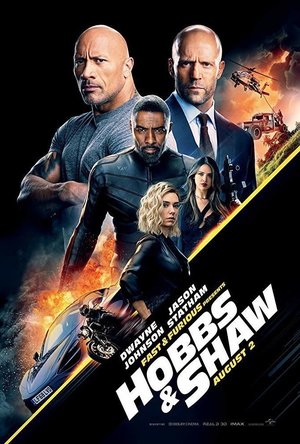
The Fast & The Furious franchise paused to allow two of it's most memorable, larger-than-life characters to branch out on their own with this action-packed offering of explosions and humour.
I have to admit, I had my reservations about this one. Firstly, it's basically a F&F movie... we all know what they are and what to expect, which is why we love them. Except it's not a proper F&F movie, and I was worried labelling it as part of that story universe would burden it with unrealistic expectations. Secondly, I've spent the last few months trying to avoid trailers for it, when I realised they were basically showing the entire film in them. After the first three or four, I was left genuinely concerned they had nothing left to show me. I thought there was no way they could have any eye candy that I hadn't at least seen a snapshot of.
So, I entered the cinema expecting very little. Which is probably why I left the cinema feeling very happy and satisfied.
Saying this is a F&F movie is like saying Captain America and Guardians of the Galaxy are Marvel movies. Yes, they technically are, but they are two hugely different types of movie. The similarities are obviously more prevalent here, along with the formulaic and predictable buddy-cop routine, but this film manages to confidently and successfully stand on its own two feet, and not in the shadow of Vin Diesel as I first feared.
And yes, the trailers showed snippets of pretty much every major action sequence, but weirdly, they didn't give away as much you would think. There are also some nice surprises in there. I won't spoil them, but let's just say I'm very impressed at how they managed to keep the cameos under wraps!
Okay, let's get into it. The plot (such as it is) revolves around a mysterious tech firm trying to get a hold of a deadly virus, using Idris Elba's enjoyable villain, Brixton to track it down. It takes all of five minutes for things to go sideways, leaving Hattie Shaw on the run from the bad guys. The Powers That Be (the CIA and MI6) decide they need the best bad guy trackers in the business to hunt down Brixton and retrieve this virus, and the girl... thus saving the world. The former recruits Mr. Johnson; the latter, Mr. Statham. As we know from the trailers, Vanessa Kirby portrays Shaw's sister - it becomes a family affair and we're off to the races.
The on-screen chemistry between Statham and Johnson is clear to see. The comedic dialogue they have lands a lot more than it misses. There's perhaps a bit too much gung-ho stereotyping and fan-service catchphrases, but again, you have to expect that kind of thing from a film like this.
What I liked about it was that whilst they didn't re-invent the wheel, it didn't feel like a carbon-copy of every other action film, like so many others do. It had heart. It had character. Yes, some of the stunts were silly. Yes, the bad guy being genetically-enhanced was a bit weird - blending sci-fi with real-world action whilst never actually acknowledging it took some getting used to. But the film just kinda worked. It was very good without being great. It was predictable but still managed to be enjoyable. It's a good two-hour investment of your time for an afternoon/evening out with the family.
Hobbs and Shaw is proof that whatever your criticisms, whatever your reservations, anything Dwayne Johnson touches turns to gold right now. It's also what a potential future Expendables reboot will probably look like.
Meanwhile F&F9 is now filming (sans Statham and Johnson, apparently) and with an inevitable H&S sequel surely not too far away, you can't help but wonder if they're gearing this all up to be a super-charged, car-based competitor to the MCU. The ending, two mid-credits and one post-credits scene in this film clearly set up another outing and tease a sinister, overarching enemy with ties to the character's pasts... could this be a way to link it all back to Vin Diesel and Co? Could a crossover Summer blockbuster be the only way to tell this story? If early box office figures are anything to go by here, the smart money would say yes.
Go, enjoy, eat popcorn and leave your brain and the real world in the car.
I have to admit, I had my reservations about this one. Firstly, it's basically a F&F movie... we all know what they are and what to expect, which is why we love them. Except it's not a proper F&F movie, and I was worried labelling it as part of that story universe would burden it with unrealistic expectations. Secondly, I've spent the last few months trying to avoid trailers for it, when I realised they were basically showing the entire film in them. After the first three or four, I was left genuinely concerned they had nothing left to show me. I thought there was no way they could have any eye candy that I hadn't at least seen a snapshot of.
So, I entered the cinema expecting very little. Which is probably why I left the cinema feeling very happy and satisfied.
Saying this is a F&F movie is like saying Captain America and Guardians of the Galaxy are Marvel movies. Yes, they technically are, but they are two hugely different types of movie. The similarities are obviously more prevalent here, along with the formulaic and predictable buddy-cop routine, but this film manages to confidently and successfully stand on its own two feet, and not in the shadow of Vin Diesel as I first feared.
And yes, the trailers showed snippets of pretty much every major action sequence, but weirdly, they didn't give away as much you would think. There are also some nice surprises in there. I won't spoil them, but let's just say I'm very impressed at how they managed to keep the cameos under wraps!
Okay, let's get into it. The plot (such as it is) revolves around a mysterious tech firm trying to get a hold of a deadly virus, using Idris Elba's enjoyable villain, Brixton to track it down. It takes all of five minutes for things to go sideways, leaving Hattie Shaw on the run from the bad guys. The Powers That Be (the CIA and MI6) decide they need the best bad guy trackers in the business to hunt down Brixton and retrieve this virus, and the girl... thus saving the world. The former recruits Mr. Johnson; the latter, Mr. Statham. As we know from the trailers, Vanessa Kirby portrays Shaw's sister - it becomes a family affair and we're off to the races.
The on-screen chemistry between Statham and Johnson is clear to see. The comedic dialogue they have lands a lot more than it misses. There's perhaps a bit too much gung-ho stereotyping and fan-service catchphrases, but again, you have to expect that kind of thing from a film like this.
What I liked about it was that whilst they didn't re-invent the wheel, it didn't feel like a carbon-copy of every other action film, like so many others do. It had heart. It had character. Yes, some of the stunts were silly. Yes, the bad guy being genetically-enhanced was a bit weird - blending sci-fi with real-world action whilst never actually acknowledging it took some getting used to. But the film just kinda worked. It was very good without being great. It was predictable but still managed to be enjoyable. It's a good two-hour investment of your time for an afternoon/evening out with the family.
Hobbs and Shaw is proof that whatever your criticisms, whatever your reservations, anything Dwayne Johnson touches turns to gold right now. It's also what a potential future Expendables reboot will probably look like.
Meanwhile F&F9 is now filming (sans Statham and Johnson, apparently) and with an inevitable H&S sequel surely not too far away, you can't help but wonder if they're gearing this all up to be a super-charged, car-based competitor to the MCU. The ending, two mid-credits and one post-credits scene in this film clearly set up another outing and tease a sinister, overarching enemy with ties to the character's pasts... could this be a way to link it all back to Vin Diesel and Co? Could a crossover Summer blockbuster be the only way to tell this story? If early box office figures are anything to go by here, the smart money would say yes.
Go, enjoy, eat popcorn and leave your brain and the real world in the car.

Great Villain (1 more)
Great Crime Story
Too many characters (1 more)
Some characters not needed
An ex-child soldier, a violent, hairless man, and a drug lord make up the cast of characters in the Thomas Harris novel, 'Cari Mora.' Mora, our title character, is the ex-child soldier that now lives in Miami, Flordia, where she watches over a deceased drug lord's mansion. This drug lord is the real-life Pablo Escobar.
Written in Harris' crime fiction style, 'Cari Mora' quickly starts with men competing to get to the rumored millions of dollars in gold that is suppose to be at the Escobar mansion. One of these men is a very memorable German character named Hans-Peter Schneider, who readers come to know as someone that is hired to kill/deliver people to rich customers, as well as selling organs on the black market: " He [Schneider] could see his reflection in the glass side of his liquid cremation machine where he was dissolving Karla, a girl who hadn't worked out for business." When Schneider meets Mora, he immediately wants to sell her to a high paying customer.
The novel's main subject is Escobar's hidden gold, but readers also get a glimpse into the underworld of human trafficking and hired thugs. Most interestingly, the story surrounds the dark past of certain characters - - - mostly Mora and Schneider- - - who also happen to be the most put-together characters in all of the novel. All other characters seem to be filler, where most of their stories either don't end or aren't explained. Such as the character Benito, when the reader gets to follow him home, there is a mere snippet about his family life that leaves us wanting more: " Lupe was waiting at Benito's house, in spirit, in the small garden she had made behind Benito's house. He felt her presence warm and close to him as fireflies winked over the white blossoms, luminous under the moon. Benito poured a glass of Flor de Cana for himself and one for her. He drank both of them sitting in the garden with Lupe, and being there together was enough. "
While the treasure hunt is going on, a man named Jesus Villarreal becomes an important character that used to be Escobar's captain- - - and who knows exactly where the gold is hidden; he has not only made a deal with Schneider, but also another drug lord named Don Ernesto- - - if he tells exactly how to get the gold, safely, his wife, son and sister-in-law must be taken care of when he is gone.
This story has twist and turns known in every great crime fiction novel: a woman who is more than what she seems, thugs with guns, dark backstories, and fast-reading action. Yet, the story contains so many characters,even new ones coming in on almost every chapter, that it could be hard for readers to keep in mind who is who, especially with not enough description to tell them apart. Another disappointment is the character named Detective Terry Robles, who had such an amazing story to tell - - - from he and his wife being shot up by druggies to Robles seeking revenge when his wife can't exactly remember who she is,let alone who he is, because of her injury - - - but his story never comes to fruition, and we never get to experience the end of it.
As great as a character Mora is, I personally believe that Schneider would have been a much more interesting view point to read from. The story would have taken on a completely different appeal if the focus had been on strictly him. For instance, one of the most intriguing parts was reading about Schneider's past which may hold the key to why he is who he is : "His parents were in the freezer and he could hear their voices through the door. They could not get out because the freezer door was secured with a chain Hans had tied in an excellent chain knot, the way his father had taught him to tie a chain, shaking the knot until the links jammed tight. "
Although I wish for a different view point, I will say again that Mora is a well-written character - - - her character just becomes flat in certain places- - - but she still makes the story worth reading. Harris did a wonderful job in showing the darker side of life, as he has always done with his Hannibal series. If anyone is a fan of the Netflix show 'Narcos,' or crime fiction surrounding drug lords, they will certainly enjoy this book from beginning to end.
Written in Harris' crime fiction style, 'Cari Mora' quickly starts with men competing to get to the rumored millions of dollars in gold that is suppose to be at the Escobar mansion. One of these men is a very memorable German character named Hans-Peter Schneider, who readers come to know as someone that is hired to kill/deliver people to rich customers, as well as selling organs on the black market: " He [Schneider] could see his reflection in the glass side of his liquid cremation machine where he was dissolving Karla, a girl who hadn't worked out for business." When Schneider meets Mora, he immediately wants to sell her to a high paying customer.
The novel's main subject is Escobar's hidden gold, but readers also get a glimpse into the underworld of human trafficking and hired thugs. Most interestingly, the story surrounds the dark past of certain characters - - - mostly Mora and Schneider- - - who also happen to be the most put-together characters in all of the novel. All other characters seem to be filler, where most of their stories either don't end or aren't explained. Such as the character Benito, when the reader gets to follow him home, there is a mere snippet about his family life that leaves us wanting more: " Lupe was waiting at Benito's house, in spirit, in the small garden she had made behind Benito's house. He felt her presence warm and close to him as fireflies winked over the white blossoms, luminous under the moon. Benito poured a glass of Flor de Cana for himself and one for her. He drank both of them sitting in the garden with Lupe, and being there together was enough. "
While the treasure hunt is going on, a man named Jesus Villarreal becomes an important character that used to be Escobar's captain- - - and who knows exactly where the gold is hidden; he has not only made a deal with Schneider, but also another drug lord named Don Ernesto- - - if he tells exactly how to get the gold, safely, his wife, son and sister-in-law must be taken care of when he is gone.
This story has twist and turns known in every great crime fiction novel: a woman who is more than what she seems, thugs with guns, dark backstories, and fast-reading action. Yet, the story contains so many characters,even new ones coming in on almost every chapter, that it could be hard for readers to keep in mind who is who, especially with not enough description to tell them apart. Another disappointment is the character named Detective Terry Robles, who had such an amazing story to tell - - - from he and his wife being shot up by druggies to Robles seeking revenge when his wife can't exactly remember who she is,let alone who he is, because of her injury - - - but his story never comes to fruition, and we never get to experience the end of it.
As great as a character Mora is, I personally believe that Schneider would have been a much more interesting view point to read from. The story would have taken on a completely different appeal if the focus had been on strictly him. For instance, one of the most intriguing parts was reading about Schneider's past which may hold the key to why he is who he is : "His parents were in the freezer and he could hear their voices through the door. They could not get out because the freezer door was secured with a chain Hans had tied in an excellent chain knot, the way his father had taught him to tie a chain, shaking the knot until the links jammed tight. "
Although I wish for a different view point, I will say again that Mora is a well-written character - - - her character just becomes flat in certain places- - - but she still makes the story worth reading. Harris did a wonderful job in showing the darker side of life, as he has always done with his Hannibal series. If anyone is a fan of the Netflix show 'Narcos,' or crime fiction surrounding drug lords, they will certainly enjoy this book from beginning to end.
Gareth von Kallenbach (980 KP) rated Fast Five (2011) in Movies
Aug 7, 2019
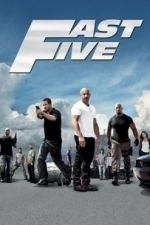
The 2011 summer movie season kicks off in high gear with the release of Fast Five the latest installment in the phenomenally popular Fast and Furious series. The movie picks up exactly where the previous film ended with Brian O’ Conner (Paul Walker), orchestrating a daring escape for Dominic Toretto (Vin Diesel).
The film quickly moves forward in time where Brian and Dominic’s sister Mia (Jordana Brewster), overall fugitives from the law, have taken refuge in Rio. Unsure of exactly where Dominic is, an old family friend offers Brian and Mia roles in a job which will surely score them some very easy and much-needed money. Although reluctant, Brian agrees to the job which involves the theft of three high-value cars from a train. Things go horribly wrong when they’re doublecrossed, the aftermath of which leads to the death of three federal agents. Only Dominic’s arrival, quick thinking, and a daring escape allows Brian and Mia to survive.
Although it is not their fault, the deaths of the agents is blamed solely on the trio, and an elite fugitive hunter named Hobbs (Dwayne Johnson) arrives with his team with the sole mission of stopping Brian, Mia and Dominic, no matter the cost.
As if this wasn’t enough trouble for the fugities, it is learned that they have also fallen on the radar of the local drug kingpin named Reyes (Joaquim de Almeida), who will stop at nothing to retrieve an item now in the trio’s possession. Caught in the crossfire between Hobbs and Reyes, Dominic plots an epic caper that will allow them not only the money to flee Hobbs and disappear into a life of luxury, but allow them to settle the score with Reyes.
What follows is a nonstop action thrill ride that sprinkles in a nice mix of comedy and romance to keep things interesting. The film downplays the racing aspect of the series and instead saves the spectacular driving for key action sequences. While street racing scenes are alluded to they are not shown as director Justin Chin focuses squarely on his cast and allows them ample time to develop their characters. In doing so it strengthens the bond between them and allows the climactic sequence to have an even greater impact than your standard over-the-top summer film action scenes.
.
There are some really funny moments in the film as Dominic assembles his team to pull off the ultimate job. The new characters work very well with the established cast from the previous films and introduce characters which I hope will be a part of any future films in the series. Johnson was a very pleasant surprise, as his character could easily have been one-dimensional. He was given a few wrinkles which allowed him to walk the fine line between good guy and bad guy, which is an essential quality to many of the film’s characters. Johnson’s action sequences were solid and highly effective and once again underscores that he needs to be focusing more on action films and less on the family-friendly genre that
has dominated the bulk of his recent work.
Walker and Diesel complement each other perfectly and appear to be having a great time working with one another again. They have a very easy-going and natural chemistry with one another that works even when they’re not behind the wheel of a car or caught up in a frantic action scene.
While the plot of the film is fairly straightforward it provides ample framework for the characters to grow and propel the story forward. While the audience is asked to take some great leaps in logic it doesn’t derail from the finished product. The stuntwork in the film was absolutely amazing and the spectacular finale of the movie alone must be seen to be believed.
Many times during my press screening the audience was completely silent for a brief second following an action sequence before erupting into thunderous applause and cheers after they’ve fully processed what just unfolded on the screen. Larger-than-life characters combined with larger-than-life action, plus some very sexy cars and very sexy people make an extremely winning formula. If the rumors are true, Chin may be handed the reins to the Terminator franchise as well as the next film in the Fast and Furious series, then audiences are in for one hell of a ride.
I think my wife summed it up best when she said that movie was “Ridiculous…ridiculously good.” Reality is thrown out the window for pure adrenaline and testosterone fueled action.
The film quickly moves forward in time where Brian and Dominic’s sister Mia (Jordana Brewster), overall fugitives from the law, have taken refuge in Rio. Unsure of exactly where Dominic is, an old family friend offers Brian and Mia roles in a job which will surely score them some very easy and much-needed money. Although reluctant, Brian agrees to the job which involves the theft of three high-value cars from a train. Things go horribly wrong when they’re doublecrossed, the aftermath of which leads to the death of three federal agents. Only Dominic’s arrival, quick thinking, and a daring escape allows Brian and Mia to survive.
Although it is not their fault, the deaths of the agents is blamed solely on the trio, and an elite fugitive hunter named Hobbs (Dwayne Johnson) arrives with his team with the sole mission of stopping Brian, Mia and Dominic, no matter the cost.
As if this wasn’t enough trouble for the fugities, it is learned that they have also fallen on the radar of the local drug kingpin named Reyes (Joaquim de Almeida), who will stop at nothing to retrieve an item now in the trio’s possession. Caught in the crossfire between Hobbs and Reyes, Dominic plots an epic caper that will allow them not only the money to flee Hobbs and disappear into a life of luxury, but allow them to settle the score with Reyes.
What follows is a nonstop action thrill ride that sprinkles in a nice mix of comedy and romance to keep things interesting. The film downplays the racing aspect of the series and instead saves the spectacular driving for key action sequences. While street racing scenes are alluded to they are not shown as director Justin Chin focuses squarely on his cast and allows them ample time to develop their characters. In doing so it strengthens the bond between them and allows the climactic sequence to have an even greater impact than your standard over-the-top summer film action scenes.
.
There are some really funny moments in the film as Dominic assembles his team to pull off the ultimate job. The new characters work very well with the established cast from the previous films and introduce characters which I hope will be a part of any future films in the series. Johnson was a very pleasant surprise, as his character could easily have been one-dimensional. He was given a few wrinkles which allowed him to walk the fine line between good guy and bad guy, which is an essential quality to many of the film’s characters. Johnson’s action sequences were solid and highly effective and once again underscores that he needs to be focusing more on action films and less on the family-friendly genre that
has dominated the bulk of his recent work.
Walker and Diesel complement each other perfectly and appear to be having a great time working with one another again. They have a very easy-going and natural chemistry with one another that works even when they’re not behind the wheel of a car or caught up in a frantic action scene.
While the plot of the film is fairly straightforward it provides ample framework for the characters to grow and propel the story forward. While the audience is asked to take some great leaps in logic it doesn’t derail from the finished product. The stuntwork in the film was absolutely amazing and the spectacular finale of the movie alone must be seen to be believed.
Many times during my press screening the audience was completely silent for a brief second following an action sequence before erupting into thunderous applause and cheers after they’ve fully processed what just unfolded on the screen. Larger-than-life characters combined with larger-than-life action, plus some very sexy cars and very sexy people make an extremely winning formula. If the rumors are true, Chin may be handed the reins to the Terminator franchise as well as the next film in the Fast and Furious series, then audiences are in for one hell of a ride.
I think my wife summed it up best when she said that movie was “Ridiculous…ridiculously good.” Reality is thrown out the window for pure adrenaline and testosterone fueled action.

Bob Mann (459 KP) rated Emma (2020) in Movies
Feb 21, 2020

Anya Taylor-Joy.... mesmerising (2 more)
Gorgeous to look at; stunning locations and costumes
Witty and well-observed debut script
Simply Sublime
I loved the look of "Emma" from the trailer. And I was not disappointed. It is a simply sublime piece of comic entertainment.
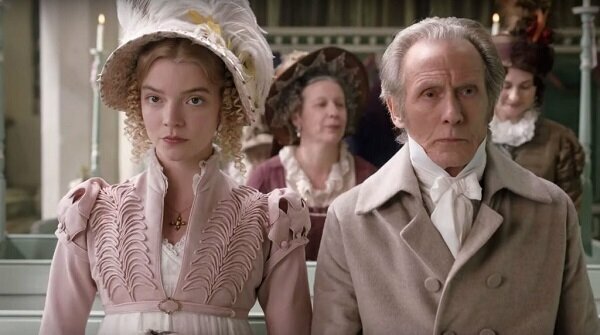
Emma Woodhouse (Anya Taylor-Joy) is a rich, privileged 21 year-old looking after her elderly and quirky father (Bill Nighy) in the family stately home. She has never loved, despite the persistent presence of 'family friend' George Knightley (Johnny Flynn), but finds it entertaining to engage in matchmaking, particularly in respect to her somewhat lower class friend Harriet Smith (Mia Goth). Emma has high ambitions for Harriet... ideas significantly above what her social station and looks might suggest.
Emma has her sights on a dream.... the mystery man Frank Churchill (Callum Turner), son of wealthy local landowner Mr Weston (Rupert Graves). She has never actually met him, but is obsessed with his myth. #fangirl. As a source of immense annoyance to her, but often a source of valuable information on news of Churchill, is the village 'old maid' Miss Bates (Miranda Hart). "Such fun"!
But Emma's perfect life is about to face sticky times, as her machinations fail to yield the expected results and a stray comment, at a disastrous picnic, threatens to damage both her reputation and her social standing.
If you like your movies full of action and suspense, you are digging in the wrong place. "Emma" is slow... glacially slow... wallowing in beautiful bucolic scenes (with superb cinematography by Christopher Blauvelt); gorgeous costumes by Alexandra Byrne; and hair styling by Marese Langan.
The movie also benefits from a joyfully tight and funny script by debut screenwriter Eleanor Catton (a Man-Booker prize winner). This picks relentlessly at the strata of the class system set up by Jane Austen's novel: "Every body has their level" spits spurned suitor Mr Elton (Josh O'Connor).
I know Anya Taylor-Joy as the spirited Casey from "Split" and "Glass": she was impressive in "Split"; less so for me in the disappointing "Glass". But here, I found her UTTERLY mesmerising. She has such striking features - those eyes! - that she fully inhabits the role of the beautiful heiress who haunts multiple men sequentially. I even muttered the word "Oscar nomination" at the end of the film: though we are too early in the year to seriously go there.
An even bigger surprise was the actor playing George Knightley. Johnny Flynn has been in a number of TV shows I haven't seen, and a few films I haven't seen either (e.g. "Beast"). But I had the nagging feeling I knew him really well. The illustrious Mrs Movie Man clocked him: he's the Cineworld "plaid man"! (For those outside the UK or not patrons of Cineworld cinemas, he was the 'star' of a Cineworld advert that played over and Over AND OVER again for months on end before every film I saw. Arrrgggghhhh!).
Here, Flynn is excellent as the frustrated and brooding Austen-hunk. He even gets away with an ar*e-shot within a U-certificate!
Particularly strong in the supporting cast are Bill Nighy (being delightfully more restrained in his performance); Miranda Hart (being "Miranda", but perfectly cast) and Mia Goth (memorable for that eel-bath in "A Cure for Wellness").
And a big thank-you for a web review in the online Radio Times for naming one of the comical (and bizarrely uncredited) footmen as Angus Imrie - - the truly disturbed stepson of Claire in "Fleabag". It was driving me crazy where I knew him from!
The one criticism I would have is that I found the (perfectly fine and well-fitting) music, by David Schweitzer and Isobel Waller-Bridge (sister of Phoebe) poorly mixed within the soundtrack. There were times when I found it overly intrusive, suddenly ducking under dialogue and then BLASTING out again. Sometimes music should be at the forefront.... but more often it should be barely perceptible.
As you might guess....
...I loved this one. The story is brilliant (obsv!); the film is simply gorgeous to look at; the locations (including the village of Lower Slaughter in the Cotswolds and Wilton House - near me - in Salisbury) are magnificent and a blessing for the English Tourist Board.
All the more impressive then that this is the directorial feature of video/short director Autumn de Wilde.
This comes with a "highly recommended" from both myself and the illustrious Mrs Movie-Man.
(For the full graphical review, please check out https://bob-the-movie-man.com/2020/02/20/one-manns-movies-film-review-emma-2020/ .)
Emma Woodhouse (Anya Taylor-Joy) is a rich, privileged 21 year-old looking after her elderly and quirky father (Bill Nighy) in the family stately home. She has never loved, despite the persistent presence of 'family friend' George Knightley (Johnny Flynn), but finds it entertaining to engage in matchmaking, particularly in respect to her somewhat lower class friend Harriet Smith (Mia Goth). Emma has high ambitions for Harriet... ideas significantly above what her social station and looks might suggest.
Emma has her sights on a dream.... the mystery man Frank Churchill (Callum Turner), son of wealthy local landowner Mr Weston (Rupert Graves). She has never actually met him, but is obsessed with his myth. #fangirl. As a source of immense annoyance to her, but often a source of valuable information on news of Churchill, is the village 'old maid' Miss Bates (Miranda Hart). "Such fun"!
But Emma's perfect life is about to face sticky times, as her machinations fail to yield the expected results and a stray comment, at a disastrous picnic, threatens to damage both her reputation and her social standing.
If you like your movies full of action and suspense, you are digging in the wrong place. "Emma" is slow... glacially slow... wallowing in beautiful bucolic scenes (with superb cinematography by Christopher Blauvelt); gorgeous costumes by Alexandra Byrne; and hair styling by Marese Langan.
The movie also benefits from a joyfully tight and funny script by debut screenwriter Eleanor Catton (a Man-Booker prize winner). This picks relentlessly at the strata of the class system set up by Jane Austen's novel: "Every body has their level" spits spurned suitor Mr Elton (Josh O'Connor).
I know Anya Taylor-Joy as the spirited Casey from "Split" and "Glass": she was impressive in "Split"; less so for me in the disappointing "Glass". But here, I found her UTTERLY mesmerising. She has such striking features - those eyes! - that she fully inhabits the role of the beautiful heiress who haunts multiple men sequentially. I even muttered the word "Oscar nomination" at the end of the film: though we are too early in the year to seriously go there.
An even bigger surprise was the actor playing George Knightley. Johnny Flynn has been in a number of TV shows I haven't seen, and a few films I haven't seen either (e.g. "Beast"). But I had the nagging feeling I knew him really well. The illustrious Mrs Movie Man clocked him: he's the Cineworld "plaid man"! (For those outside the UK or not patrons of Cineworld cinemas, he was the 'star' of a Cineworld advert that played over and Over AND OVER again for months on end before every film I saw. Arrrgggghhhh!).
Here, Flynn is excellent as the frustrated and brooding Austen-hunk. He even gets away with an ar*e-shot within a U-certificate!
Particularly strong in the supporting cast are Bill Nighy (being delightfully more restrained in his performance); Miranda Hart (being "Miranda", but perfectly cast) and Mia Goth (memorable for that eel-bath in "A Cure for Wellness").
And a big thank-you for a web review in the online Radio Times for naming one of the comical (and bizarrely uncredited) footmen as Angus Imrie - - the truly disturbed stepson of Claire in "Fleabag". It was driving me crazy where I knew him from!
The one criticism I would have is that I found the (perfectly fine and well-fitting) music, by David Schweitzer and Isobel Waller-Bridge (sister of Phoebe) poorly mixed within the soundtrack. There were times when I found it overly intrusive, suddenly ducking under dialogue and then BLASTING out again. Sometimes music should be at the forefront.... but more often it should be barely perceptible.
As you might guess....
...I loved this one. The story is brilliant (obsv!); the film is simply gorgeous to look at; the locations (including the village of Lower Slaughter in the Cotswolds and Wilton House - near me - in Salisbury) are magnificent and a blessing for the English Tourist Board.
All the more impressive then that this is the directorial feature of video/short director Autumn de Wilde.
This comes with a "highly recommended" from both myself and the illustrious Mrs Movie-Man.
(For the full graphical review, please check out https://bob-the-movie-man.com/2020/02/20/one-manns-movies-film-review-emma-2020/ .)

Coping with Chloe
Book
Anna and Chloe are twins. They share everything. Even Chloe's terrible accident hasn't split them...