
Search
Search results

Sassy Brit (97 KP) rated Tear Me Apart in Books
Jun 5, 2019
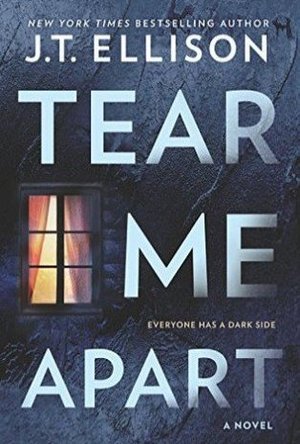

Tear Me Apart by J.T. Ellison is a “why done it,” instead of a “who done it.” She explores how one lie can build upon another as the resulting betrayal rips two families apart.
Originally known for her two series she has now switched to writing stand-alones. One series main character is Lt. Taylor Jackson a Nashville homicide detective who hunts down serial killers. The other series featured Dr. Samantha Owen, a medical examiner who came into prominence as the conscience of the Taylor Jackson series, and eventually morphed into her own series. Ellison noted, “Currently I will continue writing the stand-alones because the publisher loves them and they are doing better. With that said, I have already started the Samantha book and will eventually get to it. But for now, I will continue to write these psychological thrillers.”
While writing the series books, Ellison actually had an idea for this plot, back in 2011. “I had a guy at the funeral of his wife and baby. He dreamed of this little girl who became a professional ice skater. I then added layers including to have a story about committing suicide. I also had the letters originally as AOL chats, but after my mom read it, I changed the correspondence to letters. She did not know what an AOL chat was and I realized I would have a bunch of readers, both young and older, who would not know. Another change I made was to have Mindy as a professional skier, not skater. I based her on Lindsey Vonn, someone who had made multiple comebacks from injuries. I think of her as an incredible hero.”
This story begins with an Olympic downhill skier, Mindy Wright, crashing and severely breaking her leg. During the surgery, it’s discovered she has leukemia and will eventually need a stem cell transplant. In need of a bone marrow transplant both her parents are tested, where it is discovered that they are not a genetic match to Mindy. Questions arise as to what happened: was she switched at birth, or was there something more sinister, such as a baby farm? Her mother Lauren is hiding secrets, while her aunt Juliet is determined to find answers and a match to save Mindy’s life. As the story unravels so does Lauren’s life and mental state. She will go to almost any length to prevent people from knowing the truth about what happened.
Mindy is strong, determined, driven, and unemotional. “I wanted to write her as someone who takes control of every aspect of her life and mind. She is the 1% of the 1% of the 1%. She will do anything to achieve her goal, training very hard.”
Her mother Lauren is someone who created a life for herself. Once she became a mother she made a loving life for her daughter Mindy. She is the direct opposite of her sister, Juliet. While growing up, Lauren was her mother’s favorite, Juliet was the outsider. These siblings are eleven years apart, but were thick as thieves. Although both are devastated by the diagnosis, Ellison explores how a parent would react in that situation, seeing a child suffer and unable to fix it. “I wanted to write the essence of what a parent does, trying to make everything better.”
The plot examines the relationships between mothers and daughters as well as sisters. It sheds light on mental health problems and the terrible consequences that result when the emotional balance is neglected.
Originally known for her two series she has now switched to writing stand-alones. One series main character is Lt. Taylor Jackson a Nashville homicide detective who hunts down serial killers. The other series featured Dr. Samantha Owen, a medical examiner who came into prominence as the conscience of the Taylor Jackson series, and eventually morphed into her own series. Ellison noted, “Currently I will continue writing the stand-alones because the publisher loves them and they are doing better. With that said, I have already started the Samantha book and will eventually get to it. But for now, I will continue to write these psychological thrillers.”
While writing the series books, Ellison actually had an idea for this plot, back in 2011. “I had a guy at the funeral of his wife and baby. He dreamed of this little girl who became a professional ice skater. I then added layers including to have a story about committing suicide. I also had the letters originally as AOL chats, but after my mom read it, I changed the correspondence to letters. She did not know what an AOL chat was and I realized I would have a bunch of readers, both young and older, who would not know. Another change I made was to have Mindy as a professional skier, not skater. I based her on Lindsey Vonn, someone who had made multiple comebacks from injuries. I think of her as an incredible hero.”
This story begins with an Olympic downhill skier, Mindy Wright, crashing and severely breaking her leg. During the surgery, it’s discovered she has leukemia and will eventually need a stem cell transplant. In need of a bone marrow transplant both her parents are tested, where it is discovered that they are not a genetic match to Mindy. Questions arise as to what happened: was she switched at birth, or was there something more sinister, such as a baby farm? Her mother Lauren is hiding secrets, while her aunt Juliet is determined to find answers and a match to save Mindy’s life. As the story unravels so does Lauren’s life and mental state. She will go to almost any length to prevent people from knowing the truth about what happened.
Mindy is strong, determined, driven, and unemotional. “I wanted to write her as someone who takes control of every aspect of her life and mind. She is the 1% of the 1% of the 1%. She will do anything to achieve her goal, training very hard.”
Her mother Lauren is someone who created a life for herself. Once she became a mother she made a loving life for her daughter Mindy. She is the direct opposite of her sister, Juliet. While growing up, Lauren was her mother’s favorite, Juliet was the outsider. These siblings are eleven years apart, but were thick as thieves. Although both are devastated by the diagnosis, Ellison explores how a parent would react in that situation, seeing a child suffer and unable to fix it. “I wanted to write the essence of what a parent does, trying to make everything better.”
The plot examines the relationships between mothers and daughters as well as sisters. It sheds light on mental health problems and the terrible consequences that result when the emotional balance is neglected.
Christina Haynes (148 KP) rated A Shiver of Snow and Sky in Books
Feb 10, 2018
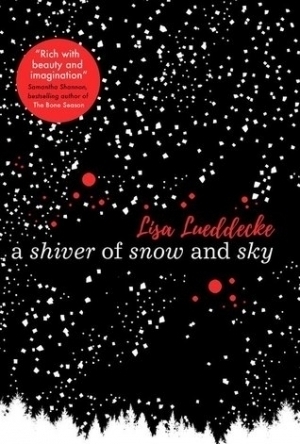

A SHIVER OF SNOW AND SKY By Lisa Lueddecke
Contains spoilers, click to show
A SHIVER OF SNOW AND SKY
LISA LUEDDECKE
341
YA / FANTASY
Sypnosis:
On the frozen island of Skane, the sky speaks. Beautiful lights appear on clear nights and their colours having meanings: Green means all is well, and the Goodness is happy. Blue means a snowstorm is on the way. And then there's red. Red is rare. A warning.
Seventeen years ago the sky turned red just as Osa was born, unleashing a plague that claimed the lives of hundreds of villagers, including her own mother. This time, when the night sky once again bleeds crimson, she must discover how to stop the onslaught before so many lives are lost again.
Main characters:
- Osa
- Ivar
Main events:
Osa and Ivar go to visit the caves after they see the red lights appear in the sky. In the caves they try and find out if there is any writing that explains about the red lights and the Goddess. Whilst there they figure out that they will find the Goddess up in the mountains. Osa decides that's where she must go.
Returning from the caves they encounter the Or. Who are invaders from another land. Many years before Osa, her ancestors were driven away from their land of Loska and found sanctuary on the island of Skane. - Because of this they hate the Or.
Both Osa and Ivar fight the Or and win, they return back to their village and inform everyone that the Or are back. This is when Osa tells them she is going to find the Goddess in the mountains and ask for her help. Because they can't fight the Or and survive the red sky.
The rest of the story is about Osa finding the Goddess and Ivar helping to train the village to fight the incoming invasion of the Or.
Most exciting part:
When you reach the Goddess in the mountains.
My favourite part:
If I tell you, I'll spoil it. But it has to be when she returns to the village on a dragon!
My summary:
I really loved the story. I loved the idea of how simple it was yet so filling. I love how each chapter was different, one would be with Ivar in the village. And one with Osa on her journey. How both characters care and love eachother but will never tell the other character until the end. It wasn't a love story that dragged. But it featured a small amount of love just to give it a real feel.
You go with Osa to the mountains, feeling her pain of her father and sisters hate towards her and the blame of her mother's death. To her determination to reach the mountains and overcome any obstacles she encounters along the way.
The ending is truly wonderful.
Red, red the lights glow red, beware of the danger up ahead.
My Review:
I loved this book. I can't wait for the sister book next year.
Red are the lights that darken in the stars, and cold of the days that follow.
Frightened are those who have seen a red sky, that means there won't be a tomorrow.
Fear is a beast that wants darkest of nights, and Swallows and Minds one by one,
But hope is a light that takes root in the heart and can grow to be strong as the sun.
Rating:
4 ★ – I REALLY LIKED IT
Love, Christina ?
LISA LUEDDECKE
341
YA / FANTASY
Sypnosis:
On the frozen island of Skane, the sky speaks. Beautiful lights appear on clear nights and their colours having meanings: Green means all is well, and the Goodness is happy. Blue means a snowstorm is on the way. And then there's red. Red is rare. A warning.
Seventeen years ago the sky turned red just as Osa was born, unleashing a plague that claimed the lives of hundreds of villagers, including her own mother. This time, when the night sky once again bleeds crimson, she must discover how to stop the onslaught before so many lives are lost again.
Main characters:
- Osa
- Ivar
Main events:
Osa and Ivar go to visit the caves after they see the red lights appear in the sky. In the caves they try and find out if there is any writing that explains about the red lights and the Goddess. Whilst there they figure out that they will find the Goddess up in the mountains. Osa decides that's where she must go.
Returning from the caves they encounter the Or. Who are invaders from another land. Many years before Osa, her ancestors were driven away from their land of Loska and found sanctuary on the island of Skane. - Because of this they hate the Or.
Both Osa and Ivar fight the Or and win, they return back to their village and inform everyone that the Or are back. This is when Osa tells them she is going to find the Goddess in the mountains and ask for her help. Because they can't fight the Or and survive the red sky.
The rest of the story is about Osa finding the Goddess and Ivar helping to train the village to fight the incoming invasion of the Or.
Most exciting part:
When you reach the Goddess in the mountains.
My favourite part:
If I tell you, I'll spoil it. But it has to be when she returns to the village on a dragon!
My summary:
I really loved the story. I loved the idea of how simple it was yet so filling. I love how each chapter was different, one would be with Ivar in the village. And one with Osa on her journey. How both characters care and love eachother but will never tell the other character until the end. It wasn't a love story that dragged. But it featured a small amount of love just to give it a real feel.
You go with Osa to the mountains, feeling her pain of her father and sisters hate towards her and the blame of her mother's death. To her determination to reach the mountains and overcome any obstacles she encounters along the way.
The ending is truly wonderful.
Red, red the lights glow red, beware of the danger up ahead.
My Review:
I loved this book. I can't wait for the sister book next year.
Red are the lights that darken in the stars, and cold of the days that follow.
Frightened are those who have seen a red sky, that means there won't be a tomorrow.
Fear is a beast that wants darkest of nights, and Swallows and Minds one by one,
But hope is a light that takes root in the heart and can grow to be strong as the sun.
Rating:
4 ★ – I REALLY LIKED IT
Love, Christina ?

Kyera (8 KP) rated The Shadow Queen (Ravenspire, #1) in Books
Feb 1, 2018
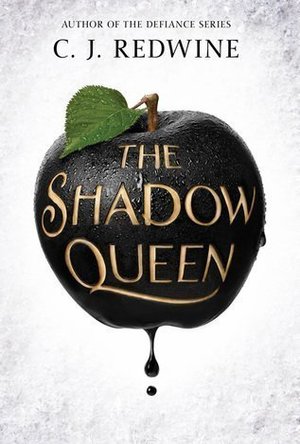

As a huge fan of re-tellings, I was excited to pick up and read this book. The Shadow Queen is the tale of Snow White, re-imagined into a vast world populated with not only magic users but dragons. Of all of the versions of this story that I've experienced, the Shadow Queen is probably my favourite version. It is always more enjoyable when the heroine is not solely a damsel in distress but is able to save herself when the need arises. The portrayal of a strong female lead is welcome in this story and she is supported by an array of characters.
I really enjoyed how the characters were initially introduced and then developed over the course of the novel. We meet Lorelei (and her brother Leo) as children when their father is still alive and married to his second wife, Irina. You see the love that was once there and then the betrayal that occurs, leading to the princess fleeing the castle. She grows up outside of the palace and is able to learn about her people, become more self-sufficient than she would have been had she lived as a royal and become a stronger person as a result. You understand her motivation and drive to do what is right, even at the cost of herself.
Kol is a royal from another land who always felt like he disappointed his family, but must take on more than he feels he is ready for when he is thrust into a challenging situation. He is initially very immature but quickly grows into the strong leader that his friends already saw him as. You learn just how deeply loyal he is and willing to sacrifice for his people.
The villain was well thought out and not one-dimensional. Queen Irina feels that she must act the way she does and that she deserves the crown. As the elder of two sisters, she was supposed to be married first but that did not happen. She felt betrayed and cheated by her father, her uncle, her sister. No one treated her as she deserved and it made her bitter. She vowed to make the crown hers, whatever the cost. Despite her actions and whether she deserved it, Lorelei's betrayal just added to the darkening of her heart. Irina thought that Lorelei understood her and when it was clear that she did not, Lorelei also became the enemy. While Irina's beliefs are not necessarily valid, it was nice to see the series of events that led her to become the person she was in the novel and show her reasons for her horrific actions.
The world was vast and varied, from the dual-hearted people who could change into dragons, to magic wielders and peasants. I wish that we had seen or heard about more of the world, in depth but what we did experience was very well written. You could imagine the castle or villages that our heroes occcupied and traveled through.
Overall, I would recommend this book to young adult/teen readers who enjoy fairytales, re-tellings, fantasy, magic, dragons, strong female heroines, well-developed characters or Snow White. I enjoyed reading this book and can't wait to see where the series goes, its after happily ever after.
I really enjoyed how the characters were initially introduced and then developed over the course of the novel. We meet Lorelei (and her brother Leo) as children when their father is still alive and married to his second wife, Irina. You see the love that was once there and then the betrayal that occurs, leading to the princess fleeing the castle. She grows up outside of the palace and is able to learn about her people, become more self-sufficient than she would have been had she lived as a royal and become a stronger person as a result. You understand her motivation and drive to do what is right, even at the cost of herself.
Kol is a royal from another land who always felt like he disappointed his family, but must take on more than he feels he is ready for when he is thrust into a challenging situation. He is initially very immature but quickly grows into the strong leader that his friends already saw him as. You learn just how deeply loyal he is and willing to sacrifice for his people.
The villain was well thought out and not one-dimensional. Queen Irina feels that she must act the way she does and that she deserves the crown. As the elder of two sisters, she was supposed to be married first but that did not happen. She felt betrayed and cheated by her father, her uncle, her sister. No one treated her as she deserved and it made her bitter. She vowed to make the crown hers, whatever the cost. Despite her actions and whether she deserved it, Lorelei's betrayal just added to the darkening of her heart. Irina thought that Lorelei understood her and when it was clear that she did not, Lorelei also became the enemy. While Irina's beliefs are not necessarily valid, it was nice to see the series of events that led her to become the person she was in the novel and show her reasons for her horrific actions.
The world was vast and varied, from the dual-hearted people who could change into dragons, to magic wielders and peasants. I wish that we had seen or heard about more of the world, in depth but what we did experience was very well written. You could imagine the castle or villages that our heroes occcupied and traveled through.
Overall, I would recommend this book to young adult/teen readers who enjoy fairytales, re-tellings, fantasy, magic, dragons, strong female heroines, well-developed characters or Snow White. I enjoyed reading this book and can't wait to see where the series goes, its after happily ever after.

Dana (24 KP) rated Fairest - Levana's Story in Books
Mar 23, 2018
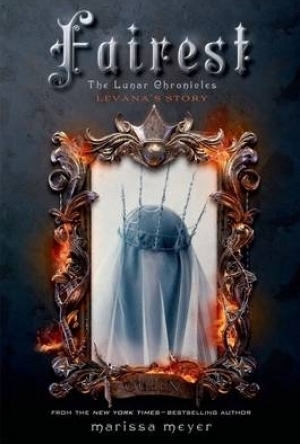

As always, there are going to be spoilers in this review, so be warned.
As much as I love the Lunar Chronicles series, I did not enjoy reading this book. Yes, we got backstory into Levana's life and (finally) are told what she actually looks like, but she is not a likable character in the slightest. I was expecting some sort of redeemable quality for the character and got nothing. It is hard for me to believe that any villain has absolutely zero things that can be said are good, but Levana is one of them.
She is painted as this self involved, self-loathing, overly power hungry character who has no feelings except what she thinks is love. This, again, is hard to imagine. I mean, I understand (but do not condone) her lack of feelings toward her parents. They were not there for her at all as a child and basically let Channary get away with physically maiming her little sister. But still, she didn't feel anything toward them when they were brutally murdered and actually fantasized about doing it herself? Like, what the hell?
And then there comes her very abusive relationship with her "husband." First off, disguising yourself as his wife, that's weird, but then doing it after that wife dies, only weeks after she died, that's messed up. Then taking away his agency, his ability to say no, by manipulating him mentally, come on! Really? And getting jealous that he actually loves his daughter and wanting her to suffer for it. This girl has issues!
And to top it all off, trying to get Selene murdered by "accident" only to take her throne and have the gall to stand up at the podium at both Selene's and Channary's funeral smug as hell because she gets to be queen now? I can't believe that someone would be that heartless.
Channary, for all of her messed up qualities, is even given some amount of redemption in her love for Selene. It was only really revealed eight years after she was murdered, but still, it is something that shows she is at least part human in her emotions. Even though she is a pretty bad character, I kind of like Channary?!? Out of the two sisters, she is the most "real" in her ability to act like a person.
I also like getting the backstory of Winter so I can know what to expect and understand why she acts as she does before I start reading her book. It is interesting to know that she, Selene, and Jacin were really close as children and that Selene's death hit her so hard. I also like that we got to meet her mother, Solstice, because she was a freaking angel and should not have died. Ugh. But then, Selene wouldn't have had any friends growing up because Levana would have shut that down so fast.
Overall, I was disappointed with this book. Especially since all of the other ones have been so great. It is hard to see characters who are just so bad with no redeeming qualities. It makes me think less of the story, in a way, because it is not making that character as deep as they can be. I am going to read the rest of the series, because I love the other characters, but this one was kind of a let down.
As much as I love the Lunar Chronicles series, I did not enjoy reading this book. Yes, we got backstory into Levana's life and (finally) are told what she actually looks like, but she is not a likable character in the slightest. I was expecting some sort of redeemable quality for the character and got nothing. It is hard for me to believe that any villain has absolutely zero things that can be said are good, but Levana is one of them.
She is painted as this self involved, self-loathing, overly power hungry character who has no feelings except what she thinks is love. This, again, is hard to imagine. I mean, I understand (but do not condone) her lack of feelings toward her parents. They were not there for her at all as a child and basically let Channary get away with physically maiming her little sister. But still, she didn't feel anything toward them when they were brutally murdered and actually fantasized about doing it herself? Like, what the hell?
And then there comes her very abusive relationship with her "husband." First off, disguising yourself as his wife, that's weird, but then doing it after that wife dies, only weeks after she died, that's messed up. Then taking away his agency, his ability to say no, by manipulating him mentally, come on! Really? And getting jealous that he actually loves his daughter and wanting her to suffer for it. This girl has issues!
And to top it all off, trying to get Selene murdered by "accident" only to take her throne and have the gall to stand up at the podium at both Selene's and Channary's funeral smug as hell because she gets to be queen now? I can't believe that someone would be that heartless.
Channary, for all of her messed up qualities, is even given some amount of redemption in her love for Selene. It was only really revealed eight years after she was murdered, but still, it is something that shows she is at least part human in her emotions. Even though she is a pretty bad character, I kind of like Channary?!? Out of the two sisters, she is the most "real" in her ability to act like a person.
I also like getting the backstory of Winter so I can know what to expect and understand why she acts as she does before I start reading her book. It is interesting to know that she, Selene, and Jacin were really close as children and that Selene's death hit her so hard. I also like that we got to meet her mother, Solstice, because she was a freaking angel and should not have died. Ugh. But then, Selene wouldn't have had any friends growing up because Levana would have shut that down so fast.
Overall, I was disappointed with this book. Especially since all of the other ones have been so great. It is hard to see characters who are just so bad with no redeeming qualities. It makes me think less of the story, in a way, because it is not making that character as deep as they can be. I am going to read the rest of the series, because I love the other characters, but this one was kind of a let down.
Hazel (1853 KP) rated Clover Moon in Books
Dec 7, 2018
<i>This eBook was provided by the publisher via NetGalley in exchange for an honest review </i>
Although now in her seventies, the Nation’s favourite children’s author, Dame Jacqueline Wilson, is continuing to write after surpassing one hundred novels. Many children (mostly girls) grow up reading her stories, myself being amongst that number. Even my sister, who hated reading, purchased a number of her books. It has been well over a decade since I last read a Jacqueline Wilson, however after seeing her latest novel was available for review, I thought I would give it a go.
<i>Clover Moon</i> is set in poverty-stricken Victorian London, where eleven-year-old Clover, the eldest of six siblings, lives with her father and stepmother. Like many stepmother’s in children’s literature, Clover’s treats her like a slave – a position she is destined to stay in unless she gets a job in a factory. With no school to attend, Clover becomes a second mother to her younger brother’s and sisters, yet nothing can prepare her for the devastating impact a wave of Scarlet Fever brings. With only an old doll maker who cares about her, Clover is desperate to get out of her situation; so after a chance meeting with an artist who tells her about a home for destitute girls, Clover decides to seek out the help and life she deserves.
Although only eleven, Clover has the responsibilities of someone of a more mature age. It is hard to imagine sending a child out to work, or trusting them to look after a newborn baby. Children reading this book will learn the difference between their lives and the life of a child in the 1800s.
As always, Jacqueline Wilson gives her main character a happy ending – although in this instance it still remains a bit uncertain. Despite the horrible circumstances, Wilson manages to pump her story full of enthusiastic optimism, thus portraying Clover as a strong, determined heroine.
Most of Jacqueline Wilson’s earlier books were set in the present day; there were still unhappy situations, but the settings were based on ideas the reader would be familiar with. In the case of <i>Clover Moon</i>, unless children have been educated about the poor in Victorian England, it is unlikely that they will be able to fully comprehend Clover’s predicament. As a result, the book is more suitable for young teenagers than the usual target audience of eight to twelve year olds.
Comparing my memories of Jacqueline Wilson books I read as a child with her latest publication, <i>Clover Moon</i> felt like something different; a new direction. As I have not read any of her work between the early 2000s and now, I am not sure when this change occurred, but it feels as though Wilson is delving deeper into her main character’s thoughts and feelings, and creating a more insightful storyline. On the other hand, I may simply be more intuitive as an adult than I was a child.
Although <i>Clover Moon</i> did not turn out to be the style of writing I was expecting I thoroughly enjoyed it. In fact, this difference made it possible to distance myself from the author’s renown, and treat it as an individual story. Clover is an admirable character who, through her narration, provides both an entertaining story and brief historical education. Fans of Jacqueline Wilson will not be disappointed with this latest publication; and if you are a new reader, <i>Clover Moon</i> is a great place to start.
Although now in her seventies, the Nation’s favourite children’s author, Dame Jacqueline Wilson, is continuing to write after surpassing one hundred novels. Many children (mostly girls) grow up reading her stories, myself being amongst that number. Even my sister, who hated reading, purchased a number of her books. It has been well over a decade since I last read a Jacqueline Wilson, however after seeing her latest novel was available for review, I thought I would give it a go.
<i>Clover Moon</i> is set in poverty-stricken Victorian London, where eleven-year-old Clover, the eldest of six siblings, lives with her father and stepmother. Like many stepmother’s in children’s literature, Clover’s treats her like a slave – a position she is destined to stay in unless she gets a job in a factory. With no school to attend, Clover becomes a second mother to her younger brother’s and sisters, yet nothing can prepare her for the devastating impact a wave of Scarlet Fever brings. With only an old doll maker who cares about her, Clover is desperate to get out of her situation; so after a chance meeting with an artist who tells her about a home for destitute girls, Clover decides to seek out the help and life she deserves.
Although only eleven, Clover has the responsibilities of someone of a more mature age. It is hard to imagine sending a child out to work, or trusting them to look after a newborn baby. Children reading this book will learn the difference between their lives and the life of a child in the 1800s.
As always, Jacqueline Wilson gives her main character a happy ending – although in this instance it still remains a bit uncertain. Despite the horrible circumstances, Wilson manages to pump her story full of enthusiastic optimism, thus portraying Clover as a strong, determined heroine.
Most of Jacqueline Wilson’s earlier books were set in the present day; there were still unhappy situations, but the settings were based on ideas the reader would be familiar with. In the case of <i>Clover Moon</i>, unless children have been educated about the poor in Victorian England, it is unlikely that they will be able to fully comprehend Clover’s predicament. As a result, the book is more suitable for young teenagers than the usual target audience of eight to twelve year olds.
Comparing my memories of Jacqueline Wilson books I read as a child with her latest publication, <i>Clover Moon</i> felt like something different; a new direction. As I have not read any of her work between the early 2000s and now, I am not sure when this change occurred, but it feels as though Wilson is delving deeper into her main character’s thoughts and feelings, and creating a more insightful storyline. On the other hand, I may simply be more intuitive as an adult than I was a child.
Although <i>Clover Moon</i> did not turn out to be the style of writing I was expecting I thoroughly enjoyed it. In fact, this difference made it possible to distance myself from the author’s renown, and treat it as an individual story. Clover is an admirable character who, through her narration, provides both an entertaining story and brief historical education. Fans of Jacqueline Wilson will not be disappointed with this latest publication; and if you are a new reader, <i>Clover Moon</i> is a great place to start.

Kaysee Hood (83 KP) rated The Cruel Prince in Books
Jul 12, 2018

Folklore (2 more)
Character Building/Development
Plot Twist
Fae-ly sure this might end badly
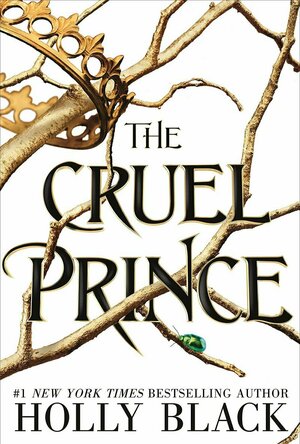
Though Holly Black has written quite a bit this is the first book I've read by her and I was impressed by her style, characters, and story she's come up with. She's blended her own tale with folklore about Faeries where she's able to have a simple yet wonderful atmosphere telling Jude's story.
I'm guilty of reading reviews sometimes before the book so I was worried about the declarations of TCP being similar or a copy of A Court of Thorns and Roses, but after finishing the book myself I can say though I understand where someone may feel this way TCP is more based on folklore than ACOTAR series is. Once I was roughly 100 pages in I was wrapped into the story because it was based more on lore rather than taking pieces from it (not that I do not love ACOTAR, but lore and myths will forever hold a special place in my heart). It felt like it gave Black more to work with because the charms do work, the rules are heavily applied, and Mortals HAVE to be more cautious. It felt Jude had more at risk if she failed for herself because of what she wasn't.
I'm loving how more YA books are making these strong female roles with teenage girls and young women overcoming their own doubts, pushing through their fears to make things happen, and learning to trust themselves more than anyone else. Jude is very much becoming one of these characters throughout TCP and you're able to see the development from the beginning to end, which I suspect will occur more in The Wicked King as she attempts to work out the rest of her plan. Not only is Jude a good role model in this sense, it is also great writing skill to be able to show the progress of a character. Even other characters get a bit of development or at the very least you're able to come to an understanding as to why they are acting as they do rather than questioning it. Everyone who meant something for TCP were fleshed out and helped push the plot along.
Speaking of plot I was amazed by it. Even though I had sort of guessed what would happen and who the key players were in the end I had it a bit wrong, which was okay because I personally love surprises and twists. It was nice for a moment to believe something was happening with what information was given then at the very last second it was altered.
I cannot wait for more from this series. TWK seems too far away even though it's less than six months now. It appears Jude is getting more than what she bit off. I want to find out if she can make these promises, what her plan has cost her, and if she can convince the prince-the king- to do what needs to be done until the final phase can be played out. I want to know more of what happens to her sisters and brother. I want to know if Madoc will be an issue in this. There is a lot I'm wondering really.
I'm guilty of reading reviews sometimes before the book so I was worried about the declarations of TCP being similar or a copy of A Court of Thorns and Roses, but after finishing the book myself I can say though I understand where someone may feel this way TCP is more based on folklore than ACOTAR series is. Once I was roughly 100 pages in I was wrapped into the story because it was based more on lore rather than taking pieces from it (not that I do not love ACOTAR, but lore and myths will forever hold a special place in my heart). It felt like it gave Black more to work with because the charms do work, the rules are heavily applied, and Mortals HAVE to be more cautious. It felt Jude had more at risk if she failed for herself because of what she wasn't.
I'm loving how more YA books are making these strong female roles with teenage girls and young women overcoming their own doubts, pushing through their fears to make things happen, and learning to trust themselves more than anyone else. Jude is very much becoming one of these characters throughout TCP and you're able to see the development from the beginning to end, which I suspect will occur more in The Wicked King as she attempts to work out the rest of her plan. Not only is Jude a good role model in this sense, it is also great writing skill to be able to show the progress of a character. Even other characters get a bit of development or at the very least you're able to come to an understanding as to why they are acting as they do rather than questioning it. Everyone who meant something for TCP were fleshed out and helped push the plot along.
Speaking of plot I was amazed by it. Even though I had sort of guessed what would happen and who the key players were in the end I had it a bit wrong, which was okay because I personally love surprises and twists. It was nice for a moment to believe something was happening with what information was given then at the very last second it was altered.
I cannot wait for more from this series. TWK seems too far away even though it's less than six months now. It appears Jude is getting more than what she bit off. I want to find out if she can make these promises, what her plan has cost her, and if she can convince the prince-the king- to do what needs to be done until the final phase can be played out. I want to know more of what happens to her sisters and brother. I want to know if Madoc will be an issue in this. There is a lot I'm wondering really.

JT (287 KP) rated Paranormal Activity 3 (2011) in Movies
Mar 10, 2020
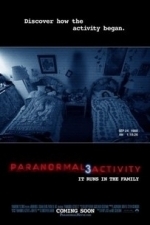

If it’s not broke, then don’t fix it. Seems a pretty good mantra and one that new directors Henry Joost and Ariel Schulman have stuck to.
The pair are behind the camera for the third terrifying instalment of the ever-popular franchise that proves you don’t need a massive budget to make a shit load of money. The film had the biggest opening weekend of any other horror film grossing $54m, and at the same time satisfying those that love it when things go bump in the night.
We’re still with Katie and Kristi, the sisters who were on the wrong end of a pissed off entity for the original and the sequel, or should we say prequel in this case. This time, after a brief cameo from the older girls Katie Featherston and Sprague Grayden, we are transported back to 1988 and the home of VHS, with the siblings now much younger.
The plot follows a different path as we get closer to discovering why this entity has targeted this suburban family in the first place.
Things start to turn sinister from the outset after Dennis (Nicholas Smith), a wedding videographer discovers a figure silhouetted on camera. Desperate to discover what it is, and against the wishes of his partner Julie (Lauren Bittner), he sets up the good old handheld cameras in the bedrooms hoping for it to reappear, it doesn’t take long.
The focus on this is the relationship that Kristi has with the invisible entity who she has aptly named Toby and runs about playfully with until it is clear that Toby gets slightly annoyed when things don’t go his way. The film is full of jumps and jolts that will have you leaping out of your seat or ducking down behind it.
From the old fashioned white-sheeted ghost to making you never want to see a Teddy Ruxpin again as long as you live. Joost and Schulman find new and unique ways to scare the living daylights out of you. To reveal too much more would, of course, ruin it, but suffice to say they are all brilliantly executed.
Being 1988 CCTV was all but redundant for the most part and perhaps one of the biggest payoffs was Dennis’s makeshift camera that was set up in the living room downstairs. Made out of a desk fan the camera pans slowly from one end of the room to the other and is very much the main focus for several horrific scenes, including a homage to the exploding cupboards in PA2.
The film is also injected with a strong sense of light-heartedness and humour, used almost like a comforter that the audience will embrace, that is until Joost and Schulman smack them across the face with another scare. The plot follows a different path as we get closer to discovering why this entity has targeted this suburban family in the first place.
It’s a reveal that may or may not is appreciated, but one thing is for sure you’ll have a great time getting there.
One important thing to note is that the trailer below contains scenes that aren’t included in the film at all, I for one am happy with this as it means that cinema goers can still go in fresh. Although you do feel a little cheated that you missed something important.
The pair are behind the camera for the third terrifying instalment of the ever-popular franchise that proves you don’t need a massive budget to make a shit load of money. The film had the biggest opening weekend of any other horror film grossing $54m, and at the same time satisfying those that love it when things go bump in the night.
We’re still with Katie and Kristi, the sisters who were on the wrong end of a pissed off entity for the original and the sequel, or should we say prequel in this case. This time, after a brief cameo from the older girls Katie Featherston and Sprague Grayden, we are transported back to 1988 and the home of VHS, with the siblings now much younger.
The plot follows a different path as we get closer to discovering why this entity has targeted this suburban family in the first place.
Things start to turn sinister from the outset after Dennis (Nicholas Smith), a wedding videographer discovers a figure silhouetted on camera. Desperate to discover what it is, and against the wishes of his partner Julie (Lauren Bittner), he sets up the good old handheld cameras in the bedrooms hoping for it to reappear, it doesn’t take long.
The focus on this is the relationship that Kristi has with the invisible entity who she has aptly named Toby and runs about playfully with until it is clear that Toby gets slightly annoyed when things don’t go his way. The film is full of jumps and jolts that will have you leaping out of your seat or ducking down behind it.
From the old fashioned white-sheeted ghost to making you never want to see a Teddy Ruxpin again as long as you live. Joost and Schulman find new and unique ways to scare the living daylights out of you. To reveal too much more would, of course, ruin it, but suffice to say they are all brilliantly executed.
Being 1988 CCTV was all but redundant for the most part and perhaps one of the biggest payoffs was Dennis’s makeshift camera that was set up in the living room downstairs. Made out of a desk fan the camera pans slowly from one end of the room to the other and is very much the main focus for several horrific scenes, including a homage to the exploding cupboards in PA2.
The film is also injected with a strong sense of light-heartedness and humour, used almost like a comforter that the audience will embrace, that is until Joost and Schulman smack them across the face with another scare. The plot follows a different path as we get closer to discovering why this entity has targeted this suburban family in the first place.
It’s a reveal that may or may not is appreciated, but one thing is for sure you’ll have a great time getting there.
One important thing to note is that the trailer below contains scenes that aren’t included in the film at all, I for one am happy with this as it means that cinema goers can still go in fresh. Although you do feel a little cheated that you missed something important.

Sophia (Bookwyrming Thoughts) (530 KP) rated Between Burning Worlds (System Divine #2) in Books
Mar 31, 2020
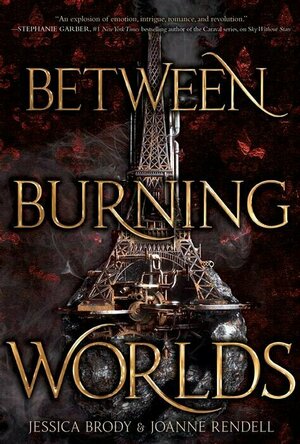
Sky Without Stars launched me onto another planet last year with the authors’ retelling of Les Misérables in space.
I’m super excited to get the chance to read the sequel in the System Divine trilogy because the first book promised some shenanigans are going to be in store. And I definitely don’t remember what happened in the first book, so cracking open to an overview of the first book is a blessing. If you’re like me and you reread maybe 1% of the time, you’re in good hands.
The second book in the System Divine trilogy starts right where Sky Without Stars ends, with each of the characters on their own path:
🚀 Marcellus secretly working with the Vanguarde, with the desire to stop General Bonnefacon from overthrowing the Patriarche of Laterre and taking the planet for his own.
🚀 Chatine ends up on Bastille’s harsh working conditions and wants to get out; even if it means getting herself indirectly involved with the Vanguarde.
🚀 Alouette is searching for the answers of her past with what little information she has; she’s not thrilled she’s been lied to by the sisters her entire life… but let’s be honest: who’s ever thrilled?
Much of Between Burning Worlds is further building up the world Brody and Rendell first introduced us to in Sky Without Stars, taking us to other planets and unknown places of Laterre. While it may seem the trio are on different paths, they’re more intertwined than they think.
Brody and Rendell kept me on my feet constantly.
I never liked General Bonnefacon, and if you want my honest opinion, he deserves charred bacon and nothing but charred bacon. Everyone just gets screwed over by him for his own gain. But Marcellus’ grandfather is seriously one of the most cunning characters of the series; he’s always upending everyone’s plans. It’s no wonder he’s still going. In this sequel to Sky Without Stars, the General continues being a key character constantly plotting his next move.
What a strategist and sharp mastermind. If I had to stan villains, he would be one of them. 11/10 would not mess with grandpa.
I’m in love with the new characters.
Between Burning Worlds introduces us to quite a few new characters in addition to the returning cast: Cerise, Gabriel, Etienne. I loved every second they were on the page; there are moments of banter and humor involved and it made this whopping sequel go by much quicker. 600+ pages felt like nothing. Someone protect Gabriel though, he’s such a cinnamon roll and I’m worried about what will happen to him in the third book. 🥺
Then again, none of the characters get a break or room to breathe, not with General Bonnefacon around at least. While Chatine and Alouette grow as characters from when we first meet them in book one, Marcellus undergoes the most character development here as he goes head to head with his grandfather. (Gabriel should still be protected though.) I’m hoping for the chance to see the three of them again in the next book.
Between Burning Worlds is an absolute trip, and it’s a good type of trip.
With new characters to the series and a brewing revolution on a corrupted planet, Brody and Rendell continue bringing readers on a trip through space while constantly keeping them on their toes until the very end.
I’m super excited to get the chance to read the sequel in the System Divine trilogy because the first book promised some shenanigans are going to be in store. And I definitely don’t remember what happened in the first book, so cracking open to an overview of the first book is a blessing. If you’re like me and you reread maybe 1% of the time, you’re in good hands.
The second book in the System Divine trilogy starts right where Sky Without Stars ends, with each of the characters on their own path:
🚀 Marcellus secretly working with the Vanguarde, with the desire to stop General Bonnefacon from overthrowing the Patriarche of Laterre and taking the planet for his own.
🚀 Chatine ends up on Bastille’s harsh working conditions and wants to get out; even if it means getting herself indirectly involved with the Vanguarde.
🚀 Alouette is searching for the answers of her past with what little information she has; she’s not thrilled she’s been lied to by the sisters her entire life… but let’s be honest: who’s ever thrilled?
Much of Between Burning Worlds is further building up the world Brody and Rendell first introduced us to in Sky Without Stars, taking us to other planets and unknown places of Laterre. While it may seem the trio are on different paths, they’re more intertwined than they think.
Brody and Rendell kept me on my feet constantly.
I never liked General Bonnefacon, and if you want my honest opinion, he deserves charred bacon and nothing but charred bacon. Everyone just gets screwed over by him for his own gain. But Marcellus’ grandfather is seriously one of the most cunning characters of the series; he’s always upending everyone’s plans. It’s no wonder he’s still going. In this sequel to Sky Without Stars, the General continues being a key character constantly plotting his next move.
What a strategist and sharp mastermind. If I had to stan villains, he would be one of them. 11/10 would not mess with grandpa.
I’m in love with the new characters.
Between Burning Worlds introduces us to quite a few new characters in addition to the returning cast: Cerise, Gabriel, Etienne. I loved every second they were on the page; there are moments of banter and humor involved and it made this whopping sequel go by much quicker. 600+ pages felt like nothing. Someone protect Gabriel though, he’s such a cinnamon roll and I’m worried about what will happen to him in the third book. 🥺
Then again, none of the characters get a break or room to breathe, not with General Bonnefacon around at least. While Chatine and Alouette grow as characters from when we first meet them in book one, Marcellus undergoes the most character development here as he goes head to head with his grandfather. (Gabriel should still be protected though.) I’m hoping for the chance to see the three of them again in the next book.
Between Burning Worlds is an absolute trip, and it’s a good type of trip.
With new characters to the series and a brewing revolution on a corrupted planet, Brody and Rendell continue bringing readers on a trip through space while constantly keeping them on their toes until the very end.

MAH-JONG FIGHT CLUB Sp
Games, Entertainment and Stickers
App
The ultimate online Mah-jong battle game is now available as an app! ...

Lottie disney bookworm (1056 KP) rated Ashes of Glass in Books
Jan 4, 2021
Contains spoilers, click to show
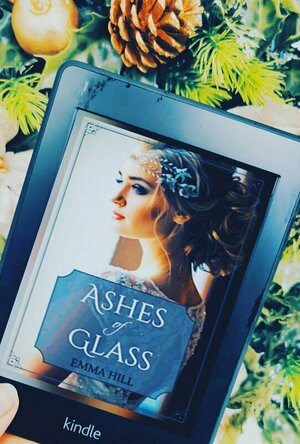
Ashes of Glass is a gorgeous retelling of Cinderella, and you all know what a sucker I am for a retelling!
Arella's upbringing is one we have heard numerous times, both through print and on screen. For this reason Emma Hill presents this chapter of Arella's life almost as a misty, memory montage; preferring to focus on the upcoming tale she has to tell. I must say I greatly appreciated this originality and confindence: Hill knows she has an absolute gem of a story here and doesn't need to pad it out with the sad turn of events we all know.
Anyone who has read "So, This is Love" by Elizabeth Lim will see some similarities within the two storylines in that Ella begins working in the Palace. However, Hill's Ella is , in my opinion, a much stronger character from the outset. She has no qualms in challenging Prince Freddie's prejudices in respects to gypsies and, on the whole, does not change her behaviour towards Freddie once she discovers he is the Prince.
Ella and Freddie are only two of a whole cast of characters who are beautifully portrayed within this novel. I really loved the added details such as the King's interest in elephants, the fact that the Duke was nicer (but still quite strict) and the fact that Ella had a friend alongside her. All of these factors made the story a lot more real than the classic fairy tale. Hill made it so easy for the reader to fall in love with Ella and Freddie as a couple, especially because they were not perfect and experienced real emotions such as doubt and jealousy. If anything, our love for these two made it even easier for us to hate the villain, Lord DiFortunato.
Now, we all love to hate the sleazy, slimy villain in a story, but this guy was something else! Emma Hill's villain literally made my skin crawl and, at the point in the story where Ella's curiosity puts her in a whole heap of danger, the suspense was too much I had to skim read just to know whether she was going to be OK.
The one character I did want a bit more of was Lady Izabella: I suspect she was likely Freddie's godmother due to her friendship with the Queen and I think this could have been cleverly played on a little more. Don't get me wrong she was a charming (and necessary) background character but I would have liked to see her a little more.
EJ Hill also included a lot of nods to the original fairy tale which were really appreciated. Of course the iconic pink dress becomes ruined and the ballgown is a must but Ella's affectionate use of Prince Charming as a nickname for Freddie was just gorgeous. Oh and losing the shoe: genius!
This is not to say this story lacks originality though. There is a thrilling sub plot into the investigation into the King's death which moves alongside and intersects Arella's plotline beautifully.
I would say that the chapters do shift from Arella to Freddie quite often and this could be quite confusing at times. Also faith plays a huge part within the story. I already knew Emma Hill was a Christian so this wasn't a surprise and it didn't put me off the story at all. I do think that it was included quite heavily though.
If you want the story of Cinderella, with a swoon-worthy Prince, more action, less Stepmother/sisters and an underlying murder mystery. This is the book for you!
Arella's upbringing is one we have heard numerous times, both through print and on screen. For this reason Emma Hill presents this chapter of Arella's life almost as a misty, memory montage; preferring to focus on the upcoming tale she has to tell. I must say I greatly appreciated this originality and confindence: Hill knows she has an absolute gem of a story here and doesn't need to pad it out with the sad turn of events we all know.
Anyone who has read "So, This is Love" by Elizabeth Lim will see some similarities within the two storylines in that Ella begins working in the Palace. However, Hill's Ella is , in my opinion, a much stronger character from the outset. She has no qualms in challenging Prince Freddie's prejudices in respects to gypsies and, on the whole, does not change her behaviour towards Freddie once she discovers he is the Prince.
Ella and Freddie are only two of a whole cast of characters who are beautifully portrayed within this novel. I really loved the added details such as the King's interest in elephants, the fact that the Duke was nicer (but still quite strict) and the fact that Ella had a friend alongside her. All of these factors made the story a lot more real than the classic fairy tale. Hill made it so easy for the reader to fall in love with Ella and Freddie as a couple, especially because they were not perfect and experienced real emotions such as doubt and jealousy. If anything, our love for these two made it even easier for us to hate the villain, Lord DiFortunato.
Now, we all love to hate the sleazy, slimy villain in a story, but this guy was something else! Emma Hill's villain literally made my skin crawl and, at the point in the story where Ella's curiosity puts her in a whole heap of danger, the suspense was too much I had to skim read just to know whether she was going to be OK.
The one character I did want a bit more of was Lady Izabella: I suspect she was likely Freddie's godmother due to her friendship with the Queen and I think this could have been cleverly played on a little more. Don't get me wrong she was a charming (and necessary) background character but I would have liked to see her a little more.
EJ Hill also included a lot of nods to the original fairy tale which were really appreciated. Of course the iconic pink dress becomes ruined and the ballgown is a must but Ella's affectionate use of Prince Charming as a nickname for Freddie was just gorgeous. Oh and losing the shoe: genius!
This is not to say this story lacks originality though. There is a thrilling sub plot into the investigation into the King's death which moves alongside and intersects Arella's plotline beautifully.
I would say that the chapters do shift from Arella to Freddie quite often and this could be quite confusing at times. Also faith plays a huge part within the story. I already knew Emma Hill was a Christian so this wasn't a surprise and it didn't put me off the story at all. I do think that it was included quite heavily though.
If you want the story of Cinderella, with a swoon-worthy Prince, more action, less Stepmother/sisters and an underlying murder mystery. This is the book for you!