Search

Search only in certain items:

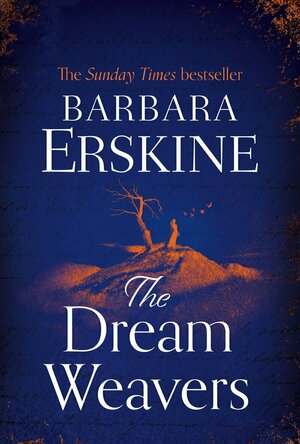
The Dream Weavers
The Dream Weavers
Barbara Erskine | 2021 | Fiction & Poetry, Romance, Science Fiction/Fantasy
8
8.0 (1 Ratings)
Book Rating
The Dream Weavers is an historical fiction novel, with one foot in Saxon Mercia and the other in modern day Hereford. There’s a touch of the supernatural as well - all the better to see the past with. And I loved reading it.
Simon is writing a book of Anglo-Saxon history, and starts to hear a woman calling a name outside his rented cottage. When he goes out to look, no one is there.
The cottage owner brings in her local spiritual advisor, Bea, who hopes to put the ghost outside to rest. This is only the beginning.
The timelines alternate between King Offa’s daughter, Eadburh, and Bea’s life in Hereford with her husband who is a priest at the cathedral.
I honestly didn’t think I’d enjoy this - but I really did! It uses religion without being overly religious, and the same goes for the more Pagan elements. It was a a really interesting, highly readable book. I haven’t read much about the history around King Offa’s time, so I enjoyed the opportunity to do that. It was a book that was difficult to put down - except that was done for me, as I read a stave a day on The Pigeonhole! It’s a big book, but it really didn’t feel that way. It sent me off on little internet searches as well - namely Anchorites, and what types of dogs Anglo-Saxons kept as pets (and whether they did or not!). I like a book that interests me enough to read around it!
This is definitely one for the historical fiction fans, especially those that like a bit of the magical element as well. I loved reading it!
Many thanks to The Pigeonhole, and to HarperCollins for giving me access via NetGalley for an honest review.

  
40x40

Greg Mottola recommended The White Sheik (1952) in Movies (curated)
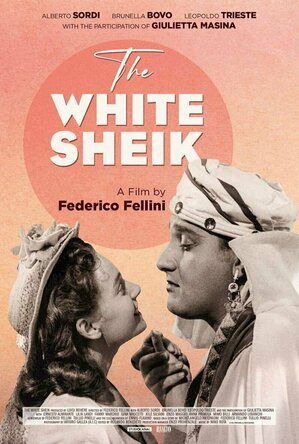
 
The White Sheik (1952)
1952 | Comedy, Drama
(0 Ratings)
Movie Favorite

"No other filmmaker’s movies have reached me as directly and deeply as Fellini’s. I’m very familiar with the criticisms that have been leveled at Fellini’s work—and they hold no sway over me. There’s far too much to say about the films on my list, so here are a few random things I love. The White Sheik: Alberto Sordi’s hilarious faux suavity while trying to seduce a naive provincial woman. I vitelloni: Franco Fabrizi’s pathetic lothario, Leopoldo Trieste’s deluded would-be writer, Alberto Sordi’s sad, daydreaming freeloader—Fellini sees all of these aimless young men with great honesty and tenderness. Nights of Cabiria: the heartbreaking final scene, a woman stripped of all physical and spiritual worth yet somehow still able to find consolation in the very innocence and joy that have been denied her. 8½: I can’t think of another black-and-white movie that has so much white. The high-contrast cinematography is breathtaking. In one flashback to childhood, Guido is being bathed and cared for by various aunts. It’s a child’s experience of maternal love that cannot be re-created in adult life—as Fellini later illustrates with a twisted version of the same scene in Guido’s absurd harem fantasy. Fellini always claimed the movie was a comedy, and I tend to agree. Amarcord: Fellini revisits the same territory as I vitelloni but in his later, color-saturated, theatrical style. It is provincial life described by a highly unreliable narrator, where the mundane transforms into the magical. A few indelible images: lonesome boys waltzing to music from a nearby grand hotel, townspeople carting their old furniture to the square for a massive bonfire, the immense luxury liner Rex, Gradisca’s sad little wedding, the floating dandelion puffs that mark the return of spring . . ."

Source
  
40x40

Greg Mottola recommended I Vitelloni (1953) in Movies (curated)
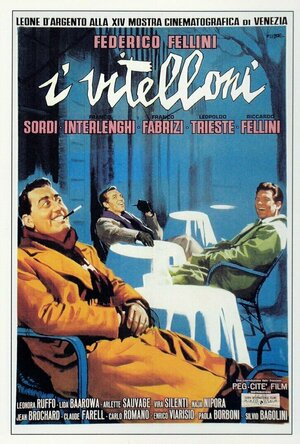
 
I Vitelloni (1953)
I Vitelloni (1953)
1953 | Comedy, Drama
(0 Ratings)
Movie Favorite

"No other filmmaker’s movies have reached me as directly and deeply as Fellini’s. I’m very familiar with the criticisms that have been leveled at Fellini’s work—and they hold no sway over me. There’s far too much to say about the films on my list, so here are a few random things I love. The White Sheik: Alberto Sordi’s hilarious faux suavity while trying to seduce a naive provincial woman. I vitelloni: Franco Fabrizi’s pathetic lothario, Leopoldo Trieste’s deluded would-be writer, Alberto Sordi’s sad, daydreaming freeloader—Fellini sees all of these aimless young men with great honesty and tenderness. Nights of Cabiria: the heartbreaking final scene, a woman stripped of all physical and spiritual worth yet somehow still able to find consolation in the very innocence and joy that have been denied her. 8½: I can’t think of another black-and-white movie that has so much white. The high-contrast cinematography is breathtaking. In one flashback to childhood, Guido is being bathed and cared for by various aunts. It’s a child’s experience of maternal love that cannot be re-created in adult life—as Fellini later illustrates with a twisted version of the same scene in Guido’s absurd harem fantasy. Fellini always claimed the movie was a comedy, and I tend to agree. Amarcord: Fellini revisits the same territory as I vitelloni but in his later, color-saturated, theatrical style. It is provincial life described by a highly unreliable narrator, where the mundane transforms into the magical. A few indelible images: lonesome boys waltzing to music from a nearby grand hotel, townspeople carting their old furniture to the square for a massive bonfire, the immense luxury liner Rex, Gradisca’s sad little wedding, the floating dandelion puffs that mark the return of spring . . ."

Source
  
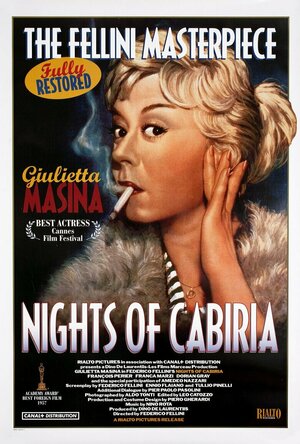
Nights of Cabiria (1957)
1957 | Drama
(0 Ratings)
Movie Favorite

"No other filmmaker’s movies have reached me as directly and deeply as Fellini’s. I’m very familiar with the criticisms that have been leveled at Fellini’s work—and they hold no sway over me. There’s far too much to say about the films on my list, so here are a few random things I love. The White Sheik: Alberto Sordi’s hilarious faux suavity while trying to seduce a naive provincial woman. I vitelloni: Franco Fabrizi’s pathetic lothario, Leopoldo Trieste’s deluded would-be writer, Alberto Sordi’s sad, daydreaming freeloader—Fellini sees all of these aimless young men with great honesty and tenderness. Nights of Cabiria: the heartbreaking final scene, a woman stripped of all physical and spiritual worth yet somehow still able to find consolation in the very innocence and joy that have been denied her. 8½: I can’t think of another black-and-white movie that has so much white. The high-contrast cinematography is breathtaking. In one flashback to childhood, Guido is being bathed and cared for by various aunts. It’s a child’s experience of maternal love that cannot be re-created in adult life—as Fellini later illustrates with a twisted version of the same scene in Guido’s absurd harem fantasy. Fellini always claimed the movie was a comedy, and I tend to agree. Amarcord: Fellini revisits the same territory as I vitelloni but in his later, color-saturated, theatrical style. It is provincial life described by a highly unreliable narrator, where the mundane transforms into the magical. A few indelible images: lonesome boys waltzing to music from a nearby grand hotel, townspeople carting their old furniture to the square for a massive bonfire, the immense luxury liner Rex, Gradisca’s sad little wedding, the floating dandelion puffs that mark the return of spring . . ."

Source
  
40x40

Greg Mottola recommended 8 1/2 (1963) in Movies (curated)
 
8 1/2 (1963)
8 1/2 (1963)
1963 | International, Comedy, Drama
9.0 (2 Ratings)
Movie Favorite

"No other filmmaker’s movies have reached me as directly and deeply as Fellini’s. I’m very familiar with the criticisms that have been leveled at Fellini’s work—and they hold no sway over me. There’s far too much to say about the films on my list, so here are a few random things I love. The White Sheik: Alberto Sordi’s hilarious faux suavity while trying to seduce a naive provincial woman. I vitelloni: Franco Fabrizi’s pathetic lothario, Leopoldo Trieste’s deluded would-be writer, Alberto Sordi’s sad, daydreaming freeloader—Fellini sees all of these aimless young men with great honesty and tenderness. Nights of Cabiria: the heartbreaking final scene, a woman stripped of all physical and spiritual worth yet somehow still able to find consolation in the very innocence and joy that have been denied her. 8½: I can’t think of another black-and-white movie that has so much white. The high-contrast cinematography is breathtaking. In one flashback to childhood, Guido is being bathed and cared for by various aunts. It’s a child’s experience of maternal love that cannot be re-created in adult life—as Fellini later illustrates with a twisted version of the same scene in Guido’s absurd harem fantasy. Fellini always claimed the movie was a comedy, and I tend to agree. Amarcord: Fellini revisits the same territory as I vitelloni but in his later, color-saturated, theatrical style. It is provincial life described by a highly unreliable narrator, where the mundane transforms into the magical. A few indelible images: lonesome boys waltzing to music from a nearby grand hotel, townspeople carting their old furniture to the square for a massive bonfire, the immense luxury liner Rex, Gradisca’s sad little wedding, the floating dandelion puffs that mark the return of spring . . ."

Source
  
40x40

Greg Mottola recommended Amarcord (1973) in Movies (curated)
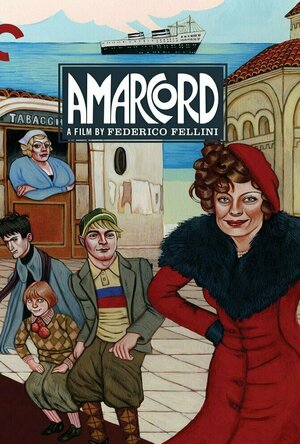
 
Amarcord (1973)
Amarcord (1973)
1973 | Comedy, Drama
(0 Ratings)
Movie Favorite

"No other filmmaker’s movies have reached me as directly and deeply as Fellini’s. I’m very familiar with the criticisms that have been leveled at Fellini’s work—and they hold no sway over me. There’s far too much to say about the films on my list, so here are a few random things I love. The White Sheik: Alberto Sordi’s hilarious faux suavity while trying to seduce a naive provincial woman. I vitelloni: Franco Fabrizi’s pathetic lothario, Leopoldo Trieste’s deluded would-be writer, Alberto Sordi’s sad, daydreaming freeloader—Fellini sees all of these aimless young men with great honesty and tenderness. Nights of Cabiria: the heartbreaking final scene, a woman stripped of all physical and spiritual worth yet somehow still able to find consolation in the very innocence and joy that have been denied her. 8½: I can’t think of another black-and-white movie that has so much white. The high-contrast cinematography is breathtaking. In one flashback to childhood, Guido is being bathed and cared for by various aunts. It’s a child’s experience of maternal love that cannot be re-created in adult life—as Fellini later illustrates with a twisted version of the same scene in Guido’s absurd harem fantasy. Fellini always claimed the movie was a comedy, and I tend to agree. Amarcord: Fellini revisits the same territory as I vitelloni but in his later, color-saturated, theatrical style. It is provincial life described by a highly unreliable narrator, where the mundane transforms into the magical. A few indelible images: lonesome boys waltzing to music from a nearby grand hotel, townspeople carting their old furniture to the square for a massive bonfire, the immense luxury liner Rex, Gradisca’s sad little wedding, the floating dandelion puffs that mark the return of spring . . ."

Source
  
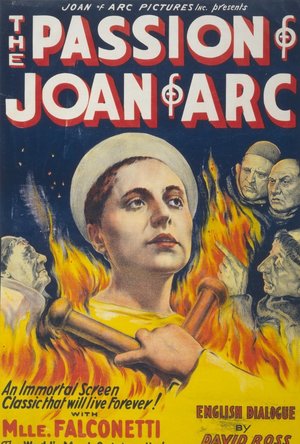
The Passion of Joan of Arc (1928)
1928 | Biography, Drama, History
6
8.7 (6 Ratings)
Movie Rating
This was another first for me. Previous to watching this silent “masterpiece” Dreyer was a name I had only read in film history essays and when anyone writing for Sight and Sound wants to look clever. As a stepping stone to what could be achieved it is of course a valuable historic document. As a film to be enjoyed almost 100 years later, it is all but unwatchable at 110 minutes. There is perhaps a half hour’s worth of story and images, merely extended and repeated to an excruciating degree. It’s not that it is silent, or has very strange religious overtones that don’t resonate now in the same way they once might – because it is very beautiful and remarkable in small sections – it is that a monotony of accusation, followed by denial, followed by crying, followed by spiritual revelation is all there is to it. And it goes on and on and on until you really could not care less.

The story of Joan of Arc is extraordinary, but this is not the story of Joan of Arc, it is her passion only, as in her trial and execution. The close ups of Maria Falconetti as the eponymous saint are all you can really take away from it in the end. Her odd beauty and commitment to the role do leave a lasting impression, but the two dimensional fire and brimstone evil of her accusers is just too much, even comic, to behold and believe in 2021. For study purposes, seeing where certain techniques and shot ideas had their Genesis, for example, it is of great interest. As a film to watch and enjoy it has sadly outlived its worth. When you consider Fritz Lang’s M was only 3 years later, it all comes into context.