
Search
Search results
Heather Cranmer (2721 KP) rated Mistletoe Miracles (Ransom Canyon #7) in Books
Sep 12, 2018


Lovable Characters (3 more)
Interesting Plot
Great Worldbuilding
Good Pacing
A Clean, Sweet Read
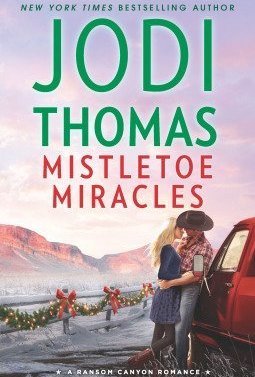
I'm not usually a romance person, but the synopsis for Mistletoe Miracles by Jodi Thomas caught my attention. I'm really glad I read Mistletoe Miracles because I absolutely adored this book. In fact, Mistletoe Miracles may have converted me to be a romance reader. It has definitely made me a Jodi Thomas fan for sure.
The pacing for Mistletoe Miracles was spot on. It wasn't a fast paced book, but it wasn't slow paced either. It moved at a nice relaxing pace, and I found myself loving it.
The plot for Mistletoe Miracles is a sweet one. It was interesting to see each couple's relationship blossom. Mallory is on the run from her abusive ex-boyfriend. She ends up in a car crash. Her dog is also injured in the crash. Little does Jax know he has her dog, but once he figures it out, it's the start of something sweet. Griffin needs a rich bride in order to save his working ranch that's been in the family for generations. Sunlan, a ranch girl herself, is just the right woman to fill that position. She's also looking for someone to take her away from her overbearing father. Wyatt is a soldier just looking for a place to rest while on leave. With everyone assuming he's Jamie's husband, he is taken to Jamie's house after he falls asleep and has a small crash. Jamie has been out of town, but when she returns, she's gets the biggest surprise of her life. However, she's been telling everyone she's married even though she's not. Wyatt may just be the (pretend) husband she needs. The reader has the pleasure of reading about each immersive relationship and how each one blossoms in its own way. There are no major plot twists, but Mistletoe Miracles is a book that doesn't need plot twists to be enjoyable. All loose ends are also tied up by the end of the book which I was happy about. I also liked that Mistletoe Miracles can be read as a standalone.
I felt that the world building in Mistletoe Miracles was done very well. Jodi Thomas makes it so easy to feel as if you are one of the characters in her book. She puts you right in the midst of everything that is happening, and it is so easy to lose yourself within each page of the story. Mistletoe Miracles takes place in Texas which made me enjoy the book even more! The world building is so realistic in this novel that I would lose track of time whenever I was reading it.
I loved every character in Mistletoe Miracles. I felt each character was fleshed out substantially, and every character felt like they were an actual real person instead of a character in a book. My favorite characters in this book were Sunlan and Griffin. I loved how they started out a bit distant towards each other, but eventually, they warmed up to one another and came out of their shell, especially Sunlan. Don't get me wrong, I loved the other characters too, but it was Sunlan's and Griffin's relationship that I loved the most. I did enjoy reading about all the other character's relationships as well, and I found them to be very interesting. Each character had something to bring to the table to make Mistletoe Miracles the great read it is.
There aren't many trigger warnings for Mistletoe Miracles. I would classify it was a clean romance. There's no swearing and no steamy scenes. There is some violence although it is not graphic. There is some drinking of alcohol as well as kissing. There's also talk about making love but everything is implied and not described in graphic detail.
Overall, Mistletoe Miracles is a very sweet and refreshing read that will warm even the most hardened hearts. It's got very likable and realistic characters characters, an interesting plot, and fantastic world building. I would definitely recommend Mistletoe Miracles by Jodi Thomas to everyone aged 16+ whether they like romance or not. This is one of those books that everyone should read even if romance isn't their preferred genre.
(Thank you to Netgalley for providing me with a copy of this title in exchange for an honest and unbiased review.)
The pacing for Mistletoe Miracles was spot on. It wasn't a fast paced book, but it wasn't slow paced either. It moved at a nice relaxing pace, and I found myself loving it.
The plot for Mistletoe Miracles is a sweet one. It was interesting to see each couple's relationship blossom. Mallory is on the run from her abusive ex-boyfriend. She ends up in a car crash. Her dog is also injured in the crash. Little does Jax know he has her dog, but once he figures it out, it's the start of something sweet. Griffin needs a rich bride in order to save his working ranch that's been in the family for generations. Sunlan, a ranch girl herself, is just the right woman to fill that position. She's also looking for someone to take her away from her overbearing father. Wyatt is a soldier just looking for a place to rest while on leave. With everyone assuming he's Jamie's husband, he is taken to Jamie's house after he falls asleep and has a small crash. Jamie has been out of town, but when she returns, she's gets the biggest surprise of her life. However, she's been telling everyone she's married even though she's not. Wyatt may just be the (pretend) husband she needs. The reader has the pleasure of reading about each immersive relationship and how each one blossoms in its own way. There are no major plot twists, but Mistletoe Miracles is a book that doesn't need plot twists to be enjoyable. All loose ends are also tied up by the end of the book which I was happy about. I also liked that Mistletoe Miracles can be read as a standalone.
I felt that the world building in Mistletoe Miracles was done very well. Jodi Thomas makes it so easy to feel as if you are one of the characters in her book. She puts you right in the midst of everything that is happening, and it is so easy to lose yourself within each page of the story. Mistletoe Miracles takes place in Texas which made me enjoy the book even more! The world building is so realistic in this novel that I would lose track of time whenever I was reading it.
I loved every character in Mistletoe Miracles. I felt each character was fleshed out substantially, and every character felt like they were an actual real person instead of a character in a book. My favorite characters in this book were Sunlan and Griffin. I loved how they started out a bit distant towards each other, but eventually, they warmed up to one another and came out of their shell, especially Sunlan. Don't get me wrong, I loved the other characters too, but it was Sunlan's and Griffin's relationship that I loved the most. I did enjoy reading about all the other character's relationships as well, and I found them to be very interesting. Each character had something to bring to the table to make Mistletoe Miracles the great read it is.
There aren't many trigger warnings for Mistletoe Miracles. I would classify it was a clean romance. There's no swearing and no steamy scenes. There is some violence although it is not graphic. There is some drinking of alcohol as well as kissing. There's also talk about making love but everything is implied and not described in graphic detail.
Overall, Mistletoe Miracles is a very sweet and refreshing read that will warm even the most hardened hearts. It's got very likable and realistic characters characters, an interesting plot, and fantastic world building. I would definitely recommend Mistletoe Miracles by Jodi Thomas to everyone aged 16+ whether they like romance or not. This is one of those books that everyone should read even if romance isn't their preferred genre.
(Thank you to Netgalley for providing me with a copy of this title in exchange for an honest and unbiased review.)

BankofMarquis (1832 KP) rated Drive My Car (2021) in Movies
Mar 19, 2022
Raw, Pure and Honest
If I’m being honest, I purposely pushed my Oscar “homework assignment” of viewing DRIVE MY CAR to the end of the list for I saw that it was a 3 Hour Japanese Film that is a meditation on loss, grief, anger and regret set against the backdrop of a production of Chekov’s Uncle Vanya. I was ready to buckle-in for an arty “Art House” film that is not as good as the “artists” recommending it would have you believe.
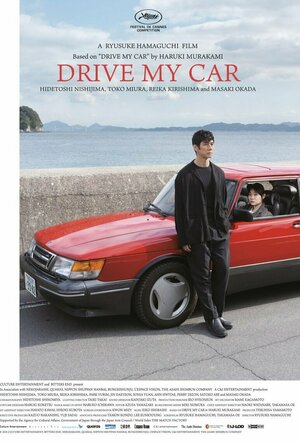
And I would be wrong with that assumption as DRIVE MY CAR is the BEST FILM of 2021 with raw, pure and honest performances that draws you in and touches your heart.
Directed by Ryusuke Hamaguchi (who was Oscar Nominated for his work), DRIVE MY CAR follows a renowned Actor/Director who heads to Hiroshima to Direct a production of Uncle Vanya while grappling with the consequences of the unexpected death of his wife - and the unresolved issues of their marriage. While in Hiroshima, he is forced to accept a chauffeur for his duration there and the relationship between the two begins to unlock long dormant emotions.
Sounds like it could end up being a modern version of DRIVING MISS DAISY, right? Wrong. In the hands of Hamaguchi, from an Oscar Nominated screenplay that Hamaguchi wrote with Takamasa Oe (based on the short story by Haruki Murakami), Drive My Car becomes a character-driven drama that peels the layers of the onion back at a deliberate pace (in this case, that’s a compliment) to reveal what is at the core of the main characters.
What drew me into this film (a movie who’s 3 hour run-time seemed short to me), was the performances that Hamaguchi was able to draw out of his talented cast, they are - top to bottom - raw, honest and real. Starting with Hidetoshi Nishijima as Actor/Director Yusuke Kafuku. He plays this character with a stoic pragmatism, but it is played in such a way that you understand that there are emotions broiling underneath this façade and they, eventually, will need to find their way out. But the brilliance of this film is that when this character finally opens up, it is not a showy, “yelly” performance, it is subtle, small - and effective.
Matching Nishijima’s stoicism (at least early on) is Toko Miura as the chauffer. She is enigmatic in the early goings of the film, listening much more than talking but as Kafuku opens up, she does as well, and it is this part of the film that really drew me in.
Also, surprisingly to me, was the rehearsal/performance scenes of Uncle Vanya that are sprinkled throughout this film. I am NOT a scholar (or fan) of Chekov’s works (I find them to be too introspective) but the scenes that are shown are a mirror to what is happening to these characters outside of the theater and were affecting (particularly a scene that the company does in the park between two female characters). I’m sure a Chekov scholar could comment on the parallel themes at work here - but I am not that scholar and that did not diminish my love of this film. It does do one surprising thing - it makes me (almost) want to see a full production of Vanya…almost.
And therein lies another layer to this film - the eclectic group of performers that populate the company of actors that perform Vanya - they perform in Japanese, Mandarin, English and (in one case) sign language. I was reading the subtitles anyway (yes, please view this film in it’s original language with subtitles - you’ll feel the emotions of the actors’ performances) and this disparity between the performers enhanced what was already an intriguing film.
Not for everyone, the pace and themes of this film will turn many off early on, but if you click into the feel of this film, you will be rewarded with a very rich experience.
Letter Grade: A
9 stars (out of 10) and you can take that to the Bank(ofMarquis)
And I would be wrong with that assumption as DRIVE MY CAR is the BEST FILM of 2021 with raw, pure and honest performances that draws you in and touches your heart.
Directed by Ryusuke Hamaguchi (who was Oscar Nominated for his work), DRIVE MY CAR follows a renowned Actor/Director who heads to Hiroshima to Direct a production of Uncle Vanya while grappling with the consequences of the unexpected death of his wife - and the unresolved issues of their marriage. While in Hiroshima, he is forced to accept a chauffeur for his duration there and the relationship between the two begins to unlock long dormant emotions.
Sounds like it could end up being a modern version of DRIVING MISS DAISY, right? Wrong. In the hands of Hamaguchi, from an Oscar Nominated screenplay that Hamaguchi wrote with Takamasa Oe (based on the short story by Haruki Murakami), Drive My Car becomes a character-driven drama that peels the layers of the onion back at a deliberate pace (in this case, that’s a compliment) to reveal what is at the core of the main characters.
What drew me into this film (a movie who’s 3 hour run-time seemed short to me), was the performances that Hamaguchi was able to draw out of his talented cast, they are - top to bottom - raw, honest and real. Starting with Hidetoshi Nishijima as Actor/Director Yusuke Kafuku. He plays this character with a stoic pragmatism, but it is played in such a way that you understand that there are emotions broiling underneath this façade and they, eventually, will need to find their way out. But the brilliance of this film is that when this character finally opens up, it is not a showy, “yelly” performance, it is subtle, small - and effective.
Matching Nishijima’s stoicism (at least early on) is Toko Miura as the chauffer. She is enigmatic in the early goings of the film, listening much more than talking but as Kafuku opens up, she does as well, and it is this part of the film that really drew me in.
Also, surprisingly to me, was the rehearsal/performance scenes of Uncle Vanya that are sprinkled throughout this film. I am NOT a scholar (or fan) of Chekov’s works (I find them to be too introspective) but the scenes that are shown are a mirror to what is happening to these characters outside of the theater and were affecting (particularly a scene that the company does in the park between two female characters). I’m sure a Chekov scholar could comment on the parallel themes at work here - but I am not that scholar and that did not diminish my love of this film. It does do one surprising thing - it makes me (almost) want to see a full production of Vanya…almost.
And therein lies another layer to this film - the eclectic group of performers that populate the company of actors that perform Vanya - they perform in Japanese, Mandarin, English and (in one case) sign language. I was reading the subtitles anyway (yes, please view this film in it’s original language with subtitles - you’ll feel the emotions of the actors’ performances) and this disparity between the performers enhanced what was already an intriguing film.
Not for everyone, the pace and themes of this film will turn many off early on, but if you click into the feel of this film, you will be rewarded with a very rich experience.
Letter Grade: A
9 stars (out of 10) and you can take that to the Bank(ofMarquis)
A Bibliophagist (113 KP) rated Throne of Glass in Books
Feb 5, 2020 (Updated Feb 5, 2020)


Good start (2 more)
Good finish
Intial character introductions
Formulaic (1 more)
Celeana never does anything she says she can do
Something special ruined by the YA formula
This is another tough one to review, primarily because it started so good for me, then just ended as a whimper.
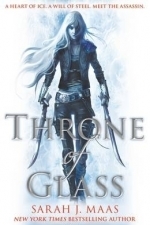
First of all, this was one of my "force myself out of my norm" picks. I forced myself to pick two popular books, that didn't interest me, and give them a chance. This was the biggest "no interest" pick. The cover alone is just so bad I was embarrassed to be buying it at the bookstore by the art school I work at. What if one of my Illustration students see, will I be deemed unworthy to teach them if I buy a book so ugly and anatomically incorrect? Like seriously, why is her torso so long. Is she just insanely tall? Is she hunched or does she have no neck? It's just... awful.
Also, it's a genre I don't gel well with, fantasy just isn't my jam, I get so mad that SciFi is always lumped in with Fantasy. So, the perfect choice I suppose.
When I first started, I texted my partner and told him "holy crap, I actually am enjoying this". I was shocked, surprised. So far the YA darling of a book wasn't stereotypically YA. The main character was deep and interesting and had a thick backstory. Yea they've already introduced two perfectly perfect love interested for her, but whatever, this is actually interesting.
The book follows the acclaimed assassin, Calaena, young, utterly gorgeous and snarky, deadly. In theory a textbook YA heroine. But she is far from a Mary Sue (in the beginning) her backstory is interesting and rich. She's hardened by a year in prison death labor camp. A camp she is offered freedom from if she accepts the Prince's offer; his father wants a "champion" (aka a dubious person to assassinate and otherwise do his dirty work) and she is the Prince's pick. Should she accept, she'll go against other noble's picks and participate in a competition proving their worth. The winner gets freedom and serves as the champion for X amount of years. Losers go back to whatever prison or hole they crawled out of. So while Celeana doesn't much want to be a lackey to some Princeling or King, she doesn't want to go back to the death labor camp either.
So if you can't tell already, enter love interest #1, the sassy, broody Prince Dorian. Perfect in all ways, except for birthright. Could someone like Celeana ever love him? Dun Dun DUnnnnn. Also enter love interest 2, captain of the guard Chaol, the prince's childhood friend, quiet, introverted, job-focused. Doesn't trust her at all, but could she break him down? What will happen if two best friends fall for the same saucy assassin? DUN DUN DUNNNN
So obviously, she accepts, and is taken to the great glass palace to await the competition, where we have a veritable Beauty and the Beast situation, she's provided lavish accommodation, beautiful dresses, and sadly starts to become a Mary Sue. But not quite yet, first, we get some actually really interesting story, hints at the world we're in, going through a once magical forest, with something in the night leaving flowers at the foot of Celeana's bed, hinting at perhaps her lineage being more magical than we think. We also get introduced to the competition, a lineup of stereotypical gruff dudes, with the bad guy being so obvious he might as well as a spotlight on him (unfortunately this book doesn't really have a twist). Also, enter love interest 3? I utilize the question mark because this one isn't really persued, but feels like it's meant to be something. A handsome, young, way too nice unsavory that she aligns herself with. No one knows who she is, and she goes under a pseudonym while in the palace, hoping to make people underestimate her. The first parts of the competition are interesting, the book is actually conscious of how out of shape she'd be, and takes pains to be detailed (sometimes overly detailed, like the page about her period, I'm in no means ashamed of my period, but the page literally did nothing but further the stereotype that we are completely immobile and need a day off while on it. I wish the author impowered Celeana by having her be in pain, but still be a badass).
As the competition progresses, however, competitors begin dying in gruesome ways, that aren't related to the competition. Concern rises, and whispers of the old magic are everywhere. Celeana now needs to survive this competition, survive whatever is killing her competitors, and solve the mystery happening in the castle. Oh and of course, figure out how to go to that ball and which boy she wants.
Unfortunately, after the first competition-related thing, this book started going downhill for me. Gone was this interest main character, and replaced was a stereotypical Mary Sue that forgets she's an assassin a lot. She rarely does anything Assasin like actually, beyond some internal dialogue in which she thinks about assasin things. It goes from describing the competition to suddenly being like "there were two more trials, Celeana rocked them" skipping ahead a glossing over the competition entirely, choosing instead to focus on the growing tension between her and the two boys, and dangling the very obvious bad guy in front of us as if we're going to be ever so surprised when we find out it's exactly who we thought it was. I want those trials, I want to know what happened and see her thoughts, something to remind me she's an assassin and not a giggling school girl more than ready for court life. Having stereotypical scenes of playing Billiards and Dorian holding her to show her how to do it. Don't even get me started on the Billiards, a fantasy book, using freak in billiards, make up a game for goodness sake, but to utilize a surprisingly modern game in a high fantasy setting made me laugh out loud for the wrong reasons. She gets a puppy, that hates everyone but her, befriends a badass princess (the most interesting thing in this book) and fights off some baddies. Too bad most of the focus was on the rushed, completely chemistry-free relationship between her and Dorian, they see each other like 4 times and are willing to give everything up for each other, it's painful. Honestly, even when I let my mind lapse into YA mode and allow myself to enjoy a fun YA romance, this is not how to do it. Also, Team Chaol all the way.
So the competition takes a considerable step back, and so does my interest. I would argue that the concept in this story is solid and interesting, but executed poorly, which is odd because the beginning proves to be the author can write well, it just feels like she second-guessed herself and decided to stop doing an actually interesting story and instead focus on being stereotypically YA. But there are little gems in here, an interesting world is hinted at, likable and interesting characters are glimpsed in the beginning before she lost interest in developing them. An undercurrent of well thought out mystery and magic. But all of these things took a backseat to fulfil the YA formula instead. I'm going to read the next book just to see if this world becomes more of the focus, but if it doesn't I'll have to stop, this series is just way too long to deal with the same formula over and over.
She almost got me, she was so close, I just wish this book had been consistent and focused on the plot. I wish she had let Celeana be the strong character she implied in the beginning rather than a stereotypical YA girl. I get she was fulfilling the life she never had, but in a situation where she needed to really be HER to get her freedom, it just doesn't feel like the appropriate time for wish fulfillment I wish, if there had to be romance, it had more oomf, made me feel things, made me care. Unfortunately, it didn't have these things, so this book was a bit of a flop for me. So I'm hoping, she'll prove me wrong in the second one, and let the story I see she's made and spent loving time on shine, rather than hide it underneath the guaranteed to sell formula plaguing young adult books.
First of all, this was one of my "force myself out of my norm" picks. I forced myself to pick two popular books, that didn't interest me, and give them a chance. This was the biggest "no interest" pick. The cover alone is just so bad I was embarrassed to be buying it at the bookstore by the art school I work at. What if one of my Illustration students see, will I be deemed unworthy to teach them if I buy a book so ugly and anatomically incorrect? Like seriously, why is her torso so long. Is she just insanely tall? Is she hunched or does she have no neck? It's just... awful.
Also, it's a genre I don't gel well with, fantasy just isn't my jam, I get so mad that SciFi is always lumped in with Fantasy. So, the perfect choice I suppose.
When I first started, I texted my partner and told him "holy crap, I actually am enjoying this". I was shocked, surprised. So far the YA darling of a book wasn't stereotypically YA. The main character was deep and interesting and had a thick backstory. Yea they've already introduced two perfectly perfect love interested for her, but whatever, this is actually interesting.
The book follows the acclaimed assassin, Calaena, young, utterly gorgeous and snarky, deadly. In theory a textbook YA heroine. But she is far from a Mary Sue (in the beginning) her backstory is interesting and rich. She's hardened by a year in prison death labor camp. A camp she is offered freedom from if she accepts the Prince's offer; his father wants a "champion" (aka a dubious person to assassinate and otherwise do his dirty work) and she is the Prince's pick. Should she accept, she'll go against other noble's picks and participate in a competition proving their worth. The winner gets freedom and serves as the champion for X amount of years. Losers go back to whatever prison or hole they crawled out of. So while Celeana doesn't much want to be a lackey to some Princeling or King, she doesn't want to go back to the death labor camp either.
So if you can't tell already, enter love interest #1, the sassy, broody Prince Dorian. Perfect in all ways, except for birthright. Could someone like Celeana ever love him? Dun Dun DUnnnnn. Also enter love interest 2, captain of the guard Chaol, the prince's childhood friend, quiet, introverted, job-focused. Doesn't trust her at all, but could she break him down? What will happen if two best friends fall for the same saucy assassin? DUN DUN DUNNNN
So obviously, she accepts, and is taken to the great glass palace to await the competition, where we have a veritable Beauty and the Beast situation, she's provided lavish accommodation, beautiful dresses, and sadly starts to become a Mary Sue. But not quite yet, first, we get some actually really interesting story, hints at the world we're in, going through a once magical forest, with something in the night leaving flowers at the foot of Celeana's bed, hinting at perhaps her lineage being more magical than we think. We also get introduced to the competition, a lineup of stereotypical gruff dudes, with the bad guy being so obvious he might as well as a spotlight on him (unfortunately this book doesn't really have a twist). Also, enter love interest 3? I utilize the question mark because this one isn't really persued, but feels like it's meant to be something. A handsome, young, way too nice unsavory that she aligns herself with. No one knows who she is, and she goes under a pseudonym while in the palace, hoping to make people underestimate her. The first parts of the competition are interesting, the book is actually conscious of how out of shape she'd be, and takes pains to be detailed (sometimes overly detailed, like the page about her period, I'm in no means ashamed of my period, but the page literally did nothing but further the stereotype that we are completely immobile and need a day off while on it. I wish the author impowered Celeana by having her be in pain, but still be a badass).
As the competition progresses, however, competitors begin dying in gruesome ways, that aren't related to the competition. Concern rises, and whispers of the old magic are everywhere. Celeana now needs to survive this competition, survive whatever is killing her competitors, and solve the mystery happening in the castle. Oh and of course, figure out how to go to that ball and which boy she wants.
Unfortunately, after the first competition-related thing, this book started going downhill for me. Gone was this interest main character, and replaced was a stereotypical Mary Sue that forgets she's an assassin a lot. She rarely does anything Assasin like actually, beyond some internal dialogue in which she thinks about assasin things. It goes from describing the competition to suddenly being like "there were two more trials, Celeana rocked them" skipping ahead a glossing over the competition entirely, choosing instead to focus on the growing tension between her and the two boys, and dangling the very obvious bad guy in front of us as if we're going to be ever so surprised when we find out it's exactly who we thought it was. I want those trials, I want to know what happened and see her thoughts, something to remind me she's an assassin and not a giggling school girl more than ready for court life. Having stereotypical scenes of playing Billiards and Dorian holding her to show her how to do it. Don't even get me started on the Billiards, a fantasy book, using freak in billiards, make up a game for goodness sake, but to utilize a surprisingly modern game in a high fantasy setting made me laugh out loud for the wrong reasons. She gets a puppy, that hates everyone but her, befriends a badass princess (the most interesting thing in this book) and fights off some baddies. Too bad most of the focus was on the rushed, completely chemistry-free relationship between her and Dorian, they see each other like 4 times and are willing to give everything up for each other, it's painful. Honestly, even when I let my mind lapse into YA mode and allow myself to enjoy a fun YA romance, this is not how to do it. Also, Team Chaol all the way.
So the competition takes a considerable step back, and so does my interest. I would argue that the concept in this story is solid and interesting, but executed poorly, which is odd because the beginning proves to be the author can write well, it just feels like she second-guessed herself and decided to stop doing an actually interesting story and instead focus on being stereotypically YA. But there are little gems in here, an interesting world is hinted at, likable and interesting characters are glimpsed in the beginning before she lost interest in developing them. An undercurrent of well thought out mystery and magic. But all of these things took a backseat to fulfil the YA formula instead. I'm going to read the next book just to see if this world becomes more of the focus, but if it doesn't I'll have to stop, this series is just way too long to deal with the same formula over and over.
She almost got me, she was so close, I just wish this book had been consistent and focused on the plot. I wish she had let Celeana be the strong character she implied in the beginning rather than a stereotypical YA girl. I get she was fulfilling the life she never had, but in a situation where she needed to really be HER to get her freedom, it just doesn't feel like the appropriate time for wish fulfillment I wish, if there had to be romance, it had more oomf, made me feel things, made me care. Unfortunately, it didn't have these things, so this book was a bit of a flop for me. So I'm hoping, she'll prove me wrong in the second one, and let the story I see she's made and spent loving time on shine, rather than hide it underneath the guaranteed to sell formula plaguing young adult books.
graveyardgremlin (7194 KP) rated Vixen (Flappers, #1) in Books
Feb 15, 2019

<i>3.75 stars</i>
<b><i>Once upon a time there were three beautiful girls who went to the best schools (and speakeasies), and they were each assigned booze and clothes that are the cat's meow. But the flapper lifestyle took them into different directions and now they work to find out who they are and what makes them truly happy. My name is Vixen.</i></b>
And so you've been introduced to the first installment of The Flappers series Charlie's Angels' style (the best I was able to come up with anyway).
<b>Meet our <s>Angels</s> Vixens:</b>
<u><i>Gloria</i></u> - She's the one who has it all: <i>the</i> name, riches, looks, clothes, a handsome fiancee, everything comes easily to her, and everybody seemingly loves her. But this poor little rich girl isn't so happy after all and so she begins to rebel.
<u><i>Clara</i></u> - Burned by her former flapper lifestyle, she's now trying to start over as "Country Clara" without her sordid past coming to light. So has she turned into a goody-two shoes or is it just part of a grander scheme? Only time will tell.
<u><i>Lorraine</i></u> - Jealous of best friend, Gloria, she's desperate to step out of Glo's shadow to become the center of attention as an individual.
<b>Before getting to my review, there are a few questions that should be addressed:</b>
Is this great literature? <i>No.</i>
Will this book change your life? <i>No.</i>
Will you learn anything from reading this book? <i>No. Well, maybe some twenties' slang.</i>
Is this book accurate to the period? <i>No, there are some liberties, but it's good enough as wallpaper to the players and scenes.</i>
Is this book entertaining beyond belief? <i>A resounding YES!</i>
VIXEN is very easy to read and captured my attention from the first page, and while it may not be the best book ever, I had a lot of fun reading it. While there's nothing glaringly obvious anachronism-wise, I did question some word choices, phrases, and actions, but overall they were easy to overlook and I likened it to watching A Knight's Tale starring Heath Ledger. Written in third-person, each chapter focuses on one the three girls' point-of-view, starting with Gloria and continuing with Clara and then Lorraine, throughout the book until the end.
As for the characters, Clara (named after Ms. Clara Bow?) was definitely my favorite to read about, she's recovering from the aftereffects of her life in New York City (which includes a boy, of course), and is trying her best to leave the past behind and move on with her life. Her story had a lot to offer and she felt like a real person who had made mistakes and was now left dealing with the repercussions. Lorraine was a trainwreck you can't take your eyes off of, and while I can't say I liked her, I felt sorry for her. She tries way too hard to stand out and ends up making herself look pathetic; if she keeps it up she'll turn into a very ugly person whom everyone hates. Forget Gloria, Lorraine is the "real" poor little rich girl of the book. She's in the middle of making all the wrong decisions and we're along for the journey, which made her multidimensional and interesting to read about as well. Gloria was my least favorite, mainly because I don't think the author knew quite how to write her. At one moment Gloria seemed like a good girl rebelling, but then there would be moments where she was a real bitch and those two aspects just didn't gel into a cohesive whole. Now if she was seemingly sweet on the outside and really was a conniving bitch underneath, then I'd be on board or at least would get it. But she wasn't that type of bitch and she wasn't Alexis Carrington-bitchy (or insert less-dated reference here) either. How she was written made her look more like Sybil and didn't render me to sympathize with her at all. It didn't help that I felt she was too close to a Mary-Sue for my liking. I don't like perfect or near-perfect characters, they're boring and so was she. What was her motivation for anything, such as singing? Was that always a dream or did it just now come about? Is her recent behavior only happening because she's unhappy? Sorry, but there's just not enough there to make me care about this character. Gloria needed to be more fleshed out to make her feel like a real human, with real thoughts in her head and real feelings, and not a cliched cardboard cut-out.
The love aspects of the novel were fairly glossed over, mainly Gloria and Jerome's story, and felt more like teenage hormones than actual real love.
<i>"I don't know you but you're hot and I love you."
"Nothing will keep us apart!"
"We'll be together forever!"</i>
Which is too bad because I like the idea of an interracial romance taking place in the 1920's, it could have been fantastic, but instead was tepid and generally unromantic. It didn't help that half the duo was boring old Gloria and the other half never developed beyond the fact that he's a black musician who's forbidden to her due to the color of his skin. I wished for more impact and still hope for that in the next installment of the series. Clara's budding relationship with Marcus was far more realistic because they actually had conversations *gasp* and was well-paced. The relationships between the girls were touch and go, sometimes they felt authentic, then at other times interactions appeared too advanced to where the relationship had last left off; it was like there were scenes edited out in chunks. The same could be said of the developing romance between Gloria and Jerome.
So a few things bothered me in the book, such as the issue I had with every girl who wasn't one of the main trio being cattily described, i.e. eyes are close together, that color makes her look sallow, etc. Can we get over doing that already? That's not encouraging good behavior. A little more positivity would be a refreshing change. Another thing that annoyed me was at one point, the crap hit the fan and *minor spoiler* <spoiler>Gloria's career as a torch singer, which she's naturally perfect at (of course), came out into the open. So who does she immediately blame? Her best friend, Lorraine of course, whom she slaps! And who to this point Gloria had no provocation to even think it'd be her who had spilled the beans. Lorraine had not done anything to deserve Gloria's wrath, or at least nothing she knew about yet, so I don't know if the author had forgotten that fact or what. It did not make any kind of sense because there were other people who knew what Gloria was up to and others who could have easily found out. To me it was sloppy writing. What kind of friend does that make Gloria anyway? Not one I'd like, who always thinks the worst of her best friend without any miniscule proof of guilt. Told ya she was a bitch</spoiler>. There were some minor editing inaccuracies, such as when Gloria's dress goes from gold sequined to red in less than a page (pages 74-5) but nothing too overt to jar me out of the book altogether. Lastly, perhaps there was a bit too much twenties' slang that wasn't always incorporated into the text as smoothly as possible.
Overall, the plots were well-done and moved along at a brisk enough pace that I never got bored. The ending unfolded so that it tied up the multiple plotlines while still keeping plenty of loose ends for the sequel. So, a lot of the book is superficial, in some cases there are caricatures instead of characters, and it is a shallow interpretation of the Roaring Twenties, I don't care, the book is just plain fun and sometimes that's all I need. And while I can't say I loved this book and it totally lived up to its beautiful cover (seriously that dress is gorgeous, though I could do without the pit shot), I was suitably entertained and will read the sequels to find out what happens next, while I keep up the hope that Gloria will turn into a real, live girl.
<b><i>Once upon a time there were three beautiful girls who went to the best schools (and speakeasies), and they were each assigned booze and clothes that are the cat's meow. But the flapper lifestyle took them into different directions and now they work to find out who they are and what makes them truly happy. My name is Vixen.</i></b>
And so you've been introduced to the first installment of The Flappers series Charlie's Angels' style (the best I was able to come up with anyway).
<b>Meet our <s>Angels</s> Vixens:</b>
<u><i>Gloria</i></u> - She's the one who has it all: <i>the</i> name, riches, looks, clothes, a handsome fiancee, everything comes easily to her, and everybody seemingly loves her. But this poor little rich girl isn't so happy after all and so she begins to rebel.
<u><i>Clara</i></u> - Burned by her former flapper lifestyle, she's now trying to start over as "Country Clara" without her sordid past coming to light. So has she turned into a goody-two shoes or is it just part of a grander scheme? Only time will tell.
<u><i>Lorraine</i></u> - Jealous of best friend, Gloria, she's desperate to step out of Glo's shadow to become the center of attention as an individual.
<b>Before getting to my review, there are a few questions that should be addressed:</b>
Is this great literature? <i>No.</i>
Will this book change your life? <i>No.</i>
Will you learn anything from reading this book? <i>No. Well, maybe some twenties' slang.</i>
Is this book accurate to the period? <i>No, there are some liberties, but it's good enough as wallpaper to the players and scenes.</i>
Is this book entertaining beyond belief? <i>A resounding YES!</i>
VIXEN is very easy to read and captured my attention from the first page, and while it may not be the best book ever, I had a lot of fun reading it. While there's nothing glaringly obvious anachronism-wise, I did question some word choices, phrases, and actions, but overall they were easy to overlook and I likened it to watching A Knight's Tale starring Heath Ledger. Written in third-person, each chapter focuses on one the three girls' point-of-view, starting with Gloria and continuing with Clara and then Lorraine, throughout the book until the end.
As for the characters, Clara (named after Ms. Clara Bow?) was definitely my favorite to read about, she's recovering from the aftereffects of her life in New York City (which includes a boy, of course), and is trying her best to leave the past behind and move on with her life. Her story had a lot to offer and she felt like a real person who had made mistakes and was now left dealing with the repercussions. Lorraine was a trainwreck you can't take your eyes off of, and while I can't say I liked her, I felt sorry for her. She tries way too hard to stand out and ends up making herself look pathetic; if she keeps it up she'll turn into a very ugly person whom everyone hates. Forget Gloria, Lorraine is the "real" poor little rich girl of the book. She's in the middle of making all the wrong decisions and we're along for the journey, which made her multidimensional and interesting to read about as well. Gloria was my least favorite, mainly because I don't think the author knew quite how to write her. At one moment Gloria seemed like a good girl rebelling, but then there would be moments where she was a real bitch and those two aspects just didn't gel into a cohesive whole. Now if she was seemingly sweet on the outside and really was a conniving bitch underneath, then I'd be on board or at least would get it. But she wasn't that type of bitch and she wasn't Alexis Carrington-bitchy (or insert less-dated reference here) either. How she was written made her look more like Sybil and didn't render me to sympathize with her at all. It didn't help that I felt she was too close to a Mary-Sue for my liking. I don't like perfect or near-perfect characters, they're boring and so was she. What was her motivation for anything, such as singing? Was that always a dream or did it just now come about? Is her recent behavior only happening because she's unhappy? Sorry, but there's just not enough there to make me care about this character. Gloria needed to be more fleshed out to make her feel like a real human, with real thoughts in her head and real feelings, and not a cliched cardboard cut-out.
The love aspects of the novel were fairly glossed over, mainly Gloria and Jerome's story, and felt more like teenage hormones than actual real love.
<i>"I don't know you but you're hot and I love you."
"Nothing will keep us apart!"
"We'll be together forever!"</i>
Which is too bad because I like the idea of an interracial romance taking place in the 1920's, it could have been fantastic, but instead was tepid and generally unromantic. It didn't help that half the duo was boring old Gloria and the other half never developed beyond the fact that he's a black musician who's forbidden to her due to the color of his skin. I wished for more impact and still hope for that in the next installment of the series. Clara's budding relationship with Marcus was far more realistic because they actually had conversations *gasp* and was well-paced. The relationships between the girls were touch and go, sometimes they felt authentic, then at other times interactions appeared too advanced to where the relationship had last left off; it was like there were scenes edited out in chunks. The same could be said of the developing romance between Gloria and Jerome.
So a few things bothered me in the book, such as the issue I had with every girl who wasn't one of the main trio being cattily described, i.e. eyes are close together, that color makes her look sallow, etc. Can we get over doing that already? That's not encouraging good behavior. A little more positivity would be a refreshing change. Another thing that annoyed me was at one point, the crap hit the fan and *minor spoiler* <spoiler>Gloria's career as a torch singer, which she's naturally perfect at (of course), came out into the open. So who does she immediately blame? Her best friend, Lorraine of course, whom she slaps! And who to this point Gloria had no provocation to even think it'd be her who had spilled the beans. Lorraine had not done anything to deserve Gloria's wrath, or at least nothing she knew about yet, so I don't know if the author had forgotten that fact or what. It did not make any kind of sense because there were other people who knew what Gloria was up to and others who could have easily found out. To me it was sloppy writing. What kind of friend does that make Gloria anyway? Not one I'd like, who always thinks the worst of her best friend without any miniscule proof of guilt. Told ya she was a bitch</spoiler>. There were some minor editing inaccuracies, such as when Gloria's dress goes from gold sequined to red in less than a page (pages 74-5) but nothing too overt to jar me out of the book altogether. Lastly, perhaps there was a bit too much twenties' slang that wasn't always incorporated into the text as smoothly as possible.
Overall, the plots were well-done and moved along at a brisk enough pace that I never got bored. The ending unfolded so that it tied up the multiple plotlines while still keeping plenty of loose ends for the sequel. So, a lot of the book is superficial, in some cases there are caricatures instead of characters, and it is a shallow interpretation of the Roaring Twenties, I don't care, the book is just plain fun and sometimes that's all I need. And while I can't say I loved this book and it totally lived up to its beautiful cover (seriously that dress is gorgeous, though I could do without the pit shot), I was suitably entertained and will read the sequels to find out what happens next, while I keep up the hope that Gloria will turn into a real, live girl.

Cynthia Armistead (17 KP) rated Forever Werewolf in Books
Mar 1, 2018

Full disclosure: I was given a copy of this book to review. I'm glad I didn't buy it. I imagine I might have been harsher.
In <i>Forever Werewolf</i>, Tryst is just delivering a package to Wulfsiege on behalf of his father's security company when he gets trapped there by an avalanche. He doesn't mind, though, because the recipient of that package has a luscious daughter, Lexi.
Female werewolves are rare, and those few are protected like the precious treasures they are. Even though Tryst wasn't brought up in a pack, he knows that much. He also knows there's something very strange about the fact that Lexi isn't claimed by any of the males in the pack - in fact, they seem to give her a wide berth. She's obviously highly intelligent and competent, and she's beautiful. She's far more alluring to him than her spoiled, pampered princess sister could ever be.
Lexi is fascinated by Tryst, despite being warned away from the half-blooded wolf by her ailing father. He seems interested in her, as well, but she fears that's only because he doesn't know her crippling secret: she hasn't ever shifted. A werewolf who can't shift can't mate, so she's useless in the eyes of the pack.
Tryst is warned away from Lexi by her father, head of the pack, as well, but he can't seem to stay away from her. She's like no other woman, werewolf or mortal, he's ever encountered. What is it that draws them to each other? Is it worth risking their lives for?
It was obvious to me from the first pages of the book that Tryst and Lexi would get together, and that it would cost Tryst many bruises and much grief. The bad guy was all too obvious, as well - if the average reader can't identify him in the first mention, I'll be shocked. (Perhaps I should be more specific and say "experienced romance reader" instead.)
As for <i>Moon Kissed</i>, it was so forgettable that I'd have to look up the main male's name. The female was Bella, something I only recall due to bad memories of <i>Twilight</i>. Oh, wait, the male was Severo! Right then. Severo saves Bella from vampires who chase her, while frightening the hell out of her himself, groping her, and offering absolutely no explanations of the strange new realities her world is suddenly encompassing.
After that event, Bella learns that her best friend Seth's new girlfriend is a vampire, something Seth just hadn't quite gotten around to mentioning. Seth explains that Severo (whose name she doesn't yet know) is probably a werewolf, from her description of him and his actions. Severo has, in the meantime, started stalking Bella to protect her from the vampires he's sure will continue to hunt her (for reasons unknown to him when he starts on this plan of action). After seeing Seth with vampire Evie, with whom Severo has history, Severo realizes that Evie probably sicced the vampires on Bella due to jealousy.
One of the many, many things that bothered me about this book is that Bella is supposedly a web designer, but she never seems to work. She certainly doesn't have a laptop, which would be de rigeur, and she lives in a ridiculously upscale place (an apartment with its very own heated pool?) for someone in that profession. She can afford a lot of dance lessons, too - but her real source of income or capital is never explained. Apparently Hauf was just looking for a profession that could be "done anywhere" and someone suggested "web designer" so she grabbed that and ran with it.
Of course, Severo is also supposed to "do something with real estate" - how believable is that as a character detail? I guess we're supposed to just accept that he's rich, can spend his time as he pleases, and let everything else go without question. How is it that he has a Brownie for a housekeeper? What's the relationship between Faery and werewolves and vampires? Who knows?
The story does not get more believable as it goes on. Of course Bella falls in love with her stalker and trusts him completely. There are evil vampires. There's one good vampire, just to show that they aren't uniformly bad. But you can tell where Severo and Bella's relationship is going in the earliest scenes, and that's the most important part of the book, because it's a romance. There are complications but they'll be overcome, or it wouldn't be a romance.
In <i>Forever Werewolf</i>, Tryst is just delivering a package to Wulfsiege on behalf of his father's security company when he gets trapped there by an avalanche. He doesn't mind, though, because the recipient of that package has a luscious daughter, Lexi.
Female werewolves are rare, and those few are protected like the precious treasures they are. Even though Tryst wasn't brought up in a pack, he knows that much. He also knows there's something very strange about the fact that Lexi isn't claimed by any of the males in the pack - in fact, they seem to give her a wide berth. She's obviously highly intelligent and competent, and she's beautiful. She's far more alluring to him than her spoiled, pampered princess sister could ever be.
Lexi is fascinated by Tryst, despite being warned away from the half-blooded wolf by her ailing father. He seems interested in her, as well, but she fears that's only because he doesn't know her crippling secret: she hasn't ever shifted. A werewolf who can't shift can't mate, so she's useless in the eyes of the pack.
Tryst is warned away from Lexi by her father, head of the pack, as well, but he can't seem to stay away from her. She's like no other woman, werewolf or mortal, he's ever encountered. What is it that draws them to each other? Is it worth risking their lives for?
It was obvious to me from the first pages of the book that Tryst and Lexi would get together, and that it would cost Tryst many bruises and much grief. The bad guy was all too obvious, as well - if the average reader can't identify him in the first mention, I'll be shocked. (Perhaps I should be more specific and say "experienced romance reader" instead.)
As for <i>Moon Kissed</i>, it was so forgettable that I'd have to look up the main male's name. The female was Bella, something I only recall due to bad memories of <i>Twilight</i>. Oh, wait, the male was Severo! Right then. Severo saves Bella from vampires who chase her, while frightening the hell out of her himself, groping her, and offering absolutely no explanations of the strange new realities her world is suddenly encompassing.
After that event, Bella learns that her best friend Seth's new girlfriend is a vampire, something Seth just hadn't quite gotten around to mentioning. Seth explains that Severo (whose name she doesn't yet know) is probably a werewolf, from her description of him and his actions. Severo has, in the meantime, started stalking Bella to protect her from the vampires he's sure will continue to hunt her (for reasons unknown to him when he starts on this plan of action). After seeing Seth with vampire Evie, with whom Severo has history, Severo realizes that Evie probably sicced the vampires on Bella due to jealousy.
One of the many, many things that bothered me about this book is that Bella is supposedly a web designer, but she never seems to work. She certainly doesn't have a laptop, which would be de rigeur, and she lives in a ridiculously upscale place (an apartment with its very own heated pool?) for someone in that profession. She can afford a lot of dance lessons, too - but her real source of income or capital is never explained. Apparently Hauf was just looking for a profession that could be "done anywhere" and someone suggested "web designer" so she grabbed that and ran with it.
Of course, Severo is also supposed to "do something with real estate" - how believable is that as a character detail? I guess we're supposed to just accept that he's rich, can spend his time as he pleases, and let everything else go without question. How is it that he has a Brownie for a housekeeper? What's the relationship between Faery and werewolves and vampires? Who knows?
The story does not get more believable as it goes on. Of course Bella falls in love with her stalker and trusts him completely. There are evil vampires. There's one good vampire, just to show that they aren't uniformly bad. But you can tell where Severo and Bella's relationship is going in the earliest scenes, and that's the most important part of the book, because it's a romance. There are complications but they'll be overcome, or it wouldn't be a romance.

Gareth von Kallenbach (980 KP) rated The Social Network (2010) in Movies
Aug 8, 2019


It’s hard to find anyone who doesn’t know about Facebook. On any given day, at least 250 million active users log on to Facebook and spend over 700 billion minutes per month updating their status, posting pictures or playing casual games. So dominant is this social network, the name itself is both a brand and a verb. Who would have thought that sharing inanities about what we’re currently thinking, eating, reading, watching with our friends would garner such interest? In the new movie The Social Network, director David Fincher sets out to show how, from the very humblest beginnings, Facebook became the juggernaut that it is today.
In 2003, after a debate and breakup with his girlfriend, fueled by his frustration at his exclusion from the social elite, Harvard undergrad and computer programming genius, Mark Zuckerberg, sits at his computer one night and changes the face of the internet. In just a few hours Zuckerberg, deftly played by Jesse Eisenberg, circumvents the firewalls and security of Harvard and creates a website that allows visitors to rate the ladies of the campus. Within a few hours, the thousands of hits crash the vaunted computer network of the university.
While Harvard staff was not impressed with his efforts, it certainly caught the attention of his fellow students, most notably the Winklevoss brothers, who seek out Zuckerberg with the intention of creating an exclusive website for Harvard students. While seemingly mulling over the proposal of the new site, Zuckerberg rapidly, and obsessively, develops his own. The early version of what would eventually become Facebook soon becomes a campus sensation, much to the dismay of the Winklevoss brothers.
Andrew Garfield plays Zuckerberg’s friend Eduardo Severin who funds Zuckerberg’s efforts. Facebook rapidly became the height of social hipness as its exclusivity widened to more colleges and universities. College students across the country created profiles and quickly spread news of the site simply by word of mouth. Or rather word of email. The success of Facebook soon gains the attention of Sean Parker, played by Justin Timberlake. Parker had risen to prominence as the creator of the popular file sharing site Napster and was eager to become involved with the growing success of Facebook. While Mark is fascinated and inspired by Sean’s slick style, Eduardo isn’t impressed and is highly suspicious of Sean’s motives as well as his shady reputation. As the trailers and posters have touted, you can’t get to 500 million friends without making a few enemies. Jealousy feeds insecurities that feed accusations that eventually lead to lawsuits.
Eisenberg is fantastic as the egotistical, neurotic, and highly intelligent Mark Zuckerberg, but the true breakout performance of the film has to be that of Andrew Garfield, who has been cast to play Spiderman in the next trilogy of the very popular film series. The British actor who was born and raised in Los Angeles has an understated charisma and appears very capable of becoming a leading man. He infuses Eduardo with class and humanism as he tries to be the friend Zuckerberg doesn’t think he needs.
The film is told largely through flashbacks during a deposition hearing between the parties involved in the lawsuits. Director Fincher skillfully allows his characters to drive the film, letting the story unfold in telling scenes, giving the characters ample room to shine without becoming preachy or resorting to grandstanding.
The characters, despite their flaws, do come across as very believable and sympathetic, even though it’s difficult to imagine going from students to inventors of a pop culture phenomenon, to billionaires in just a few short years. Very few corporations that become dominant in their industry do so without critics, challengers, and those that claim they were responsible for whatever success a company gained.
While The Social Network does not overtly place blame, the light it shines on Zuckerberg isn’t altogether flattering. Surprisingly, the film does not go to the extreme with tech talk. It instead focuses on the relationship between the characters and how they handled the drastic and sudden changes in their lives brought on by a simple program called Face Mash, which became the basis for Facebook.
Strong supporting work in the film combined with the great performances of the lead characters makes The Social Network”a very solid and entertaining film that, for my money, is one of the better films of the year.
While it would be easy to jump to judgment and brand many in the film as egotistical rich people who should be grateful for what they have, I remembered that absolute power corrupts absolutely and I wondered just how well any of us in the audience would react if we were ever faced with a similar situation.
In 2003, after a debate and breakup with his girlfriend, fueled by his frustration at his exclusion from the social elite, Harvard undergrad and computer programming genius, Mark Zuckerberg, sits at his computer one night and changes the face of the internet. In just a few hours Zuckerberg, deftly played by Jesse Eisenberg, circumvents the firewalls and security of Harvard and creates a website that allows visitors to rate the ladies of the campus. Within a few hours, the thousands of hits crash the vaunted computer network of the university.
While Harvard staff was not impressed with his efforts, it certainly caught the attention of his fellow students, most notably the Winklevoss brothers, who seek out Zuckerberg with the intention of creating an exclusive website for Harvard students. While seemingly mulling over the proposal of the new site, Zuckerberg rapidly, and obsessively, develops his own. The early version of what would eventually become Facebook soon becomes a campus sensation, much to the dismay of the Winklevoss brothers.
Andrew Garfield plays Zuckerberg’s friend Eduardo Severin who funds Zuckerberg’s efforts. Facebook rapidly became the height of social hipness as its exclusivity widened to more colleges and universities. College students across the country created profiles and quickly spread news of the site simply by word of mouth. Or rather word of email. The success of Facebook soon gains the attention of Sean Parker, played by Justin Timberlake. Parker had risen to prominence as the creator of the popular file sharing site Napster and was eager to become involved with the growing success of Facebook. While Mark is fascinated and inspired by Sean’s slick style, Eduardo isn’t impressed and is highly suspicious of Sean’s motives as well as his shady reputation. As the trailers and posters have touted, you can’t get to 500 million friends without making a few enemies. Jealousy feeds insecurities that feed accusations that eventually lead to lawsuits.
Eisenberg is fantastic as the egotistical, neurotic, and highly intelligent Mark Zuckerberg, but the true breakout performance of the film has to be that of Andrew Garfield, who has been cast to play Spiderman in the next trilogy of the very popular film series. The British actor who was born and raised in Los Angeles has an understated charisma and appears very capable of becoming a leading man. He infuses Eduardo with class and humanism as he tries to be the friend Zuckerberg doesn’t think he needs.
The film is told largely through flashbacks during a deposition hearing between the parties involved in the lawsuits. Director Fincher skillfully allows his characters to drive the film, letting the story unfold in telling scenes, giving the characters ample room to shine without becoming preachy or resorting to grandstanding.
The characters, despite their flaws, do come across as very believable and sympathetic, even though it’s difficult to imagine going from students to inventors of a pop culture phenomenon, to billionaires in just a few short years. Very few corporations that become dominant in their industry do so without critics, challengers, and those that claim they were responsible for whatever success a company gained.
While The Social Network does not overtly place blame, the light it shines on Zuckerberg isn’t altogether flattering. Surprisingly, the film does not go to the extreme with tech talk. It instead focuses on the relationship between the characters and how they handled the drastic and sudden changes in their lives brought on by a simple program called Face Mash, which became the basis for Facebook.
Strong supporting work in the film combined with the great performances of the lead characters makes The Social Network”a very solid and entertaining film that, for my money, is one of the better films of the year.
While it would be easy to jump to judgment and brand many in the film as egotistical rich people who should be grateful for what they have, I remembered that absolute power corrupts absolutely and I wondered just how well any of us in the audience would react if we were ever faced with a similar situation.
Heather Cranmer (2721 KP) rated Big Little Lies in Books
Mar 22, 2020
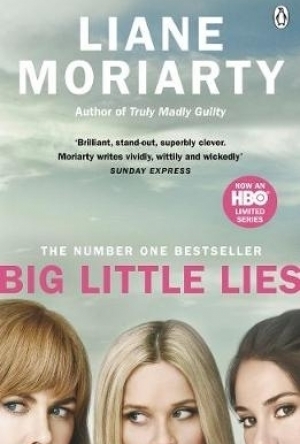
After reading (and loving) What Alice Forgot by Liane Moriarty, I had wanted to read more by her. When I finally got the opportunity, I chose Big Little Lies. Liane Moriarty did not disappoint!
Many things are happening for the parents of the children that attend Pirriwee Public school. Madeline is happy go lucky, but she isn't afraid to speak her mind. Celeste is gorgeous and seems to have the perfect life, but it's what goes on behind closed doors that make her want to run away from it all. Jane, a single mom, is younger than most of the parents and has just moved to the area. With her, she brings a very big secret. As their lives intersect, things come to a head leaving one person dead. The thing is, was it murder, self defense, suicide, or just an unfortunate accident?
The plot for Big Little Lies is easy to navigate and understand. It was easy to imagine myself as a bystander in the book whilst all the action was going on around me. Most of the characters in this book lead a privileged life, so it was nice to get a sneak peek into their lives and see that they have problems as well. The pacing was done beautifully. The chapters weren't very long, so I kept telling myself one more chapter which we all know turns into many more chapters! The prose was fantastic and flowed perfectly. I kept wanting to know more and would try to guess who the character was that died. I enjoyed the dialogue that would start off most chapters where a character was talking to someone regarding the death of a character in present day. I did predict which character would end up dead though, but I suppose that was a lucky guess. There was one big plot twist I didn't see coming, and I loved that plot twist! The book ends with no cliff hangers, and all of my questions were answered.
I enjoyed every character in Big Little Lies. Each and every character was well developed and interesting to learn about. Although the story follows Madeline, Celeste, and Jane, other characters are fleshed out through their narratives. I loved how Madeline wasn't afraid to tell it like it was. She just could not hold anything back, yet people still wanted to be her friend. Her loyalty to her friends was admirable, and I would love a friend like her! Her husband, Ed, was very supportive to Madeline, and it was easy to see that he loved her. Her oldest daughter, Abigail, was an interesting one. I liked reading about her and seeing how she would turn out throughout everything. (The virginity thing sure was interesting, and I would have done exactly as Madeline!) Madeline's youngest daughter Chloe was cute. She reminded me so much of a younger Madeline. Nathan, Madeline's ex-husband, and his wife Bonnie were other characters that helped flesh out Madeline. I did like Bonnie's carefree personality though. I also loved reading about Celeste, and I felt bad for her many times with what she had to endure. Sure, to others, she had it all - looks, a huge house, a very rich and good looking husband who seemed to adore her, beautiful twin boys - but her pain was obvious throughout, and I could understand her hesitation to do the right thing. Getting to read about her thought process was interesting. Perry, Celeste's husband, came across as very charismatic. It was easy to see why everyone loved him so much. I wanted good things to happen for Jane and her little boy, Ziggy. Jane's love for Ziggy oozed from the pages. The love she had for Ziggy was so sweet. Ziggy seemed like such a cute little boy, and I just wanted to hug him and never let go especially after what happens very early on in the book.
Trigger warnings for Big Little Lies include death, drinking, drunkenness, profanity, domestic violence, violence, and sexual situations (although not graphic).
All in all, Big Little Lies is a delicious morsel of a book. It delves right into the lives of its characters who come to feel like close friends and family by the end of the book. I would definitely recommend Big Little Lies by Liane Moriarty to everyone aged 16+ who are in dire need of a fantastic read with a great cast of characters and a plot that sucks you right in!
Many things are happening for the parents of the children that attend Pirriwee Public school. Madeline is happy go lucky, but she isn't afraid to speak her mind. Celeste is gorgeous and seems to have the perfect life, but it's what goes on behind closed doors that make her want to run away from it all. Jane, a single mom, is younger than most of the parents and has just moved to the area. With her, she brings a very big secret. As their lives intersect, things come to a head leaving one person dead. The thing is, was it murder, self defense, suicide, or just an unfortunate accident?
The plot for Big Little Lies is easy to navigate and understand. It was easy to imagine myself as a bystander in the book whilst all the action was going on around me. Most of the characters in this book lead a privileged life, so it was nice to get a sneak peek into their lives and see that they have problems as well. The pacing was done beautifully. The chapters weren't very long, so I kept telling myself one more chapter which we all know turns into many more chapters! The prose was fantastic and flowed perfectly. I kept wanting to know more and would try to guess who the character was that died. I enjoyed the dialogue that would start off most chapters where a character was talking to someone regarding the death of a character in present day. I did predict which character would end up dead though, but I suppose that was a lucky guess. There was one big plot twist I didn't see coming, and I loved that plot twist! The book ends with no cliff hangers, and all of my questions were answered.
I enjoyed every character in Big Little Lies. Each and every character was well developed and interesting to learn about. Although the story follows Madeline, Celeste, and Jane, other characters are fleshed out through their narratives. I loved how Madeline wasn't afraid to tell it like it was. She just could not hold anything back, yet people still wanted to be her friend. Her loyalty to her friends was admirable, and I would love a friend like her! Her husband, Ed, was very supportive to Madeline, and it was easy to see that he loved her. Her oldest daughter, Abigail, was an interesting one. I liked reading about her and seeing how she would turn out throughout everything. (The virginity thing sure was interesting, and I would have done exactly as Madeline!) Madeline's youngest daughter Chloe was cute. She reminded me so much of a younger Madeline. Nathan, Madeline's ex-husband, and his wife Bonnie were other characters that helped flesh out Madeline. I did like Bonnie's carefree personality though. I also loved reading about Celeste, and I felt bad for her many times with what she had to endure. Sure, to others, she had it all - looks, a huge house, a very rich and good looking husband who seemed to adore her, beautiful twin boys - but her pain was obvious throughout, and I could understand her hesitation to do the right thing. Getting to read about her thought process was interesting. Perry, Celeste's husband, came across as very charismatic. It was easy to see why everyone loved him so much. I wanted good things to happen for Jane and her little boy, Ziggy. Jane's love for Ziggy oozed from the pages. The love she had for Ziggy was so sweet. Ziggy seemed like such a cute little boy, and I just wanted to hug him and never let go especially after what happens very early on in the book.
Trigger warnings for Big Little Lies include death, drinking, drunkenness, profanity, domestic violence, violence, and sexual situations (although not graphic).
All in all, Big Little Lies is a delicious morsel of a book. It delves right into the lives of its characters who come to feel like close friends and family by the end of the book. I would definitely recommend Big Little Lies by Liane Moriarty to everyone aged 16+ who are in dire need of a fantastic read with a great cast of characters and a plot that sucks you right in!

Bob Mann (459 KP) rated Emma (2020) in Movies
Feb 21, 2020
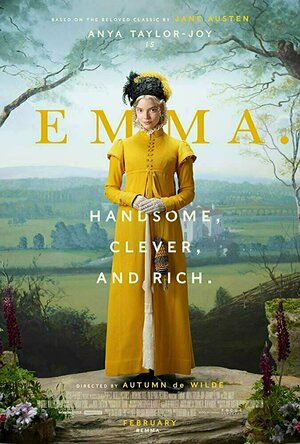

Anya Taylor-Joy.... mesmerising (2 more)
Gorgeous to look at; stunning locations and costumes
Witty and well-observed debut script
Simply Sublime
I loved the look of "Emma" from the trailer. And I was not disappointed. It is a simply sublime piece of comic entertainment.
Emma Woodhouse (Anya Taylor-Joy) is a rich, privileged 21 year-old looking after her elderly and quirky father (Bill Nighy) in the family stately home. She has never loved, despite the persistent presence of 'family friend' George Knightley (Johnny Flynn), but finds it entertaining to engage in matchmaking, particularly in respect to her somewhat lower class friend Harriet Smith (Mia Goth). Emma has high ambitions for Harriet... ideas significantly above what her social station and looks might suggest.
Emma has her sights on a dream.... the mystery man Frank Churchill (Callum Turner), son of wealthy local landowner Mr Weston (Rupert Graves). She has never actually met him, but is obsessed with his myth. #fangirl. As a source of immense annoyance to her, but often a source of valuable information on news of Churchill, is the village 'old maid' Miss Bates (Miranda Hart). "Such fun"!
But Emma's perfect life is about to face sticky times, as her machinations fail to yield the expected results and a stray comment, at a disastrous picnic, threatens to damage both her reputation and her social standing.
If you like your movies full of action and suspense, you are digging in the wrong place. "Emma" is slow... glacially slow... wallowing in beautiful bucolic scenes (with superb cinematography by Christopher Blauvelt); gorgeous costumes by Alexandra Byrne; and hair styling by Marese Langan.
The movie also benefits from a joyfully tight and funny script by debut screenwriter Eleanor Catton (a Man-Booker prize winner). This picks relentlessly at the strata of the class system set up by Jane Austen's novel: "Every body has their level" spits spurned suitor Mr Elton (Josh O'Connor).
I know Anya Taylor-Joy as the spirited Casey from "Split" and "Glass": she was impressive in "Split"; less so for me in the disappointing "Glass". But here, I found her UTTERLY mesmerising. She has such striking features - those eyes! - that she fully inhabits the role of the beautiful heiress who haunts multiple men sequentially. I even muttered the word "Oscar nomination" at the end of the film: though we are too early in the year to seriously go there.
An even bigger surprise was the actor playing George Knightley. Johnny Flynn has been in a number of TV shows I haven't seen, and a few films I haven't seen either (e.g. "Beast"). But I had the nagging feeling I knew him really well. The illustrious Mrs Movie Man clocked him: he's the Cineworld "plaid man"! (For those outside the UK or not patrons of Cineworld cinemas, he was the 'star' of a Cineworld advert that played over and Over AND OVER again for months on end before every film I saw. Arrrgggghhhh!).
Here, Flynn is excellent as the frustrated and brooding Austen-hunk. He even gets away with an ar*e-shot within a U-certificate!
Particularly strong in the supporting cast are Bill Nighy (being delightfully more restrained in his performance); Miranda Hart (being "Miranda", but perfectly cast) and Mia Goth (memorable for that eel-bath in "A Cure for Wellness").
And a big thank-you for a web review in the online Radio Times for naming one of the comical (and bizarrely uncredited) footmen as Angus Imrie - - the truly disturbed stepson of Claire in "Fleabag". It was driving me crazy where I knew him from!
The one criticism I would have is that I found the (perfectly fine and well-fitting) music, by David Schweitzer and Isobel Waller-Bridge (sister of Phoebe) poorly mixed within the soundtrack. There were times when I found it overly intrusive, suddenly ducking under dialogue and then BLASTING out again. Sometimes music should be at the forefront.... but more often it should be barely perceptible.
As you might guess....
...I loved this one. The story is brilliant (obsv!); the film is simply gorgeous to look at; the locations (including the village of Lower Slaughter in the Cotswolds and Wilton House - near me - in Salisbury) are magnificent and a blessing for the English Tourist Board.
All the more impressive then that this is the directorial feature of video/short director Autumn de Wilde.
This comes with a "highly recommended" from both myself and the illustrious Mrs Movie-Man.
(For the full graphical review, please check out https://bob-the-movie-man.com/2020/02/20/one-manns-movies-film-review-emma-2020/ .)
Emma Woodhouse (Anya Taylor-Joy) is a rich, privileged 21 year-old looking after her elderly and quirky father (Bill Nighy) in the family stately home. She has never loved, despite the persistent presence of 'family friend' George Knightley (Johnny Flynn), but finds it entertaining to engage in matchmaking, particularly in respect to her somewhat lower class friend Harriet Smith (Mia Goth). Emma has high ambitions for Harriet... ideas significantly above what her social station and looks might suggest.
Emma has her sights on a dream.... the mystery man Frank Churchill (Callum Turner), son of wealthy local landowner Mr Weston (Rupert Graves). She has never actually met him, but is obsessed with his myth. #fangirl. As a source of immense annoyance to her, but often a source of valuable information on news of Churchill, is the village 'old maid' Miss Bates (Miranda Hart). "Such fun"!
But Emma's perfect life is about to face sticky times, as her machinations fail to yield the expected results and a stray comment, at a disastrous picnic, threatens to damage both her reputation and her social standing.
If you like your movies full of action and suspense, you are digging in the wrong place. "Emma" is slow... glacially slow... wallowing in beautiful bucolic scenes (with superb cinematography by Christopher Blauvelt); gorgeous costumes by Alexandra Byrne; and hair styling by Marese Langan.
The movie also benefits from a joyfully tight and funny script by debut screenwriter Eleanor Catton (a Man-Booker prize winner). This picks relentlessly at the strata of the class system set up by Jane Austen's novel: "Every body has their level" spits spurned suitor Mr Elton (Josh O'Connor).
I know Anya Taylor-Joy as the spirited Casey from "Split" and "Glass": she was impressive in "Split"; less so for me in the disappointing "Glass". But here, I found her UTTERLY mesmerising. She has such striking features - those eyes! - that she fully inhabits the role of the beautiful heiress who haunts multiple men sequentially. I even muttered the word "Oscar nomination" at the end of the film: though we are too early in the year to seriously go there.
An even bigger surprise was the actor playing George Knightley. Johnny Flynn has been in a number of TV shows I haven't seen, and a few films I haven't seen either (e.g. "Beast"). But I had the nagging feeling I knew him really well. The illustrious Mrs Movie Man clocked him: he's the Cineworld "plaid man"! (For those outside the UK or not patrons of Cineworld cinemas, he was the 'star' of a Cineworld advert that played over and Over AND OVER again for months on end before every film I saw. Arrrgggghhhh!).
Here, Flynn is excellent as the frustrated and brooding Austen-hunk. He even gets away with an ar*e-shot within a U-certificate!
Particularly strong in the supporting cast are Bill Nighy (being delightfully more restrained in his performance); Miranda Hart (being "Miranda", but perfectly cast) and Mia Goth (memorable for that eel-bath in "A Cure for Wellness").
And a big thank-you for a web review in the online Radio Times for naming one of the comical (and bizarrely uncredited) footmen as Angus Imrie - - the truly disturbed stepson of Claire in "Fleabag". It was driving me crazy where I knew him from!
The one criticism I would have is that I found the (perfectly fine and well-fitting) music, by David Schweitzer and Isobel Waller-Bridge (sister of Phoebe) poorly mixed within the soundtrack. There were times when I found it overly intrusive, suddenly ducking under dialogue and then BLASTING out again. Sometimes music should be at the forefront.... but more often it should be barely perceptible.
As you might guess....
...I loved this one. The story is brilliant (obsv!); the film is simply gorgeous to look at; the locations (including the village of Lower Slaughter in the Cotswolds and Wilton House - near me - in Salisbury) are magnificent and a blessing for the English Tourist Board.
All the more impressive then that this is the directorial feature of video/short director Autumn de Wilde.
This comes with a "highly recommended" from both myself and the illustrious Mrs Movie-Man.
(For the full graphical review, please check out https://bob-the-movie-man.com/2020/02/20/one-manns-movies-film-review-emma-2020/ .)
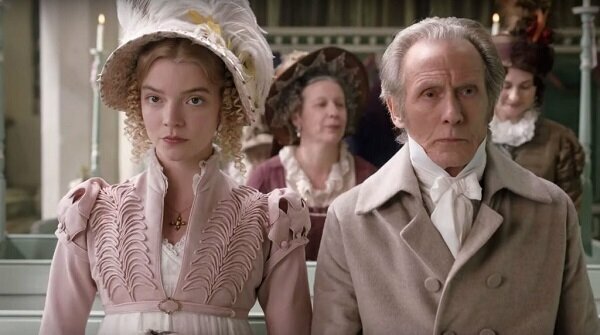
Ivana A. | Diary of Difference (1171 KP) rated Would I Lie to the Duke (Union of the Rakes, #2) in Books
Oct 5, 2020
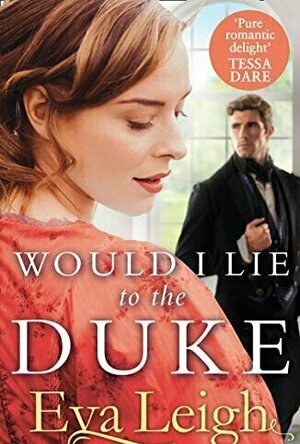
<a href="https://amzn.to/2Wi7amb">Wishlist</a>; | <a
<a href="https://diaryofdifference.com/">Blog</a>; | <a href="https://www.facebook.com/diaryofdifference/">Facebook</a>; | <a href="https://twitter.com/DiaryDifference">Twitter</a>; | <a href="https://www.instagram.com/diaryofdifference/">Instagram</a>; | <a
<a href="https://ko-fi.com/diaryofdifference">Ko-fi</a>;
<img src="https://i2.wp.com/diaryofdifference.com/wp-content/uploads/2020/09/Book-Review-Banner-35.png?resize=768%2C432&ssl=1"/>;
Thank you to Mills & Boon, for sending me a copy of Would I Lie to the Duke by Eva Leigh, and for the opportunity to participate on this blog tour.
Would I Lie to the Duke by Eva Leigh is the second book in the Union of the Rakes series. It can be easily read as a standalone though.
<b><i>Synopsis:</i></b>
This is the story of Jessica McGale. Her family business is in need of investors, after it collapses due to a fire. Jessica is determined to acquire investors for her business at any cost. When she realises that London’s elite will never give a chance to a humble farm girl like herself, she does the unthinkable. She poses as “Lady Whitfield” and joins the elite on the table. She especially tries to get close to the Duke of Rotherby, as his influence and support could save her company. But one thing Jess never expected to happen, is to grow feelings for him.
Noel is the carefree and notorious duke, but only his close friends truly know him. When he meets Lady Whitfield at the business bazaar, his world shifts. She makes him want to obey every command she tells, which is something he never imagined doing. He struggles to trust people, but trusting Jess is so easy.
But what happens when the business bazaar is over, and so is the fake portrayal of Lady Whitfield? How do you cope when someone has lied to you, but you want them in your life forever? Read this amazing book to find out!
<b><i>My Thoughts:</i></b>
I was so hooked about this book, and I finished it in two days. While the plot is a bit predictable and it has a Cinderella vibe to it, I still enjoyed it a lot.
I could completely understand where Jess was coming from, and in order to save her business, I don’t think there were any other options, given how much rejection she faced in the first chapters. But as soon as she started developing feelings, she should’ve been honest with Noel. The person in me felt uncomfortable for her every single time she would deliberately put herself in an awkward situation and not tell the truth when she had a chance to. And the business trip to the farm? Oh, that got me biting my nails again. I also understand that continuing with the deception was a crucial part of the plot, to produce the drama that it did, but I am just not a fan of dishonesty.
<b><i>Noel was an amazing character, even though, at times, he seemed like the typical rich boy.</i></b>
I loved the way his relationship with Jess progressed during the couple of days, and how he started opening up. Honestly, I didn’t believe it at first, given that it was based on a lie. I thought that given the fact how much trust issues he had, he could never get past her betrayal. And for me, his way of coping and resolving the issue didn’t fit with his character. I have the feeling that people who are lucky enough to have a high income and live in the elite societies are much more wary of “gold diggers”, and everything Jess does (even though for a good reason), seems to be for her business. So I wouldn’t have blamed him if he reacted in a way more different way and just told her to “bugger off”.
Overall, I enjoyed Would I Lie to the Duke and it was a very pleasurable short read to get me away from reality. I don’t always dive into historical romance, and this was a surprising change that ended on a positive note. Honestly, I am glad that it sparks a debate in my mind and makes me think of “what I would have done” on either side of the relationship. I would have acted very differently. And maybe that’s the reason I’m not married to a duke (yet).
<a href="https://diaryofdifference.com/">Blog</a>; | <a href="https://www.facebook.com/diaryofdifference/">Facebook</a>; | <a href="https://twitter.com/DiaryDifference">Twitter</a>; | <a href="https://www.instagram.com/diaryofdifference/">Instagram</a>; | <a
<a href="https://ko-fi.com/diaryofdifference">Ko-fi</a>;
<img src="https://i2.wp.com/diaryofdifference.com/wp-content/uploads/2020/09/Book-Review-Banner-35.png?resize=768%2C432&ssl=1"/>;
Thank you to Mills & Boon, for sending me a copy of Would I Lie to the Duke by Eva Leigh, and for the opportunity to participate on this blog tour.
Would I Lie to the Duke by Eva Leigh is the second book in the Union of the Rakes series. It can be easily read as a standalone though.
<b><i>Synopsis:</i></b>
This is the story of Jessica McGale. Her family business is in need of investors, after it collapses due to a fire. Jessica is determined to acquire investors for her business at any cost. When she realises that London’s elite will never give a chance to a humble farm girl like herself, she does the unthinkable. She poses as “Lady Whitfield” and joins the elite on the table. She especially tries to get close to the Duke of Rotherby, as his influence and support could save her company. But one thing Jess never expected to happen, is to grow feelings for him.
Noel is the carefree and notorious duke, but only his close friends truly know him. When he meets Lady Whitfield at the business bazaar, his world shifts. She makes him want to obey every command she tells, which is something he never imagined doing. He struggles to trust people, but trusting Jess is so easy.
But what happens when the business bazaar is over, and so is the fake portrayal of Lady Whitfield? How do you cope when someone has lied to you, but you want them in your life forever? Read this amazing book to find out!
<b><i>My Thoughts:</i></b>
I was so hooked about this book, and I finished it in two days. While the plot is a bit predictable and it has a Cinderella vibe to it, I still enjoyed it a lot.
I could completely understand where Jess was coming from, and in order to save her business, I don’t think there were any other options, given how much rejection she faced in the first chapters. But as soon as she started developing feelings, she should’ve been honest with Noel. The person in me felt uncomfortable for her every single time she would deliberately put herself in an awkward situation and not tell the truth when she had a chance to. And the business trip to the farm? Oh, that got me biting my nails again. I also understand that continuing with the deception was a crucial part of the plot, to produce the drama that it did, but I am just not a fan of dishonesty.
<b><i>Noel was an amazing character, even though, at times, he seemed like the typical rich boy.</i></b>
I loved the way his relationship with Jess progressed during the couple of days, and how he started opening up. Honestly, I didn’t believe it at first, given that it was based on a lie. I thought that given the fact how much trust issues he had, he could never get past her betrayal. And for me, his way of coping and resolving the issue didn’t fit with his character. I have the feeling that people who are lucky enough to have a high income and live in the elite societies are much more wary of “gold diggers”, and everything Jess does (even though for a good reason), seems to be for her business. So I wouldn’t have blamed him if he reacted in a way more different way and just told her to “bugger off”.
Overall, I enjoyed Would I Lie to the Duke and it was a very pleasurable short read to get me away from reality. I don’t always dive into historical romance, and this was a surprising change that ended on a positive note. Honestly, I am glad that it sparks a debate in my mind and makes me think of “what I would have done” on either side of the relationship. I would have acted very differently. And maybe that’s the reason I’m not married to a duke (yet).
Heather Cranmer (2721 KP) rated The Unbecoming of Mara Dyer (Mara Dyer, #1) in Books
Jun 6, 2018
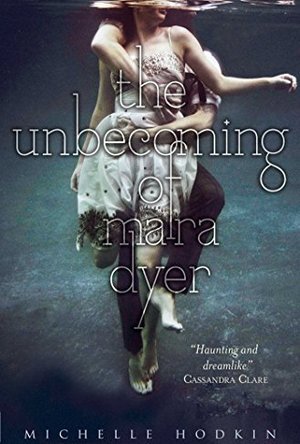
(This review can be found on my blog <a href="http://themisadventuresofatwentysomething.blogspot.com/">The (Mis)Adventures of a Twenty-Something Year Old Girl</a>).
I'd been wanting to read this book for awhile. It was high up on my TBR pile. I finally couldn't wait any longer and bought it. Luckily, it was money well spent!
Mara Dyer is a 16 year old girl who survived a building collapse although her other friends didn't. She doesn't know why she was the only one to survive. She begins to hear her dead friends voices and seeing them in mirrors and in her waking life. She's convinced she had something to do with their deaths and resolves to stay away from people. However, all that changes when she meets the womanizing Noah Shaw. Will Noah and Mara be able to fall in love or will something or someone prevent that from happening?
I love the title of this book! It sounds so ominous and sad at the same time. The title definitely drew me in. It made me want to know more about this book.
I kind of like the cover, but I don't really get why these two people, who I presume are Noah and Mara, are in water. When I first saw the cover, I presumed that this was going to be one of those books that deal with underwater themes like mermaids and what not, but it's not. Then I thought that maybe it was symbolic about Mara feeling like she was drowning, and Noah is supposed to save her although it looks more like Noah is trying to drown her.
The world building felt very believable throughout most of the book. All my questions were answered in this book which I was super happy about! However, towards the end of the book, the story kind of took a left turn, and I was just like "what". I felt that it got a bit crazy here, and I really can't explain why which I know is bad since this is a review. I know this is a fiction book so of course things won't really happen that happen in books, but without some spoilers, I can't really explain why. Maybe it's just a personal thing.
I enjoyed the pacing and thought it was done quite well. I found myself wanting to know what was going to happen next. I was immersed in the writing, and I didn't want to leave Mara's world.
I loved the whole plot. Mara can make things happen just by visualizing them. (Don't worry, that wasn't a spoiler). I've always wished I could do that, so I enjoyed reading about it. Plus, there's the subplot of the romance with Noah. I'm not a big romance fan since I believe it tends to get in the way of the actual plot (unless, of course, it's a romance book), but the romance was done in an enjoyable way.
I liked Mara a lot. She felt like a real teenage girl. She's under a lot of stress, and I liked seeing how she was able to deal with it. Mara felt like a girl I could be friends with. With Noah, there were times I liked him and times where I thought he was being a bit too mean and bossy. There's a few times (and only a few) where he tells Mara what to do. He does get violent when it comes to defending Mara's honor. I also didn't like how Noah would use Daddy's money to get whatever he wanted. I know he was only doing it for Mara, but still, it rubbed me wrong. I loved the character of Jamie. I loved his wit, and I wished that there was more of him in the book.
The dialogue was well written although there were a few times where the characters would talk like they were in a Dawson's Creek episode or for those that don't get that reference, like Sheldon does in Big Bang Theory. Personally, I've never been in any situation where a whole conversation used such a rich vocabulary, especially when it involve teenagers. This could just be a me thing though. I enjoyed reading about what Mara did in certain situations. As for language, there is a lot of swearing in this book although I don't feel like it's over the top.
Overall, The Unbecoming of Mara Dyer by Michelle Hodkin is a super enjoyable read. The plot is great, the romance is enjoyable, and the characters are very down to Earth. I can't wait to read the next book in the series!
I'd recommend this book to those aged 16+ due to language used. Those who appreciate paranormal elements in their books will love this one!
I'd been wanting to read this book for awhile. It was high up on my TBR pile. I finally couldn't wait any longer and bought it. Luckily, it was money well spent!
Mara Dyer is a 16 year old girl who survived a building collapse although her other friends didn't. She doesn't know why she was the only one to survive. She begins to hear her dead friends voices and seeing them in mirrors and in her waking life. She's convinced she had something to do with their deaths and resolves to stay away from people. However, all that changes when she meets the womanizing Noah Shaw. Will Noah and Mara be able to fall in love or will something or someone prevent that from happening?
I love the title of this book! It sounds so ominous and sad at the same time. The title definitely drew me in. It made me want to know more about this book.
I kind of like the cover, but I don't really get why these two people, who I presume are Noah and Mara, are in water. When I first saw the cover, I presumed that this was going to be one of those books that deal with underwater themes like mermaids and what not, but it's not. Then I thought that maybe it was symbolic about Mara feeling like she was drowning, and Noah is supposed to save her although it looks more like Noah is trying to drown her.
The world building felt very believable throughout most of the book. All my questions were answered in this book which I was super happy about! However, towards the end of the book, the story kind of took a left turn, and I was just like "what". I felt that it got a bit crazy here, and I really can't explain why which I know is bad since this is a review. I know this is a fiction book so of course things won't really happen that happen in books, but without some spoilers, I can't really explain why. Maybe it's just a personal thing.
I enjoyed the pacing and thought it was done quite well. I found myself wanting to know what was going to happen next. I was immersed in the writing, and I didn't want to leave Mara's world.
I loved the whole plot. Mara can make things happen just by visualizing them. (Don't worry, that wasn't a spoiler). I've always wished I could do that, so I enjoyed reading about it. Plus, there's the subplot of the romance with Noah. I'm not a big romance fan since I believe it tends to get in the way of the actual plot (unless, of course, it's a romance book), but the romance was done in an enjoyable way.
I liked Mara a lot. She felt like a real teenage girl. She's under a lot of stress, and I liked seeing how she was able to deal with it. Mara felt like a girl I could be friends with. With Noah, there were times I liked him and times where I thought he was being a bit too mean and bossy. There's a few times (and only a few) where he tells Mara what to do. He does get violent when it comes to defending Mara's honor. I also didn't like how Noah would use Daddy's money to get whatever he wanted. I know he was only doing it for Mara, but still, it rubbed me wrong. I loved the character of Jamie. I loved his wit, and I wished that there was more of him in the book.
The dialogue was well written although there were a few times where the characters would talk like they were in a Dawson's Creek episode or for those that don't get that reference, like Sheldon does in Big Bang Theory. Personally, I've never been in any situation where a whole conversation used such a rich vocabulary, especially when it involve teenagers. This could just be a me thing though. I enjoyed reading about what Mara did in certain situations. As for language, there is a lot of swearing in this book although I don't feel like it's over the top.
Overall, The Unbecoming of Mara Dyer by Michelle Hodkin is a super enjoyable read. The plot is great, the romance is enjoyable, and the characters are very down to Earth. I can't wait to read the next book in the series!
I'd recommend this book to those aged 16+ due to language used. Those who appreciate paranormal elements in their books will love this one!