

James Koppert (2698 KP) rated Arctic Zoo in Books
Oct 28, 2019


Merissa (14142 KP) rated Azure (The Silver #5) in Books
Mar 5, 2020

Although this book didn't tick as many boxes for me as the others (and I have absolutely NO idea why!!!) I still thoroughly enjoyed the story. I think, for me, it was the love triangle between Nora-Vance-Gem. I'm really not a big fan of them so that may be why. However, I will say, in this situation, it is oh so believable! No matter how much you love someone, to go through what Vance and Gem did, gives you a bond that may be confused with love. I thought it was really well written and perfect for the story.
This is such a fantastic series and I really am loving every book. Yes, even this one! 😊 Cheree Alsop writes in such a spectacular way as to show the emotions of what her characters are going through. The limelight is also shared amongst the characters. Absolutely amazing and highly recommended by me.
* A copy of this book was provided to me with no requirements for a review. I voluntarily read this book, and the comments here are my honest opinion. *
Merissa
Archaeolibrarian - I Dig Good Books!

A Bíblia Sagrada (Portuguese Bible)
Book
App
A Bíblia Sagrada (Portuguese Bible) LoudReader, an advanced iPhone reader application,...
Bibelen (Danish Bible)
Book
App
Bibelen (Danish Bible) Bibelen (1933 års danske udgave) LoudReader, an advanced iPhone reader...
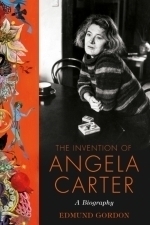
The Invention of Angela Carter: A Biography
Book
Selected as a Book of the Year 2016 in The Sunday Times, Daily Telegraph, Guardian, Financial Times,...

Coming Full Circle: A Memoir
Book
Anne Ibbotson's Coming Slowly delighted readers with the story of her years in Greece and now she...
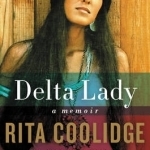
Delta Lady: A Memoir
Rita Coolidge and Michael Walker
Book
The two-time Grammy Award-winning singer and songwriter bares her heart and soul in this intimate...

Broken Sword 1 - Shadow of the Templars: Director's Cut
Games and Entertainment
App
Paris in the Fall… a brutal murder at the Palais Royale. When Nico Collard is invited to interview...
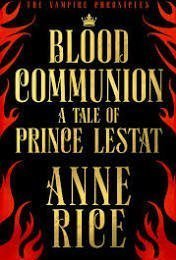
Blood Communion: A Tale of Prince Lestat (The Vampire Chronicles, #13)
7.7 Rate It
Book
The Vampire Chronicles continue with a riveting, rich saga--part adventure, part suspense--of Prince...
Vampire horror
Merissa (14142 KP) rated Death (The Four Horsemen #4) by T.A. Chase in Books
May 2, 2023


I think the only thing that confused me momentarily in this book is that Aldo (Pestilence) and Bart had both met Pierre, albeit when he was suffering withdrawal symptoms, but still. However, they are both confused in their own book when they receive a wedding invitation from Gatian and Pierre. Now they might not have known Death's 'mortal' name, but they did know Pierre's. Still, this is a very insignificant point that in no way detracted from my enjoyment.
Well-written, smoothly paced and with an amazing amount of growth, this book is simply delightful. This is definitely the star in the series for me although I have thoroughly enjoyed every book. I would love for a story of Lam and Day *hint hint*. Definitely recommended.
* A copy of this book was provided to me with no requirements for a review. I voluntarily read this book, and the comments here are my honest opinion. *
Merissa
Archaeolibrarian - I Dig Good Books!
Nov 24, 2015