
Search
Search results

Gareth von Kallenbach (980 KP) rated Spider-Man: Across the Spider-Verse (2023) in Movies
May 31, 2023
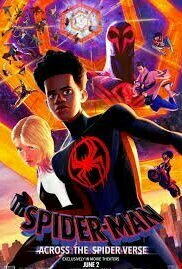


Life as a teenager is never easy and when you are gifted with the superhuman abilities of a spider and lead a double life as a student and crime fighter; life gets even harder.
Miles Morales (Shameik Moore) is finding it even harder to hide his secret from his family who has grown concerned that his erratic behavior is more than the usual teenage angst.
In another earth, Gwen Stacy (Hailee Steinfeld) deals with her Police officer father desperately hunting down her alter-ego believing that she is a killer which drives a wedge between them as Gwen desperately tries to find her way forward.
In “Spider-Man Across the Spider-Verse audiences learn that what one perceives as reality is often just the corner of a much larger picture and when Miles confronts what he dismisses as a “Villain of the Week” in a quirky enemy known as The Spot (Jason Schwartzman), starts a campaign against Spider-Man, he soon finds that the threat is much larger than he expected and secretly follows a visiting Gwen into an another Earth where his actions soon draw the attention of a larger temporal Spider squad.
Motivated by his feelings for Gwen and a desire to do good, Miles looks to undo the damage that the Spot is causing across various Earths and learns that each one has its own version of Spider-man or Woman to protect it.
At this point the film goes into overdrive as Miles learns more about his past and how he became Spider-Man but also learns more about the cost that his powers enact on his life and those around him. There are plenty of special moments and guest appearances that follow from the more obscure to the mainstream and the range of emotions from the audience at the press screening as they reacted to the film showed they were deeply engaged and loving it.
The film does take a darker turn and does end in a cliffhanger which sets up the next film very well but also may be a bit darker than younger viewers might want. That being said; I enjoyed this film far more than I did the prior film. I found the animation style a bit off-putting as the jerky way the characters moved was a bit much over the length of a feature film. This time around there is a mix of animation styles throughout and at times in the same frame which may be a bit hard for some as the film does come at the viewer with waves of flashing lights, sounds, and animations that very cleverly mimic reading a comic complete with small boxes to define various characters from time to time.
The film runs nearly two and a half hours and did seem to go on a bit long at times but thanks to the great voice-acting and strong cast as well as engaging storyline I found myself eagerly looking forward to the next film.
I first saw a rough cut of a scene at Cinemacon in 2022 and it was amazing seeing the final scene near the opening of the film as it was a rare instance of a film surpassing expectations and delivers the storyline and action with a good dose of solid characters that fans will love.
4.5 stars out of 5
Miles Morales (Shameik Moore) is finding it even harder to hide his secret from his family who has grown concerned that his erratic behavior is more than the usual teenage angst.
In another earth, Gwen Stacy (Hailee Steinfeld) deals with her Police officer father desperately hunting down her alter-ego believing that she is a killer which drives a wedge between them as Gwen desperately tries to find her way forward.
In “Spider-Man Across the Spider-Verse audiences learn that what one perceives as reality is often just the corner of a much larger picture and when Miles confronts what he dismisses as a “Villain of the Week” in a quirky enemy known as The Spot (Jason Schwartzman), starts a campaign against Spider-Man, he soon finds that the threat is much larger than he expected and secretly follows a visiting Gwen into an another Earth where his actions soon draw the attention of a larger temporal Spider squad.
Motivated by his feelings for Gwen and a desire to do good, Miles looks to undo the damage that the Spot is causing across various Earths and learns that each one has its own version of Spider-man or Woman to protect it.
At this point the film goes into overdrive as Miles learns more about his past and how he became Spider-Man but also learns more about the cost that his powers enact on his life and those around him. There are plenty of special moments and guest appearances that follow from the more obscure to the mainstream and the range of emotions from the audience at the press screening as they reacted to the film showed they were deeply engaged and loving it.
The film does take a darker turn and does end in a cliffhanger which sets up the next film very well but also may be a bit darker than younger viewers might want. That being said; I enjoyed this film far more than I did the prior film. I found the animation style a bit off-putting as the jerky way the characters moved was a bit much over the length of a feature film. This time around there is a mix of animation styles throughout and at times in the same frame which may be a bit hard for some as the film does come at the viewer with waves of flashing lights, sounds, and animations that very cleverly mimic reading a comic complete with small boxes to define various characters from time to time.
The film runs nearly two and a half hours and did seem to go on a bit long at times but thanks to the great voice-acting and strong cast as well as engaging storyline I found myself eagerly looking forward to the next film.
I first saw a rough cut of a scene at Cinemacon in 2022 and it was amazing seeing the final scene near the opening of the film as it was a rare instance of a film surpassing expectations and delivers the storyline and action with a good dose of solid characters that fans will love.
4.5 stars out of 5

Connor Sheffield (293 KP) rated The Crow (1994) in Movies
Apr 19, 2017

Close to the source material (2 more)
Great Cast
A powerful and emotional film
A Powerful Classic
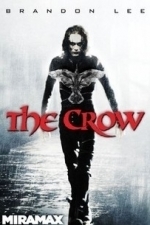
The Crow is one of my all time favourite films as well as one of my all time favourite graphic novels.
This Gothic, fantasy action film has a tragic story that's powerful to behold as we witness what the power of revenge can do to a person. However, this isn't your typical revenge plot, because SPOILERS!
Eric Draven, portrayed by the incredible Brandon Lee (son of Bruce Lee), is actual brought back from the dead as an avenging angel, after he and his fiance were murdered by a group of thugs on Devils Night (the night before Halloween).
If you've read the graphic novel you'll know just how great this film is, and the only downside to it is knowing it was Brandon Lee's last after an accident that happened on set.
However, the film sticks close to the source material, especially since James O'Barr, the creator of the characters and the graphic novel worked closely with the cast and crew of the film to ensure it was done correctly.
The tone of the film is, for obvious reasons, dark but there is still humour in it which lightens the mood and gives you a sense of Eric Draven's mind because let's face it, coming back from the dead with the ability to heal any wound, and the opportunity to get revenge on those who wronged you, it's enough to send a sensible man insane, and we see that shine through Brandon Lee performance with jokes and laughter, whilst still remaining eerily dark and twisted. When the bad guys realise he heals any wounds and can't die...You can see how much Eric enjoys seeing the fear grow in their faces, and as the strong unfolds we learn that the group of thugs who committed the crime, were just pawns to a bigger villain leading a crime syndicate in the city.
We see emotion as Eric tries to find out the truth of what really happened that night, and why he and his fiance lost their lives, and we see him trying to connect to his past through Sarah, a young girl that he and his fiance looked after and cared for. We also see the truth unfold through Officer Albrecht who was in charge of the investigation.
The characters are all brilliantly written, from Sarah's childhood innocence becoming a more mature sense of realising that the world can't always be a happy place, to Eric's lust for revenger and being sidetracked by emotions of his former life, trying to remain a good person whilst committing these acts of murder for revenge.
The music in the film really fits the scenes and the feel of the entire story with bands like The Cure, Pantera, Rage Against The Machine and Stone Temple Pilots among others, its soundtrack is brilliantly dark.
Also the main aspect that you have to love is Brandon Lee in the crow makeup and clothing. He looks menacing, he looks like he has a lust for revenge, most importantly he looks badass! One of the greatest comic book characters in film that I have ever seen, and whilst I was a little wary of the talks to remake this film in 2016/2017, I would be curious to see the character brought to life again and given a fresh look but I don't know if anyone can beat Brandon Lee in that portrayal because he looks incredible.
This film is dark, powerful, moving and poetic and will remain one of my top 5 films of all time. Maybe even top 3.
I highly recommend this film to anyone who enjoys a comic book movie, especially if you like movies with action and drama with a Gothic overtone.
R.I.P Brandon Lee (1965-1993)
This Gothic, fantasy action film has a tragic story that's powerful to behold as we witness what the power of revenge can do to a person. However, this isn't your typical revenge plot, because SPOILERS!
Eric Draven, portrayed by the incredible Brandon Lee (son of Bruce Lee), is actual brought back from the dead as an avenging angel, after he and his fiance were murdered by a group of thugs on Devils Night (the night before Halloween).
If you've read the graphic novel you'll know just how great this film is, and the only downside to it is knowing it was Brandon Lee's last after an accident that happened on set.
However, the film sticks close to the source material, especially since James O'Barr, the creator of the characters and the graphic novel worked closely with the cast and crew of the film to ensure it was done correctly.
The tone of the film is, for obvious reasons, dark but there is still humour in it which lightens the mood and gives you a sense of Eric Draven's mind because let's face it, coming back from the dead with the ability to heal any wound, and the opportunity to get revenge on those who wronged you, it's enough to send a sensible man insane, and we see that shine through Brandon Lee performance with jokes and laughter, whilst still remaining eerily dark and twisted. When the bad guys realise he heals any wounds and can't die...You can see how much Eric enjoys seeing the fear grow in their faces, and as the strong unfolds we learn that the group of thugs who committed the crime, were just pawns to a bigger villain leading a crime syndicate in the city.
We see emotion as Eric tries to find out the truth of what really happened that night, and why he and his fiance lost their lives, and we see him trying to connect to his past through Sarah, a young girl that he and his fiance looked after and cared for. We also see the truth unfold through Officer Albrecht who was in charge of the investigation.
The characters are all brilliantly written, from Sarah's childhood innocence becoming a more mature sense of realising that the world can't always be a happy place, to Eric's lust for revenger and being sidetracked by emotions of his former life, trying to remain a good person whilst committing these acts of murder for revenge.
The music in the film really fits the scenes and the feel of the entire story with bands like The Cure, Pantera, Rage Against The Machine and Stone Temple Pilots among others, its soundtrack is brilliantly dark.
Also the main aspect that you have to love is Brandon Lee in the crow makeup and clothing. He looks menacing, he looks like he has a lust for revenge, most importantly he looks badass! One of the greatest comic book characters in film that I have ever seen, and whilst I was a little wary of the talks to remake this film in 2016/2017, I would be curious to see the character brought to life again and given a fresh look but I don't know if anyone can beat Brandon Lee in that portrayal because he looks incredible.
This film is dark, powerful, moving and poetic and will remain one of my top 5 films of all time. Maybe even top 3.
I highly recommend this film to anyone who enjoys a comic book movie, especially if you like movies with action and drama with a Gothic overtone.
R.I.P Brandon Lee (1965-1993)

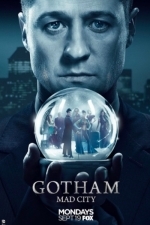


Gotham is the kind of show where I wonder whether they tried to save money by just having the interns write the script. It's got that stilted, on-the-nose kind of dialogue that makes me just feel bad for the actors. For a while I thought the quality of the writing varied from scene to scene, but it was really just that a certain few actors (those that play Fish Mooney, Ed Nygma, and Harvey Bullock spring to mind) that were able to transcend the material they were working with, while others struggled and some just seemed to give up.
Season one starts off promisingly enough for a superhero themed crime show. The premise is solid - we get to watch how these superheroes and supervillians come to be. And that is really the draw that keeps me watching - the character driven moments where we see Nygma descend into madness, the Penguin rise through the ranks of the underworld, Mooney wrestle to keep control of her little patch of Gotham. The conflict James Gordon faces in the first season - a Lawful Good character up against rampant, insidious, and impossible to root up corruption throughout every level of Gotham's government is genuinely interesting and feels like a relevant emotional thread that keeps you going through all of the schlocky and improbable events. All three seasons seem to have a firm grasp of their season plot arc and tentpole moments, setting up the next season nicely for whatever main villain and evil will be explored, but I feel like the tone of the show has shifted wildly. The show can't decide if it's gritty or campy, whether it's a comic book or a crime procedural. It handwaves technology and superpowers in a way that fails to establish in-world rules or limitations. So every super power is all-powerful until plot convenient. I also just personally hate the third season "blood virus" arc and the non-canonical Mad Hatter who speaks in rhyming couplets.
Speaking of which, I'd love to tell the writers that a mass of contradictory, plot-convenient impulses does not a strong female character make. Barbara Kean's story arc makes absolutely no sense. Lee Thompkins seems only to exist to push Gordon to do things he wouldn't otherwise, and Selina Kyle is easily swapped out with every spunky street urchin ever.
I almost want to be offended that every single queer character is, or ends up being, a baddie, but honestly I think that's probably just because the antagonists are more interesting and fleshed out characters to begin with. Still, there's some serious issues with representation (shocker). The third season introduces a really icky variant of the Born Sexy Yesterday trope (watch the video by the Pop Culture Detective, it's worth it.)
Still, I think the casting is pretty great, acting ability aside. The costuming is good, although everything is hampered by the show's refusal to nail down any sort of time period. The dream sequences in the first two seasons are beautiful. I love Oswald Cobblepot and Ed Nygma, and I'd love to see the actor who plays Bruce Wayne master more than just his admittedly very good "holding back tears" expression.
If you're looking for something campy, if you like your villians and your superheroes, and if you need something to watch while you fold laundry or go to sleep, I would recommend this show. It's a show that thrives on tired old tropes, but it lifts those tropes from its source material, so fans of comics might enjoy it, or might be aggrieved at the retconning of beloved old character's backstories.
Whatever you do, don't call Nymga insane. He's better now. He has a certificate.
Season one starts off promisingly enough for a superhero themed crime show. The premise is solid - we get to watch how these superheroes and supervillians come to be. And that is really the draw that keeps me watching - the character driven moments where we see Nygma descend into madness, the Penguin rise through the ranks of the underworld, Mooney wrestle to keep control of her little patch of Gotham. The conflict James Gordon faces in the first season - a Lawful Good character up against rampant, insidious, and impossible to root up corruption throughout every level of Gotham's government is genuinely interesting and feels like a relevant emotional thread that keeps you going through all of the schlocky and improbable events. All three seasons seem to have a firm grasp of their season plot arc and tentpole moments, setting up the next season nicely for whatever main villain and evil will be explored, but I feel like the tone of the show has shifted wildly. The show can't decide if it's gritty or campy, whether it's a comic book or a crime procedural. It handwaves technology and superpowers in a way that fails to establish in-world rules or limitations. So every super power is all-powerful until plot convenient. I also just personally hate the third season "blood virus" arc and the non-canonical Mad Hatter who speaks in rhyming couplets.
Speaking of which, I'd love to tell the writers that a mass of contradictory, plot-convenient impulses does not a strong female character make. Barbara Kean's story arc makes absolutely no sense. Lee Thompkins seems only to exist to push Gordon to do things he wouldn't otherwise, and Selina Kyle is easily swapped out with every spunky street urchin ever.
I almost want to be offended that every single queer character is, or ends up being, a baddie, but honestly I think that's probably just because the antagonists are more interesting and fleshed out characters to begin with. Still, there's some serious issues with representation (shocker). The third season introduces a really icky variant of the Born Sexy Yesterday trope (watch the video by the Pop Culture Detective, it's worth it.)
Still, I think the casting is pretty great, acting ability aside. The costuming is good, although everything is hampered by the show's refusal to nail down any sort of time period. The dream sequences in the first two seasons are beautiful. I love Oswald Cobblepot and Ed Nygma, and I'd love to see the actor who plays Bruce Wayne master more than just his admittedly very good "holding back tears" expression.
If you're looking for something campy, if you like your villians and your superheroes, and if you need something to watch while you fold laundry or go to sleep, I would recommend this show. It's a show that thrives on tired old tropes, but it lifts those tropes from its source material, so fans of comics might enjoy it, or might be aggrieved at the retconning of beloved old character's backstories.
Whatever you do, don't call Nymga insane. He's better now. He has a certificate.

Acanthea Grimscythe (300 KP) rated Highwayman in Books
May 16, 2018


It's a bit hard for me to really talk about how I felt while reading Highwayman by Craig Saunders. To some extent, I feel that I may not know as much about old lore and mythology as I thought I did - and that's definitely a possibility. The concept behind the book is intriguing, but there are many elements of Saunders story that failed to satisfy me.
In the wake of a plane crash, Karl Goodman finds himself in-between life and death - a sort of limbo that I felt was reminiscent of an episode of Supernatural where Castiel and Dean are fighting vampires in purgatory. I say this largely because of the whole Fog-World/forest atmosphere. In this surreal world, a murderer from centuries past is able to cross the lines between the worlds of the living and dead to continue visiting his reign of horror upon unsuspecting individuals. Guided by the Deans, who appear to be a set of reapers, for lack of a better term (or maybe ferrymen), and a young, comatose girl named Imke, Karl finds himself seeking out this murderous highwayman so that he can exact revenge for his daughter's death.
While I have a strong love for the supernatural and paranormal, I couldn't help but find myself confused more often than not by several aspects of the story. I am, admittedly, ignorant of the White Hart and the Green Man, but I like to think I'm a bit more versed in the many varieties of spooks. In fact, Saunders portrayal of a barrow-wight did not stray unreasonably far from its native draugr. What does baffle me though is how Saunders introduces these supernatural elements into his book. When I received Highwayman, I was expecting something dark and macabre that dealt with... well, with highwaymen. The main villain of the tale is precisely that, but the book itself is largely a ghost story. That isn't necessarily a problem, but it simply did not sit very well with me.
To further complicate the telling of the story, there are far too many differing points of view - five or six, total. (I can't remember if there was a part told from Mr. Dean's perspective.) This makes it hard to keep track of the passage of time, and whether or not that is intentional, I found it bothersome. For instance, at one point Bethany, Karl's wife, does something. Then, for several chapters, the story does not return to her. In fact, the disparity between returning to her point of view was so great that I actually thought that Saunders had forgotten about her.
One of the other issues that bothered me was the circumstances of Karl and Bethany's daughter's death. At first it is explained as a drowning, but then later we learn it was not. Apparently her murder was so horrid that Karl conveniently blocked the tragedy from his mind with a far more "rational" explanation, and to me this felt more like slapping a bandaid on a forgotten plot element than something that was done naturally.
At no point during my reading of this book did I feel any sort of emotion or attachment to any of the characters, and I found that to be extremely disappointing. The cast of Highwayman are not, in any way, extraordinary (well, not depth wise), and that made it harder for me to get into the book.
Overall, I didn't care much for Highwayman; however I will not let that discourage me from reading more of Saunders' work in the future. As part of the DarkFuse Reader's Group, I received an advance copy of this book in exchange for an honest review. I would like to thank DarkFuse, Craig Saunders, and NetGalley for this opportunity.
In the wake of a plane crash, Karl Goodman finds himself in-between life and death - a sort of limbo that I felt was reminiscent of an episode of Supernatural where Castiel and Dean are fighting vampires in purgatory. I say this largely because of the whole Fog-World/forest atmosphere. In this surreal world, a murderer from centuries past is able to cross the lines between the worlds of the living and dead to continue visiting his reign of horror upon unsuspecting individuals. Guided by the Deans, who appear to be a set of reapers, for lack of a better term (or maybe ferrymen), and a young, comatose girl named Imke, Karl finds himself seeking out this murderous highwayman so that he can exact revenge for his daughter's death.
While I have a strong love for the supernatural and paranormal, I couldn't help but find myself confused more often than not by several aspects of the story. I am, admittedly, ignorant of the White Hart and the Green Man, but I like to think I'm a bit more versed in the many varieties of spooks. In fact, Saunders portrayal of a barrow-wight did not stray unreasonably far from its native draugr. What does baffle me though is how Saunders introduces these supernatural elements into his book. When I received Highwayman, I was expecting something dark and macabre that dealt with... well, with highwaymen. The main villain of the tale is precisely that, but the book itself is largely a ghost story. That isn't necessarily a problem, but it simply did not sit very well with me.
To further complicate the telling of the story, there are far too many differing points of view - five or six, total. (I can't remember if there was a part told from Mr. Dean's perspective.) This makes it hard to keep track of the passage of time, and whether or not that is intentional, I found it bothersome. For instance, at one point Bethany, Karl's wife, does something. Then, for several chapters, the story does not return to her. In fact, the disparity between returning to her point of view was so great that I actually thought that Saunders had forgotten about her.
One of the other issues that bothered me was the circumstances of Karl and Bethany's daughter's death. At first it is explained as a drowning, but then later we learn it was not. Apparently her murder was so horrid that Karl conveniently blocked the tragedy from his mind with a far more "rational" explanation, and to me this felt more like slapping a bandaid on a forgotten plot element than something that was done naturally.
At no point during my reading of this book did I feel any sort of emotion or attachment to any of the characters, and I found that to be extremely disappointing. The cast of Highwayman are not, in any way, extraordinary (well, not depth wise), and that made it harder for me to get into the book.
Overall, I didn't care much for Highwayman; however I will not let that discourage me from reading more of Saunders' work in the future. As part of the DarkFuse Reader's Group, I received an advance copy of this book in exchange for an honest review. I would like to thank DarkFuse, Craig Saunders, and NetGalley for this opportunity.

Daniel Boyd (1066 KP) rated Shazam! (2019) in Movies
Apr 9, 2019 (Updated Apr 9, 2019)
Good Fun
Being the big ol' geek that I am, I usually know the source material of the superhero movie I am going to see pretty well. Shazam is an exception to this, - other than the infamous Captain Marvel/Shazam copyright battle between Marvel and DC's lawyers over the years and the fact that he is a teenage boy who transforms into a grown man who looks like Superman with a similar power set, - I don't know much about the character. Watching Shazam, I was more so reminded of a Mark Millar comic called Superior, which bears multiple plot similarities to Shazam, to the point that I am surprised that DC have never attempted to sue Millar for blatant plagiarism.
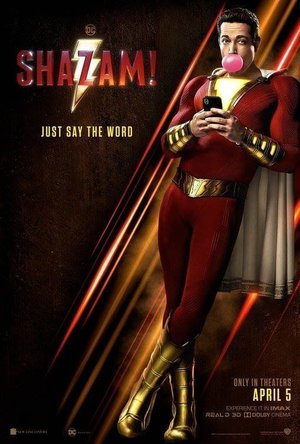
In a word, Shazam is fun. I enjoyed my time with it and I would see it again. I enjoyed seeing Mark Strong hamming it up as the movie's villain and Zachary Levi did a great job in the titular role. Also, his chemistry with Jack Dylan Grazer's character was a huge highlight of the film for me. The SFX were on point for the most part other than the fairly cartoony representations of the 7 deadly sins monsters. There was also a charming, dumb, pure, innocence to the movie that really shone through the entire thing.
My biggest issue with the movie was Asher Angel as Billy Batson when he's not Shazam. Not necessarily because he is a bad actor or anything, but more because of how he chose to play the role. He came across as broody and introspective, almost the total opposite of how Zachary Levi came across as Shazam with his over the top playfulness and silly puns. This discrepancy was prevalent to the point where the illusion that these two actors were playing the same character was entirely broken and it was as if they were just playing two totally different characters with entirely opposite personalities that were just never in the same room. I feel like a bit of smoothing out could have been done between the actors to come to a compromise where they could both deliver their respective lines while believably playing the same character.
Also, something that you should probably know going in is that this is a comedy with lessons about family and responsibility before it is a Superhero/Action movie. It does make sense within the context of the film that there are no epic action scenes as Billy is just an untrained everyday kid that has been given a bunch of amazing powers that he is still getting to grips with, but don't expect any mind-blowing action scenes on par with MCU movies etc. Even though I guess it makes sense that there wasn't anything too impressive in terms of action scenes, I was left a little bit unfulfilled as I left the theatre that the film felt more insistent on showing us tender family moments rather than huge scale superhero battles.
Overall, Shazam is dumb fun. Don't think too hard about it and you will almost certainly have a great time watching it. I am glad that the fun factor of DC films seems to be on the up and they have dropped the dour tone of their Batman/Superman stories set up by Zack Snyder and they seem to have almost totally abandoned the idea of following in Marvel's footsteps of tying movies together in order to lead up to a team up blockbuster. This move seems to be for the best and is what they should have been doing from the start rather than trying to win a losing battle and play catch up with a franchise that has been building for an entire decade at this point.
In a word, Shazam is fun. I enjoyed my time with it and I would see it again. I enjoyed seeing Mark Strong hamming it up as the movie's villain and Zachary Levi did a great job in the titular role. Also, his chemistry with Jack Dylan Grazer's character was a huge highlight of the film for me. The SFX were on point for the most part other than the fairly cartoony representations of the 7 deadly sins monsters. There was also a charming, dumb, pure, innocence to the movie that really shone through the entire thing.
My biggest issue with the movie was Asher Angel as Billy Batson when he's not Shazam. Not necessarily because he is a bad actor or anything, but more because of how he chose to play the role. He came across as broody and introspective, almost the total opposite of how Zachary Levi came across as Shazam with his over the top playfulness and silly puns. This discrepancy was prevalent to the point where the illusion that these two actors were playing the same character was entirely broken and it was as if they were just playing two totally different characters with entirely opposite personalities that were just never in the same room. I feel like a bit of smoothing out could have been done between the actors to come to a compromise where they could both deliver their respective lines while believably playing the same character.
Also, something that you should probably know going in is that this is a comedy with lessons about family and responsibility before it is a Superhero/Action movie. It does make sense within the context of the film that there are no epic action scenes as Billy is just an untrained everyday kid that has been given a bunch of amazing powers that he is still getting to grips with, but don't expect any mind-blowing action scenes on par with MCU movies etc. Even though I guess it makes sense that there wasn't anything too impressive in terms of action scenes, I was left a little bit unfulfilled as I left the theatre that the film felt more insistent on showing us tender family moments rather than huge scale superhero battles.
Overall, Shazam is dumb fun. Don't think too hard about it and you will almost certainly have a great time watching it. I am glad that the fun factor of DC films seems to be on the up and they have dropped the dour tone of their Batman/Superman stories set up by Zack Snyder and they seem to have almost totally abandoned the idea of following in Marvel's footsteps of tying movies together in order to lead up to a team up blockbuster. This move seems to be for the best and is what they should have been doing from the start rather than trying to win a losing battle and play catch up with a franchise that has been building for an entire decade at this point.


Ryan Hill (152 KP) rated Guardians of the Galaxy (2014) in Movies
May 10, 2019
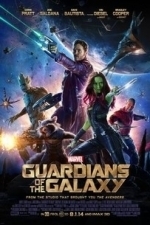
“You said it yourself bitch, we’re the Guardians of the Galaxy”
The Marvel marathon continues. We started with the story of a soldier out of time. Now we move on to the tale of a group of losers having to learn not to kill each other and maybe, just maybe, becoming friends along the way. Guardians of the Galaxy I view as the movie that fully cemented Marvel Studios as the powerhouse we know today. The popularity of Iron Man and Thor spiked after their respective films, but I'm gonna guess if you pulled someone random off the street and asked them who either character was before their movies were released, they could probably at least tell you who they are. Now, not too far separated from the humongous success of The Avengers, here comes Marvel with a film about characters next to no one, not even some avid fans of comics, knew existed. And wouldn't you know, five years after Guardians came out and made Groot a household word, it's still one of their best films Marvel has made.
Guardians of the Galaxy almost off the bat confronts two major complaints I hear about Marvel flicks. First, that they don't look cinematic. Call it the "TV show aesthetic." Moderately flat shots, muted colors, forgettable music, etc. Second, that they're too heavy on witty banter and don't leave enough room for genuinely meaty substance. In regards to the first point, this film looks gorgeous. The color palette and cinematography are both creative and have an absolute blast with the concept of creating a grandiose space opera with equal parts charm and toilet humor. Each planet has its own distinct decor and aliens. Gunn managed to create a fleshed-out, lively, and unique galaxy. In regards to the second point, while there is all sorts of banter to be found throughout, including a Jackson Pollock cum joke, Guardians of the Galaxy has to have the biggest heart out of any film in the MCU. The movie is a full measured ton of fun, but it tugs at the heartstrings in a way few modern blockbusters have been able to achieve.
Four of the five Guardians have something in their life that lead to great tragedy. Peter and Drax lost family very close to them. Gamora and Rocket were tortured and bred to be bloodthirsty warriors. But then, there's Groot. Sweet, unassuming Groot. A beast in battle, but a gentle giant otherwise. His existence seems simple. He eats a leaf off of his shoulder, he drinks water straight from a fountain, and he's more than willing to grow and give a flower to a small girl. He's perhaps the closest we have to a lead character who is wholly happy. The Guardians all start off as renegades, loners, folks reasonably hardened by lives that have enjoyed fucking them over. We get to see them by the end of the film not just grow into heroes, but friends and good people. I am Groot. You are Groot. We are Groot.
Marvel took a big gamble with this movie, but it payed off so absurdly well. The humor is great, the characters even better, and the atmosphere equal parts fun and emotional. Guardians of the Galaxy stands out in the sea of superhero films as a movie that wears its heart on its sleeve. It's weird, but it's damn proud of the fact that it is. Maybe it's alright to be a loser. The world could use a few more losers to help us along the way of life. I think what I'm trying to get down to is this: It was polite of James Gunn to make a movie to go along with his sick mixtape.
Guardians of the Galaxy almost off the bat confronts two major complaints I hear about Marvel flicks. First, that they don't look cinematic. Call it the "TV show aesthetic." Moderately flat shots, muted colors, forgettable music, etc. Second, that they're too heavy on witty banter and don't leave enough room for genuinely meaty substance. In regards to the first point, this film looks gorgeous. The color palette and cinematography are both creative and have an absolute blast with the concept of creating a grandiose space opera with equal parts charm and toilet humor. Each planet has its own distinct decor and aliens. Gunn managed to create a fleshed-out, lively, and unique galaxy. In regards to the second point, while there is all sorts of banter to be found throughout, including a Jackson Pollock cum joke, Guardians of the Galaxy has to have the biggest heart out of any film in the MCU. The movie is a full measured ton of fun, but it tugs at the heartstrings in a way few modern blockbusters have been able to achieve.
Four of the five Guardians have something in their life that lead to great tragedy. Peter and Drax lost family very close to them. Gamora and Rocket were tortured and bred to be bloodthirsty warriors. But then, there's Groot. Sweet, unassuming Groot. A beast in battle, but a gentle giant otherwise. His existence seems simple. He eats a leaf off of his shoulder, he drinks water straight from a fountain, and he's more than willing to grow and give a flower to a small girl. He's perhaps the closest we have to a lead character who is wholly happy. The Guardians all start off as renegades, loners, folks reasonably hardened by lives that have enjoyed fucking them over. We get to see them by the end of the film not just grow into heroes, but friends and good people. I am Groot. You are Groot. We are Groot.
Marvel took a big gamble with this movie, but it payed off so absurdly well. The humor is great, the characters even better, and the atmosphere equal parts fun and emotional. Guardians of the Galaxy stands out in the sea of superhero films as a movie that wears its heart on its sleeve. It's weird, but it's damn proud of the fact that it is. Maybe it's alright to be a loser. The world could use a few more losers to help us along the way of life. I think what I'm trying to get down to is this: It was polite of James Gunn to make a movie to go along with his sick mixtape.

Movie Metropolis (309 KP) rated Thor: Ragnarok (2017) in Movies
Jun 10, 2019 (Updated Jun 10, 2019)
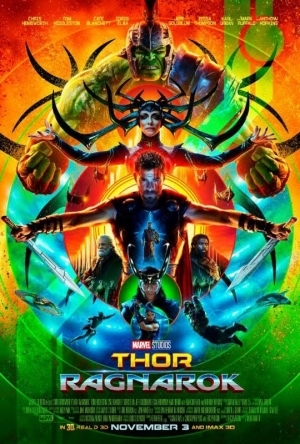
Utterly preposterous
Thor is arguably one of Marvel’s strongest characters. Played by the superb Chris Hemsworth since 2011, the God of thunder is one of the MCUs most popular assets.
It’s unfortunate then that he’s been lambasted with the weakest solo films of the entire series, the son of Odin really has deserved much better.
Thor’s inception in the first of his three solo outings was a competent if unremarkable origins story and the less said about Thor: The Dark World, which remains the poorest film of the entire MCU, the better. Now, just in time for Infinity War,Thor: Ragnarok rolls into cinemas. But does it do its leading man justice?Imprisoned on the other side of the universe, the mighty Thor (Hemsworth) finds himself in a deadly gladiatorial contest that pits him against the Hulk (Bruce Banner), his former ally and fellow Avenger. Thor’s quest for survival leads him in a race against time to prevent the all-powerful goddess of death, Hela, (Cate Blanchett) from destroying his home world and the Asgardian civilisation.
This third film for our mighty Avenger is really something. A film more akin to Guardians of the Galaxy than its overly stuffy predecessors. Director Taika Waititi in his first big-budget feature has managed what many had thought was impossible, he’s given Thor a rather brilliant movie.
But how? Well, he’s realised what no-one else has. The premise surrounding our titular hero is utterly ridiculous. Rather than shy away from that and create something serious, he’s embraced it with humour, music and my goodness, a lot of colour.
If you thought Guardians of the Galaxy used every colour on the spectrum, you ain’t seen nothing yet. Thor: Ragnarok is quite something to watch. From the gold-tipped spears of Asgard that glisten like never before, to the trash-topped planet of Sakaar, everything is dripping in colour.
“Casting Goldblum in the role of an immortal game-player really is an inspired choice.”
Speaking of Sakaar, it contains one of the MCUs best new additions: Jeff Goldbum. Sorry, I mean the Grandmaster. Casting Goldblum in the role of an immortal game-player really is an inspired choice. The 65-year-old legend has made a career on playing himself and it works exceptionally well here. His improvisation is absolutely spot on.
Ragnarok throws up a few other surprises too. One being that Chris Hemsworth is absolutely hilarious. He and Tom Hiddleston bounce off each other incredibly well and we see real chemistry – the chemistry that should have been evident from the start. Cate Blanchett also turns the cheese up to 11 as the latest throwaway Marvel villain, Hela.
She fares better than the majority of Marvel villains and is certainly more interesting than Christopher Eccelston’s, Malekith, but they never quite make the impact that the scriptwriters were clearly looking for. Nevertheless, Blanchett is excellent.
Thankfully, Thor: Ragnarok doesn’t suffer from the absence of Natalie Portman’s dull Jane Foster, and though she is referenced early on, newcomer Tessa Thompson as Valkyrie provides a fitting replacement and possible future love-interest for our intrepid hero.
Unfortunately, it’s not all good news. Surprisingly the first 30 minutes feel incredibly rushed as numerous loose storylines are brought together and the improvised nature of the script lends itself to a little too much humour. Yes, we get it, Marvel films are funny, but this should not be at the expense of the more emotional sequences that the movie tries to put across.
Nevertheless, Thor: Ragnarok is a resounding success, created by a man who clearly has a passion for this corner of the MCU. He manages to make an absolutely preposterous film – and that’s exactly how Thor should be. Take a bow Mr. Waititi.
A little tip – there are two end credit sequences waiting for you. You’re welcome.
https://moviemetropolis.net/2017/10/26/thor-ragnarok-review/
It’s unfortunate then that he’s been lambasted with the weakest solo films of the entire series, the son of Odin really has deserved much better.
Thor’s inception in the first of his three solo outings was a competent if unremarkable origins story and the less said about Thor: The Dark World, which remains the poorest film of the entire MCU, the better. Now, just in time for Infinity War,Thor: Ragnarok rolls into cinemas. But does it do its leading man justice?Imprisoned on the other side of the universe, the mighty Thor (Hemsworth) finds himself in a deadly gladiatorial contest that pits him against the Hulk (Bruce Banner), his former ally and fellow Avenger. Thor’s quest for survival leads him in a race against time to prevent the all-powerful goddess of death, Hela, (Cate Blanchett) from destroying his home world and the Asgardian civilisation.
This third film for our mighty Avenger is really something. A film more akin to Guardians of the Galaxy than its overly stuffy predecessors. Director Taika Waititi in his first big-budget feature has managed what many had thought was impossible, he’s given Thor a rather brilliant movie.
But how? Well, he’s realised what no-one else has. The premise surrounding our titular hero is utterly ridiculous. Rather than shy away from that and create something serious, he’s embraced it with humour, music and my goodness, a lot of colour.
If you thought Guardians of the Galaxy used every colour on the spectrum, you ain’t seen nothing yet. Thor: Ragnarok is quite something to watch. From the gold-tipped spears of Asgard that glisten like never before, to the trash-topped planet of Sakaar, everything is dripping in colour.
“Casting Goldblum in the role of an immortal game-player really is an inspired choice.”
Speaking of Sakaar, it contains one of the MCUs best new additions: Jeff Goldbum. Sorry, I mean the Grandmaster. Casting Goldblum in the role of an immortal game-player really is an inspired choice. The 65-year-old legend has made a career on playing himself and it works exceptionally well here. His improvisation is absolutely spot on.
Ragnarok throws up a few other surprises too. One being that Chris Hemsworth is absolutely hilarious. He and Tom Hiddleston bounce off each other incredibly well and we see real chemistry – the chemistry that should have been evident from the start. Cate Blanchett also turns the cheese up to 11 as the latest throwaway Marvel villain, Hela.
She fares better than the majority of Marvel villains and is certainly more interesting than Christopher Eccelston’s, Malekith, but they never quite make the impact that the scriptwriters were clearly looking for. Nevertheless, Blanchett is excellent.
Thankfully, Thor: Ragnarok doesn’t suffer from the absence of Natalie Portman’s dull Jane Foster, and though she is referenced early on, newcomer Tessa Thompson as Valkyrie provides a fitting replacement and possible future love-interest for our intrepid hero.
Unfortunately, it’s not all good news. Surprisingly the first 30 minutes feel incredibly rushed as numerous loose storylines are brought together and the improvised nature of the script lends itself to a little too much humour. Yes, we get it, Marvel films are funny, but this should not be at the expense of the more emotional sequences that the movie tries to put across.
Nevertheless, Thor: Ragnarok is a resounding success, created by a man who clearly has a passion for this corner of the MCU. He manages to make an absolutely preposterous film – and that’s exactly how Thor should be. Take a bow Mr. Waititi.
A little tip – there are two end credit sequences waiting for you. You’re welcome.
https://moviemetropolis.net/2017/10/26/thor-ragnarok-review/
Movie Metropolis (309 KP) rated Jurassic World (2015) in Movies
Jun 10, 2019
A Trip down memory lane
Can you believe it’s been 14 years since genetically modified dinosaurs rampaged across our screens in Joe Johnston’s underwhelming Jurassic Park III?
After being stuck in development hell for over a decade, Steven Spielberg handpicked indie director Colin Trevorrow to helm the fourth instalment of the popular adventure franchise, Jurassic World, but can it return the much-loved series to form?
Man of the moment Chris Pratt (Guardians of the Galaxy), Bryce Dallas Howard (The Village), Ty Simpkins (Iron Man 3) and Omar Sy (X-Men: Days of Future Past) lead a cast of characters in a visually spectacular film that whilst paying homage to 1993’s Jurassic Park, lacks a little of the original’s soul.
Jurassic World is now a fully functioning theme park taken over from John Hammond’s InGen by Simon Masrani (Irrfan Khan in a pleasingly comedic performance). Welcoming over 20,000 visitors a day, the park sees the need to create something bigger, louder and with more teeth to sustain visitor interest – the Indominus Rex.
Naturally, this doesn’t go quite to plan.
The performances from all of the cast are on-point with Bryce Dallas Howard being a particular highlight. There were worries that her ability would match Tea Leoni from Jurassic Park III rather than Laura Dern’s brilliant Ellie Sattler from the original. Thankfully, this isn’t the case.
Her story arc is particularly intriguing if predictable with her uptight corporate image being shed throughout the film’s succinct 123 minute running time.
Chris Pratt proves why he is the man every director wants to work with. His less comedic side comes out in Jurassic World and proves that he has the acting chops to go with his good looks.
Vincent D’Onofrio stars as the obligatory villain but his side story is never really explored – possibly setting up for a sequel should the film perform well at the box office and with it making up 90% of global ticket sales this weekend, things look promising.
Music wise, Jurassic World treads a very careful path. Make no mistake, this is a standalone movie, but the references to the original are there for all to hear. Michael Giacchino, one of the best composers of the moment, takes over from Don Davis of Jurassic Park III and provides the series with its best score since John Williams’ original.
Special effects too are top notch with the park looking stunning and the dinosaurs, on the whole, faring the same way. There are a couple of moments where things start to look a little video game like, but this never takes away from the beauty of this film.
Unfortunately, whilst the last 30 minutes are breath-taking, edge of your seat stuff, it’s difficult to differentiate Jurassic World from the plethora of high budget blockbusters that litter the cinema these days and whilst Trevorrow chooses references to the original carefully, it lacks a little of that film’s soul and ultimately charm.
Overall, Jurassic World is better than the majority of blockbusters that have come and gone from cinemas over the last year and it tops The Lost World: Jurassic Park and Jurassic Park III to become a sequel worthy of the original.
Yes it’s not perfect, with the gorgeous finale lacking substance, but after waiting 14 years it comes pretty darn close and will no doubt be, along with Star Wars: Episode VII, one of the most memorable films of the noughties.
Do you remember seeing Jurassic Park for the first time? That’s the question everyone asks, and whilst Jurassic World won’t be making anywhere near the same impact, it’s a film worthy of the brand.
https://moviemetropolis.net/2015/06/14/a-trip-down-memory-lane-jurassic-world-review/
After being stuck in development hell for over a decade, Steven Spielberg handpicked indie director Colin Trevorrow to helm the fourth instalment of the popular adventure franchise, Jurassic World, but can it return the much-loved series to form?
Man of the moment Chris Pratt (Guardians of the Galaxy), Bryce Dallas Howard (The Village), Ty Simpkins (Iron Man 3) and Omar Sy (X-Men: Days of Future Past) lead a cast of characters in a visually spectacular film that whilst paying homage to 1993’s Jurassic Park, lacks a little of the original’s soul.
Jurassic World is now a fully functioning theme park taken over from John Hammond’s InGen by Simon Masrani (Irrfan Khan in a pleasingly comedic performance). Welcoming over 20,000 visitors a day, the park sees the need to create something bigger, louder and with more teeth to sustain visitor interest – the Indominus Rex.
Naturally, this doesn’t go quite to plan.
The performances from all of the cast are on-point with Bryce Dallas Howard being a particular highlight. There were worries that her ability would match Tea Leoni from Jurassic Park III rather than Laura Dern’s brilliant Ellie Sattler from the original. Thankfully, this isn’t the case.
Her story arc is particularly intriguing if predictable with her uptight corporate image being shed throughout the film’s succinct 123 minute running time.
Chris Pratt proves why he is the man every director wants to work with. His less comedic side comes out in Jurassic World and proves that he has the acting chops to go with his good looks.
Vincent D’Onofrio stars as the obligatory villain but his side story is never really explored – possibly setting up for a sequel should the film perform well at the box office and with it making up 90% of global ticket sales this weekend, things look promising.
Music wise, Jurassic World treads a very careful path. Make no mistake, this is a standalone movie, but the references to the original are there for all to hear. Michael Giacchino, one of the best composers of the moment, takes over from Don Davis of Jurassic Park III and provides the series with its best score since John Williams’ original.
Special effects too are top notch with the park looking stunning and the dinosaurs, on the whole, faring the same way. There are a couple of moments where things start to look a little video game like, but this never takes away from the beauty of this film.
Unfortunately, whilst the last 30 minutes are breath-taking, edge of your seat stuff, it’s difficult to differentiate Jurassic World from the plethora of high budget blockbusters that litter the cinema these days and whilst Trevorrow chooses references to the original carefully, it lacks a little of that film’s soul and ultimately charm.
Overall, Jurassic World is better than the majority of blockbusters that have come and gone from cinemas over the last year and it tops The Lost World: Jurassic Park and Jurassic Park III to become a sequel worthy of the original.
Yes it’s not perfect, with the gorgeous finale lacking substance, but after waiting 14 years it comes pretty darn close and will no doubt be, along with Star Wars: Episode VII, one of the most memorable films of the noughties.
Do you remember seeing Jurassic Park for the first time? That’s the question everyone asks, and whilst Jurassic World won’t be making anywhere near the same impact, it’s a film worthy of the brand.
https://moviemetropolis.net/2015/06/14/a-trip-down-memory-lane-jurassic-world-review/
Movie Metropolis (309 KP) rated Gerald's Game (2017) in Movies
Jun 10, 2019
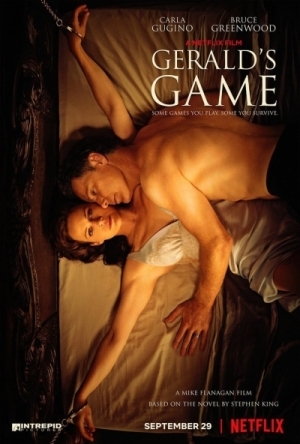

Not a very fun game
The horror film market is huge. Hundreds, if not thousands, of horror films are made every year, with only few standing out of the blood-drenched crowd. Netflix, with a penchant for outstanding horrors and thrillers, decided to hop on the horror flick train, bringing about an adaptation of Stephen King’s terrifying novel ‘Gerald’s Game’.
The film follows Jessie (Carla Gugino) and her husband, Gerald (Bruce Greenwood), as they head to a remote lake house in order to spice up their marriage. One thing leads to another, and then Gerald has a heart attack and dies, leaving Jessie handcuffed to the bed with the keys out of reach. She must then fight to survive, whilst having a few disturbing flashbacks and encounters along the way.
This movie is really disturbing. Like, really, really disturbing. It’s not particularly scary, there’s the odd jump-scare or three, but its the imagery and the situation that really get your heart going.
Carla Gugino as the shackled wife is a stand-out in this film. She basically carries it, only with a few interruptions from inside her head, and this makes for very entertaining viewing. She’s amusing, in a way that you didn’t think anyone could be whilst fighting dehydration, a hungry dog at the end of her bed and death himself. In all honesty, it’s not a very fun game.
Her husband, however, is brilliant at being horrible. Greenwood really amps up the bad husband vibes in the 20 minutes he is alive, which then are exacerbated in Jessie’s head after he has died. He’s manipulative, seedy and slimy: something that Jessie realises at the end of the film.
It could be argued that this film isn’t really a horror film in the typical sense. It’s more a horror film about what has happened to Jessie, the main character, and how she comes to terms with her past and survives. She calls on past experiences to escape her confines on the bed, and her horrible history.
That’s not to say that it doesn’t have stereotypical horror movie attributes. The Moonlight Man is their contribution to the supernatural – or more the ‘is he actually there or am I insane?’ kind of gimmick that sometimes comes with this genre. The Moonlight Man is a shadowy figure, lurking in the shadows with his box of trinkets and bones. He’s absolutely terrifying.
He’s also real. In the film and book, he’s a necrophiliac who’s waiting for Jessie to die so he can add her wedding ring and one of her bones to his box. The Moonlight Man is the kind of horror movie villain that you have nightmares about. Which is why he is one of the highlights of Gerald’s Game.
The film isn’t exactly the most complex plot in the world. It plays a bit too much on the stereotypes in some cases and the ending, in true horror film fashion, is too happy, is too well put together after such a traumatic experience. It all ends a bit too neatly after such a messy first three-quarters.
Even though this isn’t the best horror film ever, it certainly is not the worst. It has it’s flaws, but the acting and the scriptwriting make up for the few it has. In an era of horror trying too hard, this film is simple and refreshing, bringing a new feeling to the horror industry as a whole.
So, the moral of the story is: don’t handcuff yourself to the bed because your husband will die on top of you and then a stray dog will eat him and a necrophiliac will come into your house at night. Quite an easy thing to remember, right?
https://moviemetropolis.net/2017/12/06/geralds-game-review-not-a-very-fun-game/
The film follows Jessie (Carla Gugino) and her husband, Gerald (Bruce Greenwood), as they head to a remote lake house in order to spice up their marriage. One thing leads to another, and then Gerald has a heart attack and dies, leaving Jessie handcuffed to the bed with the keys out of reach. She must then fight to survive, whilst having a few disturbing flashbacks and encounters along the way.
This movie is really disturbing. Like, really, really disturbing. It’s not particularly scary, there’s the odd jump-scare or three, but its the imagery and the situation that really get your heart going.
Carla Gugino as the shackled wife is a stand-out in this film. She basically carries it, only with a few interruptions from inside her head, and this makes for very entertaining viewing. She’s amusing, in a way that you didn’t think anyone could be whilst fighting dehydration, a hungry dog at the end of her bed and death himself. In all honesty, it’s not a very fun game.
Her husband, however, is brilliant at being horrible. Greenwood really amps up the bad husband vibes in the 20 minutes he is alive, which then are exacerbated in Jessie’s head after he has died. He’s manipulative, seedy and slimy: something that Jessie realises at the end of the film.
It could be argued that this film isn’t really a horror film in the typical sense. It’s more a horror film about what has happened to Jessie, the main character, and how she comes to terms with her past and survives. She calls on past experiences to escape her confines on the bed, and her horrible history.
That’s not to say that it doesn’t have stereotypical horror movie attributes. The Moonlight Man is their contribution to the supernatural – or more the ‘is he actually there or am I insane?’ kind of gimmick that sometimes comes with this genre. The Moonlight Man is a shadowy figure, lurking in the shadows with his box of trinkets and bones. He’s absolutely terrifying.
He’s also real. In the film and book, he’s a necrophiliac who’s waiting for Jessie to die so he can add her wedding ring and one of her bones to his box. The Moonlight Man is the kind of horror movie villain that you have nightmares about. Which is why he is one of the highlights of Gerald’s Game.
The film isn’t exactly the most complex plot in the world. It plays a bit too much on the stereotypes in some cases and the ending, in true horror film fashion, is too happy, is too well put together after such a traumatic experience. It all ends a bit too neatly after such a messy first three-quarters.
Even though this isn’t the best horror film ever, it certainly is not the worst. It has it’s flaws, but the acting and the scriptwriting make up for the few it has. In an era of horror trying too hard, this film is simple and refreshing, bringing a new feeling to the horror industry as a whole.
So, the moral of the story is: don’t handcuff yourself to the bed because your husband will die on top of you and then a stray dog will eat him and a necrophiliac will come into your house at night. Quite an easy thing to remember, right?
https://moviemetropolis.net/2017/12/06/geralds-game-review-not-a-very-fun-game/
Movie Metropolis (309 KP) rated Pompeii (2014) in Movies
Jun 11, 2019
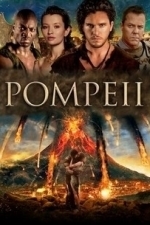
The disaster movie has always been a genre guaranteed to create incredible box-office returns. If you look at Roland Emmerich’s impressive blockbuster hit 2012, which grossed over $750million, it is clear that destroying well-known landmarks = bums on seats.
However since 2012‘s 2009 release the genre has fallen into a dormant state. Nevertheless, four years later Paul W.S. Anderson attempts to reawaken this box-office behemoth with his take on the tragic true events at Pompeii, but does the film succeed in its task?
Partially is the short answer. Anderson’s first film since 2012’s disaster Resident Evil: Retribution is as cheesy as a Dairylea triangle, but it also has some stunning special effects to give it some life.
Game of Thrones’ Kit Harington stars as Milo, a slave captured by the Romans after they wiped out his entire family. He is taken to a gloriously recreated Pompeii and immediately sets his sights on the very beautiful Lady Cassia, played by a rather dull Emily Browning, who just so happens to be the daughter of the city ruler, Severus. I’m sure you can guess the plot…
What ensues is a cheesy mess of terrible acting and stilted dialogue that jars with the period nature of the film. Only the knowing of what is to come from Mt Vesuvius, which is beautifully rendered in CGI, stops the film from grinding to a halt.
Kiefer Sutherland dons a downright ridiculous English accent for the role of Senator Corvus, the chief antagonist in the film. He is on business in Pompeii to see if trade can be established and investment can be agreed with the great city of Rome – though this plot point gets lost along the way.
Another issue is the true story which Pompeii is based on. The great tale of tragedy and mother nature showing her ruthless side is one we all know – but all we really want to see is the mountain going boom. Unfortunately we must wait whilst Anderson tries his best to make us care about the characters with their sickly back-stories, for which he fails in breathtaking fashion.
Finally after nearly an hour of what feels like a poor-mans Gladiator we are treat to a stunning spectacle, as Mt Vesuvius explodes in rip-roaring style. As the mountain blows and the fireballs rage Anderson once again tries to get us interested in the paper-thin story, thankfully not pushing too hard this time, and he lets the special effects take over.
Historical accuracy is, surprisingly, very good. According to the director, Pompeii was faithfully recreated for the film with aerial shots of the city as it stands today topped up with CGI to show the thriving metropolis we see in the film.
Unfortunately, scientific accuracy takes a back-seat for the sake of high drama, which is the case with many films of this nature. The iconic pyroclastic flow, attributed to killing the majority of Pompeii’s inhabitants due to its huge speed and massive temperatures is slowed right down to ensure the film can last another ten minutes or so – though this is perhaps to be expected.
Overall, Paul W.S. Anderson has created a film which certainly looks the part, but is lacking in so many other areas. Kiefer Sutherland’s villain is completely upstaged by the constant shots of the volcano, which are almost pantomime like in their ‘it’s behind you’ staging, and the rest of the cast are wooden and not particularly likeable.
However, what it lacks in story and acting finesse it makes up in the beautiful special effects and engaging cinematography. It’s worth a watch just to see Pompeii get obliterated – which is probably not a very nice thing to say at all.
https://moviemetropolis.net/2014/05/03/pompeii-3d-review/
However since 2012‘s 2009 release the genre has fallen into a dormant state. Nevertheless, four years later Paul W.S. Anderson attempts to reawaken this box-office behemoth with his take on the tragic true events at Pompeii, but does the film succeed in its task?
Partially is the short answer. Anderson’s first film since 2012’s disaster Resident Evil: Retribution is as cheesy as a Dairylea triangle, but it also has some stunning special effects to give it some life.
Game of Thrones’ Kit Harington stars as Milo, a slave captured by the Romans after they wiped out his entire family. He is taken to a gloriously recreated Pompeii and immediately sets his sights on the very beautiful Lady Cassia, played by a rather dull Emily Browning, who just so happens to be the daughter of the city ruler, Severus. I’m sure you can guess the plot…
What ensues is a cheesy mess of terrible acting and stilted dialogue that jars with the period nature of the film. Only the knowing of what is to come from Mt Vesuvius, which is beautifully rendered in CGI, stops the film from grinding to a halt.
Kiefer Sutherland dons a downright ridiculous English accent for the role of Senator Corvus, the chief antagonist in the film. He is on business in Pompeii to see if trade can be established and investment can be agreed with the great city of Rome – though this plot point gets lost along the way.
Another issue is the true story which Pompeii is based on. The great tale of tragedy and mother nature showing her ruthless side is one we all know – but all we really want to see is the mountain going boom. Unfortunately we must wait whilst Anderson tries his best to make us care about the characters with their sickly back-stories, for which he fails in breathtaking fashion.
Finally after nearly an hour of what feels like a poor-mans Gladiator we are treat to a stunning spectacle, as Mt Vesuvius explodes in rip-roaring style. As the mountain blows and the fireballs rage Anderson once again tries to get us interested in the paper-thin story, thankfully not pushing too hard this time, and he lets the special effects take over.
Historical accuracy is, surprisingly, very good. According to the director, Pompeii was faithfully recreated for the film with aerial shots of the city as it stands today topped up with CGI to show the thriving metropolis we see in the film.
Unfortunately, scientific accuracy takes a back-seat for the sake of high drama, which is the case with many films of this nature. The iconic pyroclastic flow, attributed to killing the majority of Pompeii’s inhabitants due to its huge speed and massive temperatures is slowed right down to ensure the film can last another ten minutes or so – though this is perhaps to be expected.
Overall, Paul W.S. Anderson has created a film which certainly looks the part, but is lacking in so many other areas. Kiefer Sutherland’s villain is completely upstaged by the constant shots of the volcano, which are almost pantomime like in their ‘it’s behind you’ staging, and the rest of the cast are wooden and not particularly likeable.
However, what it lacks in story and acting finesse it makes up in the beautiful special effects and engaging cinematography. It’s worth a watch just to see Pompeii get obliterated – which is probably not a very nice thing to say at all.
https://moviemetropolis.net/2014/05/03/pompeii-3d-review/