

etvteluguindia
4.0 Rate It
YouTube Channel
ETV Telugu is a 24 x 7 satellite channel comprising general entertainment programming from South...

Orange is the New Black: My Time in a Women's Prison
7.4 Rate It
Book
With her career, live-in boyfriend and loving family, Piper Kerman barely resembles the rebellious...
Memoir Narrative non-fiction
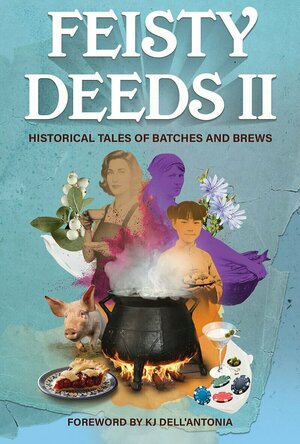
Feisty Deeds II: Historical Tales of Batches and Brews
Christy Matheson, Suzanne Uttaro Samuels, Apple An, Debra Borchert, Paulette Brooks, Teri M. Brown, Elisabeth Carson-Williams, Gabi Coatsworth, Joan Fernandez, Beth Anne Hill, Carolyn Korsmeyer, Beata Kurcz, Heather Dodge Martin, N. J. Mastro, Kimberly Nixon, Lorraine Norwood, Margaret Porter, Barbara Buckley Ristine, Elaine Aucoin Schroller, Kay Smith-Blum, Kimberly Sullivan, Ashley E. Sweeney, Nina Wachsman, Patty W. Warren and April Quarto Wright
Book
Meals, treats, brews, and potions from another batch of feisty characters. Whether cooking for...
Historical Fiction Novellas and Short Stories .Women's Fiction
Merissa (14238 KP) rated Disjointed Lives in Books
Mar 30, 2018


One of the things that is becoming clear is that Morgan Sheppard writes character based stories. The world building is very good, but what gives these stories the emotion behind them, is the characters. They are completely relate-able, with foibles and quirks that readers will recognise in themselves and those they know.
Whether you like fantasy or contemporary/women's fiction, I would definitely recommend this book, and others by this author.
* A copy of this book was provided to me with no requirements for a review. I voluntarily read this book, and the comments here are my honest opinion. *
Merissa
Archaeolibrarian - I Dig Good Books!
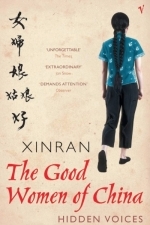
The Good Women of China
8.0 Rate It
Book
When Deng Xiaoping's efforts to 'open up' China took root in the late 1980s, Xinran recognised an...
China Asia Non-Fiction History Women's Memoir

Creatrix Rising: Unlocking the Power of Midlife Women
10.0 Rate It
Book Watch
Ever since Eve was banned from the garden, women have endured the oftentimes painful and inaccurate...
aging mid-life management women women's non-fiction
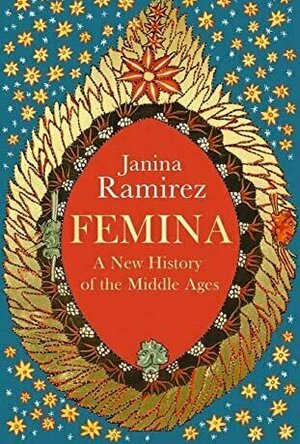
Femina: A New History of the Middle Ages
8.0
Rate It
Book
Extraordinary women have held positions of power throughout history. But, aside from the select few,...
Non Fiction History Medieval

The Measure of Enough
Book
Thirty-four-year old social worker, Kacee Robinson, runs a non-profit agency helping women and...
Psychological Women's Fiction
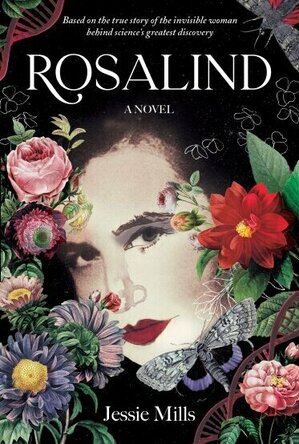
Rosalind: DNA's Invisible Woman
Book
Rosalind: DNA’s Invisible Woman tells the true story of the woman who discovered the structure of...
Historical Fiction Narrative Non Fiction

The Chocolate Lady (94 KP) rated Lilac Girls in Books
Oct 5, 2020
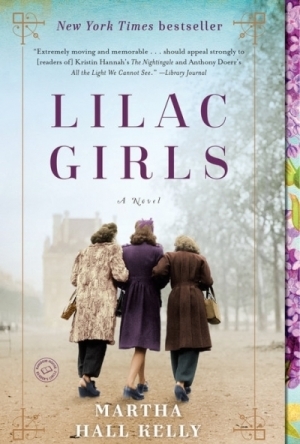
In addition - and I hope this doesn't sound racist or snobbish - as a Jew, I have a hard time with Holocaust novels that seem to outwardly ignore how the Nazis treated the Jews, and only focuses on the other "undesirables." I realize that the Nazis didn't only kill Jews, but they were their primary target, and to avoid that altogether was disingenuous, to say the least. However, I was glad that this book didn't focus on any overtly Christian themes, even though I believe that there is a market for Holocaust stories within the Christian Fiction genre (see my review of the novel The Butterfly and the Violin by Kristy Cambron here http://drchazan.blogspot.com/2014/07/beauty-out-of-ugliness.html for more on my feelings about this).
Furthermore, the only Jewish reference I found in this novel was a passing reference to visiting the Ghetto and a remembrance of eating a Hanukkah delicacy. Unfortunately, the author didn't do her research properly, and the character said she remembered eating a type of doughnut that the Jewish bakers made for the holiday. Those doughnuts - known as "sufganiot" were never part of any Eastern European Hanukkah celebration at that time. In fact, sufganiot that are popular among Jews today, come from the Jews of North Africa and Arab countries. The word, sufganiot, comes from the Arabic and Hebrew words that mean sponge. While Jews in Poland did make something similar, their popularity as a particularly Hanukkah delicacy among Easter European Jews only coincided after Ashkenazi and Mizrahi Jews came together in Israel (i.e., post-1948). All of this is why I cannot give this book a rating of more than two and a half stars out of five, but I'm certain that it will find a much more sympathetic audience among non-Jewish readers.