ClareR (6256 KP) rated The Confessions of Frannie Langton in Books
May 3, 2019 (Updated May 3, 2019)
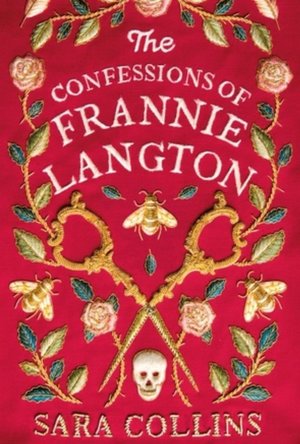
This was a captivating story. I learnt a lot about how black Jamaicans were regarded by Londoners (it’s not good), how laudanum was the ‘mother’s little helper’ of its time (although I think it was pretty much taken by anyone, male or female, who could afford it), and how black people were regarded as little more than animals.
The whodunnit element was really puzzling for me, I honestly couldn’t figure it out. I couldn’t think of Frannie as being a murderer and killing the woman she loved.
This is a really good read, and I would highly recommend it.
Many thanks to NetGalley and the publisher for the opportunity to read this wonderful book.

The Boys in the Boat
7.3 Rate It
Book
Cast aside by his family at an early age, abandoned and left to fend for himself in the woods of...

Frankly Kellie: Becoming a Woman in a Man's World
Book
Not many people have had as unique a journey as Kellie Maloney. Born Frank Maloney into a tough...
Rally Point: Five Tasks to Unite the Country and Revitalize the American Dream
Book
A smart and surprising political inventory for how America can reunite and revitalize in a time of...

EMUs a History
8.0 Rate It
Book
From nationalisation in 1948, British Railways built huge numbers of EMUs for suburban and...
Russia at War, 1941-1945: A History
7.0
Rate It
Book
In 1941, Russian-born British journalist Alexander Werth observed the unfolding of the Soviet-German...

Shameless - Season 1
9.5 Rate It
TV Season
Meet Frank Gallagher (William H. Macy): proud, working-class patriarch to a motley brood of six...
comedy drama

Adam Faith: Big Time, the Life of
David Stafford and Caroline Stafford
Book
Most pop stars' fame used to end with their 25th birthday, but Adam Faith just kept on being...
Funny How Things Turn Out: Love, Death and Unsuitable Husbands - a Mother and Daughter Story
Book
Muriel Newmarch was born in North London in 1903. She died in 2009, aged 106. Judith Bruce is her...