
Search
Hazel (1853 KP) rated And I Darken (The Conqueror's Saga #1) in Books
Dec 7, 2018

<i>This ARC was provided by the publisher via NetGalley in exchange for an honest review
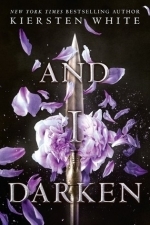
And I Darken</i> is the first book in a brand new saga, <i>The Conquerors</i>, by bestselling author Kiersten White. Aimed at young adults, it is set at the time of the Ottoman Empire, providing a brief historical lesson as well as an entertaining story.
Inspired by Vlad the Impaler, the tale begins in Transylvania, 1453 with the birth of Lada, a daughter for the ruler of Wallachia, Vlad Dracula (no relation to the vampire). Despite the expectation that women are quiet, docile and mere possessions, Lada grows up with a vicious temper, as wild and fierce as a boar, unlike her younger brother, Radu, who is very cautious by nature. The siblings, caught up in their father’s politics, are sent away to another city. Lada however cannot be tamed, and is quick to insult or physically assault anyone who tries to put her in her place, even her new friend who so happens to be in line to become sultan of the Ottoman Empire.
As the children grow up they begin to involve themselves in the running of the empire, providing advice and companionship to the new sultan. Both Lada and Radu experience strong feelings for their friend, which they try to suppress - Radu, because it is improper (for that time period), and Lada, because she wants to be a strong, independent warrior with the same rights as all men.
<i>And I Darken</i> is extremely political but not in the same vein as politics today. Back in the 1400s, constitutional disagreements lead directly to wars, usually caused by the greed of the ever-expanding empire. Whilst these events are taking place, the true story line surfaces, exploring three very strong relationships. Despite Lada’s façade she is a young woman who cares deeply but does not let her feelings get in the way of achieving greatness. Jealousies and misunderstandings challenge the bonds between friends and siblings, resulting in a cliffhanger to encourage the read to eagerly await the next installment.
Although based on true events, <i>And I Darken</i> is mostly a fantasy. Lada has the characteristics and behaviour of Vlad the Impaler, something that would not have been possible at the time for a woman, but other than references to various battles, there are no other correlations.
The relationships focused on in the narrative can be frustrating at times, and it is easy to become annoyed at the key characters’ actions. Often I felt like giving up on the book, as I was not interesting in the gruesome fighting scenes, and not particularly keen on either Lada or Radu. Although I can admire Lada for her strengths and aspirations and agree that she is right to want more in her life as a woman, I found her malicious behavior difficult to respect.
Overall, <i>And I Darken</i> is a bold attempt by Kiersten White to combine history, romance and young adult fiction, particularly as the characters who would be considered teenagers today, were deemed adults during that time period, resulting in them being much more mature than many of today’s readers. This series is suitable for male and female readers alike as it contains an equal measure of bloody action and budding romance. Sadly, despite my high hopes, this book was not for me.
And I Darken</i> is the first book in a brand new saga, <i>The Conquerors</i>, by bestselling author Kiersten White. Aimed at young adults, it is set at the time of the Ottoman Empire, providing a brief historical lesson as well as an entertaining story.
Inspired by Vlad the Impaler, the tale begins in Transylvania, 1453 with the birth of Lada, a daughter for the ruler of Wallachia, Vlad Dracula (no relation to the vampire). Despite the expectation that women are quiet, docile and mere possessions, Lada grows up with a vicious temper, as wild and fierce as a boar, unlike her younger brother, Radu, who is very cautious by nature. The siblings, caught up in their father’s politics, are sent away to another city. Lada however cannot be tamed, and is quick to insult or physically assault anyone who tries to put her in her place, even her new friend who so happens to be in line to become sultan of the Ottoman Empire.
As the children grow up they begin to involve themselves in the running of the empire, providing advice and companionship to the new sultan. Both Lada and Radu experience strong feelings for their friend, which they try to suppress - Radu, because it is improper (for that time period), and Lada, because she wants to be a strong, independent warrior with the same rights as all men.
<i>And I Darken</i> is extremely political but not in the same vein as politics today. Back in the 1400s, constitutional disagreements lead directly to wars, usually caused by the greed of the ever-expanding empire. Whilst these events are taking place, the true story line surfaces, exploring three very strong relationships. Despite Lada’s façade she is a young woman who cares deeply but does not let her feelings get in the way of achieving greatness. Jealousies and misunderstandings challenge the bonds between friends and siblings, resulting in a cliffhanger to encourage the read to eagerly await the next installment.
Although based on true events, <i>And I Darken</i> is mostly a fantasy. Lada has the characteristics and behaviour of Vlad the Impaler, something that would not have been possible at the time for a woman, but other than references to various battles, there are no other correlations.
The relationships focused on in the narrative can be frustrating at times, and it is easy to become annoyed at the key characters’ actions. Often I felt like giving up on the book, as I was not interesting in the gruesome fighting scenes, and not particularly keen on either Lada or Radu. Although I can admire Lada for her strengths and aspirations and agree that she is right to want more in her life as a woman, I found her malicious behavior difficult to respect.
Overall, <i>And I Darken</i> is a bold attempt by Kiersten White to combine history, romance and young adult fiction, particularly as the characters who would be considered teenagers today, were deemed adults during that time period, resulting in them being much more mature than many of today’s readers. This series is suitable for male and female readers alike as it contains an equal measure of bloody action and budding romance. Sadly, despite my high hopes, this book was not for me.
Hazel (1853 KP) rated The Last Dragonslayer (The Last Dragonslayer, #1) in Books
Dec 17, 2018

<i>I received this book for free through Goodreads First Reads.</i>
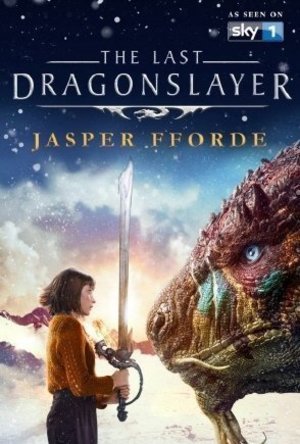
The recent dramatisation on Sky1 over the Christmas period (which I have not watched) has prompted the release of a new edition of Jasper Fforde’s <i>The Last Dragonslayer</i>, which originally appeared in bookstores six years ago. Fforde is perhaps best known for his <i>Thursday Next</i> series, a comical science-fiction story, but he proves he can equally tackle fantasy with this tale about an intrepid, young dragonslayer.
In the slightly fictional Kingdom of Hereford, part of the Ununited Kingdom, is a home and employment agency for mystical artisans. Over the past decades, magic has begun to diminish, leaving soothsayers and sorcerers struggling to find jobs. Jennifer Strange, although only fifteen, is temporarily in charge of running the agency, Kazam, and looking after the building’s cantankerous inhabitants. Although competent with her position, Jennifer soon finds herself out of her depth when wizards begin having prescient visions of the death of the last living dragon.
Able to ignore the prophecy at first, Jennifer becomes deeply involved once it is revealed that she is the foretold dragonslayer. Being both helped and hindered by friends and obdurate sorcerers, Jennifer desperately tries to prevent the shocking prediction from coming true. However, as she quickly discovers, it is impossible to outrun your own fate, especially if Big Magic is involved.
<i>The Last Dragonslayer</i> is a fun book to read that, despite the slow build up to the promised dragon story, is humorous and engaging throughout. Jasper Fforde is a particularly witty writer who uses genuine, intelligent, and often subtle, puns rather than demeaning himself by resorting to crude jokes. Although some may dismiss dragons, magic and fantasy as fatuous nonsense, it is clear Fforde is writing for the more intellectual reader.
The way in which the story is executed, particularly the conclusion, borders on genius and deserves to be highly praised. Magic is a concept that has been written about thousands of times, and also mocked in parodies of well-known literature. <i>The Last Dragonslayer</i> successfully combines fantasy and humour in a way that avoids ridicule.
Some may argue that <i>The Last Dragonslayer</i> is a young adult novel due to the age of the protagonist and the less highfaluting content in comparison to Fforde’s other works. On the other hand, Jennifer Strange is a character that appears a lot older than she actually is, and is involved in events and satire that a younger audience may not be able to fully appreciate. Therefore, there is nothing to prevent readers of all ages from enjoying this book, and the rest of the series, of course.
I particularly enjoyed reading Jasper Fforde’s <i>The Last Dragonslayer</i>. I found it engaging and amusing, loved the characters, and was slightly disheartened when the book ended earlier than I expected – that is the downside of having sneak peak chapters at the rear of the paperback! Of all the Jasper Fforde books I have read (<i>The Eyre Affair</i>, 2001 and <i>Shades of Grey</i>, 2009) <i>The Last Dragonslayer</i> has been my favourite. Perhaps the potential younger target audience prevented me from getting lost, unlike in the complexity of the other stories. As long as you can forgive the author for his fish fetish and preoccupation with marzipan, you will absolutely love this book.
The recent dramatisation on Sky1 over the Christmas period (which I have not watched) has prompted the release of a new edition of Jasper Fforde’s <i>The Last Dragonslayer</i>, which originally appeared in bookstores six years ago. Fforde is perhaps best known for his <i>Thursday Next</i> series, a comical science-fiction story, but he proves he can equally tackle fantasy with this tale about an intrepid, young dragonslayer.
In the slightly fictional Kingdom of Hereford, part of the Ununited Kingdom, is a home and employment agency for mystical artisans. Over the past decades, magic has begun to diminish, leaving soothsayers and sorcerers struggling to find jobs. Jennifer Strange, although only fifteen, is temporarily in charge of running the agency, Kazam, and looking after the building’s cantankerous inhabitants. Although competent with her position, Jennifer soon finds herself out of her depth when wizards begin having prescient visions of the death of the last living dragon.
Able to ignore the prophecy at first, Jennifer becomes deeply involved once it is revealed that she is the foretold dragonslayer. Being both helped and hindered by friends and obdurate sorcerers, Jennifer desperately tries to prevent the shocking prediction from coming true. However, as she quickly discovers, it is impossible to outrun your own fate, especially if Big Magic is involved.
<i>The Last Dragonslayer</i> is a fun book to read that, despite the slow build up to the promised dragon story, is humorous and engaging throughout. Jasper Fforde is a particularly witty writer who uses genuine, intelligent, and often subtle, puns rather than demeaning himself by resorting to crude jokes. Although some may dismiss dragons, magic and fantasy as fatuous nonsense, it is clear Fforde is writing for the more intellectual reader.
The way in which the story is executed, particularly the conclusion, borders on genius and deserves to be highly praised. Magic is a concept that has been written about thousands of times, and also mocked in parodies of well-known literature. <i>The Last Dragonslayer</i> successfully combines fantasy and humour in a way that avoids ridicule.
Some may argue that <i>The Last Dragonslayer</i> is a young adult novel due to the age of the protagonist and the less highfaluting content in comparison to Fforde’s other works. On the other hand, Jennifer Strange is a character that appears a lot older than she actually is, and is involved in events and satire that a younger audience may not be able to fully appreciate. Therefore, there is nothing to prevent readers of all ages from enjoying this book, and the rest of the series, of course.
I particularly enjoyed reading Jasper Fforde’s <i>The Last Dragonslayer</i>. I found it engaging and amusing, loved the characters, and was slightly disheartened when the book ended earlier than I expected – that is the downside of having sneak peak chapters at the rear of the paperback! Of all the Jasper Fforde books I have read (<i>The Eyre Affair</i>, 2001 and <i>Shades of Grey</i>, 2009) <i>The Last Dragonslayer</i> has been my favourite. Perhaps the potential younger target audience prevented me from getting lost, unlike in the complexity of the other stories. As long as you can forgive the author for his fish fetish and preoccupation with marzipan, you will absolutely love this book.

The Bandersnatch (199 KP) rated The Lord of the Rings in Books
Nov 7, 2019
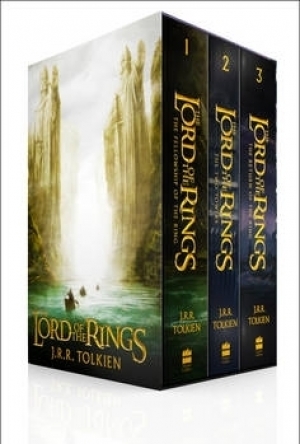
Lord of the rings is written by professor J. R. R. Tolkien and began as a squeal to the Hobbit but evolved over time into its own stand alone book. It was Published by Allen and Unwin (who also produced the hobbit) on July 29th 1954 in three segments; The Fellowship of the Ring, The Towers and The Return of the King. Structurally the book can be separated into six books with an appendices at the end. The book was intended to be one volume of a two volume set (Partnered with The Silmarillion). The title refers to the main antagonist the dark lord Sauron, who had in an earlier age created the one ring to rule them all and use it to conquer and rule Middle-Earth. The story starts in the shire at the 11th birthday of Bilbo Baggins and follows the journey of Frodo Baggins – Bilbos relative and heir as he ranges across middle-earth all the way to the fires of mount doom to destroy the magical ring (which Bilbo found during the Hobbit) during what ended up as the War of the Ring. The story is seen through the eyes of several characters including Frodo, and fellow Hobbits Sam Gamgee, Merry Brandybuck and Pippin Took.
Now I own a copy of the lord of the rings and have done so since I've left school. The copy I own however is the single whole copy as such I've always struggled to read the book in one go. Its always taken me a long time to read it and as such I only re-read it every two years or so. Whilst I'd known of the hobbit and read it numerous times as a child and young adult. I wasn't aware of the Lord of the Rings until the movies came out and as such I came to LoTR through the movies instead of the book. If you want to know a brief history of Professor J.R.R Tolkien and my opinion of him have a look to last weeks book blog on The Hobbit.
The book was turned into the popular movie franchise by Director Peter Jackson, Weta Workshop and New Line Cinema. The movies followed the pattern of the books and were subsequently released under The fellowship of the Ring (2001), The Two Towers (2002) and The return of the King (2003). Lord of the rings is widely regarded as one of the most influential and greatest film trilogies ever created. Its ended up being both a major financial success and is amongst the highest grossing film series of all time (earning over £2.9 billion in worldwide receipts). When award season came around each film was critically acclaimed and heavily awarded they won 17 out of their 30 nominations. An extended copy of each movie was released on DVD after the theatrical release.....I still have my extended copies after 13 years.
I was introduced to the Lord of the Rings Movies during Secondary school and had spent a good chunk of my time out of school watching the movies. By the time I left school a knew a plethora of random knowledge of the Tolkien legendium at large and as I said earlier in this post I saw the movies first before I read the books and as such It does make it harder for me to read the books. Thanks to these movies however I now own several LoTR related books and have a healthy love of Fantasy and fiction at large.
Now I own a copy of the lord of the rings and have done so since I've left school. The copy I own however is the single whole copy as such I've always struggled to read the book in one go. Its always taken me a long time to read it and as such I only re-read it every two years or so. Whilst I'd known of the hobbit and read it numerous times as a child and young adult. I wasn't aware of the Lord of the Rings until the movies came out and as such I came to LoTR through the movies instead of the book. If you want to know a brief history of Professor J.R.R Tolkien and my opinion of him have a look to last weeks book blog on The Hobbit.
The book was turned into the popular movie franchise by Director Peter Jackson, Weta Workshop and New Line Cinema. The movies followed the pattern of the books and were subsequently released under The fellowship of the Ring (2001), The Two Towers (2002) and The return of the King (2003). Lord of the rings is widely regarded as one of the most influential and greatest film trilogies ever created. Its ended up being both a major financial success and is amongst the highest grossing film series of all time (earning over £2.9 billion in worldwide receipts). When award season came around each film was critically acclaimed and heavily awarded they won 17 out of their 30 nominations. An extended copy of each movie was released on DVD after the theatrical release.....I still have my extended copies after 13 years.
I was introduced to the Lord of the Rings Movies during Secondary school and had spent a good chunk of my time out of school watching the movies. By the time I left school a knew a plethora of random knowledge of the Tolkien legendium at large and as I said earlier in this post I saw the movies first before I read the books and as such It does make it harder for me to read the books. Thanks to these movies however I now own several LoTR related books and have a healthy love of Fantasy and fiction at large.
Lottie disney bookworm (1056 KP) rated The Once and Future Witches in Books
Sep 20, 2020
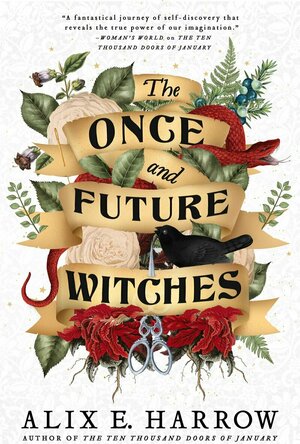
Thank you to Netgalley for luring me in with this recommendation and the gorgeous cover art. Thank you to Alix E Harrow for providing such an amazing story for this ARC review. All the opinions expressed below are my own.
"Witches and women's rights. Suffrage and spells. They're both...a kind of power...the kind we're not allowed to have."
I'm not often drawn to books involving witches to be honest. I love an annual viewing of Hocus Pocus (who doesn't?!) but that is usually where the affinity ends.
If anything can change my nonchalance, I suspect it may be Alix E. Harrow. This is the first piece of work I have read by the Hugo award winning writer and I don’t need any tarot cards to predict it will not be the last. From the outset of The Once and Future Witches I was hooked: the worldbuilding alone is amazing; you can immediately picture the mills, avenues, squares and slums of New Salem as well as the mysterious tower that pulls our three main characters together.
The three Eastwood sisters themselves are another work of art. Juniper, Agnes and Bella are fierce, formidable women in wildly different ways. They are also flawed, stubborn and quite frankly, inspirational: by linking women’s rights and witchcraft this fantasy novel suddenly becomes more real and relatable to the modern female reader, despite being set in 1893. We empathise, sympathise and rage right alongside the Eastwood sisters on their quest for equality in a male-controlled world.
However, not even witches can act alone and the Eastwood sisters have an amazing cast of supporting characters surrounding them. Impressively, not a single one of these characters can be accused of being two-dimensional: the character development that Harrow has invested into this novel is incredible and must have taken so much work! From the Suffragette’s secretary to the skin-crawling villain to the women and men fighting (and witching) side by side; every single character is substantial and memorable. The sarcasm within Juniper for example is hilarious and even the traditional figures of the Maiden, the Mother and the Crone refuse to conform to stereotypes: I LOVED it!
The format of this novel is very clever and practically forbids you from becoming too comfortable by peppering the main story with “witch-tales”. These complement rather than distract from the storyline and also provide small changes that make you smile – such as the tales of the Sisters Grimm.
Do not be fooled though: the use of witch-tales does not prevent The Once and Future Witches from being an incredibly modern piece of writing. Topics covered include sexuality, gender identity, feminism, race as well as smashing the patriarchy: all interspersed with magic, betrayal and a hell of a lot of emotion.
I would however argue that some topics are slightly too mature for the novel to be considered YA, the description of torture and suggestions of sexual abuse probably push this book firmly into general/adult fantasy fiction novels.
The Once and Future Witches is a future bestseller in my opinion. This unique, powerful novel provides characters that you can’t help but empathise with; slow-burning, intense relationships; the trials and tribulations that come with sisterhood and plot twists at every turn.
This book will swallow you heart and soul, make you laugh, make you cry and leave you bereft at the end.
It is a must read!
"Witches and women's rights. Suffrage and spells. They're both...a kind of power...the kind we're not allowed to have."
I'm not often drawn to books involving witches to be honest. I love an annual viewing of Hocus Pocus (who doesn't?!) but that is usually where the affinity ends.
If anything can change my nonchalance, I suspect it may be Alix E. Harrow. This is the first piece of work I have read by the Hugo award winning writer and I don’t need any tarot cards to predict it will not be the last. From the outset of The Once and Future Witches I was hooked: the worldbuilding alone is amazing; you can immediately picture the mills, avenues, squares and slums of New Salem as well as the mysterious tower that pulls our three main characters together.
The three Eastwood sisters themselves are another work of art. Juniper, Agnes and Bella are fierce, formidable women in wildly different ways. They are also flawed, stubborn and quite frankly, inspirational: by linking women’s rights and witchcraft this fantasy novel suddenly becomes more real and relatable to the modern female reader, despite being set in 1893. We empathise, sympathise and rage right alongside the Eastwood sisters on their quest for equality in a male-controlled world.
However, not even witches can act alone and the Eastwood sisters have an amazing cast of supporting characters surrounding them. Impressively, not a single one of these characters can be accused of being two-dimensional: the character development that Harrow has invested into this novel is incredible and must have taken so much work! From the Suffragette’s secretary to the skin-crawling villain to the women and men fighting (and witching) side by side; every single character is substantial and memorable. The sarcasm within Juniper for example is hilarious and even the traditional figures of the Maiden, the Mother and the Crone refuse to conform to stereotypes: I LOVED it!
The format of this novel is very clever and practically forbids you from becoming too comfortable by peppering the main story with “witch-tales”. These complement rather than distract from the storyline and also provide small changes that make you smile – such as the tales of the Sisters Grimm.
Do not be fooled though: the use of witch-tales does not prevent The Once and Future Witches from being an incredibly modern piece of writing. Topics covered include sexuality, gender identity, feminism, race as well as smashing the patriarchy: all interspersed with magic, betrayal and a hell of a lot of emotion.
I would however argue that some topics are slightly too mature for the novel to be considered YA, the description of torture and suggestions of sexual abuse probably push this book firmly into general/adult fantasy fiction novels.
The Once and Future Witches is a future bestseller in my opinion. This unique, powerful novel provides characters that you can’t help but empathise with; slow-burning, intense relationships; the trials and tribulations that come with sisterhood and plot twists at every turn.
This book will swallow you heart and soul, make you laugh, make you cry and leave you bereft at the end.
It is a must read!
Terraforming Mars
8.7 Rate It
Tabletop Game
In the 2400s, mankind begins to terraform the planet Mars. Giant corporations, sponsored by the...
Boardgame TerraformThis MeeplesChoice
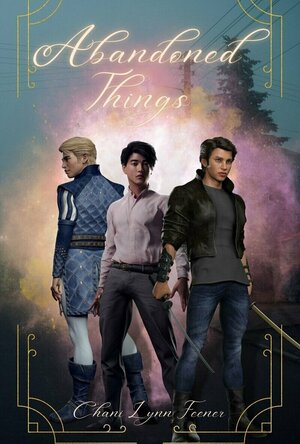
Abandoned Things
10.0 Rate It
Book
Frankie is a fifth-year college student with a secret. He's the writer and creator of the popular...
MM Science Fiction Fantasy Enemies to Lovers Romance
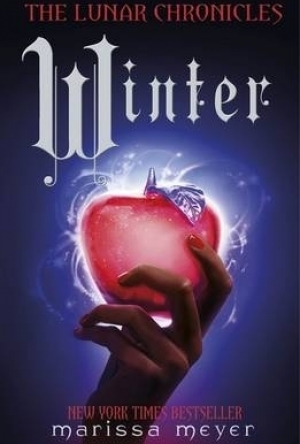
Update: Winter is the final book in the Lunar Chronicles series (although the story does continue in graphic novel form.) It is definitely one of my favourite conclusions, as the story wraps up well and is satisfying. The reader is not left with myriad plot holes and questions. As this is the fourth book in the series, you need to read the first three before delving into this one otherwise you will be confused and majorly spoiled.
The world building continued even in this book and most importantly we were shown Luna. Before that, they story took place predominantly on Earth in either the European Union, the African Republic or the Eastern Commonwealth. Once transported to Luna, readers were better able to get a sense of the disparity between the Lunar Aristocracy and the rest of Luna's citizens. The palace and surrounding area of Artemisia are ornately decorated whereas the outer sectors live in squalor. The stunning contrast is reminiscent of our own world and gives us a glimpse into the change that needs to happen.
Although this story was supposed to delve deeper into Winter and Jacin's relationship (which it did) I felt that it was overshadowed by the overarching plot. It was really nice to see the two interact and Jacin's character be developed more. He can seem cold and removed most of the time, but his demeanor completely changes when he is around Winter. He cares about her so much and will do anything to ensure her well-being. My one criticism about the book is that these two didn't receive the same relationship development and story time as the other three pairings.
You fall in love with these characters and follow them on their journey from mechanic to revolutionary, criminal to captain, or even unsure to (mildly) confident. They feel real and make their way into your heart. Iko was her usual precious self and I was so happy to see her woven more into the story. You don't want to see their stories end and thankfully they don't because the author is continuing the series in graphic novel form.
I would highly recommend this series to young adult/teen readers even if science fiction or fairytale retellings aren't usually your thing. They're so fantastically written that I think they appeal to broad range of readers and genres.
Original Review: I read the entire series over the course of four days, novellas included. That is how wonderful it is. As a fan of fairytale retellings, like Beastly by Alex Flinn, I had high hopes for this series and it did not disappoint. It gave the reader wonderful little homages to the classic fairytales while weaving the story through a world and characters all its own.
The world building in this novel was wonderfully done. As a reader, I could imagine the Lunar Palace as a place of opulence while those in the lower districts lived in poverty. There were a number of important characters and none of them were overlooked. You were able to learn about their personalities, histories, or relationships in a way that gave each depth. Each character had a unique personality and strength in the group. from fiery Scarlet to shy Cress and from flirty Thorn to tortured Wolf.
Sometimes conclusions to series just don't stand up to their legacy, but this was not one of those books. The author gave the reader everything they desired, climactic action scenes, wrapping up story threads while opening the door to future adventures, and leaving the reader satisfied. There's nothing worse than reading an amazing series that you become wholly invested in and then being utterly disappointed by the conclusion.
Recommended for anyone who liked YA, romance, fairytales, sci-fi, or really good books/series that you won't regret reading.
The world building continued even in this book and most importantly we were shown Luna. Before that, they story took place predominantly on Earth in either the European Union, the African Republic or the Eastern Commonwealth. Once transported to Luna, readers were better able to get a sense of the disparity between the Lunar Aristocracy and the rest of Luna's citizens. The palace and surrounding area of Artemisia are ornately decorated whereas the outer sectors live in squalor. The stunning contrast is reminiscent of our own world and gives us a glimpse into the change that needs to happen.
Although this story was supposed to delve deeper into Winter and Jacin's relationship (which it did) I felt that it was overshadowed by the overarching plot. It was really nice to see the two interact and Jacin's character be developed more. He can seem cold and removed most of the time, but his demeanor completely changes when he is around Winter. He cares about her so much and will do anything to ensure her well-being. My one criticism about the book is that these two didn't receive the same relationship development and story time as the other three pairings.
You fall in love with these characters and follow them on their journey from mechanic to revolutionary, criminal to captain, or even unsure to (mildly) confident. They feel real and make their way into your heart. Iko was her usual precious self and I was so happy to see her woven more into the story. You don't want to see their stories end and thankfully they don't because the author is continuing the series in graphic novel form.
I would highly recommend this series to young adult/teen readers even if science fiction or fairytale retellings aren't usually your thing. They're so fantastically written that I think they appeal to broad range of readers and genres.
Original Review: I read the entire series over the course of four days, novellas included. That is how wonderful it is. As a fan of fairytale retellings, like Beastly by Alex Flinn, I had high hopes for this series and it did not disappoint. It gave the reader wonderful little homages to the classic fairytales while weaving the story through a world and characters all its own.
The world building in this novel was wonderfully done. As a reader, I could imagine the Lunar Palace as a place of opulence while those in the lower districts lived in poverty. There were a number of important characters and none of them were overlooked. You were able to learn about their personalities, histories, or relationships in a way that gave each depth. Each character had a unique personality and strength in the group. from fiery Scarlet to shy Cress and from flirty Thorn to tortured Wolf.
Sometimes conclusions to series just don't stand up to their legacy, but this was not one of those books. The author gave the reader everything they desired, climactic action scenes, wrapping up story threads while opening the door to future adventures, and leaving the reader satisfied. There's nothing worse than reading an amazing series that you become wholly invested in and then being utterly disappointed by the conclusion.
Recommended for anyone who liked YA, romance, fairytales, sci-fi, or really good books/series that you won't regret reading.
ArecRain (8 KP) rated Goddess of Yesterday in Books
Jan 18, 2018

First off, I should say that I absolutely love Greek mythology. I do not consider myself sufficiently schooled in the subject, but it is a passion of mine. I do not, however, like reading about the Trojan War. Therefore, I was a bit iffy when I request this book from book swap on goodreads.com . After reading it, I was pleased that the novel barely touched on the war.
There are so many thing that I love about this book that I dont know if I can even fit it all into one review. I normally do not like narratives, but I think this novel wouldnt have been the same if it hadnt been. When it first starts, the main character, Anaxandra, is only 5 years old and , thus, narrates through the eyes of a five year old (who knows how to express herself very well ). As the story progresses and Anaxandra grows older, the way she thinks and talks also evolves. You almost feel as if you grow with her, learning the things that she does and experiencing what she does with such clarity.
From page one, the plot unfolds, another thing I adore about any book. There is no excessive detail or long drawn out explanations of anything. Cooney wastes no time with excessive writing when she can sufficiently say it in a few sentences. Something I thought was very realistic considering the narrator. It almost reads like a stream on consciousness. It isnt staccato and rough like Hemingways writing, reading smoothing while still sounding like what is going through a young girl's mind during the time.
The plot actually wasnt too complicated. A young girl is given to a king as a companion for his daughter. Their village is sacked when she is older and she lies to Menalaus to save herself and thus becomes a companion for his young daughter. Helen meets Paris, and the rest is history. It sounds simple enough, but every page had something on it that progressed the storyline. It seemed that something was always happening.
Cooney's Helen of Troy had me clutching my book firmly in my claws, trying not to through it across the room in rage. I always picture Helen of Troy as a narcisstic woman who should have been put in her place. Cooney portrayed just that: a woman so caught in her own supposed birthright, beauty, and self bestowed power that, at time, Helen acted as if she was a goddess herself. She had accepted her life but was bored with it. It wasn't until someone as equally gorgeous and captivating as her came along, Paris, did she gain the courage to finally defy her husband.
I equally agreed with Cooney's portrayal of Paris. The young prince, who was also known to be quite the stud of his time, just bragged about his conquests and skills, of which, in truth, he had none.
What is not to love about two people wrapped up in themselves actually falling in love with each other? I wondered if they were only in love with the idea of them having a mate that compared to their unsurpassable looks.
All in all, there were far to many things in this novel that made me place it back on my shelf instead of donating it once I had finished. It lacks a certain maturity that I had grown use to from the other novels I have been reading as of late, but considering it is a young adult novel, I think Cooney can be forgiven for such a triviality.
If you like fiction about ancient Greece and Greek Mythology, I whole-heartedly recommend this little gem.
There are so many thing that I love about this book that I dont know if I can even fit it all into one review. I normally do not like narratives, but I think this novel wouldnt have been the same if it hadnt been. When it first starts, the main character, Anaxandra, is only 5 years old and , thus, narrates through the eyes of a five year old (who knows how to express herself very well ). As the story progresses and Anaxandra grows older, the way she thinks and talks also evolves. You almost feel as if you grow with her, learning the things that she does and experiencing what she does with such clarity.
From page one, the plot unfolds, another thing I adore about any book. There is no excessive detail or long drawn out explanations of anything. Cooney wastes no time with excessive writing when she can sufficiently say it in a few sentences. Something I thought was very realistic considering the narrator. It almost reads like a stream on consciousness. It isnt staccato and rough like Hemingways writing, reading smoothing while still sounding like what is going through a young girl's mind during the time.
The plot actually wasnt too complicated. A young girl is given to a king as a companion for his daughter. Their village is sacked when she is older and she lies to Menalaus to save herself and thus becomes a companion for his young daughter. Helen meets Paris, and the rest is history. It sounds simple enough, but every page had something on it that progressed the storyline. It seemed that something was always happening.
Cooney's Helen of Troy had me clutching my book firmly in my claws, trying not to through it across the room in rage. I always picture Helen of Troy as a narcisstic woman who should have been put in her place. Cooney portrayed just that: a woman so caught in her own supposed birthright, beauty, and self bestowed power that, at time, Helen acted as if she was a goddess herself. She had accepted her life but was bored with it. It wasn't until someone as equally gorgeous and captivating as her came along, Paris, did she gain the courage to finally defy her husband.
I equally agreed with Cooney's portrayal of Paris. The young prince, who was also known to be quite the stud of his time, just bragged about his conquests and skills, of which, in truth, he had none.
What is not to love about two people wrapped up in themselves actually falling in love with each other? I wondered if they were only in love with the idea of them having a mate that compared to their unsurpassable looks.
All in all, there were far to many things in this novel that made me place it back on my shelf instead of donating it once I had finished. It lacks a certain maturity that I had grown use to from the other novels I have been reading as of late, but considering it is a young adult novel, I think Cooney can be forgiven for such a triviality.
If you like fiction about ancient Greece and Greek Mythology, I whole-heartedly recommend this little gem.
Ivana A. | Diary of Difference (1171 KP) rated Cryptid in Books
Jul 10, 2018
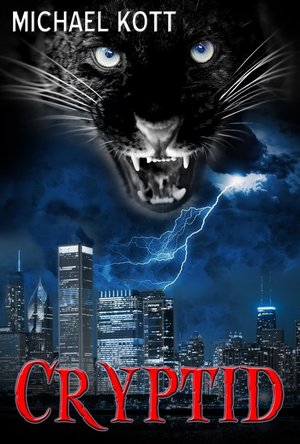
Cryptid by Michael Kott is the second book of these series. It is a sequel to the Piasa, and you can find my review on that here. I have to admit and say that I didn’t enjoy Cryptid as much as I would like to, and you’ll find out why soon.
About the book:
Cryptid continues to tell the story of Sara, a girl that survives a car accident, when all her family dies. While in the first book she meets Mike, who gets her a job as his assistant in his adventures, in this book we will see Sara still maintaining that position, but a little bit from the background. When a few cats that look like leopards will appear at the museum, people start to get scared, and the police wants to shoot the animals. Then Mike and the team come to the rescue, to try and identify what the cats are, and save them from dying.
Review:
In Cryptid, we will be introduced to a couple new characters, some of which I happened to be very fond of (Hi Xenia!). The good thing for me was, that I could get a bit of a break from all the Sara moments. The thing I didn’t like was the fact that their background was too short and untold, and they kept making decisions based on the past that we didn’t know (I will mention Shannon’s decision here).
My favourite moments of the book, were, of course, those where Sara wasn’t there. Followed by my previous review of the Piasa, I sometimes like the character of Sara. But I also couldn’t agree with her. I couldn’t understand her character, behaviour and decisions. Maybe it is because of my own childhood. I mean, luckily, I haven’t lost any of my family, but I have lived without both parents in those crucial years, raised by grandparents, while having a little sister to look after, and having an aunt similar to Pamela to guide me through my worst. But I was never this arrogant, self-centered and desperate for ME-ME-ME attention like Sara. Whoa, that lady really can push my limits sometimes.
The same goes with everyone around Sara that constantly tries to please her, and make sure she’s not upset.
And what is the reason that all of the characters are losing their shoes somewhere?
Unlike Piasa, in this book the focus is only on one big event, at two main places – the park and the museum. Apart from a few places in the introduction, the whole story keeps us around these places, which I particularly didn’t mind, but some people may or may not find it boring.
I was a bit sad because I really like Mike, and he wasn’t as present with his story as his was in the other book. I expected to see and learn a bit more of him.
Not to be all negative though, there were a few moments that I really enjoyed! I loved to read about the sisterhood of Pamela and Xenia, and the beginning of the book was fantastic. Xenia is also such an incredible character, and I really admired her. I also loved the explanations on the different kinds of cats and their latin names and meanings.
All in all, I am a bit sad to say that this will be a 3 out of 5 stars. Especially because the author, Michael Kott, is a dear friend of mine, and I greatly enjoyed the Piasa. I may have expected a bit too much of this book, that left me disappointed. But I do believe that some of you might greatly enjoy it! If you like Young-Adult fiction, and stories about mystery animals and cryptids, you will definitely enjoy this book!
Thank you Mike, for sending me a copy of the Cryptid, in exchange for an honest review.
About the book:
Cryptid continues to tell the story of Sara, a girl that survives a car accident, when all her family dies. While in the first book she meets Mike, who gets her a job as his assistant in his adventures, in this book we will see Sara still maintaining that position, but a little bit from the background. When a few cats that look like leopards will appear at the museum, people start to get scared, and the police wants to shoot the animals. Then Mike and the team come to the rescue, to try and identify what the cats are, and save them from dying.
Review:
In Cryptid, we will be introduced to a couple new characters, some of which I happened to be very fond of (Hi Xenia!). The good thing for me was, that I could get a bit of a break from all the Sara moments. The thing I didn’t like was the fact that their background was too short and untold, and they kept making decisions based on the past that we didn’t know (I will mention Shannon’s decision here).
My favourite moments of the book, were, of course, those where Sara wasn’t there. Followed by my previous review of the Piasa, I sometimes like the character of Sara. But I also couldn’t agree with her. I couldn’t understand her character, behaviour and decisions. Maybe it is because of my own childhood. I mean, luckily, I haven’t lost any of my family, but I have lived without both parents in those crucial years, raised by grandparents, while having a little sister to look after, and having an aunt similar to Pamela to guide me through my worst. But I was never this arrogant, self-centered and desperate for ME-ME-ME attention like Sara. Whoa, that lady really can push my limits sometimes.
The same goes with everyone around Sara that constantly tries to please her, and make sure she’s not upset.
And what is the reason that all of the characters are losing their shoes somewhere?
Unlike Piasa, in this book the focus is only on one big event, at two main places – the park and the museum. Apart from a few places in the introduction, the whole story keeps us around these places, which I particularly didn’t mind, but some people may or may not find it boring.
I was a bit sad because I really like Mike, and he wasn’t as present with his story as his was in the other book. I expected to see and learn a bit more of him.
Not to be all negative though, there were a few moments that I really enjoyed! I loved to read about the sisterhood of Pamela and Xenia, and the beginning of the book was fantastic. Xenia is also such an incredible character, and I really admired her. I also loved the explanations on the different kinds of cats and their latin names and meanings.
All in all, I am a bit sad to say that this will be a 3 out of 5 stars. Especially because the author, Michael Kott, is a dear friend of mine, and I greatly enjoyed the Piasa. I may have expected a bit too much of this book, that left me disappointed. But I do believe that some of you might greatly enjoy it! If you like Young-Adult fiction, and stories about mystery animals and cryptids, you will definitely enjoy this book!
Thank you Mike, for sending me a copy of the Cryptid, in exchange for an honest review.
Kayleigh (12 KP) rated The Fault in Our Stars in Books
Jan 2, 2019
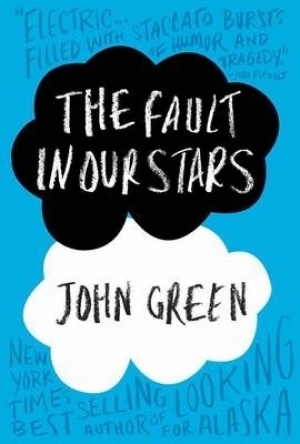
If you don’t want to read a long review, here’s my summary: Read. This. Book. It is perfect.
In my last review (of <a href="http://awowords.wordpress.com/2013/02/02/beautiful-creatures/">Beautiful Creatures</a>), I was a little harsh about the portrayal of love stories in teenage/young adult fiction. The backbone of this book is that slowly but surely, the two main characters, Hazel and Augustus, fall in love. It’s not some pre-determined, intense force that sweeps the characters off their feet. It’s slow and steady, with a few set-backs, much like Hazel’s breathing at times, if you like. As Hazel puts it, perfectly:
<blockquote>“I fell in love the way you fall asleep: slowly, and then all at once.”</blockquote>
There’s nothing glamorous – life goes up and down, it’s sad and it’s funny, it’s not fair. It’s real.
In The Fault in Our Stars, John Green introduces us to two extremely philosophical teenagers that have been through a lot more than most people, with the knowledge that there is only more hardship to come. He humanises something I know I have never really thought about – the feelings, and more specifically, the sense of humour cancer sufferers/survivors have throughout it all. I talk about the humour later, but something that really got the message across was Hazel finally admitting her biggest fear to her parents. Hazel, the girl who decided to become a vegetarian so as to “minimise the number of deaths I’m responsible for.”
<blockquote>“‘I’m like. Like. I’m a grenade, Mom. I’m a grenade and at some point I’m going to blow up and I would like to minimise the casualties, okay?’”</blockquote>
It was the realness of the characters that got me so attached. For the last third of the story, I was unabashedly sobbing (luckily, alone. The first time I finished this, I was on a bus). To be blunt (and a little bit gross), the best way I can describe the end of this book is like this. When I was a child, I’d be crying my eyes out over something or other, and my mum would be comforting me. When the worst was over, she’d joke that I’d better not have got snot on her jumper, which would make me laugh through the tears. I’m trying not to put spoilers in here, but the next quote, for example, happens just after one of the most poignant parts of the book. It lightens the mood without altering the seriousness, and at the same time reminding us that they are, after all, only teenagers.
<blockquote>“He smiled. Gallows humour. ‘I’m on a roller coaster that only goes up,’ he said.
‘And it is my privilege and my responsibility to ride all the way up with you,’ I said.
‘Would it be absolutely ludicrous to try to make out?’
‘There is no try,’ I said. ‘There is only do.’”</blockquote>
John Green managed to blend humour and tragedy perfectly. If you’ve read the book already, he wrote a blog post answering questions about the book – I’d recommend a read. I don’t want to waffle, so I’ll leave it there, but I’d wholeheartedly recommend The Fault in Our Stars - it’s an instant favourite and already has a place in my heart. Don’t forget the tissues!
Oh, and about the film that’s apparently in the works – did anyone else picture Hazel as looking a little like Ellen Page in Juno? Maybe it’s a similar attitude to life, but I could only see her as this!
PS – Sorry for anglicising the quotes – habit!
This review is also on my <a href="http://awowords.wordpress.com">blog</a>; - if you liked it, please check it out!
In my last review (of <a href="http://awowords.wordpress.com/2013/02/02/beautiful-creatures/">Beautiful Creatures</a>), I was a little harsh about the portrayal of love stories in teenage/young adult fiction. The backbone of this book is that slowly but surely, the two main characters, Hazel and Augustus, fall in love. It’s not some pre-determined, intense force that sweeps the characters off their feet. It’s slow and steady, with a few set-backs, much like Hazel’s breathing at times, if you like. As Hazel puts it, perfectly:
<blockquote>“I fell in love the way you fall asleep: slowly, and then all at once.”</blockquote>
There’s nothing glamorous – life goes up and down, it’s sad and it’s funny, it’s not fair. It’s real.
In The Fault in Our Stars, John Green introduces us to two extremely philosophical teenagers that have been through a lot more than most people, with the knowledge that there is only more hardship to come. He humanises something I know I have never really thought about – the feelings, and more specifically, the sense of humour cancer sufferers/survivors have throughout it all. I talk about the humour later, but something that really got the message across was Hazel finally admitting her biggest fear to her parents. Hazel, the girl who decided to become a vegetarian so as to “minimise the number of deaths I’m responsible for.”
<blockquote>“‘I’m like. Like. I’m a grenade, Mom. I’m a grenade and at some point I’m going to blow up and I would like to minimise the casualties, okay?’”</blockquote>
It was the realness of the characters that got me so attached. For the last third of the story, I was unabashedly sobbing (luckily, alone. The first time I finished this, I was on a bus). To be blunt (and a little bit gross), the best way I can describe the end of this book is like this. When I was a child, I’d be crying my eyes out over something or other, and my mum would be comforting me. When the worst was over, she’d joke that I’d better not have got snot on her jumper, which would make me laugh through the tears. I’m trying not to put spoilers in here, but the next quote, for example, happens just after one of the most poignant parts of the book. It lightens the mood without altering the seriousness, and at the same time reminding us that they are, after all, only teenagers.
<blockquote>“He smiled. Gallows humour. ‘I’m on a roller coaster that only goes up,’ he said.
‘And it is my privilege and my responsibility to ride all the way up with you,’ I said.
‘Would it be absolutely ludicrous to try to make out?’
‘There is no try,’ I said. ‘There is only do.’”</blockquote>
John Green managed to blend humour and tragedy perfectly. If you’ve read the book already, he wrote a blog post answering questions about the book – I’d recommend a read. I don’t want to waffle, so I’ll leave it there, but I’d wholeheartedly recommend The Fault in Our Stars - it’s an instant favourite and already has a place in my heart. Don’t forget the tissues!
Oh, and about the film that’s apparently in the works – did anyone else picture Hazel as looking a little like Ellen Page in Juno? Maybe it’s a similar attitude to life, but I could only see her as this!
PS – Sorry for anglicising the quotes – habit!
This review is also on my <a href="http://awowords.wordpress.com">blog</a>; - if you liked it, please check it out!