Nick Rhodes recommended Nightclubbing by Grace Jones in Music (curated)



TV NOW PLUS
Entertainment and Lifestyle
App
Acht Sender in einer App! Teste TV NOW PLUS 30 Tage kostenlos, danach nur 2,99 € pro Monat: •...


The Flying Classroom
Book
A Spectator, Guardian, <Times, Independent on Sunday, Lovereading4kids and Mumsnet Book of the Year ...

ClareR (6256 KP) rated The Women at Hitler’s Table in Books
Dec 3, 2019

Rosa Sauer moves from Berlin to live with her husbands parents in the countryside, to escape the bombs that killed her parents. However, in doing so she draws attention to herself and ends up being ‘enlisted’ by the SS as one of the female food tasters at the Wolfschanze (Wolfs Lair). In some ways this is a privileged position - food is scarce and people are starving. Rosa and her fellow food tasters are guaranteed regular food, but each meal could be their last. They have no choice but to eat: SS guards watch their every mouthful. Some of the women are Hitler loyalists and see it as an honour to do this, whilst others (Rosa included) aren’t as keen. Rosa is beginning to see the cracks in the regime, and in fact has disagreed with the party’s politics for a long time. But she has chosen not to do or say anything - as many people did.
This book looks at what life was like for the ordinary Germans. Their loves, loyalties, secrets and the fear for both their present circumstances and their futures. This isn’t a comfortable read. It looks at some very unsettling subjects, and the fear of the women is palpable. I think the story would have stood up well without the romance element, but I’m sure some would disagree with me and would enjoy that aspect more.
I really liked the links with real historical figures: Claus Von Stauffenberg, some local nobility and a real food taster that the story was based on (Margot Wölk). I also liked the style in which this was written. It was dark, subdued, much like how I imagine the country felt as a whole at this point. I really did enjoy this book - it was an interesting and new angle to look at a period in history which we all feel that we know a lot about. Just when you thought you’d seen it all, Hitler’s female food tasters make their appearance....
Many thanks to NetGalley and Harper Collins for my copy of this book to read and review.

moovel - Transit, car2go, Taxi
Navigation and Stickers
App
Your German trip search and route planning app for public transport, carsharing provider car2go,...

World of Yesterday: Memoirs of a European
Anthea Bell, Stefan Zweig and David Pearson
Book
'The time provides the pictures, I merely speak the words to go with them, and it will not be so...

I Escape: The Great War's Most Remarkable POW
Book
Of all the daring PoW escape stories that have come to light in the last 100 years and immortalized...
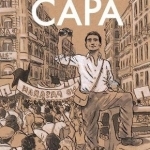
Robert Capa: A Graphic Biography
Book
'If your pictures aren't good enough, you aren't close enough.' - Robert Capa. 'Robert Capa: A...