
Search
Search results
Purple Phoenix Games (2266 KP) rated Battlestar Galactica: The Board Game in Tabletop Games
Feb 23, 2021
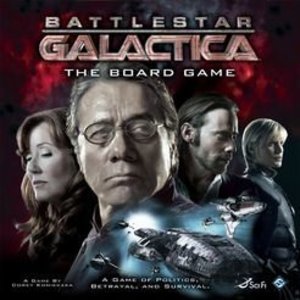


Welcome aboard the Battlestar Galactica, a ship home to the remnants of the human race. After an uprising and near-annihilation by the Cylons (cyborg workers/soldiers created by the humans), the human survivors have taken to space to outrun their mechanical enemies and search for a new world to inhabit. Hardly a walk in the park, this journey through space is filled with many challenges – from fuel and food shortages to mutiny and battles for power. The biggest challenge of all, however, is that the Cylons have advanced to such a high level that they actually appear to be human. Are the Galactica’s misfortunes just bad luck, or are they being orchestrated by a Cylon who has infiltrated the ship and is yet to be discovered? Who can you trust? Which race will end up victorious?
Disclaimer: There are several expansions for Battlestar Galactica. This review will not take any expansions into account, and will focus solely on the base game. Also, I do not intend to rehash the entire rulebook in this review, but rather provide an overview of the gameplay. – L
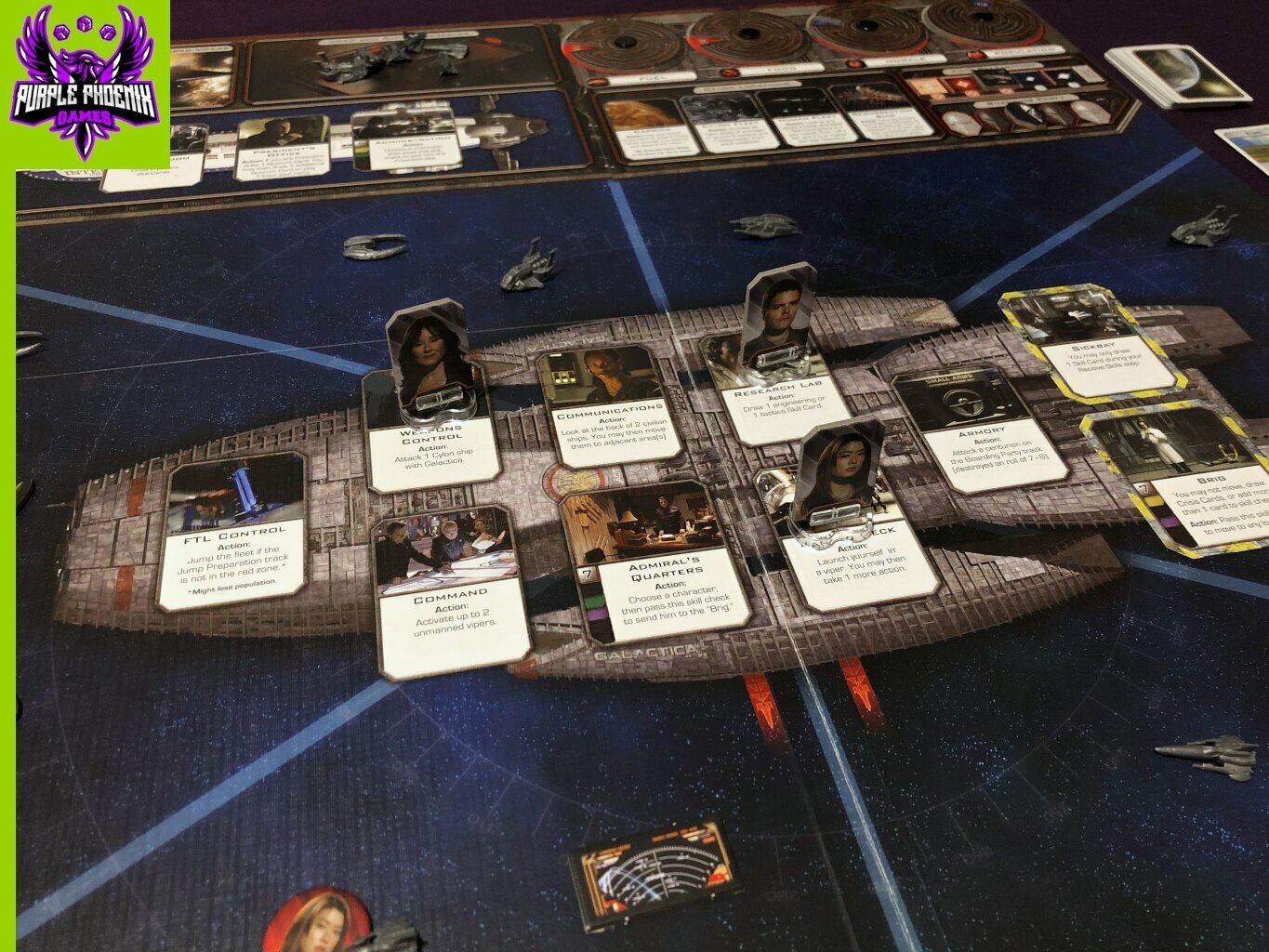
To setup for a game, follow the instructions in the rulebook – there are simply too many to detail here. Each player selects a Character, and receives the corresponding Character sheet and tokens. Based on the Characters selected, one player will receive the President title and another the Admiral title. Depending on how many players there are, a Loyalty deck is created and each player is secretly dealt a Loyalty card – either “You are not a Cylon” or “You Are a Cylon.” The Loyalty cards determine how you will play the game: human players win if they complete their given objective, and Cylon players win if they prevent the humans from completing their objective (by depleting resources, successfully invading the Galactica, or destroying the Galactica itself). The game is now ready to begin!
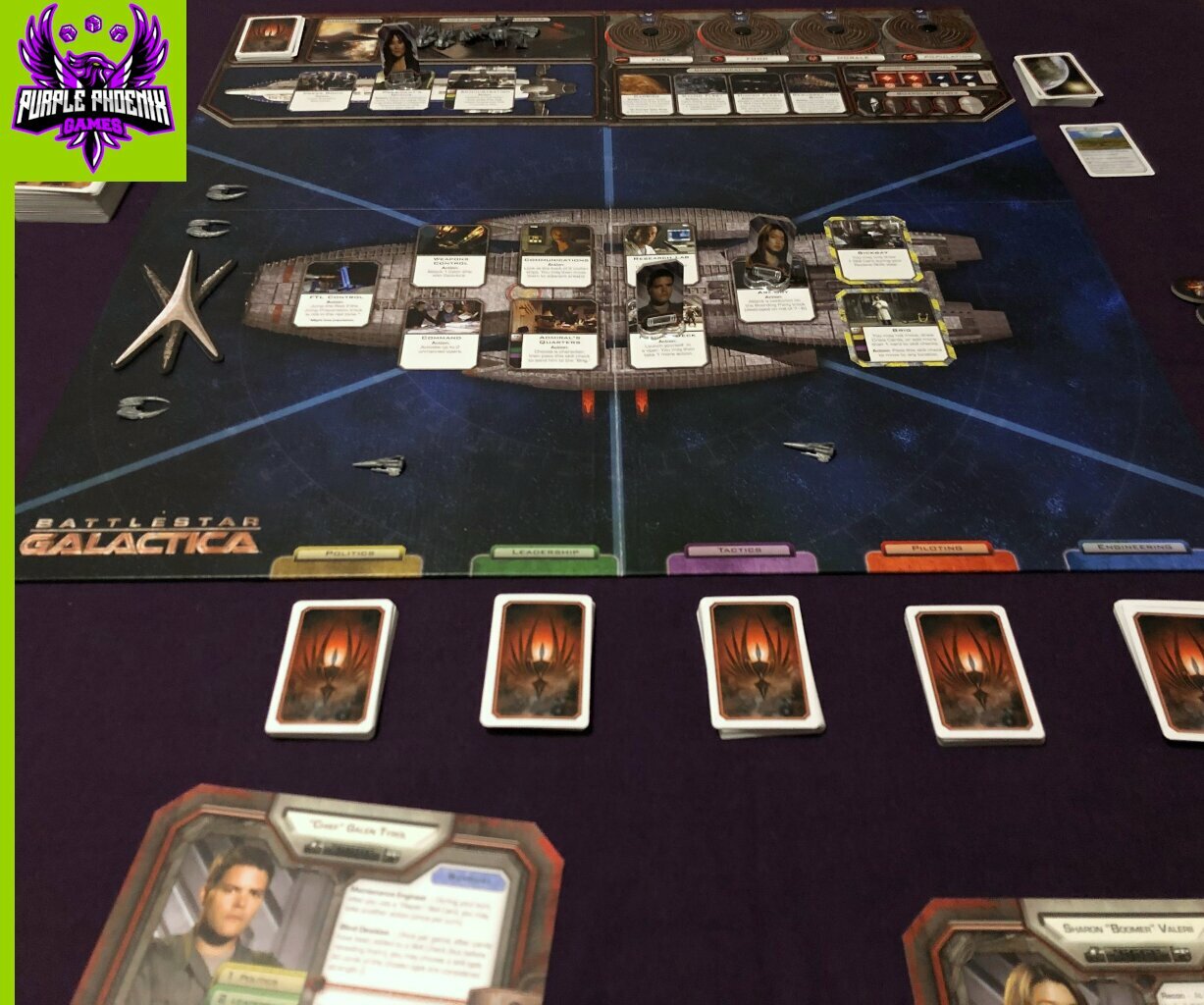
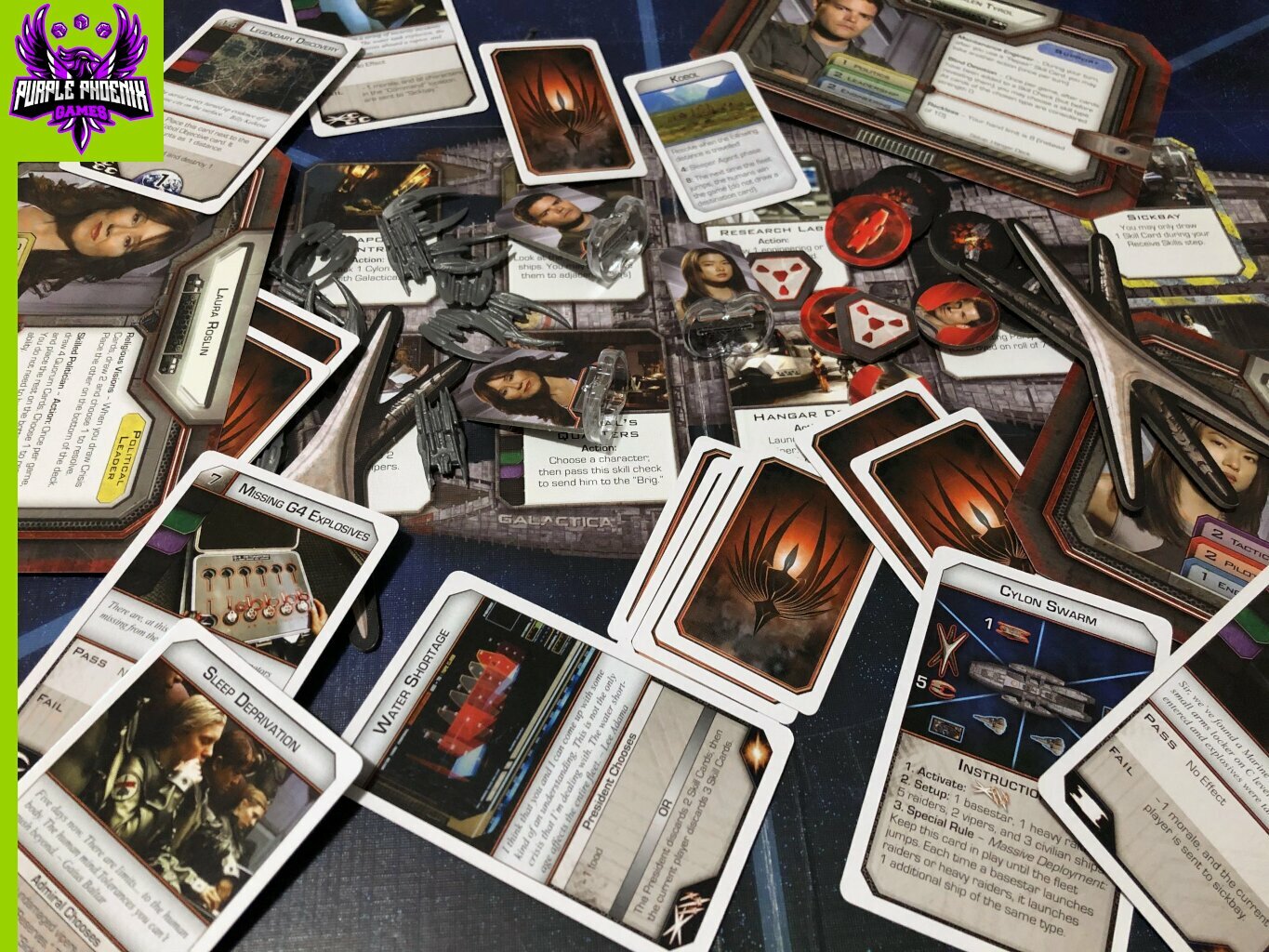
Battlestar Galactica is played over a series of rounds in which players take turns moving, performing actions, playing/drawing cards, etc. until either the human players or Cylon players have won the game. A player’s turn consists of 4 main steps, carried out in the following order: Receive Skills, Movement, Action, and Crisis. To begin your turn, you will draw Skill cards according to the skills listed on your Character sheet. Skill cards can be used to address crises or can provide special abilities. In the next step, Movement, you may move your Character to a different location/ship (all provide special actions). After moving, you will then choose one Action to perform – either listed on your current location, Character sheet, by using a Skill card, or you may choose to perform no action at all. Once you have completed your action, draw the top card of the Crisis deck, and resolve it. Depending on the Crisis card drawn, you may need to then Activate Cylon Ships or Prepare for Jump (more on this in a bit). If neither of those are listed on the Crisis card, then your turn ends and play moves to the next player.
I know that seems like a lot, but each turn of Battlestar Galactica can essentially be broken down into 2 phases: Player Actions and Space Combat. The first phase, Player Actions, is what is detailed above – drawing Skills, Movement, Actions, and drawing Crisis cards. This phase is where players make progress towards their objectives. Certain Actions or Skill cards earn specific rewards necessary to move forward in the game. Crisis cards can consist of Cylon attacks (activating and adding new Cylon ships to the board), Skill checks (all players secretly contribute Skill cards to either aid or sabotage the Skill check), or Events (resolved immediately). The second phase of play, Space Combat, takes place after the Crisis card has been drawn on each turn. Certain Crisis cards will show icons of Cylon ships, indicating that they are to be activated for combat, launched into play, or moved around the Galactica. Cylon ships will act based upon an action hierarchy, detailed in the rulebook. If the drawn Crisis card has the “Prepare for Jump” icon, move the fleet token forward on the Jump Preparation track, jumping the fleet if necessary (and moving the humans closer to their game-end objective). I have purposefully left out some elements of play, for you to discover on your own, or because they just provide intricate detail for the steps and actions described above. When the game-end objective is met by either the human players or the Cylons, the game is over and that respective race wins the game!
To say that there is a lot going on in Battlestar Galactica is quite an understatement. There are several rules and game elements that I did not touch upon, just because if I did then this review would be too long. With so many elements in play and of which to keep track, this game is not exactly for the faint of heart. The gameplay is very involved and requires a good amount of strategy – this is definitely a game that could take up most of a game night to play. That being said, I love this game. There is a lot going on, but that just provides players with so many different strategies to complete their objectives. Maybe you want to focus on dealing with Skill checks or Crisis cards, but maybe you’d rather think offensively and be prepared for any potential Space Combat. Can you help the crew efficiently manage its resources, or position its fleet to protect the Galactica itself? Your strategy must be adaptable at a moment’s notice to help you complete your objective….whatever it may be.
Speaking of which, the fact that there may or may not be secret Cylon players attempting to disrupt your plans really takes a hidden identity game to the next level. Cylons want to sabotage the humans, but in subtle ways as to not be found out – because once a Cylon is revealed, the humans can target and hinder their turns. Can you convince the humans that your previous actions were honest mistakes, or will they catch on that you are trying to undermine their efforts? The elements of deception and bluffing in this regard make the game much more immersive and make it feel realistic – there is a traitor among us and we have to find them, while also completing our own objectives. You really start to question who to trust and how your own actions can be perceived by your fellow players. There have been times, when playing this game, that we have taken breaks for dinner or snacks, and all players pocketed their cards rather than leave them on the table, vulnerable to sneaky opponents. Battlestar Galactica is definitely engaging for all players, and for such an involved and lengthy game, that is something to be applauded.
Let’s touch on components for a minute. The production quality of this game is great. The cardboard elements, including resource dials, are thick and sturdy. The cards and Character sheets are quality, colorful, and feel good in hand. And the plastic ships are well made too. The artwork consists mainly of screen caps from the TV show (which I admittedly have not yet seen…) but the theme and cohesiveness of the components makes for an immersive and engaging game overall.
In general, I am not a person who enjoys hidden identity games – simply because I am a bad liar and get found out almost immediately. However, the way this mechanic is incorporated into Battlestar Galactica makes it more a game of strategy than simple deception. And games of strategy are what I truly love. Managing your hand of Skill cards to best overcome Crisis cards, thinking tactically about how to deploy your fleet and battle Cylon ships, and having to determine who among the crew can actually be trusted keeps all players engaged across the board. Nobody can just sit back and relax, every single turn can drastically affect the outcome of the game. Everyone is in it, and that is what I love about this game. Purple Phoenix Games gives it a 11 / 12. This game has been out of print for a while now, but if you ever get a chance to play – jump on it! You don’t have to know the show to enjoy the game. Trust me, I haven’t seen a single episode yet.
Disclaimer: There are several expansions for Battlestar Galactica. This review will not take any expansions into account, and will focus solely on the base game. Also, I do not intend to rehash the entire rulebook in this review, but rather provide an overview of the gameplay. – L
To setup for a game, follow the instructions in the rulebook – there are simply too many to detail here. Each player selects a Character, and receives the corresponding Character sheet and tokens. Based on the Characters selected, one player will receive the President title and another the Admiral title. Depending on how many players there are, a Loyalty deck is created and each player is secretly dealt a Loyalty card – either “You are not a Cylon” or “You Are a Cylon.” The Loyalty cards determine how you will play the game: human players win if they complete their given objective, and Cylon players win if they prevent the humans from completing their objective (by depleting resources, successfully invading the Galactica, or destroying the Galactica itself). The game is now ready to begin!
Battlestar Galactica is played over a series of rounds in which players take turns moving, performing actions, playing/drawing cards, etc. until either the human players or Cylon players have won the game. A player’s turn consists of 4 main steps, carried out in the following order: Receive Skills, Movement, Action, and Crisis. To begin your turn, you will draw Skill cards according to the skills listed on your Character sheet. Skill cards can be used to address crises or can provide special abilities. In the next step, Movement, you may move your Character to a different location/ship (all provide special actions). After moving, you will then choose one Action to perform – either listed on your current location, Character sheet, by using a Skill card, or you may choose to perform no action at all. Once you have completed your action, draw the top card of the Crisis deck, and resolve it. Depending on the Crisis card drawn, you may need to then Activate Cylon Ships or Prepare for Jump (more on this in a bit). If neither of those are listed on the Crisis card, then your turn ends and play moves to the next player.
I know that seems like a lot, but each turn of Battlestar Galactica can essentially be broken down into 2 phases: Player Actions and Space Combat. The first phase, Player Actions, is what is detailed above – drawing Skills, Movement, Actions, and drawing Crisis cards. This phase is where players make progress towards their objectives. Certain Actions or Skill cards earn specific rewards necessary to move forward in the game. Crisis cards can consist of Cylon attacks (activating and adding new Cylon ships to the board), Skill checks (all players secretly contribute Skill cards to either aid or sabotage the Skill check), or Events (resolved immediately). The second phase of play, Space Combat, takes place after the Crisis card has been drawn on each turn. Certain Crisis cards will show icons of Cylon ships, indicating that they are to be activated for combat, launched into play, or moved around the Galactica. Cylon ships will act based upon an action hierarchy, detailed in the rulebook. If the drawn Crisis card has the “Prepare for Jump” icon, move the fleet token forward on the Jump Preparation track, jumping the fleet if necessary (and moving the humans closer to their game-end objective). I have purposefully left out some elements of play, for you to discover on your own, or because they just provide intricate detail for the steps and actions described above. When the game-end objective is met by either the human players or the Cylons, the game is over and that respective race wins the game!
To say that there is a lot going on in Battlestar Galactica is quite an understatement. There are several rules and game elements that I did not touch upon, just because if I did then this review would be too long. With so many elements in play and of which to keep track, this game is not exactly for the faint of heart. The gameplay is very involved and requires a good amount of strategy – this is definitely a game that could take up most of a game night to play. That being said, I love this game. There is a lot going on, but that just provides players with so many different strategies to complete their objectives. Maybe you want to focus on dealing with Skill checks or Crisis cards, but maybe you’d rather think offensively and be prepared for any potential Space Combat. Can you help the crew efficiently manage its resources, or position its fleet to protect the Galactica itself? Your strategy must be adaptable at a moment’s notice to help you complete your objective….whatever it may be.
Speaking of which, the fact that there may or may not be secret Cylon players attempting to disrupt your plans really takes a hidden identity game to the next level. Cylons want to sabotage the humans, but in subtle ways as to not be found out – because once a Cylon is revealed, the humans can target and hinder their turns. Can you convince the humans that your previous actions were honest mistakes, or will they catch on that you are trying to undermine their efforts? The elements of deception and bluffing in this regard make the game much more immersive and make it feel realistic – there is a traitor among us and we have to find them, while also completing our own objectives. You really start to question who to trust and how your own actions can be perceived by your fellow players. There have been times, when playing this game, that we have taken breaks for dinner or snacks, and all players pocketed their cards rather than leave them on the table, vulnerable to sneaky opponents. Battlestar Galactica is definitely engaging for all players, and for such an involved and lengthy game, that is something to be applauded.
Let’s touch on components for a minute. The production quality of this game is great. The cardboard elements, including resource dials, are thick and sturdy. The cards and Character sheets are quality, colorful, and feel good in hand. And the plastic ships are well made too. The artwork consists mainly of screen caps from the TV show (which I admittedly have not yet seen…) but the theme and cohesiveness of the components makes for an immersive and engaging game overall.
In general, I am not a person who enjoys hidden identity games – simply because I am a bad liar and get found out almost immediately. However, the way this mechanic is incorporated into Battlestar Galactica makes it more a game of strategy than simple deception. And games of strategy are what I truly love. Managing your hand of Skill cards to best overcome Crisis cards, thinking tactically about how to deploy your fleet and battle Cylon ships, and having to determine who among the crew can actually be trusted keeps all players engaged across the board. Nobody can just sit back and relax, every single turn can drastically affect the outcome of the game. Everyone is in it, and that is what I love about this game. Purple Phoenix Games gives it a 11 / 12. This game has been out of print for a while now, but if you ever get a chance to play – jump on it! You don’t have to know the show to enjoy the game. Trust me, I haven’t seen a single episode yet.

Charlie Cobra Reviews (1840 KP) rated the Xbox One version of Xuan Yuan Sword 7 in Video Games
Oct 4, 2021

Beautiful looking world and nice graphics (2 more)
Pretty enjoyable story and gameplay
Interesting mix of fantasy and history
Lacks the polish that could have made it great (2 more)
Too linear and doesn’t open up enough
Combat could have been further refined
Interesting and Ambitious but Ultimately Average
So to start this review I got to say that I'm pretty mixed on how I feel about this game. For one it definitely has a lot of potential and enough going for it that it could have been a really good. But on the other hand it had a lot of things that I feel could have been done better and falls far from being a great game to just around average for me. The story itself isn't terrible but it suffers from bad writing and performance of the voice actors. The world itself seems like it could have been a lot more interesting but it just wasn't engaging enough half the time.
It seemed like it was going to be an open world game but wound up being very linear in nature although it had aspects of an open world game like side quests, fast travel, and even treasure chests scattered throughout the game world as well. There's a climbing mechanic that seemed kind of pointless because it was pretty much just a cut scene of in game graphics of you climbing a little cliff or sometimes it would turn into an interactive part where you had to move the analog stick to move the character. Still it was better than these weird times that the game gave you control of the character for a scene in which your only movement was preset like a ride on a rail that couldn't veer off a road.
I liked that it was an action-RPG meaning instead of turn based combat like most RPG's it had an active combat system where you could move at your own leisure and consisted of hack and slash combat with some martial art skills, blocking, dodging, and some riposte (parrying). There are four basic martial art skills which can be learned as you progress through the game, Bull, Wolf, Bear, and Tiger. They become stronger and increase the length or hits of their combo the more you use them. A big draw back is that you could only equip or use two at one time although they can be changed at anytime through the talent menu. Then there are three special martial art skills which are Taowu, Tundou and ?
The combat was one of the things that had me really conflicted. A cool thing I liked about the combat was that there was a meter that would go up when you would attack an enemy and if it filled all the way you could perform an execution on them. Otherwise it was very unresponsive most of the time making dodging and parrying really hard and kind of useless. I found the blocking especially useless because of how much damage you still incurred. There is a skill tree for new martial arts and you can create and upgrade structures in Elysium that can enhance various things, such as weapon, armor, accessories and more. You can also use the fusion to capture the souls of enemies in combat and fuse them together in Elysium to equip them for bonus stats and effects.
Your able to carry items in your inventory which are mainly objects like items that don't do anything except advance the story or quest and some like healing weapons. There is an equipment screen for weapons and accessories but you only stay with one weapon the whole game. It does change and become stronger and its appearance changes too. You can even change outfits. I'm not sure if you get any in the game as the version I played came with a couple of additional weapons/costumes. You do wind up getting some party members which is customary of some RPG's and they help out by attacking enemies on their own. You can control them by activating some abilities or special attacks that have cooldown times for when you can use them again. There's a minigame called Zhuolu chess and it can be pretty fun and a nice change of pace but not what you were looking for when you bought the game.
You can save your game and recover health at random campfires throughout the game world as well as listen to some party dialogue when you choose to rest. The dialogue tends to repeat often and doesn't really advance the story much or fit where you are at in the story that often. These game mechanics are similar to Dark Souls as resting respawns enemies when you save at a bonfire and get healed too. As I mentioned earlier the game employs a fast travel system consisting of waypoints called guard stones that you can activate when found. There is an element of puzzle solving in the game but they don't seem to be that hard to figure out and some can even be skipped if you don't want to bother with it.
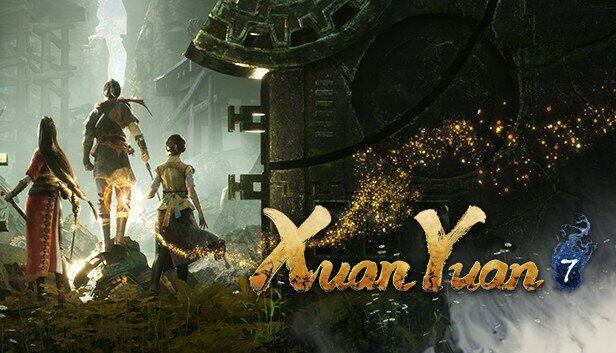
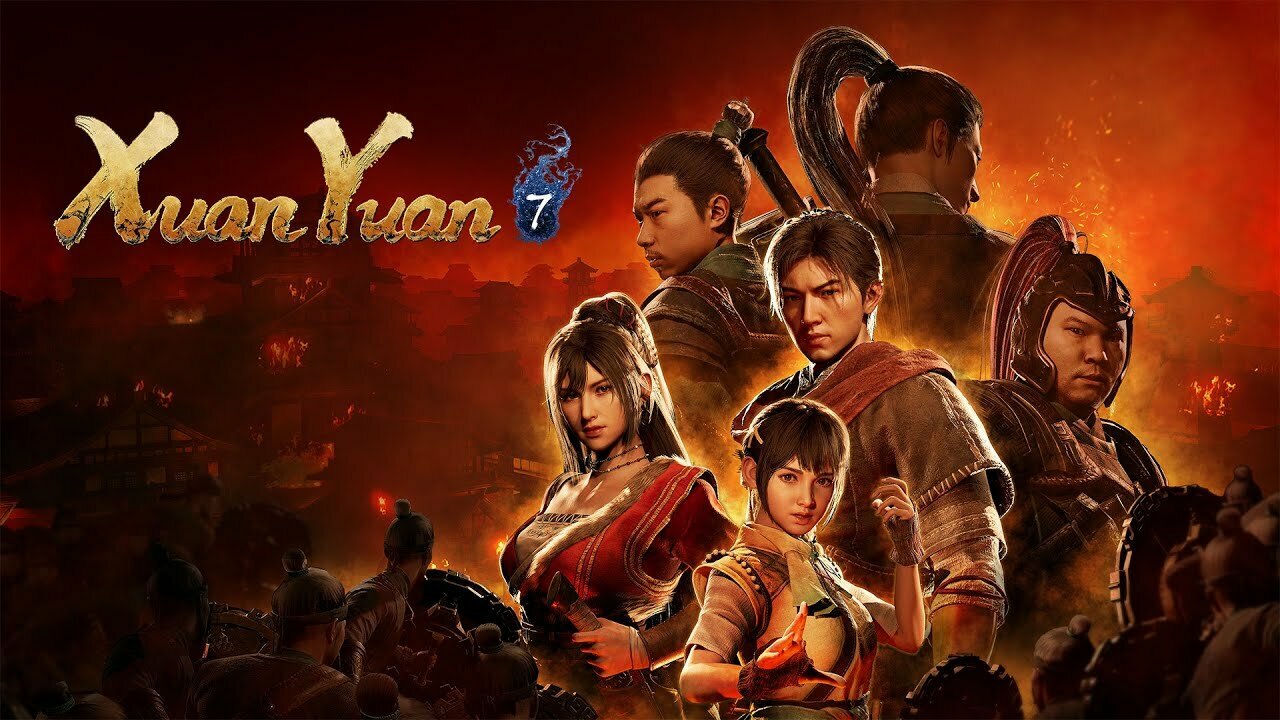
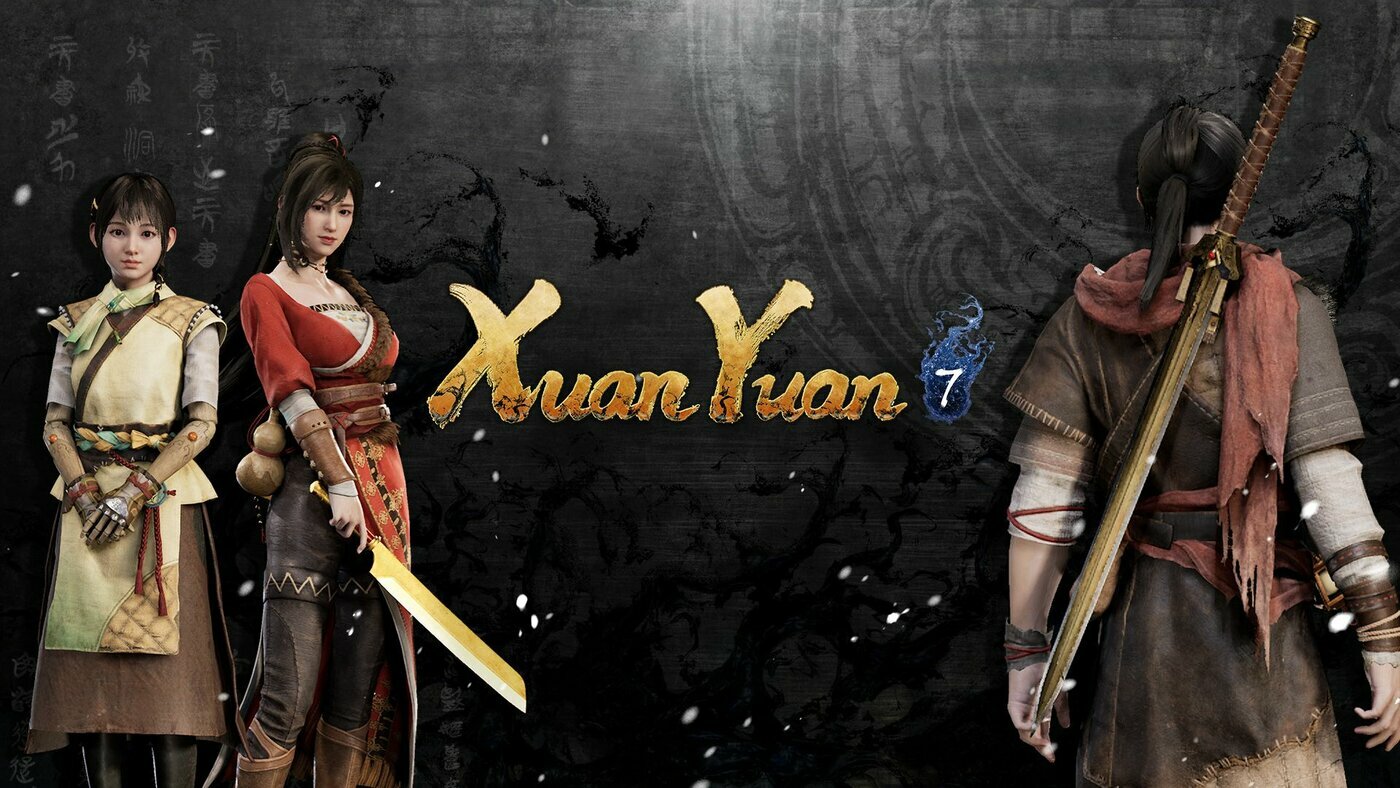
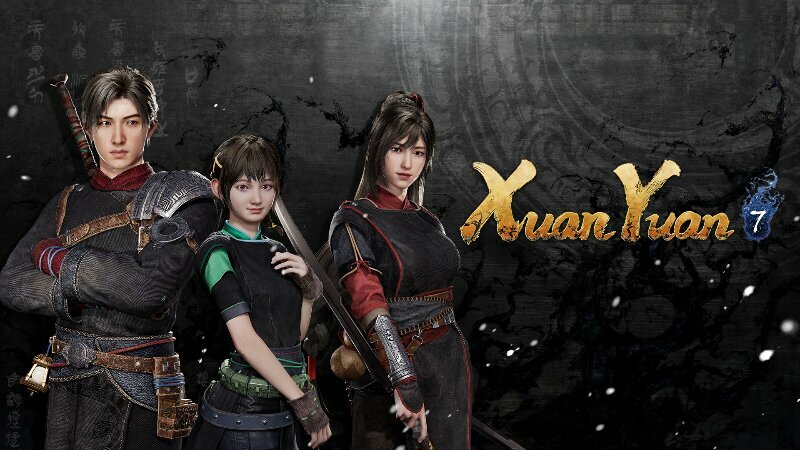
The graphics were pretty solid and the game surely looks good for the most part. The textures are sometimes rough in the environment and sometimes there's very noticeable instances of "pop-ins" but overall aesthetic and style is beautiful. You really never get to play games where you get to see ancient Chinese castles, cities, or kingdoms so that was nice. The leaves in the trees are even ruffled by the wind, which is a nice touch. The main characters like Zhao and his sister Xiang look great and so do most of the secondary characters like Chu-Hong and Mo Huang. It just makes it that more disappointing when you see sub-par detail in the NPC's and stiff cutscenes because you know they could have done better on those too. Maybe they didn't have enough time, man power or budget.
The music was probably one of the best additions to the game as a whole. Containing traditional Chinese sounds and instruments befitting the setting the music was great. There are some instances where there is no music and the void is filled with nothing but awkward silence or the sound of footsteps. Only the subpar voice acting fills the dead air and background music would have added more depth to certain parts and scenes of the game. There's no English dubbing for the voice acting in the game it's only in Mandarin/Chinese which isn't bad in itself except the performances are kind of hit and miss and not very balanced.
Verdict: [5/10]
The game seemed very rough around the edges, it lacked that "polished" feel that it would have gotten if it had been a "AAA" game instead of a "AA" game. It's linear aspects left little to no deviation for exploring the world other than the main quest making it feel like going through a tunnel from location to the next. The distances between the towns and villages also made the world feel really small which it probably was. The story and gameplay were enjoyable enough but writing and especially acting/voice acting in key cutscenes needed work. The combat was was so uninspired I felt like I was doing the same sword attacks the whole game and they never really changed. And last thing, even if it doesn't help or is in any way useful, I like to be able to make my character jump and this game didn't let you do that either. So in conclusion I have to give Xuan Yuan Sword 7 a 5/10. It's an average or ok game, which has it's moments but nothing to write home about. However if they make a Xuan Yuan Sword 8, I'd be looking forward to see what kind of improvements they would make in the next installment.
It seemed like it was going to be an open world game but wound up being very linear in nature although it had aspects of an open world game like side quests, fast travel, and even treasure chests scattered throughout the game world as well. There's a climbing mechanic that seemed kind of pointless because it was pretty much just a cut scene of in game graphics of you climbing a little cliff or sometimes it would turn into an interactive part where you had to move the analog stick to move the character. Still it was better than these weird times that the game gave you control of the character for a scene in which your only movement was preset like a ride on a rail that couldn't veer off a road.
I liked that it was an action-RPG meaning instead of turn based combat like most RPG's it had an active combat system where you could move at your own leisure and consisted of hack and slash combat with some martial art skills, blocking, dodging, and some riposte (parrying). There are four basic martial art skills which can be learned as you progress through the game, Bull, Wolf, Bear, and Tiger. They become stronger and increase the length or hits of their combo the more you use them. A big draw back is that you could only equip or use two at one time although they can be changed at anytime through the talent menu. Then there are three special martial art skills which are Taowu, Tundou and ?
The combat was one of the things that had me really conflicted. A cool thing I liked about the combat was that there was a meter that would go up when you would attack an enemy and if it filled all the way you could perform an execution on them. Otherwise it was very unresponsive most of the time making dodging and parrying really hard and kind of useless. I found the blocking especially useless because of how much damage you still incurred. There is a skill tree for new martial arts and you can create and upgrade structures in Elysium that can enhance various things, such as weapon, armor, accessories and more. You can also use the fusion to capture the souls of enemies in combat and fuse them together in Elysium to equip them for bonus stats and effects.
Your able to carry items in your inventory which are mainly objects like items that don't do anything except advance the story or quest and some like healing weapons. There is an equipment screen for weapons and accessories but you only stay with one weapon the whole game. It does change and become stronger and its appearance changes too. You can even change outfits. I'm not sure if you get any in the game as the version I played came with a couple of additional weapons/costumes. You do wind up getting some party members which is customary of some RPG's and they help out by attacking enemies on their own. You can control them by activating some abilities or special attacks that have cooldown times for when you can use them again. There's a minigame called Zhuolu chess and it can be pretty fun and a nice change of pace but not what you were looking for when you bought the game.
You can save your game and recover health at random campfires throughout the game world as well as listen to some party dialogue when you choose to rest. The dialogue tends to repeat often and doesn't really advance the story much or fit where you are at in the story that often. These game mechanics are similar to Dark Souls as resting respawns enemies when you save at a bonfire and get healed too. As I mentioned earlier the game employs a fast travel system consisting of waypoints called guard stones that you can activate when found. There is an element of puzzle solving in the game but they don't seem to be that hard to figure out and some can even be skipped if you don't want to bother with it.
The graphics were pretty solid and the game surely looks good for the most part. The textures are sometimes rough in the environment and sometimes there's very noticeable instances of "pop-ins" but overall aesthetic and style is beautiful. You really never get to play games where you get to see ancient Chinese castles, cities, or kingdoms so that was nice. The leaves in the trees are even ruffled by the wind, which is a nice touch. The main characters like Zhao and his sister Xiang look great and so do most of the secondary characters like Chu-Hong and Mo Huang. It just makes it that more disappointing when you see sub-par detail in the NPC's and stiff cutscenes because you know they could have done better on those too. Maybe they didn't have enough time, man power or budget.
The music was probably one of the best additions to the game as a whole. Containing traditional Chinese sounds and instruments befitting the setting the music was great. There are some instances where there is no music and the void is filled with nothing but awkward silence or the sound of footsteps. Only the subpar voice acting fills the dead air and background music would have added more depth to certain parts and scenes of the game. There's no English dubbing for the voice acting in the game it's only in Mandarin/Chinese which isn't bad in itself except the performances are kind of hit and miss and not very balanced.
Verdict: [5/10]
The game seemed very rough around the edges, it lacked that "polished" feel that it would have gotten if it had been a "AAA" game instead of a "AA" game. It's linear aspects left little to no deviation for exploring the world other than the main quest making it feel like going through a tunnel from location to the next. The distances between the towns and villages also made the world feel really small which it probably was. The story and gameplay were enjoyable enough but writing and especially acting/voice acting in key cutscenes needed work. The combat was was so uninspired I felt like I was doing the same sword attacks the whole game and they never really changed. And last thing, even if it doesn't help or is in any way useful, I like to be able to make my character jump and this game didn't let you do that either. So in conclusion I have to give Xuan Yuan Sword 7 a 5/10. It's an average or ok game, which has it's moments but nothing to write home about. However if they make a Xuan Yuan Sword 8, I'd be looking forward to see what kind of improvements they would make in the next installment.
5 Minute Movie Guy (379 KP) rated Godzilla (2014) in Movies
Jun 26, 2019
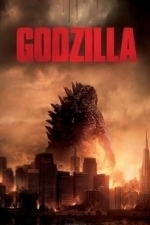


Godzilla's gigantic scale is impressive. (1 more)
Bryan Cranston gives a terrific performance.
Aaron Taylor-Johnson is a horribly lifeless protagonist. (2 more)
The film repeatedly obscures our chances to see Godzilla or cuts away from him completely.
There seems to be very little sense of panic or concern despite Godzilla and MUTO's destruction.
As promising as this new Godzilla movie may appear to be, it falls far short of expectations, and dare I say, it isn’t even much better than the 1998 version.
This year marks the 60th anniversary of the original Godzilla film, when the King of the Monsters first emerged from the Pacific and terrorized Tokyo, Japan. Roughly 10 years after America dropped two atomic bombs on Japan to end World War II, Godzilla was artistically created to be a physical, living representation of the destructive force of those bombs. Even the texture of his skin is modelled after keloid scars, which were found on survivors as a result of the radiation. Godzilla’s arrival and subsequent attacks were spurred by the use of nuclear weapons, and he as a character wholly embodies the consequences of nuclear warfare.
60 years later, Godzilla remains a global icon, having spawned dozens of movie sequels, while introducing several other enormous monsters to battle with. Then 16 years ago, he was reimagined as he first came to America in Roland Emmerich’s lackluster 1998 film Godzilla, leaving many fans severely disappointed with not only the film, but also the new rendition of the famous monster. While Godzilla is visually depicted much more accurately in Gareth Edward’s new 2014 Godzilla than he was in ’98, his entire presence is surprisingly different than usual. This isn’t the angry, vengeful Godzilla of the past. He actually now seems almost entirely indifferent to humans. Unfortunately, as promising as this new Godzilla movie may appear to be, it falls far short of expectations, and dare I say, it isn’t even much better than the 1998 Godzilla.
Godzilla (2014) starts off pretty well, strengthened by the performance of Bryan Cranston, who plays Joe Brody, a nuclear power plant engineer living in Japan. Brody is present when an unknown disaster occurs at the plant, costing many innocent lives. Despite what the trailers suggest, Cranston’s Brody is not the main character of the film. Nor is it fellow all-star actor Ken Watanabe. The main character is actually only seen for about 4 seconds of the film’s original 2 and a half minute trailer. It’s Joe Brody’s son, Ford, played by Aaron Taylor-Johnson, in a performance that is decent but far from engaging. The protagonist Ford Brody is a character that is largely uninteresting, and who just casually wants to get back to his family after the monster invasion. He fails to convey any genuine sense of urgency amidst the chaos, although the same can be said for the entire cast, with the exception of Cranston’s Brody. Cranston’s performance is the only one that has any emotional weight to it, but he can’t carry the film alone. Meanwhile, Ken Watanabe is essentially reduced to being the quiet, ever-present voice of reason that no one wants to listen to. The film has a solid cast of actors, but they’re not given enough to work with in this convoluted mess of a movie.
For a movie that has so much death and destruction, the people in the film never seem all that concerned. You get no sense of global panic and hysteria. You have a 300-foot-tall monster destroying cities, with millions of people dying, and yet nobody seems all that freaked out by it. It’s almost like the situation isn’t treated as a serious threat, and there’s a major lack of suspense altogether. There’s rarely any edge-of-your-seat terror or excitement, and the lack of emotion just makes the action come off as sort of flat and dull. Not only that, the majority of the destruction that’s taking place isn’t even seen, with the movie instead opting to show you the aftermath. Throughout the first two-thirds of the movie, the camera continuously cuts away from the action you’ve been waiting for. Rather than showing you what you want to see in full-glory, the movie frequently will take you to a different location where you’ll briefly see a few seconds of the catastrophe being watched by someone on television. It feels like a cheap trick to build up to some amazing climax, but it’s incredibly frustrating. It’s like when watching a reality TV show and then the show cuts to a commercial break before revealing the winner. Perhaps it would be more forgivable if the end was enjoyable, but even though it does give you a full display of the showdown, it’s bogged down by a tiresome human story and still lacks any real emotional punch. Despite the fact that the movie tries to convey a serious tone, it’s also incredibly cheesy. To the extent that the big finale that this movie has been trying so hard to build up to ends up being almost laughable. Ultimately the movie ends up just being unsatisfying, disappointing, and overly long.
There are a lot of ways in which Godzilla goes wrong, despite the film’s great potential. One of my issues is with the musical score, which ends up coming off like a bad punchline. Music is supposed to accentuate the action and drama of a film, yet the film feels emotionless and boring. The only time the music really stood out to me was when it was being used to heighten the suspense of the climactic battle, and essentially narrate who was winning. It was done so ineffectively that it was both kind of comical and embarrassing. I also have an issue with all of the special effects, which are being touted as absolutely amazing. They’re not. However, I will say that the use of special effects in the movie is quite ambitious, but it works to the film’s detriment. There’s simply too much of them, and this excessive nature of the film is, I think, its biggest mistake. Godzilla (2014) is ridiculously CGI-heavy, and while their scope is admirable, I really think the quality would have been substantially improved if they didn’t overdo it so much. I think a less-is-more approach would have benefited the film in many ways. It’s excessive to the point of making good things turn bad. Everything is way too over the top, causing the action to lose its impact. It’s evident the filmmakers were trying so hard to make this big-budget movie as epic as possible, but this enormous scale ends up backfiring. The rampage covers two continents, multiple cities, and even traverses the length of the Pacific Ocean. I can appreciate their attempt, but the movie is trying to do too much. In other words, Godzilla (2014) bites off more than it can chew.
I also have some problems with the film’s treatment of the titular character, Godzilla. First of all, for a movie named after him, he sure doesn’t appear much in it. He’s the reason why we want to see the movie, but he’s absent for the majority of the film. Even when he’s around, he’s largely obscured by CGI smoke and storm clouds, up until the final moments of the movie. I’m also not particularly fond of his appearance. He just doesn’t quite look like Godzilla to me. It’s like looking at a T-Rex head on Godzilla’s body. I’m aware that Godzilla’s facial appearance has changed many times over 60 years, but something just doesn’t look quite right here. Additionally, I feel that Godzilla’s face is actually too expressive in this new film. I wonder if this was done to cause viewers to feel more sympathetic to him, because in the film, Godzilla is actually depicted as something of a tragic hero, rather than a colossal beast. This is my biggest concern with the movie’s handling of his character. Godzilla’s destruction in the film is treated like it’s all unintentional, and just a result of his massive size. Even though humans attack him, he’s not angry about it or anything. Never mind the movie’s claim that all of America’s nuclear bomb tests after Hiroshima and Nagasaki were actually secretive but unsuccessful attempts to kill Godzilla. He doesn’t mind. He’s just a poor gentle giant that’s misunderstood. Really, Hollywood? Give me a break!
To say that Godzilla (2014) is almost as bad of a film as Godzilla (1998) is a statement that I don’t take lightly. It’s a bold and controversial thing to say, and it may seem a bit absurd considering that this film goes in the right direction, whereas the previous film was all wrong from the beginning. Yet while the new movie has all the right pieces for greatness, it extends its reach too far and attempts to do too much, while never managing to make any of it very good. In all seriousness, I was more entertained with the ’98 film than I was with this one. I can hardly comprehend how a movie with a giant 300-foot-tall monster destroying cities can be so boring. Godzilla (2014) focuses so much on trying to build up to an epic conclusion that it forgets to worry about making the audience care, or even about keeping them entertained, and it just gets worse as it goes on. It repeatedly tries to raise the stakes, as well as our expectations, while attempting to delay gratification until the end. It’s a risky move, and unsurprisingly, it certainly doesn’t pay off. On the bright side, Godzilla (2014) is probably a pretty sweet movie if you’re a 12-year-old. There’s plenty of action, some cool special effects, and he’s still a pretty awesome monster. However, for me, I was totally pumped up for this movie, but an hour and a half into it, I had endured enough and wanted to walk out. Godzilla (2014) disappointed me on so many levels. It’s a movie without a beating heart. It’s predictable, overly long, has uninspired characters and a weak story, and the action just never hits the right note. A little more emotion and a little less CGI could have a gone a long way in making this movie better. As a fan of Godzilla, I felt frustrated, detached, and perplexed with how they were able to do so much wrong when they had the groundwork for something great. You know, perhaps I’m wrong in claiming it’s comparably bad as Godzilla (1998). After all, the last time I saw that movie was in the theaters when I was 12.
(This review was originally posted at 5mmg.com on 5.17.14.)
60 years later, Godzilla remains a global icon, having spawned dozens of movie sequels, while introducing several other enormous monsters to battle with. Then 16 years ago, he was reimagined as he first came to America in Roland Emmerich’s lackluster 1998 film Godzilla, leaving many fans severely disappointed with not only the film, but also the new rendition of the famous monster. While Godzilla is visually depicted much more accurately in Gareth Edward’s new 2014 Godzilla than he was in ’98, his entire presence is surprisingly different than usual. This isn’t the angry, vengeful Godzilla of the past. He actually now seems almost entirely indifferent to humans. Unfortunately, as promising as this new Godzilla movie may appear to be, it falls far short of expectations, and dare I say, it isn’t even much better than the 1998 Godzilla.
Godzilla (2014) starts off pretty well, strengthened by the performance of Bryan Cranston, who plays Joe Brody, a nuclear power plant engineer living in Japan. Brody is present when an unknown disaster occurs at the plant, costing many innocent lives. Despite what the trailers suggest, Cranston’s Brody is not the main character of the film. Nor is it fellow all-star actor Ken Watanabe. The main character is actually only seen for about 4 seconds of the film’s original 2 and a half minute trailer. It’s Joe Brody’s son, Ford, played by Aaron Taylor-Johnson, in a performance that is decent but far from engaging. The protagonist Ford Brody is a character that is largely uninteresting, and who just casually wants to get back to his family after the monster invasion. He fails to convey any genuine sense of urgency amidst the chaos, although the same can be said for the entire cast, with the exception of Cranston’s Brody. Cranston’s performance is the only one that has any emotional weight to it, but he can’t carry the film alone. Meanwhile, Ken Watanabe is essentially reduced to being the quiet, ever-present voice of reason that no one wants to listen to. The film has a solid cast of actors, but they’re not given enough to work with in this convoluted mess of a movie.
For a movie that has so much death and destruction, the people in the film never seem all that concerned. You get no sense of global panic and hysteria. You have a 300-foot-tall monster destroying cities, with millions of people dying, and yet nobody seems all that freaked out by it. It’s almost like the situation isn’t treated as a serious threat, and there’s a major lack of suspense altogether. There’s rarely any edge-of-your-seat terror or excitement, and the lack of emotion just makes the action come off as sort of flat and dull. Not only that, the majority of the destruction that’s taking place isn’t even seen, with the movie instead opting to show you the aftermath. Throughout the first two-thirds of the movie, the camera continuously cuts away from the action you’ve been waiting for. Rather than showing you what you want to see in full-glory, the movie frequently will take you to a different location where you’ll briefly see a few seconds of the catastrophe being watched by someone on television. It feels like a cheap trick to build up to some amazing climax, but it’s incredibly frustrating. It’s like when watching a reality TV show and then the show cuts to a commercial break before revealing the winner. Perhaps it would be more forgivable if the end was enjoyable, but even though it does give you a full display of the showdown, it’s bogged down by a tiresome human story and still lacks any real emotional punch. Despite the fact that the movie tries to convey a serious tone, it’s also incredibly cheesy. To the extent that the big finale that this movie has been trying so hard to build up to ends up being almost laughable. Ultimately the movie ends up just being unsatisfying, disappointing, and overly long.
There are a lot of ways in which Godzilla goes wrong, despite the film’s great potential. One of my issues is with the musical score, which ends up coming off like a bad punchline. Music is supposed to accentuate the action and drama of a film, yet the film feels emotionless and boring. The only time the music really stood out to me was when it was being used to heighten the suspense of the climactic battle, and essentially narrate who was winning. It was done so ineffectively that it was both kind of comical and embarrassing. I also have an issue with all of the special effects, which are being touted as absolutely amazing. They’re not. However, I will say that the use of special effects in the movie is quite ambitious, but it works to the film’s detriment. There’s simply too much of them, and this excessive nature of the film is, I think, its biggest mistake. Godzilla (2014) is ridiculously CGI-heavy, and while their scope is admirable, I really think the quality would have been substantially improved if they didn’t overdo it so much. I think a less-is-more approach would have benefited the film in many ways. It’s excessive to the point of making good things turn bad. Everything is way too over the top, causing the action to lose its impact. It’s evident the filmmakers were trying so hard to make this big-budget movie as epic as possible, but this enormous scale ends up backfiring. The rampage covers two continents, multiple cities, and even traverses the length of the Pacific Ocean. I can appreciate their attempt, but the movie is trying to do too much. In other words, Godzilla (2014) bites off more than it can chew.
I also have some problems with the film’s treatment of the titular character, Godzilla. First of all, for a movie named after him, he sure doesn’t appear much in it. He’s the reason why we want to see the movie, but he’s absent for the majority of the film. Even when he’s around, he’s largely obscured by CGI smoke and storm clouds, up until the final moments of the movie. I’m also not particularly fond of his appearance. He just doesn’t quite look like Godzilla to me. It’s like looking at a T-Rex head on Godzilla’s body. I’m aware that Godzilla’s facial appearance has changed many times over 60 years, but something just doesn’t look quite right here. Additionally, I feel that Godzilla’s face is actually too expressive in this new film. I wonder if this was done to cause viewers to feel more sympathetic to him, because in the film, Godzilla is actually depicted as something of a tragic hero, rather than a colossal beast. This is my biggest concern with the movie’s handling of his character. Godzilla’s destruction in the film is treated like it’s all unintentional, and just a result of his massive size. Even though humans attack him, he’s not angry about it or anything. Never mind the movie’s claim that all of America’s nuclear bomb tests after Hiroshima and Nagasaki were actually secretive but unsuccessful attempts to kill Godzilla. He doesn’t mind. He’s just a poor gentle giant that’s misunderstood. Really, Hollywood? Give me a break!
To say that Godzilla (2014) is almost as bad of a film as Godzilla (1998) is a statement that I don’t take lightly. It’s a bold and controversial thing to say, and it may seem a bit absurd considering that this film goes in the right direction, whereas the previous film was all wrong from the beginning. Yet while the new movie has all the right pieces for greatness, it extends its reach too far and attempts to do too much, while never managing to make any of it very good. In all seriousness, I was more entertained with the ’98 film than I was with this one. I can hardly comprehend how a movie with a giant 300-foot-tall monster destroying cities can be so boring. Godzilla (2014) focuses so much on trying to build up to an epic conclusion that it forgets to worry about making the audience care, or even about keeping them entertained, and it just gets worse as it goes on. It repeatedly tries to raise the stakes, as well as our expectations, while attempting to delay gratification until the end. It’s a risky move, and unsurprisingly, it certainly doesn’t pay off. On the bright side, Godzilla (2014) is probably a pretty sweet movie if you’re a 12-year-old. There’s plenty of action, some cool special effects, and he’s still a pretty awesome monster. However, for me, I was totally pumped up for this movie, but an hour and a half into it, I had endured enough and wanted to walk out. Godzilla (2014) disappointed me on so many levels. It’s a movie without a beating heart. It’s predictable, overly long, has uninspired characters and a weak story, and the action just never hits the right note. A little more emotion and a little less CGI could have a gone a long way in making this movie better. As a fan of Godzilla, I felt frustrated, detached, and perplexed with how they were able to do so much wrong when they had the groundwork for something great. You know, perhaps I’m wrong in claiming it’s comparably bad as Godzilla (1998). After all, the last time I saw that movie was in the theaters when I was 12.
(This review was originally posted at 5mmg.com on 5.17.14.)

Sass Perilla (36 KP) rated The Master and Margarita in Books
Aug 9, 2019

Worth a read? Yes. Worth a reread? Maybe not.
Contains spoilers, click to show
The Master and Magarita: Mikhail Bulgakov
Firstly, I didn’t intend to write an essay on this novel. However, once started I found I had a lot to say, and the more I thought about the plot and characters, the more ideas and parallels were sparked, so I am hopeful that the verbosity of this review can be forgiven.
At the risk of sounding both ignorant and uncultured, I found this novel (at least at first) bloody hard slog; not least because the Russian characters have three names, plus a nickname, plus a pun on their name (none of which work particularly well in translation and all of which sound rather similar to the English untrained ear). As an example- Ivan Nikolaevich Ponyrev (who seems to be referred to by any and all of these names) is also known as “Homeless” and “the poet” is a key character in the opening section of the novel. To further demonstrate: there are 17 different names that start with A that are used to refer to 15 different characters with Andreyevich used as the middle name of a bereaved uncle, who makes a journey from Kiev after his nephew is beheaded in a freak tram accident- and Andrey the buffet manager at a Moscow theatre. Clear as mud right? And that is before starting on similarly named characters with the initials M, P, L and S! At my last count there were 45 distinct characters, and I am fairly sure there will be some that I have missed. Hence, I did a lot of re-reading to work out exactly who was doing what to whom.
Additionally, I would suggest you need to be wary of the different translations. The distinct changes in meaning are subtle but important. To triangulate I had three versions at my disposal: Hugh Aplin’s translation (available for free on Kindle), the audiobook version translated by Richard Pevear and Larissa Volokhonsky (which I listened to simultaneously when reading the book to come to my own interpretation, and the subtitles for the Russian TV miniseries from 2005 when I gave up trying to work out who was who from name alone!
So those were my “technical” issues (if you like) with engaging with this novel, and this lack of clarity and understanding (and my own lack of contextual knowledge of Stalinist Russia) meant I missed many of the (what I am sure are hysterically funny to those in the know) satirical jokes in the opening section. That said, the random action and quick changes of focus, undercurrent of chaos in Moscow despite entrenched hierarchal structures and clear threat that (any) one could go missing at any time, for an unclear reason gave a clear insight into the mind and fears of a 1930s Russian citizen. No wonder it was available only in censored form for so long.
Despite these hardships, there were some genuinely laugh out loud moments in the first Moscow based part of the novel. The citizens have not lost their individuality, as they scrabble and fight for bank notes in the theatre, which are later revealed to be worthless. Nor have they lost their sense of pride and vanity, which we see in the female theatre goers, so desperate to attain the fashionable French couture (which later literally disappears from their bodies leaving semi-naked citizenesses desperately trying to cover themselves in a scene reminiscent of “Allo Allo” meets “Benny Hill”). When Professor Woland says his show will “expose” what the locals have failed to realise is that it is their (moral) shortcomings that are about to be revealed. The message is clearly, that no government can successfully legislate against human nature.
Oooh- and another fun fact, apparently Woland (later revealed- or perhaps is implied- to be Satan) was the inspiration to the Rolling Stones 1968 hit “Sympathy for the Devil”, well at least that is what my Google-Fu tells me.
Obviously, there were substantial hurdles to leap, however, I found by the second half of the novel, when we finally meet the eponymous characters, I had got in to the swing of things and begun to embrace the farcical surrealism of the novel.
The second “book” marks a change in tone, although it continues to cut away to scenes of Jesus’ sentencing by Pilate and execution (here known in the Aramaic form Yeshua). Ironically it is these scenes that are the most “real” and substantially human, as Pilate’s decision weighs head achingly heavily on him throughout. The Master and Margarita seem to be the only two characters fully invested in the authenticity of literature, and serve as a counterpoint to the heavily censored “monstrous” writing of Ivan and the rest of the writers’ union Massolit, more interested in fine dining and what their positions can do for them then the production of quality writing.
And it is Margarita’s journey of discovery and liberation from the stodgy, miserable societal expectations of that leads her back to her Master. Bulgakov mixes classical myth, Russian folklore and Bible stories to give us an impression of the timelessness of the central romance. As the worlds of communist Moscow and the inner worlds of the Master and Margarita collide, we are informed of the former’s desire to excuse all magic (and mischief) as the product of mass hypnosis, when the latter (and the reader) are fully aware of the spiritual significance and dimension of the events.
Clever, astute and in places laugh out loud funny, this novel none-the-less requires a level of dedication from the non-Russian speaking reader. Worth a read? Yes. Worth a re-read? Maybe not.
Firstly, I didn’t intend to write an essay on this novel. However, once started I found I had a lot to say, and the more I thought about the plot and characters, the more ideas and parallels were sparked, so I am hopeful that the verbosity of this review can be forgiven.
At the risk of sounding both ignorant and uncultured, I found this novel (at least at first) bloody hard slog; not least because the Russian characters have three names, plus a nickname, plus a pun on their name (none of which work particularly well in translation and all of which sound rather similar to the English untrained ear). As an example- Ivan Nikolaevich Ponyrev (who seems to be referred to by any and all of these names) is also known as “Homeless” and “the poet” is a key character in the opening section of the novel. To further demonstrate: there are 17 different names that start with A that are used to refer to 15 different characters with Andreyevich used as the middle name of a bereaved uncle, who makes a journey from Kiev after his nephew is beheaded in a freak tram accident- and Andrey the buffet manager at a Moscow theatre. Clear as mud right? And that is before starting on similarly named characters with the initials M, P, L and S! At my last count there were 45 distinct characters, and I am fairly sure there will be some that I have missed. Hence, I did a lot of re-reading to work out exactly who was doing what to whom.
Additionally, I would suggest you need to be wary of the different translations. The distinct changes in meaning are subtle but important. To triangulate I had three versions at my disposal: Hugh Aplin’s translation (available for free on Kindle), the audiobook version translated by Richard Pevear and Larissa Volokhonsky (which I listened to simultaneously when reading the book to come to my own interpretation, and the subtitles for the Russian TV miniseries from 2005 when I gave up trying to work out who was who from name alone!
So those were my “technical” issues (if you like) with engaging with this novel, and this lack of clarity and understanding (and my own lack of contextual knowledge of Stalinist Russia) meant I missed many of the (what I am sure are hysterically funny to those in the know) satirical jokes in the opening section. That said, the random action and quick changes of focus, undercurrent of chaos in Moscow despite entrenched hierarchal structures and clear threat that (any) one could go missing at any time, for an unclear reason gave a clear insight into the mind and fears of a 1930s Russian citizen. No wonder it was available only in censored form for so long.
Despite these hardships, there were some genuinely laugh out loud moments in the first Moscow based part of the novel. The citizens have not lost their individuality, as they scrabble and fight for bank notes in the theatre, which are later revealed to be worthless. Nor have they lost their sense of pride and vanity, which we see in the female theatre goers, so desperate to attain the fashionable French couture (which later literally disappears from their bodies leaving semi-naked citizenesses desperately trying to cover themselves in a scene reminiscent of “Allo Allo” meets “Benny Hill”). When Professor Woland says his show will “expose” what the locals have failed to realise is that it is their (moral) shortcomings that are about to be revealed. The message is clearly, that no government can successfully legislate against human nature.
Oooh- and another fun fact, apparently Woland (later revealed- or perhaps is implied- to be Satan) was the inspiration to the Rolling Stones 1968 hit “Sympathy for the Devil”, well at least that is what my Google-Fu tells me.
Obviously, there were substantial hurdles to leap, however, I found by the second half of the novel, when we finally meet the eponymous characters, I had got in to the swing of things and begun to embrace the farcical surrealism of the novel.
The second “book” marks a change in tone, although it continues to cut away to scenes of Jesus’ sentencing by Pilate and execution (here known in the Aramaic form Yeshua). Ironically it is these scenes that are the most “real” and substantially human, as Pilate’s decision weighs head achingly heavily on him throughout. The Master and Margarita seem to be the only two characters fully invested in the authenticity of literature, and serve as a counterpoint to the heavily censored “monstrous” writing of Ivan and the rest of the writers’ union Massolit, more interested in fine dining and what their positions can do for them then the production of quality writing.
And it is Margarita’s journey of discovery and liberation from the stodgy, miserable societal expectations of that leads her back to her Master. Bulgakov mixes classical myth, Russian folklore and Bible stories to give us an impression of the timelessness of the central romance. As the worlds of communist Moscow and the inner worlds of the Master and Margarita collide, we are informed of the former’s desire to excuse all magic (and mischief) as the product of mass hypnosis, when the latter (and the reader) are fully aware of the spiritual significance and dimension of the events.
Clever, astute and in places laugh out loud funny, this novel none-the-less requires a level of dedication from the non-Russian speaking reader. Worth a read? Yes. Worth a re-read? Maybe not.

Coping with Chloe
Book
Anna and Chloe are twins. They share everything. Even Chloe's terrible accident hasn't split them...

David McK (3883 KP) rated Wolverine: Old Man Logan in Books
Jan 30, 2019

(edit: the really-rather-good movie 'Logan' supposedly takes its inspiration from this one, and it's not hard to spot where, despite that movie also being it's own thing)
Well, that was unexpected.
I'd heard good things about this one, but had never got round to reading it until fairly recently.
And I have to say, that this one does live up to the hype.
It's also quite easy to spot some of the influences on this: set in the future (like The Dark Knight Returns), this sees Logan - who has given up violence and just wants to live a quiet life - travelling across America in the company of an ex-Avenger (Hawkeye), that has since fallen to the super-villains and been divided up amongst them, all to earn some cash so he can pay-off the gang-lords (descendants of Bruce Banner) of the sector in which he lives: a road-trip fairly reminiscent of Mad Max.
Reading it, I kinda want to learn more about what happened; about how did the world get into the state it is portrayed in (although there are brief snippets given throughout). Forswearing violence for the majority of the tale, it's only towards the end that he finally lets loose, in some rather graphic scenes and depictions - it's no wonder that this comes with a parental guidance! - before finally riding off into the sunset (Pale Rider? Unforgiven?) after he returns home to find tragedy has befallen his family while he was away.
Well, that was unexpected.
I'd heard good things about this one, but had never got round to reading it until fairly recently.
And I have to say, that this one does live up to the hype.
It's also quite easy to spot some of the influences on this: set in the future (like The Dark Knight Returns), this sees Logan - who has given up violence and just wants to live a quiet life - travelling across America in the company of an ex-Avenger (Hawkeye), that has since fallen to the super-villains and been divided up amongst them, all to earn some cash so he can pay-off the gang-lords (descendants of Bruce Banner) of the sector in which he lives: a road-trip fairly reminiscent of Mad Max.
Reading it, I kinda want to learn more about what happened; about how did the world get into the state it is portrayed in (although there are brief snippets given throughout). Forswearing violence for the majority of the tale, it's only towards the end that he finally lets loose, in some rather graphic scenes and depictions - it's no wonder that this comes with a parental guidance! - before finally riding off into the sunset (Pale Rider? Unforgiven?) after he returns home to find tragedy has befallen his family while he was away.
Matthew Krueger (10051 KP) rated The Nightmare Before Christmas (1993) in Movies
Oct 29, 2019
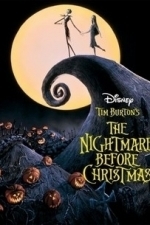
Classic
Everything about this movie i love. The amimated, the visuals, the story, the songs, the charcters and so much more. It is both a halloween and christmas movie. It is not just one, but its both. Thats what i love. So lets talk about it...
The Plot: The film follows the misadventures of Jack Skellington, Halloweentown's beloved pumpkin king, who has become bored with the same annual routine of frightening people in the "real world." When Jack accidentally stumbles on Christmastown, all bright colors and warm spirits, he gets a new lease on life -- he plots to bring Christmas under his control by kidnapping Santa Claus and taking over the role. But Jack soon discovers even the best-laid plans of mice and skeleton men can go seriously awry.
Danny Elfman wrote the songs and score, and provided the singing voice of Jack.
The charcters are so memorable, you remember what their look like, what lines their say, who their are.
Even though Henry selick directed this film, it is Tim Burton's film. Everything about this movie is a Tim Burton film- the charcters, the setting, the story, the darkness and so much more. Makes this film a tim burton film. Its also called Tim Burtons: The Nightmare Before Christmas.
It is a classic animated fantasy stop motion horror film, that is loved by all. A must see film.
Lastly shout out to @LeftSideCut for getting the hints/clues for this review right.
The Plot: The film follows the misadventures of Jack Skellington, Halloweentown's beloved pumpkin king, who has become bored with the same annual routine of frightening people in the "real world." When Jack accidentally stumbles on Christmastown, all bright colors and warm spirits, he gets a new lease on life -- he plots to bring Christmas under his control by kidnapping Santa Claus and taking over the role. But Jack soon discovers even the best-laid plans of mice and skeleton men can go seriously awry.
Danny Elfman wrote the songs and score, and provided the singing voice of Jack.
The charcters are so memorable, you remember what their look like, what lines their say, who their are.
Even though Henry selick directed this film, it is Tim Burton's film. Everything about this movie is a Tim Burton film- the charcters, the setting, the story, the darkness and so much more. Makes this film a tim burton film. Its also called Tim Burtons: The Nightmare Before Christmas.
It is a classic animated fantasy stop motion horror film, that is loved by all. A must see film.
Lastly shout out to @LeftSideCut for getting the hints/clues for this review right.

JT (287 KP) rated The Bounty Hunter (2010) in Movies
Mar 10, 2020
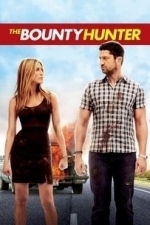
Jennifer Aniston is the queen of the rom-com no one would disagree with that. But she is running the risk (if not already) of becoming so type cast we wonder if she’ll ever be able to leave the genre again. It’s not all bad, but one can sometimes have too much of a good thing.
In The Bounty Hunter she is paired along side heart throb Gerard Butler who is no stranger to the more sensitive side of his persona having ventured into romance with Hilary Swank in P.S. I Love You. (a better film I would say).
It’s a fun filled plot and for sheer entertainment value its good, but the storyline is weak using Aniston’s reporter to scrape together a story surrounding a mysterious suicide while at the same time avoiding her bounty hunting ex husband (Butler) is clutching at comedy straws.
The on screen chemistry between the pair is one of the few positive things to come out of the film, both look like they enjoyed each other both played well off each other. The problem is that from the off you know exactly what the ending is going to be and how the pair will reach the conclusion by way of slightly un funny dialogue and poorly executed action.
Director Andy Turner brings us nothing that we haven’t already seen, and nothing unique that we would have like to have seen. If you’re an Aniston fan then it might be worth the run time, but it certainly doesn’t warrant a place at the top of any list.
In The Bounty Hunter she is paired along side heart throb Gerard Butler who is no stranger to the more sensitive side of his persona having ventured into romance with Hilary Swank in P.S. I Love You. (a better film I would say).
It’s a fun filled plot and for sheer entertainment value its good, but the storyline is weak using Aniston’s reporter to scrape together a story surrounding a mysterious suicide while at the same time avoiding her bounty hunting ex husband (Butler) is clutching at comedy straws.
The on screen chemistry between the pair is one of the few positive things to come out of the film, both look like they enjoyed each other both played well off each other. The problem is that from the off you know exactly what the ending is going to be and how the pair will reach the conclusion by way of slightly un funny dialogue and poorly executed action.
Director Andy Turner brings us nothing that we haven’t already seen, and nothing unique that we would have like to have seen. If you’re an Aniston fan then it might be worth the run time, but it certainly doesn’t warrant a place at the top of any list.

Pound for Pound: A Story of One Woman's Recovery and the Shelter Dogs Who Loved Her Back to Life
Book
The brave, inspiring story of one woman's recovery from a debilitating eating disorder, and the...

Kim Pook (101 KP) rated Fatal Affair (2020) in Movies
Mar 8, 2021
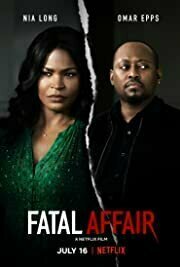
After a night of passion, a woman finds her partner dead in the bath and an unknown stranger grabs her starting the beginning of the movie. Forward to present day and a married couple are moving into that same home to start a new life, from the get go you can see this couple are struggling as they face away from each other in bed.
Ellie goes to work the next day and meets a new male colleague David, whom she went to college with, he's charming and there's a lot of flirting between them. Ellie gives him her number and asks him to call her anytime. She invites him out for drinks with her and her friend, but when her friend can't make it, her and David take the time to catch up with plenty more flirting back and forth, they start kissing in the toilets but before it got too far Ellie backs off and goes home, telling David that she is sorry.
Ellie thinks that's the end of it, but we soon discover David isn't that charming man she thought he was, he keeps texting her, turning up wherever she goes and watches her at home, he even turns up at her house as a plus one with Ellies friend just to be close to her.
I can't say this is a one of a kind movie, as there are a few like it and all very similar, it's still enjoyable but unlike the movie 'obssessed', it's not one I could watch over and over.
Ellie goes to work the next day and meets a new male colleague David, whom she went to college with, he's charming and there's a lot of flirting between them. Ellie gives him her number and asks him to call her anytime. She invites him out for drinks with her and her friend, but when her friend can't make it, her and David take the time to catch up with plenty more flirting back and forth, they start kissing in the toilets but before it got too far Ellie backs off and goes home, telling David that she is sorry.
Ellie thinks that's the end of it, but we soon discover David isn't that charming man she thought he was, he keeps texting her, turning up wherever she goes and watches her at home, he even turns up at her house as a plus one with Ellies friend just to be close to her.
I can't say this is a one of a kind movie, as there are a few like it and all very similar, it's still enjoyable but unlike the movie 'obssessed', it's not one I could watch over and over.