
Search
Search results

Sarah (7800 KP) rated The Gentlemen (2020) in Movies
Jan 6, 2020
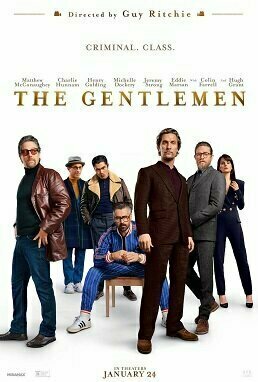


Ritchie back on form
It's about time Guy Ritchie went back to what he does best. After the terrible Aladdin and King Arthur over the past couple of years, and the ok but not great Man from UNCLE and Sherlock Holmes films, Ritchie really needs something good. And whilst for me this didn't quite meet the high expectations set by Snatch and Lock, Stock, it's by far the best thing he's done since 2000's Snatch.
This is the gangster film reimagined for the 21st century. Weed farms, chavvy kids and even Brexit gets a mention at one point, proving that the gangster flick has definitely been modernised. It's filmed in Ritchie's usual cut away style that works very well and the plot is interesting albeit maybe a tad predictable. The violence does is present although does appear to have been toned down. But the best thing about this is by far the stellar cast. The stars of the show are without doubt Hugh Grant, Charlie Hunham and Colin Farrell. Hunham plays a fairly unassuming and almost lovable and witty gangster, Farrell is the rather funny and Irish coach and Hugh Grant had me gobsmacked by his completely gobsmacked. I barely recognised him with that accent, which is miles away from the Grant we know as the foppish posh gent. These three are also responsible for the funniest moments of the film, either when there's more than one of them on screen together. I must also give a nod to Henry Golding who makes up for his dire performance in Last Christmas.
This film doesn't quite meet Ritchie's high gangster standards though. There are some funny and witty moments, however for me there wasn't enough. Especially not when you compare it with the likes of Snatch. And I think he has really overused the C-word - I'm not bothered by the word itself but there are a lot of other swear words he could've chosen to give it a less repetitive feel. Also the first 20 mins or so dragged a little for me and seemed slow, although I did get into it eventually. My only other gripe would be the opening credit sequence. It's been a while since I've seen a proper opening credits on a film, and this one just seemed ill-fitting with the film itself and the time. Or maybe I just wasn't expecting it.
Overall this is a good attempt at a modern gangster film, definitely enjoyable even if it doesn't quite match up to Ritchie's earlier efforts.
This is the gangster film reimagined for the 21st century. Weed farms, chavvy kids and even Brexit gets a mention at one point, proving that the gangster flick has definitely been modernised. It's filmed in Ritchie's usual cut away style that works very well and the plot is interesting albeit maybe a tad predictable. The violence does is present although does appear to have been toned down. But the best thing about this is by far the stellar cast. The stars of the show are without doubt Hugh Grant, Charlie Hunham and Colin Farrell. Hunham plays a fairly unassuming and almost lovable and witty gangster, Farrell is the rather funny and Irish coach and Hugh Grant had me gobsmacked by his completely gobsmacked. I barely recognised him with that accent, which is miles away from the Grant we know as the foppish posh gent. These three are also responsible for the funniest moments of the film, either when there's more than one of them on screen together. I must also give a nod to Henry Golding who makes up for his dire performance in Last Christmas.
This film doesn't quite meet Ritchie's high gangster standards though. There are some funny and witty moments, however for me there wasn't enough. Especially not when you compare it with the likes of Snatch. And I think he has really overused the C-word - I'm not bothered by the word itself but there are a lot of other swear words he could've chosen to give it a less repetitive feel. Also the first 20 mins or so dragged a little for me and seemed slow, although I did get into it eventually. My only other gripe would be the opening credit sequence. It's been a while since I've seen a proper opening credits on a film, and this one just seemed ill-fitting with the film itself and the time. Or maybe I just wasn't expecting it.
Overall this is a good attempt at a modern gangster film, definitely enjoyable even if it doesn't quite match up to Ritchie's earlier efforts.
My Lai: Vietnam, 1968, and the Descent Into Darkness
Book
On the early morning of March 16, 1968, American soldiers from three platoons of Charlie Company...
history

Kirk Bage (1775 KP) rated Valerian and the City of a Thousand Planets (2017) in Movies
Jan 22, 2021


Where to begin with Luc Besson? The masterpiece of Leon aside, he is notorious for creating beautifully bonkers visual treats that twist and turn like a monkey on cocaine, making as much sense. This comic book adaptation starts well, with some jaw dropping CG design and a decent concept – it truly is a dreamscape of glorious colour and imagination rarely matched… but so is Tim Burton’s Charlie and the Chocolate Factory, and we all know how awful that is.
He just doesn’t have the knack with story and character in the same way as he does with the visuals, often leaving you with the impression that even the actors are confused by what is going on, and why, and what the hell is coming out of their mouths as an excuse for dialogue.
I like Dane De Haan, he has shown a lot of promise in some valiant near misses, such as Chronicle, The Place Beyond the Pines and The Cure For Wellness – three films I enjoyed, with reservations, that were better for him being in them – but he has not quite made it to the A-list as yet. Here, opposite the gorgeously cute but somehow hollow presence Cara Delevingne, he is burdened by a love story with no chemistry and some cringe-worthy banter. As the film ultimately focuses and depends on the likability of this relationship it inevitably fails; melting into comic book kookiness that loses a lot in translation.
I almost found myself hating them and wishing they would die painfully so the film could end, but not quite as much as I hated how fundamentally terrible Clive Owen was as the villain – I mean, so awkward and awful it made how uncomfortable Harrison Ford seemed in Ender’s Game look like an Oscar worthy performance. Risible. Inexcusable. Inexplicable. But that’s Besson where let loose into the realm of full sci-fi.
One corner of joy was Rihanna as the shape-shifting Bubble, who showed a charm and talent for film acting I hadn’t quite expected, and how much fun Ethan Hawke had dressing up and hamming it up as Jolly, her pimp. But essentially, you’d be better off turning the sound off completely and just drinking in the spectrum of imaginative design on display. A film that may hold some cult status into the future, and one small children may get oddly addicted to, but as a functioning and satisfying cinematic story… just, no.
He just doesn’t have the knack with story and character in the same way as he does with the visuals, often leaving you with the impression that even the actors are confused by what is going on, and why, and what the hell is coming out of their mouths as an excuse for dialogue.
I like Dane De Haan, he has shown a lot of promise in some valiant near misses, such as Chronicle, The Place Beyond the Pines and The Cure For Wellness – three films I enjoyed, with reservations, that were better for him being in them – but he has not quite made it to the A-list as yet. Here, opposite the gorgeously cute but somehow hollow presence Cara Delevingne, he is burdened by a love story with no chemistry and some cringe-worthy banter. As the film ultimately focuses and depends on the likability of this relationship it inevitably fails; melting into comic book kookiness that loses a lot in translation.
I almost found myself hating them and wishing they would die painfully so the film could end, but not quite as much as I hated how fundamentally terrible Clive Owen was as the villain – I mean, so awkward and awful it made how uncomfortable Harrison Ford seemed in Ender’s Game look like an Oscar worthy performance. Risible. Inexcusable. Inexplicable. But that’s Besson where let loose into the realm of full sci-fi.
One corner of joy was Rihanna as the shape-shifting Bubble, who showed a charm and talent for film acting I hadn’t quite expected, and how much fun Ethan Hawke had dressing up and hamming it up as Jolly, her pimp. But essentially, you’d be better off turning the sound off completely and just drinking in the spectrum of imaginative design on display. A film that may hold some cult status into the future, and one small children may get oddly addicted to, but as a functioning and satisfying cinematic story… just, no.

Emma @ The Movies (1786 KP) rated Nobody's Fool (2018) in Movies
Sep 25, 2019


Is this really a romcom? That's what I have to ask myself. It's amusing but beyond that I'm not a fan of whatever this movie seems to be.
Tiffany Haddish had grown on me after Night School a couple of months ago, I'm not convinced that this one is helping my opinion at all though. She's my favourite part of this film though along with Frank for the most part.
Danica's job plays a big part in the sub plot of this one and it reminds me a lot of How To Lose A Guy In 10 Days. Only in that it actually made sense and more than a little effort had been put into the execution.
Until about the halfway point I was enjoying the movie, but damn it if Danica wasn't a complete bitch. I wasn't exactly a fan at the beginning but it went swiftly downhill. She's got plenty of things that you should be able to identify with, but absolutely none that you want to. She's a surprisingly dislikeable character. It was honestly refreshing to have Frank tell her to f*** off. In most movies that situation is glossed over and given a narrative that is a bit more palatable.
A lot of us can identify with the perils of online dating, so for the briefest moment you can feel the pain she's going through. Charlie is a hideous culmination of experiences. I'm sure we all noticed something that made us a little queasy to see. There's definitely a good drinking game in there somewhere.
While my dislike of this film evened out for a while it was reinforced with that ending. It really made me hate Frank just a little bit, and want to actively boo the screen.
As a last note on the film I'd like to say that I love seeing Whoopi Goldberg again. She's in some of my favourite films and it was great having her back in such a funny role. Keep an eye out for her scene with Tanya at her house, best bit of the whole film.
What you should do
There are better romcoms out there to see. I'd suggest Think Like A Man or How To Lose A Guy In 10 Days instead.
Movie thing you wish you could take home
Despite my feelings for Danica she does have fantastic taste in sofas and I'd love one of those pink ones to curl up in.
Tiffany Haddish had grown on me after Night School a couple of months ago, I'm not convinced that this one is helping my opinion at all though. She's my favourite part of this film though along with Frank for the most part.
Danica's job plays a big part in the sub plot of this one and it reminds me a lot of How To Lose A Guy In 10 Days. Only in that it actually made sense and more than a little effort had been put into the execution.
Until about the halfway point I was enjoying the movie, but damn it if Danica wasn't a complete bitch. I wasn't exactly a fan at the beginning but it went swiftly downhill. She's got plenty of things that you should be able to identify with, but absolutely none that you want to. She's a surprisingly dislikeable character. It was honestly refreshing to have Frank tell her to f*** off. In most movies that situation is glossed over and given a narrative that is a bit more palatable.
A lot of us can identify with the perils of online dating, so for the briefest moment you can feel the pain she's going through. Charlie is a hideous culmination of experiences. I'm sure we all noticed something that made us a little queasy to see. There's definitely a good drinking game in there somewhere.
While my dislike of this film evened out for a while it was reinforced with that ending. It really made me hate Frank just a little bit, and want to actively boo the screen.
As a last note on the film I'd like to say that I love seeing Whoopi Goldberg again. She's in some of my favourite films and it was great having her back in such a funny role. Keep an eye out for her scene with Tanya at her house, best bit of the whole film.
What you should do
There are better romcoms out there to see. I'd suggest Think Like A Man or How To Lose A Guy In 10 Days instead.
Movie thing you wish you could take home
Despite my feelings for Danica she does have fantastic taste in sofas and I'd love one of those pink ones to curl up in.

Gareth von Kallenbach (980 KP) rated Man Down (2016) in Movies
Jul 12, 2019

This Dito Montiel (Fighting, The Son of No One) directed film is a look at mental health and how soldiers returning from war can be affected by the tragedy of war and life.
This film tries to put us inside the mind of a soldier and they lead up to his deployment to war, the trauma that can be suffered at war and the result of seeing things that can’t be unseen. It begins with U.S. Marine Gabriel Drummer (Shia LaBeouf) searching for his son, Johnathan (Charlie Shotwell), and wife, Natalie (Kate Mara), in a post-apocalyptic America.
His only company is his best friend and fellow war veteran Devin Roberts (Jai Courtney). We then flash back to a counseling session between Gabriel and Counselor Peyton (Gary Oldman). They are recounting an incident that happened while Gabriel and Devin were in the field as well as talk about the relationship between the two brothers in arms. Peyton probes Gabriel for answers to what happened in the field and what his life at home will be like when he returns. The story takes us through Gabriel’s journey from boot camp to his search to be reunited with his wife and child.
The beginning of the film is so scattered with flash backs and flash forwards it is not the easiest story to follow. Montiel tries to tie the story all together at the end but it really done quickly and sloppily. There was no really good flow to the film.
The message at the end was really powerful but there execution to get there really didn’t work for me. The cast individual performances were good but I thought that as a whole there was not cohesion.
The relationships between all the characters seemed forced and it was hard to get emotionally invested in what should have been and emotionally compelling story. LaBeouf does commit and his performance I would say the bright spot. I think the intention was that the end of the movie should be a surprise or twist but the ending for me was never really in doubt.
There were points when the film seemed to have momentum but that was stopped by a flash back or forward that would take you out of the moment. All trying to set up a conclusion that seemed inevitable.
The idea of bringing awareness to a real issue in our country, of returning veterans suffering from PTSD, is a noble one and I applaud them for trying. I just wish the execution would have been better overall.
This film tries to put us inside the mind of a soldier and they lead up to his deployment to war, the trauma that can be suffered at war and the result of seeing things that can’t be unseen. It begins with U.S. Marine Gabriel Drummer (Shia LaBeouf) searching for his son, Johnathan (Charlie Shotwell), and wife, Natalie (Kate Mara), in a post-apocalyptic America.
His only company is his best friend and fellow war veteran Devin Roberts (Jai Courtney). We then flash back to a counseling session between Gabriel and Counselor Peyton (Gary Oldman). They are recounting an incident that happened while Gabriel and Devin were in the field as well as talk about the relationship between the two brothers in arms. Peyton probes Gabriel for answers to what happened in the field and what his life at home will be like when he returns. The story takes us through Gabriel’s journey from boot camp to his search to be reunited with his wife and child.
The beginning of the film is so scattered with flash backs and flash forwards it is not the easiest story to follow. Montiel tries to tie the story all together at the end but it really done quickly and sloppily. There was no really good flow to the film.
The message at the end was really powerful but there execution to get there really didn’t work for me. The cast individual performances were good but I thought that as a whole there was not cohesion.
The relationships between all the characters seemed forced and it was hard to get emotionally invested in what should have been and emotionally compelling story. LaBeouf does commit and his performance I would say the bright spot. I think the intention was that the end of the movie should be a surprise or twist but the ending for me was never really in doubt.
There were points when the film seemed to have momentum but that was stopped by a flash back or forward that would take you out of the moment. All trying to set up a conclusion that seemed inevitable.
The idea of bringing awareness to a real issue in our country, of returning veterans suffering from PTSD, is a noble one and I applaud them for trying. I just wish the execution would have been better overall.

Debbiereadsbook (1811 KP) rated Christmas Mountain in Books
Nov 18, 2021
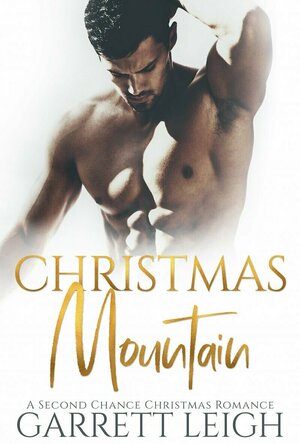

I blooody loved this book!
Independent reviewer for Archaeolibrarian, I was gifted my copy of this book.
Ok So!
I'm not usually one for Christmas books, I'm really not, but something about the blurb pulled at me, and O>M>G I'm so freaking glad it did!
Rami and Fen work together in HMP Manchester. There is much flirting and then Fen makes a move. But life gets in the way and 18months later, Rami is driving up the mountain to see his sister with his 2-year-old nephew in the car. In a snow storm. Ill-prepared. And his car wrecks. And the Good Lord above sees fits to send an angel by the name of Fen to rescue him and Charlie who goes by the name of Fen.
What this is, right, is a beautifully written second chance at love story, it really is. I read it in one sitting and its 200 odd pages long.
Both Fen and Rami are smitten with each other, and they dance around each other for some time before life gets in the way and things happen and then Fen is gone. Rami never did know why. But finding him on his sister's mountain, is a gift sent at just the right time of year. The problem is, both Fen and Rami are carrying a huge amount of emotional and physical baggage.
It takes time for both men to fully get their stories out, and I really did like being made to wait for the full pictures to become clear. I don't like for everything to be thrown at me in one go.
I also loved being made to wait for Fen and Rami to finally, FINALLY have their moment, you know? I mean its full of emotions and steamy bits, but that's all they are for a long time: bits. But once they commit to each other, their relationship and being together, the steam level doesn't rack up too much, it just takes a slide into something more. Something deeper for these two.
I loved the connection to Rami and his sister, that Fen had and they didn't know. I LOVED the sister and her family!
I loved this book, I really did. I could rant and rave and go on and on and on and on andonandonandonandon.....but I won't cos spoilers do not a good review make.
So! For a Christmas book, with the L word bandied about quite early (something else I'm not a fan of!) I'm a big fan of this book!
5 full and shiny stars
same worded review will appear elsewhere
Ok So!
I'm not usually one for Christmas books, I'm really not, but something about the blurb pulled at me, and O>M>G I'm so freaking glad it did!
Rami and Fen work together in HMP Manchester. There is much flirting and then Fen makes a move. But life gets in the way and 18months later, Rami is driving up the mountain to see his sister with his 2-year-old nephew in the car. In a snow storm. Ill-prepared. And his car wrecks. And the Good Lord above sees fits to send an angel by the name of Fen to rescue him and Charlie who goes by the name of Fen.
What this is, right, is a beautifully written second chance at love story, it really is. I read it in one sitting and its 200 odd pages long.
Both Fen and Rami are smitten with each other, and they dance around each other for some time before life gets in the way and things happen and then Fen is gone. Rami never did know why. But finding him on his sister's mountain, is a gift sent at just the right time of year. The problem is, both Fen and Rami are carrying a huge amount of emotional and physical baggage.
It takes time for both men to fully get their stories out, and I really did like being made to wait for the full pictures to become clear. I don't like for everything to be thrown at me in one go.
I also loved being made to wait for Fen and Rami to finally, FINALLY have their moment, you know? I mean its full of emotions and steamy bits, but that's all they are for a long time: bits. But once they commit to each other, their relationship and being together, the steam level doesn't rack up too much, it just takes a slide into something more. Something deeper for these two.
I loved the connection to Rami and his sister, that Fen had and they didn't know. I LOVED the sister and her family!
I loved this book, I really did. I could rant and rave and go on and on and on and on andonandonandonandon.....but I won't cos spoilers do not a good review make.
So! For a Christmas book, with the L word bandied about quite early (something else I'm not a fan of!) I'm a big fan of this book!
5 full and shiny stars
same worded review will appear elsewhere

BankofMarquis (1832 KP) rated The Whale (2022) in Movies
Mar 5, 2023
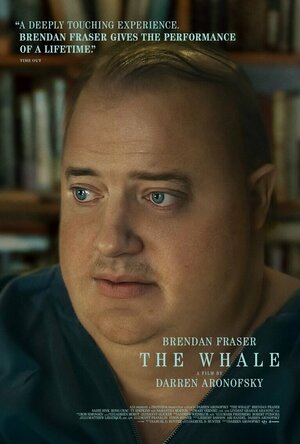
Raw and Honest
Give Brendan Fraser the Oscar already.
Hollywood loves a comeback story and the return of Fraser to the Hollywood "A" list is complete with his heart-wrenching, honest turn in Darren Aronofsky's THE WHALE. It is the type of comeback that is deserving of all the accolades and awards that has come his way.
Directed, with restraint not normally associated with Aronofsky, THE WHALE tells the tale of a College Professor who drowns his feelings in food. The film, based on the play (and screenplay) by Samuel D. Hunter follows this Professor, Charlie (Brendan Fraser of THE MUMMY fame) as he seeks to make amends with his estranged daughter as his obesity starts to take it's toll.
Since this is based on a stage play, most of the film takes place inside Charlie's apartment and the number of characters in this film are limited - and all of them hit their mark very well, thanks to the Best Direction that Aronofsky has ever achieved. He limits his usual histrionics, letting the camera focus on the faces and emotions of his characters, keeping movement to a minimum and engrossing the audience in the punch that these emotions provide. It is a shame that he was not Nominated for an Oscar for his work here, it is masterful.
Because of this - and the powerful script by Hunter - the cast of this film shines brightly. From Samantha Morton (MINORITY REPORT) to Ty Simpkins (JURASSIC WORLD) to Sadie Sink (Max Mayfield in Netflix' STRANGER THINGS), Aronofsky draws strong, raw and HONEST performances that elevate as each interact with each other.
Hong Chau (giving her 2nd straight strong performance following her work in the under-rated and under-appreciated THE MENU) is also Oscar Nominated (for Supporting Actress) for her work as Charlie's caregiver. It is a subtle, loving, emotional performance that touches the heart and her Oscar nomination is well deserved.
But, make no mistake about it, this film is Fraser's and he commands it from start to finish. Sure, the "fat suit" he is wearing that gives him the appearance of a 400 lb (+) obese man is jarring, but it is the raw emotions - rage, fear, sadness, hate, self-loathing and love - that Fraser is able to eminate through that wall of prosthetics that is truly astonishing. It is the performance of a career and one that will win him the Oscar.
Welcome back, Brendan Fraser, the movies missed you.
Letter Grade: A-
8 stars (out of 10) and you can take that to the Bank(ofMarquis)
Hollywood loves a comeback story and the return of Fraser to the Hollywood "A" list is complete with his heart-wrenching, honest turn in Darren Aronofsky's THE WHALE. It is the type of comeback that is deserving of all the accolades and awards that has come his way.
Directed, with restraint not normally associated with Aronofsky, THE WHALE tells the tale of a College Professor who drowns his feelings in food. The film, based on the play (and screenplay) by Samuel D. Hunter follows this Professor, Charlie (Brendan Fraser of THE MUMMY fame) as he seeks to make amends with his estranged daughter as his obesity starts to take it's toll.
Since this is based on a stage play, most of the film takes place inside Charlie's apartment and the number of characters in this film are limited - and all of them hit their mark very well, thanks to the Best Direction that Aronofsky has ever achieved. He limits his usual histrionics, letting the camera focus on the faces and emotions of his characters, keeping movement to a minimum and engrossing the audience in the punch that these emotions provide. It is a shame that he was not Nominated for an Oscar for his work here, it is masterful.
Because of this - and the powerful script by Hunter - the cast of this film shines brightly. From Samantha Morton (MINORITY REPORT) to Ty Simpkins (JURASSIC WORLD) to Sadie Sink (Max Mayfield in Netflix' STRANGER THINGS), Aronofsky draws strong, raw and HONEST performances that elevate as each interact with each other.
Hong Chau (giving her 2nd straight strong performance following her work in the under-rated and under-appreciated THE MENU) is also Oscar Nominated (for Supporting Actress) for her work as Charlie's caregiver. It is a subtle, loving, emotional performance that touches the heart and her Oscar nomination is well deserved.
But, make no mistake about it, this film is Fraser's and he commands it from start to finish. Sure, the "fat suit" he is wearing that gives him the appearance of a 400 lb (+) obese man is jarring, but it is the raw emotions - rage, fear, sadness, hate, self-loathing and love - that Fraser is able to eminate through that wall of prosthetics that is truly astonishing. It is the performance of a career and one that will win him the Oscar.
Welcome back, Brendan Fraser, the movies missed you.
Letter Grade: A-
8 stars (out of 10) and you can take that to the Bank(ofMarquis)

Heather Cranmer (2721 KP) rated The God Game in Books
Nov 7, 2019

While browsing Facebook one day, I came across a book entitled The God Game by Danny Tobey. I was intrigued, so I decided to read more about it. After reading the synopsis, this book reeled me in. I decided to give it a read, and I am very glad I did. The God Game has become one of my favorite reads so far.
With the way the digital age is going, the plot of The God Game sounded like it could already be happening in real life. A bunch of teens decide to play a random game with what they suspect is just some kind of artificial intelligence. However, when God (the AI in The God Game) starts asking them to do some highly illegal and dangerous activities as well as activities that make the teens question their morality, they start to think that maybe they are in over their heads. Will the teens be able to quit the game or will death be the only way out? Don't get me wrong. The plot has been done before, but Danny Tobey put his own original spin on the idea and made it where it comes across as a fresh idea. As I mentioned earlier, The God Game comes across as being very realistic. While I feel that there are no major plot twists and that the book is fairly predictable in some places, The God Game is still a highly entertaining read. Tobey gives his readers enough information at the end of the book to leave them satisfied, but he still leaves it somewhat open ended for a possible sequel.
The God Game flowed very smoothly, and I felt like the pacing was perfect. Not once did I feel like the book became too dull or that it was going to fast. The transitions between chapters was very spot on which made The God Game an easy read for me. It was so easy to lose myself in this novel as I became completely immersed in the world Tobey had created.
A couple of things that kind of bothered me, and they seem to be more personal preference than a fault with the story, is the mentions of politics and how anti-God/Christianity The God Game seemed to be. I'm not a political person by any means. In fact, I don't lean one way or the other when it comes to politics. However, I felt like politics were mentioned way too much in this book. It's very obvious that the author is very anti-Trump. If I wanted to read a book about politics, I'd read a political thriller or something similar. I didn't like how this book seems to poke fun at those that believe in God. It comes across as if the author is trying to challenge the beliefs of those who believe in God. I get that The God Game has God in its title and is about an AI that believes it's God, but I felt that the way the author speaks about God came off as a bit crass. However, those were minor issues for me, and I still enjoyed reading The God Game very much.
I felt that all of the main and supporting characters in The God Game were written superbly. The God Game had such a diverse group of characters throughout which was refreshing to see. I enjoyed reading about Charlie and his thoughts. He seemed conflicted the most with everything that was happening. It was great to read about how much he cared about his friends as well as other people. Charlie came across as a stand up guy. Vanhi was my favorite character. She was such a badass that I couldn't help but to love her! I felt like she was the second most conflicted character. I just felt sorry for what Alex was going through. My heart ached for him. Kenny was a great character too, and it was interesting what the game would ask him to do. I never quite knew what to make of Peter. He was written well, and he came across as very charismatic which made me suspicious of him throughout the whole novel. I did admire how much he would throw himself into something though.
Trigger warnings for The God Game include violence, profanity, drug use, politics, challenging the existence of God, racism, sexual situations (although not graphic), and murder.
Overall, The God Game is a highly thrilling read. With such an interesting cast of characters as well as a highly thought provoking plot, I wouldn't be surprised if The God Game became one of the most sought after books of 2020. It would also make a great film. I would definitely recommend The God Game by Danny Tobey to those aged 16+ who love thrilling plots that really make you think. Give The God Game a read. It will sink its teeth in you from the very first page!
--
(A special thank you to St. Martin's Press for providing me with a paperback ARC of The God Game by Danny Tobey in exchange for an unbiased and honest review.)
With the way the digital age is going, the plot of The God Game sounded like it could already be happening in real life. A bunch of teens decide to play a random game with what they suspect is just some kind of artificial intelligence. However, when God (the AI in The God Game) starts asking them to do some highly illegal and dangerous activities as well as activities that make the teens question their morality, they start to think that maybe they are in over their heads. Will the teens be able to quit the game or will death be the only way out? Don't get me wrong. The plot has been done before, but Danny Tobey put his own original spin on the idea and made it where it comes across as a fresh idea. As I mentioned earlier, The God Game comes across as being very realistic. While I feel that there are no major plot twists and that the book is fairly predictable in some places, The God Game is still a highly entertaining read. Tobey gives his readers enough information at the end of the book to leave them satisfied, but he still leaves it somewhat open ended for a possible sequel.
The God Game flowed very smoothly, and I felt like the pacing was perfect. Not once did I feel like the book became too dull or that it was going to fast. The transitions between chapters was very spot on which made The God Game an easy read for me. It was so easy to lose myself in this novel as I became completely immersed in the world Tobey had created.
A couple of things that kind of bothered me, and they seem to be more personal preference than a fault with the story, is the mentions of politics and how anti-God/Christianity The God Game seemed to be. I'm not a political person by any means. In fact, I don't lean one way or the other when it comes to politics. However, I felt like politics were mentioned way too much in this book. It's very obvious that the author is very anti-Trump. If I wanted to read a book about politics, I'd read a political thriller or something similar. I didn't like how this book seems to poke fun at those that believe in God. It comes across as if the author is trying to challenge the beliefs of those who believe in God. I get that The God Game has God in its title and is about an AI that believes it's God, but I felt that the way the author speaks about God came off as a bit crass. However, those were minor issues for me, and I still enjoyed reading The God Game very much.
I felt that all of the main and supporting characters in The God Game were written superbly. The God Game had such a diverse group of characters throughout which was refreshing to see. I enjoyed reading about Charlie and his thoughts. He seemed conflicted the most with everything that was happening. It was great to read about how much he cared about his friends as well as other people. Charlie came across as a stand up guy. Vanhi was my favorite character. She was such a badass that I couldn't help but to love her! I felt like she was the second most conflicted character. I just felt sorry for what Alex was going through. My heart ached for him. Kenny was a great character too, and it was interesting what the game would ask him to do. I never quite knew what to make of Peter. He was written well, and he came across as very charismatic which made me suspicious of him throughout the whole novel. I did admire how much he would throw himself into something though.
Trigger warnings for The God Game include violence, profanity, drug use, politics, challenging the existence of God, racism, sexual situations (although not graphic), and murder.
Overall, The God Game is a highly thrilling read. With such an interesting cast of characters as well as a highly thought provoking plot, I wouldn't be surprised if The God Game became one of the most sought after books of 2020. It would also make a great film. I would definitely recommend The God Game by Danny Tobey to those aged 16+ who love thrilling plots that really make you think. Give The God Game a read. It will sink its teeth in you from the very first page!
--
(A special thank you to St. Martin's Press for providing me with a paperback ARC of The God Game by Danny Tobey in exchange for an unbiased and honest review.)

James Morrison (7 KP) rated The Isle (2018) in Movies
May 12, 2019
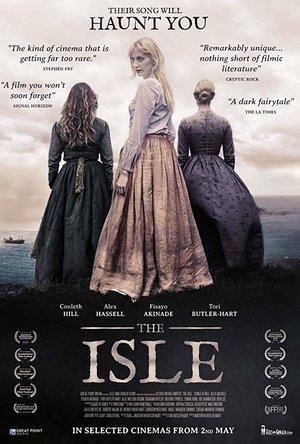
Should have left it on the isle
So i went to see this one at everyman cinema stratford upon avon where they also had a Q+A session with the two directors, alex and the woman who plays the part or the murdered victim was all their.
Now for me and the wife we feel that the film dragged on to long to the point I was falling asleep as it became that boring, i would say that if you liked the VVITCH then you may like this one but if not then its one to avoid as its the same kinda film.
As for fizz and ginger themself well lets just say they had a question possed at them during the Q+A "why did the people leave the island? Was it bacause of the highland clearances, fammine or the weather conditions?" Trying to get themself out of it they said "it was a combination of every thing" well at the end of the Q+A with me and the wife being scottish we had to give them a history lesson, the highland clearances happened in the 1600s after the battle of culloden, now if you know scotland this is the top end of the country and their "island" is not far from glasgow the bottom end of Scotland, added to this the clue highland clearances the island is in the lowlands, and adding even further after the battle of culloden the english pushed north slaughtering anyone wearing a kilt and banded the bagpipes and bonny prince charlie escaped the the closed island before going to france which was the isle of sky where people still live they would have seen that this does not match up.
On top of this the people left the island in the late 1800s, the highland clearances was 1600 so they were 200 years out of date the reason we know this is because the wifes great grand mother lived on the island.
For a film was written over a 2 year period and made on a small budget and film with in 4 weeks with trained actors this film would have been better being dumped in the loch never to be seen by the public but i guess we all need to start some where even if we open our gobs to make ourself look intelligent rather than be honest with the public and say we really dont know why they left
Now for me and the wife we feel that the film dragged on to long to the point I was falling asleep as it became that boring, i would say that if you liked the VVITCH then you may like this one but if not then its one to avoid as its the same kinda film.
As for fizz and ginger themself well lets just say they had a question possed at them during the Q+A "why did the people leave the island? Was it bacause of the highland clearances, fammine or the weather conditions?" Trying to get themself out of it they said "it was a combination of every thing" well at the end of the Q+A with me and the wife being scottish we had to give them a history lesson, the highland clearances happened in the 1600s after the battle of culloden, now if you know scotland this is the top end of the country and their "island" is not far from glasgow the bottom end of Scotland, added to this the clue highland clearances the island is in the lowlands, and adding even further after the battle of culloden the english pushed north slaughtering anyone wearing a kilt and banded the bagpipes and bonny prince charlie escaped the the closed island before going to france which was the isle of sky where people still live they would have seen that this does not match up.
On top of this the people left the island in the late 1800s, the highland clearances was 1600 so they were 200 years out of date the reason we know this is because the wifes great grand mother lived on the island.
For a film was written over a 2 year period and made on a small budget and film with in 4 weeks with trained actors this film would have been better being dumped in the loch never to be seen by the public but i guess we all need to start some where even if we open our gobs to make ourself look intelligent rather than be honest with the public and say we really dont know why they left

Zuky the BookBum (15 KP) rated The Mayfly (Charlie Priest #1) in Books
Mar 15, 2018
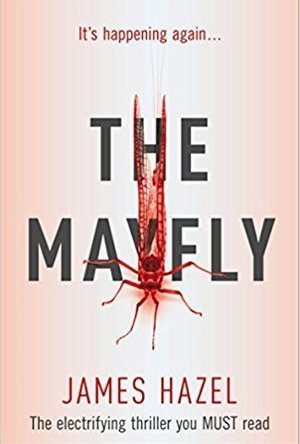
There was something about The Mayfly that attracted me, even though it doesnt really fit in with my tastes. I dont like books where the main character is ex-police turned lawyer/journalist/PI etc, but the fact that this was to do with a secret society and it drew in links back from history made me too intrigued to not request it.
Charlie Priest is our main character, hes a successful lawyer, after being a successful Detective Inspector and hes troubled (like they always are). Priests brother is a serial killer and he has dissociative disorder, but despite this, hes stellar at his job and hes a bit of a laugh. Priest certainly is an interesting and likable character, so no doubt I will check out the next in this series, just to revisit his character.
In terms of the plot, you can tell this was really well researched. The plot, as a whole, is pretty unique, and the ties to WWII and the Nazis was definitely the reason I picked this one up, so I felt a little let down that there werent that many flashbacks to that era and there wasnt an awful lot of explanation as to how and why the secret society was born. Dont me wrong, it doesnt just leave you up in the air, it does explain, but it could have been developed and done better.
There is no doubt that this book is fast paced and keeps you on your toes. The first half of the novel, I flew through. The second half of the book then pulls in some romance and things begin to get a little cheesy. From the feelings felt by the characters, to conversations, there were a couple of eye-roll moments, but it wasnt all that bad.
While I thought the plot, the crimes, the victims and all the rest, was good, it did get a little confusing at times. There were so many paths being drawn into this one investigation that I got a little lost at some points, and for this reason, guessing the bad guy can be tricky but really, its very easy.
Overall, this was an enjoyable book. If the romance parts were removed, this could have been a 5 star read for me, because that would have taken away all the cheese. This is a good 4 star read for me, and like I said, I will definitely look into the next book in this series.
<i>Thanks to Readers First & Bonnier Zaffre for sending me an ARC copy of this book. And also to Netgalley for my eARC copy.
Charlie Priest is our main character, hes a successful lawyer, after being a successful Detective Inspector and hes troubled (like they always are). Priests brother is a serial killer and he has dissociative disorder, but despite this, hes stellar at his job and hes a bit of a laugh. Priest certainly is an interesting and likable character, so no doubt I will check out the next in this series, just to revisit his character.
In terms of the plot, you can tell this was really well researched. The plot, as a whole, is pretty unique, and the ties to WWII and the Nazis was definitely the reason I picked this one up, so I felt a little let down that there werent that many flashbacks to that era and there wasnt an awful lot of explanation as to how and why the secret society was born. Dont me wrong, it doesnt just leave you up in the air, it does explain, but it could have been developed and done better.
There is no doubt that this book is fast paced and keeps you on your toes. The first half of the novel, I flew through. The second half of the book then pulls in some romance and things begin to get a little cheesy. From the feelings felt by the characters, to conversations, there were a couple of eye-roll moments, but it wasnt all that bad.
While I thought the plot, the crimes, the victims and all the rest, was good, it did get a little confusing at times. There were so many paths being drawn into this one investigation that I got a little lost at some points, and for this reason, guessing the bad guy can be tricky but really, its very easy.
Overall, this was an enjoyable book. If the romance parts were removed, this could have been a 5 star read for me, because that would have taken away all the cheese. This is a good 4 star read for me, and like I said, I will definitely look into the next book in this series.
<i>Thanks to Readers First & Bonnier Zaffre for sending me an ARC copy of this book. And also to Netgalley for my eARC copy.