

Sensitivemuse (246 KP) rated Unholy Ghosts (Downside Ghosts, #1) in Books
Sep 14, 2018
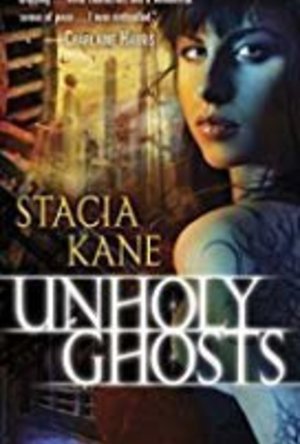


I really enjoyed the world building in this book and wished there was a little more explanation about it. You do get snippets here and there on what happened with the world and why the Church came on top and in charge of the city. The setting is wonderful though. It’s dark, it’s gritty, it’s survival. It’s what you might see from a cyberpunk novel without the futuristic theme.
The plot itself is interesting thanks to the setting. It’s a nice blend of old and new. I say old because of the way the characters talk. It’s meant to be a form of street slang, but it also sounds a mixture of old english and modern. It’s interesting and fun to read (if you have a crush on Lex you’d like it). There is an element of mystery and I like the magic used. It’s a nice blend of using tattoos and actual spell components.
Chess is likable as a character. She’s hard working and is good at what she does, despite her faults and vices. The vices do play a big part on her behavior and takes a hold of her life. She still manages to soldier through her tasks and proves to be a fighter.
There is an aspect of a love triangle in the book although I’m not sure if it could be called that. I don’t see Terrible as a love interest at all, I see him more as a loyal friend and the muscle of the duo. Lex on the other hand - so swoon worthy if you’re into the bad boys. He’s self serving and most likely not a good thing for Chess but they both got this spark. Maybe it’s because of their backgrounds and they’re similar but they get along so well and Lex has this subtle charm about him (let’s not even compare him to Doyle)
This is a must read for urban fantasy fans. It’s got a bit of everything and Chess is such a great character to follow through the journey. Will definitely go onto the second book of the series.
MaryAnn (14 KP) rated Meet the Misfits (Being Zoey #1) in Books
Nov 4, 2019
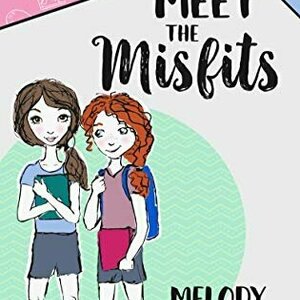

When the school year begins, Zoeys terrified to go without Louisawhos out with a nasty flu. The same enemies she made over the summer are there to haunt her, but she and another new girl stick together and even seem to find a place among the in-crowd. But is this who Zoey wants to be? Are they really her friends? Whos going to stick beside her when cyber bullying leaves her as the odd girl out?
My Thoughts: This is a wonderful series of books for young "tweenage" girls. Zoey is an interesting young lady who is not your typical girl. Left with grandparents she barely knows Zoey is embarking on a new life and starting a new school. Zoey feels what most young people feel when they move into a new place, that is how to fit in and make friends. But there's Kayla, the girl who just can't seem to like Zoey at all.
Zoey learns to deal with a bully and learns that just like Christ loved everyone, we should also.
This is a wonderful series that I believe all young girls can relate to and will enjoy. The character of Zoey is easy to relate to as she has to make new friends, start a new school. It's all the things young people dread. It will help them understand that they aren't alone in their feelings and how to relate to friendship pressures that occur in day to day life.

Eleanor (1463 KP) rated The Turn of The Key in Books
Dec 16, 2019
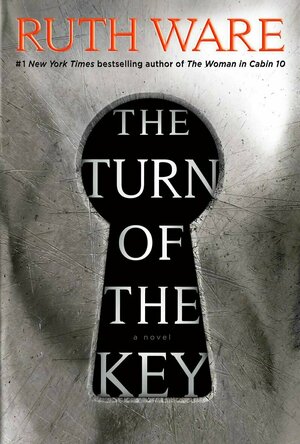

When Rowan takes a live-in nanny position in a remote Scottish she is soon faced with more than just the usual new nanny woes. The house has been converted into a modern all bells and whistles smart home, but it’s not exactly making life easier for Rowan. The book is told via the correspondence between Rowan and a solicitor from her prison cell following her arrest for the death of one of her charges. The result is a slow build of difficult circumstances from her perspective and a strong denial of any responsibility…. but what did happen?
This is a solid suspense thriller with plenty of creepy atmosphere in it and I can imagine some people will really love this book. For me, though I just kept getting a bit irritated. I’m not a big fan of kids (I know - burn the witch!!) and there are some prime examples of why that is in this book from the brats. Why someone would want to be a nanny is beyond me so Rowan is very hard to relate to. I really couldn’t care less about the routines of children. I’m also not a fan of having a narrator who constantly hints towards things not being as they seem but not clarifying until the “big reveal” troupe. So maybe just not the best book for me, in particular, to pick up.
Smart home things like speakers, voice-activated lights, fridges curtains, etc don’t do anything for me and the fact they added to the creepiness of Rowan’s situation was an interesting approach. Ultimately a book that many will love but just not my kinda story, so can’t get too pumped for it.
LeftSideCut (3776 KP) rated Sleepy Hollow (1999) in Movies
Apr 20, 2020 (Updated Apr 20, 2020)
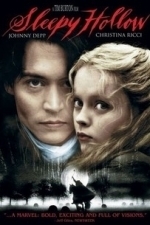

It's just about creepy enough to offer itself to horror fans, and has the right amount of Tim Burton campiness to still appeal to younger audiences (not too young mind, plenty of blood flying about).
Johnny Depp plays Ichabod Crane, a constable sent from New York to the small town of Sleepy Hollow to investigate a series of bizarre murders, at the tail end of the 1700s.
The townsfolk are gripped with fear, convinced that the murders are the work of the fabled Headless Horseman, but Ichabod is certain that there's a less supernatural involvement behind the scenes.
The 18th Century setting is perfect for Burton's gothic style. The whole film is draped in a misty asthethic, lending it a cold and dreary atmosphere.
This is further complimented by Danny Elfman's incredible church-organ-heavy score.
The Horseman himself looks ghostly and makes for some unforgettable shots as he chases down and decapitates his way through the cast.
Said cast is a heavy duty one as well. Johnny Depp is front and centre, pretty much just being typical Johnny Depp, but it works wonders with Ichabod's almost mad-scientist character.
The rest of the cast boasts the likes of Christina Ricci, Michael Gambon, Christopher Walken, Miranda Richardson, Ian McDiarmid, Michael Gough, Richard Griffiths, Christopher Lee, Jeffrey Jones... It's an impressive list.
Some of the acting is a bit overboard at times (looking at you Christopher Walken) but it kind of adds a bit of surrealism to the whole affair.
The effects are pretty solid as well. Burton's approach to using a large amount of practical effects is admirable, and what CGI is used is subtle enough to not show the films age.
Despite it cheesyness, Sleepy Hollow manages to be both a dark and fun horror adventure, that I always enjoy watching and remains a highlight in Tim Burton's resume.
ACF - Bíblia de Estudo Fiel
Book and Education
App
******* Listen to the Bible In Portuguese ******* - Download the new module with the ACF Bible...

Recollections from the Ranks: Three Russian Soldiers' Autobiographies from the Napoleonic Wars
Book
From Napoleon's invasion of 1812 to the Wars of Liberation and beyond, seen from the common Russian...
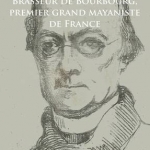
Charles-Etienne Brasseur de Bourbourg, Premier Grand Mayaniste de France: 2015
Book
Two hundred years ago, on September 8, 1814, in the northern French city of Bourbourg, a boy was...
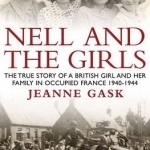
Nell and the Girls
Book
'Goodbye! There's my good girl.' The German got hold of Papa's arm roughly and said, 'Come on!' They...
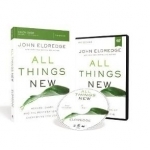
All Things New Study Guide with DVD: A Revolutionary Look at Heaven and the Coming Kingdom
Book
All Things New is a revolutionary four-session video Bible study built on a simple idea: heaven is...
All Things New Study Guide: A Revolutionary Look at Heaven and the Coming Kingdom
Book
All Things New is a revolutionary four-session video Bible study (DVD/digital video sold separately)...