Search
Search results

Bob Mann (459 KP) rated They Shall Not Grow Old (2018) in Movies
Sep 28, 2021


We DO remember them.
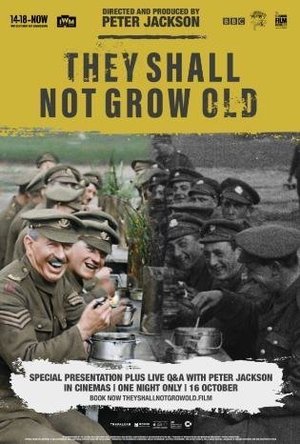
“Trapped in a Charlie Chaplin World”. So says director Peter Jackson in a post-screening discussion with Mark Kermode, describing early black and white documentary footage. Whereas modern film runs at 24 fps, most of the old footage is hand cranked, with speeds as low as 12 fps which leads to its jerky nature. Jackson in this project with the Imperial War Museum took their WW1 footage and put it through a ‘pipeline process. This cleaned-up and restored the original footage; used clever computer interpolation to add in the missing 6 to 12 frames per second; and then colourised it.
The results are outstanding. Jackson wisely focuses the film on the specific slice of WW1 action from the trenches. And those anonymous figures become real, live, breathing humans on screen. It is obviously tragic that some (and as commented by Jackson, many in one scene) are not to be breathing humans for much longer.
These effects take a while to kick in. The early scenes in the documentary are in the original black and white, describing the recruitment process, and how many of the recruits were under-age. (To explain the varied comments in the film, they should have been 18, although officially shouldn’t have been sent overseas until 19).
It is when the troops arrive in France that we suddenly go from black-and-white to the fully restored and colourised footage, and it is a gasp-inducing moment.
Audio magic
All of the audio commentary is from original BBC recordings of war veterans recounting their actual experiences in the trench. Some sound like heroes; some sound like rogues; all came out changed men. Supporting music of WW1 ditties, including the incredibly rude “Mademoiselle from Armentières” over the end credits, is provided by Plan 9.
But equally impressive is the dubbing of the characters onscreen. Jackson employed forensic lip-readers to determine what the soldiers on-screen were saying, and reproduced the speech using appropriate regional accents for the regiments concerned. Jackson also recounts how the words associated with a “pep-talk” speech to troops by an officer he found on an original slip of paper within the regimental records: outstanding. Added sound effects include real-life shelling by the New Zealand army. It all adds to the overall atmosphere of the film.
3D = less
The film itself is a masterpiece of technical innovation that will change in the future the way in which we should be able to see this sort of early film footage forever. As a documentary it’s near-perfection. But if I have a criticism of the cinema showing I attended it is that the 3D tended to detract rather than add to the film. Perhaps this is just my eyesight, but 3D always tends to make images slightly more blurry. Where (like “Gravity”) there are great 3D effects to showcase, it’s worth the slight negative to get the massive positive. But here, there was no such benefit: 2D would have been better. For those in the UK (and possibly through other broadcasters worldwide) the film is being shown on BBC2 tonight (11/11/18) at 9:30: I will be watching it again to compare and contrast.
Final Thoughts
Jackson dedicated the film to his grandfather. And almost all of us Brits will have relatives affected by this “war to end all wars”. In my case, my grandfather was shot and severely wounded at Leuze Wood on the Somme, lying in the mud for four days and four nights before being recovered… by the Germans! Fortunately he was well-treated and, although dying young, recovered enough to father my father – else I wouldn’t be here today writing this. On this Rememberance Sunday, 100 years on, it is a time for us to truly remember the sacrifice these men and boys gave to what, all in the film agree, was a pretty obstinate and pointless conflict.
I’ll finish the review by reproducing one of the war poems of my wife’s Uncle Ivor (available in a collection here), written on 11/11/18 a hundred years ago:
Peace
At last O Lord the Day has come,
And hushed is now the noise of guns.
Peace is proclaimed over land and sea,
Our heartfelt thanks we give to Thee.
I thank thee Father for Thy care,
That thou hasn’t answered all my prayers.
This day I see in manhood’s strength,
The Peace we longed for, come at length.
O may my future actions be,
Worthy of all Thy care to me.
Let me forget not Thy Great Love,
Remembering chums who live Above.
I.G.H. 11/11/1918, France.
The results are outstanding. Jackson wisely focuses the film on the specific slice of WW1 action from the trenches. And those anonymous figures become real, live, breathing humans on screen. It is obviously tragic that some (and as commented by Jackson, many in one scene) are not to be breathing humans for much longer.
These effects take a while to kick in. The early scenes in the documentary are in the original black and white, describing the recruitment process, and how many of the recruits were under-age. (To explain the varied comments in the film, they should have been 18, although officially shouldn’t have been sent overseas until 19).
It is when the troops arrive in France that we suddenly go from black-and-white to the fully restored and colourised footage, and it is a gasp-inducing moment.
Audio magic
All of the audio commentary is from original BBC recordings of war veterans recounting their actual experiences in the trench. Some sound like heroes; some sound like rogues; all came out changed men. Supporting music of WW1 ditties, including the incredibly rude “Mademoiselle from Armentières” over the end credits, is provided by Plan 9.
But equally impressive is the dubbing of the characters onscreen. Jackson employed forensic lip-readers to determine what the soldiers on-screen were saying, and reproduced the speech using appropriate regional accents for the regiments concerned. Jackson also recounts how the words associated with a “pep-talk” speech to troops by an officer he found on an original slip of paper within the regimental records: outstanding. Added sound effects include real-life shelling by the New Zealand army. It all adds to the overall atmosphere of the film.
3D = less
The film itself is a masterpiece of technical innovation that will change in the future the way in which we should be able to see this sort of early film footage forever. As a documentary it’s near-perfection. But if I have a criticism of the cinema showing I attended it is that the 3D tended to detract rather than add to the film. Perhaps this is just my eyesight, but 3D always tends to make images slightly more blurry. Where (like “Gravity”) there are great 3D effects to showcase, it’s worth the slight negative to get the massive positive. But here, there was no such benefit: 2D would have been better. For those in the UK (and possibly through other broadcasters worldwide) the film is being shown on BBC2 tonight (11/11/18) at 9:30: I will be watching it again to compare and contrast.
Final Thoughts
Jackson dedicated the film to his grandfather. And almost all of us Brits will have relatives affected by this “war to end all wars”. In my case, my grandfather was shot and severely wounded at Leuze Wood on the Somme, lying in the mud for four days and four nights before being recovered… by the Germans! Fortunately he was well-treated and, although dying young, recovered enough to father my father – else I wouldn’t be here today writing this. On this Rememberance Sunday, 100 years on, it is a time for us to truly remember the sacrifice these men and boys gave to what, all in the film agree, was a pretty obstinate and pointless conflict.
I’ll finish the review by reproducing one of the war poems of my wife’s Uncle Ivor (available in a collection here), written on 11/11/18 a hundred years ago:
Peace
At last O Lord the Day has come,
And hushed is now the noise of guns.
Peace is proclaimed over land and sea,
Our heartfelt thanks we give to Thee.
I thank thee Father for Thy care,
That thou hasn’t answered all my prayers.
This day I see in manhood’s strength,
The Peace we longed for, come at length.
O may my future actions be,
Worthy of all Thy care to me.
Let me forget not Thy Great Love,
Remembering chums who live Above.
I.G.H. 11/11/1918, France.
Bob Mann (459 KP) rated Jurassic World: Fallen Kingdom (2018) in Movies
Sep 29, 2021



Greedy men + Dinosaurs = Lunch!
I’ve really had a rollercoaster of emotions on this one. As a general fan of dinosaurs running riot, since I saw the brilliant original in 1993, I was pretty disillusioned by the teaser trailer for this one: all over-the-top CGI. But as the lights dimmed and the Universal logo faded to ominous sonar sounds, the hairs stood up again and I thought J.A. Bayona (“A Monster Calls“) *might* deliver something really special here. Ultimately though, I left the theatre disappointed… but only slightly so.
With extreme topicality given what is happening on one of the Hawaiian islands at the moment, Isla Nublar – home to the now derelict Jurassic World theme park – is in serious trouble due to a volcanic eruption. Swayed by chaos theory expert Ian Malcolm (Jeff Goldblum), a US senate committee decides to do…. absolutely nothing, letting the dinosaurs face re-extinction. This is much to the fury of our heroine from the first film, Claire Dearing (Bryce Dallas-Howard), who now runs a “Save the Dinosaurs” group. When all seems lost, help comes from the wallet of philanthropist Benjamin Lockwood (James Cromwell, “Babe”, “LA Confidential”) and his ops manager Eli Mills (Rafe Spall, “The Big Short“) who propose to fund a private rescue mission: a mission that requires the involvement of Velociraptor-wrangler Owen Grady (Chris Pratt, “Guardians of the Galaxy“, “Passengers“). But are their motives truly honourable?
The film has its moments, with some well-executed action scenes, some nice munching of bad people and a few scenes that are truly touching: shots of a brachiosauruses’ last moments is a memorable piece of cinema. But that said, the film is extremely patchy. An exciting (but not particularly logical) pre-title sequence seques into a very wordy and action-free first reel, headed up by Goldblum (always seated: did he have his legs chewed off by a raptor?) droning on (blah blah blah), no doubt for a huge fee but not for much purpose. The early part of the movie is good however at introducing new characters: specifically the geeky Franklin (Justice Smith) and the pre-requisite 2018 ‘Times Up” kick-ass female character Zia ( Daniella Pineda), who is actually very good. As a whole though it’s not terribly engaging, leading to even the reveal of the derelict theme park – which should have been a high point – falling somewhat flat.
The much trailered volcano scenes that follow are impressive but should have been left to impress in the film.
Things ratchet up again though when the action moves to the more confining environment of Lockwood’s estate, bringing in arch-villain Gunnar Eversol played by Toby Jones (“The Snowman“, “Atomic Blonde“), who really should have taken the stairs, and Lockwood’s granddaughter Maisie ( Isabella Sermon) who is excellent as the ‘child in peril’. Some of the character’s actions don’t make a lot of sense (laser-targeting Owen? Why?) but they do generate some memorable scenes, supported by Michael Giacchino’s stirring soundtrack.
So, it pretty much works as an action film, but in terms of character development it doesn’t go anywhere in particular: Claire and Owen come out in about the same condition as they came in. I was expecting something deeper from Bayona (with his “A Monster Calls” being my personal No. 2 film of last year) than just a ‘running and screaming’ film.
It’s also difficult to avoid the fact that after five of these films there’s nothing much new under the Isla Nublar sun. Some of the plot here is a retread of the genetic shenanigans of the last film, mixed with the ‘off-island’ antics of “The Lost World”. And most of the action scenes are just stripped and re-painted from the earlier films. For example, the “about to get eaten but saved by another dinosaur” trope so expertly done by Spielberg in the finale of JP1 is re-hashed not once but THREE times in this movie: leading to more yawning that excitement if I’m honest.
Overall though, it’s an effective summer blockbuster that mostly delivers on the thrills and should be a good crowd-pleaser. By the way, staying through the endless credits is worth it not just for getting the full force of Giacchino and Williams’ majestic themes: there is quite a nice “monkey” at the end, illustrating that gambling might involve more than just money in the future!
With extreme topicality given what is happening on one of the Hawaiian islands at the moment, Isla Nublar – home to the now derelict Jurassic World theme park – is in serious trouble due to a volcanic eruption. Swayed by chaos theory expert Ian Malcolm (Jeff Goldblum), a US senate committee decides to do…. absolutely nothing, letting the dinosaurs face re-extinction. This is much to the fury of our heroine from the first film, Claire Dearing (Bryce Dallas-Howard), who now runs a “Save the Dinosaurs” group. When all seems lost, help comes from the wallet of philanthropist Benjamin Lockwood (James Cromwell, “Babe”, “LA Confidential”) and his ops manager Eli Mills (Rafe Spall, “The Big Short“) who propose to fund a private rescue mission: a mission that requires the involvement of Velociraptor-wrangler Owen Grady (Chris Pratt, “Guardians of the Galaxy“, “Passengers“). But are their motives truly honourable?
The film has its moments, with some well-executed action scenes, some nice munching of bad people and a few scenes that are truly touching: shots of a brachiosauruses’ last moments is a memorable piece of cinema. But that said, the film is extremely patchy. An exciting (but not particularly logical) pre-title sequence seques into a very wordy and action-free first reel, headed up by Goldblum (always seated: did he have his legs chewed off by a raptor?) droning on (blah blah blah), no doubt for a huge fee but not for much purpose. The early part of the movie is good however at introducing new characters: specifically the geeky Franklin (Justice Smith) and the pre-requisite 2018 ‘Times Up” kick-ass female character Zia ( Daniella Pineda), who is actually very good. As a whole though it’s not terribly engaging, leading to even the reveal of the derelict theme park – which should have been a high point – falling somewhat flat.
The much trailered volcano scenes that follow are impressive but should have been left to impress in the film.
Things ratchet up again though when the action moves to the more confining environment of Lockwood’s estate, bringing in arch-villain Gunnar Eversol played by Toby Jones (“The Snowman“, “Atomic Blonde“), who really should have taken the stairs, and Lockwood’s granddaughter Maisie ( Isabella Sermon) who is excellent as the ‘child in peril’. Some of the character’s actions don’t make a lot of sense (laser-targeting Owen? Why?) but they do generate some memorable scenes, supported by Michael Giacchino’s stirring soundtrack.
So, it pretty much works as an action film, but in terms of character development it doesn’t go anywhere in particular: Claire and Owen come out in about the same condition as they came in. I was expecting something deeper from Bayona (with his “A Monster Calls” being my personal No. 2 film of last year) than just a ‘running and screaming’ film.
It’s also difficult to avoid the fact that after five of these films there’s nothing much new under the Isla Nublar sun. Some of the plot here is a retread of the genetic shenanigans of the last film, mixed with the ‘off-island’ antics of “The Lost World”. And most of the action scenes are just stripped and re-painted from the earlier films. For example, the “about to get eaten but saved by another dinosaur” trope so expertly done by Spielberg in the finale of JP1 is re-hashed not once but THREE times in this movie: leading to more yawning that excitement if I’m honest.
Overall though, it’s an effective summer blockbuster that mostly delivers on the thrills and should be a good crowd-pleaser. By the way, staying through the endless credits is worth it not just for getting the full force of Giacchino and Williams’ majestic themes: there is quite a nice “monkey” at the end, illustrating that gambling might involve more than just money in the future!
Bob Mann (459 KP) rated Spielberg (2017) in Movies
Sep 29, 2021

On making Drew Barrymore cry.
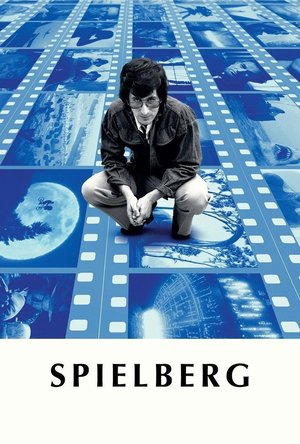
“Spielberg” is an HBO-produced documentary by documentarian Susan Lacy. You’ll never guess who the subject is?!
Steven Spielberg is a product of one of the most surprising revolutions in Hollywood in the late 70’s: one of a set of wunderkind directors alongside such luminaries as George Lucas, Francis Ford Coppola, John Milius, Brian De Palma and Martin Scorcese. These men (only men, it should be noted!) were ready to cock a snook at Hollywood’s traditional studio system to break rules (case in point, Star Wars’ lack of opening credits) and move cinema into the format that would last to this day.
As this excellent documentary makes clear, Spielberg was one of the least rebellious of the movie-brats. Even though (astoundingly) he blagged himself a production office at Universal (after hiding during the Tram Tour toilet stop!), his path to the top was through hard graft on multiple Universal TV shows, after recognition of his talents by Universal exec Sidney Sheinberg who speaks in the film.
Before we get to that stage of his life, we cover his childhood back-story as a reluctant Jew living in a non-Jewish neighbourhood, driven to fill his time with tormenting his sisters and movie-making with a Super 8 camera. Scenes of home videos, photos and his early attempts at special effects are all fascinating. The impact of his Bohemian mother Leah and workaholic father Arnold, and particularly the very surprising relationship breakdown that happened between them, go a long way to explain the constant return to ‘father issues’ in many of his films such as “E.T.”, “Close Encounters of the Third Kind”, “Hook” and “Indiana Jones and the Last Crusade”.
The majority of the film though settles down into a roughly chronological review of the highlights of his movie career, with particular emphasis justly being placed on some of the key watershed moments in that career. Most of his films get at least a mention, but “Jaws”, “E.T.”, “Schindler’s List”, “The Color Purple”, “Jurassic Park”, “Munich” and “Empire of the Sun” get more focus. It is such a wonderful trip down my cinematic memory lane. I also forget just what cinematic majesty and craftsmanship is present in these films: I just hope that at some point this will get a Blu-Ray or DVD release so it can be properly appreciated (rather than viewing it on a tiny airplane screen which is how I watched this): the combination of film clips in here is breathtaking.
As might be expected for a documentary about the great director, there is plenty of ‘behind the camera’ footage on show, some of which is fascinating. Spielberg could always get the very best performances out of the youngsters on set, from Cary Guffey (“Toys!!”) in “Close Encounters” to a heartbreaking scene where he reduces the young Drew Barrymore to howls of emotion in “E.T.”. A master at work.
All of the movie scenes are accompanied by new interview footage from Spielberg himself, as well as warm platitudes from many of the luminaries he has worked with in the past. Directors involved include many of the the directors referenced above, as well as those modern directors influenced by him such as J.J. Abrams; his go-to cinematographers Vilmos Zsigmond and Janusz Kaminski; his ‘go-to’ composer John Williams; and stars including his go-to ‘everyman’ Richard Dreyfuss, Tom Cruise, Harrison Ford, Bob Balaban, Tom Hanks, Opray Winfrey, Leonardo DiCaprio, Christian Bale, Dustin Hoffman and James Brolin. Some of these comments are useful and insightful; some are just fairly meaningless sound bites that add nothing to the film. What all the comments are though is almost all uniformly positive.
And that’s my only criticism of the film. Like me, Susan Lacy is clearly a big fan. It is probably quite hard to find anyone who isn’t…. but perhaps Ms Lacy should have tried a bit harder! There is only limited focus on his big comedy flop of 1979, “1941”, and no mention at all of his lowest WW grossing film “Always”. And there are only a few contributors – notably film critic Janet Maslin – who are willing to stick their head above the parapet and prod into Spielberg’s weaknesses; ostensibly his tendency to veer to the sentimental and away from harder issues: the omitted “Color Purple” ‘mirror scene’ being a case in point.
This is a recommended watch for Spielberg fans. On the eve of the launch of his latest – “Ready Player One”, a film that I am personally dubious about from the trailer – it’s a great insight into the life and works of the great man. It could though have cut a slightly harder and more critical edge.
Steven Spielberg is a product of one of the most surprising revolutions in Hollywood in the late 70’s: one of a set of wunderkind directors alongside such luminaries as George Lucas, Francis Ford Coppola, John Milius, Brian De Palma and Martin Scorcese. These men (only men, it should be noted!) were ready to cock a snook at Hollywood’s traditional studio system to break rules (case in point, Star Wars’ lack of opening credits) and move cinema into the format that would last to this day.
As this excellent documentary makes clear, Spielberg was one of the least rebellious of the movie-brats. Even though (astoundingly) he blagged himself a production office at Universal (after hiding during the Tram Tour toilet stop!), his path to the top was through hard graft on multiple Universal TV shows, after recognition of his talents by Universal exec Sidney Sheinberg who speaks in the film.
Before we get to that stage of his life, we cover his childhood back-story as a reluctant Jew living in a non-Jewish neighbourhood, driven to fill his time with tormenting his sisters and movie-making with a Super 8 camera. Scenes of home videos, photos and his early attempts at special effects are all fascinating. The impact of his Bohemian mother Leah and workaholic father Arnold, and particularly the very surprising relationship breakdown that happened between them, go a long way to explain the constant return to ‘father issues’ in many of his films such as “E.T.”, “Close Encounters of the Third Kind”, “Hook” and “Indiana Jones and the Last Crusade”.
The majority of the film though settles down into a roughly chronological review of the highlights of his movie career, with particular emphasis justly being placed on some of the key watershed moments in that career. Most of his films get at least a mention, but “Jaws”, “E.T.”, “Schindler’s List”, “The Color Purple”, “Jurassic Park”, “Munich” and “Empire of the Sun” get more focus. It is such a wonderful trip down my cinematic memory lane. I also forget just what cinematic majesty and craftsmanship is present in these films: I just hope that at some point this will get a Blu-Ray or DVD release so it can be properly appreciated (rather than viewing it on a tiny airplane screen which is how I watched this): the combination of film clips in here is breathtaking.
As might be expected for a documentary about the great director, there is plenty of ‘behind the camera’ footage on show, some of which is fascinating. Spielberg could always get the very best performances out of the youngsters on set, from Cary Guffey (“Toys!!”) in “Close Encounters” to a heartbreaking scene where he reduces the young Drew Barrymore to howls of emotion in “E.T.”. A master at work.
All of the movie scenes are accompanied by new interview footage from Spielberg himself, as well as warm platitudes from many of the luminaries he has worked with in the past. Directors involved include many of the the directors referenced above, as well as those modern directors influenced by him such as J.J. Abrams; his go-to cinematographers Vilmos Zsigmond and Janusz Kaminski; his ‘go-to’ composer John Williams; and stars including his go-to ‘everyman’ Richard Dreyfuss, Tom Cruise, Harrison Ford, Bob Balaban, Tom Hanks, Opray Winfrey, Leonardo DiCaprio, Christian Bale, Dustin Hoffman and James Brolin. Some of these comments are useful and insightful; some are just fairly meaningless sound bites that add nothing to the film. What all the comments are though is almost all uniformly positive.
And that’s my only criticism of the film. Like me, Susan Lacy is clearly a big fan. It is probably quite hard to find anyone who isn’t…. but perhaps Ms Lacy should have tried a bit harder! There is only limited focus on his big comedy flop of 1979, “1941”, and no mention at all of his lowest WW grossing film “Always”. And there are only a few contributors – notably film critic Janet Maslin – who are willing to stick their head above the parapet and prod into Spielberg’s weaknesses; ostensibly his tendency to veer to the sentimental and away from harder issues: the omitted “Color Purple” ‘mirror scene’ being a case in point.
This is a recommended watch for Spielberg fans. On the eve of the launch of his latest – “Ready Player One”, a film that I am personally dubious about from the trailer – it’s a great insight into the life and works of the great man. It could though have cut a slightly harder and more critical edge.
Bob Mann (459 KP) rated Alone in Berlin (2017) in Movies
Sep 29, 2021
Small Rebellions.
Once again, World War II turns up another true story of quiet valour to turn into a motion picture. At a time when Trump is pontificating about so called “fake news”, here is a timely tale from history which centres on the battle against genuinely fake news: the Nazi propaganda machine.
After losing their only son in the French campaign, Berliners Otto (Brendan Gleeson,”Harry Potter and the Goblet of Fire”) and Anna (Emma Thompson, “Saving Mr Banks“) turn against the regime and in repeated acts of rebellion Otto laboriously hand writes subversive postcards to leave in office blocks around Berlin.
Resistance is futile. Otto (Brendan Gleeson) and Anna (Emma Thompson) out on a new mission.
Out to catch him is local police investigator Escherich (Daniel Brühl) but in an age before CCTV that’s no easy task and with increasing SS pressure the stakes for Escherich steadily increase. For Otto and Anna, the stress is there but both are resigned to their fate: with their son stolen from them for an unjust cause they are an island of indifference in an unholy land. Both are ‘alone in Berlin’.
Daniel Brühl as police detective Escherich getting more than he bargained for from the SS.
After 70 years it still chills the blood to see German locations decked out in Nazi regalia, but one of the joys of this film is this rendering of life in wartime Berlin: starting with jubilation at German progress prior to D-Day and turning to despair and genuine danger as the tide turns towards 1945. In a pretty bleak film there are touches of black comedy now and then: Otto’s carpentry company is being encouraged “by the Fuhrer” to double and triple their output… of coffins.
A (very clean) Berlin, decked out with Nazi regalia.
More joy comes from the star turns of Gleeson and Thompson, both of who deliver on their emotionally challenging roles. Gleeson in particular makes a very believable German with a sour demeanor and a steely determination. But the star acting turn for me goes to the wonderful Daniel Brühl (“Rush“) as the tormented police detective, bullied into an ethical corner by the SS. The finale of the film – whilst not seeming quite believable – makes for a nicely unexpected twist.
The Nazi Womens’ League out on another fund-raising sweep, providing Thompson with one of her best scenes in the film with an Oberführer’s wife.
Based on a novel by Hans Fallada, the lead writing credits for the piece are shared between Achim von Borries and the director Vincent Perez – in a rare directorial outing for the Swiss actor. The script exudes a melancholic gloom and at times expresses beautifully both the grief and love shared by this older couple. But some of the dialogue needs more work and we don’t see enough of Thompson in the early part of the film where her motivations should be being developed. This rather comes down to a lack of focus by the director. While the primary story of the card distribution is slight, it is compelling and a detour into a sub-story about an old Jewish lodger living upstairs is unnecessary and detracts from the overall story arc. I would have far preferred if the running time had been a tight 90 minutes just focused on Otto’s mission. One final comment on the script: did I mishear that Anna claimed to have a 6 year old child during an air raid scene? I know Emma Thompson looks great for her age, but….
Otto and Elise Hampel – the real life characters on which the film’s Otto and Anna Quangel were based.
I can’t finish this without commending the beautiful piano score of Alexandre Desplat. From the first note I knew it was him – he has such a characteristic style – and his clever use of the score complements the film exquisitely. “Small” films like this tend to rather disappear into the woodwork for Oscar consideration, but here’s a soundtrack that I think should be considered: (but what do I know… when “Nocturnal Animals” wasn’t even nominated in one of the Oscar crimes of the century!).
In summary, I found this a thoughtful and thought-provoking film, that – despite some of the mean reviews I’ve seen – I thought was well crafted and with excellent production design by Jean-Vincent Puzos (“Amour”). It will be particularly appreciated by older audiences looking for an untold story from the war, and by all lovers of fine acting performances by the three leads.
After losing their only son in the French campaign, Berliners Otto (Brendan Gleeson,”Harry Potter and the Goblet of Fire”) and Anna (Emma Thompson, “Saving Mr Banks“) turn against the regime and in repeated acts of rebellion Otto laboriously hand writes subversive postcards to leave in office blocks around Berlin.
Resistance is futile. Otto (Brendan Gleeson) and Anna (Emma Thompson) out on a new mission.
Out to catch him is local police investigator Escherich (Daniel Brühl) but in an age before CCTV that’s no easy task and with increasing SS pressure the stakes for Escherich steadily increase. For Otto and Anna, the stress is there but both are resigned to their fate: with their son stolen from them for an unjust cause they are an island of indifference in an unholy land. Both are ‘alone in Berlin’.
Daniel Brühl as police detective Escherich getting more than he bargained for from the SS.
After 70 years it still chills the blood to see German locations decked out in Nazi regalia, but one of the joys of this film is this rendering of life in wartime Berlin: starting with jubilation at German progress prior to D-Day and turning to despair and genuine danger as the tide turns towards 1945. In a pretty bleak film there are touches of black comedy now and then: Otto’s carpentry company is being encouraged “by the Fuhrer” to double and triple their output… of coffins.
A (very clean) Berlin, decked out with Nazi regalia.
More joy comes from the star turns of Gleeson and Thompson, both of who deliver on their emotionally challenging roles. Gleeson in particular makes a very believable German with a sour demeanor and a steely determination. But the star acting turn for me goes to the wonderful Daniel Brühl (“Rush“) as the tormented police detective, bullied into an ethical corner by the SS. The finale of the film – whilst not seeming quite believable – makes for a nicely unexpected twist.
The Nazi Womens’ League out on another fund-raising sweep, providing Thompson with one of her best scenes in the film with an Oberführer’s wife.
Based on a novel by Hans Fallada, the lead writing credits for the piece are shared between Achim von Borries and the director Vincent Perez – in a rare directorial outing for the Swiss actor. The script exudes a melancholic gloom and at times expresses beautifully both the grief and love shared by this older couple. But some of the dialogue needs more work and we don’t see enough of Thompson in the early part of the film where her motivations should be being developed. This rather comes down to a lack of focus by the director. While the primary story of the card distribution is slight, it is compelling and a detour into a sub-story about an old Jewish lodger living upstairs is unnecessary and detracts from the overall story arc. I would have far preferred if the running time had been a tight 90 minutes just focused on Otto’s mission. One final comment on the script: did I mishear that Anna claimed to have a 6 year old child during an air raid scene? I know Emma Thompson looks great for her age, but….
Otto and Elise Hampel – the real life characters on which the film’s Otto and Anna Quangel were based.
I can’t finish this without commending the beautiful piano score of Alexandre Desplat. From the first note I knew it was him – he has such a characteristic style – and his clever use of the score complements the film exquisitely. “Small” films like this tend to rather disappear into the woodwork for Oscar consideration, but here’s a soundtrack that I think should be considered: (but what do I know… when “Nocturnal Animals” wasn’t even nominated in one of the Oscar crimes of the century!).
In summary, I found this a thoughtful and thought-provoking film, that – despite some of the mean reviews I’ve seen – I thought was well crafted and with excellent production design by Jean-Vincent Puzos (“Amour”). It will be particularly appreciated by older audiences looking for an untold story from the war, and by all lovers of fine acting performances by the three leads.
Bob Mann (459 KP) rated The Magnificent Seven (2016) in Movies
Sep 29, 2021
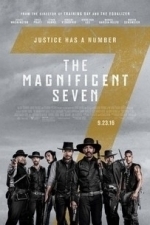
A Hornery Exit.
As a big fan of the original – a staple of many Bank Holiday afternoons in my youth – I was prepared to be sniffy about this remake and came to the film on my high-horse (I left that tied to the rail outside the cinema by the way). But I was surprised to have my expectations reset.
Possibly on the basis that Trump has been given the Mexican’s a good bashing lately, the villain of the piece in this film is updated from Mexican bandit Calvera to Sacremento based land-snatcher and all round bad-egg Bartholomew Bogue (an expressionless Peter Sarsgaard). After ripping through some of the inhabitants of Rose Creek in a brutal pre-title sequence, widowed sharp-shooter Emma Cullen (Haley Bennett, “The Equalizer”) heads into the West on a recruiting mission for hired guns. She first recruits the bounty hunter Chisholm (sing “Chisum, John Chisum…”… no, sorry different Western) played by Denzel Washington. Washington matches Yul Brynner’s famous black outfit, and unlike Brynner is obviously able to finish off the ensemble naturally!
They recruit another six (who’d have thought it?) including wise-guy gambler Faraday (Chris “Guardians of the Galaxy” Pratt); famed confederate sniper Goodnight Robicheaux (Ethan Hawke); his nifty knife throwing Asian sidekick (but good for the Far East box office) Billy Rocks (Bjung-hun Lee, from Terminator: Genisys); and religious bear-of-a-man Indian-hunter Jack Horne (Vincent D’Onofrio, “Jurassic World”). After trying to whip the incompetent townsfolk into shape, and setting some Home-Alone style surprises, the stage is set for a showdown as Bogue whips up an army to re-take “his” town.
I like classic Westerns, with John Ford’s Rio Bravo being a particular favourite. In my view the problem with many modern Westerns is that they try too hard to shock (Tarentino’s recent “Hateful 8” was a case in point: a promising start ruined by gratuitous over-the-top violence). “The Magnificent Seven” doesn’t make that mistake, and while the squib-master and blood-bag boy are heavily employed throughout, nothing is too excessive: in fact, my view – and I don’t often tend in this direction – is that the censors rather over-egged the UK 12A rating on this one and could have gone with a 12. Director Antoine Fuqua has produced a film that is highly respectful of its heritage: perhaps to the point where many scenes might be deemed to be clichéd. But I personally warmed to that.
Denzel Washington was born to be in a Western like this and the emerging Chris Pratt does his star potential no harm by turning in a stellar performance adding both levity – with some whip-sharp lines – and screen presence in the role made famous by Steve McQueen. (Although no one comes close to the screen presence of McQueen…. Look up “real man” in the dictionary and his picture is there!) Also effective is Ethan Hawke in the nearest thing to the Robert Vaughan character in this film.
Where the adapted script by Richard Wenk and Nik Pizzolatto falters somewhat is in the motivations of the characters, which come across as superficial and unconvincing. (Perhaps “selling” was a whole lot easier in the Old West?) It is even unclear at the end of the film whether the survivors (and I hate to be the bearer of bad news, but the seven don’t all make it!) actually take their payment, or even a “share of the gold” that the town is sitting on. It makes for an unsatisfactory closure. The degree of racial harmony present in the film is also difficult to buy into, and the script could have made something more of this.
The film soundtrack marks the swan-song of the late James Horner, so tragically killed in a plane crash last year at the age of just 61. As the natural successor to the great John Williams and the late Jerry Goldsmith, Horner’s loss was a terrible one. The film is dedicated to him. Although the soundtrack was completed by Simon Franglen, there are flourishes of classic Horner, most notably in the first Rose Creek showdown scene. There is also a treat to the ears over the closing credits which is very welcome.
Although the film draws natural comparison with its 5* classic predecessor, this is a good film in its own right – a genuinely pleasant surprise. Perhaps its done well enough that we might get to now see a remake of “The Return of the Seven”. I hope so… “the Western is dead… long live the Western”!
Possibly on the basis that Trump has been given the Mexican’s a good bashing lately, the villain of the piece in this film is updated from Mexican bandit Calvera to Sacremento based land-snatcher and all round bad-egg Bartholomew Bogue (an expressionless Peter Sarsgaard). After ripping through some of the inhabitants of Rose Creek in a brutal pre-title sequence, widowed sharp-shooter Emma Cullen (Haley Bennett, “The Equalizer”) heads into the West on a recruiting mission for hired guns. She first recruits the bounty hunter Chisholm (sing “Chisum, John Chisum…”… no, sorry different Western) played by Denzel Washington. Washington matches Yul Brynner’s famous black outfit, and unlike Brynner is obviously able to finish off the ensemble naturally!
They recruit another six (who’d have thought it?) including wise-guy gambler Faraday (Chris “Guardians of the Galaxy” Pratt); famed confederate sniper Goodnight Robicheaux (Ethan Hawke); his nifty knife throwing Asian sidekick (but good for the Far East box office) Billy Rocks (Bjung-hun Lee, from Terminator: Genisys); and religious bear-of-a-man Indian-hunter Jack Horne (Vincent D’Onofrio, “Jurassic World”). After trying to whip the incompetent townsfolk into shape, and setting some Home-Alone style surprises, the stage is set for a showdown as Bogue whips up an army to re-take “his” town.
I like classic Westerns, with John Ford’s Rio Bravo being a particular favourite. In my view the problem with many modern Westerns is that they try too hard to shock (Tarentino’s recent “Hateful 8” was a case in point: a promising start ruined by gratuitous over-the-top violence). “The Magnificent Seven” doesn’t make that mistake, and while the squib-master and blood-bag boy are heavily employed throughout, nothing is too excessive: in fact, my view – and I don’t often tend in this direction – is that the censors rather over-egged the UK 12A rating on this one and could have gone with a 12. Director Antoine Fuqua has produced a film that is highly respectful of its heritage: perhaps to the point where many scenes might be deemed to be clichéd. But I personally warmed to that.
Denzel Washington was born to be in a Western like this and the emerging Chris Pratt does his star potential no harm by turning in a stellar performance adding both levity – with some whip-sharp lines – and screen presence in the role made famous by Steve McQueen. (Although no one comes close to the screen presence of McQueen…. Look up “real man” in the dictionary and his picture is there!) Also effective is Ethan Hawke in the nearest thing to the Robert Vaughan character in this film.
Where the adapted script by Richard Wenk and Nik Pizzolatto falters somewhat is in the motivations of the characters, which come across as superficial and unconvincing. (Perhaps “selling” was a whole lot easier in the Old West?) It is even unclear at the end of the film whether the survivors (and I hate to be the bearer of bad news, but the seven don’t all make it!) actually take their payment, or even a “share of the gold” that the town is sitting on. It makes for an unsatisfactory closure. The degree of racial harmony present in the film is also difficult to buy into, and the script could have made something more of this.
The film soundtrack marks the swan-song of the late James Horner, so tragically killed in a plane crash last year at the age of just 61. As the natural successor to the great John Williams and the late Jerry Goldsmith, Horner’s loss was a terrible one. The film is dedicated to him. Although the soundtrack was completed by Simon Franglen, there are flourishes of classic Horner, most notably in the first Rose Creek showdown scene. There is also a treat to the ears over the closing credits which is very welcome.
Although the film draws natural comparison with its 5* classic predecessor, this is a good film in its own right – a genuinely pleasant surprise. Perhaps its done well enough that we might get to now see a remake of “The Return of the Seven”. I hope so… “the Western is dead… long live the Western”!
Bob Mann (459 KP) rated Sully (2016) in Movies
Sep 29, 2021
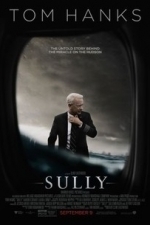
No, not “Monsters Inc 3”.
Chesley Sullenberger was just a very experienced US Airways pilot starting an everyday job flying from LaGuardia airport in New York to Charlotte when fate stepped in. Following an extensive bird strike and the loss of both engines, ‘Sully’ achieved worldwide fame by landing his aircraft and all 151 passengers and crew safely on the Hudson river. Sully is immediately acclaimed by the public as a hero; US Airways, and their insurers, however, are not necessarily as impressed given that their plane has got rather soggy when the flight data suggests it might have actually been able to make it to a landing at a number of nearby airports. So a National Transportation Safety Board (NTSB) inquiry is called, where a decision against Sully could see him facing the fastest fall from grace since Icarus.
This film is obviously based on this real-life ‘Miracle on the Hudson’ and to a large extent the recreation of the crash…. sorry… “forced water landing” is both vivid and gripping. The film is certainly unlikely to make the regular list of in-flight movies for nervous passengers, but it does serve as a good training film for all of those regular airline passengers who don’t “put down their reading materials” to listen to the aircraft safety announcement.
Director Clint Eastwood has delivered a highly watchable action sequence showcasing the undisputed acting talents of Tom Hanks (playing Sully) and his Aaron Eckhard (“Olympus Has Fallen”, playing the co-pilot Jeff Skiles). This makes for a great 45 minute film. The problem is the other 51 minutes.
Where the film works well – aside from the actual recreation itself – is in representing the post-traumatic stress experienced by Sully, with his insomnia and regular flashbacks of ‘what might have happened’ (anyone still strongly affected by 9/11 will struggle with these scenes). The final NTSB hearing scenes are also well-done and suitably gripping: particularly for viewers outside of the UK where we wouldn’t have heard the outcome of the affair once the news cycle had moved on from the ‘gee-whizz’ headline event.
Where the film aquaplanes somewhat is in the padding achieved through multiple (MULTIPLE!) scenes of New Yorkers back-slapping Sully. Some of this is needed to establish the pedestal that Sully is set upon: the bar scene, for example, is well done. But all the rest of the references become just plain tiresome.
There is also a back-story focused on Sully’s financial problems and rather scratchy marriage (as portrayed) to Lorraine (Laura Linney). Linney is normally a highly-watchable actress, but here her character is just so irritating that the mood of the film plummets every time she reappears on screen.
The key problem that screenwriter Todd Komarnicki (“Elf”!!) had here is the obvious one: that as a real-event (based on Sullenberger’s own book “Highest Duty”) he would have had more scope to build tension if the flight had lasted more than 208 seconds! We end up with little visibility into the back-stories of the passengers. We get to see a father and two grown-up sons who – as fate would have it – just manage to catch the doomed plane: and we end up caring what happens to them. But this approach could have perhaps been usefully extended to feature more of the passenger back-stories (without getting the full “Airport” soap treatment).
Clint Eastwood is also clearly an All-American patriot, and in common with some of his other films he can’t help himself from putting up rather soupy statements about the self-sacrifice of New Yorkers (“the best of New York came together”): when actually the rescue teams did what they were paid to do and Ferry captains did what you or I would do if we stumbled on the scene! These sentiments might go down well in the States: in the cynical UK they tend to generate snorts of irritation.
What IS nice are a couple of “monkeys” (see Glossary) during the closing credits where the real Sully, Skiles, cabin-crew and passengers appear together in a celebration of continued life against all the odds. And just so you are aware, this is done as two separate segments during the titles, so if you don’t want to be one of those people standing in the aisles with your coat half on, then wait for the second one!
A curate’s egg of a film: great in places, but overall not as well executed as it could have been.
This film is obviously based on this real-life ‘Miracle on the Hudson’ and to a large extent the recreation of the crash…. sorry… “forced water landing” is both vivid and gripping. The film is certainly unlikely to make the regular list of in-flight movies for nervous passengers, but it does serve as a good training film for all of those regular airline passengers who don’t “put down their reading materials” to listen to the aircraft safety announcement.
Director Clint Eastwood has delivered a highly watchable action sequence showcasing the undisputed acting talents of Tom Hanks (playing Sully) and his Aaron Eckhard (“Olympus Has Fallen”, playing the co-pilot Jeff Skiles). This makes for a great 45 minute film. The problem is the other 51 minutes.
Where the film works well – aside from the actual recreation itself – is in representing the post-traumatic stress experienced by Sully, with his insomnia and regular flashbacks of ‘what might have happened’ (anyone still strongly affected by 9/11 will struggle with these scenes). The final NTSB hearing scenes are also well-done and suitably gripping: particularly for viewers outside of the UK where we wouldn’t have heard the outcome of the affair once the news cycle had moved on from the ‘gee-whizz’ headline event.
Where the film aquaplanes somewhat is in the padding achieved through multiple (MULTIPLE!) scenes of New Yorkers back-slapping Sully. Some of this is needed to establish the pedestal that Sully is set upon: the bar scene, for example, is well done. But all the rest of the references become just plain tiresome.
There is also a back-story focused on Sully’s financial problems and rather scratchy marriage (as portrayed) to Lorraine (Laura Linney). Linney is normally a highly-watchable actress, but here her character is just so irritating that the mood of the film plummets every time she reappears on screen.
The key problem that screenwriter Todd Komarnicki (“Elf”!!) had here is the obvious one: that as a real-event (based on Sullenberger’s own book “Highest Duty”) he would have had more scope to build tension if the flight had lasted more than 208 seconds! We end up with little visibility into the back-stories of the passengers. We get to see a father and two grown-up sons who – as fate would have it – just manage to catch the doomed plane: and we end up caring what happens to them. But this approach could have perhaps been usefully extended to feature more of the passenger back-stories (without getting the full “Airport” soap treatment).
Clint Eastwood is also clearly an All-American patriot, and in common with some of his other films he can’t help himself from putting up rather soupy statements about the self-sacrifice of New Yorkers (“the best of New York came together”): when actually the rescue teams did what they were paid to do and Ferry captains did what you or I would do if we stumbled on the scene! These sentiments might go down well in the States: in the cynical UK they tend to generate snorts of irritation.
What IS nice are a couple of “monkeys” (see Glossary) during the closing credits where the real Sully, Skiles, cabin-crew and passengers appear together in a celebration of continued life against all the odds. And just so you are aware, this is done as two separate segments during the titles, so if you don’t want to be one of those people standing in the aisles with your coat half on, then wait for the second one!
A curate’s egg of a film: great in places, but overall not as well executed as it could have been.

Joe Julians (221 KP) rated Three Billboards Outside Ebbing, Missouri (2017) in Movies
Jan 17, 2018

Given that the premise to this movie focuses on the unsolved rape and murder of a teenage girl, you would be forgiven for thinking that Three Billboards Outside Ebbing, Missouri would be a bleak and depressing watch. And at times it is. This is by no means a happy movie and there is a lot of misery and upset that plagues the central characters. But, interwoven in all that is a dark comedic vibe that makes the script story and characters come to life in ways that I wasn’t expecting going in.
The film starts us off seven months after Mildred’s daughter’s death and we immediately get a sense of how frustrated she is that she’s had no answers or closure as to what happened. Her blame for this lies solely with the police department and as the man in charge, it’s Willoughby that initially is the target of her ire; his is the name that is plastered across billboard number 3. What follows is a story that is utterly engrossing for almost all of its run time. The cast here are across the board superb. Everyone here puts in a stellar performance but despite Sam Rockwell giving her a run for her money, this is Frances McDormand’s movie through and through. She’s utterly captivating in every second of screen time she gets which is all the more remarkable given that Mildred is not an easy role to play. She’s almost joyless given what has happened to her and her fractured family, yet her cynical and blunt nature allows for some wonderfully, sometimes uncomfortable, comedic moments that really help make the character one that feels oddly warm despite her cold hardened exterior.
I mentioned Rockwell too and this is the best I’ve seen him. Officer Dixon isn’t a nice guy by any stretch of the imagination. He’s a racist mother’s boy that has little care for his job or the people that he’s meant to be protecting. And yet despite his flaws, Rockwell makes him almost sympathetic. Dixon also ends up having what I think to be the best arc of the whole movie- something I would not have picked when he first appeared on the screen and showed what kind of man he is. Just naming these two seems like a detriment to everyone else as there isn’t anyone that puts a foot wrong. Harrelson for example is wonderful as Chief Willoughby and delivers a nuanced and understated performance that really made me feel for the character and the horrible things he’s going through. Even those with far smaller parts are memorable, such as Peter Dinklage as the alcoholic “town midget” with an unreciprocated crush.
Performances aside, Three Billboards would be nothing without a decent script and Martin McDonagh delivers that in spades. This is a sharp script that doesn’t waste a moment of dialogue. And there’s some fantastic lines here with laughs coming at the most unexpected moments and at the most unexpected of times. There’s an early zinger in a scene with Mildred and a priest at her home that took me by surprise with its crassness that seemed to perfectly suit the scene. McDonagh is also on directing duties and he is equally as impressive with that as he is with penning the screenplay. This is a beautifully shot film with the rural location and the small-town setting used perfectly. He never oversells a moment despite the fact there are a few moments where it would be possible to do so. One scene in particular featuring Mildred in perhaps her angriest moment of the movie could easily have been overblown, yet it’s somewhat subdued despite being the closest to an action sequence that we get.
If there’s issues to be found in Three Billboards, it would be, at least for me, its ending. Until just before the credits rolled, this was an easy perfect score film for me, yet it’s ambiguity with its conclusion left me feeling a little cold. It’s not that I need every story I experience to have a neat and clear-cut end, but this was one that I felt needed something more final to close it out. It almost feels like it ended too soon, like there were a few more minutes worth of story still to be told that for whatever reason ended up being removed from the final product. Of course, that’s not the case, but it’s hard not to feel like things are left incomplete in a way that is more frustrating than they are intriguing.
Verdict
Despite an ending that felt too abrupt, Three Billboards Outside Ebbing Missouri is a joy to watch. Brilliantly written, acted and directed, this is one of those movies that had me completely immersed in its world right from the start and had me gripped until the final frame. Highly recommended.
The film starts us off seven months after Mildred’s daughter’s death and we immediately get a sense of how frustrated she is that she’s had no answers or closure as to what happened. Her blame for this lies solely with the police department and as the man in charge, it’s Willoughby that initially is the target of her ire; his is the name that is plastered across billboard number 3. What follows is a story that is utterly engrossing for almost all of its run time. The cast here are across the board superb. Everyone here puts in a stellar performance but despite Sam Rockwell giving her a run for her money, this is Frances McDormand’s movie through and through. She’s utterly captivating in every second of screen time she gets which is all the more remarkable given that Mildred is not an easy role to play. She’s almost joyless given what has happened to her and her fractured family, yet her cynical and blunt nature allows for some wonderfully, sometimes uncomfortable, comedic moments that really help make the character one that feels oddly warm despite her cold hardened exterior.
I mentioned Rockwell too and this is the best I’ve seen him. Officer Dixon isn’t a nice guy by any stretch of the imagination. He’s a racist mother’s boy that has little care for his job or the people that he’s meant to be protecting. And yet despite his flaws, Rockwell makes him almost sympathetic. Dixon also ends up having what I think to be the best arc of the whole movie- something I would not have picked when he first appeared on the screen and showed what kind of man he is. Just naming these two seems like a detriment to everyone else as there isn’t anyone that puts a foot wrong. Harrelson for example is wonderful as Chief Willoughby and delivers a nuanced and understated performance that really made me feel for the character and the horrible things he’s going through. Even those with far smaller parts are memorable, such as Peter Dinklage as the alcoholic “town midget” with an unreciprocated crush.
Performances aside, Three Billboards would be nothing without a decent script and Martin McDonagh delivers that in spades. This is a sharp script that doesn’t waste a moment of dialogue. And there’s some fantastic lines here with laughs coming at the most unexpected moments and at the most unexpected of times. There’s an early zinger in a scene with Mildred and a priest at her home that took me by surprise with its crassness that seemed to perfectly suit the scene. McDonagh is also on directing duties and he is equally as impressive with that as he is with penning the screenplay. This is a beautifully shot film with the rural location and the small-town setting used perfectly. He never oversells a moment despite the fact there are a few moments where it would be possible to do so. One scene in particular featuring Mildred in perhaps her angriest moment of the movie could easily have been overblown, yet it’s somewhat subdued despite being the closest to an action sequence that we get.
If there’s issues to be found in Three Billboards, it would be, at least for me, its ending. Until just before the credits rolled, this was an easy perfect score film for me, yet it’s ambiguity with its conclusion left me feeling a little cold. It’s not that I need every story I experience to have a neat and clear-cut end, but this was one that I felt needed something more final to close it out. It almost feels like it ended too soon, like there were a few more minutes worth of story still to be told that for whatever reason ended up being removed from the final product. Of course, that’s not the case, but it’s hard not to feel like things are left incomplete in a way that is more frustrating than they are intriguing.
Verdict
Despite an ending that felt too abrupt, Three Billboards Outside Ebbing Missouri is a joy to watch. Brilliantly written, acted and directed, this is one of those movies that had me completely immersed in its world right from the start and had me gripped until the final frame. Highly recommended.

Andy Meakin (5 KP) rated Thor: Ragnarok (2017) in Movies
Jul 11, 2018
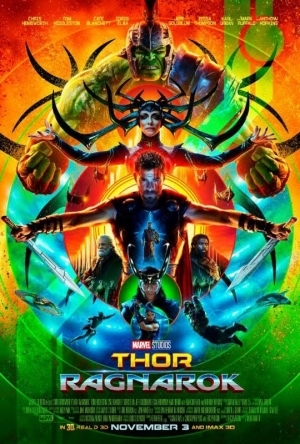
Thor-oughly entertaining.
Thor has always come across as the weaker of the Marvel film series’. The first film was well made, but never really demanded a repeat watch. The second, whilst not as bad as some people will attest, still felt more like a stop gap filler. You can’t blame the casting for the feeling of nonchalance that the films, so far, have delivered. Hemsworth is great in the role, and the support cast have always given their all, from Hiddleston as Loki, to Anthony Hopkins as Odin. But the stories have just felt superfluous, generic, and lacking in anything fantastical or mystical. In addition they have made the same error that DC made when they adapted Green Lantern – they spent too much time on Earth! You see, there are enough super-hero films that focus on a threat to Earth, so even though you could argue that it is faithful to the comics to have Thor defending Midgard against some mythical enemy, it has the unfortunate effect of making it seem just a little too…familiar. Wisely the decision was made for this third film to break away from Midgard, and go ‘cosmic’ with the story – and the end result is a damn sight better as a result.
The film spends the first act tying up some loose ends from the previous film, and returning Thor to Asgard. There he finds things are not as he left, and pretty soon Hela (Cate Blanchett) arrives to take control of Asgard, and threaten all the kingdoms with her army. Thor himself finds himself stranded on a remote junk-planet called Sakaar, where he finds himself thrown into gladiatorial combat against…well…an old friend. Can Thor unite an army to return to Asgard and save his people?
To say the film is immense fun would be an understatement! Director Taika Waititi, known for comedy dramas such as Hunt for the Wilderpeople and What We Do In The Shadows, definitely had an aim to explore the somewhat sillier side of the character, and the film is funny from the outset. Thor, who has always been a little naïve and shown some more awkward moments, is really given a lot of great lines, jibes, and clumsy aspects to round him out as more than just a ‘dumb, cocky Asgardian’. Throughout the film, characters quip and riff on ideas, creating genuine laughs and quotable moments, with even the newer characters getting their moments to impress on the audience. Amongst those newer additions, Karl Urban as Skurge, Jeff Goldblum as Grandmaster, and Tessa Thompson as Valkyrie steal any moments they appear on screen (Goldblum in particular just needs to have a wry grin and a raised eyebrow and all focus is on him). But Waititi himself gets to play with the best new addition to the cast, and one we will apparently see more of in the future, as Korg, a Kronan warrior.
So far, so entertaining, but is it all comedy and no substance? Far from it! The comedy serves well to balance against the dark drama of the story. This is titled Ragnarok, and Hela’s assault on Asgard is chilling indeed. In addition, the weaving in of elements from the Planet Hulk storyline, to give the mid-point journey part of the film some meat, ensures that there is never any dip in the tale, and there is plenty going on. The delicate balance of drama, emotion, and comedy is very reminiscent of the Guardians of the Galaxy films, and the franchise is so much better for it. After all, Asgardians are an alien race, so why not explore the cosmos a little with them? Even the soundtrack feels a little ‘Guardians-esque’ in style, with Led Zeppelin’s fabulous Immigrant Song being utilised perfectly for battle moments, but a somewhat electro-pop-synth score resonating throughout the film.
This is a film that flies by in run time (130 minutes, but never dragging), and finally gives Thor an identity in the Marvel Cinematic Universe. As the end credits finish rolling, the immediate desire is to watch it all again – which is not a feeling that the other two films left in me at all. Jostling for position in the top three Marvel films to date (Avengers and Guardians for those who are curious – yes, I know Winter Soldier and Civil War are damned good too, but these films are just fun). Thor: Ragnarok looks amazing, and entertains thoroughly. Ragnarok may mean the end of Asgard according to myth and legend, but it signals the true start of Thor as a character in his own right. All of that positive without even mentioning Ruffalo as Hulk (which you just knew was going to be great anyway)! Just watch the film for yourself, and enjoy.
The film spends the first act tying up some loose ends from the previous film, and returning Thor to Asgard. There he finds things are not as he left, and pretty soon Hela (Cate Blanchett) arrives to take control of Asgard, and threaten all the kingdoms with her army. Thor himself finds himself stranded on a remote junk-planet called Sakaar, where he finds himself thrown into gladiatorial combat against…well…an old friend. Can Thor unite an army to return to Asgard and save his people?
To say the film is immense fun would be an understatement! Director Taika Waititi, known for comedy dramas such as Hunt for the Wilderpeople and What We Do In The Shadows, definitely had an aim to explore the somewhat sillier side of the character, and the film is funny from the outset. Thor, who has always been a little naïve and shown some more awkward moments, is really given a lot of great lines, jibes, and clumsy aspects to round him out as more than just a ‘dumb, cocky Asgardian’. Throughout the film, characters quip and riff on ideas, creating genuine laughs and quotable moments, with even the newer characters getting their moments to impress on the audience. Amongst those newer additions, Karl Urban as Skurge, Jeff Goldblum as Grandmaster, and Tessa Thompson as Valkyrie steal any moments they appear on screen (Goldblum in particular just needs to have a wry grin and a raised eyebrow and all focus is on him). But Waititi himself gets to play with the best new addition to the cast, and one we will apparently see more of in the future, as Korg, a Kronan warrior.
So far, so entertaining, but is it all comedy and no substance? Far from it! The comedy serves well to balance against the dark drama of the story. This is titled Ragnarok, and Hela’s assault on Asgard is chilling indeed. In addition, the weaving in of elements from the Planet Hulk storyline, to give the mid-point journey part of the film some meat, ensures that there is never any dip in the tale, and there is plenty going on. The delicate balance of drama, emotion, and comedy is very reminiscent of the Guardians of the Galaxy films, and the franchise is so much better for it. After all, Asgardians are an alien race, so why not explore the cosmos a little with them? Even the soundtrack feels a little ‘Guardians-esque’ in style, with Led Zeppelin’s fabulous Immigrant Song being utilised perfectly for battle moments, but a somewhat electro-pop-synth score resonating throughout the film.
This is a film that flies by in run time (130 minutes, but never dragging), and finally gives Thor an identity in the Marvel Cinematic Universe. As the end credits finish rolling, the immediate desire is to watch it all again – which is not a feeling that the other two films left in me at all. Jostling for position in the top three Marvel films to date (Avengers and Guardians for those who are curious – yes, I know Winter Soldier and Civil War are damned good too, but these films are just fun). Thor: Ragnarok looks amazing, and entertains thoroughly. Ragnarok may mean the end of Asgard according to myth and legend, but it signals the true start of Thor as a character in his own right. All of that positive without even mentioning Ruffalo as Hulk (which you just knew was going to be great anyway)! Just watch the film for yourself, and enjoy.
Bob Mann (459 KP) rated Pixie (2020) in Movies
Nov 2, 2020
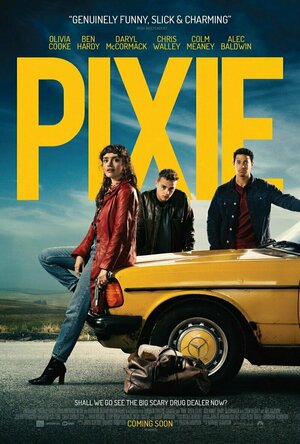
Olivia Cooke - utterly enchanting (1 more)
Just the right balance of black humour and Tarantino-esque violence
Once upon a Time in the West... of Ireland
You know sometimes when you see a trailer you think "oh yeah - this is a must see"! The trailer for "Pixie" (see below) was one such moment for me. A spaghetti western set in Sligo? With Alec Baldwin as a "deadly gangster priest"? Yes, yes, yes!
In a remote Irish church, two Irish priests and two "visiting Afghan Catholic priests" are gunned down by a couple of losers in animal masks - Fergus (Fra Fee) and Colin (Rory Fleck Byrne) - over a stash of MDMA worth a million Euros. This reignites a simmering gang war between the gangster families of Dermot O'Brien (Colm Meaney) and Father Hector McGrath (Alec Baldwin). Linking everything together is Pixie (Olivia Cooke), O'Brien's daughter, who has a magnetic effect on men. She is somehow subtly the woman controlling everything going on.
Drawn into the mayhem are hapless teens Frank (Ben Hardy) and Harland (Daryl McCormack) - both of who have the hots for Pixie - who embark on a wild and bloody road-trip around southern Ireland.
Key to your belief in the ridiculous story is that the character of Pixie has to have the beauty and charisma to utterly enslave the poor men she crosses paths with: taking a "Kalashnikov to their hearts" as drug dealer Daniel (Chris Walley) puts it. And Olivia Cooke - so good in "Ready Player One" - absolutely and completely nails the role. I'm utterly in love with her after this movie, and she's thirty years too young for me! There's a sparkle and a mischief behind her that reminded me strongly of a young Audrey Hepburn.
Supporting her really well are the "Harry and Ron" to Cooke's Hermione - Ben Hardy (Roger Taylor in "Bohemian Rhapsody") and Daryl McCormack. And the trio make a truly memorable "love triangle". A bedroom scene manages to be both quietly erotic and excruciatingly funny in equal measure.
The direction here is by Barnaby Thompson, who's better known as a producer with the only previous movie directing credits being the St Trinian's reboots in 2007/09. Here he manages to channel some of the quirky camera shots of the likes of Guy Ritchie and Matthew Vaughn and mix them with the black humour and comedic gore of Quentin Tarantino. The taciturn hit-man Seamus (Ned Dennehy) typifies the comedy on offer, using a Land Rover to drag a poor victim round in a figure of eight on a soggy moor to make him talk!
Where I think the movie wimps out a bit is in an ecclesiastical shoot-out finale. Vaughn's "Kingsman: The Secret Service" set the bar here for completely outrageous and out-there church-based violence. Here, the scene is both tame by comparison (not necessarily a bad thing!), but also highly predictable. Given this is supposed to be "a plan", none of it feels to be very well thought-through! As such, belief can only be suspended for so long.
The visuals and music are fab. The cinematography - by veteran John de Borman - makes the west Ireland coast look utterly glorious and the Irish tourist board must have been delighted. There are also some beautifully-framed shots: a boot-eye (US: trunk-eye) perspective is fabulous, and there's a gasp-inducing fade-back to Pixie's face following a flashback. And a shout-out too to the editing by Robbie Morrison, since some of the plot twists are delivered as expert surprises.
The music - by Gerry Diver and David Holmes - is also spectacularly good at propelling the action and maintaining the feel-good theme.
Where I did have issues was with the audio mix. I'm sure there were a bunch of clever one-liners buried in there, but the combination of the accents (and I've worked in Northern Ireland for 20 years and am "tuned in"!) and the sound quality meant I missed a number of them. I will need another watch with subtitles to catch them all.
Thanks to ANOTHER WRETCHED LOCKDOWN in the UK this was my last trip to the cinema for at least a month: I was one of only four viewers in the "Odeon" cinema for this showing. Because it's a great shame that so few people will get to see this (at least for a while), since its the sort of feelgood movie that we all need right now. Slick and utterly entertaining, I'll quietly predict that this one will gain a following as a mini-cult-classic when it gets to streaming services. Recommended.
(For the full graphical review, please check-out the bob the movie man review here - https://bob-the-movie-man.com/2020/11/02/pixie-once-upon-a-time-in-the-west-of-ireland/. Thanks.)
In a remote Irish church, two Irish priests and two "visiting Afghan Catholic priests" are gunned down by a couple of losers in animal masks - Fergus (Fra Fee) and Colin (Rory Fleck Byrne) - over a stash of MDMA worth a million Euros. This reignites a simmering gang war between the gangster families of Dermot O'Brien (Colm Meaney) and Father Hector McGrath (Alec Baldwin). Linking everything together is Pixie (Olivia Cooke), O'Brien's daughter, who has a magnetic effect on men. She is somehow subtly the woman controlling everything going on.
Drawn into the mayhem are hapless teens Frank (Ben Hardy) and Harland (Daryl McCormack) - both of who have the hots for Pixie - who embark on a wild and bloody road-trip around southern Ireland.
Key to your belief in the ridiculous story is that the character of Pixie has to have the beauty and charisma to utterly enslave the poor men she crosses paths with: taking a "Kalashnikov to their hearts" as drug dealer Daniel (Chris Walley) puts it. And Olivia Cooke - so good in "Ready Player One" - absolutely and completely nails the role. I'm utterly in love with her after this movie, and she's thirty years too young for me! There's a sparkle and a mischief behind her that reminded me strongly of a young Audrey Hepburn.
Supporting her really well are the "Harry and Ron" to Cooke's Hermione - Ben Hardy (Roger Taylor in "Bohemian Rhapsody") and Daryl McCormack. And the trio make a truly memorable "love triangle". A bedroom scene manages to be both quietly erotic and excruciatingly funny in equal measure.
The direction here is by Barnaby Thompson, who's better known as a producer with the only previous movie directing credits being the St Trinian's reboots in 2007/09. Here he manages to channel some of the quirky camera shots of the likes of Guy Ritchie and Matthew Vaughn and mix them with the black humour and comedic gore of Quentin Tarantino. The taciturn hit-man Seamus (Ned Dennehy) typifies the comedy on offer, using a Land Rover to drag a poor victim round in a figure of eight on a soggy moor to make him talk!
Where I think the movie wimps out a bit is in an ecclesiastical shoot-out finale. Vaughn's "Kingsman: The Secret Service" set the bar here for completely outrageous and out-there church-based violence. Here, the scene is both tame by comparison (not necessarily a bad thing!), but also highly predictable. Given this is supposed to be "a plan", none of it feels to be very well thought-through! As such, belief can only be suspended for so long.
The visuals and music are fab. The cinematography - by veteran John de Borman - makes the west Ireland coast look utterly glorious and the Irish tourist board must have been delighted. There are also some beautifully-framed shots: a boot-eye (US: trunk-eye) perspective is fabulous, and there's a gasp-inducing fade-back to Pixie's face following a flashback. And a shout-out too to the editing by Robbie Morrison, since some of the plot twists are delivered as expert surprises.
The music - by Gerry Diver and David Holmes - is also spectacularly good at propelling the action and maintaining the feel-good theme.
Where I did have issues was with the audio mix. I'm sure there were a bunch of clever one-liners buried in there, but the combination of the accents (and I've worked in Northern Ireland for 20 years and am "tuned in"!) and the sound quality meant I missed a number of them. I will need another watch with subtitles to catch them all.
Thanks to ANOTHER WRETCHED LOCKDOWN in the UK this was my last trip to the cinema for at least a month: I was one of only four viewers in the "Odeon" cinema for this showing. Because it's a great shame that so few people will get to see this (at least for a while), since its the sort of feelgood movie that we all need right now. Slick and utterly entertaining, I'll quietly predict that this one will gain a following as a mini-cult-classic when it gets to streaming services. Recommended.
(For the full graphical review, please check-out the bob the movie man review here - https://bob-the-movie-man.com/2020/11/02/pixie-once-upon-a-time-in-the-west-of-ireland/. Thanks.)
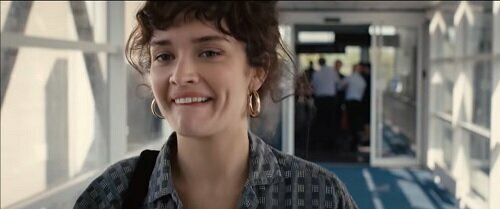
Bob Mann (459 KP) rated Let Him Go (2020) in Movies
Dec 23, 2020
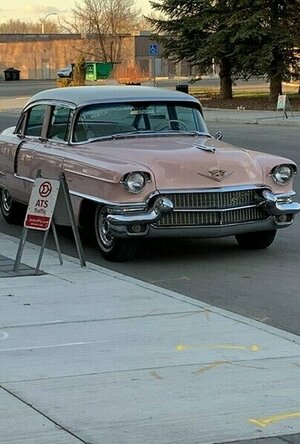
Feud for Thought
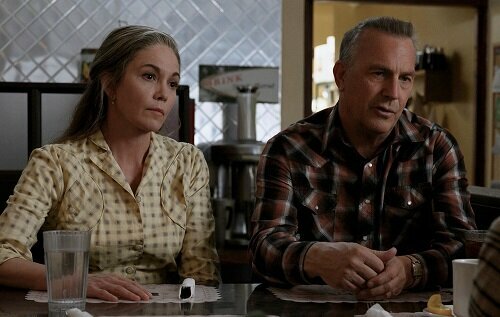
After a family tragedy for the Blackledge family, grandparents George (Kevin Costner) and Margaret (Diane Lane) are left to bring up baby Jimmy (Bram and Otto Hornung) with mother/daughter-in-law Lorna (Kayli Carter). But a few years later, Lorna marries bad-un Donnie Weboy (Will Brittain) and disappears back to Donnie's hillbilly extended family in the wilds of North Dakota, led by the fearsome Blanche Weboy (Lesley Manville). Fearing for the child's wellbeing, Margaret drags retired Sheriff George on a dangerous journey to rescue the child.
There are strong similarities in this story with a sub-plot of the excellent "Ozark", where the psychopathic Darlene Snell (Lisa Emery) is intent on having a child to grow up with on her remote ranch. The sense of tension there is recreated here, exacerbated by the movie's extremely slow (read "glacial") pace in its early stages. It's the same sort of rising dread that I felt with "Nocturnal Animals". This reaches its peak at a tense standoff over lamb chops at the Weboy ranch, but we are probably half-way into the film by then.
The slow pace however is broken by a couple of extremely violent scenes that earn the movie its UK-15 certificate. One (no spoilers here!) harks back to another Kevin Costner blockbuster where he was a bit luckier! And the finale turns a slightly sleepy tale of "two old folks" into an 'all guns blazing' action western that's highly unexpected. Although you could argue that this is tonally extremely uneven, it works and makes the movie a lot more memorable than it otherwise would be.
The standout leading performance here is the one from Diane Lane as the mentally tortured Granny pursuing her convictions across the country. Here writer/director Thomas Bezucha gives the character full rein. It's a memorable 'strong female' part, that would have been dominated by the male lead in the writing of films a few years back. Lane delivers a dramatic and rock-solid performance that has Oscar nomination written all over it.
I'm also a big fan of Kevin Costner, not just because he's a solid and reliable actor over many years. I always remember him gamely appearing as "The Postman"/'propeller-guy' in Billy Crystal's hilarious montage opening for the 70th Academy Awards. Anyhow, here he has his meatiest dramatic role in many years, and delivers fully on it. Top job, although I suspect this may not be his year for his elusive Best Actor award.
Finally, rounding out the Oscar hopefuls is the brilliant Lesley Manville as Blanche Weboy. It's a dream of a role for the Brighton-born star, nominated of course for the Best Supporting Actress two years ago for "Phantom Thread". And she is genuinely chilling here, firing on all cylinders like some sort of deranged Bette Davis on speed. She's used sparingly in the movie, but that makes her scenes all the more memorable. Another nomination perhaps? I'd predict so, yes.
I found this to be an uncomfortable watch, since I found myself in a moral quandary with the storyline. It's clear that Margaret is genuinely concerned for the safety of Jimmy (and less so, Lorna). Yet, what she is ultimately prepared to do is consider child abduction, when the law if probably on the side of the other party. Sure, the lifestyle and attitudes of the Weboys are alien to this more traditional "Granny". But although Blanche rules with a Victorian-level of grit, isn't she - at least before any of her more vicious tendencies emerge - entitled to do that? The film firmly roots itself behind the Blackledge's as "the good guys", but the script cleverly has you questioning that at various points,
Two technical categories in "Let Him Go" are also worthy of note. The cinematography is by Guy Godfree, and the sweeping vistas of Montana and North Dakota (actually Alberta in Canada!) are gloriously delivered. And the music by Michael Giacchino - one of my favourite composers - is cello-heavy and fitting for the sombre storyline. I always assess the quality of a score by whether I annoy the cinema cleaners by sitting until the last of the end credits have rolled, and this is one I did that to.
As the last movie I see before Christmas, "Let Him Go" is not exactly a feelgood festive offering. It's a well-crafted and thoughtful story, but not one to make you feel good inside, for the reasons outlined above. If you are a movie-lover though, then it's an interesting watch, if only for the fine acting performances on offer.
(For the full graphical review, please check out the "Bob the Movie Man" review on the web here - https://bob-the-movie-man.com/2020/12/23/let-him-go-is-not-a-joyous-affair-but-delivers-oscar-worthy-performances/. Thanks.)
There are strong similarities in this story with a sub-plot of the excellent "Ozark", where the psychopathic Darlene Snell (Lisa Emery) is intent on having a child to grow up with on her remote ranch. The sense of tension there is recreated here, exacerbated by the movie's extremely slow (read "glacial") pace in its early stages. It's the same sort of rising dread that I felt with "Nocturnal Animals". This reaches its peak at a tense standoff over lamb chops at the Weboy ranch, but we are probably half-way into the film by then.
The slow pace however is broken by a couple of extremely violent scenes that earn the movie its UK-15 certificate. One (no spoilers here!) harks back to another Kevin Costner blockbuster where he was a bit luckier! And the finale turns a slightly sleepy tale of "two old folks" into an 'all guns blazing' action western that's highly unexpected. Although you could argue that this is tonally extremely uneven, it works and makes the movie a lot more memorable than it otherwise would be.
The standout leading performance here is the one from Diane Lane as the mentally tortured Granny pursuing her convictions across the country. Here writer/director Thomas Bezucha gives the character full rein. It's a memorable 'strong female' part, that would have been dominated by the male lead in the writing of films a few years back. Lane delivers a dramatic and rock-solid performance that has Oscar nomination written all over it.
I'm also a big fan of Kevin Costner, not just because he's a solid and reliable actor over many years. I always remember him gamely appearing as "The Postman"/'propeller-guy' in Billy Crystal's hilarious montage opening for the 70th Academy Awards. Anyhow, here he has his meatiest dramatic role in many years, and delivers fully on it. Top job, although I suspect this may not be his year for his elusive Best Actor award.
Finally, rounding out the Oscar hopefuls is the brilliant Lesley Manville as Blanche Weboy. It's a dream of a role for the Brighton-born star, nominated of course for the Best Supporting Actress two years ago for "Phantom Thread". And she is genuinely chilling here, firing on all cylinders like some sort of deranged Bette Davis on speed. She's used sparingly in the movie, but that makes her scenes all the more memorable. Another nomination perhaps? I'd predict so, yes.
I found this to be an uncomfortable watch, since I found myself in a moral quandary with the storyline. It's clear that Margaret is genuinely concerned for the safety of Jimmy (and less so, Lorna). Yet, what she is ultimately prepared to do is consider child abduction, when the law if probably on the side of the other party. Sure, the lifestyle and attitudes of the Weboys are alien to this more traditional "Granny". But although Blanche rules with a Victorian-level of grit, isn't she - at least before any of her more vicious tendencies emerge - entitled to do that? The film firmly roots itself behind the Blackledge's as "the good guys", but the script cleverly has you questioning that at various points,
Two technical categories in "Let Him Go" are also worthy of note. The cinematography is by Guy Godfree, and the sweeping vistas of Montana and North Dakota (actually Alberta in Canada!) are gloriously delivered. And the music by Michael Giacchino - one of my favourite composers - is cello-heavy and fitting for the sombre storyline. I always assess the quality of a score by whether I annoy the cinema cleaners by sitting until the last of the end credits have rolled, and this is one I did that to.
As the last movie I see before Christmas, "Let Him Go" is not exactly a feelgood festive offering. It's a well-crafted and thoughtful story, but not one to make you feel good inside, for the reasons outlined above. If you are a movie-lover though, then it's an interesting watch, if only for the fine acting performances on offer.
(For the full graphical review, please check out the "Bob the Movie Man" review on the web here - https://bob-the-movie-man.com/2020/12/23/let-him-go-is-not-a-joyous-affair-but-delivers-oscar-worthy-performances/. Thanks.)