
Search
Search results

April Fool's Day (1986)
7.1 Rate It
Movie
On the weekend leading up to April Fools' Day, a group of college friends, consisting of Harvey,...

Bob Mann (459 KP) rated Judas and the Black Messiah (2021) in Movies
Apr 25, 2021


Kaluuya and Stanfield excel (1 more)
Great US history lesson on the Black Panther movement
"Politics is war without bloodshed"
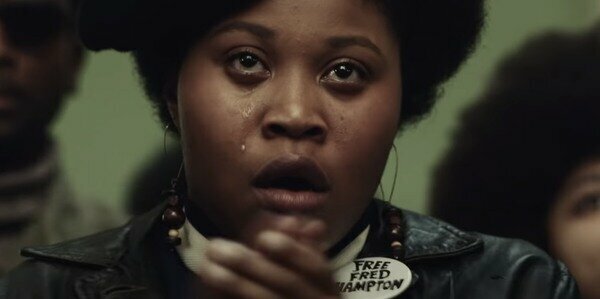
The ‘Judas’ in “Judas and the Black Messiah” is Bill O’Neil (LaKeith Stanfield). He works as an informer for FBI man Mitchell (Jesse Plemons), who has him over a barrel for impersonating an FBI officer. Fred Hampton (Daniel Kaluuya) runs the Chicago chapter of the Black Panther party and O’Neil is a trusted comrade on the inside.
Will O’Neil – always concerned that ‘snitches get stiches’ – stay on the side of ‘the pigs’, or be influenced by the ideals and good deeds of Chairman Fred?
Positives:
- Before this movie, I really had no idea what the Black Panthers were or how they operated. (If pushed, I would have tagged them as “internal terrorists” or similar). So this movie was really valuable to me in further understanding their role as a political movement. And their use of community programmes – focused, for example, around child nutrition and health improvements in inner cities – was a revelation.
- Given the BLM movement, and further ‘blue-on-black’ shootings, the film is timely. (Even more so for me, since the George Floyd trial verdict came out last night). “The United States vs Billie Holiday” showed how brutally the civil rights movement was put down by the authorities in the 40’s. This shows the same thing happened in the 70’s too. It’s again a movie that leaves you angry and frustrated at how poorly the black community have been abused in America. I guess counter to that is the positive view that things HAVE evidently improved significantly since then, albeit that the US is still on this journey.
- Nominated for Best Supporting Actor Oscars are both Stanfield and Kaluuya. (This is a highly debatable point, since arguably both of these gents are lead actors in the movie!) Both of them deliver outstanding performances, and Kaluuya has already picked up the BAFTA. Kaluuya demonstrates a huge amount of energy and charisma, particularly during the delivery of his stirring speeches. But Stanfield delivers a superbly nuanced performance, and perhaps impressed me even more.
- Also deserved, in a movie predominantly featuring a black cast, is recognition of the ever-excellent Jesse Plemons. As the steely-eyed FBI family man, he’s chilling to watch.
Negatives:
- I had issues with the sound mixing here. I found some of the dialogue – already hard for me to follow sometimes due to the speed of delivery and the accents – drowned out by background music and foley sounds.
- Martin Sheen’s make-up as J. Edgar Hoover was rather over-the-top and detracted from the role. (Sheen is in little more than a few cameo scenes).
Summary Thoughts:
I’m pleased I’ve managed to see this impressive Oscar contender before Sunday’s Academy Awards event. Interestingly, I noticed that historical advisors on the movie were Deborah Johnson (played here beautifully by Dominique Fishback) and the baby she was carrying (now Fred Hampton Jnr.).
As well as the two Supporting Actor nominations, it’s also up for Best Film, Best Original Screenplay, Best Cinematography (Sean Bobbitt) and Best Song (for “Fight for You”, played over the end titles, and very good).
(For the full graphical review, please check out One Mann's Movies here https://bob-the-movie-man.com/2021/04/21/judas-and-the-black-messiah-war-is-politics-with-bloodshed/. Thanks.)
Will O’Neil – always concerned that ‘snitches get stiches’ – stay on the side of ‘the pigs’, or be influenced by the ideals and good deeds of Chairman Fred?
Positives:
- Before this movie, I really had no idea what the Black Panthers were or how they operated. (If pushed, I would have tagged them as “internal terrorists” or similar). So this movie was really valuable to me in further understanding their role as a political movement. And their use of community programmes – focused, for example, around child nutrition and health improvements in inner cities – was a revelation.
- Given the BLM movement, and further ‘blue-on-black’ shootings, the film is timely. (Even more so for me, since the George Floyd trial verdict came out last night). “The United States vs Billie Holiday” showed how brutally the civil rights movement was put down by the authorities in the 40’s. This shows the same thing happened in the 70’s too. It’s again a movie that leaves you angry and frustrated at how poorly the black community have been abused in America. I guess counter to that is the positive view that things HAVE evidently improved significantly since then, albeit that the US is still on this journey.
- Nominated for Best Supporting Actor Oscars are both Stanfield and Kaluuya. (This is a highly debatable point, since arguably both of these gents are lead actors in the movie!) Both of them deliver outstanding performances, and Kaluuya has already picked up the BAFTA. Kaluuya demonstrates a huge amount of energy and charisma, particularly during the delivery of his stirring speeches. But Stanfield delivers a superbly nuanced performance, and perhaps impressed me even more.
- Also deserved, in a movie predominantly featuring a black cast, is recognition of the ever-excellent Jesse Plemons. As the steely-eyed FBI family man, he’s chilling to watch.
Negatives:
- I had issues with the sound mixing here. I found some of the dialogue – already hard for me to follow sometimes due to the speed of delivery and the accents – drowned out by background music and foley sounds.
- Martin Sheen’s make-up as J. Edgar Hoover was rather over-the-top and detracted from the role. (Sheen is in little more than a few cameo scenes).
Summary Thoughts:
I’m pleased I’ve managed to see this impressive Oscar contender before Sunday’s Academy Awards event. Interestingly, I noticed that historical advisors on the movie were Deborah Johnson (played here beautifully by Dominique Fishback) and the baby she was carrying (now Fred Hampton Jnr.).
As well as the two Supporting Actor nominations, it’s also up for Best Film, Best Original Screenplay, Best Cinematography (Sean Bobbitt) and Best Song (for “Fight for You”, played over the end titles, and very good).
(For the full graphical review, please check out One Mann's Movies here https://bob-the-movie-man.com/2021/04/21/judas-and-the-black-messiah-war-is-politics-with-bloodshed/. Thanks.)

Hazel (1853 KP) rated A Robot in the Garden in Books
May 25, 2017
So Sweet
This ebook was provided by the publisher via NetGalley in exchange for an honest review
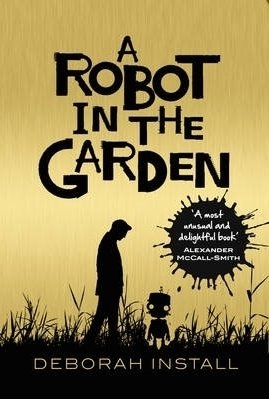
What would you do if you found a robot in your garden? That is exactly what, as the title suggests, 34-year-old Ben has to answer on making this discovery early one September morning. Set in the near future where many people have androids in their houses to do the chores they do not wish to do, finding a robot is not a completely unsettling event. What is unusual, however, is that this particular robot is the opposite of the modern, shiny models: he appears to be a mishmash of Japanese fine art and something you would find on a scrap heap.
As Ben discovers, the robot, named Tang is broken and is in need of urgent care and repair. Ben becomes obsessed with trying to pry information out of the robot as to where he came from and to whom he belongs to. Bringing Tang into the house is the last straw for his wife, Amy, who after letting him know all his faults – unemployment, never achieved anything – walks out on him. Now alone, with no one else to worry about, Ben is determined to locate Tang’s creator and save the robot’s life.
What continues is a wild goose chase across America and over to Asia as the strange pairing – human and robot – follows hints and clues that could help them reach their destination. Along the way Ben gets to know Tang and learns to love him in the same way a father loves a child. No matter what mischief Tang gets himself into, Ben is always there to fix the situation. The only thing he cannot fix is Tang’s internal parts, and time is running out.
Initially the story was about a man who wanted to prove he could achieve something to show his sister and his, now, ex-wife that they were wrong about him. However later on in the novel Ben realizes he is changing for himself, not for anyone else, and the person – or robot – that has helped him to achieve this is Tang. On the other hand it is also a humorous tale that explores a character that is unable to connect to the world around him. Tang is like a human toddler who needs constant care and attention, and is fascinated by everything around him. With Ben’s love and attention he proves to the world that he is much more than a rusty metal box.
A Robot in the Garden is a gem of a novel that is guaranteed to make the reader laugh. It is also touching and emotionally engaging, with both heartwarming and heart wrenching moments. Deborah Install has created an accurate representation of a character that has no understanding of the happenings in the world around it, basing many hilarious instances on those of her young son.
Whilst reading this book I could not help but compare it to the film Short Circuit (1986) in which a robot is electrocuted and gains human intelligence. I kept picturing the storyline of A Robot in the Garden in my head and thinking up ways it could be portrayed on screen. Whether there are plans to make it into a film I have no idea, but I am sure it would make prize-winning picture.
Do not be put off by its science fiction classification; A Robot in the Garden is no War of the Worlds or Doctor Who type of story. Instead it is a brilliant piece if fiction suitable for all adults. Those with children will laugh at the similarities between Tang and their offspring, whereas those without will sympathise with Ben’s struggles to keep the robot under control. All in all a great novel.
What would you do if you found a robot in your garden? That is exactly what, as the title suggests, 34-year-old Ben has to answer on making this discovery early one September morning. Set in the near future where many people have androids in their houses to do the chores they do not wish to do, finding a robot is not a completely unsettling event. What is unusual, however, is that this particular robot is the opposite of the modern, shiny models: he appears to be a mishmash of Japanese fine art and something you would find on a scrap heap.
As Ben discovers, the robot, named Tang is broken and is in need of urgent care and repair. Ben becomes obsessed with trying to pry information out of the robot as to where he came from and to whom he belongs to. Bringing Tang into the house is the last straw for his wife, Amy, who after letting him know all his faults – unemployment, never achieved anything – walks out on him. Now alone, with no one else to worry about, Ben is determined to locate Tang’s creator and save the robot’s life.
What continues is a wild goose chase across America and over to Asia as the strange pairing – human and robot – follows hints and clues that could help them reach their destination. Along the way Ben gets to know Tang and learns to love him in the same way a father loves a child. No matter what mischief Tang gets himself into, Ben is always there to fix the situation. The only thing he cannot fix is Tang’s internal parts, and time is running out.
Initially the story was about a man who wanted to prove he could achieve something to show his sister and his, now, ex-wife that they were wrong about him. However later on in the novel Ben realizes he is changing for himself, not for anyone else, and the person – or robot – that has helped him to achieve this is Tang. On the other hand it is also a humorous tale that explores a character that is unable to connect to the world around him. Tang is like a human toddler who needs constant care and attention, and is fascinated by everything around him. With Ben’s love and attention he proves to the world that he is much more than a rusty metal box.
A Robot in the Garden is a gem of a novel that is guaranteed to make the reader laugh. It is also touching and emotionally engaging, with both heartwarming and heart wrenching moments. Deborah Install has created an accurate representation of a character that has no understanding of the happenings in the world around it, basing many hilarious instances on those of her young son.
Whilst reading this book I could not help but compare it to the film Short Circuit (1986) in which a robot is electrocuted and gains human intelligence. I kept picturing the storyline of A Robot in the Garden in my head and thinking up ways it could be portrayed on screen. Whether there are plans to make it into a film I have no idea, but I am sure it would make prize-winning picture.
Do not be put off by its science fiction classification; A Robot in the Garden is no War of the Worlds or Doctor Who type of story. Instead it is a brilliant piece if fiction suitable for all adults. Those with children will laugh at the similarities between Tang and their offspring, whereas those without will sympathise with Ben’s struggles to keep the robot under control. All in all a great novel.
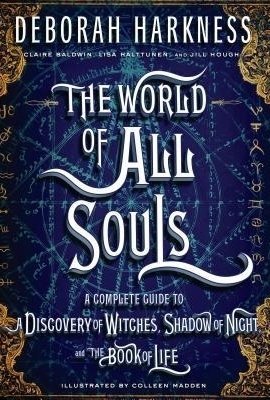


The Book of Life is the third book in the All Souls Trilogy by Deborah Harkness. It is time to finish the war that had begun; only this time our characters find that the amount of people backing them is more than expected. As Diana and Mathew continue trying to take down the existing laws and all they stand for, they gain a huge occasion to celebrate, two new infants, who prove that everything that was once known was wrong and begins to put everyone else into questioning mindsets. With their new information and better understandings about each other and themselves from their previous adventures, Diana and Mathew begin the tedious task of going against century old laws in a very direct way that has their family and friends concerned and willing to fight alongside them, especially when the darkest secret has to be faced once and for all.
Like its predecessors before it, The Book of Life is a well-written book that causes emotions to rise to the surface. Harkness is able to cause the feeling of urgency making the reader want to read faster because it could save a life or change a policy that is in place and needs to be changed. I find this to be surprising and often a bit anxiety ridden because I had grown attached to the characters and hated to feel like danger was around the corner and nothing was going to stop it. And though the book was fast paced and kept me turning pages, I find that I wish a little more time would have been given to some characters in the Congregation. I feel it would have helped the story out a bit, though it would have probably added more pages to the already 500+ page book.
I really enjoyed how the character grew and thought that it did finish the story up with a nice red bow. I could see smaller novels or other adventures the main characters could embark on, but even without it I don’t mind. It was very entertaining. It brought up some major questions into view on survival of creature of all kinds and even answered questions on how vampires, witches and daemons are connected in this storyline. The ideas that The Book of Life present to the reader, helps them appreciate life as it is and really begin to gain some prespective of that of what we question more often than not. Even though it is fiction and these creatures don’t exist, you once again wonder if maybe it could happen. And if it did happen and was happening around us now, would it be like what this delicious story had us to see, or would it be something else.
Though the book kept me thinking and exploring ideas that stemmed off its vision, I find that I am questioning a few smaller details of the characters, even though it had revealed some of those answers, I felt like it could’ve been elaborated on to give the reader a better idea on how the main characters came up with this solution or explanation. Even with the few critiques I have mention, I still rather enjoyed the book and found that only after putting a ton of deep thought into it did I find any issues to begin with.
I would recommend The Book of Life to anyone who has read the first two books in the trilogy. It would create a ton of confusion if you just picked this book up and started reading it without the prior knowledge from the first two books in the All Souls Trilogy. I would rate this book 3 stars out of 4 stars.
Like its predecessors before it, The Book of Life is a well-written book that causes emotions to rise to the surface. Harkness is able to cause the feeling of urgency making the reader want to read faster because it could save a life or change a policy that is in place and needs to be changed. I find this to be surprising and often a bit anxiety ridden because I had grown attached to the characters and hated to feel like danger was around the corner and nothing was going to stop it. And though the book was fast paced and kept me turning pages, I find that I wish a little more time would have been given to some characters in the Congregation. I feel it would have helped the story out a bit, though it would have probably added more pages to the already 500+ page book.
I really enjoyed how the character grew and thought that it did finish the story up with a nice red bow. I could see smaller novels or other adventures the main characters could embark on, but even without it I don’t mind. It was very entertaining. It brought up some major questions into view on survival of creature of all kinds and even answered questions on how vampires, witches and daemons are connected in this storyline. The ideas that The Book of Life present to the reader, helps them appreciate life as it is and really begin to gain some prespective of that of what we question more often than not. Even though it is fiction and these creatures don’t exist, you once again wonder if maybe it could happen. And if it did happen and was happening around us now, would it be like what this delicious story had us to see, or would it be something else.
Though the book kept me thinking and exploring ideas that stemmed off its vision, I find that I am questioning a few smaller details of the characters, even though it had revealed some of those answers, I felt like it could’ve been elaborated on to give the reader a better idea on how the main characters came up with this solution or explanation. Even with the few critiques I have mention, I still rather enjoyed the book and found that only after putting a ton of deep thought into it did I find any issues to begin with.
I would recommend The Book of Life to anyone who has read the first two books in the trilogy. It would create a ton of confusion if you just picked this book up and started reading it without the prior knowledge from the first two books in the All Souls Trilogy. I would rate this book 3 stars out of 4 stars.
Hazel (1853 KP) rated A Robot in the Garden in Books
Dec 14, 2018
<i>This ebook was provided by the publisher via NetGalley in exchange for an honest review </i>
What would you do if you found a robot in your garden? That is exactly what, as the title suggests, 34-year-old Ben has to answer on making this discovery early one September morning. Set in the near future where many people have androids in their houses to do the chores they do not wish to do, finding a robot is not a completely unsettling event. What is unusual, however, is that this particular robot is the opposite of the modern, shiny models: he appears to be a mishmash of Japanese fine art and something you would find on a scrap heap.
As Ben discovers, the robot, named Tang is broken and is in need of urgent care and repair. Ben becomes obsessed with trying to pry information out of the robot as to where he came from and to whom he belongs to. Bringing Tang into the house is the last straw for his wife, Amy, who after letting him know all his faults – unemployment, never achieved anything – walks out on him. Now alone, with no one else to worry about, Ben is determined to locate Tang’s creator and save the robot’s life.
What continues is a wild goose chase across America and over to Asia as the strange pairing – human and robot – follows hints and clues that could help them reach their destination. Along the way Ben gets to know Tang and learns to love him in the same way a father loves a child. No matter what mischief Tang gets himself into, Ben is always there to fix the situation. The only thing he cannot fix is Tang’s internal parts, and time is running out.
Initially the story was about a man who wanted to prove he could achieve something to show his sister and his, now, ex-wife that they were wrong about him. However later on in the novel Ben realizes he is changing for himself, not for anyone else, and the person – or robot – that has helped him to achieve this is Tang. On the other hand it is also a humorous tale that explores a character that is unable to connect to the world around him. Tang is like a human toddler who needs constant care and attention, and is fascinated by everything around him. With Ben’s love and attention he proves to the world that he is much more than a rusty metal box.
<i>A Robot in the Garden</i> is a gem of a novel that is guaranteed to make the reader laugh. It is also touching and emotionally engaging, with both heartwarming and heart wrenching moments. Deborah Install has created an accurate representation of a character that has no understanding of the happenings in the world around it, basing many hilarious instances on those of her young son.
Whilst reading this book I could not help but compare it to the film <i>Short Circuit</i> (1986) in which a robot is electrocuted and gains human intelligence. I kept picturing the storyline of <i>A Robot in the Garden</i> in my head and thinking up ways it could be portrayed on screen. Whether there are plans to make it into a film I have no idea, but I am sure it would make prize-winning picture.
Do not be put off by its science fiction classification; <i>A Robot in the Garden</i> is no <i>War of the Worlds</i> or <i>Doctor Who</i> type of story. Instead it is a brilliant piece if fiction suitable for all adults. Those with children will laugh at the similarities between Tang and their offspring, whereas those without will sympathise with Ben’s struggles to keep the robot under control. All in all a great novel.
What would you do if you found a robot in your garden? That is exactly what, as the title suggests, 34-year-old Ben has to answer on making this discovery early one September morning. Set in the near future where many people have androids in their houses to do the chores they do not wish to do, finding a robot is not a completely unsettling event. What is unusual, however, is that this particular robot is the opposite of the modern, shiny models: he appears to be a mishmash of Japanese fine art and something you would find on a scrap heap.
As Ben discovers, the robot, named Tang is broken and is in need of urgent care and repair. Ben becomes obsessed with trying to pry information out of the robot as to where he came from and to whom he belongs to. Bringing Tang into the house is the last straw for his wife, Amy, who after letting him know all his faults – unemployment, never achieved anything – walks out on him. Now alone, with no one else to worry about, Ben is determined to locate Tang’s creator and save the robot’s life.
What continues is a wild goose chase across America and over to Asia as the strange pairing – human and robot – follows hints and clues that could help them reach their destination. Along the way Ben gets to know Tang and learns to love him in the same way a father loves a child. No matter what mischief Tang gets himself into, Ben is always there to fix the situation. The only thing he cannot fix is Tang’s internal parts, and time is running out.
Initially the story was about a man who wanted to prove he could achieve something to show his sister and his, now, ex-wife that they were wrong about him. However later on in the novel Ben realizes he is changing for himself, not for anyone else, and the person – or robot – that has helped him to achieve this is Tang. On the other hand it is also a humorous tale that explores a character that is unable to connect to the world around him. Tang is like a human toddler who needs constant care and attention, and is fascinated by everything around him. With Ben’s love and attention he proves to the world that he is much more than a rusty metal box.
<i>A Robot in the Garden</i> is a gem of a novel that is guaranteed to make the reader laugh. It is also touching and emotionally engaging, with both heartwarming and heart wrenching moments. Deborah Install has created an accurate representation of a character that has no understanding of the happenings in the world around it, basing many hilarious instances on those of her young son.
Whilst reading this book I could not help but compare it to the film <i>Short Circuit</i> (1986) in which a robot is electrocuted and gains human intelligence. I kept picturing the storyline of <i>A Robot in the Garden</i> in my head and thinking up ways it could be portrayed on screen. Whether there are plans to make it into a film I have no idea, but I am sure it would make prize-winning picture.
Do not be put off by its science fiction classification; <i>A Robot in the Garden</i> is no <i>War of the Worlds</i> or <i>Doctor Who</i> type of story. Instead it is a brilliant piece if fiction suitable for all adults. Those with children will laugh at the similarities between Tang and their offspring, whereas those without will sympathise with Ben’s struggles to keep the robot under control. All in all a great novel.

Gareth von Kallenbach (980 KP) rated White Noise (2005) in Movies
Aug 14, 2019
Ever since the phenomenal success of “The Sixth Sense”, films dealing with the supernatural have been an ever increasing presence at theaters world wide as studios attempt to find the next break out film in the genre to ensure lucrative box office and video returns.
The latest foray into the Supernatural is the new Michael Keaton film White Noise, which is based on the actual study of E.V.P. or Electronic Voice Phenomena which is reputed some paranormal investigators to be the voices of dead people speaking to the living via static in electronic devices.
Although the factuality of this is still a topic of hot debate, as after decades of study, no conclusive finding either way as to the legitimacy of E.V.P. have been found as many people attribute the supposed voices as simply the mind hearing what it wants to hear. Despite this, there are a growing number of groups and organizations worldwide who are dedicated to the study of E.V.P.
The film centers on Jonathan Rivers’s (Michael Keaton), a successful architect who is married to a best selling author Anna (Chandra West). The couple is anxiously awaiting the arrival of their first child as Jonathan has a son from a previous marriage and is thrilled to see his family grow
Tragedy sets in when Anna goes missing and eventually is found dead after an apparent accident. Jonathan has his world collapse around him yet and is living in a state of despair. Shortly, a man named Raymond Price (Ian McNeice) comes to Jonathan claiming that he has been receiving messages from Anna from the afterlife. Jonathan is at first dismissive but when he gets calls on his cell that are originating from Anna’s cell number; he visits Raymond and learns about E.V.P.
Jonathan becomes drawn into the study of E.V.P. and soon becomes obsessed with recording voices and images from the afterlife as he is desperate to stay in contact with Anna. All is not well though as Raymond failed to tell Jonathan that there are evil and dangerous entities in the afterlife and they can also use E.V.P. as a way to access and influence the living.
Jonathan also meets a fellow E.V.P user named Sara (Deborah Kara Unger), who like Jonathan becomes involved in a deeper and darker mystery as Jonathan begins to decipher a pattern behind the messages as well as the intentions behind them.
White Noise starts well as a solid mystery and had a few moments where what you imagine is often more intense than what the reality really is. Early in the film there are some good chills and creepy moments as the story unfolds. Roughly ¾ of the way into the film, the tone of the film changes from supernatural thriller to that of a mystery and I suspect that the film will lose many people at this point. The film was working well as a thrill, yet the last ¼ of the film and the conclusion become confused and sporadic as the momentum and flow of the film is lost.
The conclusion was unsatisfying as I was able to see where it was going and based on the very promising first hour of the film, it was sad to see that the film took the easy way out and relied on tired premises instead of continuing to forge ahead with the new premise and take it to what should have been a much better and more logical conclusion.
Keaton does solid work and carries the film very well. It is great to see him back on the big screen as he is a gifted and versatile actor who is capable of handling a wide range of roles.
While not a bad film, White Noise is sunk by the issues with the finale that I mentioned above. That being said, it is an entertaining film that aside from the ending, does generally work and holds the attention of the viewer.
The latest foray into the Supernatural is the new Michael Keaton film White Noise, which is based on the actual study of E.V.P. or Electronic Voice Phenomena which is reputed some paranormal investigators to be the voices of dead people speaking to the living via static in electronic devices.
Although the factuality of this is still a topic of hot debate, as after decades of study, no conclusive finding either way as to the legitimacy of E.V.P. have been found as many people attribute the supposed voices as simply the mind hearing what it wants to hear. Despite this, there are a growing number of groups and organizations worldwide who are dedicated to the study of E.V.P.
The film centers on Jonathan Rivers’s (Michael Keaton), a successful architect who is married to a best selling author Anna (Chandra West). The couple is anxiously awaiting the arrival of their first child as Jonathan has a son from a previous marriage and is thrilled to see his family grow
Tragedy sets in when Anna goes missing and eventually is found dead after an apparent accident. Jonathan has his world collapse around him yet and is living in a state of despair. Shortly, a man named Raymond Price (Ian McNeice) comes to Jonathan claiming that he has been receiving messages from Anna from the afterlife. Jonathan is at first dismissive but when he gets calls on his cell that are originating from Anna’s cell number; he visits Raymond and learns about E.V.P.
Jonathan becomes drawn into the study of E.V.P. and soon becomes obsessed with recording voices and images from the afterlife as he is desperate to stay in contact with Anna. All is not well though as Raymond failed to tell Jonathan that there are evil and dangerous entities in the afterlife and they can also use E.V.P. as a way to access and influence the living.
Jonathan also meets a fellow E.V.P user named Sara (Deborah Kara Unger), who like Jonathan becomes involved in a deeper and darker mystery as Jonathan begins to decipher a pattern behind the messages as well as the intentions behind them.
White Noise starts well as a solid mystery and had a few moments where what you imagine is often more intense than what the reality really is. Early in the film there are some good chills and creepy moments as the story unfolds. Roughly ¾ of the way into the film, the tone of the film changes from supernatural thriller to that of a mystery and I suspect that the film will lose many people at this point. The film was working well as a thrill, yet the last ¼ of the film and the conclusion become confused and sporadic as the momentum and flow of the film is lost.
The conclusion was unsatisfying as I was able to see where it was going and based on the very promising first hour of the film, it was sad to see that the film took the easy way out and relied on tired premises instead of continuing to forge ahead with the new premise and take it to what should have been a much better and more logical conclusion.
Keaton does solid work and carries the film very well. It is great to see him back on the big screen as he is a gifted and versatile actor who is capable of handling a wide range of roles.
While not a bad film, White Noise is sunk by the issues with the finale that I mentioned above. That being said, it is an entertaining film that aside from the ending, does generally work and holds the attention of the viewer.

Emma @ The Movies (1786 KP) rated Escape Room (2019) in Movies
Jun 22, 2019 (Updated Sep 25, 2019)

TL;DR - I'm never doing an escape room ever again, and potentially never going anywhere that begins with a mysterious invitation.
The film opens, somewhat strangely, with some of the last scenes of the movie. I'm not sure whether this helped the film along or not. We already knew what to expect before going in so starting with the intrigue of the invitations probably would have worked just as well, it did at least ease you in to what you'd be getting from the rest of the film.
I was a little disappointed that we didn't get an intro to all of the characters. Admittedly six intro pieces would have made the beginning of the story drag but it felt a little odd to have the other three thrown in with no context. On the plus side you are able to infer some things about their back story as we go through the film, but I don't quite see the logic behind who they included and excluded.
Drama, mystery, sci-fi, thriller... that's how IMDb classified Escape Room, and this is why I don't know why we bother pigeon holing films. It's definitely a thriller and can loosely fit into the horror genre (I only say loosely because of it's lack of gore) but to claim any of the others is a stretch.
In what was probably a rather average film I was glad to see some pieces that impressed me. Amanda (Deborah Ann Woll) has a flashback during one of their escapes and the transition was seamless. Woll's performance overall was probably the best, she goes from vulnerable to woman of action and in each scene she creates something that I found incredibly believable.
Tyler Labine is one of my favourite "hidden" gems of the movie world so I was excited to see he was part of this. My excitement was short lived though as his character wasn't given much opportunity to shine as his story is largely overlooked until the very last minute.
One of the issues I have at the cinema is that I suffer from mild motion sickness, generally I'm okay but on occasion the weirdest things can set it off. This film gave me a near heart attack when it entered the pool room, you can see it during the trailer, the room is basically upside down but that combined with the camera shots meant I had to keep looking at my feet for fear of either passing out or throwing up on my fellow cinema goers.
The idea behind the film had a lot of potential and up to a certain point I was enjoying what was happening... but that ending. My brain suddenly stopped and went "huh, Belko Experiment." I'm not generally a watcher of horror type films but from the comments I've seen online Escape Room is similar to a lot of things already out there. What I know is that it's predictable. Probably more so because of the way the film starts, the premise of an escape room, and the trailer. It does have some things up its sleeve though.
For someone who is easily scared out of their skin I didn't have a problem watching this (apart from that pool room scene), a lot of the really jumpy bits I'd already seen before going into the film. Until the memory of this film is washed away by several dozen other films I will not be setting foot in an escape room, and they should probably look at suing the film for lose of revenue.
What you should do
It's an entertaining film and if thrillers/horrors are your sort of thing then you should give it a go.
Movie thing you wish you could take home
Needless to say there is basically nothing I want from this movie apart from the little piece of sanity and rational thinking it stole from me.
The film opens, somewhat strangely, with some of the last scenes of the movie. I'm not sure whether this helped the film along or not. We already knew what to expect before going in so starting with the intrigue of the invitations probably would have worked just as well, it did at least ease you in to what you'd be getting from the rest of the film.
I was a little disappointed that we didn't get an intro to all of the characters. Admittedly six intro pieces would have made the beginning of the story drag but it felt a little odd to have the other three thrown in with no context. On the plus side you are able to infer some things about their back story as we go through the film, but I don't quite see the logic behind who they included and excluded.
Drama, mystery, sci-fi, thriller... that's how IMDb classified Escape Room, and this is why I don't know why we bother pigeon holing films. It's definitely a thriller and can loosely fit into the horror genre (I only say loosely because of it's lack of gore) but to claim any of the others is a stretch.
In what was probably a rather average film I was glad to see some pieces that impressed me. Amanda (Deborah Ann Woll) has a flashback during one of their escapes and the transition was seamless. Woll's performance overall was probably the best, she goes from vulnerable to woman of action and in each scene she creates something that I found incredibly believable.
Tyler Labine is one of my favourite "hidden" gems of the movie world so I was excited to see he was part of this. My excitement was short lived though as his character wasn't given much opportunity to shine as his story is largely overlooked until the very last minute.
One of the issues I have at the cinema is that I suffer from mild motion sickness, generally I'm okay but on occasion the weirdest things can set it off. This film gave me a near heart attack when it entered the pool room, you can see it during the trailer, the room is basically upside down but that combined with the camera shots meant I had to keep looking at my feet for fear of either passing out or throwing up on my fellow cinema goers.
The idea behind the film had a lot of potential and up to a certain point I was enjoying what was happening... but that ending. My brain suddenly stopped and went "huh, Belko Experiment." I'm not generally a watcher of horror type films but from the comments I've seen online Escape Room is similar to a lot of things already out there. What I know is that it's predictable. Probably more so because of the way the film starts, the premise of an escape room, and the trailer. It does have some things up its sleeve though.
For someone who is easily scared out of their skin I didn't have a problem watching this (apart from that pool room scene), a lot of the really jumpy bits I'd already seen before going into the film. Until the memory of this film is washed away by several dozen other films I will not be setting foot in an escape room, and they should probably look at suing the film for lose of revenue.
What you should do
It's an entertaining film and if thrillers/horrors are your sort of thing then you should give it a go.
Movie thing you wish you could take home
Needless to say there is basically nothing I want from this movie apart from the little piece of sanity and rational thinking it stole from me.

Digit-Eyes
Shopping and Lifestyle
App
Best. Barcode. Reader. Ever! Scan UPC / EAN codes and hear the names of over 37 million products! ...
Bob Mann (459 KP) rated Denial (2016) in Movies
Sep 29, 2021


Jewry Trial.
It’s the mid-90’s and Deborah Lipstadt (Rachael Weisz, “The Lobster“), an American professor of Holocaust studies at a US university has written a book naming and shaming David Irving (Timothy Spall, “Mr Turner”) as a Nazi-apologist who denies that the Holocaust ever happened. Filing a law suit against Penguin Books and Lipstadt in the UK, Lipstadt chooses to fight rather than settle and takes the case to the High Courts in a much publicised trial.
Help is required and Lipstadt is assigned a hot-shot solicitor (if that’s not an oxymoron) in the form of Anthony Julius (Andrew Scott, “Sherlock”) and top barrister Richard Rampton (Tom Wilkinson, “Selma“). The stage is set for an epic legal battle that will establish not just legal precedent but also historical precedent affecting the entire Jewish people.
This film’s trailer really appealed to me, and I was looking forward to this film. And that view clearly also got through to people of my age bracket (and older) since the cinema was pretty full. But ultimately I was disappointed by the film.
But first the good points.
The cinematography by Haris Zambarloukos (“Thor”, “Mamma Mia”) is memorable, particularly for the Auschwitz tour which is done in an impressively bleak way on an astoundingly bleak winter’s day.
Andrew Scott, so woefully miscast as “C” in “Spectre“, here is a nice shoo-in for the cocksure but aloof expert. And Tom Wilkinson, who can seldom put a movie foot wrong, is also perfectly cast as the claret-swigging defence-lead: passionless and analytical even when facing the horrors of a trip to Auschwitz.
Timothy Spall’s Irving is well portrayed as the intelligent and articulate – albeit deluded – eccentric he no doubt is.
There are also some nice cameo performances, including John Sessions (“Florence Foster Jenkins“) as an Oxbridge history boffin and Mark Gatiss (“Sherlock”) as an Auschwitz expert.
However, these positives don’t outweigh the big negative that the broader ensemble cast never really gels together well. The first time this is evident is in an office meeting of the defence team where the interactions have a sheen of falseness about them that is barely hidden behind some weak script and forced nervous laughter. Tea can’t help.
In particular, attractive Kiwi actress Caren Pistorius (“The Light Between Oceans“) seems to have been given a poor hand to play with as the junior member of the team. A late night interaction with her boyfriend, who whinges at her for having to work late, seems to be taken from a more sexist age: “the 70’s called and they want their script back”.
None of this is helped by Rachel Weisz, who I’m normally a fan of, but here she is hindered by some rather dodgy lines by David Hare (“The Reader”) and an unconvincing (well, to me at least) New York accent. For me I’m afraid she just doesn’t seem to adequately convey her passion for the cause.
While the execution of the court scenes are well done, the film is hampered by its opening five words: “Based on a True Story”. This is something of a disease at the moment in the movies, and whilst in many films (the recent “Lion” for example) the story is in the journey rather than the result, with “Denial” the story is designed to build to a tense result that unfortunately lacks any sort of tension – since the result is pre-ordained.
This is all a great shame, since director Mick Jackson (“LA Story”, in his first feature for nearly 15 years) has the potential here for a great movie. Perhaps a more fictionalised version (“vaguely based on a true story”) might have provided more of a foundation for a better film?
Help is required and Lipstadt is assigned a hot-shot solicitor (if that’s not an oxymoron) in the form of Anthony Julius (Andrew Scott, “Sherlock”) and top barrister Richard Rampton (Tom Wilkinson, “Selma“). The stage is set for an epic legal battle that will establish not just legal precedent but also historical precedent affecting the entire Jewish people.
This film’s trailer really appealed to me, and I was looking forward to this film. And that view clearly also got through to people of my age bracket (and older) since the cinema was pretty full. But ultimately I was disappointed by the film.
But first the good points.
The cinematography by Haris Zambarloukos (“Thor”, “Mamma Mia”) is memorable, particularly for the Auschwitz tour which is done in an impressively bleak way on an astoundingly bleak winter’s day.
Andrew Scott, so woefully miscast as “C” in “Spectre“, here is a nice shoo-in for the cocksure but aloof expert. And Tom Wilkinson, who can seldom put a movie foot wrong, is also perfectly cast as the claret-swigging defence-lead: passionless and analytical even when facing the horrors of a trip to Auschwitz.
Timothy Spall’s Irving is well portrayed as the intelligent and articulate – albeit deluded – eccentric he no doubt is.
There are also some nice cameo performances, including John Sessions (“Florence Foster Jenkins“) as an Oxbridge history boffin and Mark Gatiss (“Sherlock”) as an Auschwitz expert.
However, these positives don’t outweigh the big negative that the broader ensemble cast never really gels together well. The first time this is evident is in an office meeting of the defence team where the interactions have a sheen of falseness about them that is barely hidden behind some weak script and forced nervous laughter. Tea can’t help.
In particular, attractive Kiwi actress Caren Pistorius (“The Light Between Oceans“) seems to have been given a poor hand to play with as the junior member of the team. A late night interaction with her boyfriend, who whinges at her for having to work late, seems to be taken from a more sexist age: “the 70’s called and they want their script back”.
None of this is helped by Rachel Weisz, who I’m normally a fan of, but here she is hindered by some rather dodgy lines by David Hare (“The Reader”) and an unconvincing (well, to me at least) New York accent. For me I’m afraid she just doesn’t seem to adequately convey her passion for the cause.
While the execution of the court scenes are well done, the film is hampered by its opening five words: “Based on a True Story”. This is something of a disease at the moment in the movies, and whilst in many films (the recent “Lion” for example) the story is in the journey rather than the result, with “Denial” the story is designed to build to a tense result that unfortunately lacks any sort of tension – since the result is pre-ordained.
This is all a great shame, since director Mick Jackson (“LA Story”, in his first feature for nearly 15 years) has the potential here for a great movie. Perhaps a more fictionalised version (“vaguely based on a true story”) might have provided more of a foundation for a better film?
KittyMiku (138 KP) rated Shadow of Night in Books
May 23, 2019
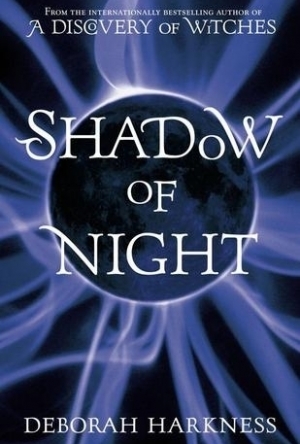
Shadow of Night is the second book of Deborah Harkness’ All Souls Trilogy. As with the first one, Harkness takes you on adventure with her two protagonists, a witch named Diana and a vampire named Mathew. However, unlike the first one, this book is placed in Elizabethan England. Though the characters remain the same at heart, they change to better suit each other and the time period, as it is needed. With the imminent danger around every corner, the two are still not able to find piece, but Diana is able to learn more about her powers while she learns about her vampire lover in the process.
The details in the book are beautifully done and give a great visual to how it must have looked in 1590, where the main storyline is. The clothing style was accurate and there were a great many nods to our history. However, even though some of it remained factual, or close to, there was no denying that there was whole lot of fiction intertwined to help create the illusion that witches, vampires, and daemons exist. Harkness has a way with her facts and her words to create such a wonderful woven story to have the facts and the fictions mix that you could practically believe that it could all be true and we just would never know about it. I am again truly amazed by the story and how it seems to flow from the first book to the second book so flawlessly. I am hardly able to express such enthusiasm I have for Harkness and her wonderful tale. Once again, she was able to submerge me into a tale that caused emotions to wax and wane in my soul.
With all the tears, joys, and laughs this book was able to get out of me, I thought the ending felt a tad bit rushed, and though I am grateful for the speed of the final chapters and how it sort of answered more questions while leaving the conclusions of the trilogy still to come, I feel I would have liked a bit more out of the characters in their reunions. With new characters being introduces slightly at the end, it left a lot of questions on what was going on. I understand that the last book in this trilogy would be what wrapped everything up, but I can’t help but feeling a little more should have been included about some of the characters that had been introduced. I will hold my breath on this matter though and wait to see how the trilogy ends.
I did find that Harkness was able to pin point things normal couples seem to be troubled with, such as jealousy and secrets, never mind should that couple have secret abilities or be of another entire species. I was overjoyed to see that even fictional characters could do something I see normal people due in reality without all the melodramatics that most romance novels and romantic comedies would have us believe. To watch the main characters have the differences, stand their ground, and even argue about things like secrets, other people, and insecurities makes it feel more at home. Not every romance should be almost perfect with a few flaws; Couples fight and through the power of love, the stay together. Even though they have chance to fall apart, it never ceases to amaze how simple communication, even between a d vampire and a witch, can make troubles and misunderstandings cease to exist. Even with the couple at ends at times, and the world seemingly against them, it was fun to watch them explore the world and themselves, if not to just become themselves more and learn how powerful love and trust could be.
I believe this book is 3 stars out of 4 stars for it rating. It is truly an amazing book and has the potential to stand alone, it is clear that without certain prior knowledges, a reader could get lost at the end of what is happening. Shadow of Night is as beautifully written as was A Discovery of Witches and I definitely would recommend it, if the person was will to start at the beginning with A Discovery of Witches. Luckily both can be bought on Amazon and in other places that sell books.
The details in the book are beautifully done and give a great visual to how it must have looked in 1590, where the main storyline is. The clothing style was accurate and there were a great many nods to our history. However, even though some of it remained factual, or close to, there was no denying that there was whole lot of fiction intertwined to help create the illusion that witches, vampires, and daemons exist. Harkness has a way with her facts and her words to create such a wonderful woven story to have the facts and the fictions mix that you could practically believe that it could all be true and we just would never know about it. I am again truly amazed by the story and how it seems to flow from the first book to the second book so flawlessly. I am hardly able to express such enthusiasm I have for Harkness and her wonderful tale. Once again, she was able to submerge me into a tale that caused emotions to wax and wane in my soul.
With all the tears, joys, and laughs this book was able to get out of me, I thought the ending felt a tad bit rushed, and though I am grateful for the speed of the final chapters and how it sort of answered more questions while leaving the conclusions of the trilogy still to come, I feel I would have liked a bit more out of the characters in their reunions. With new characters being introduces slightly at the end, it left a lot of questions on what was going on. I understand that the last book in this trilogy would be what wrapped everything up, but I can’t help but feeling a little more should have been included about some of the characters that had been introduced. I will hold my breath on this matter though and wait to see how the trilogy ends.
I did find that Harkness was able to pin point things normal couples seem to be troubled with, such as jealousy and secrets, never mind should that couple have secret abilities or be of another entire species. I was overjoyed to see that even fictional characters could do something I see normal people due in reality without all the melodramatics that most romance novels and romantic comedies would have us believe. To watch the main characters have the differences, stand their ground, and even argue about things like secrets, other people, and insecurities makes it feel more at home. Not every romance should be almost perfect with a few flaws; Couples fight and through the power of love, the stay together. Even though they have chance to fall apart, it never ceases to amaze how simple communication, even between a d vampire and a witch, can make troubles and misunderstandings cease to exist. Even with the couple at ends at times, and the world seemingly against them, it was fun to watch them explore the world and themselves, if not to just become themselves more and learn how powerful love and trust could be.
I believe this book is 3 stars out of 4 stars for it rating. It is truly an amazing book and has the potential to stand alone, it is clear that without certain prior knowledges, a reader could get lost at the end of what is happening. Shadow of Night is as beautifully written as was A Discovery of Witches and I definitely would recommend it, if the person was will to start at the beginning with A Discovery of Witches. Luckily both can be bought on Amazon and in other places that sell books.