
Search

Chronicles of Crime: 2400
9.0 Rate It
Tabletop Game
“You are Kalia Lavel. You’ve always wanted to fight crime like your famous ancestors, so you...

BankofMarquis (1832 KP) rated Enola Holmes 2 (2022) in Movies
Nov 14, 2022
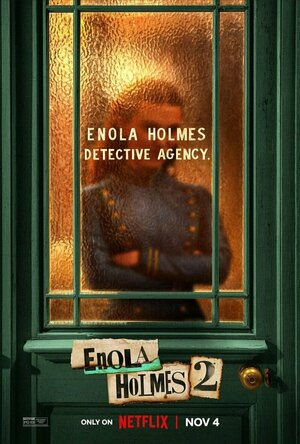


Pleasant and Entertaining
Back in September 2020 - in the heart of the pandemic shutdown - Netflix released ENOLA HOLMES which was dubbed “the teen version of Guy Ritchie’s Sherlock Holmes” - one can decide for themselves if that is a good or a bad thing. For me, this flick was an agreeable way to spend a few hours and I, for one, was looking forward to further adventures of Enola and her more well-known older brother, Sherlock.
And, in ENOLA HOLMES 2, we get exactly that. A very entertaining way to spend a few hours with characters that continue to be a joy to while away the time - and a mystery - with.
Starring Millie Bobby Brown (11 in STRANGER THINGS), Enola Holmes 2 follows the titular character as she has opened her own, competing, Detective Agency. But, as these sorts of things go, her case ends up intertwining with her famous older sibling’s case, so we really get “Holmes and Holmes”.
And that is just fine with me for Brown and Henry Cavill (who plays Sherlock Holmes and who has previously played the MAN OF STEEL) make a winning pair, working off each other with just the right tone of mystery and fun and they look like they are having a good time figuring out the central mystery of this story.
Credit for this must go to Director Harry Bradbeer (Director of the first ENOLA HOLMES film) who came up with this story based on Nancy Springer’s characters (she wrote the ENOLA HOLMES books) and to which Jack Thorne bases his screenplay on. Bradbeer seems to understand these characters and the tone of this film. He makes just the right balance between mystery and fun - keeping the proceedings moving along at a jaunty pace, so the audience can enjoy the ride, but aren’t too jostled around by it.
Brown and Cavill fit right into this tone as does the always wonderful Helena Bonham Carter (she of many films, let’s go with A ROOM WITH A VIEW) as the mother of both of these two Detectives. The sturdy David Thewlis (Professor Lupine in the HARRY POTTER films) brings along his professionalism, comedic timing and mysteriousness as Police Inspector Grail while Louis Partridge returns as the handsome almost-love interest of Enola, Lord Tewkesbury.
Special notice needs to be made of Costumer Consolata Boyle (THE QUEEN) she populates this film with the prerequisite muted colors of 19th Century London (lots of Grey, Black and Dark Blue) but she manages to give Enola just enough of a flair in her costumes. For example, the blue of her skirt is just brighter enough than those around her to punch her up, but it is not so much brighter that it is obviously making her stick out. It is a smart, subtle touch to a very pleasing film to look at.
And that is, really, the bottom line of this movie. It is a very pleasant movie, with a mystery that is interesting enough to keep a person hooked, but not overly complex or dingy as to turn people off.
A good family film - and that is a compliment - the type of film that can be enjoyed by young and old alike.
Letter Grade: B+
7 1/2 (out of 10) stars
And you can take that to the Bank (ofMarquis)
And, in ENOLA HOLMES 2, we get exactly that. A very entertaining way to spend a few hours with characters that continue to be a joy to while away the time - and a mystery - with.
Starring Millie Bobby Brown (11 in STRANGER THINGS), Enola Holmes 2 follows the titular character as she has opened her own, competing, Detective Agency. But, as these sorts of things go, her case ends up intertwining with her famous older sibling’s case, so we really get “Holmes and Holmes”.
And that is just fine with me for Brown and Henry Cavill (who plays Sherlock Holmes and who has previously played the MAN OF STEEL) make a winning pair, working off each other with just the right tone of mystery and fun and they look like they are having a good time figuring out the central mystery of this story.
Credit for this must go to Director Harry Bradbeer (Director of the first ENOLA HOLMES film) who came up with this story based on Nancy Springer’s characters (she wrote the ENOLA HOLMES books) and to which Jack Thorne bases his screenplay on. Bradbeer seems to understand these characters and the tone of this film. He makes just the right balance between mystery and fun - keeping the proceedings moving along at a jaunty pace, so the audience can enjoy the ride, but aren’t too jostled around by it.
Brown and Cavill fit right into this tone as does the always wonderful Helena Bonham Carter (she of many films, let’s go with A ROOM WITH A VIEW) as the mother of both of these two Detectives. The sturdy David Thewlis (Professor Lupine in the HARRY POTTER films) brings along his professionalism, comedic timing and mysteriousness as Police Inspector Grail while Louis Partridge returns as the handsome almost-love interest of Enola, Lord Tewkesbury.
Special notice needs to be made of Costumer Consolata Boyle (THE QUEEN) she populates this film with the prerequisite muted colors of 19th Century London (lots of Grey, Black and Dark Blue) but she manages to give Enola just enough of a flair in her costumes. For example, the blue of her skirt is just brighter enough than those around her to punch her up, but it is not so much brighter that it is obviously making her stick out. It is a smart, subtle touch to a very pleasing film to look at.
And that is, really, the bottom line of this movie. It is a very pleasant movie, with a mystery that is interesting enough to keep a person hooked, but not overly complex or dingy as to turn people off.
A good family film - and that is a compliment - the type of film that can be enjoyed by young and old alike.
Letter Grade: B+
7 1/2 (out of 10) stars
And you can take that to the Bank (ofMarquis)

Kristy H (1252 KP) rated A Season to Lie in Books
Jan 10, 2018
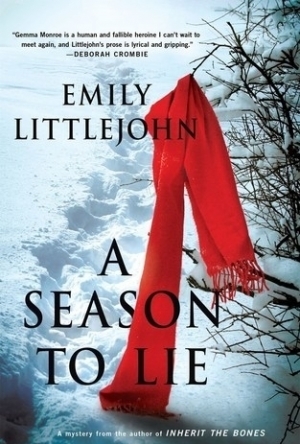
Realistic portrayal of female detective (2 more)
Strong main character
Keeps you guessing
Police officer Gemma Monroe returns from maternity leave and is immediately plunged back into the job when she finds a dead man at the local private academy. He's been left in the snow, stuck to a tree with a knife in his stomach. The man turns out to be a famous author hiding out in plain sight in Gemma's Colorado town. Even worse, that same private school is being plagued by a vicious bully who calls him or herself "Grimm." Reunited with her partner, Finn, Gemma finds herself dealing with the murder case, the bullying incidents, and a strange construction company--made up mainly of ex-convicts--that seems to have made itself at home in her town. So much for easing herself back into the job...
I very much enjoyed Emily Littlejohn's first Gemma Monroe novel, Inherit the Bones, and was really excited to see the second one come out. It's always exciting to see a realistic female detective portrayed in literature. Gemma is much the same in this second foray--practical and levelheaded. She's back to work after the birth of her daughter, Grace, with whom she was pregnant in BONES. The novel does a great job of portraying a working, breastfeeding mom and giving us a realistic look at the struggles a mom faces when juggling work and motherhood. As a mother who went back to work when her own daughters were young and faced a harried schedule, I really appreciated that about this novel.
Thankfully, I did not encounter a dead body on my first day back, just a lot of meetings! Gemma, of course, takes it all in stride, as she cannot help but enjoy the thrill of the hunt. The novel gives us a lot of reflection and thoughts from Gemma. I'd call this one a bit of a slow-burner. I read it while busy and it took me nearly a week. The storyline wasn't one that had me itching to pick it up and see what happens--there's several divergent plot lines and none feel particularly urgent or overly suspenseful.
A pervasive weariness almost overlays the pages--a reflection of the weather (think snow, all the time) and Gemma's general fatigue as she faces returning to work while juggling having a tiny baby at home. That's not to say the book isn't interesting, because it certainly is. Especially when the case starts to intersect with Gemma and Finn's personal lives--which isn't surprising, considering they are small town police officers/detectives. The Grimm storyline is a bit of a bizarre concept and the resolution, while a total surprise to me, was a bit anticlimactic. A few of the plot threads do tie up a little too easily, but the main case befuddled me throughout the entire novel, so kudos to Littlejohn for that. I had some suspicions, but she convinced me to cast them aside, so I'm always pleased when that happens.
What I enjoyed most about this book was Gemma herself. It's probably obvious that I identify with and like her--I enjoy her steadfast character, even though she also has bouts of anxiety and uncertain times. Seeing her as both a mom and working detective was great. This being a second novel, we're gaining enough recurring characters (Gemma, Finn, Gemma's partner/quasi-husband, Brody, Gemma's grandparents, a few other townspeople) that you recognize them and their quirks. Another plotline is left a bit unresolved, leading me to hope that a third Gemma novel is in the works. Even though this wasn't the most exciting of all mysteries, I found it solid and enjoyable, much like its protagonist. I'd certainly read any Gemma Monroe novel I could get my hands on. 3.5+ stars.
I received a copy of this novel from the publisher and Netgalley (thank you!) in return for an unbiased review.
I very much enjoyed Emily Littlejohn's first Gemma Monroe novel, Inherit the Bones, and was really excited to see the second one come out. It's always exciting to see a realistic female detective portrayed in literature. Gemma is much the same in this second foray--practical and levelheaded. She's back to work after the birth of her daughter, Grace, with whom she was pregnant in BONES. The novel does a great job of portraying a working, breastfeeding mom and giving us a realistic look at the struggles a mom faces when juggling work and motherhood. As a mother who went back to work when her own daughters were young and faced a harried schedule, I really appreciated that about this novel.
Thankfully, I did not encounter a dead body on my first day back, just a lot of meetings! Gemma, of course, takes it all in stride, as she cannot help but enjoy the thrill of the hunt. The novel gives us a lot of reflection and thoughts from Gemma. I'd call this one a bit of a slow-burner. I read it while busy and it took me nearly a week. The storyline wasn't one that had me itching to pick it up and see what happens--there's several divergent plot lines and none feel particularly urgent or overly suspenseful.
A pervasive weariness almost overlays the pages--a reflection of the weather (think snow, all the time) and Gemma's general fatigue as she faces returning to work while juggling having a tiny baby at home. That's not to say the book isn't interesting, because it certainly is. Especially when the case starts to intersect with Gemma and Finn's personal lives--which isn't surprising, considering they are small town police officers/detectives. The Grimm storyline is a bit of a bizarre concept and the resolution, while a total surprise to me, was a bit anticlimactic. A few of the plot threads do tie up a little too easily, but the main case befuddled me throughout the entire novel, so kudos to Littlejohn for that. I had some suspicions, but she convinced me to cast them aside, so I'm always pleased when that happens.
What I enjoyed most about this book was Gemma herself. It's probably obvious that I identify with and like her--I enjoy her steadfast character, even though she also has bouts of anxiety and uncertain times. Seeing her as both a mom and working detective was great. This being a second novel, we're gaining enough recurring characters (Gemma, Finn, Gemma's partner/quasi-husband, Brody, Gemma's grandparents, a few other townspeople) that you recognize them and their quirks. Another plotline is left a bit unresolved, leading me to hope that a third Gemma novel is in the works. Even though this wasn't the most exciting of all mysteries, I found it solid and enjoyable, much like its protagonist. I'd certainly read any Gemma Monroe novel I could get my hands on. 3.5+ stars.
I received a copy of this novel from the publisher and Netgalley (thank you!) in return for an unbiased review.

BookwormMama14 (18 KP) rated The Bachelor Girl's Guide to Murder (Herringford and Watts, #1) in Books
Jan 2, 2019


In a time when women never wore trousers and most definitely did not solve murders...Herringford & Watts break every rule in the book of propriety and pave their own future. The year is 1910. Toronto has seen it's share of progress and changes over the last few years. Yet, a woman's duty is still to marry, keep house and raise a family. Merinda Herringford and Jemima Watts are best friends, flatmates...and...detectives. These women do not fit the mold for a "Proper Lady". However, they are living out their dreams and following their passion. And to that I say, "Brava!" When the Herringford & Watts Detective Agency opens for business, mischief, madness and mayhem follow wherever these two go. When the mystery of the deaths of two Irish girls is brushed over by the police and press, Herringford & Watts step in to solve the case. The Morality Squad is on the prowl looking for an excuse to cart women away in the name of, "Cleaning up the town". Reasons may include, but are not limited to: a hemline too short, being out without an escort and sticking their nose in the wrong people's business. For this reason, Merinda and Jem masquerade as men with bowler hats on a fairly regular basis. This offers them the freedom of movement that would otherwise be denied them as women. Leading them to new depths and new heights. Joining forces with Constable Jasper Forth and Ray DeLuca, a reporter, will this team see that justice is served? Will their adventures take them too far? And will these bachelor girls be the voice for the women who have none?
I can honestly say that by page 10 of the novella (A Singular & Whimsical Problem), I was addicted to Herringford & Watts! From the cover design of the book to the quirky traits of these two women, I will treasure their story for many years to come. Let's talk about the book itself for a minute. There are several different aspects to the layout that intrigued me. First of all, the silhouettes on the cover (aren't they gorgeous), can be found at the beginning of each chapter as well, with artwork. Giving a deeper impression of the era. There are lovely quotes at the beginning of each chapter as well. Throughout the book you will find footnotes. Not referencing history books, but referencing our characters and addressing the reader personally. This dynamic didn't just draw me into the story, oh no, it gobbled me up and left me wandering the streets of Toronto, trying to walk without using my hips...Through these footnotes we learn a lot about all of our characters, without the need of an extra hundred pages, although I wouldn't have complained about that either.
The story is one of the most beautifully crafted books I have ever read. I am a HUGE fan of Sherlock and Murdoch Mysteries. And to have a story similar to those with women playing the lead...Brilliant! While we see the story through the perspective of different characters, it is mainly through Jem's eyes. Throughout their crime solving adventure, we can see the strength and determination of these women to do the right thing. Jem and Ray both look to the Lord for guidance and are comforted and encouraged by His voice and His peace. While God is a puzzle too big to solve for Merinda at this point. If you enjoy a good mystery with a lot of humour and some faith...THIS is the book for you! There are pins and needles that I am sitting on, waiting for the next book to come out!
I can honestly say that by page 10 of the novella (A Singular & Whimsical Problem), I was addicted to Herringford & Watts! From the cover design of the book to the quirky traits of these two women, I will treasure their story for many years to come. Let's talk about the book itself for a minute. There are several different aspects to the layout that intrigued me. First of all, the silhouettes on the cover (aren't they gorgeous), can be found at the beginning of each chapter as well, with artwork. Giving a deeper impression of the era. There are lovely quotes at the beginning of each chapter as well. Throughout the book you will find footnotes. Not referencing history books, but referencing our characters and addressing the reader personally. This dynamic didn't just draw me into the story, oh no, it gobbled me up and left me wandering the streets of Toronto, trying to walk without using my hips...Through these footnotes we learn a lot about all of our characters, without the need of an extra hundred pages, although I wouldn't have complained about that either.
The story is one of the most beautifully crafted books I have ever read. I am a HUGE fan of Sherlock and Murdoch Mysteries. And to have a story similar to those with women playing the lead...Brilliant! While we see the story through the perspective of different characters, it is mainly through Jem's eyes. Throughout their crime solving adventure, we can see the strength and determination of these women to do the right thing. Jem and Ray both look to the Lord for guidance and are comforted and encouraged by His voice and His peace. While God is a puzzle too big to solve for Merinda at this point. If you enjoy a good mystery with a lot of humour and some faith...THIS is the book for you! There are pins and needles that I am sitting on, waiting for the next book to come out!

Bob Mann (459 KP) rated The Last Letter from Your Lover (2021) in Movies
Aug 9, 2021
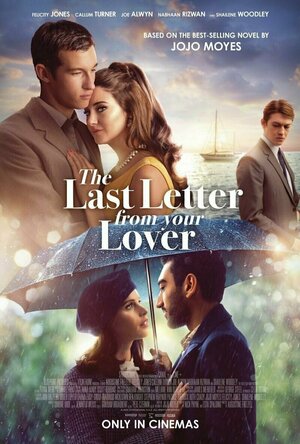
Engaging love story (at least, the one in the 60's) (2 more)
Lush production values, especially production design and cinematography
Great cast - especially Shailene Woodley and Ben Cross
A proper old-fashioned love story that older viewers will appreciate.
Is "chick flick" a phrase that you can use these days? I guess not, since it infers that a movie is only of interest to a particular gender. Perhaps "Sunday afternoon film" is a better phrase. And "The Last Letter From Your Lover" is a real SAF.
Positives:
- "They don't make them like this any more" the saying goes. This is a love story cum melodrama that is well told by director Augustine Frizzell, in only her second feature. The film zips backwards and forwards between different time periods, trusting the audience to keep up with where we are. The dialogue is suitably soupy for a film of this type, based on a Jojo Moyes book (who wrote "Me Before You", also well-filmed). I've seen a critic review in "The Times" where they mocked the sentimentality of the love letters: but part of me would love to say "OK - let's hear what you would have written"!
- The story ticks all the boxes to keep you engaged. Although never moved to tears, a scene towards the end of the movie certainly generated a lump in the throat.
- All the leads are great. Shailene Woodley has been a personal favourite actress since her amazing turn in "The Descendants". And she certainly doesn't disappoint here.
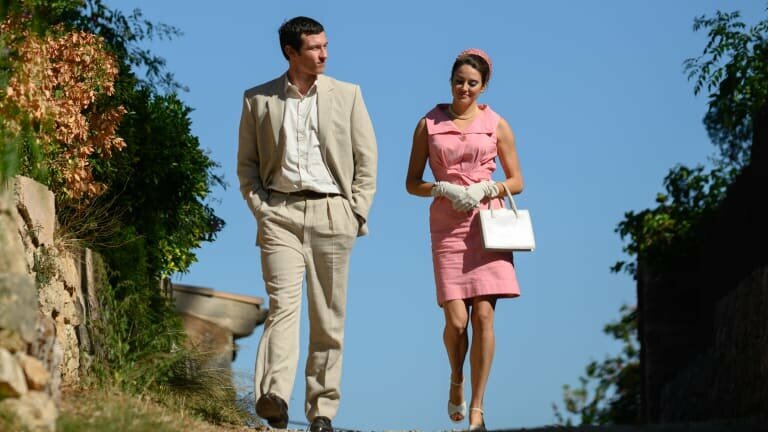
- The production design is lush, particularly with the 60's scenes of London and the Riviera (reminiscent for me of the recent remake of "Rebecca"). This is nicely brought out by the cinematography (by George Steel), with some of the scenes being 'hang on the wall' beautiful to look at.
- It's wonderful to see the late Ben Cross in the movie, and he gives an excellent and touching performance. Cross died of cancer in August 2020 at the age of just 72. This is probably not his last movie, since he was in another - "The Devil's Light" - currently in post-production. Such a sad loss to the industry.
Negatives:
- The movie tries to construct a love story in the 60's and one in the present day 2020's, contrasting the different rules and values at play. The 60's one works; the 20's one really didn't for me. Ellie comes across as a very unlikeable person. The contrast between the lack of communications in the 60's (waiting at a station, not sure if someone will turn up or not) and today's chat/SMS rich 'always on' world could perhaps have been brought out more. With my Dr Bob directorial hat on, I would have ditched the present-day love story entirely and focused in on two professional detectives uncovering the past together: not everything needs to involve love and sex.
- The film has a couple of rain sequences that are highly unconvincing. One Riviera in-car scene particularly made me chuckle. "TURN FIRE HOSE ON!" You can almost see the blue sky and people cavorting on the beach behind them!
Summary Thoughts on "The Last Letter from Your Lover": There are actually few films around these days that feature love stories outside the teenage years. This is an 'old-fashioned' film that will appeal to an older age group, looking for style, romance and escapism. It reminded me in turns of movies like "The Two Faces of January" and "The Age of Adeline" in its mood and presentation. I'm probably not the target audience for this movie and I really enjoyed it. But the illustrious Mrs Movie Man probably is. And she declared that she absolutely loved it!
Ignore the sniffy newspaper and ex-newspaper critics. I'd declare this to be a "recommended".
(For the full graphical review, please check out One Mann's Movies on the web, Facebook or Tiktok. Thanks.)
Positives:
- "They don't make them like this any more" the saying goes. This is a love story cum melodrama that is well told by director Augustine Frizzell, in only her second feature. The film zips backwards and forwards between different time periods, trusting the audience to keep up with where we are. The dialogue is suitably soupy for a film of this type, based on a Jojo Moyes book (who wrote "Me Before You", also well-filmed). I've seen a critic review in "The Times" where they mocked the sentimentality of the love letters: but part of me would love to say "OK - let's hear what you would have written"!
- The story ticks all the boxes to keep you engaged. Although never moved to tears, a scene towards the end of the movie certainly generated a lump in the throat.
- All the leads are great. Shailene Woodley has been a personal favourite actress since her amazing turn in "The Descendants". And she certainly doesn't disappoint here.
- The production design is lush, particularly with the 60's scenes of London and the Riviera (reminiscent for me of the recent remake of "Rebecca"). This is nicely brought out by the cinematography (by George Steel), with some of the scenes being 'hang on the wall' beautiful to look at.
- It's wonderful to see the late Ben Cross in the movie, and he gives an excellent and touching performance. Cross died of cancer in August 2020 at the age of just 72. This is probably not his last movie, since he was in another - "The Devil's Light" - currently in post-production. Such a sad loss to the industry.
Negatives:
- The movie tries to construct a love story in the 60's and one in the present day 2020's, contrasting the different rules and values at play. The 60's one works; the 20's one really didn't for me. Ellie comes across as a very unlikeable person. The contrast between the lack of communications in the 60's (waiting at a station, not sure if someone will turn up or not) and today's chat/SMS rich 'always on' world could perhaps have been brought out more. With my Dr Bob directorial hat on, I would have ditched the present-day love story entirely and focused in on two professional detectives uncovering the past together: not everything needs to involve love and sex.
- The film has a couple of rain sequences that are highly unconvincing. One Riviera in-car scene particularly made me chuckle. "TURN FIRE HOSE ON!" You can almost see the blue sky and people cavorting on the beach behind them!
Summary Thoughts on "The Last Letter from Your Lover": There are actually few films around these days that feature love stories outside the teenage years. This is an 'old-fashioned' film that will appeal to an older age group, looking for style, romance and escapism. It reminded me in turns of movies like "The Two Faces of January" and "The Age of Adeline" in its mood and presentation. I'm probably not the target audience for this movie and I really enjoyed it. But the illustrious Mrs Movie Man probably is. And she declared that she absolutely loved it!
Ignore the sniffy newspaper and ex-newspaper critics. I'd declare this to be a "recommended".
(For the full graphical review, please check out One Mann's Movies on the web, Facebook or Tiktok. Thanks.)

Nadya R (9 KP) rated The Butterfly Garden in Books
Jul 2, 2018
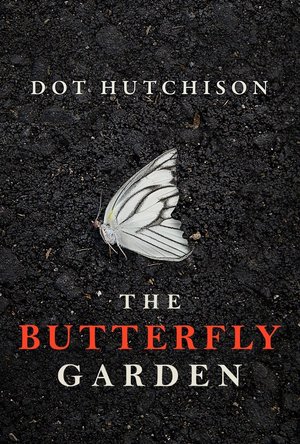
Usually I don’t choice book by its cover. But in this case, when I saw the book’s cover I was almost sure that I wanna read this book. The cover with its dark tones and eye catching red details is so stunning.* Then there was a brainstorming review that made me 100% sure I am gonna read this book.
The story is told my Maya. 18 years old girl managed to escape from a sex-addicted serial killer. He ‘catches’ the girls and make them live in the Garden. From first sight this Garden is a piece of Heaven- all this green plants, cliffs with waterfalls and brooks, but actually its a Devil’s place and the Devil is The Gardener. Rich man, craving for attention sociopath, he keeps his Garden full with beautiful young girls with breathtaking tattoos on their back. The tattoos represent butterfly wings and that’s why these girls are called ‘Butterflies’. They are going to share the butterfly beauty but their short life as well.
The story goes in two directions- the one, where two FBI detectives are trying to solve the mystery of The Garden and meanwhile leading Maya’s interrogation and the second one brings us back the house throughout Maya’s memories.
Maya was the girl who helps the new ‘catch’ the get use with the new situation they came with. Also she tries to keep all girls united. Except from the Gardener, there is his eldest son who also is aware of what’s going on in his dad’s secret garden. There is Lorraine as well. She is an ex-Butterfly who takes care for the girls and plays the role of their doctor. She is free of going in and out of the house, whenever she wants to, but also she is the perfect example of Stockholm syndrome so she didn’t even think about exposing her beloved one.
The Gardener is pretty conflicting character, though. Although he keeps girls in captive, for the outside world he is intelligent man, and big appreciator of art. He takes care for the girls, acts gently, with respect, but he expect from them, they always to be ready to greet him in their beds and to satisfy his sexual desires. From other side is his biggest son. He, in difference with his father, is evil and rude. He is one sadistic son of a bitch, trying to take all the benefits from the girls, as he can. The thing that makes him horny and turns him up is to break girls limbs, to hurt and even to kill them while he is f*cking them.
The wind of change came with Des - the Gardener lil son. He is good and loving, just like his father, except the fact that he doesn’t ripe girls and doesn’t like what his father and brother are doing at all. But after all he is son of his father and prefers to keep their family name nice and clean, instead of helping the girls.
From the very first page, the book held my attention and this didn’t change throughout the hole book till the last page. A horrifying story narrated extremely well. The adrenaline of the action kept me awake in the night, made me turn over the pages till I reached the last one. Maya is the perfect narrator- a rebel with butting tongue, she brings so much life to the book and her story at all. The biggest fault of the book is its ending. Seriously who can finish an amazing book like this in this stupid, discouraged way? It’s like the author just ran out of ideas (or deadlines were knocking on the door) and rushed the end. In the last pages there is a person, showed up with all the answers I need, but I didn’t found their answers because the book came to its end. I was so frustrated that I wanted to throw the book away and never ever look at it once again.
Despite the miserable ending, I recommend the books as something that everyone, who likes psycho triller, has to read.
* I’m taking about Bulgarian edition of the book ?
The story is told my Maya. 18 years old girl managed to escape from a sex-addicted serial killer. He ‘catches’ the girls and make them live in the Garden. From first sight this Garden is a piece of Heaven- all this green plants, cliffs with waterfalls and brooks, but actually its a Devil’s place and the Devil is The Gardener. Rich man, craving for attention sociopath, he keeps his Garden full with beautiful young girls with breathtaking tattoos on their back. The tattoos represent butterfly wings and that’s why these girls are called ‘Butterflies’. They are going to share the butterfly beauty but their short life as well.
The story goes in two directions- the one, where two FBI detectives are trying to solve the mystery of The Garden and meanwhile leading Maya’s interrogation and the second one brings us back the house throughout Maya’s memories.
Maya was the girl who helps the new ‘catch’ the get use with the new situation they came with. Also she tries to keep all girls united. Except from the Gardener, there is his eldest son who also is aware of what’s going on in his dad’s secret garden. There is Lorraine as well. She is an ex-Butterfly who takes care for the girls and plays the role of their doctor. She is free of going in and out of the house, whenever she wants to, but also she is the perfect example of Stockholm syndrome so she didn’t even think about exposing her beloved one.
The Gardener is pretty conflicting character, though. Although he keeps girls in captive, for the outside world he is intelligent man, and big appreciator of art. He takes care for the girls, acts gently, with respect, but he expect from them, they always to be ready to greet him in their beds and to satisfy his sexual desires. From other side is his biggest son. He, in difference with his father, is evil and rude. He is one sadistic son of a bitch, trying to take all the benefits from the girls, as he can. The thing that makes him horny and turns him up is to break girls limbs, to hurt and even to kill them while he is f*cking them.
The wind of change came with Des - the Gardener lil son. He is good and loving, just like his father, except the fact that he doesn’t ripe girls and doesn’t like what his father and brother are doing at all. But after all he is son of his father and prefers to keep their family name nice and clean, instead of helping the girls.
From the very first page, the book held my attention and this didn’t change throughout the hole book till the last page. A horrifying story narrated extremely well. The adrenaline of the action kept me awake in the night, made me turn over the pages till I reached the last one. Maya is the perfect narrator- a rebel with butting tongue, she brings so much life to the book and her story at all. The biggest fault of the book is its ending. Seriously who can finish an amazing book like this in this stupid, discouraged way? It’s like the author just ran out of ideas (or deadlines were knocking on the door) and rushed the end. In the last pages there is a person, showed up with all the answers I need, but I didn’t found their answers because the book came to its end. I was so frustrated that I wanted to throw the book away and never ever look at it once again.
Despite the miserable ending, I recommend the books as something that everyone, who likes psycho triller, has to read.
* I’m taking about Bulgarian edition of the book ?

Daniel Boyd (1066 KP) rated Bad Samaritan (2018) in Movies
Oct 3, 2018 (Updated Oct 3, 2018)


Tacky jump-scares (1 more)
Constantly asks you to accept huge leaps of logic
What A Waste
Bad Samaritan is a movie that I really should have liked. I am a huge fan of David Tennant, I love a decent thriller movie and the trailer for the movie teased an intriguing plot as well. Unfortunately, I didn't like much of it, in fact it really annoyed me how little I liked when watching this thing.
Let's start off with the cast. David Tennant is, - as he always is, - absolutely fantastic in this role. In any other better movie, he would be in with a shout for an award for this role, unfortunately he is surrounded by absolutely overwhelming amount of trash. Robert Sheehan does a serviceable job with what he has given, but some of the lines he delivers are just too forced and cheesy to be taken seriously. The actor playing his best friend is just playing a stereotypical nonchalant small time criminal. Kerry Condon plays the hostage that David Tennant is keeping in his house and she also does a decent enough job with the shoddy material she has been given to work with.
The only other positive that I can think of other than Tennant's performance, is the way that Tennant's character systematically ruins Sheehan's character's life. He makes him lose his job, he blackmails him via social media, he attacks his girlfriend and he wrecks his car. The way that this sequence played out reminded me of Frank Miller's Daredevil story Born Again, where Kingpin learns Daredevil's real identity and destroys his life piece by piece via the people he cares about. Don't get me wrong, it is done far better in Born Again and Born Again is a much better story overall than Bad Samaritan, but it was the only element of this movies plot that I liked other than what we already saw in the trailers.
Now that we have discussed the few positives that this movie has, let's go through everything else. First of all, I have never heard a more out-of-place, inappropriate score to go along with what is happening onscreen. It genuinely felt like a temp score that was put in preliminarily until the proper one was put in and then they just left it in and didn't bother going back to improve it.
Then there was the cheap jump-scares, Although they are mostly consigned to the first act in the movie, they are still far too frequent and totally unnecessary. The last one that I remember happening was so egregious, (when David Tennant was standing behind the detective outside the house,) it actually bordered on parody. There was no story justification for it whatsoever, why would this guy who is trying to appear normal and as if nothing is wrong, creep up behind a detective who is investigating him and just stand there like a creep to give him a fright? It makes absolutely no sense. To be honest, the movie is abundant with things that don't make any sense and you are almost constantly asked to make huge leaps of logic when watching it.
There's also the fact that this movie has no idea what it wants to be. Dean Devlin who directed this, also directed last year's Geostorm. Now Geostorm was a steaming pile of shit, but at least it knew what it wanted to be. The tone in Bad Samaritan is totally all over the place and doesn't work in any way or flow well at all. This movie also plays like a check-list of thriller movie clichés. Everything from cheesy flashbacks showing the villains messed up past to the detectives not believing the protagonist's claims even when he has photo evidence on his phone.
Overall, this film is a huge waste. David Tennant's fantastic performance that he puts in here as an unhinged, genuinely scary villain is wasted in this trash movie. The trailers showed us a potentially thrilling plot that could have really been exciting and engaging only to totally waste it on a flick full of mediocre production elements and a half baked storyline. The only reason that this scored 4 was because of Tennant's brilliant performance, if not for that, this movie would have scored a 2 at best.
Let's start off with the cast. David Tennant is, - as he always is, - absolutely fantastic in this role. In any other better movie, he would be in with a shout for an award for this role, unfortunately he is surrounded by absolutely overwhelming amount of trash. Robert Sheehan does a serviceable job with what he has given, but some of the lines he delivers are just too forced and cheesy to be taken seriously. The actor playing his best friend is just playing a stereotypical nonchalant small time criminal. Kerry Condon plays the hostage that David Tennant is keeping in his house and she also does a decent enough job with the shoddy material she has been given to work with.
The only other positive that I can think of other than Tennant's performance, is the way that Tennant's character systematically ruins Sheehan's character's life. He makes him lose his job, he blackmails him via social media, he attacks his girlfriend and he wrecks his car. The way that this sequence played out reminded me of Frank Miller's Daredevil story Born Again, where Kingpin learns Daredevil's real identity and destroys his life piece by piece via the people he cares about. Don't get me wrong, it is done far better in Born Again and Born Again is a much better story overall than Bad Samaritan, but it was the only element of this movies plot that I liked other than what we already saw in the trailers.
Now that we have discussed the few positives that this movie has, let's go through everything else. First of all, I have never heard a more out-of-place, inappropriate score to go along with what is happening onscreen. It genuinely felt like a temp score that was put in preliminarily until the proper one was put in and then they just left it in and didn't bother going back to improve it.
Then there was the cheap jump-scares, Although they are mostly consigned to the first act in the movie, they are still far too frequent and totally unnecessary. The last one that I remember happening was so egregious, (when David Tennant was standing behind the detective outside the house,) it actually bordered on parody. There was no story justification for it whatsoever, why would this guy who is trying to appear normal and as if nothing is wrong, creep up behind a detective who is investigating him and just stand there like a creep to give him a fright? It makes absolutely no sense. To be honest, the movie is abundant with things that don't make any sense and you are almost constantly asked to make huge leaps of logic when watching it.
There's also the fact that this movie has no idea what it wants to be. Dean Devlin who directed this, also directed last year's Geostorm. Now Geostorm was a steaming pile of shit, but at least it knew what it wanted to be. The tone in Bad Samaritan is totally all over the place and doesn't work in any way or flow well at all. This movie also plays like a check-list of thriller movie clichés. Everything from cheesy flashbacks showing the villains messed up past to the detectives not believing the protagonist's claims even when he has photo evidence on his phone.
Overall, this film is a huge waste. David Tennant's fantastic performance that he puts in here as an unhinged, genuinely scary villain is wasted in this trash movie. The trailers showed us a potentially thrilling plot that could have really been exciting and engaging only to totally waste it on a flick full of mediocre production elements and a half baked storyline. The only reason that this scored 4 was because of Tennant's brilliant performance, if not for that, this movie would have scored a 2 at best.
Kristy H (1252 KP) rated A Cold Day in Hell in Books
Jan 29, 2018
Engaging characters (2 more)
Great courtroom scene
Strong female lead
Engaging debut mystery
Lauren Riley is a thirty-eight-year-old twice-divorced mother of two college age daughters, working cold case homicides. She has a great, younger cold case partner, Reese, and carries a torch for her ex-husband, Mark. Meanwhile, her ex, Joe Wheeler, is a Garden Valley homicide detective and a total (excuse my language) a-hole, who brazenly punches Lauren in the mouth after learning she's working against him on a case. Lauren's working two jobs -- her daytime gig on cold cases and also as a certified Private Investigator (PI). Lauren is hired by her nemesis, attorney Frank Violanti, to work the high-profile case of David, who is accused of murdering Katherine Vine, the beautiful, younger wife of Anthony Vine, who runs a successful chain of gyms. Lauren knows taking the case could stir up some issues in her department, with the DA, and with Reese. But in her gut, she feels that David is innocent. Can she and Frank make peace and prove it?
I read a lot of mysteries and while there are thankfully more strong female detectives coming on the scene (see Kristen Lepionka's Roxanne Weary and Emily Littlejohn's Gemma Monroe, for instance), they are still few and far between. While Lauren Riley may still be finding herself (there's a lot of side coverage of emotional entanglements and relationships here), I still love finding and championing a complicated, real, strong female detective.
Lauren's PI case is really the star of the show, and it's interesting and engaging throughout the entire novel. It keeps you guessing throughout, questioning whether David did it or not, and who else played a key role in Katherine and Anthony Vine lives. Nothing is cut or dried.
Also fascinating is Lauren's main cold case. While you could argue some of it ties up neatly, it doesn't go as expected, per se, if that makes sense, and the characters involved are intriguing and different. All the cases kept me interested as I read. A lot certainly happens in this novel, between Lauren's work and personal life. Nothing is boring, and there's never really a dull moment, especially once you get into the swing of things and realize that the book covers both her personal life and her work life in-depth. It also tells the story from more than Lauren's POV, even if she's the main focus, which works surprisingly well.
I don't think it's a spoiler to say that the book culminates in a trial related to Lauren's PI case, and it's a great, suspenseful, incredibly well-written piece of work. The courtroom scenes were so well-done and really had me on the edge of my seat. One of the things I loved about this novel was how I could so easily picture each of these characters-- each is well-described and fleshed out. Redmond writes darn good trial scenes (and a darn good book), and I was frantically flipping the pages to see how things would turn out.
It wasn't until I finished the book that I learned the author is a retired homicide detective, but it definitely shows as you read. The novel is written expertly in terms of police and courtroom procedure, but still enjoyable in terms of the characters. There is a lot of personal "stuff" in terms of Lauren; this will be a little different if you are used to the Bosch type of detective (the love of my life and my hero). Still, it's completely refreshing to see a complicated female lead detective, and, as mentioned, so nice to be reading more of these stories. I grew to really love Lauren.
The courtroom scenes are great, and a lot will keep you guessing. Sure, some of the cold cases wrap up what seem a little easily, but even Lauren addresses that as she works. I read some reviews that Joe Wheeler is a cliche character, and I guess I could see where people get that, but for me, society as of late seems to be showing us everyday that these sort of angry, abusive men truly exist. Everywhere. To me, Joe was a sadly realistic portrayal of a horrible man, and his slow, boiling anger only added to the tension of the entire novel.
Overall, I really enjoyed this one. It looks like it's going to be a series, and it ends with some unfinished issues that make me even more eager for book two.
I received a copy of this novel from the publisher and Netgalley in return for an unbiased review.
I read a lot of mysteries and while there are thankfully more strong female detectives coming on the scene (see Kristen Lepionka's Roxanne Weary and Emily Littlejohn's Gemma Monroe, for instance), they are still few and far between. While Lauren Riley may still be finding herself (there's a lot of side coverage of emotional entanglements and relationships here), I still love finding and championing a complicated, real, strong female detective.
Lauren's PI case is really the star of the show, and it's interesting and engaging throughout the entire novel. It keeps you guessing throughout, questioning whether David did it or not, and who else played a key role in Katherine and Anthony Vine lives. Nothing is cut or dried.
Also fascinating is Lauren's main cold case. While you could argue some of it ties up neatly, it doesn't go as expected, per se, if that makes sense, and the characters involved are intriguing and different. All the cases kept me interested as I read. A lot certainly happens in this novel, between Lauren's work and personal life. Nothing is boring, and there's never really a dull moment, especially once you get into the swing of things and realize that the book covers both her personal life and her work life in-depth. It also tells the story from more than Lauren's POV, even if she's the main focus, which works surprisingly well.
I don't think it's a spoiler to say that the book culminates in a trial related to Lauren's PI case, and it's a great, suspenseful, incredibly well-written piece of work. The courtroom scenes were so well-done and really had me on the edge of my seat. One of the things I loved about this novel was how I could so easily picture each of these characters-- each is well-described and fleshed out. Redmond writes darn good trial scenes (and a darn good book), and I was frantically flipping the pages to see how things would turn out.
It wasn't until I finished the book that I learned the author is a retired homicide detective, but it definitely shows as you read. The novel is written expertly in terms of police and courtroom procedure, but still enjoyable in terms of the characters. There is a lot of personal "stuff" in terms of Lauren; this will be a little different if you are used to the Bosch type of detective (the love of my life and my hero). Still, it's completely refreshing to see a complicated female lead detective, and, as mentioned, so nice to be reading more of these stories. I grew to really love Lauren.
The courtroom scenes are great, and a lot will keep you guessing. Sure, some of the cold cases wrap up what seem a little easily, but even Lauren addresses that as she works. I read some reviews that Joe Wheeler is a cliche character, and I guess I could see where people get that, but for me, society as of late seems to be showing us everyday that these sort of angry, abusive men truly exist. Everywhere. To me, Joe was a sadly realistic portrayal of a horrible man, and his slow, boiling anger only added to the tension of the entire novel.
Overall, I really enjoyed this one. It looks like it's going to be a series, and it ends with some unfinished issues that make me even more eager for book two.
I received a copy of this novel from the publisher and Netgalley in return for an unbiased review.

Zuky the BookBum (15 KP) rated Did You See Melody? in Books
Mar 15, 2018
Yikes. This was bad, really bad. This started off as a buddy read with my reading pal Nicki @ The Secret Library, but she couldnt even finish this one
and I dont blame her!
<b>Prepare yourselves for a very harsh review.</b>
First off, lets talk characters. Cara, our main character, has run away from home for a pathetically trivial reason, and not only that, has spent 1/3 of her families life savings to get away. She was an irritating, whingy character who talked to herself too much. Enough said.
Next, Tarin Fry. Biggest bitch in the world, and not in a sassy way she was just a bitch. She didnt speak her mind, she just spewed abuse at / about people.
Who next? How about Bonnie Juno. Awful name for an awful character. Another abuse spewer. In another life, Bonnies character could have been a strong female character who would have been likeable and someone to root for, but she isnt. Not in the slightest.
Then we have a whole mash of random characters who were only half relevant in my mind. Riyonna Briggs, annoyingly happy and needy. Orson (was that his name?) Priddey, whingy and weak-willed, for a cop. Heidi whatever-her-name-was, waste of ink.
As for the story, I have mixed opinions. Firstly, if you are going to put yourself through this, skip the first 30% of it. It one long description of a 5 star hotel and spa. Im not even kidding. Then the story picks up a little bit and there is some mystery to the story (finally!) but then thing get weird and we begin reading tedious interviews surrounding Melodys case rather than present day stuff. Towards the end, things just got really ridiculous and unbelievable that I began skim reading the story, just to get the important twisty bits.
Although the book began badly, things did start picking up nearer the middle of the book, and for a while I thought I was actually enjoying it. The story of Melody was an interesting one and I liked following the theories on who killed her. But then, as I said before, things got ridiculous.
For example, the people discussing the case, and trying to solve the thing, consisted of Bonnie Juno, her assistant, 2 police detectives, Tarin Fry and the hotel manager. AS IF the police would just let civilians sit around the table with them to discuss a case, and more to the point, let a random member of the public (Tarin Fry) basically run the entire show by bossing everyone around. This then happens again at the end where things are coming together and really important police stuff is happening, even the FBI are involved at this point. They just let these random people sit in on the conversation like its not a hugely important case to find a girl whos been believed dead for years and years.
The twist(s?) in this story were dulled down by the time they came around. I just wasnt interested anymore and they didnt do enough to bring me back to liking the book. I had guessed a couple of the reveals, but not all of them, but even that didnt entertain me.
Writing? Well, it was nothing special. Not bad, but not great. At some points it felt like Hannah was talking down to us, repeating very simple things like the reader didnt get it the first time and I mean very simple things... like the door was unlocked. That meant he had forgot to lock the door before he left. Yeah, no shit.
This book was a huge fail for me and I wish I had given it up early on like Nicki did!
You might be thinking but why give it 2 stars if you hated it so much? why not one star? well, I dont really get 1 star book reviews if you hated it that much would you not just have put it down? I didnt put this one down so something about it kept me going but that being said, my two star rating is practically a one star rating.
<i>Thanks to Netgalley and Hodder & Stoughton for giving me the opportunity to read this in exchange for an honest review.</i>
<b>Prepare yourselves for a very harsh review.</b>
First off, lets talk characters. Cara, our main character, has run away from home for a pathetically trivial reason, and not only that, has spent 1/3 of her families life savings to get away. She was an irritating, whingy character who talked to herself too much. Enough said.
Next, Tarin Fry. Biggest bitch in the world, and not in a sassy way she was just a bitch. She didnt speak her mind, she just spewed abuse at / about people.
Who next? How about Bonnie Juno. Awful name for an awful character. Another abuse spewer. In another life, Bonnies character could have been a strong female character who would have been likeable and someone to root for, but she isnt. Not in the slightest.
Then we have a whole mash of random characters who were only half relevant in my mind. Riyonna Briggs, annoyingly happy and needy. Orson (was that his name?) Priddey, whingy and weak-willed, for a cop. Heidi whatever-her-name-was, waste of ink.
As for the story, I have mixed opinions. Firstly, if you are going to put yourself through this, skip the first 30% of it. It one long description of a 5 star hotel and spa. Im not even kidding. Then the story picks up a little bit and there is some mystery to the story (finally!) but then thing get weird and we begin reading tedious interviews surrounding Melodys case rather than present day stuff. Towards the end, things just got really ridiculous and unbelievable that I began skim reading the story, just to get the important twisty bits.
Although the book began badly, things did start picking up nearer the middle of the book, and for a while I thought I was actually enjoying it. The story of Melody was an interesting one and I liked following the theories on who killed her. But then, as I said before, things got ridiculous.
For example, the people discussing the case, and trying to solve the thing, consisted of Bonnie Juno, her assistant, 2 police detectives, Tarin Fry and the hotel manager. AS IF the police would just let civilians sit around the table with them to discuss a case, and more to the point, let a random member of the public (Tarin Fry) basically run the entire show by bossing everyone around. This then happens again at the end where things are coming together and really important police stuff is happening, even the FBI are involved at this point. They just let these random people sit in on the conversation like its not a hugely important case to find a girl whos been believed dead for years and years.
The twist(s?) in this story were dulled down by the time they came around. I just wasnt interested anymore and they didnt do enough to bring me back to liking the book. I had guessed a couple of the reveals, but not all of them, but even that didnt entertain me.
Writing? Well, it was nothing special. Not bad, but not great. At some points it felt like Hannah was talking down to us, repeating very simple things like the reader didnt get it the first time and I mean very simple things... like the door was unlocked. That meant he had forgot to lock the door before he left. Yeah, no shit.
This book was a huge fail for me and I wish I had given it up early on like Nicki did!
You might be thinking but why give it 2 stars if you hated it so much? why not one star? well, I dont really get 1 star book reviews if you hated it that much would you not just have put it down? I didnt put this one down so something about it kept me going but that being said, my two star rating is practically a one star rating.
<i>Thanks to Netgalley and Hodder & Stoughton for giving me the opportunity to read this in exchange for an honest review.</i>


Ross (3284 KP) rated Perfect Death in Books
Sep 28, 2018
Contains spoilers, click to show
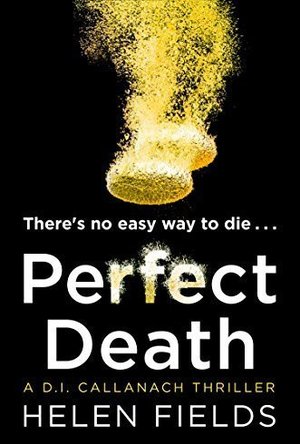
I have debated with myself over a rating for this, the third in the "DI Luc Callanach" series of Edinburgh police procedurals. While the overall story is definitely a 4 star, verging on 5, certain aspects of the dialogue in this one were a little jarring at times, and the plot hinged on a couple of very out of character decisions on the part of the murderer.
As with the previous two books, we join the story at the start of two independent investigations, which inevitably expand and take up the whole team's efforts (it's almost as if there was no crime in the city before these came along as no other cases seem to be mentioned or worked on!). We have the apparent death by misadventure of a young girl on the hills around Arthur's Seat, and the apparent suicide of former DCI Begbie.
Both cases are interesting and very different, the former being a more typical murder investigation, the latter being more focused on police corruption and the Glasgow gangland (I do enjoy the fact that any nasty gangsters in these Edinburgh-based stories have to be based in Glasgow, almost like they are sponsored by the Edinburgh tourist board, or someone with an anti-East Coast agenda).
While the murder investigation is decent, a number of clangers really spoiled it for me. We have a young man who appears to be poisoning people after having ingratiated themselves into their lives and the lives of their loved ones under different false names. However, as is so often the case in these stories, the killer is made too clever to be caught (at least too clever to be caught in under 300 pages!), and so the slightest mistake or piece of luck is what the investigation hinges on. Here it transpires that, while the killer has used false names in every interaction, in one of them he seems to have for some reason used the name of someone who leads the police directly to his backstory and hence uncovering his real identity. This piece of Batman vs Superman ("Your Mom was called Martha?!") level plot pivot was just so jarring and so out of character for this supposedly clever murderer. And yet without it there was pretty much no way of the murderer being found. For a secret poisoner to then start waving a gun around was also a bit hard to accept.
And also, all characters seem to be very well spoken. We have a young man who grew up in care homes from the age of 5, a Glasgow gangster and his henchmen and numerous bad sorts along the way and all are very well spoken, to the point that none of them have a voice and are just ... there. And, of course everyone refers to the police in the same way as the police refer to themselves - I cannot imagine anyone referring to a policeman as "DI something" or ""your DCI said this". It just totally jars and again comes across as the author simply inserting their voice into the mouths of characters that they could not be bothered to properly consider.
This brings me on to the dialogue gripe. I have always struggled to accept the formality in the way fictional detectives speak to members of the public. I get that interviews etc have to be carried out in a certain way, but at one point DCI Turner is speaking to a 17 year old boy about the death of his mother and she says "I cannot leave someone who might be a danger to themselves without establishing first-hand contact". This just struck me as the author inserting a piece of research into dialogue rather than considering how that point would be addressed in a human conversation. Similarly, at one point a DC refers to one of the victims as "she" and Callanach snapped at her "We use victims' names not pronouns", which just struck me as an odd thing to say, and at several times throughout the book he himself refers to victims with pronouns.
And finally, while there was never a great deal of swearing in the first two books, it was believable swearing. Here we have the occasional use of "frigging" instead of the other "f" word, which I cannot think I have ever heard a Scottish person say, unless singing along to the Sex Pistols sea shanty.
Overall, I give this book 4 stars for the plot, 3 stars for the writing, then averaged out and rounded down for the annoying little things.
A definite step down from the second book, and a more slapdash feel to it.
As with the previous two books, we join the story at the start of two independent investigations, which inevitably expand and take up the whole team's efforts (it's almost as if there was no crime in the city before these came along as no other cases seem to be mentioned or worked on!). We have the apparent death by misadventure of a young girl on the hills around Arthur's Seat, and the apparent suicide of former DCI Begbie.
Both cases are interesting and very different, the former being a more typical murder investigation, the latter being more focused on police corruption and the Glasgow gangland (I do enjoy the fact that any nasty gangsters in these Edinburgh-based stories have to be based in Glasgow, almost like they are sponsored by the Edinburgh tourist board, or someone with an anti-East Coast agenda).
While the murder investigation is decent, a number of clangers really spoiled it for me. We have a young man who appears to be poisoning people after having ingratiated themselves into their lives and the lives of their loved ones under different false names. However, as is so often the case in these stories, the killer is made too clever to be caught (at least too clever to be caught in under 300 pages!), and so the slightest mistake or piece of luck is what the investigation hinges on. Here it transpires that, while the killer has used false names in every interaction, in one of them he seems to have for some reason used the name of someone who leads the police directly to his backstory and hence uncovering his real identity. This piece of Batman vs Superman ("Your Mom was called Martha?!") level plot pivot was just so jarring and so out of character for this supposedly clever murderer. And yet without it there was pretty much no way of the murderer being found. For a secret poisoner to then start waving a gun around was also a bit hard to accept.
And also, all characters seem to be very well spoken. We have a young man who grew up in care homes from the age of 5, a Glasgow gangster and his henchmen and numerous bad sorts along the way and all are very well spoken, to the point that none of them have a voice and are just ... there. And, of course everyone refers to the police in the same way as the police refer to themselves - I cannot imagine anyone referring to a policeman as "DI something" or ""your DCI said this". It just totally jars and again comes across as the author simply inserting their voice into the mouths of characters that they could not be bothered to properly consider.
This brings me on to the dialogue gripe. I have always struggled to accept the formality in the way fictional detectives speak to members of the public. I get that interviews etc have to be carried out in a certain way, but at one point DCI Turner is speaking to a 17 year old boy about the death of his mother and she says "I cannot leave someone who might be a danger to themselves without establishing first-hand contact". This just struck me as the author inserting a piece of research into dialogue rather than considering how that point would be addressed in a human conversation. Similarly, at one point a DC refers to one of the victims as "she" and Callanach snapped at her "We use victims' names not pronouns", which just struck me as an odd thing to say, and at several times throughout the book he himself refers to victims with pronouns.
And finally, while there was never a great deal of swearing in the first two books, it was believable swearing. Here we have the occasional use of "frigging" instead of the other "f" word, which I cannot think I have ever heard a Scottish person say, unless singing along to the Sex Pistols sea shanty.
Overall, I give this book 4 stars for the plot, 3 stars for the writing, then averaged out and rounded down for the annoying little things.
A definite step down from the second book, and a more slapdash feel to it.